9 places to visit Paranaguá (PR), chosen by the Cidade Turismo guide.
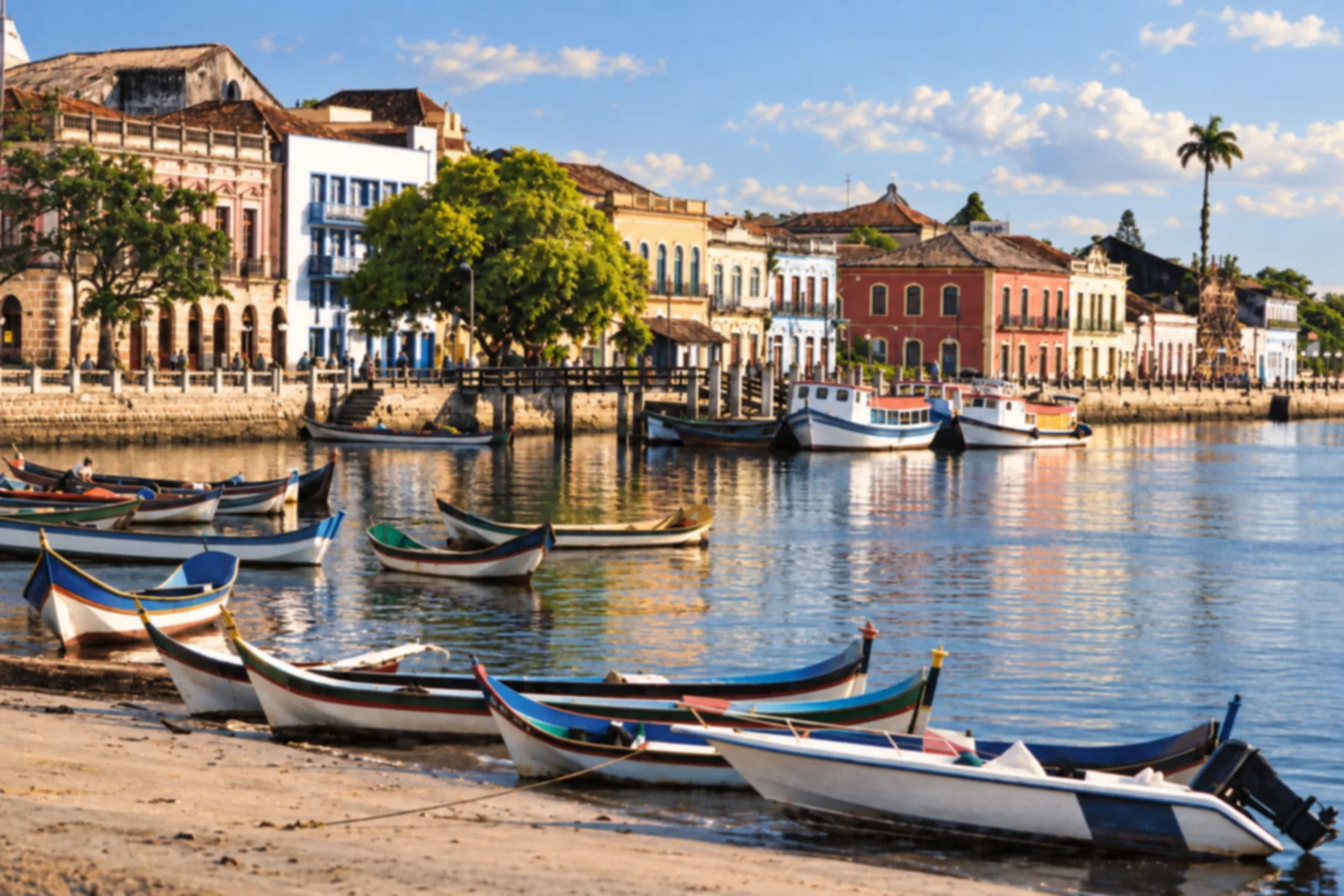
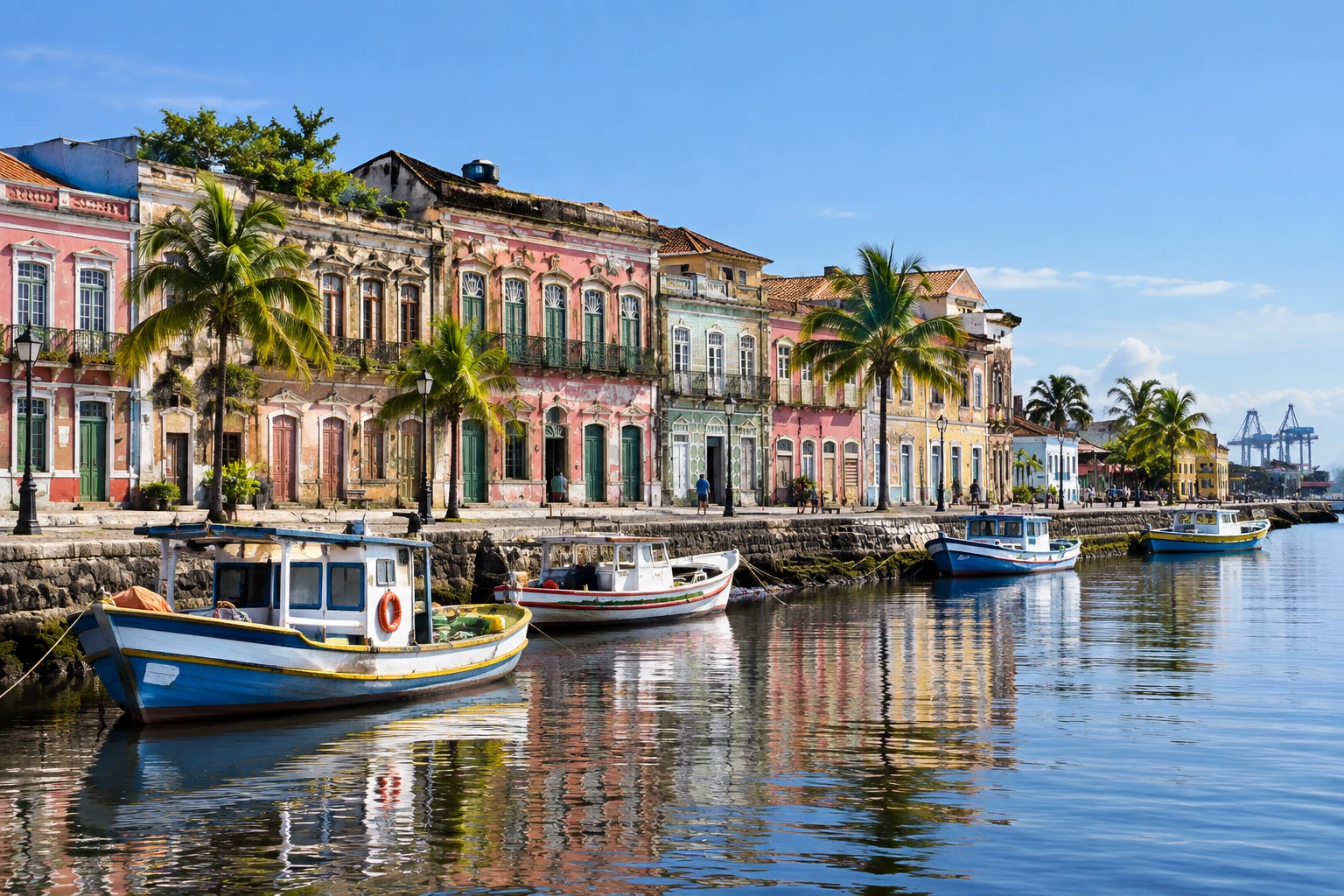
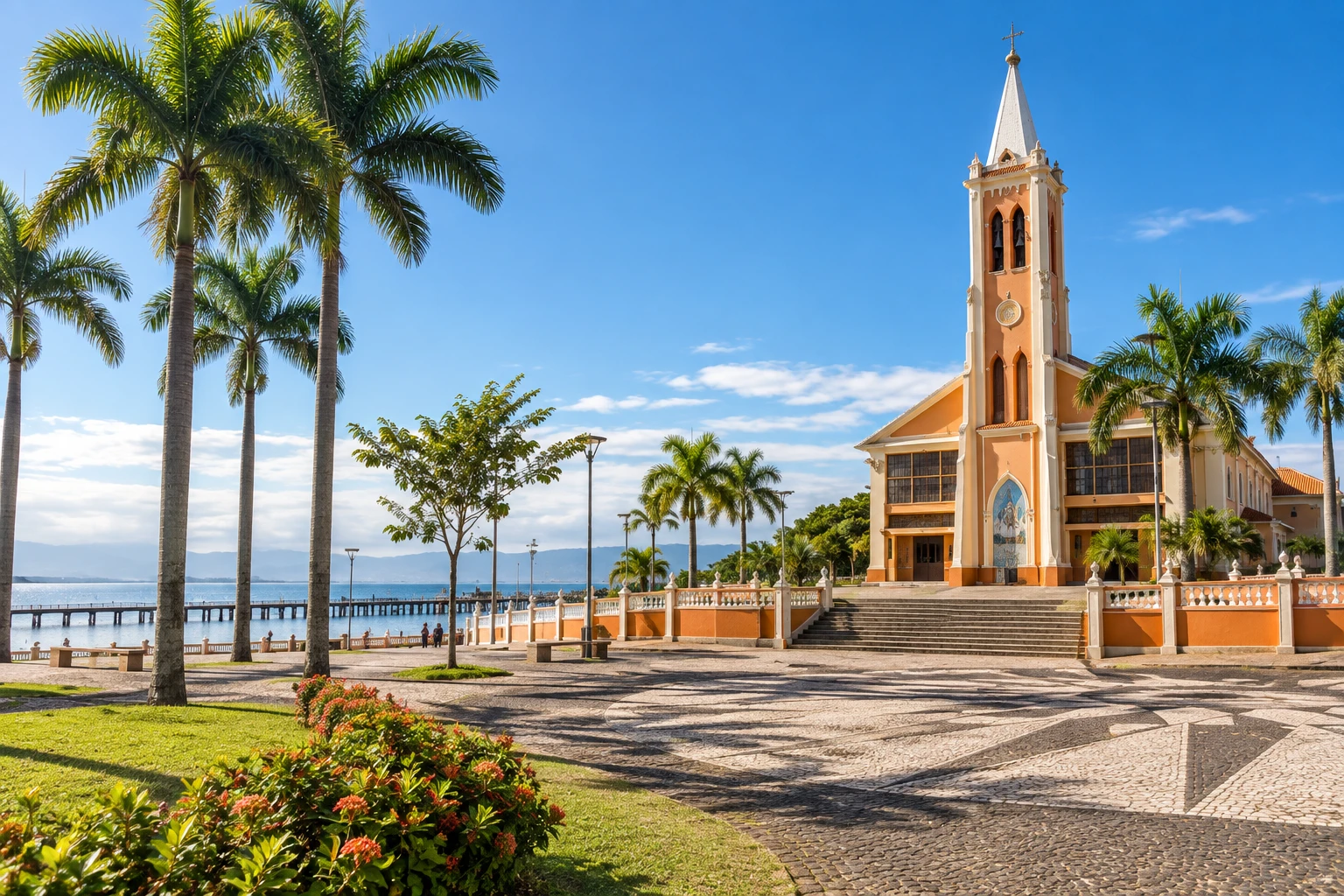
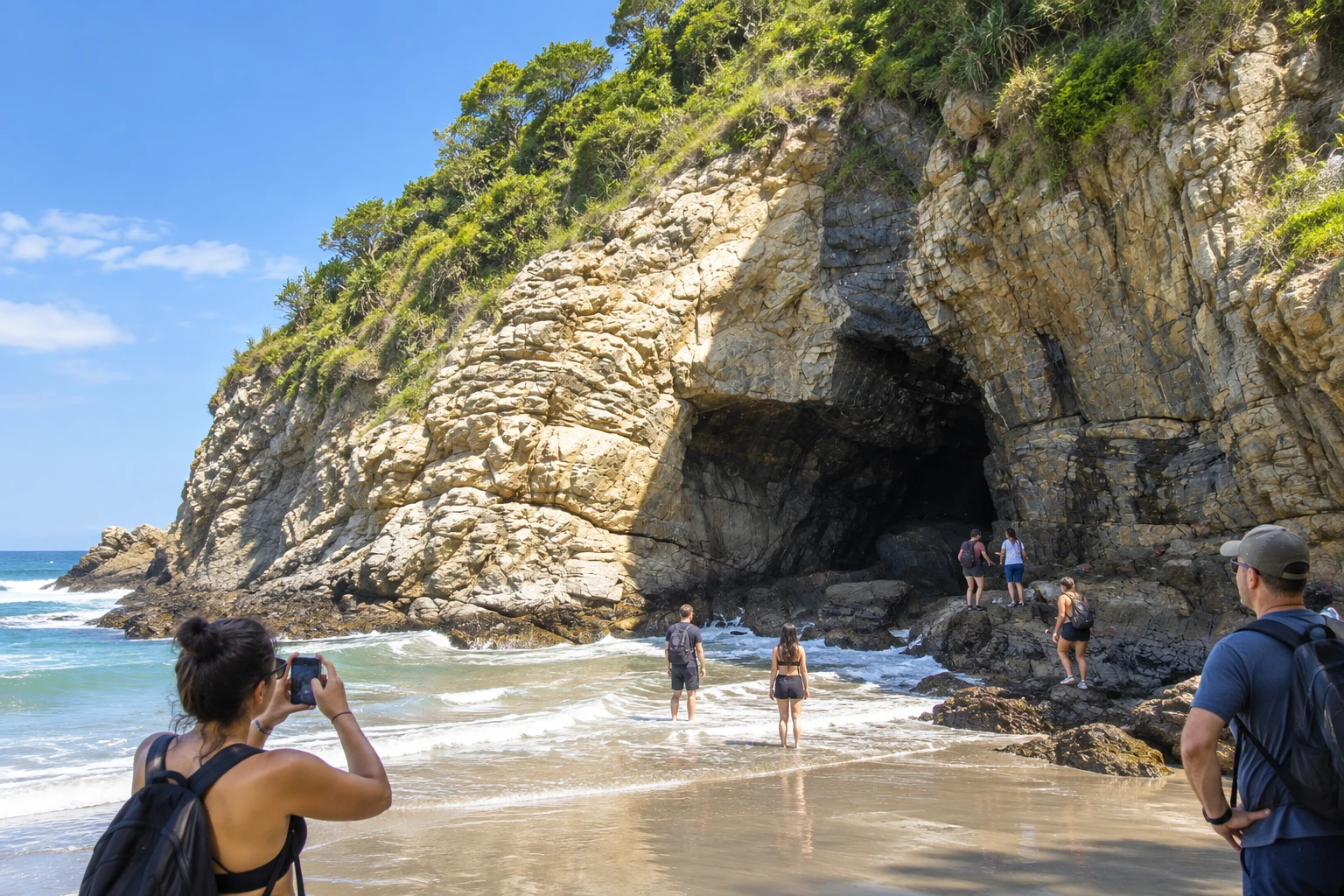
Illustrative images. The pictures in this guide are illustrations based on the real place, not photographs, and may differ from it.
To start
The 9 main places Paranaguá
Centro Histórico de ParanaguáListed by Iphan in 2009, it was the first historic center in Paraná recognized as national heritage and is the oldest part of the city.
Santuário de Nossa Senhora do RocioDedicated to the patron saint of Paraná, it holds the statue that, according to tradition, was found by fishermen in the waters of the bay.
Gruta das EncantadasA cavity carved by sea erosion in a vein of diabase, a dark rock less resistant than the surrounding migmatite, in Morro da Gruta, in the south of Ilha do Mel.
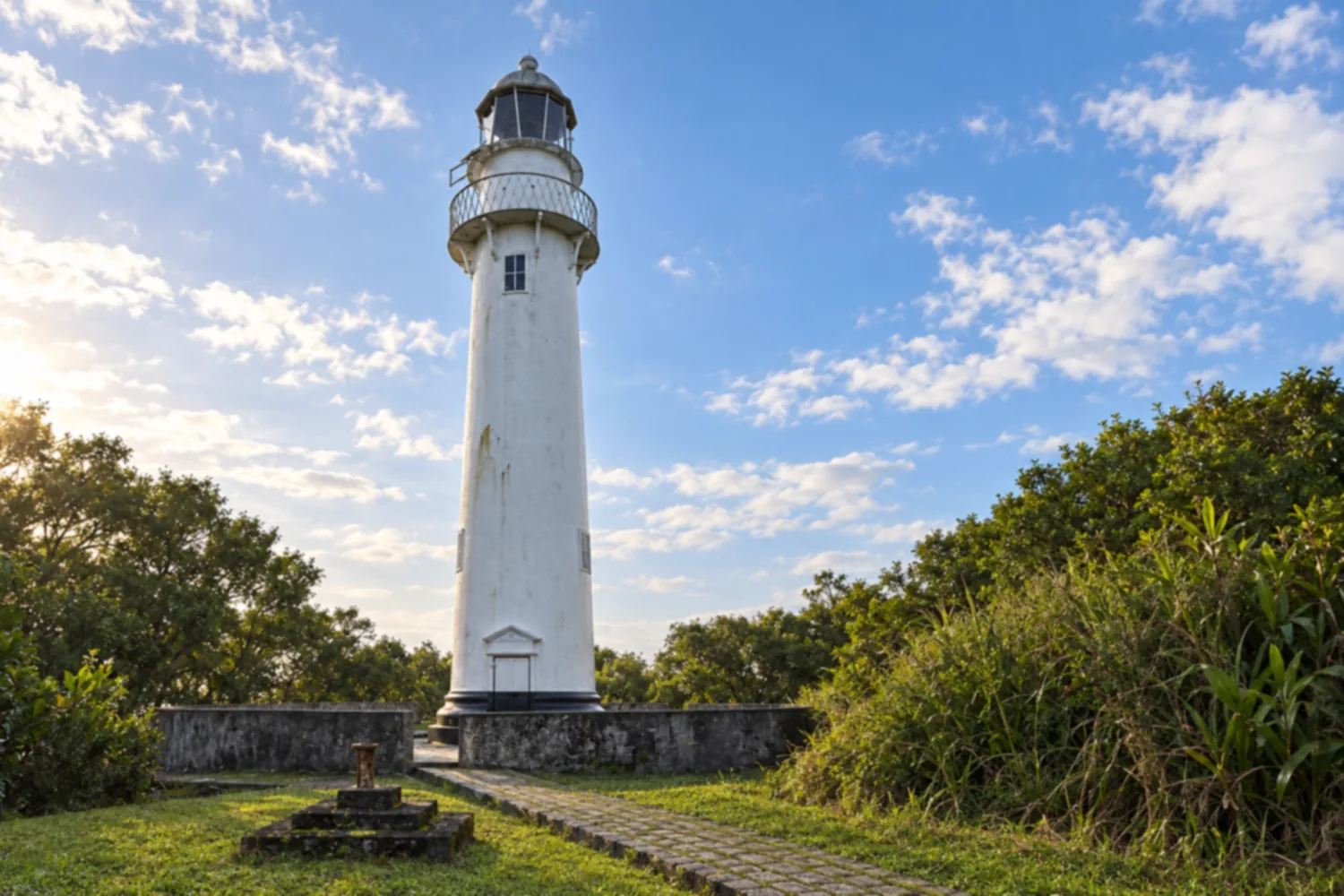
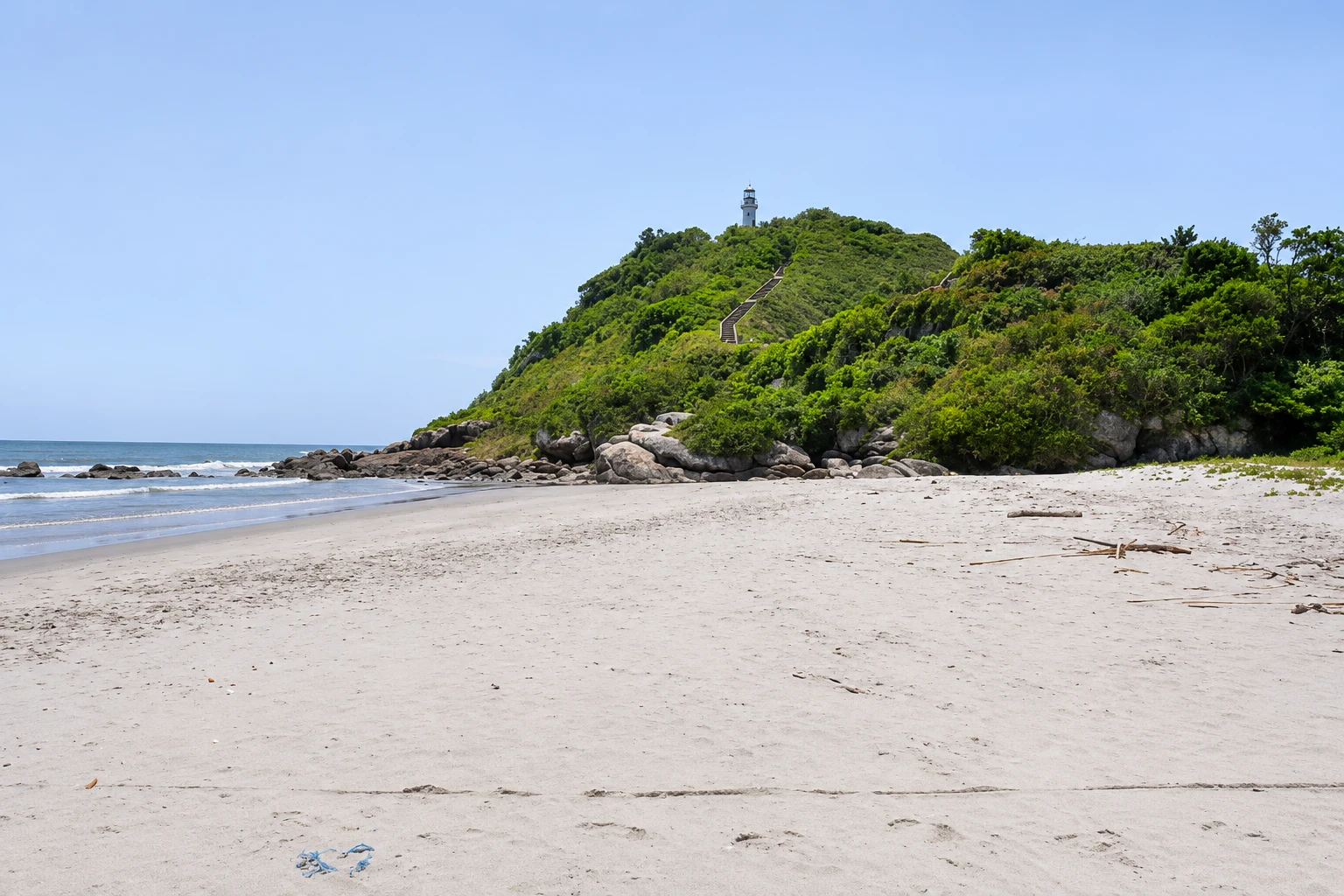
Farol das ConchasA historic lighthouse on Ilha do Mel, reached by a trail and a stairway up to its base, with free admission.
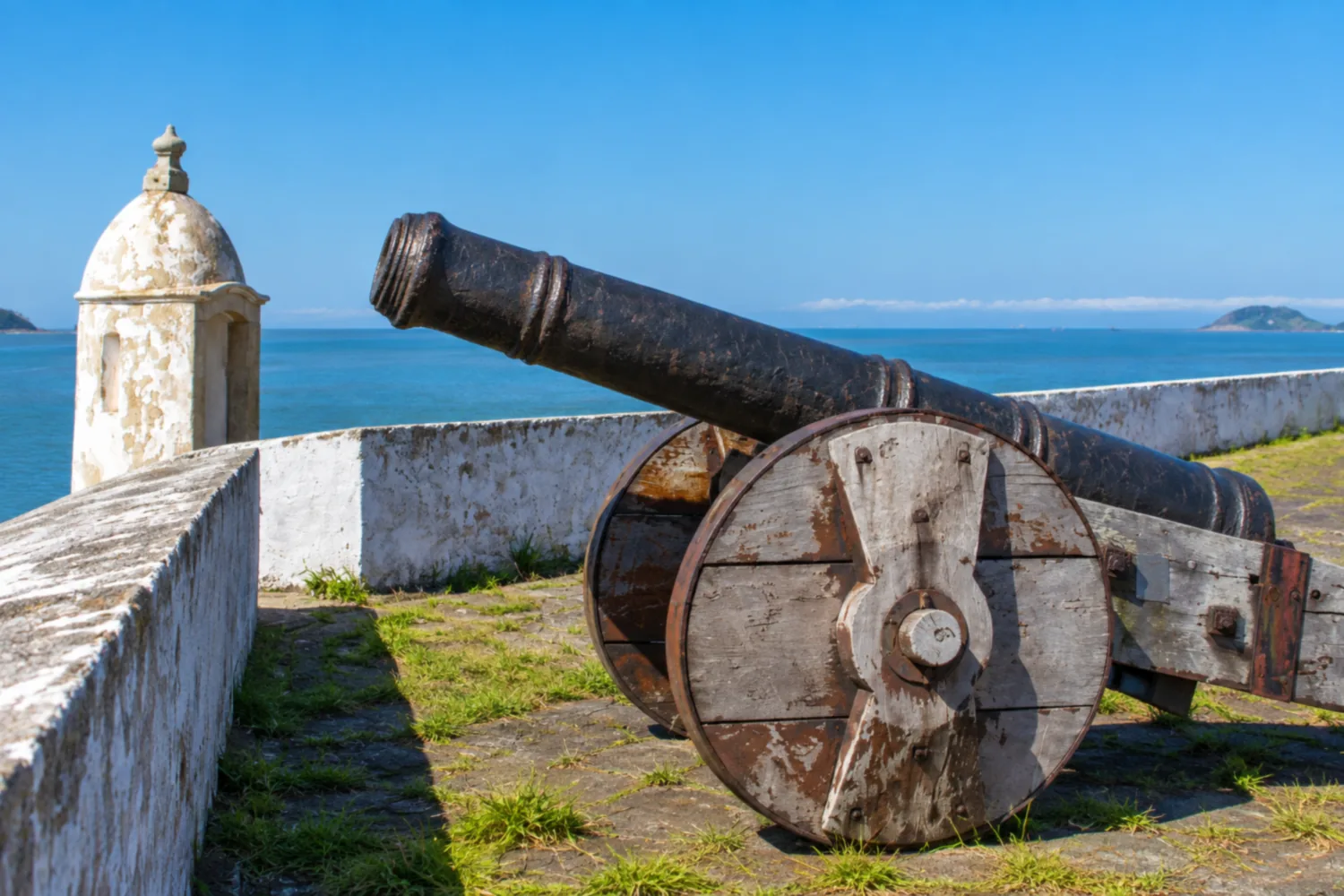
Fortaleza de Nossa Senhora dos PrazeresAn 18th-century fort built on Ilha do Mel to defend the Baía de Paranaguá, today the most visited spot on the island.
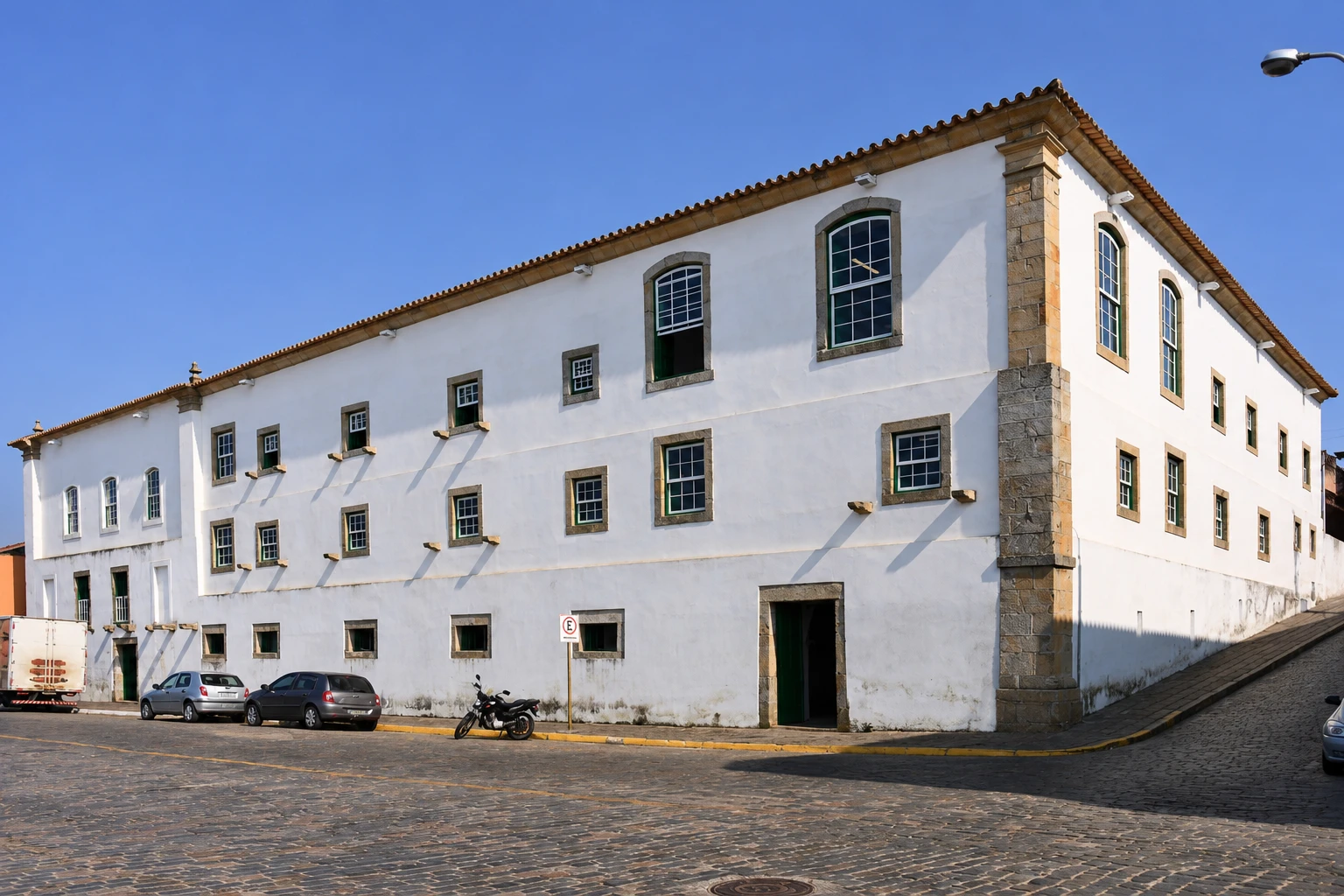
Museum of Archaeology and Ethnology - UFPRThe Museum of the Federal University of Paraná is housed in the former Jesuit College, an 18th-century building on the bayfront in Paranaguá’s historic center, with exhibitions...
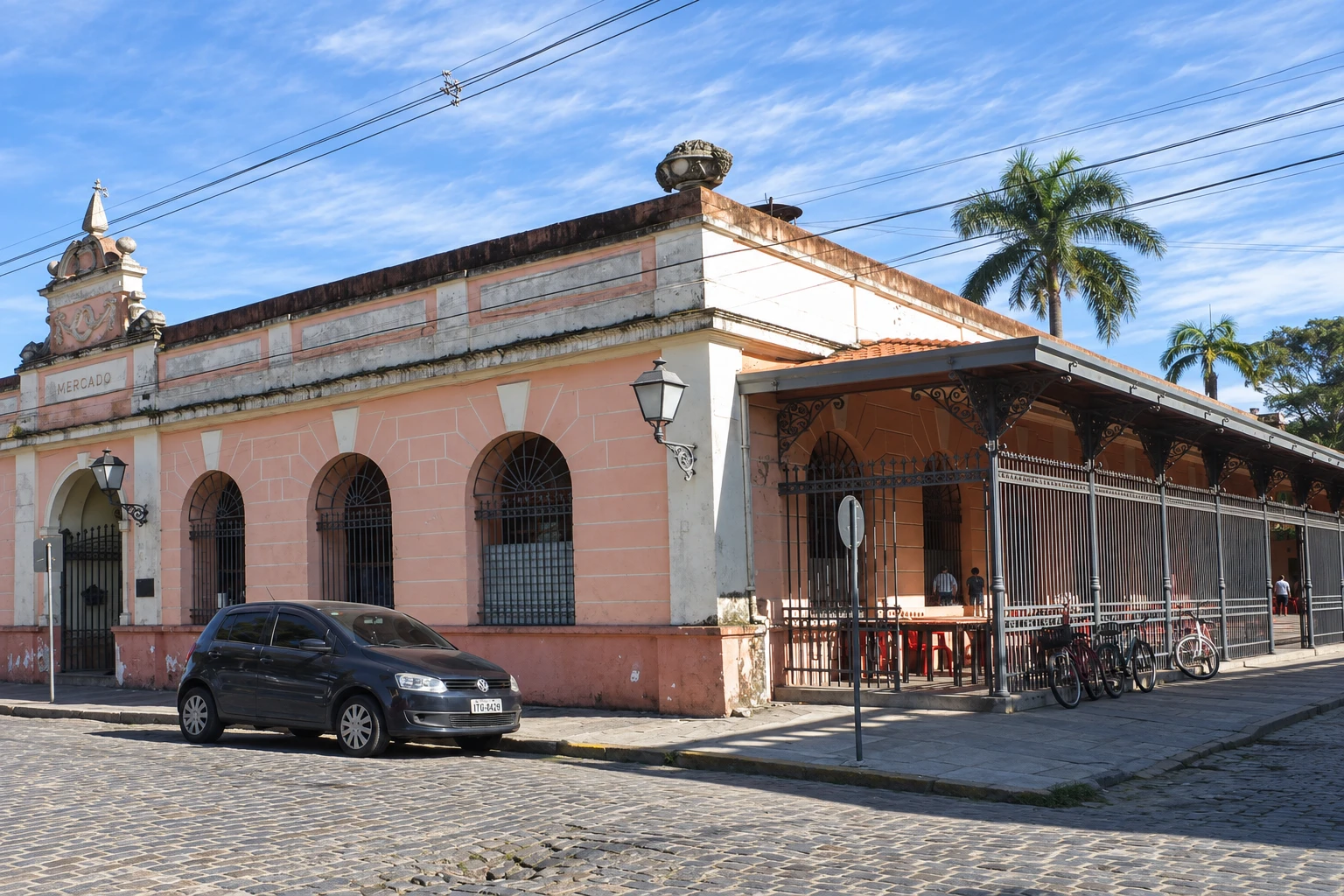
Municipal Coffee MarketOld market building on Rua da Praia, by the Itiberê River, in Paranaguá’s historic center.
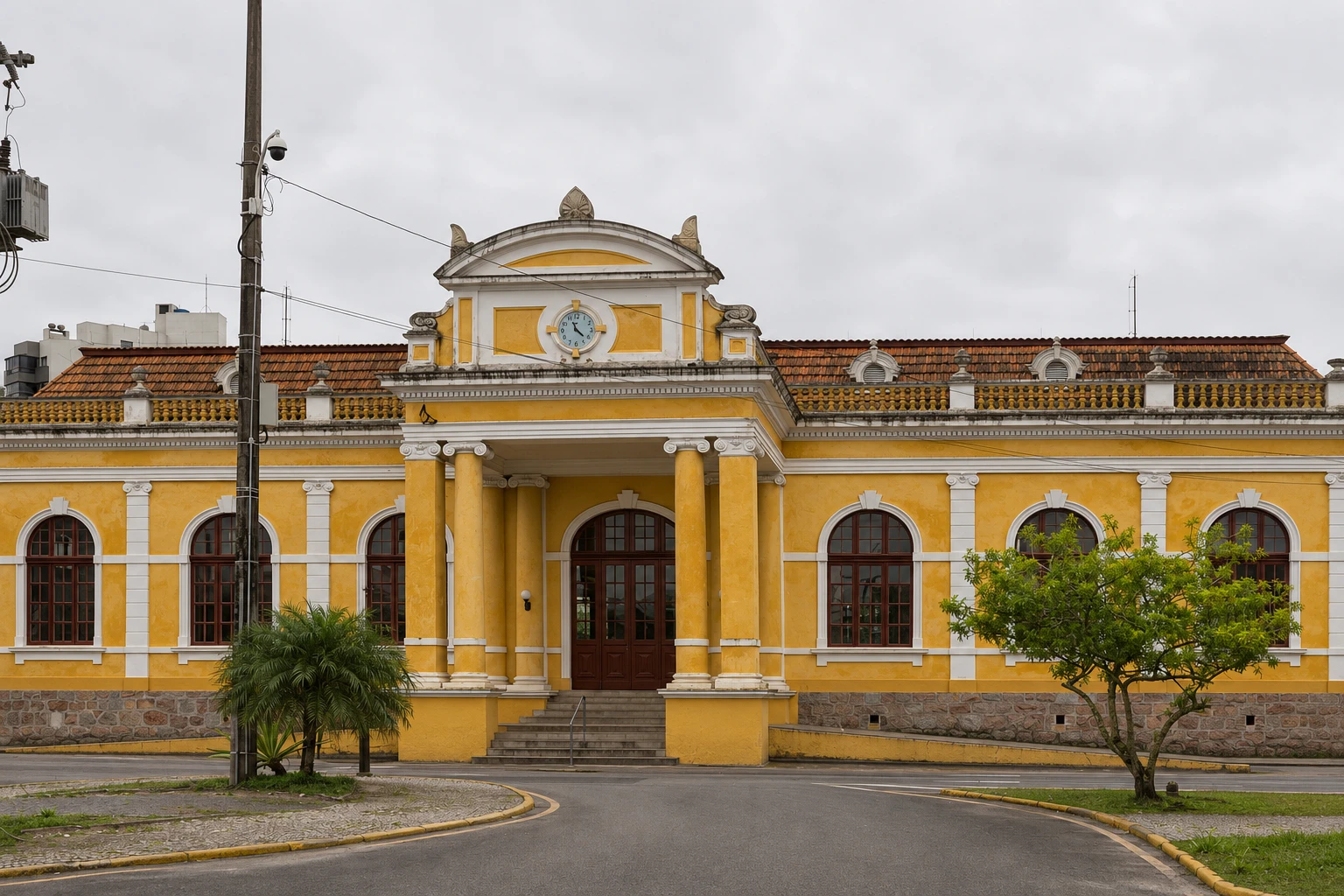
Paranaguá Railway StationHistoric station building where the Paranaguá–Curitiba railway begins, opened in 1885.
Farol Beach (Honey Island)Praia da Ilha do Mel at the foot of Morro do Farol das Conchas, a few minutes’ walk from the Nova Brasília pier.
Listed by Iphan in 2009, it was the first historic center in Paraná recognized as national heritage and is the oldest part of the city. It includes Rua da Praia, the old Colégio dos Jesuítas and the Rosário and São Benedito churches.
Dedicated to the patron saint of Paraná, it holds the statue that, according to tradition, was found by fishermen in the waters of the bay. In November, the Festa do Rocio draws pilgrimages from many parts of Brazil to the Praça da Fé, next to the church.
A cavity carved by sea erosion in a vein of diabase, a dark rock less resistant than the surrounding migmatite, in Morro da Gruta, in the south of Ilha do Mel. A wooden boardwalk leads to the entrance, and the name comes from the legend of mermaids said to live there.
A historic lighthouse on Ilha do Mel, reached by a trail and a stairway up to its base, with free admission. From the top you get the best view of the island and the bay.
An 18th-century fort built on Ilha do Mel to defend the Baía de Paranaguá, today the most visited spot on the island. It sits by the island's longest beach, with about 4 km of sand.
The Museum of the Federal University of Paraná is housed in the former Jesuit College, an 18th-century building on the bayfront in Paranaguá’s historic center, with exhibitions of archaeology, indigenous ethnology and popular culture.
Old market building on Rua da Praia, by the Itiberê River, in Paranaguá’s historic center. It has coffee stalls and counters with savory snacks and caiçara treats, plus coastal dishes such as barreado and seafood.
Historic station building where the Paranaguá–Curitiba railway begins, opened in 1885. Listed by Paraná’s heritage authority, it was restored with the roof rebuilt and the facade arches reopened.
Praia da Ilha do Mel at the foot of Morro do Farol das Conchas, a few minutes’ walk from the Nova Brasília pier. A wide sand strip with waves that attract surfers and a view toward the entrance of Paranaguá Bay.


 Antarctica
 Argentina
 Bolivia
 Chile
 Colombia
 Ecuador
 Falkland Islands (Malvinas)
 French Guiana
 Guyana
 Paraguay
 Peru
 Suriname
 Uruguay
 Venezuela
 Albania
 Austria
 Belgium
 Croatia
 Denmark
 Finland
 France
 Germany
 Greece
 Hungary
 Iceland
 Ireland
 Italy
 Luxembourg
 Norway
 Poland
 Portugal
 Slovakia
 Slovenia
 Spain
 Sweden
 Switzerland
 the Czech Republic
 the Netherlands
 the United Kingdom
 Turkey
 Bermuda
 Canada
 Greenland
 Mexico
 Saint Pierre and Miquelon
 the United States
 the Dominican Republic
 Japan
 Egypt
 South Africa
 Australia
 Fiji
 New Zealand
 Papua New Guinea