Historic center on foot: Rua da Praia, museum, markets and Cathedral
From Praça 29 de Julho, in the historic center on foot 3 to 4 hours, including the museum visit morning easy
Paranaguá’s historic center was the first in Paraná to be listed as national heritage. It corresponds to the oldest core of the city, facing the Itiberê River, and is explored on foot, among everyday shops and historic townhouses.
Start at Praça 29 de Julho, the date of the city’s founding. There you’ll find the fountain that commemorates the arrival of piped water, an obelisk, and the Municipal Handicraft Market, in a 1914 building that used to be the fish market; many of the items for sale come from fishing communities on the islands. The fresh fish market is a few steps away.
Next to it is the Archaeology and Ethnology Museum of the Federal University of Paraná, housed in the former Jesuit college, an 18th-century building by the river. The collection includes archaeology, indigenous ethnology and popular culture, and the building itself is worth a visit.
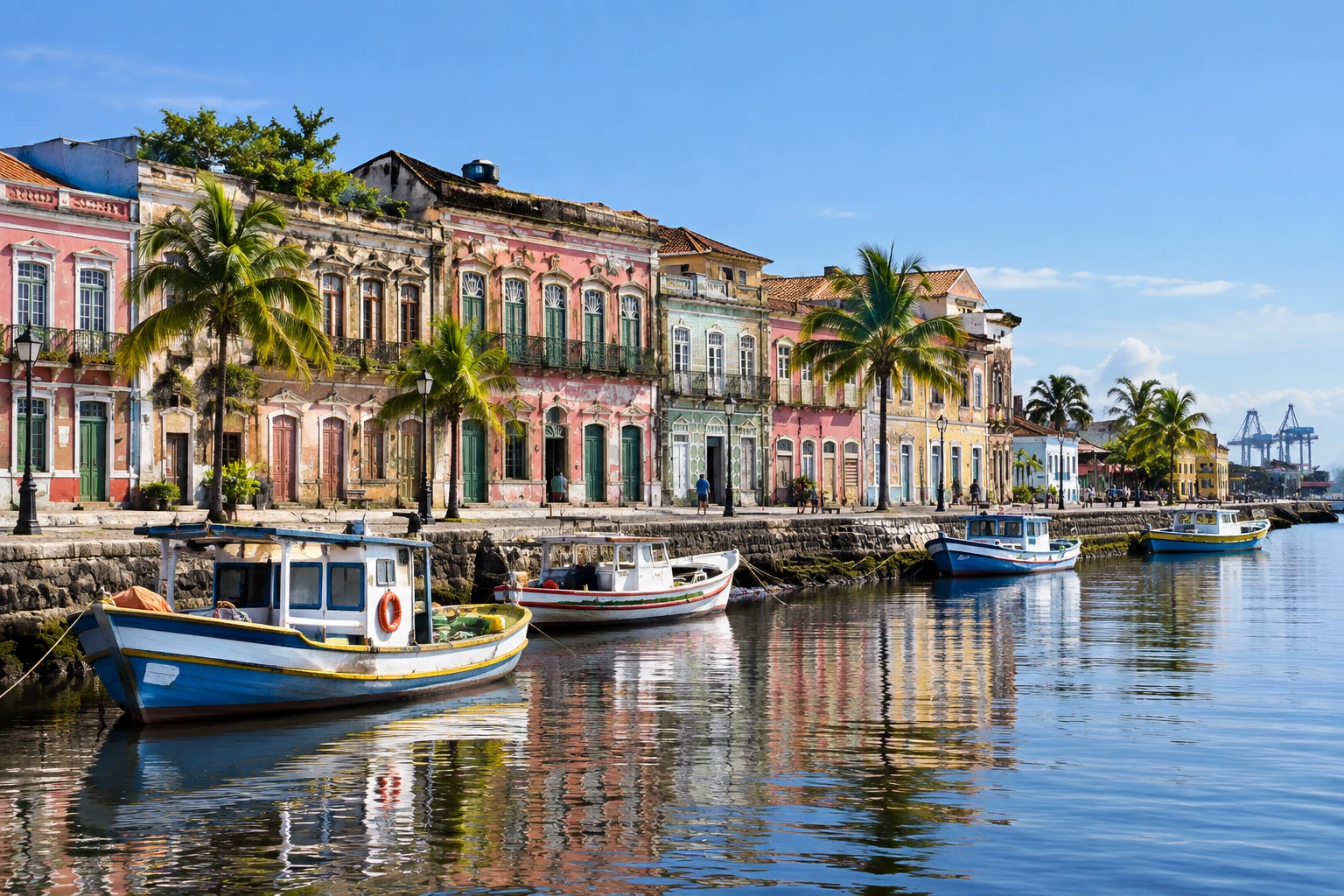
Follow Rua da Praia, the row of colorful two‑story houses facing the Itiberê, to the Municipal Coffee Market, from the mid-19th century, with restaurants and snack bars serving regional food. Behind it, in Praça Pires Pardinho, there is a replica of the pillory.
Cobblestone streets lead to the Cathedral of Our Lady of the Rosary, the city’s oldest church, begun in 1578 and heavily renovated since. In front are Casa Monsenhor Celso and Casa Brasílio Itiberê, now cultural centers. In the same stretch are the Church of the Third Order of Saint Francis of the Chagas, from the 18th century, and the Church of Saint Benedict, built by a brotherhood of Black residents that still maintains it today.
The Railway Station marks kilometer zero of the railroad that climbs the Serra do Mar to Curitiba.
Stops: Rua da Praia, Praça 29 de Julho, Archaeology and Ethnology Museum (UFPR), Municipal Handicraft Market, Municipal Coffee Market, Cathedral of Our Lady of the Rosary, Church of Saint Benedict, Church of the Third Order of Saint Francis of the Chagas, Railway Station.
Includes: Self-guided. Museum tickets, when charged, and meals are paid separately.
Tip: The museum is closed on Mondays: plan the center for Tuesday to Sunday. Have lunch at Mercado do Café or at the restaurants near the markets, then continue with the boat trip, which departs a few minutes on foot away.
Best time: Year-round. From June to August it rains less and the walk is cooler. Good for cloudy days.
Boat tour of Paranaguá Bay: Itiberê River, port and Bay of Dolphins
From Pier next to the Paranaguá Aquarium, in downtown sightseeing boat about 2 hours on the long itinerary; there are shorter versions morning or afternoon easy
Paranaguá is best understood from the water. Boarding is at the pier behind the aquarium, next to the passarela to Ilha dos Valadares, a few minutes’ walk from the historic center.
The boat goes down the Itiberê River, passes in front of Ilha da Cotinga, where a fishing community lives, and continues to the port terminals. From there you can see the ships up close.
In the longer version, about two hours, the route crosses Paranaguá Bay, passes Ilha das Cobras and enters the Bay of Dolphins. The bottlenose dolphins live throughout the bay, where they feed on fish, and they often swim near boats; seeing them depends on the day.
Departures are daily throughout the day, and the vessels are inspected by the Harbor Pilotage. Agencies in the center also sell private speedboats, with routes that include stops at Ilha do Mel, the Fortaleza de Nossa Senhora dos Prazeres or Ilha das Peças.
Stops: Itiberê River, Ilha da Cotinga, Paranaguá Port, Ilha das Cobras, Bay of Dolphins.
Includes: Boat tour with life jackets. Drinks and snacks are paid separately: check the current price list.
Tip: Buy the ticket at the kiosk by the pier or through agencies in town. Bring sunscreen and a light jacket for the bay wind. Ask in advance which route the boat will take at that time.
Best time: All year round, including cloudy days. From June to August it rains less; winds from cold fronts can alter departures.
Sanctuary of Nossa Senhora do Rocio
From Paranaguá historic center car, taxi or city bus 1 to 2 hours afternoon easy
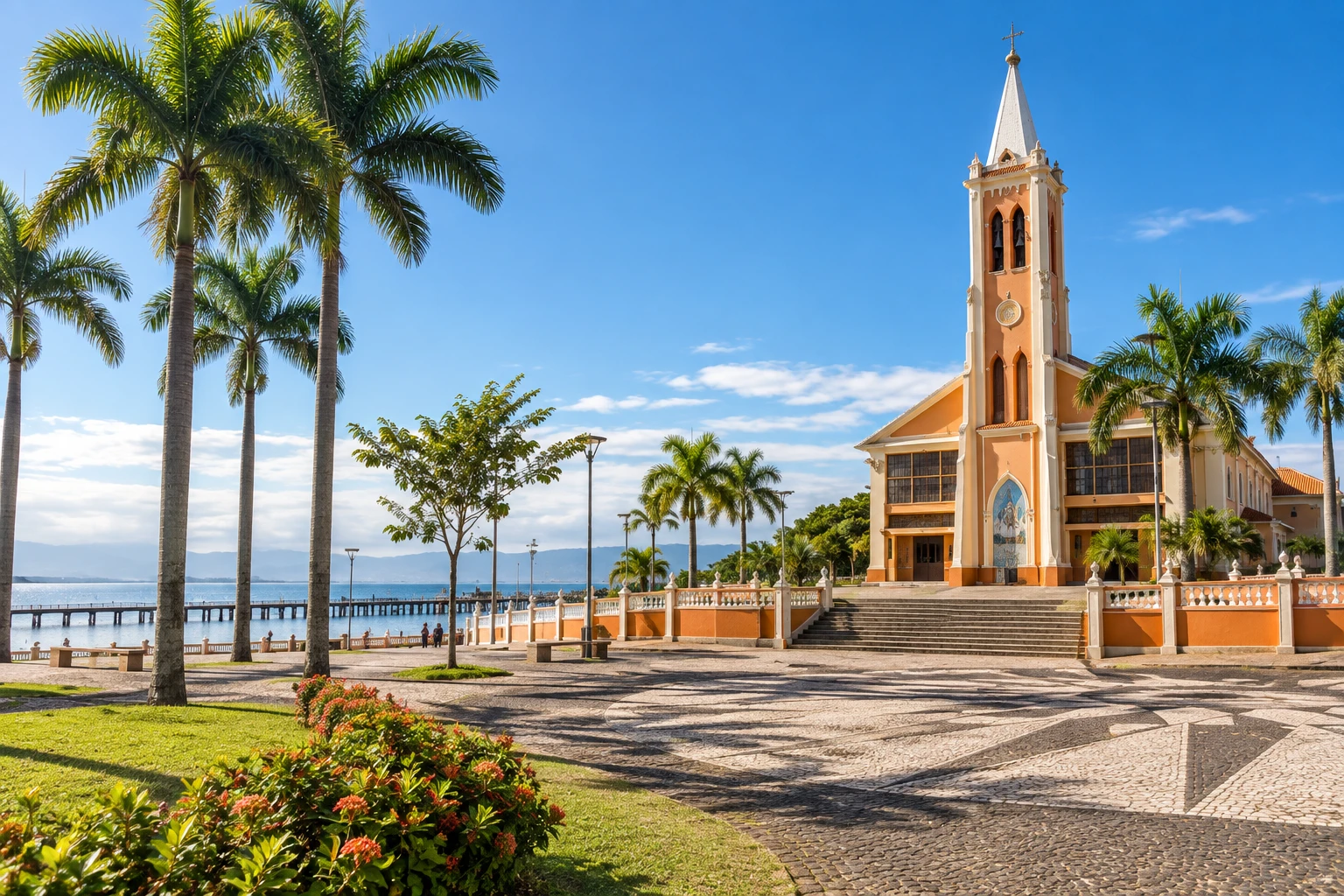
Nossa Senhora do Rocio is the patron saint of Paraná, and her sanctuary is in Paranaguá, on the bay shore, outside the historic center. The temple was built in the early 20th century on the site of an older chapel.
Inside is the image that, according to tradition, was found by fishermen in the bay waters. Next to the temple is Praça da Fé, where the patroness’ festival gathers pilgrimages from various parts of Brazil.
The main moment is in November, when the Festa de Nossa Senhora do Rocio takes place, one of Paraná’s most traditional religious celebrations. The program includes novenas, a maritime procession, a motorized procession and an open-air mass, and activity is strongest around the 15th. On those days the city usually reinforces bus lines to the sanctuary.
Stops: Sanctuary of Nossa Senhora do Rocio, Praça da Fé.
Includes: Visit to the sanctuary; no entrance fee.
Tip: Dress appropriately for a place of worship and avoid circulating during masses. At the November festival, prefer the bus: traffic around the sanctuary is heavy.
Best time: All year round. In November, during the festival, for those who want to see the processions; outside it, for a quiet visit.
Aquário de Paranaguá, markets and the Ilha dos Valadares boardwalk
From Aquário de Paranaguá, on the banks of the Itiberê River on foot 2 hours afternoon easy
This stretch of the riverside completes the historic-center walk and works well with children or on a rainy day.
The Aquário de Paranaguá occupies three floors and mainly displays animals from the Paraná coast, alongside some species from elsewhere, such as the bamboo shark and rays. The place also receives animals rescued by the environmental police and firefighters.
Next door is the new municipal market, with fruit stalls, regional products and handicrafts and, on the upper floors, restaurants and snack bars with views of part of the city.
The boardwalk that links the mainland to Ilha dos Valadares begins next to the market; Ilha dos Valadares is Paranaguá’s most populous neighborhood. Residents’ comings and goings are constant, and from the boardwalk you can see the river, the city and the historic center. On the other side there is neighborhood commerce and a fish market.
Paranaguá is land of fandango, a tapping-and-singing dance that arrived on the coast with Azorean settlers and is registered as Brazil’s cultural heritage. Performances take place during the city’s festivals and events throughout the year.
Stops: Aquário de Paranaguá, Mercado Municipal, Passarela da Ilha dos Valadares, Ilha dos Valadares.
Includes: Self-guided. Aquarium admission is paid separately: check the current rates.
Tip: Confirm the aquarium’s opening days before you go. The boardwalk offers good photos of the historic center at late afternoon.
Best time: Year-round. A good option for rainy or windy days in the bay.
Ilha do Mel in one day: Gruta das Encantadas and Farol das Conchas
From Paranaguá boarding terminal scheduled boat or water taxi; on foot on the island a full day, with about 1h30 by boat each way morning and afternoon moderate, due to walks on the sand
Ilha do Mel belongs to Paranaguá and is the municipality’s main beach destination. It sits at the mouth of the bay, and the crossing from the city takes about 1h30 on scheduled boats or authorized water taxis.
On the island there are no cars, motorcycles or carts: you get around on foot or by bicycle, on sand and trails. About 81% of the territory is an ecological station, where visits are allowed only with authorization and for educational purposes, and another 12% is a state park open to the public. Visitors circulate through the villages, beaches and marked trails.
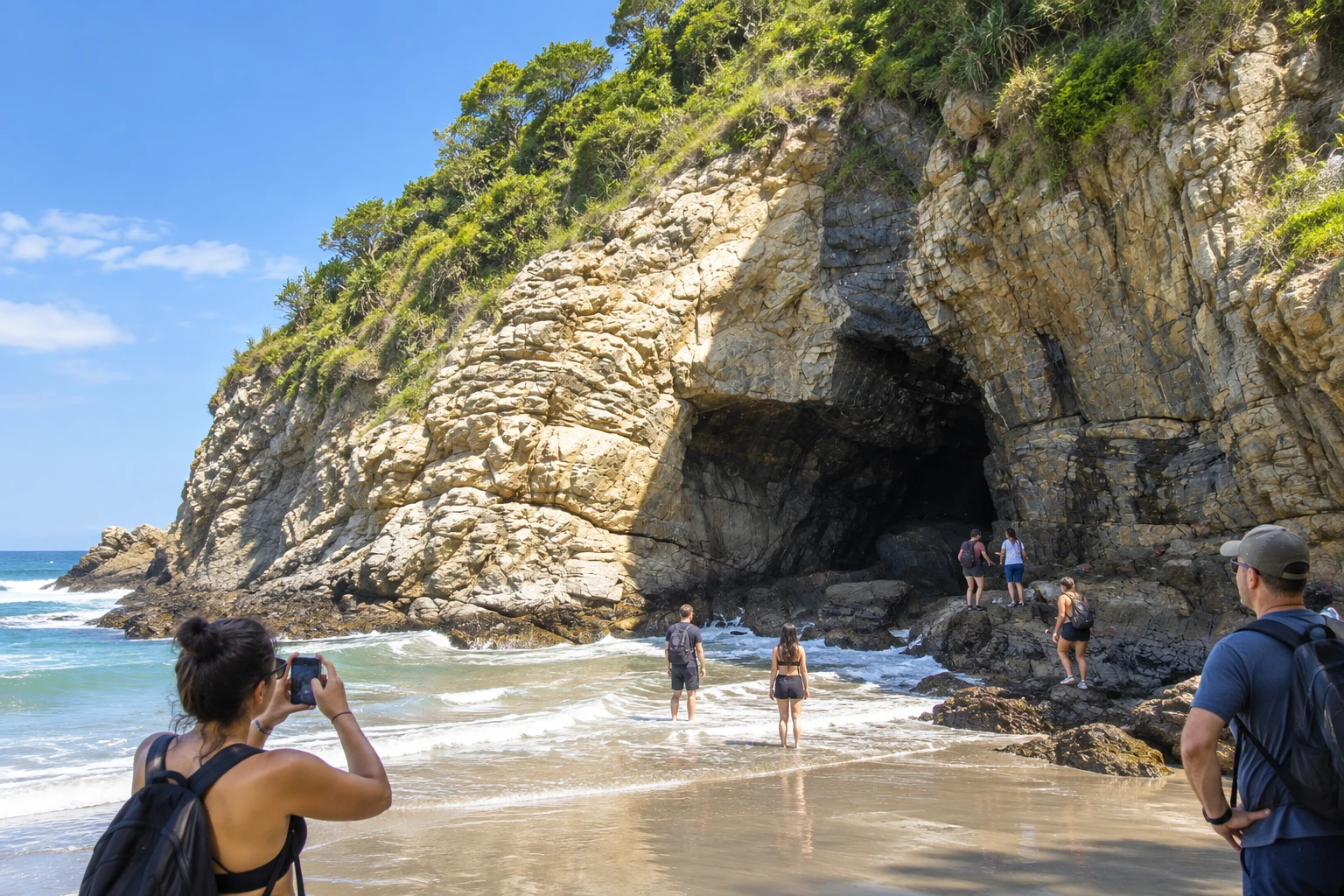
There are two disembarkation points. Encantadas, in the south, is the village closest to the Gruta das Encantadas: from the pier a trail of about 600 meters leads to Morro da Gruta, and a wooden walkway reaches the entrance of the fissure carved by the sea in the dark rock. The name comes from the legend of mermaids said to live there.
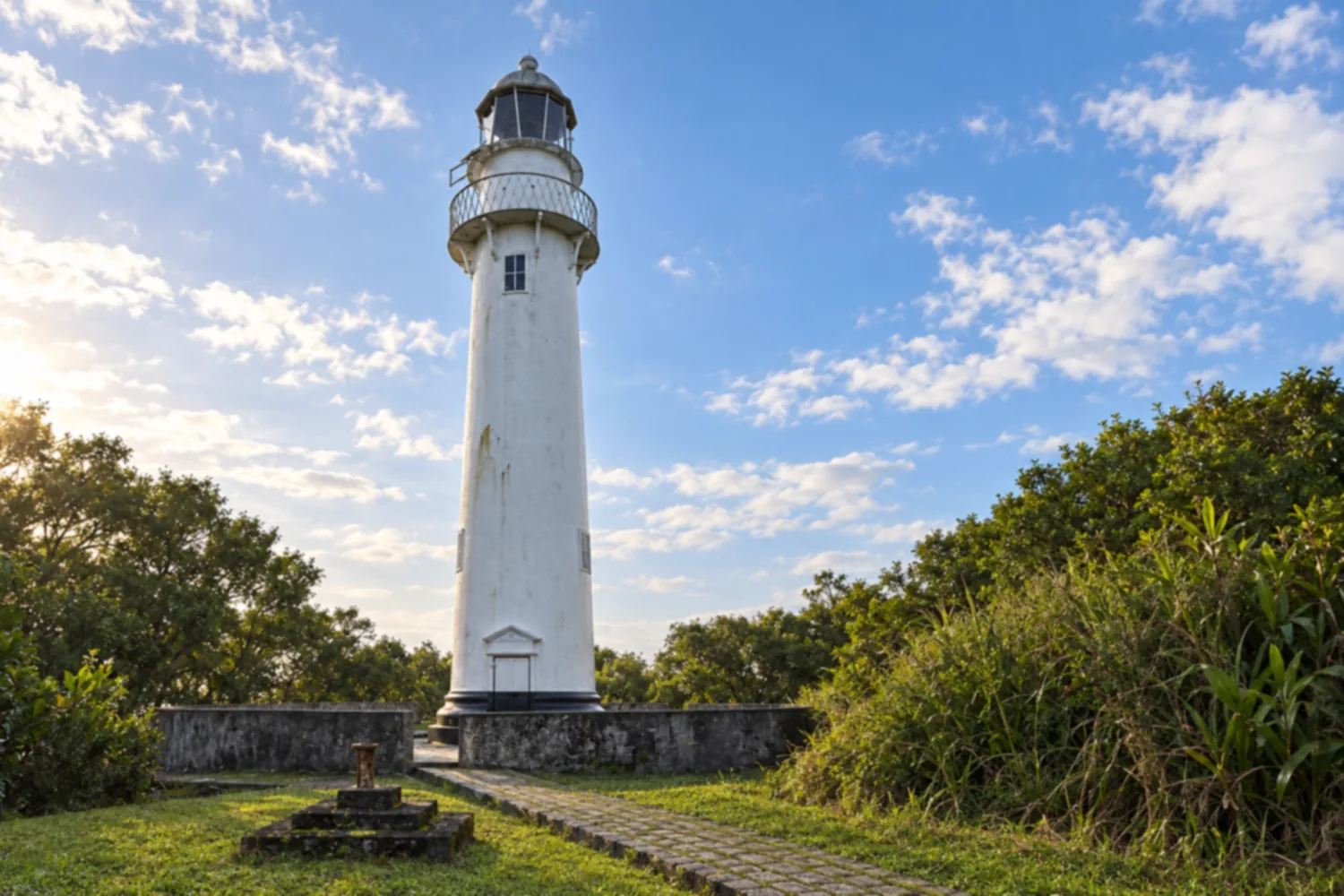
Nova Brasília, farther north, is the starting point for the Farol das Conchas, built in 1872 atop Morro das Conchas. The trail is about 1.6 km long and ends at a staircase of 150 steps. From the top there is a panoramic view of the island.
If you want to see both sides in one day you can walk from one village to the other, about 5 km across sand, forest and rocky shores, or pay for a boat transfer between Encantadas and Brasília. The rest of the day is for swimming in the sea.
Stops: Ilha do Mel, Encantadas, Gruta das Encantadas, Nova Brasília, Farol das Conchas, Morro das Conchas.
Includes: Round‑trip boat fare is paid separately, with different prices depending on the boarding terminal. The lighthouse does not charge an entrance fee. Check before you travel whether there is an admission fee on the island.
Tip: Confirm the departure time of the last return boat before you leave the pier. Check the tide table for the grotto. Bring water, sunscreen, insect repellent and closed shoes, and carry your trash back with you. On long holiday weekends, buy your ticket in advance.
Best time: All year. From December to March there are more boats, warm sea and many people; from June to August it rains less and the island is quieter.
Ilha do Mel: trail from Nova Brasília to the Fortaleza de Nossa Senhora dos Prazeres
From Nova Brasília pier, Ilha do Mel on foot, along the beach about 1 hour of walking each way morning moderate
On the northern side of Ilha do Mel is one of the municipality’s historic monuments. The Fortaleza de Nossa Senhora dos Prazeres was built in the 18th century to defend the entrance to Paranaguá Bay and is listed as national heritage.
The walk starts at the Nova Brasília pier. It’s about 4 km, mostly flat, along the seashore and Praia da Fortaleza, alternating between sand and sections of forest. The outbound walk takes around an hour, and the return follows the same route.
The fort faces the sea on Praia da Fortaleza, with preserved cannons and views over Paranaguá Bay.
If you still have the energy, from Brasília you can add the roughly 30-minute climb to Farol das Conchas.
The island’s trails are signposted and can be done independently or with local guides. Part of the route is along the beach: check the tide before you set out.
Stops: Nova Brasília, Praia da Fortaleza, Fortaleza de Nossa Senhora dos Prazeres, Farol das Conchas.
Includes: Hike on your own or with a local guide, paid separately. The boat crossing to the island is not included.
Tip: Check the tide table before you leave. Bring water, sunscreen, insect repellent and closed shoes. Leave early so you return to the pier with time to spare before the last boat.
Best time: All year; avoid heavy rain and rough seas. From June to August the heat is lower for walking.


 Antarctica
 Argentina
 Bolivia
 Chile
 Colombia
 Ecuador
 Falkland Islands (Malvinas)
 French Guiana
 Guyana
 Paraguay
 Peru
 Suriname
 Uruguay
 Venezuela
 Austria
 Belgium
 Croatia
 Denmark
 Finland
 France
 Germany
 Greece
 Hungary
 Iceland
 Ireland
 Italy
 Luxembourg
 Norway
 Poland
 Portugal
 Slovakia
 Slovenia
 Spain
 Sweden
 Switzerland
 the Czech Republic
 the Netherlands
 the United Kingdom
 Turkey
 Bermuda
 Canada
 Greenland
 Mexico
 Saint Pierre and Miquelon
 the United States
 the Dominican Republic
 Japan
 Egypt
 South Africa
 Australia
 Fiji
 New Zealand
 Papua New Guinea