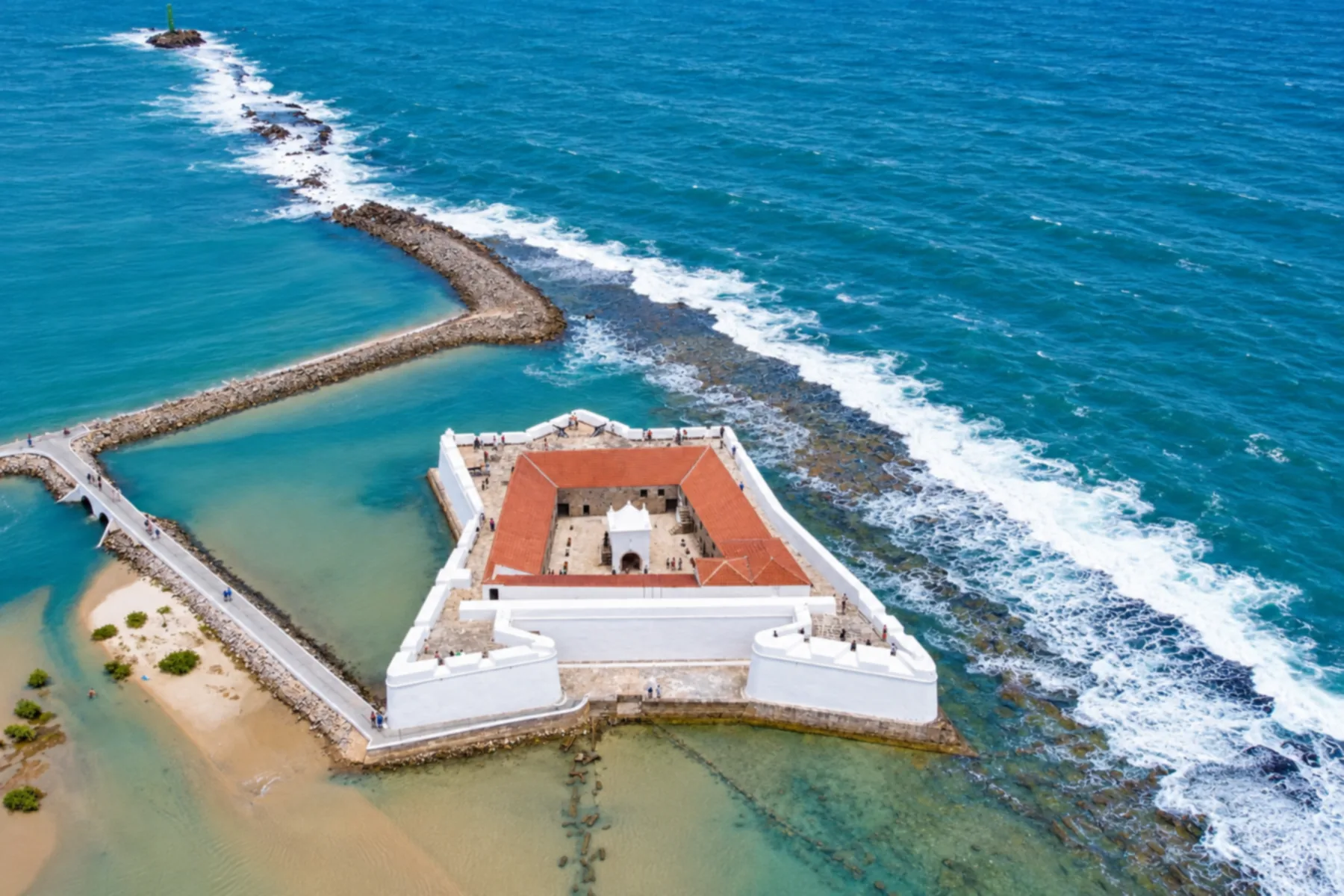
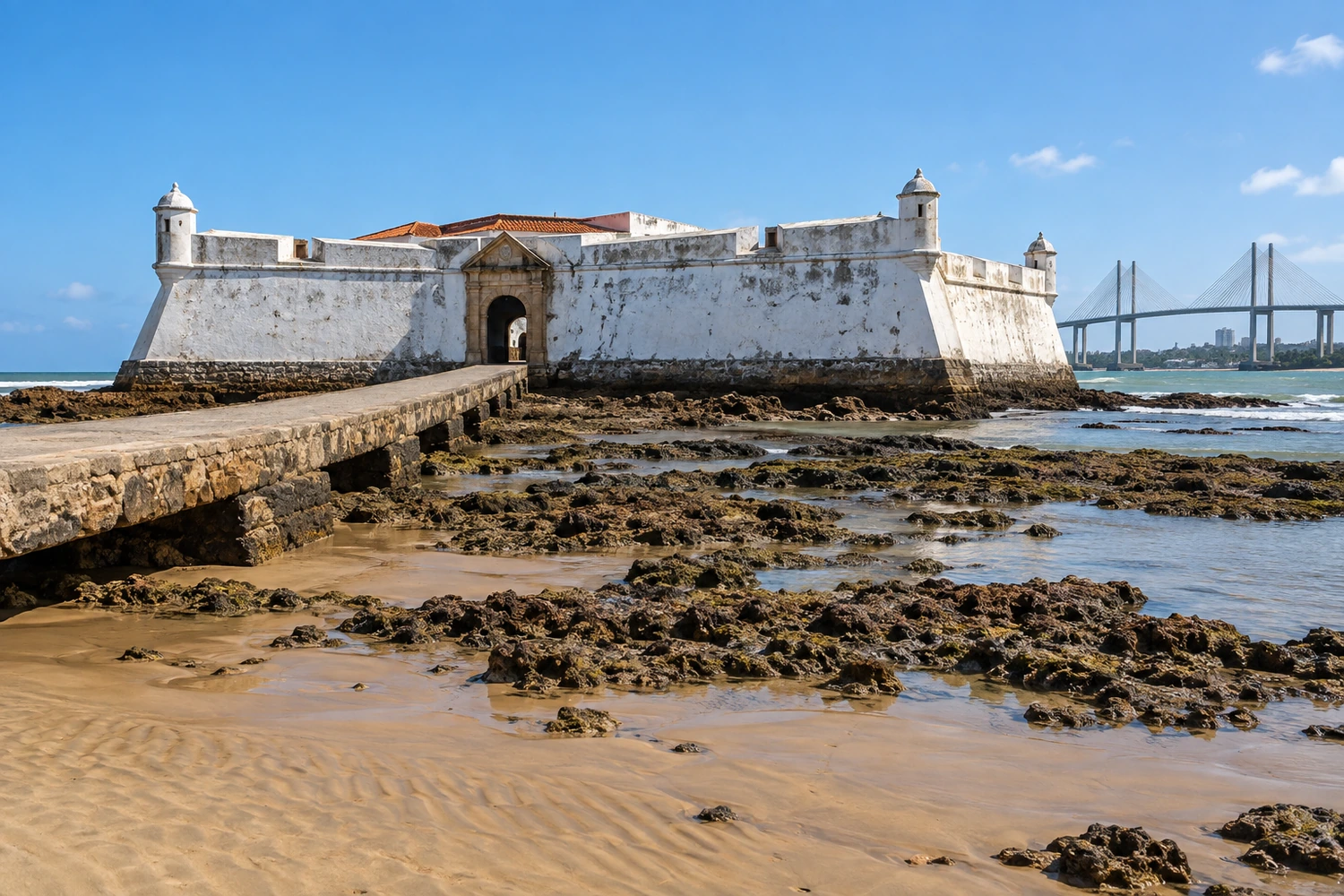
Forte dos Reis MagosA fortress built around 1600 at the mouth of the Potengi River, named Forte dos Reis Magos because construction began on Epiphany.
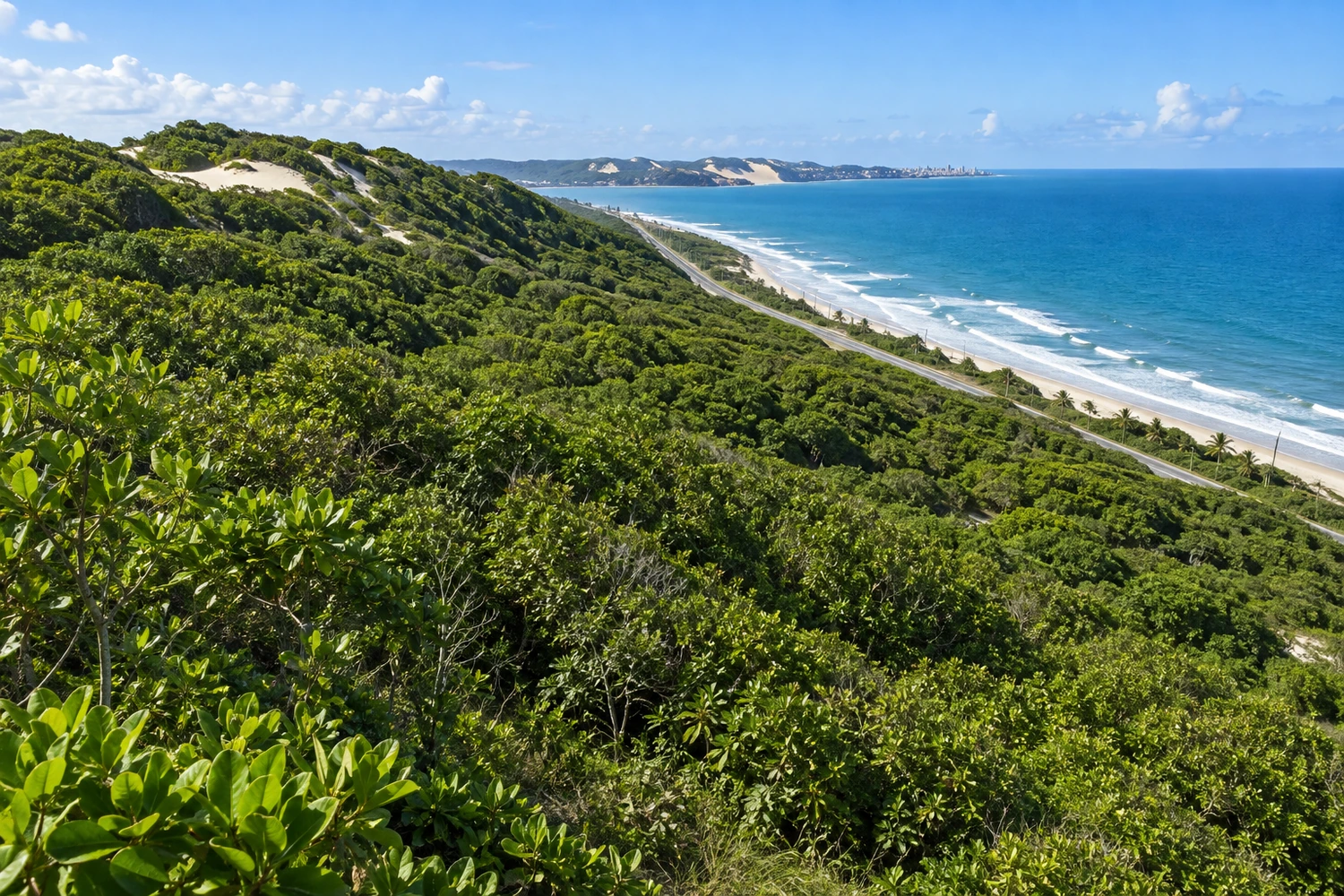
Parque das DunasCreated in 1977, Parque Estadual Dunas de Natal protects 1,172 hectares of dunes covered in Atlantic Forest right in the middle of the city.
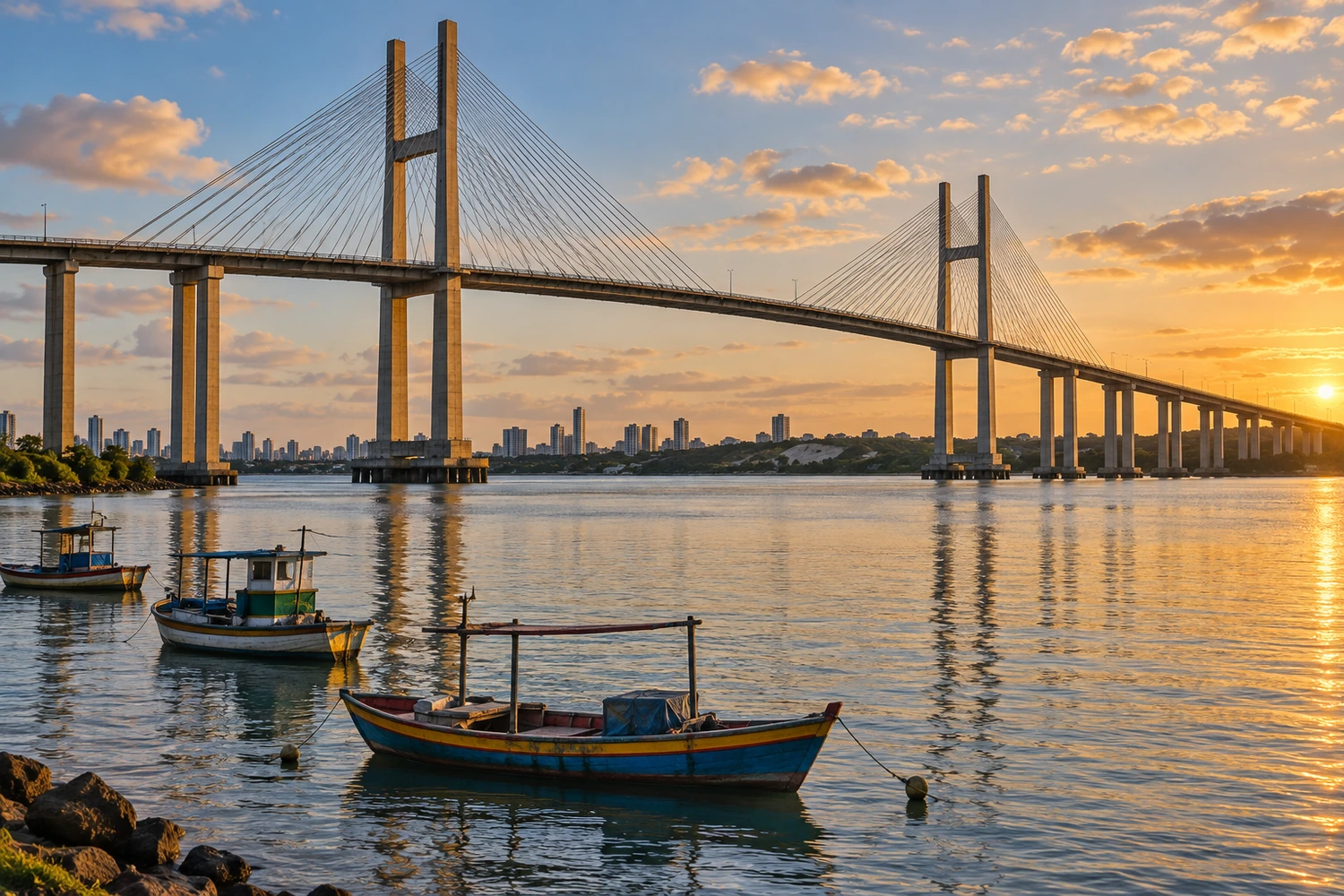
Ponte Newton NavarroOpened in 2007, the cable-stayed bridge crosses the Potengi River and links the city beaches to the North Zone, at 1.78 km long with 103-meter towers.
Museu Câmara CascudoLinked to UFRN (the federal university), it started in 1960 as the Câmara Cascudo Institute of Anthropology and became a museum in 1973.
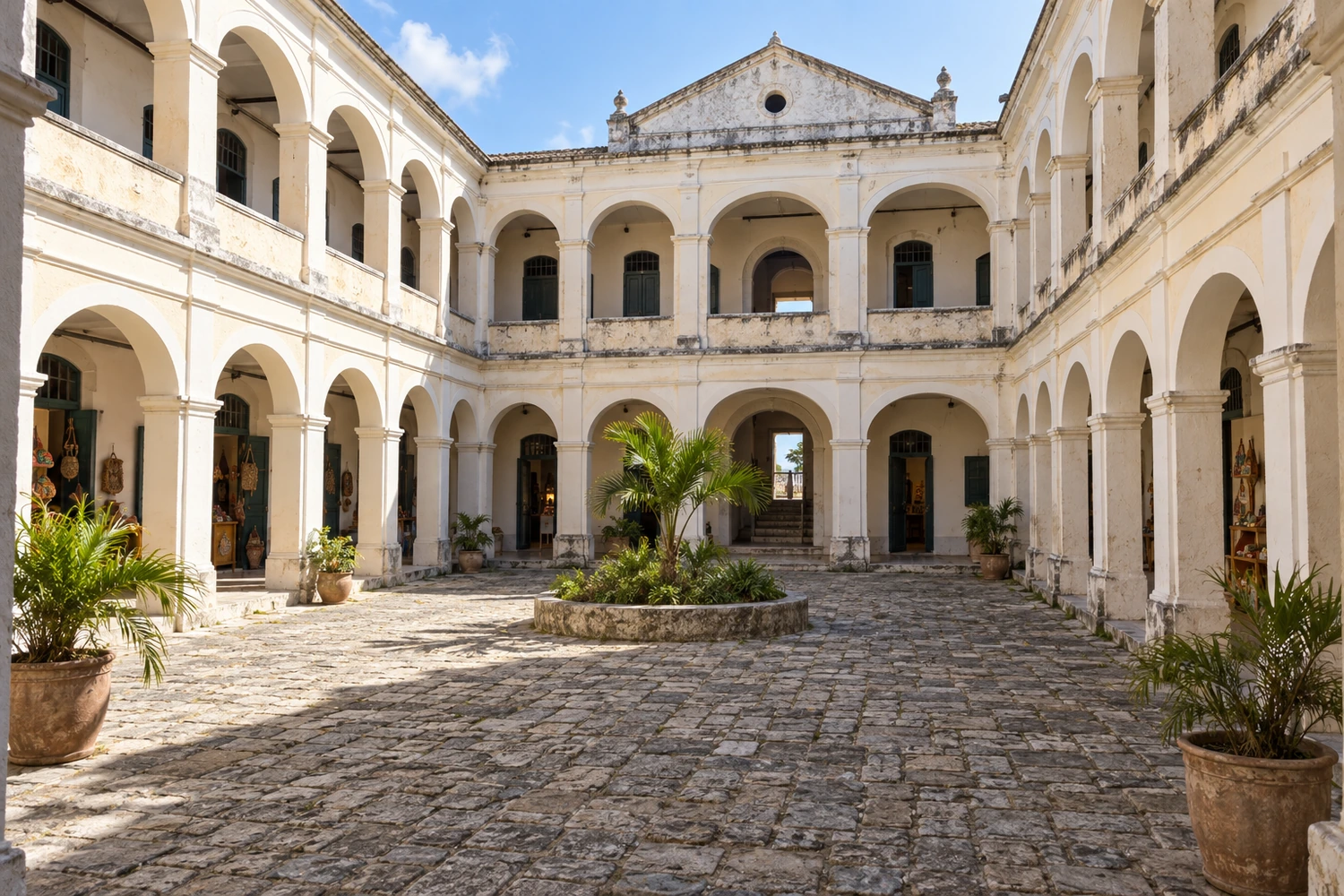
Centro de TurismoThe neoclassical mansion served as an asylum and a jail before becoming a handicraft center.
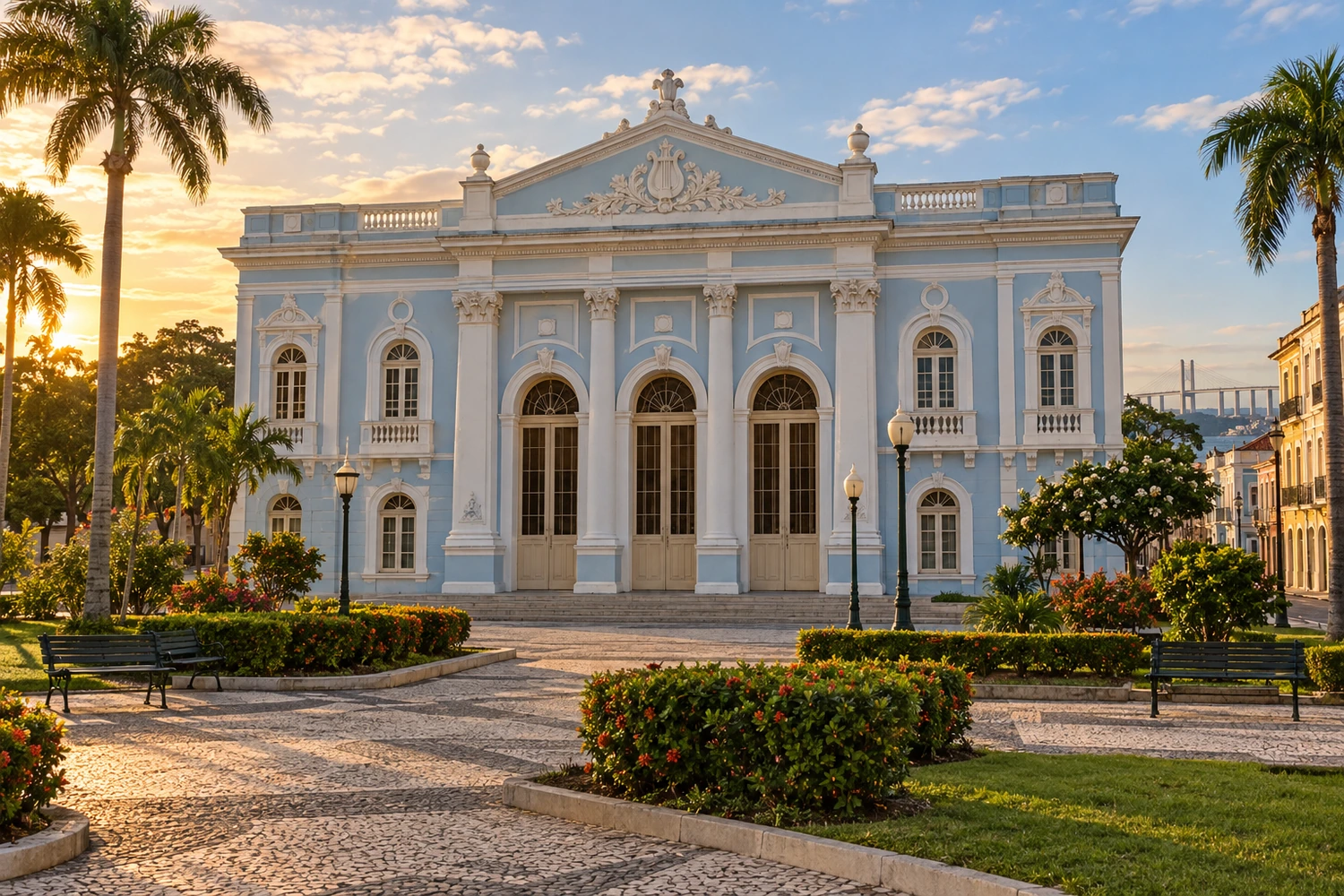
Teatro Alberto MaranhãoOpened in 1904 in the Ribeira neighborhood, it is protected by Iphan (the national heritage institute) and got its current name in 1957, in honor of a former governor.
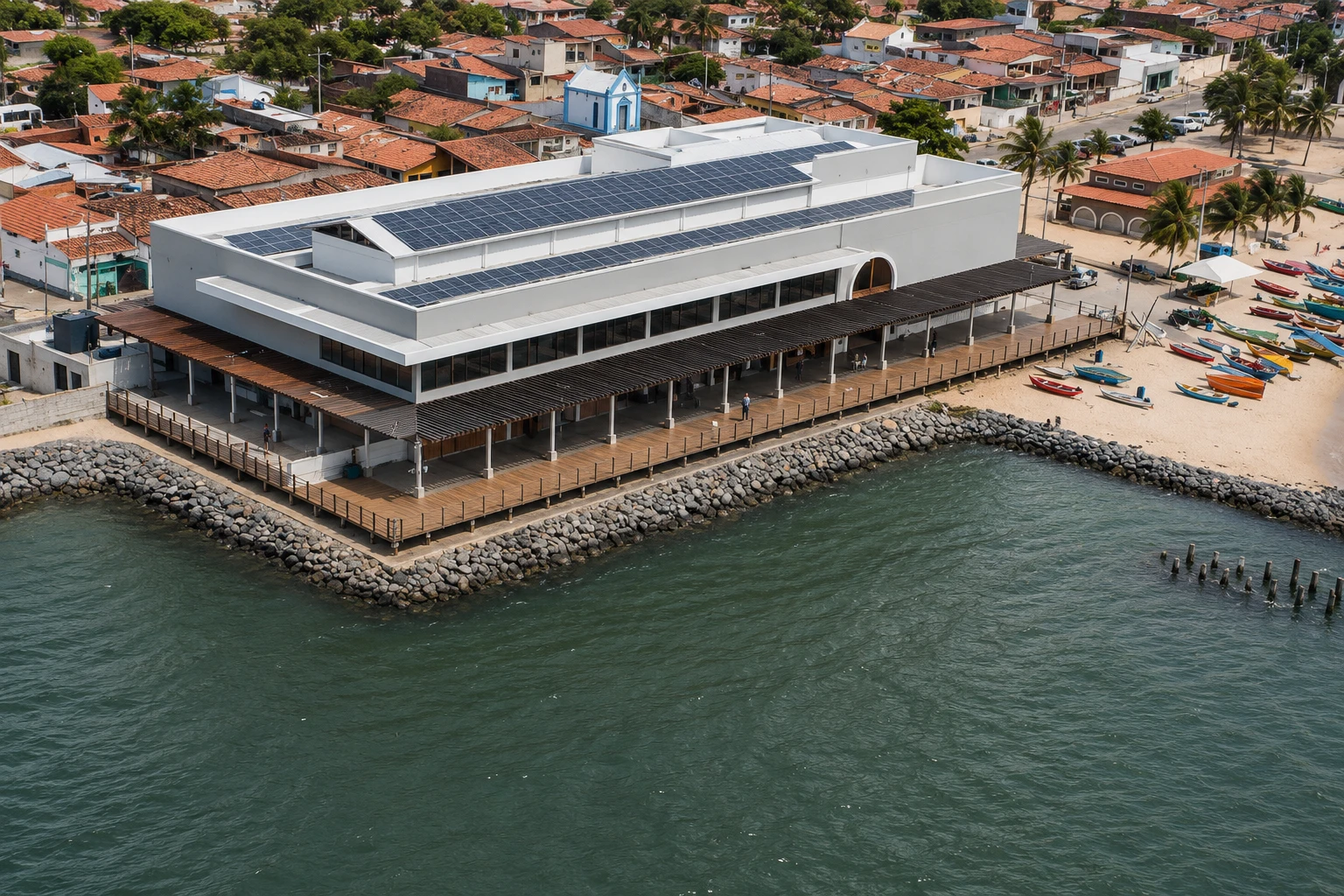
Redinha MarketPublic market on Redinha Beach, in the North Zone of Natal, beside the mouth of the Potengi River.
Historic Center of Natal (Cidade Alta and Ribeira)The two oldest neighborhoods of Natal, Cidade Alta and Ribeira, form a complex listed by Iphan, with squares, churches, palaces and townhouses between the high ground where the...
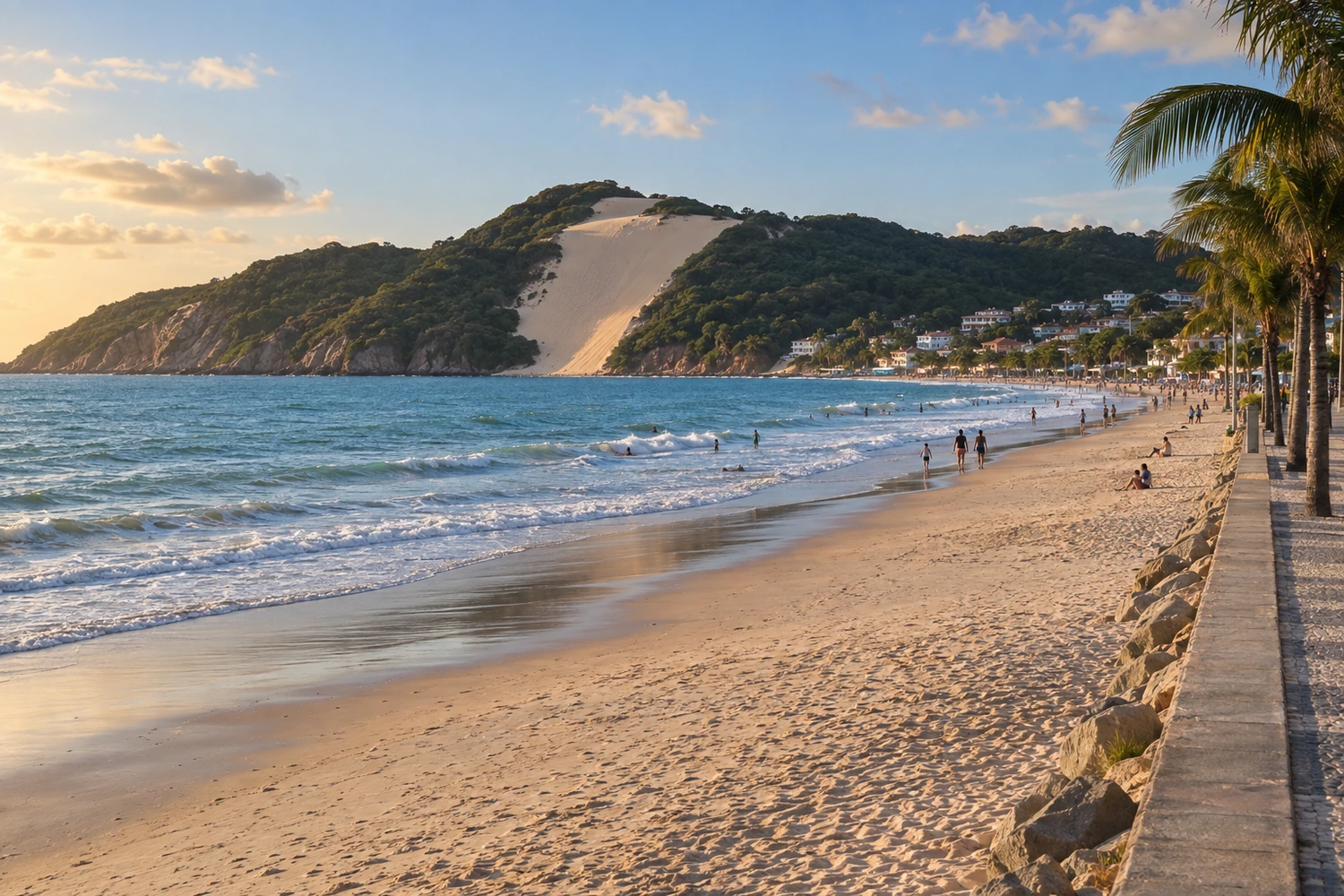
It is the busiest waterfront in the capital, with a boardwalk, bars and nightlife nearby. At the southern end is Morro do Careca, a dune of about 107 meters that you are not allowed to climb, to preserve the vegetation and curb erosion.
A fortress built around 1600 at the mouth of the Potengi River, named Forte dos Reis Magos because construction began on Epiphany. Reopened in 2021 after restoration, it has cannons and sentry boxes on the upper level, and access is by a walkway between the river and the sea.
Created in 1977, Parque Estadual Dunas de Natal protects 1,172 hectares of dunes covered in Atlantic Forest right in the middle of the city. Visits center on Bosque dos Namorados, where the interpretive trails begin.
Opened in 2007, the cable-stayed bridge crosses the Potengi River and links the city beaches to the North Zone, at 1.78 km long with 103-meter towers. It is named after the artist and poet who portrayed the river's landscape and fishermen.
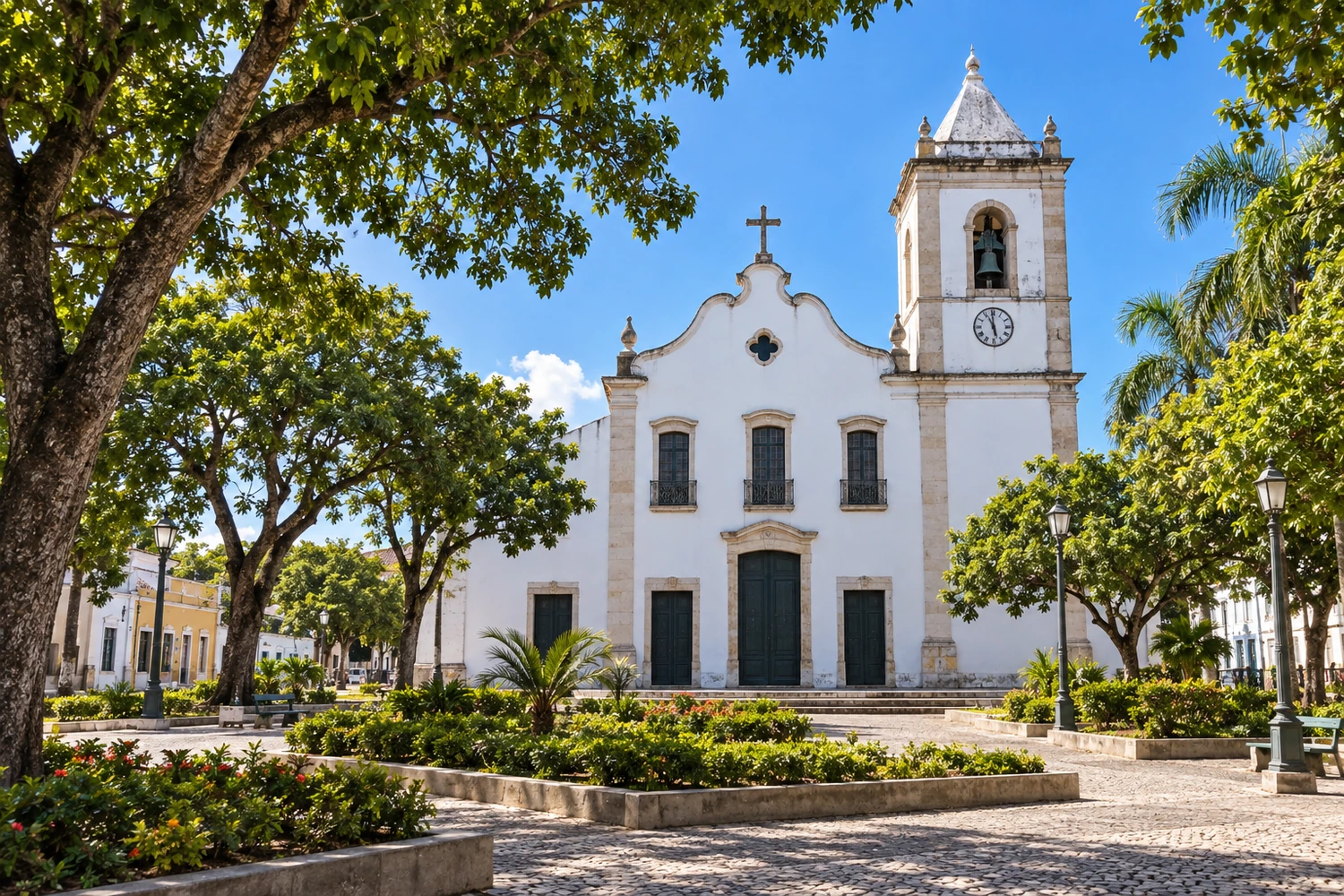
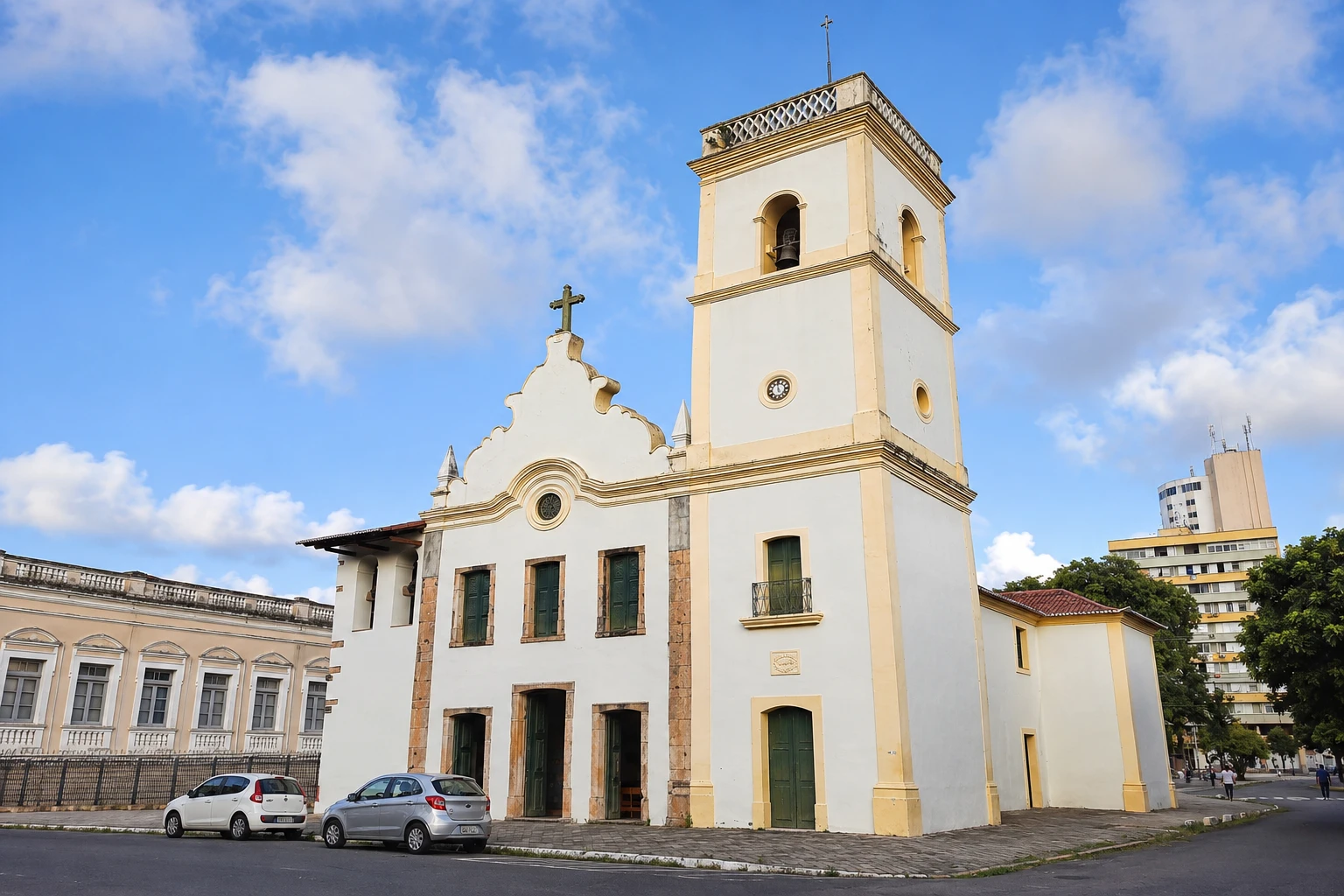
On Praça André de Albuquerque, it stands on the site of the city's first chapel and dates back to the early 17th century. The tower was completed in 1862, and the church is part of the urban ensemble protected by Iphan (the national heritage institute).
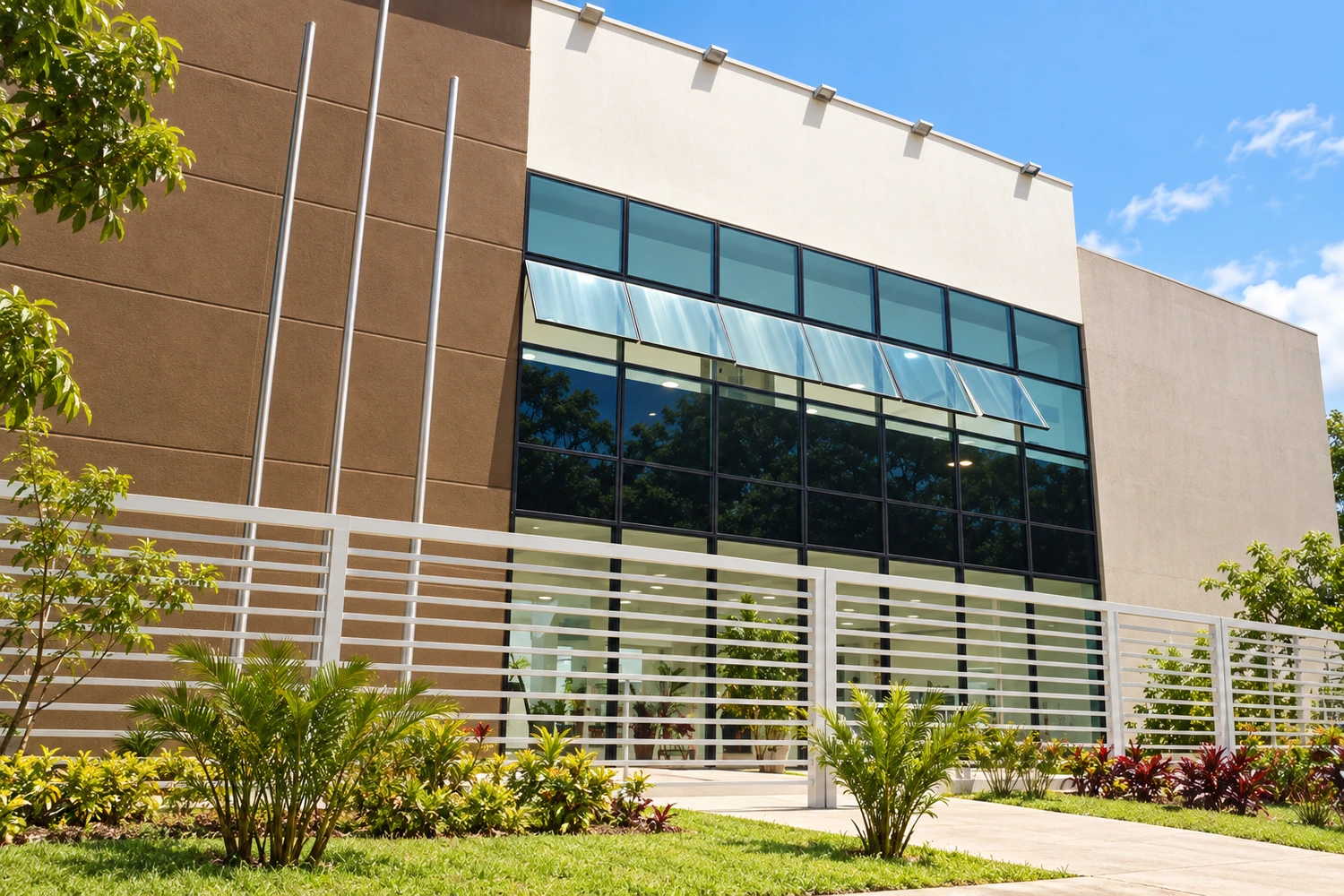
Linked to UFRN (the federal university), it started in 1960 as the Câmara Cascudo Institute of Anthropology and became a museum in 1973. The collection includes pieces of paleontology, geology, zoology, ethnography and archaeology.
The neoclassical mansion served as an asylum and a jail before becoming a handicraft center. The shops occupy the old cells, marked with their original numbers, and the upper gallery has views of the Potengi River.
Opened in 1904 in the Ribeira neighborhood, it is protected by Iphan (the national heritage institute) and got its current name in 1957, in honor of a former governor. Reopened in 2021 after restoration, it has a regular program of performances.
Public market on Redinha Beach, in the North Zone of Natal, beside the mouth of the Potengi River. It’s home to ginga with tapioca, a snack of small fried fish in tapioca recognized as intangible heritage of Rio Grande do Norte.
The two oldest neighborhoods of Natal, Cidade Alta and Ribeira, form a complex listed by Iphan, with squares, churches, palaces and townhouses between the high ground where the city began and the port on the Potengi River.
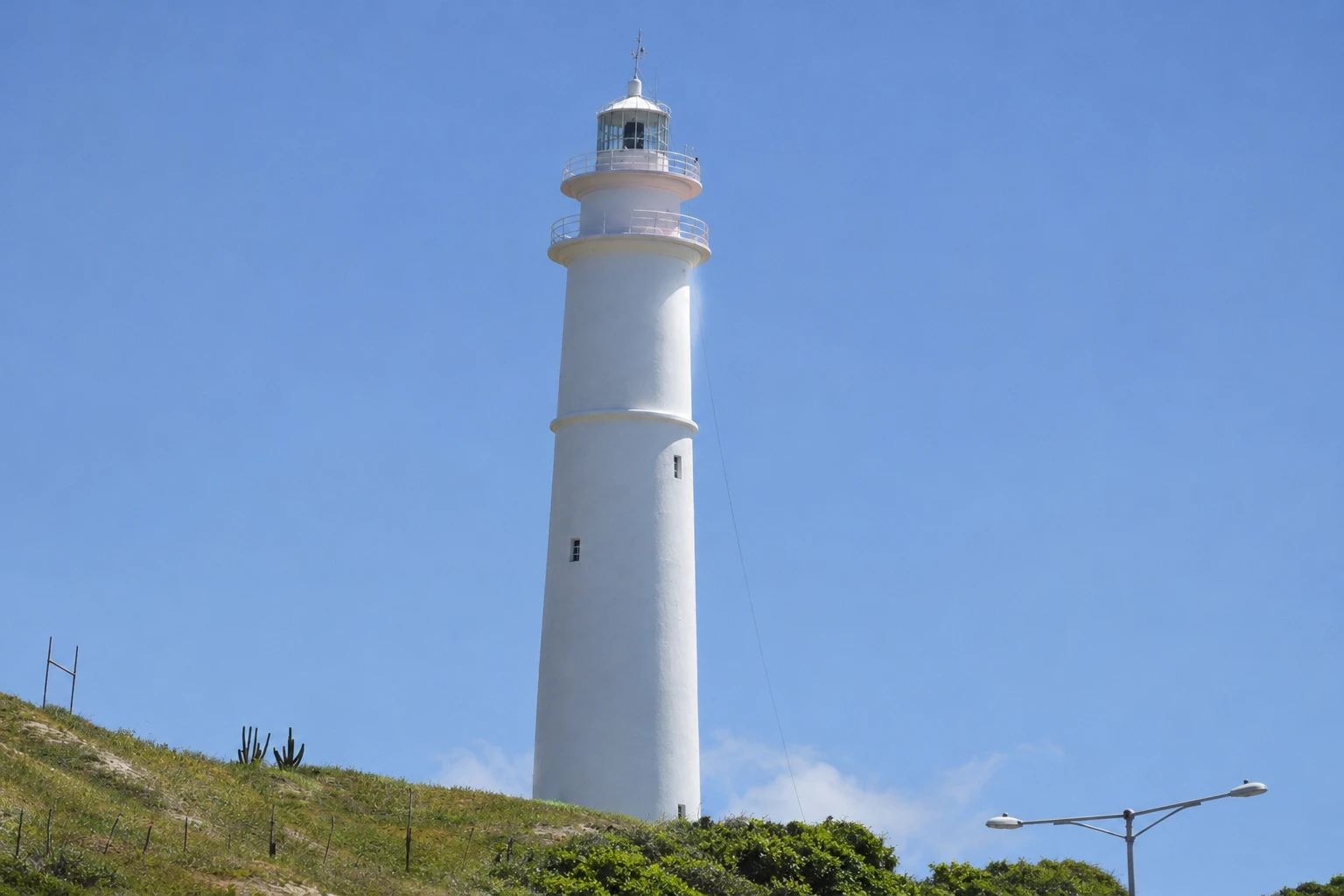
Lighthouse built in 1951, with a 37-meter tower atop the Mãe Luiza neighborhood, between the Parque das Dunas and the sea. Recognized as cultural heritage of Rio Grande do Norte, it is a landmark of Natal’s landscape and a viewpoint over the city and the coast.


 Antarctica
 Argentina
 Bolivia
 Chile
 Colombia
 Ecuador
 Falkland Islands (Malvinas)
 French Guiana
 Guyana
 Paraguay
 Peru
 Suriname
 Uruguay
 Venezuela
 Austria
 Belgium
 Croatia
 Denmark
 Finland
 France
 Germany
 Greece
 Hungary
 Iceland
 Ireland
 Italy
 Luxembourg
 Norway
 Poland
 Portugal
 Slovakia
 Slovenia
 Spain
 Sweden
 Switzerland
 the Czech Republic
 the Netherlands
 the United Kingdom
 Turkey
 Bermuda
 Canada
 Greenland
 Mexico
 Saint Pierre and Miquelon
 the United States
 the Dominican Republic
 Japan
 Egypt
 South Africa
 Australia
 Fiji
 New Zealand
 Papua New Guinea