Ginga com tapioca
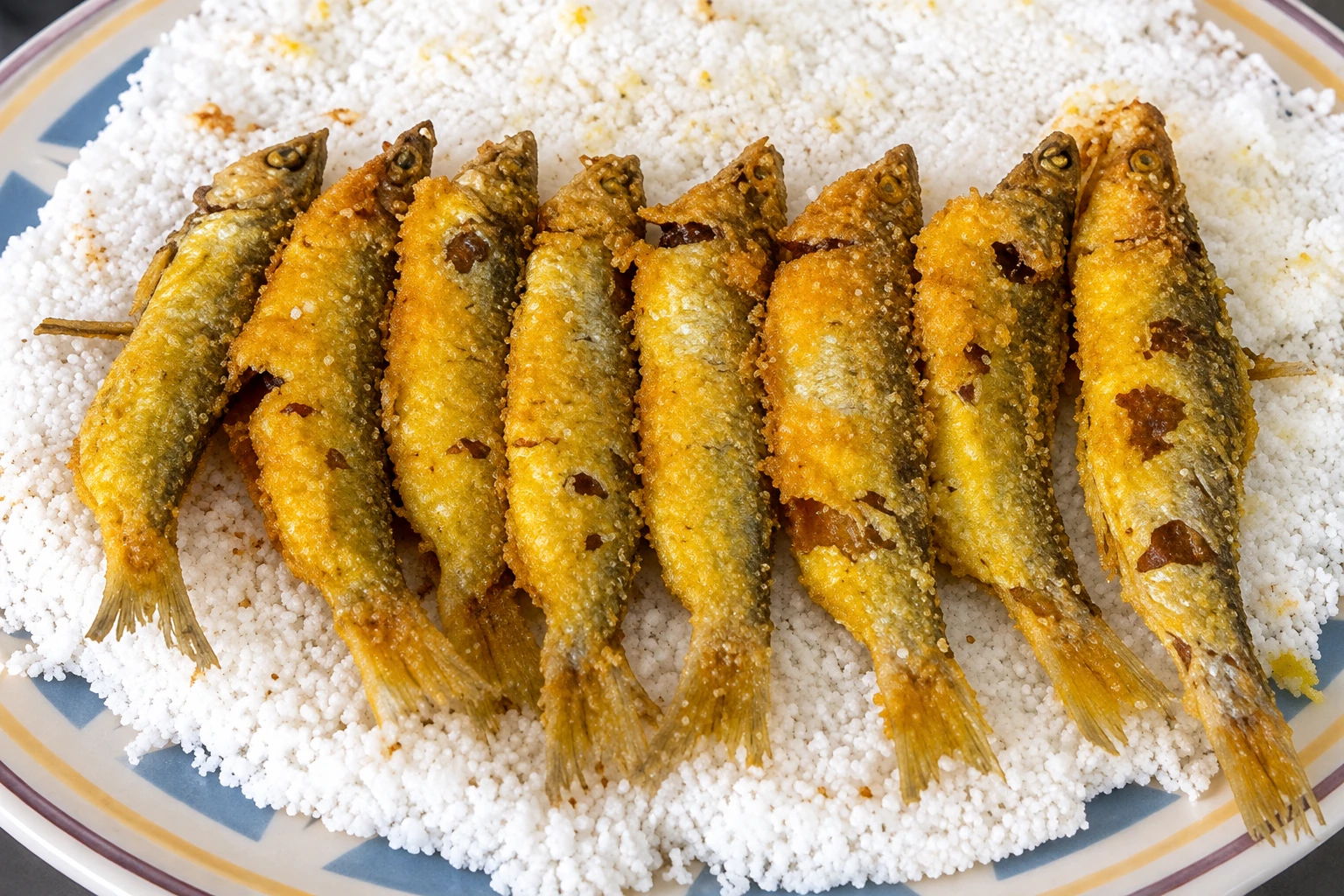
Fried little fish, the gingas, served on tapioca with coconut. Signature dish of Redinha beach in Natal, created by fishermen more than half a century ago and recognized as intangible heritage of the municipality and the state.
Antarctica
Illustrative images. The pictures in this guide are illustrations based on the real place, not photographs, and may differ from it.
The city
Natal brings together city beaches, dunes and landmarks of Rio Grande do Norte's history along the Atlantic. At the mouth of the Potengi River, Forte dos Reis Magos (fort) highlights the city's relationship with the sea and its colonial origins.
106 places to stay in Natal.
31 places to eat in Natal.
58 lugares no mapa: onde ficar e onde comer, por bairro.
What to know before you go.
Natal highlights and titles
Flavors of Brazil
The local experience
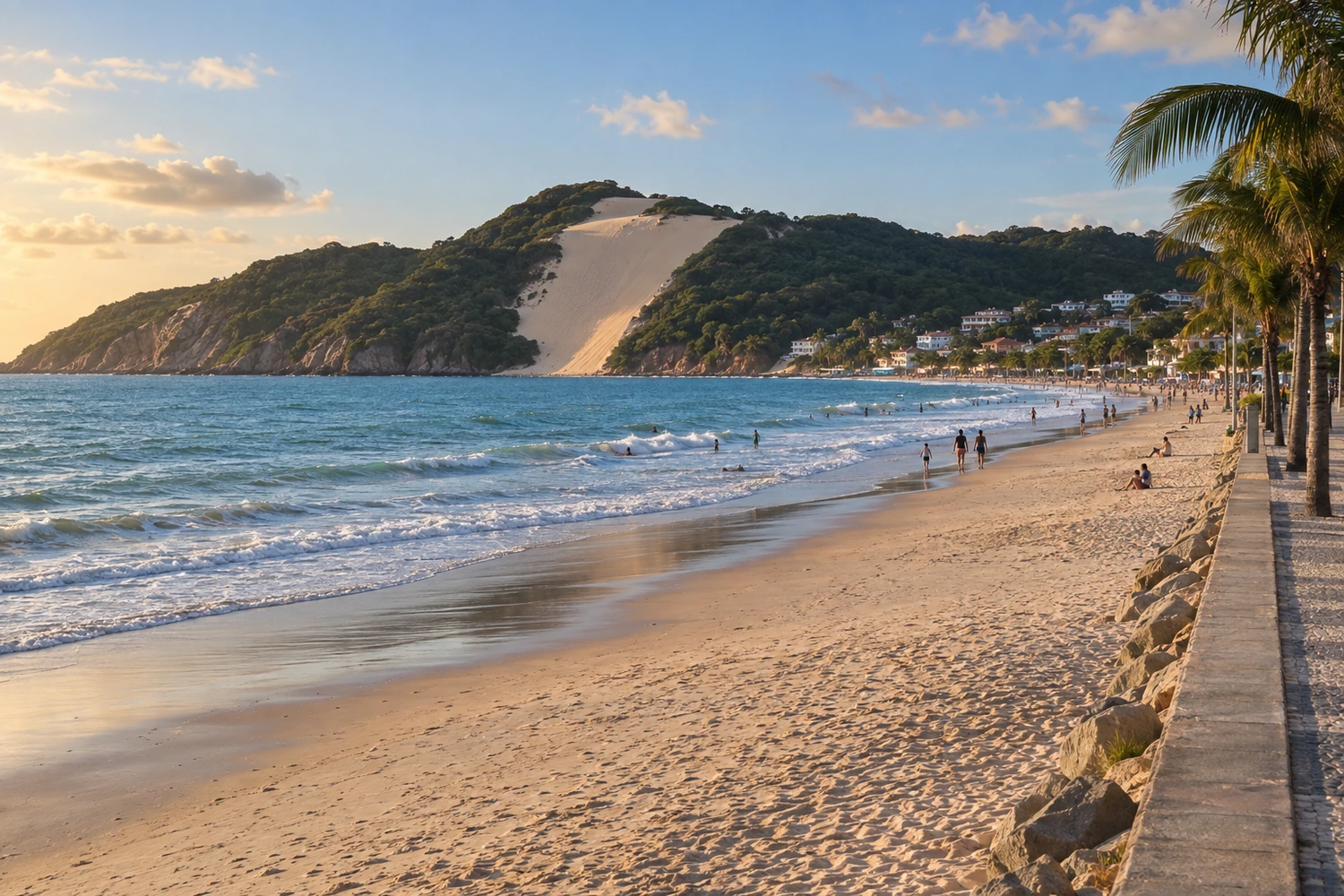
It is the busiest waterfront in the capital, with a boardwalk, bars and nightlife nearby. At the southern end is Morro do Careca, a dune of about 107 meters that you are not allowed to climb, to preserve the vegetation and curb erosion.
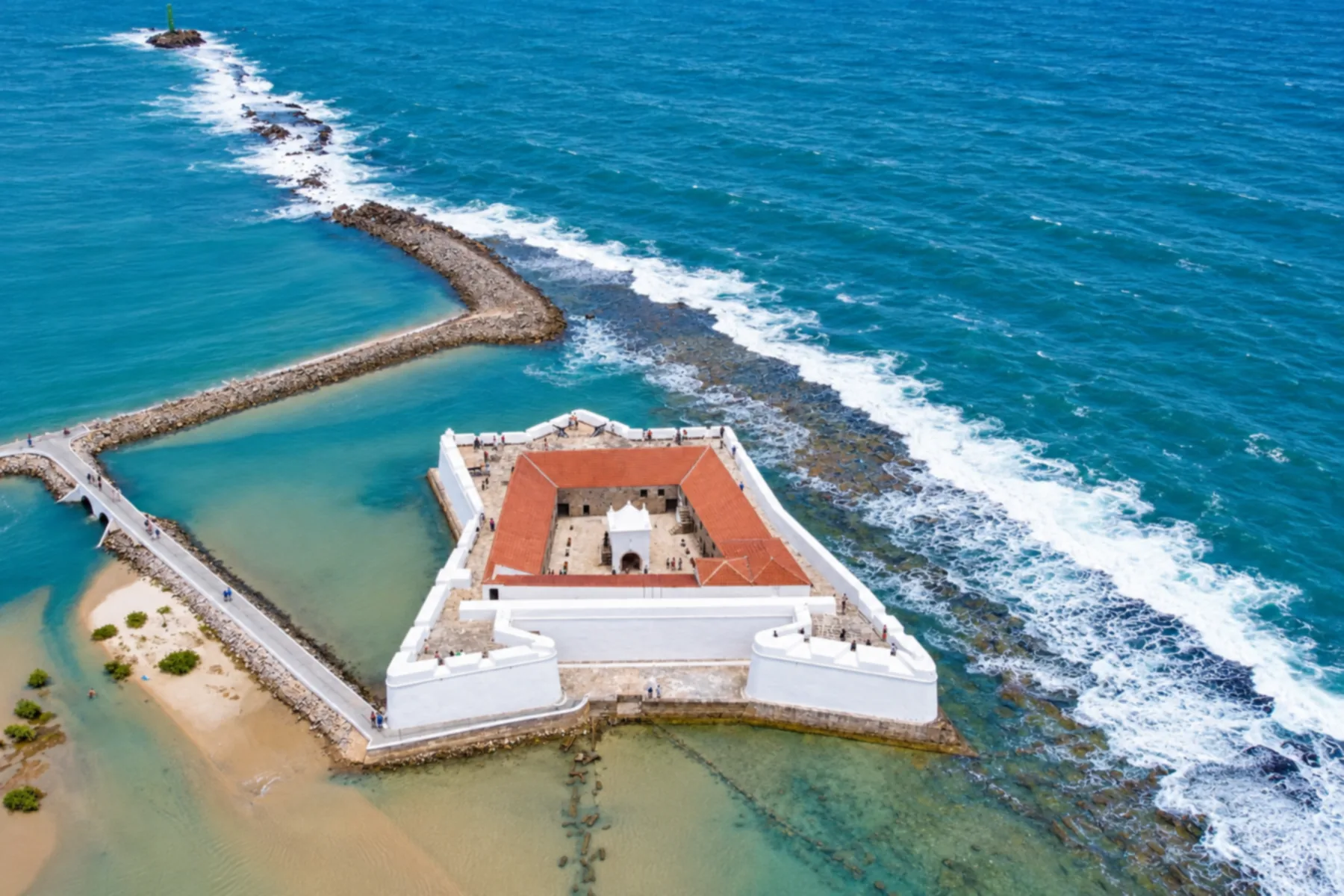
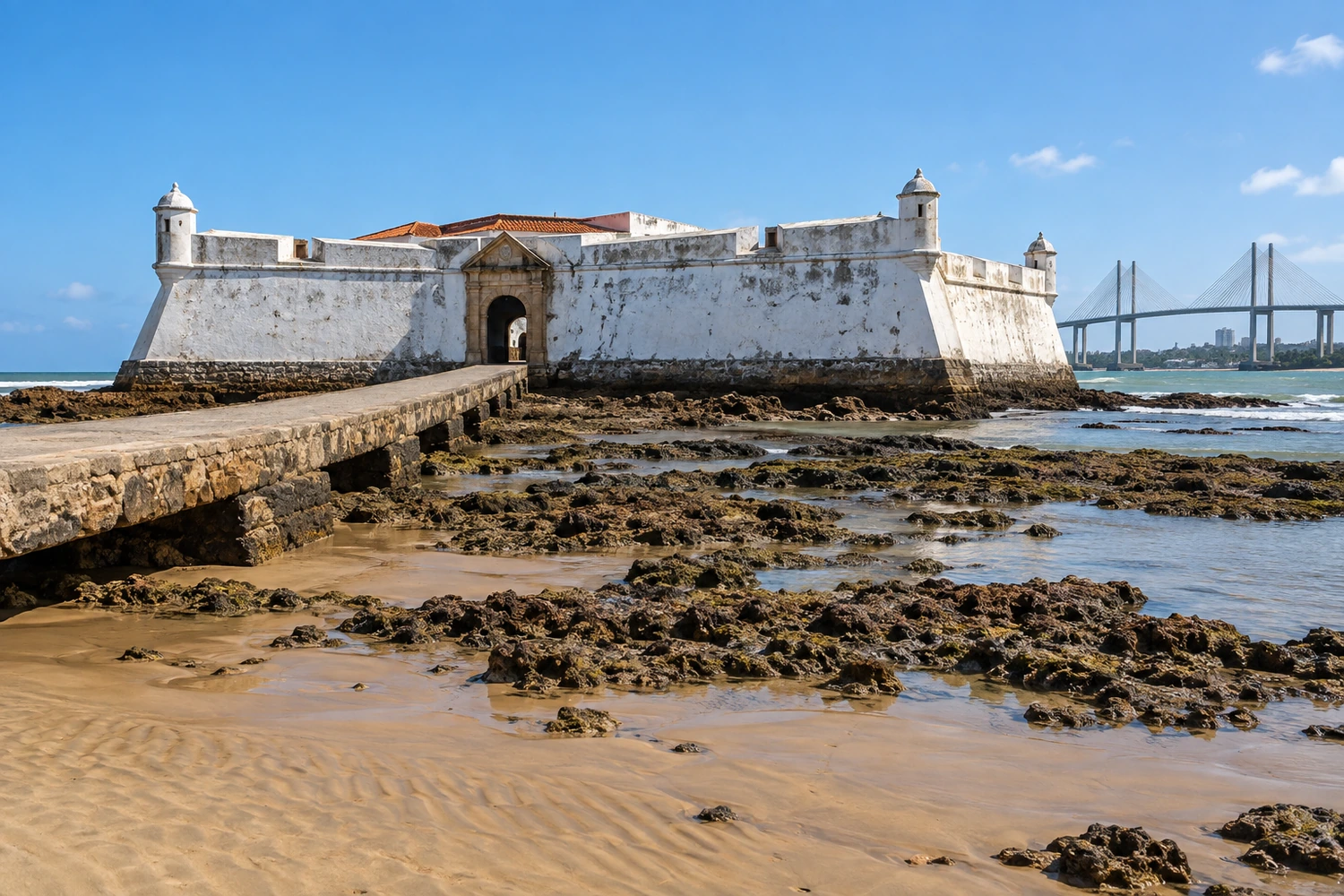
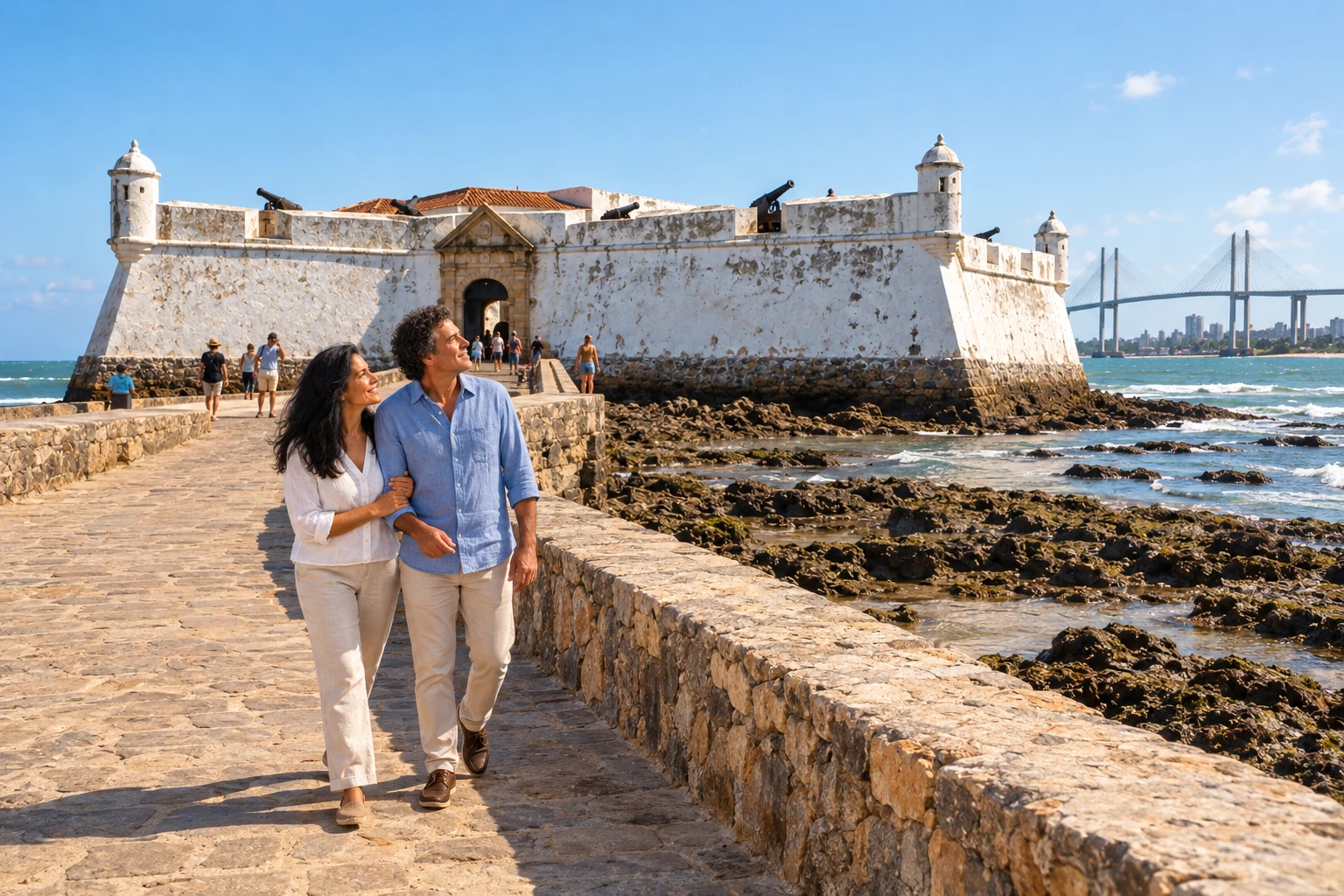
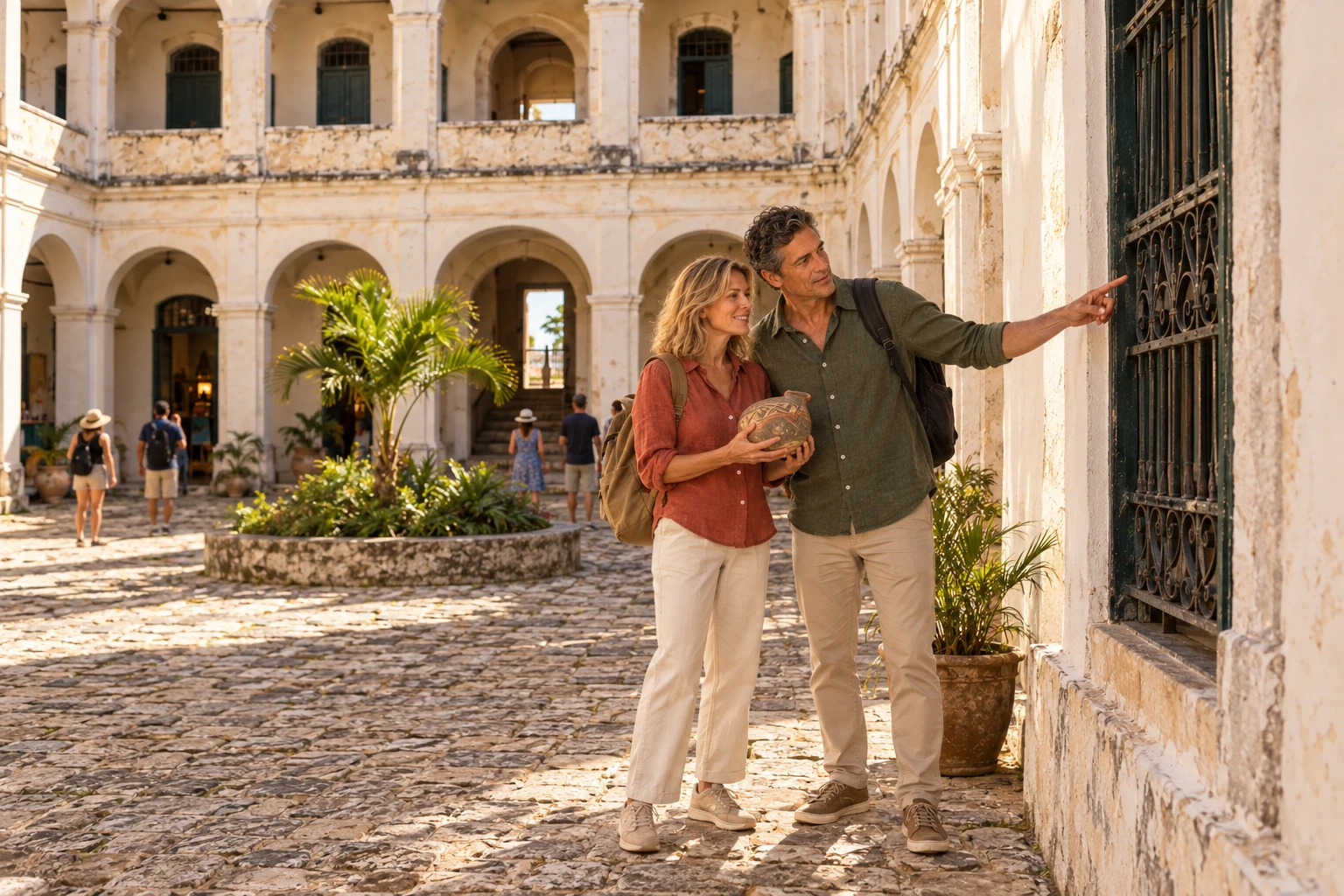
A fortress built around 1600 at the mouth of the Potengi River, named Forte dos Reis Magos because construction began on Epiphany. Reopened in 2021 after restoration, it has cannons and sentry boxes on the upper level, and access is by a walkway between the river and the sea.
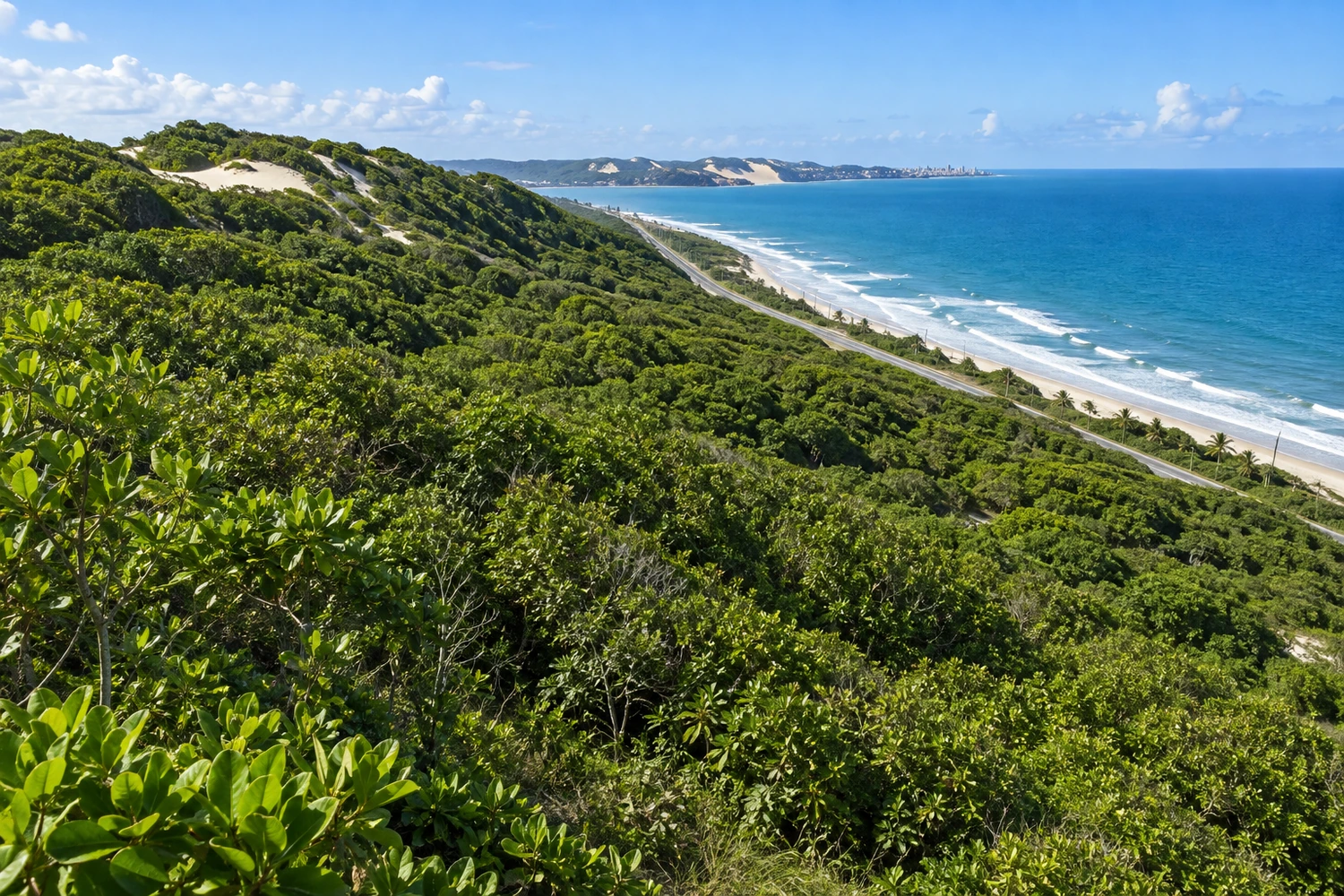
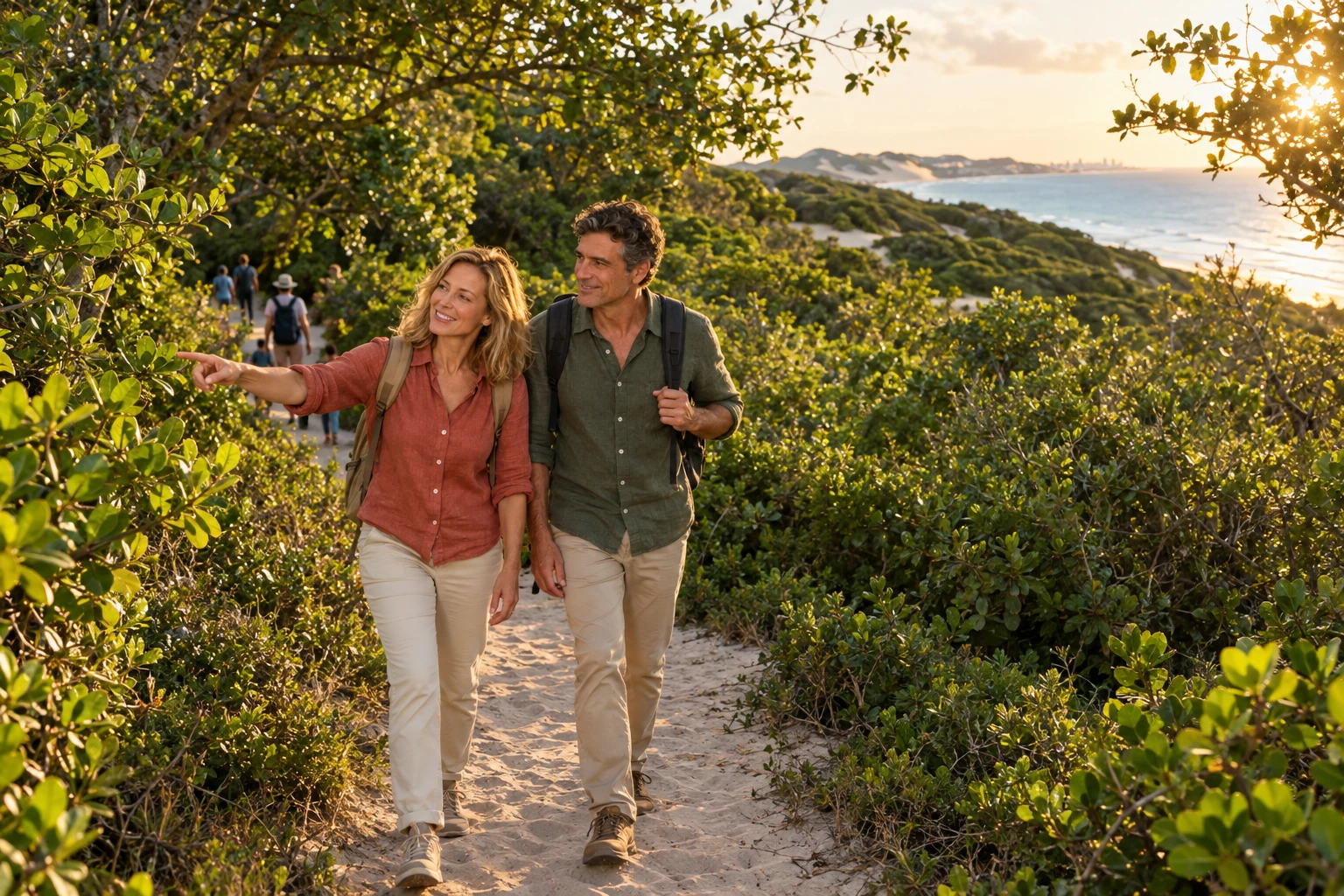
Created in 1977, Parque Estadual Dunas de Natal protects 1,172 hectares of dunes covered in Atlantic Forest right in the middle of the city. Visits center on Bosque dos Namorados, where the interpretive trails begin.
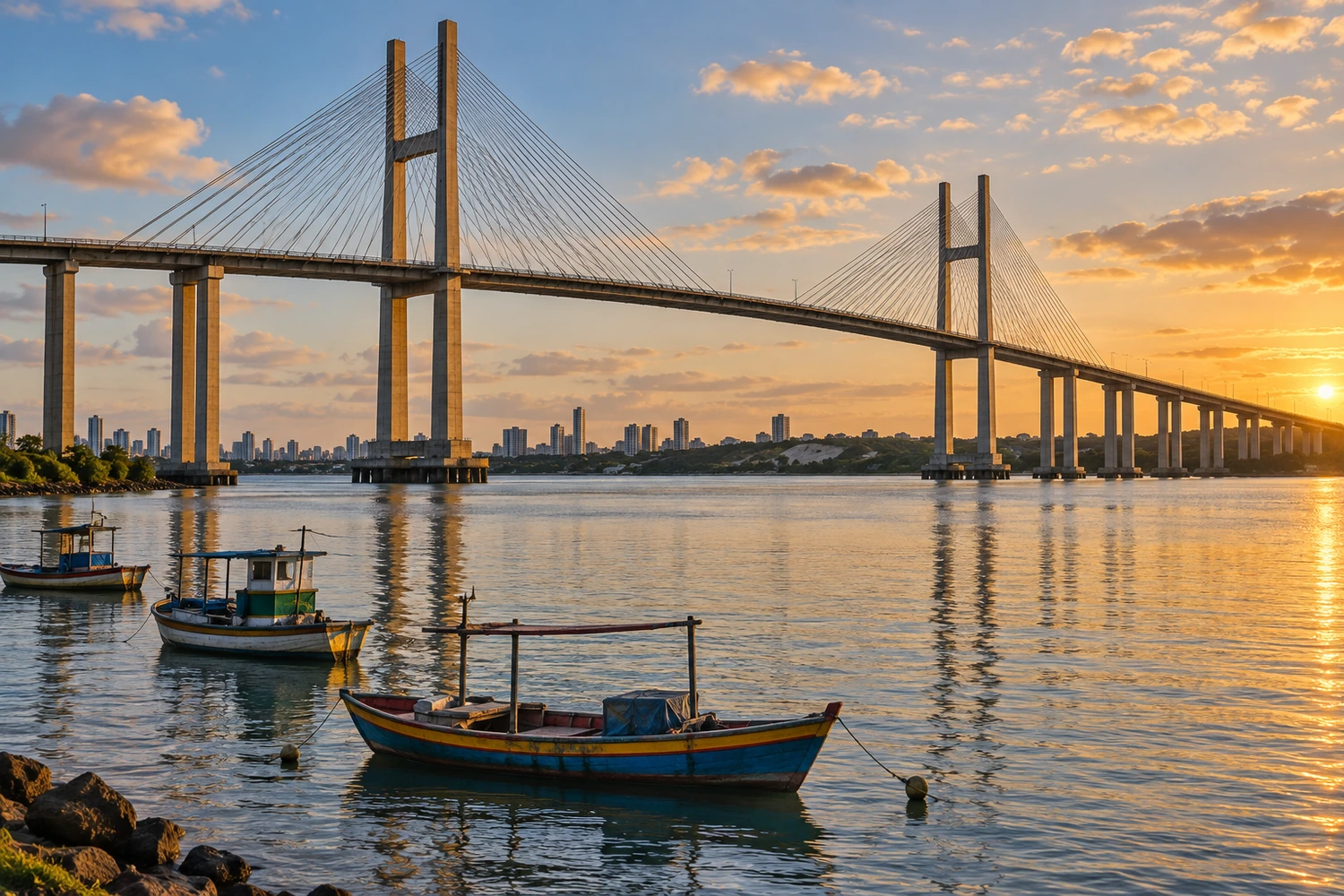
Opened in 2007, the cable-stayed bridge crosses the Potengi River and links the city beaches to the North Zone, at 1.78 km long with 103-meter towers. It is named after the artist and poet who portrayed the river's landscape and fishermen.
Before you go
Natal – RN Capital
Approximate distances. Check flights and bus, train or boat schedules before you travel.
Travelers' photos
Brazilian routes
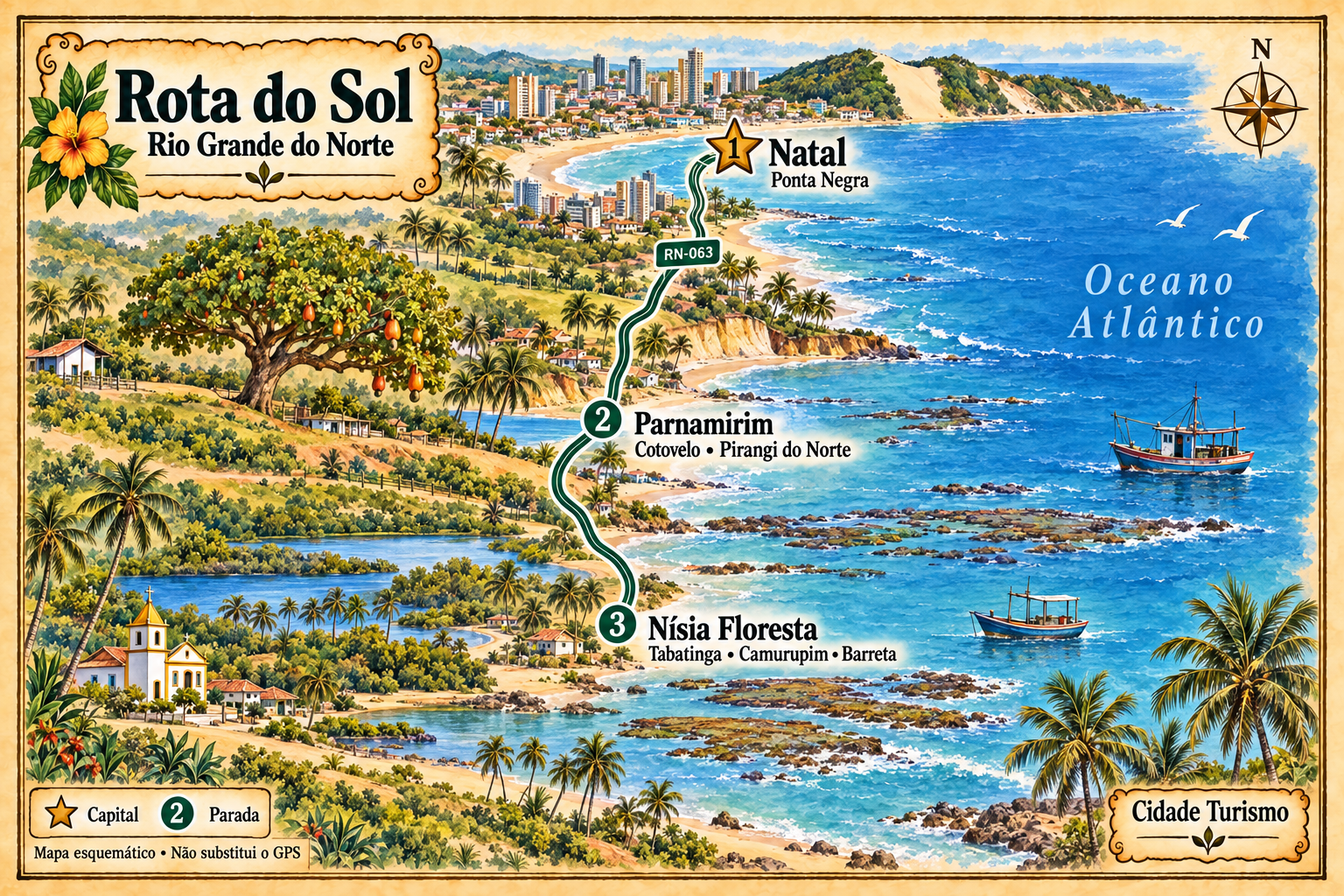
From Natal to Nísia Floresta, RN-063 links beaches, cliffs and lagoons on the southern coast of Rio Grande do Norte, with a stop at the Cajueiro de Pirangi in Parnamirim.