

 Antarctica
 Argentina
 Bolivia
 Chile
 Colombia
 Ecuador
 Falkland Islands (Malvinas)
 French Guiana
 Guyana
 Paraguay
 Peru
 Suriname
 Uruguay
 Venezuela
 Austria
 Belgium
 Croatia
 Denmark
 Finland
 France
 Germany
 Greece
 Hungary
 Iceland
 Ireland
 Italy
 Luxembourg
 Norway
 Poland
 Portugal
 Slovakia
 Slovenia
 Spain
 Sweden
 Switzerland
 the Czech Republic
 the Netherlands
 the United Kingdom
 Turkey
 Bermuda
 Canada
 Greenland
 Mexico
 Saint Pierre and Miquelon
 the United States
 the Dominican Republic
 Japan
 Egypt
 South Africa
 Australia
 Fiji
 New Zealand
 Papua New Guinea
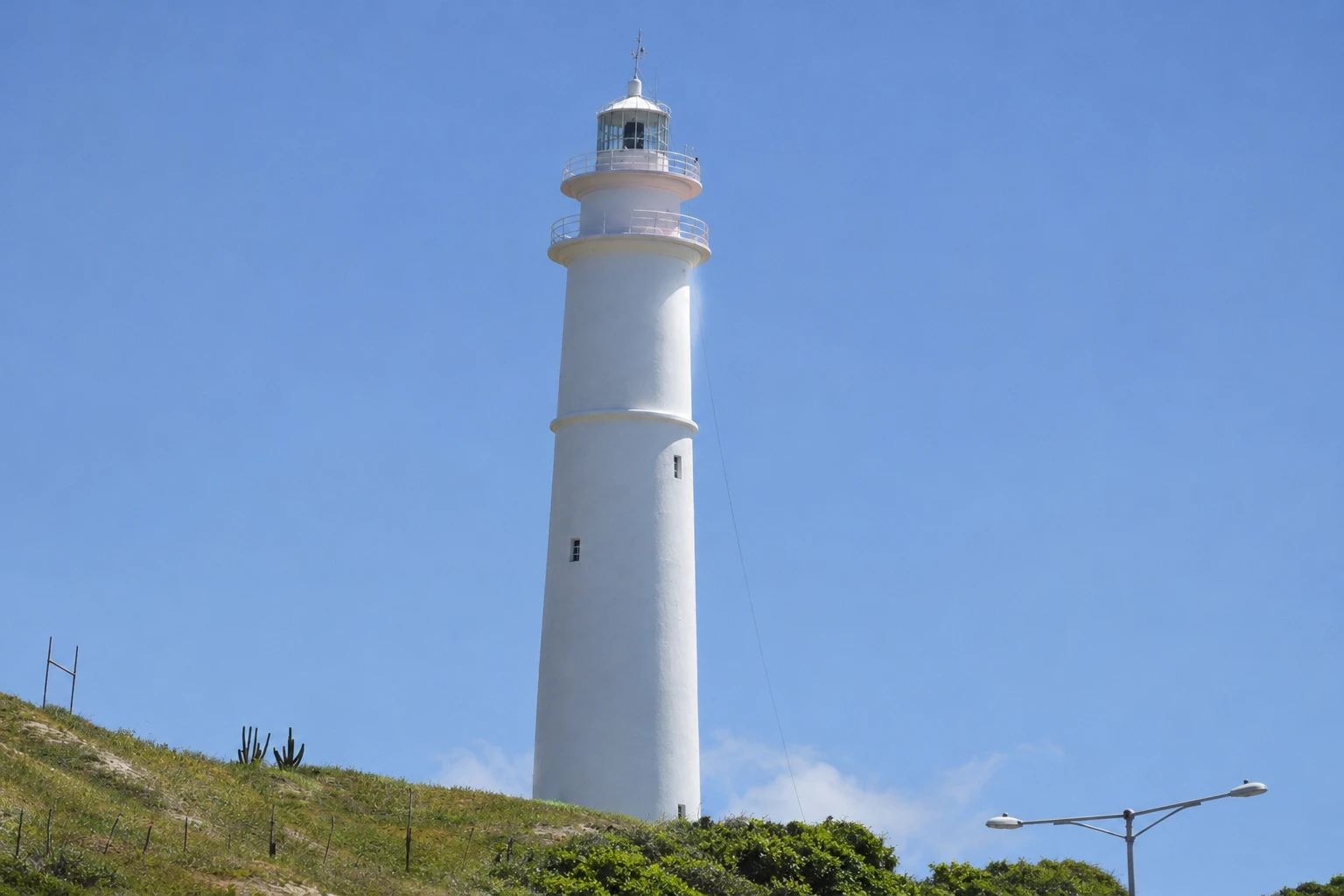
lighthouse · Natal, RN
Mãe Luiza Lighthouse
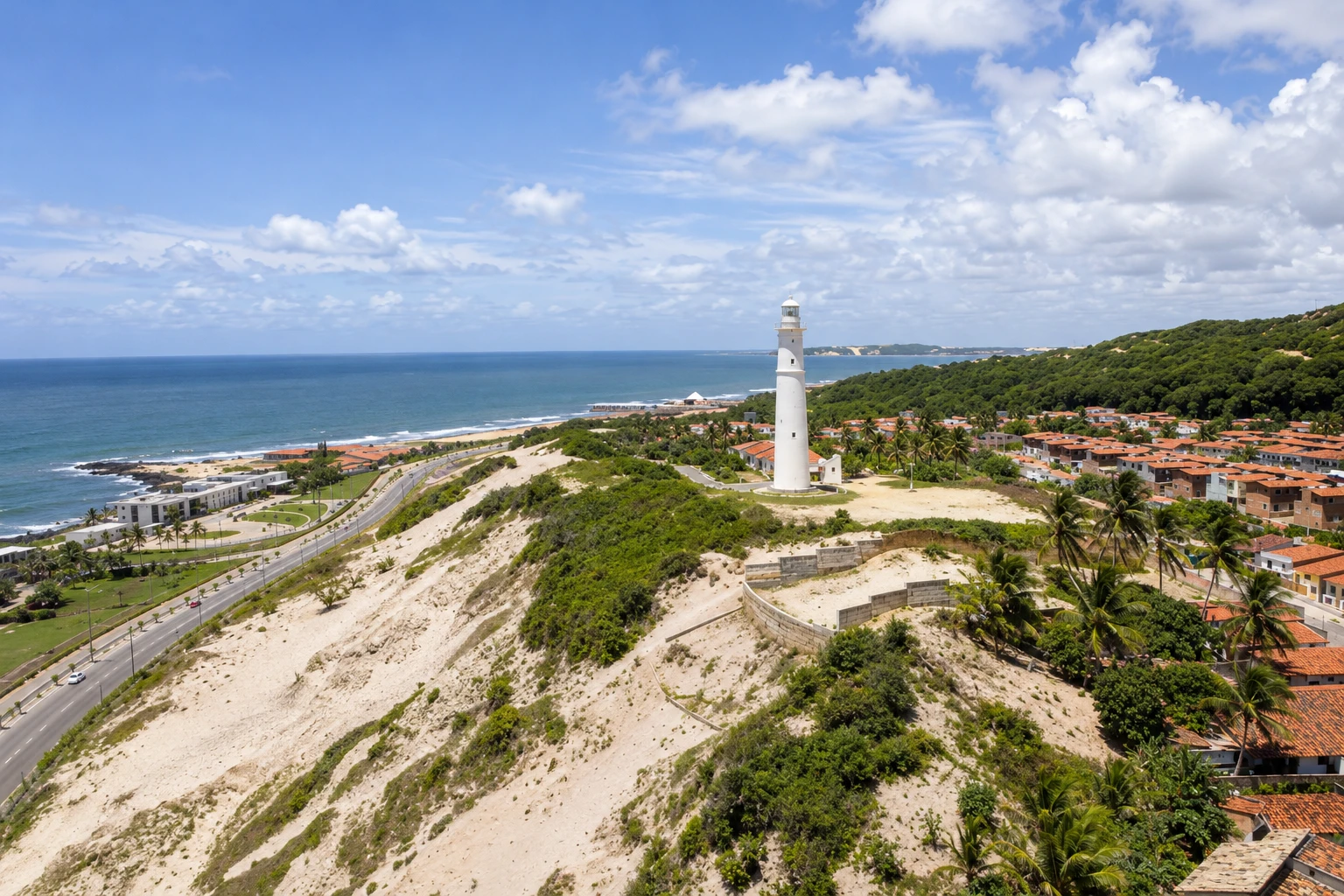
Lighthouse built in 1951, with a 37-meter tower atop the Mãe Luiza neighborhood, between the Parque das Dunas and the sea. Recognized as cultural heritage of Rio Grande do Norte, it is a landmark of Natal’s landscape and a viewpoint over the city and the coast.
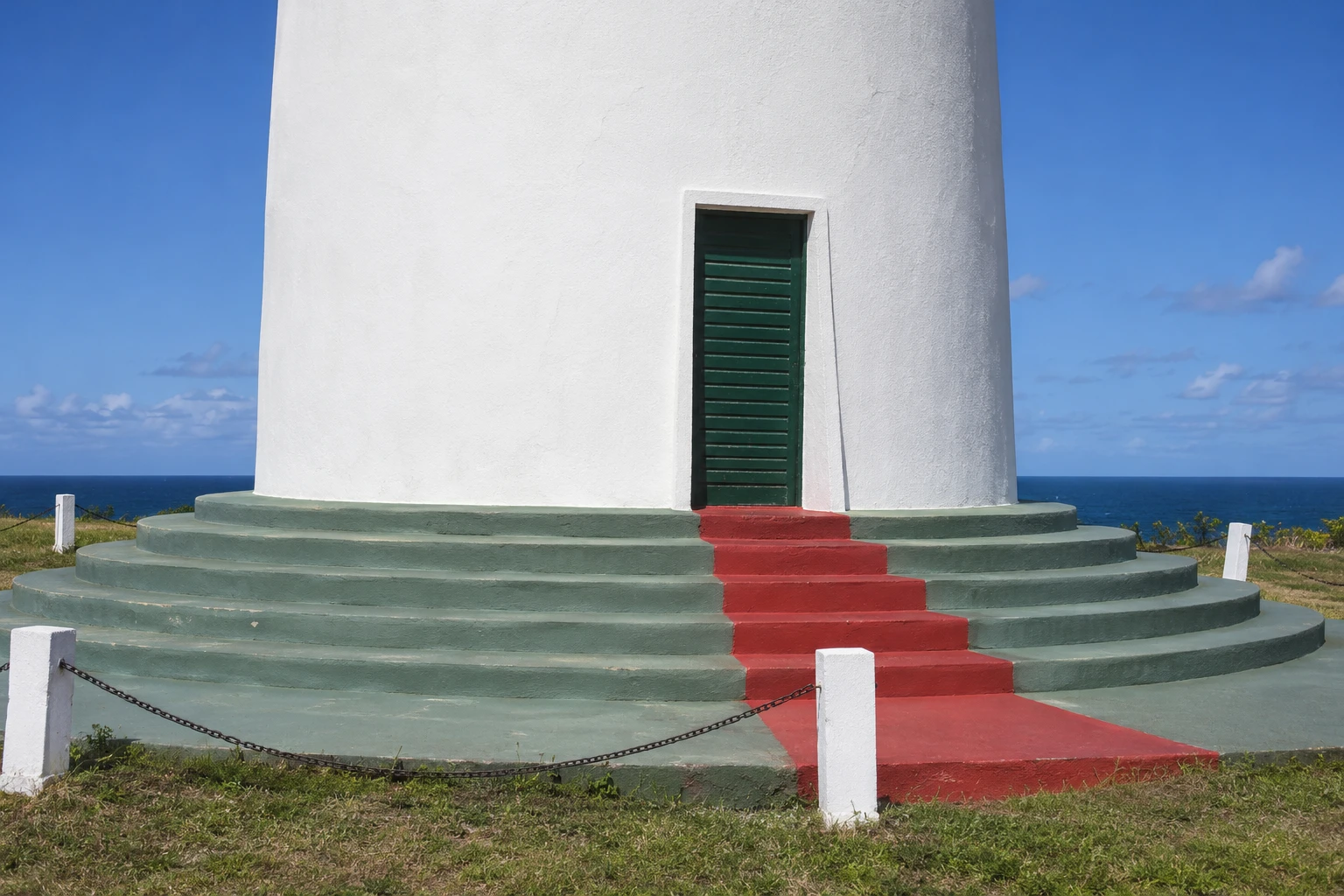
In the photo: White tower of the Mãe Luiza Lighthouse atop the dune.
Illustrative images. The pictures in this guide are illustrations based on the real place, not photographs, and may differ from it.


A look at the place
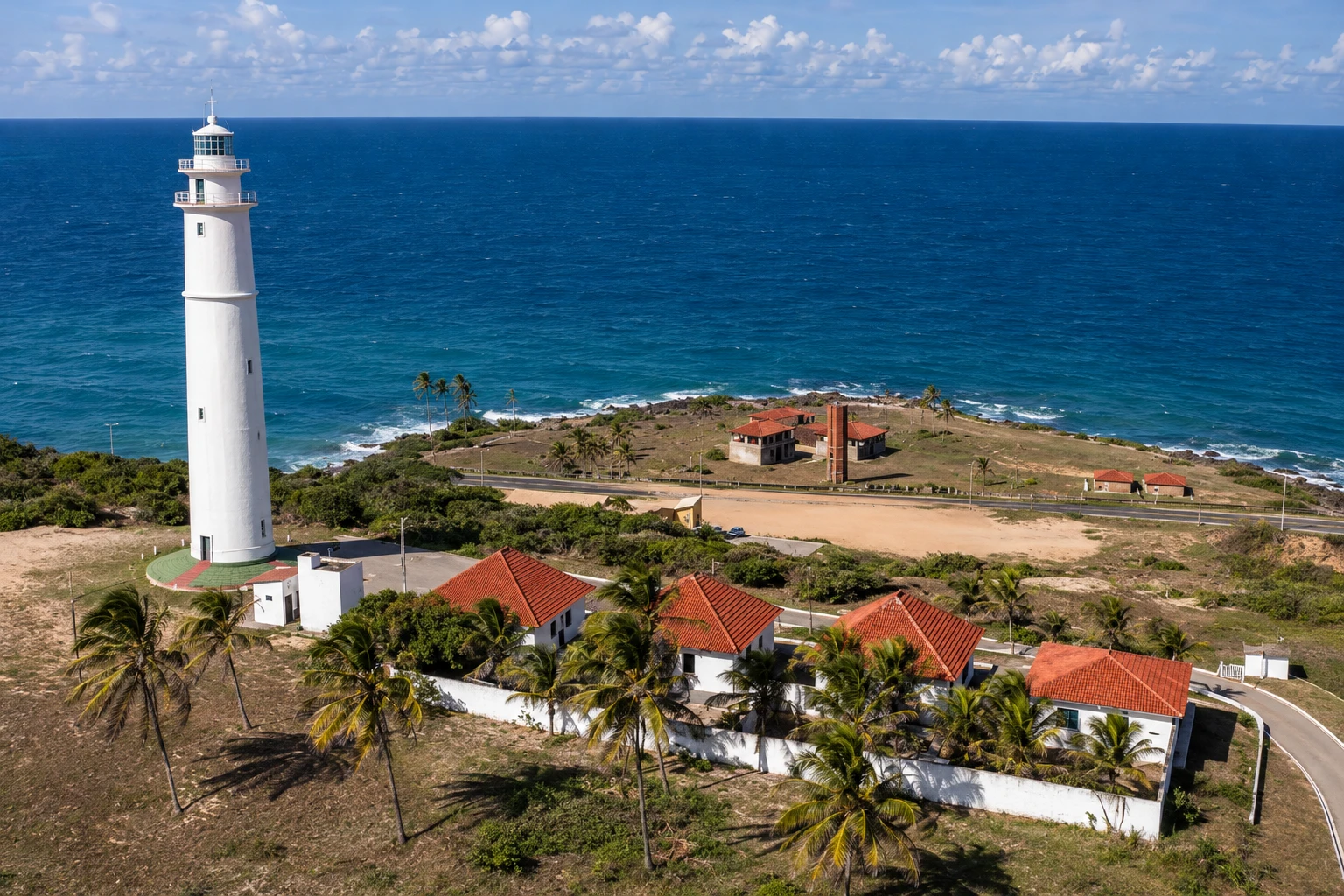
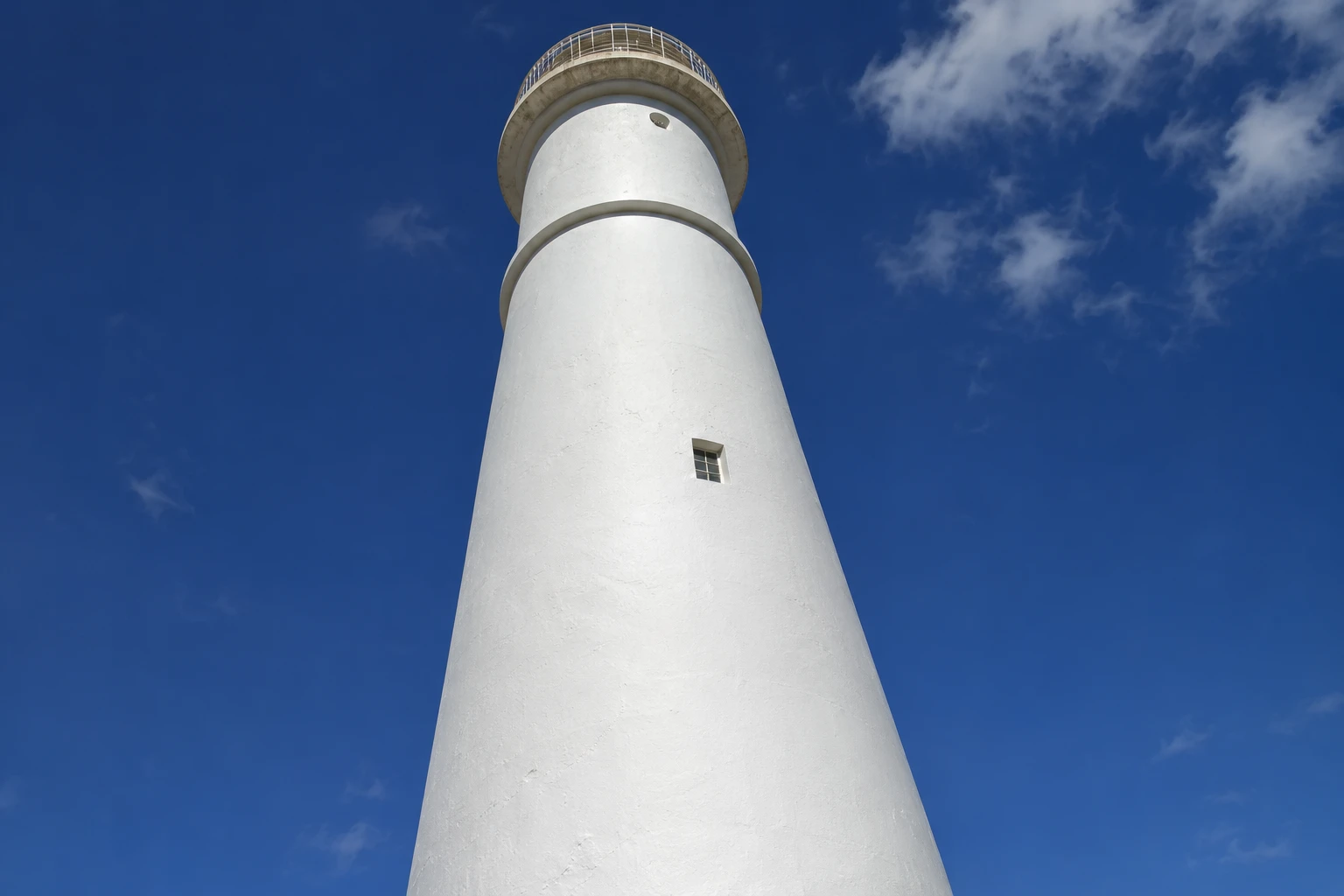
Mãe Luiza Lighthouse in pictures
These pictures are illustrations based on the real place, not photographs. They may differ from the place.
Click the picture to enlarge it.
Discover
About Mãe Luiza Lighthouse
The Mãe Luiza Lighthouse sits on the high ground of the Mãe Luiza neighborhood in Natal, atop the dunes that separate the city center from the sea. Inaugurated in 1951, it has a 37-meter concrete tower and remains in operation as a navigation aid along the Potiguar coast, under the responsibility of the Navy.
Because of its elevated position, the tower is visible from many points in the city and has become a landmark in Natal’s skyline. The lighthouse was legally recognized as historical, cultural and architectural heritage of Rio Grande do Norte.
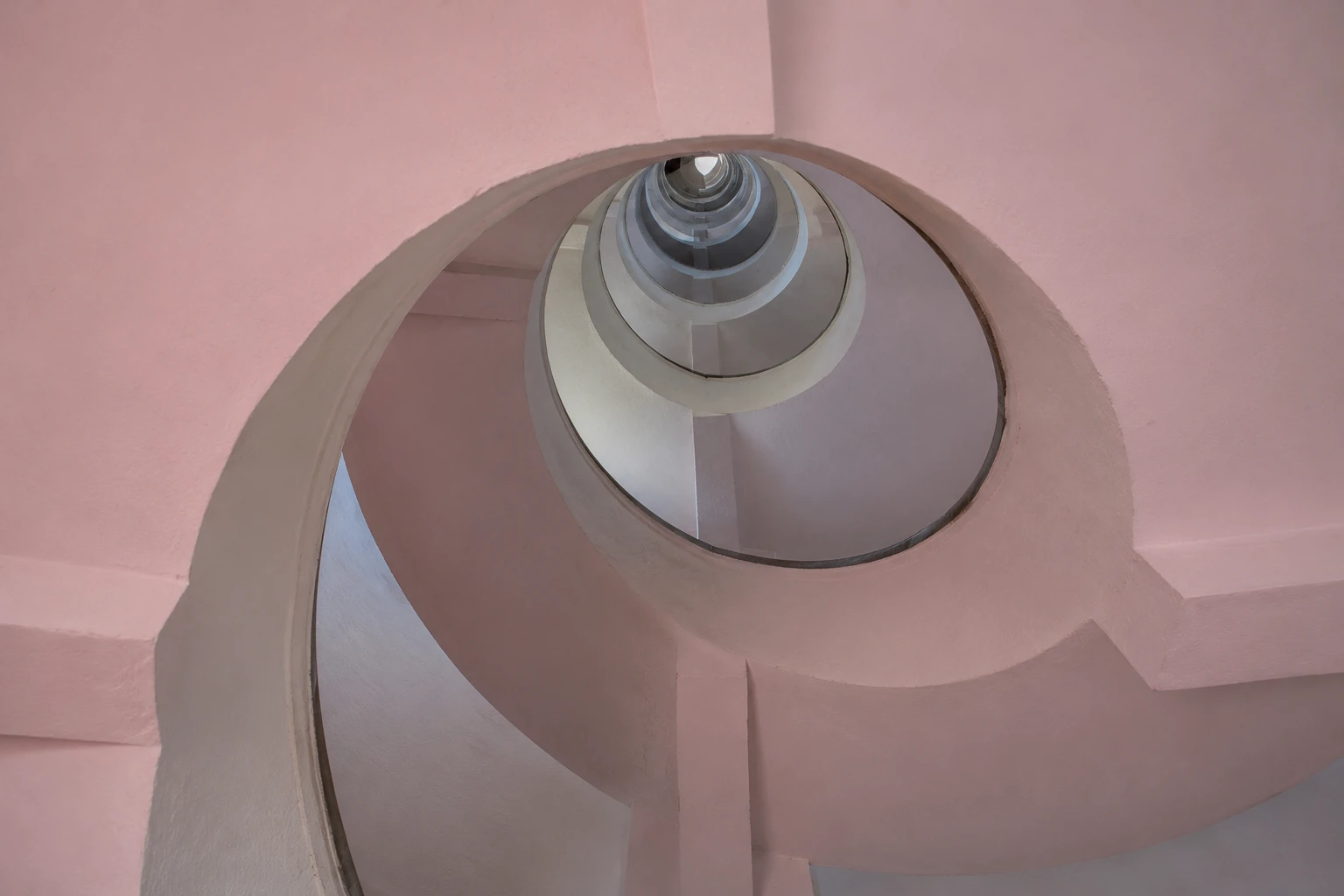
From the base of the lighthouse you can see the sea, the stretch of urban beaches and the green of the Parque das Dunas. When interior visits are open, a spiral staircase of about 150 steps leads to the top of the tower, where the view reaches much of the city, the Via Costeira and the coastline.
Access to the tower is not open all the time: it depends on the Navy and on visitation programs that change over the years. Confirm in advance whether interior access will be available. Even without climbing, it’s worth going to the base to see the tower up close and enjoy the surrounding scenery.
The lighthouse is close to the Parque das Dunas, which has trails through the dune forest, and to the Via Costeira, which connects the center to Ponta Negra between the park and the sea. Areia Preta and Praia dos Artistas beaches lie just below.
Before you go
Practical information
Cidade Turismo reviews its information regularly, but something may have changed. Check with the place before planning your trip.
How much time to set aside
About 30 minutes to 1 hour, including the climb when the tower is open.
Best time
All year, during daytime. In the morning and late afternoon the light is softer on the city and the sea. Interior visits depend on the Navy opening the tower: confirm beforehand.
How to get there
The lighthouse is in the Mãe Luiza neighborhood, in the East Zone, about 3 km from Cidade Alta and roughly 9 km from Ponta Negra via the Via Costeira. The most practical way to get there is by taxi or rideshare to Rua Camaragibe, next to the tower.
Tip
Combine the lighthouse with Areia Preta and Praia dos Artistas, which are just below, or with a trail in the Parque das Dunas. Go during the day and arrange transport for the return, and confirm in advance whether the tower climb will be open.
Your questions
Frequently asked questions about Mãe Luiza Lighthouse
When was the Mãe Luiza Lighthouse inaugurated?
In 1951. The concrete tower is 37 meters tall and continues to operate as a navigation aid along Natal’s coast.
Can you climb the Mãe Luiza Lighthouse?
When interior visits are open, a spiral staircase of about 150 steps leads to the top of the tower. Opening depends on the Navy and changes over time: confirm before you go.
Where is the Mãe Luiza Lighthouse located?
On the high ground of the Mãe Luiza neighborhood, in Natal’s East Zone, between the Parque das Dunas and the sea, about 3 km from Cidade Alta and near the start of the Via Costeira.
Is the Mãe Luiza Lighthouse a heritage site?
Yes. The lighthouse was legally recognized as historical, cultural and architectural heritage of Rio Grande do Norte.
What to do near the Mãe Luiza Lighthouse?
Visit Areia Preta and Praia dos Artistas beaches just below, hike in the Parque das Dunas, or follow the Via Costeira toward Ponta Negra.