Porto Velho grew up on the banks of the Rio Madeira, tied to the history of the Madeira-Mamoré railway. The old railway structures, the museums and the forest areas reveal different sides of the capital.
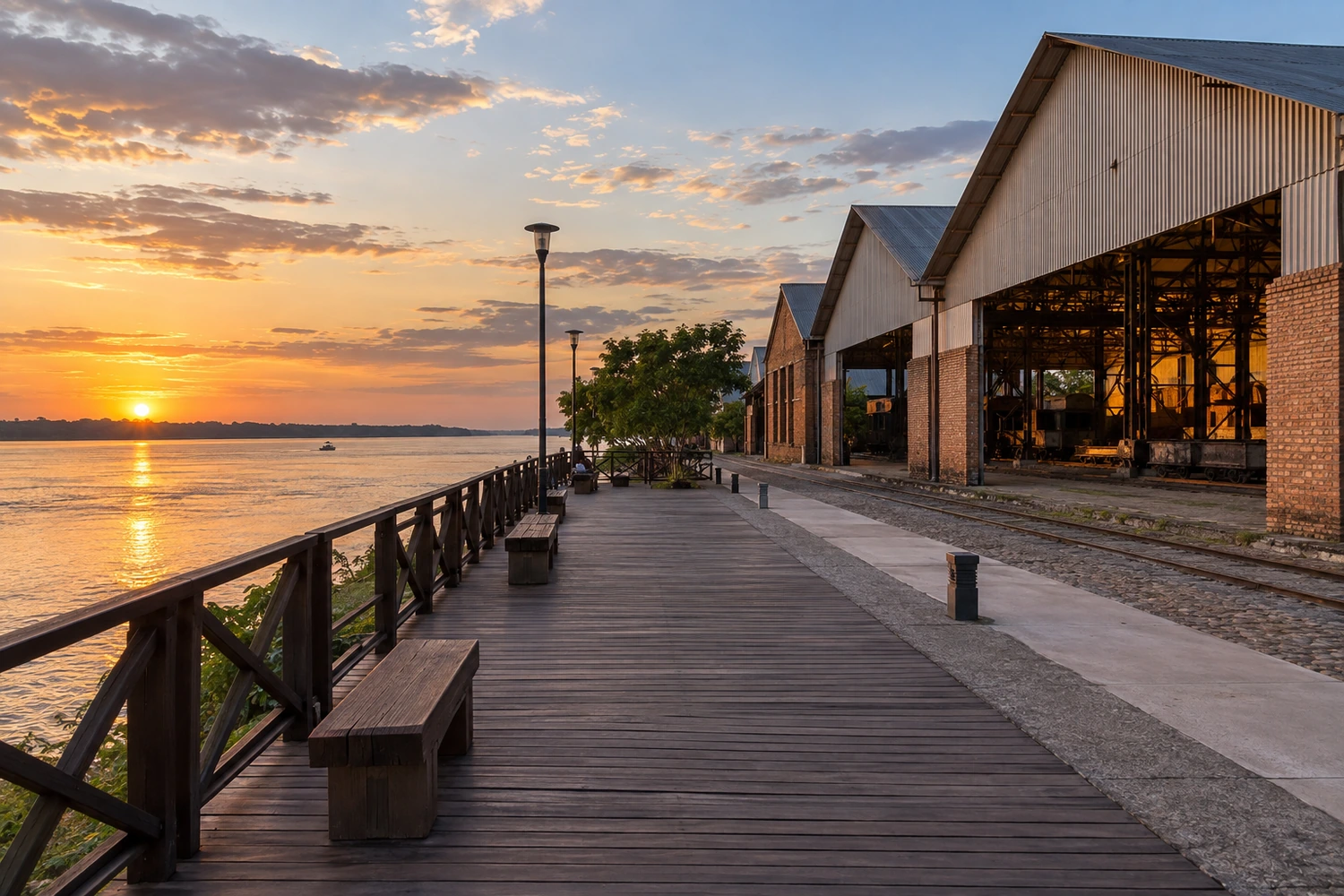
The former yard of the railway opened in 1912, a project that brought together workers of more than 50 nationalities, on the bank of the Rio Madeira. Revitalized and reopened in 2024, it has a museum with railway items, restored sheds and a deck overlooking the river.
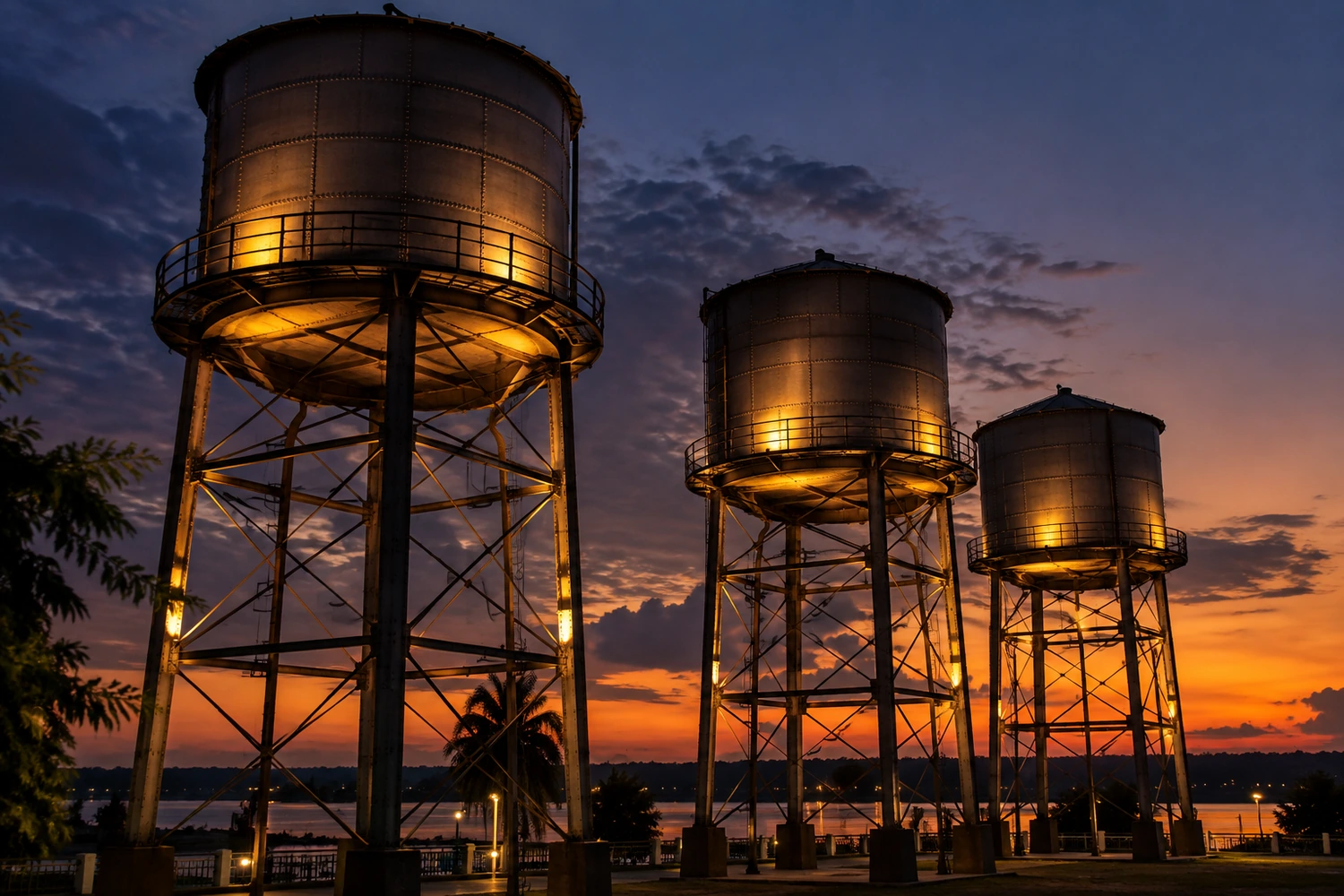
Known as the Três Marias, the metal water tanks were brought from the United States in the days of the Madeira-Mamoré Railway and became a symbol of the city. They stand at the intersection of Avenida Carlos Gomes and Avenida Rogério Weber and host arts events.
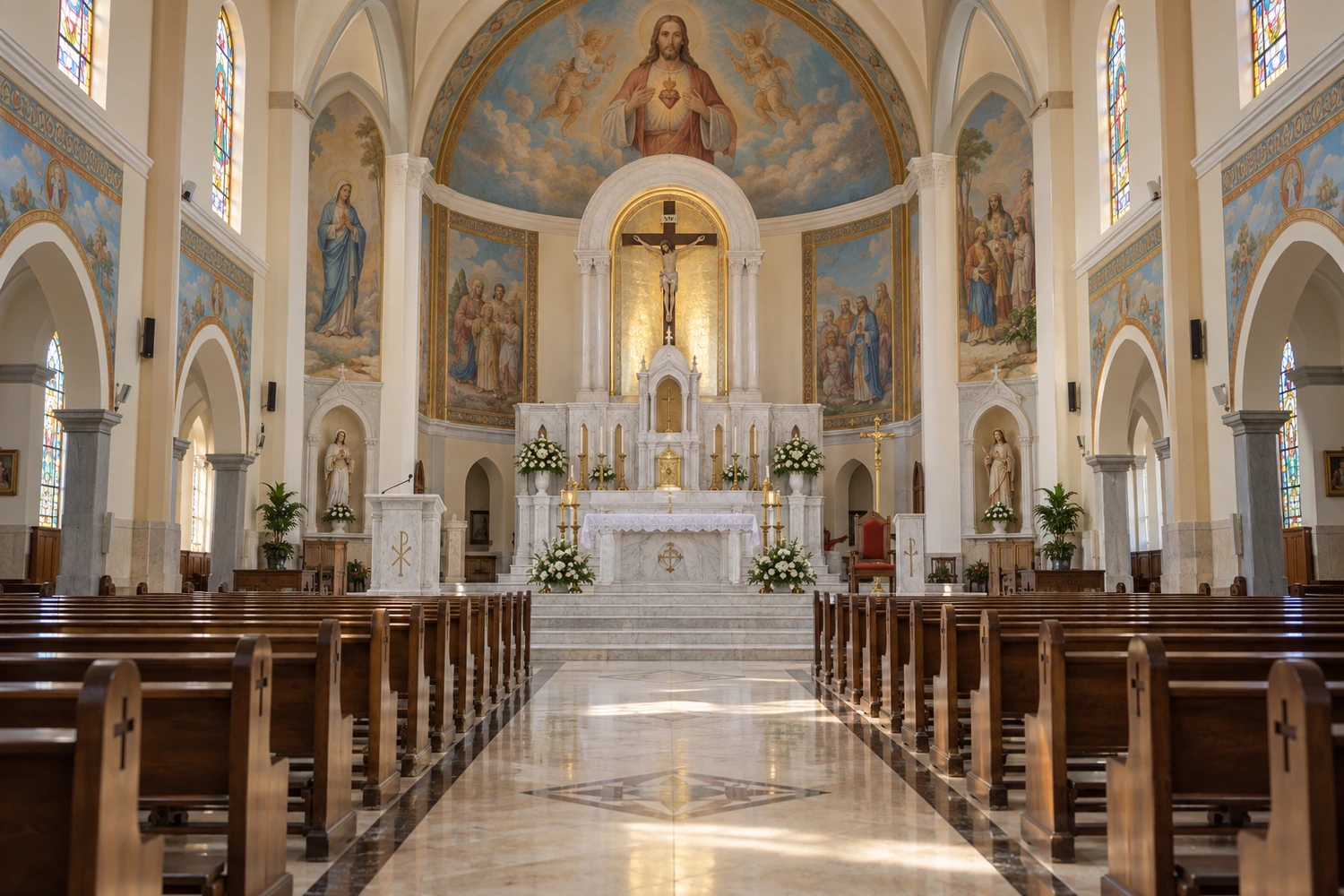
The city's first Catholic church, its cornerstone was laid in 1917 and work resumed for good in 1927. The high altar is of Carrara marble, made by Italian artists, and the walls have religious paintings by Father Ângelo Cerri.
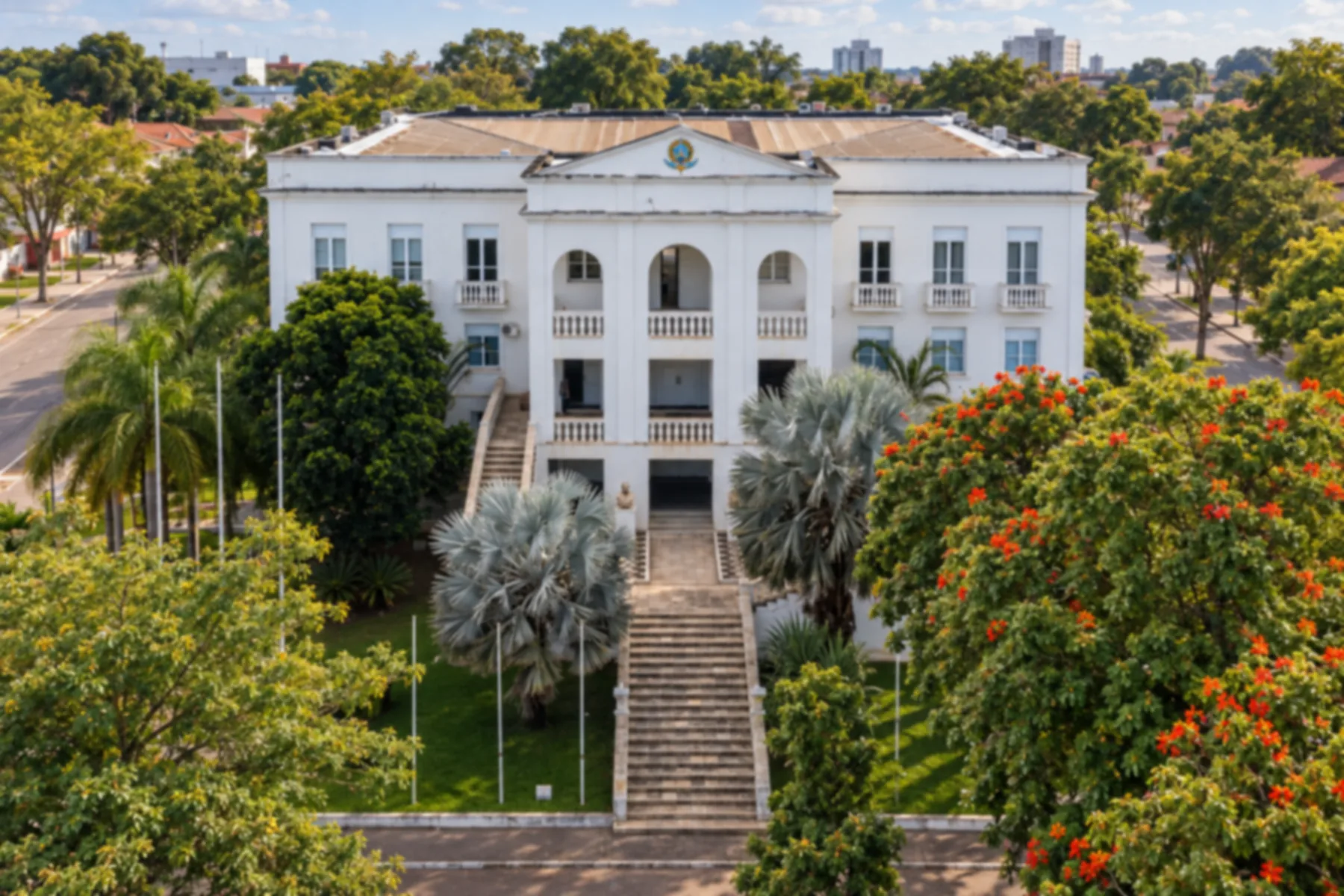
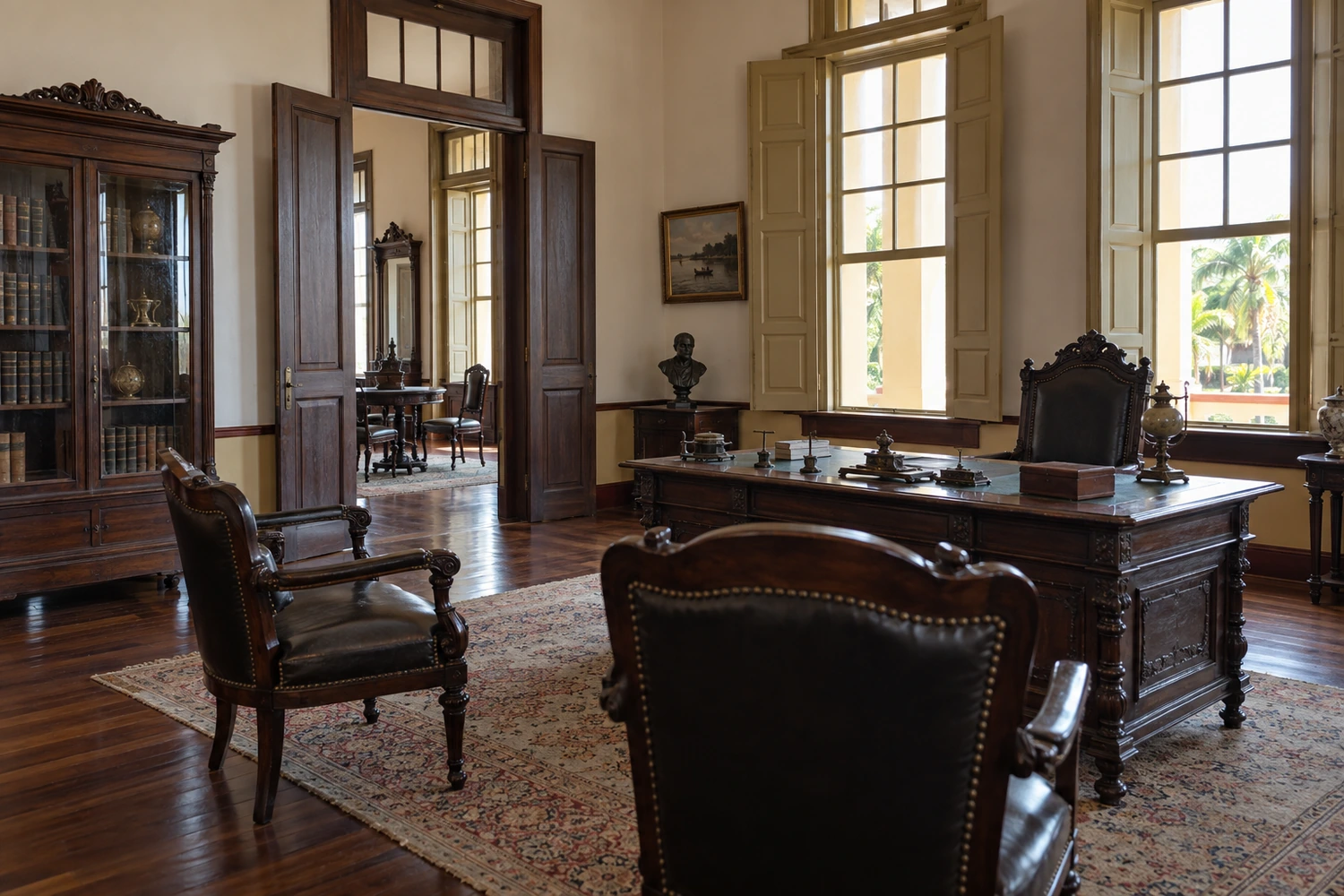
Housed in the former Palácio Getúlio Vargas, opened in 1954 and seat of government until 2015, it holds collections of archaeology, geology, paleontology and historical documents. On the upper floor, the governor's office has been kept with its original furniture.


 Antarctica
 Argentina
 Bolivia
 Chile
 Colombia
 Ecuador
 Falkland Islands (Malvinas)
 French Guiana
 Guyana
 Paraguay
 Peru
 Suriname
 Uruguay
 Venezuela
 Austria
 Belgium
 Croatia
 Denmark
 Finland
 France
 Germany
 Greece
 Hungary
 Iceland
 Ireland
 Italy
 Luxembourg
 Norway
 Poland
 Portugal
 Slovakia
 Slovenia
 Spain
 Sweden
 Switzerland
 the Czech Republic
 the Netherlands
 the United Kingdom
 Turkey
 Bermuda
 Canada
 Greenland
 Mexico
 Saint Pierre and Miquelon
 the United States
 the Dominican Republic
 Japan
 Egypt
 South Africa
 Australia
 Fiji
 New Zealand
 Papua New Guinea