Litoral Norte de São Paulo

SP

Litoral Norte de São Paulo

Sudeste

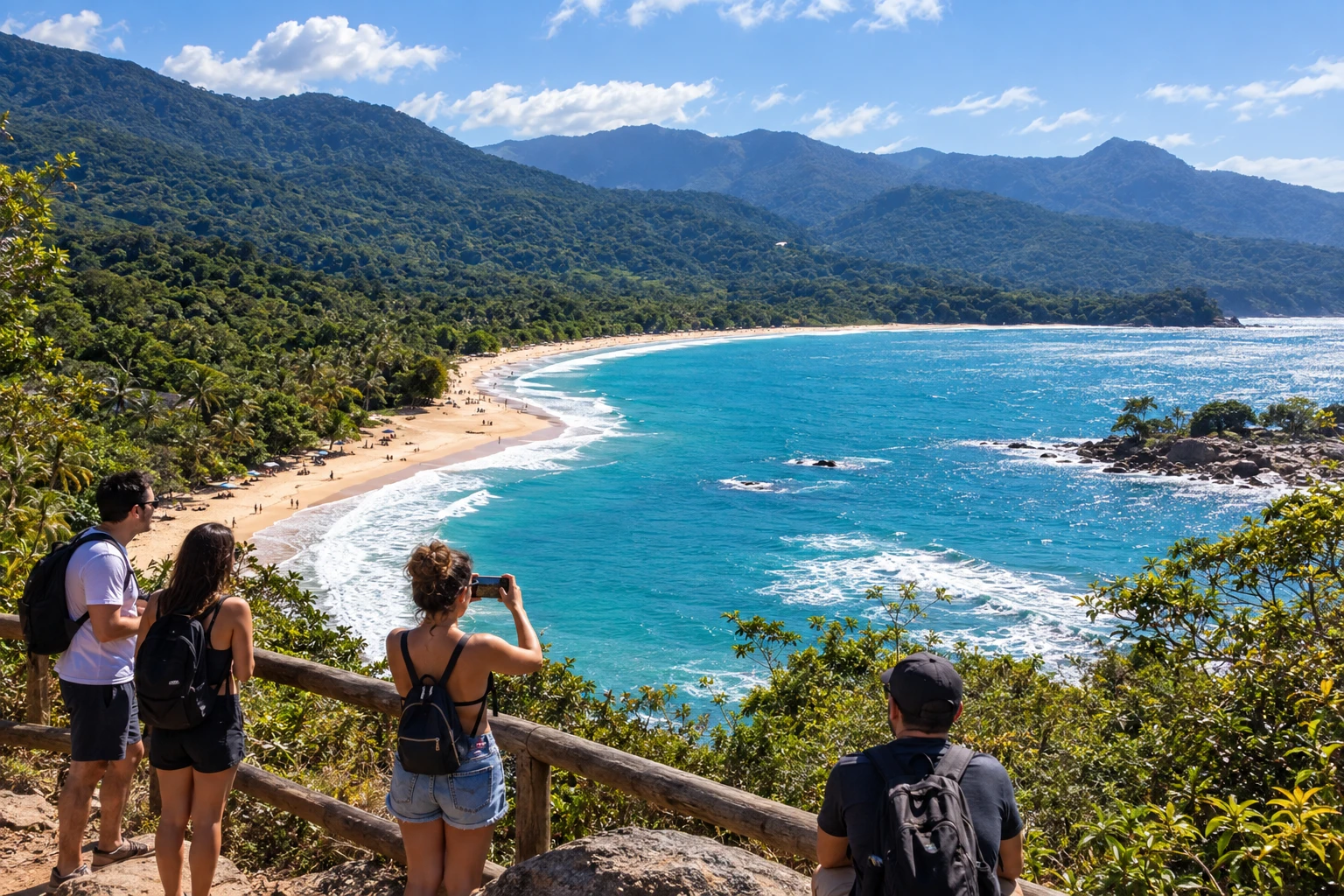
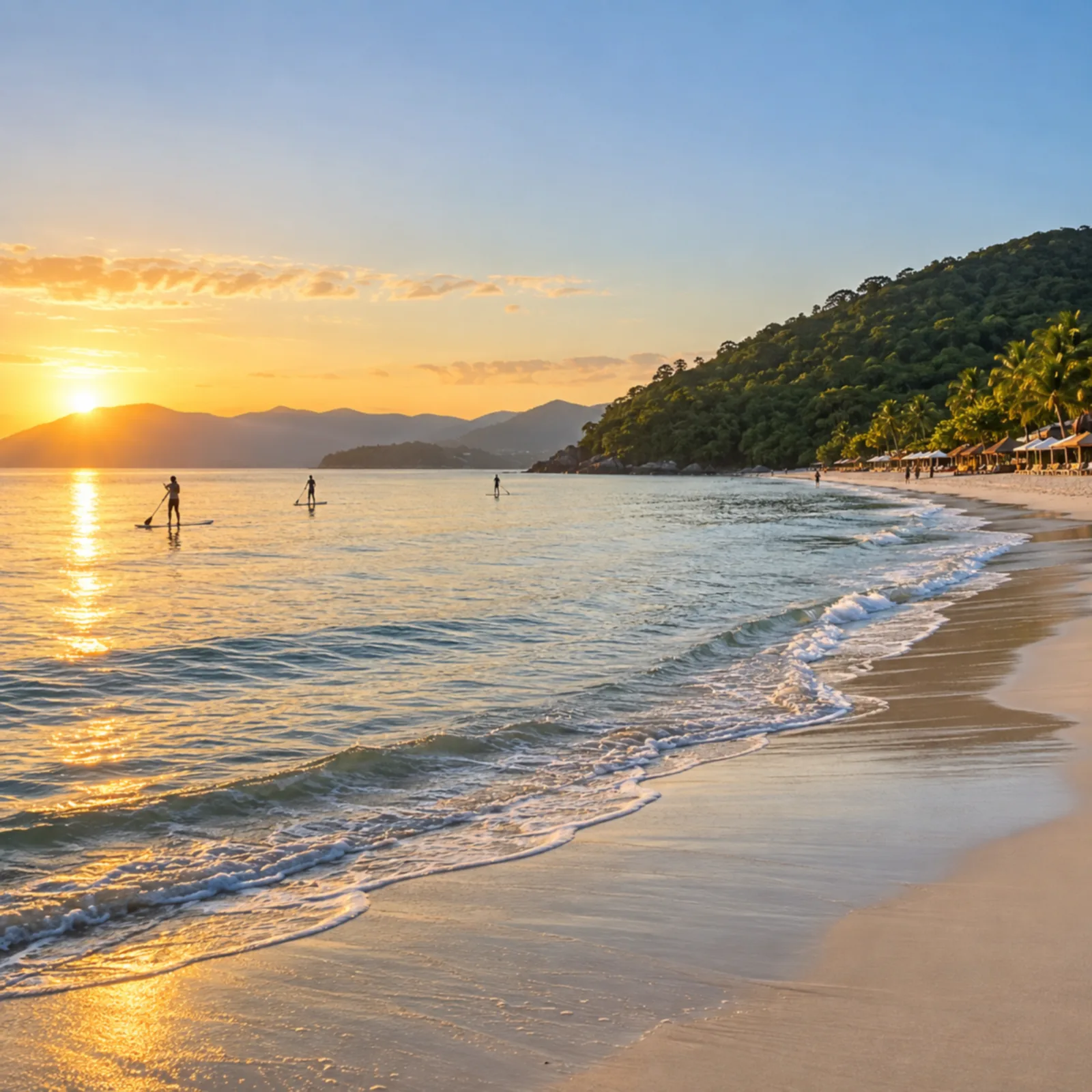
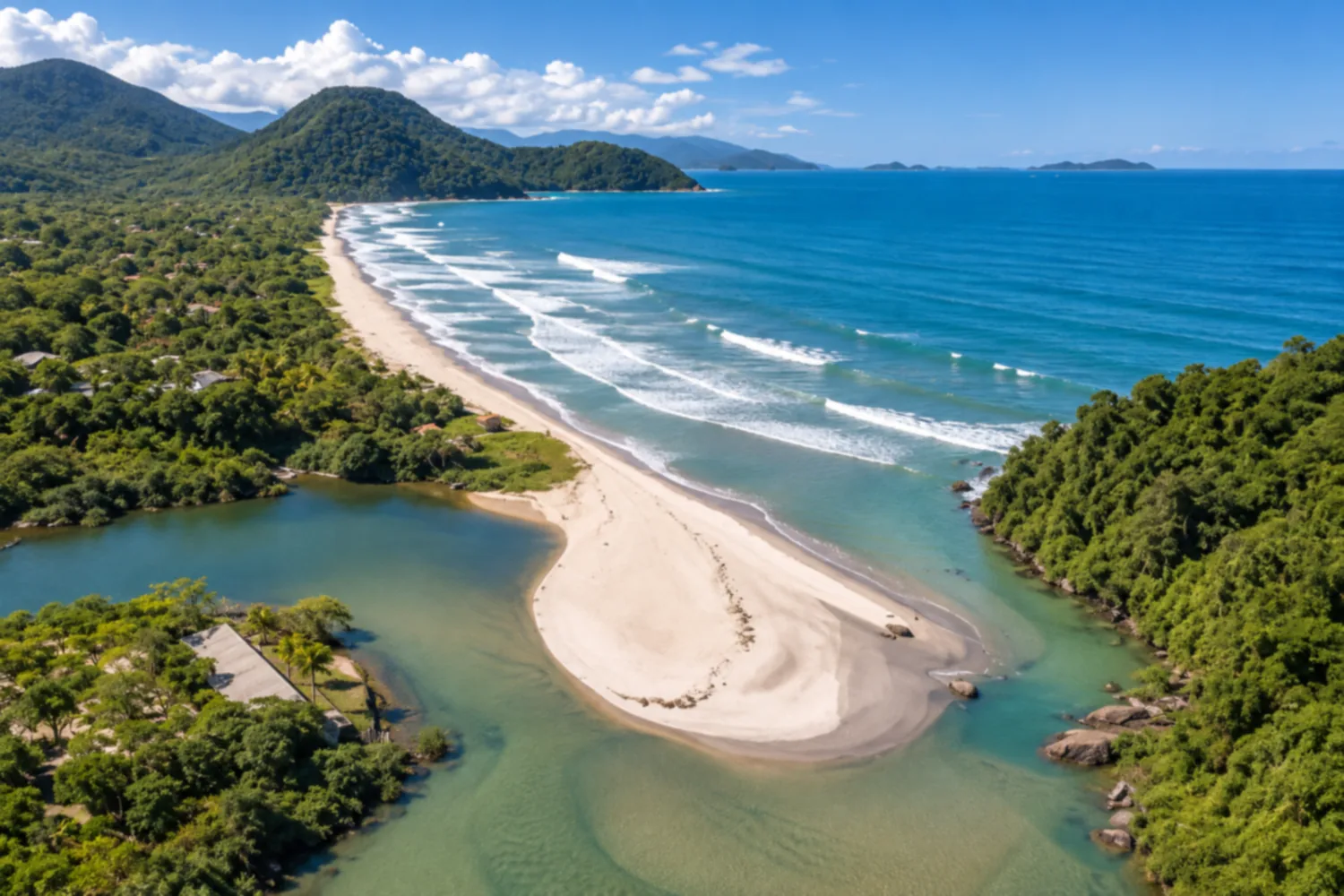
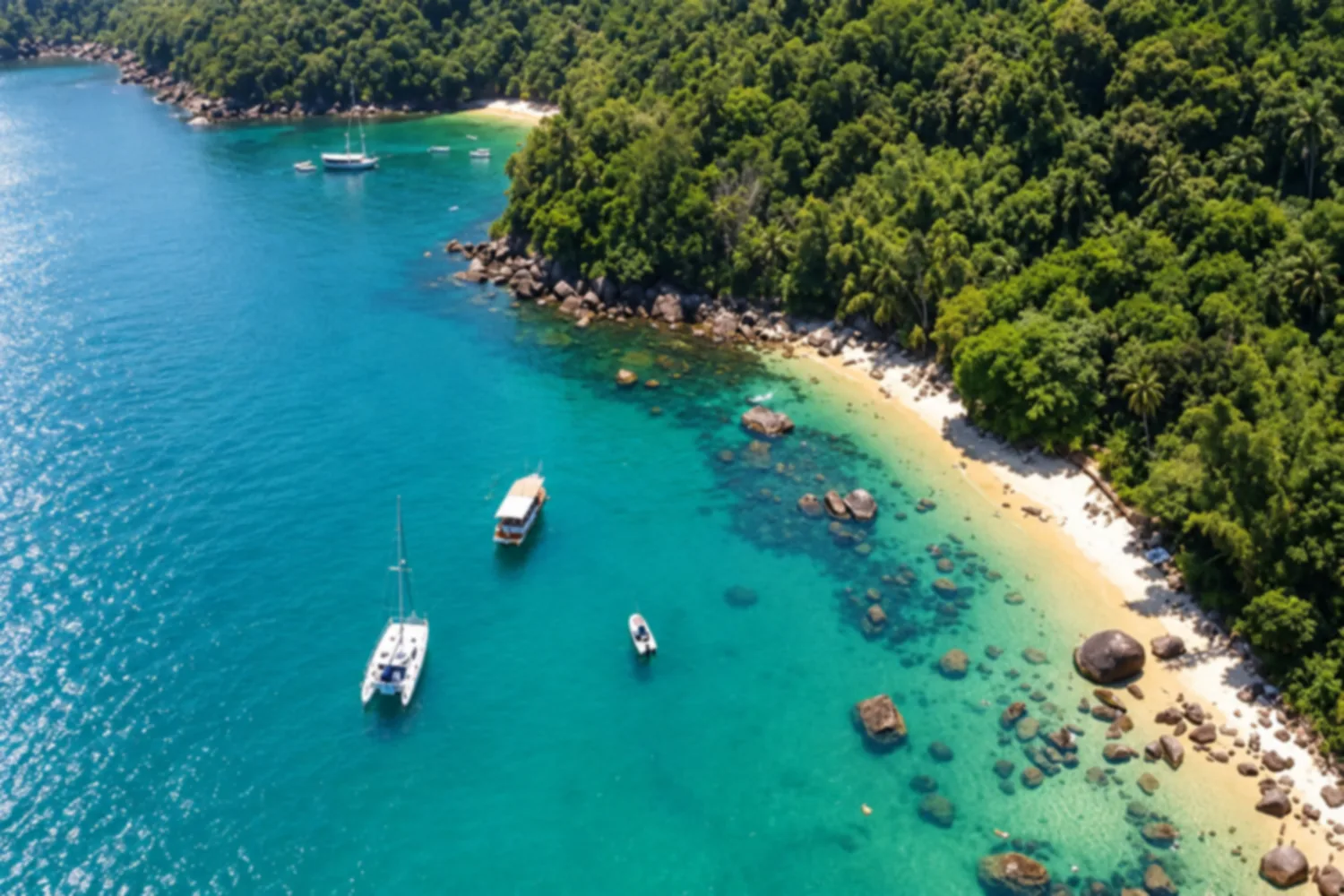
In the photo: Praia de Castelhanos, Ilhabela

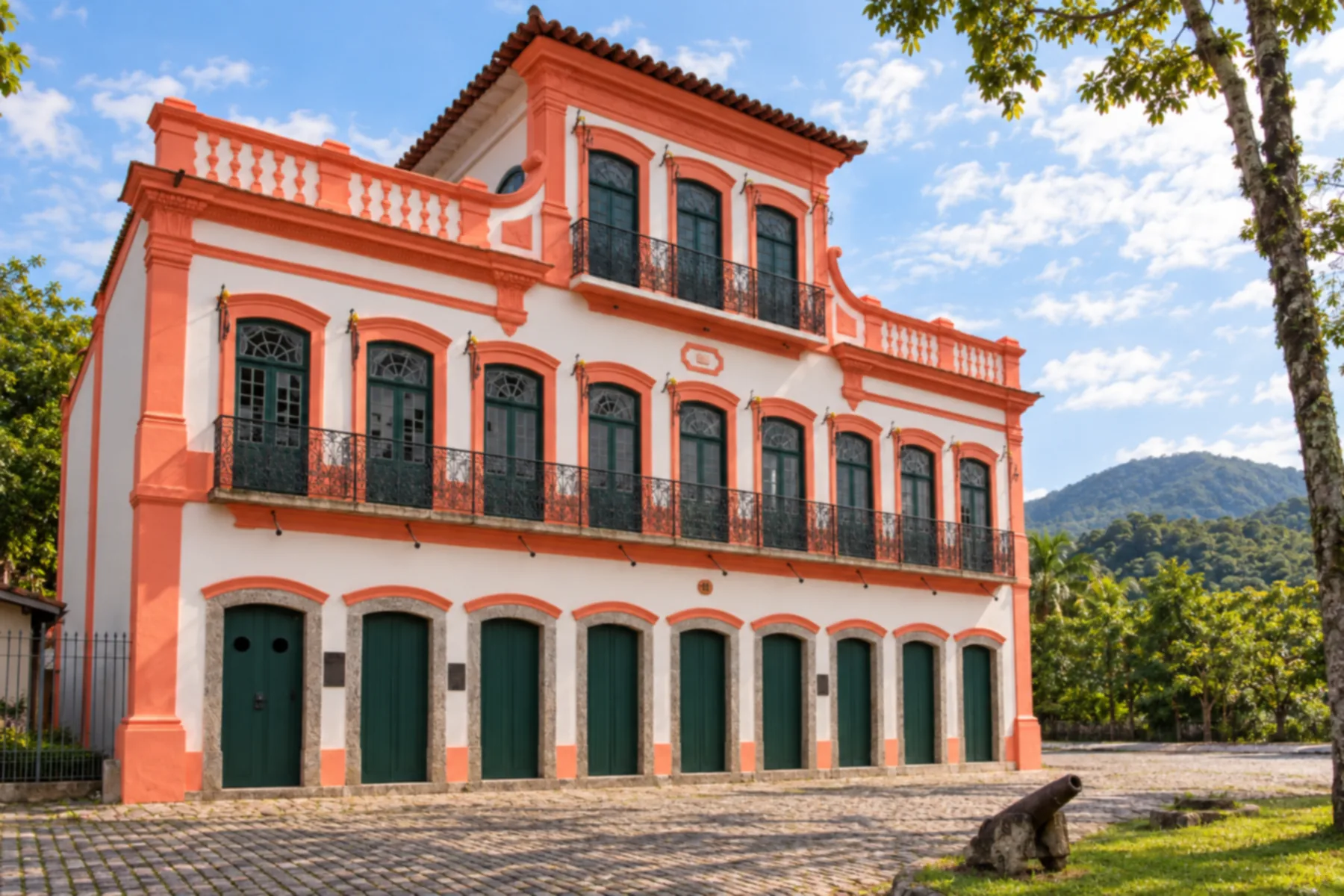
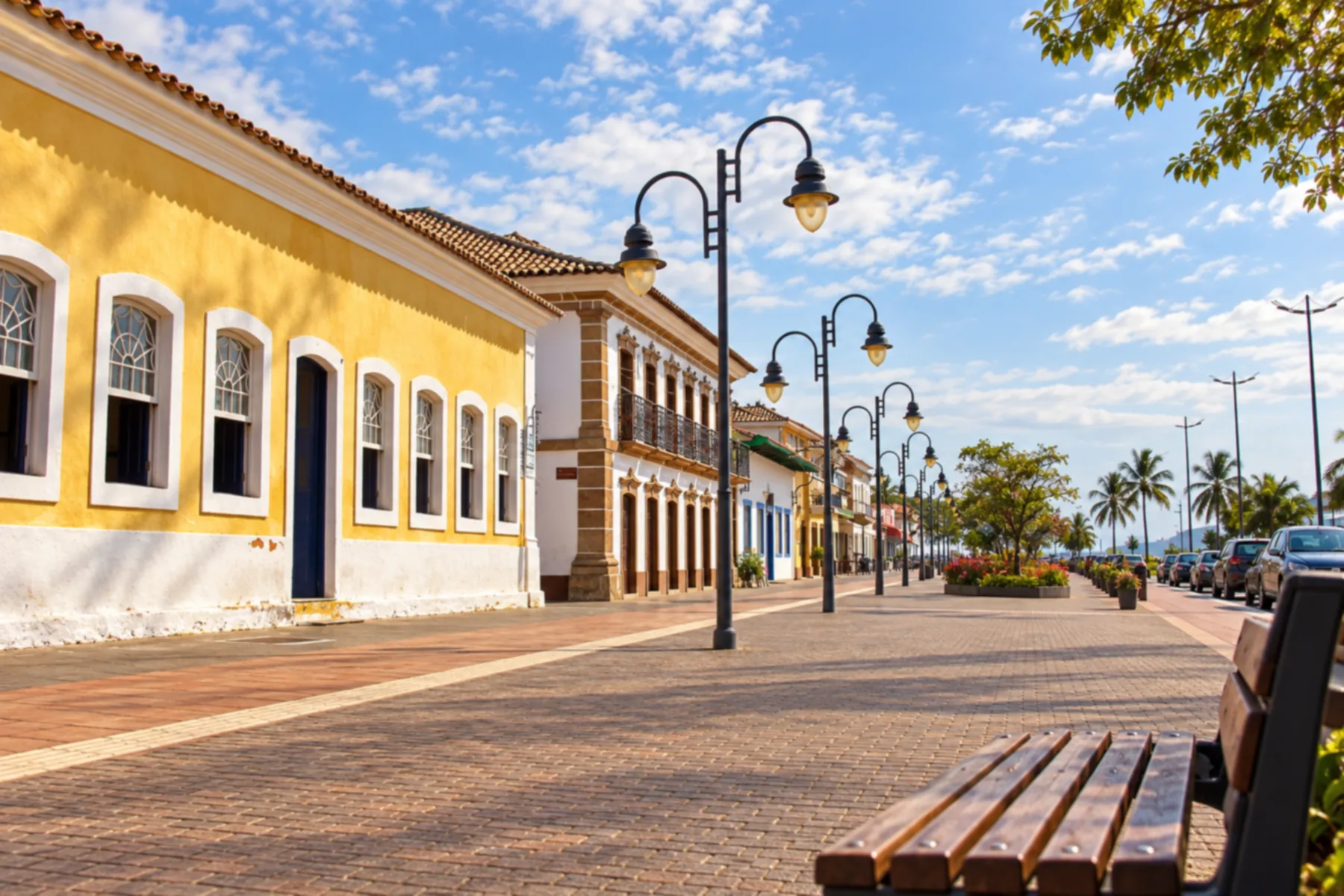
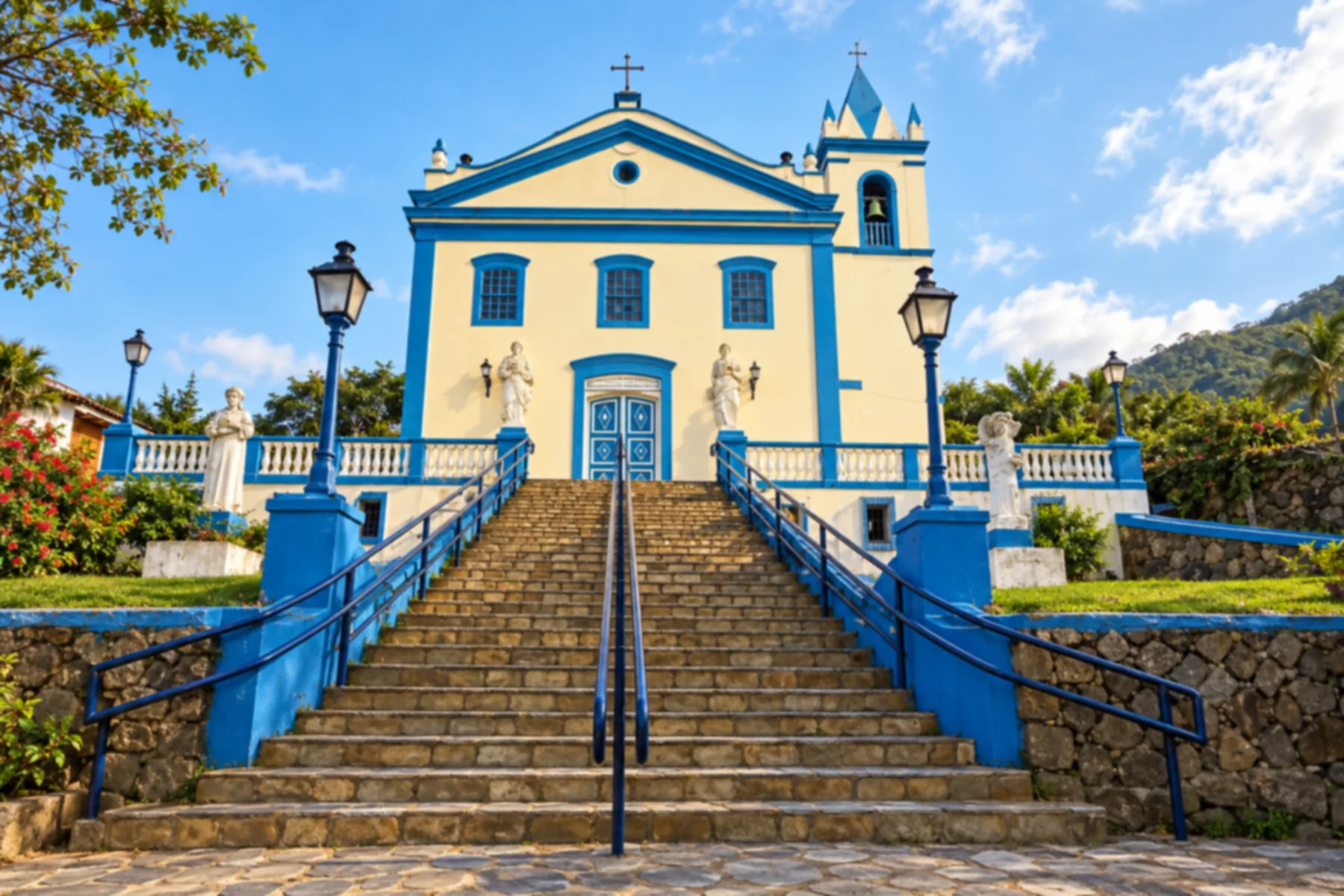
Illustrative images. The pictures in this guide are illustrations based on the real place, not photographs, and may differ from it.

Get to know the place

A region to enjoy
at your own pace.

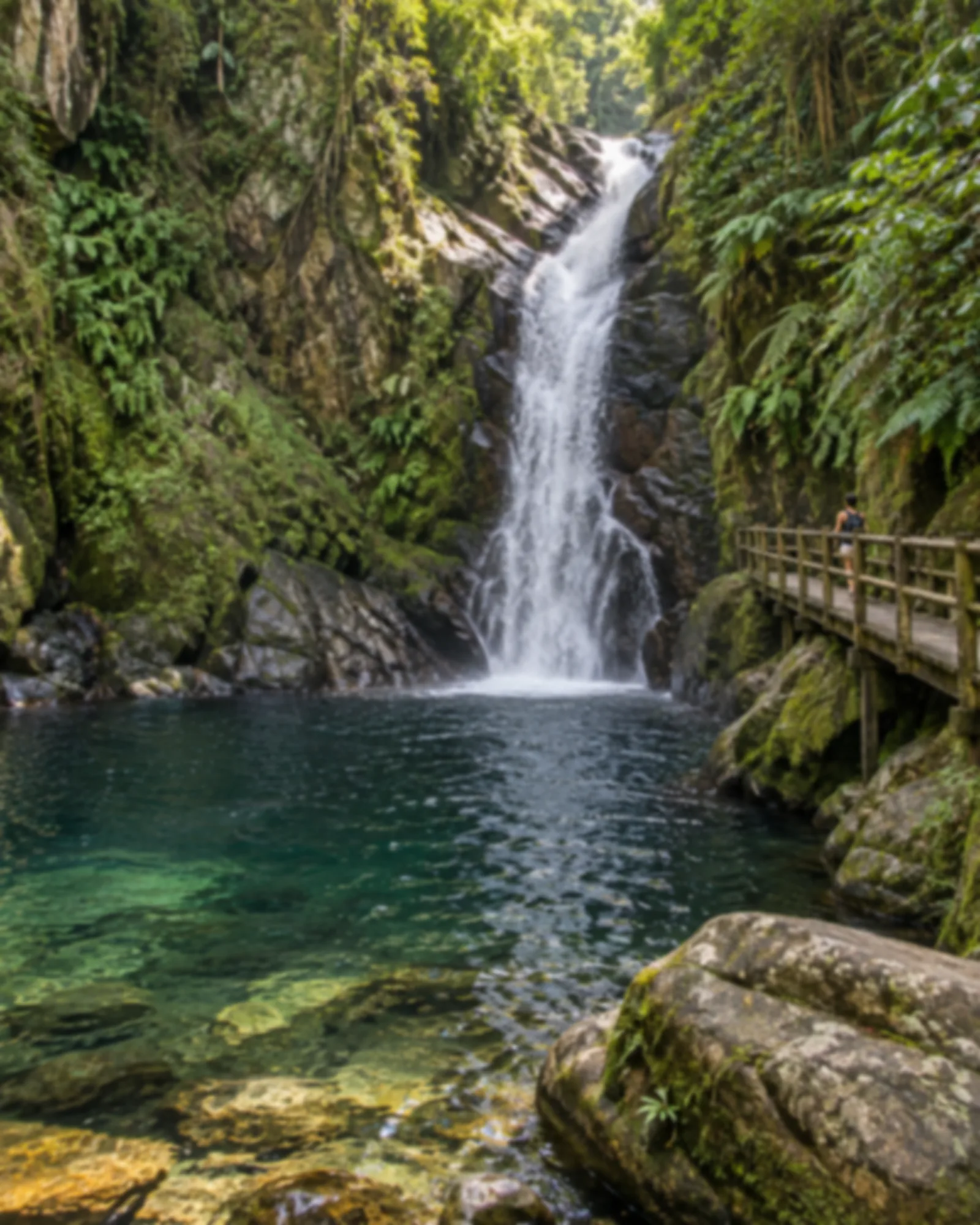
São mais de cem praias espremidas entre a Serra do Mar e o Atlântico, de enseadas mansas para levar criança a praias de ondas grossas que formaram gerações de surfistas. Dá para começar o dia mergulhando em ilha de água transparente em Ubatuba e terminar jantando em Maresias ou na vila colonial de Ilhabela. Entre uma praia e outra aparecem cachoeiras de Mata Atlântica, trilhas de costão e comunidades caiçaras.

This destination brings together 4 cities: Caraguatatuba, Ubatuba, São Sebastião, Ilhabela.

Share: WhatsApp

A look at the place

Litoral Norte de São Paulo in pictures

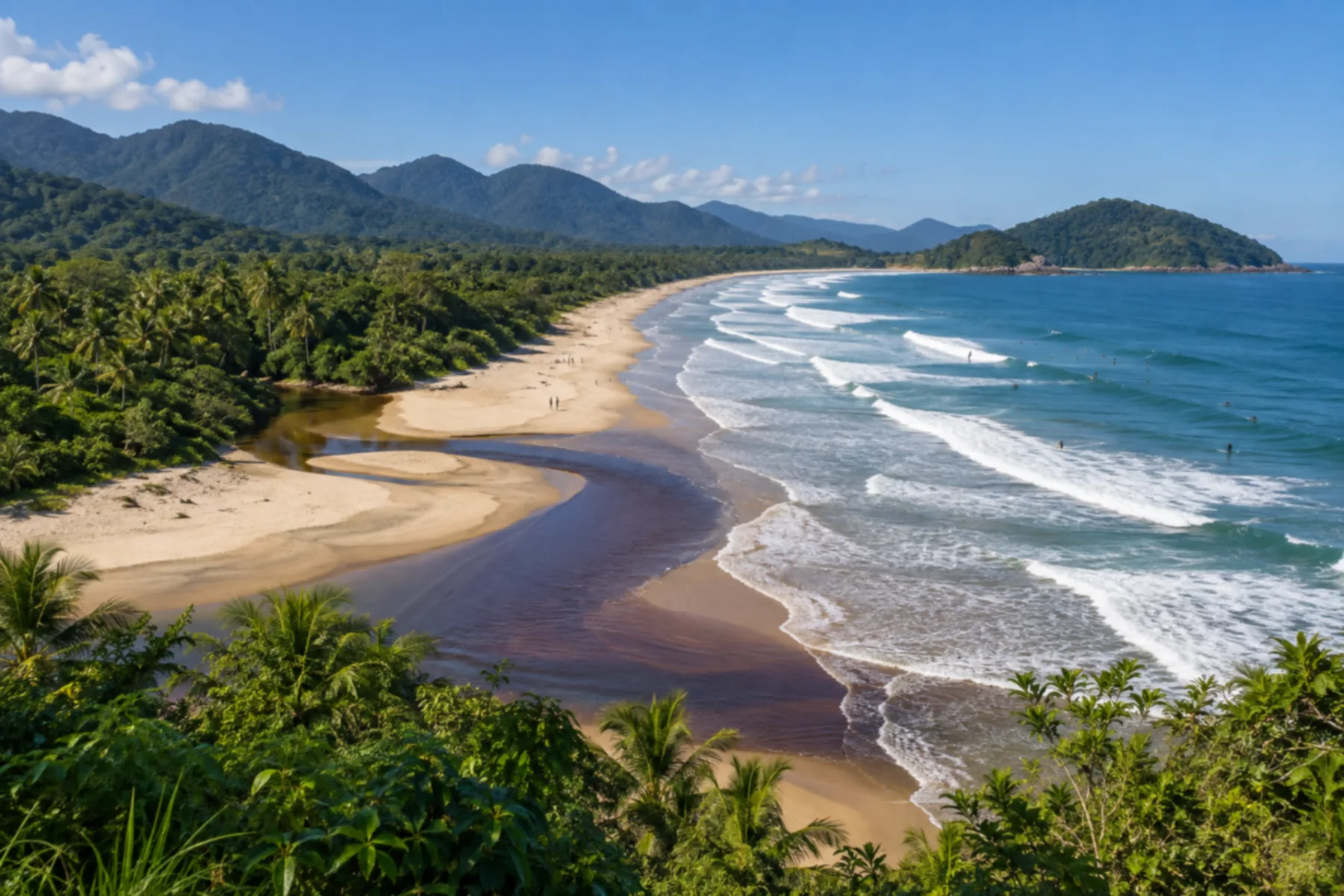
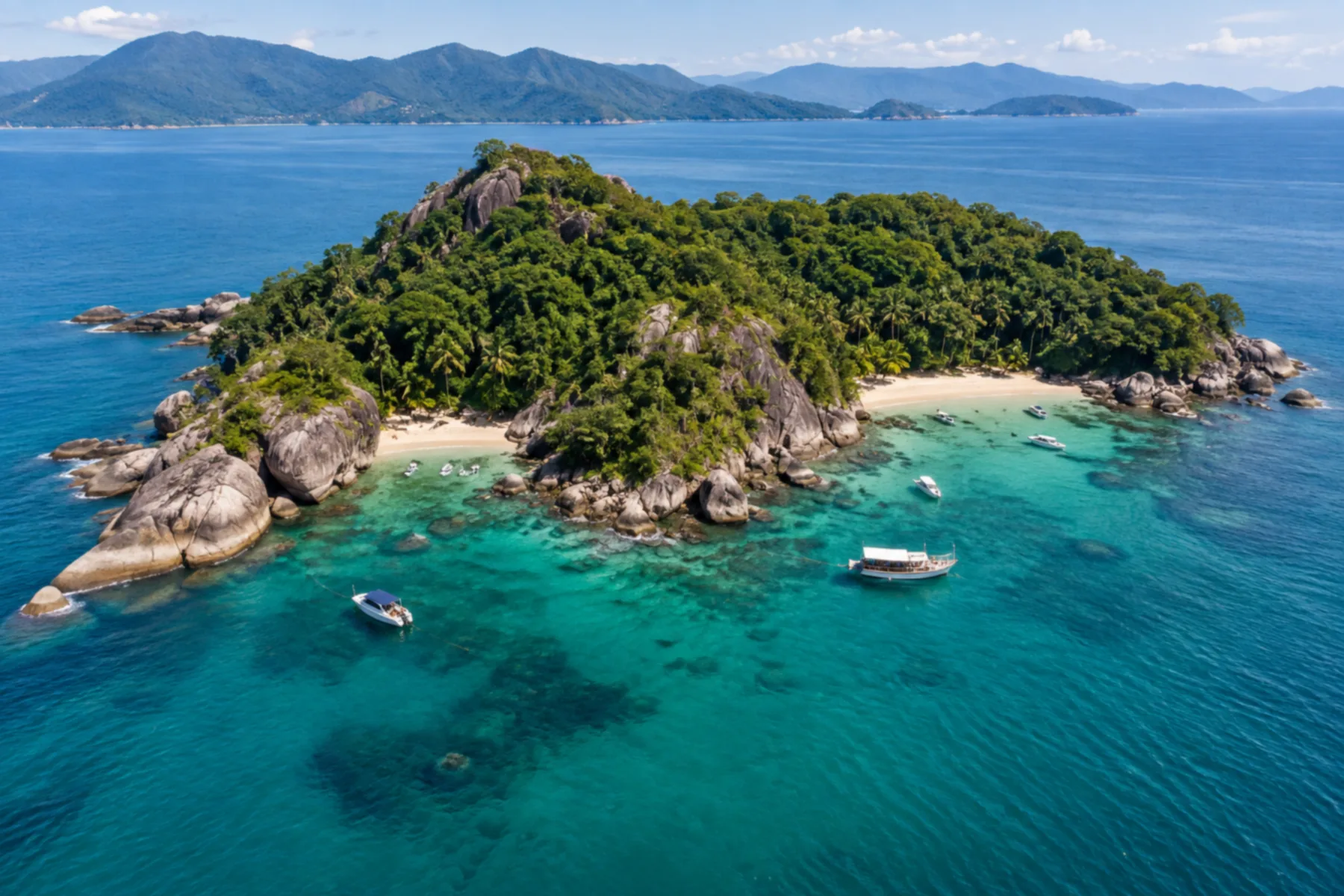
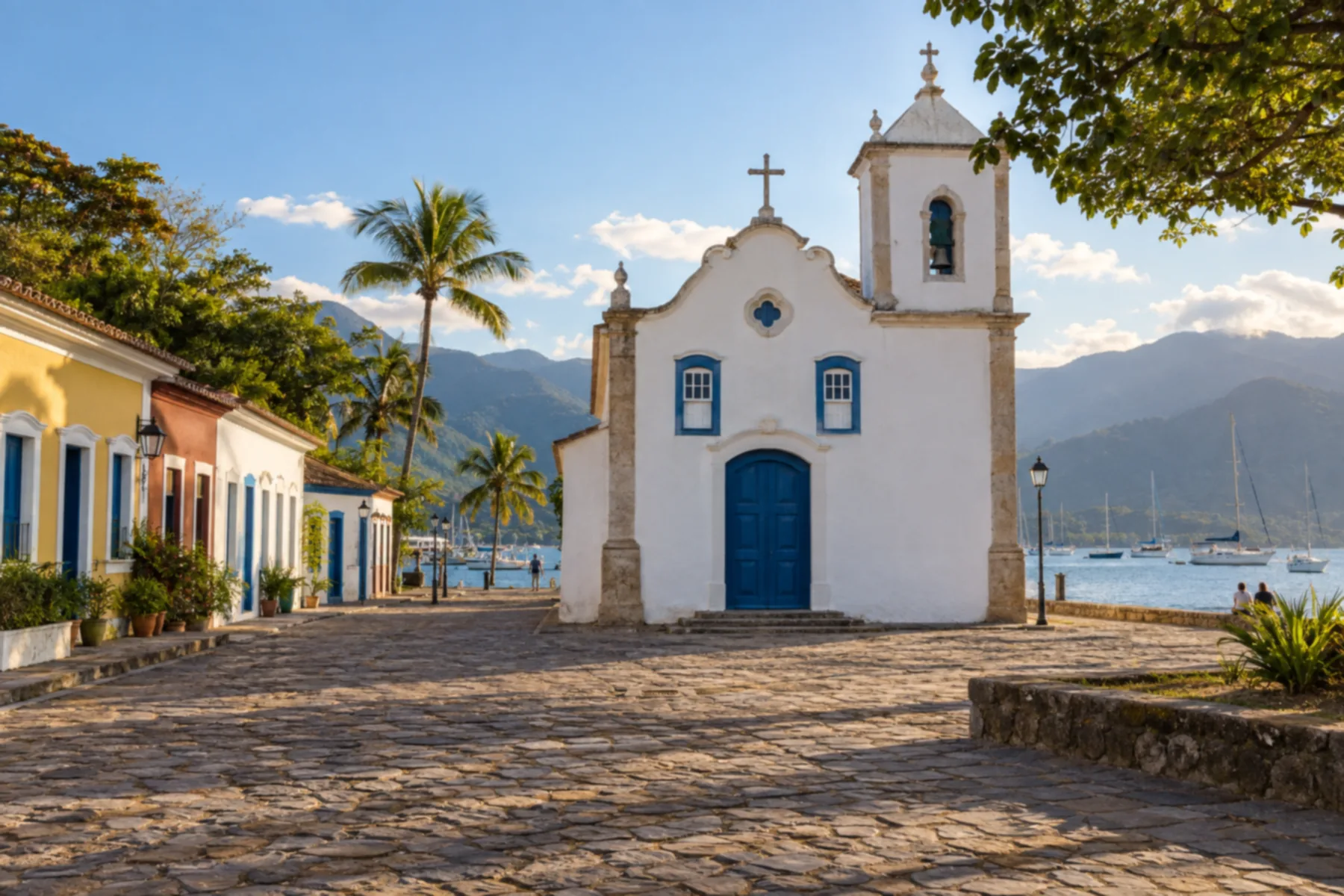
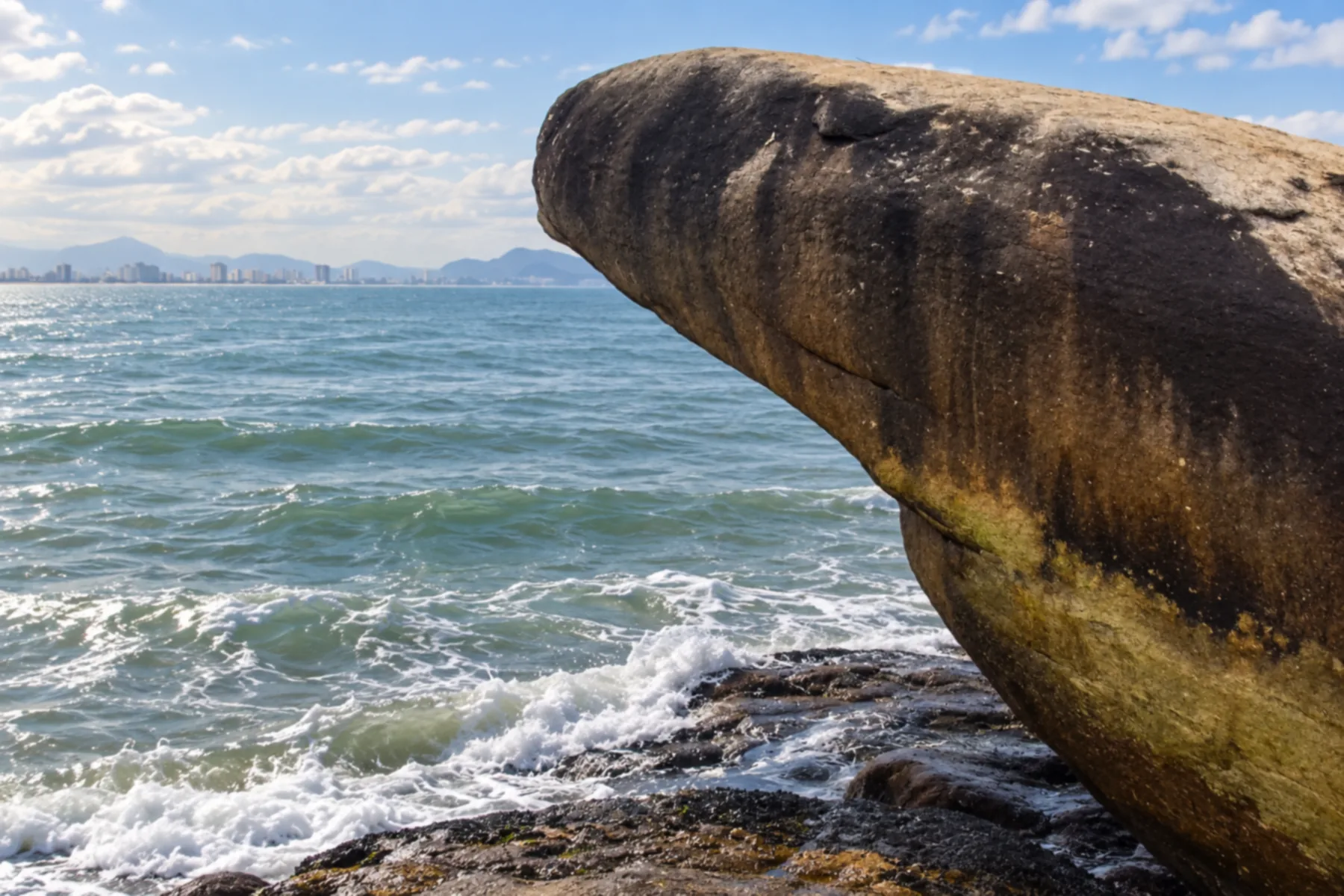
These pictures are illustrations based on the real place, not photographs. They may differ from the place.

Click the picture to enlarge it.

Travelers' photos

Litoral Norte de São Paulo through the eyes of those who went

Litoral Norte de São Paulo
Illustrative image
Litoral Norte de São Paulo
Illustrative image
Traveler, share your experiences through photos Up to 5 photos of each place you visited.

One destination, many paths

The cities on this trip

Start with one city or combine several in your itinerary.

Where Litoral Norte de São Paulo is The star marks the nearest capital, São Paulo.
São PauloCaraguatatubaUbatubaSão SebastiãoIlhabela

Mapa: @svg-maps/brazil, CC BY 4.0

How to get there: Litoral Norte de São Paulo

Aeroporto Internacional de Guarulhos (GRU), in Guarulhos · 165 km to Caraguatatuba

O acesso é pela Rodovia dos Tamoios (SP-099) a partir de São José dos Campos, ligando à Rio-Santos (BR-101), a cerca de três horas do Aeroporto de Guarulhos.

Suggested arrival point: Caraguatatuba

The local experience

Things to do in Litoral Norte de São Paulo

Ubatuba · SP · praia

Praia de Itamambuca

Praia longa e arborizada com rio desaguando na areia e ondas consistentes, palco de etapas de campeonatos de surfe. Mesmo cheia, o tamanho garante espaço e o visual permanece pouco construído.

Explore Praia de Itamambuca

Ubatuba · SP · ilha

Ilha das Couves

Ilha de água transparente e fundo de areia clara, alcançada de barco a partir da Praia da Fortaleza, com visitação controlada por agendamento. É o melhor ponto de mergulho livre do litoral norte paulista.

Explore Ilha das Couves

Caraguatatuba · SP · mirante

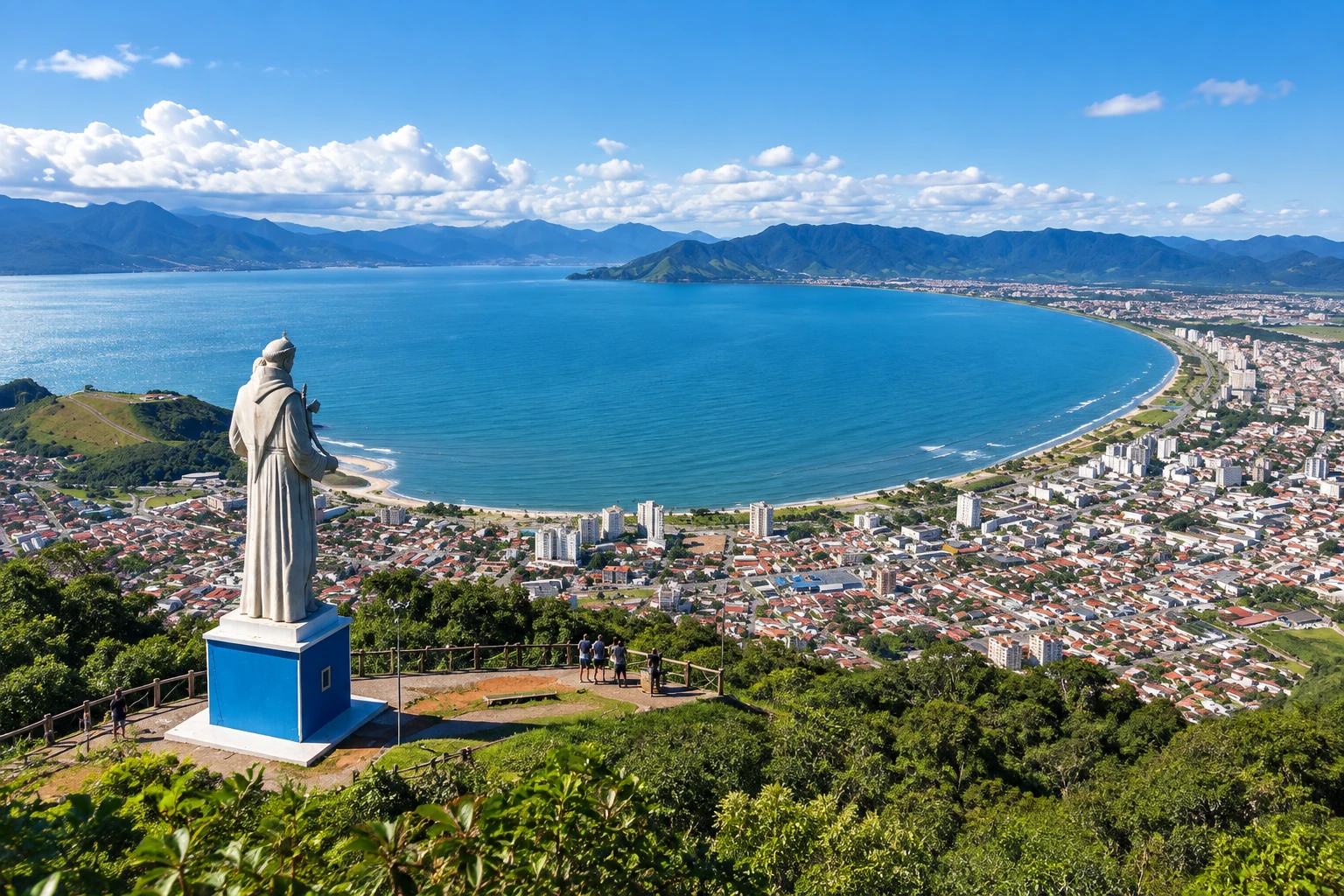
Morro Santo Antônio

A cerca de 325 metros de altitude, o mirante tem uma estátua de Santo Antônio, padroeiro local, e rampas de decolagem de voo livre e parapente. A vista abrange a orla, a baía e o canal de São Sebastião com Ilhabela ao fundo.

Explore Morro Santo Antônio

São Sebastião · SP · centro histórico

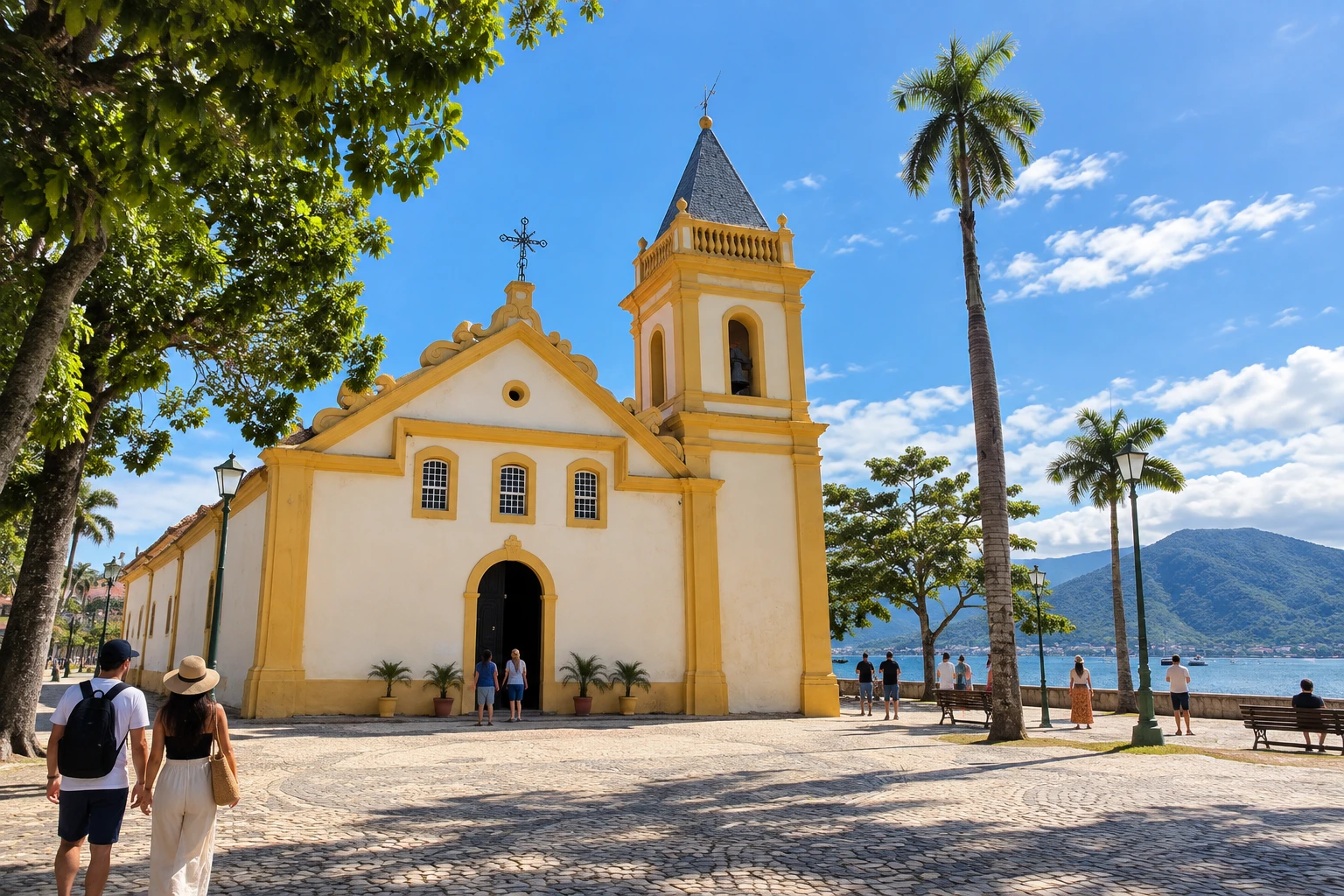
Centro Histórico e Igreja Matriz

Tombado pelo Condephaat em 1969, o conjunto de sete quadras preserva sobrados coloniais erguidos com pedra e argamassa de conchas moídas. Na praça principal fica a Igreja Matriz, iniciada em 1603, e perto dela está o Convento de Nossa Senhora do Amparo.

Explore Centro Histórico e Igreja Matriz

See 32 more places in Litoral Norte de São Paulo

To choose before you go

Tours in Litoral Norte de São Paulo

Where each tour starts, how long it takes, how it is done, what is included and the price range.

Schooner to Ilha Anchieta and Praia das Sete Fontes

From Praia da Enseada, Ubatuba (also Itaguá and Saco da Ribeira) schooner 5 to 6 hours, with crossings of 15 to 45 minutes morning and afternoon easy

The schooner departs from Praia da Enseada, in the south of Ubatuba, and reaches Ilha Anchieta in 15 to 45 minutes depending on the vessel, the boarding point and the sea. Some companies also board at Itaguá, Saco da Ribeira and Lázaro. The most common route has two stops. The first is Praia das Sete Fontes on the mainland, with about two hours there. The second is Parque Estadual Ilha Anchieta, with another two hours for the beaches, trails, the museum and, depending on the park's program, the ruins of the former prison. Some itineraries also include Praia do Flamengo. The island has a visitor center and a food stand. The boat returns to Enseada in the late afternoon. Small children do not pay and those in the intermediate age bracket pay half fare; the cutoff age varies by company.

Stops: Praia da Enseada, Praia das Sete Fontes, Parque Estadual Ilha Anchieta, Praia do Flamengo.

Includes: Usually includes round-trip crossing, guide and life jackets. The park's environmental visitation fee is paid separately, with half-price tickets and exemptions; check the current table. Food, drinks and diving equipment are also paid separately.

Tip: Buy the park fee in advance on the island concessionaire's website, especially on holidays and during school vacations. Bring snacks, water, sunscreen and swimwear. Check with the company about the schedule for the prison ruins on the day.

Best time: Days of calm seas and sun; from March to May the sea is warm and there are fewer people.

Agencies that run it: Mar Azul Turismo (Escunas Ubatuba Ltda), Atlântida Aquaturismo, Tubarão Turismo, Acqua Marina Turismo.

R$120 · per person, adult (schooner, excluding the island fee)

4x4 jeep to Praia de Castelhanos, in Ilhabela

From Ilhabela (agencies in Perequê and Vila; some offer hotel pickup) 4x4 jeep, round trip 7 to 8 hours full day easy

The jeep leaves the urban area of Ilhabela and enters the dirt road of the Parque Estadual de Ilhabela, about 18 km to the east side of the island. The section takes around an hour, climbs to about 700 meters of elevation and the temperature drops at the top of the mountain. Stops vary by operator. They usually include the Mirante do Arquipélago and a natural pool on the trilha da Água Branca, such as Poço da Pedra or Poço do Jabuti. There is also the Mirante de Castelhanos, which overlooks the bay, Ilha de Búzios and Ilha Vitória. At Praia de Castelhanos the group has several hours free for swimming and lunch at the kiosks. The return is via the same road in the late afternoon. The shared tour depends on a minimum number of participants and on road and sea conditions.

Stops: Mirante do Arquipélago, Poço da Pedra, Poço do Jabuti, Mirante de Castelhanos, Praia de Castelhanos, Parque Estadual de Ilhabela.

Includes: Usually includes round-trip transport and a driver‑guide. Lunch, drinks and purchases on the beach are paid separately. Small children travel on the lap and those of intermediate age pay half; check the agency's current price list.

Tip: The road only admits 4x4 vehicles, private or agency, and there is control of entry and exit times. Bring a towel, insect repellent, sunscreen and swimwear. On the beach a short trail leads to Cachoeira do Gato; check the park's booking rules in advance.

Best time: On days without rain, when the dirt road is firm; from March to May it's less crowded.

Agencies that run it: Castelhanos Turismo, Maremar Transportadora Turística.

Northern islands of Ubatuba: Prumirim, Porcos, Selinha and Couves

From Praia do Itaguá, Ubatuba schooner or motorboat (shared or private) 7 to 8 hours morning and afternoon easy

The tour departs from Praia do Itaguá, in downtown Ubatuba, and heads north within the municipality. On the shared schooner, the itinerary includes a landing at Ilha do Prumirim, with about an hour and a half for swimming and snorkeling, and at Ilha dos Porcos, for photos. It passes by Ilha da Selinha, also called Ilha Rachada, and ends at Ilha das Couves, with about an hour's stay. The stop at Ilha das Couves depends on authorization and has a preservation fee charged at disembarkation. There are also shared and private motorboats with longer routes and more stops for snorkeling. Return to Itaguá is in the late afternoon. Small children ride free and those in an intermediate age bracket pay half, according to the company.

Stops: Ilha do Prumirim, Ilha dos Porcos, Ilha da Selinha (Ilha Rachada), Ilha das Couves, Toca da Velha.

Includes: Usually includes the crossing, life jackets and a guide or sailor. The preservation fee for Ilha das Couves is paid separately, as are food, drinks and snorkel equipment rental. Check the company's current price list.

Tip: Arrive at check-in time, which is usually in the morning. Bring a snorkel mask, sunscreen, towel and cash or card for the island fee. Ask whether the vessel has authorization to land at Ilha das Couves.

Best time: Days with calm seas and clear water; from March to May the sea is still warm.

Schooner to Praia da Fome and Praia do Jabaquara, in Ilhabela

From Píer do Perequê or da Vila, Ilhabela schooner about 5h30 to 6 hours morning and afternoon easy

The schooner departs from Píer do Perequê or da Vila and follows the north side of the island, with views of the coast and the Canal de São Sebastião. The navigation to the first stop takes about an hour and a half. Praia da Fome has roughly an hour of stay, with a snorkel option. Then comes Praia do Jabaquara, with light sand, two freshwater streams and kiosks where many people have lunch. Some routes include Saco do Eustáquio, accessible only by boat or by a trail from Jabaquara. The schooner has a restroom and a bar on board. The return is in the mid-afternoon. Small children travel free and those in the intermediate age group pay half fare, according to the company.

Stops: Praia da Fome, Praia do Jabaquara, Saco do Eustáquio, Canal de São Sebastião.

Includes: Usually includes the crossing and the time spent at the stops. Drinks, snacks and lunch are paid separately, and the snorkel kit can be rented or included depending on the company. Check the current rate table.

Tip: Bring sunscreen, a towel and a snorkeling mask. Board with the ticket issued by the agency in hand and arrive at check-in time. The tour may be cancelled if the sea is rough.

Best time: Calm-sea days; from March to May there are fewer boats at the beaches.

Agencies that run it: Castelhanos Turismo.

Trilha das Sete Praias, from Lagoinha to Fortaleza

From Praia da Lagoinha, Ubatuba on foot 5 to 6 hours, with stops full day moderate

The trail links Praia da Lagoinha to Praia da Fortaleza, in the south of Ubatuba, over about 10 km one way. The most common approach is to start at Lagoinha early in the morning. The route goes past Praia do Oeste and Praia do Peres and reaches Bonete and Praia Grande do Bonete, where there is a small fishing village and kiosks. It continues along Praia do Deserto and Praia do Cedro do Sul and ends at Fortaleza. There are ascents and stretches through forest, but the beach stops provide rest. At the beginning you may need to cross a river, depending on the tide. Since the trail is one-way, you must arrange the return: two cars, a transfer, or a boat from Bonete, which does not run in rough seas. Camping on the trail and on the beaches is prohibited.

Stops: Praia da Lagoinha, Praia do Oeste, Praia do Peres, Praia do Bonete, Praia Grande do Bonete, Praia do Deserto, Praia do Cedro do Sul, Praia da Fortaleza.

Includes: This is a self-guided outing with no fixed costs. Guide, return transfer, return boat and food at the kiosks are paid separately; check the current price list of who charges.

Tip: Leave early; bring water, snacks, insect repellent, sunscreen and closed hiking shoes. Decide your return before starting and have a plan B if the boat doesn't run. Beach kiosks are not always open year-round.

Best time: Days without rain, when the ground is firm; from March to May the weather is mild and the beaches empty out.

Trilha da Água Branca and its five pools, in Ilhabela

From Gatehouse of Parque Estadual de Ilhabela, on Estrada de Castelhanos on foot, self-guided trail 2h30 to 4 hours morning or afternoon easy to moderate

The trail starts at the gatehouse of Parque Estadual de Ilhabela, at the beginning of Estrada de Castelhanos. A 4x4 vehicle is not required for this section. It is about 4 km round trip, waymarked and self-guided. Poço da Pedra is a few meters from the start; it is the easiest to reach and has shallow and deep stretches. Next come Poço da Escada, with three waterfall steps, and Poço da Ducha. Further on are Poço do Jequitibá, near a tree about 400 years old, and Poço do Jabuti, the furthest one, from which an access path leads to the road and shortens the return. Difficulty increases at each pool. The park entrance has restrooms, showers and parking. Near the gate, a viewpoint overlooks Cachoeira da Água Branca, where entering the water is not allowed.

Stops: Parque Estadual de Ilhabela, Poço da Pedra, Poço da Escada, Poço da Ducha, Poço do Jequitibá, Poço do Jabuti, Cachoeira da Água Branca.

Includes: Self-guided trail, with entry registration at the gatehouse. Check the park authority's website for the current booking rules and whether there is a fee. Guides and monitors are paid separately.

Tip: Bring photo ID, water, insect repellent and closed-toe shoes. Go early to reach the emptier pools and bring swimwear. The final stretch, up to the Jabuti, is the most rugged.

Best time: Days without recent rain, when the pools are clear and the trail is firm.

See 10 more tours

Projeto Tamar in Ubatuba

From Itaguá, Ubatuba city center walking visit about 2 hours morning and afternoon easy

The Ubatuba base of Projeto Tamar is located in the central area of the city, in Itaguá. It is the foundation's only base in the state of São Paulo. The visitor center has tanks and aquariums with sea turtles, themed spaces, an auditorium and exhibits. The Museu Caiçara houses more than 200 antique pieces, panels and photos about caiçara habits and culture. There is a shop and a snack bar on site. Those who want more than the regular visit can book the activity Biólogo por um dia, for groups of up to 10 people, with a duration of about 1h30. It is a program that works well on rainy days or when the sea is rough.

Stops: Projeto Tamar Visitor Center, Sea turtle tanks, Museu Caiçara.

Includes: The ticket grants access to the visitor center and the museum. There is a half-price ticket for seniors, students, teachers, ID Jovem and children from 6 years old, and a family passport. Children up to 5 years old and registered residents of Ubatuba are exempt. Biologist for a Day, the shop and the snack bar are paid separately; check the current price list.

Tip: Buy the ticket online on the official website to avoid queues. Book the Biologist for a Day activity in advance. Check opening days before you go, as they change with the season.

Best time: All year round; it's a good option on rainy days.

R$44 · per person, full-price ticket · official price

Aquário de Ubatuba

From Itaguá, downtown Ubatuba walking tour about 1 to 2 hours morning and afternoon easy

The Aquário de Ubatuba is located in Itaguá, in the central area, facing the waterfront. It was opened in 1996 by a group of oceanographers and is a private establishment. The visit is through galleries with tanks of marine species and there is a shop and a food court, as well as an attached bar overlooking the sea. The site is accessible and caters to families with children. It operates without the need for booking and is an alternative for rainy days. Children under 10 may only enter when accompanied by a paying adult. Smoking, using flash, and tapping the glass are not allowed.

Stops: Aquário de Ubatuba, Praia do Itaguá.

Includes: The ticket provides access to the galleries. There is half-price admission for children, seniors, students, teachers, low-income youth and people with disabilities (with companion), and family packages. Children up to 3 years old are free. Shop and food are charged separately; check the current price table.

Tip: Half-price admission requires a document proving eligibility. Family promotions are only valid if everyone pays. Combine the visit with a stroll along the Itaguá waterfront.

Best time: Year-round; it's a good option on rainy days.

R$70 · per person, full-price ticket (adult) · official price

Ilha das Couves departing from Picinguaba

From Vila de Picinguaba, Ubatuba authorized boat (short crossing) about 3 hours on the island, plus the crossing morning or afternoon easy

The most direct way to reach Ilha das Couves is via Vila de Picinguaba, at the northern tip of Ubatuba. Authorized boats make the crossing of about 15 minutes and operate on three-hour visiting shifts, one in the morning and others in the afternoon. At the end of the shift everyone returns to the mainland. The island has two small light-sand beaches facing the Serra do Mar, and calm, clear water good for snorkeling. The Trilha do Topo, of medium difficulty and a 15–20 minute walk, offers views of the island and the open sea and is done with a certified guide. Visits require booking and there is a visitor limit per shift; the preservation fee is charged separately.

Stops: Vila de Picinguaba, Ilha das Couves, Trilha do Topo.

Includes: The crossing and the island preservation fee are paid separately; check the current rate table. Equipment rental, food and a guide for the Trilha do Topo are also charged separately.

Tip: Book the slot in advance, especially on holidays and vacation periods. Bring mask and snorkel, sunscreen and water. Maximum stay is three hours, so arrange the return time with the boatman.

Best time: Calm seas and clear-water days; from March to May there are fewer visitors.

Castelhanos Land and Sea: jeep on the way there and boat on the way back

From Ilhabela (Perequê) 4x4 jeep and flexboat or speedboat about 7 hours full day easy

The tour combines both access routes to Praia de Castelhanos in the same day. The jeep leaves the urban area and covers about 18 km of dirt road through the Parque Estadual de Ilhabela in roughly an hour, with stops for photos at viewpoints and waterfalls. At the beach there is time for swimming and lunch. The return is by motorboat or flexboat along the coast, with a stop of about half an hour at Praia da Fome and another at Saco do Eustáquio. Some agencies offer the reverse route, with a boat out and a jeep back. The sea crossing depends on the day's conditions. There is a change of pace between forest and sea, and the return is in the late afternoon.

Stops: Parque Estadual de Ilhabela, Praia de Castelhanos, Baía de Castelhanos, Praia da Fome, Saco do Eustáquio.

Includes: Usually includes jeep, boat and guide. Lunch, drinks and beach purchases are paid separately. Many agencies ask for a deposit to confirm the reservation and charge the balance on the day; check the current rate table.

Tip: Bring swimwear, towel, insect repellent and sunscreen, plus a light layer for the highlands. If the sea is rough, the boat segment may be changed; ask the agency before booking.

Best time: Days of calm seas and a firm road; from March to May there's less activity.

Agencies that run it: Castelhanos Turismo.

Boat trip to Ilha do Tamanduá, in Caraguatatuba

From Praia da Tabatinga or Praia da Mococa, Caraguatatuba motorboat, schooner or small boat crossing of about 10 minutes; full tour about 4 hours morning or afternoon easy

Ilha do Tamanduá is located opposite Praia da Tabatinga, near the border with Ubatuba. Motorboats, schooners and small boats depart from Tabatinga or Mococa and the short crossing takes about 10 minutes. The island has five beaches: Fogacho, Fazenda, Meio, Laje and Sururueiro. Small trails connect one stretch of sand to another, such as the one from Praia do Meio to Praia da Laje, in about 20 minutes. There is a rustic kiosk serving dishes and drinks. Those who prefer a longer option can book the roughly 4-hour tour, which includes the island and bathing stops at nearby beaches such as Galhetas, Figueira, Ponta Aguda and Mansa, depending on the day's conditions. This tour usually requires advance booking and a minimum number of people.

Stops: Praia da Tabatinga, Ilha do Tamanduá, Praia do Fogacho, Praia da Fazenda, Praia do Meio, Praia da Laje, Praia do Sururueiro, Praia das Galhetas.

Includes: The price varies between the one-way crossing and the full tour. Food and drinks at the kiosk are paid separately, and snorkel equipment can be rented. Check the company's current price list.

Tip: Arrange the return time with the boatman before boarding. Bring water, sunscreen and footwear for the short trails. Book the full tour in advance.

Best time: Suitable on calm-sea days; from March to May the sea is still warm.

Agencies that run it: Juninho Passeios.

The 3 Ilhas da Costa Sul and Montão de Trigo, in São Sebastião

From Praia de Boiçucanga, São Sebastião motorboat half day (confirm with the operator) morning or afternoon easy

The speedboat tour departs from Praia de Boiçucanga, on the southern coast of São Sebastião, with departures in the morning and afternoon; the exact boarding point is provided by the operator after booking. The 3 Islands route goes by Ilha das Couves, Ilha dos Gatos and As Ilhas, which despite the name is a single island with two beaches. All three spots are inside the APA Marinha do Litoral Norte and are used for swimming, snorkeling, stand-up paddle (SUP) and kayaking. A longer version includes Ilha do Montão de Trigo, about 14 km from the coast. It has been inhabited by caiçara families for more than 200 years, has clear water for diving and a trail to the top. Private speedboats are also offered, priced per boat.

Stops: Praia de Boiçucanga, Ilha das Couves (São Sebastião), Ilha dos Gatos, As Ilhas, Ilha do Montão de Trigo.

Includes: Usually includes the motorboat and the skipper. Food, drinks and transport to the boarding point are paid separately. Check the current rate table.

Tip: Bring a snorkel mask, water, insect repellent, sunscreen, towel, swimwear and a snack. Ilha das Couves de São Sebastião is not the same as the one in Ubatuba; check the name in the itinerary when booking.

Best time: Calm-sea days with clear water; it's less crowded from March to May.

Trilha do Bonete, in Ilhabela

From Ponta da Sepituba (Borrifos), southern tip of Ilhabela on foot, return by boat 3 to 6 hours one way full day moderate to difficult

The trail starts at Ponta da Sepituba, where the pavement ends, at the southern tip of Ilhabela, and crosses the Ilhabela State Park to Praia do Bonete. It's about 12 km one way along a wide, well-marked path with climbs and slippery sections. The first waterfall is Cachoeira da Laje, about 2.5 km from the entrance gate, with pools for bathing. After that come Cachoeira do Areado and Cachoeira do Saquinho, as well as viewpoints. At the end, the view of the beach reveals the caiçara community of Bonete, with kiosks. Most visitors return by boat, with local boatmen or agencies, to Borrifos in about 40 minutes to an hour. You must register at the park entrance and sign a liability waiver.

Stops: Ponta da Sepituba, Cachoeira da Laje, Cachoeira do Areado, Cachoeira do Saquinho, Mirante do Bonete, Praia do Bonete.

Includes: Self-guided trail; guide or environmental monitor, return boat and food in the village are paid separately. Check with the park and the boat operators for current rules and fees.

Tip: Start early, bring water, snacks, insect repellent and hiking shoes, and arrange the return boat before setting out. The last boat usually departs late afternoon and does not run in rough seas. For first-timers, it's worth going with a guide.

Best time: Days without rain, when the ground is less slippery and calm seas make the boat return easier.

Trilha do Poção and Cachoeira da Pedra Redonda, in Caraguatatuba

From Parque Estadual da Serra do Mar, Núcleo Caraguatatuba on foot, with a guide 3 to 4 hours morning moderate

The Núcleo Caraguatatuba of Parque Estadual da Serra do Mar is located in the mountains, accessed from Rodovia dos Tamoios. The Trilha do Poção is 3.5 km and of moderate difficulty. The trail passes through stretches of forest, rivers and rapids and ends at the Cachoeira da Pedra Redonda, where it is possible to stop for a swim. The trail requires prior booking and accompaniment by a park guide or monitor. The nucleus has other lighter options: the Trilha das Palmeiras, 800 meters and without the need for a guide, and the Trilha do Jequitibá, 1 km, which leads to a natural pool of the Rio Santo Antônio. The Trilha da Esmeralda, 5 km, is difficult, with river crossings.

Stops: Parque Estadual da Serra do Mar - Núcleo Caraguatatuba, Trilha do Poção, Cachoeira da Pedra Redonda.

Includes: Monitoring and any park entrance fee are charged separately; check the current table and booking rules on the managing agency's website.

Tip: Book in advance and confirm the day, because the trails depend on river conditions. Bring swimwear, closed shoes, insect repellent, water and a snack. On days of heavy rain the trail may be suspended.

Best time: Days without heavy rain, when the rivers have lower volume; from March to May the weather is mild.

Trilha do Jatobá and Casa da Farinha, in Núcleo Picinguaba

From Casa da Farinha, Sertão de Picinguaba (BR-101, km 12), Ubatuba on foot, with an environmental monitor 2 to 2h30 morning easy

The meeting point is the Casa da Farinha, a former sugar and alcohol mill in the Sertão de Picinguaba, in Parque Estadual da Serra do Mar. Access is via a secondary road of about 2.5 km that leaves the Rio-Santos at the height of Praia da Fazenda; transportation to there is required. The Trilha do Jatobá is 1.6 km and easy, with mandatory monitoring. It passes through preserved slope forest, with palmito-juçara and century-old trees like the jatobá, and ends at the pool of the Rio Fazenda, where there is a stop for swimming. The park also offers the Trilha Fluvial through the mangrove and the community-based tourism route in the Quilombo da Fazenda. The Travessia do Corisco, of high difficulty, requires advance reservation.

Stops: Casa da Farinha, Trilha do Jatobá, Poço do Rio Fazenda, Núcleo Picinguaba.

Includes: An accredited guide and park entrance fee are charged separately; check the current table on the managing agency's website. Transportation to the Casa da Farinha is not included.

Tip: Book in advance, online or at the headquarters, as there is a daily visitor limit. Bring swimwear, insect repellent and closed shoes. It's worth combining the visit with Praia da Fazenda, which is next door.

Best time: Days without heavy rain, when the river is calm for swimming.

Introductory scuba dive in Ubatuba

From Praia do Itaguá ou Vila de Picinguaba, Ubatuba speedboat or boat and scuba diving a few hours, with about 50 minutes in the water morning or afternoon easy, with an instructor

The introductory dive is the first experience of tank diving, without certification, always accompanied by an instructor. Some operators take the group by boat to the Ilha Anchieta area. Others depart from Vila de Picinguaba and use Ilha das Couves, with a crossing of about 15 minutes. The activity starts with initial training on land or in shallow water, with an explanation of the equipment and signals. Then comes the dive, 30 to 50 minutes, depending on the operator and the sea, at shallow depths. You must fill out a medical form and have basic swimming skills. Some operators require a minimum age of 10 years.

Stops: Ilha Anchieta, Ilha das Couves, Vila de Picinguaba.

Includes: The price usually includes training, equipment and instructor. Boat transfer, Ilha das Couves fee, photos and food may be charged separately according to the operator; check the current rate table.

Tip: Ask what is included and the minimum age before booking. Report any health issues on the medical form. Avoid heavy meals before diving.

Best time: Days with calm seas and good visibility; from March to May the water is warmer.

Agencies that run it: Atlântida Aquaturismo.

Prices are estimates, checked in October 2026 with local operators, and may change with the season and the type of tour. Confirm with the operator before booking.

Day by day

3, 5 and 7-day itinerary in Litoral Norte de São Paulo

Suggestions to plan the trip. Change the order of the days according to the weather and tour availability.

3 days · Ubatuba in 3 days: islands, hike and turtles

For first trip to the Litoral Norte, with little time and without changing cities · Based in Ubatuba (3 nights), near Itaguá or Praia Grande, with easy access to the Rio-Santos
  1. Day 1 · Schooner to Ilha Anchieta and Praia das Sete Fontes

    Arrive in Ubatuba with the tour already booked. The schooner departs late morning from points such as Praia da Enseada and returns in the late afternoon. It stops at Praia das Sete Fontes and Ilha Anchieta, a state park with ruins of the former prison, trails and beaches. The park entrance fee is paid separately; check the current rates. Bring water, snacks, sunscreen and a jacket for the return, because it can be windy at sea.

  2. Day 2 · Northern islands of Ubatuba: Prumirim, Porcos, Selinha and Couves

    Full-day boat trip around the islands off the municipality's northern coast, with stops for swimming and snorkeling. Several departures leave from Itaguá, late morning or early, depending on the operator. Bring a mask and snorkel if you have them, as well as a towel, water and snacks. The trip depends on sea conditions and may be rescheduled by the operator. In the evening, dine near where you are staying and rest for the hike.

  3. Day 3 · Trilha das Sete Praias and Projeto Tamar

    Start early on the Trilha das Sete Praias, from Lagoinha to Fortaleza: about 8.5 to 10 km, with 4 to 6 hours including stops. Lagoinha is near the Rio-Santos; from Fortaleza the return should be arranged in advance (taxi or transfer), because the trail is not circular. Bring water, a snack, closed shoes and insect repellent. In the afternoon, if you have the energy, visit Projeto Tamar in Ubatuba; admission is paid, with meia-entrada.

5 days · Ilhabela and Ubatuba in 5 days: boat, jeep and hike
For for those who want to combine the island and Ubatuba's coastline, with boat trips and a short hike · Based in Ilhabela (nights 1 to 3) and Ubatuba (nights 4 and 5)
  1. Day 1 · Ferry to Ilhabela and schooner to Praia da Fome and Praia do Jabaquara

    The ferry crossing departs from São Sebastião and takes about 20 minutes; it operates 24 hours, with less frequent departures overnight. On weekends, holidays and in high season the queue can take hours: book a time slot in advance or cross on foot and rent a car on the island. Once on the island, take the schooner to Praia da Fome and Praia do Jabaquara, with stops for swimming. End the day in the historic village.

  2. Day 2 · 4x4 jeep to Praia de Castelhanos

    Castelhanos is on the other side of the island, via the Estrada Parque, about 22 km, with dirt sections and climbs that require a 4x4 vehicle. Leave in the morning with the tour booked in advance. There's time for a swim in the sea and lunch on the beach before returning in the late afternoon. Bring swimwear, sunscreen, insect repellent and cash for personal expenses. If it rains heavily, the operator may reschedule the tour.

  3. Day 3 · Trilha da Água Branca and free afternoon

    Do the Trilha da Água Branca in the morning, with its five bathing poços. It’s a short route, suitable for those who want an easy hike. Wear shoes with good grip and bring a towel and water. In the afternoon, choose a beach on the canal side, such as Praia do Perequê, with calm water. Book the ferry back for the next day, preferably early.

  4. Day 4 · Ilhabela to Ubatuba, Projeto Tamar and Aquário

    Take the ferry back to São Sebastião and follow the Rio-Santos (BR-101) to Ubatuba, about 90 km from Ilhabela. Traffic increases on weekends and holidays, so leave early. On arrival, drop off your luggage and visit Projeto Tamar in Ubatuba and the Aquário de Ubatuba, both with paid admission and meia-entrada. It’s a good day for those tired from the road section.

  5. Day 5 · Ilhas do Norte de Ubatuba or Ilha Anchieta

    Finish the trip with a day by boat. The Ilhas do Norte (Prumirim, Porcos, Selinha and Couves) have stops for swimming and snorkeling; the schooner to Ilha Anchieta and Praia das Sete Fontes includes the state park, with ruins of the old prison. Choose one and book in advance. Departures depend on sea conditions. Return to the departure point in the late afternoon.

7 days · Litoral Norte in 7 days: from Caraguatatuba to Ubatuba
For for those who want to get to know the four towns, with trails, islands and caiçara villages, at a relaxed pace · Based in Caraguatatuba (nights 1 and 2), Ilhabela (nights 3 to 5) and Ubatuba (nights 6 and 7)
  1. Day 1 · Arrival in Caraguatatuba and boat to Ilha do Tamanduá

    Those coming from São Paulo or Vale do Paraíba arrive via Caraguatatuba, via the Rodovia dos Tamoios. Take the boat trip to Ilha do Tamanduá, with stops for swimming and snorkeling. Book in advance, bring sunscreen, a towel and water, and confirm the boarding point with the operator. The trip depends on the sea. In the afternoon, rest on the town's seafront.

  2. Day 2 · Trilha do Poção and Cachoeira da Pedra Redonda

    Forest day in Caraguatatuba. The Trilha do Poção and Cachoeira da Pedra Redonda lead to pools of running water amid the Mata Atlântica. Leave in the morning with closed-toe shoes, insect repellent, water and snacks. On rainy days the trail becomes slippery; in that case, swap it with the boat day. On return, rest and pack your suitcase for the city change.

  3. Day 3 · São Sebastião: 3 Ilhas da Costa Sul and Montão de Trigo

    Head to São Sebastião and take the tour of the 3 Ilhas da Costa Sul and Montão de Trigo, with stops for swimming and snorkeling. Book in advance and confirm the boarding point. At the end of the day, go to the ferry terminal and cross to Ilhabela; on weekends and holidays use the Hora Marcada to avoid queues. Stay in Ilhabela, which will be the base for the next three nights.

  4. Day 4 · Castelhanos Land and Sea: jeep on the way in and boat on the return

    This combines the Estrada Parque de Castelhanos, about 22 km, by 4x4 jeep on the way in and a return by boat at sea. Leave in the morning with the tour booked in advance and enjoy the beach at midday. The return by sea depends on weather conditions, and the operator decides the route. Bring swimwear, sunscreen, a light jacket and a bag for trash.

  5. Day 5 · Trilha do Bonete in Ilhabela

    The Trilha do Bonete is about 12 km one way, taking 3 to 6 hours of walking, starting from Ponta da Sepituba in the south of the island, inside the Parque Estadual de Ilhabela. It passes waterfalls and ends in the caiçara village of Bonete. It’s a full day: leave very early. The return is usually by boat, arranged with the community or an agency. If you prefer something shorter, do the Trilha da Água Branca, with its five poços.

  6. Day 6 · From Ilhabela to Ubatuba, Projeto Tamar and Aquário

    Take the ferry back to São Sebastião and follow the Rio-Santos to Ubatuba, about 90 km from Ilhabela. Leave early to avoid queues and traffic. After leaving your luggage, visit Projeto Tamar in Ubatuba and the Aquário de Ubatuba, both paid, with meia-entrada. It’s a relaxed day, good for children and rainy days.

  7. Day 7 · Ilhas do Norte, Ilha das Couves or Trilha do Jatobá

    Last day, with three options depending on the sea. Boat trip among the Ilhas do Norte (Prumirim, Porcos, Selinha and Couves); an outing to Ilha das Couves departing from Picinguaba; or the Trilha do Jatobá and Casa da Farinha in the Núcleo Picinguaba, with caiçara culture. Book in advance. If the sea is rough, the boat may be rescheduled and the trail becomes the best choice.

Best time to go

When to go: Litoral Norte de São Paulo month by month

From March to May, when the sea is still warm, the rain eases off and the beaches empty out after the São Paulo summer.

The seasons shown are the most usual ones; nature doesn't always follow the calendar.

January High rain

High season · Rain in the afternoon

Month of heat and rain: Ubatuba records the highest average of the year, near 200 mm. Showers usually fall late in the afternoon, and mornings are best for boat tours and trails. The beaches and the Ilhabela ferry get crowded because of school holidays. Book tours, the crossing and accommodation in advance and leave early.

February High rain

Intense heat · Busy Carnival

It remains hot and humid, with heavy rain on some days and clear skies on others. Boat tours depend on sea conditions and schedules may change. During Carnival the region receives many visitors, with queues at the ferry and on the roads: book the Hora Marcada, tours and transfers in advance. On rainy days, the Aquário de Ubatuba is a covered alternative.

March High rain

End of summer · Sea still warm

It's the transition between summer and autumn. The historical rainfall average is between 180 and 190 mm, and highs between 25 and 27 °C. Weeks alternate between drier and wetter. The sea remains warm and beaches empty after summer, which favors boat trips and hikes. Check the forecast the day before you go.

April Some rain

Less rain · Empty beaches

Rain decreases (average around 150 mm) and the heat eases. It's a good month for hikes like Sete Praias, Bonete and Água Branca, with less crowding. The sea is still pleasant for swimming. There is activity on long holidays, such as Tiradentes, with queues at the Ilhabela ferry. The first humpback whales may already appear along the coast.

May Low rain

Stable weather · Start of the whales

Among the driest months in the 30-year series, with sunny days and mild temperatures. Trails are less slippery and boat tours are more regular. The humpback whale-watching season begins, running until November with a peak in June and July. Beaches have few people outside holidays. Bring a light jacket for the sea and the evenings.

June Low rain

Dry winter · Whales

Month of little rain and clearer sea on many days, with mild highs. It's one of the peak months for whale watching, especially in the Canal de São Sebastião, on trips with registered vessels. A good time for long hikes like Bonete. The water gets colder and the waves bigger, which attracts surfers. Cold fronts can bring continuous but short rain.

July Low rain

School holidays · Whales

Winter with clear skies for much of the time and mild afternoon temperatures. School holidays and holidays like July 9th fill the region with visitors, especially on weekends: queues at the ferry, full restaurants and sold-out tours. Book ahead. It's one of the best months to see whales, but sightings are never guaranteed.

August Low rain

Driest month · Cold sea

It is usually the driest month of the year in Ubatuba. Stable days favor trails and outings, with less crowding than in July. The sea water is colder and there are larger waves on exposed beaches. The whale season continues, with lower concentration than in June and July. Bring a jacket for the boat because of the wind at sea.

September Some rain

Rain returns · Spring

Spring brings back rain showers, still with many clear days. The temperature rises gradually and the sea begins to warm. It is a low-traffic month, good for those who prefer empty beaches and calmer prices. The whale-watching season continues. Check the forecast and have a covered option, such as Tamar and Aquário, for rainy days.

October Some rain

Passing showers · Few people

Ubatuba's average is around 170 mm, with passing showers and rising heat. Boat tours and trails remain active, with extra caution on days of rough seas or heavy rain. Visitor levels are low, except for the Nossa Senhora Aparecida holiday, when the Ilhabela ferry fills up. There is still a chance to see whales at the end of the season.

November High rain

Start of the rains · End of the whales

Rains increase, coming as late-afternoon downpours, and the heat returns. The sea warms and boat tours become more regular in the mornings. the whale season comes to an end. The Finados holiday brings extra activity, especially on weekends. Plan hikes for the morning and leave afternoons for the beach or indoor programs.

December High rain

Summer begins · New Year's Eve

Summer begins, with heat, warm sea and late-afternoon showers. Visitor numbers rise from the second half of the month, with Natal, school holidays and New Year's Eve. Rodovia dos Tamoios, Rio-Santos and the Ilhabela ferry get packed on peak days. Book tours, the crossing and accommodation well in advance and leave early on high-traffic days.

Plan the journey

How to get there: Litoral Norte de São Paulo

By plane

There is no regular commercial flight directly to Caraguatatuba, Ilhabela, São Sebastião or Ubatuba. The nearest airport is São José dos Campos, about 90 km from Caraguatatuba. Flight availability there is limited and changes frequently, so check airlines before buying. For scheduled flights, the usual option is to land at the Aeroporto Internacional de Guarulhos, about three hours from the destination by road, and continue by bus, car or transfer. In Caraguatatuba there is an aerodrome in planning, intended for general aviation and helicopters. Do not count on it for commercial flights. Book the transfer or bus ticket before arriving, especially on holidays and in summer.

By bus, van or transfer

From São Paulo, buses depart from the Terminal Rodoviário do Tietê and are operated by Pássaro Marron (Litorânea). The company serves Caraguatatuba, São Sebastião and Ubatuba, with departures in the morning, afternoon and evening. Travel times vary with traffic on the Tamoios and Oswaldo Cruz highways: about 3 hours to Caraguatatuba, about 3h30 to São Sebastião and 4h50 to 5h20 to Ubatuba on direct departures. Between Caraguatatuba and Ubatuba, the bus trip takes around an hour and a half. Charter platforms also list departures from Rodoviária da Barra Funda to Ubatuba, with boarding at a designated stop. For Ilhabela, go by bus to São Sebastião and cross on foot on the ferry. Tickets are paid separately, vary by date, company and seat type, and are more expensive on holidays. Check the current table and buy in advance.

By car

The main access is the Rodovia dos Tamoios (SP-099) from São José dos Campos, which reaches Caraguatatuba and connects to the Rio-Santos (BR-101). The Rio-Santos runs along the coast and links Caraguatatuba, São Sebastião and Ubatuba. Ubatuba also receives those coming from the Vale do Paraíba via the Rodovia Oswaldo Cruz (SP-125). The North and South bypasses of Caraguatatuba connect the Tamoios to the Port of São Sebastião. To reach Ilhabela you must cross by ferry departing from São Sebastião, the only stretch with a water crossing. There are tolls on the highways, paid separately: check the concessionaire's table. Ilhabela and Ubatuba charge an environmental preservation fee for out-of-town vehicles. See the section on fees. On holidays and summer weekends, traffic on the mountain road and the Rio-Santos increases. Leave early and plan the ferry time.

Ferry São Sebastião–Ilhabela

The ferry is the only way to reach Ilhabela, aside from private boats. The crossing departs from São Sebastião, covers about 800 meters and takes on average 20 minutes, not counting waiting in line. It operates day and night, with departures every 30 minutes for much of the day and longer intervals at night. It transports cars, motorcycles, buses, bicycles and pedestrians. Vehicle fares are charged only on boarding in São Sebastião and are valid for round trip. The fare is lower on weekdays and higher on Saturdays, Sundays and holidays. Pedestrians and cyclists do not pay. Payment is in cash or with a toll tag. Card payment is only available for those who book the Hora Marcada service. The queue can be long on holidays and in summer: book or cross on foot. The operation is undergoing a change of management, so check the current table before traveling.

R$19 to R$28.50 · by car or pickup truck, charged only for the outbound trip (valid for round trip); weekdays and weekends/holidays · official price

How to get around the destination

The four cities run along the coast and the beaches are many and spread out. Ubatuba, for example, has more than a hundred. Those who want to visit several beaches, waterfalls and trails on different days have more freedom with a car, whether owned or rented. When choosing a car, keep in mind the environmental preservation fees of Ilhabela and Ubatuba and the ferry fee to the island. Visitors staying in a single town can get by with intercity buses linking Caraguatatuba and Ubatuba, and with short transfers. In Ilhabela, many visitors cross on foot and leave the car in São Sebastião, which avoids the vehicle queue. In Ubatuba, parking at some beaches and central areas is paid, with rates adjusted from time to time: check the current table. On holidays and in summer, arrive early at the beaches to find a spot.

Package with transfer or on your own

There are two ways to arrange arrival. With a package including transfer, an operator or agency books transport between the airport or bus station and the destination. You already know who will pick you up, where and when. This helps on holidays and in summer, when demand rises. On your own, you choose between buses from Terminal Tietê, driving via Tamoios and Rio-Santos or flying to Guarulhos followed by road. In that case, buy the ticket or arrange the car in advance. If going to Ilhabela by car, check the Hora Marcada booking for the ferry and the environmental preservation fee. In both options, have the transfer, the bus or the ferry time set before leaving home.

Environmental preservation fees (Ilhabela, Ubatuba and São Sebastião)

ILHABELA: the Taxa de Preservação Ambiental (TPA) is charged per vehicle, once for each entry to the island, regardless of the number of days of stay. The amount depends on the type of vehicle (motorcycle, car, van, truck, minibus, bus). The price shown is for a passenger car. Vehicles registered in Ilhabela and São Sebastião, as well as official vehicles without prior registration, are exempt. Pedestrians who cross on foot do not pay. Pay by toll tag, Pix or boleto issued online. Those who do not pay within the deadline are subject to a fine.

UBATUBA: the TPA is charged per vehicle, per day, for those who stay more than four hours. The reading is by license plate, without a barrier. Vehicles registered in Ubatuba, Ilhabela, São Sebastião, Caraguatatuba, Paraty, Cunha, São Luiz do Paraitinga and Natividade da Serra are exempt. Those who arrive on foot or by regular bus do not pay. Pay by tag, via the official website and app or in person. Rates are adjusted: check the current table.

SÃO SEBASTIÃO: the TPA law was approved, but the city hall has not yet announced a start date or the amounts. Check before traveling.

R$48 · for a passenger car, per entry to Ilhabela · official price

Who takes you

Tour agencies in Litoral Norte de São Paulo

Only agencies with an active registration in Cadastur, the official registry of Brazil's Ministry of Tourism, are listed. The order is not a ranking: compare the tours and book directly with the agency.

Cidade Turismo reviews its information regularly, but something may have changed. Check with the place before planning your trip.

Agencies in Ilhabela, Ubatuba and Caraguatatuba

Castelhanos Turismo

Ilhabela
Active Cadastur

Tour agency with a shop in Perequê, Ilhabela. It sells the 4x4 jeep tour to Praia de Castelhanos via the road inside the Parque Estadual de Ilhabela and the itinerary that combines jeep and Flex Boat, with land outbound and sea return or vice versa. It also sells schooner trips on the north side of the island, including Praia da Fome and Jabaquara, exclusive speedboats and boat departures to Bonete. The tours depart from Ilhabela.

Tours: 4x4 jeep to Praia de Castelhanos, in Ilhabela, Schooner to Praia da Fome and Praia do Jabaquara, in Ilhabela, Castelhanos Land and Sea: jeep on the way there and boat on the way back.

Cadastur checked in October 2026

Maremar Transportadora Turística

Ilhabela
Active Cadastur

Tour company based in Perequê, Ilhabela. It sells the off-road Land Rover trip to Praia de Castelhanos, the Super Boat route to Castelhanos (round trip or return only) and speedboats for groups. The tours depart from Ilhabela. The website shows departure dates for October 2026.

Tours: 4x4 jeep to Praia de Castelhanos, in Ilhabela.

Cadastur checked in October 2026

Mar Azul Turismo (Escunas Ubatuba Ltda)

Ubatuba
Active Cadastur

Maritime tour operator from Ubatuba, with the Cadastur number on the website. It offers the shared schooner trip to Ilha Anchieta and Praia das Sete Fontes, boarding at Praia da Enseada in the morning and returning late afternoon. The island visitation fee is paid separately. The site also shows options for tailor-made tours.

Tours: Schooner to Ilha Anchieta and Praia das Sete Fontes.

Cadastur checked in October 2026

Atlântida Aquaturismo

Ubatuba
Active Cadastur

Nautical and diving operator from Ubatuba, with an address on Rua Antonio Lourenço and Cadastur registration shown on the booking site. It sells the schooner trip to Ilha Anchieta and the Sete Fontes (South route) and the introductory dive in the Ilha Anchieta area, which includes equipment, instruction and instructor accompaniment. The island visitation fee is paid separately.

Tours: Schooner to Ilha Anchieta and Praia das Sete Fontes, Introductory scuba dive in Ubatuba.

Cadastur checked in October 2026

Tubarão Turismo

Ubatuba
Active Cadastur

Schooner and speedboat tour operator based at Praia da Enseada in Ubatuba. It takes visitors to Ilha Anchieta, visiting the beaches Palmas, do Engenho, do Sul and do Leste, and to the mainland, with the beaches do Flamengo and das Sete Fontes. It operates the vessels Escuna Galha Negra, Lancha Real 29 and Lancha Tubarão.

Tours: Schooner to Ilha Anchieta and Praia das Sete Fontes.

Cadastur checked in October 2026

Acqua Marina Turismo

Ubatuba
Active Cadastur

Ubatuba tour agency. Sells the schooner trip to Ilha Anchieta and the Sete Fontes, with boarding at Praia da Enseada or Saco da Ribeira in the late morning. The island's environmental fee is paid separately. There are discounts or exemptions for children, residents and seniors, according to the island's rules. Reservations are made via the website or WhatsApp.

Tours: Schooner to Ilha Anchieta and Praia das Sete Fontes.

Cadastur checked in October 2026

Ecotur Caraguá

Caraguatatuba
Active Cadastur

Agência receptiva fundada em 2019 por biólogos, em Caraguatatuba. Faz trilhas na Serra do Mar e observação de aves, com guias de turismo credenciados no Cadastur e seguro aventura. O site mostra o CNPJ e o número do Cadastur. Atende escolas, famílias, idosos e pessoas com necessidades especiais. Consulte a agência sobre quais trilhas do Parque Estadual da Serra do Mar estão no roteiro.

Cadastur checked in October 2026

Juninho Passeios

Caraguatatuba
Active Cadastur

Boat tour operator boarding at Praia da Tabatinga in Caraguatatuba. The Ilha do Tamanduá route lasts about four hours and visits the island's beaches, with three stops and Praia das Galhetas, in Ubatuba.

Tours: Boat trip to Ilha do Tamanduá, in Caraguatatuba.

Cadastur checked in October 2026

Do you run an agency or work as a tour guide Litoral Norte de São Paulo? Get listed on Cidade Turismo.

Your base to explore

Where to stay and where to eat

Before you go

Practical information

A little planning leaves more time to enjoy the journey.

When to go

From March to May, when the sea is still warm, the rain eases off and the beaches empty out after the São Paulo summer.

The seasons shown are the most usual ones; nature doesn't always follow the calendar.

Respect the place

Take your trash with you, follow the signs and support local businesses. In natural areas, follow the visiting guidelines.

Beyond the guide

Your questions

Frequently asked questions about Litoral Norte de São Paulo

Como funciona a balsa para Ilhabela e dá para ir sem carro?

Não há ponte. O acesso à ilha é por mar, em balsa que sai de São Sebastião. A travessia funciona 24 horas por dia e leva de 15 a 20 minutos. Durante o dia as saídas são a cada cerca de 30 minutos, ou conforme a demanda. Na madrugada, a cada hora. Mau tempo pode alterar esses intervalos. A tarifa de veículos é cobrada só no embarque em São Sebastião e vale para ida e volta. Ela é mais alta aos sábados, domingos e feriados. Pedestres e ciclistas atravessam sem tarifa, em embarcação própria. Ônibus de viagem não entram na ilha: eles param em São Sebastião, perto da balsa. Confira a tabela atual de tarifas antes de ir.

Dá para reservar horário na balsa de Ilhabela e como se paga a tarifa?

Sim. O serviço oficial Hora Marcada permite reservar data, sentido e horário da travessia, para evitar a fila. Você cria um cadastro, informa o veículo e paga com cartão de crédito pela internet. A reserva pode ser remarcada com pelo menos 2 horas de antecedência. Câmeras do sistema mostram a fila ao vivo, útil em feriados e fins de semana. Na fila comum não é preciso reservar, e o embarque segue a ordem de chegada. Nos guichês, a tarifa só é aceita em dinheiro ou por cobrança automática (Sem Parar, ConectCar, Move Mais, Veloe e Taggy). Cartões de crédito e débito não passam nos guichês. Confira a tabela atual.

Ilhabela cobra taxa ambiental de turista? Quem paga?

Sim. A Taxa de Preservação Ambiental (TPA) é cobrada por veículo, e não por pessoa. Ela vale uma vez a cada entrada do veículo na ilha, independentemente do número de ocupantes ou de dias de estadia. O valor varia conforme o tipo de veículo: moto, carro, van e outros têm valores diferentes. O registro é eletrônico. O pagamento pode ser feito por tag, Pix, cartão ou boleto, em até 30 dias após a entrada. Veículos emplacados em Ilhabela e em São Sebastião, além de veículos oficiais, são isentos. Pedestres e ciclistas que atravessam a pé não entram nessa cobrança, que é feita por veículo. Confira a tabela atual da prefeitura antes de viajar.

Dá para visitar o Litoral Norte sem carro?

Dá, com planejamento. Ônibus de viagem chegam a São Sebastião, e de lá é possível atravessar a pé para Ilhabela, sem tarifa para pedestres. Na ilha há ônibus que vão até Borrifos, onde começa a trilha do Bonete. Em Ubatuba, os ônibus para a Praia da Fortaleza saem do terminal no centro, com poucos horários, e a viagem leva cerca de 1 hora. Em temporada, estacionar na Fortaleza é difícil, então quem vai de carro deve chegar cedo. Para trilhas e passeios, muitas agências e guias combinam o ponto de encontro com você ou incluem o transporte a partir da hospedagem. Pergunte isso ao reservar.

A Trilha do Bonete, em Ilhabela, precisa de guia? Como é a entrada no parque?

A trilha fica no Parque Estadual de Ilhabela e começa na Ponta da Sepituba, onde termina a estrada asfaltada do sul da ilha. A monitoria é opcional, mas quem vai pela primeira vez é aconselhado a ir com guia, morador ou alguém que conheça o caminho. O parque indica agendamento online e há limite diário de visitantes. Na guarita você assina um termo de responsabilidade e informa nome, CPF, contato de emergência e alergias. Leve documento. São cerca de 12 km por sentido, e as fontes falam em 3 a 6 horas de caminhada. O parque classifica a trilha como difícil. Comece pela manhã. No Bonete, a comunidade faz o traslado de barco de volta a Borrifos. Confirme antes o horário do último barco.

Preciso pagar para entrar na Ilha Anchieta, além da escuna?

Sim. A passagem de escuna ou lancha é paga à parte da taxa de visitação do Parque Estadual Ilha Anchieta, cobrada por pessoa no centro de visitantes, ao desembarcar. Há isenção ou meia-entrada para algumas categorias, como crianças pequenas e idosos. Confira a tabela atual do parque. A visitação é de quinta a terça-feira. As escunas costumam chegar à Praia do Presídio. Para caminhar até a Praia do Sul, é preciso agendar antes e ir com monitor ou guia credenciado. Em feriados e na alta temporada, reserve o passeio com antecedência. O parque fica em Ubatuba, e as escunas saem de pontos como a Praia da Enseada e o Saco da Ribeira.

A Trilha das Sete Praias, em Ubatuba, precisa de guia? É difícil?

O guia não é obrigatório. A trilha é aberta e muita gente a faz por conta própria, mas há agências com guia credenciado que oferecem a travessia. A dificuldade é moderada. O trecho mais pesado fica entre a Praia da Fortaleza e a Praia do Cedro do Sul, com subidas e chão escorregadio. A travessia completa tem cerca de 10 km por sentido. Sem pausas, leva por volta de 3 a 3h30. Com paradas para banho e lanche, de 4h30 a 5h30. Por isso a ida e volta completa no mesmo dia não é viável. Quem não quer o percurso inteiro pode fazer só um trecho, como o de Lagoinha até a Praia do Bonete. Não há infraestrutura nas praias: leve água e comida. Comece cedo.

Quantos dias reservar para o Litoral Norte de São Paulo?

Não há número fixo. Depende de quantos passeios de dia inteiro você quer fazer. Os principais tomam o dia: a escuna para a Ilha Anchieta e a Praia das Sete Fontes leva cerca de 6 horas em uma das ofertas, as trilhas do Bonete e das Sete Praias pedem de 4 a 6 horas só de caminhada, e a travessia de balsa soma tempo no trajeto para Ilhabela. Uma forma de organizar a viagem é escolher uma base por região (Ubatuba, Ilhabela e São Sebastião ou Caraguatatuba) e reservar um dia para cada passeio longo. Deixe ainda um dia de folga para o caso de mau tempo no mar.

E se chover ou o mar não estiver bom no dia do passeio de barco ou da trilha?

Passeios de escuna e lancha dependem das condições de tempo e de navegação. Algumas agências conferem essas condições de manhã e, se o embarque não for possível, cancelam ou reagendam sem custo. Pergunte essa política ao reservar. Também podem não sair passeios de escuna com poucos participantes na baixa temporada. Nas trilhas, a chuva dos dias anteriores deixa o caminho com chão escorregadio e árvores caídas. Nesses dias, o trecho tende a ficar mais difícil. No verão, o recomendado é começar bem cedo ou fazer o percurso mais tarde, para evitar o sol forte. Deixe uma data reserva na viagem.

Quais passeios do Litoral Norte é melhor reservar antes de viajar?

Reserve antes: a travessia com Hora Marcada na balsa de Ilhabela, se for de carro em feriado ou fim de semana. Reserve também as escunas e lanchas para a Ilha Anchieta em feriados e alta temporada. A trilha até a Praia do Sul, na Ilha Anchieta, só pode ser feita com agendamento e monitor. As trilhas do Parque Estadual de Ilhabela, como a do Bonete, têm agendamento online e limite diário de visitantes. Se contratar guia, ele costuma cuidar da reserva de entrada. Os passeios de barco e jipe são vendidos por agências locais, que combinam ponto de encontro e o que está incluso. Confirme esses itens e confira a tabela atual de cada atrativo.

Brazilian routes

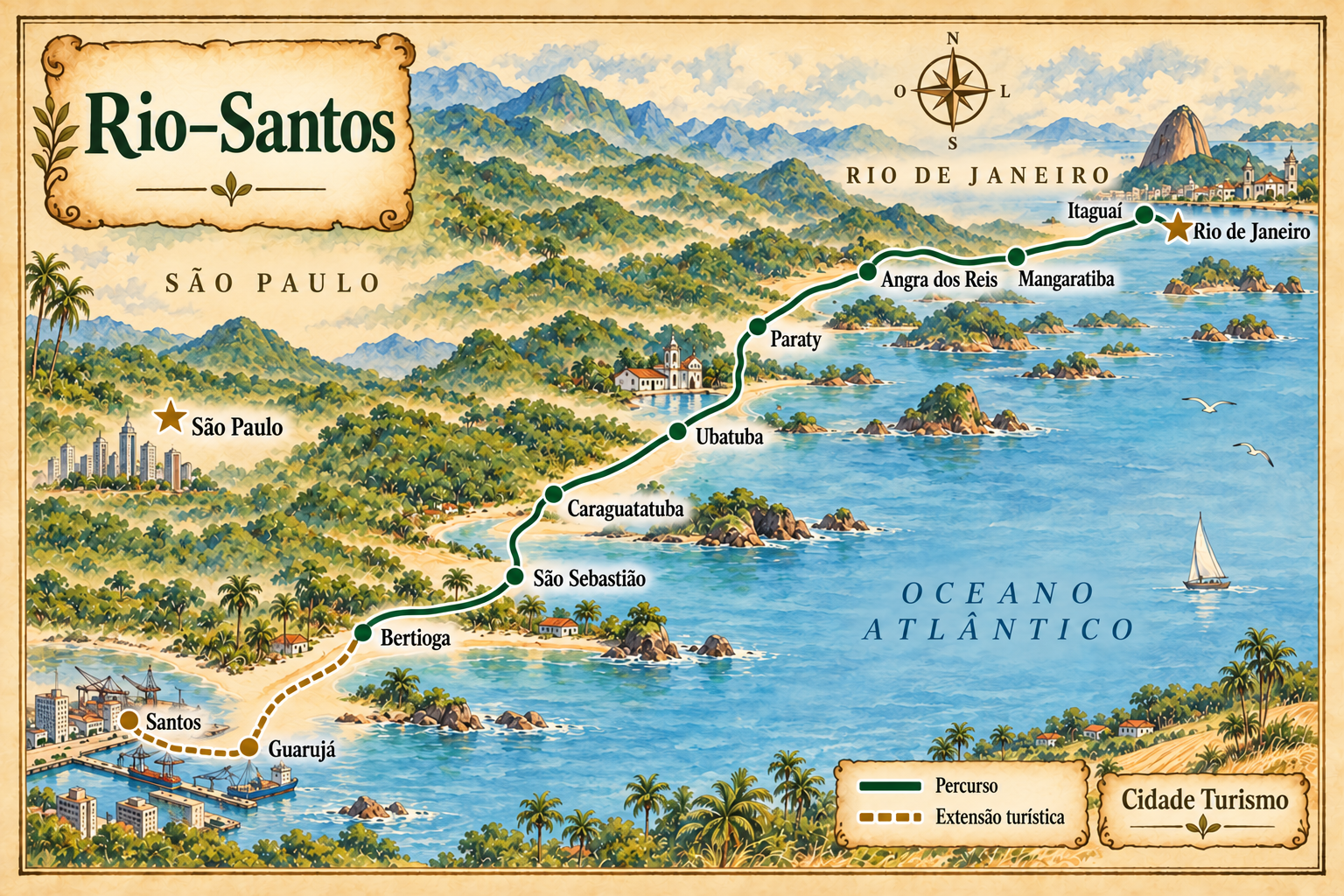
Litoral Norte de São Paulo is on the Rio–Santos

From the Costa Verde to the São Paulo coast, with beaches, heritage and an extension via Guarujá to Santos.

Illustrative map, not to scale. Tap a city to open its page.
Illustrated map of Rio–Santos
Explore the Rio–Santos
Explore other destinations Search by state and city