Thuin · Hainaut · Monument
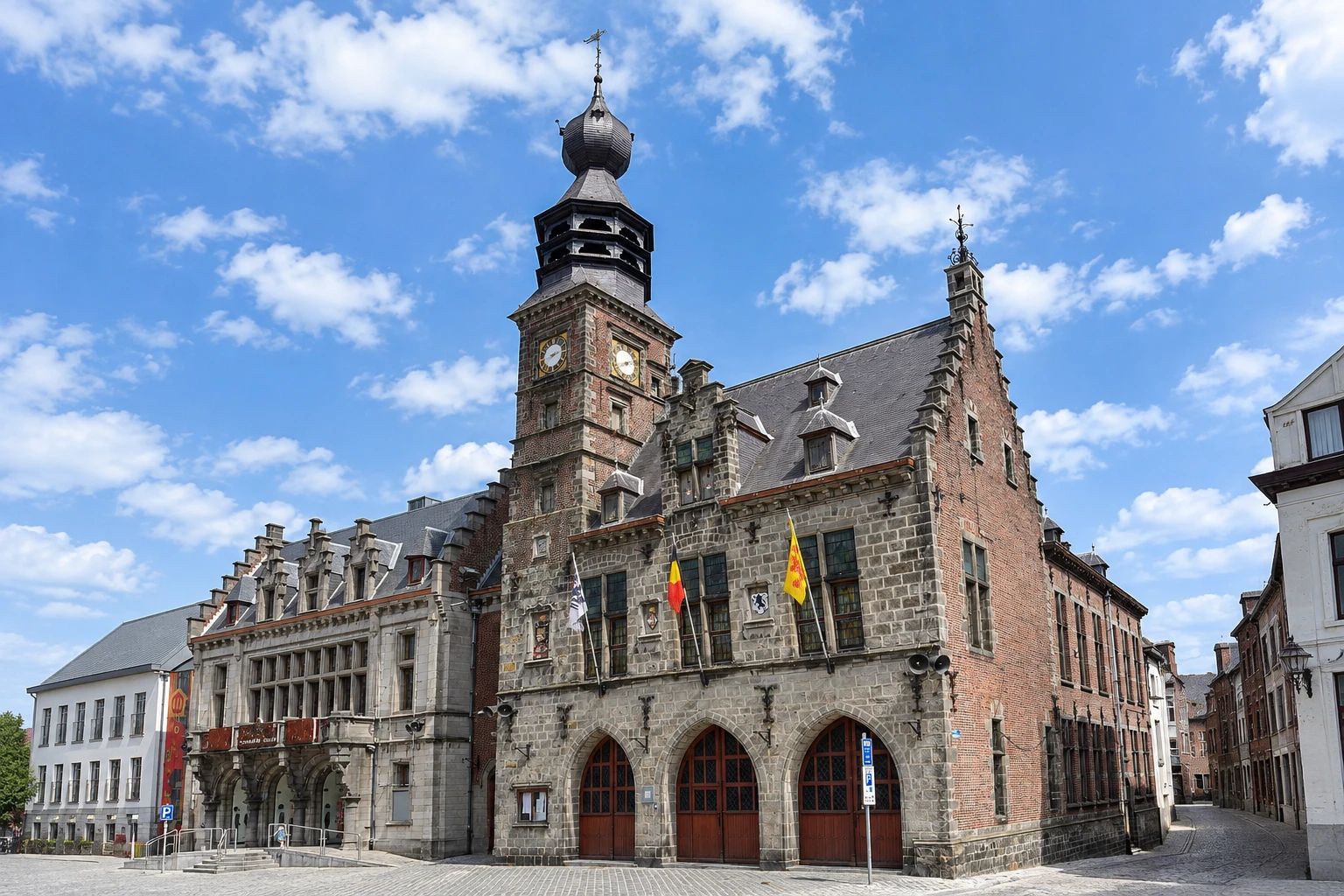
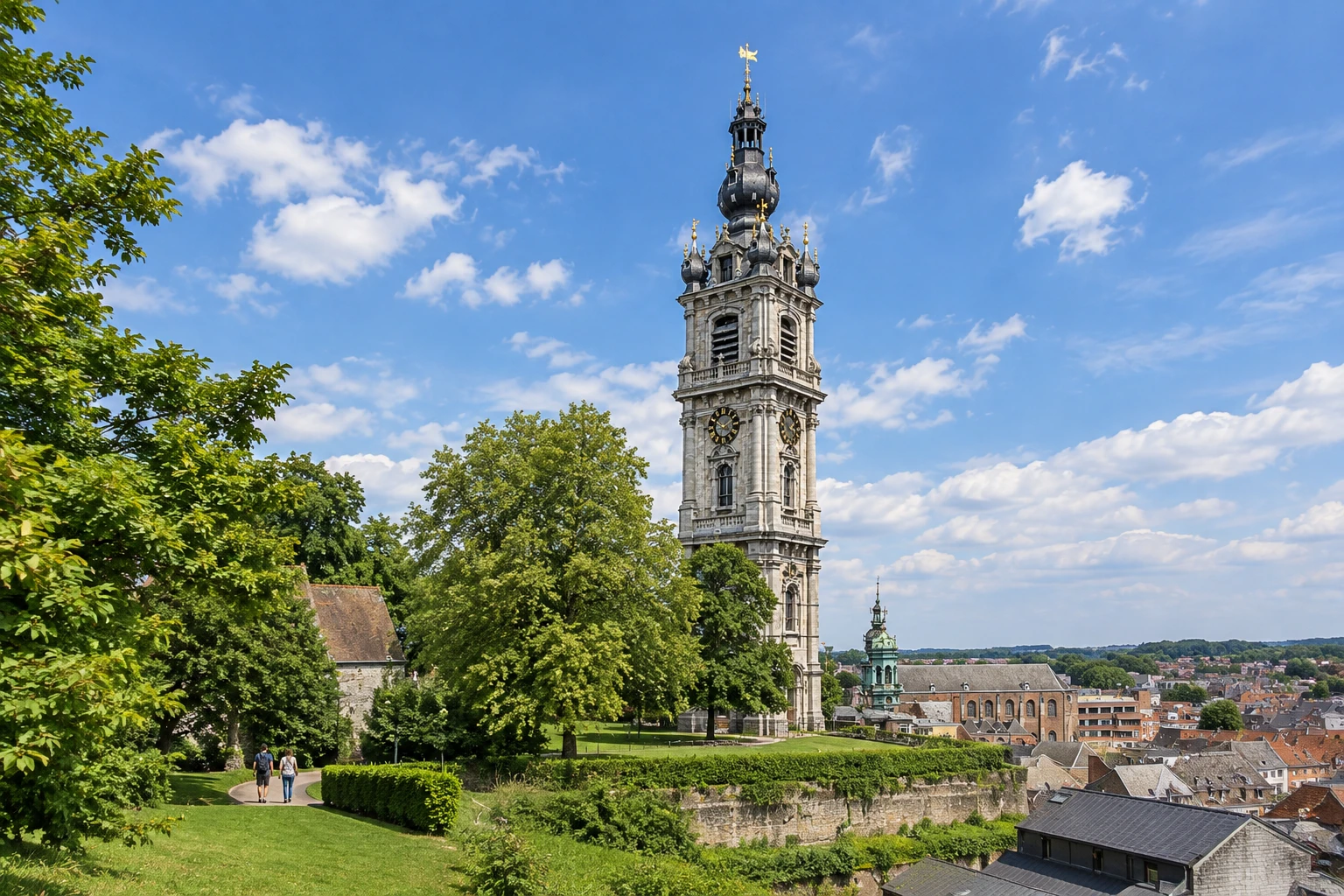
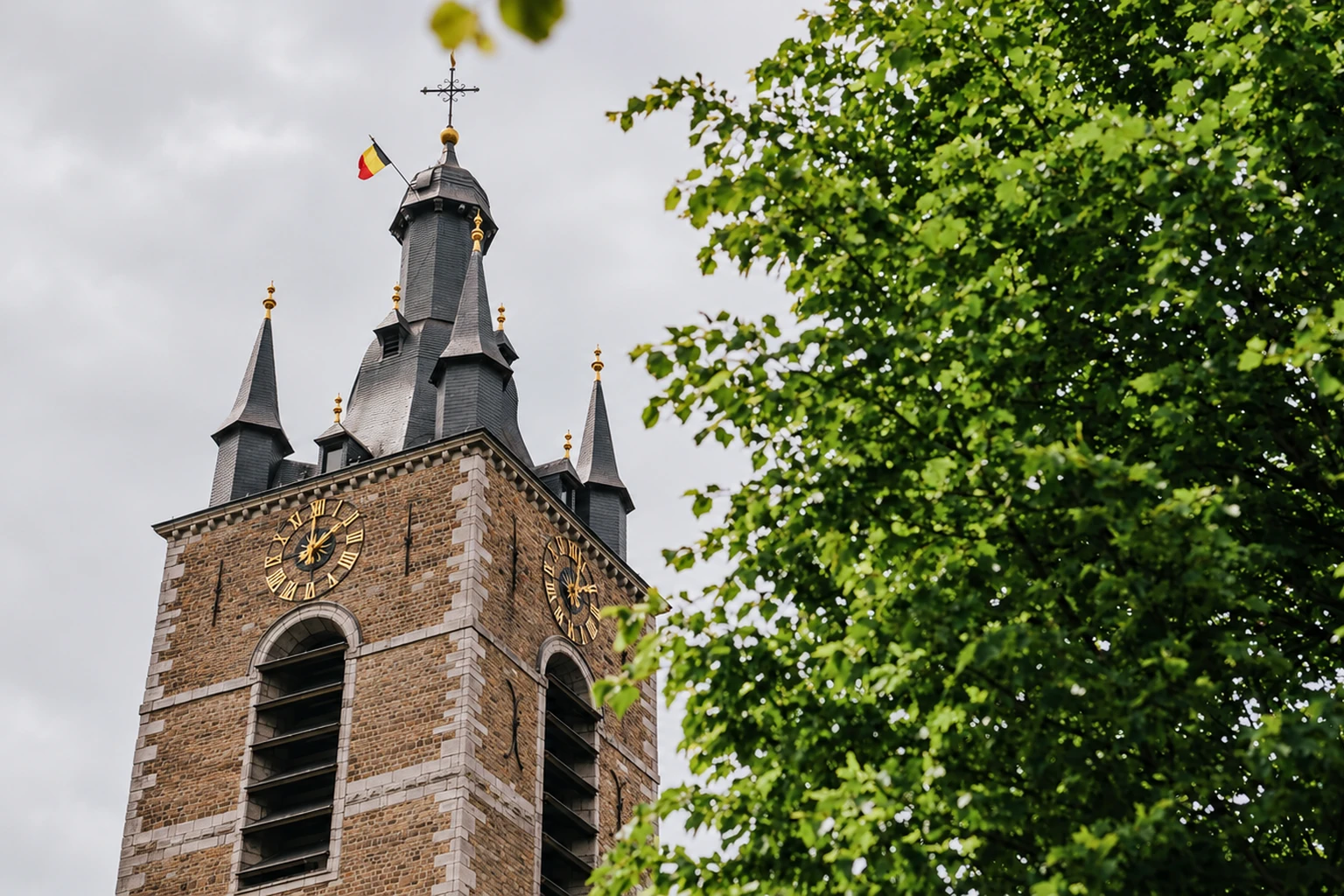
Thuin Belfry
17th-century campanile on the Place du Chapitre, included in the ensemble of belfries recognized by UNESCO. The climb goes past the bells and the carillon.

 Search
 Brazil
 Antarctica
 Argentina
 Bolivia
 Chile
 Colombia
 Ecuador
 Falkland Islands (Malvinas)
 French Guiana
 Guyana
 Paraguay
 Peru
 Suriname
 Uruguay
 Venezuela
 Albania
 AustriaBelgium
 Croatia
 Denmark
 Finland
 France
 Germany
 Greece
 Hungary
 Iceland
 Ireland
 Italy
 Luxembourg
 Norway
 Poland
 Portugal
 Slovakia
 Slovenia
 Spain
 Sweden
 Switzerland
 the Czech Republic
 the Netherlands
 the United Kingdom
 Turkey
 Bermuda
 Canada
 Greenland
 Mexico
 Saint Pierre and Miquelon
 the United States
 the Dominican Republic
 JapanTurkey
 Egypt
 South Africa
 Australia
 Fiji
 New Zealand
 Papua New Guinea
Hainaut
27 places to visit and 19 tours, chosen by the Cidade Turismo guide.
Updated
Illustrative images. The pictures in this guide are illustrations based on the real place, not photographs, and may differ from it.
To start
One by one
17th-century campanile on the Place du Chapitre, included in the ensemble of belfries recognized by UNESCO. The climb goes past the bells and the carillon.
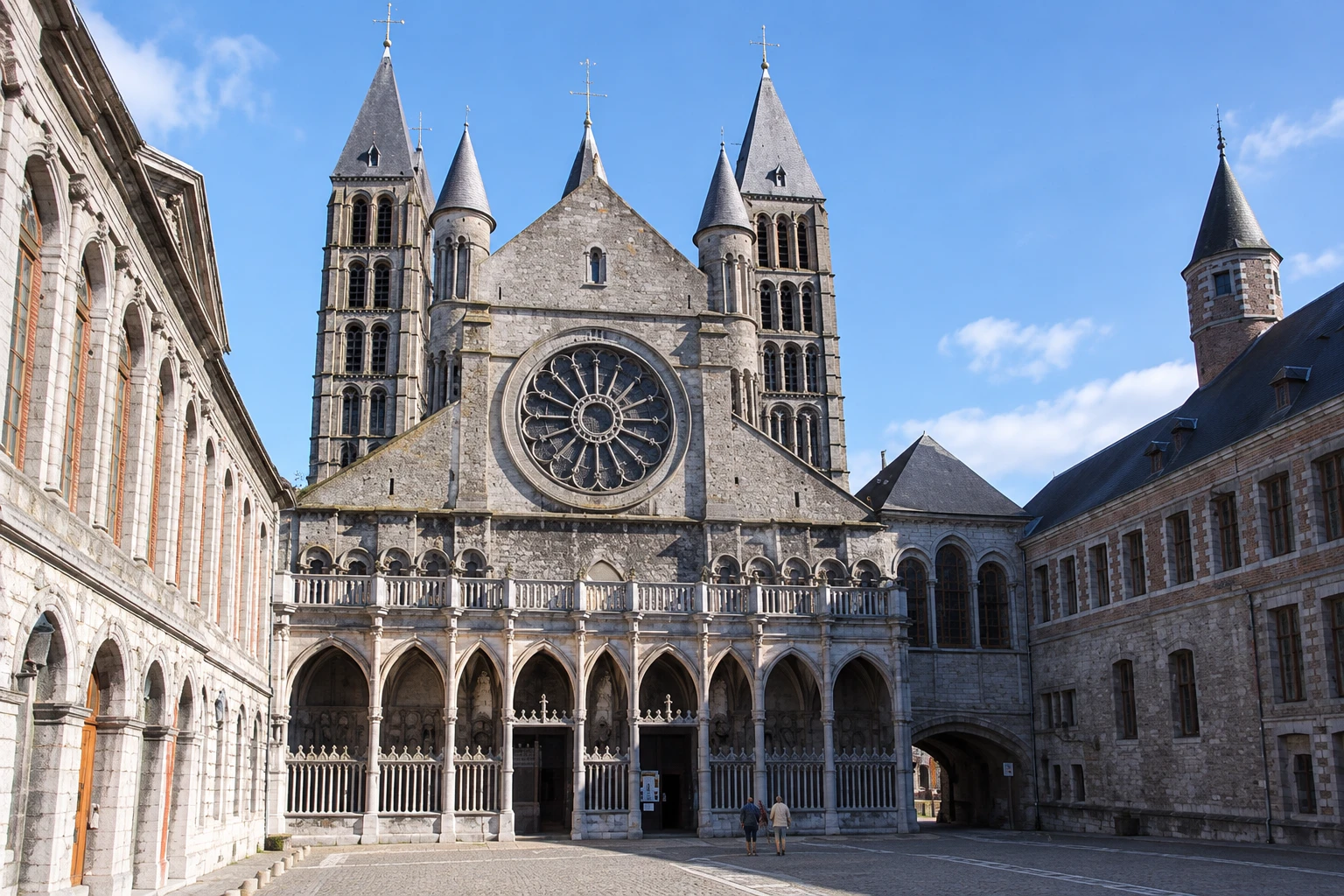
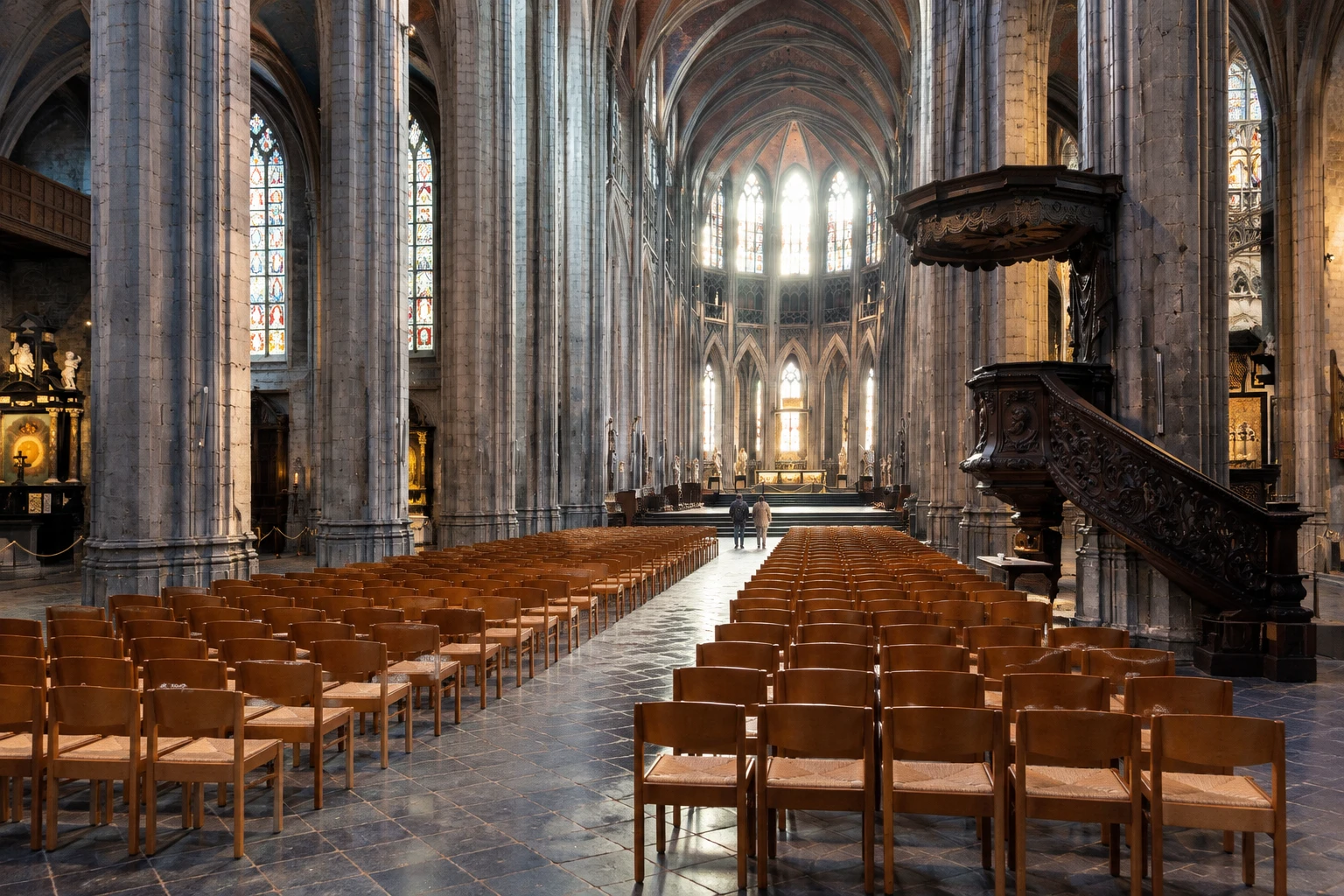
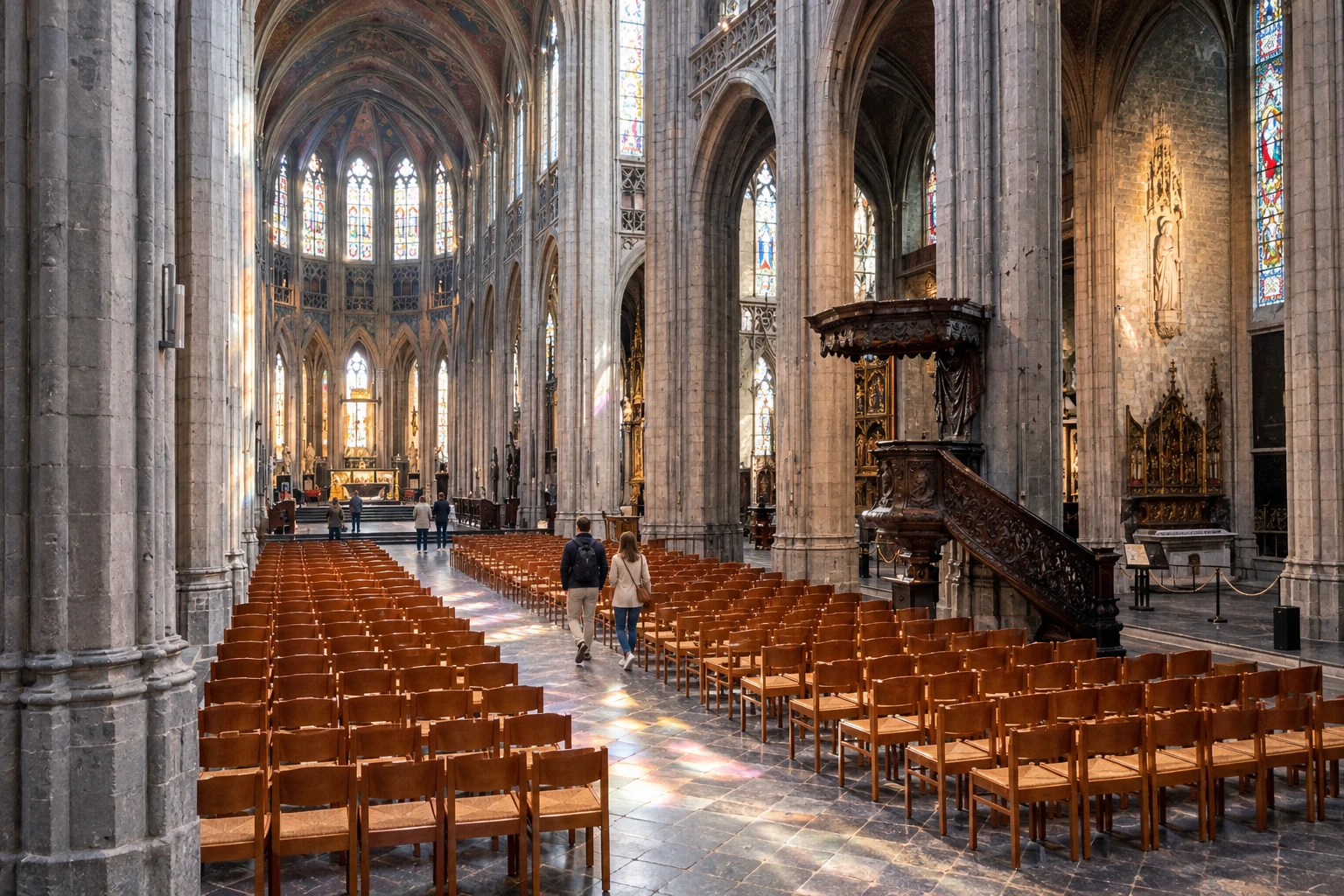
Cathedral with five towers in a row, a 12th-century Romanesque nave and a 13th-century Gothic choir, a UNESCO World Heritage site since 2000, with a Renaissance jubé by Cornelis Floris.
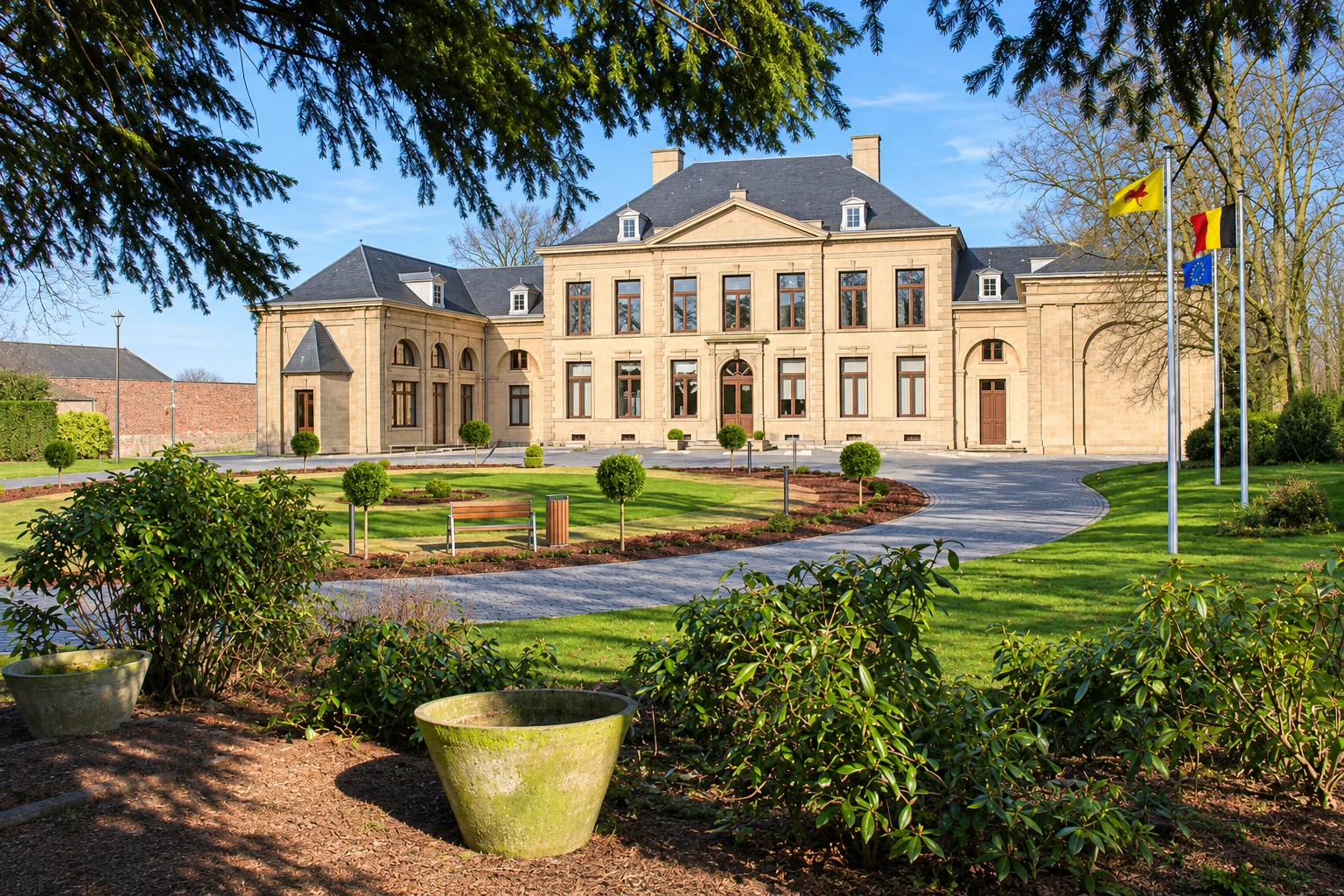
A classical residence of Fleurus that houses the municipal administration and Napoleon’s Chamber. The room recalls the night of 16–17 June 1815.
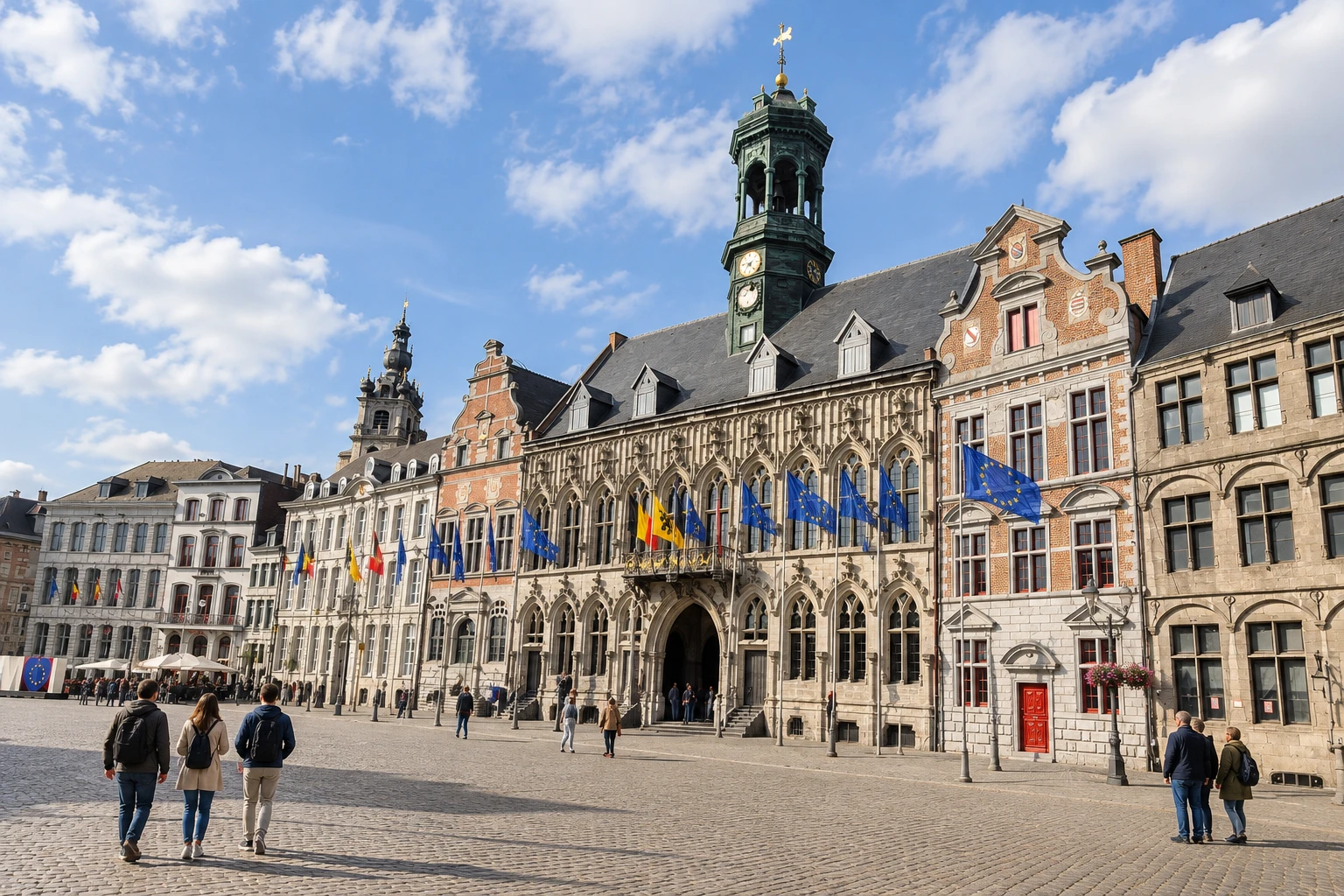
Binche’s central square, with the town hall of Gothic arcades and the 35 m belfry, which is part of the Belfries of Belgium and France inscribed as a UNESCO World Heritage Site.
Mons's main square, featuring the 15th-century Gothic Hôtel de Ville, the lucky monkey on the façade and, beyond, the Jardin du Mayeur and the Musée du Doudou. It is the stage for the Lumeçon combat.
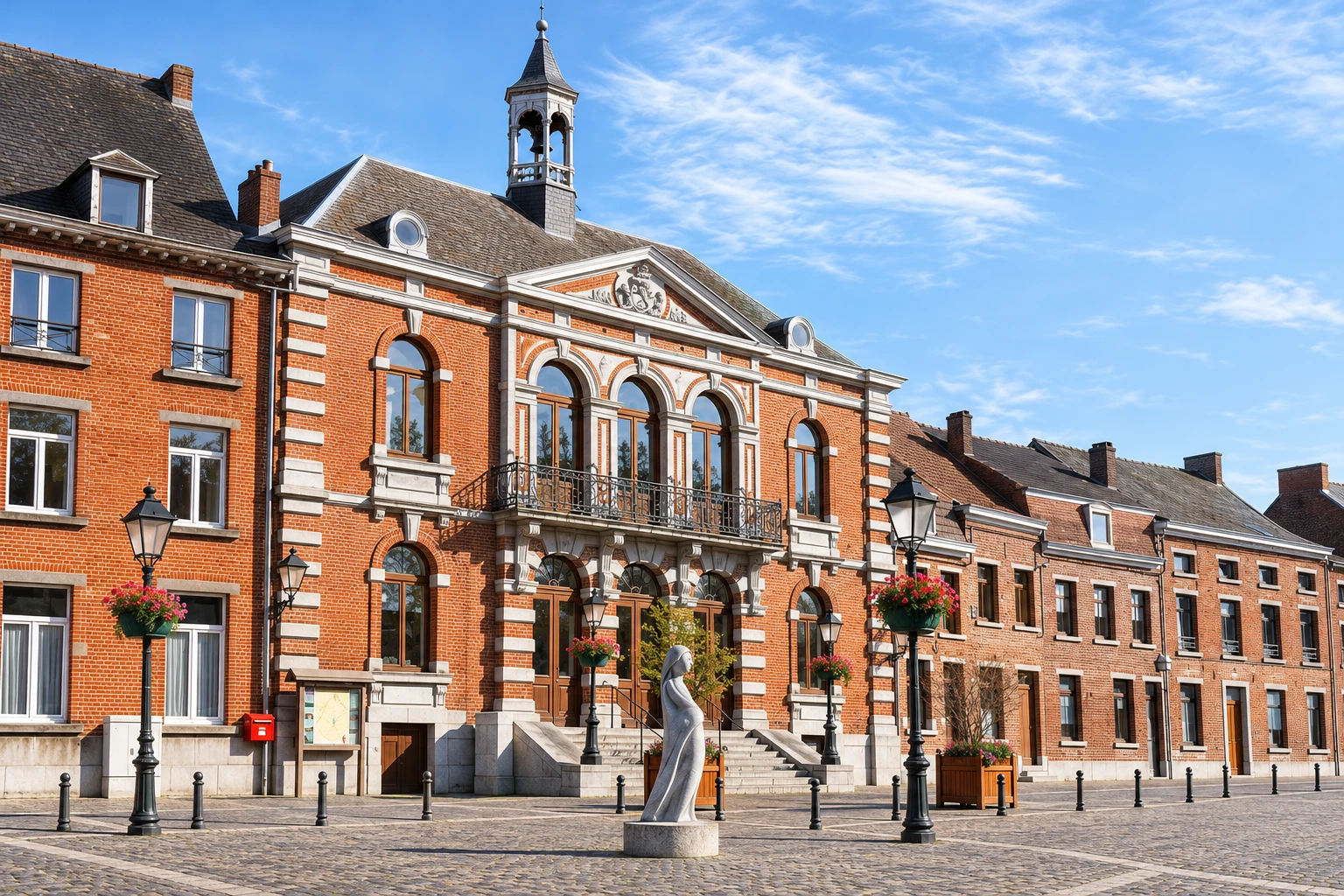
Historic square of Le Rœulx, flanked by the town hall and houses that preserve elements from different centuries.
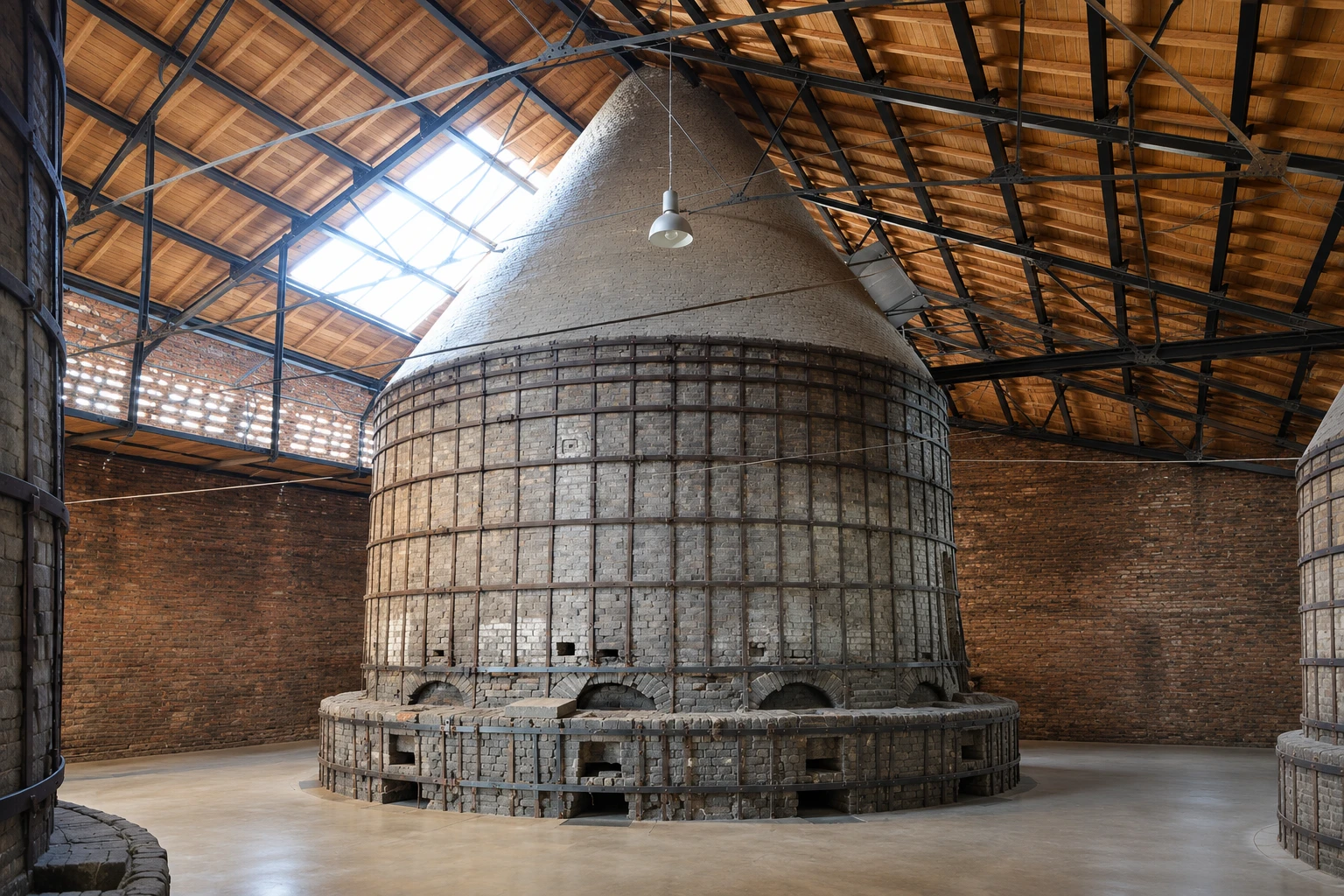
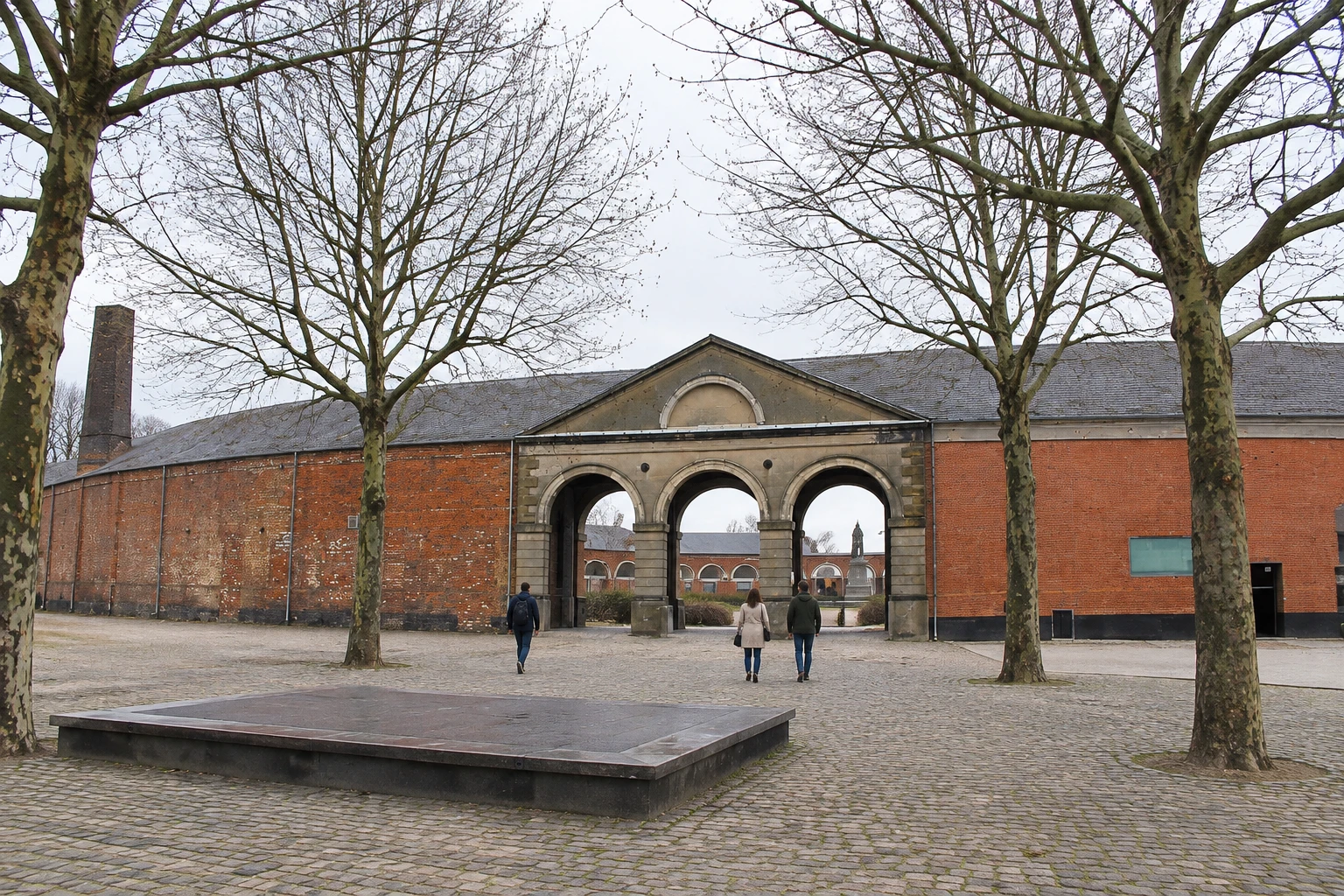
Ceramics museum in the former Boch complex, with three bottle-shaped industrial kilns and collections of faience and artistic ceramics.
Museum of procession giants, housed in an 18th-century mansion in front of the church of Saint-Julien. It tells the story of giants in Europe and the Ducasse d'Ath, with figures, costumes and festival objects.
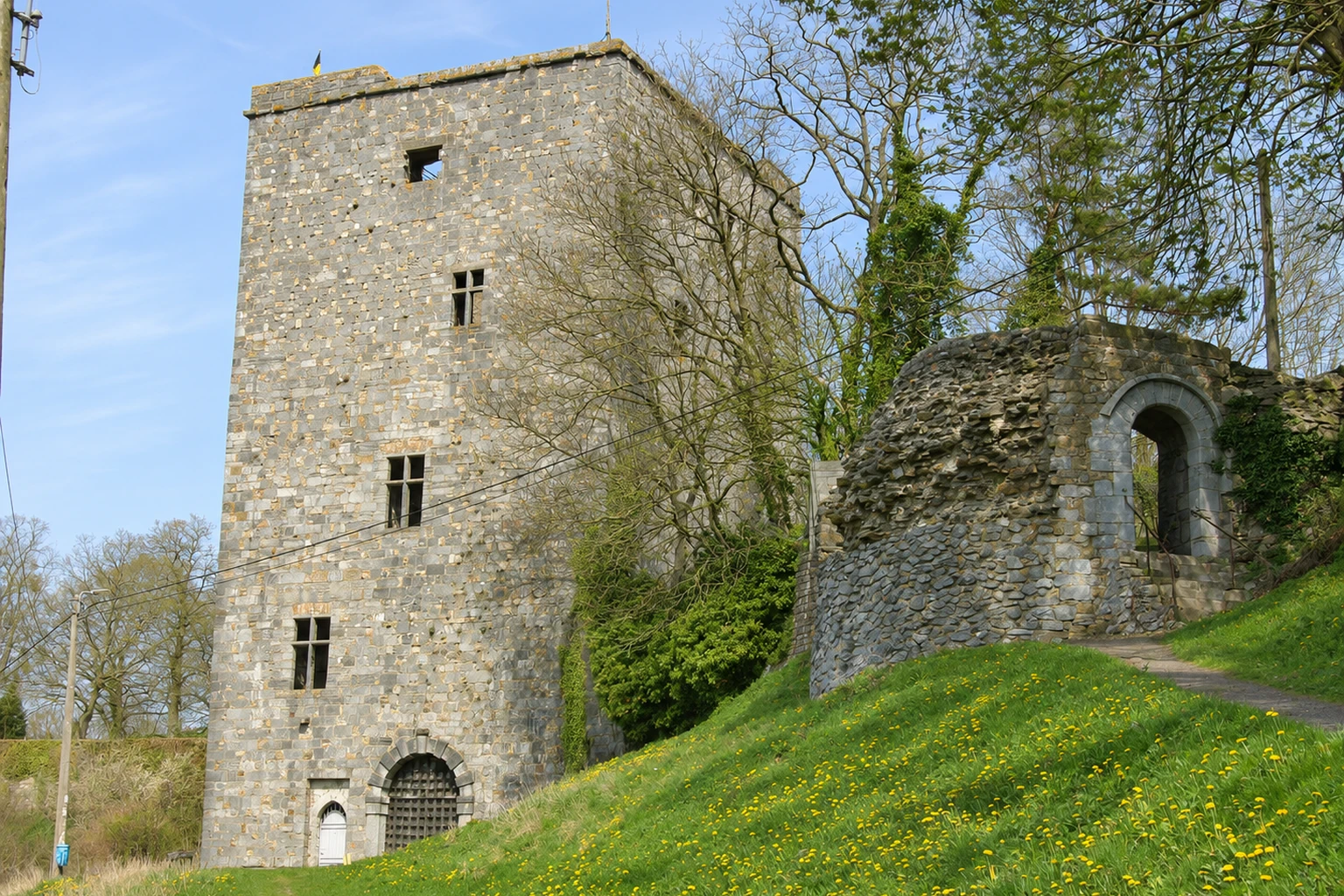
Medieval tower above the Hantes valley in Beaumont. The interior houses exhibitions of local history. Around it, stretches of the old fortification walls remain.
The only Baroque beffroi tower in Belgium, at 87 metres with 49 bells, sitting atop the Mons hill. A UNESCO World Heritage site, it has an interpretation centre and a panoramic lift to the viewing platform.
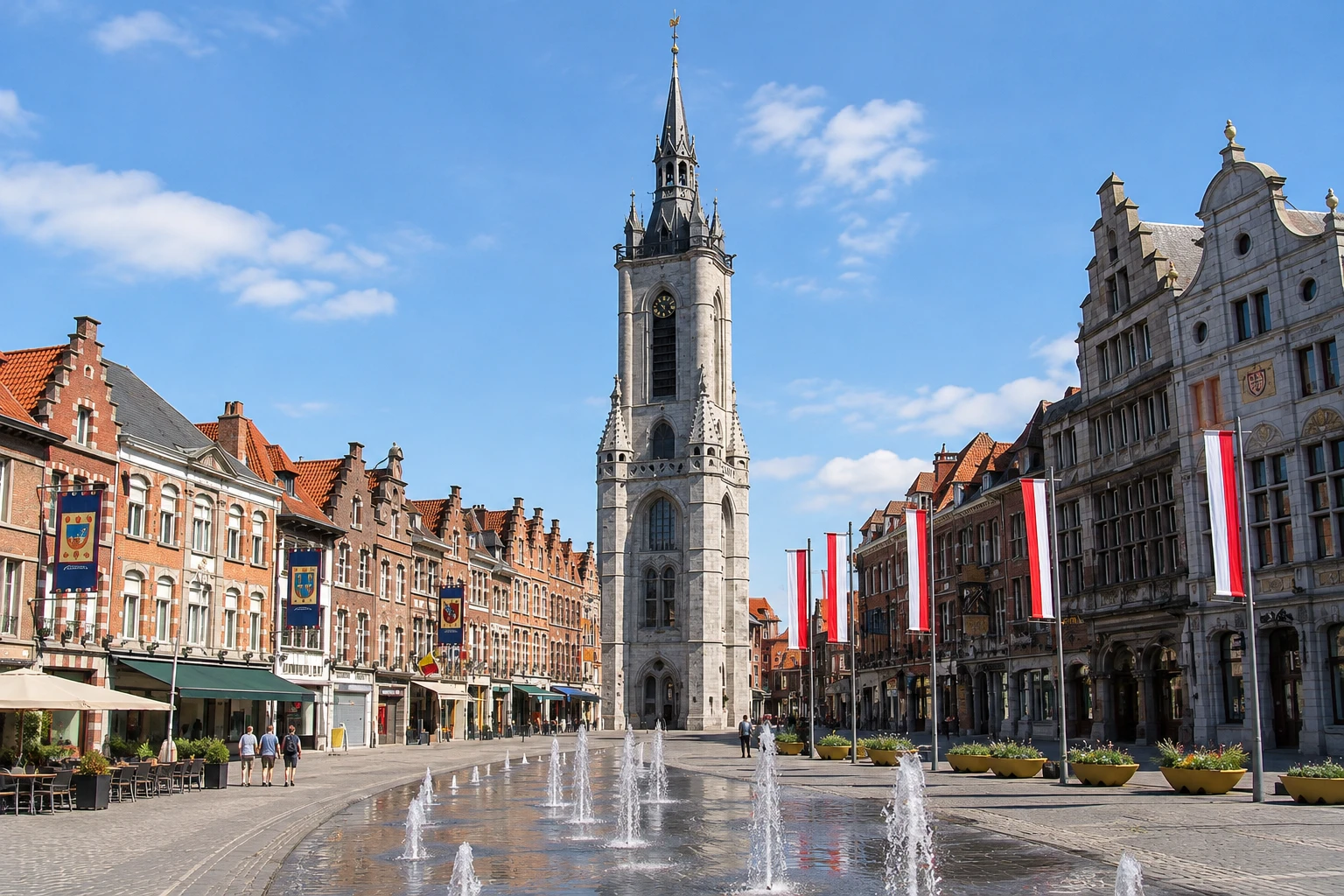
The oldest beffroi in Belgium, dating from the late 12th century, with a height of 72 metres and 257 steps. A UNESCO World Heritage site, it offers views of the cathedral's five towers.
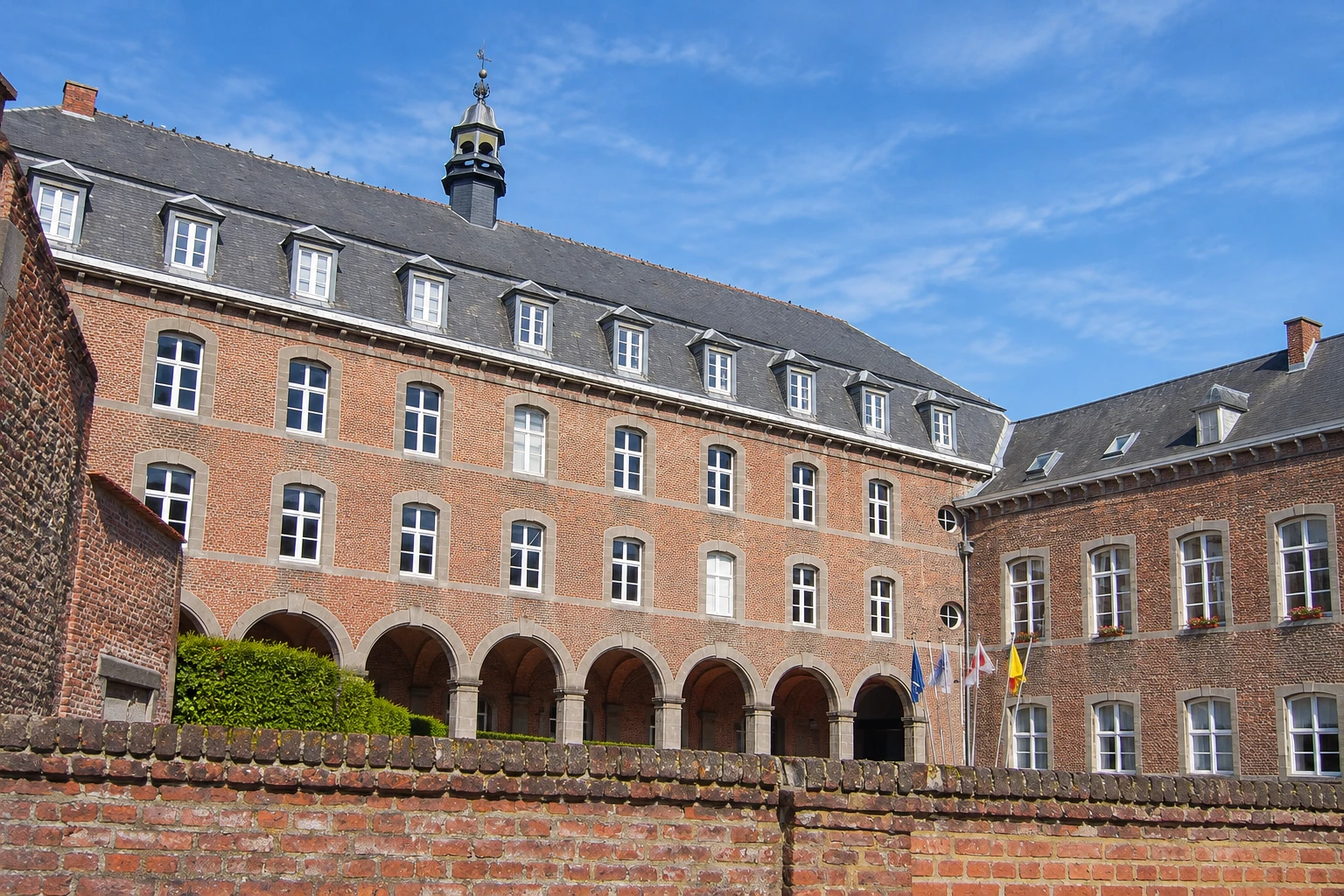
Museum dedicated to carnival and masks, installed in the former Augustinian college next to Binche’s Grand-Place. It displays the costumes of the Gilles and a collection of masks and festival costumes from several continents.
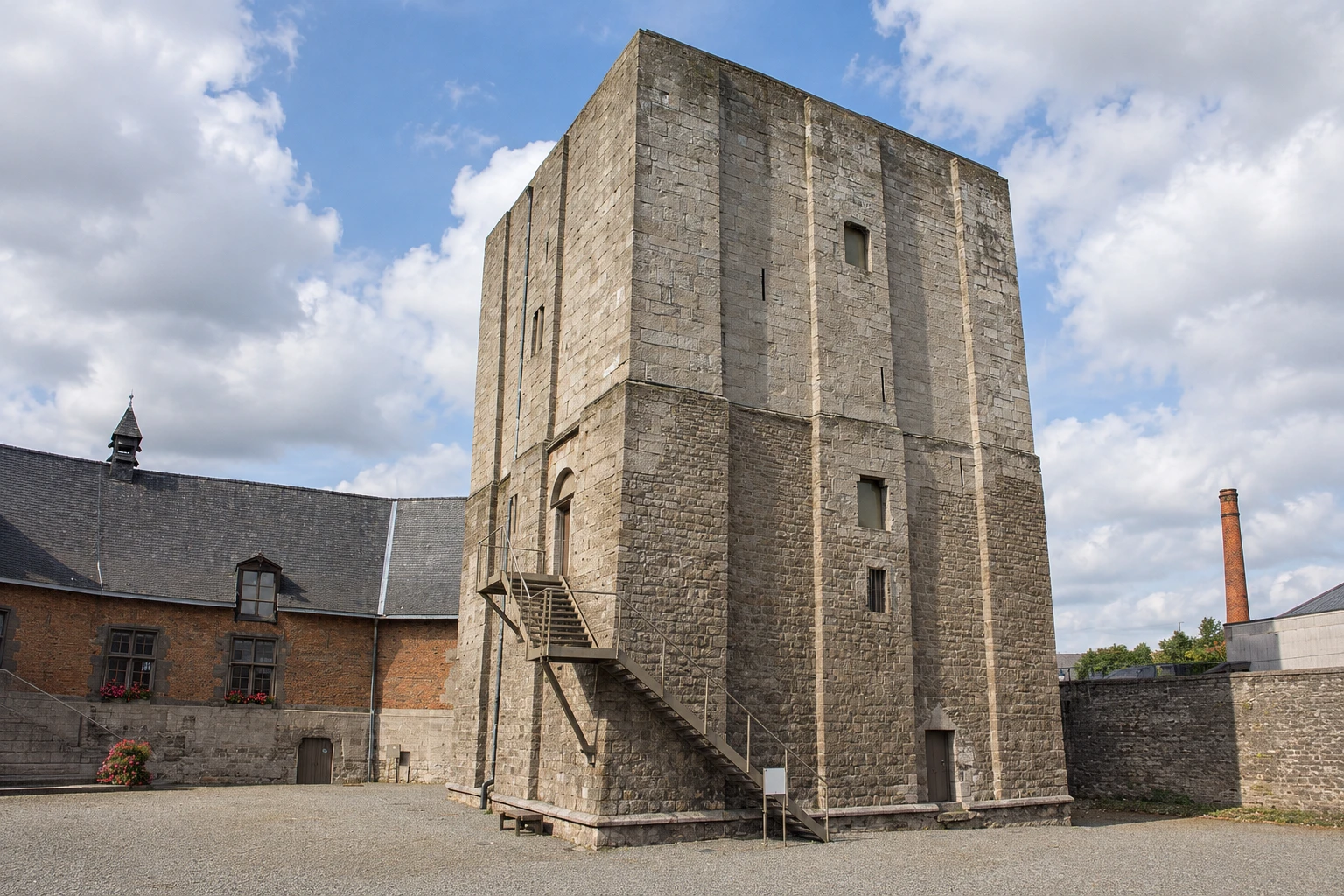
12th-century keep, built by Count Baldwin IV of Hainaut, near the Grand-Place of Ath. It is the oldest building in the city.
Gothic church from the 15th to the 17th centuries, dedicated to Mons' patron saint. It houses the alabaster sculptures by Jacques Du Brœucq, the relics of Saint Waudru and the Car d'Or, the gilded carriage used in the Doudou procession.
Archaeology museum in the center of Ath, with objects of daily life and crafts from the Gallo-Roman period found in Hainaut, including wooden boats dug up in Pommerœul.
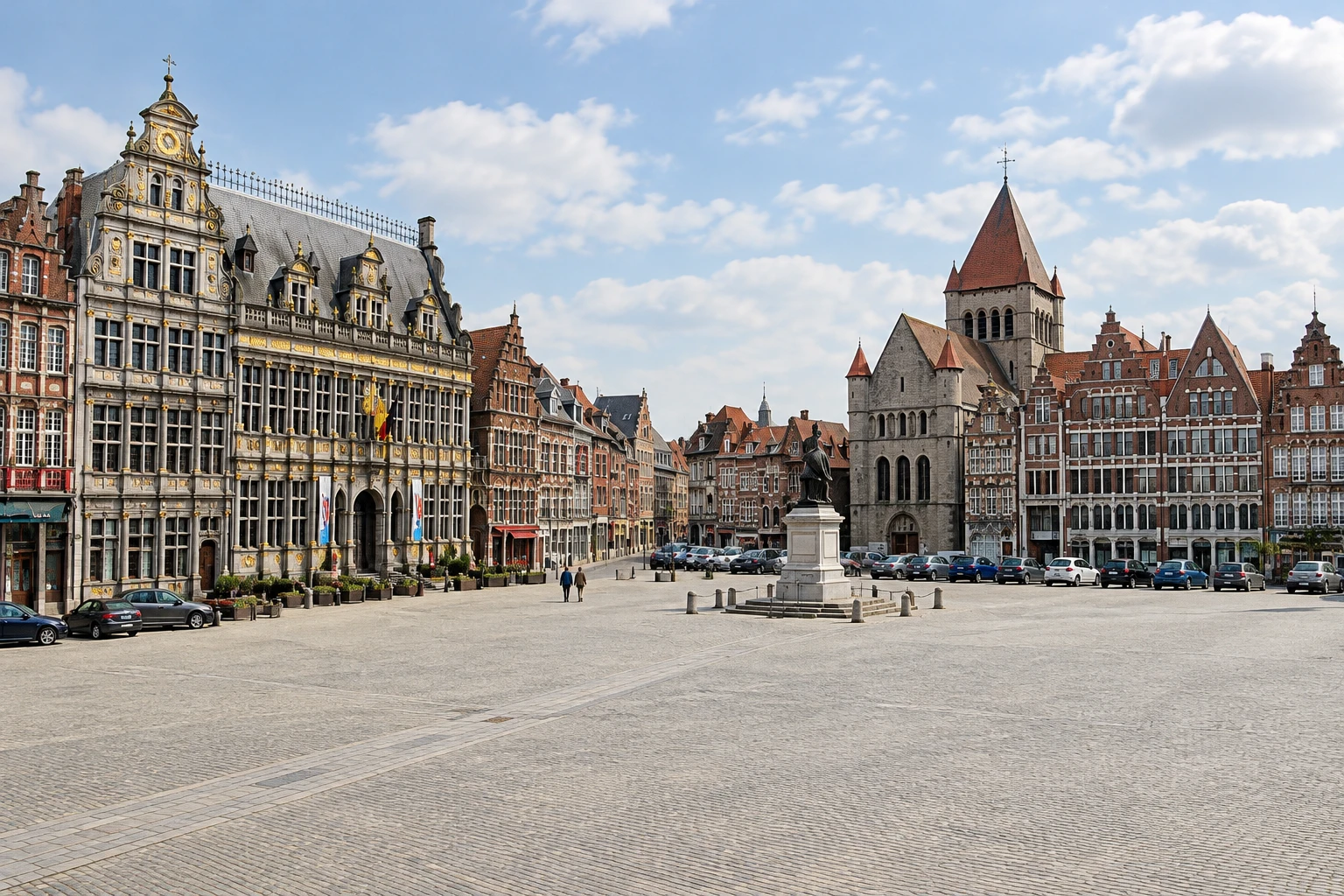
Tournai’s main square, triangular in shape, with the Renaissance Halle aux Draps, the church of Saint-Quentin and the statue of Christine de Lalaing. It lies between the beffroi and the museums.
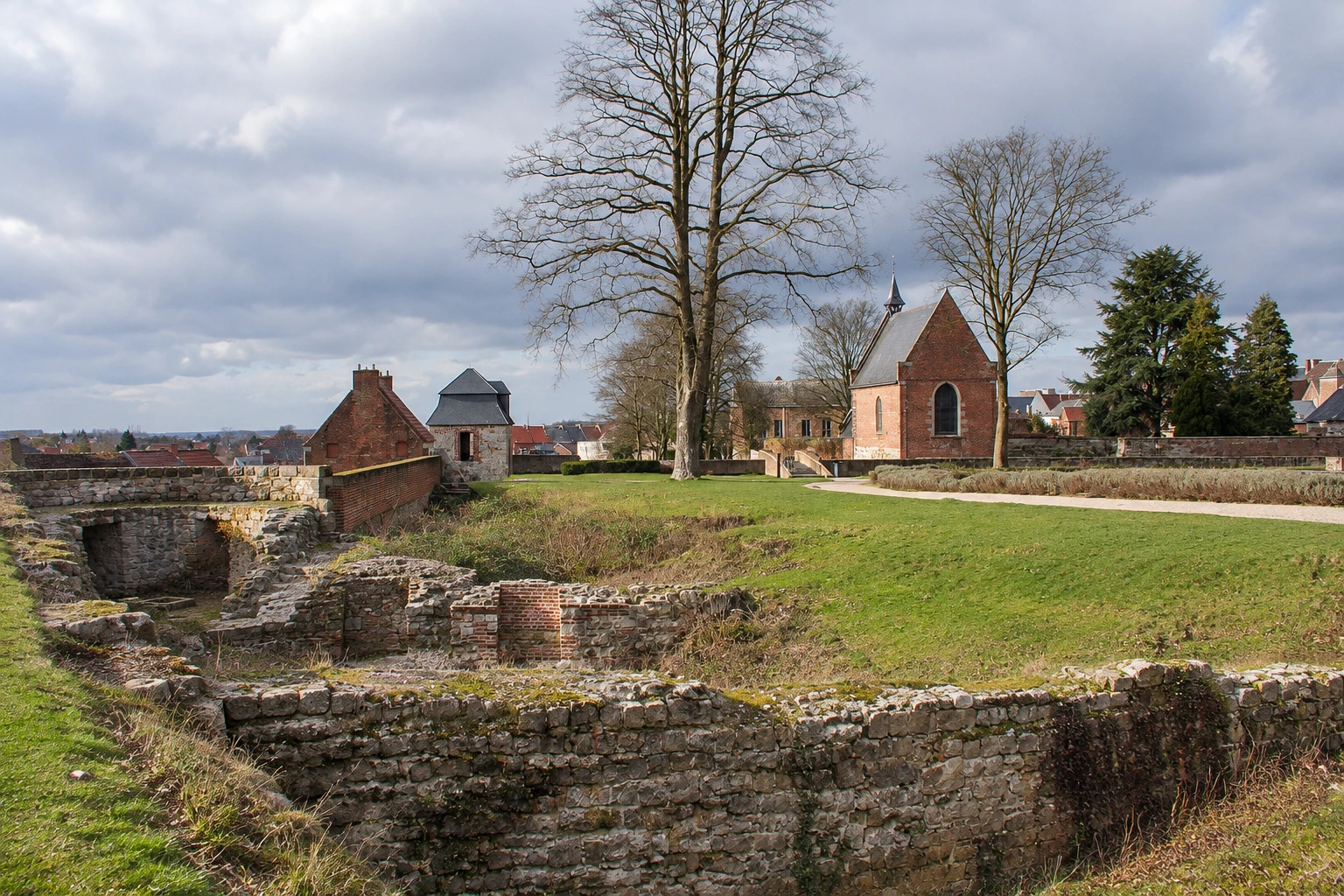
Medieval wall of about 2 km, flanked by more than twenty towers, encircling the center of Binche. On its crest, the communal park holds the ruins of Mary of Hungary’s Renaissance palace, destroyed in 1554.
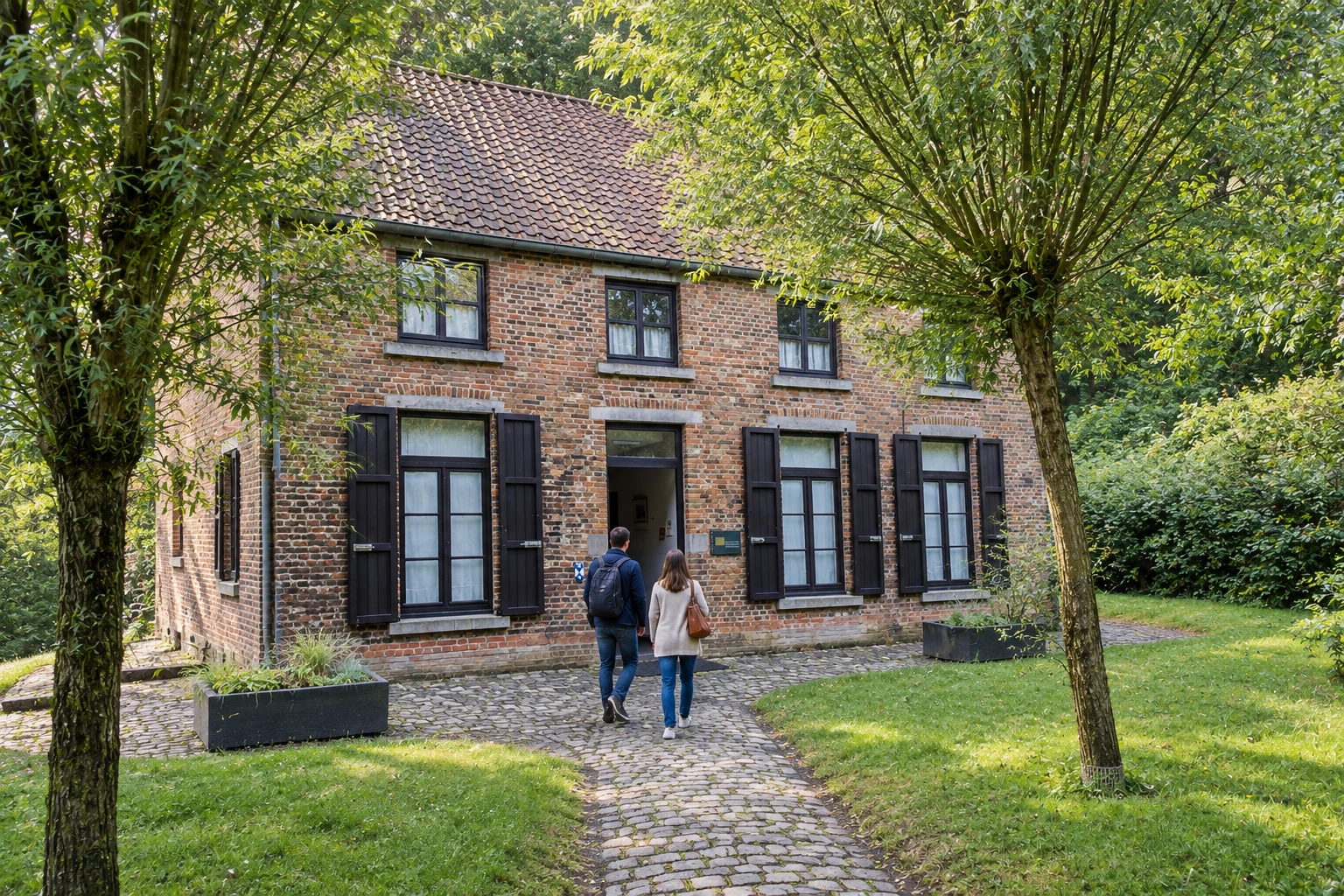
The house in Cuesmes where Vincent van Gogh lived from 1879 to 1880, in the Borinage, when he turned from preaching to painting. The route starts in the garden and ends with a sound installation about the mining region.
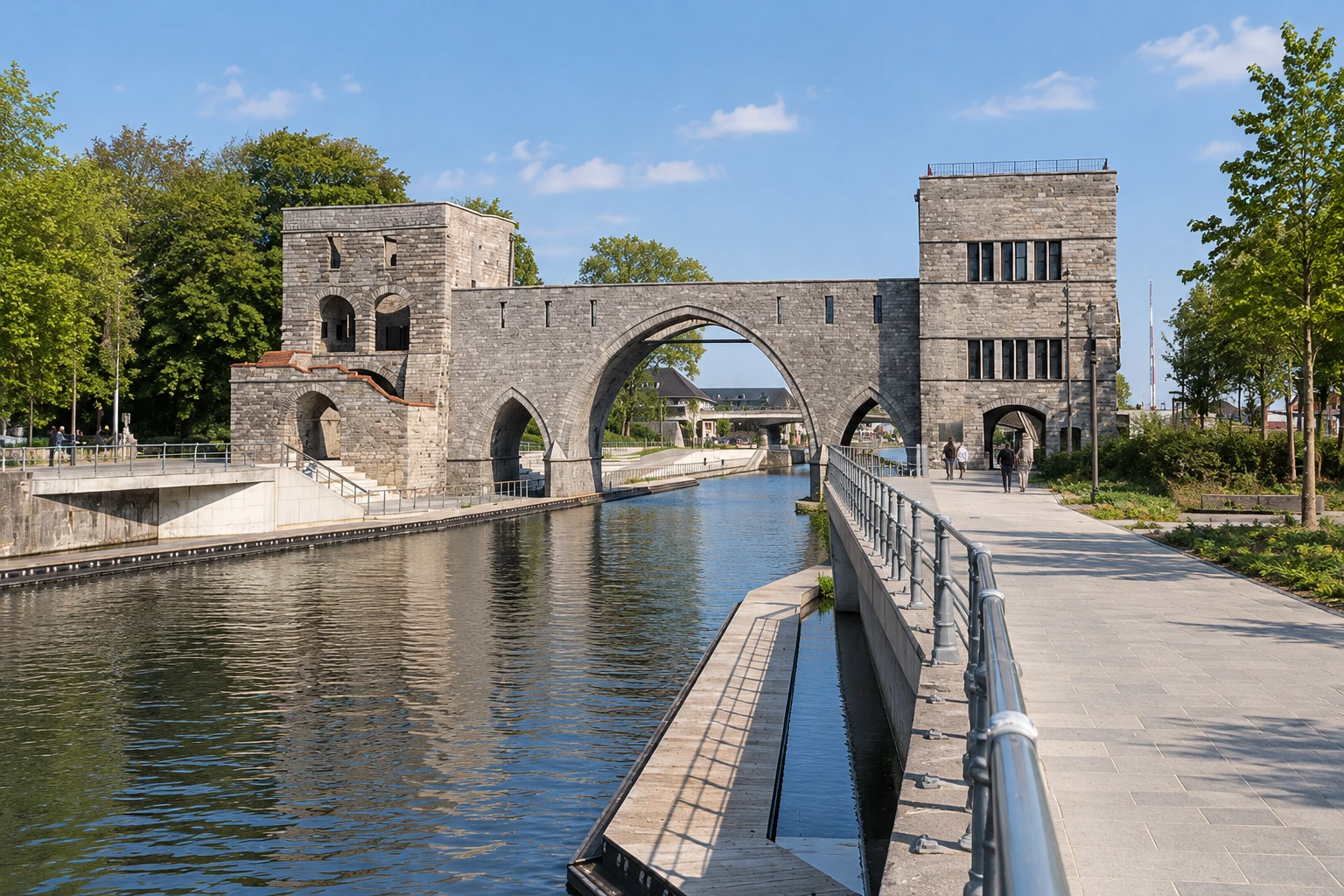
Fortified gate over the Escalda, from the late 13th century, with two towers and three arches. It was part of Tournai's second wall and was renovated up to 2023 to allow passage for larger barges.
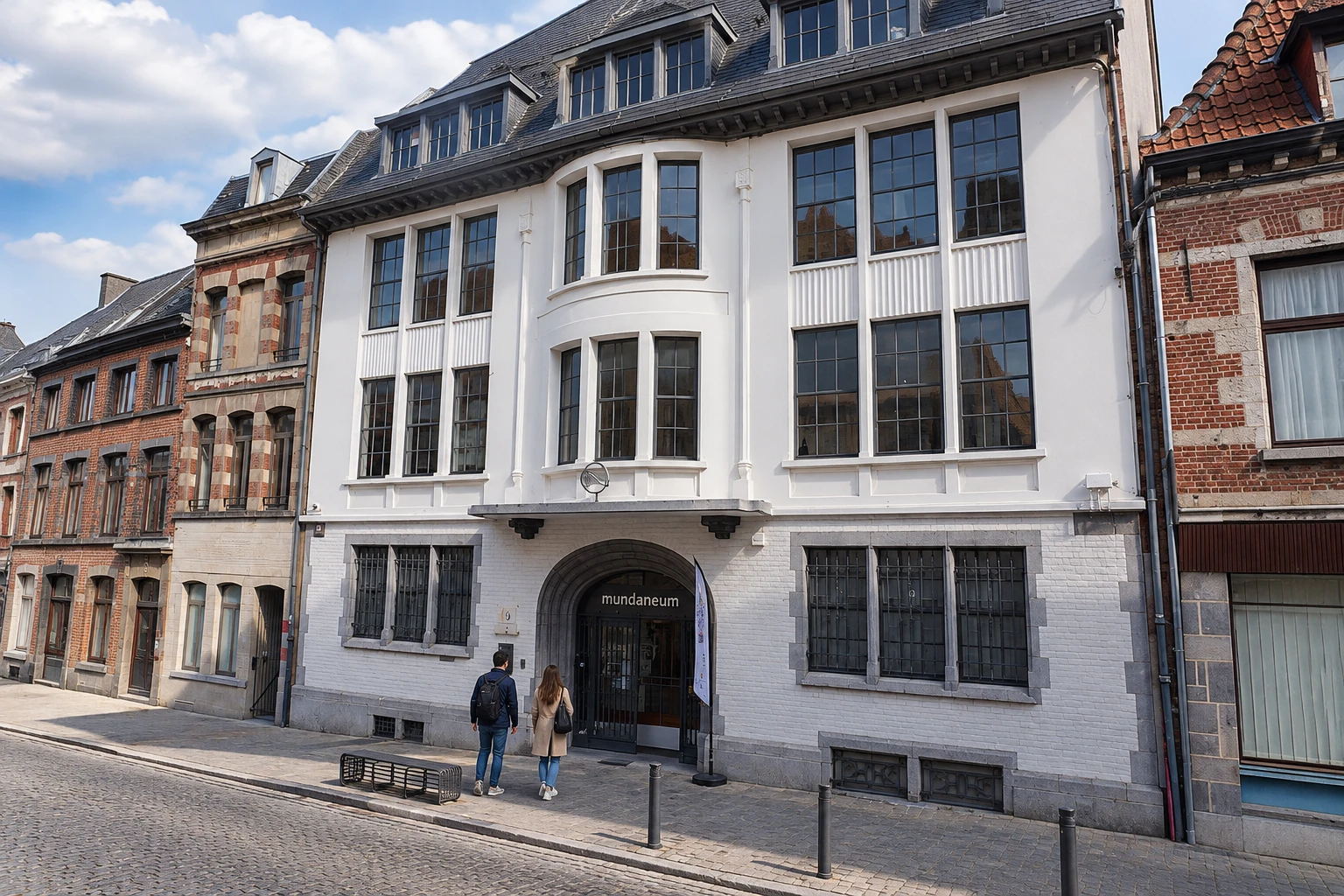
The archive created by Paul Otlet and Henri La Fontaine to classify all the world's knowledge on paper cards, now seen as a precursor to the internet. It is housed in a former department store from the 1930s.
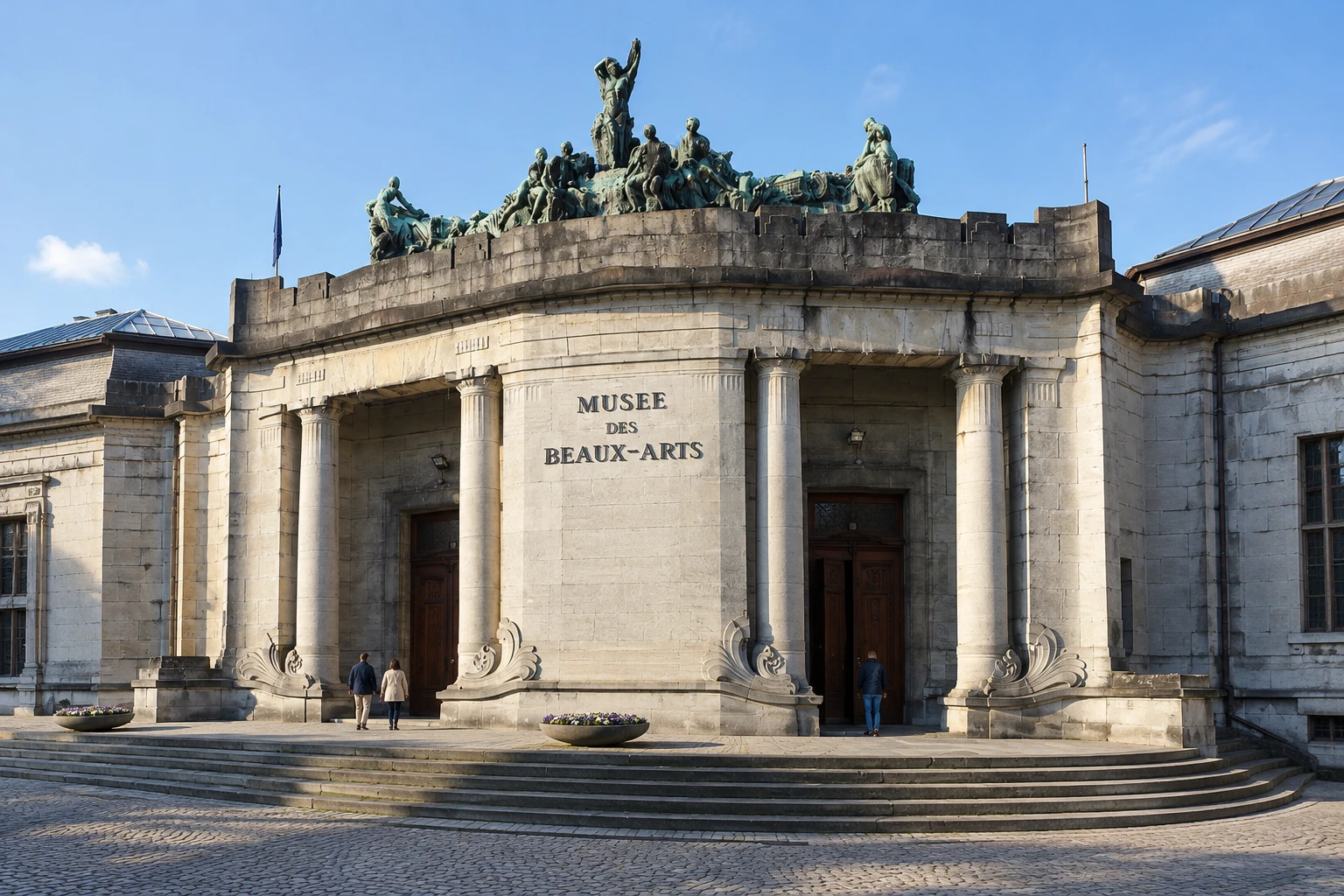
The only museum designed by Victor Horta, opened in 1928, with glass domes and rooms around a large sculpture hall. It houses the collection of Henri Van Cutsem, including the only two works by Manet on display in Belgium.
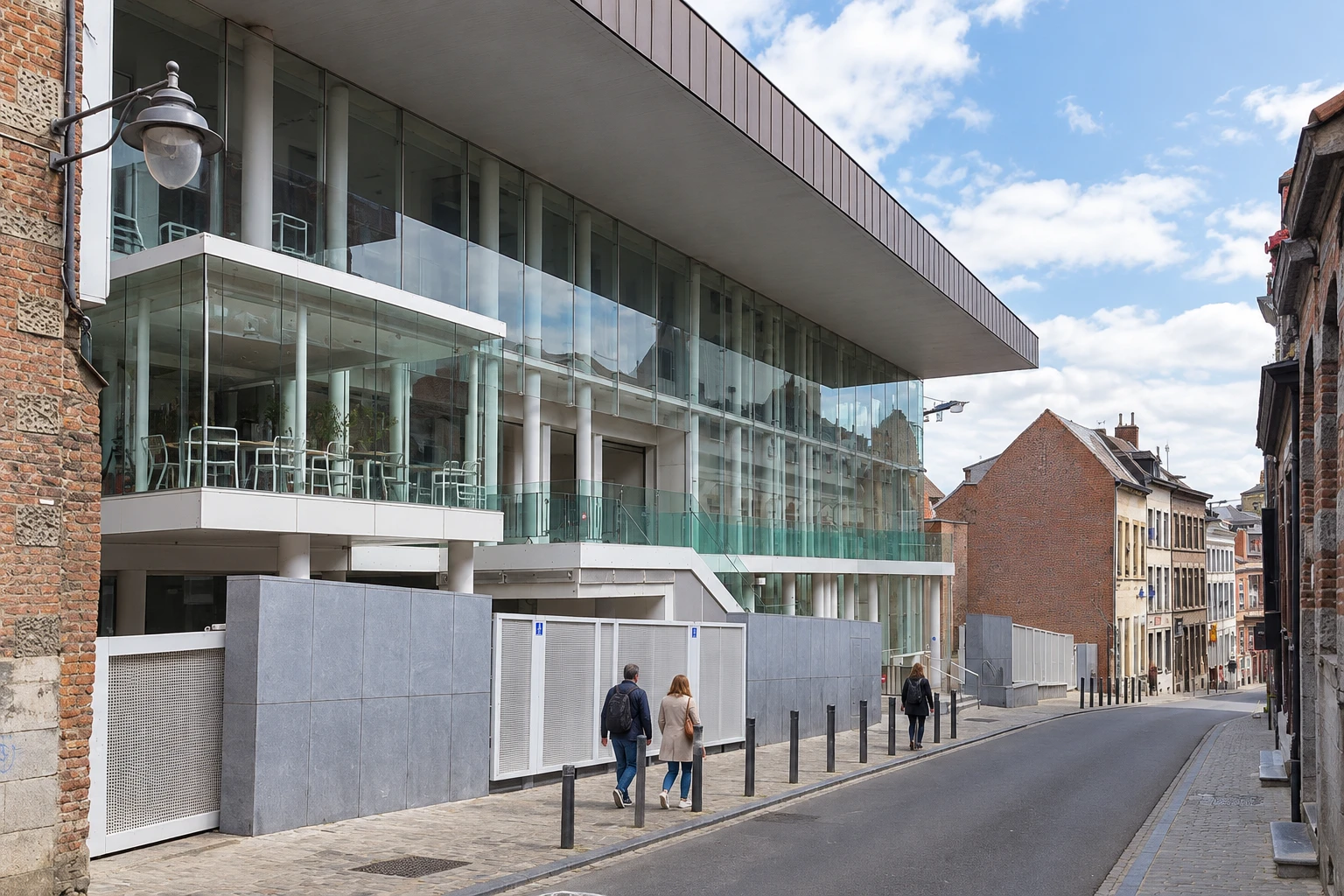
The fine arts museum of Mons, in a contemporary building on rue Neuve next to the Grand-Place. It hosts major temporary exhibitions and has a collection of over 15,000 works.
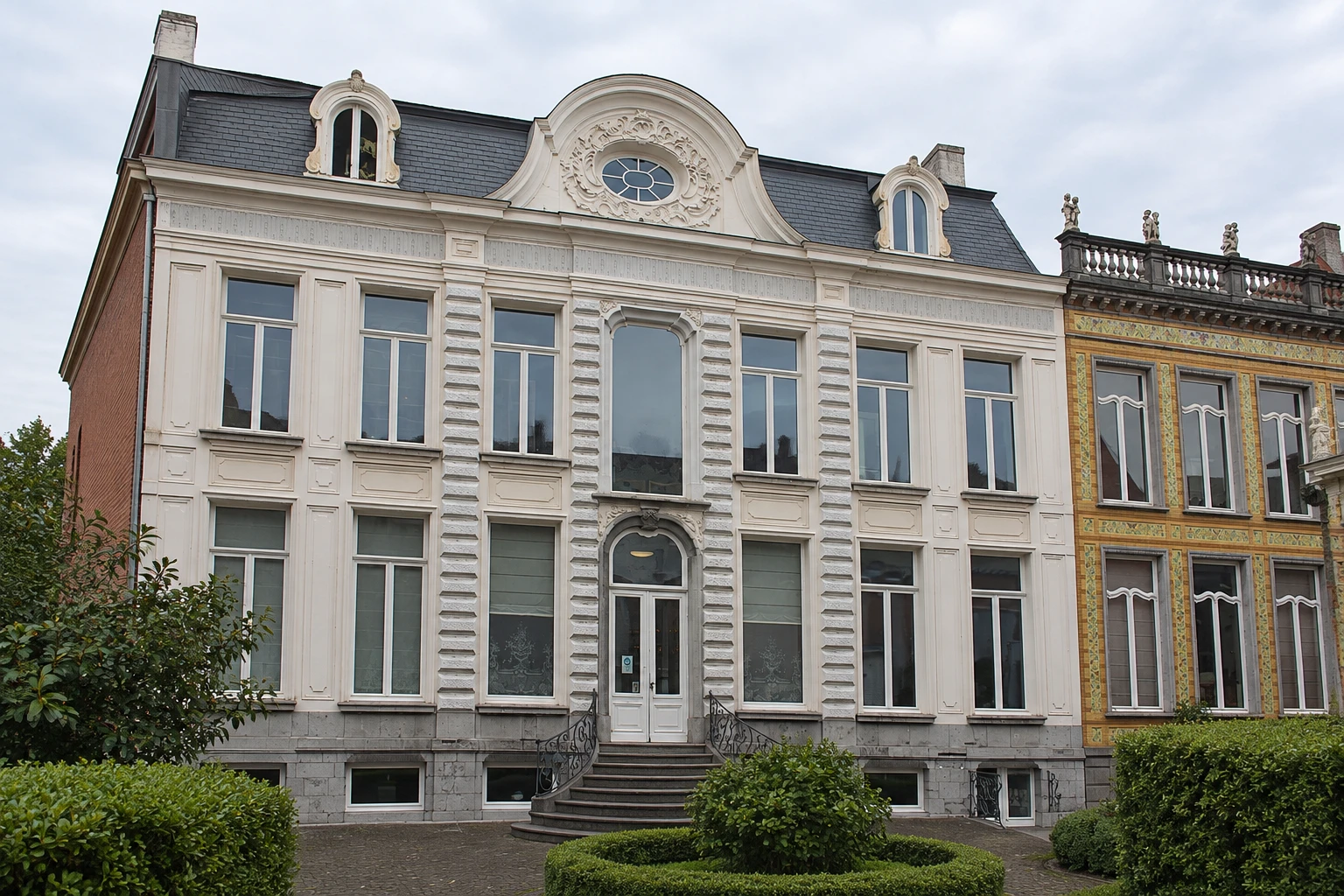
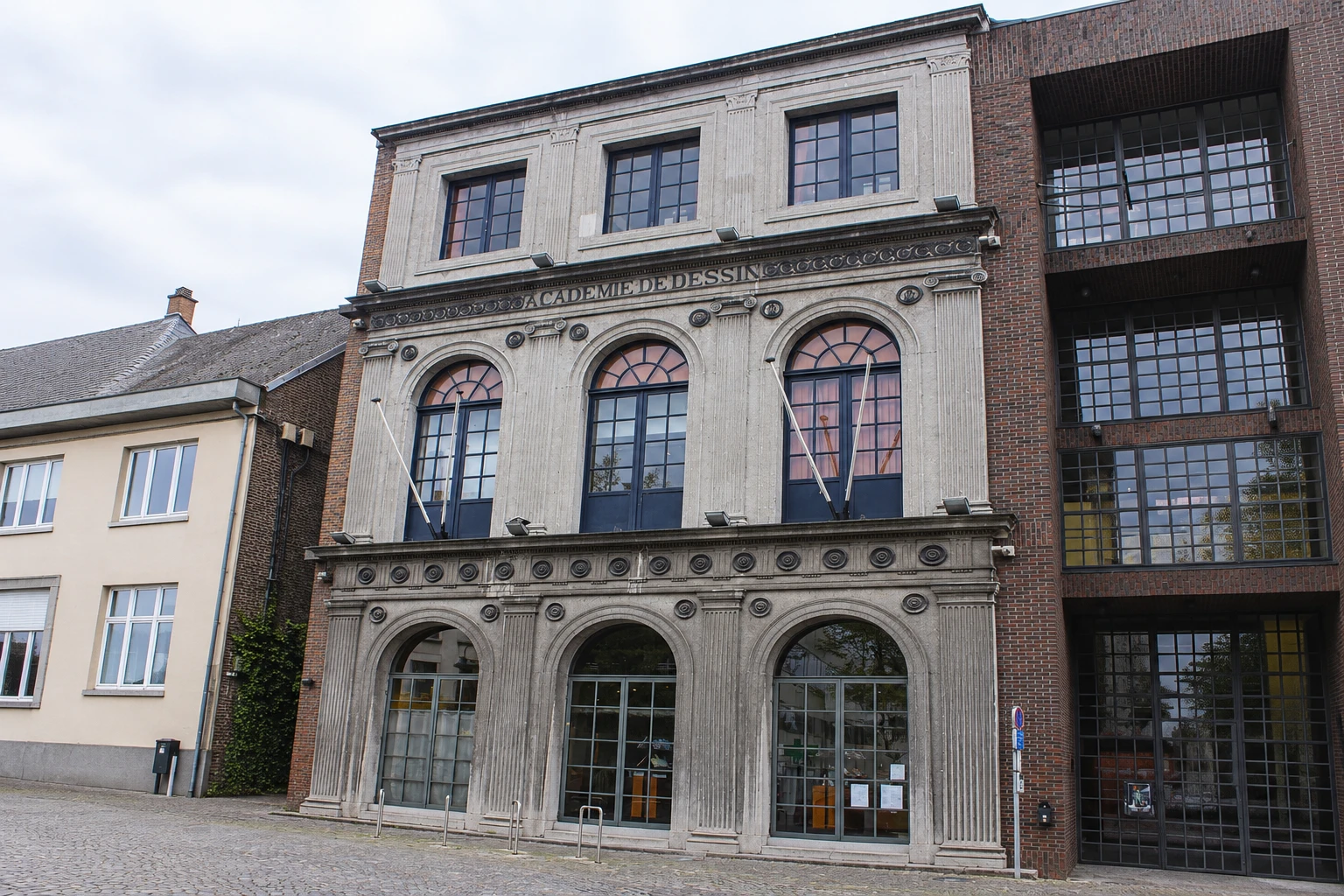
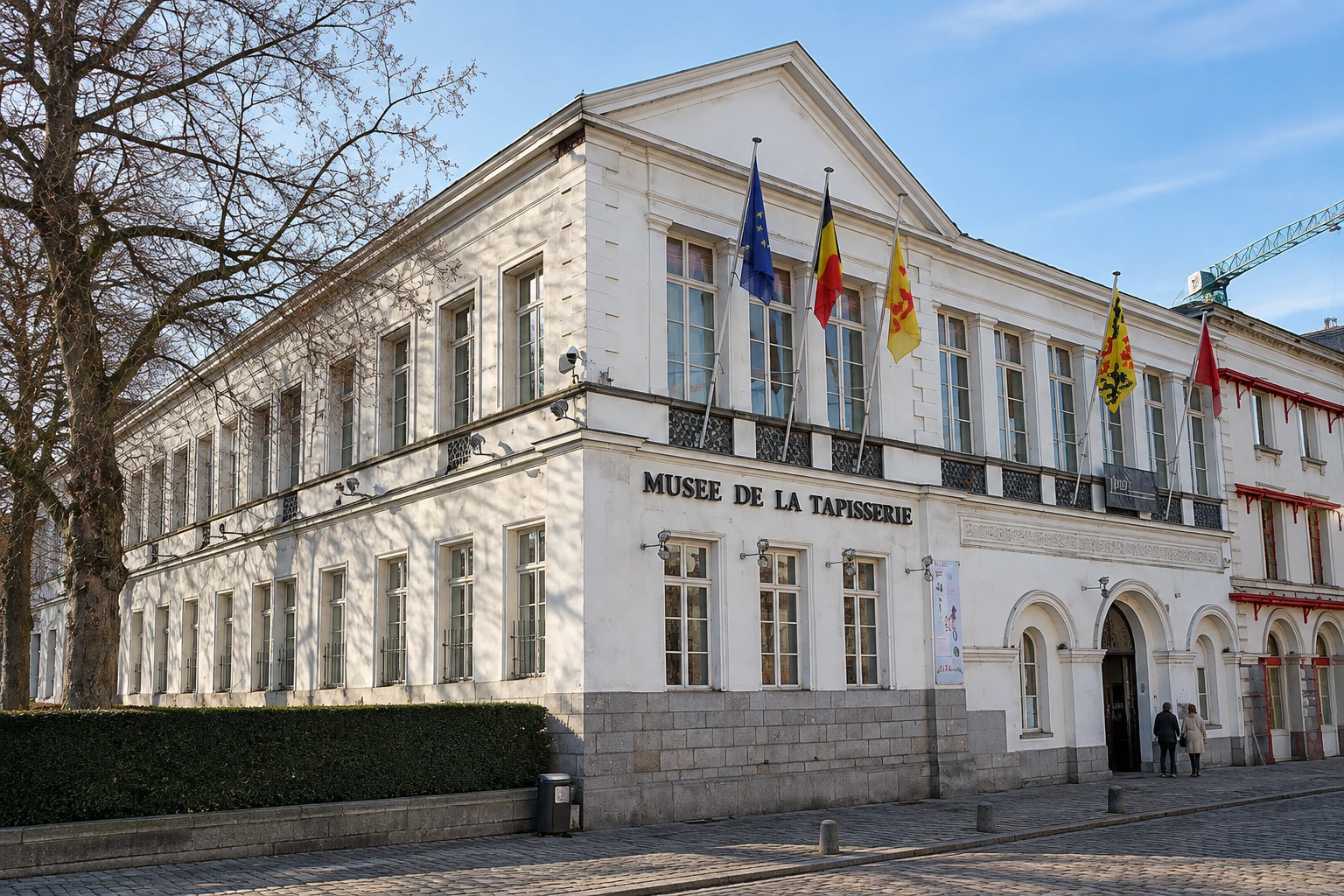
The tapestry and textile arts museum of Tournai, housed in a neoclassical mansion on the place Reine Astrid. More than 250 works spanning six centuries, from 15th-century Tournai tapestries to contemporary textile art.
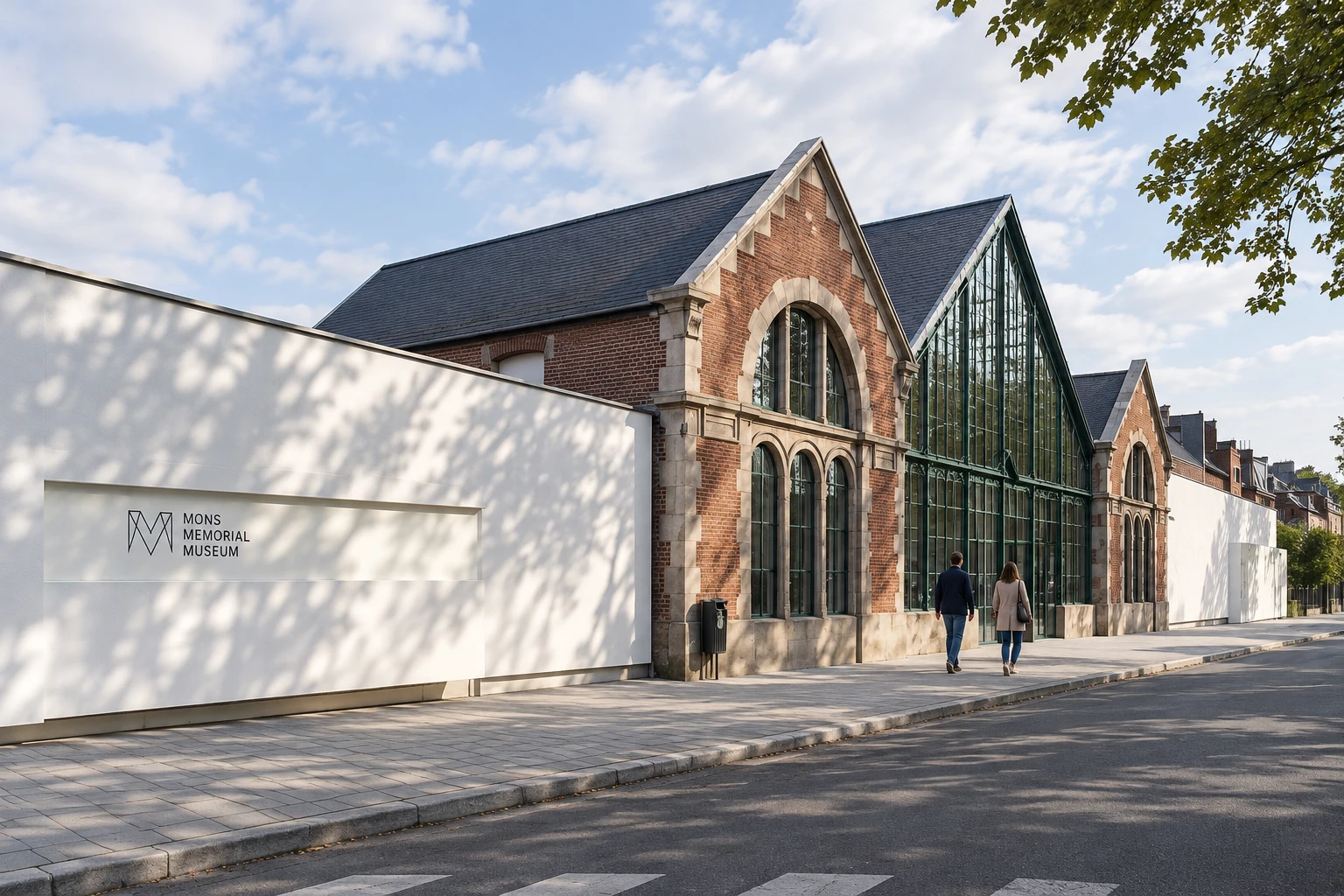
The museum of military history of Mons and the region, from the Middle Ages to the two world wars, with about 5,000 objects, letters and testimonies. Mons witnessed the British army's first and last battles of the First World War.
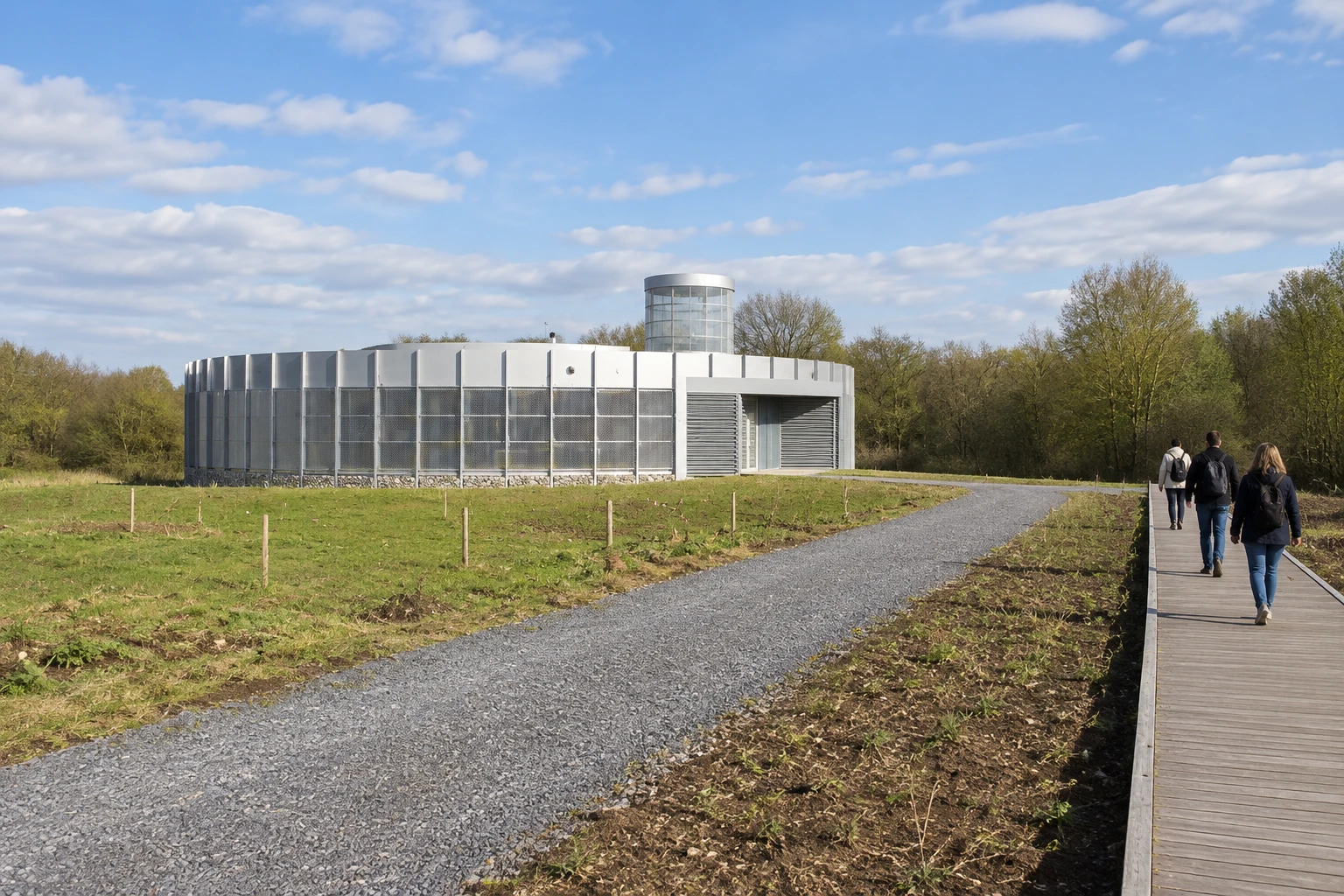
One of the largest and oldest flint mines in Europe, dug about 6,000 years ago, a UNESCO World Heritage site. The Silex's museum explains Neolithic mining, and the guided descent goes down 10 metres by stairs.
Neoclassical mining complex built at the beginning of the 19th century by Henri De Gorge, with an oval courtyard, workshops and 425 workers' houses. A UNESCO World Heritage site, it houses the MACS contemporary art museum and the CID design centre.
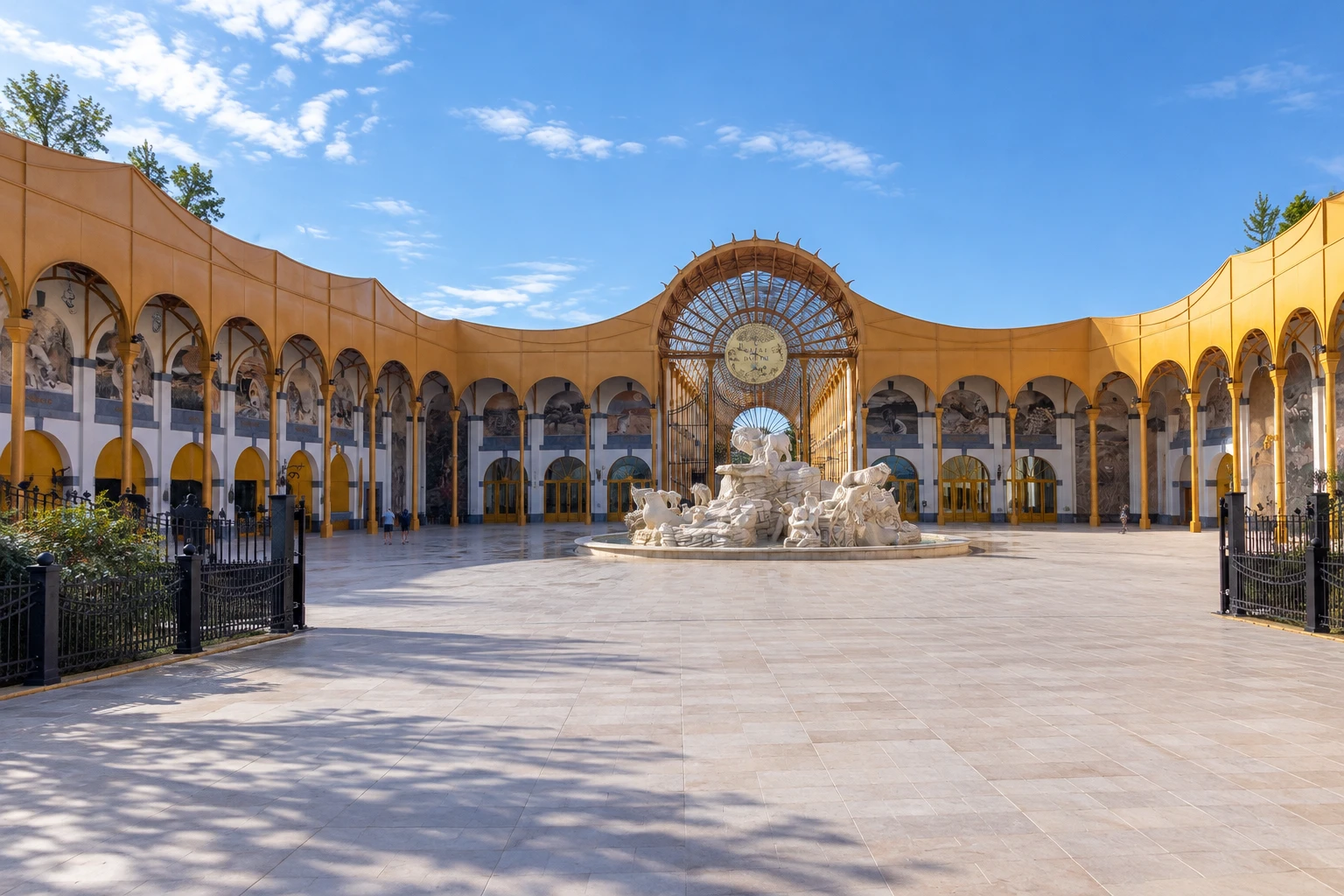
A 75-hectare zoo and botanical garden in Brugelette, about 25 km from Mons, on the grounds of the former Cistercian abbey of Cambron. More than 7,000 animals in themed worlds representing Asia, Africa, the Americas and the polar regions.
To choose before you go
The details of each tour (where it leaves from, what it includes, the best time) are in the complete guide.
Get your questions answered
The guide's itineraries cover 3, 5 and 7 days: in 3 days, belfries, Sainte-Waudru and the five towers; in 5 days, Van Gogh, mines and memory; in 7 days, belfries, museums, flint mines and Pairi Daiza.
Arrival and Grand-Place of Mons. Arrive at Brussels Airport and take the train to Mons, about 1 hour 10 minutes on the direct train. After dropping off your luggage, stroll the Grand-Place of Mons, visit the Hôtel de Ville and see the Singe du Grand-Garde at a relaxed pace to recover from the flight. Stop by the tourist office to buy the Mons Card. In the evening, dine at a brasserie around the square.
It generally rains less in April and September. The rainiest months are usually from November to January. The guide covers each month, with the weather and what changes on the tours.
To plan