43 places to visit and 20 tours, chosen by the Cidade Turismo guide.
Updated
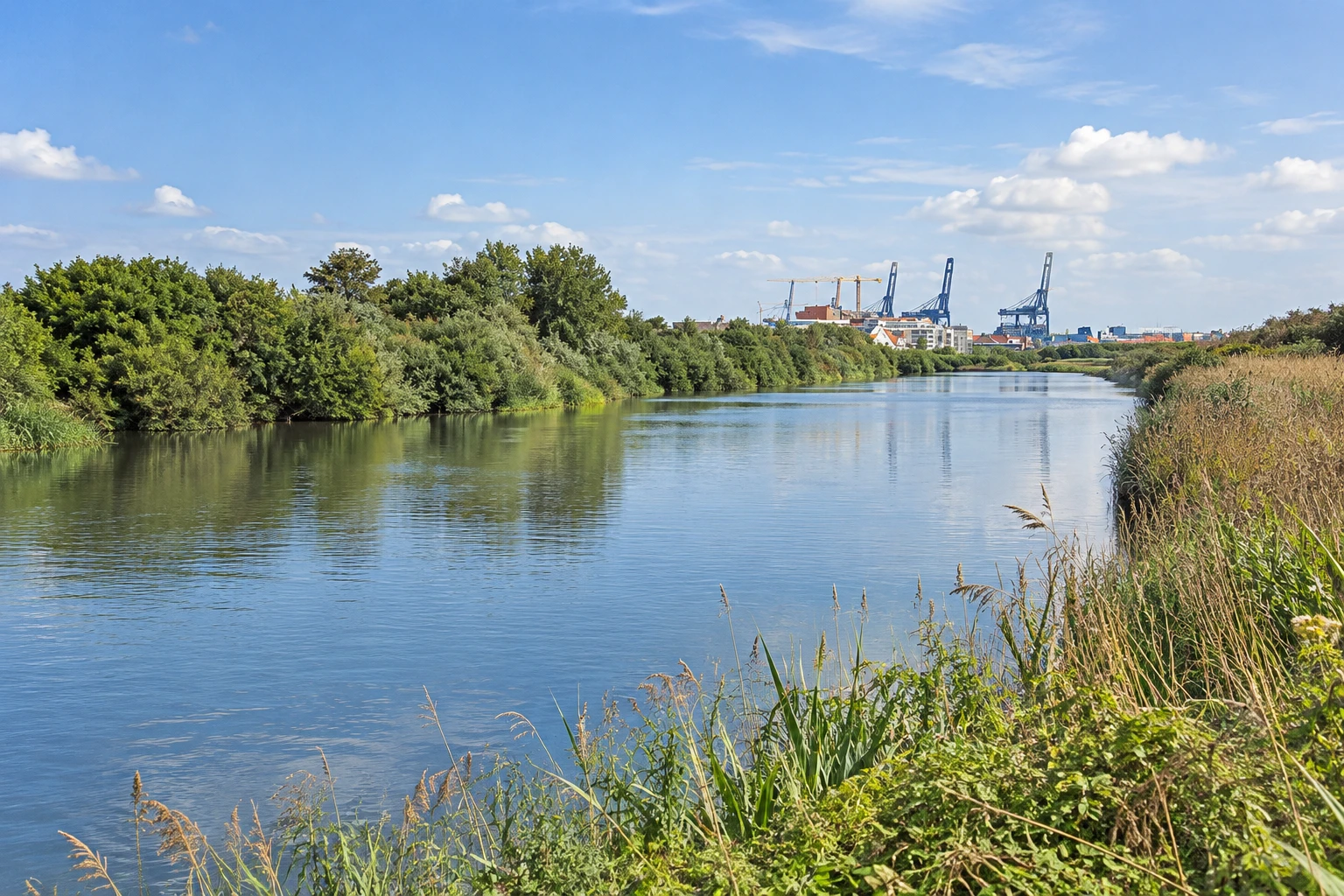
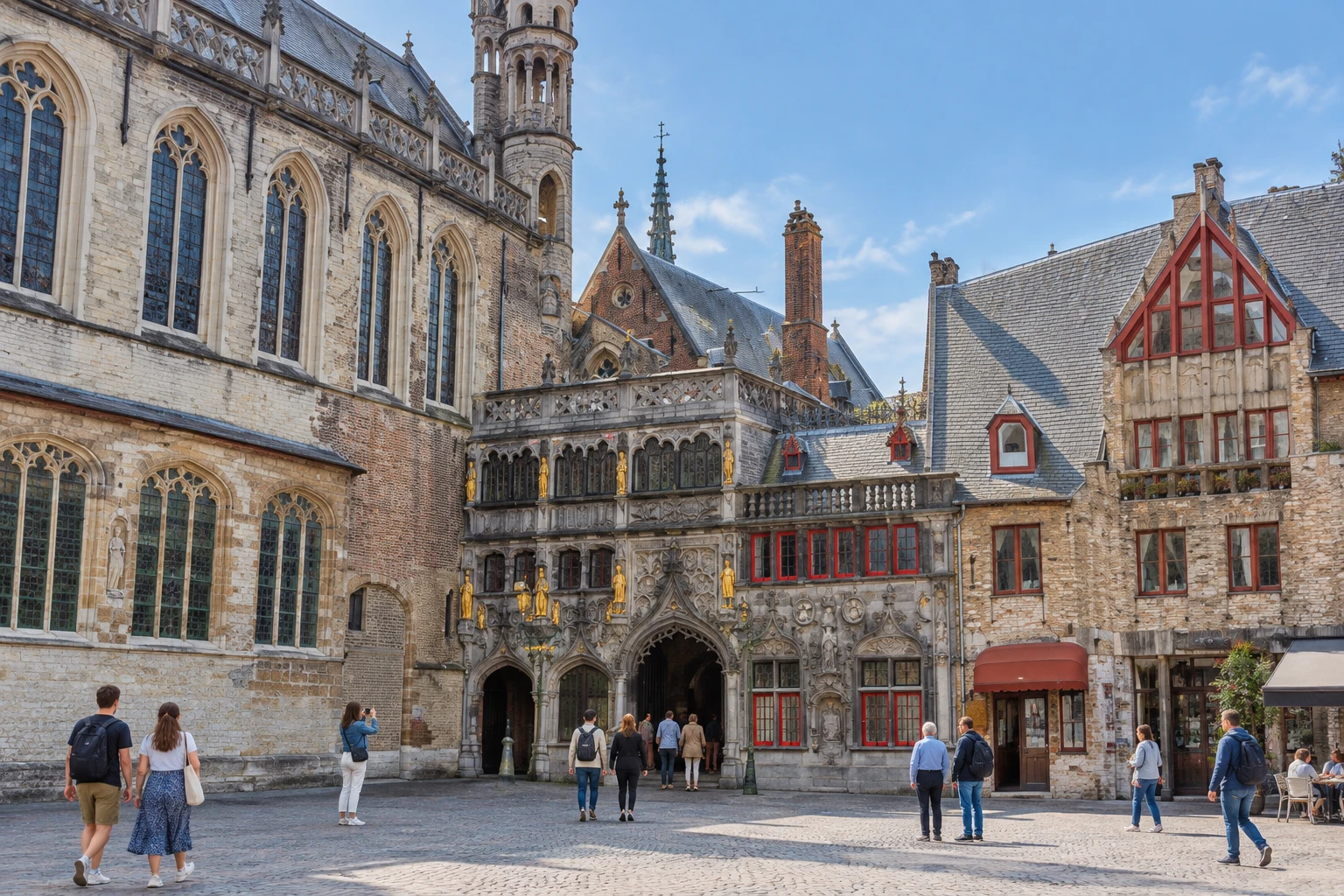
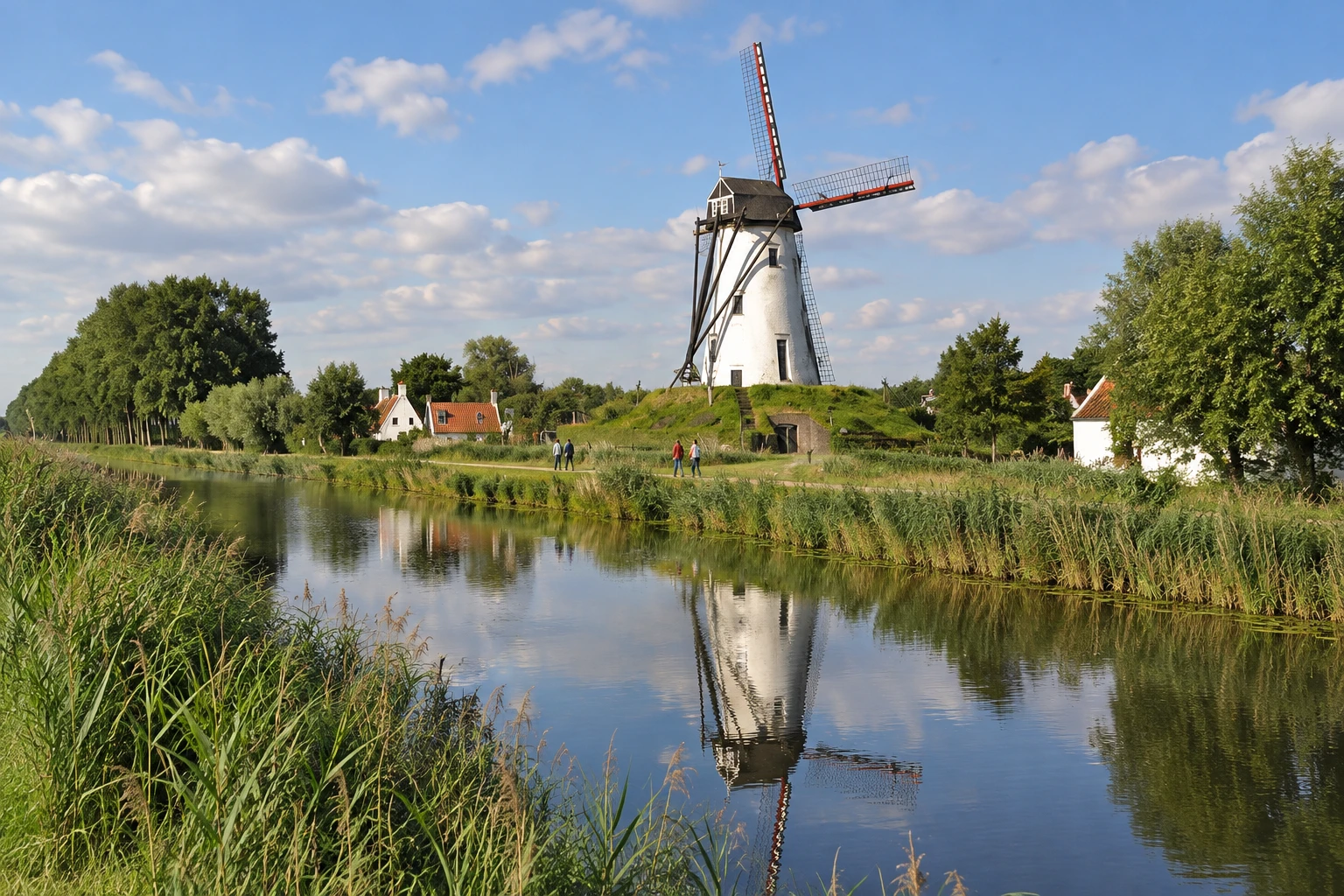
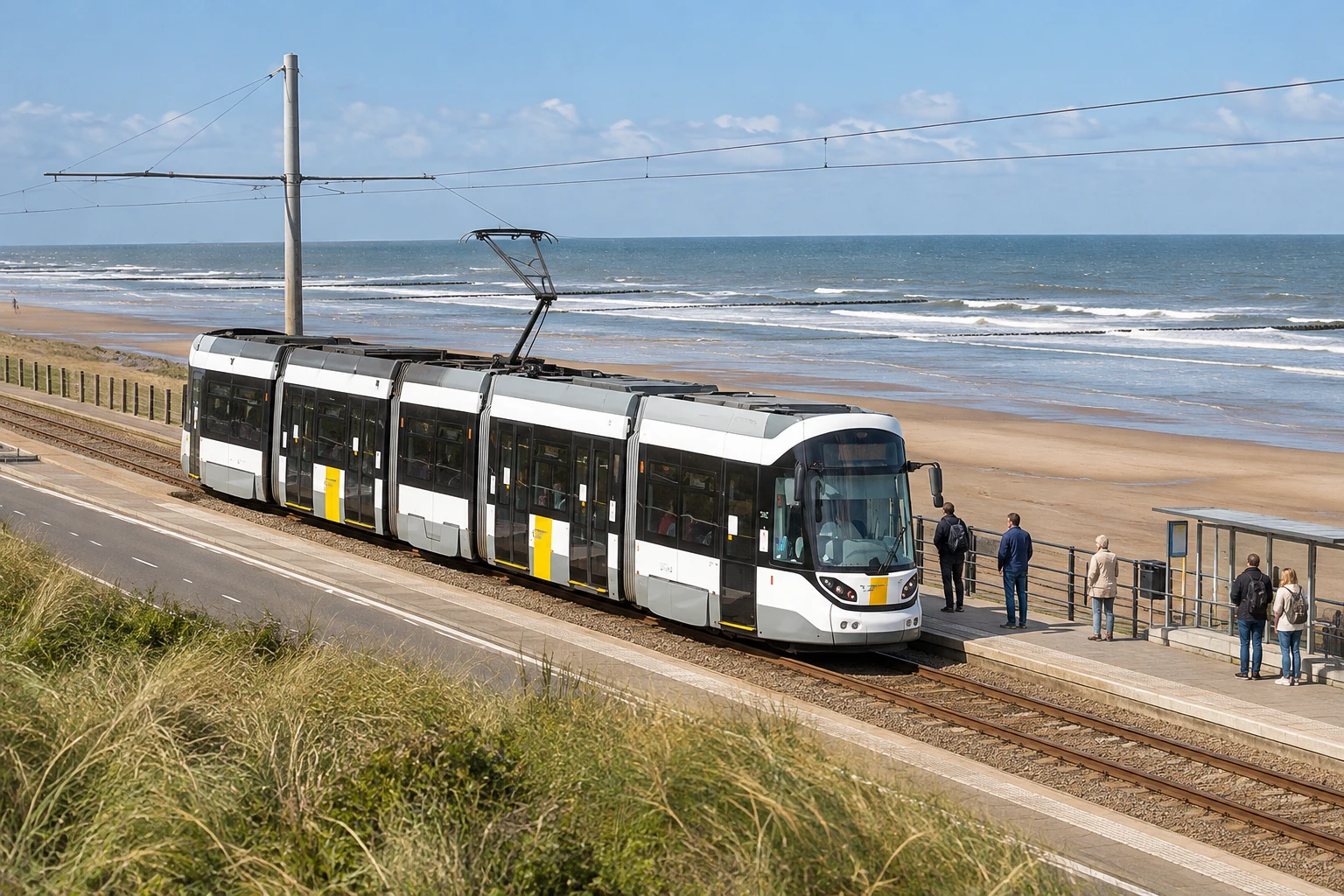
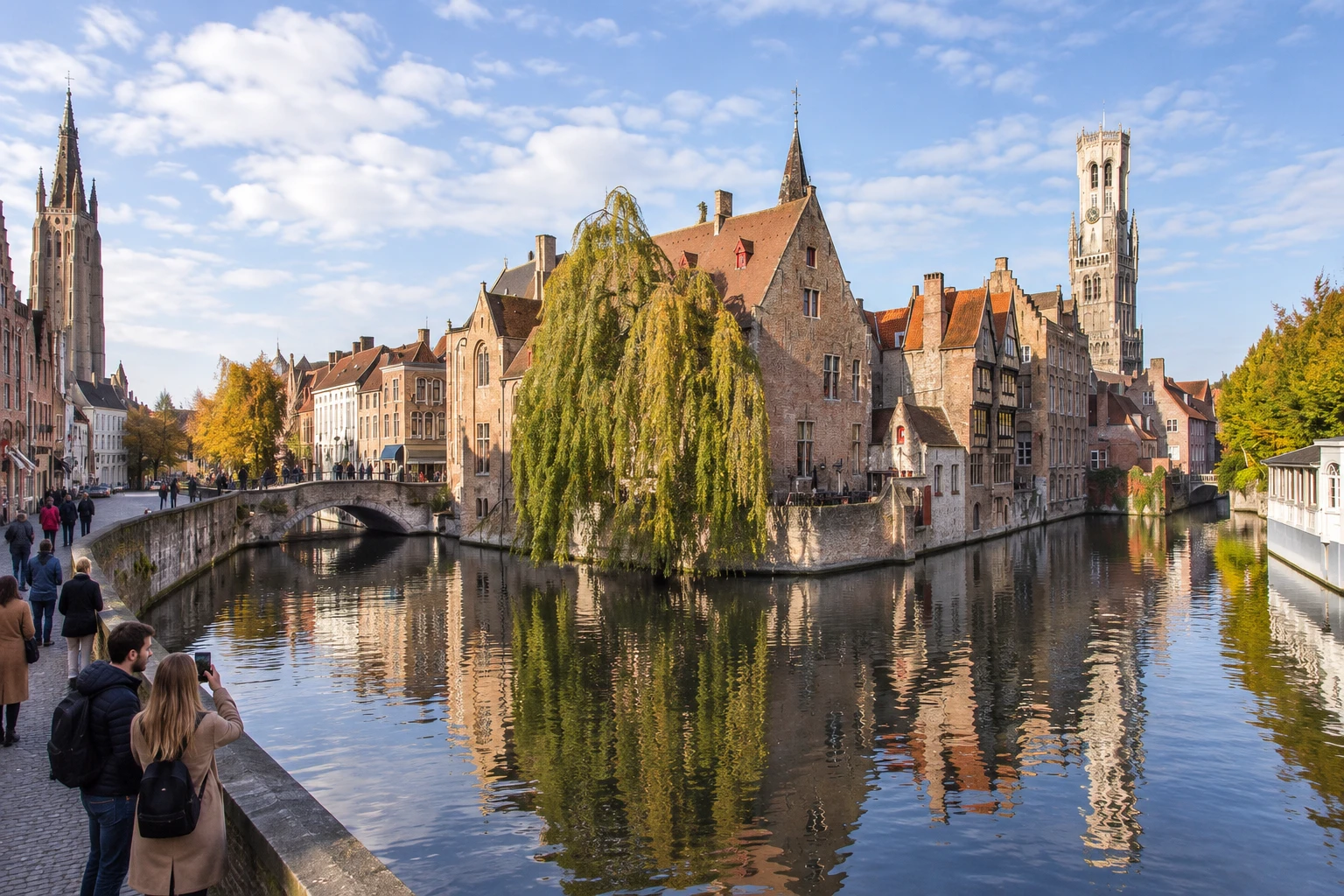
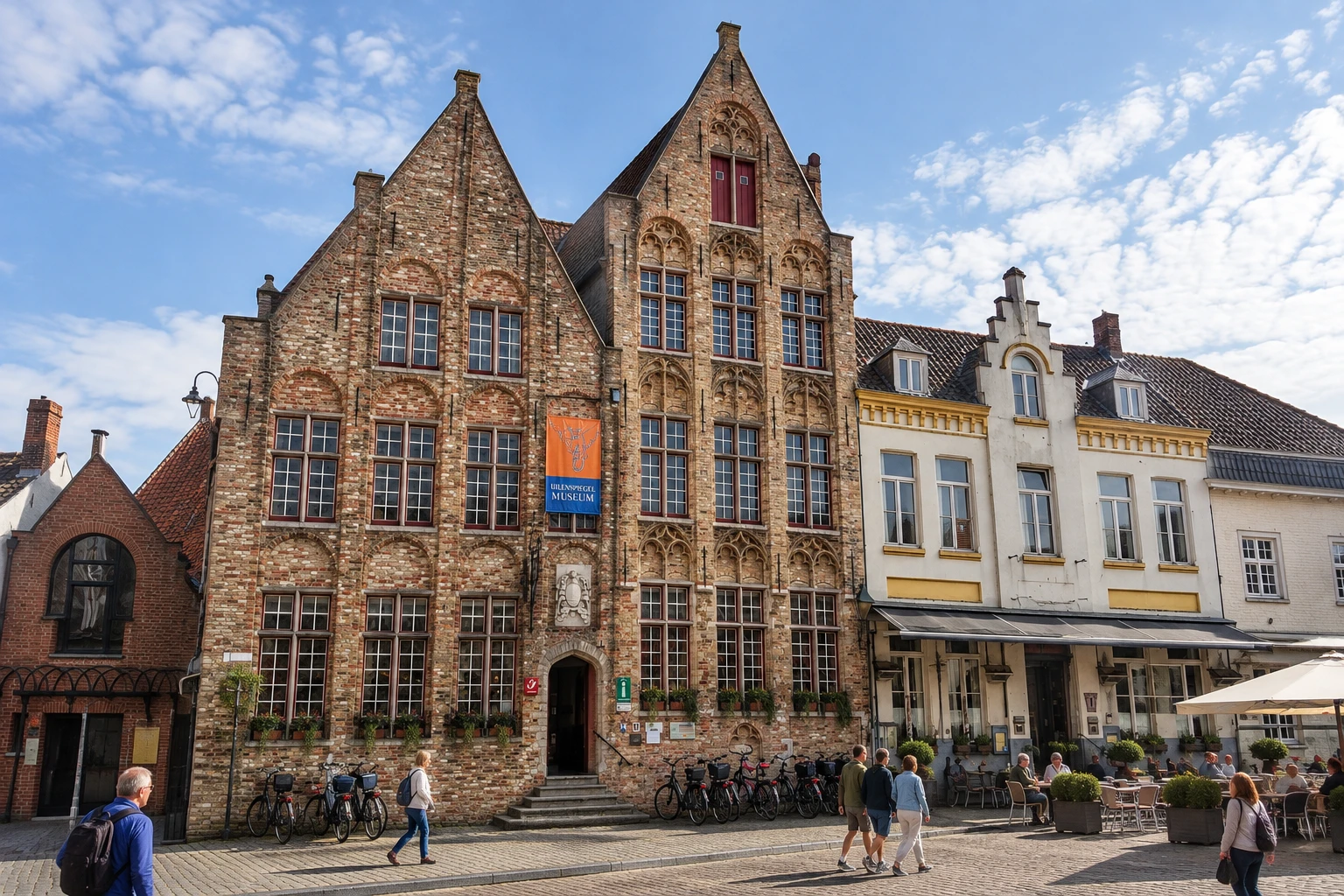
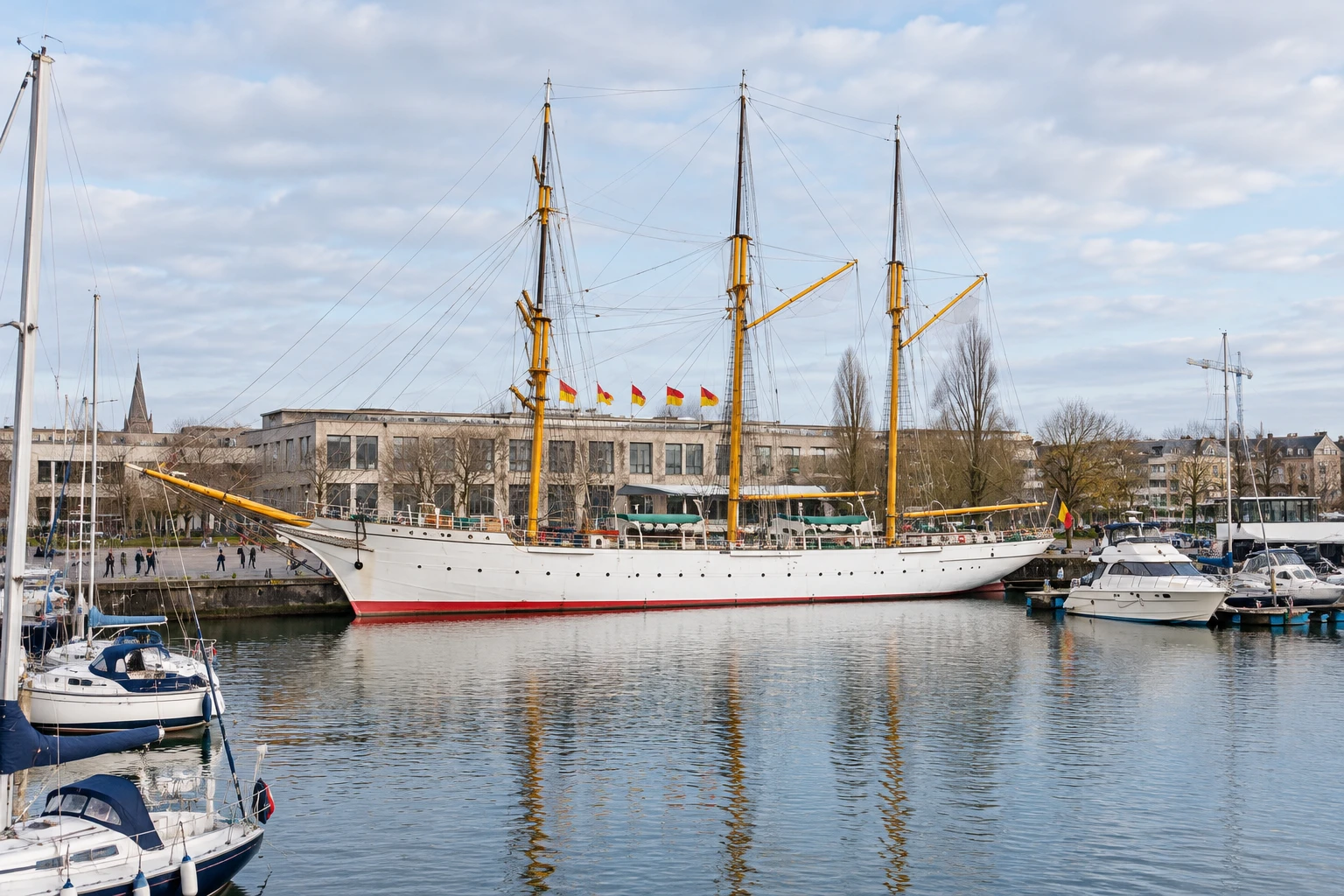
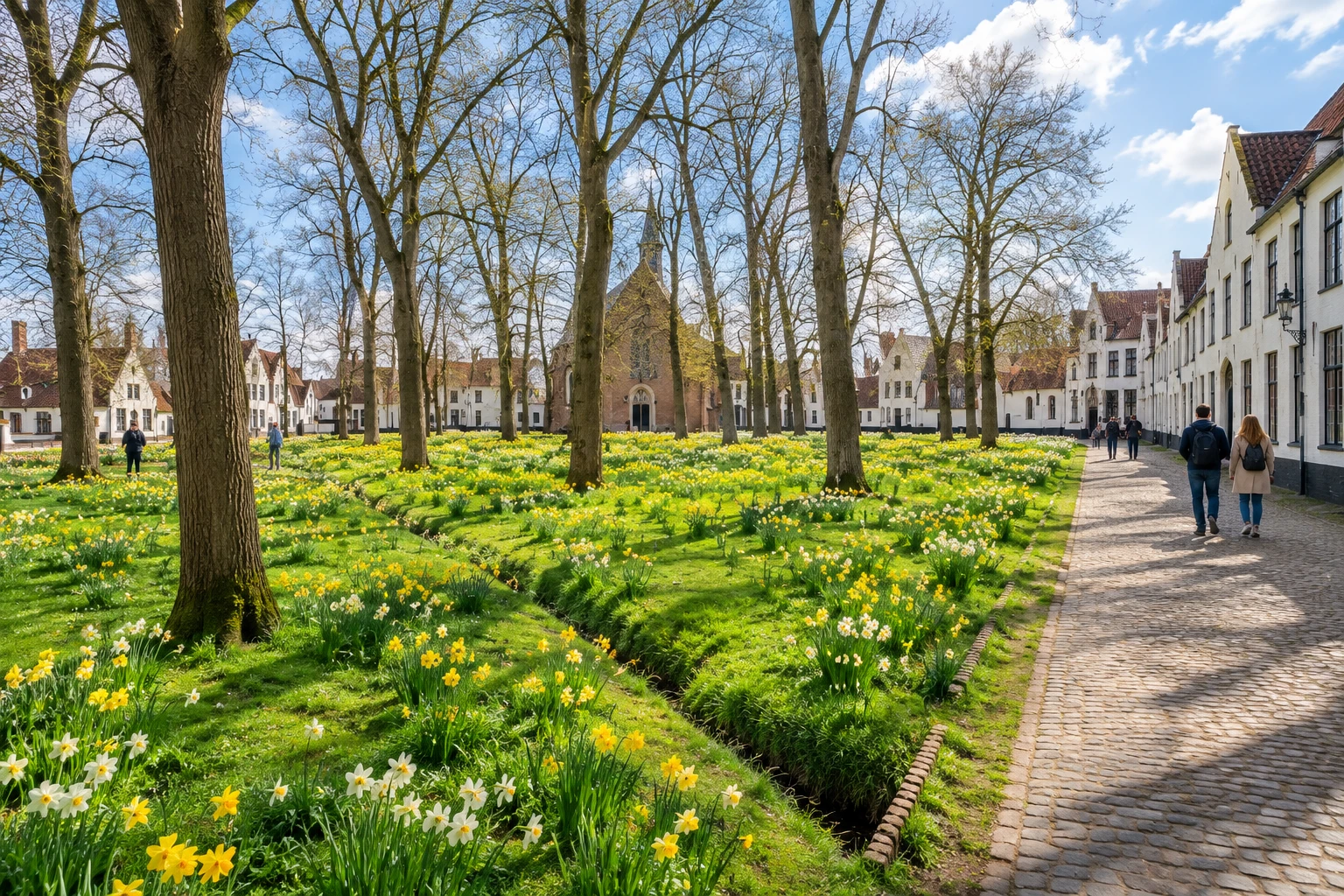
Illustrative images. The pictures in this guide are illustrations based on the real place, not photographs, and may differ from it.
To start
The 10 main places Bruges and the Coast
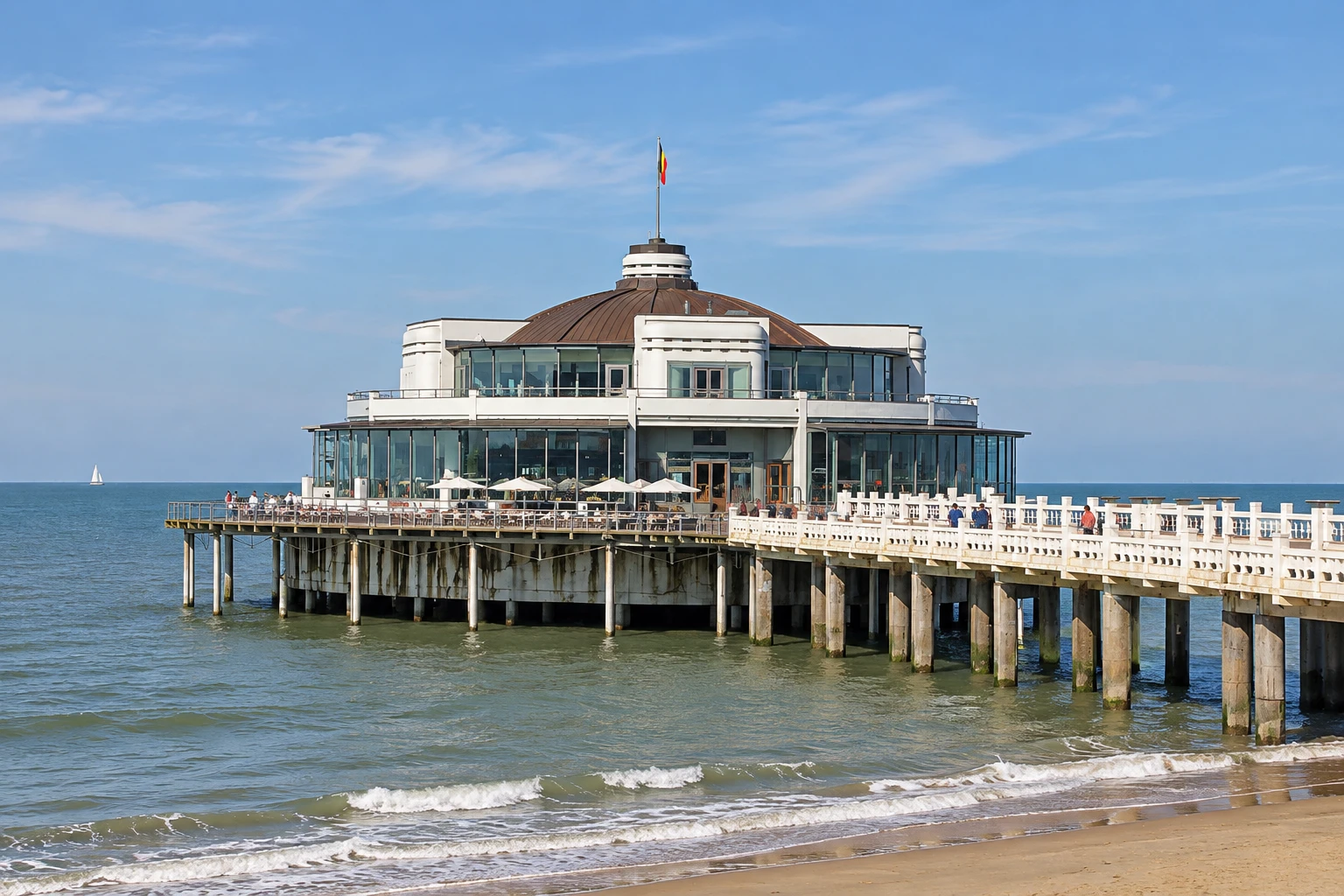
Belgium Pier · BlankenbergeArt-déco concrete pier from 1933, extending 350 metres into the North Sea from Blankenberge's promenade, successor to the iron pier of 1894, the first of that size on the Europe...
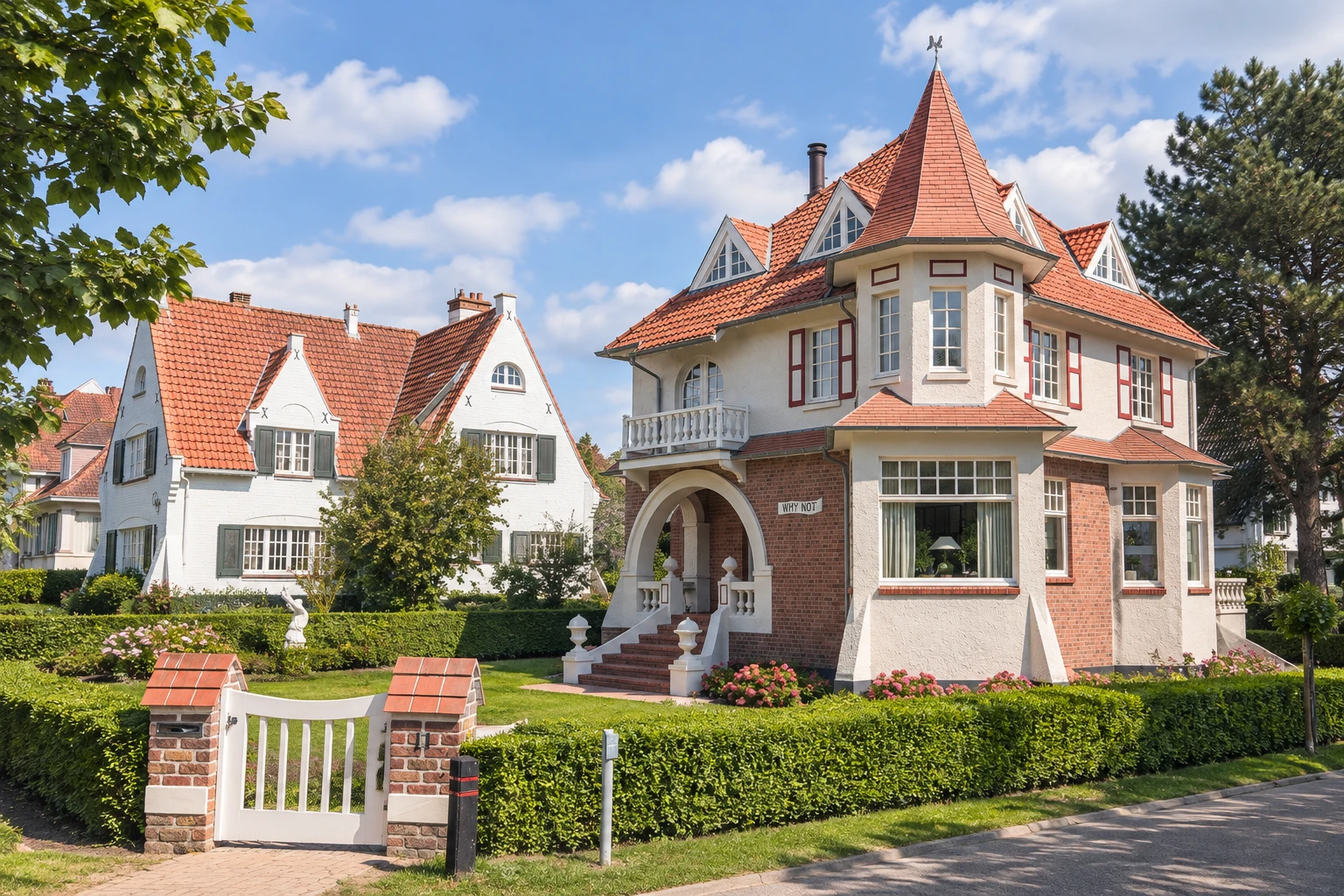
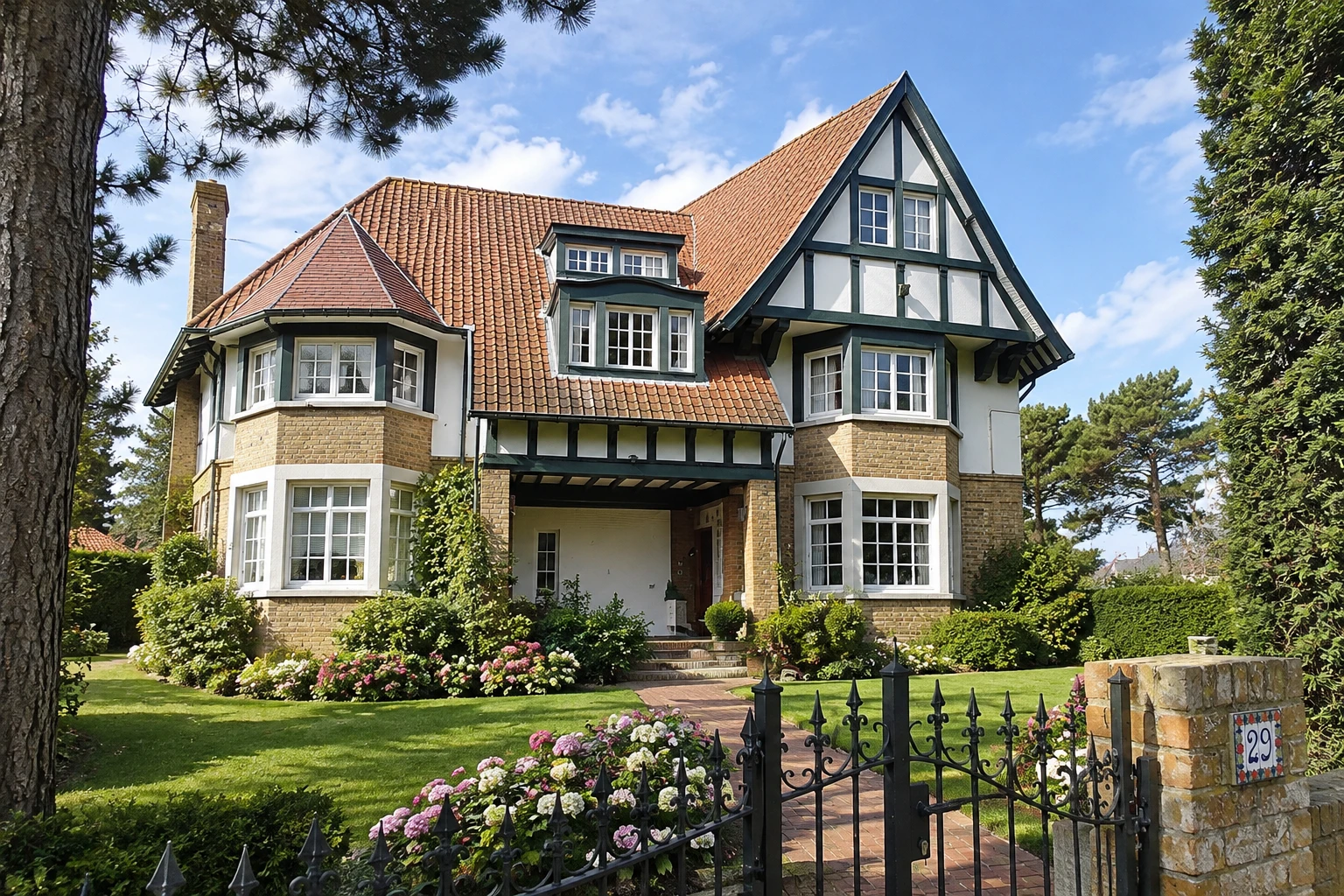
Concessie (Belle Époque district) · De HaanThe original neighborhood of De Haan, planned at the end of the 19th century among the dunes, with curved streets, Anglo-Norman and Belle Époque style houses, gardens and the tr...
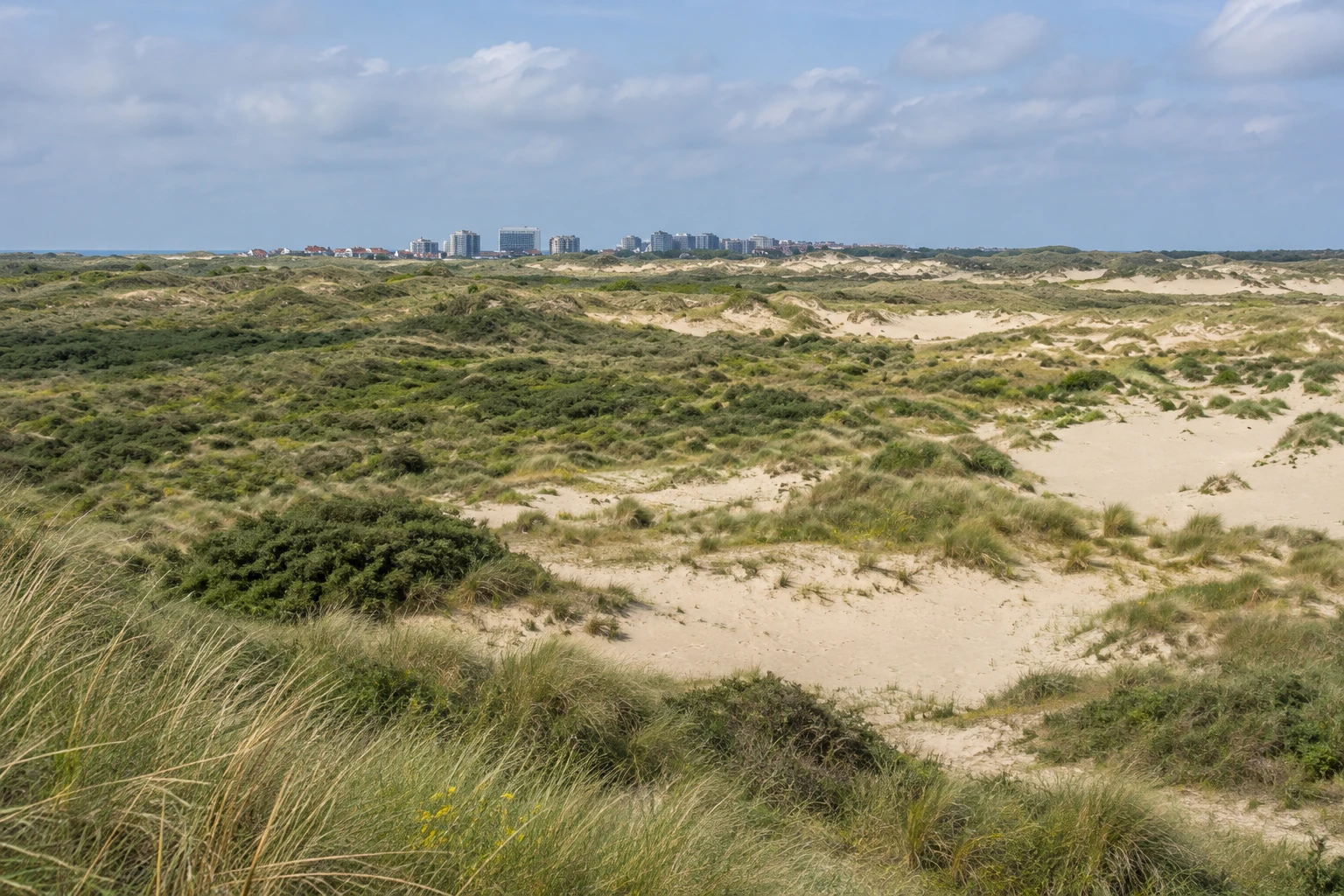
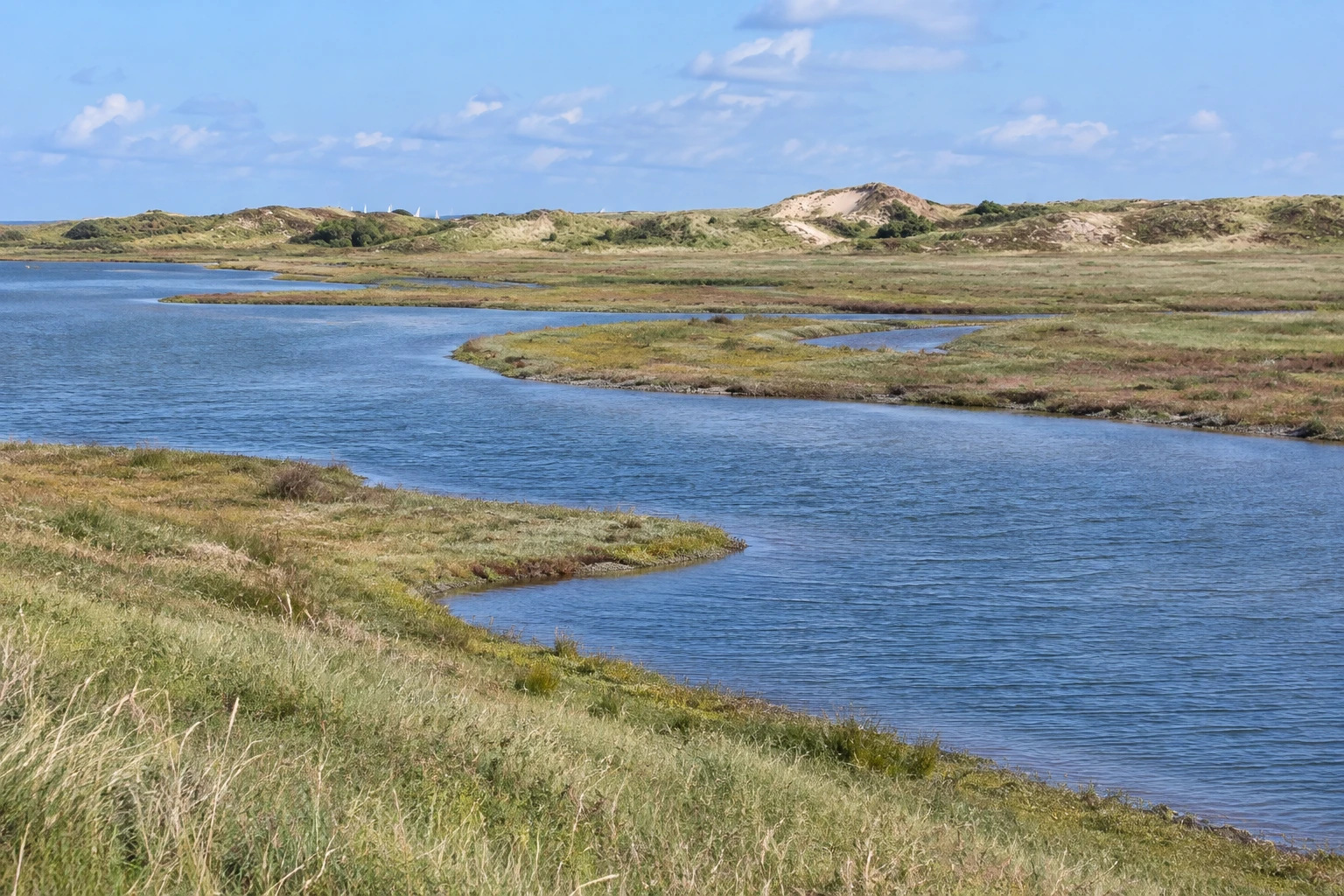
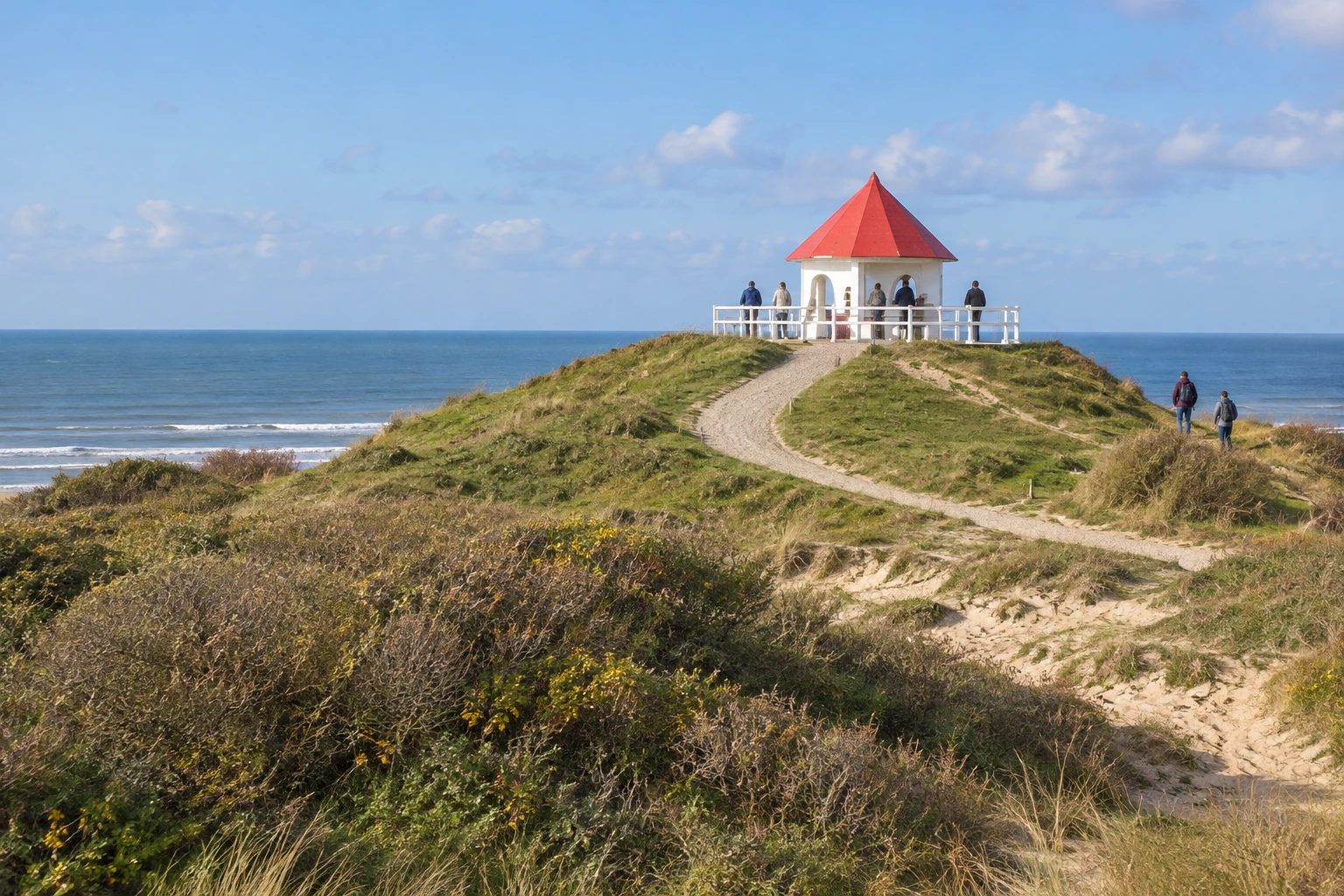
De Westhoek (nature reserve) · De PanneA dune reserve of about 340 hectares between De Panne and the French border, the oldest state nature reserve in Flanders, featuring moving white dunes, wet hollows and waymarked...
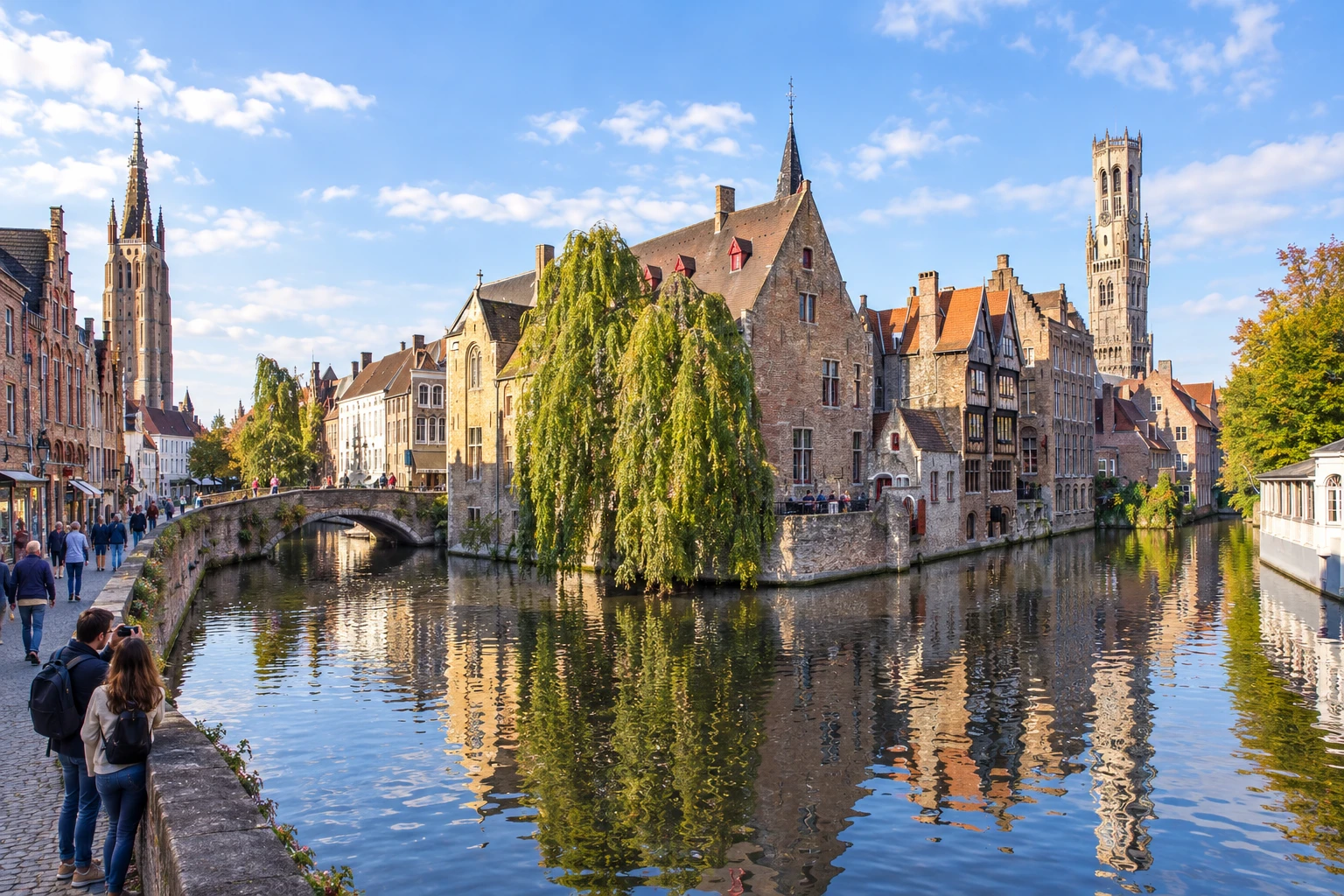
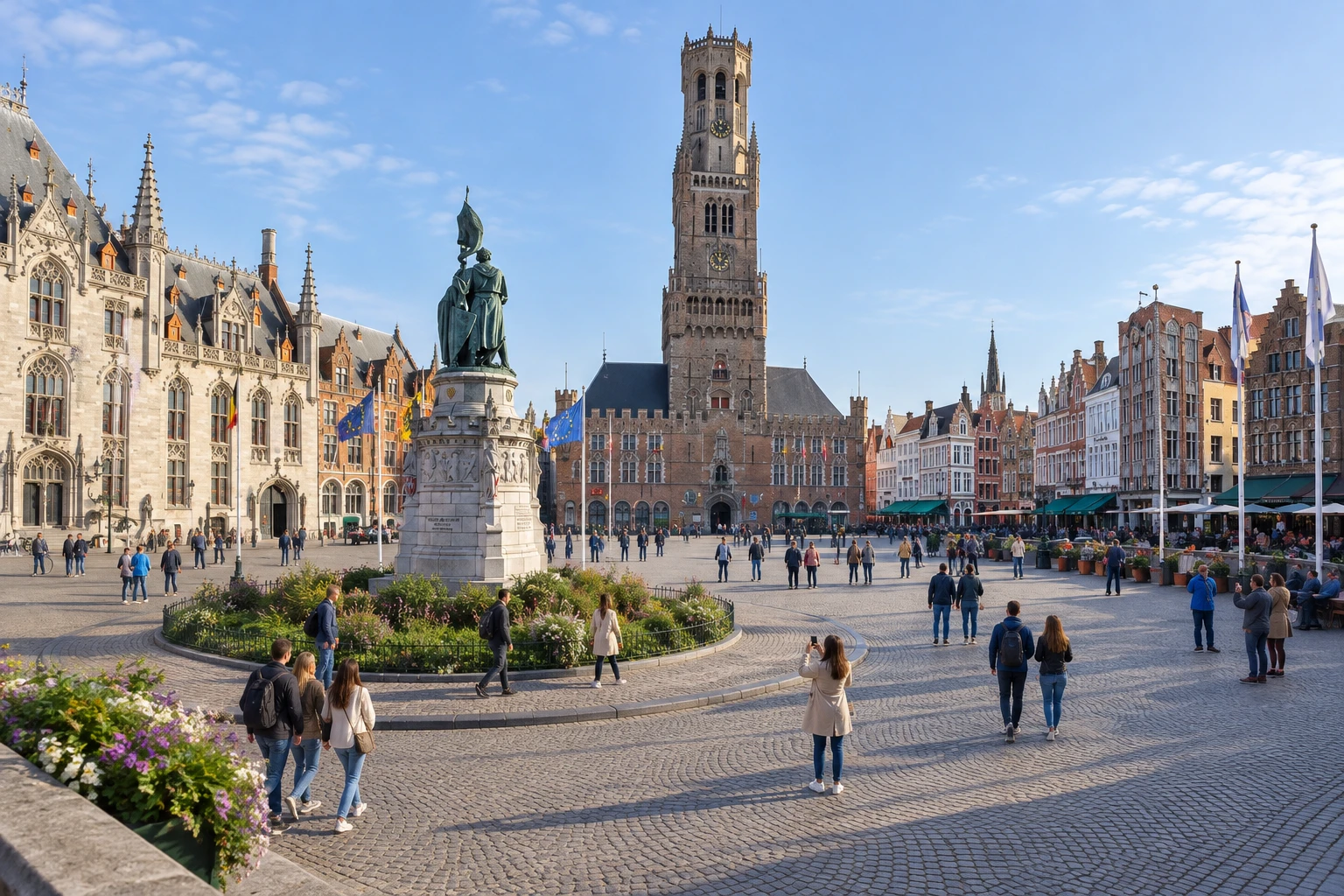
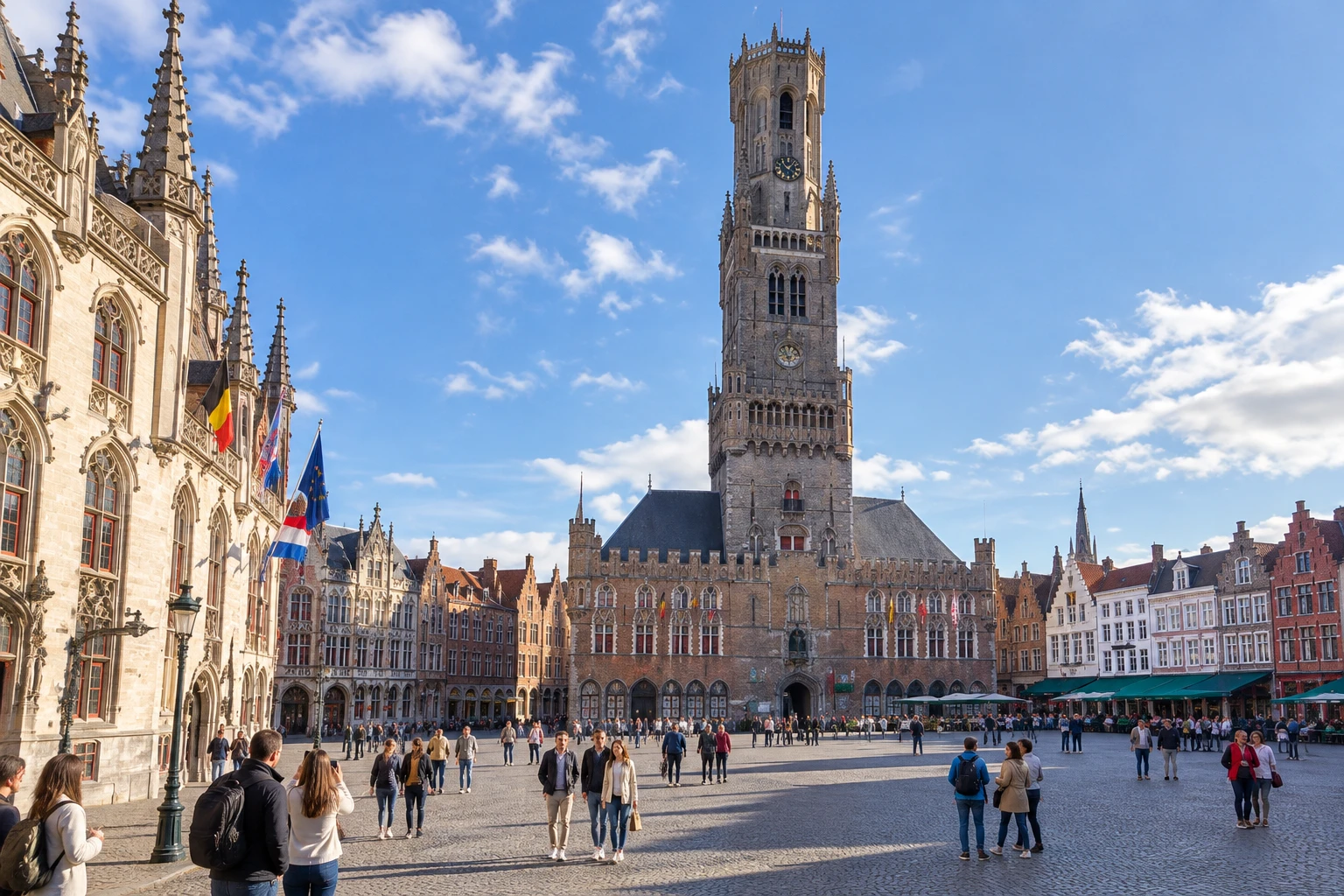
Market Square · BrugesThe central square of Bruges, lined with houses with stepped gables, overlooked by the Belfort and the neo-Gothic provincial palace.
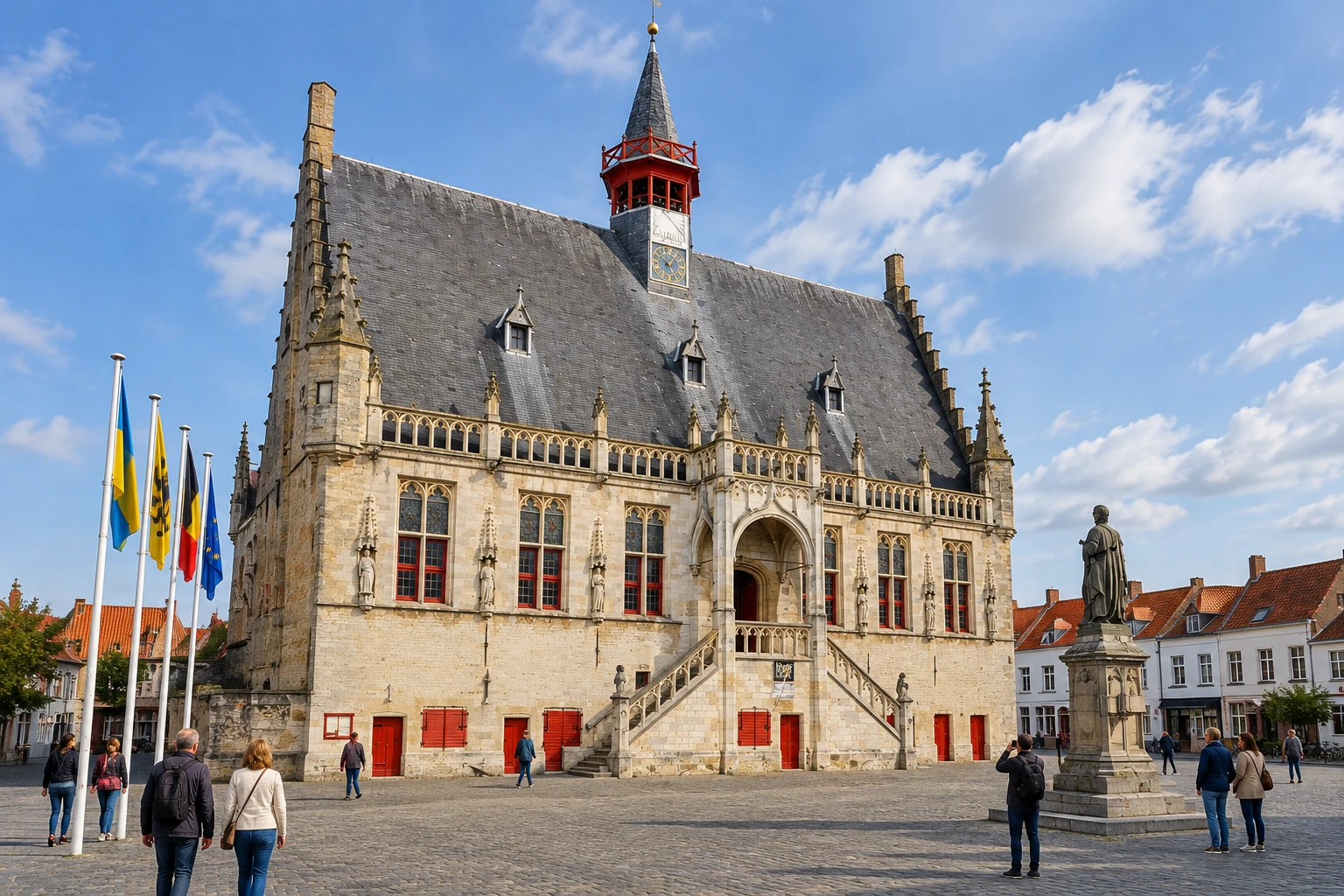
Damme Town Hall · DammeGothic town hall completed in 1464 in Damme's central square.
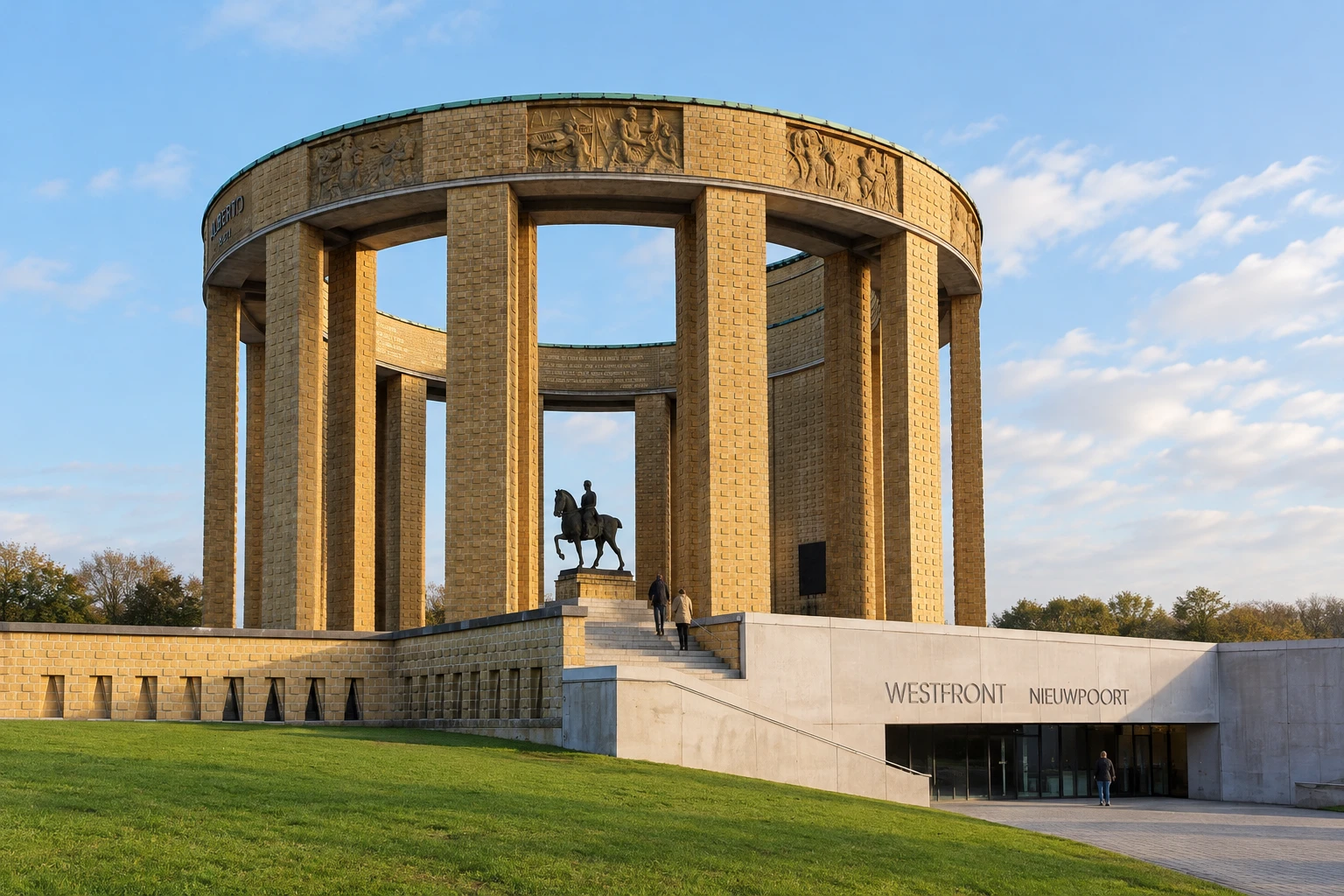
Westfront Nieuwpoort · NieuwpoortVisitor centre beneath the monument to King Albert I, beside the Ganzepoot sluices.
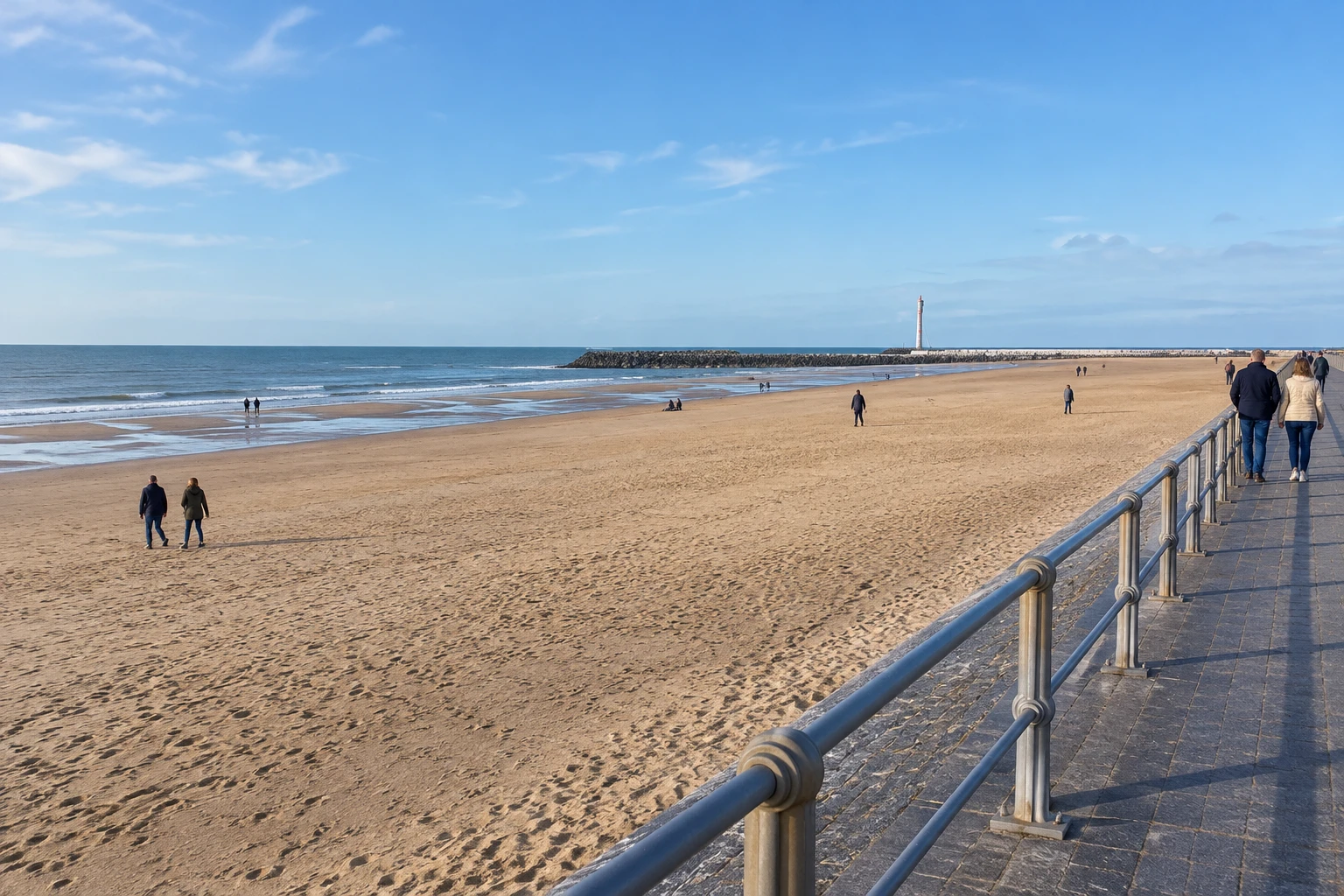
Zeedijk · OstendOstende's seaside promenade atop the dyke, with a sandy beach on one side and buildings, cafés and the Kursaal on the other.
Zwin Nature Park · Knokke-HeistNature reserve in the former Zwin inlet, on the border with the Holanda, featuring a tidal plain, dunes, a visitor centre, viewpoint, stork nests and trails for birdwatching.
Belfry of Bruges · Bruges13th-century tower on the Markt, 83 metres high with 366 steps to the top.
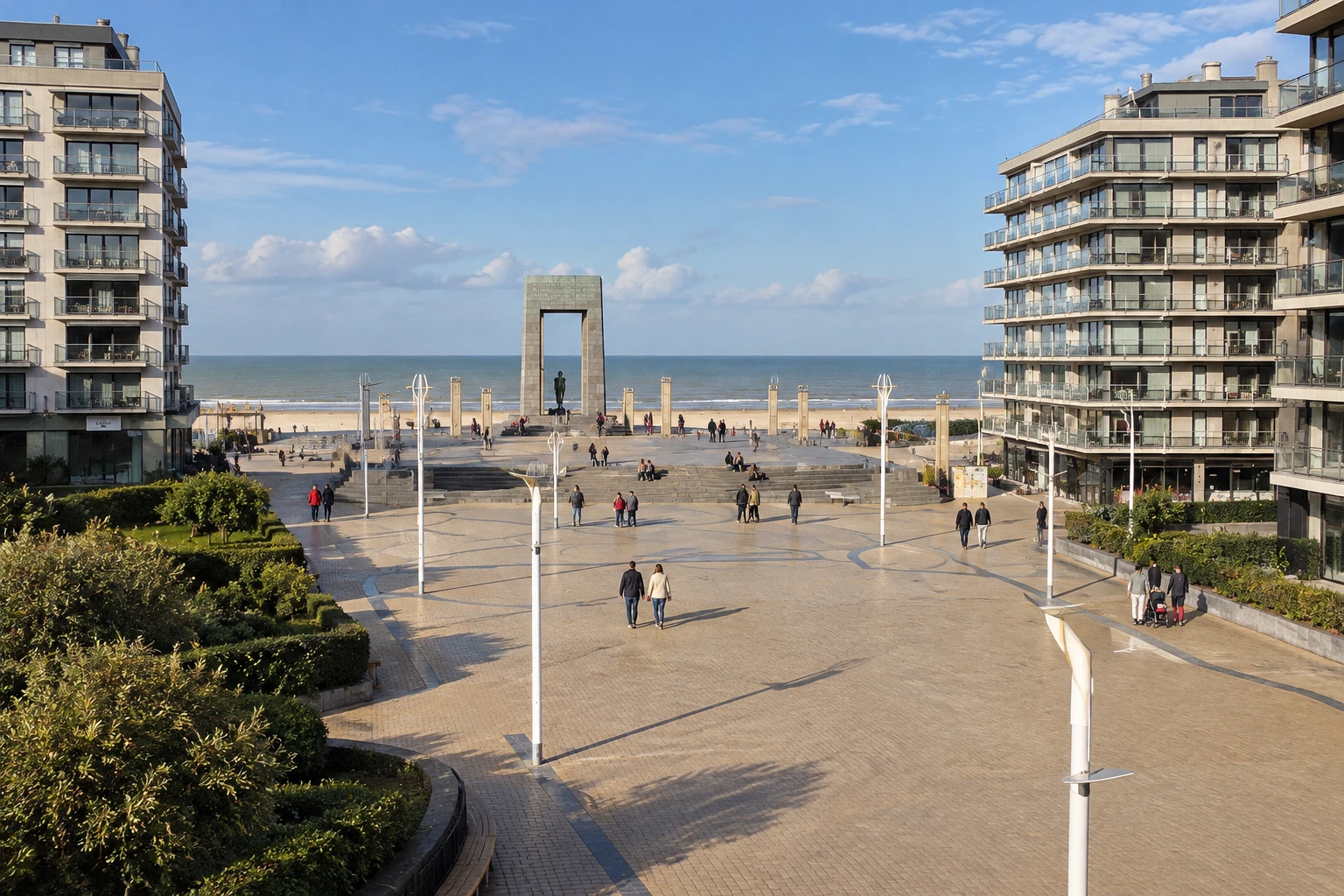
Leopold I Esplanade and De Panne Beach · De PanneDe Panne’s waterfront, with the Esplanada Leopoldo I and the monument to Belgium’s first king, who landed there in 1831, and the wide beach where sand yachts race at low tide.
Art-déco concrete pier from 1933, extending 350 metres into the North Sea from Blankenberge's promenade, successor to the iron pier of 1894, the first of that size on the European continent.
The original neighborhood of De Haan, planned at the end of the 19th century among the dunes, with curved streets, Anglo-Norman and Belle Époque style houses, gardens and the tram pavilion De Haan aan Zee.
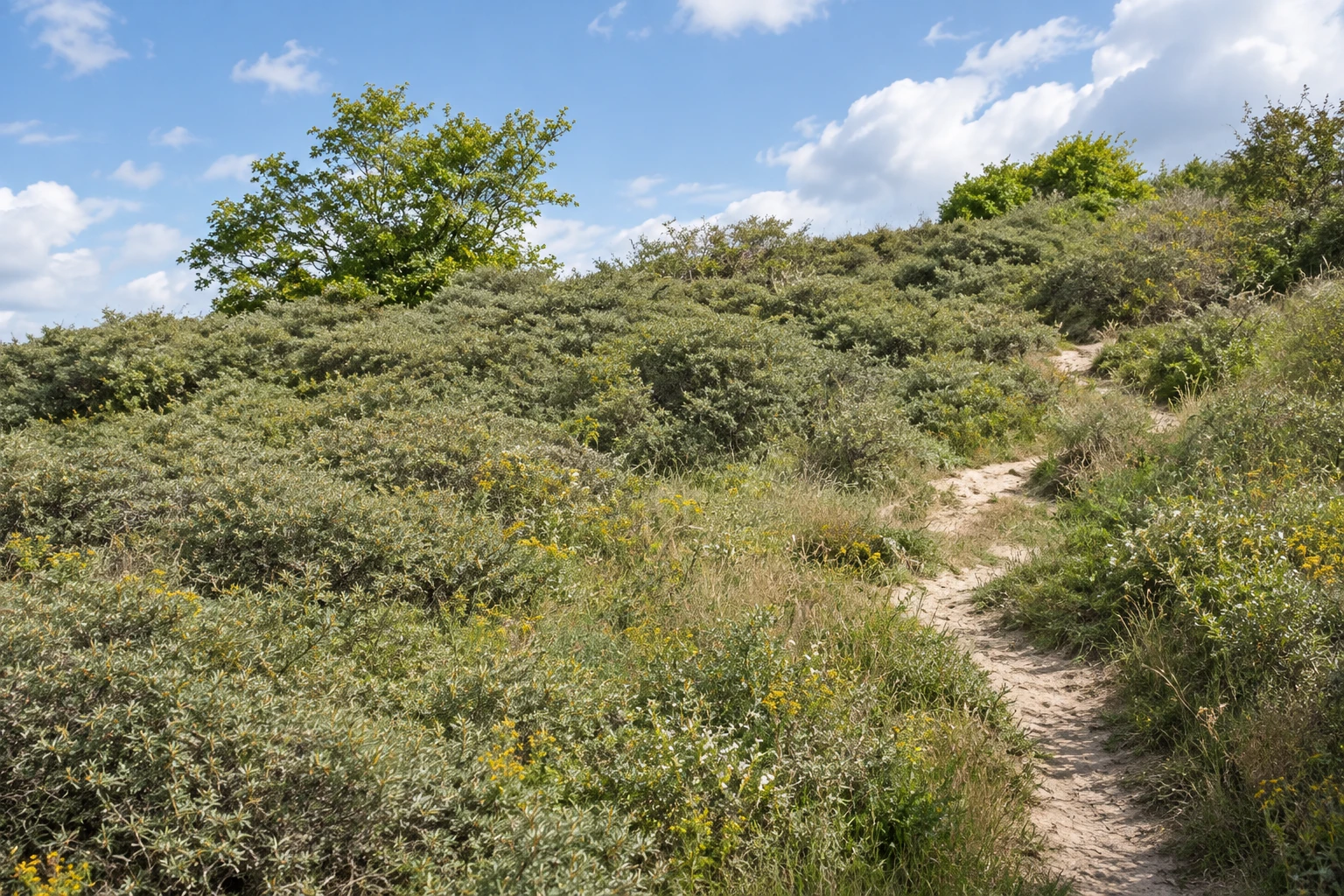
A dune reserve of about 340 hectares between De Panne and the French border, the oldest state nature reserve in Flanders, featuring moving white dunes, wet hollows and waymarked trails.
The central square of Bruges, lined with houses with stepped gables, overlooked by the Belfort and the neo-Gothic provincial palace. Starting point for nearly all walking tours.
Visitor centre beneath the monument to King Albert I, beside the Ganzepoot sluices. It tells the story of the 1914 flooding of the IJzer plain and has an upper gallery with views over the polder.
Ostende's seaside promenade atop the dyke, with a sandy beach on one side and buildings, cafés and the Kursaal on the other. It passes the Venetiaanse Gaanderijen and the statue of Leopoldo II.
Nature reserve in the former Zwin inlet, on the border with the Holanda, featuring a tidal plain, dunes, a visitor centre, viewpoint, stork nests and trails for birdwatching.
13th-century tower on the Markt, 83 metres high with 366 steps to the top. Along the way you pass the medieval treasury room and the carillon of 47 bells; from up there you can see the whole city.
De Panne’s waterfront, with the Esplanada Leopoldo I and the monument to Belgium’s first king, who landed there in 1831, and the wide beach where sand yachts race at low tide.
Residential neighborhood on the east side of Knokke, with Anglo-Norman style villas among gardens and dunes, the commercial avenue Kustlaan and dozens of art galleries.
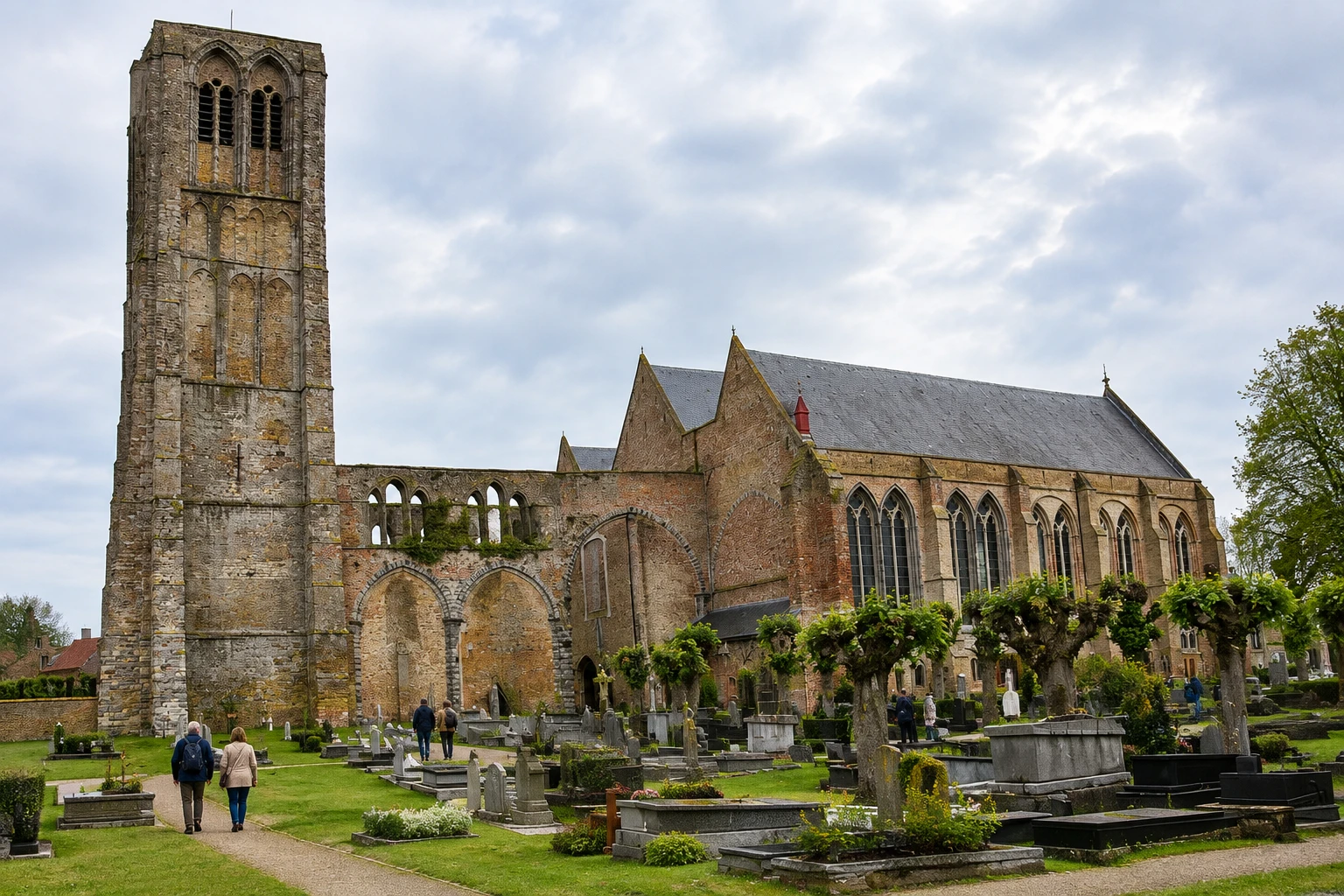
13th-century church with a massive brick tower that can be climbed from April to September. The original nave was partially demolished and ruins remain alongside.
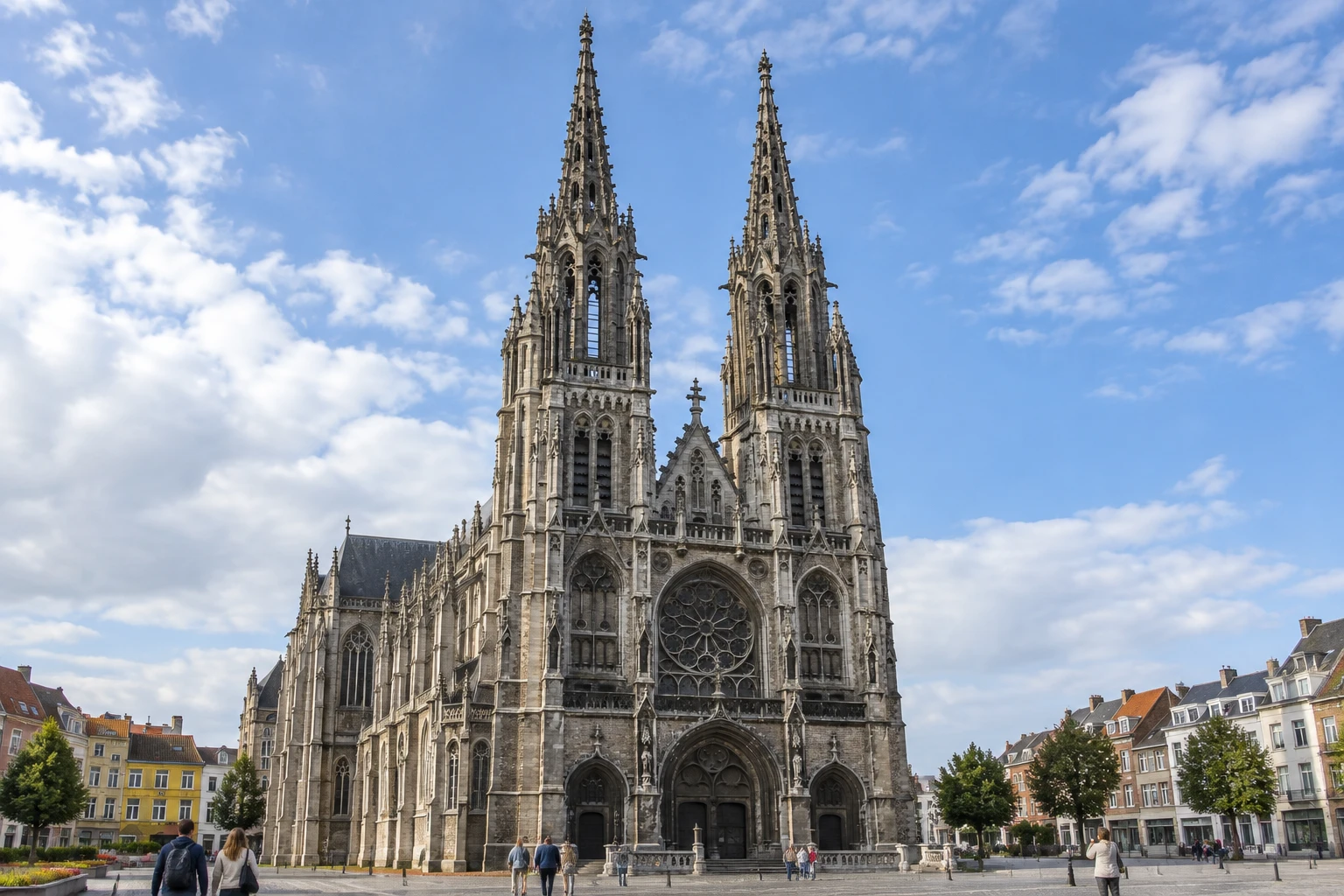
Neo-Gothic church from 1908 in the center of Ostende, with 72-meter towers and stained glass. It houses the chapel in memory of Luísa Maria, the first queen of Belgium.
A section of seafront in central Knokke, with a beach, promenade and the Albertplein, where the 1920s casino stands, known for René Magritte's murals in the ballroom.
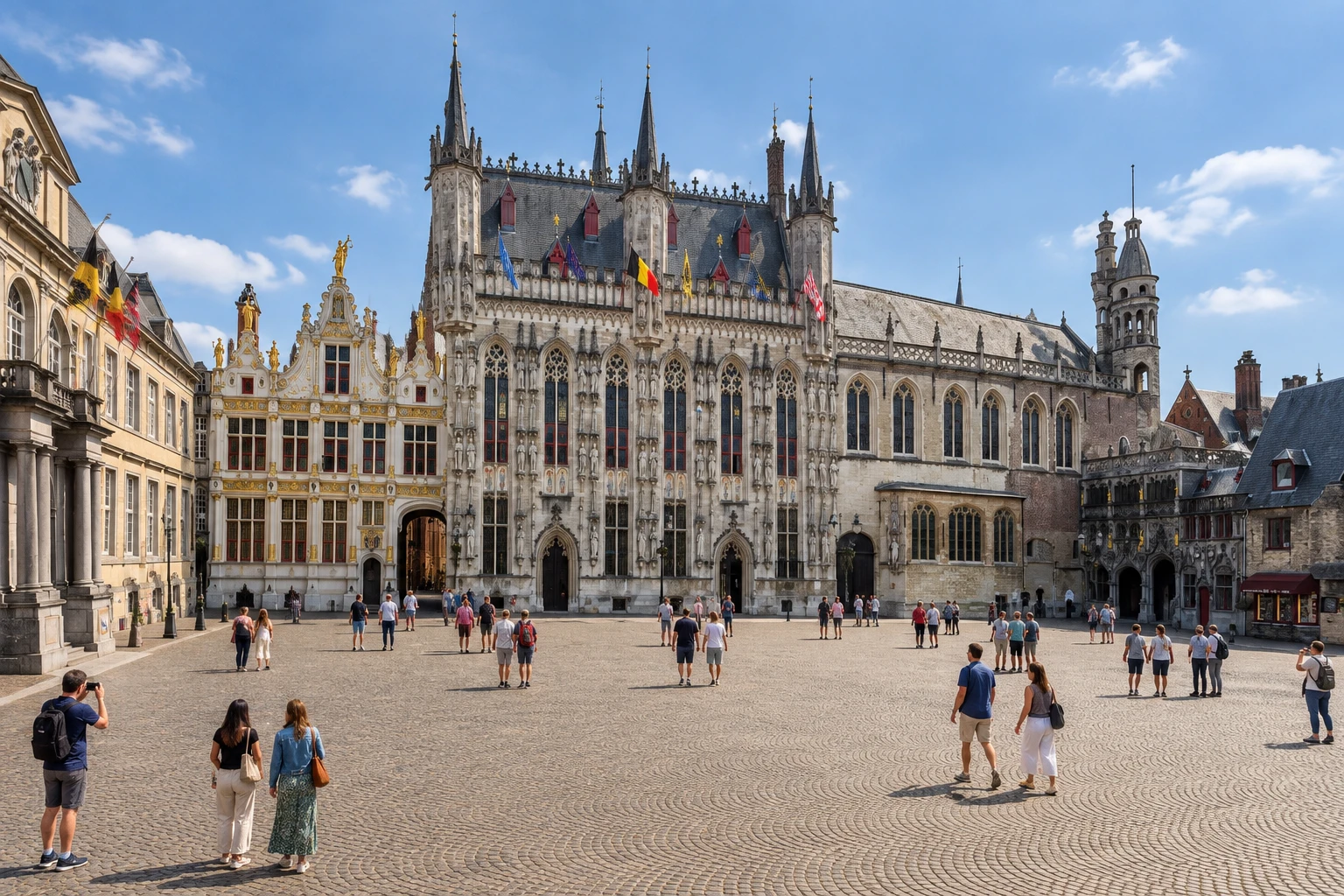
Square next to the Markt where Bruges was born, with the Gothic town hall, the former Brugse Vrije courthouse and the Basílica do Sangue Sagrado at one corner.
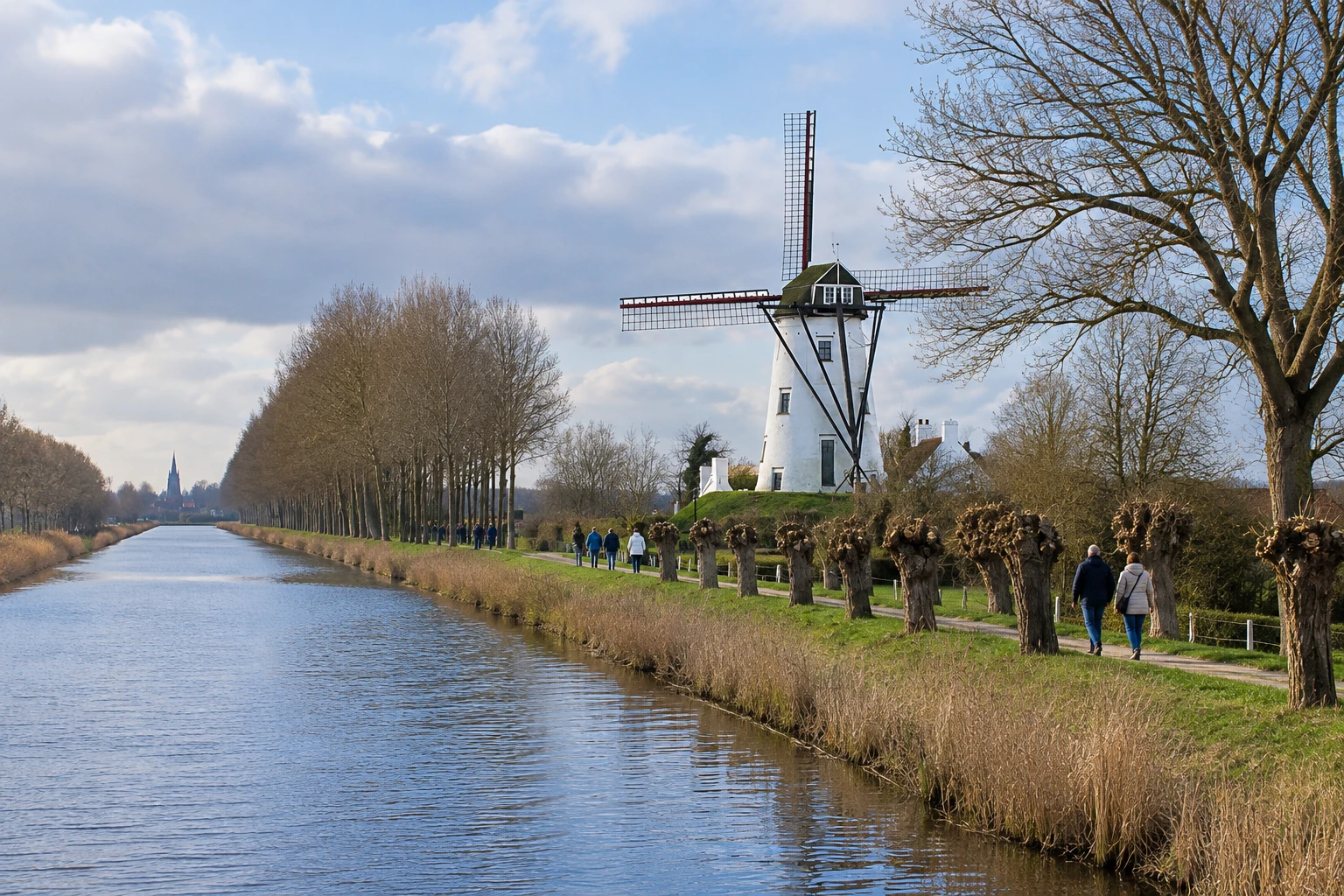
Straight canal between Bruges and Damme, lined with century-old poplars and cycle paths on both banks. It is the classic route to reach the village by bicycle.
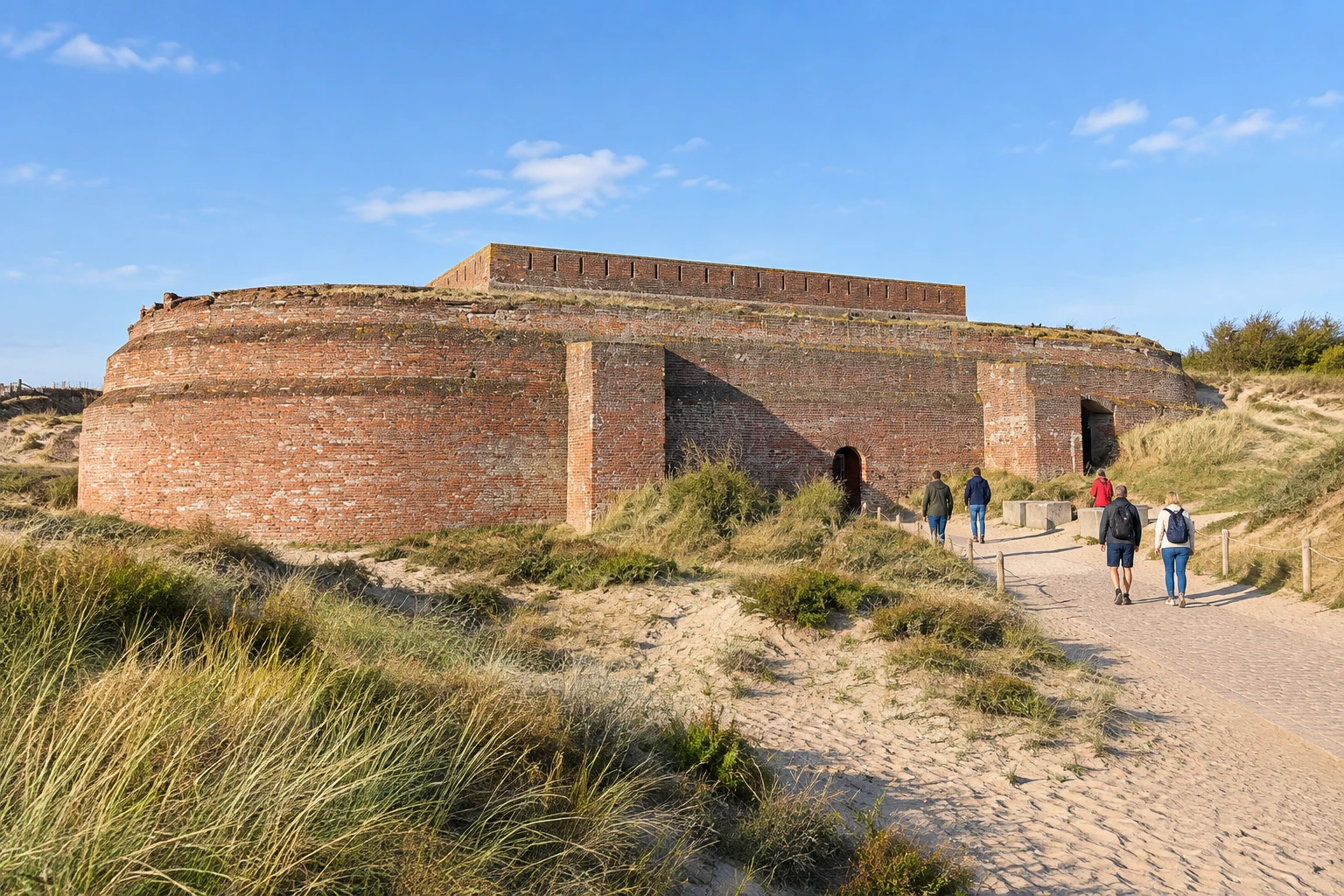
Fort from 1811 in the dunes by the entrance to the port of Ostende, built in the Napoleonic era against a British attack. Restored, it welcomes visitors with a route that tells two centuries of history.
Amusement park in the south of De Panne, aimed mainly at families with children, featuring attractions tied to characters from the Belgian production company Studio 100, roller coasters and shows.
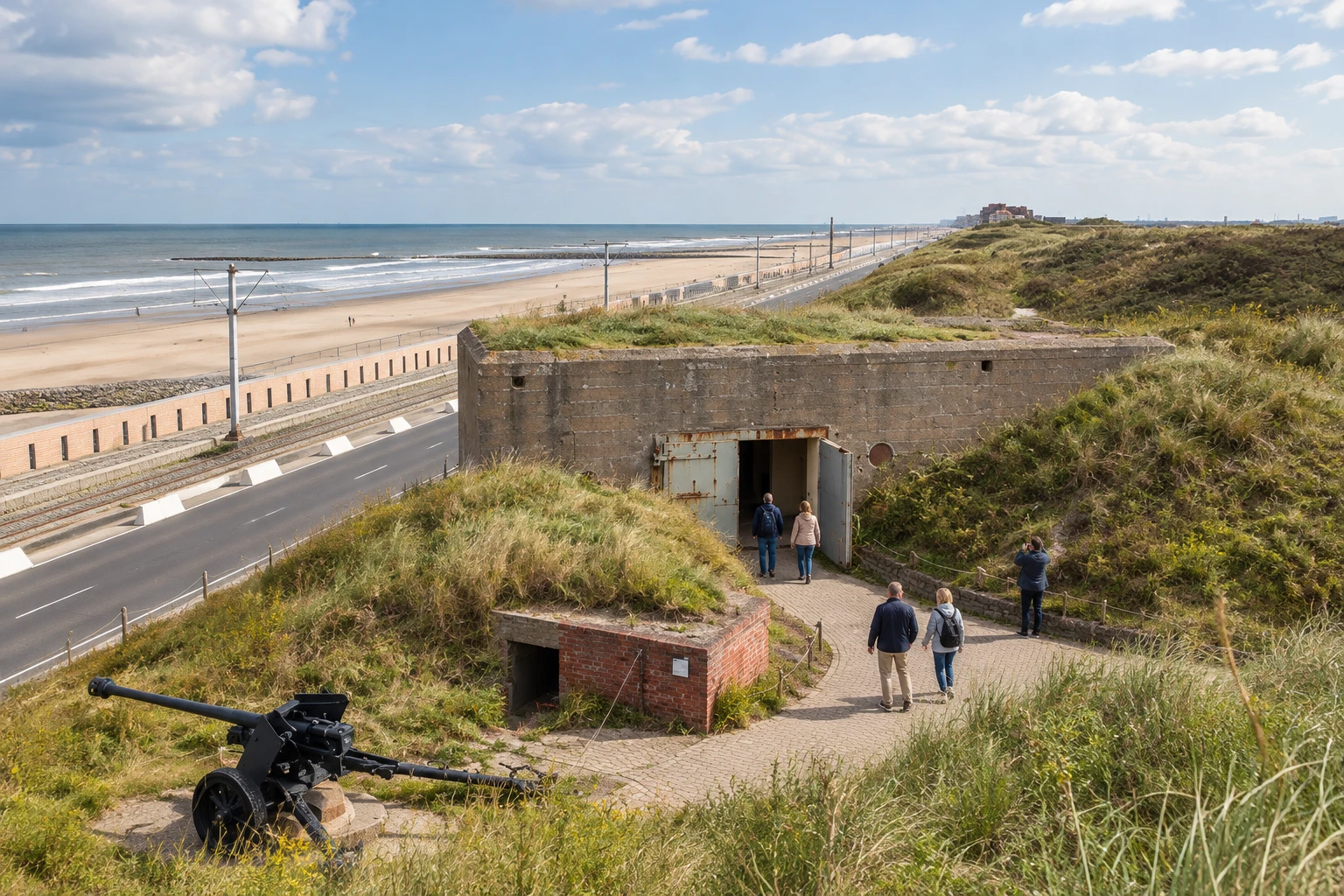
Open-air museum in the dunes of Raversyde, west of Ostende, with more than 60 bunkers and about three kilometers of trenches from the two world wars. Open from mid-March through autumn.
Local museum in a former neogothic school building from 1899 in the fishermen's quarter of Heist, about the history of the Zwin region, fishing and the lives of fishing families.
Two-chapel basilica on the Burg: below, the Romanesque chapel of São Basílio from the 12th century; above, the neo-Gothic chapel that houses the relic of the Holy Blood.
Windmill from 1867 on the banks of the Damse Vaart, at the approach to Damme. A mill has stood on the same site since 1479; it resumed milling in 1977.
Tram that runs the 67 kilometres of the Belgian coast, from Knokke-Heist near the Netherlands to De Panne near France, with 67 stops. It passes through Ostende and links the city to other beaches.
Half-hour open-boat rides along the central canals, the Reien, departing from five quays between the Burg and the Onze-Lieve-Vrouwekerk. The season runs from early March to mid-November.
Small museum about Tijl Uilenspiegel, the mischievous character that writer Charles De Coster made be born in Damme. It is housed in the historic Huyse de Grote Sterre, next to the tourist information office, near the square.
Three-masted sailing ship built in Scotland in 1932 to train the Belgian merchant navy. It is moored in the centre of Ostende, in front of the town hall, and can be visited from the deck to the cabins.
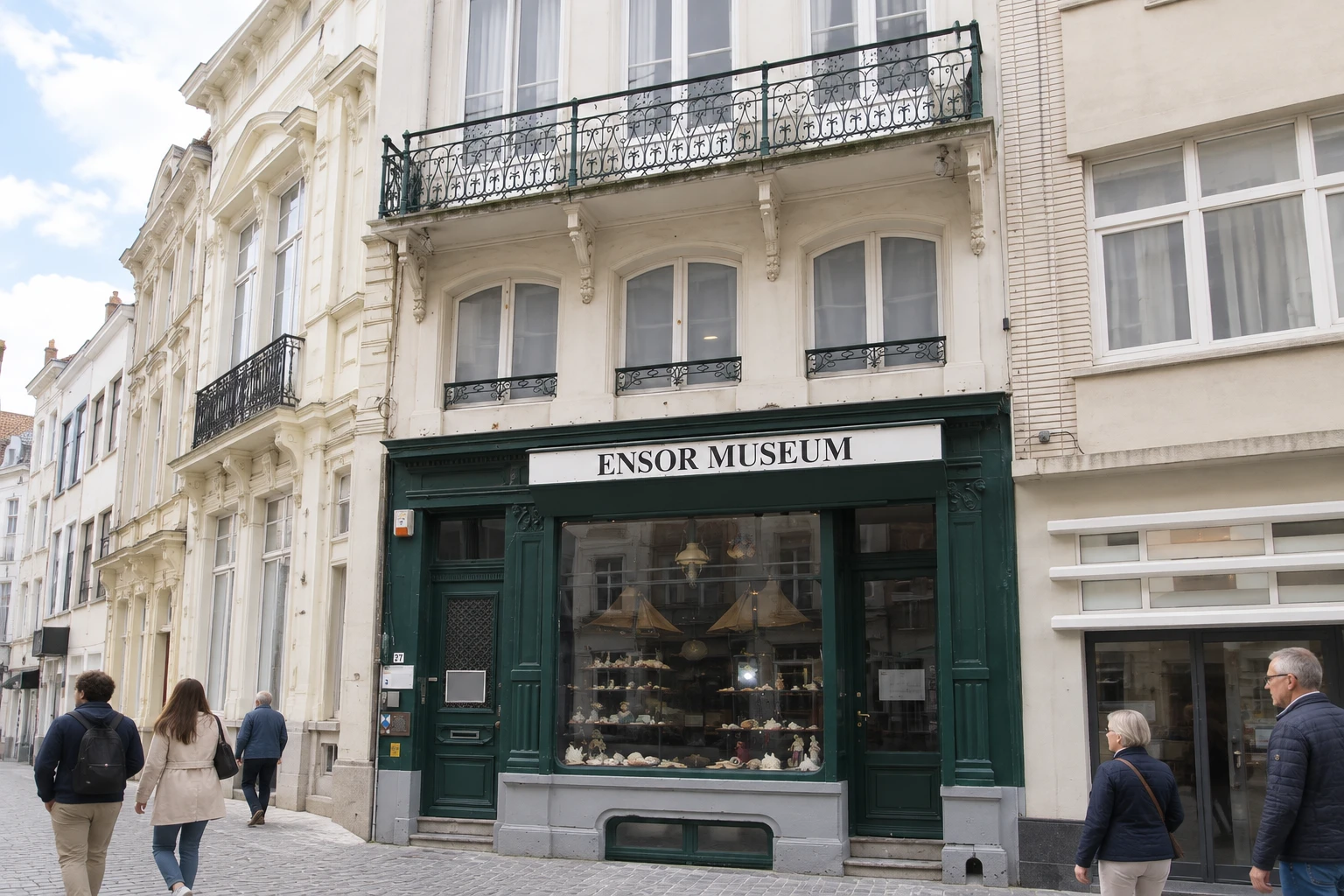
House where the painter James Ensor lived and worked from 1917 until his death in 1949, on Vlaanderenstraat, near the sea. It displays the preserved blue-walled salon and an experience centre with interactive rooms about masks, skeletons and his work.
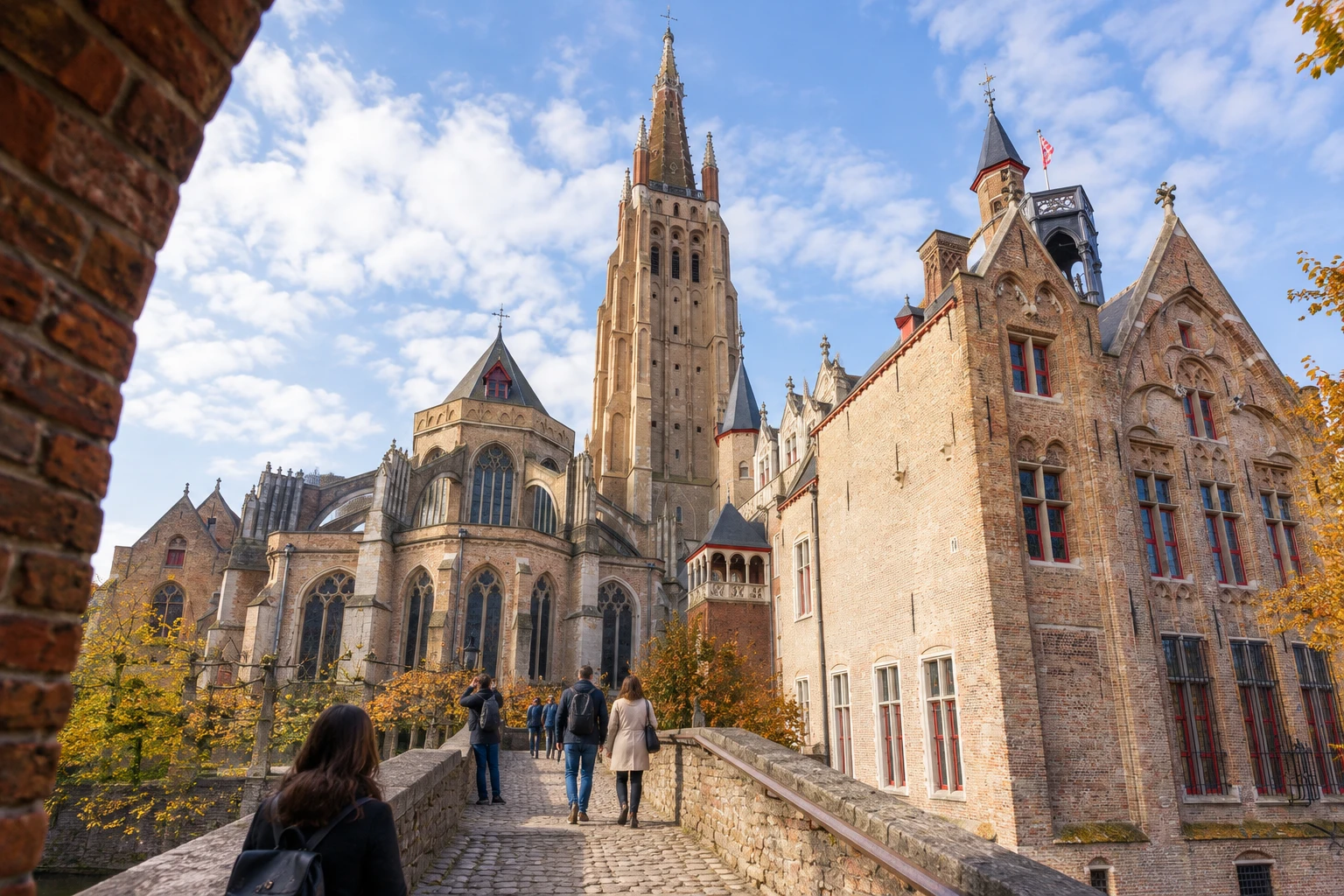
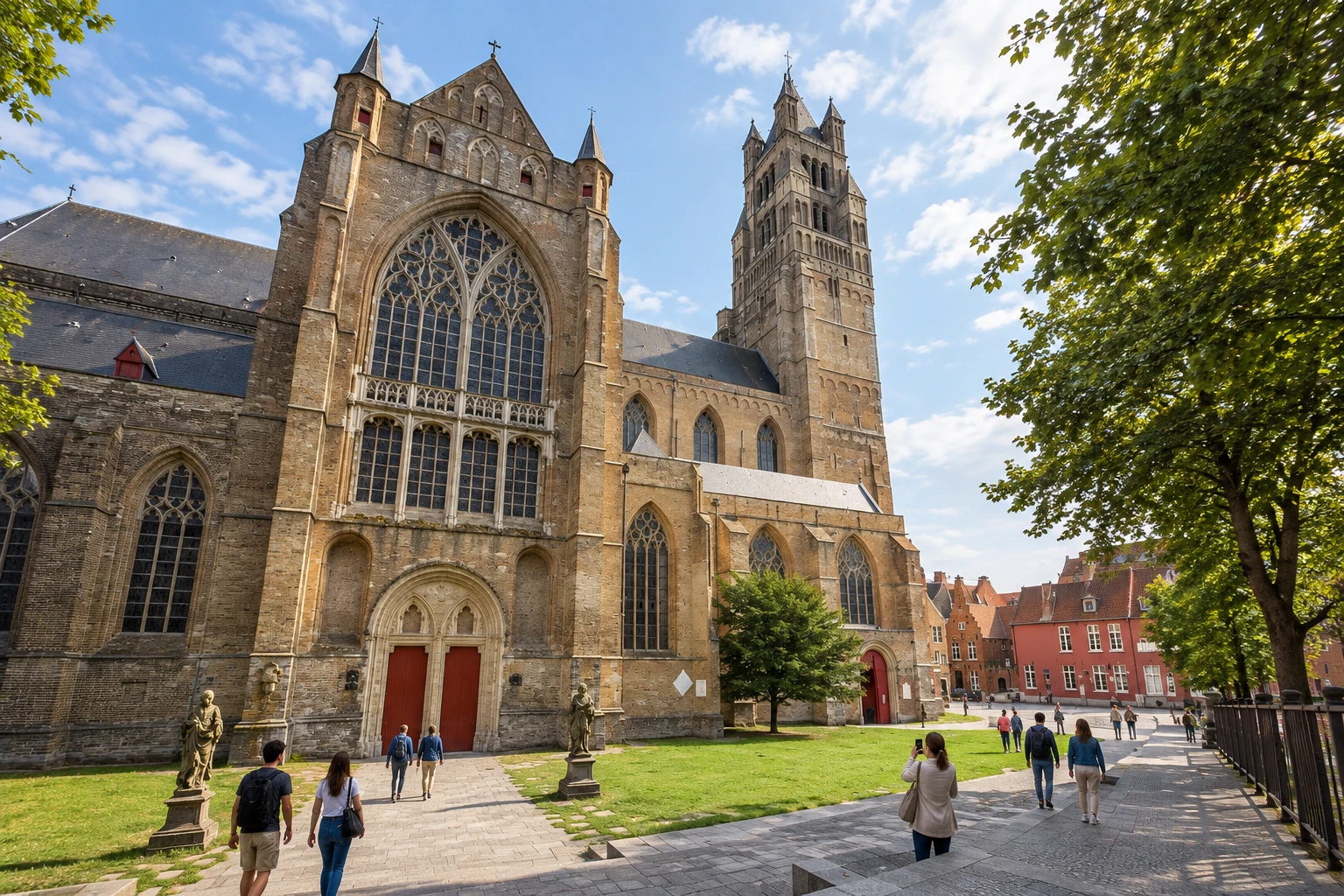
Church with a 115-metre brick tower, the tallest in Bruges. It houses the Madonna and Child, a marble sculpture by Michelangelo, and the tombs of Charles the Bold and Mary of Burgundy.
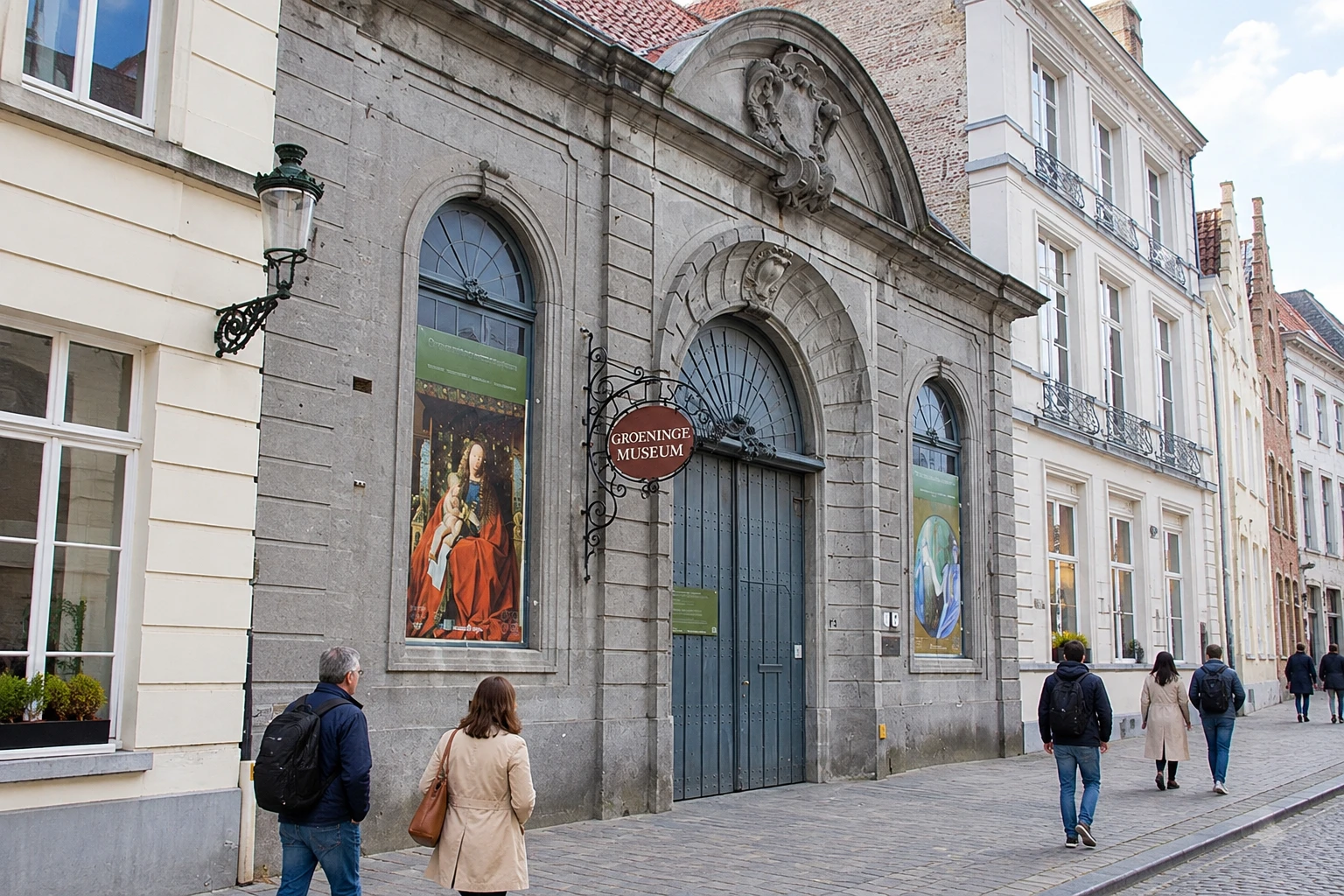
Bruges' municipal museum of fine art, on the Dijver, with six centuries of Belgian painting and a collection of Flemish Primitives: Jan van Eyck, Hans Memling, Hugo van der Goes, Gerard David and the Last Judgment from the workshop of Hieronymus Bosch.
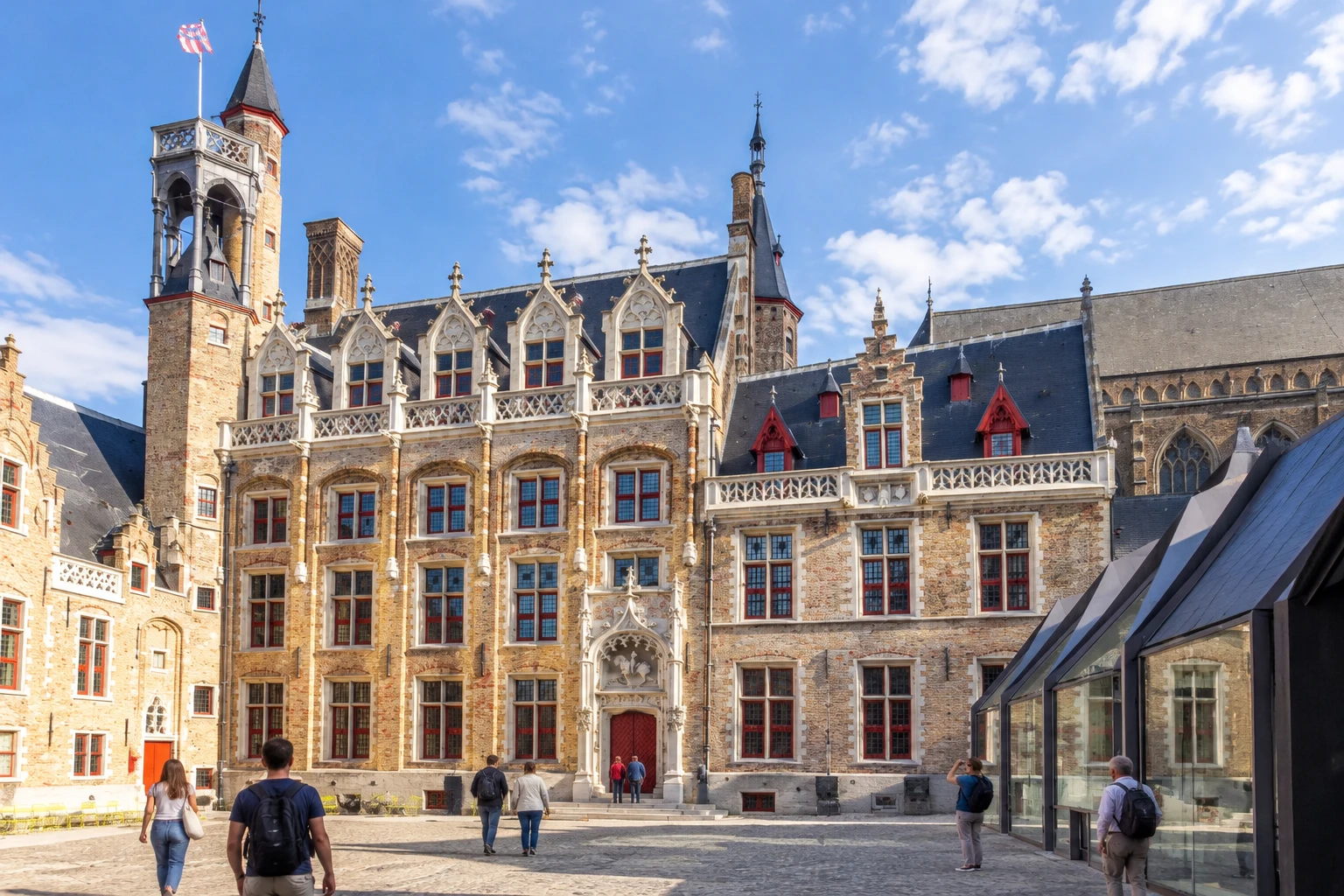
Urban palace of the lords of Gruuthuse, on the Dijver next to the Onze-Lieve-Vrouwekerk. It showcases five centuries of Bruges' history in tapestries, stained glass, wooden sculptures, lace and manuscripts, and has an oratory that opens onto the choir of the neighbouring church.
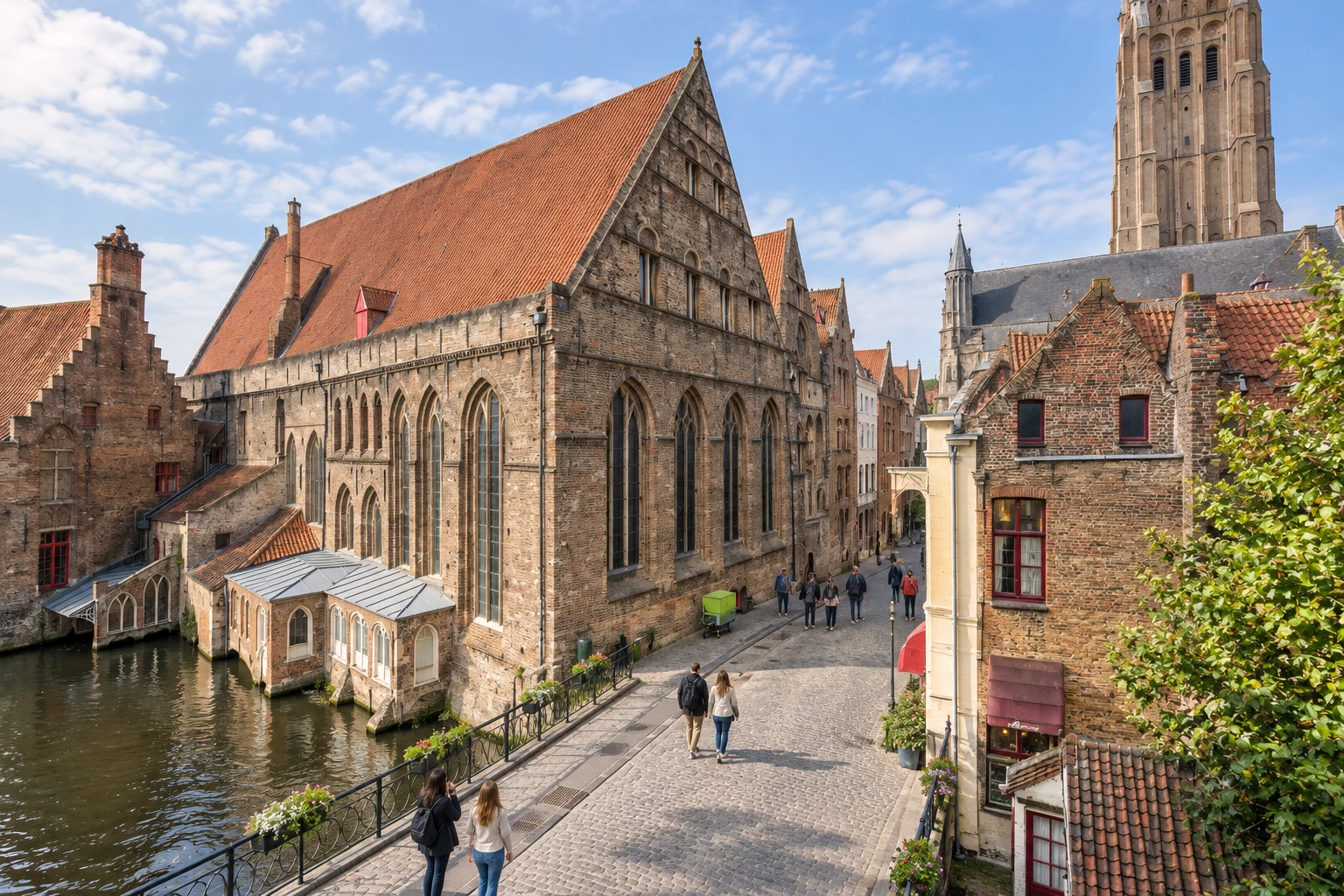
Former medieval hospital in Bruges, on Mariastraat, converted into a museum. It houses works by Hans Memling painted for the hospital itself, such as the Relicário de Santa Úrsula, as well as a 17th-century pharmacy and an attic with oak beams.
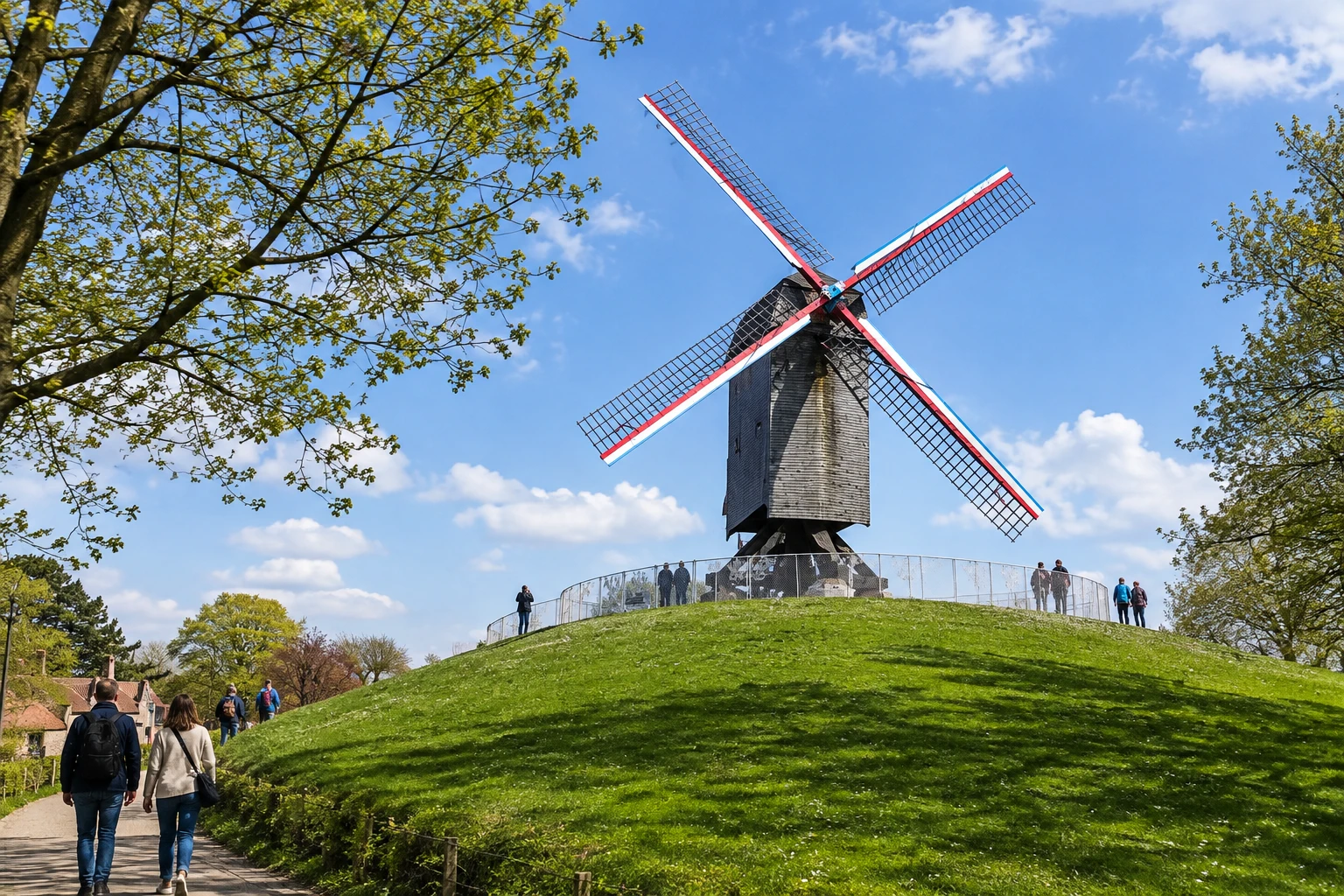
A wooden windmill from 1770 sitting on the old Kruisvest city wall, in the east of Bruges. It still grinds grain and, with favorable wind, shows the mechanism in operation; from the top of the stairs you can see the green belt of the ramparts.
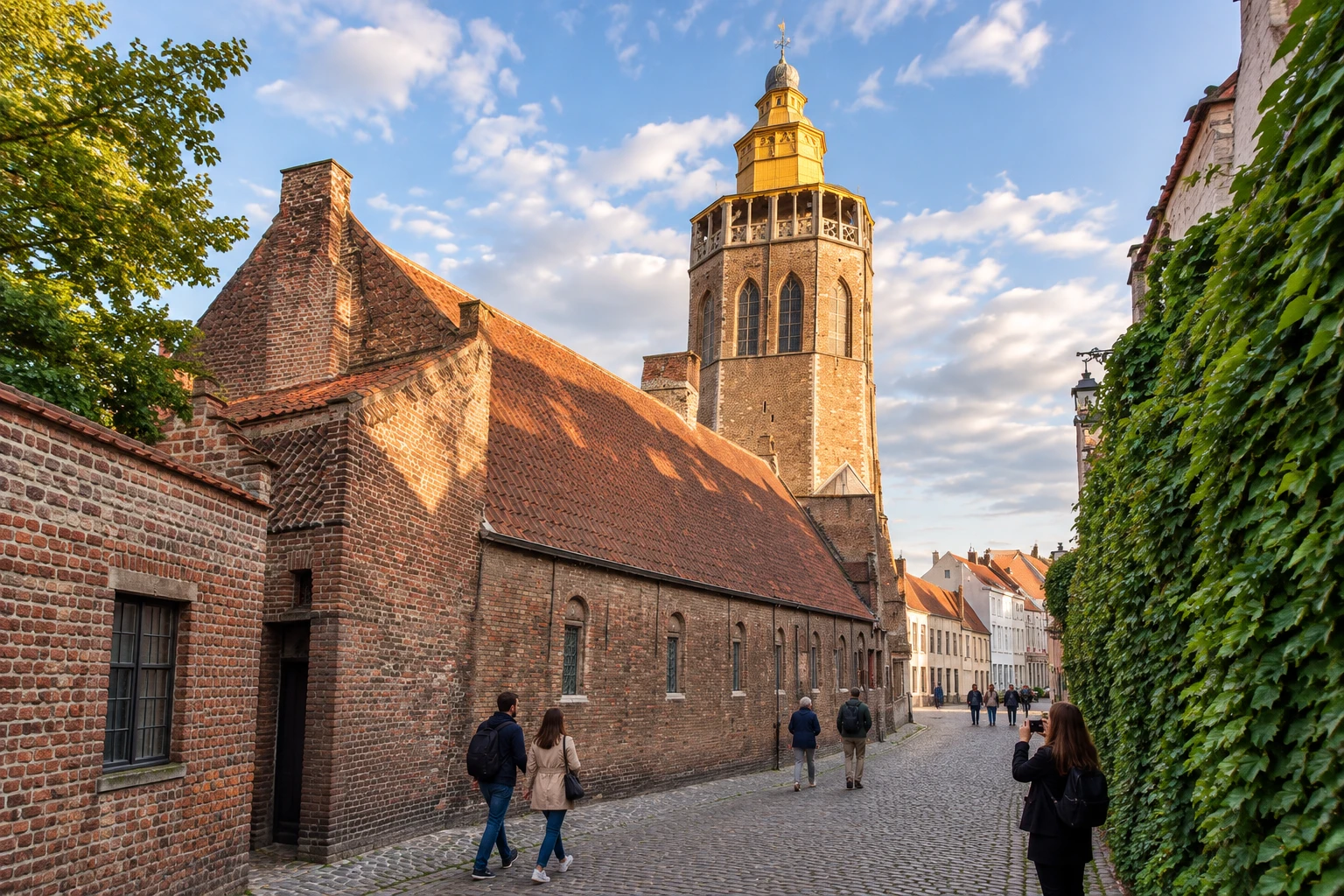
Private chapel of the Adornes family, merchants of Genoese origin, built from 1428 and inspired by the Holy Sepulchre of Jerusalem. It houses the tomb of Anselm Adornes and his wife, a crypt with a replica of Christ’s tomb and a museum in the former almshouses.
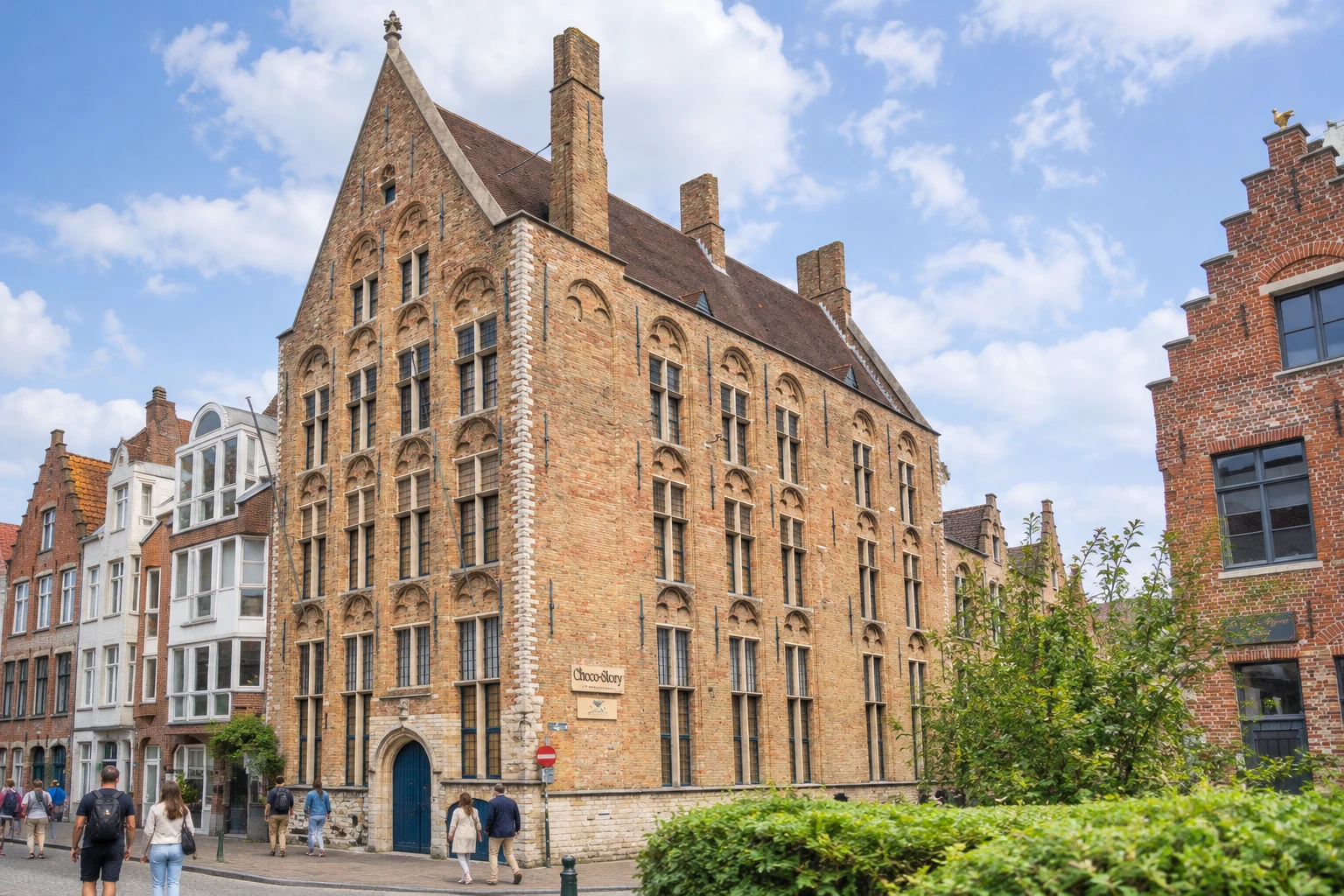
Chocolate museum in a 16th-century house just a few steps from the Markt. It tells the story of cacao from the Mayas and Aztecs to Belgian pralines and ends with a demonstration of chocolate-making.
Family-run brewery operating in central Bruges since 1856, located on the Walplein. The guided tour goes through the brewhouse and old equipment and climbs to the roof, with 360-degree views over the city.
Bruges cathedral since 1834, on Steenstraat between the Markt and 't Zand. A medieval-origin brick church with a fortress-like tower, 18th-century Brussels tapestries and a baroque organ.
How many days should you set aside to see Bruges and the Coast?
The guide's itineraries cover 3, 5 and 7 days: Brugge in three days, with Damme and Oostende; Brugge at a relaxed pace and the Belgian coast; Brugge, Damme and the coast from end to end.
What to do Bruges and the Coast in one day?
Arrival, Markt and Burg. Arrive at Brussels Airport and take the train to Brugge, a journey of about 1 hour 30 minutes. After dropping your bags, walk to the Markt and the Burg at a relaxed pace to recover from the flight. In season, finish with the boat tour along the canals, departing from the Rozenhoedkaai.
When is the best time to go to Bruges and the Coast?
It generally rains less from March to May. The rainiest months are usually August and from October to December. The guide covers each month, with the weather and what changes on the tours.


 Brazil
 Antarctica
 Argentina
 Bolivia
 Chile
 Colombia
 Ecuador
 Falkland Islands (Malvinas)
 French Guiana
 Guyana
 Paraguay
 Peru
 Suriname
 Uruguay
 Venezuela
 Austria
 Croatia
 Denmark
 Finland
 France
 Germany
 Greece
 Hungary
 Iceland
 Ireland
 Italy
 Luxembourg
 Norway
 Poland
 Portugal
 Slovakia
 Slovenia
 Spain
 Sweden
 Switzerland
 the Czech Republic
 the Netherlands
 the United Kingdom
 Turkey
 Bermuda
 Canada
 Greenland
 Mexico
 Saint Pierre and Miquelon
 the United States
 the Dominican Republic
 Japan
 Egypt
 South Africa
 Australia
 Fiji
 New Zealand
 Papua New Guinea