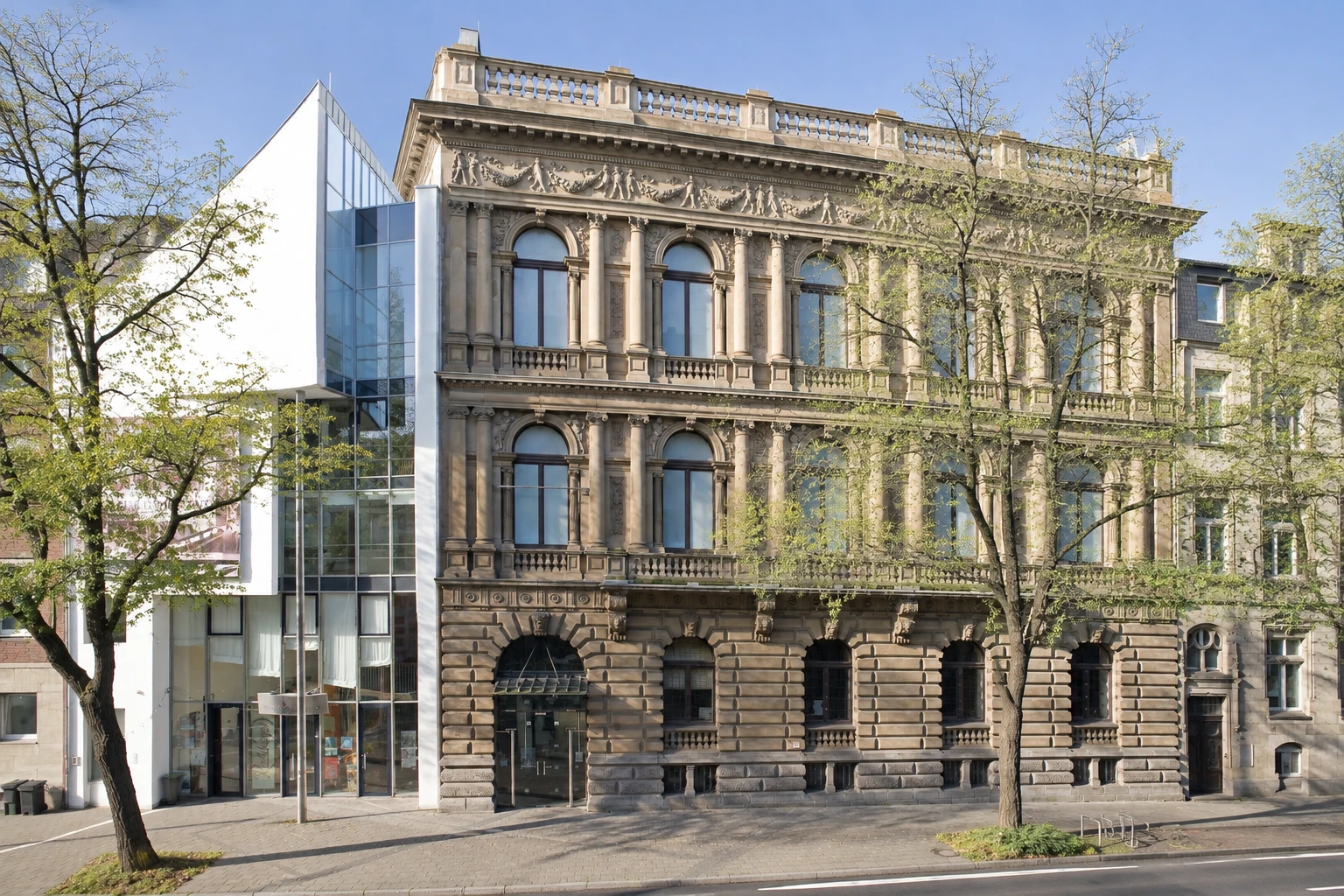
8 places to visit Aachen (Germany), chosen by the Cidade Turismo guide.
Illustrative images. The pictures in this guide are illustrations based on the real place, not photographs, and may differ from it.
To start
The 8 main places Aachen
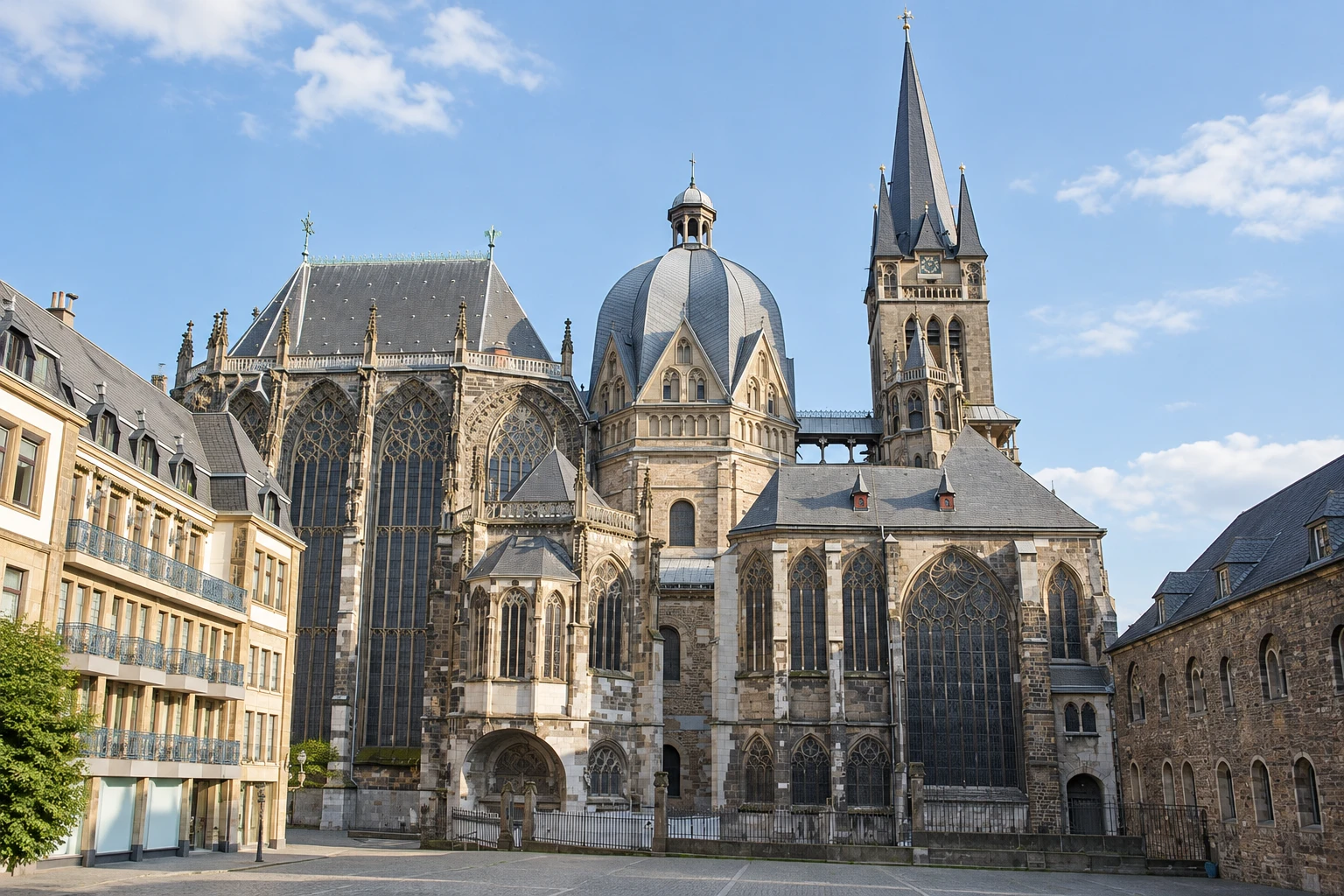
Aachen CathedralCathedral built around Charlemagne’s octagonal palatine chapel from around 800, where he was buried and where the Holy Roman kings were crowned from 936 to 1531.
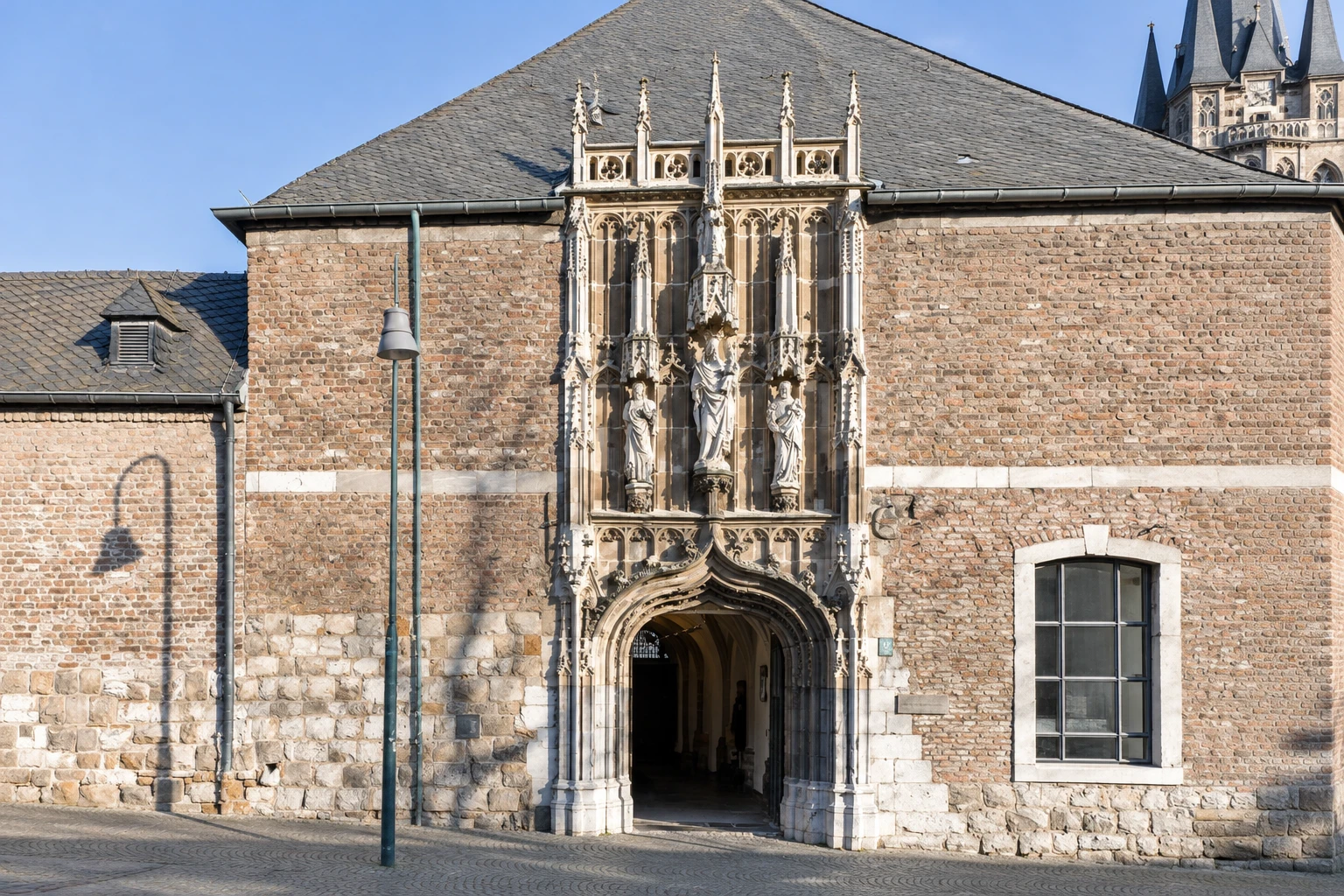
Aachen Cathedral TreasuryAachen Cathedral Treasury, considered the most important ecclesiastical treasury north of the Alps.
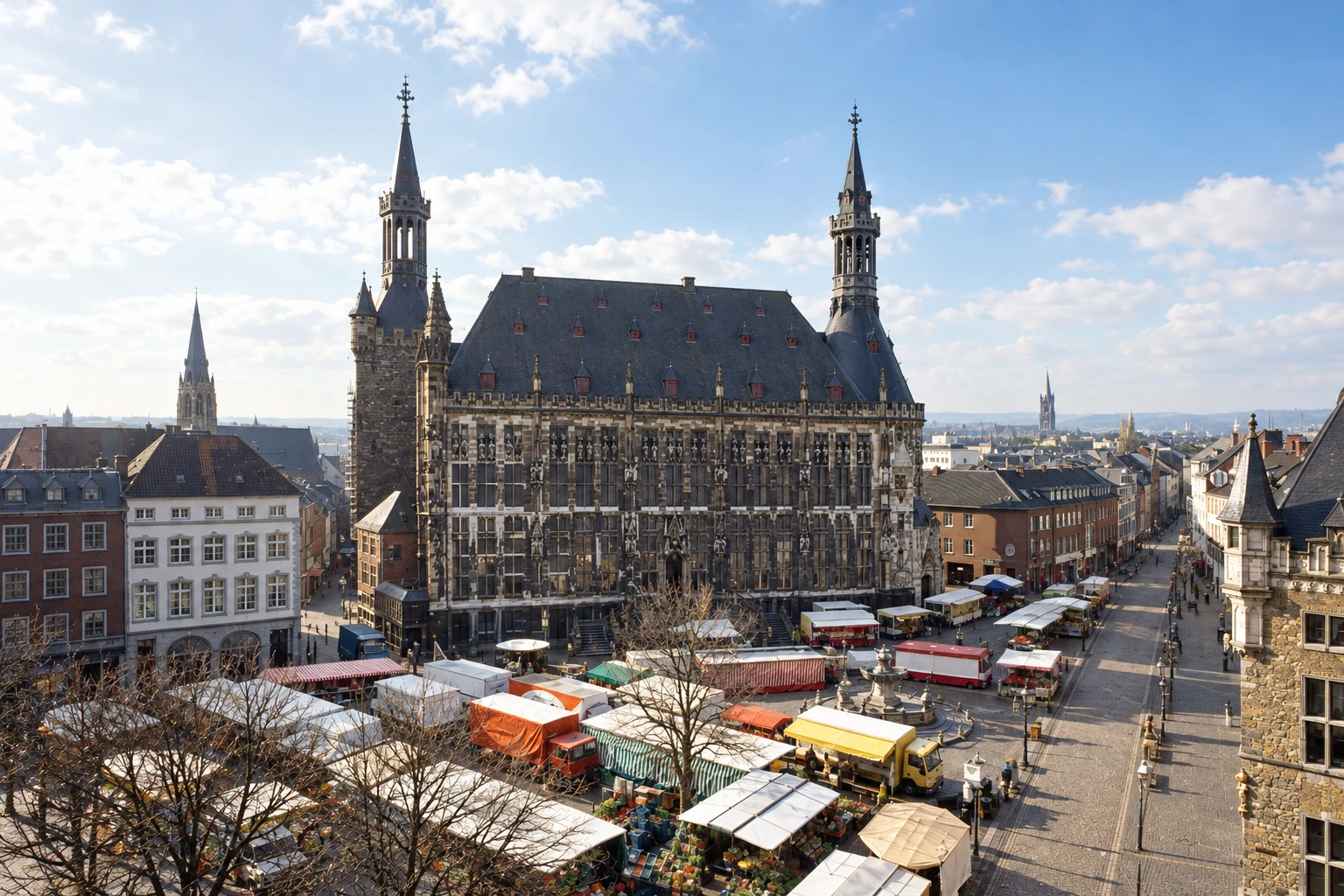
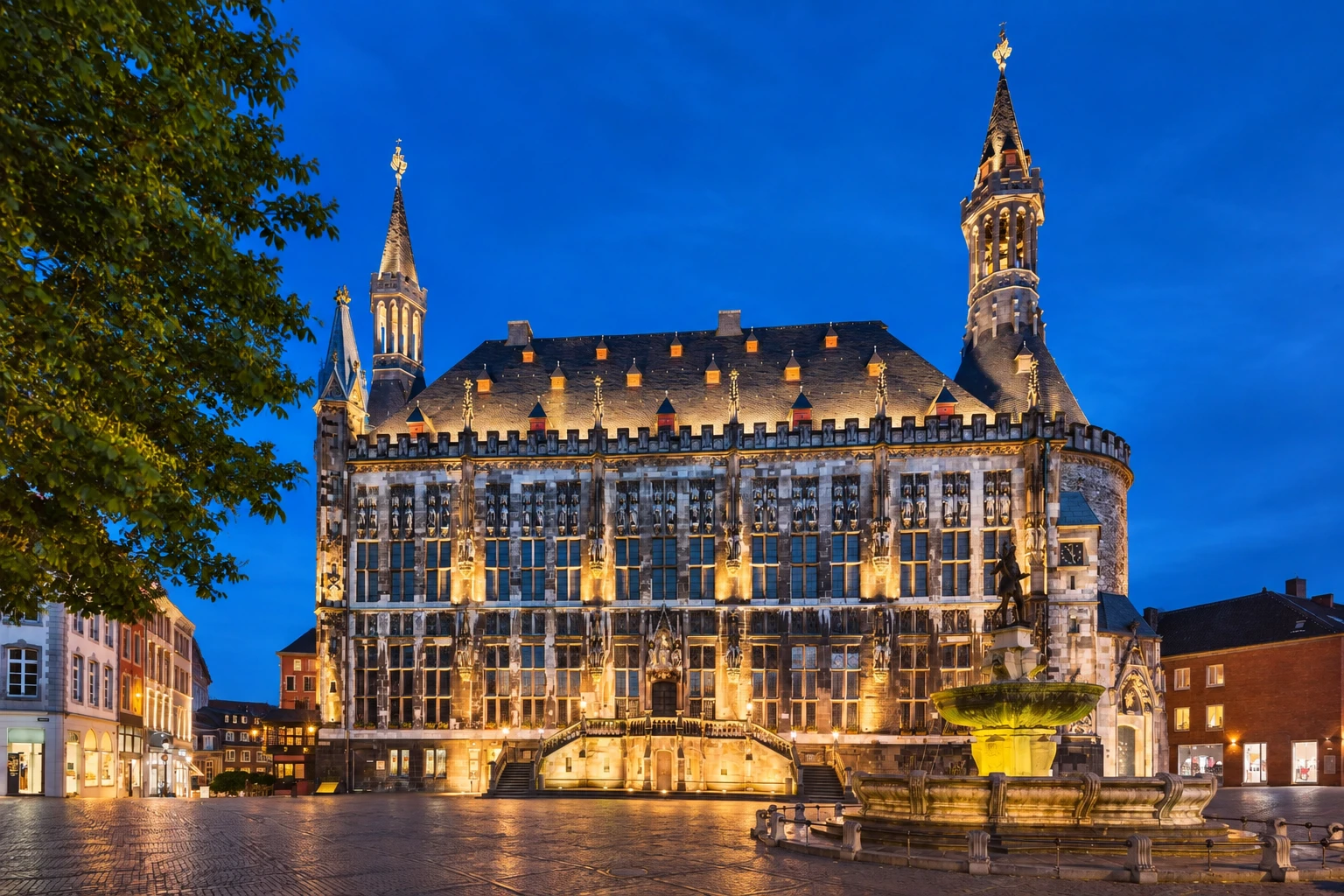
Aachen Town HallGothic town hall built between 1330 and 1349 on the foundations of the hall of Charlemagne’s palace.
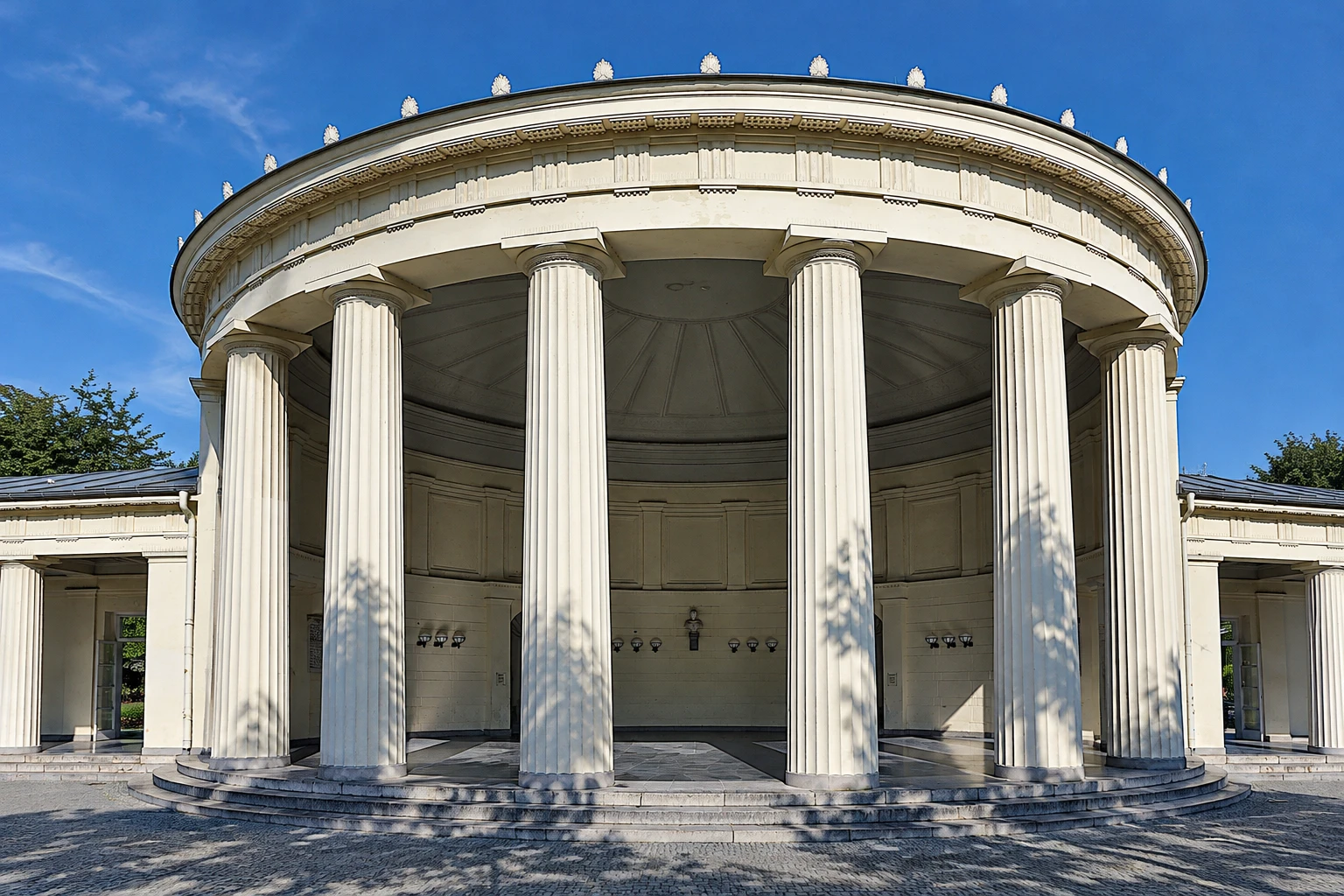
ElisenbrunnenNeoclassical pavilion from 1827, with an open colonnade and two pavilions, from which Aachen’s sulfurous thermal water flows at about 52 °C.
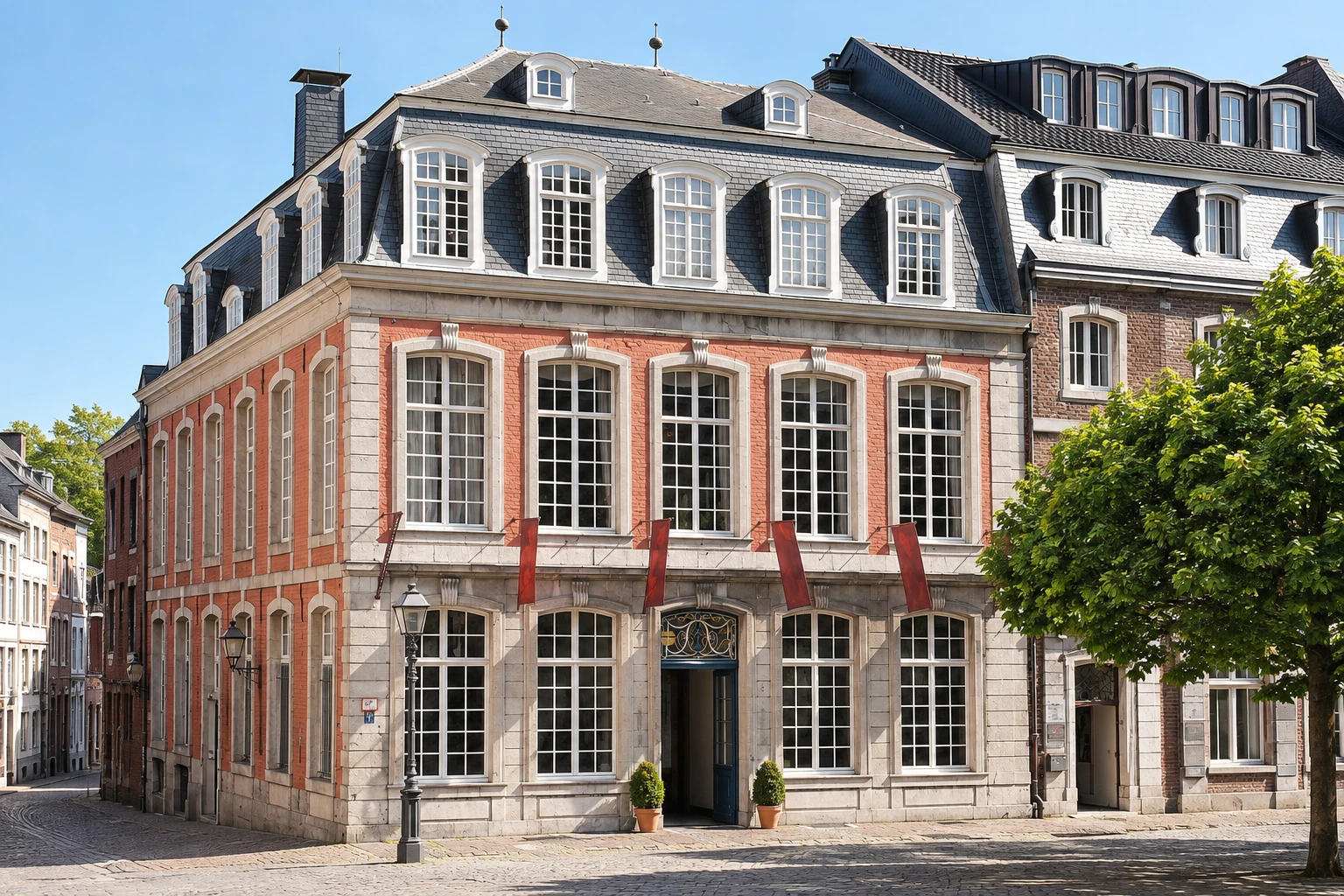
Couven Museum (Couven-Museum)Bourgeois house museum in the center of Aachen, with furnished rooms from the mid-18th to the 19th century and a reconstruction of a pharmacy that operated in the building from...
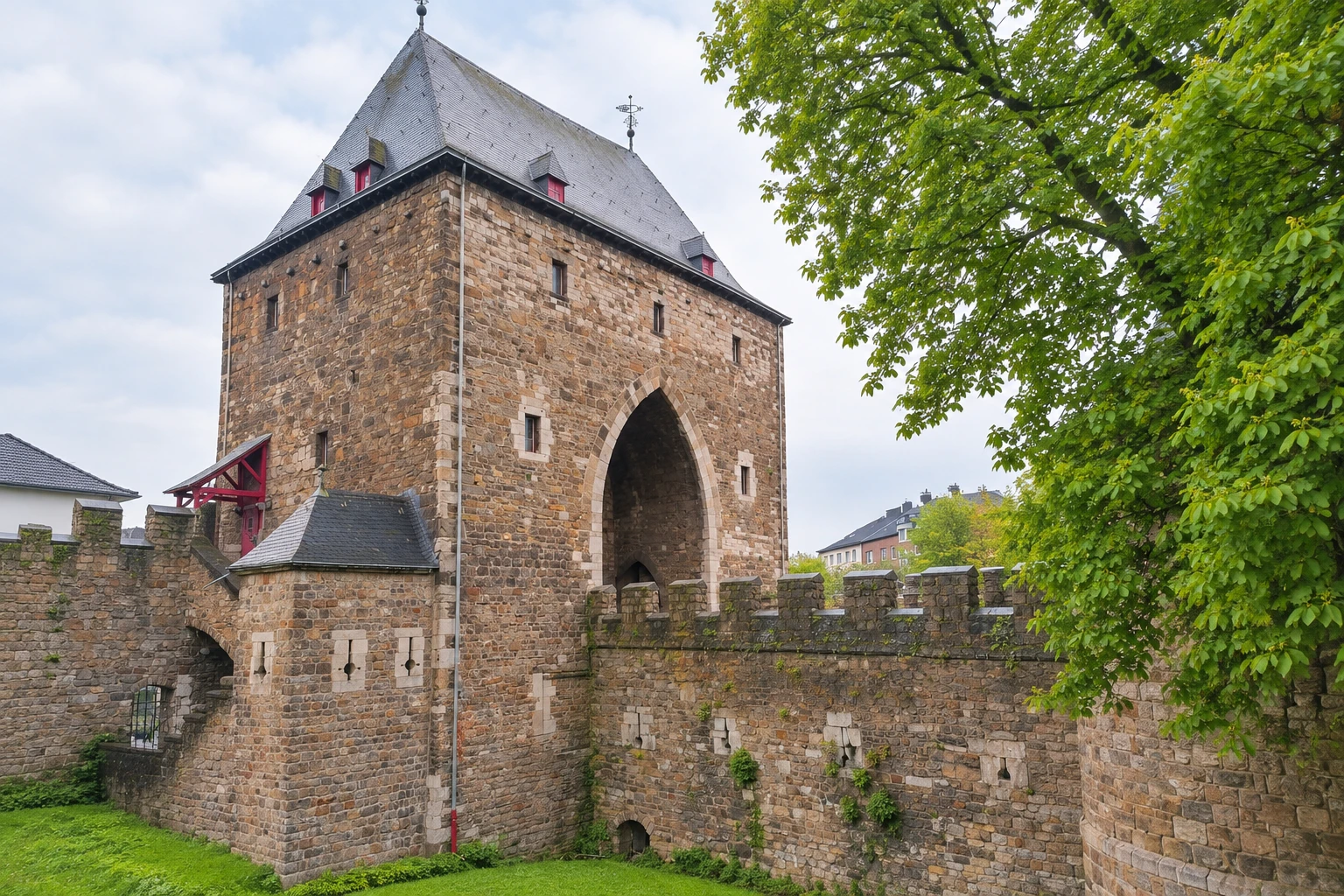
PonttorMedieval gate from the early 14th century, one of the two remaining of the eleven gates of Aachen’s outer wall.
Suermondt-Ludwig MuseumAachen city art museum in a 19th-century mansion, with about 1,500 paintings, 700 sculptures and a print cabinet with works by Dürer, Rembrandt and Goya.
Cathedral built around Charlemagne’s octagonal palatine chapel from around 800, where he was buried and where the Holy Roman kings were crowned from 936 to 1531. First German monument inscribed as a UNESCO World Heritage Site, in 1978.
Aachen Cathedral Treasury, considered the most important ecclesiastical treasury north of the Alps. It displays the Lothar Cross, the bust of Charlemagne and the sarcophagus of Proserpina.
Gothic town hall built between 1330 and 1349 on the foundations of the hall of Charlemagne’s palace. In the coronation hall the feasts of the crowned kings were held and today the Charlemagne Prize is awarded there.
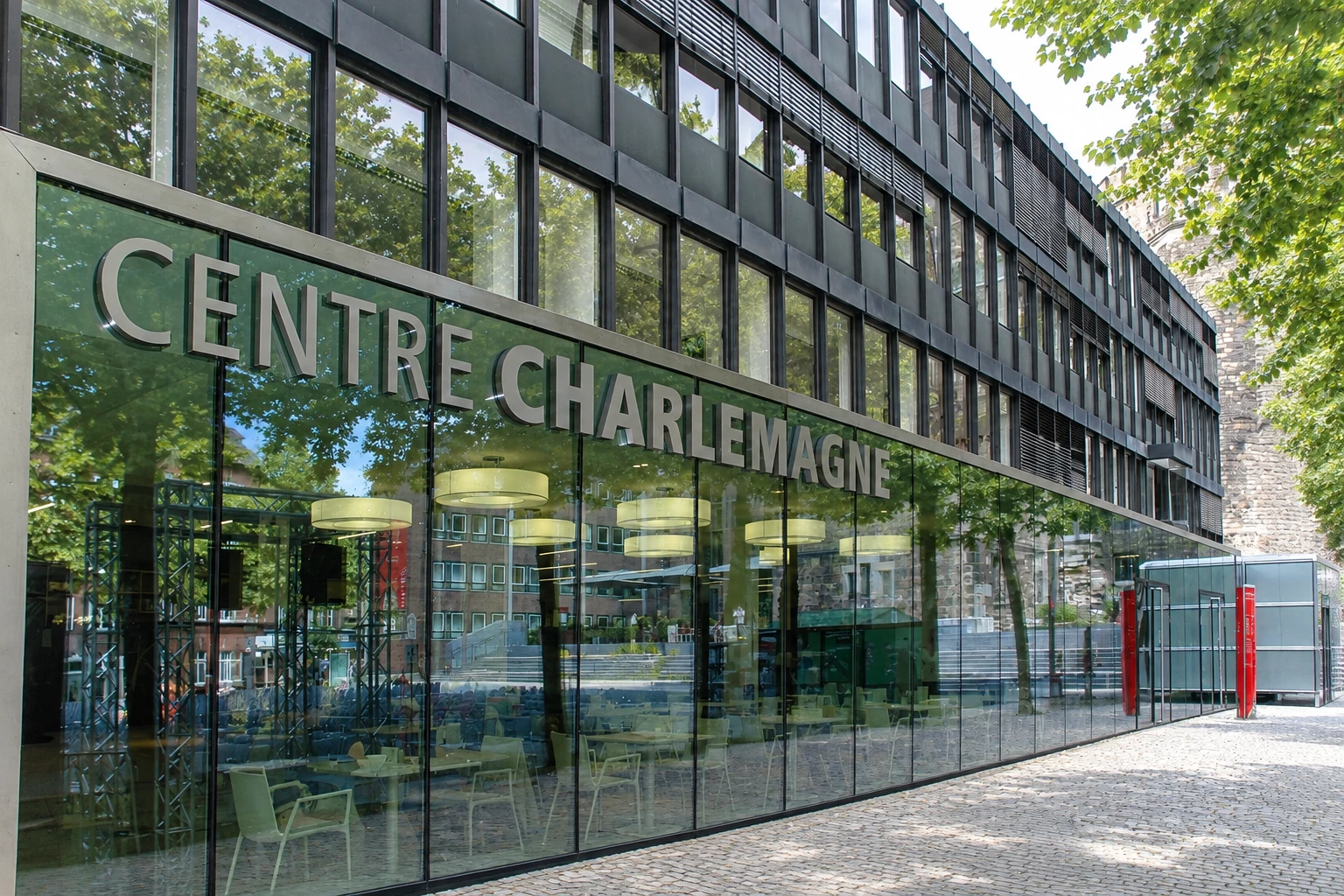
City museum of Aachen, in the Katschhof between the cathedral and the town hall. It tells the city’s history from the time of Charlemagne and is the starting point of the Route Charlemagne.
Neoclassical pavilion from 1827, with an open colonnade and two pavilions, from which Aachen’s sulfurous thermal water flows at about 52 °C. Symbol of the spa city and home to the tourist information office.
Bourgeois house museum in the center of Aachen, with furnished rooms from the mid-18th to the 19th century and a reconstruction of a pharmacy that operated in the building from 1663 to 1878.
Medieval gate from the early 14th century, one of the two remaining of the eleven gates of Aachen’s outer wall. It stands at the end of the Pontstraße, the street of bars and restaurants in the student district.
Aachen city art museum in a 19th-century mansion, with about 1,500 paintings, 700 sculptures and a print cabinet with works by Dürer, Rembrandt and Goya.


 Brazil
 Antarctica
 Argentina
 Bolivia
 Chile
 Colombia
 Ecuador
 Falkland Islands (Malvinas)
 French Guiana
 Guyana
 Paraguay
 Peru
 Suriname
 Uruguay
 Venezuela
 Albania
 Austria
 Belgium
 Croatia
 Denmark
 Finland
 France
 Greece
 Hungary
 Iceland
 Ireland
 Italy
 Luxembourg
 Norway
 Poland
 Portugal
 Slovakia
 Slovenia
 Spain
 Sweden
 Switzerland
 the Czech Republic
 the Netherlands
 the United Kingdom
 Turkey
 Bermuda
 Canada
 Greenland
 Mexico
 Saint Pierre and Miquelon
 the United States
 the Dominican Republic
 Japan
 Egypt
 South Africa
 Australia
 Fiji
 New Zealand
 Papua New Guinea