27 places to visit and 18 tours, chosen by the Cidade Turismo guide.
Updated
Illustrative images. The pictures in this guide are illustrations based on the real place, not photographs, and may differ from it.
To start
The 10 main places Cologne and Düsseldorf
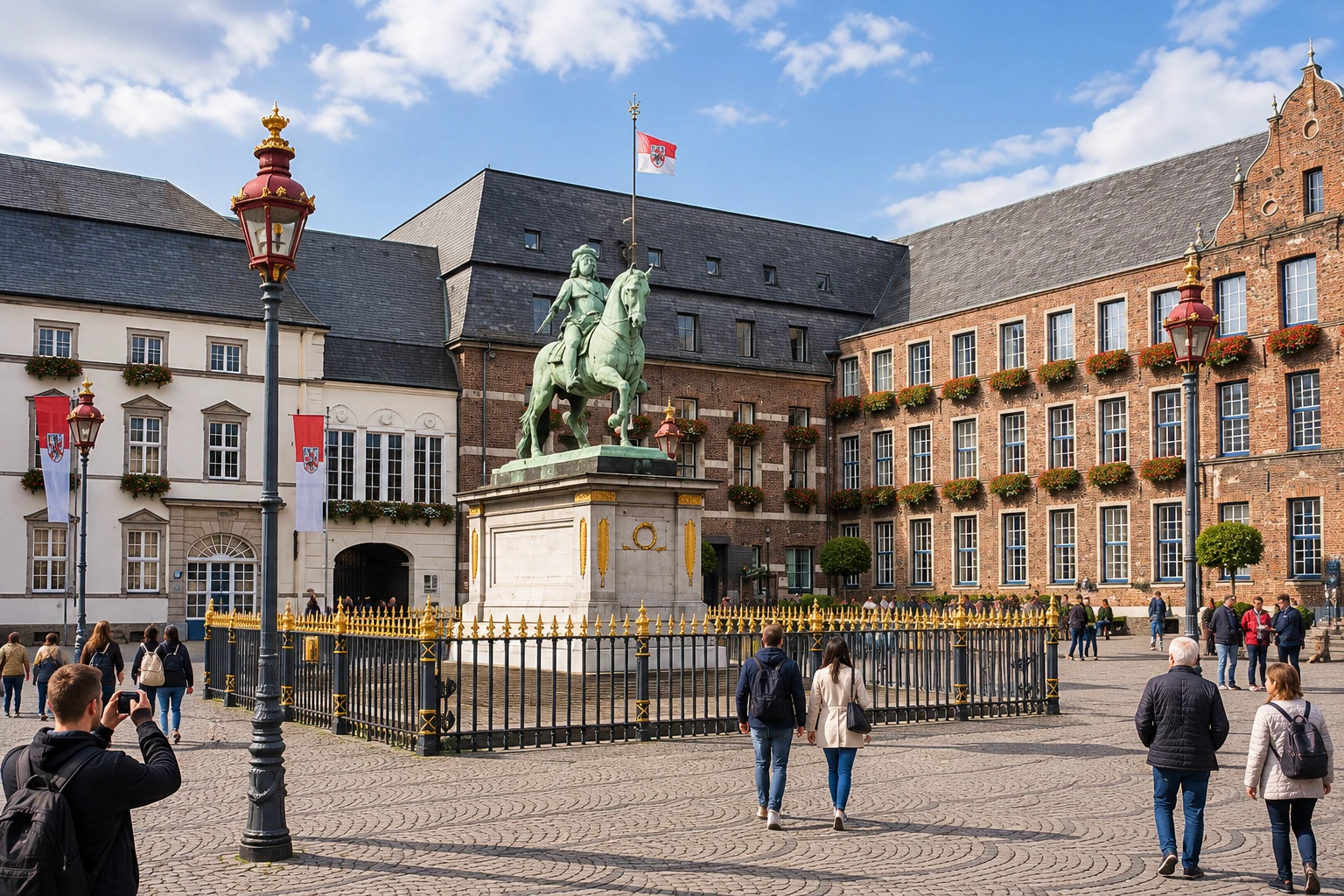
Düsseldorf Old Town · DüsseldorfDüsseldorf's old town by the Rhine: narrow streets with more than 300 bars, restaurants and Altbier breweries, the town hall, the Burgplatz square with the tower of the old cast...
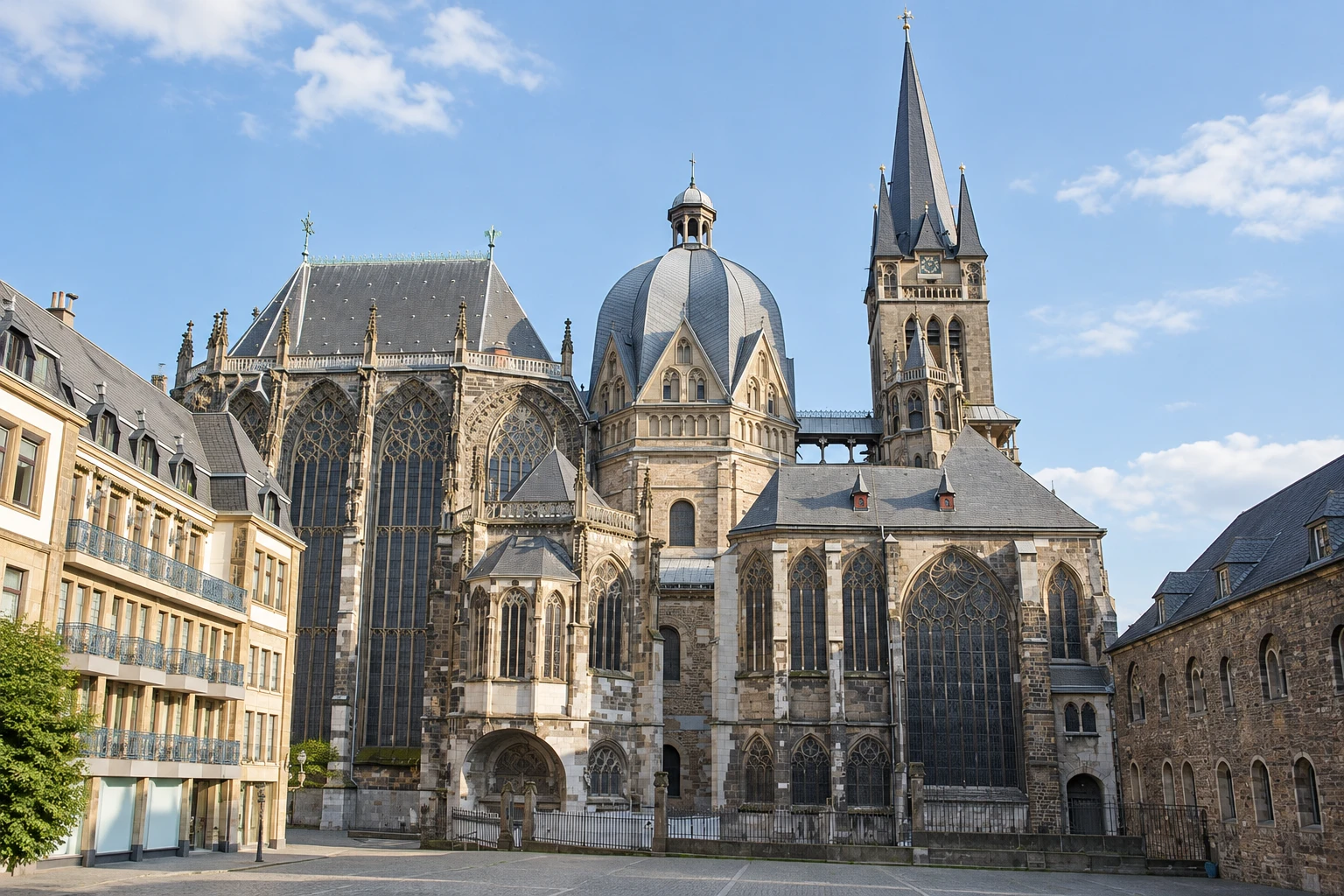
Aachen Cathedral · AachenCathedral built around Charlemagne’s octagonal palatine chapel from around 800, where he was buried and where the Holy Roman kings were crowned from 936 to 1531.
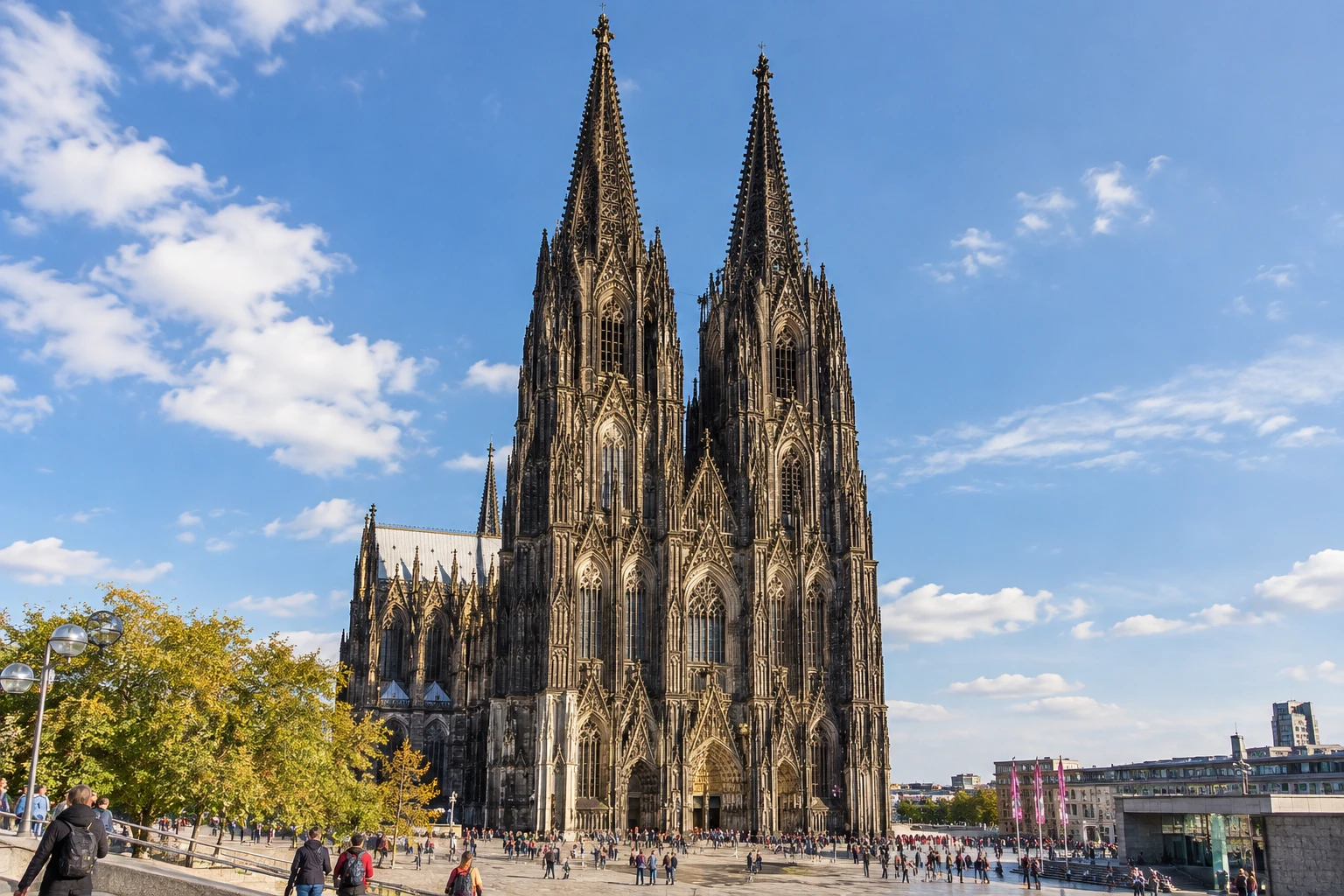
Cologne Cathedral · CologneGothic cathedral with 157-metre towers, begun in 1248 and completed in 1880, a UNESCO World Heritage Site.
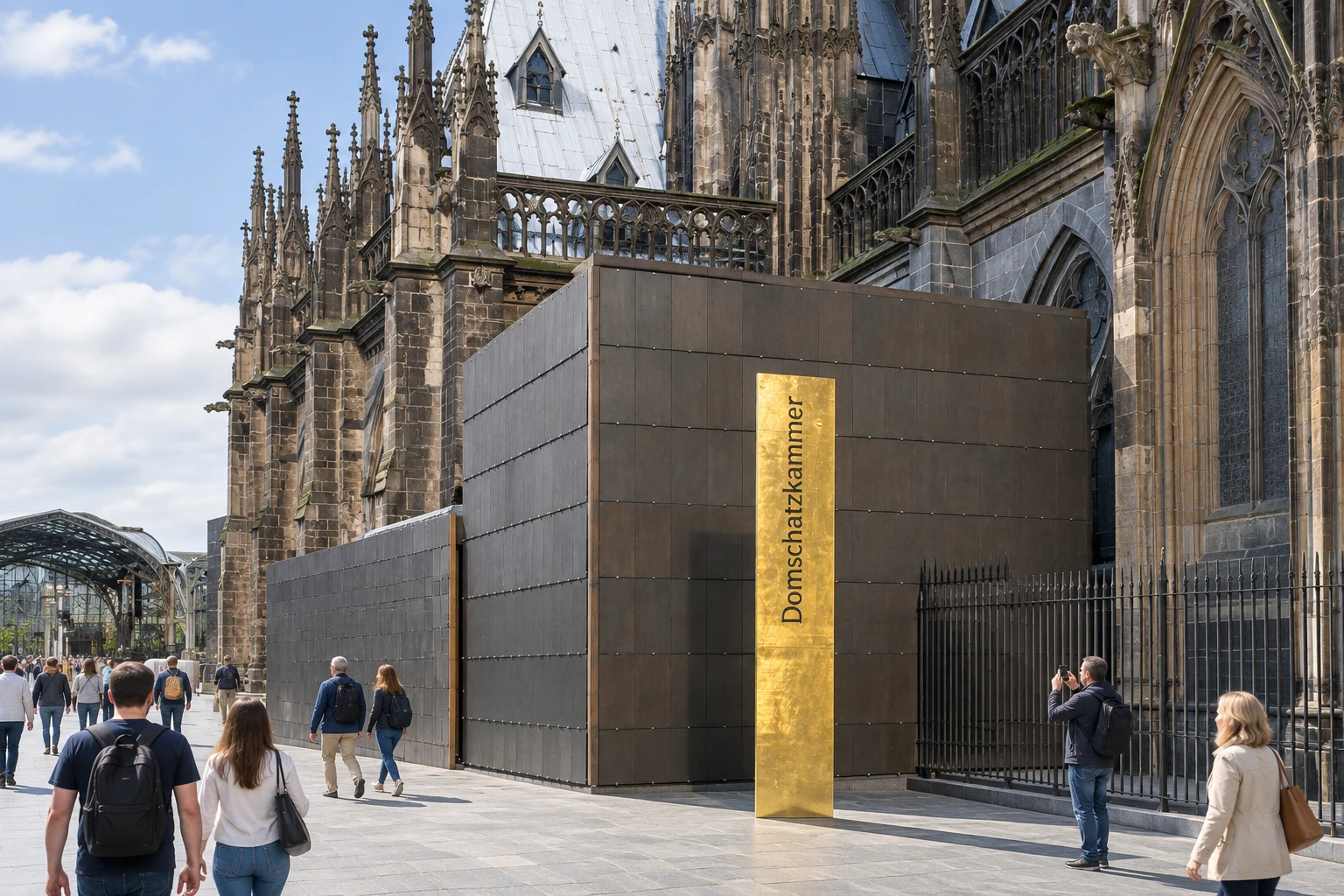
Cologne Cathedral Treasury · CologneThe cathedral treasury, in medieval underground chambers next to the Dom, with reliquaries, crosses, goldsmithing and liturgical vestments from the 4th to the 20th century.
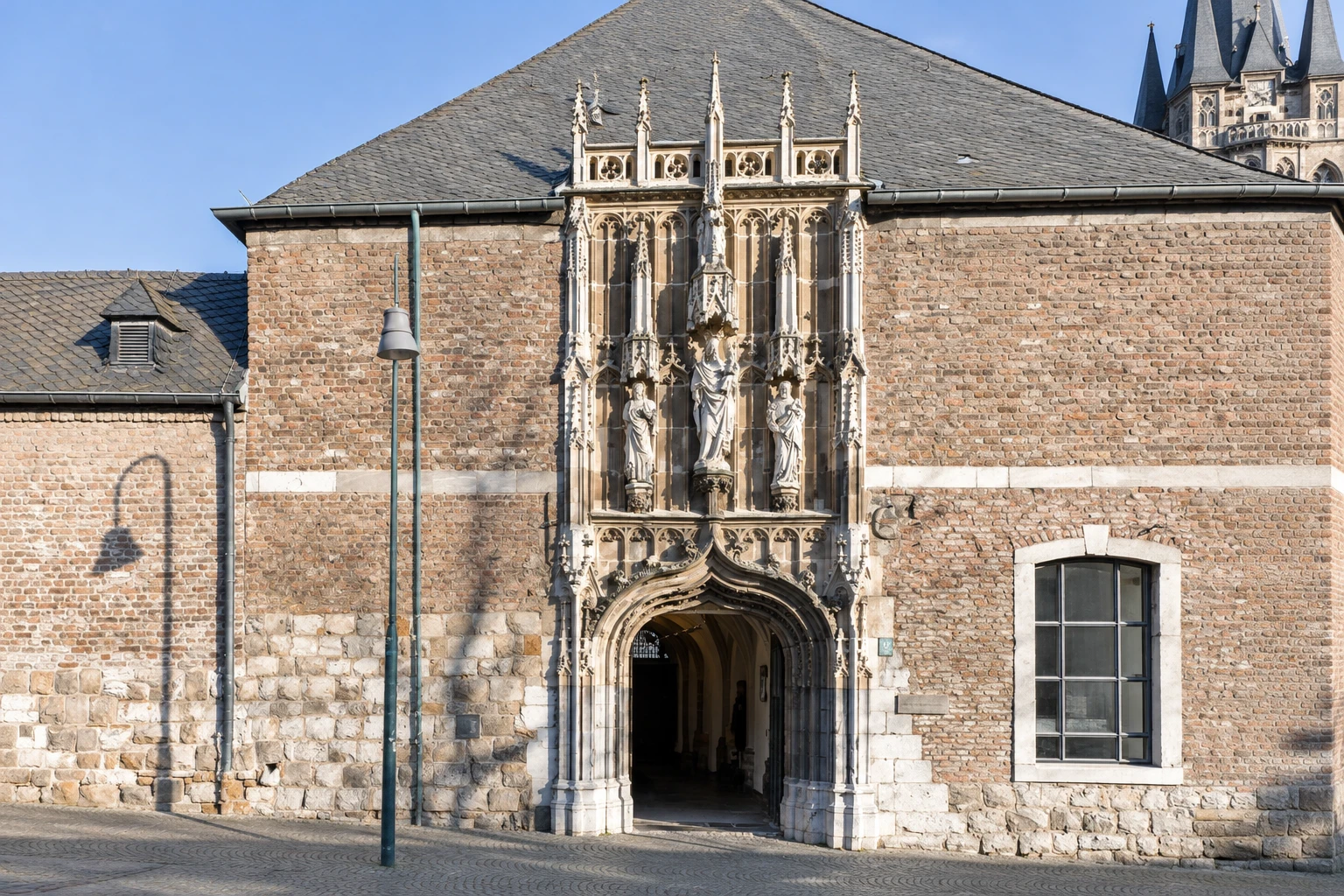
Aachen Cathedral Treasury · AachenAachen Cathedral Treasury, considered the most important ecclesiastical treasury north of the Alps.
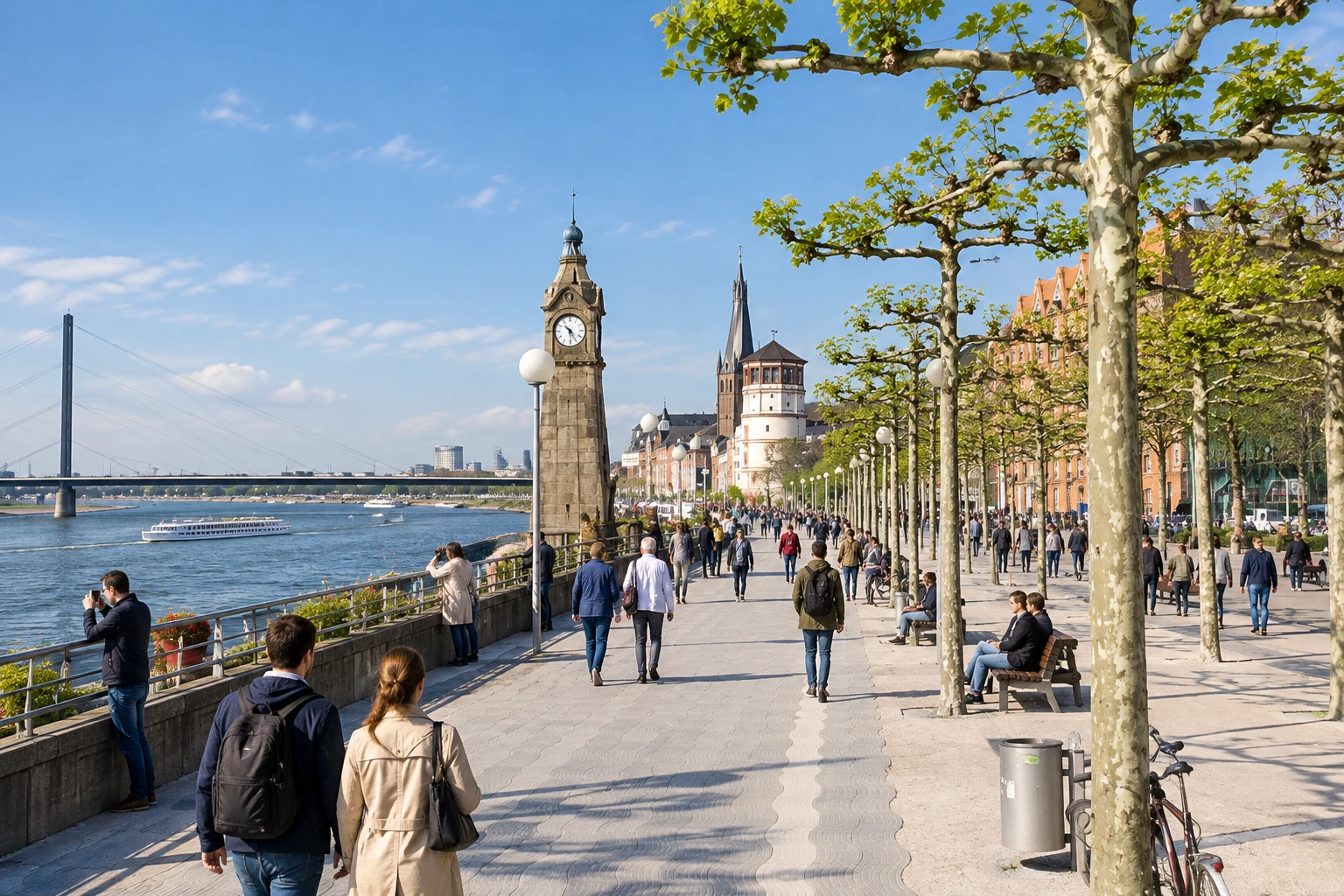
Rhine Embankment Promenade · DüsseldorfThe riverside promenade along the Rhine that links the Altstadt to the Rheinturm and the MedienHafen, with steps, benches and cafés.
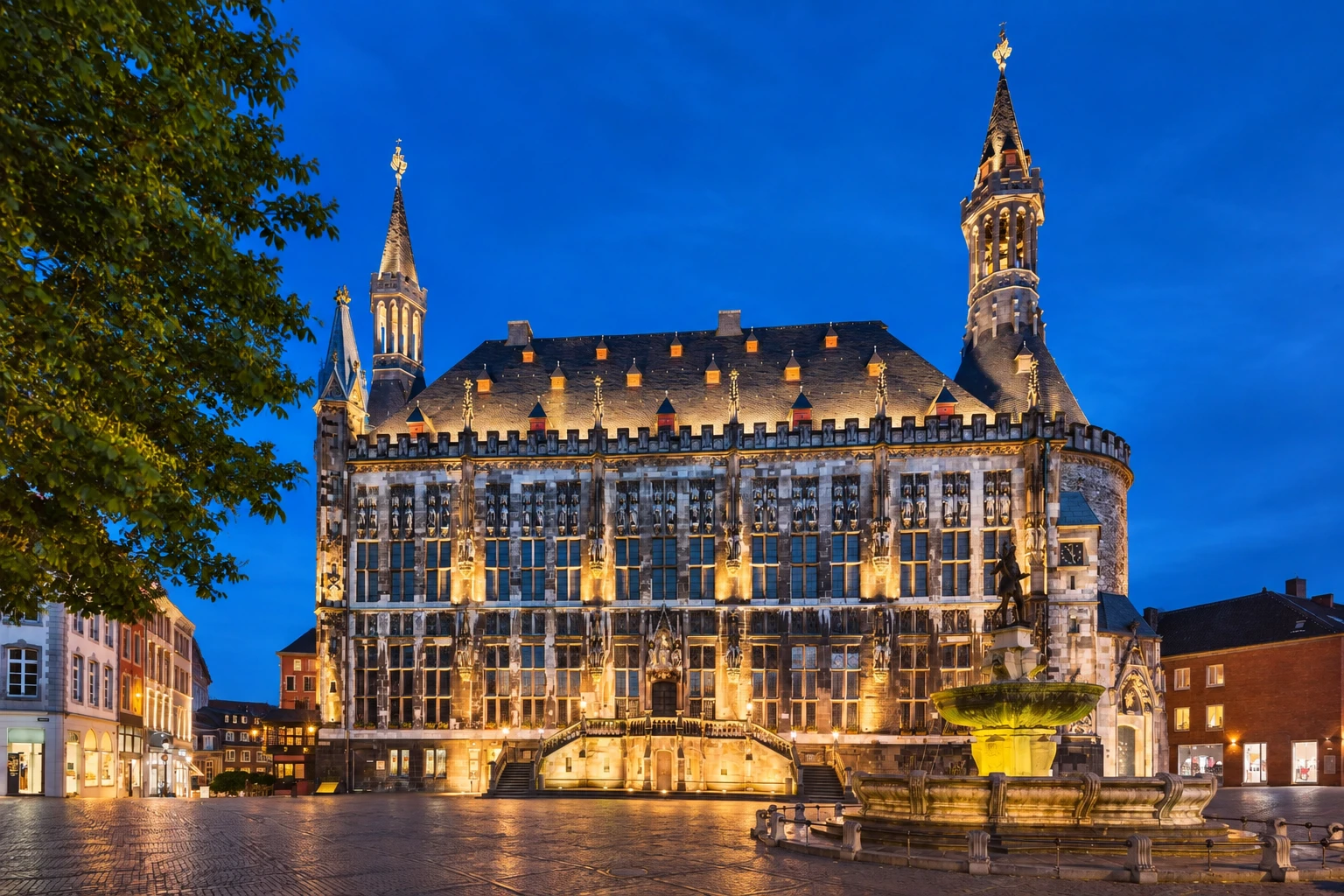
Aachen Town Hall · AachenGothic town hall built between 1330 and 1349 on the foundations of the hall of Charlemagne’s palace.
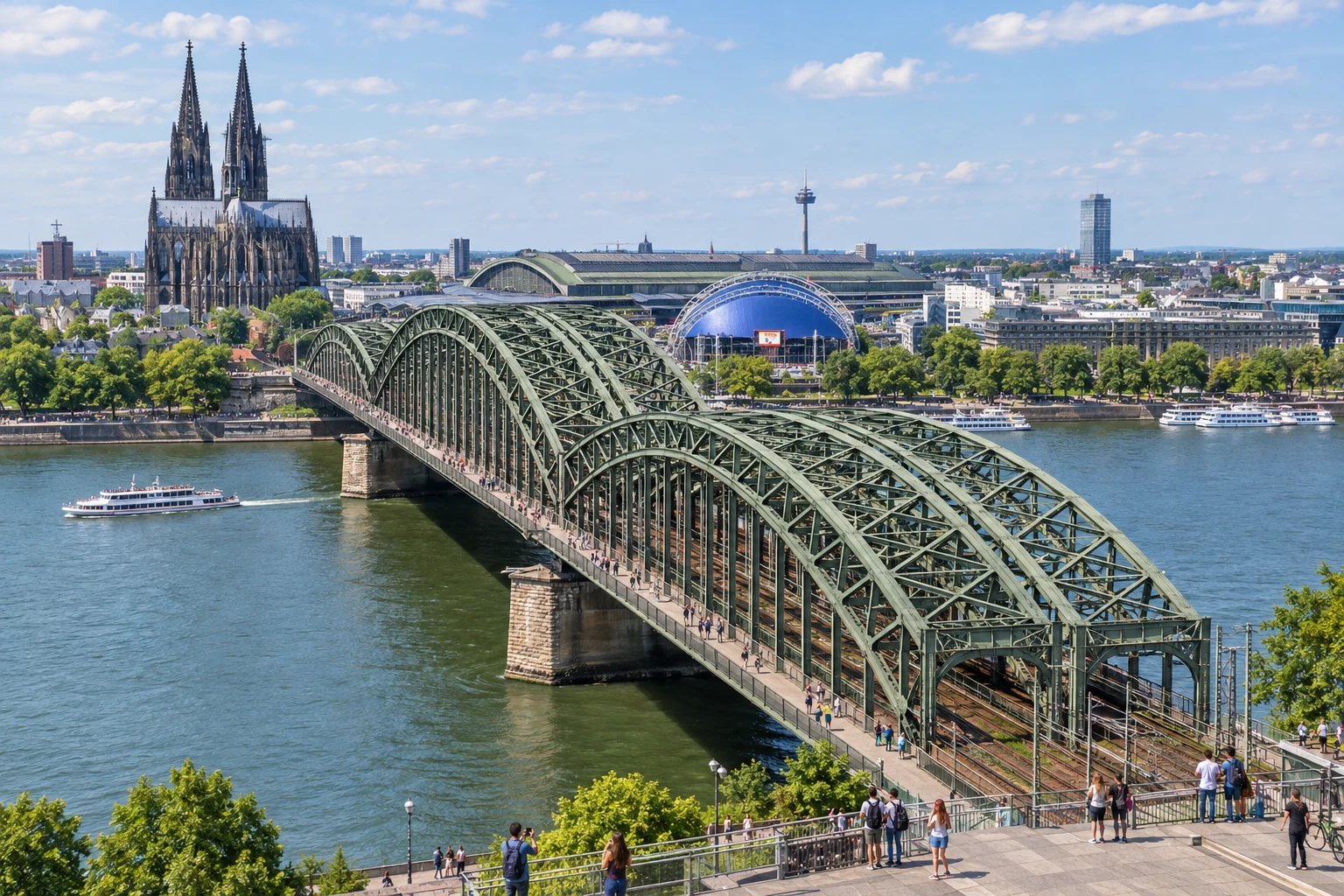
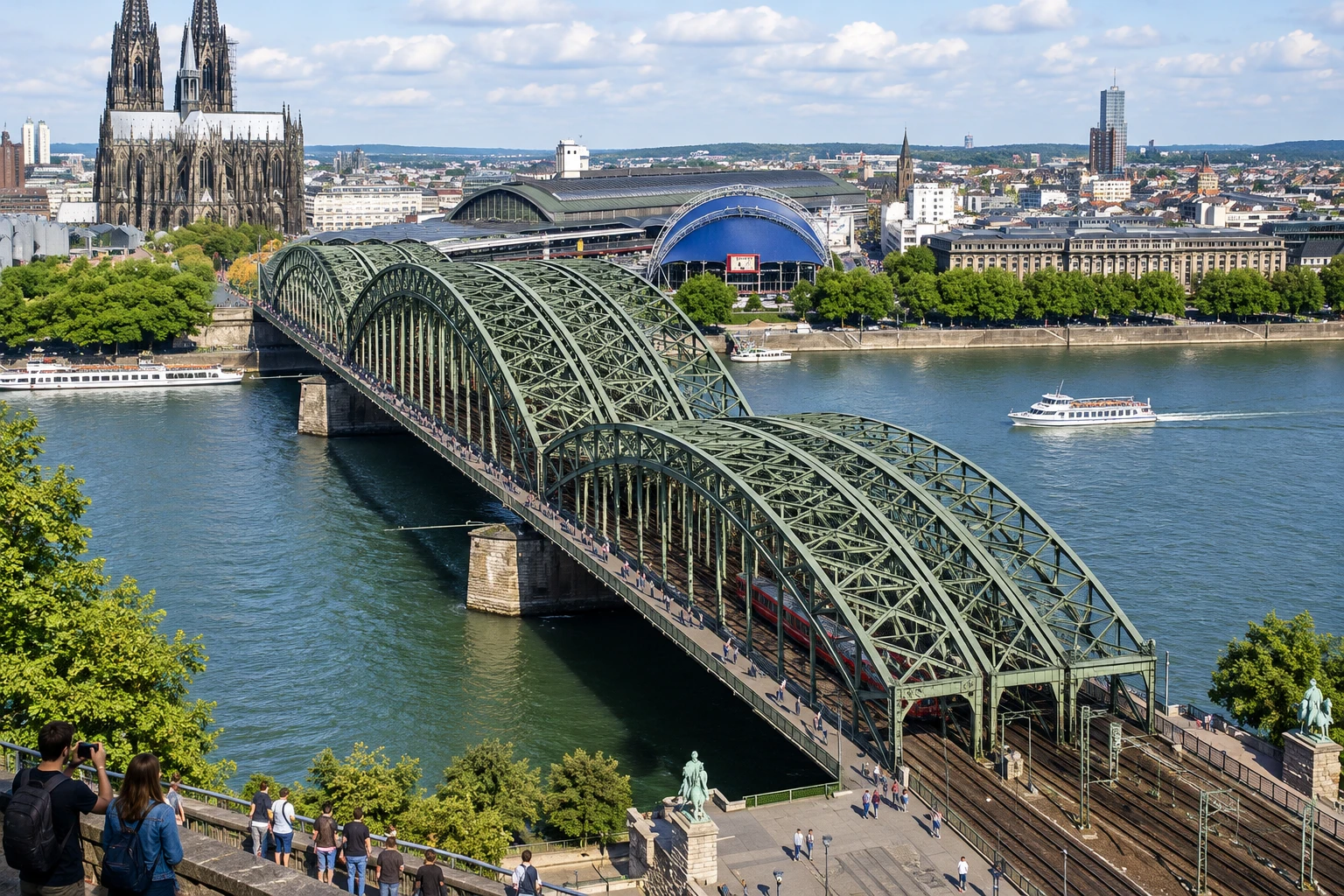
Hohenzollern Bridge · CologneSteel-arched railway bridge over the Reno, aligned with the cathedral.
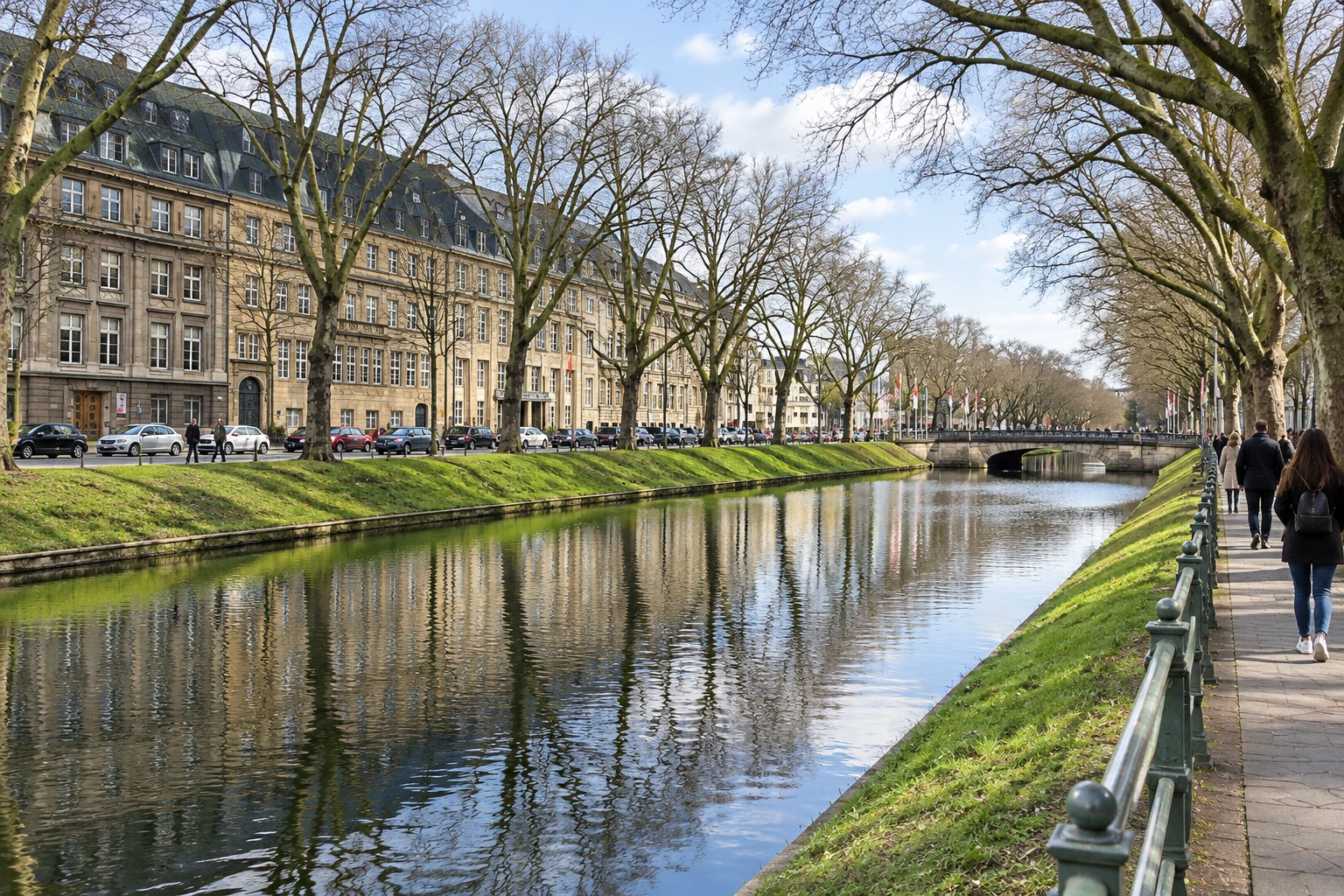
Königsallee · DüsseldorfDüsseldorf's shopping boulevard, the Kö, with a tree-lined canal down the middle, luxury shops on one side and banks on the other, and the Triton fountain at the northern end.
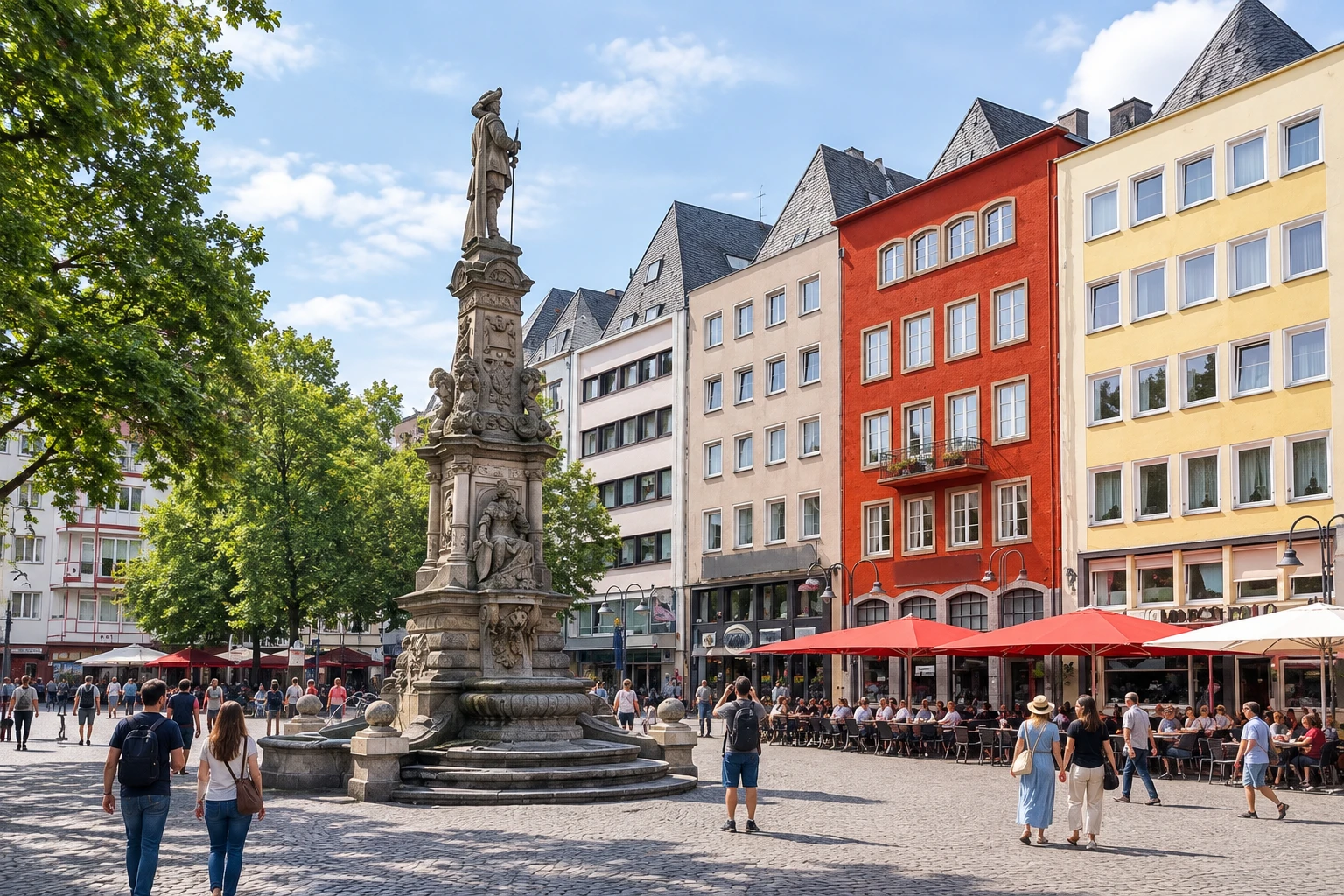
Alter Markt · CologneSquare in Colônia’s old town, between the cathedral and the Reno, with narrow colorful houses, the historic town hall and traditional Kölsch breweries around it.
One by one
All the places, with photos
Düsseldorf · North Rhine-Westphalia · Historic neighbourhood
Düsseldorf's old town by the Rhine: narrow streets with more than 300 bars, restaurants and Altbier breweries, the town hall, the Burgplatz square with the tower of the old castle and the crooked-tower church St. Lambertus.
Cathedral built around Charlemagne’s octagonal palatine chapel from around 800, where he was buried and where the Holy Roman kings were crowned from 936 to 1531. First German monument inscribed as a UNESCO World Heritage Site, in 1978.
Gothic cathedral with 157-metre towers, begun in 1248 and completed in 1880, a UNESCO World Heritage Site. It houses the reliquary of the Three Kings and has a walk-up to a platform in the south tower.
The cathedral treasury, in medieval underground chambers next to the Dom, with reliquaries, crosses, goldsmithing and liturgical vestments from the 4th to the 20th century.
Aachen Cathedral Treasury, considered the most important ecclesiastical treasury north of the Alps. It displays the Lothar Cross, the bust of Charlemagne and the sarcophagus of Proserpina.
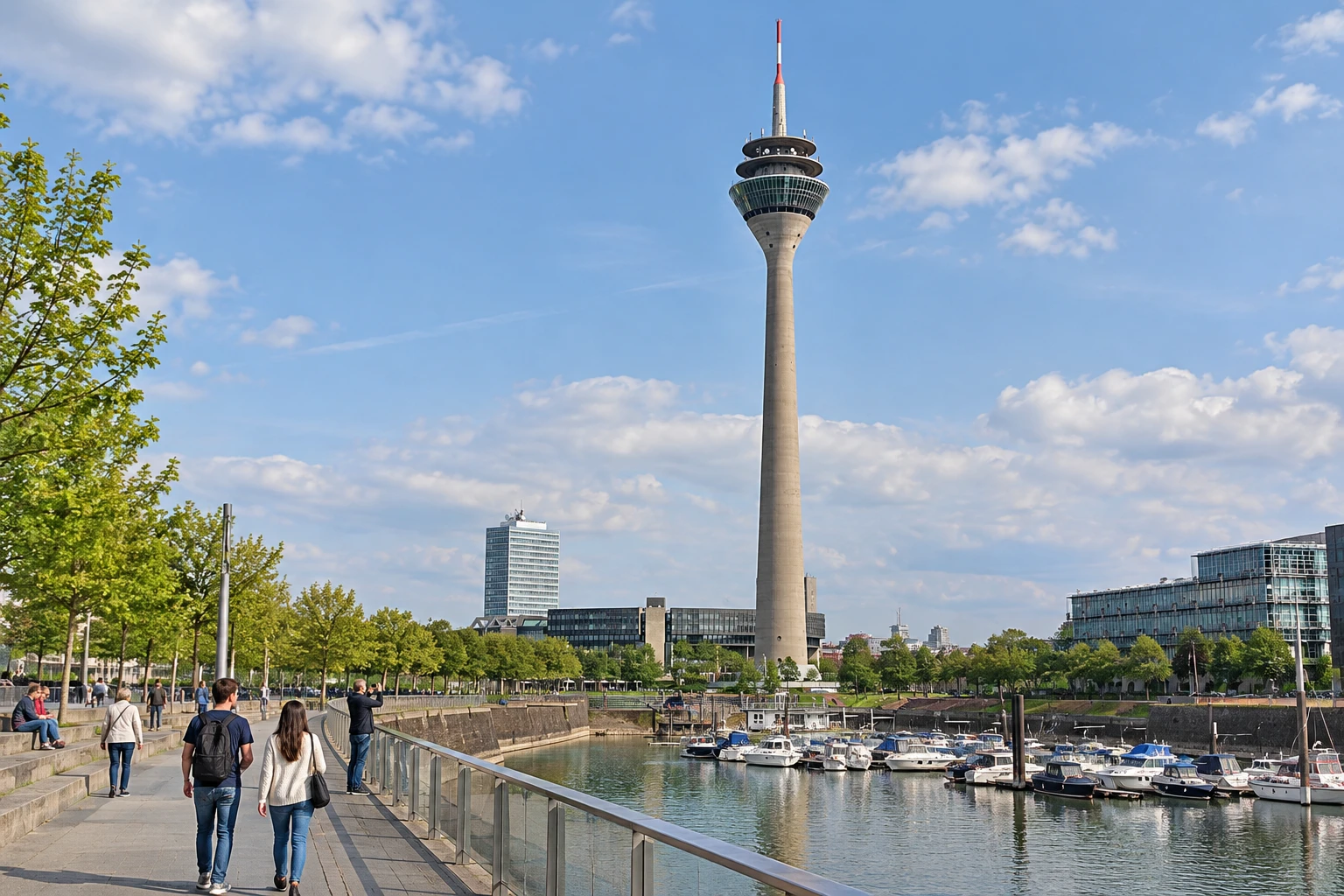
The riverside promenade along the Rhine that links the Altstadt to the Rheinturm and the MedienHafen, with steps, benches and cafés. It was created after the riverside avenue was placed into a tunnel.
Gothic town hall built between 1330 and 1349 on the foundations of the hall of Charlemagne’s palace. In the coronation hall the feasts of the crowned kings were held and today the Charlemagne Prize is awarded there.
Steel-arched railway bridge over the Reno, aligned with the cathedral. It has a pedestrian walkway and thousands of love locks attached to the railings.
Düsseldorf's shopping boulevard, the Kö, with a tree-lined canal down the middle, luxury shops on one side and banks on the other, and the Triton fountain at the northern end.
Square in Colônia’s old town, between the cathedral and the Reno, with narrow colorful houses, the historic town hall and traditional Kölsch breweries around it.
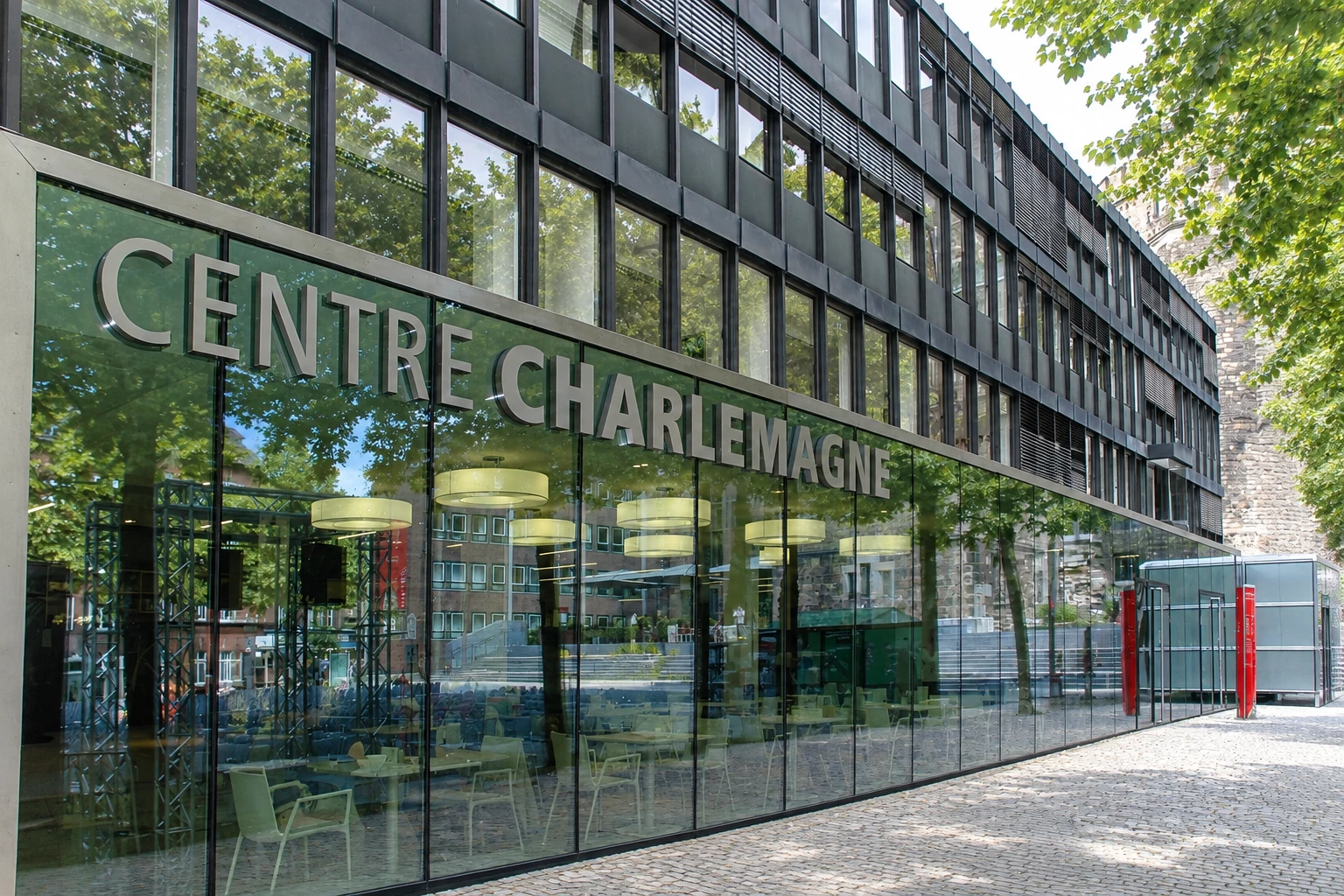
City museum of Aachen, in the Katschhof between the cathedral and the town hall. It tells the city’s history from the time of Charlemagne and is the starting point of the Route Charlemagne.
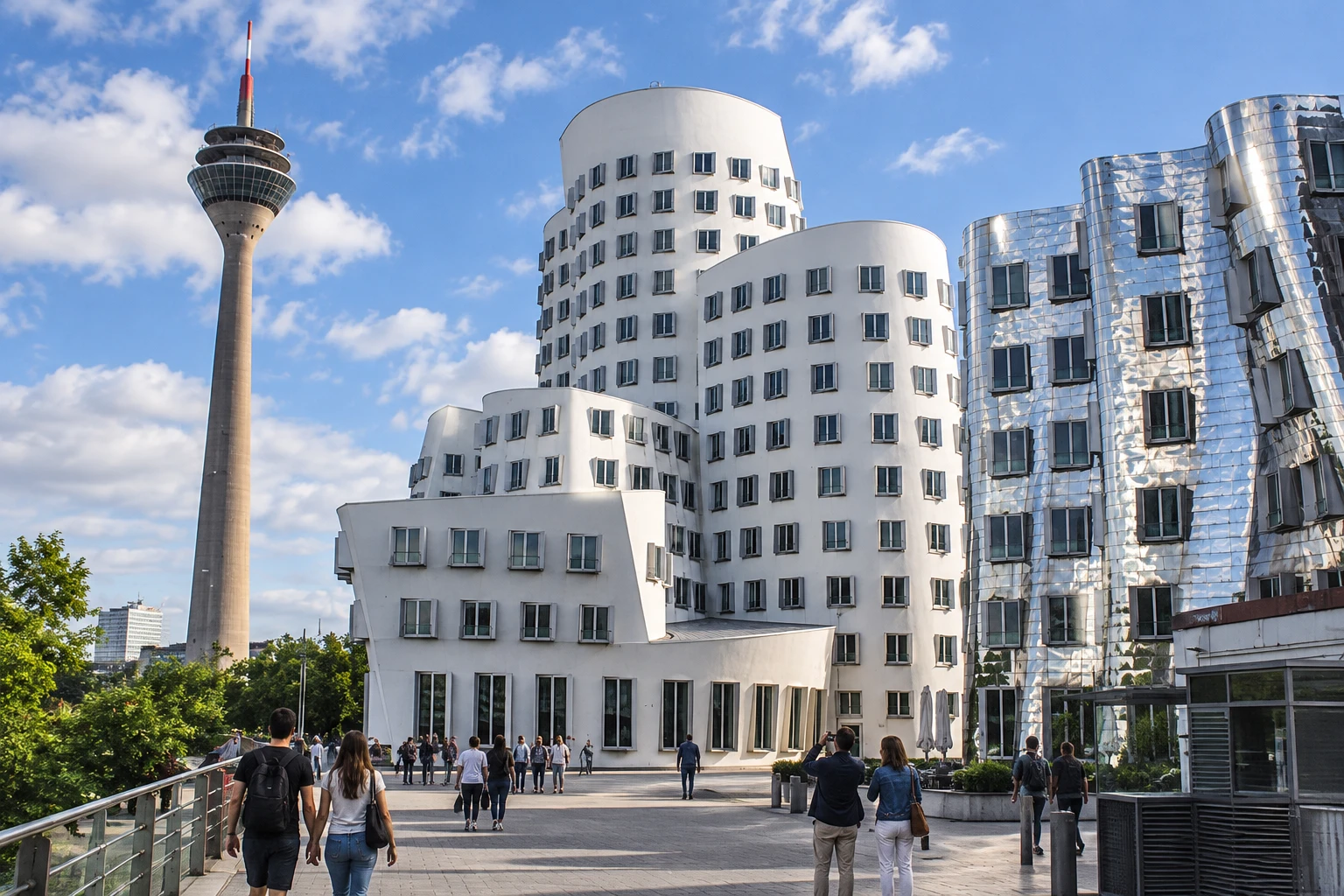
Former port area transformed into a district of offices, restaurants and contemporary architecture, featuring Frank Gehry's three wavy buildings, the Neuer Zollhof.
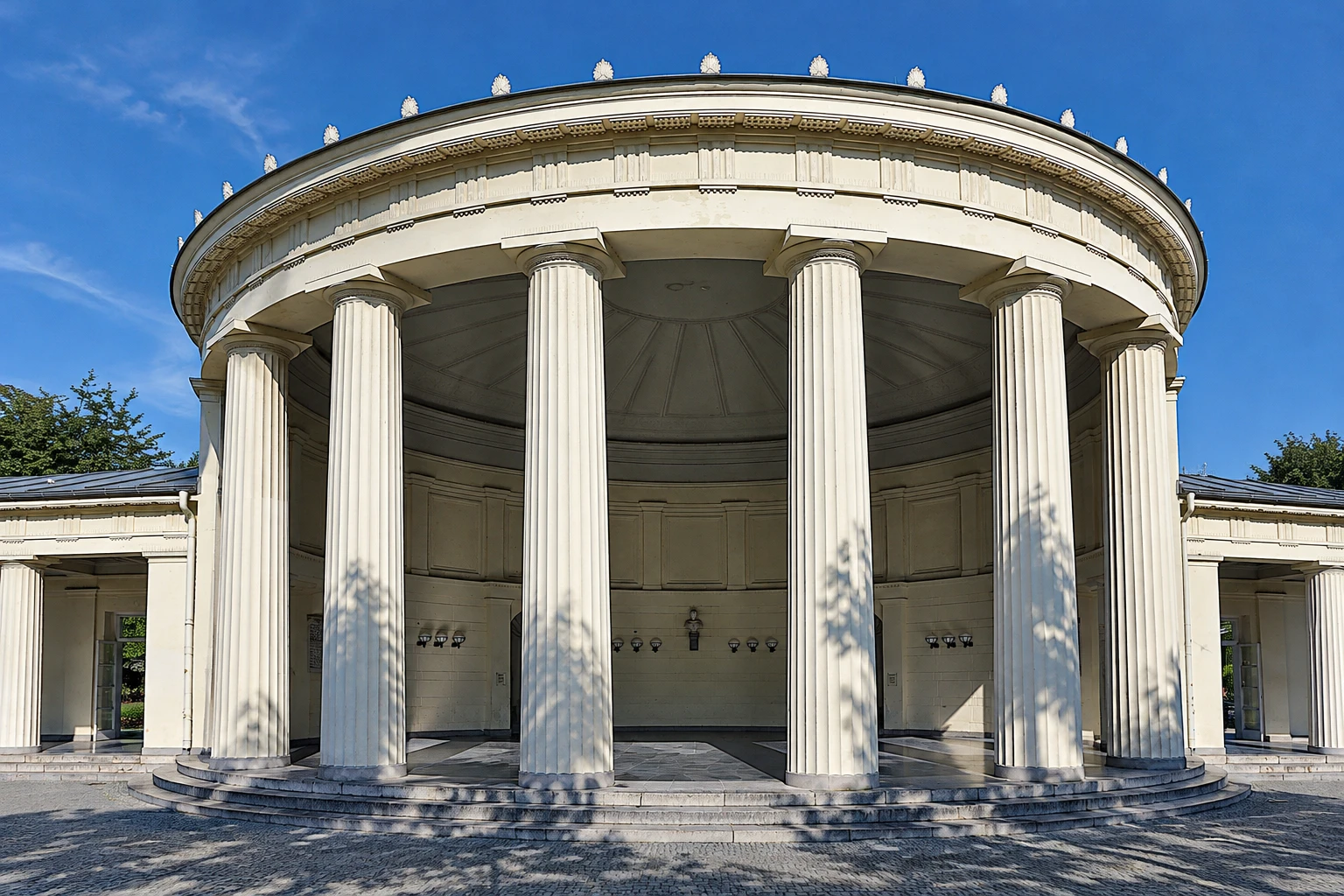
Neoclassical pavilion from 1827, with an open colonnade and two pavilions, from which Aachen’s sulfurous thermal water flows at about 52 °C. Symbol of the spa city and home to the tourist information office.
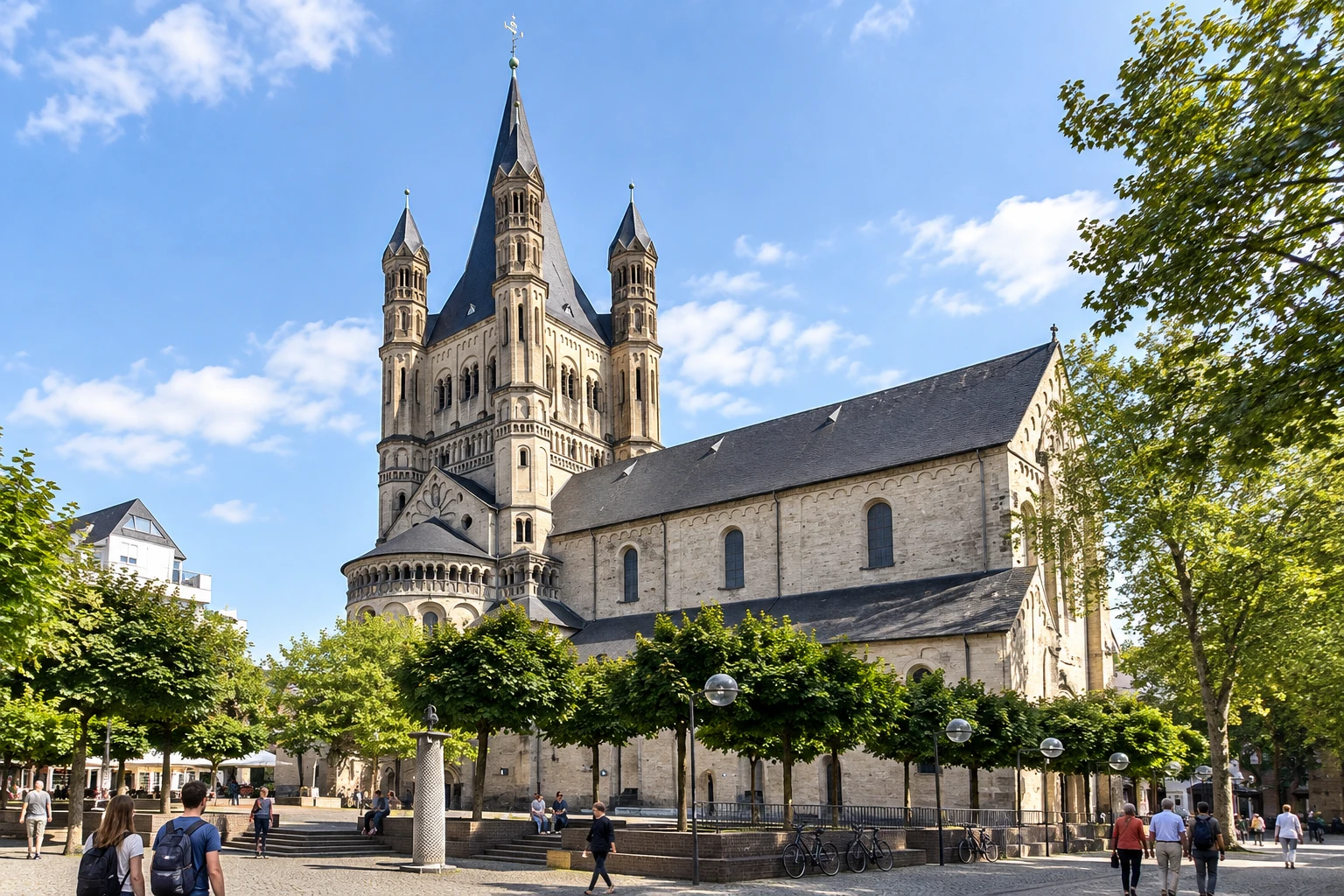
Romanesque church from the 12th century beside the Reno, with a large square tower that defines the Altstadt skyline. It is one of Colônia’s twelve major Romanesque churches.
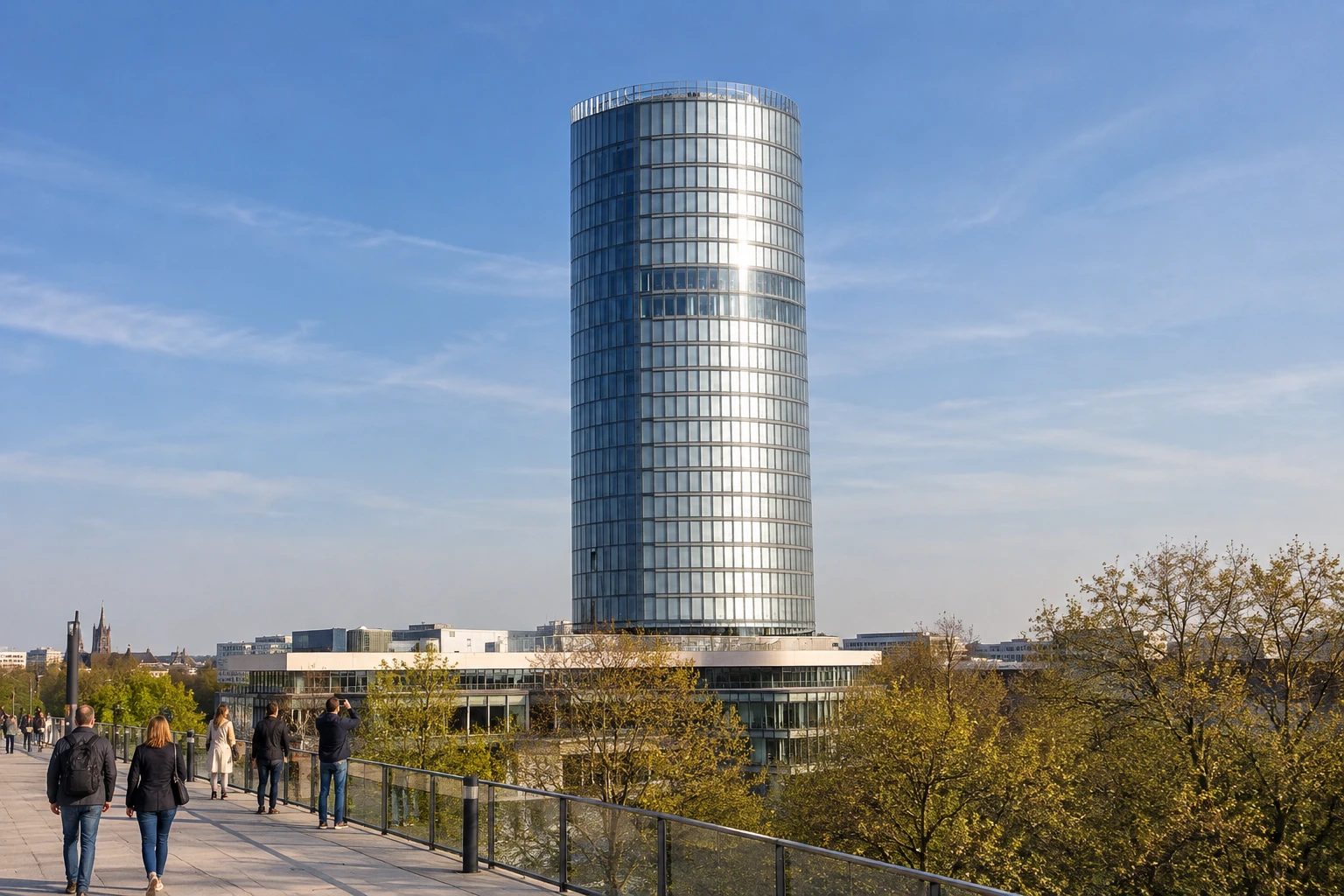
240-metre telecommunications tower on the Rhine, with a glassed-in viewing platform at 168 metres, a rotating restaurant and a light clock on the façade.
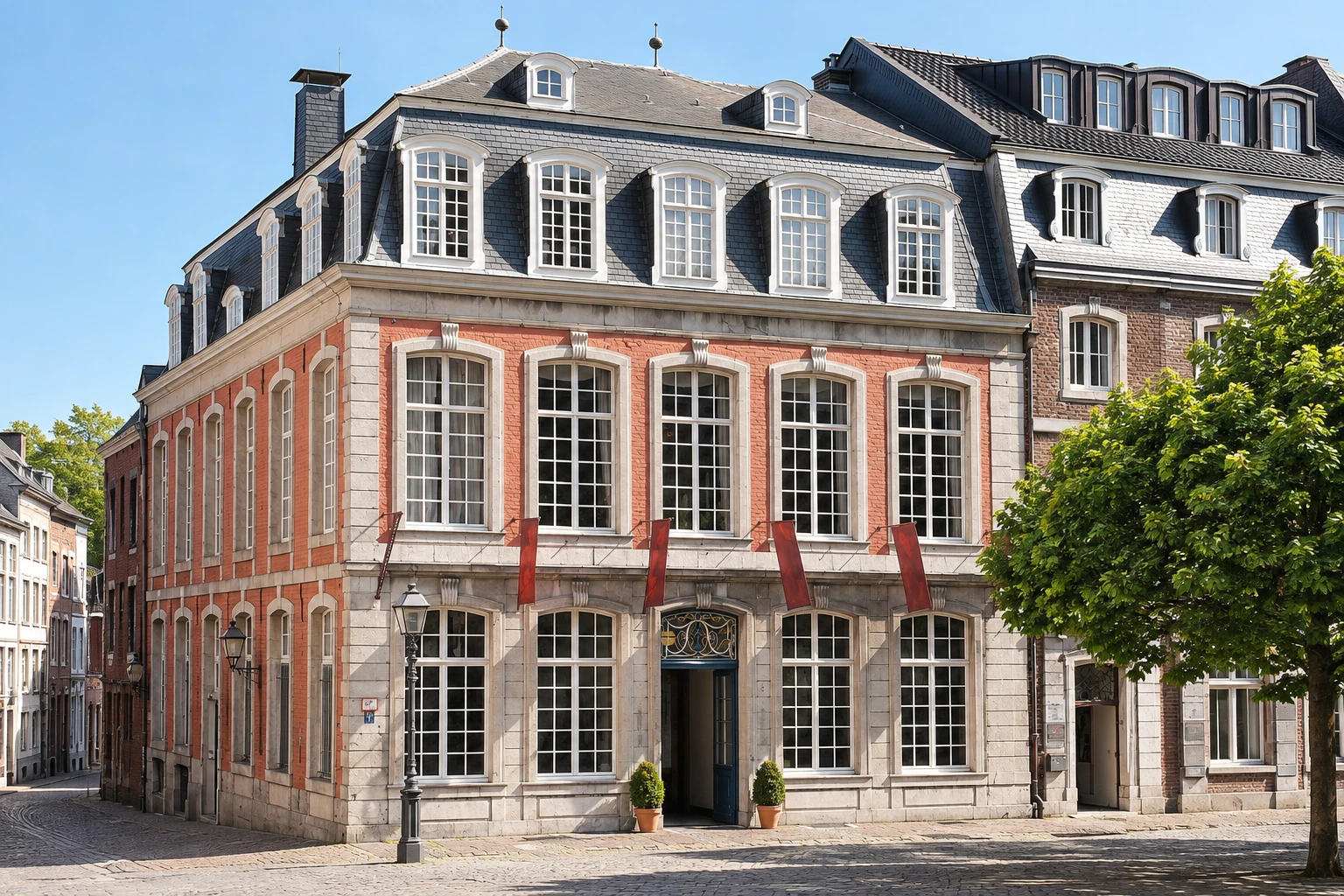
Bourgeois house museum in the center of Aachen, with furnished rooms from the mid-18th to the 19th century and a reconstruction of a pharmacy that operated in the building from 1663 to 1878.
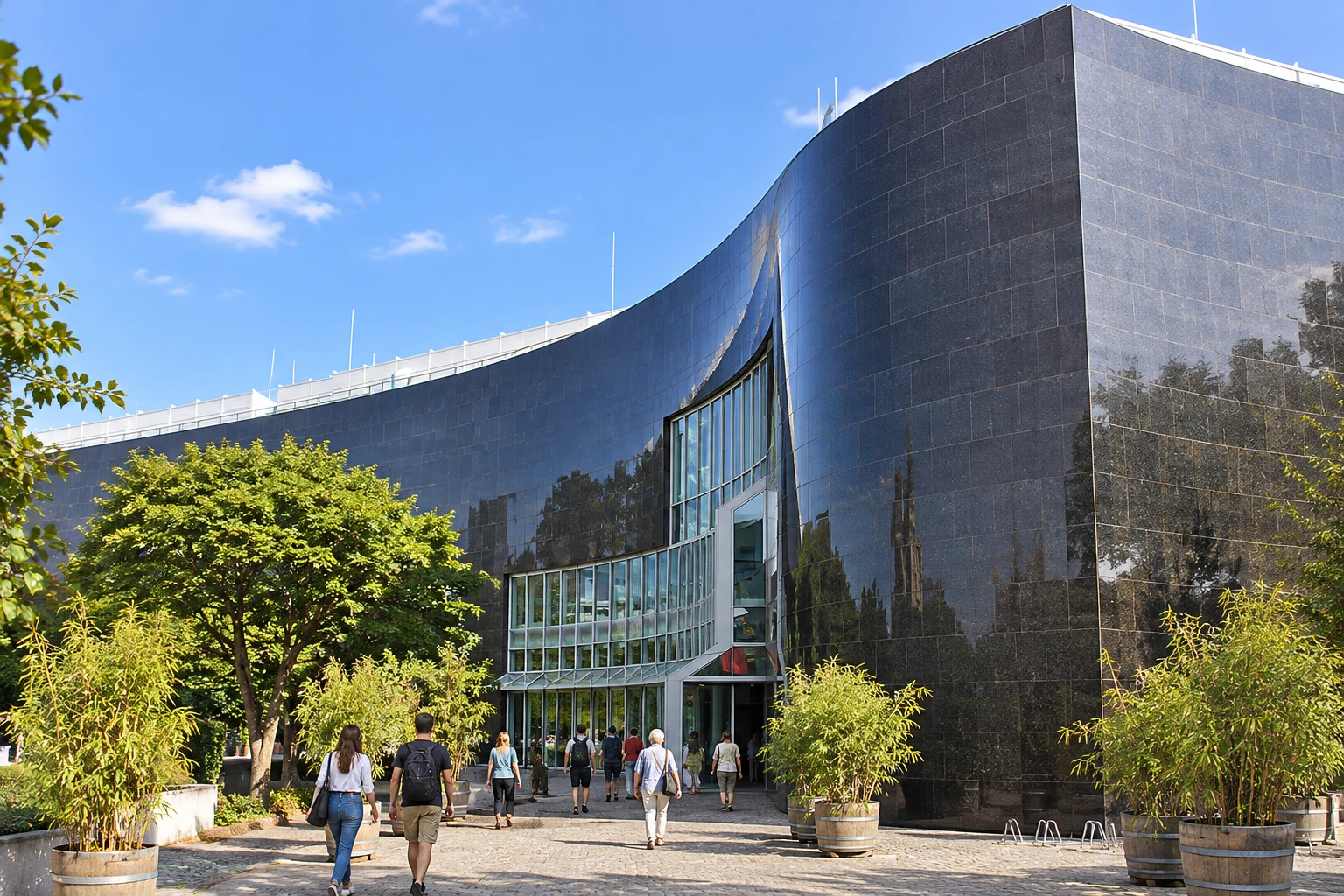
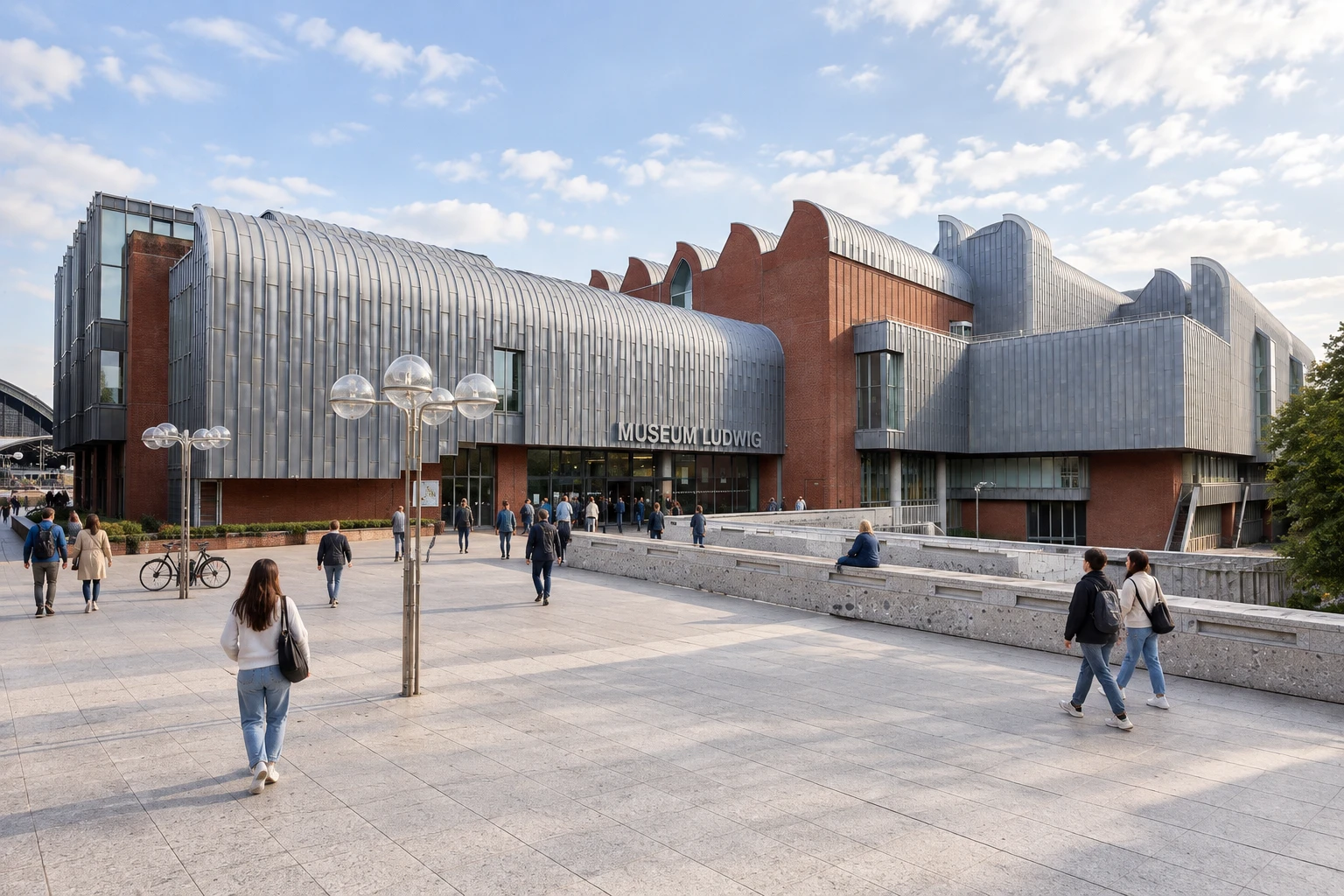
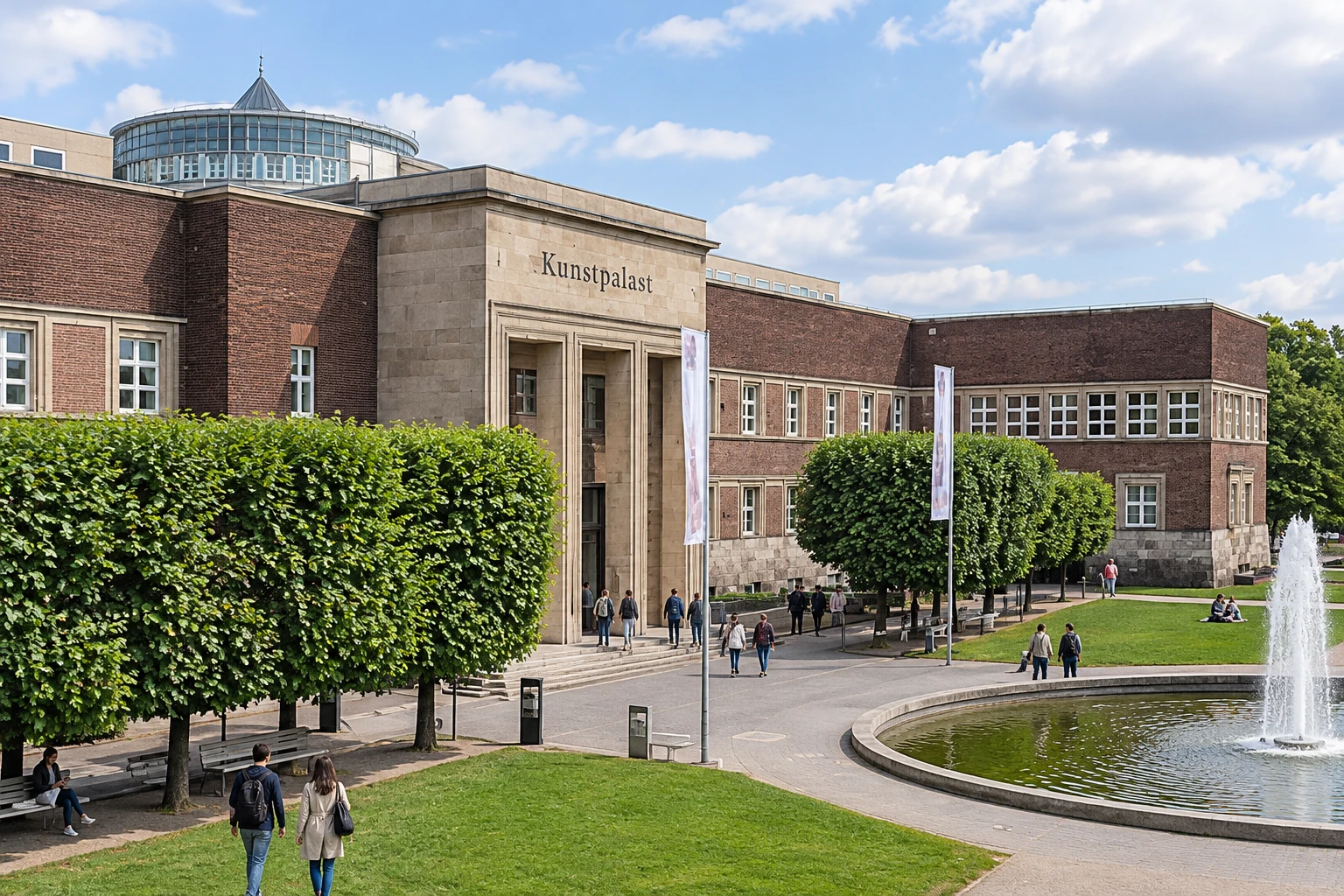
Museum of 20th- and 21st-century art next to the cathedral, with the largest pop art collection in Europe, one of the largest Picasso collections in the world, and German Expressionism.
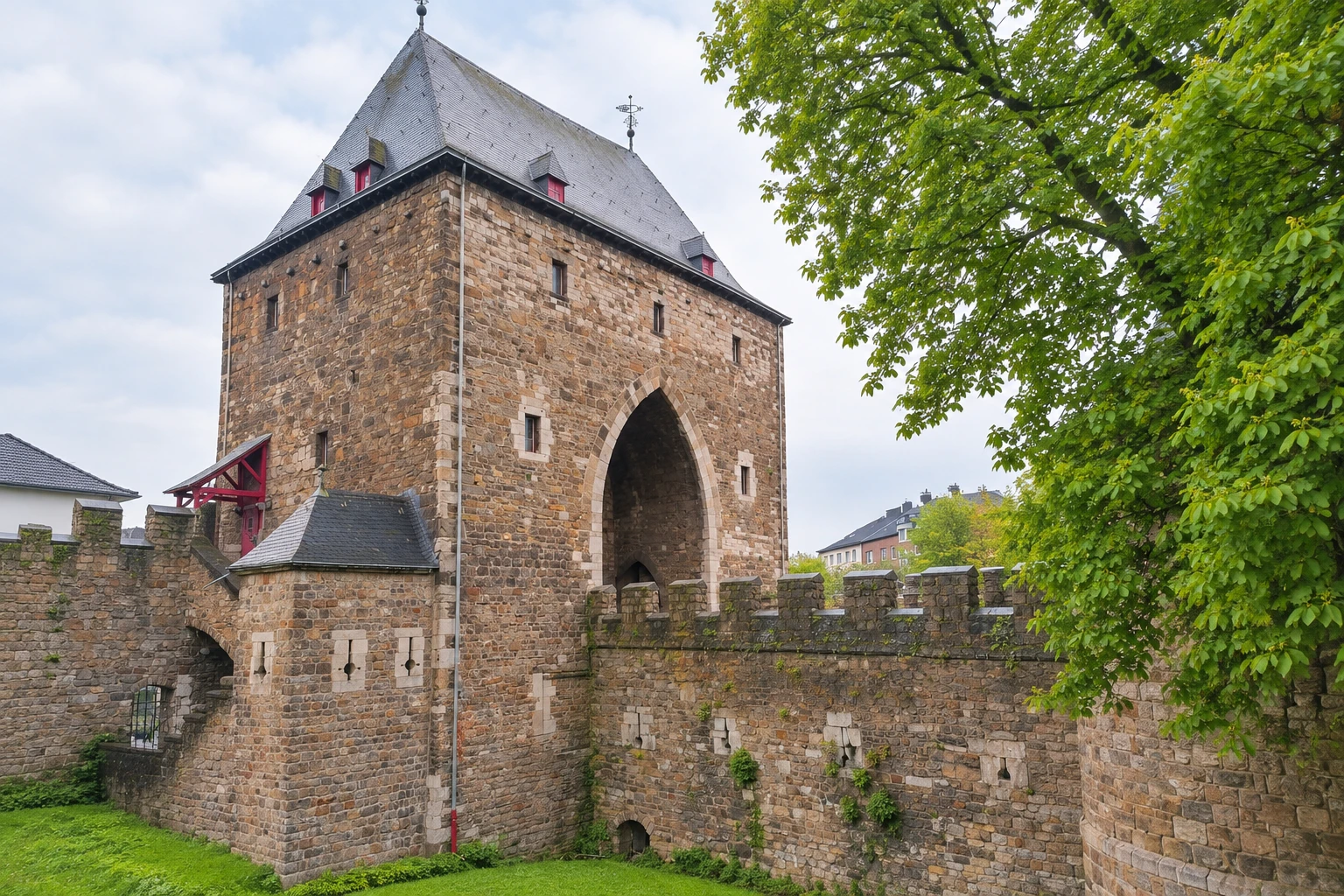
Medieval gate from the early 14th century, one of the two remaining of the eleven gates of Aachen’s outer wall. It stands at the end of the Pontstraße, the street of bars and restaurants in the student district.
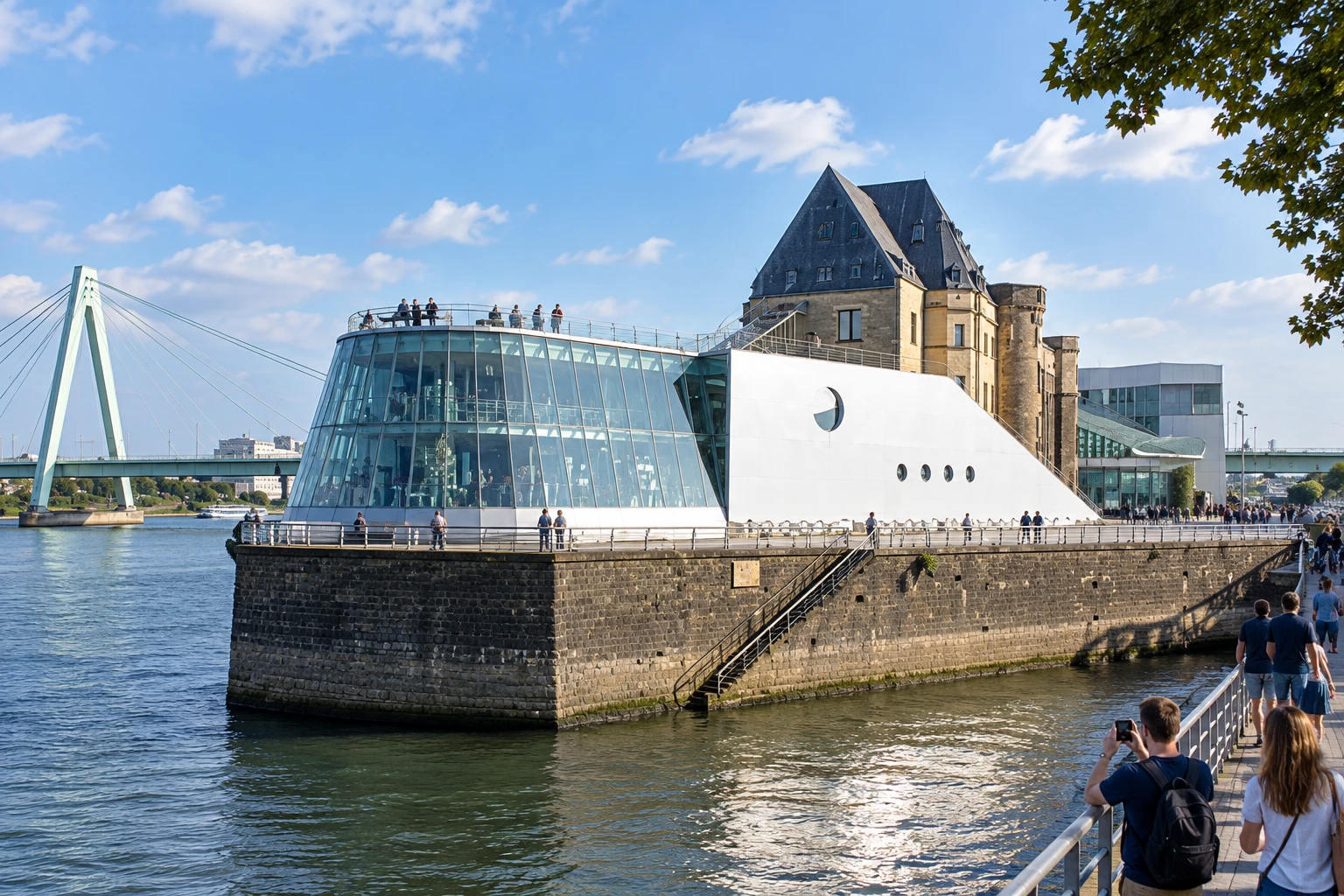
Museum about the history of cocoa and chocolate on a peninsula in the Rheinauhafen, with a tropical greenhouse, a small glass-enclosed chocolate factory, and a café overlooking the Reno.
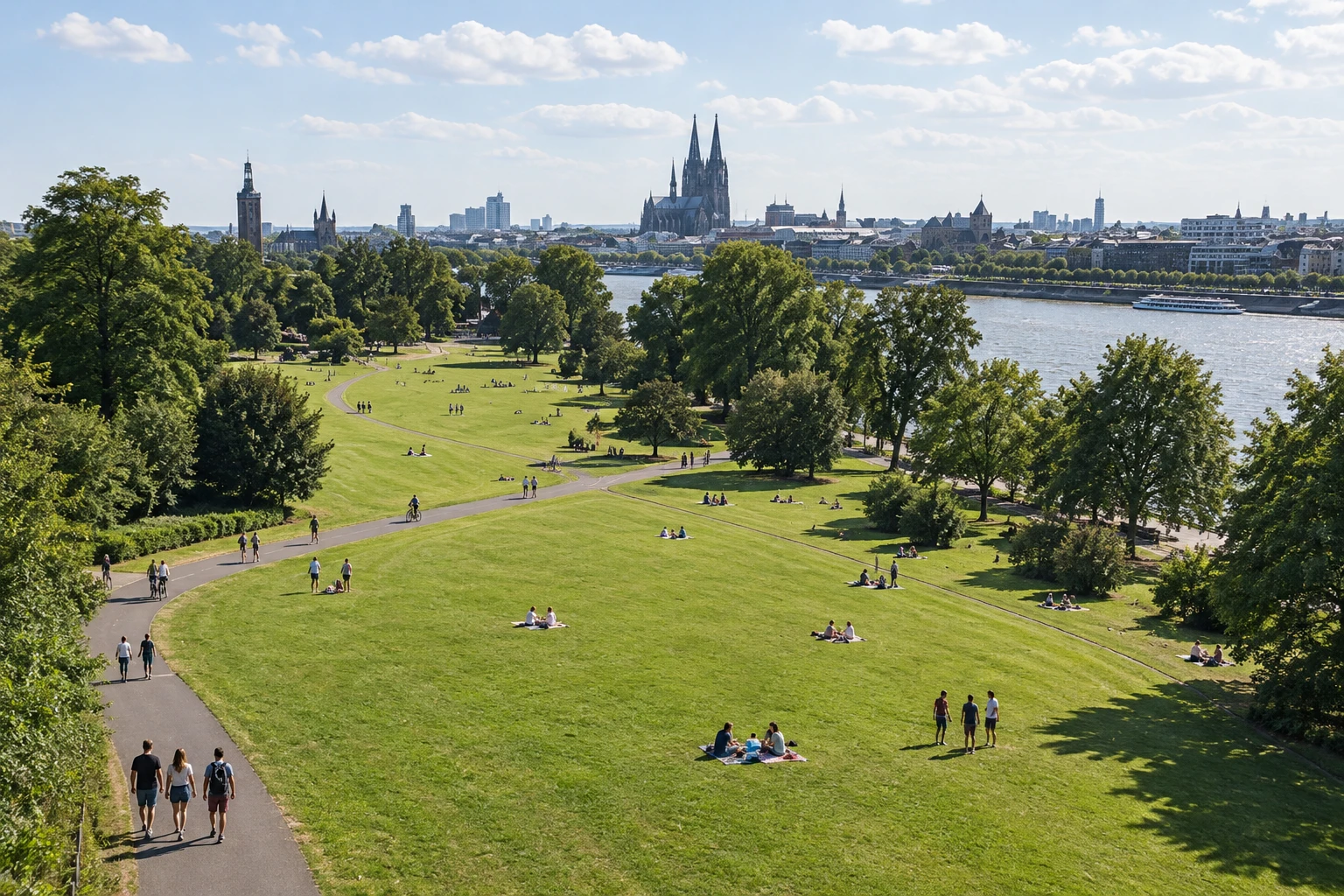
Large park on the right bank of the Reno, between Deutz and Mülheim, with lawns, gardens and wide views of the cathedral and the old town across the river.
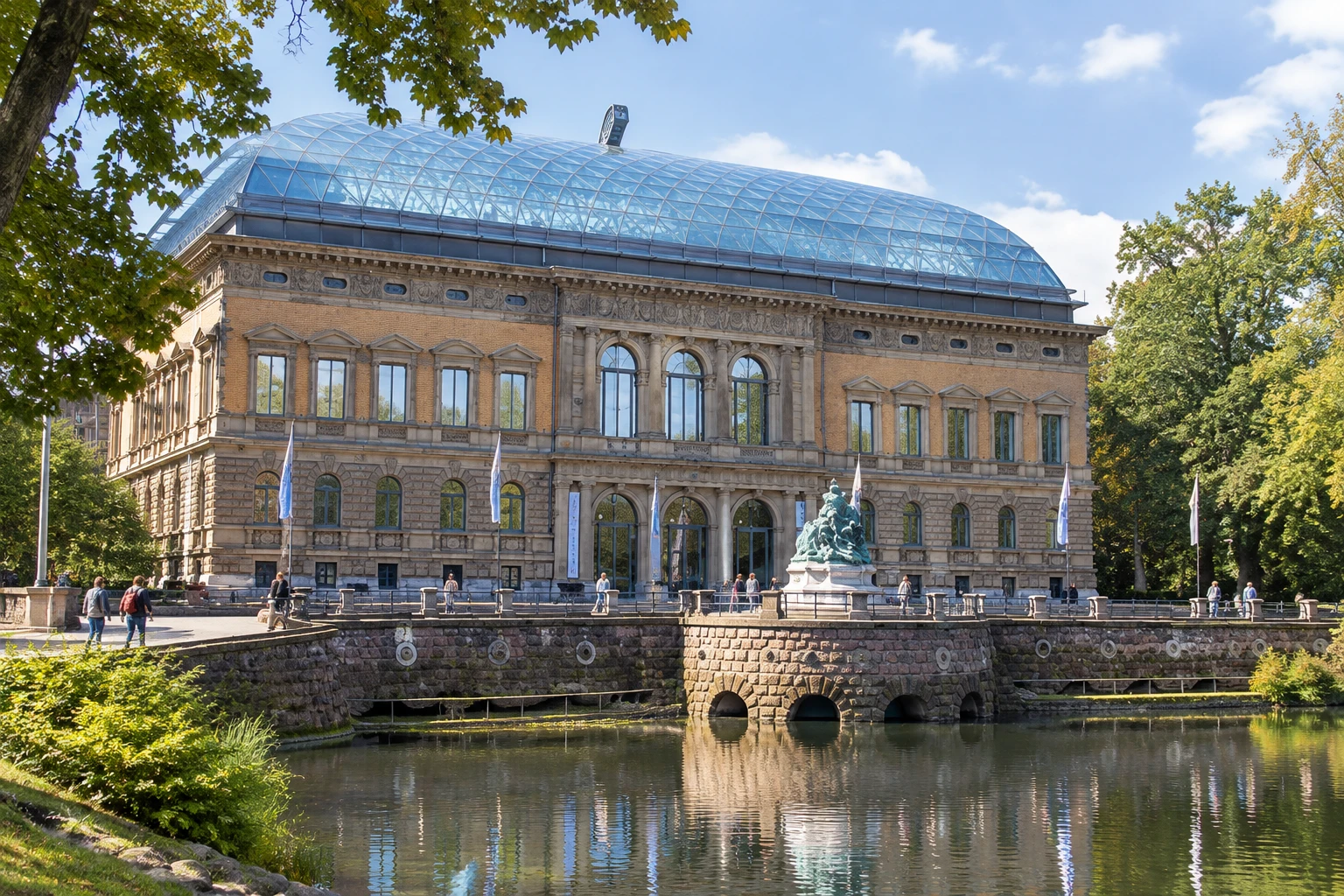
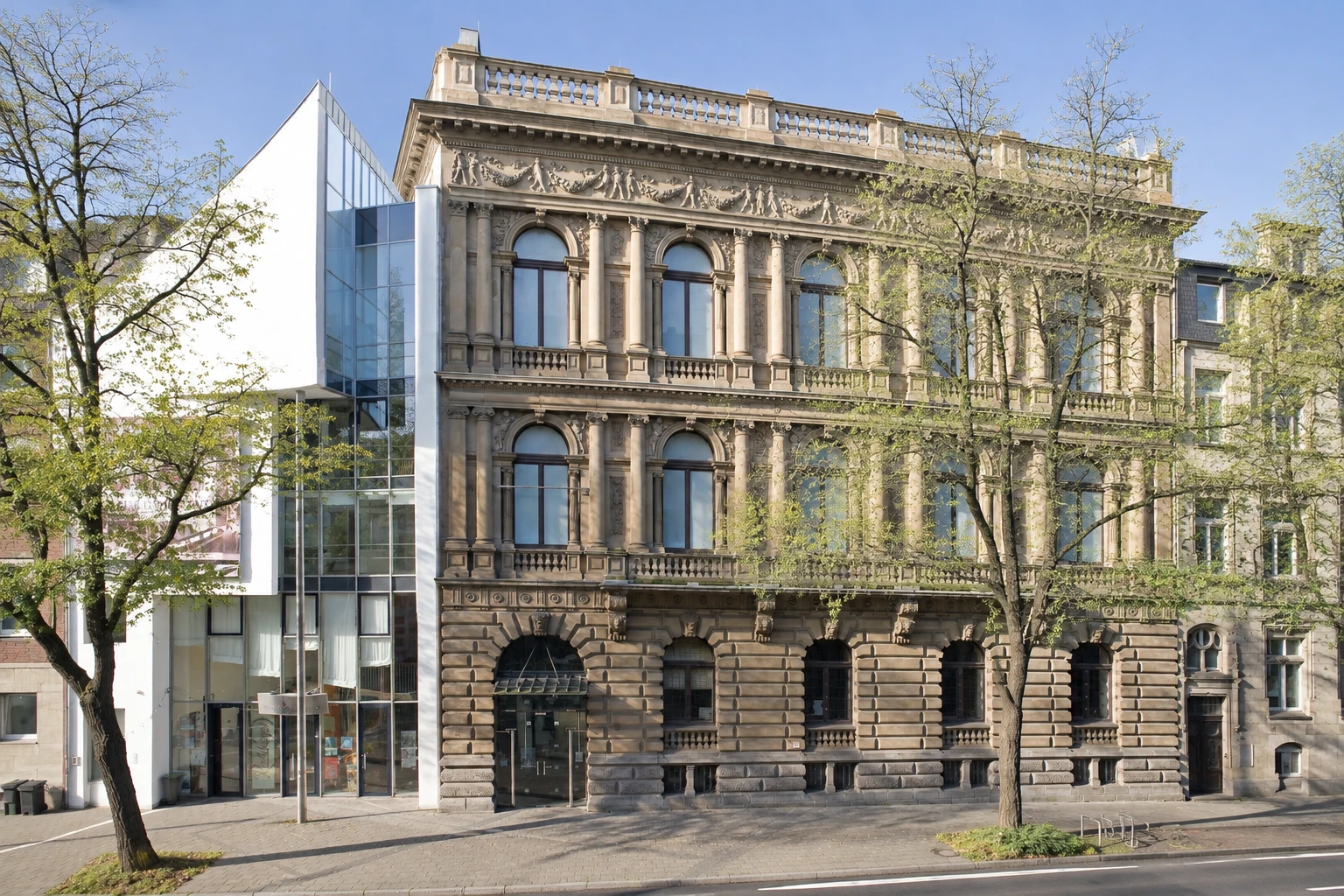
Aachen city art museum in a 19th-century mansion, with about 1,500 paintings, 700 sculptures and a print cabinet with works by Dürer, Rembrandt and Goya.
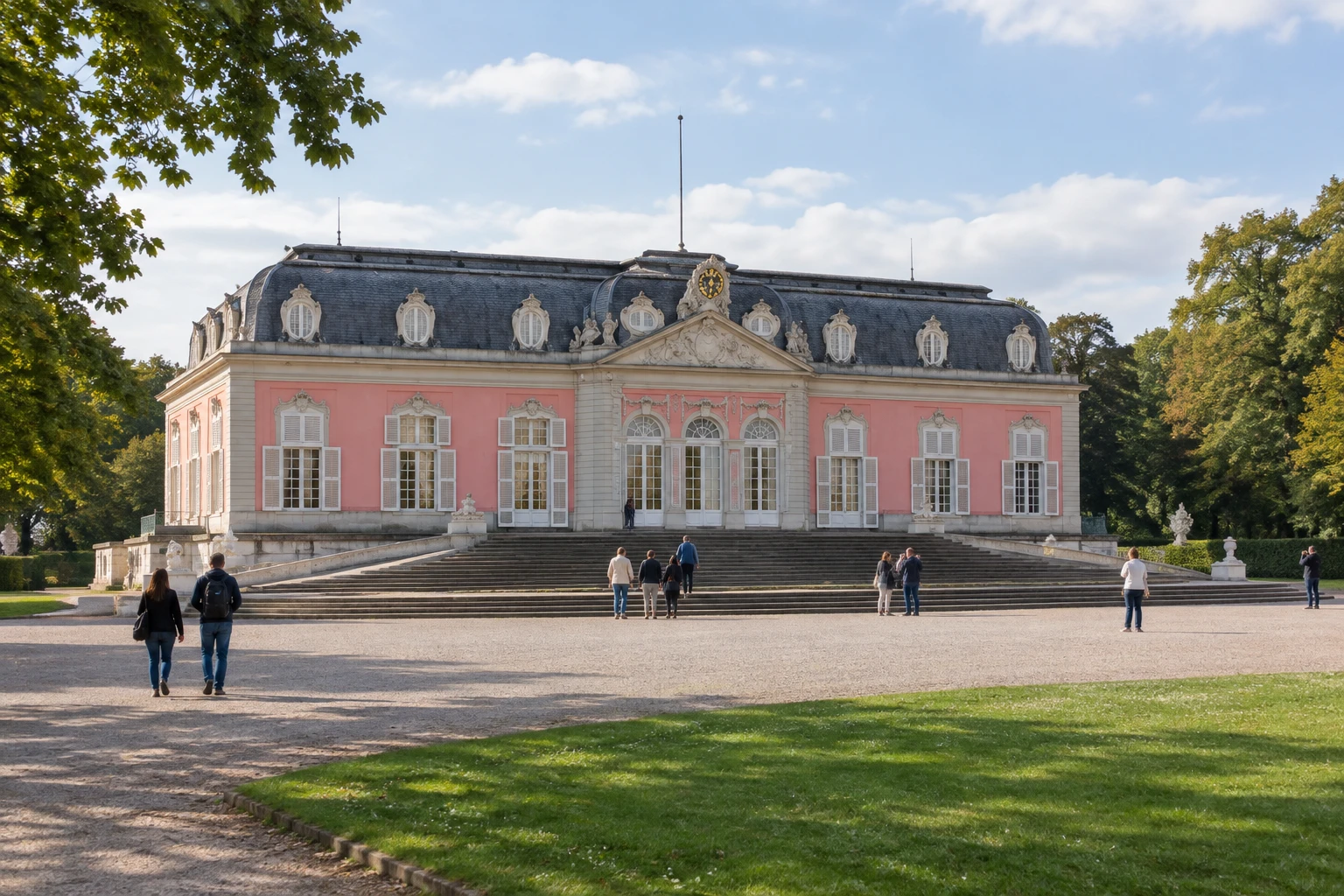
18th-century Baroque summer and hunting palace in the south of Düsseldorf, with gardens and a park that extend to the Reno and three museums housed in the ensemble's buildings.
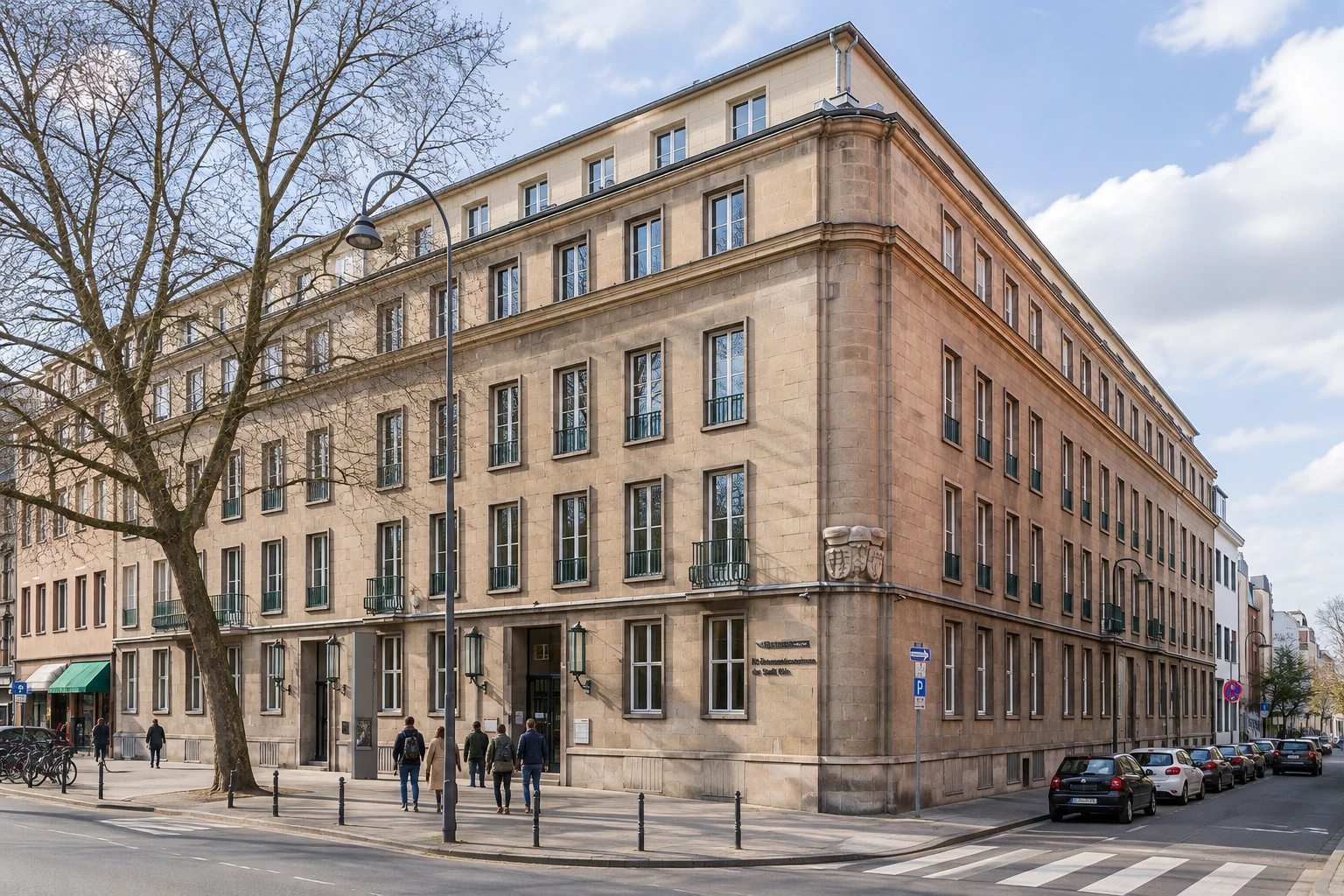
Museum and memorial in the EL-DE-Haus, the former Gestapo headquarters in Cologne, with cells in the basement where prisoners left hundreds of inscriptions on the walls.
How many days should you set aside to see Cologne and Düsseldorf?
The guide's itineraries cover 2, 3 and 5 days: in 2 days, cathedral, Altstadt and the Rhine; in 3 days, the two Rhine cities; in 5 days, with museums, a palace and a relaxed Rhine.
What to do Cologne and Düsseldorf in one day?
Arrival via Frankfurt, cathedral and Altstadt. The overnight flight from Brazil arrives in Frankfurt in the morning. From the airport long-distance station, the ICE takes about 1 hour to Köln Hauptbahnhof, and the cathedral is right outside the station. Drop your bags and keep the day easy to handle jet lag: visit the Kölner Dom inside, including the Domschatzkammer, and walk the Altstadt past Alter Markt, the Rathaus and Groß St. Martin. In the late afternoon, cross the Hohenzollernbrücke, descend the Rheinboulevard and go up the KölnTriangle to see the cathedral lit up. Sleep early.
When is the best time to go to Cologne and Düsseldorf?
It generally rains less in April. The rainiest months are usually from June to August. The guide covers each month, with the weather and what changes on the tours.


 Brazil
 Antarctica
 Argentina
 Bolivia
 Chile
 Colombia
 Ecuador
 Falkland Islands (Malvinas)
 French Guiana
 Guyana
 Paraguay
 Peru
 Suriname
 Uruguay
 Venezuela
 Austria
 Belgium
 Croatia
 Denmark
 Finland
 France
 Greece
 Hungary
 Iceland
 Ireland
 Italy
 Luxembourg
 Norway
 Poland
 Portugal
 Slovakia
 Slovenia
 Spain
 Sweden
 Switzerland
 the Czech Republic
 the Netherlands
 the United Kingdom
 Turkey
 Bermuda
 Canada
 Greenland
 Mexico
 Saint Pierre and Miquelon
 the United States
 the Dominican Republic
 Japan
 Egypt
 South Africa
 Australia
 Fiji
 New Zealand
 Papua New Guinea