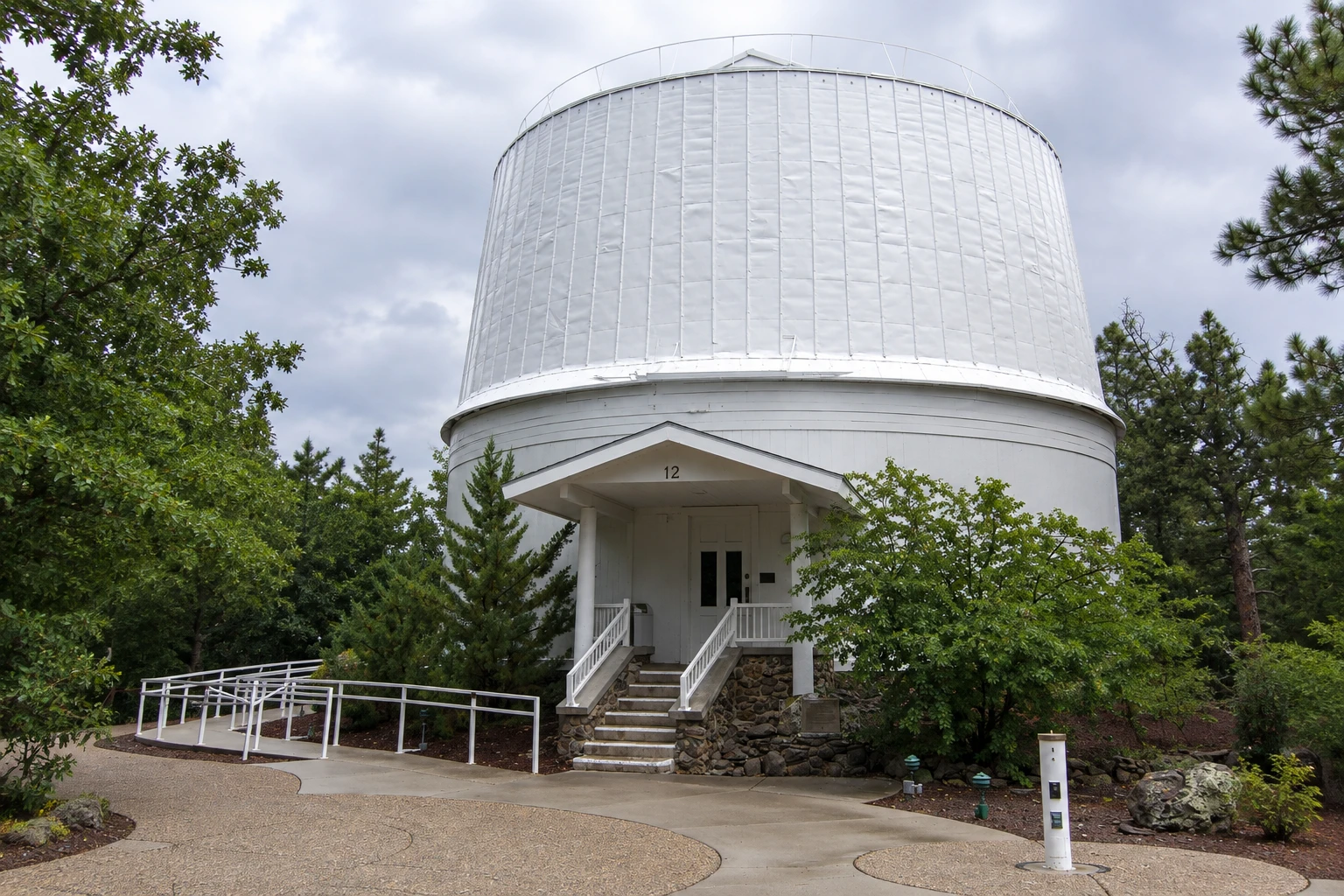
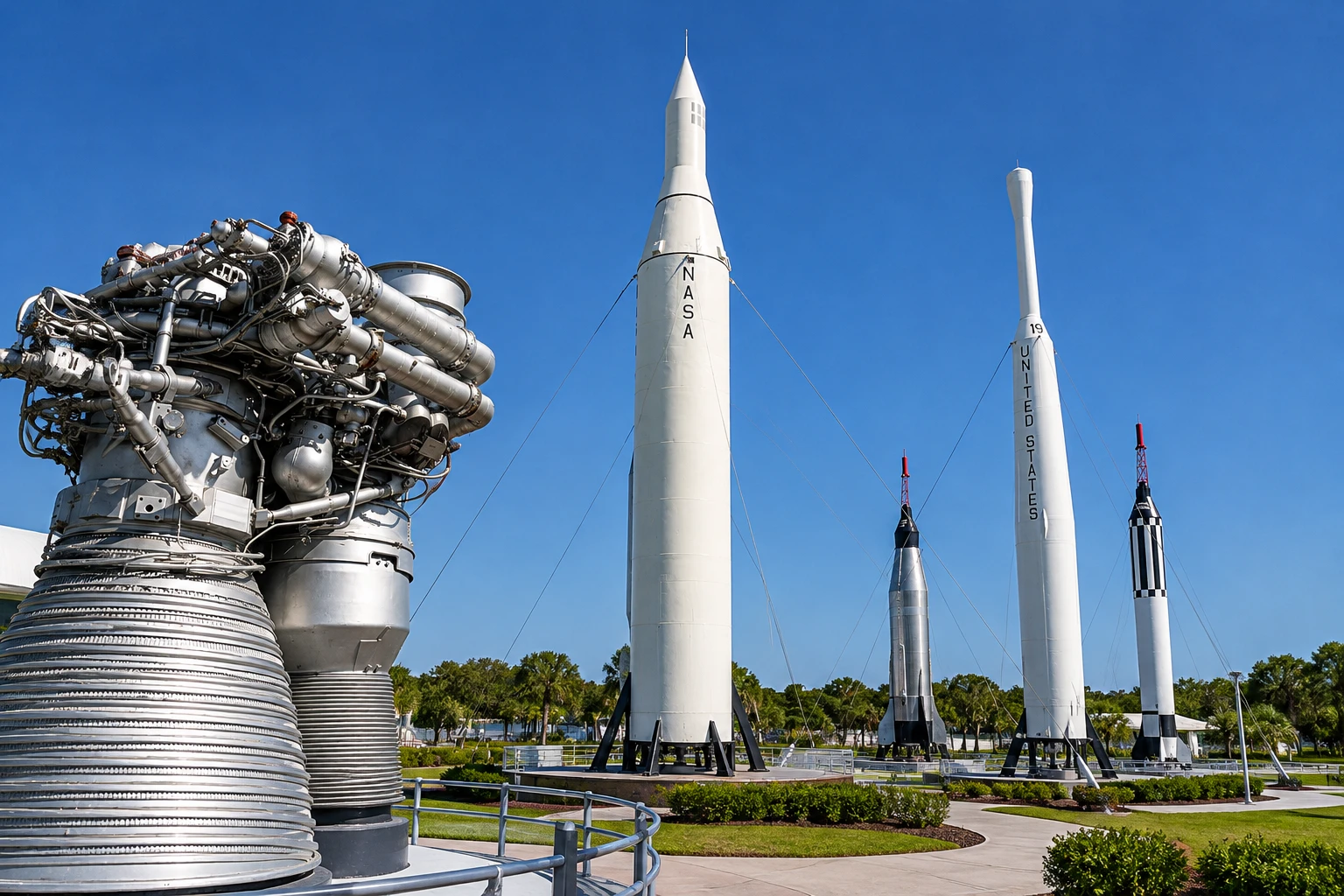
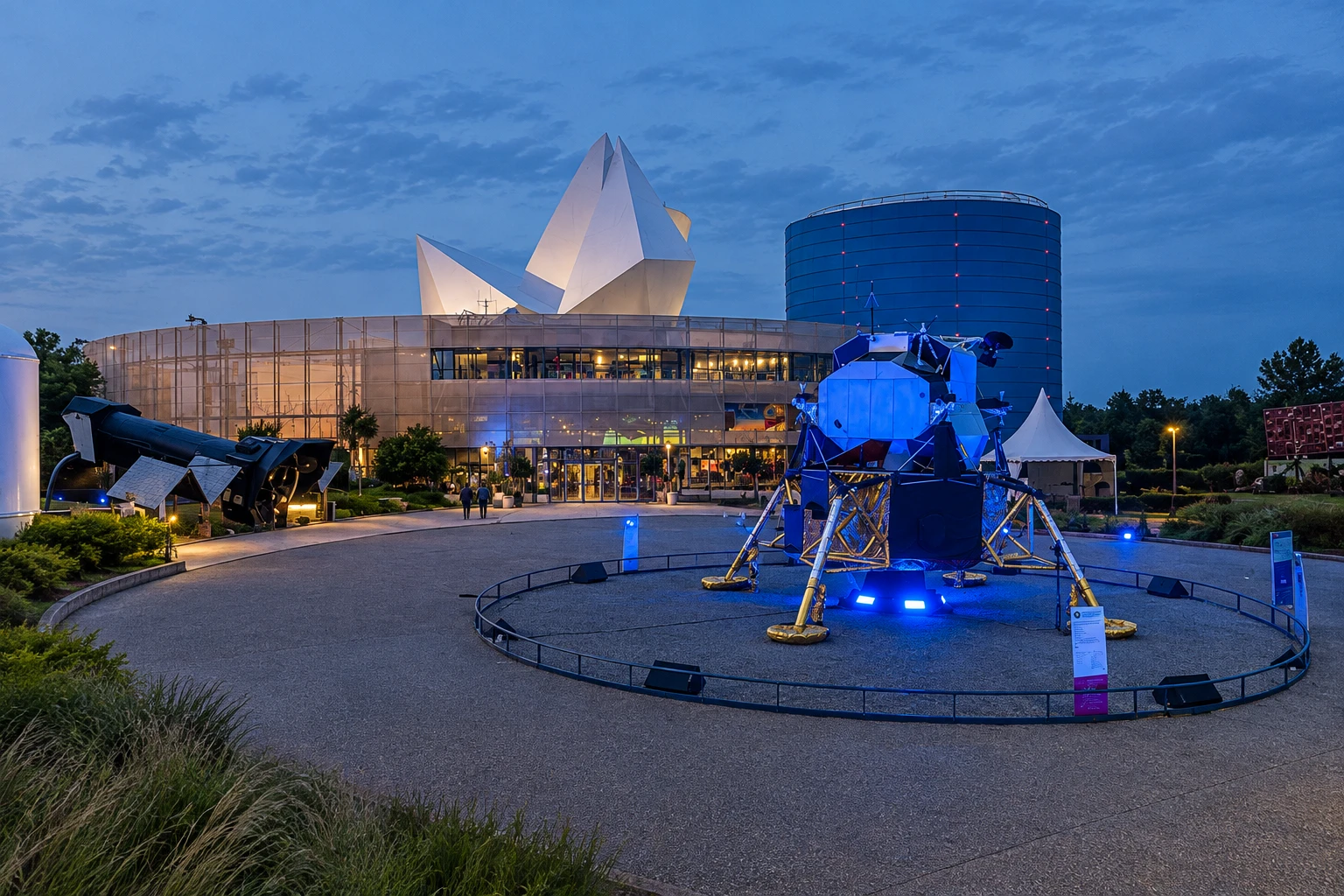
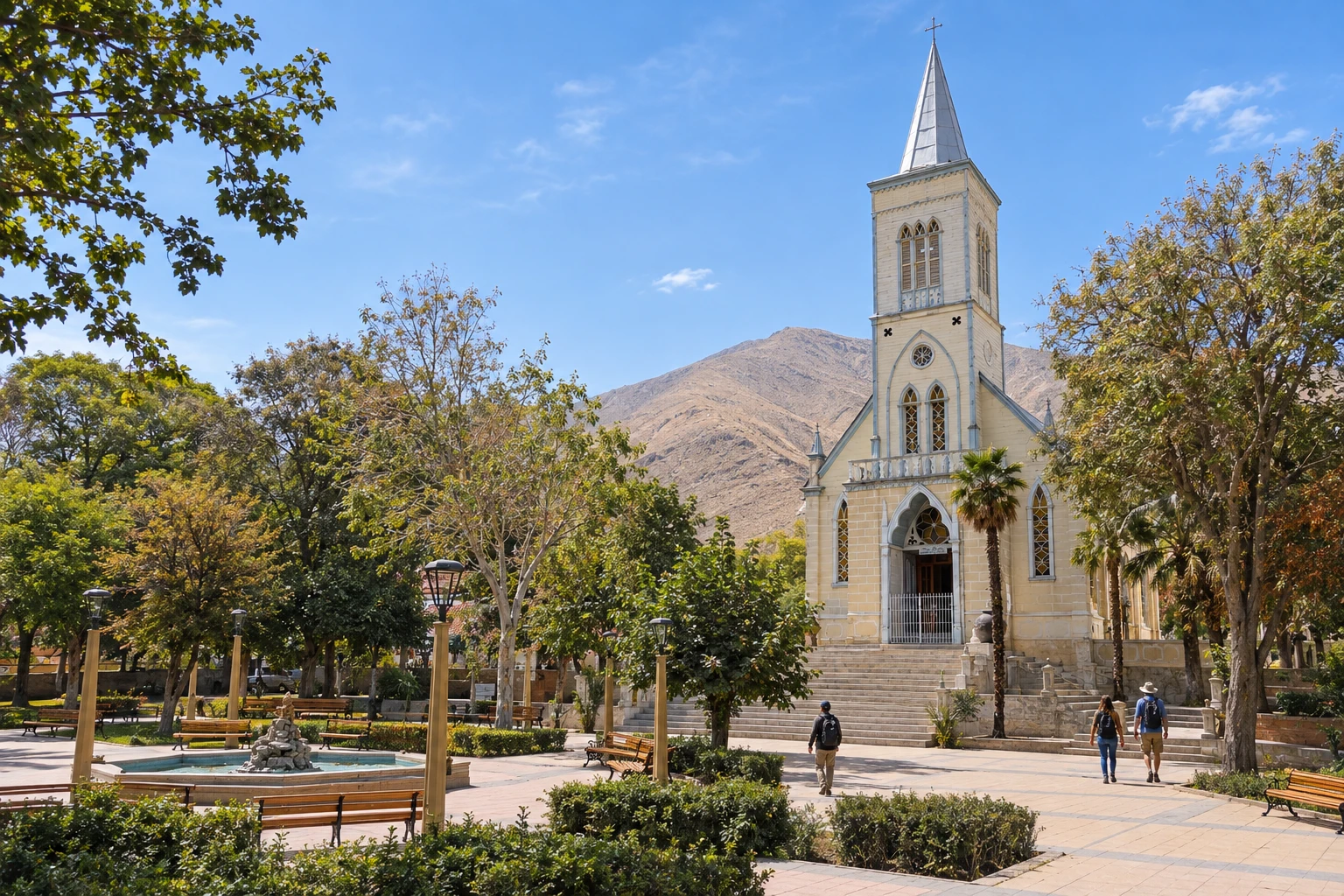
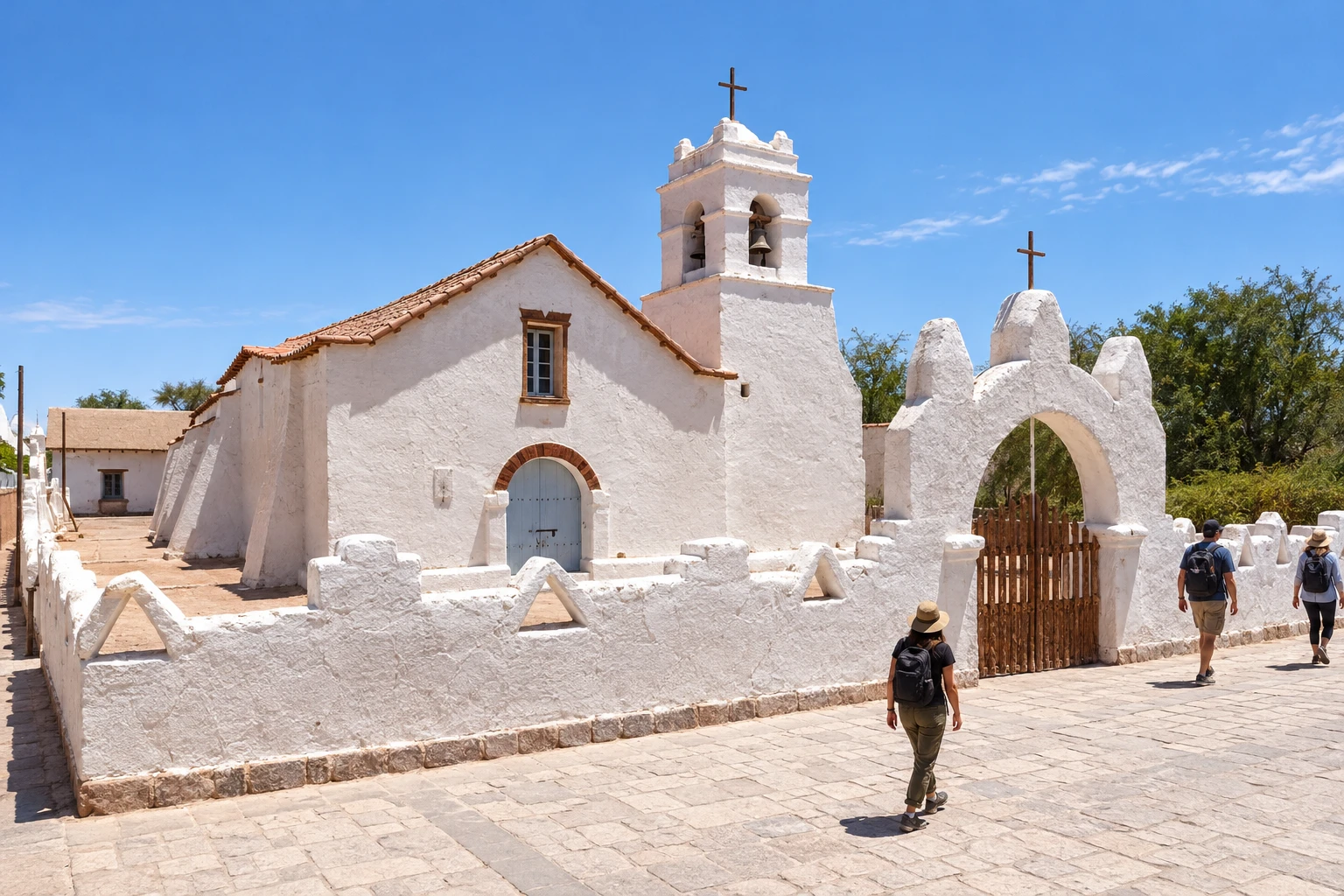
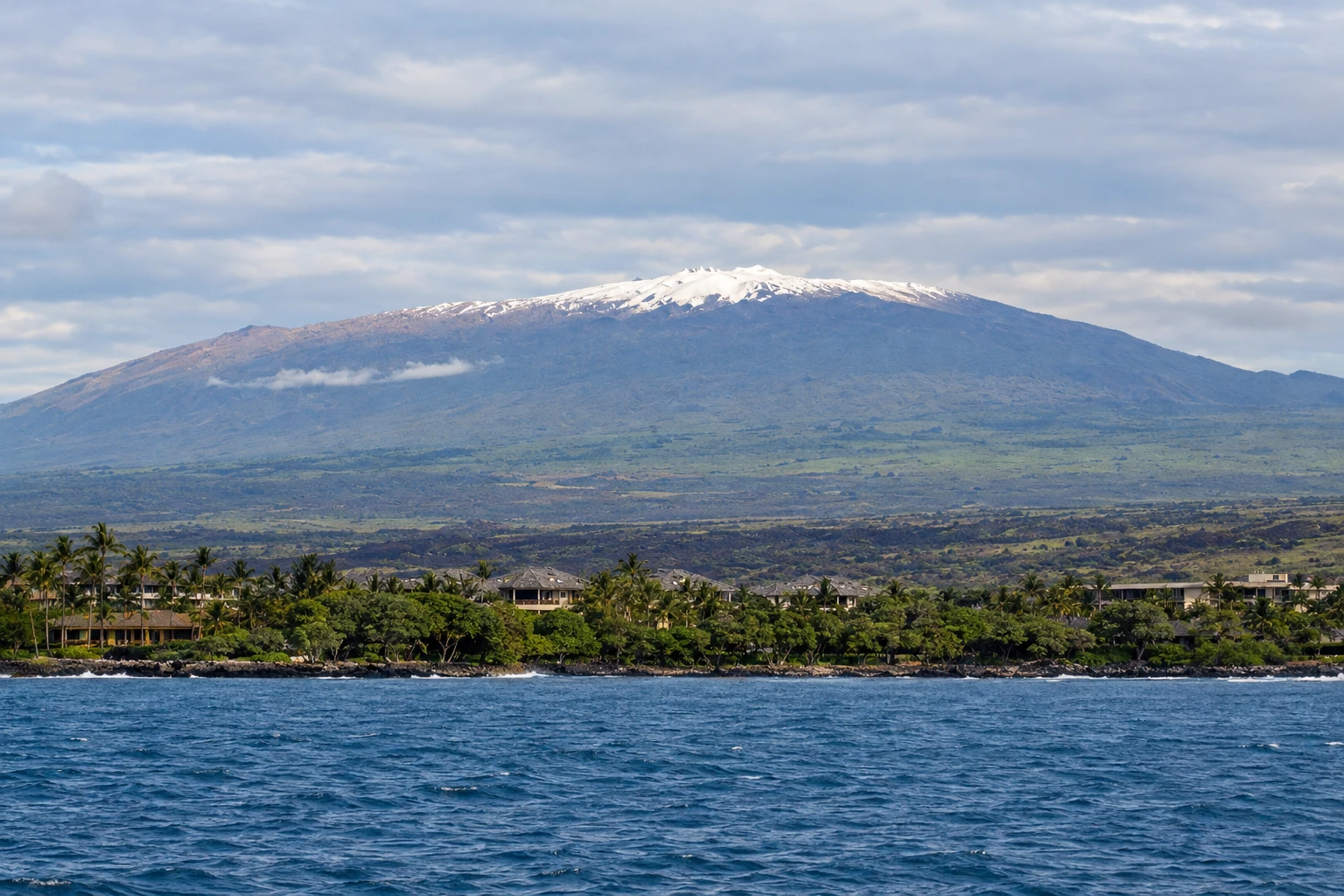
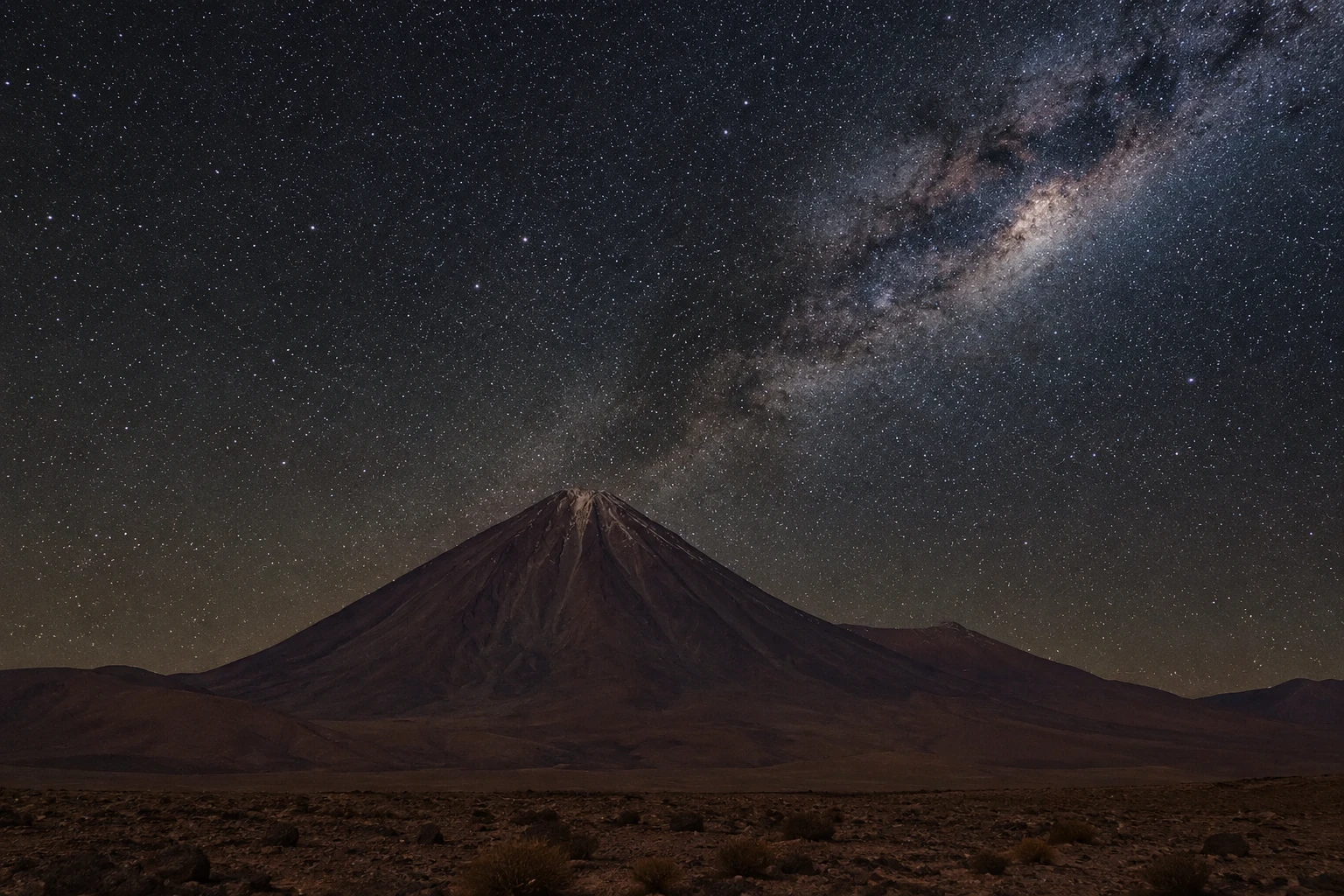
Illustrative images. The pictures in this guide are illustrations based on the real place, not photographs, and may differ from it.

Get it on Google Play

Earth and travel

Solar System

Where the planets are today, the size of each one to scale, the asteroid belt, Pluto and the Voyager probes’ journey toward the Oort Cloud.

Share: WhatsApp

Where the planets are today

Seen from above, with the planets where they are today. Distances are squeezed to fit: Jupiter is 5 times farther from the Sun than Earth.

The planets to scale

All at the same scale. The Sun, on the left, is so big that only its edge fits: about 1.3 million Earths would fit inside it. Tap a planet to see its card.

From the Sun to the Oort Cloud

Each mark on the ruler is 10 times farther than the one before: otherwise Earth and the Oort Cloud would not fit on one screen. An AU is the astronomical unit, the Earth–Sun distance. Tap each point.

Positions calculated on your device with JPL mean orbital elements (E. M. Standish). Planet figures: NASA (Planetary Fact Sheet), rounded. Voyager: NASA/JPL.

The Sun and the eight planets

The Sun contains 99.8% of all the mass in the Solar System. Everything else — planets, moons, asteroids and comets — fits in the remaining 0.2%. Its light takes about 8 minutes and 20 seconds to reach Earth.

The four planets closest to the Sun — Mercury, Venus, Earth and Mars — are rocky and small. The four outer planets are giants: Jupiter and Saturn, made mainly of gas, and Uranus and Neptune, the ice giants. They all orbit the Sun in the same direction and nearly in the same plane because they formed from the same disk of gas and dust about 4.6 billion years ago.
The asteroid belt

Between Mars and Jupiter lies the asteroid belt: millions of rocks left over from planet formation. Jupiter’s gravity prevented them from coalescing into a planet.

Contrary to films, the belt is almost empty. Taken together, all the rocks have less than 5% of the Moon’s mass, and the distance between one and another often exceeds 1 million kilometers: probes cross it without having to steer around anything. The largest body is Ceres, about 940 kilometers across, now classified as a dwarf planet.

Jupiter, the “protector”

Jupiter has more than twice the mass of all the other planets combined. With that gravity, it deflects many comets and asteroids: some are ejected from the Solar System and others fall into it. In 1994, fragments of comet Shoemaker–Levy 9 struck Jupiter and left scars larger than Earth.

For that reason Jupiter is often called Earth’s protector. Astronomers note, however, that the same gravity can also push some bodies toward us. It protects and it perturbs, and the net effect is still under study.

Beyond Neptune: the Kuiper Belt and Pluto

Beyond Neptune begins the Kuiper Belt, a ring of icy bodies 30 to 50 times the Earth–Sun distance. Pluto is located there; it was discovered in 1930 at the Lowell Observatory in Flagstaff, United States.

In 2006 the International Astronomical Union defined that a planet must have “cleared” its orbit. Pluto shares its orbit with many other Kuiper Belt objects and was reclassified as a dwarf planet. In 2015 the New Horizons probe flew by Pluto and showed ice plains shaped like a heart.

The Oort Cloud and the Voyager probes

Far beyond Pluto, the Oort Cloud is a vast shell of icy comets surrounding the Solar System, at roughly 1,000 to 100,000 times the Earth–Sun distance. No one has seen it directly; it is inferred from the orbits of long-period comets that take thousands of years to return.

The Voyager 1 and Voyager 2 probes, launched in 1977, have already left the bubble of the solar wind and are in interstellar space. On November 18, 2026, Voyager 1 reaches a one light‑day distance from Earth: a signal takes 24 hours to reach it. Even so, it would still take about 300 years to reach the start of the Oort Cloud, and around 30,000 years to cross it.

The Solar System in the traveler's sky

Five planets are visible to the naked eye: Mercury, Venus, Mars, Jupiter and Saturn. Venus is the brightest point in the sky after the Moon — the “morning star” at dawn or the evening “star” after sunset. With a simple telescope you can already see Saturn’s rings and Jupiter’s four largest moons.

The best observing sites are dark, dry places far from city lights. Chile’s Elqui Valley and the Atacama Desert have observatories open to visitors, and in Hawaii you can climb Mauna Kea, home to some of the world’s largest telescopes.

Stargazing depends on the weather: when it is cloudy, observatories may cancel the session, and what you see through the telescope changes with the time of year and the phase of the Moon.

Which way to look

The Sun, the Moon and the planets move across the sky along almost the same band, the ecliptic, because the planets orbit the Sun in nearly the same plane. South of the Tropic of Capricorn, as in Porto Alegre, Buenos Aires or Sydney, this band always runs across the northern side of the sky; north of the Tropic of Cancer, as in Europe and most of the United States, it runs across the southern side. Between the two tropics, it can pass nearly overhead.

The altitude also changes with the season, unlike the Sun: in winter, when the Sun is low, the full Moon and the planets that remain in the sky all night stand high; in summer, they sit lower.

Frequently asked questions

How many planets are in the Solar System?

Eight: Mercury, Venus, Earth, Mars, Jupiter, Saturn, Uranus and Neptune. Pluto has been a dwarf planet since 2006.

Why did Pluto stop being a planet?

Because in 2006 the International Astronomical Union defined that a planet must have cleared its orbit, and Pluto shares its orbit with many other Kuiper Belt objects. It was reclassified as a dwarf planet.

What is the asteroid belt?

It is the region between Mars and Jupiter containing millions of rocks left over from planet formation. Altogether they have less than 5% of the Moon’s mass.

Does Jupiter protect Earth?

Partly. Jupiter’s gravity deflects many comets and asteroids, but it can also nudge some toward Earth. Astronomers are still studying which effect dominates.

What is the largest planet in the Solar System?

Jupiter, about 143,000 kilometers in diameter. More than 1,300 Earths could fit inside it.

What is the Oort Cloud?

A vast shell of icy comets surrounding the Solar System far beyond Pluto, the source of long‑period comets. It has never been seen directly.

How long does sunlight take to reach Earth?

About 8 minutes and 20 seconds. To Neptune, sunlight takes a little over 4 hours.

Which planets can be seen with the naked eye?

Mercury, Venus, Mars, Jupiter and Saturn. Venus is the brightest, and Jupiter and Saturn appear high in the sky for much of the year.