Bamberg · Bavaria · Architecture
Old Town Hall
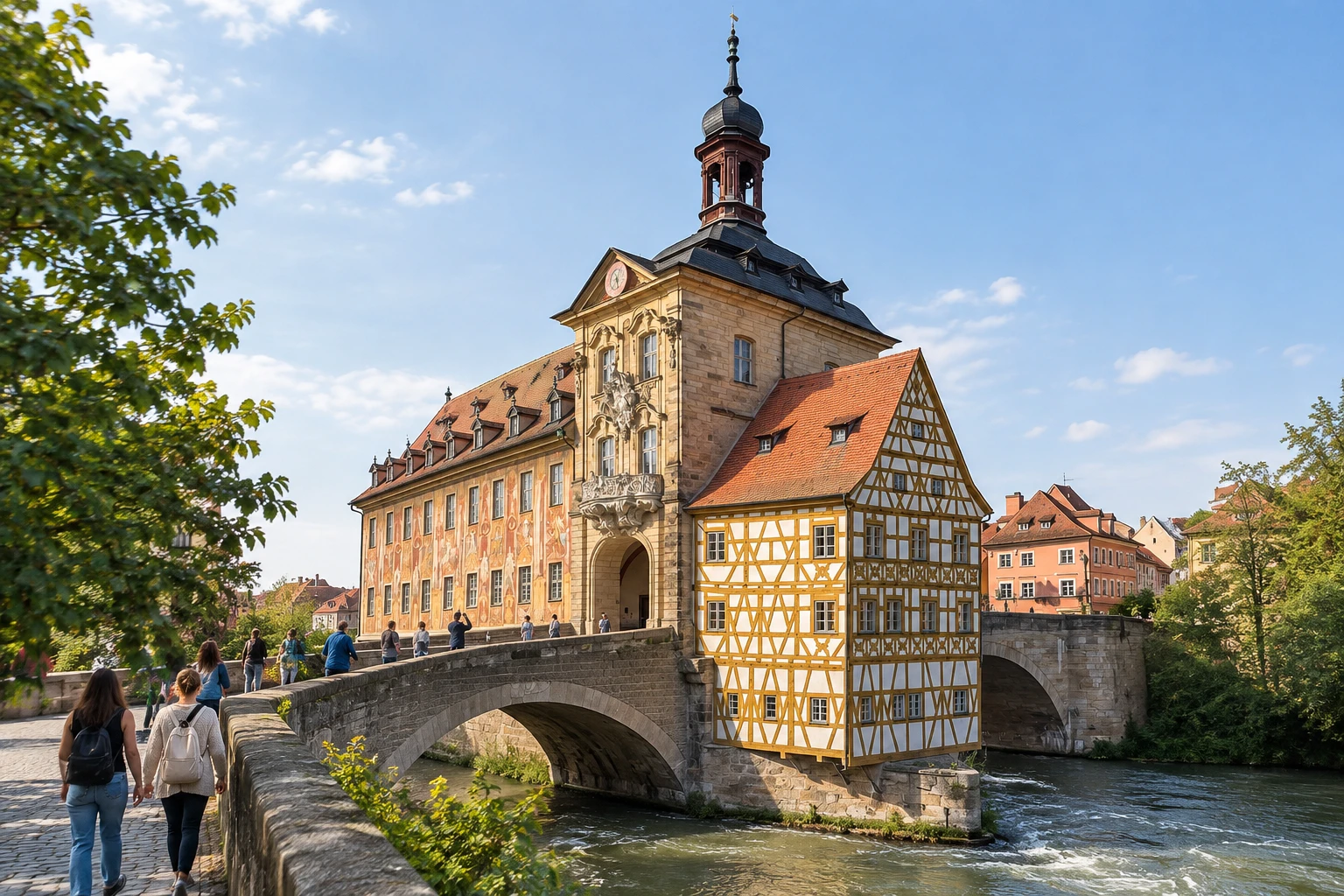
Old town hall built over the Regnitz river, between two bridges, with painted façades and a half-timbered little house attached to the tower. It houses a porcelain museum.

 Search
 Brazil
 Antarctica
 Argentina
 Bolivia
 Chile
 Colombia
 Ecuador
 Falkland Islands (Malvinas)
 French Guiana
 Guyana
 Paraguay
 Peru
 Suriname
 Uruguay
 Venezuela
 Austria
 Belgium
 Croatia
 Denmark
 Finland
 FranceGermany
 Greece
 Hungary
 Iceland
 Ireland
 Italy
 Luxembourg
 Norway
 Poland
 Portugal
 Slovakia
 Slovenia
 Spain
 Sweden
 Switzerland
 the Czech Republic
 the Netherlands
 the United Kingdom
 Turkey
 Bermuda
 Canada
 Greenland
 Mexico
 Saint Pierre and Miquelon
 the United States
 the Dominican Republic
 JapanTurkey
 Egypt
 South Africa
 Australia
 Fiji
 New Zealand
 Papua New Guinea
Bavaria
17 places to visit and 17 tours, chosen by the Cidade Turismo guide.
Updated
Illustrative images. The pictures in this guide are illustrations based on the real place, not photographs, and may differ from it.
To start
One by one
Old town hall built over the Regnitz river, between two bridges, with painted façades and a half-timbered little house attached to the tower. It houses a porcelain museum.
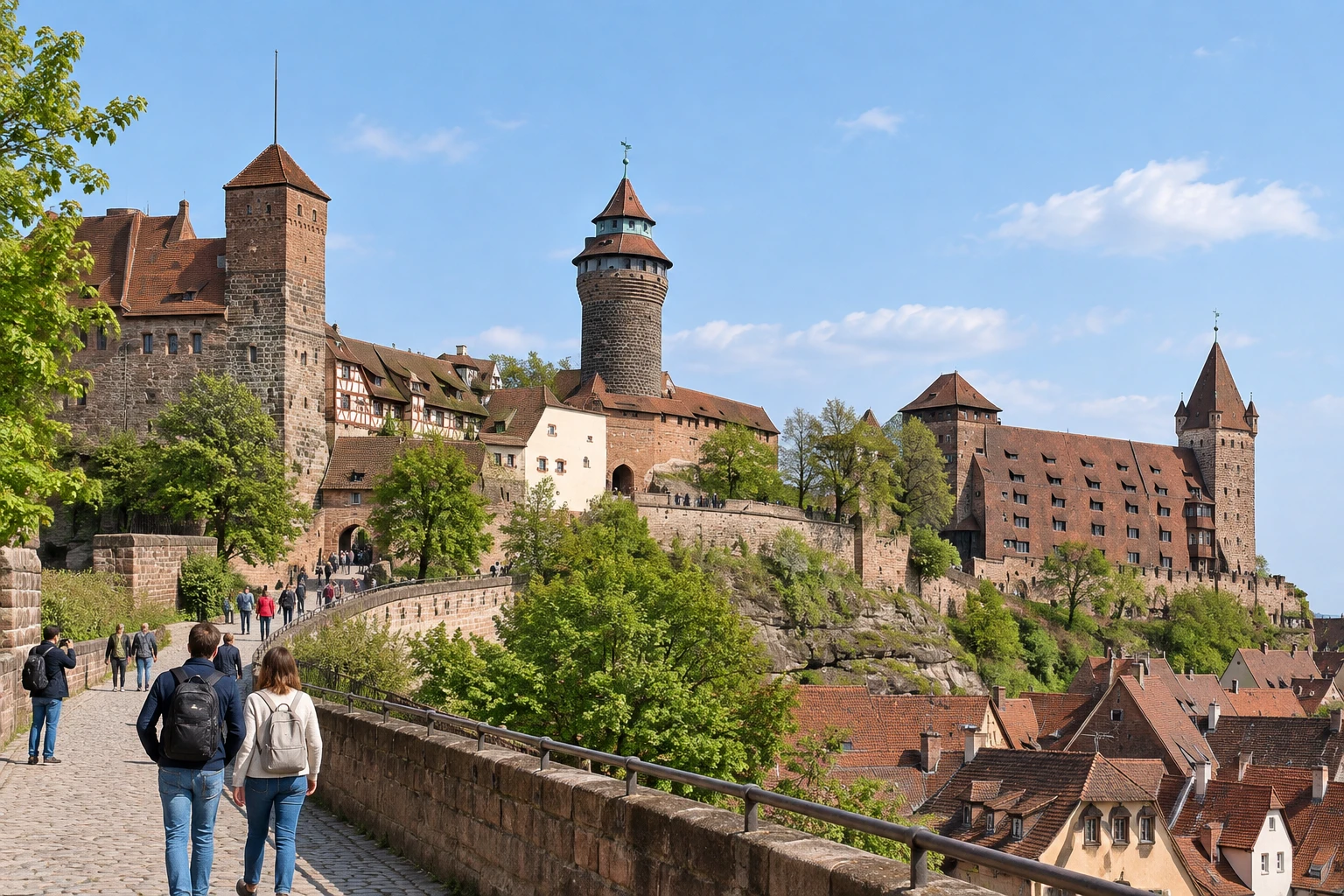
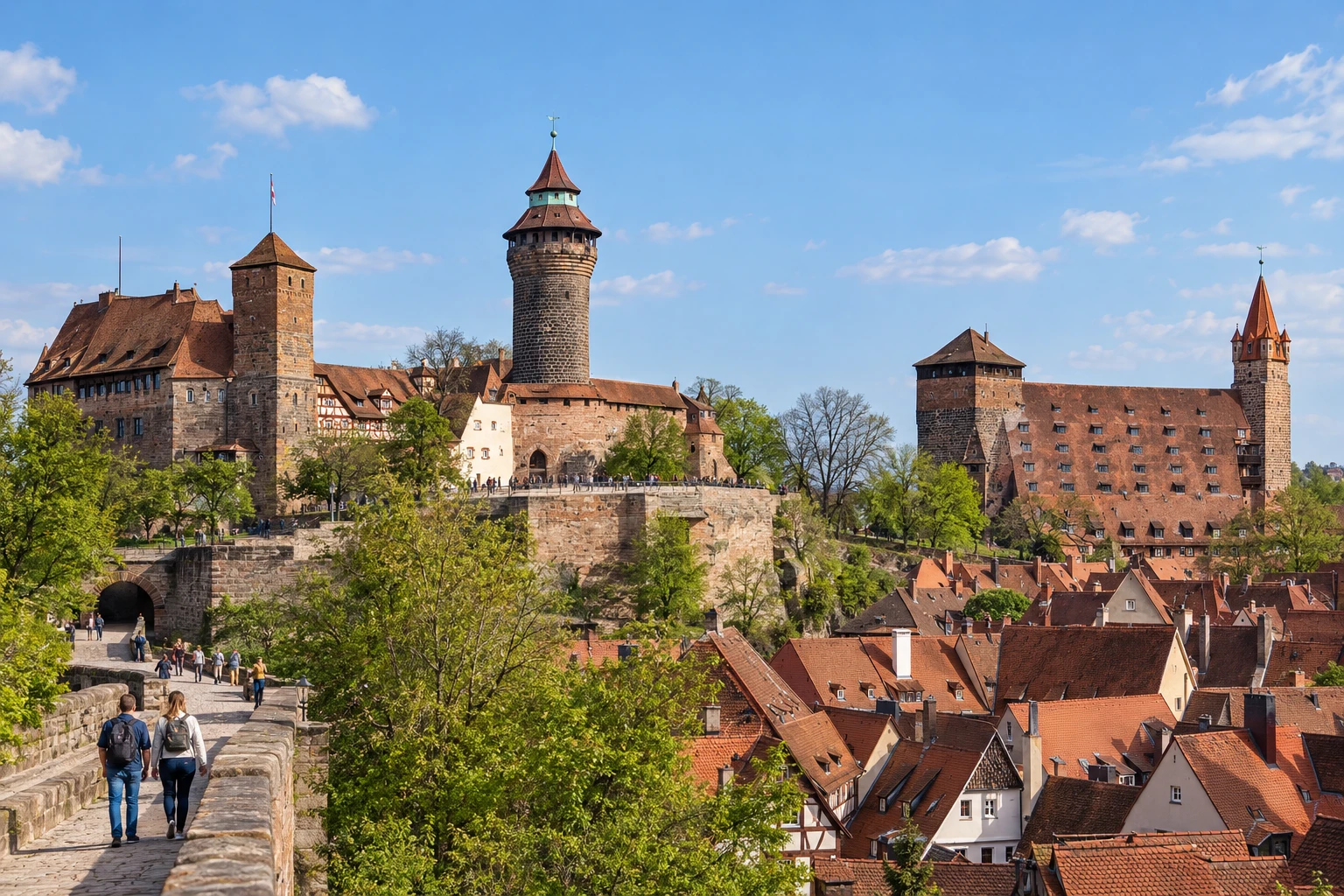
Imperial castle on a sandstone rock at the northern edge of the old town. It has the Palas with an exhibition about the Holy Roman Empire, the double Romanesque chapel, the deep well and wide views over the city's roofs.
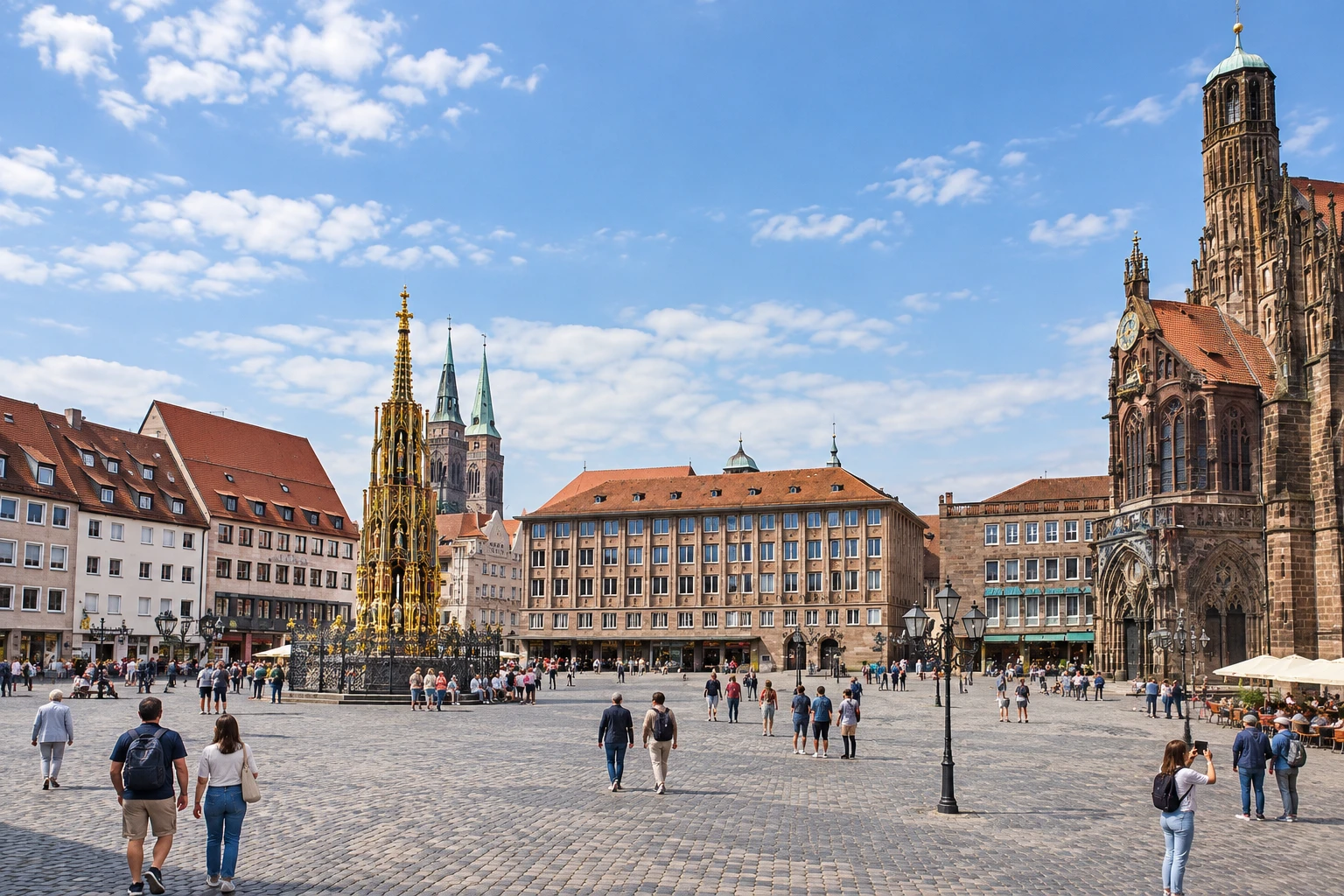
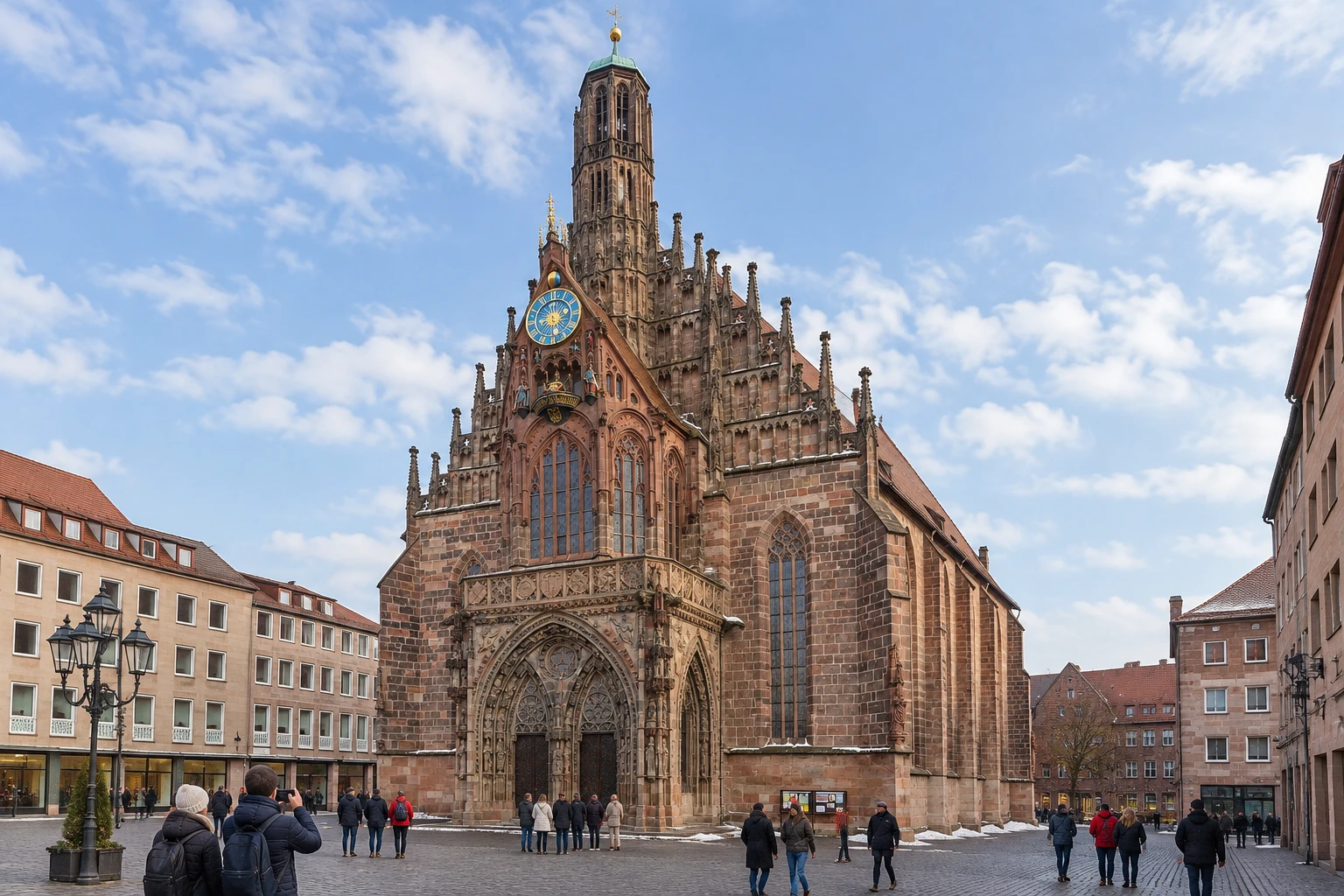
Central square of Nuremberg, with a daily market, the golden Schöner Brunnen and the façade of the Frauenkirche. This is where the Christkindlesmarkt, the city's Christmas market, usually takes place.
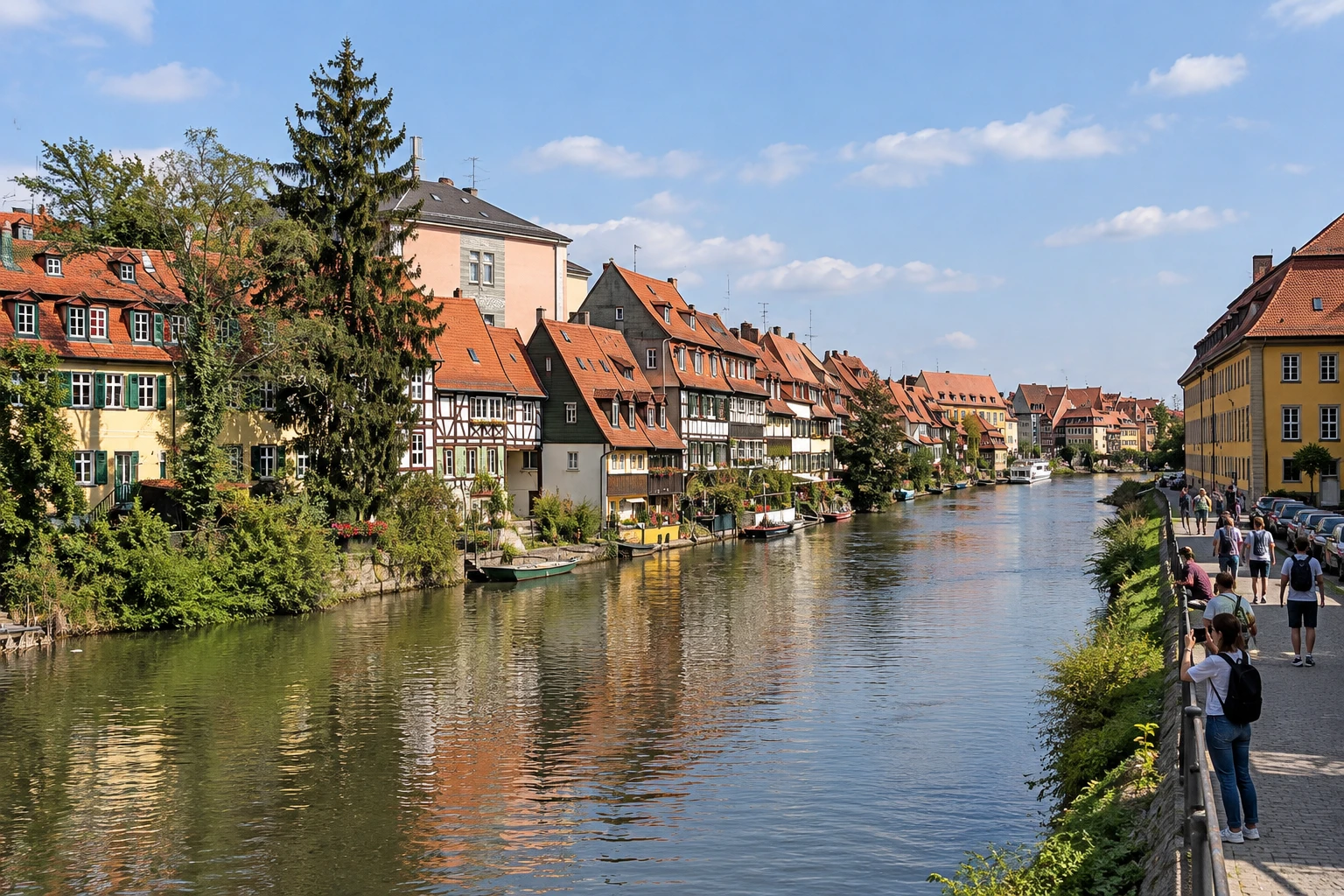
Row of old fishermen's houses on the Regnitz bank, with wooden balconies and small waterside gardens.
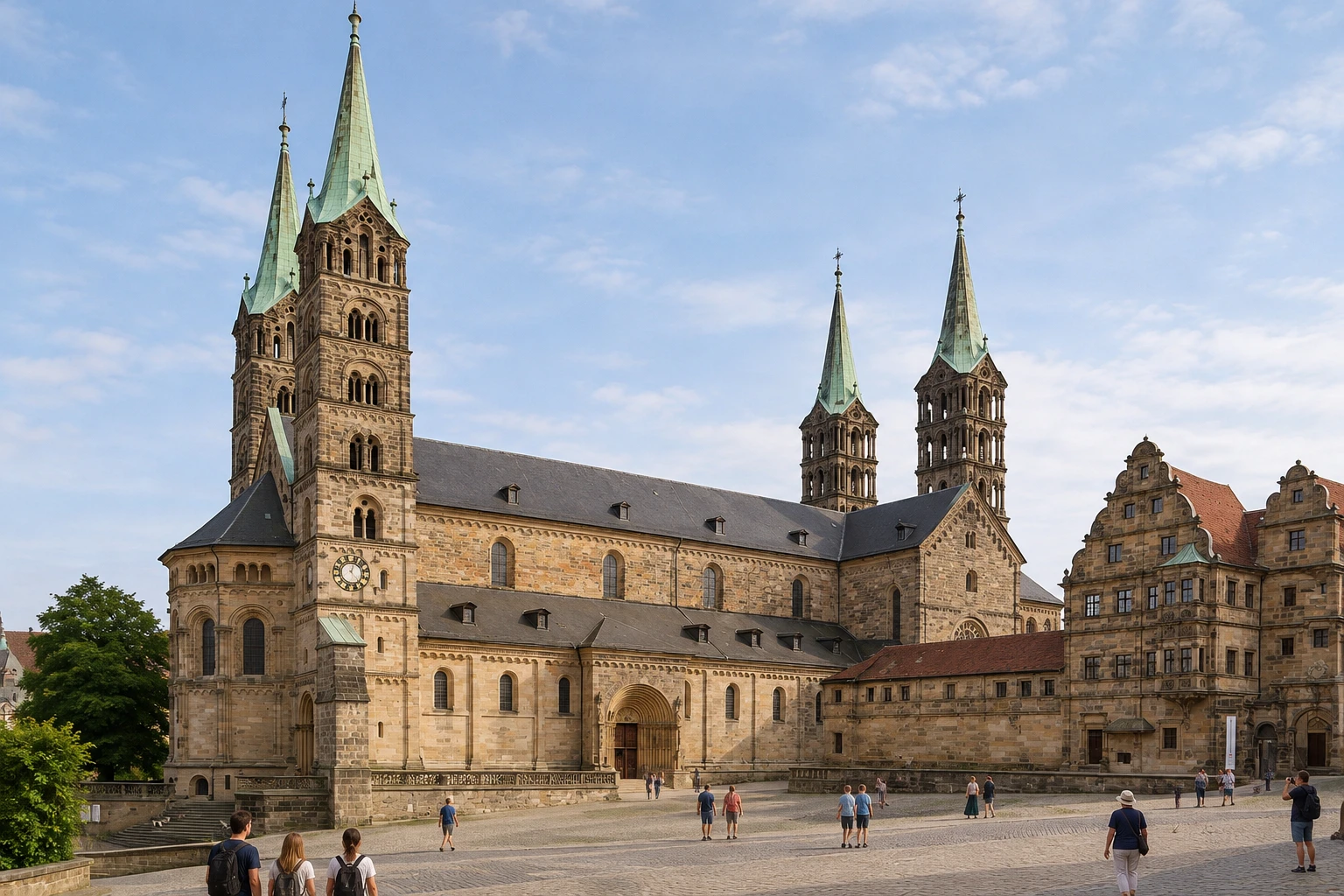
Romanesque and Gothic cathedral with four towers, founded by Emperor Henry II. It houses the Bamberg Horseman, the tomb of the imperial couple sculpted by Riemenschneider, and the only papal tomb in Germany.
Gothic 14th‑century church on the Hauptmarkt, built at the command of Emperor Charles IV. On the façade is the Männleinlaufen, a clock with figures that move at noon.
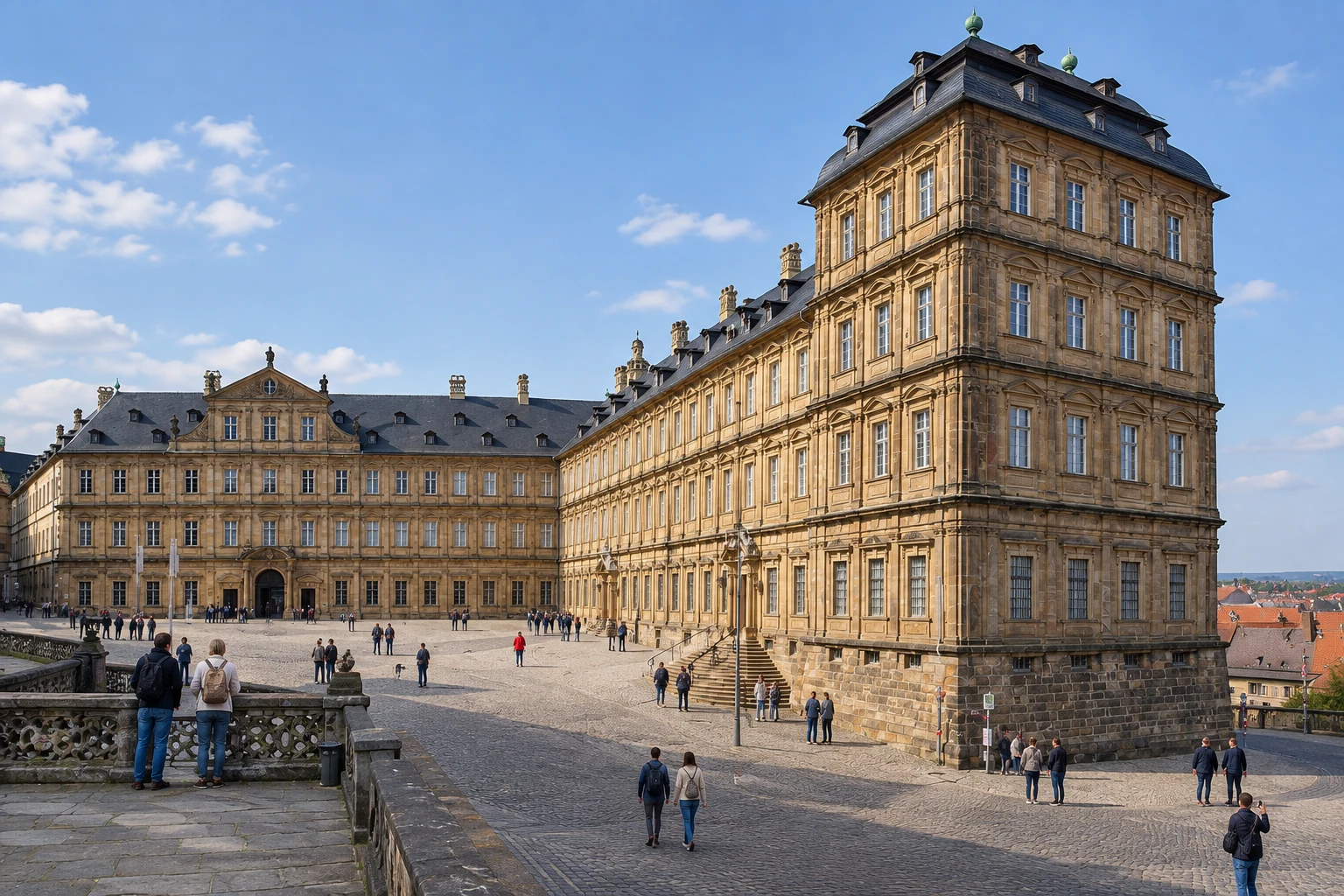
Baroque palace of the prince-bishops on the Domplatz, with the painted Kaisersaal and the Rosengarten, a rose garden with views over the city's rooftops.
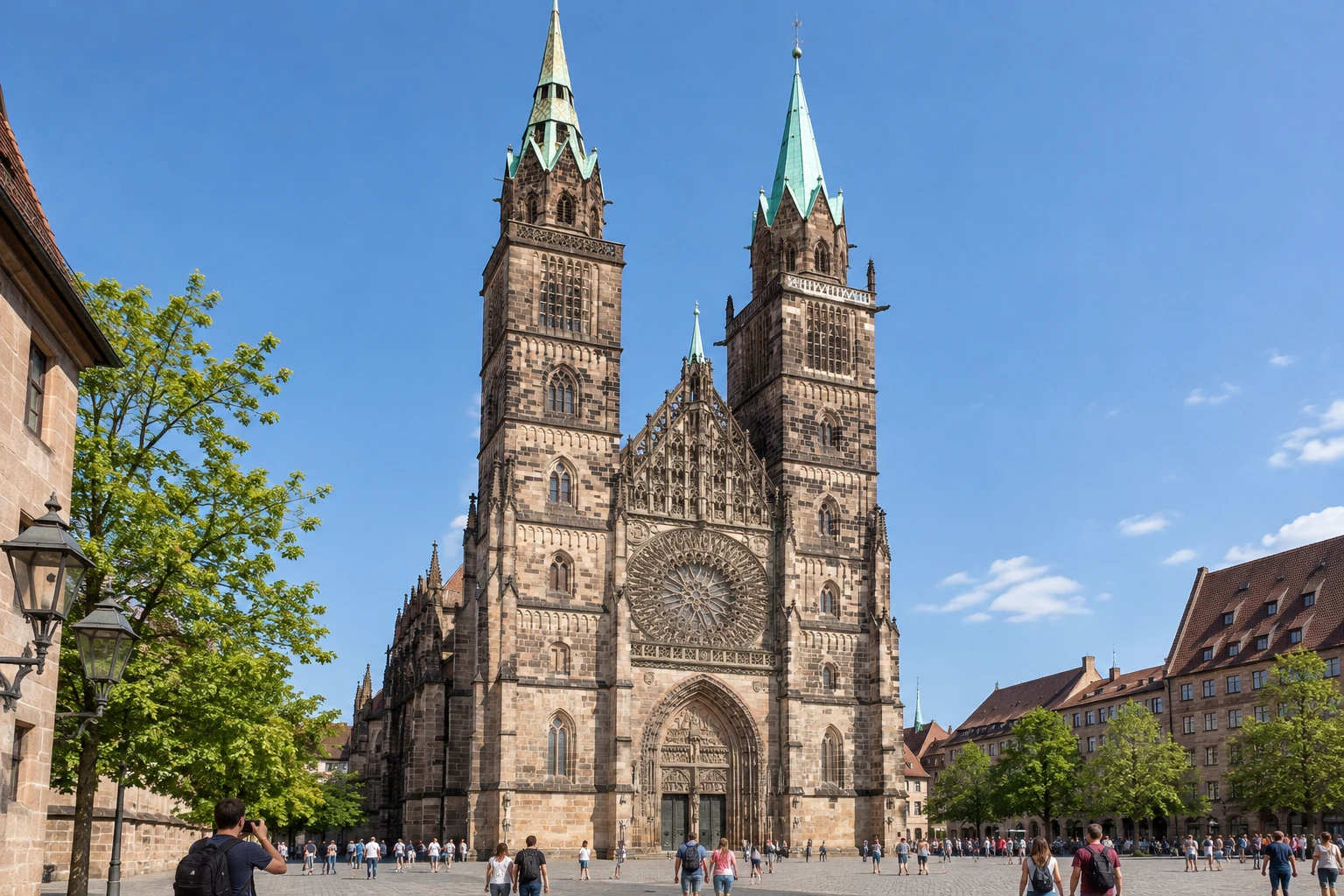
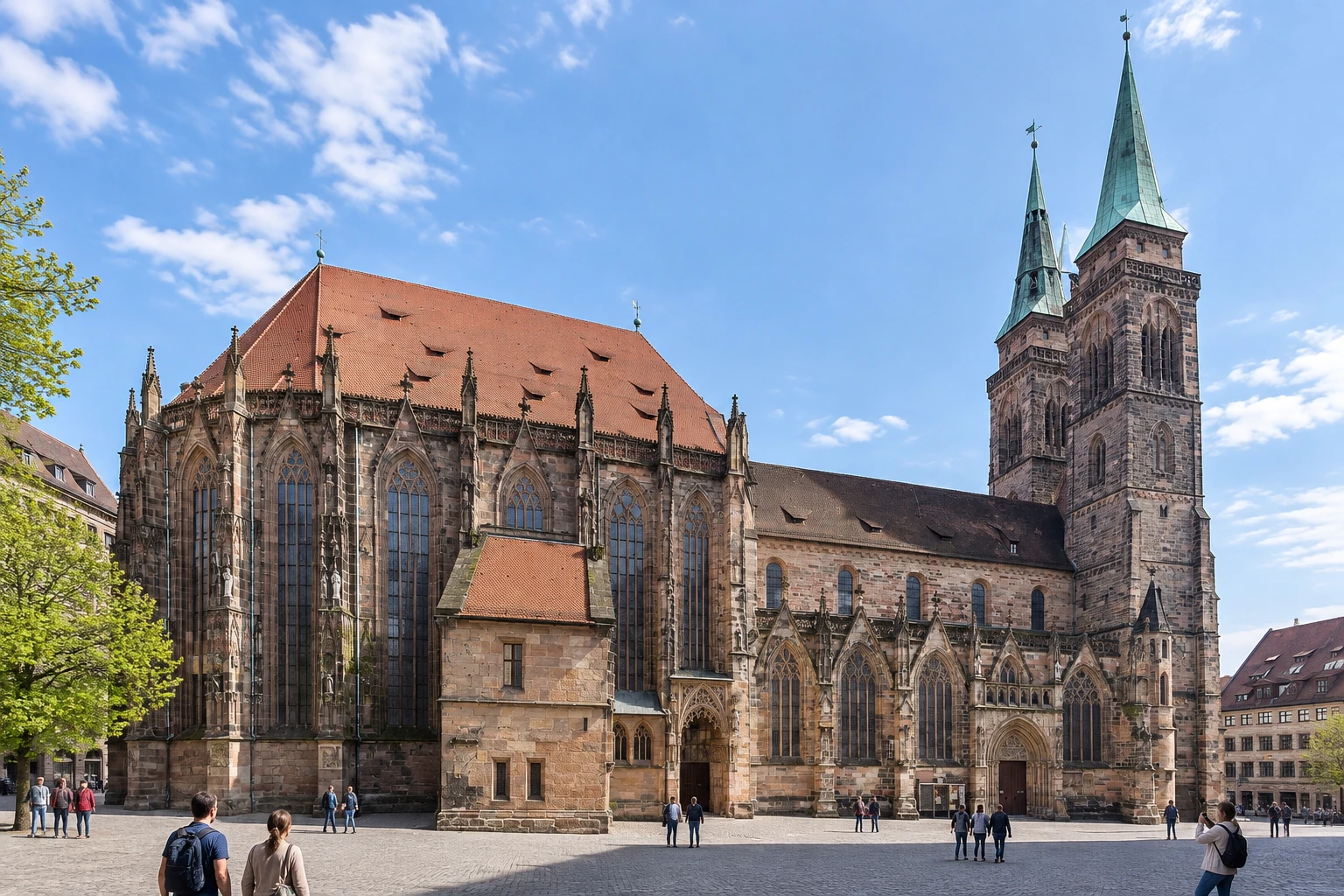
Large Gothic church on the south side of the Pegnitz, with two towers, a rose window of about 9 meters, and works by Veit Stoss and Adam Kraft in the chancel.
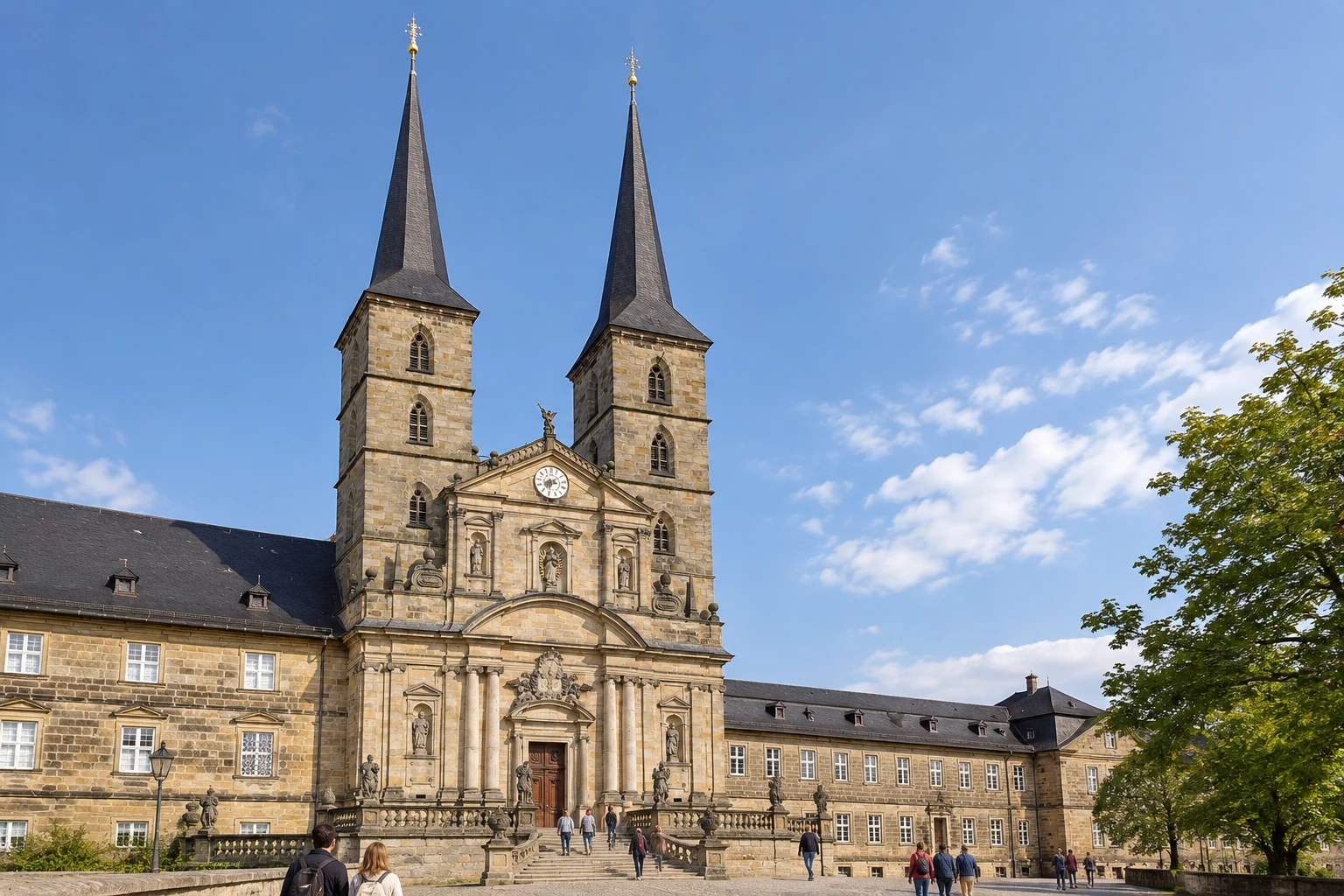
Former Benedictine monastery founded in 1015 on one of Bamberg's seven hills. The church of St. Michael has a painted ceiling with hundreds of plants and the tomb of Saint Otto; the complex houses a beer museum.
13th-century church on the north side of the old town, with the bronze tomb of Saint Sebald, the city's patron saint, made by Peter Vischer and his sons.
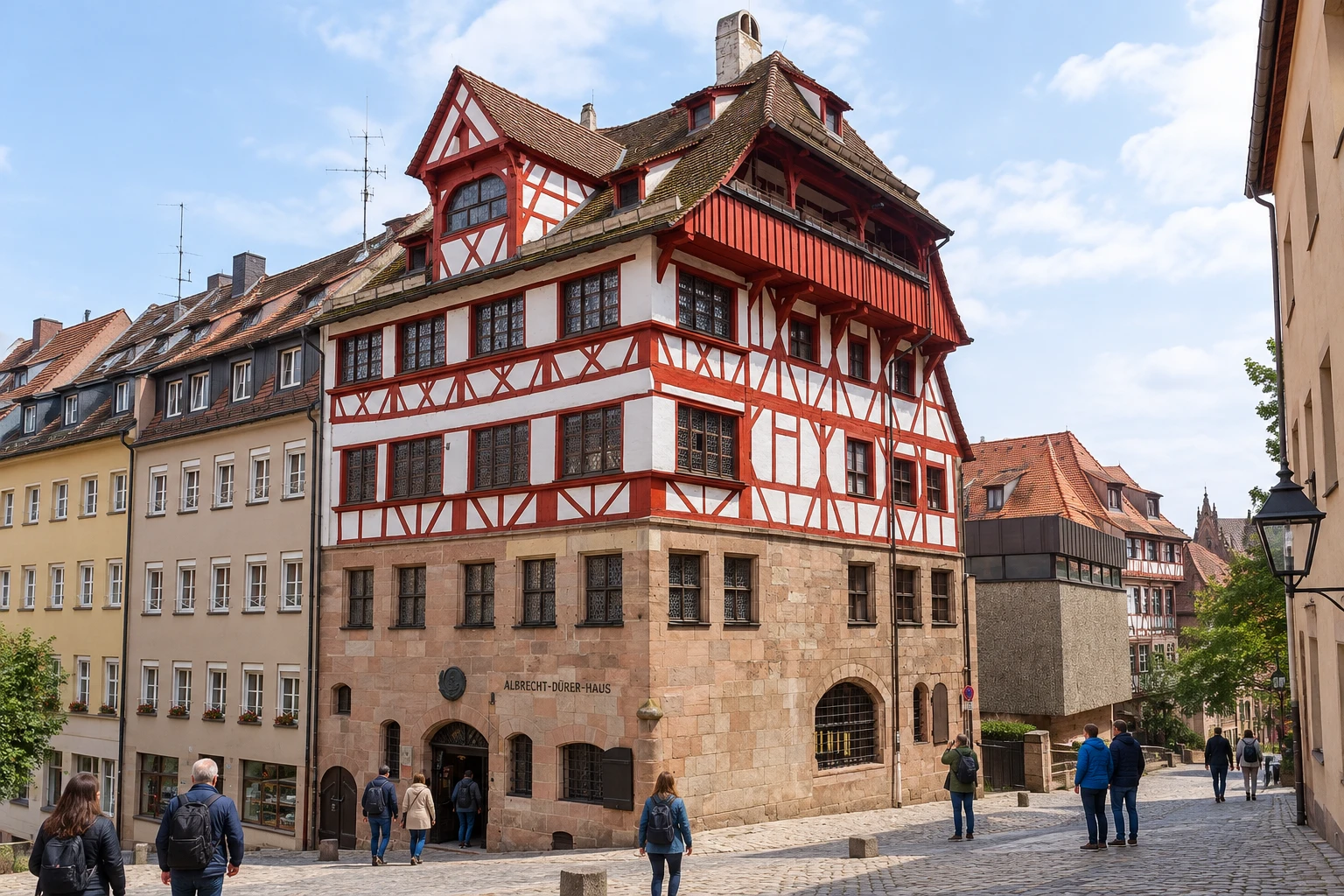
Timber-framed house where the painter and printmaker Albrecht Dürer lived from 1509 until his death in 1528. It has period rooms, a reconstructed print workshop and exhibitions of his printed works.
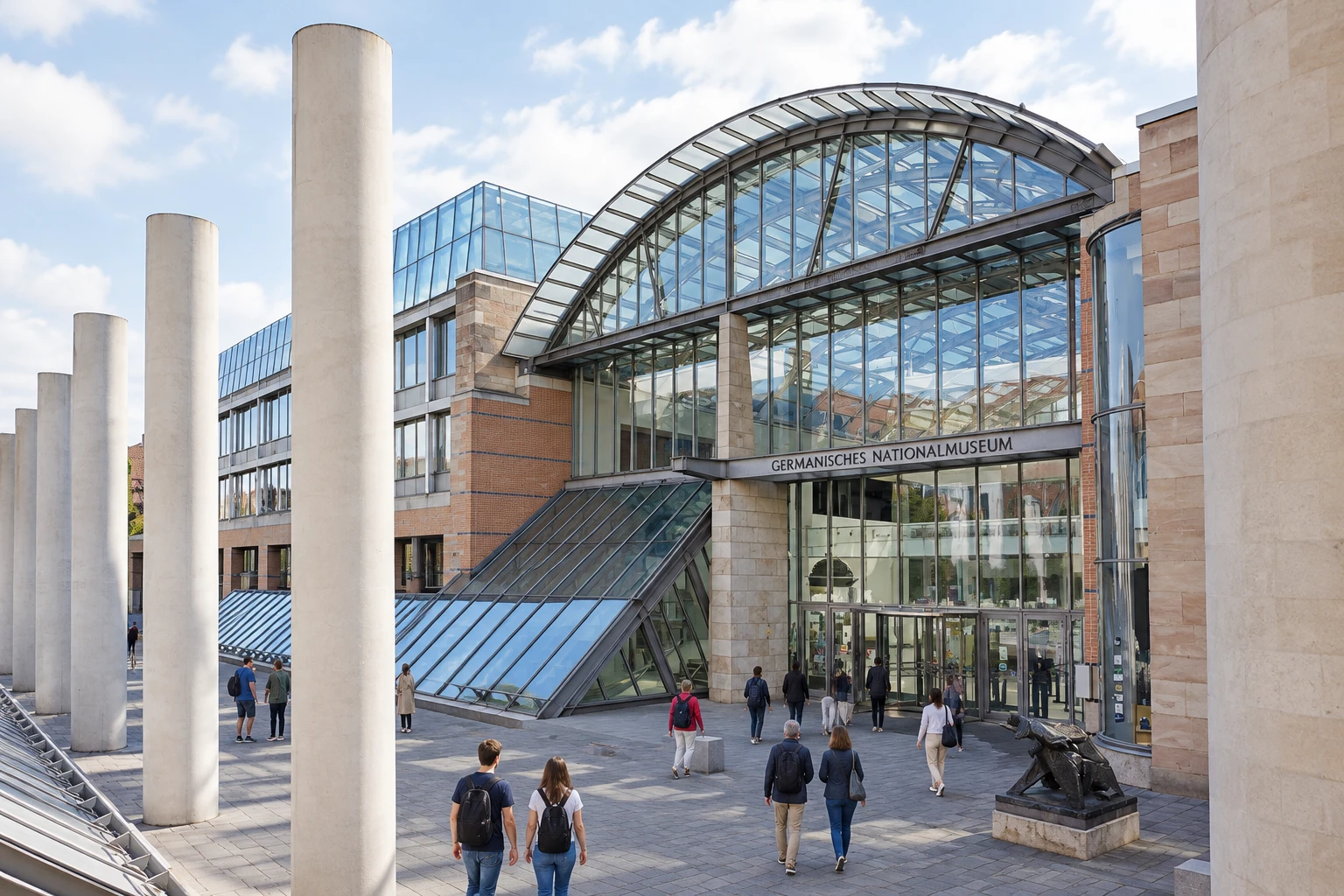
Germany's largest museum of cultural history, founded in 1852 and housed in a former Carthusian monastery. It brings together art and objects from prehistory to the 20th century.
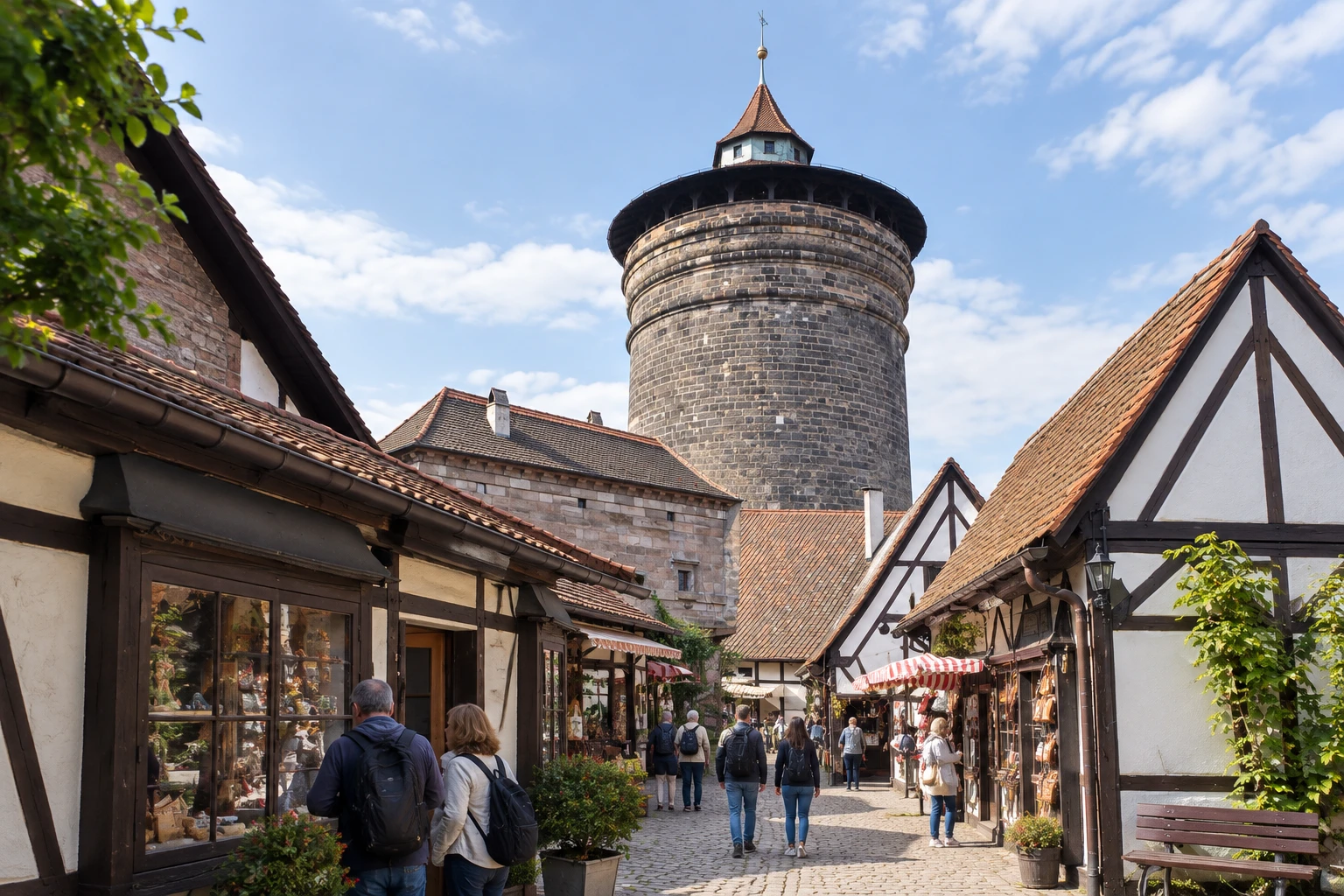
Courtyard of craft workshops inside the wall, next to the Königstor, opposite the central station. It has shops selling wooden toys, Lebkuchen, ceramics and Bratwurst taverns.
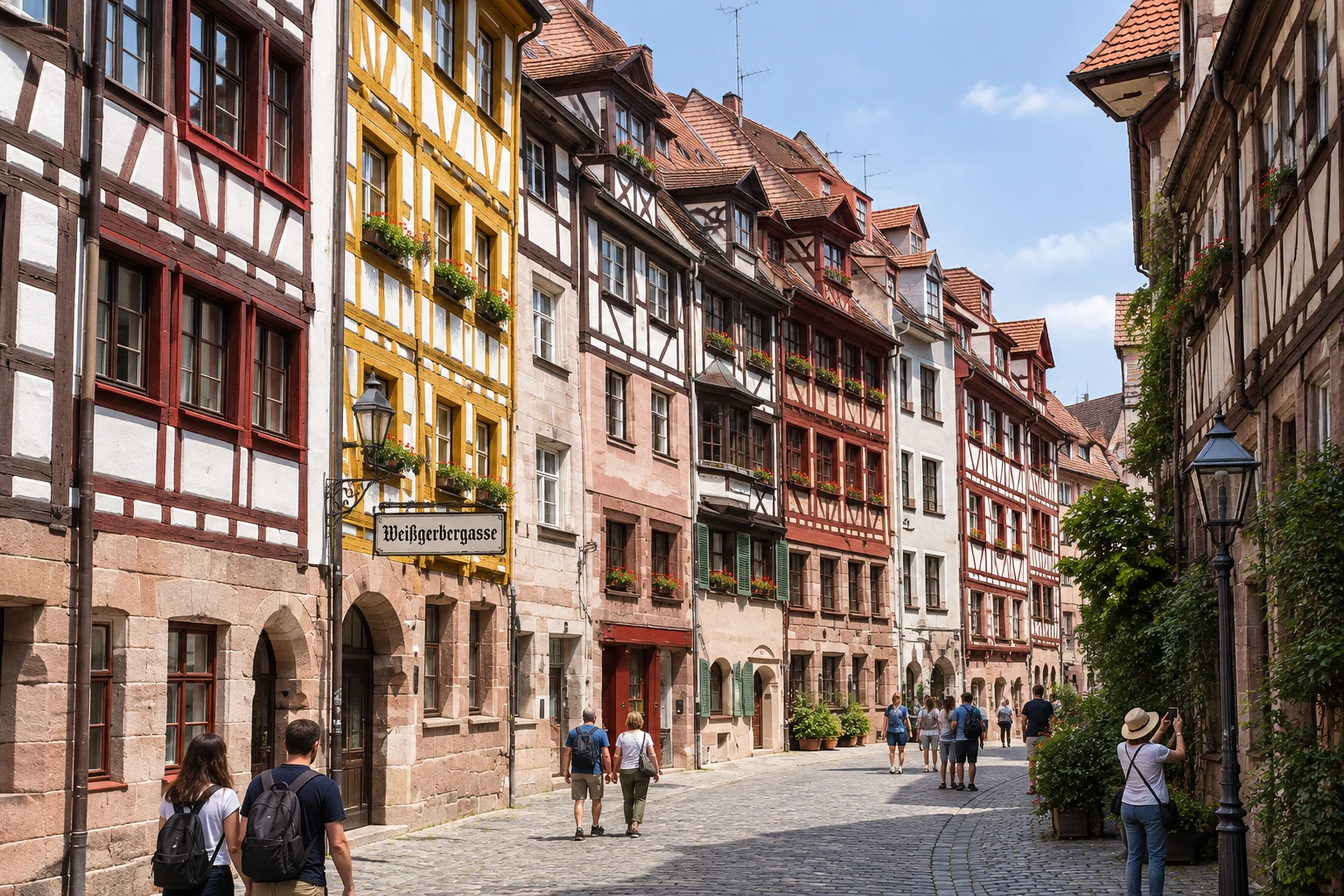
Street of half-timbered houses in the castle district, one of the few that made it through World War II almost intact. It is named after the former white leather tanners.
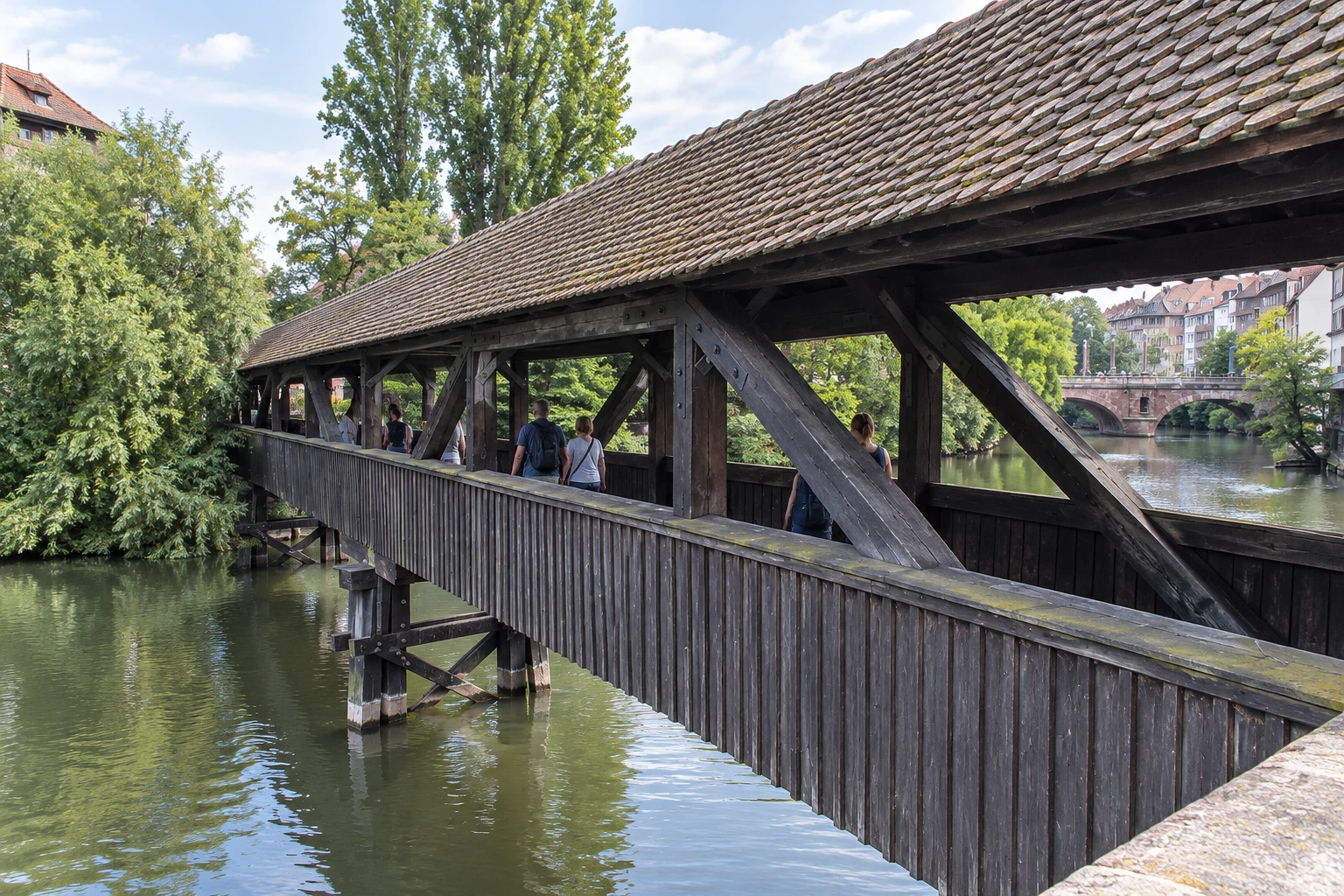
Covered wooden bridge over the Pegnitz, linking the Trödelmarkt islet to Unschlittplatz. It is named after the city's executioner, who lived in the adjacent tower.
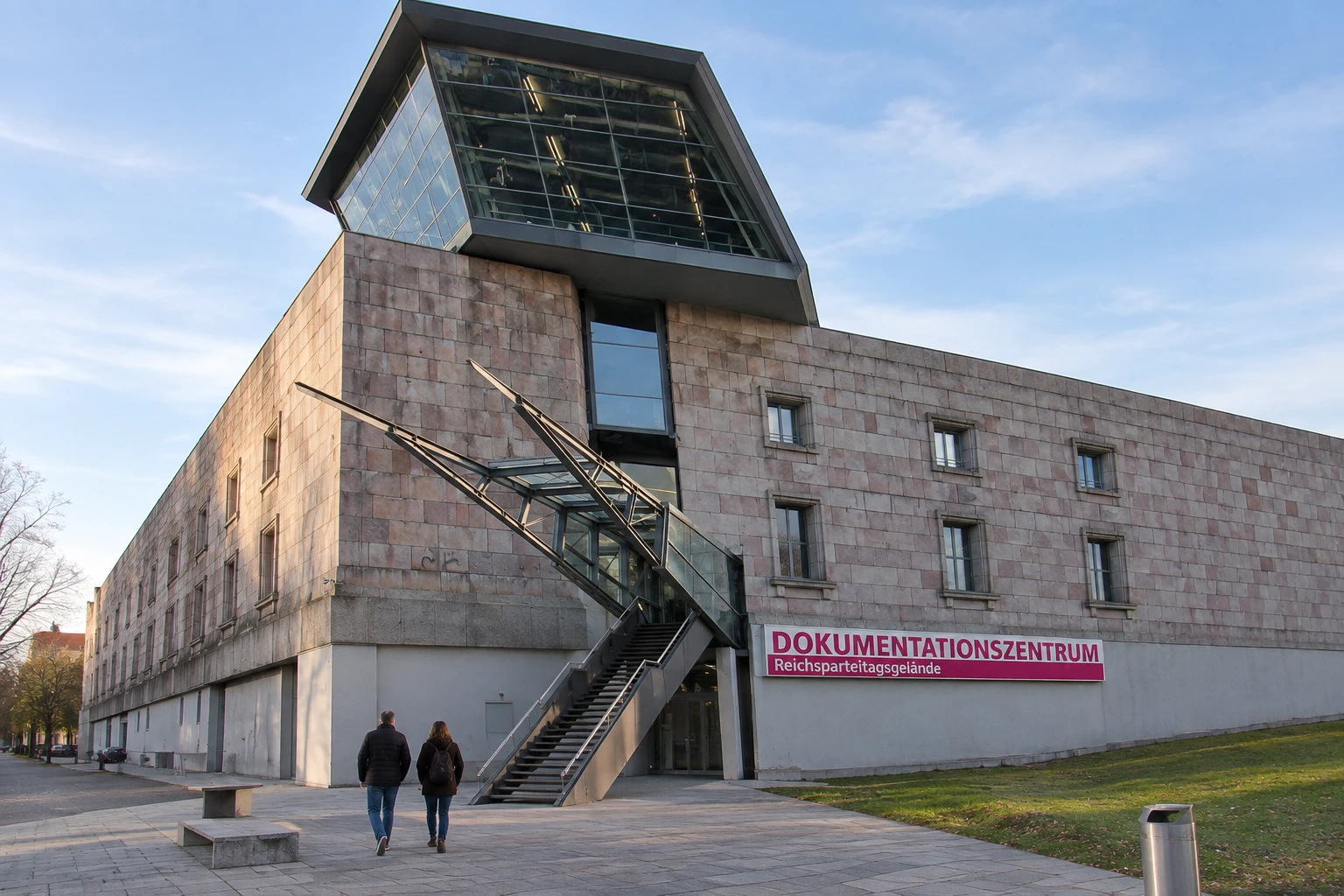
Documentation center in the north wing of the unfinished Kongresshalle, on the former grounds of the Nazi Party rallies. The permanent exhibition explains Nuremberg's role in the party rallies and the consequences of the regime.
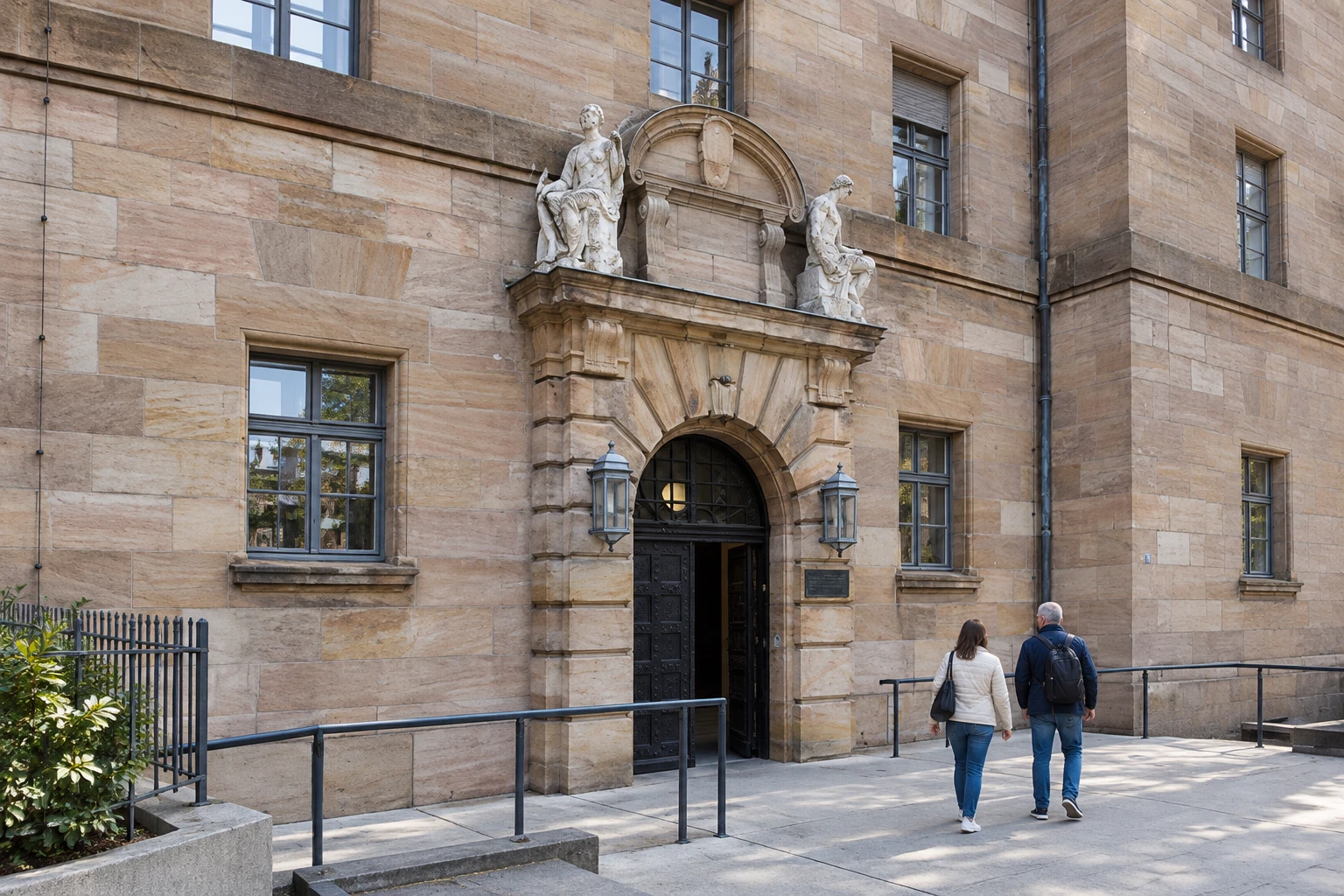
Museum in the Palace of Justice in Nuremberg, featuring Saal 600, the hall where in 1945 the trial of the main Nazi war criminals began, and an exhibition about the trials and their legacy.
To choose before you go
The details of each tour (where it leaves from, what it includes, the best time) are in the complete guide.
Get your questions answered
The guide's itineraries cover 2, 3 and 5 days: in 2 days, the old town and a day on the Domberg; in 3 days, old town, 20th-century memory and Bamberg; in 5 days, both cities at a relaxed pace.
Arrival, Hauptmarkt, churches and Kaiserburg. The overnight flight from São Paulo arrives in the morning at Munich or Frankfurt. From Munich, take the S-Bahn to the Hauptbahnhof and an ICE of about 1 h 10 to Nürnberg; from Frankfurt, an ICE direct from the airport station, about 2 hours. Leave your luggage and cross the Königstor, with the Handwerkerhof right at the entrance to the wall. Climb Königstraße to St. Lorenz, cross the Pegnitz and reach the Hauptmarkt to see the Schöner Brunnen and the Frauenkirche; if time allows, St. Sebald. In the late afternoon, go up to the Kaiserburg for the view from the Sinwell tower, or save the castle for the next morning and walk the Weißgerbergasse and the Henkersteg. Dine early, with Rostbratwürste, and sleep to beat the jet lag.
It generally rains less from September to April. The guide covers each month, with the weather and what changes on the tours.
To plan