24 places to visit and 16 tours, chosen by the Cidade Turismo guide.
Updated
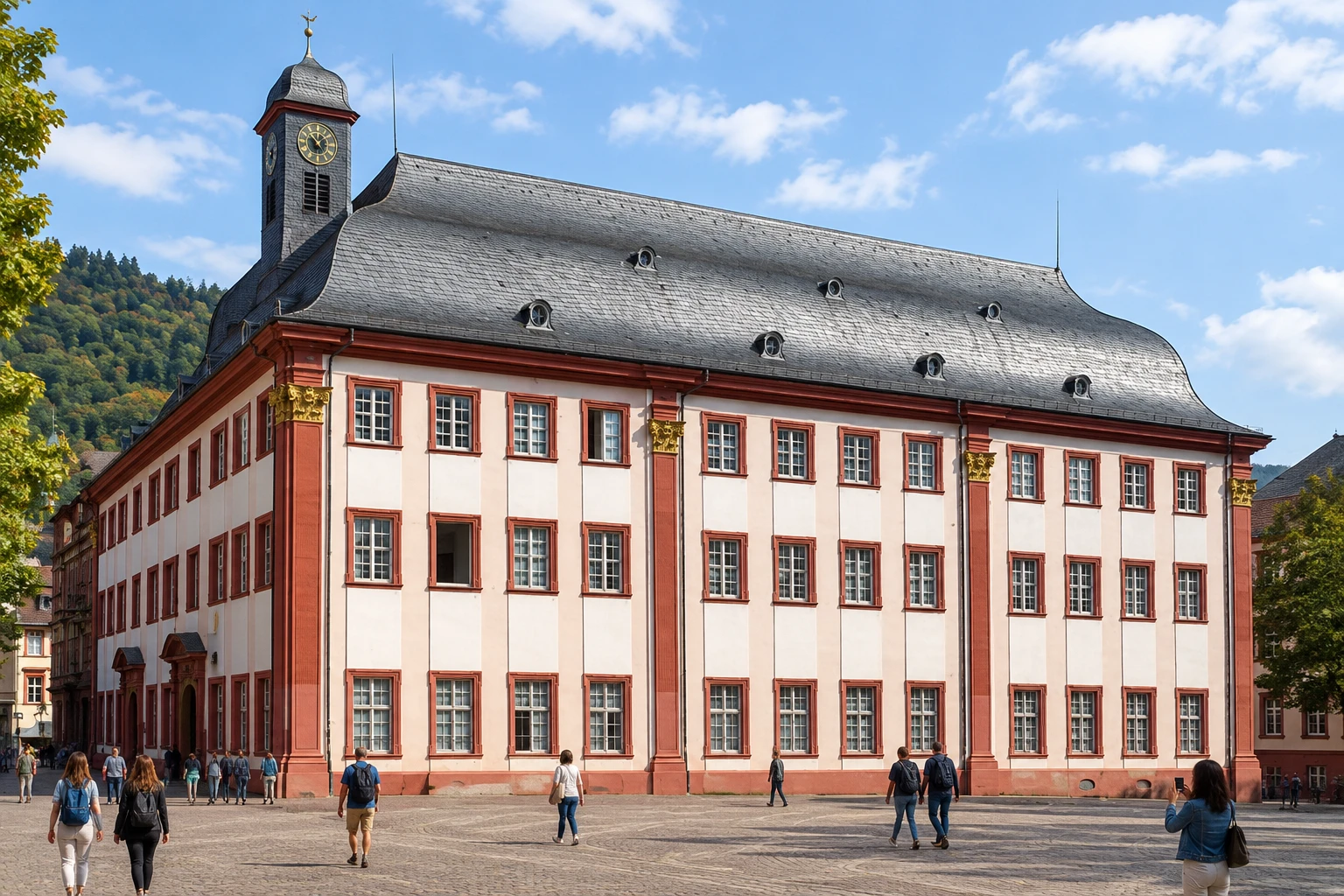
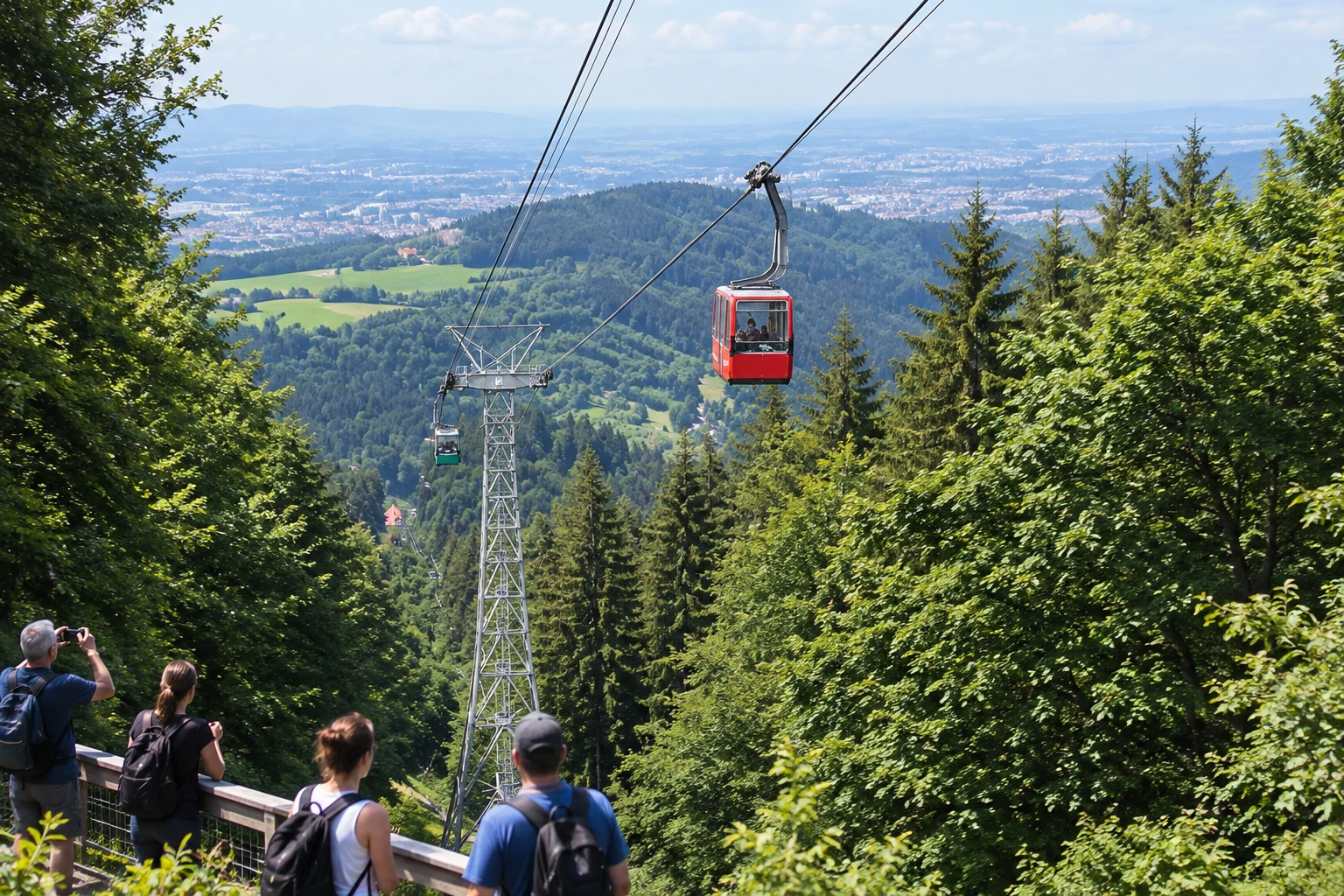
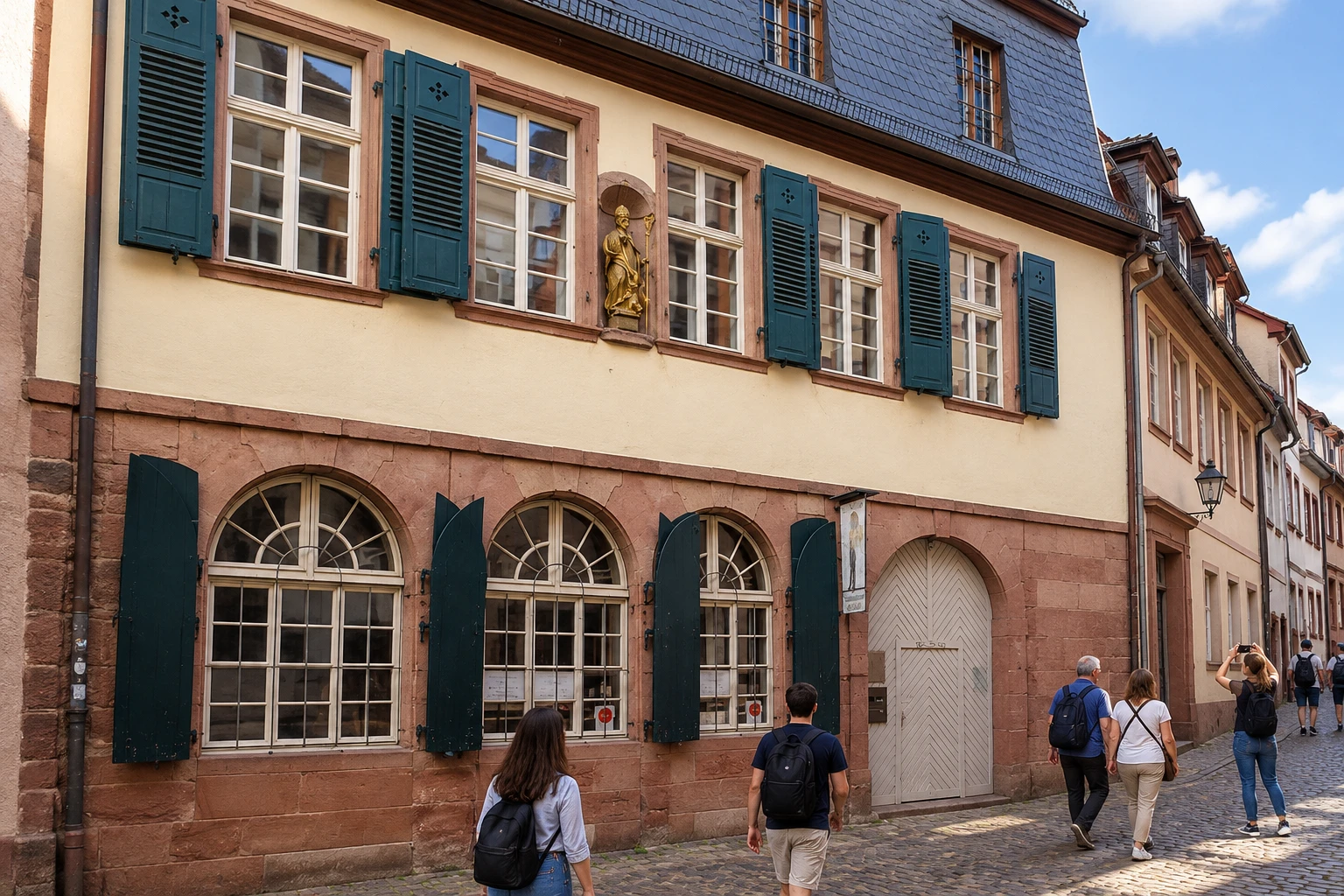
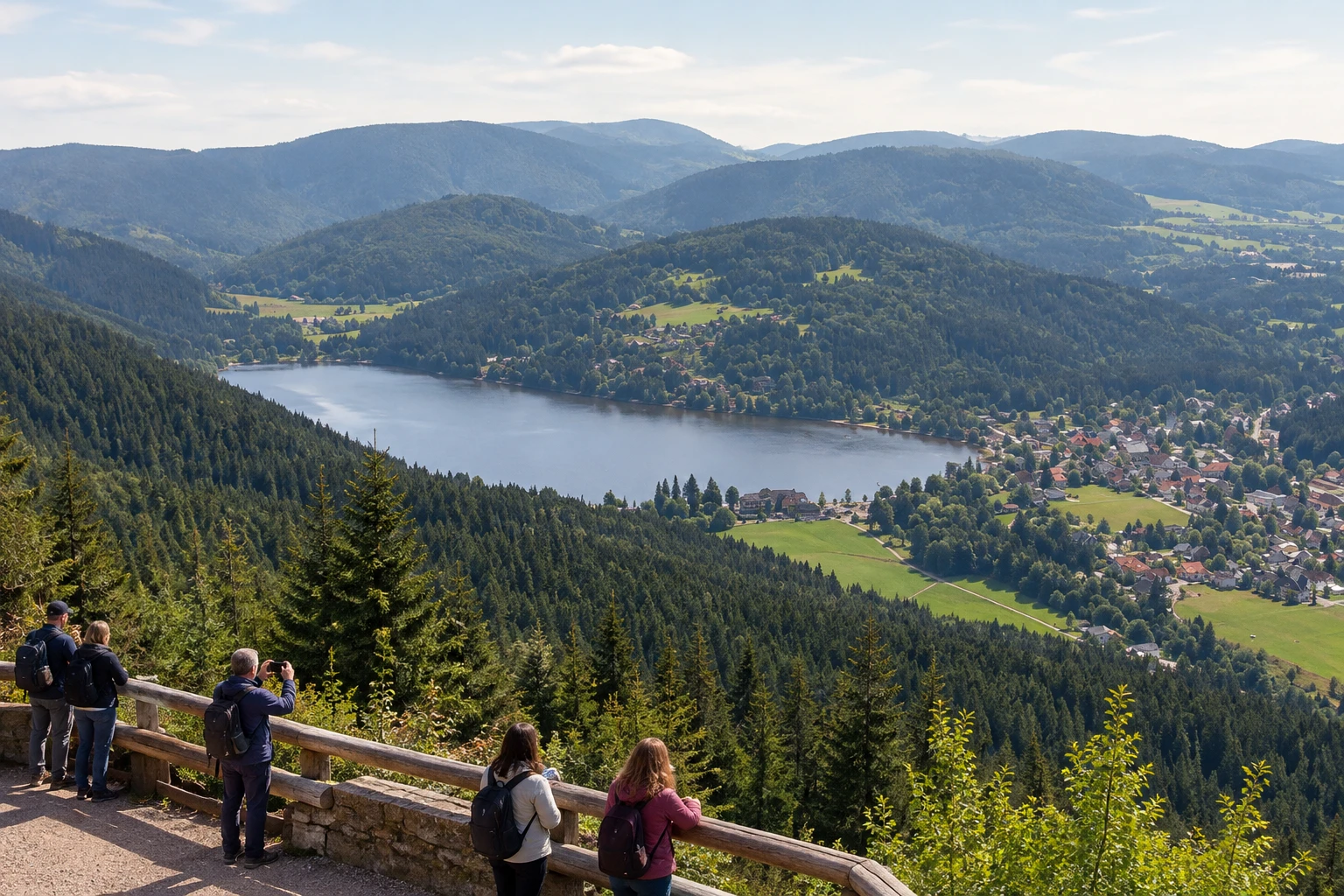
Illustrative images. The pictures in this guide are illustrations based on the real place, not photographs, and may differ from it.
To start
The 10 main places Heidelberg and the Black Forest
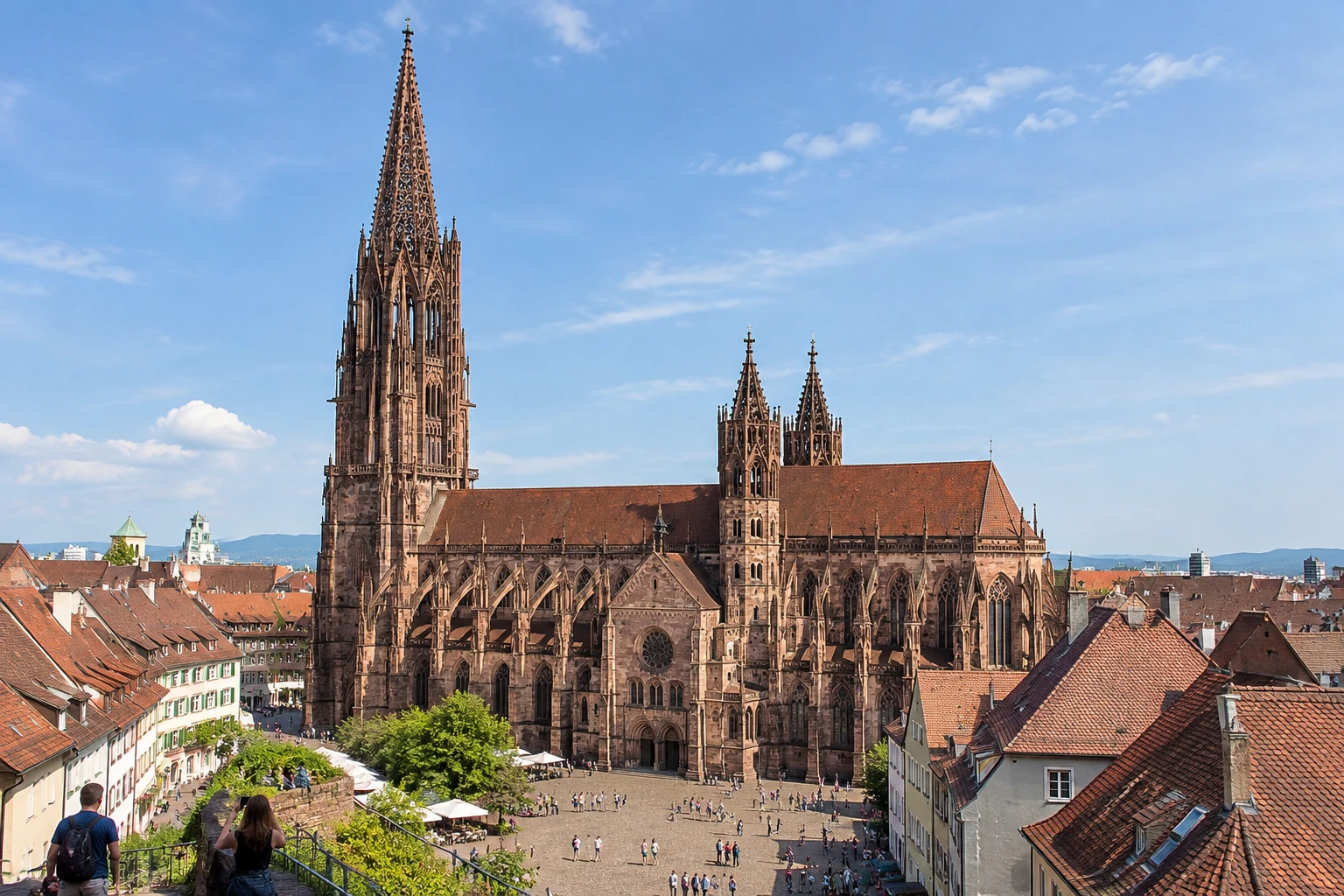
Freiburg Minster · Freiburg im BreisgauGothic cathedral in the center of the Altstadt, begun around 1200, with the 116‑metre tower completed in 1330 and the spire pierced like lace in stone.
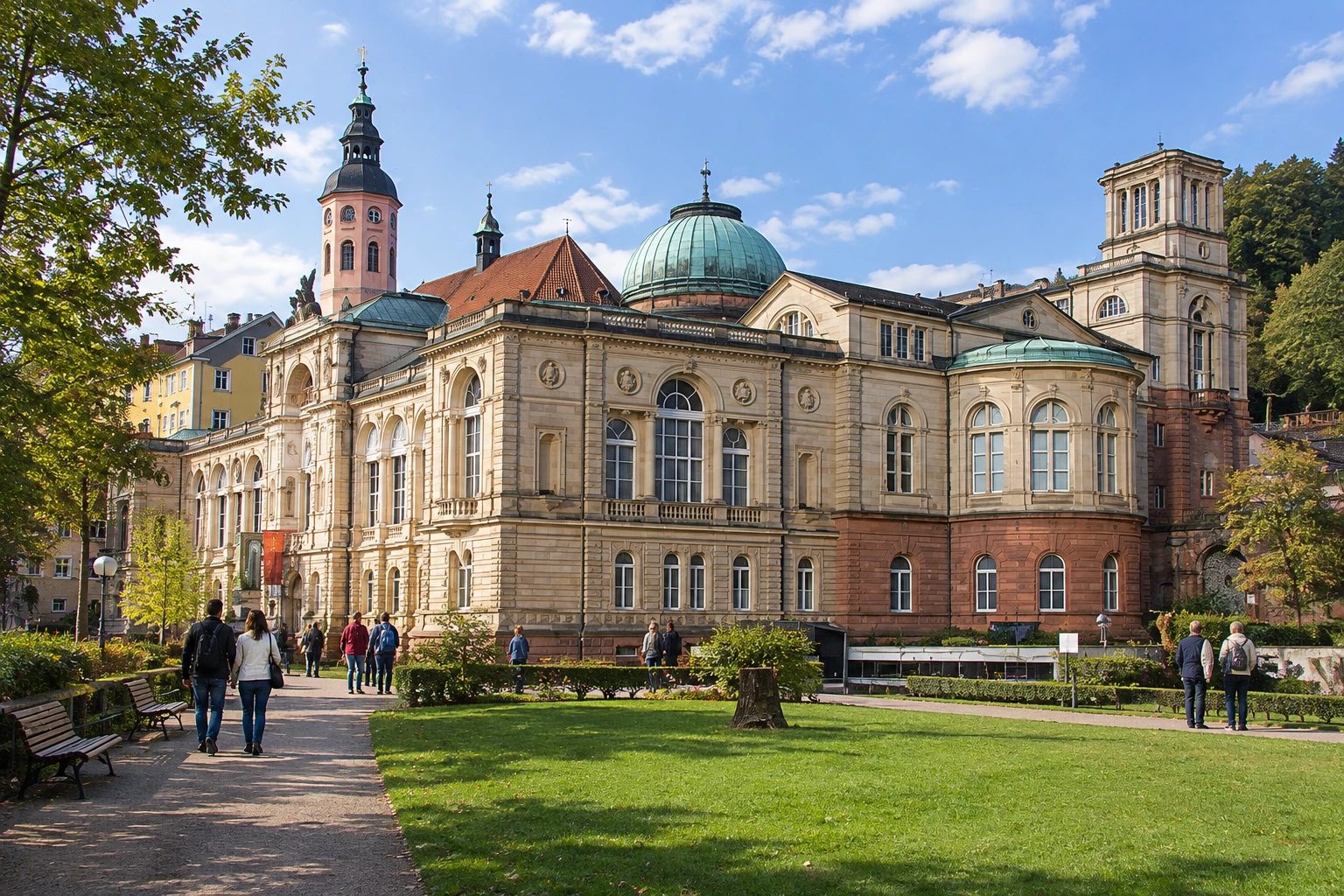
Friedrichsbad · Baden-BadenBathhouse opened in 1877 in the old center, over the ruins of Roman baths.
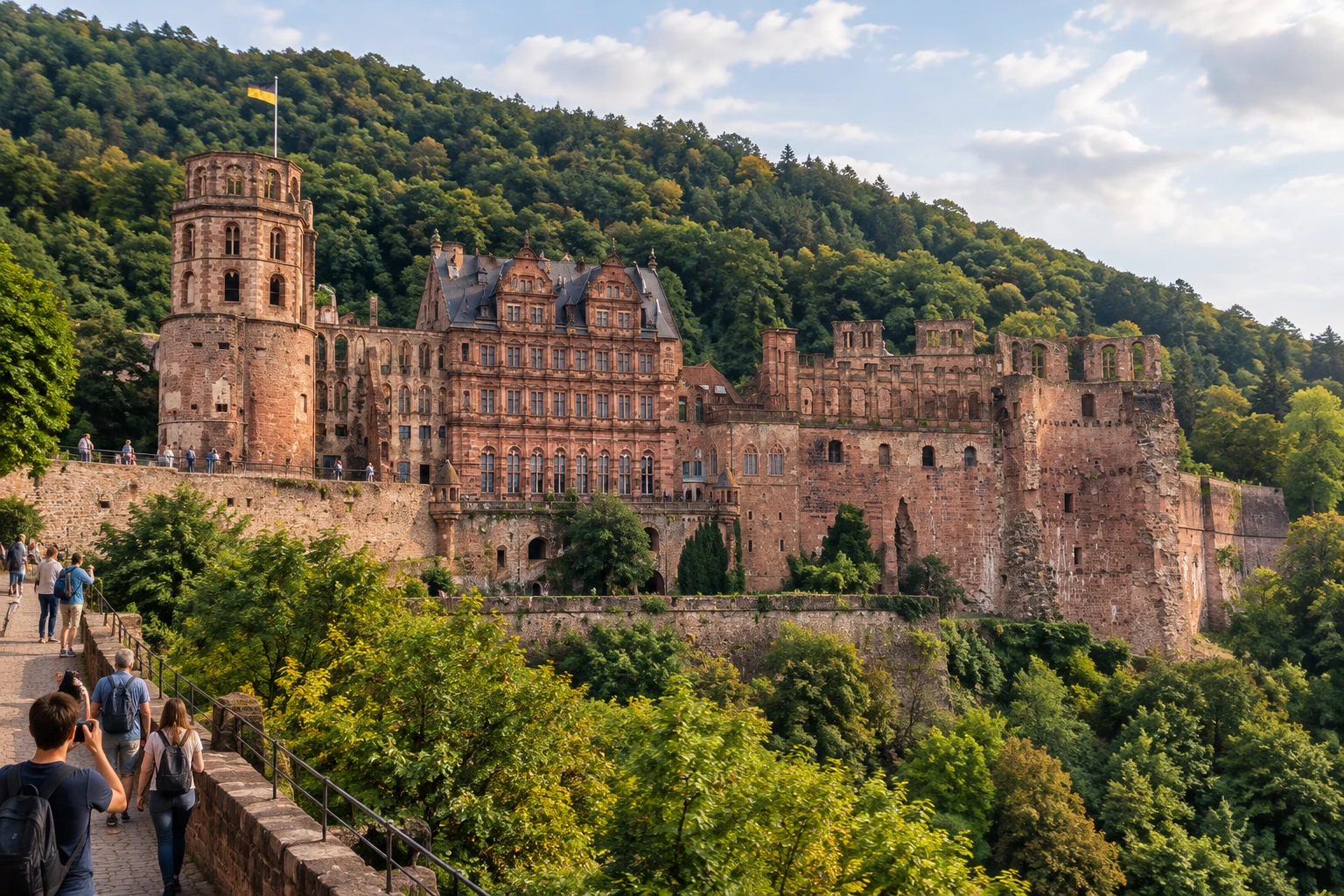
Heidelberg Castle · HeidelbergA red sandstone ruin on the slope of the Königsstuhl above the Altstadt.
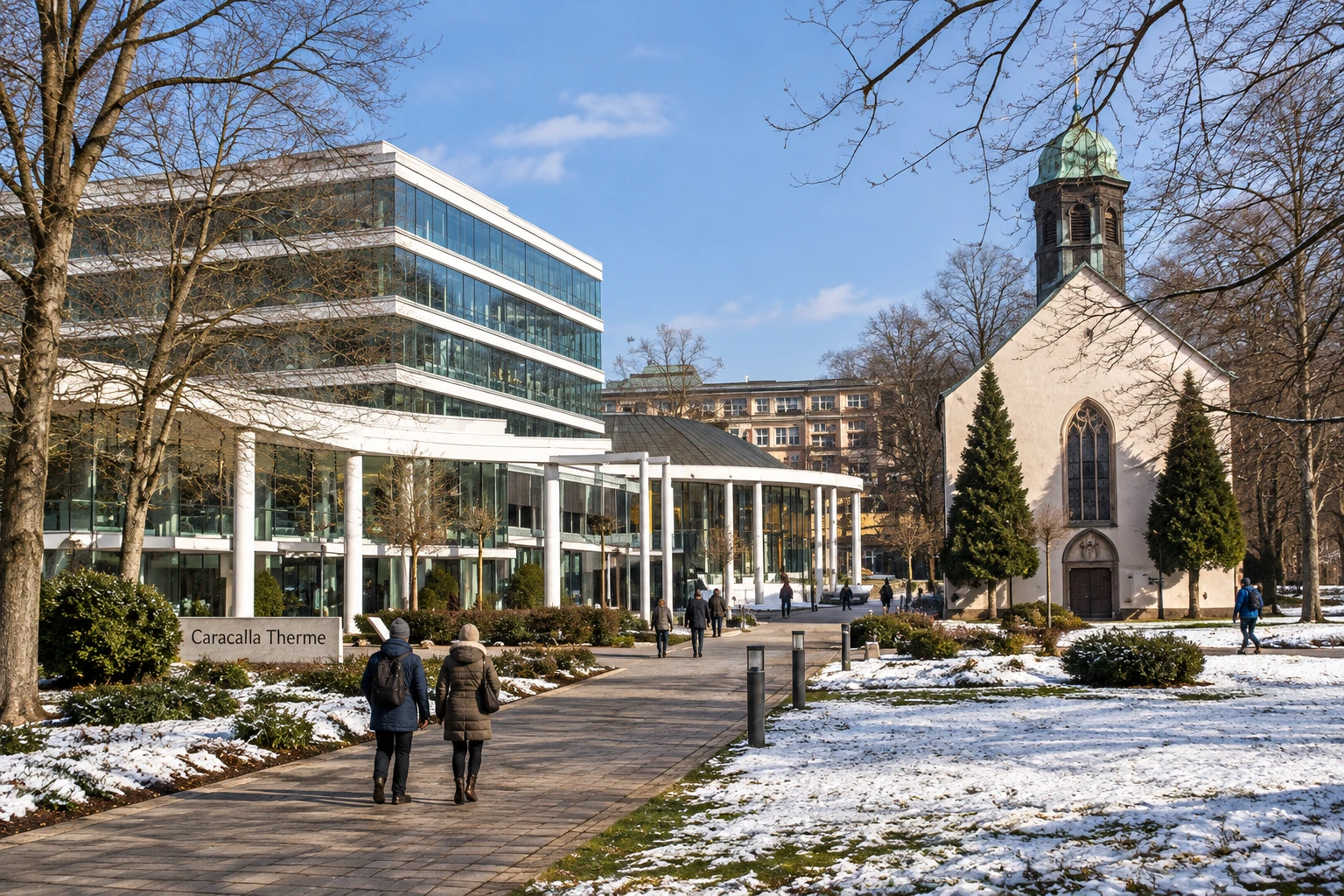
Caracalla Spa · Baden-BadenA complex of thermal-water pools next to the Friedrichsbad, with indoor and outdoor areas, hot and cold baths and a separate sauna area.
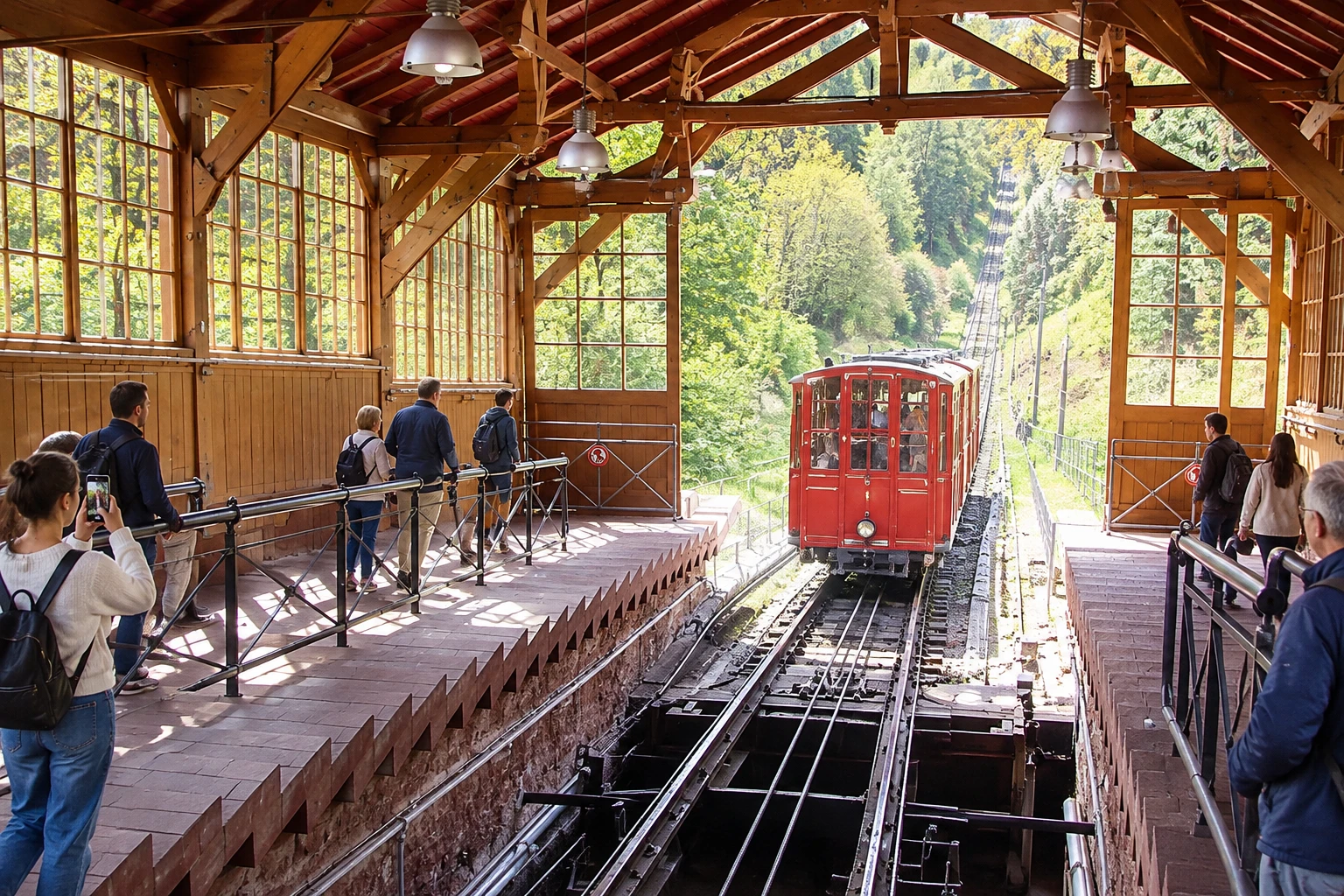
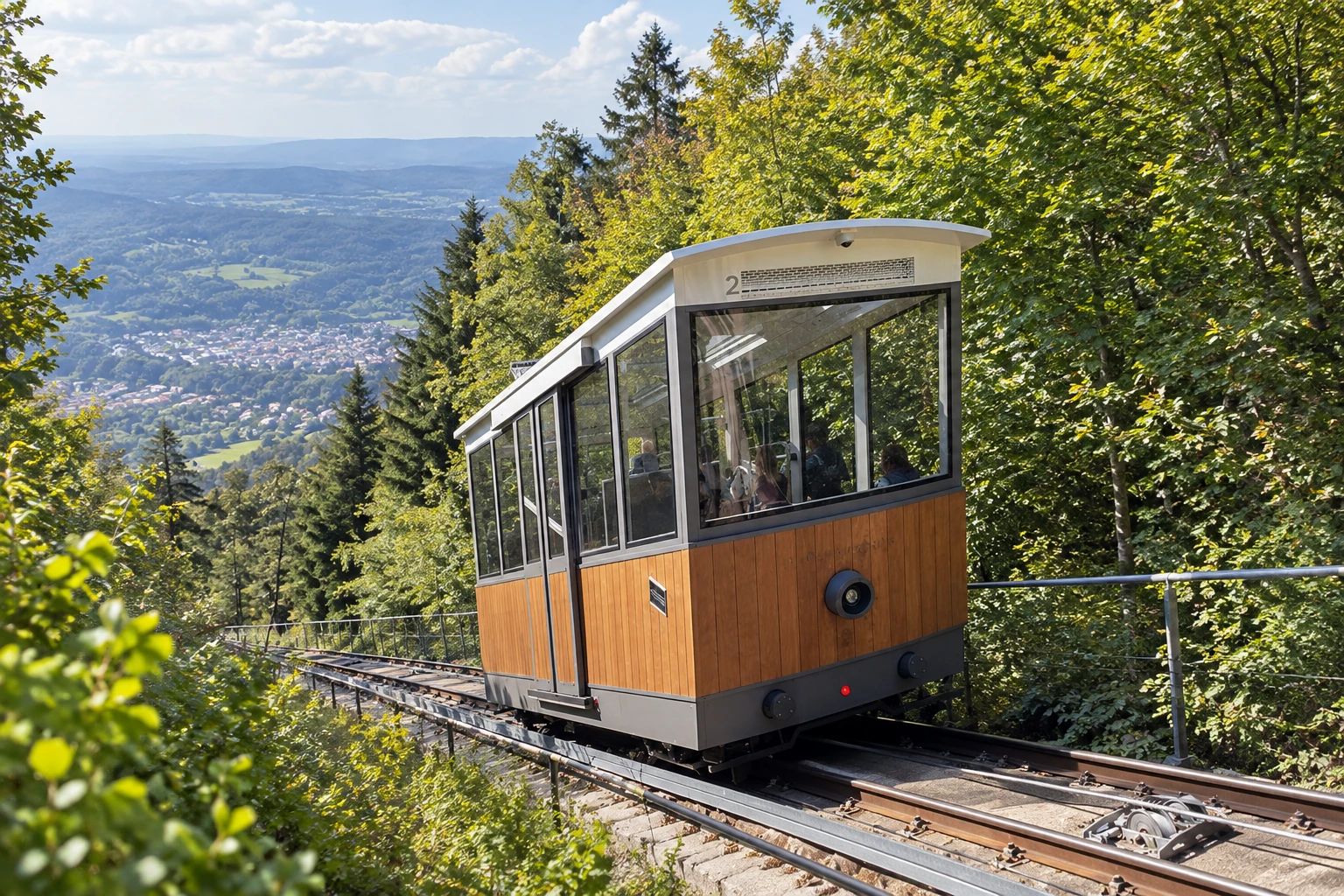
Heidelberg Mountain Railway · HeidelbergFunicular that departs from Kornmarkt in the Altstadt, stops at the castle and continues to the Molkenkur.
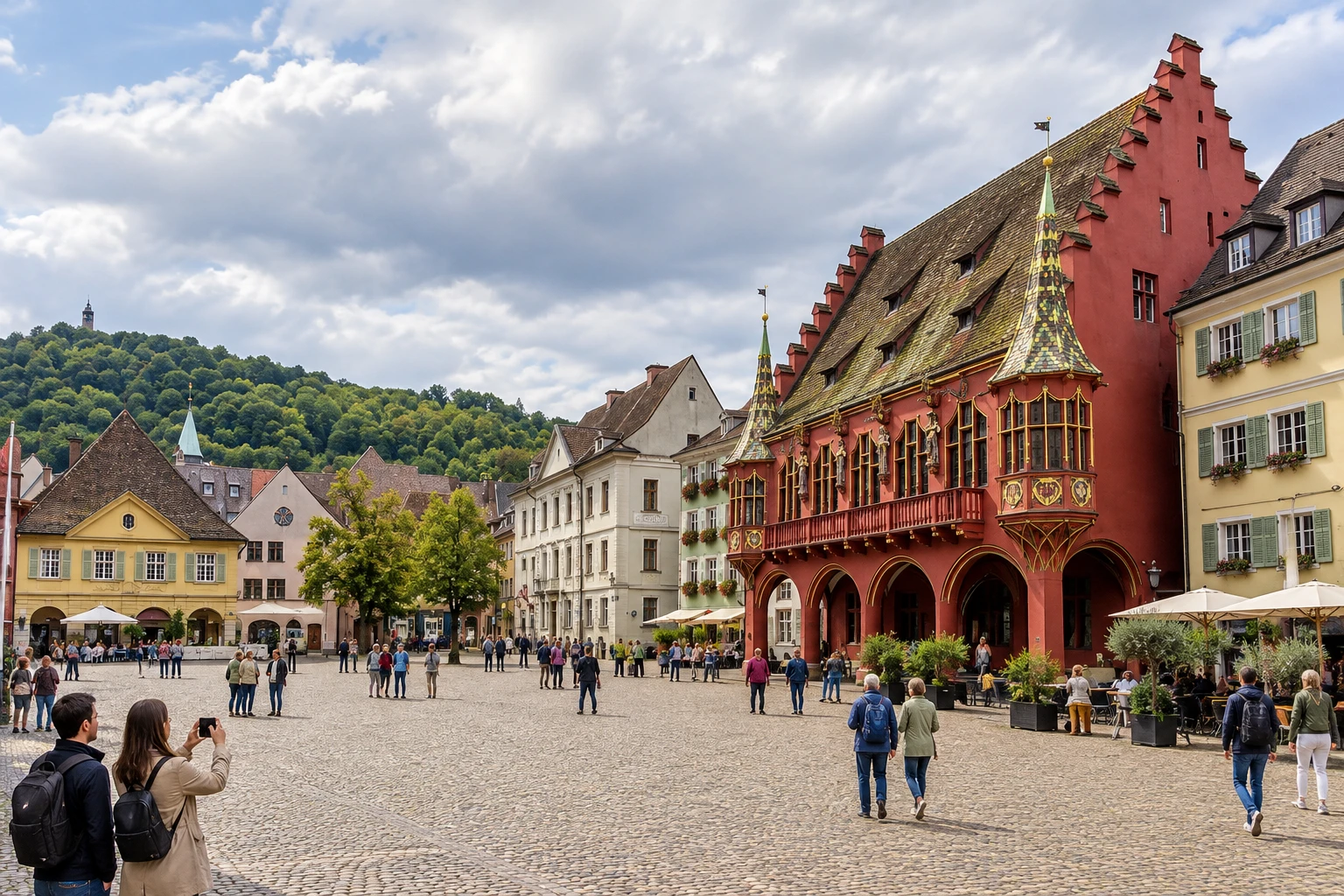
Cathedral Square · Freiburg im BreisgauSquare around the cathedral, with a daily market (Münstermarkt) from Monday to Saturday: producers from the Floresta Negra and the Kaiserstuhl, flowers, crafts and sausage stalls.
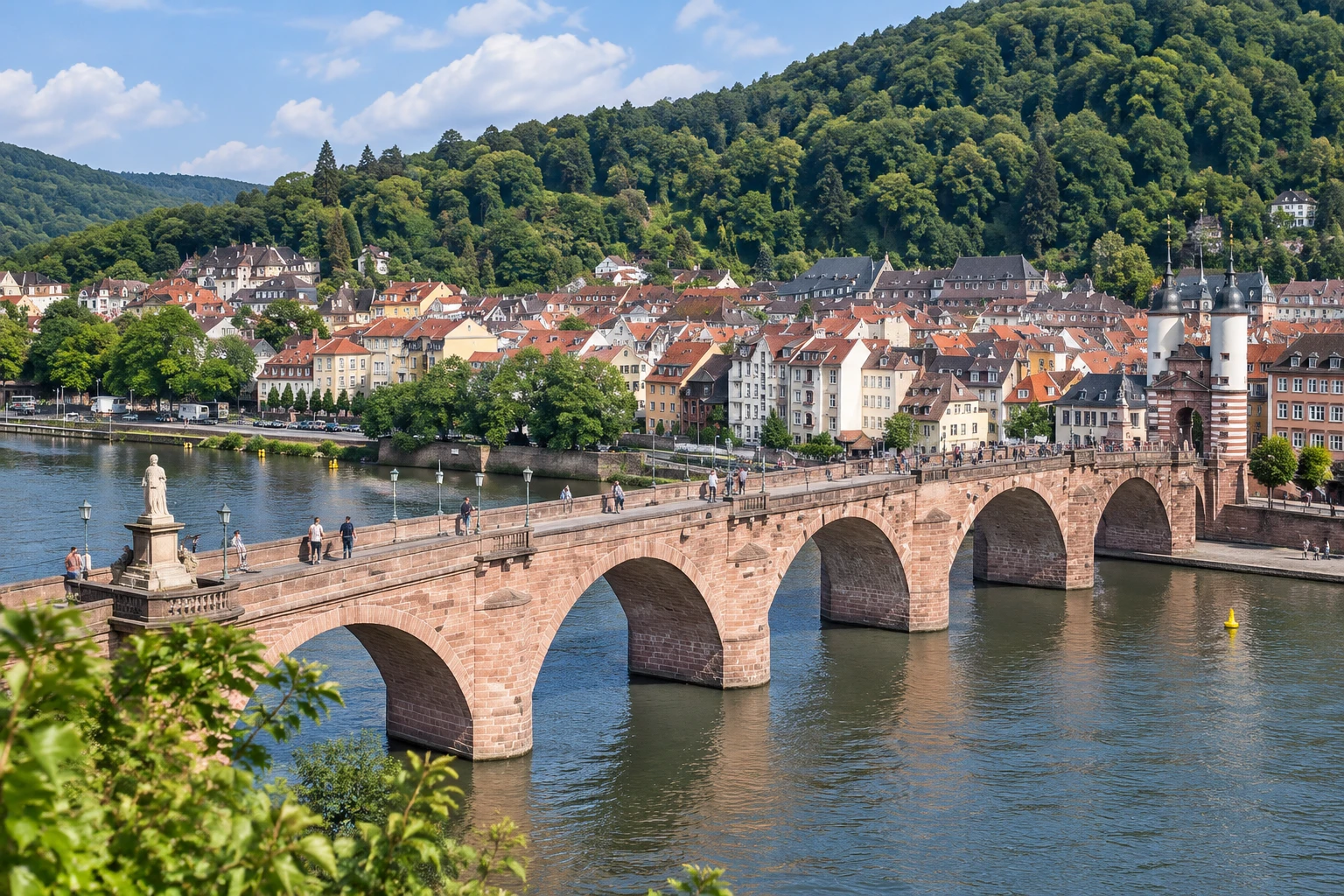
Old Bridge · HeidelbergStone bridge over the Neckar, from 1788, with a medieval two-towered gate at the Altstadt end and the bronze statue of the monkey (Brückenaffe).
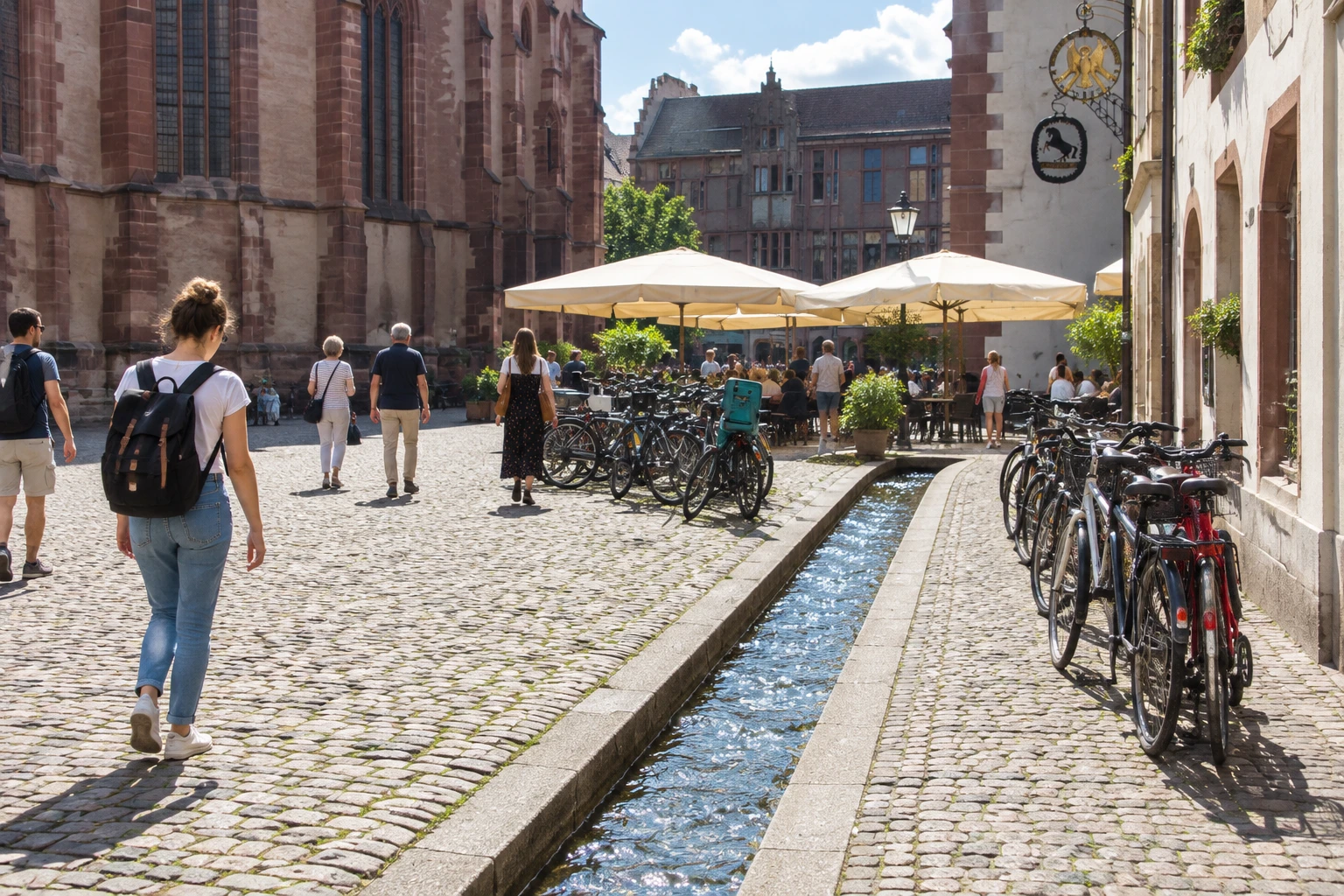
Freiburg Bächle · Freiburg im BreisgauNarrow water channels that run along the streets of the Altstadt since the Middle Ages.
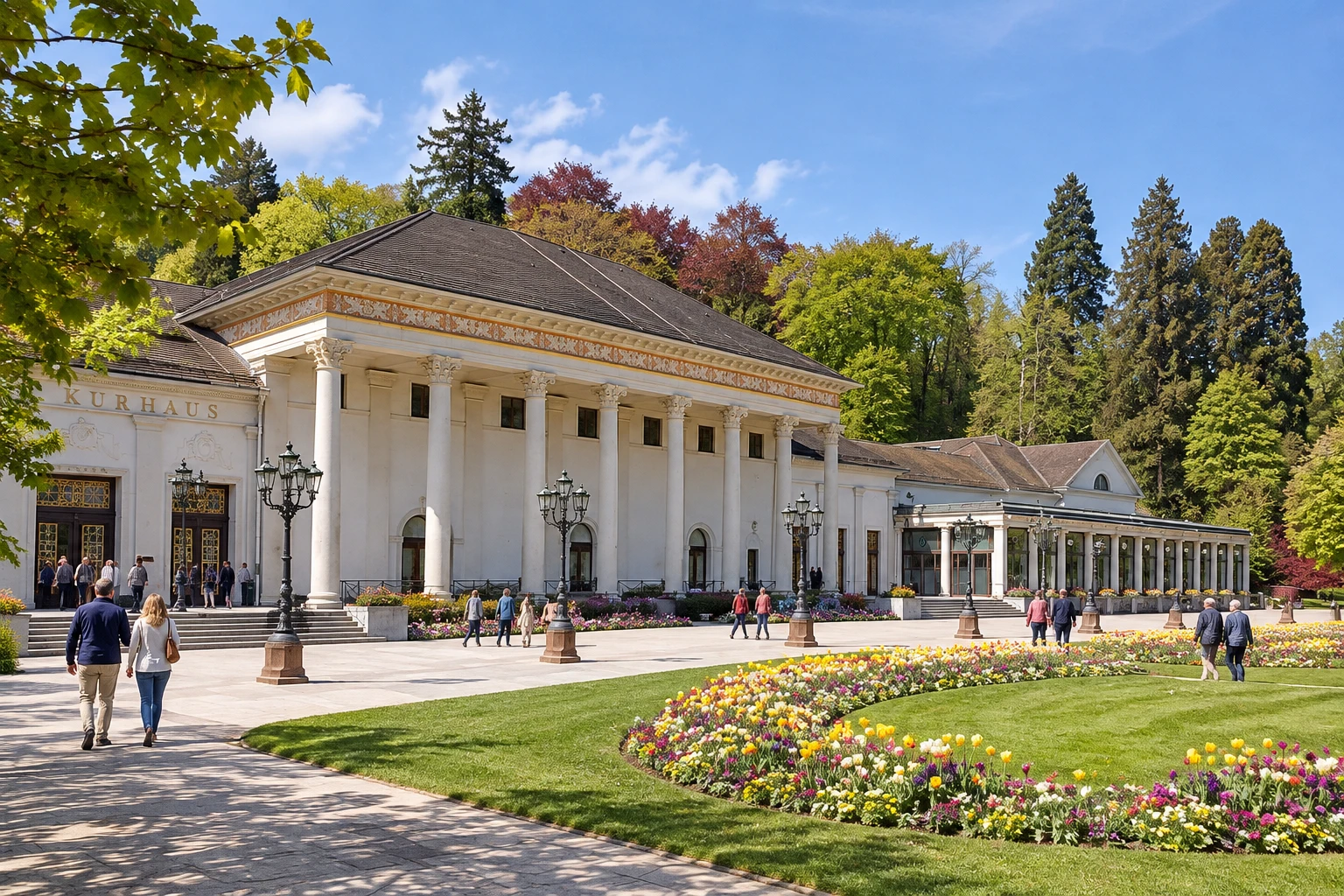
Kurhaus Baden-Baden · Baden-BadenA white-columned building from 1824, the center of the resort's social life, featuring the casino that became famous in the 19th century.
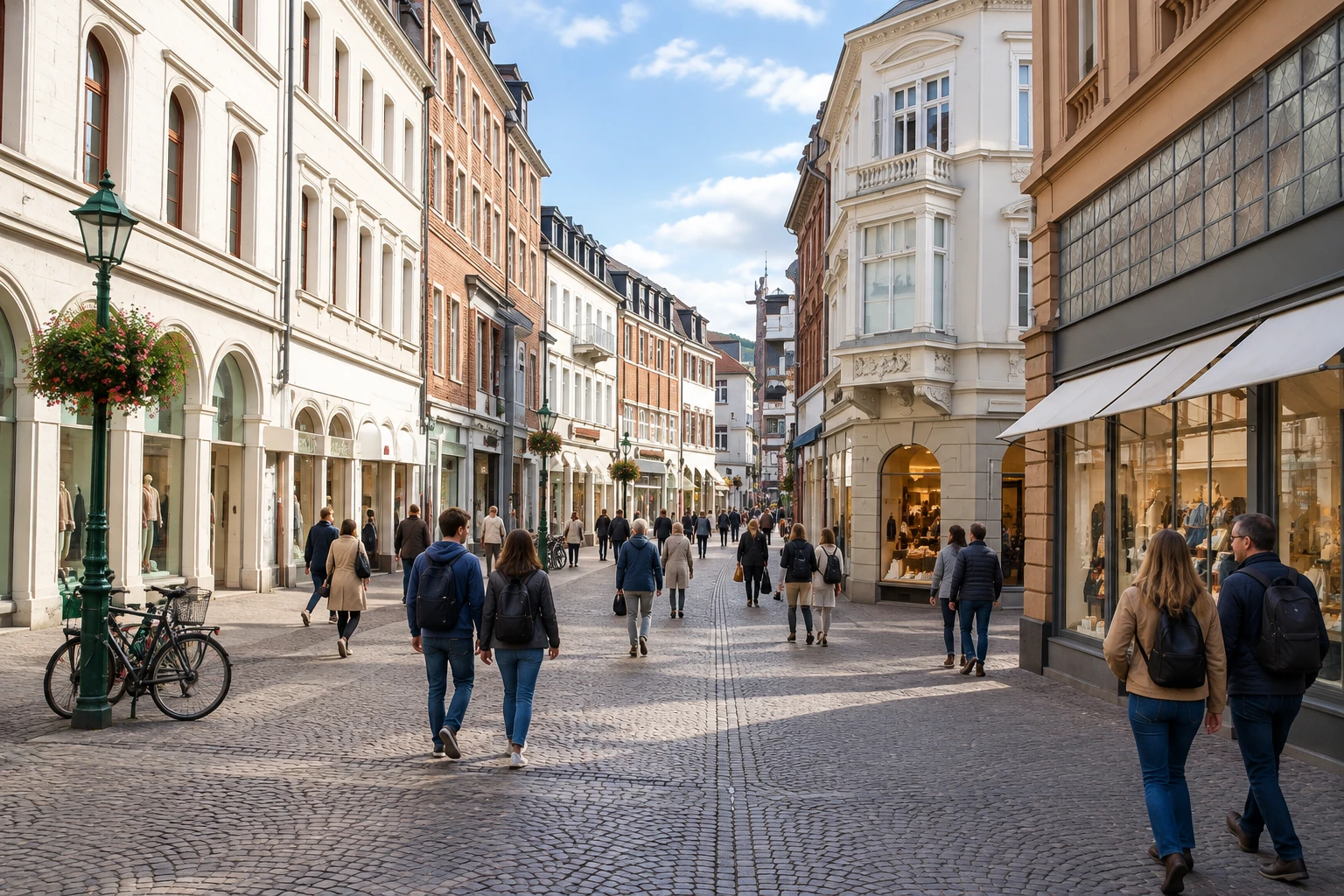
Old Town and Hauptstraße · HeidelbergHeidelberg's old town, between the Neckar and the hill, with the Hauptstraße, a 1.6 km pedestrian street between Bismarckplatz and Karlstor, and the squares Marktplatz, Kornmark...
One by one
All the places, with photos
Freiburg im Breisgau · Baden-Württemberg · Cathedral
Gothic cathedral in the center of the Altstadt, begun around 1200, with the 116‑metre tower completed in 1330 and the spire pierced like lace in stone. It survived the bombings of 1944.
Bathhouse opened in 1877 in the old center, over the ruins of Roman baths. The Roman-Irish bath is a circuit of stations with hot air, steam and thermal pools, and it is traditionally done without clothing and in a mixed environment.
A red sandstone ruin on the slope of the Königsstuhl above the Altstadt. It contains Gothic and Renaissance palaces, the giant wine barrel (Großes Fass), the Deutsches Apotheken-Museum and a terrace with views over the Neckar.
A complex of thermal-water pools next to the Friedrichsbad, with indoor and outdoor areas, hot and cold baths and a separate sauna area. Swimwear is required in the pools; in the saunas it is not.
Funicular that departs from Kornmarkt in the Altstadt, stops at the castle and continues to the Molkenkur. There you change to the upper section, with old-style wooden carriages, which climbs to the Königstuhl hill at 568 meters.
Square around the cathedral, with a daily market (Münstermarkt) from Monday to Saturday: producers from the Floresta Negra and the Kaiserstuhl, flowers, crafts and sausage stalls. On the south side sits the Historisches Kaufhaus, a red 16th-century building.
Stone bridge over the Neckar, from 1788, with a medieval two-towered gate at the Altstadt end and the bronze statue of the monkey (Brückenaffe). From the middle of the bridge you can see the castle above the town's roofs.
Narrow water channels that run along the streets of the Altstadt since the Middle Ages. They were used to supply the city and fight fires; today they cool the center in summer.
A white-columned building from 1824, the center of the resort's social life, featuring the casino that became famous in the 19th century. Next to it are the Kurpark and the Trinkhalle, a colonnaded gallery with frescoes depicting regional legends.
Heidelberg's old town, between the Neckar and the hill, with the Hauptstraße, a 1.6 km pedestrian street between Bismarckplatz and Karlstor, and the squares Marktplatz, Kornmarkt and Universitätsplatz.
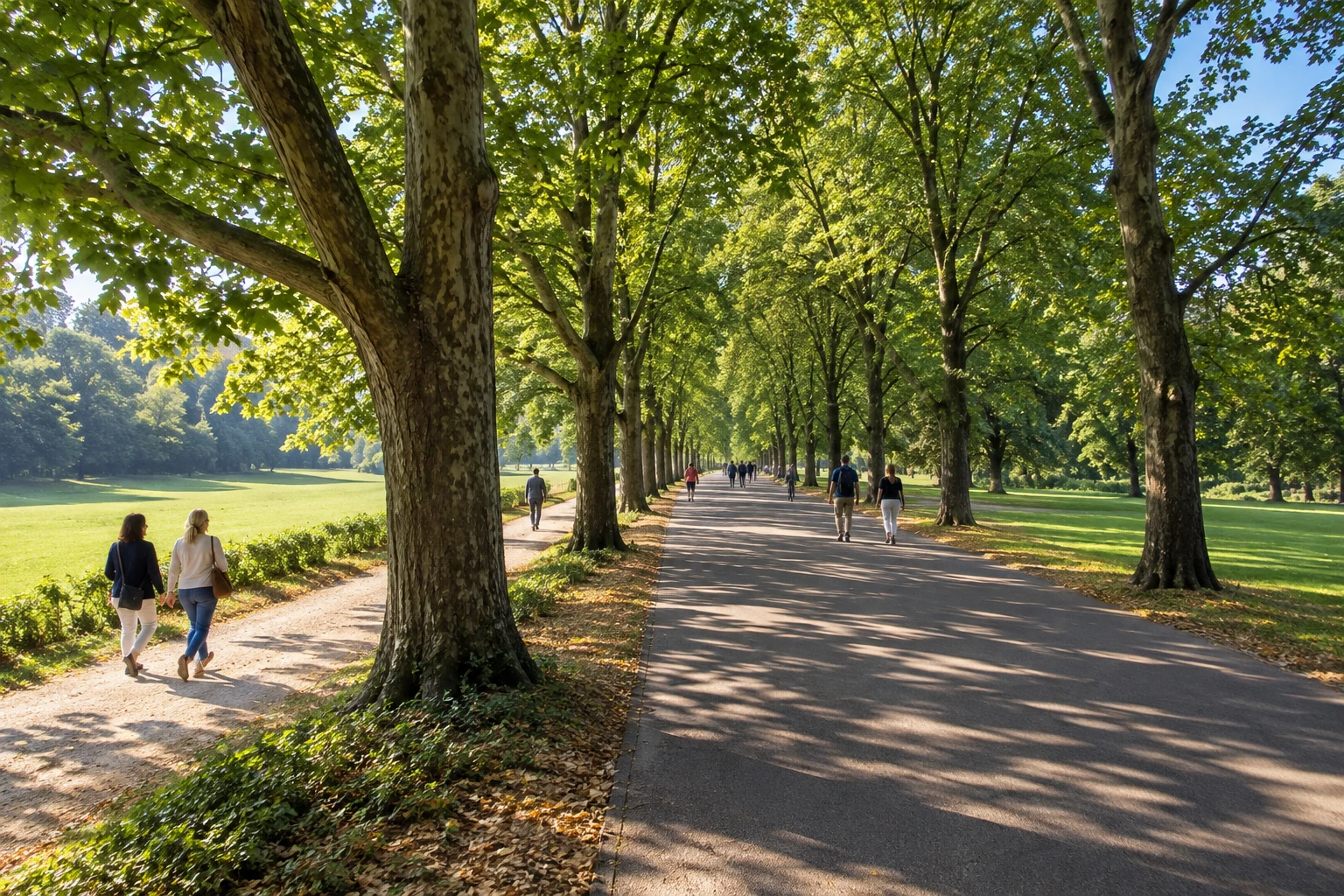
A 2.3 km tree-lined park along the Oos stream, from the Kurhaus to the Lichtenthal monastery, with about 300 species of trees and shrubs, lawns, bridges and flower gardens.
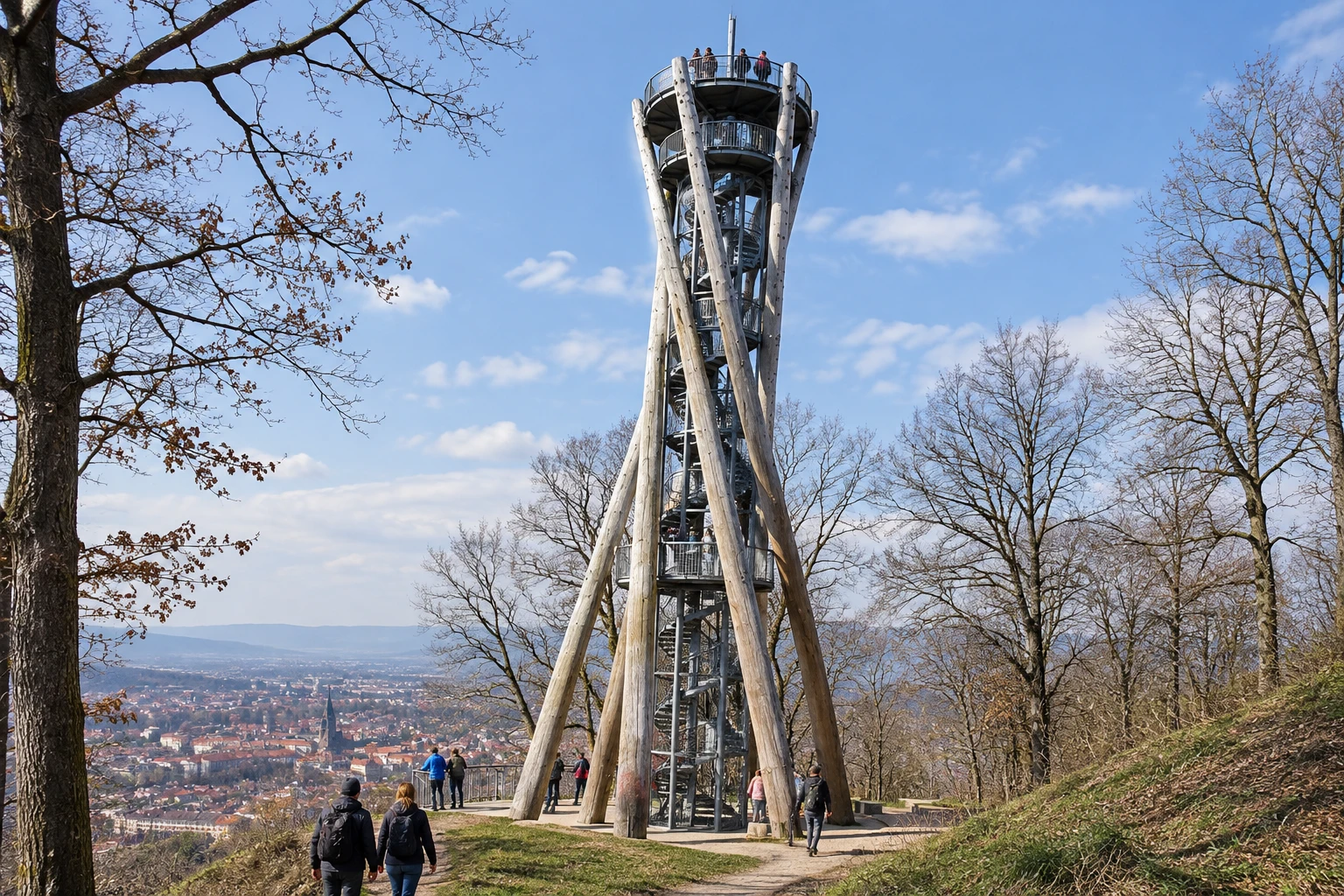
Hill of 456 meters next to the Altstadt, already part of the Floresta Negra, where the city’s castle and fortifications once stood. It has trails, remains of walls, the Schlossbergturm observation tower and a funicular from the Stadtgarten.
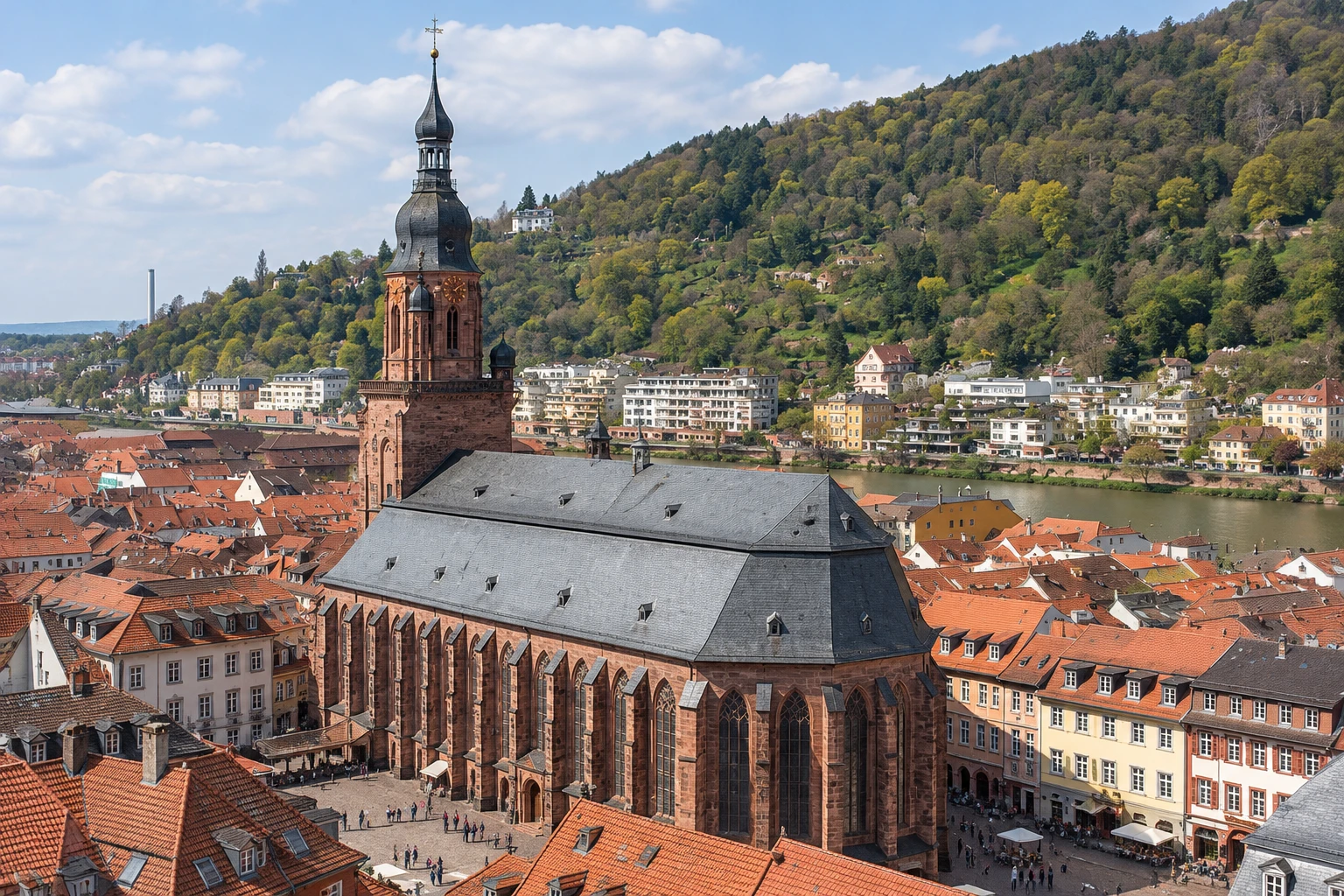
Gothic church in the Marktplatz, begun in 1398, which housed the Bibliotheca Palatina and contains the tomb of King Ruprecht. For over two centuries it had a wall dividing Catholics and Protestants. The tower has a viewing platform.
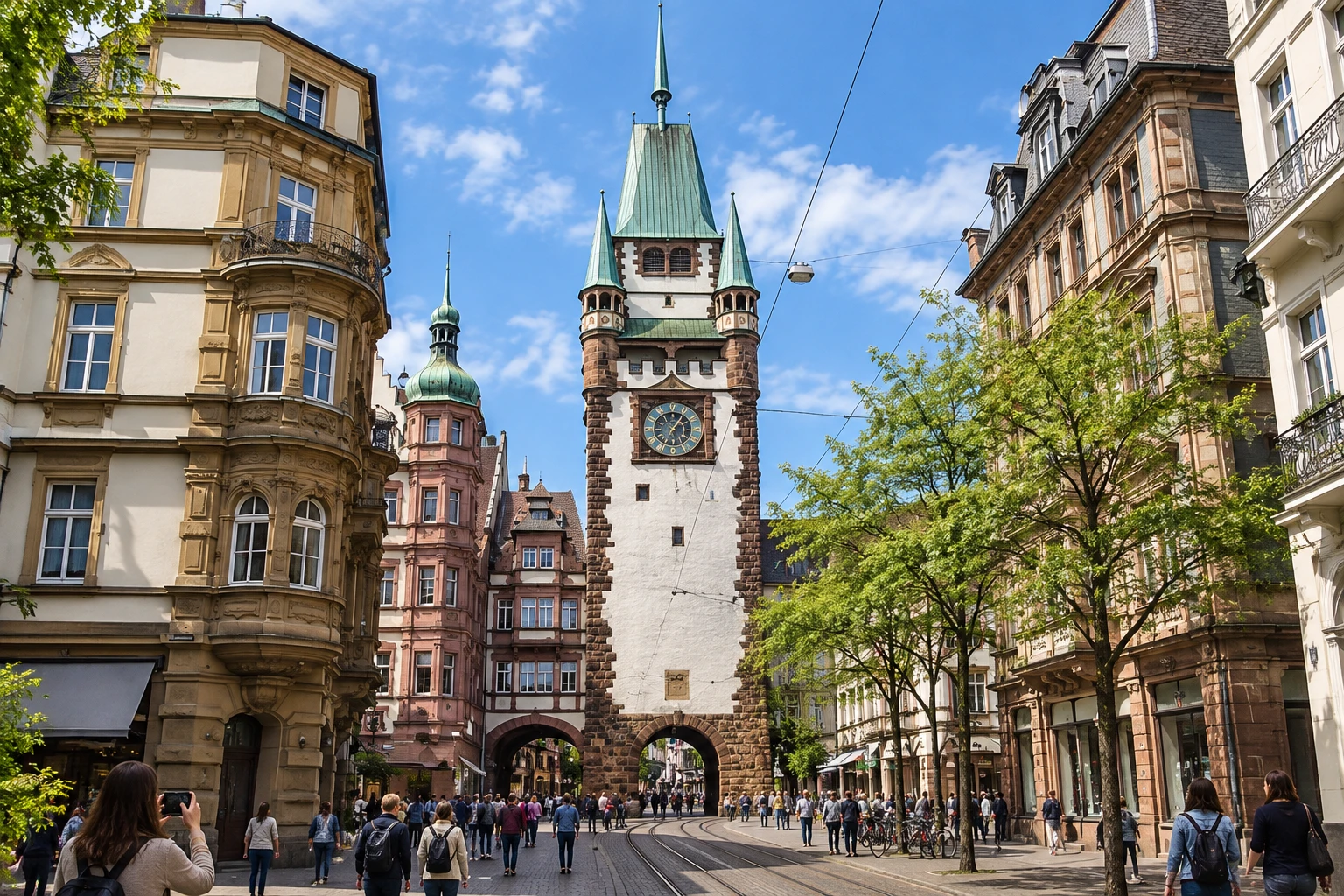
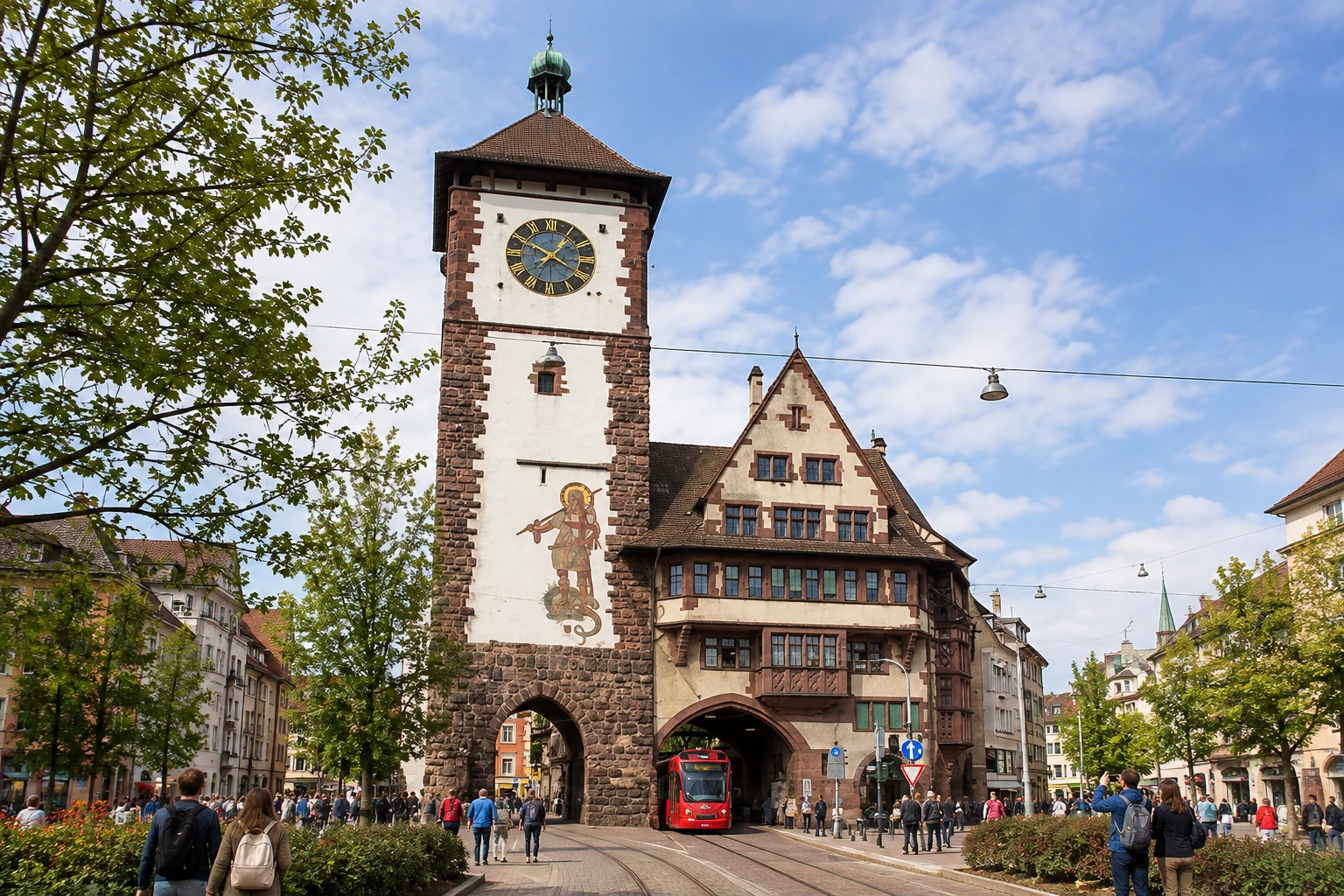
The older of the two gates remaining from Freiburg's medieval wall, dated 1202, on Kaiser-Joseph-Straße. The tower was raised in 1901, and trams pass under the arch.
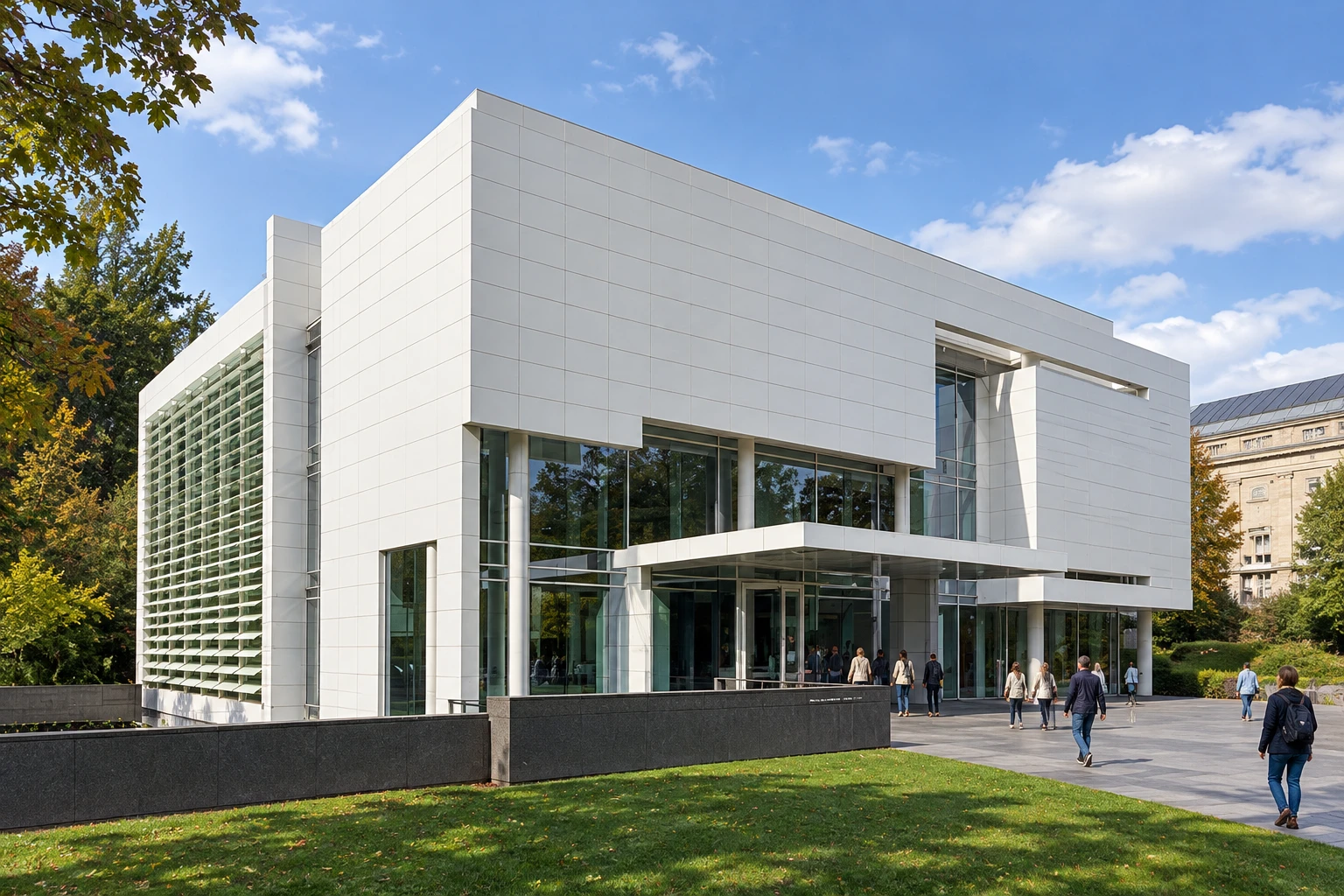
Museum of modern and contemporary art on the Lichtentaler Allee, housed in a white building by architect Richard Meier, with the collection of collector Frieder Burda and temporary exhibitions.
Funicular from 1913 that climbs the Merkur hill, 669 metres high, on slopes of up to 54%. At the top there is an observation point over Baden-Baden, the Rhine valley and the northern Black Forest, as well as forest trails.
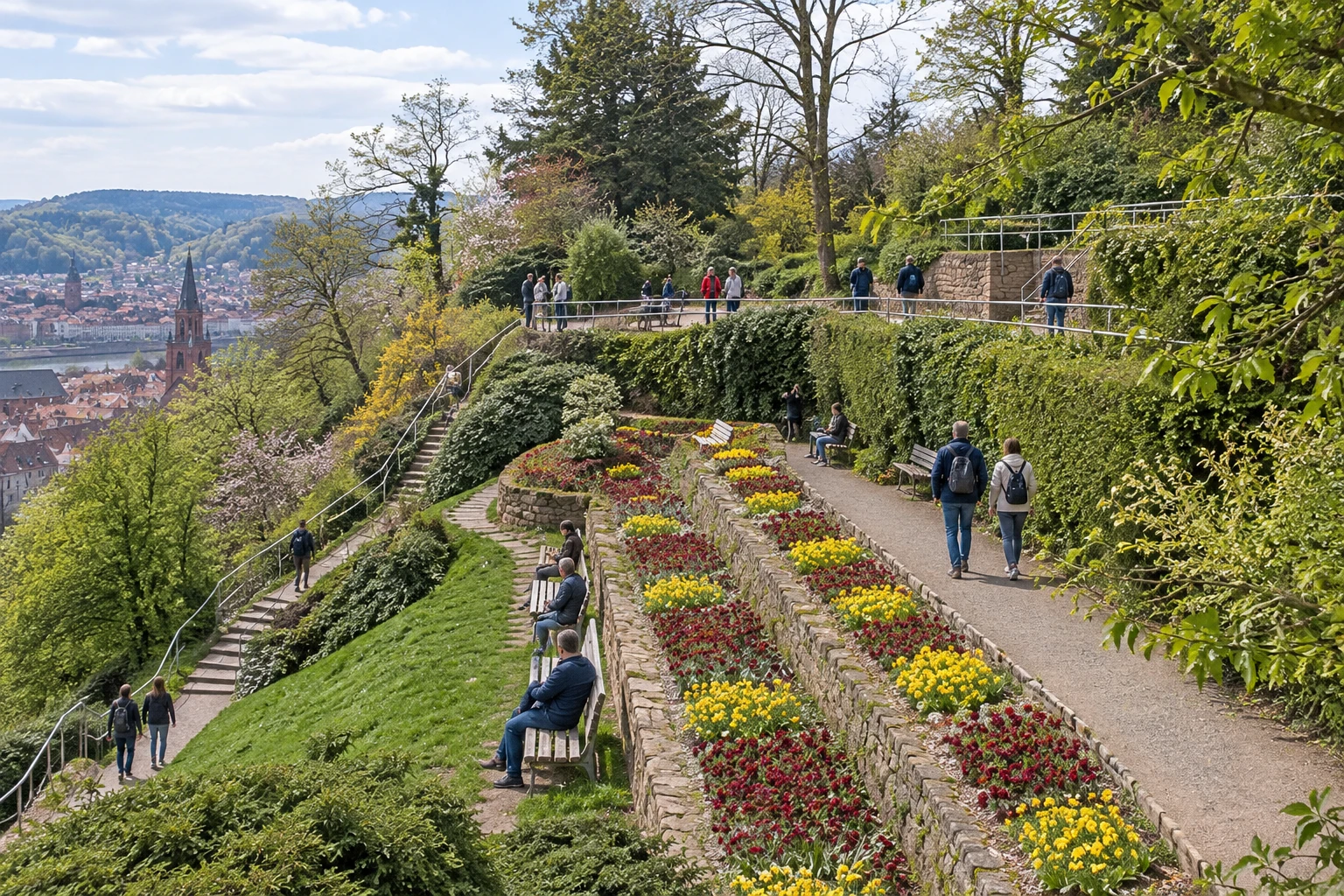
Path along the slope on the north bank of the Neckar, facing the Altstadt and the castle. You climb via the Schlangenweg, a stairway trail between stone walls that starts at the Alte Brücke.
Medieval gate from around 1250, on the east side of the Altstadt, at the entrance to the old district of Oberlinden. It has paintings on the façade and stands at the foot of the Schlossberg, where the ascent trails begin.
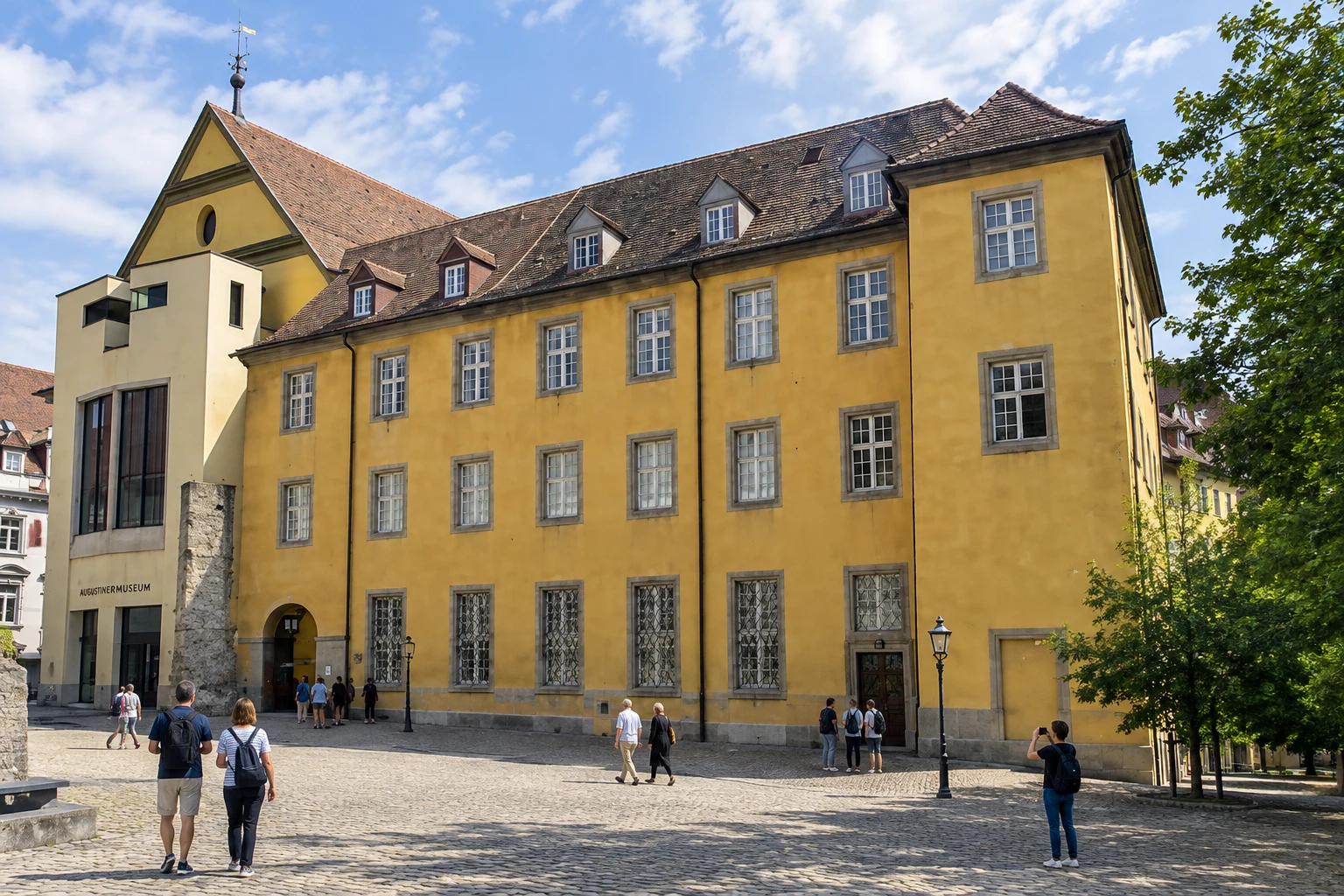
Art museum in a former Augustinian convent, with original sculptures from the Münster, paintings by Grünewald, Hans Baldung Grien and Lucas Cranach, medieval goldsmithing and a baroque organ.
Museum of the University of Heidelberg, the oldest in present-day Germany, founded in 1386. It is housed in the Alte Universität, a Baroque building on Universitätsplatz, and includes the Aula, the university's ceremonial hall.
A cabin cable car about 3.6 km long, opened in 1930, that rises from the outskirts of Freiburg to the Schauinsland, a 1,284-metre mountain. At the top there are trails, an observation tower and views of the Black Forest and, on clear days, the Alps.
The old prison of the Universität de Heidelberg, where students served sentences for rowdiness, duels or disrespect. The five cells, from 1823, have walls and ceilings covered with drawings, names and verses by the inmates.
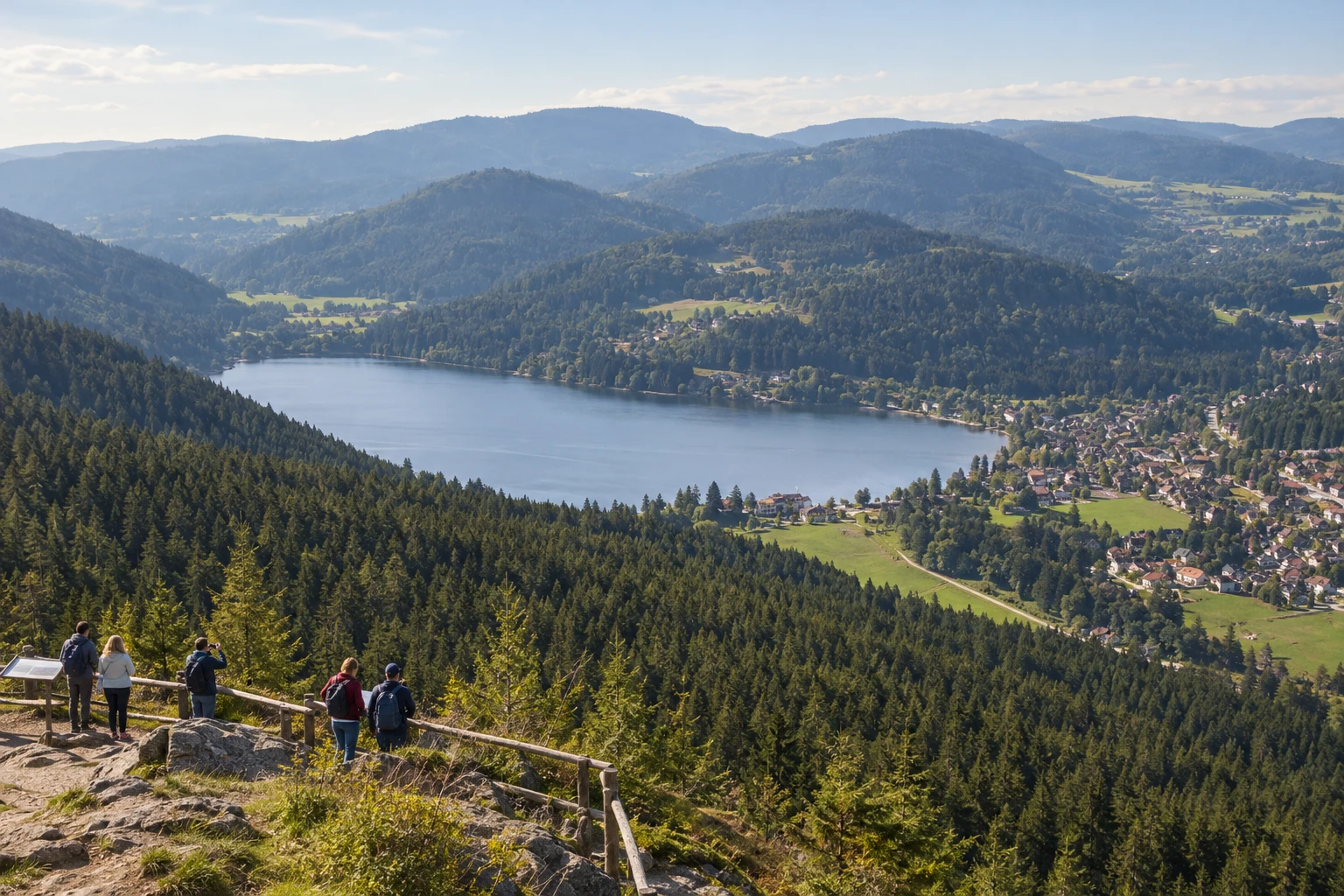
Glacial-origin lake high in the Black Forest, at about 850 metres altitude, with a promenade, excursion boats in season and a trail around. It's about 40 minutes by train from Freiburg through the Höllental valley.
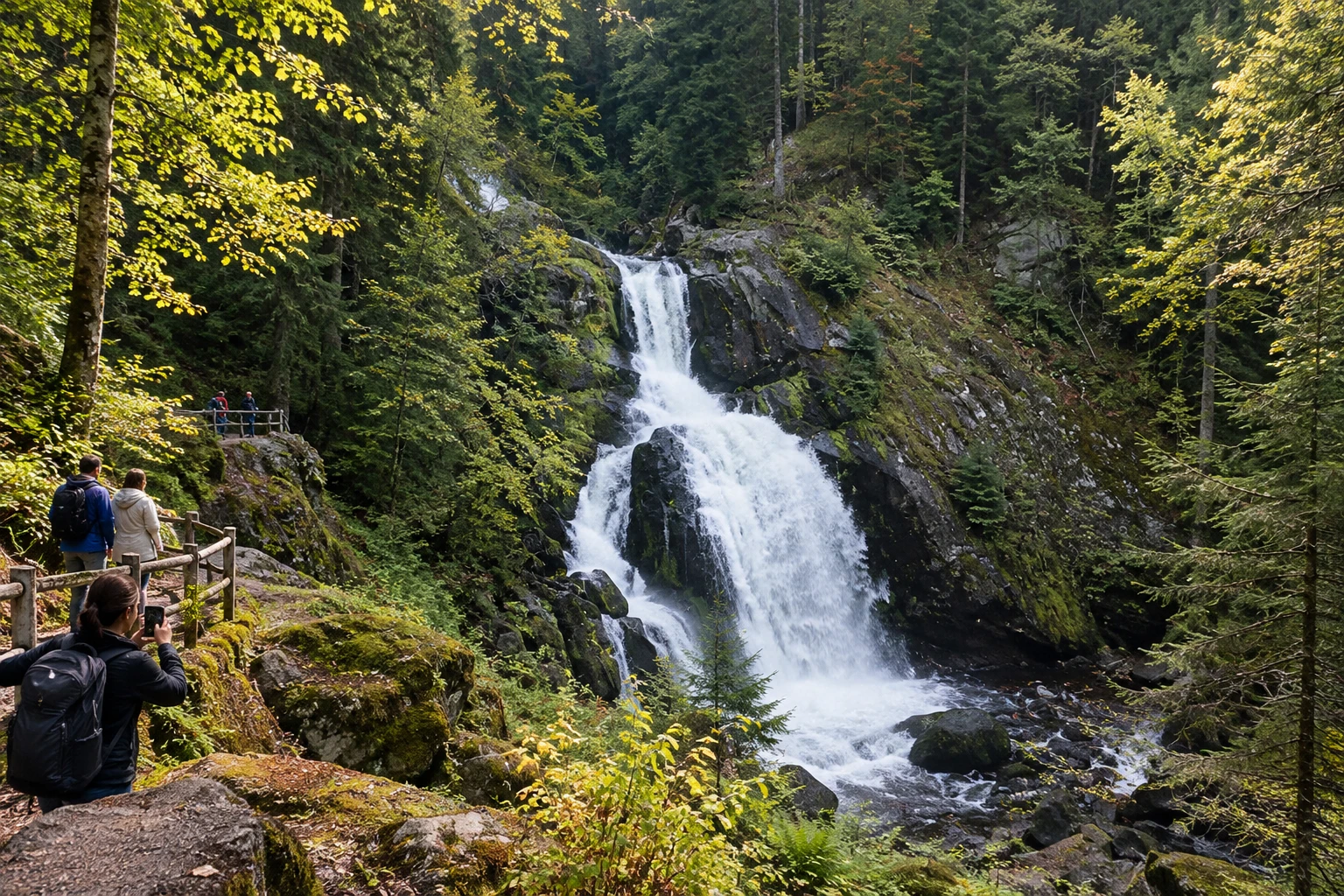
Waterfalls on the Gutach river, which drop about 163 metres in seven falls, in the forest above the town of Triberg, home of cuckoo clocks. There are trails and bridges along the falls.
How many days should you set aside to see Heidelberg and the Black Forest?
The guide's itineraries cover 3, 5 and 7 days: in 3 days, castle, old town and spas; in 5 days, from the Neckar to the Black Forest; in 7 days, towns, spas, lake and waterfalls.
What to do Heidelberg and the Black Forest in one day?
Arrival in Frankfurt, train to Heidelberg and Altstadt. The overnight flight from São Paulo or Rio arrives in Frankfurt in the morning. From the long-distance station at the airport (Frankfurt Flughafen Fernbahnhof), the ICE takes about 1 hour to Heidelberg Hbf, direct or with a change in Mannheim. Drop your bags and take a light day to cope with jet lag: walk through the Altstadt and the Hauptstraße, with the Marktplatz and the Heiliggeistkirche, and in the late afternoon the Alte Brücke, with the bronze monkey and the castle in the background. Have an early dinner in one of the alleys behind the Marktplatz and sleep.
When is the best time to go to Heidelberg and the Black Forest?
It generally rains less from January to February. The rainiest months are usually from May to August. The guide covers each month, with the weather and what changes on the tours.


 Brazil
 Antarctica
 Argentina
 Bolivia
 Chile
 Colombia
 Ecuador
 Falkland Islands (Malvinas)
 French Guiana
 Guyana
 Paraguay
 Peru
 Suriname
 Uruguay
 Venezuela
 Albania
 Austria
 Belgium
 Croatia
 Denmark
 Finland
 France
 Greece
 Hungary
 Iceland
 Ireland
 Italy
 Luxembourg
 Norway
 Poland
 Portugal
 Slovakia
 Slovenia
 Spain
 Sweden
 Switzerland
 the Czech Republic
 the Netherlands
 the United Kingdom
 Turkey
 Bermuda
 Canada
 Greenland
 Mexico
 Saint Pierre and Miquelon
 the United States
 the Dominican Republic
 Japan
 Egypt
 South Africa
 Australia
 Fiji
 New Zealand
 Papua New Guinea