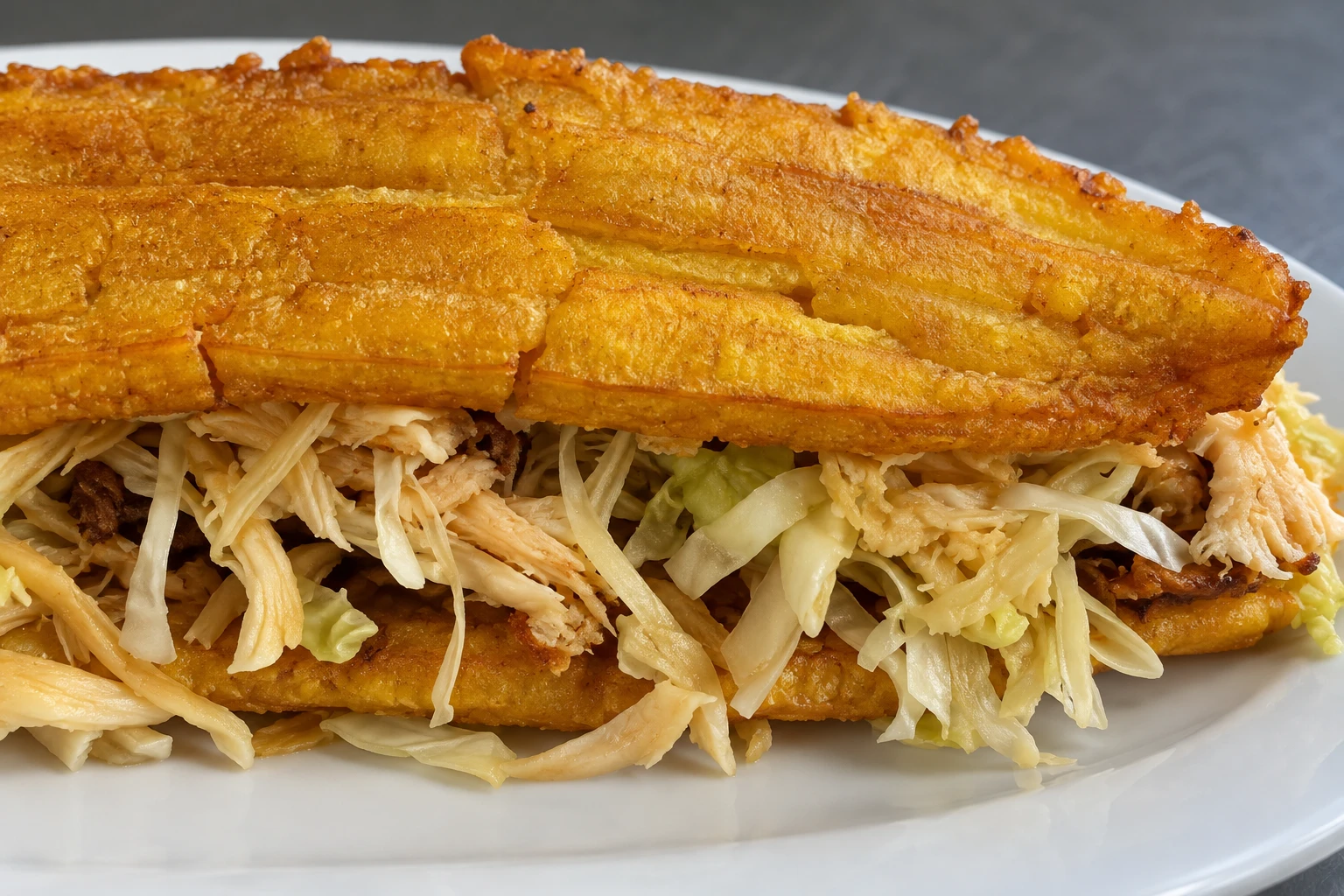
Patacón maracucho
Sandwich in which the bread is replaced by two large slices of fried plantain, filled with meat, cheese, salad and sauces. Popularized in the snack bars of Maracaibo, it is the dish that sums up Zulia cuisine.
Antarctica
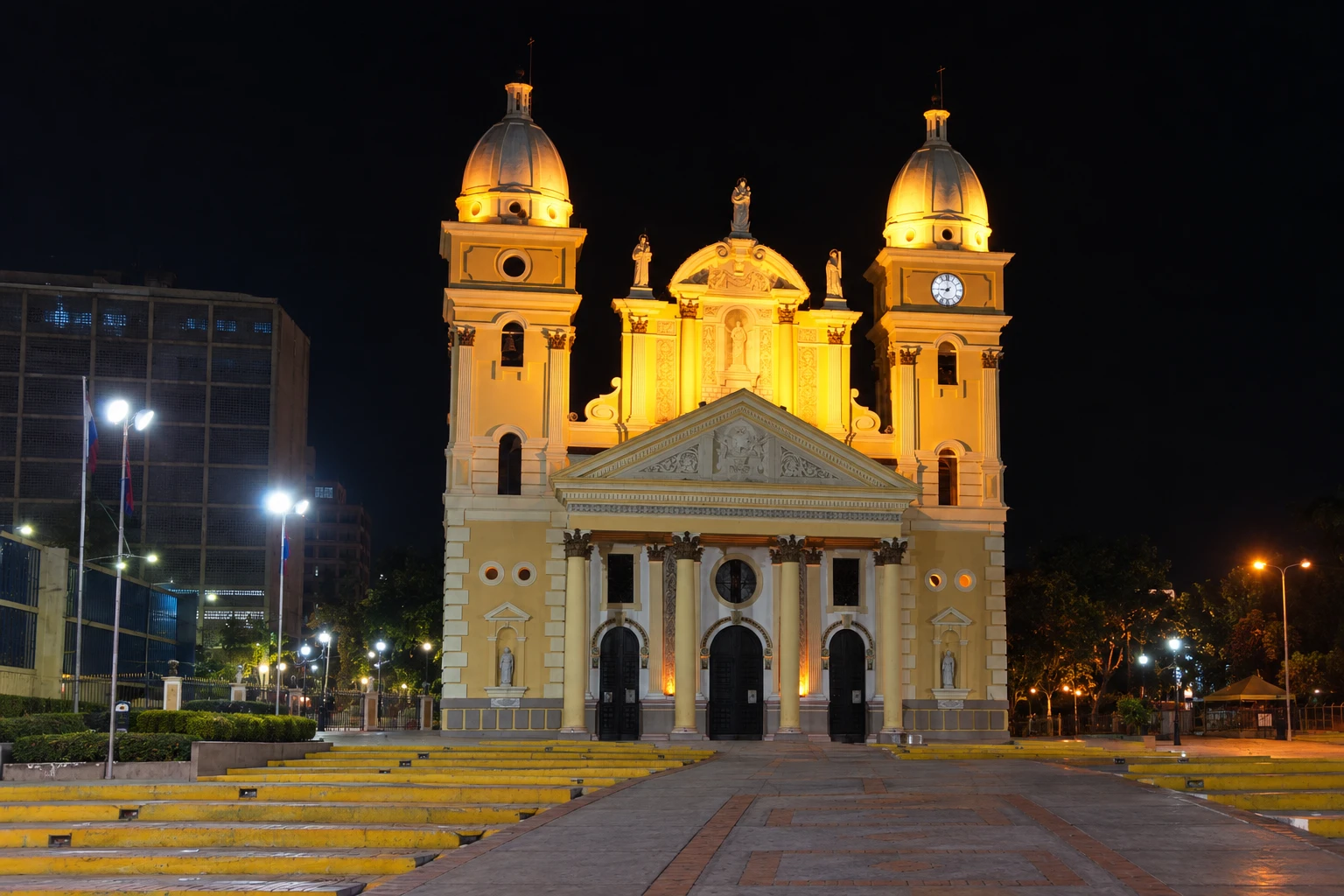
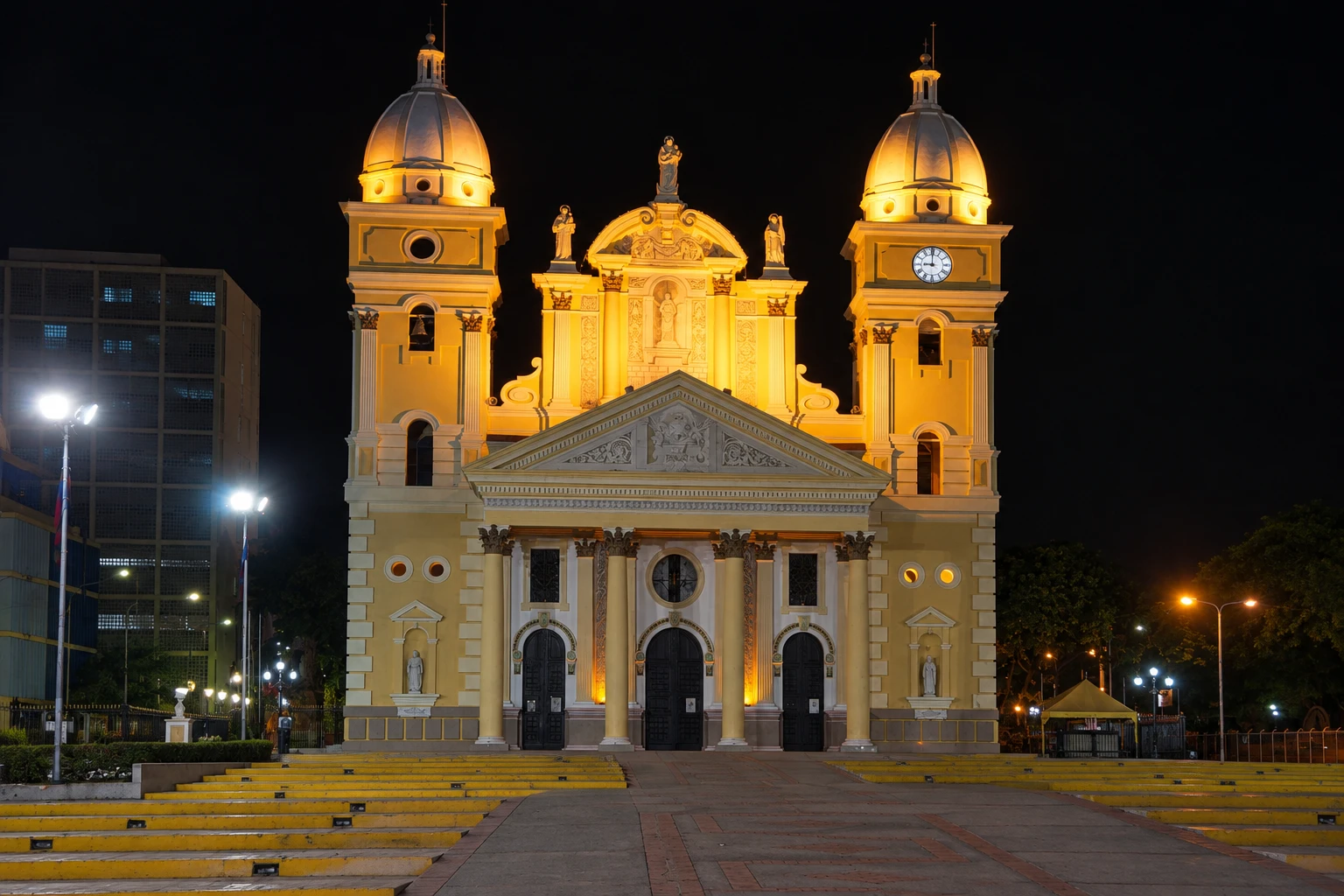
In the photo: Basilica of Nuestra Señora de Chiquinquirá, in Maracaibo
Illustrative images. The pictures in this guide are illustrations based on the real place, not photographs, and may differ from it.
The city
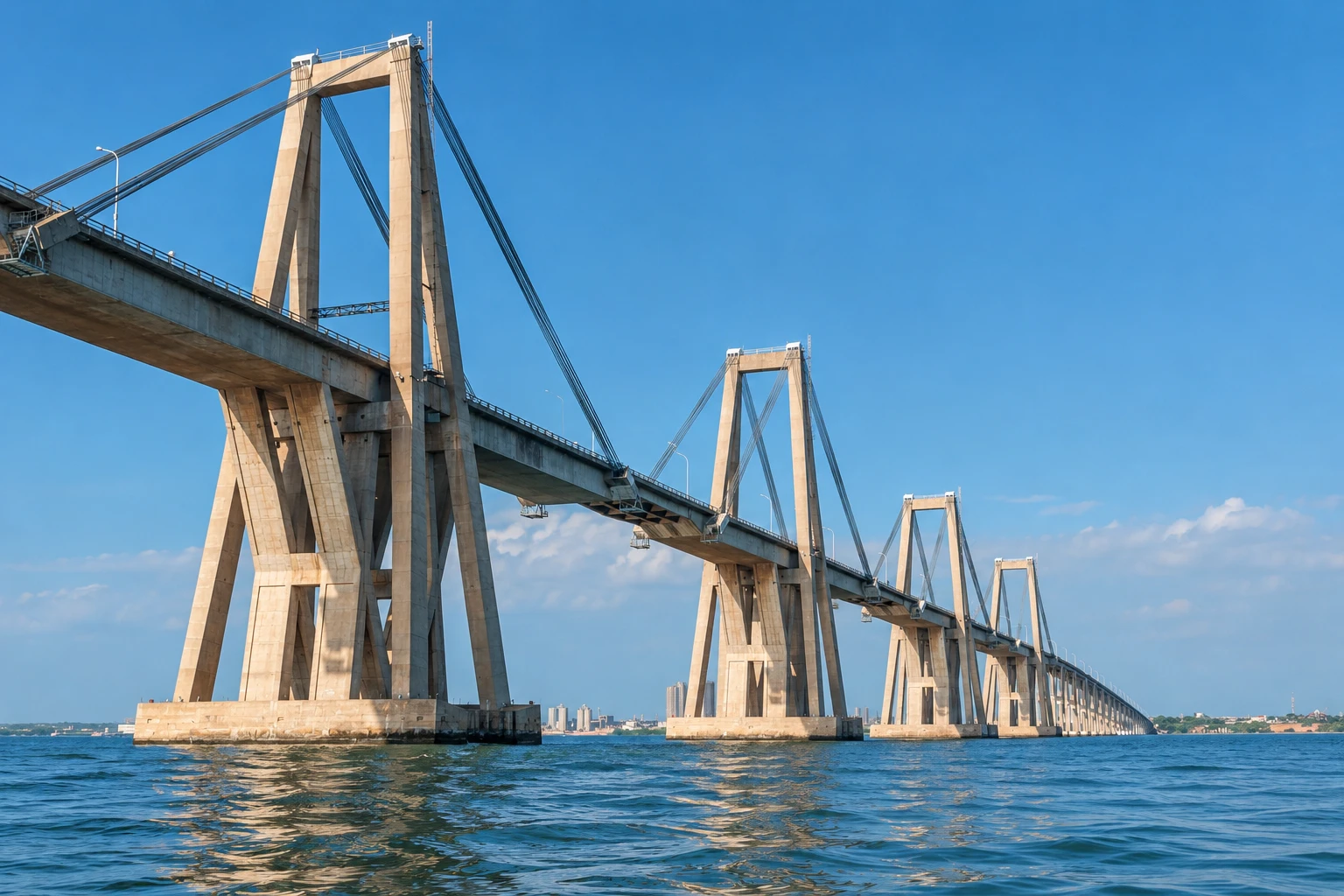
Capital of Zulia and Venezuela’s second-largest city, on the shore of the strait of Lake Maracaibo. Around Plaza Bolívar are the cathedral, with the Black Christ, and the Teatro Baralt; a few blocks away is the Basilica of La Chinita, the state’s patroness. La Vereda del Lago follows the shore and, to the south, the General Rafael Urdaneta Bridge crosses the strait. It is the city of the patacón maracucho and gaita zuliana.
There's no accommodation in the guide yet in Maracaibo.
Tem hotel, pousada ou casa de temporada aqui? Cadastre a suaThere are no restaurants in the guide yet in Maracaibo.
Know a good one? Recommend it to usHotéis e restaurantes da cidade no mapa.
how to get there · how many days · itinerary · questions
Flavors of Venezuela
The local experience
The sanctuary of La Chinita, patron saint of Zulia, in downtown Maracaibo. It houses the small wooden panel with the image of the Virgin that, according to tradition, appeared in 1709 on the lakeshore.
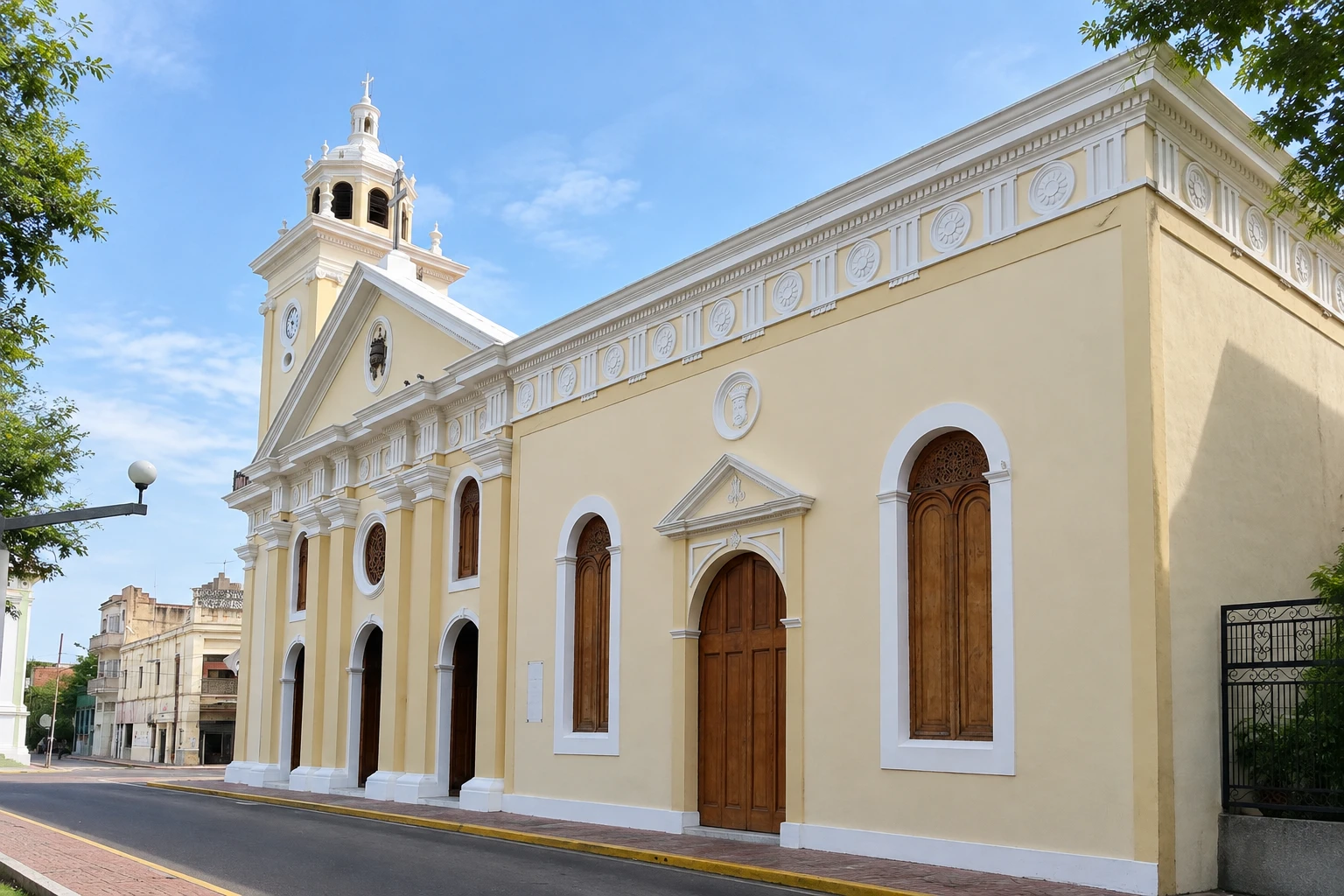
The Cathedral of Saint Peter and Saint Paul, on Plaza Bolívar, the historic heart of Maracaibo. It houses the Black Christ, a crucifix that, according to tradition, survived a fire in 1600.
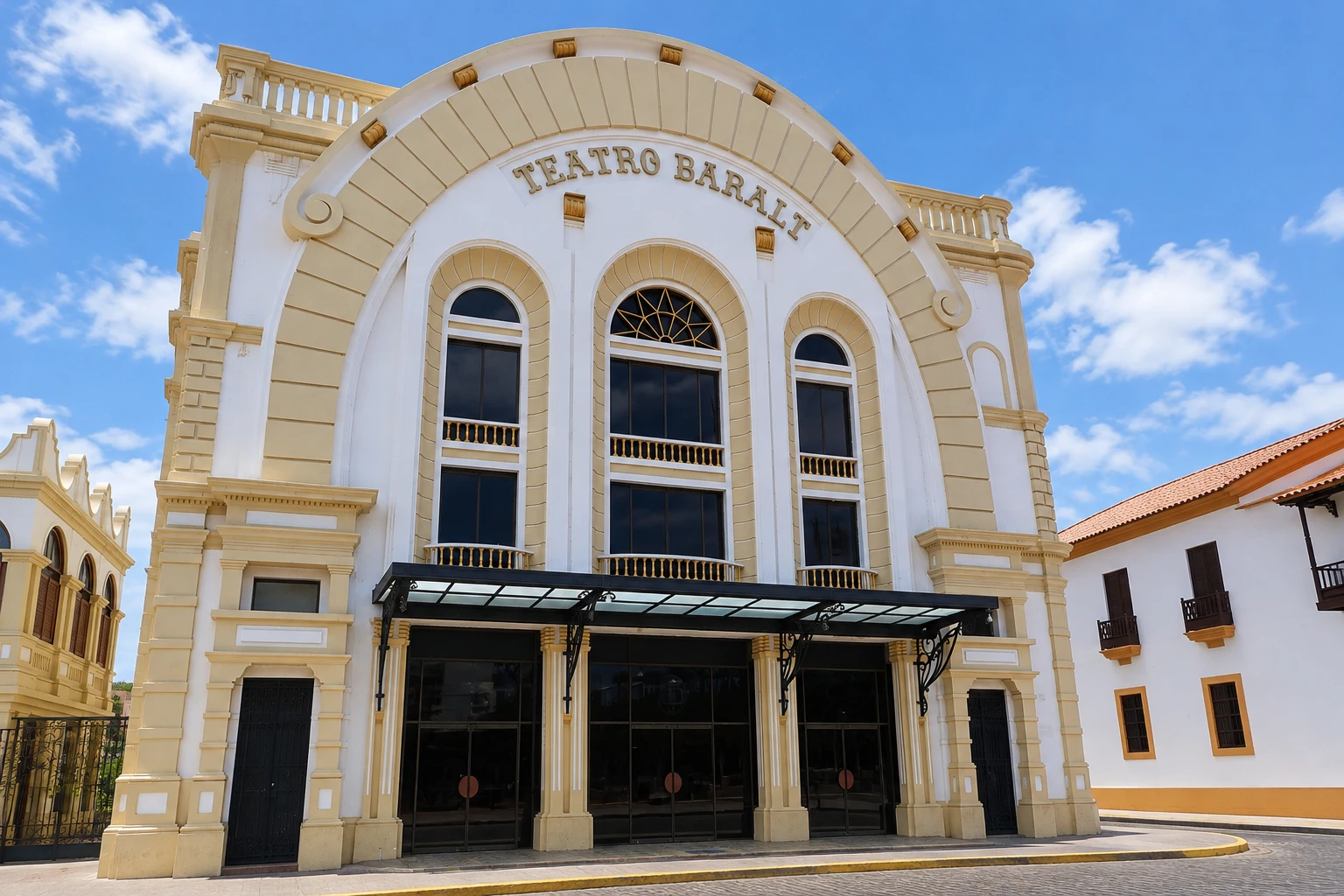
Art déco theater at the northwest corner of Plaza Bolívar, inaugurated in 1932 on the site of an 1883 theater where Venezuela’s first films were screened. It has been a national monument since 1981.
The cable-stayed bridge of almost 8.7 km across the strait of Lake Maracaibo, opened in 1962. It connects the city to the lake’s eastern shore and to the rest of the country.
Before you go
Maracaibo – Venezuela Capital
Approximate distances. Check flights and bus, train or boat schedules before you travel.
La Chinita International Airport (MAR) is about 15 km southwest of downtown, with domestic flights—mainly from Caracas—and some international connections; the most practical transfer from the airport to the city is by taxi. Long-distance buses arrive at the passenger terminal from Caracas, Mérida, San Cristóbal and other cities, and there is a road connection with Colombia.
One day covers the historic center: Plaza Bolívar, the cathedral, Teatro Baralt and the Basilica of La Chinita. With two days, add La Vereda del Lago, views of the General Rafael Urdaneta Bridge and time to enjoy Zulia’s cuisine, from patacón to mandocas.
It’s hot year-round, with highs between 33 °C and 35 °C and lows between 23 °C and 26 °C. From January to March there is little rain; September, October and November are the rainiest months. In November the Feria de la Chinita takes place, with the 18th as the main day. During the year-end festivities, gaita zuliana plays throughout the city.
The seasons shown are the most usual ones; nature doesn't always follow the calendar.
Not for the historic center, which is explored on foot during the day. To go from the center to La Vereda del Lago, the hotel area and the airport, taxis are the most practical. To cross the bridge toward the country’s east you need a car or a bus.
Suggested itinerary
Built with the places on this page. No rush: it's paced so you have time to see them.
Start early at Plaza Bolívar, before the heat. Go into the cathedral to see the Black Christ, look at the Casa de la Capitulación and the Palacio de las Águilas around the square, and finish at Teatro Baralt on the northwest corner.
Walk about 1 km west to the Basilica of Nuestra Señora de Chiquinquirá, where the panel with the image of La Chinita is located. Cross Plaza del Rosario in front of the temple and have a zuliano dish for lunch nearby.
Take a taxi to the Vereda del Lago on Avenida El Milagro and walk along the lakeshore when the heat eases. To the south, in the distance, you can see the General Rafael Urdaneta bridge.
Have a patacón maracucho for dinner: two slices of fried green plantain with meat, cheese, salad, and sauces. It’s an end-of-day food, served at snack bars and street stalls in the city.
Check before you go. Opening hours and days change, and places may close for renovations, holidays or events. This itinerary is a suggestion from Cidade Turismo, not a commitment: plan yours by checking directly with each place you intend to visit.
Before you go
See Plaza Bolívar with the cathedral and the Teatro Baralt, visit the Basilica of La Chinita, and finish the day at the Vereda del Lago by the lake.
La Chinita Airport (MAR) is about 15 km southwest of the city center. A taxi is the most practical option.
In November, in honor of the Virgin of Chiquinquirá, patron saint of Zulia. The main day is November 18.
Yes, year-round, with highs between 33 °C and 35 °C. Walks are more pleasant in the early morning and late afternoon.
The patacón maracucho is the city’s best-known dish. Zulian cuisine also features mandocas, bollos pelones, torta de plátano, and dishes with coconut and lake fish.