Tannat
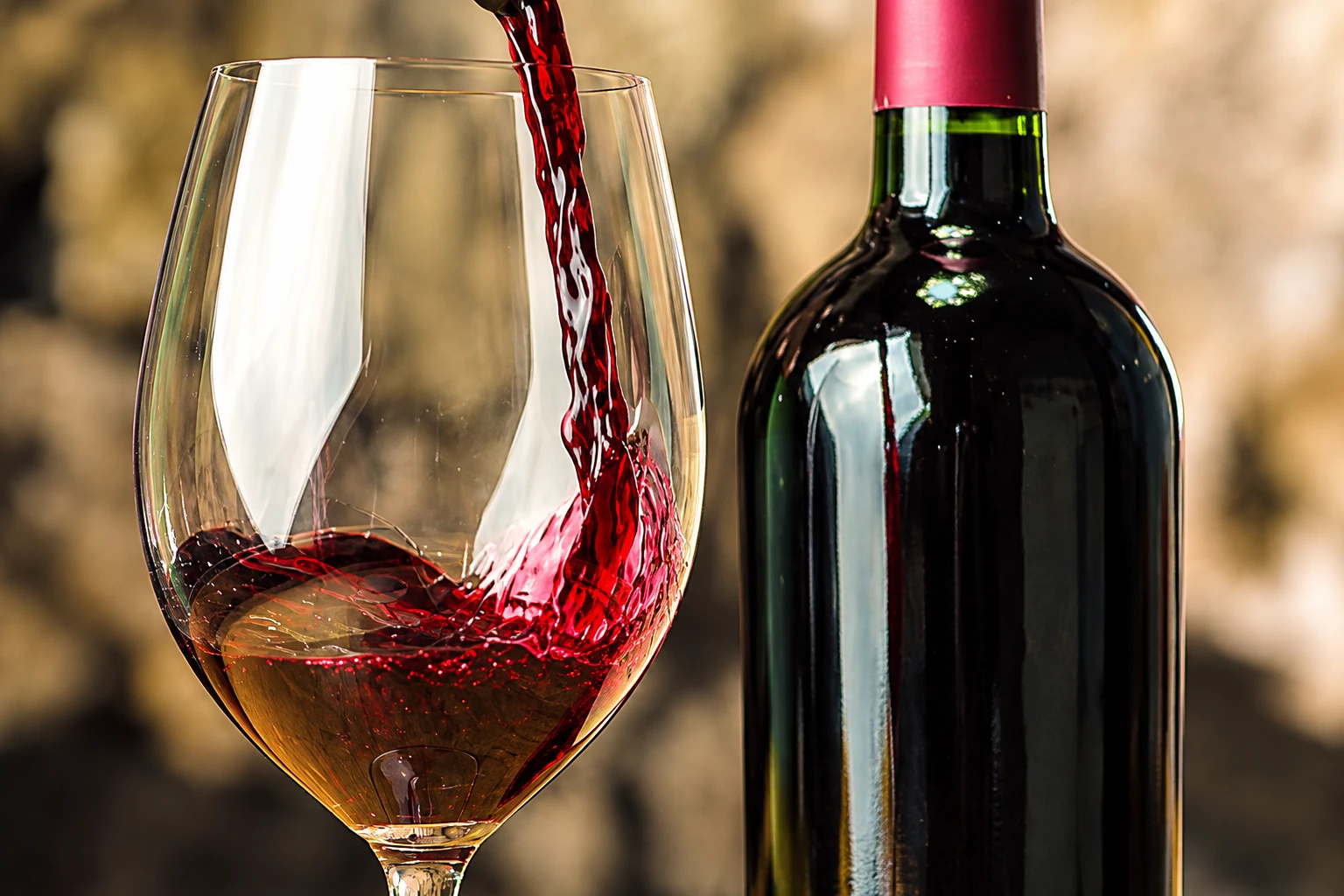
Red wine from the Tannat grape, with intense color and pronounced tannins, the signature grape of Uruguay. The grape arrived in the country with Pascual Harriague, who adapted it in Salto in the 19th century.
Antarctica
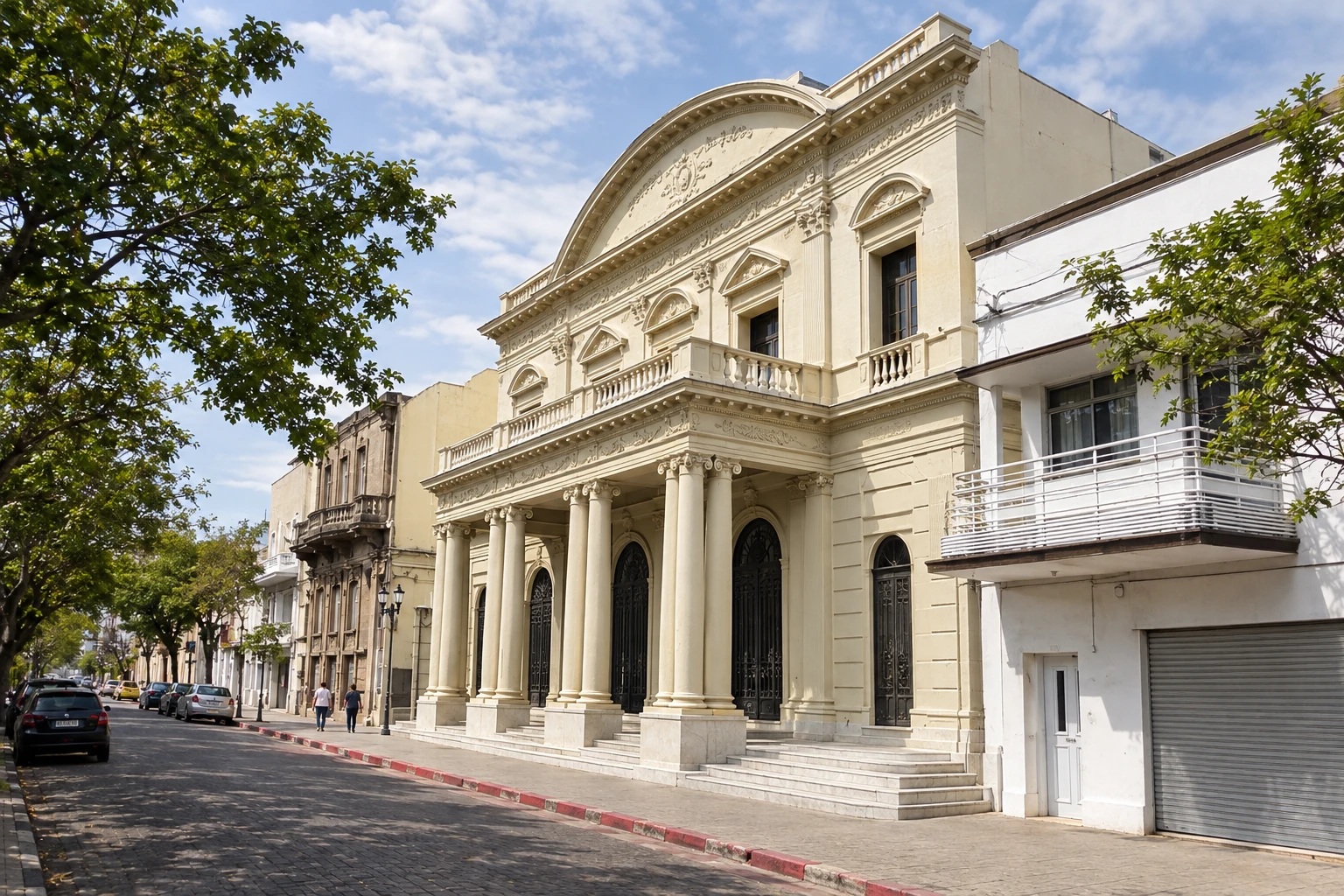
In the photo: Teatro Larrañaga in Salto
Illustrative images. The pictures in this guide are illustrations based on the real place, not photographs, and may differ from it.
The city
Salto, the department capital, is on the bank of the rio Uruguai, opposite Concordia in Argentina. Ten kilometres away are the Termas del Daymán and the Acuamanía waterpark; about 90 km away are the Termas del Arapey. To the north, the Represa de Salto Grande offers guided visits. Downtown are the Catedral, Plaza Artigas and Teatro Larrañaga; near the river are the Muelle Negro, Salto Chico and Casa Horacio Quiroga.
There's no accommodation in the guide yet in Salto.
Tem hotel, pousada ou casa de temporada aqui? Cadastre a suaThere are no restaurants in the guide yet in Salto.
Know a good one? Recommend it to usHotéis e restaurantes da cidade no mapa.
how to get there · how many days · itinerary · questions
Flavors of Uruguay
The local experience
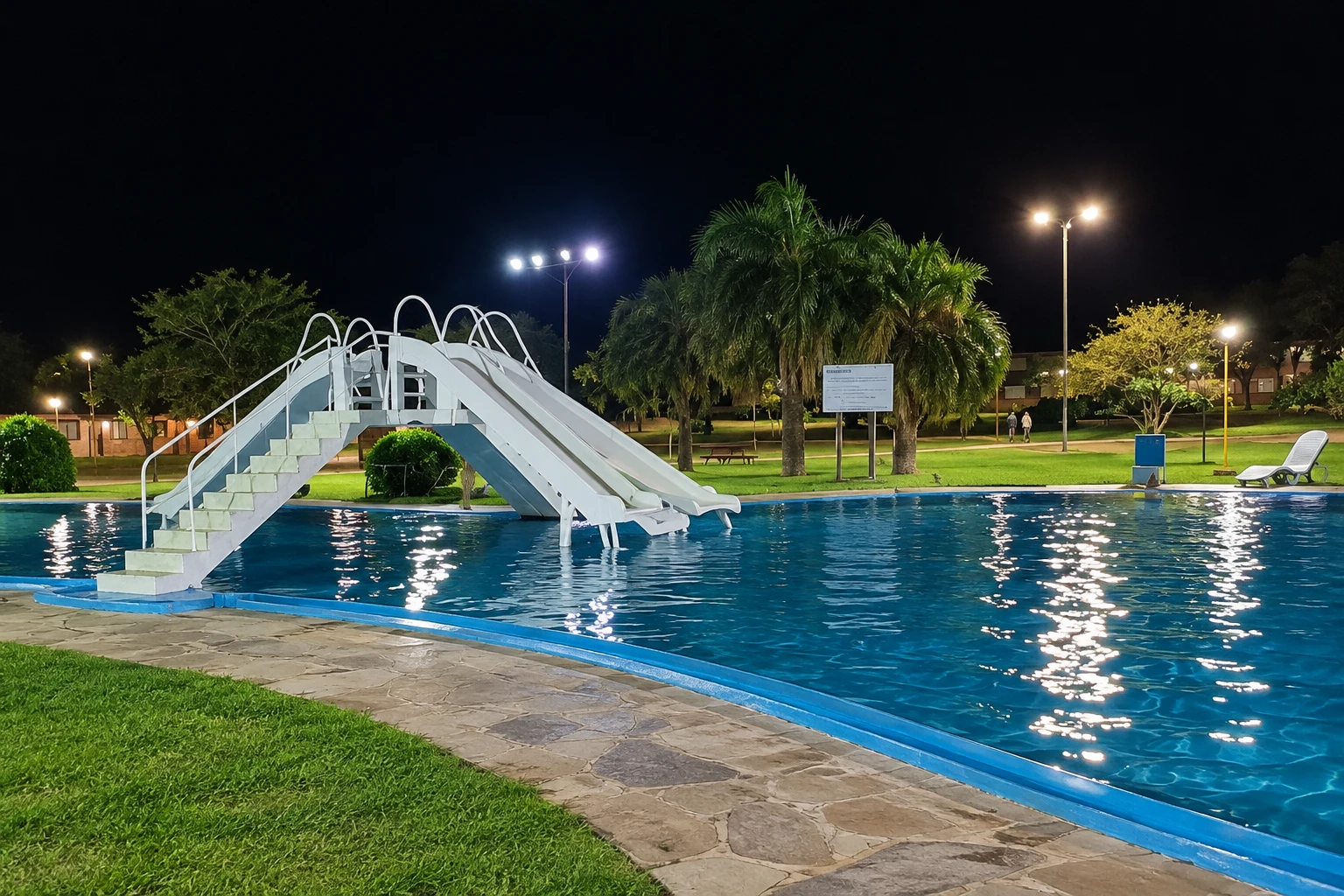
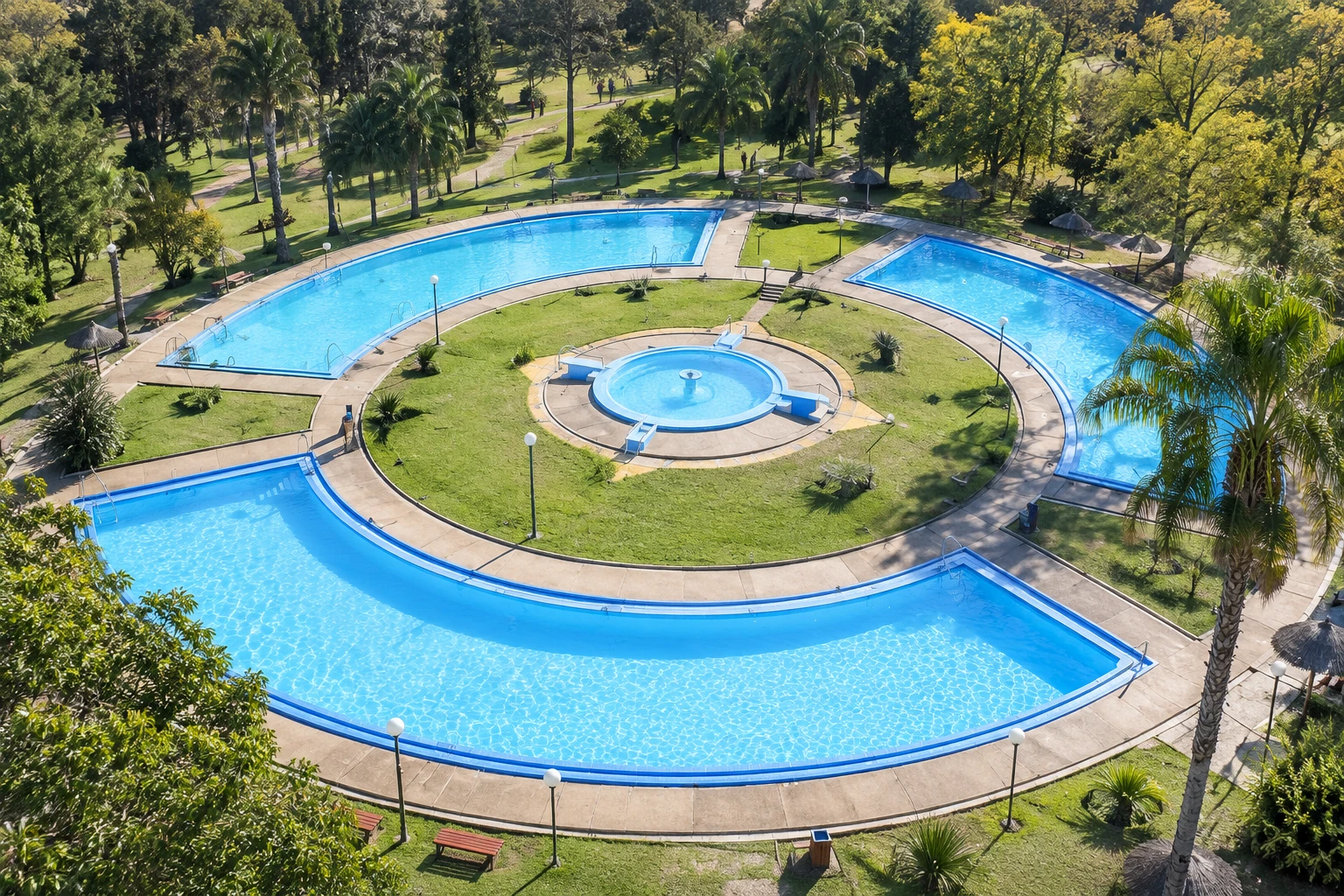
Thermal center 10 km from Salto, beside the Río Daymán, with a municipal thermal park whose pools are fed by water from the Guarani Aquifer, hotels, cabins and camping around.
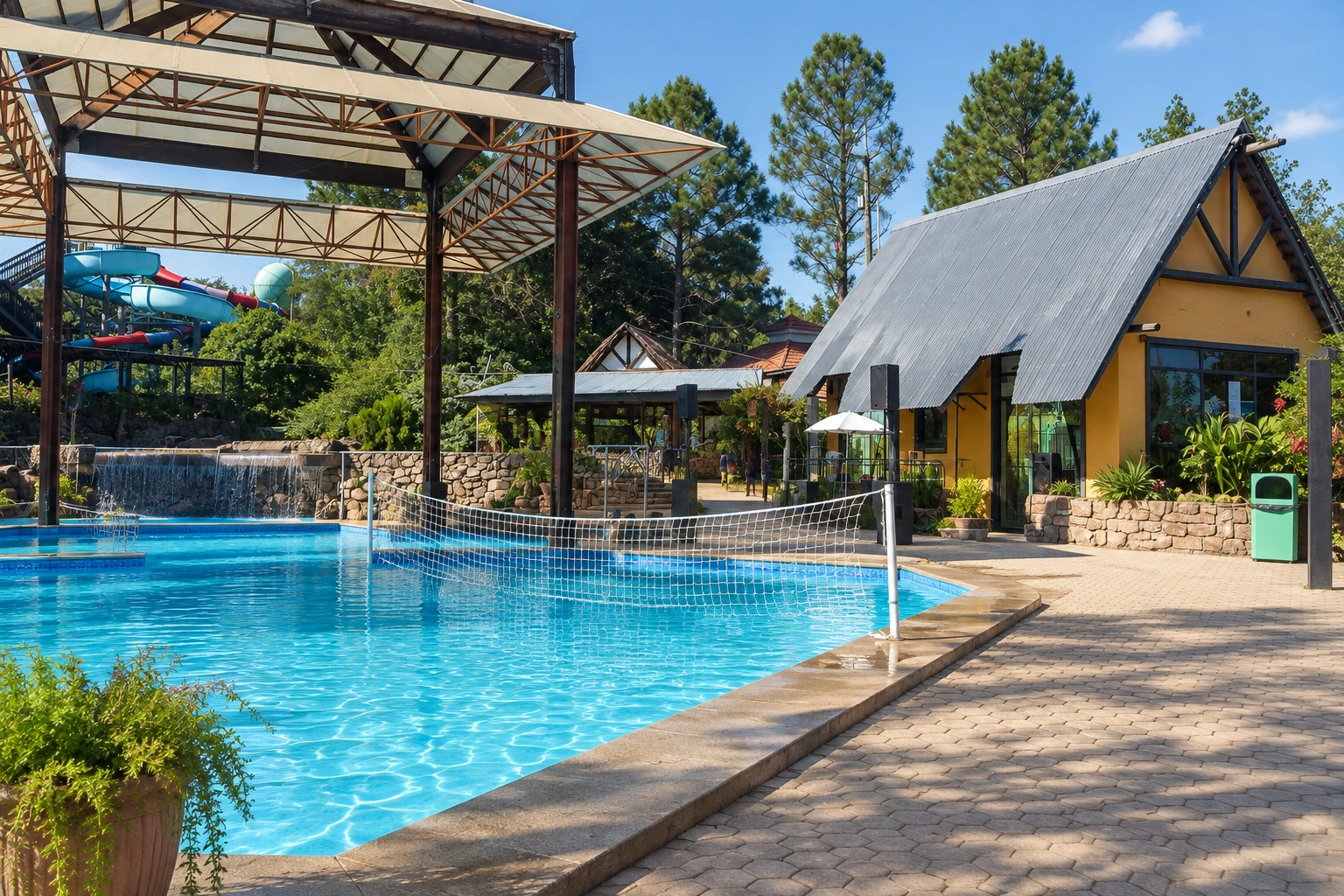
Thermal water park in Termas del Daymán, with slides, pools for all ages and a restaurant. It operates seasonally, usually from September to March or April.
The first thermal resort in Uruguay, about 90 km from Salto, on 250 hectares of countryside and woodland by the Arapey River, with a municipal thermal park open year-round.
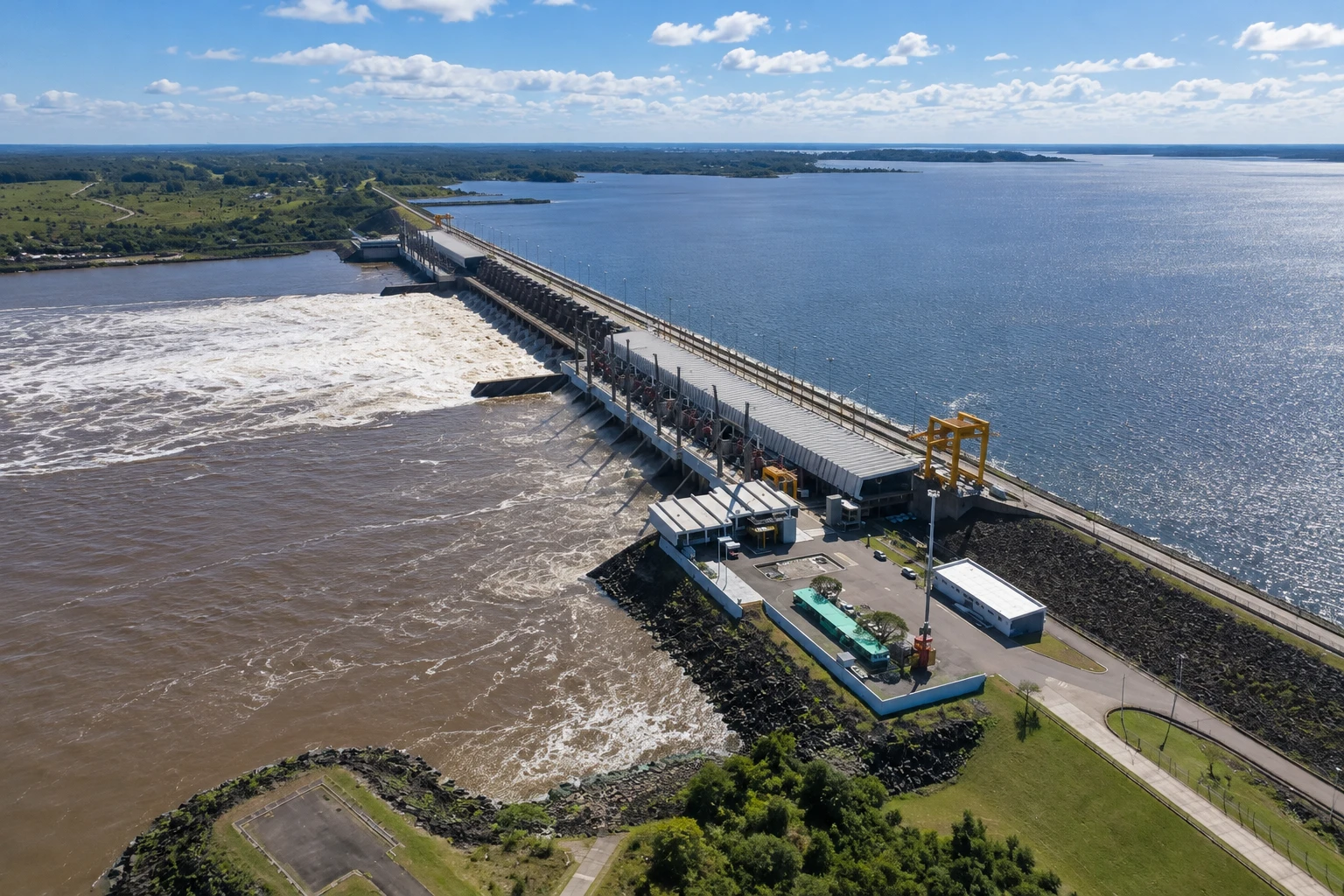
The first binational hydroelectric power plant in Latin America, 15 km north of Salto, with guided tours on the Uruguayan side that include a lookout, the engine room and crossing the international bridge.
Before you go
Salto – Uruguay Capital
Approximate distances. Check flights and bus, train or boat schedules before you travel.
From Barra do Quaraí, via Bella Unión, it’s 147 km along Ruta 3. From Quaraí, via Artigas, about 210 km via Rutas 4 and 31. From Rivera, roughly 335 km via Rutas 5 and 31. From Montevidéu, around 500 km via Rutas 1 and 3. The bus station is next to Salto Shopping. The dam’s bridge links Salto to Concordia. Connections with Brazil may be direct or with a stopover depending on the season and the airline. Confirm before buying.
One day is enough for downtown, the Muelle Negro and an afternoon in Daymán. With two days you can include the Represa de Salto Grande, Casa Quiroga and Salto Chico. With three days, set aside a full day for the Termas del Arapey.
All year. From May to September the hot springs are busier, with average lows around 7 °C in July. From December to February average highs exceed 30 °C, and Acuamanía is in season. Avoid Semana de Turismo if you don't like crowds.
The seasons shown are the most usual ones; nature doesn't always follow the calendar.
Not required. The center can be explored on foot, and there is a city bus to Daymán and buses from Salto to Arapey Monday to Saturday. The dam has a tour with transport departing from Daymán. A car makes it easier to combine the dam, Salto Chico and Arapey in the same itinerary.
Suggested itinerary
Built with the places on this page. No rush: it's paced so you have time to see them.
Start at Plaza Artigas, enter the Catedral Basílica San Juan Bautista and follow Calle Uruguay to the façade of Teatro Larrañaga.
Go by car or by city bus to Daymán, 10 km away, and spend the afternoon in the pools of the municipal thermal park.
Return to the riverfront, walk along the Muelle Negro and the Costanera Sur and watch the sun set over Concordia.
Dine at a restaurant in the city center or on the costanera. Uruguayans usually have dinner after 9:00 p.m.
Day 1
Take the guided tour of the dam, booked in advance, with a viewpoint, engine room and crossing of the international bridge.
On the way back, visit Casa Horacio Quiroga, which opens in the afternoon, and follow the Costanera Norte to the rapids of Salto Chico.
End the day at the Muelle Negro, the old iron railway pier on the Río Uruguay.
Stroll around the illuminated Plaza Artigas and have dinner in the center.
Day 2
Visit the Cathedral, Plaza Artigas with the monument to Artigas, and Teatro Larrañaga, from 1882.
Spend the afternoon at the Daymán thermal park. In season, from September to March, travelers with children can opt for Acuamanía.
Stay in the pools until late afternoon, when the air cools and the hot water makes more of a difference.
Dine at one of Daymán's village restaurants or return to downtown Salto.
Day 1
Plaza Artigas, Cathedral and Teatro Larrañaga, with a walk along Calle Uruguay.
Visit Casa Horacio Quiroga in the afternoon and follow the Costanera Norte to Salto Chico.
Late afternoon at the Muelle Negro and on the Costanera Sur, facing Concordia.
Dinner in Salto's center, unhurried.
Day 2
Guided visit to the dam from the Uruguayan side, with prior booking.
Head to Daymán and spend the afternoon at the municipal thermal park or, in season, at Acuamanía.
Enjoy the warmer pools at the end of the day.
Sleep in Daymán to leave early the next morning heading north.
Day 3
Take Ruta 3 north and the Camino Raúl Gaudín to the Termas del Arapey, about 90 km.
Spend the afternoon in the pools of Arapey's municipal thermal park, surrounded by countryside.
Walk to the Río Arapey, with rapids over basalt, and see the tomb of the 1903 soldier.
Stay overnight in Arapey or return to Salto, a little over an hour's drive.
Check before you go. Opening hours and days change, and places may close for renovations, holidays or events. This itinerary is a suggestion from Cidade Turismo, not a commitment: plan yours by checking directly with each place you intend to visit.
Before you go
Yes. From Barra do Quaraí, via Bella Unión, it's 147 km on Ruta 3. From Quaraí, via Artigas, about 210 km.
Yes. The bridge over the Represa de Salto Grande connects the two cities. Bring identification and check migration requirements before crossing.
In Daymán, if you want to use the thermal baths several times a day. In the center, to have restaurants, shops and walks within walking distance.
Yes, Nueva Hespérides, 7 km from the center, with domestic flights from Montevideo. From Brazil, the most common air gateway is Montevideo, about 500 km away.
The language is Spanish. Many people understand Portuguese due to proximity to Rio Grande do Sul and the flow of Brazilian tourists at the hot springs.