José Ignacio · Maldonado · Lighthouse
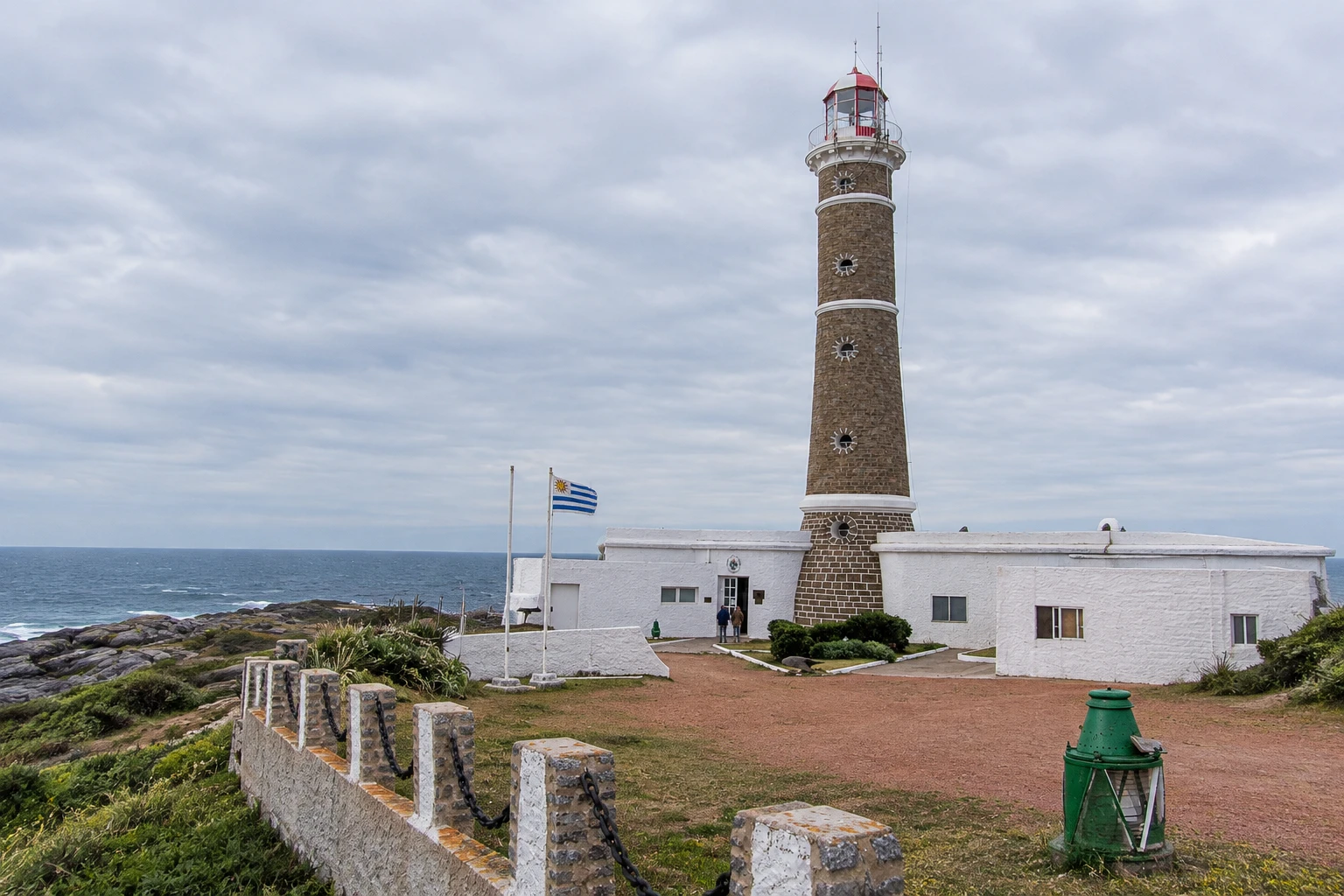
José Ignacio Lighthouse
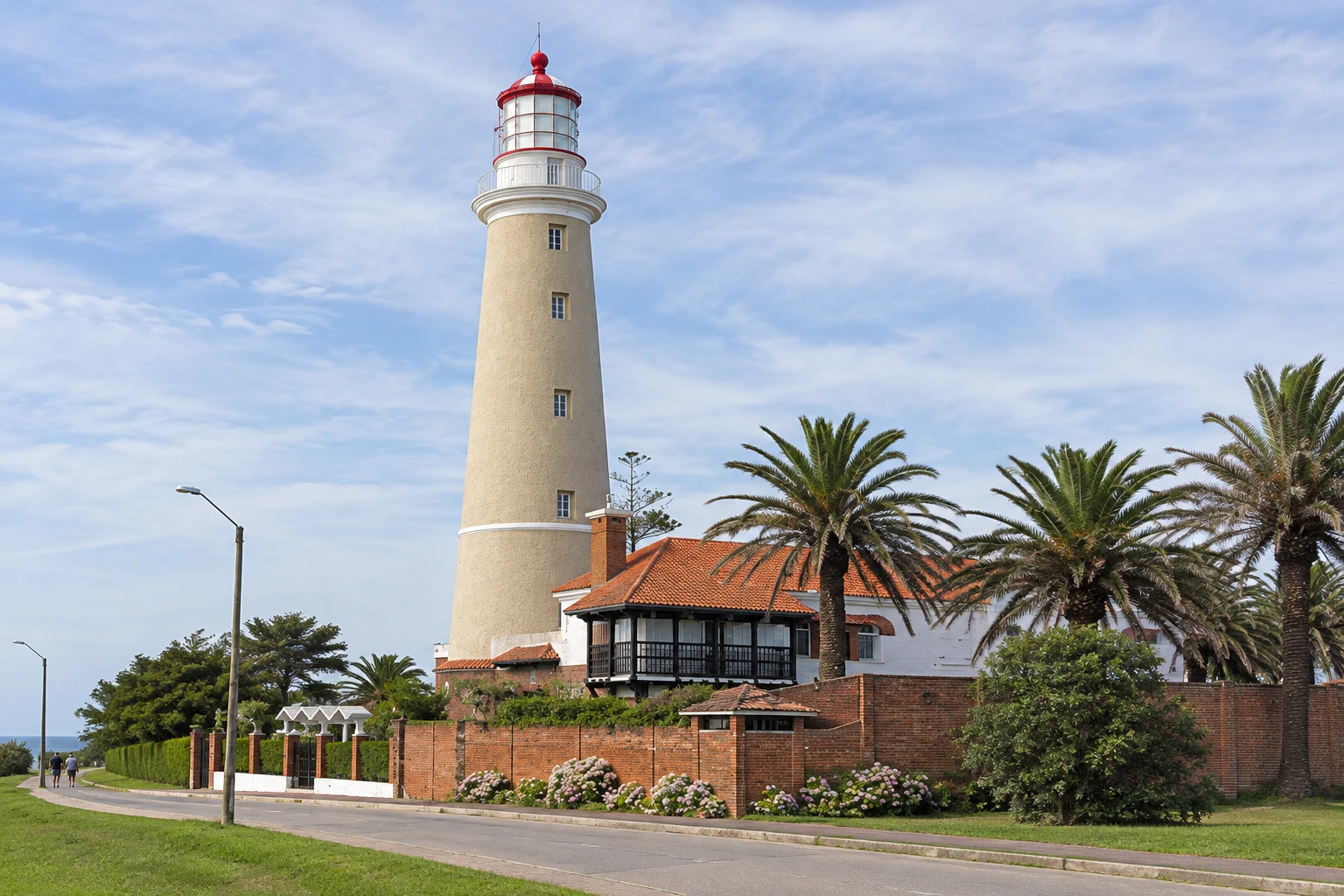
Lighthouse from 1877 on the rocky point of José Ignacio, a national historic monument, with a calm beach to the west and a surf beach to the east.

 Search
 Brazil
 Antarctica
 Argentina
 Bolivia
 Chile
 Colombia
 Ecuador
 Falkland Islands (Malvinas)
 French Guiana
 Guyana
 Paraguay
 Peru
 SurinameUruguay
 Venezuela
 Austria
 Belgium
 Croatia
 Denmark
 Finland
 France
 Germany
 Greece
 Hungary
 Iceland
 Ireland
 Italy
 Luxembourg
 Norway
 Poland
 Portugal
 Slovakia
 Slovenia
 Spain
 Sweden
 Switzerland
 the Czech Republic
 the Netherlands
 the United Kingdom
 Turkey
 Bermuda
 Canada
 Greenland
 Mexico
 Saint Pierre and Miquelon
 the United States
 the Dominican Republic
 JapanTurkey
 Egypt
 South Africa
 Australia
 Fiji
 New Zealand
 Papua New Guinea
Maldonado
22 places to visit and 16 tours, chosen by the Cidade Turismo guide.
Updated
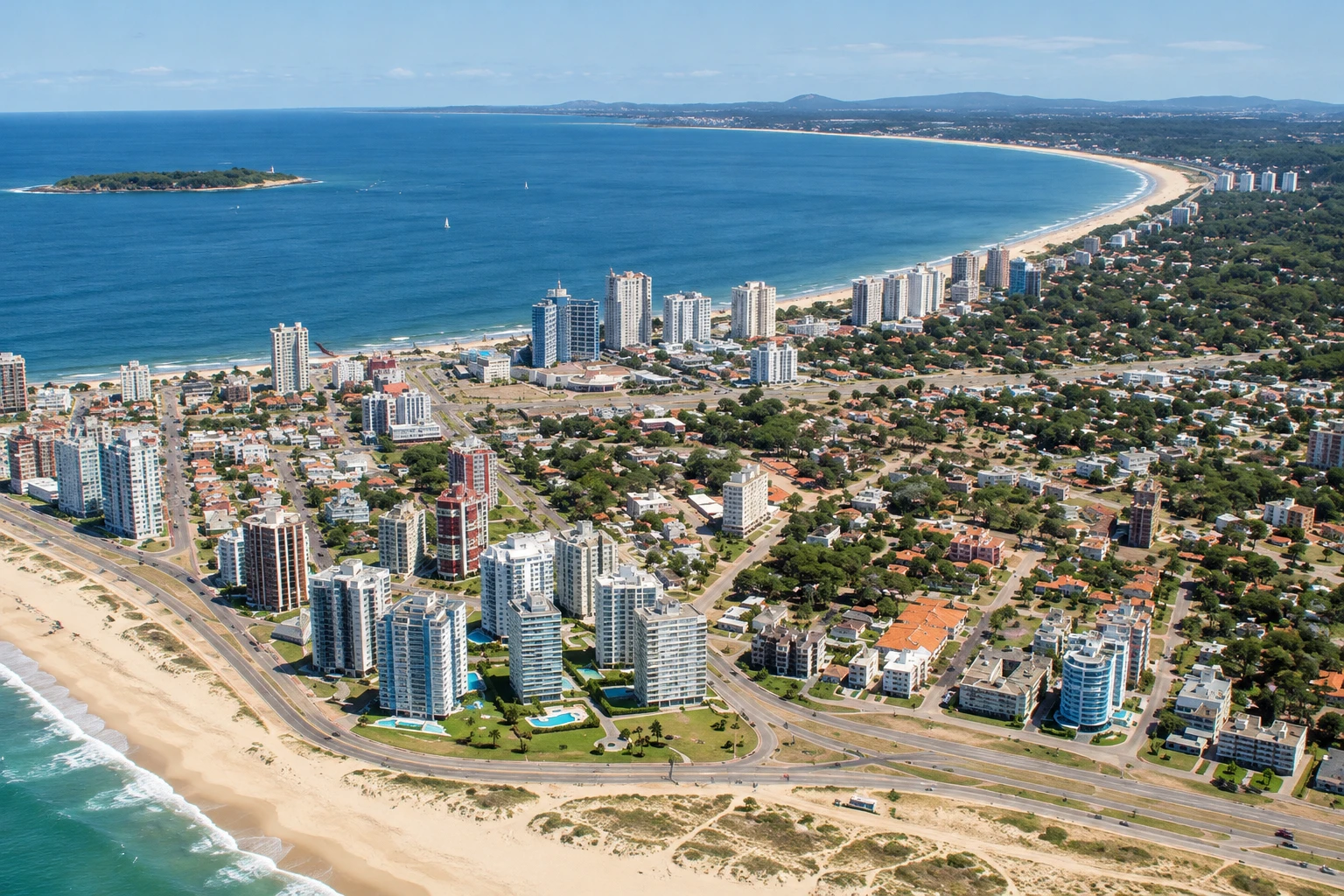
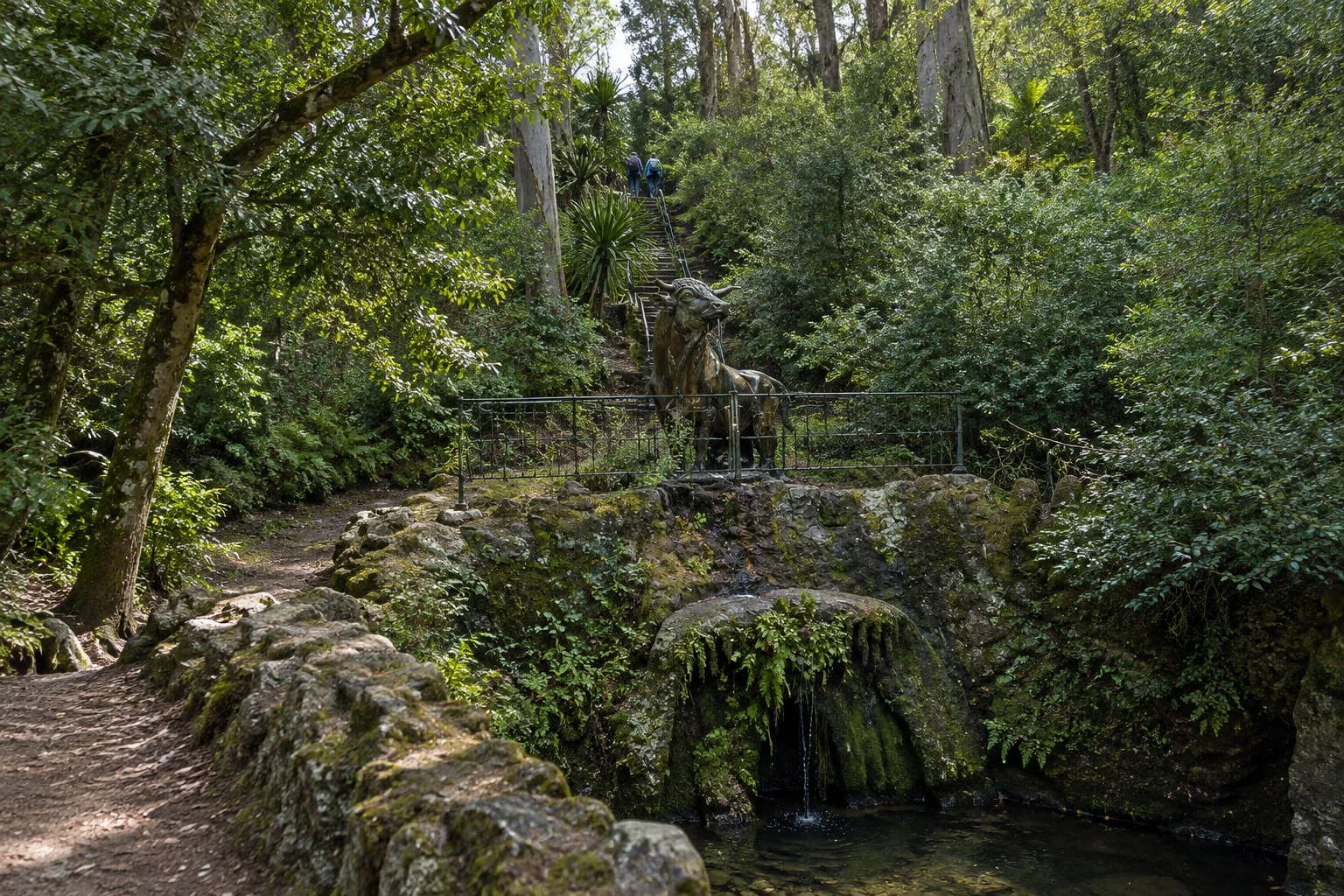
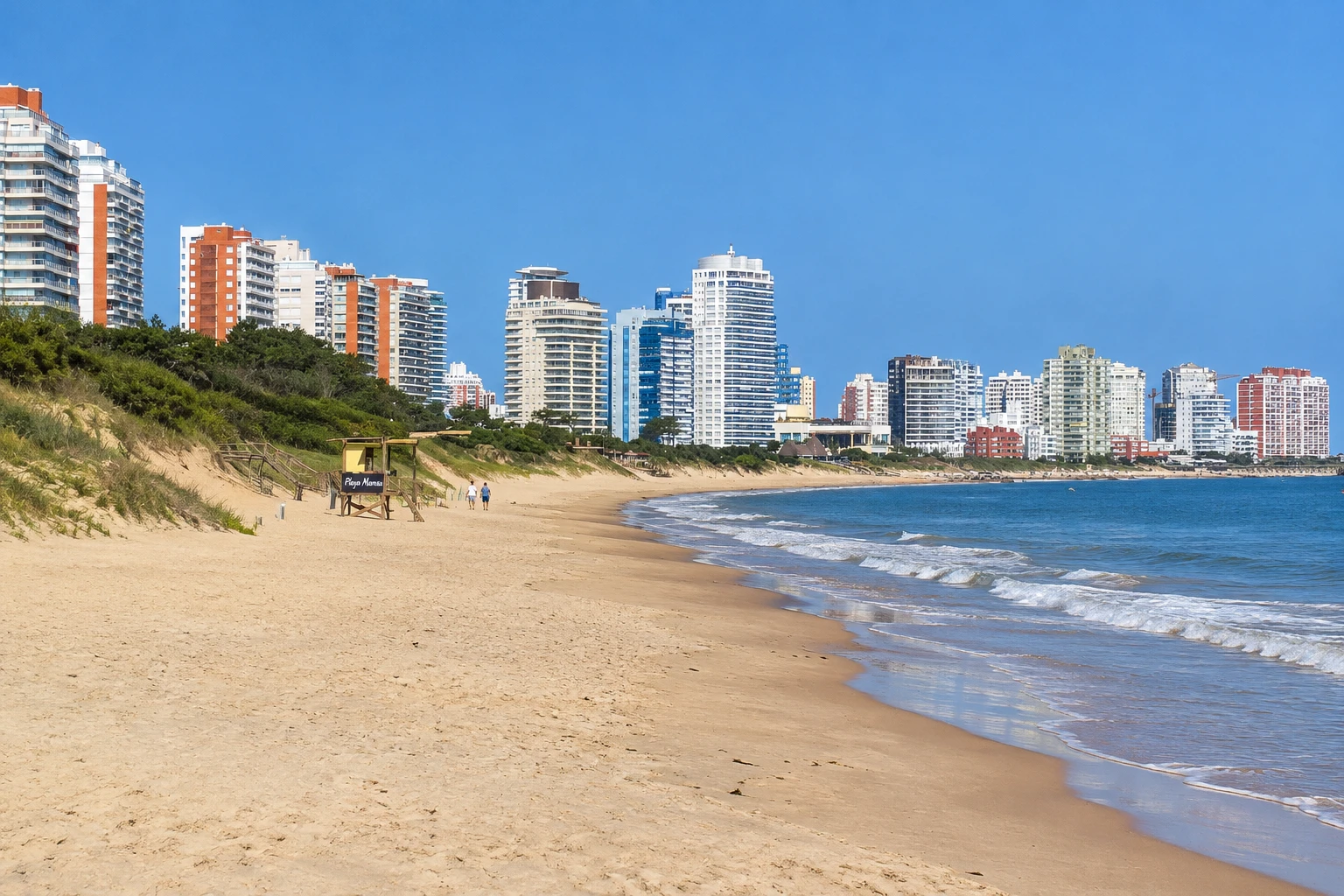
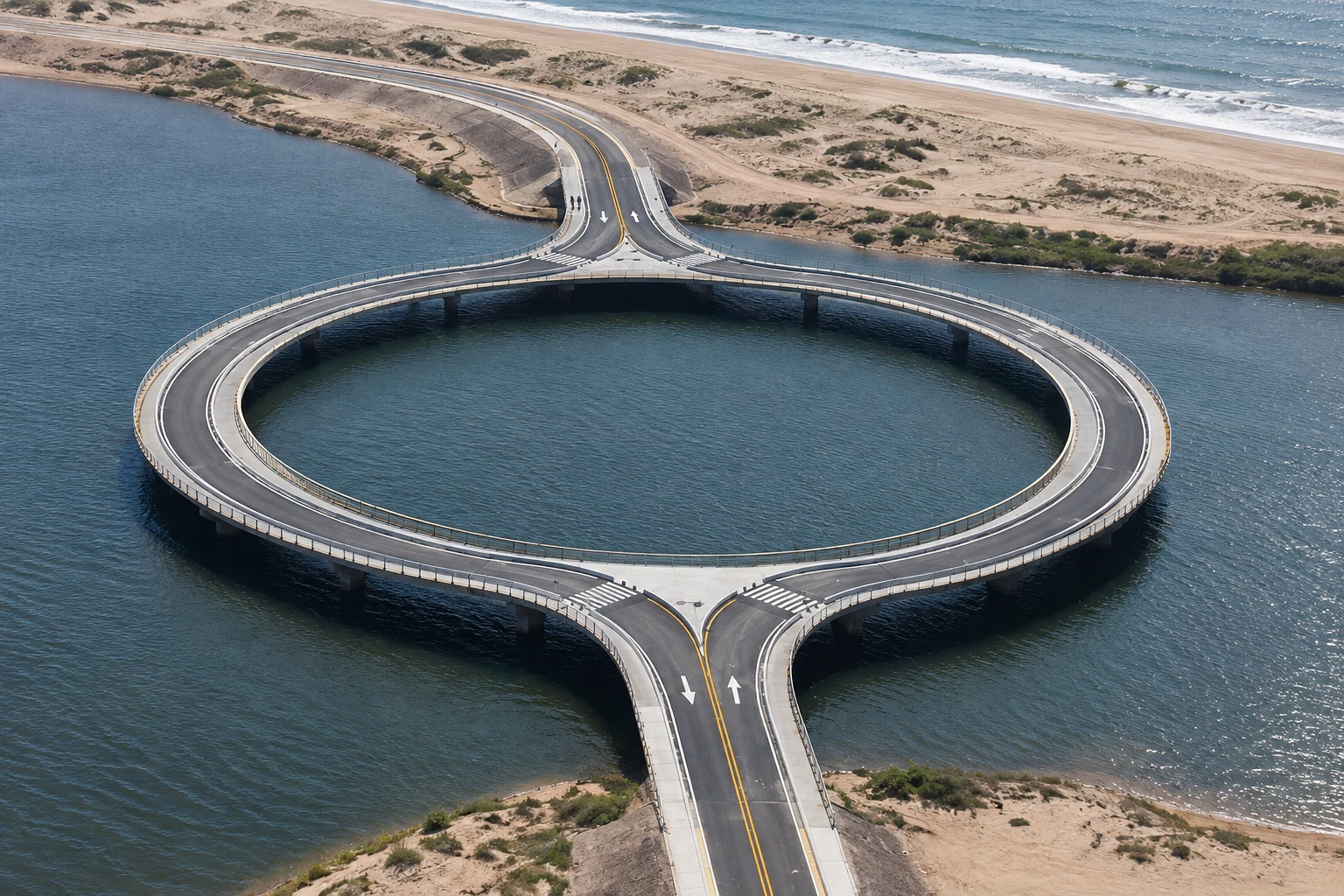
Illustrative images. The pictures in this guide are illustrations based on the real place, not photographs, and may differ from it.
To start
One by one
Lighthouse from 1877 on the rocky point of José Ignacio, a national historic monument, with a calm beach to the west and a surf beach to the east.
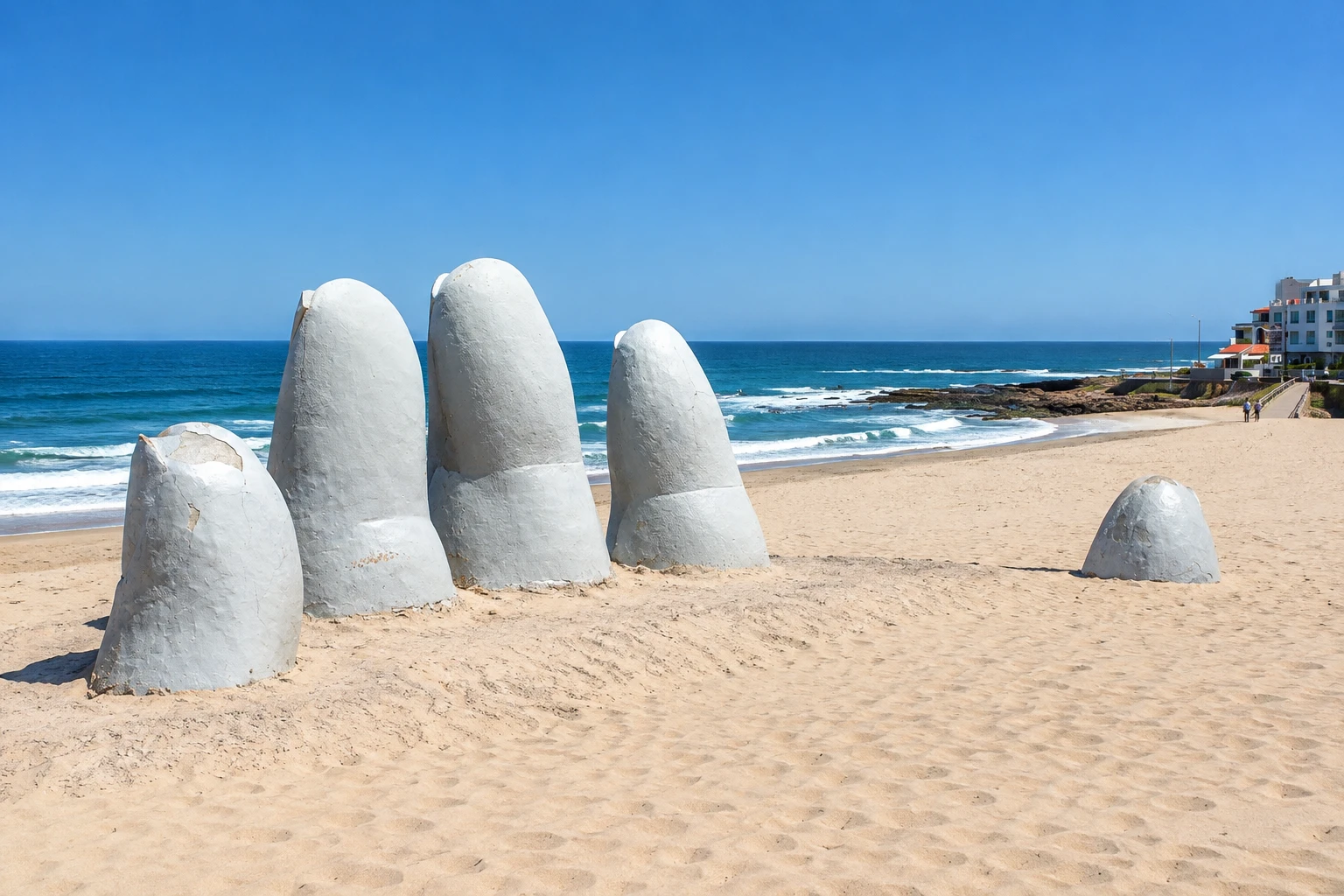
The five giant fingers emerging from the sand at Parada 1 on Playa Brava, a work by Chilean artist Mario Irarrázabal from 1982 and a symbol of Punta del Este.
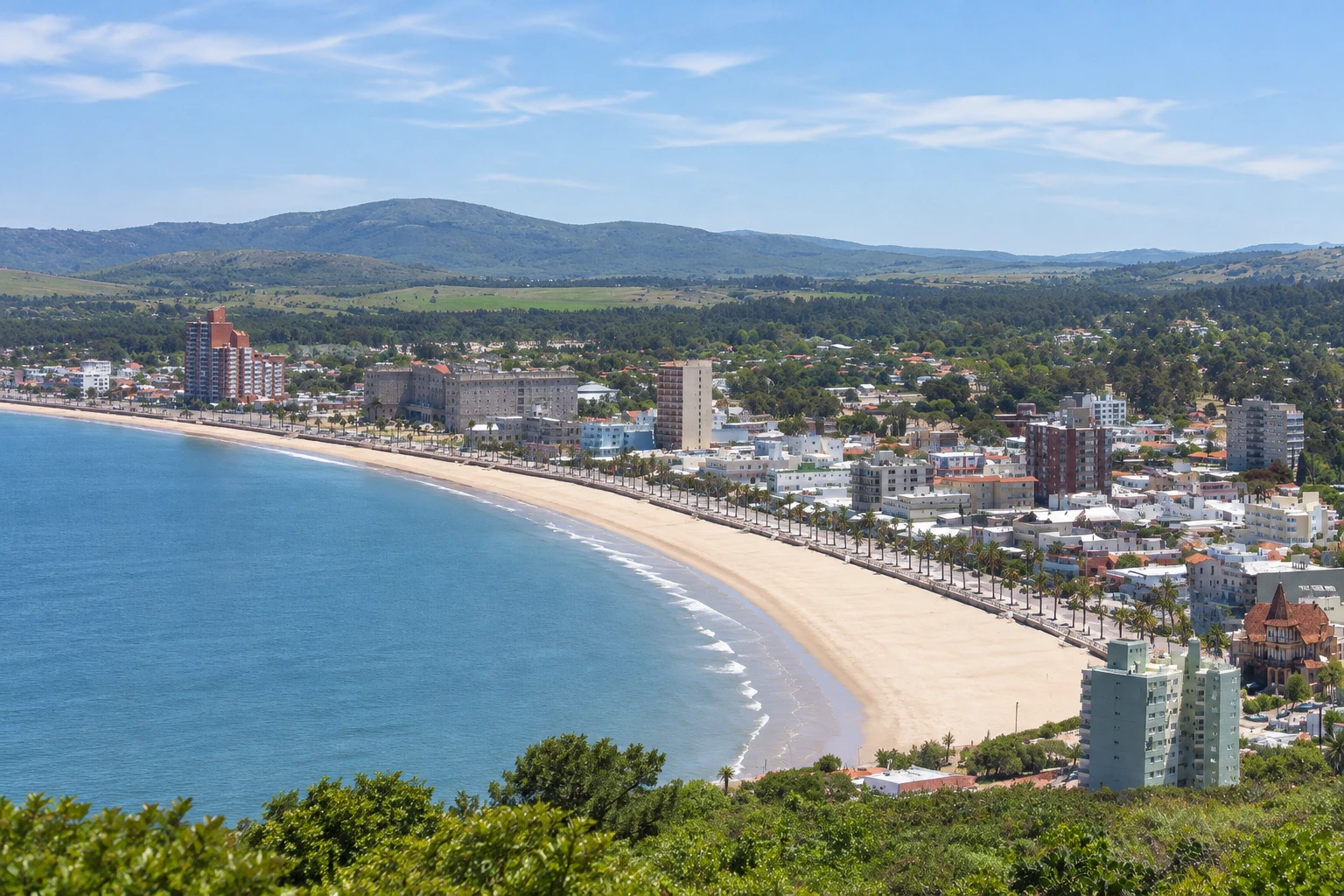
The promenade along Piriápolis bay, inaugurated in 1916, with beaches, cafés and the façade of the Argentino Hotel from 1930.
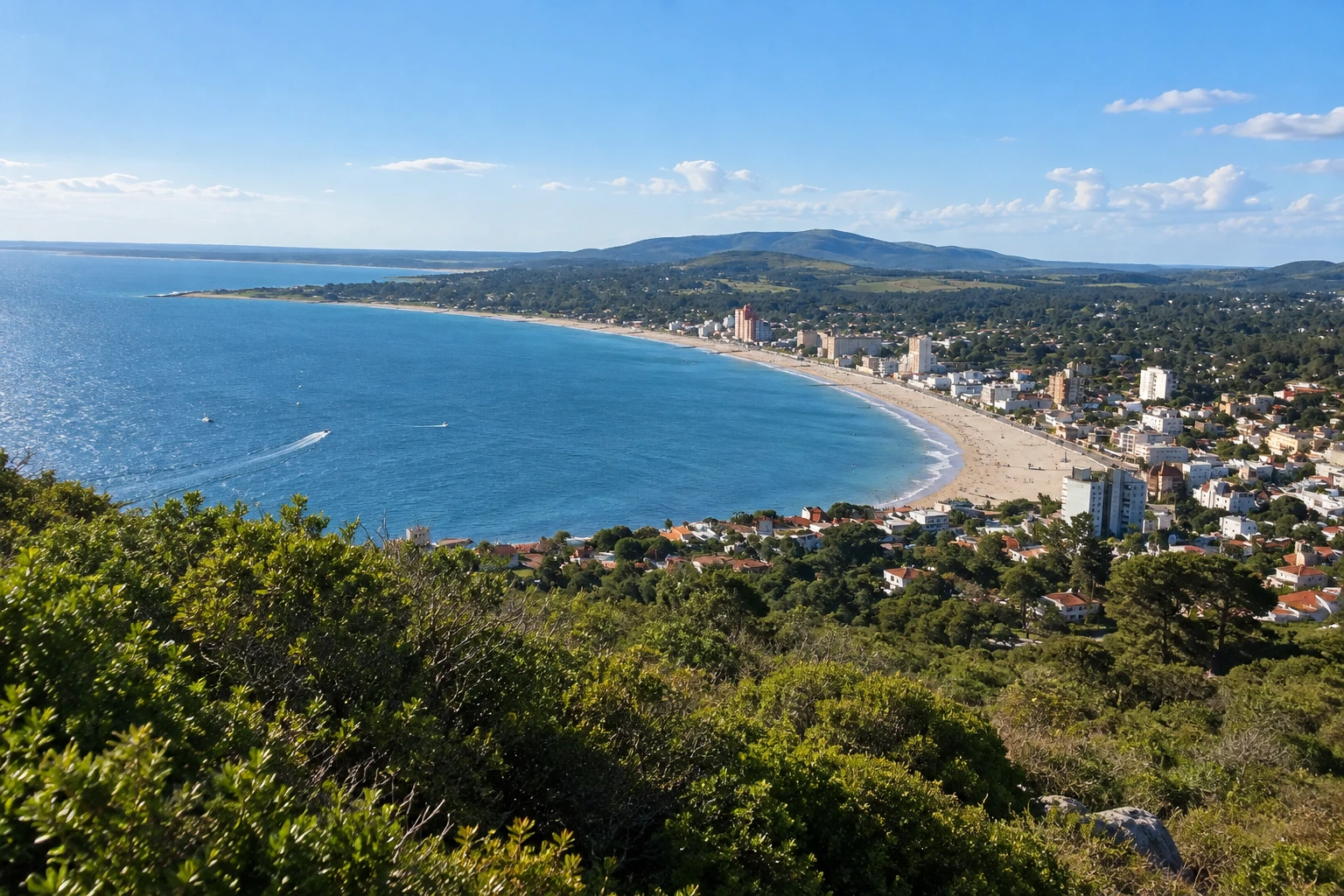
A hill of about 130 metres next to the port, with the chapel of Santo Antônio at the top and views over the rambla, the bay and neighbouring resorts.
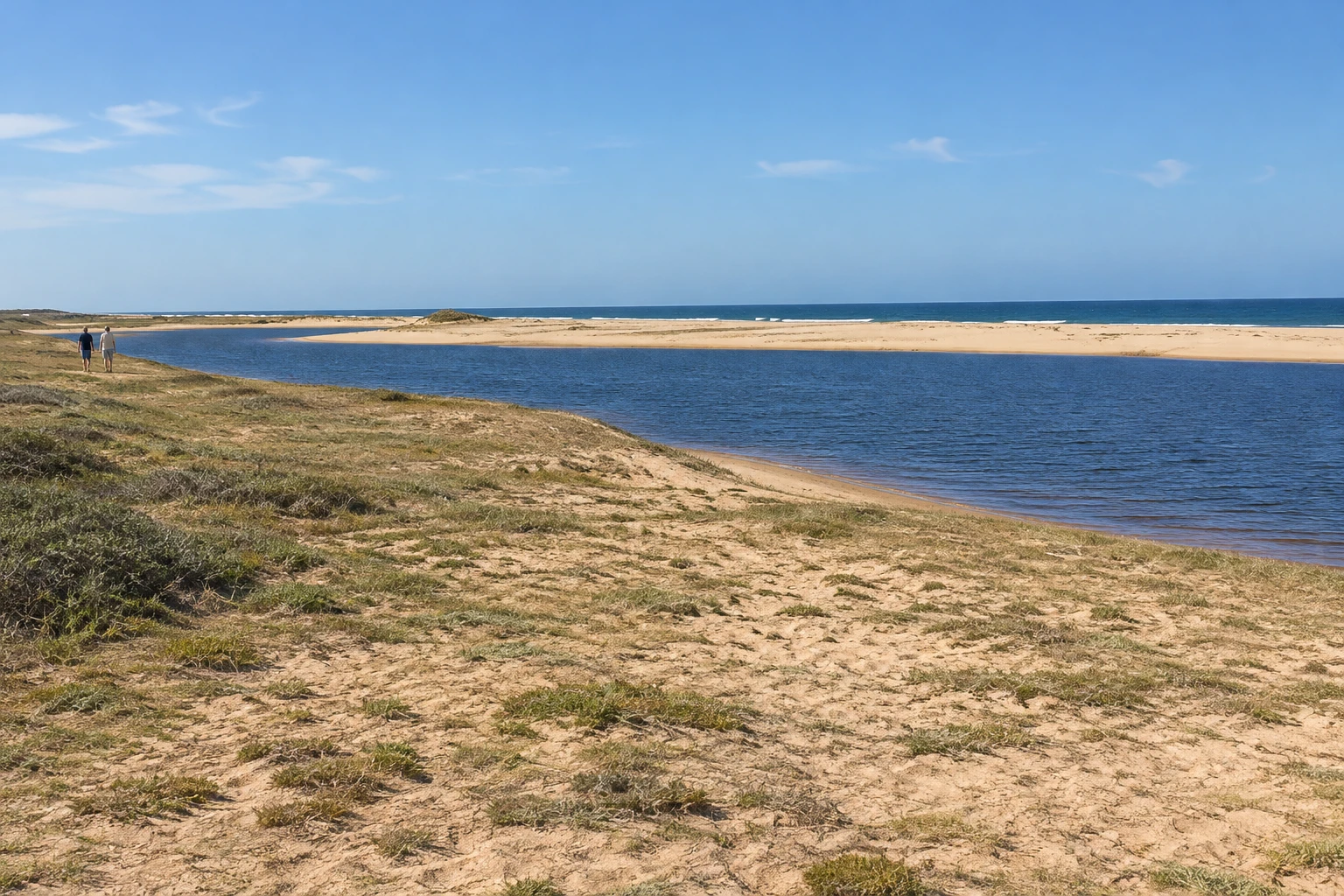
Coastal lagoon west of the village, seen from Ruta 10, popular for birdwatching, kitesurfing and spending an afternoon by the water.
The beach on the Atlantic side of the peninsula, with strong waves and wide sand, featuring La Mano at Parada 1 and numbered stops along the coast.
Hill about 250 meters above the town, with the Fuente del Toro, a three-ton metal bull installed by Piria in 1911, and a trail to the summit.
The beach facing the bay, on the west side of the peninsula, protected by Isla Gorriti and generally calm waters, preferred by families.
Circular bridge by Rafael Viñoly over Laguna Garzón, opened in 2015 on the border between Maldonado and Rocha, with sidewalks and viewpoints over the water.
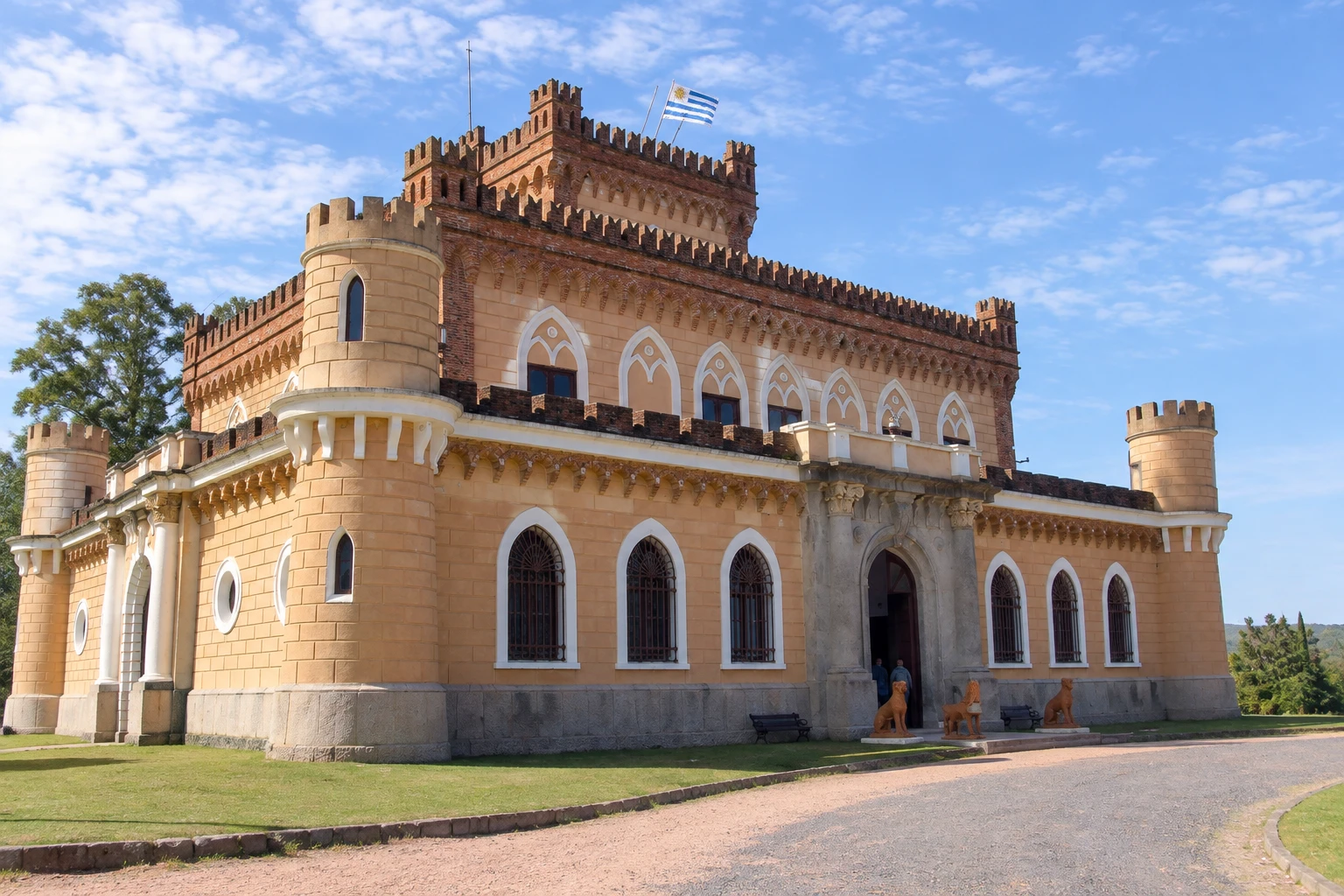
The residence of Francisco Piria, inaugurated in 1897 at the foot of Cerro Pan de Azúcar, with the appearance of a medieval castle and now a municipal museum.
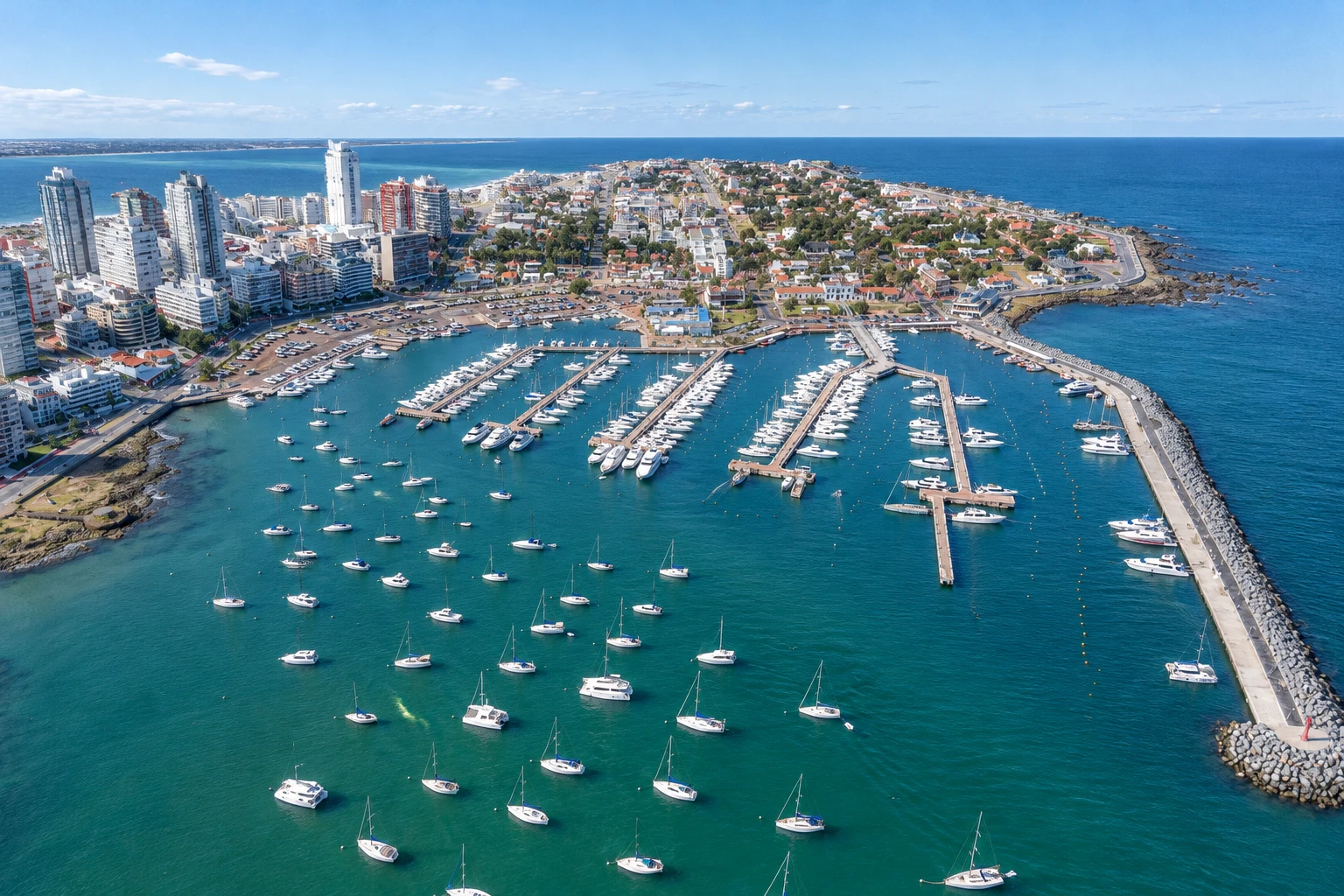
Marina at the tip of the peninsula, with sailboats, fishing boats, fish stalls and sea lions that climb onto the quay looking for scraps.
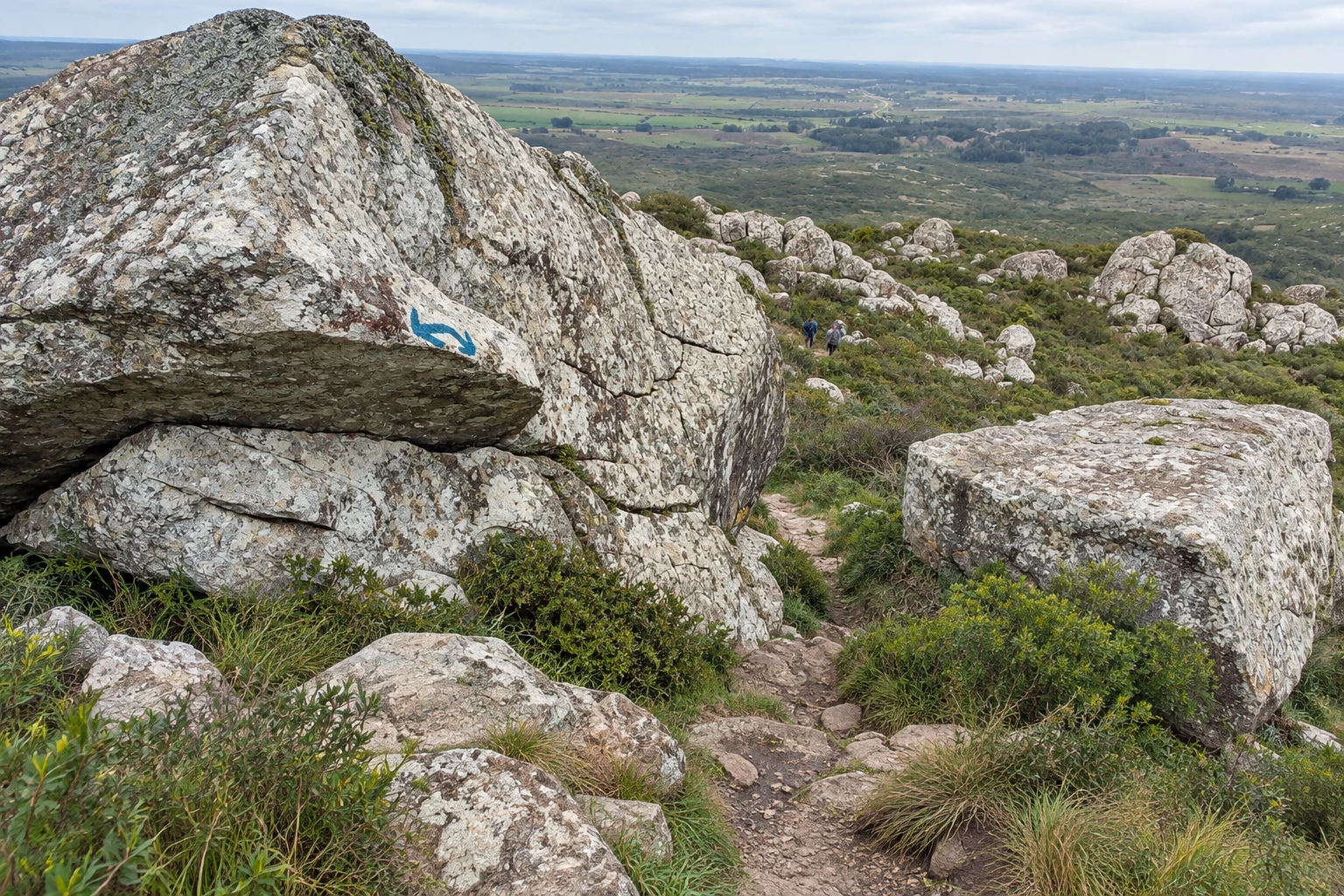
One of Uruguay's highest hills, about 400 meters, with a 35-meter concrete cross on the summit and an ascending trail starting from the fauna reserve.
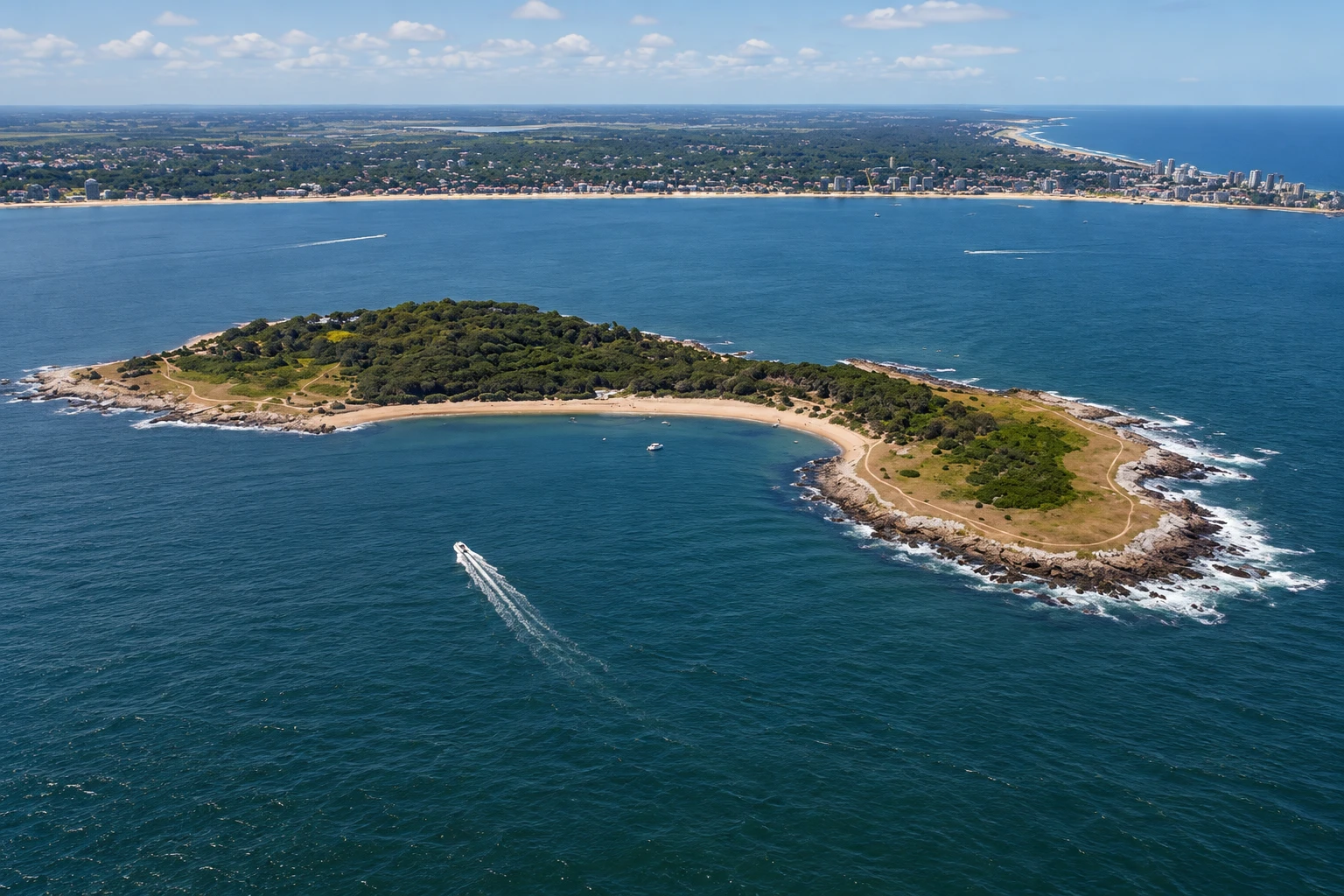
Tree-covered island opposite Playa Mansa, with two beaches, remains of 18th-century batteries and launches that depart from the port in a few minutes.
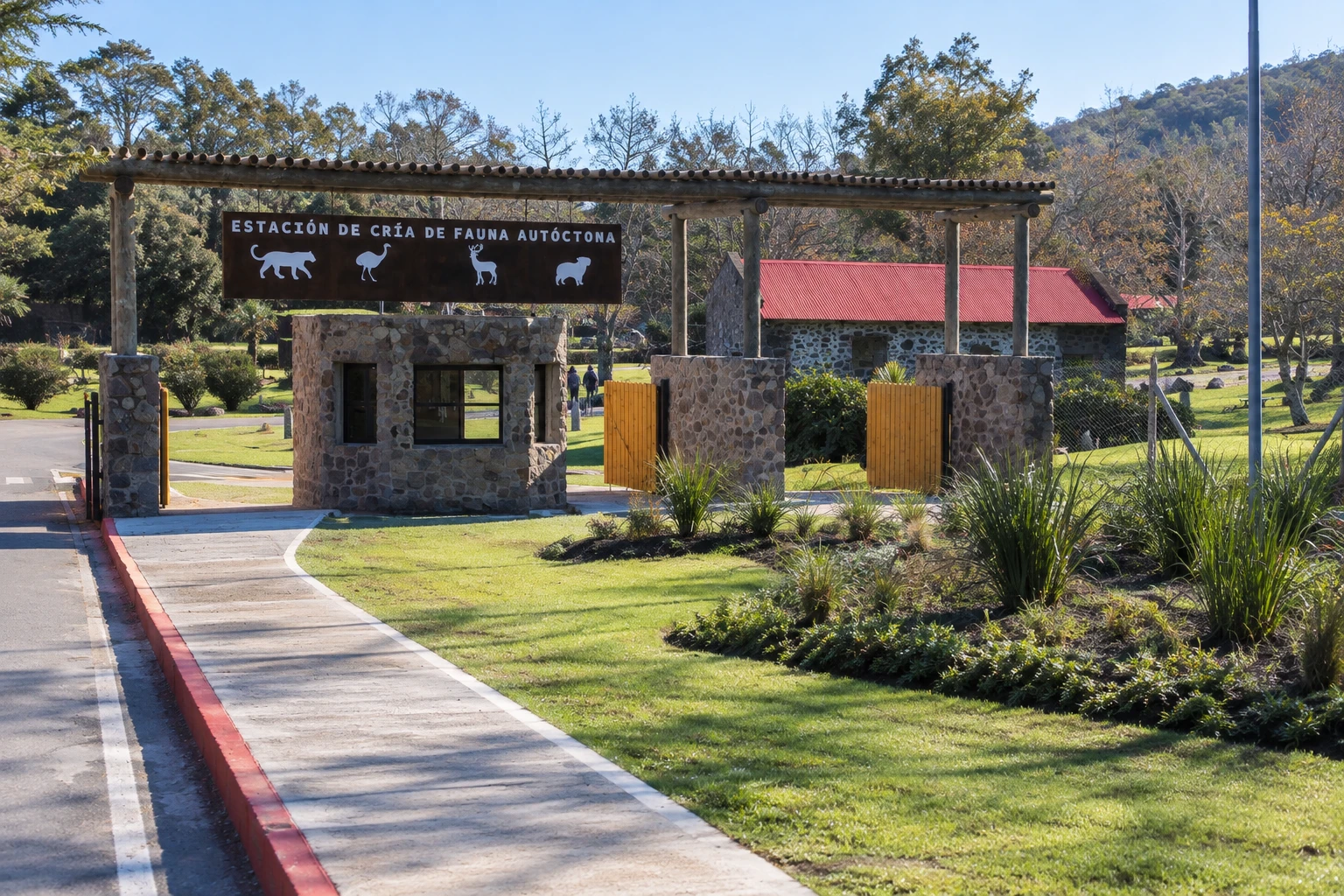
Reserve on the slope of Cerro Pan de Azúcar, created in 1980 to breed threatened native species, with trails and the largest population of pampas deer in the world.
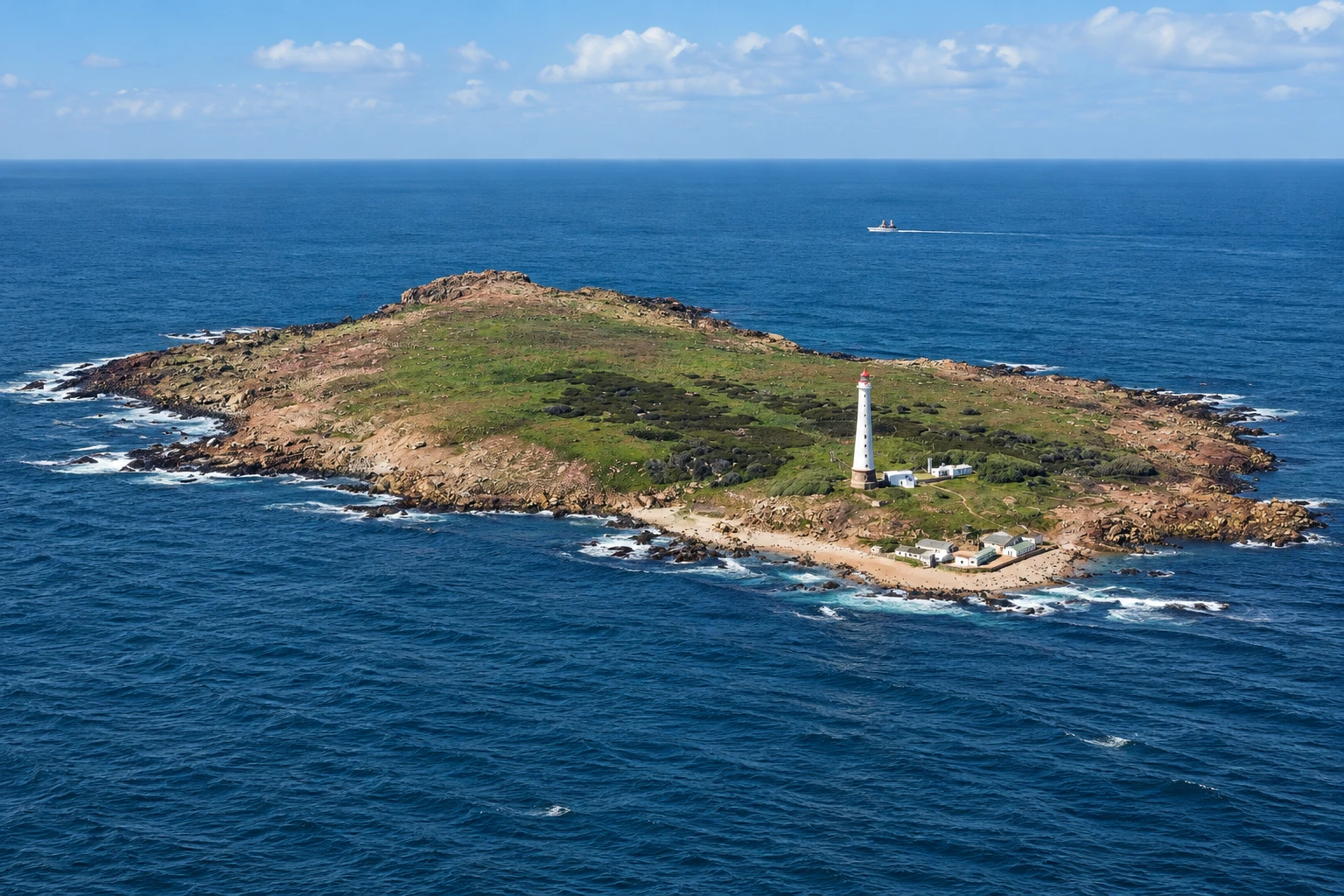
Rocky island about 8 km off the coast, with one of the largest sea lion colonies on the continent and a 1906 lighthouse; it can be seen on boat tours.
Lighthouse from 1860 on the southwestern tip of the peninsula, beside the Iglesia de la Candelaria, overlooking the meeting of the Río de la Plata and the Atlantic.
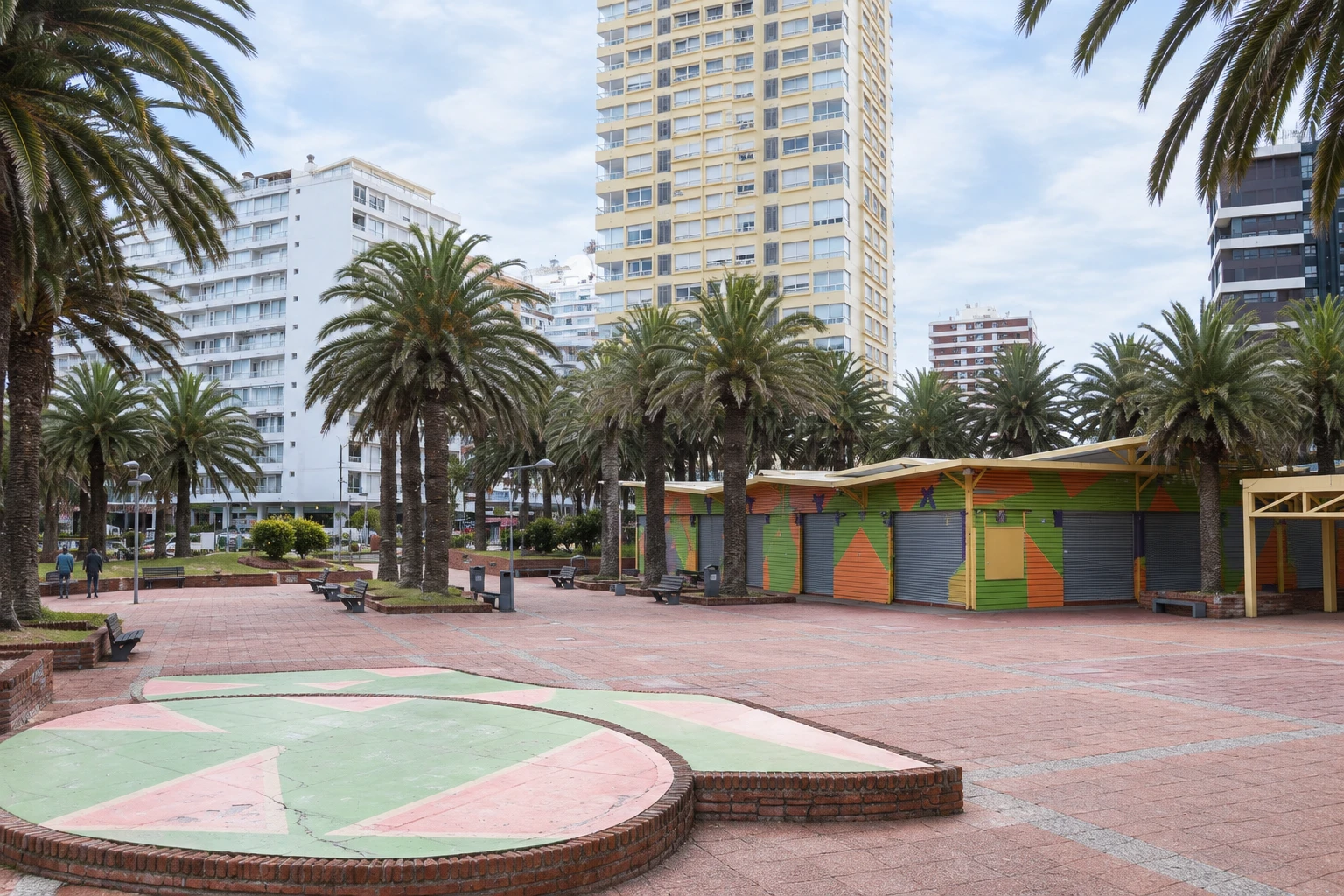
The main square of the peninsula, on Avenida Gorlero, home to the artisans' fair that has been operating since 1967 with more than 200 stalls.
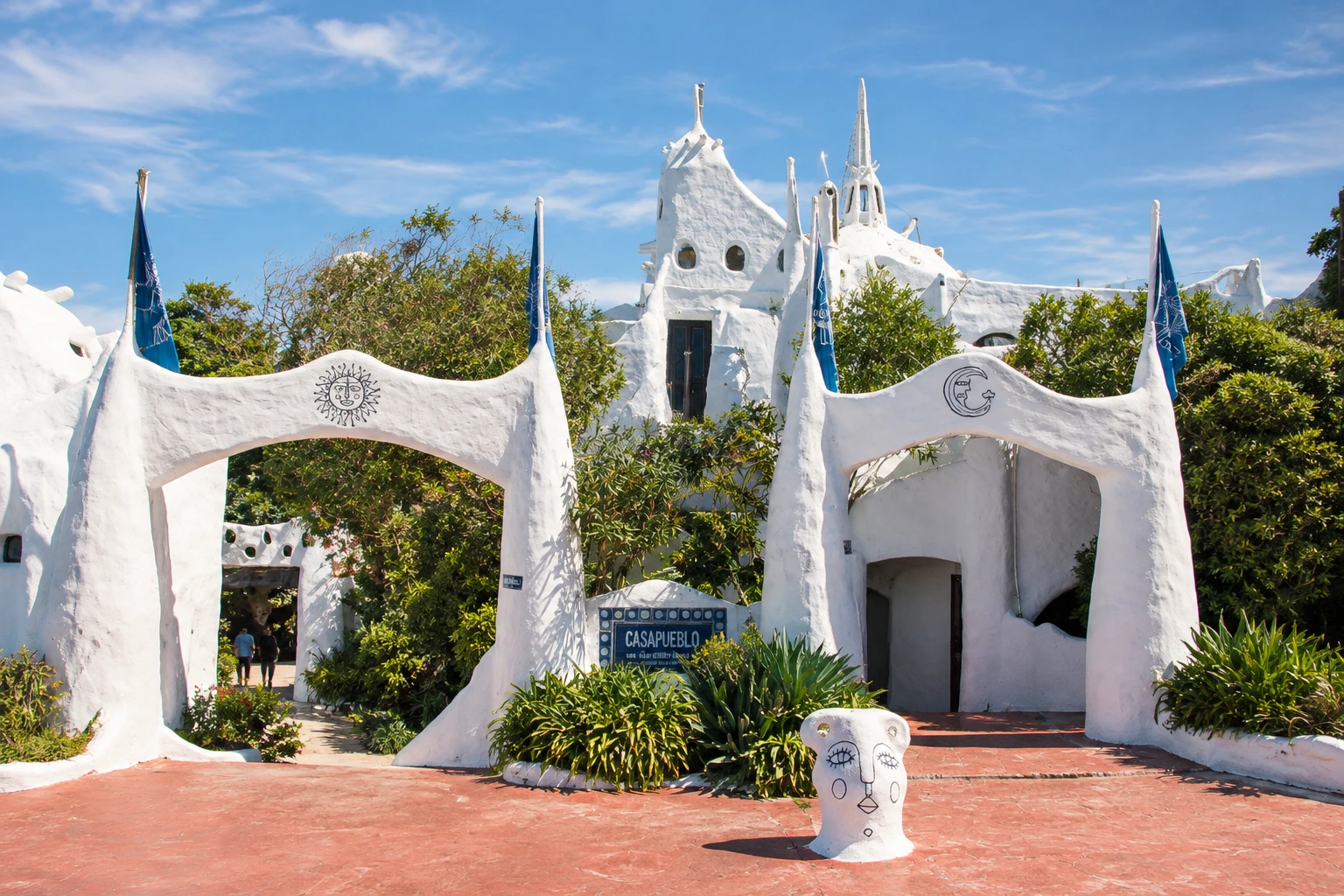
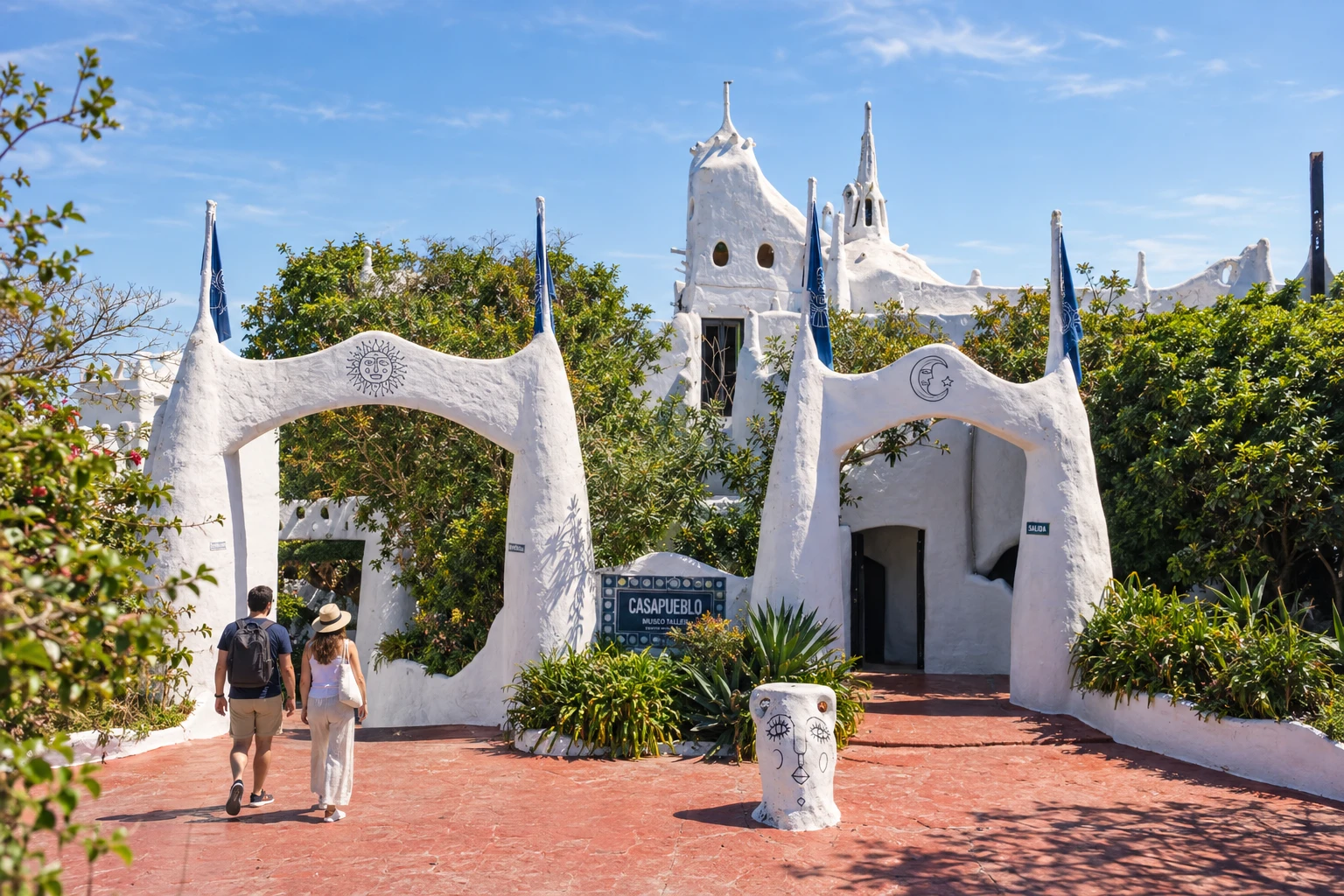
The white house-sculpture of Carlos Páez Vilaró in Punta Ballena, with a museum, studio and terraces over the sea, where the Ceremonia del Sol takes place every late afternoon.
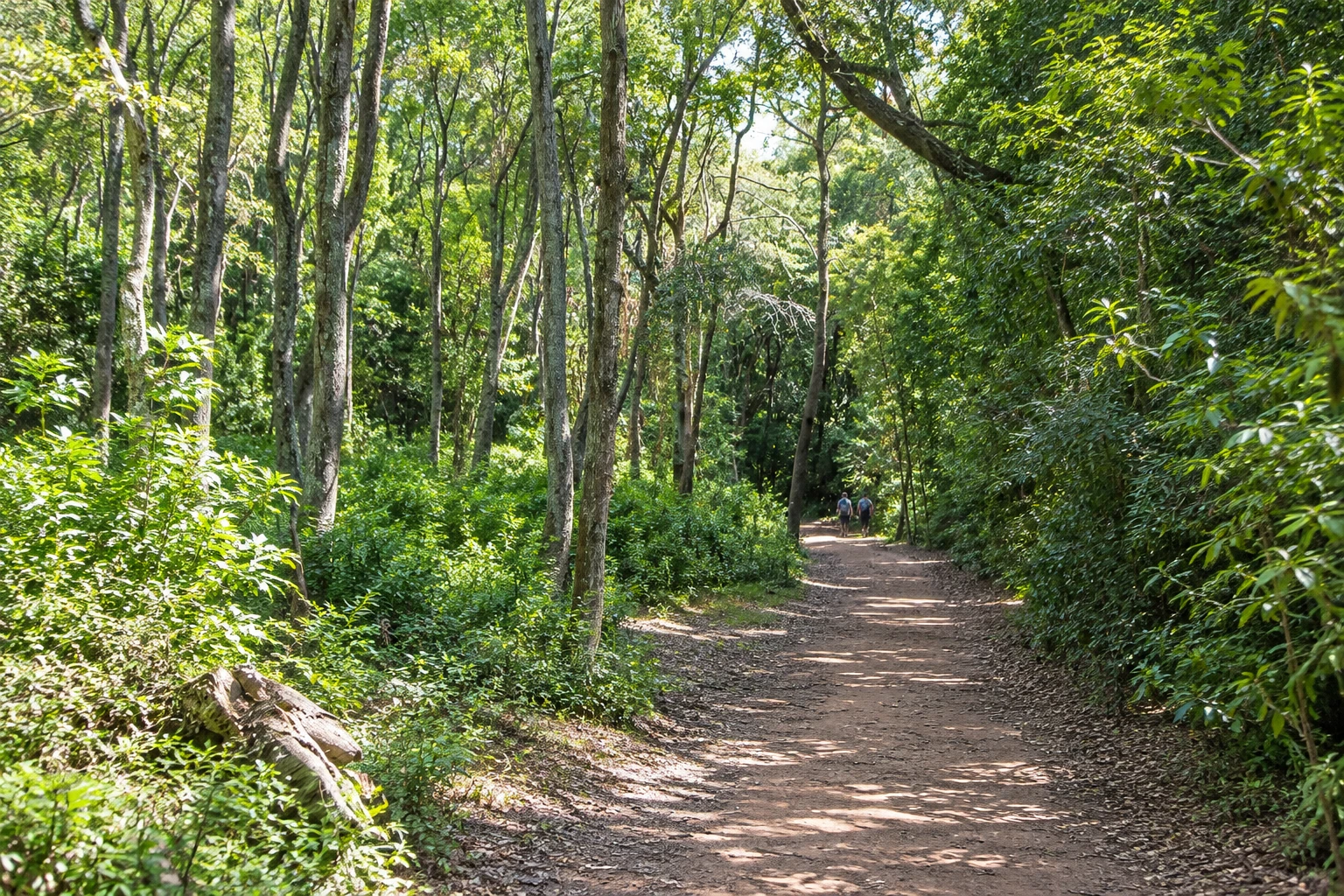
A forest of about 190 hectares in Punta Ballena, planted on dunes starting in 1897 by Antonio Lussich, with more than 400 species, trails and viewpoints.
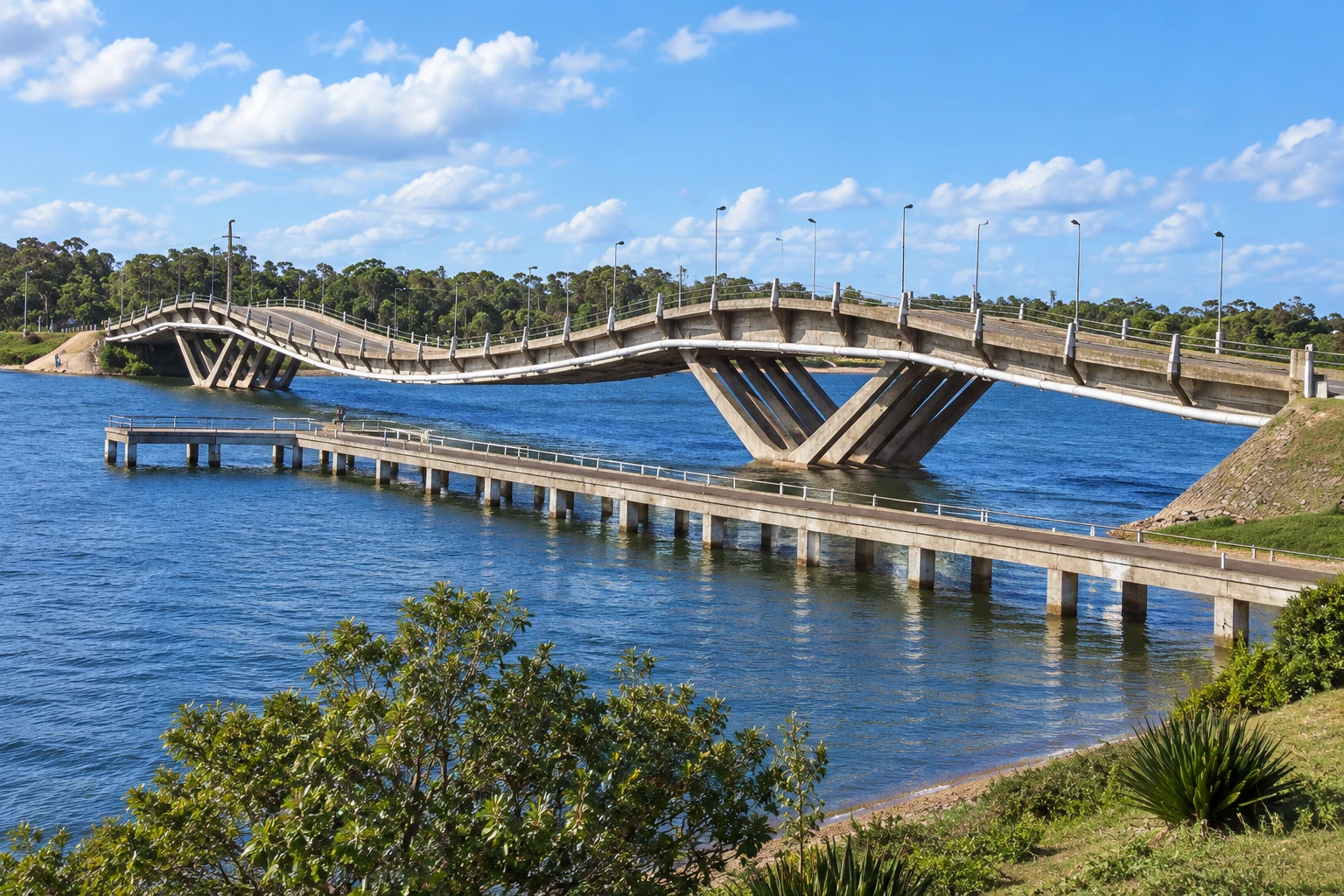
The wavy bridge from 1965 that crosses the Arroyo Maldonado and links Punta del Este to La Barra, with a roadway that rises and falls like a wave.
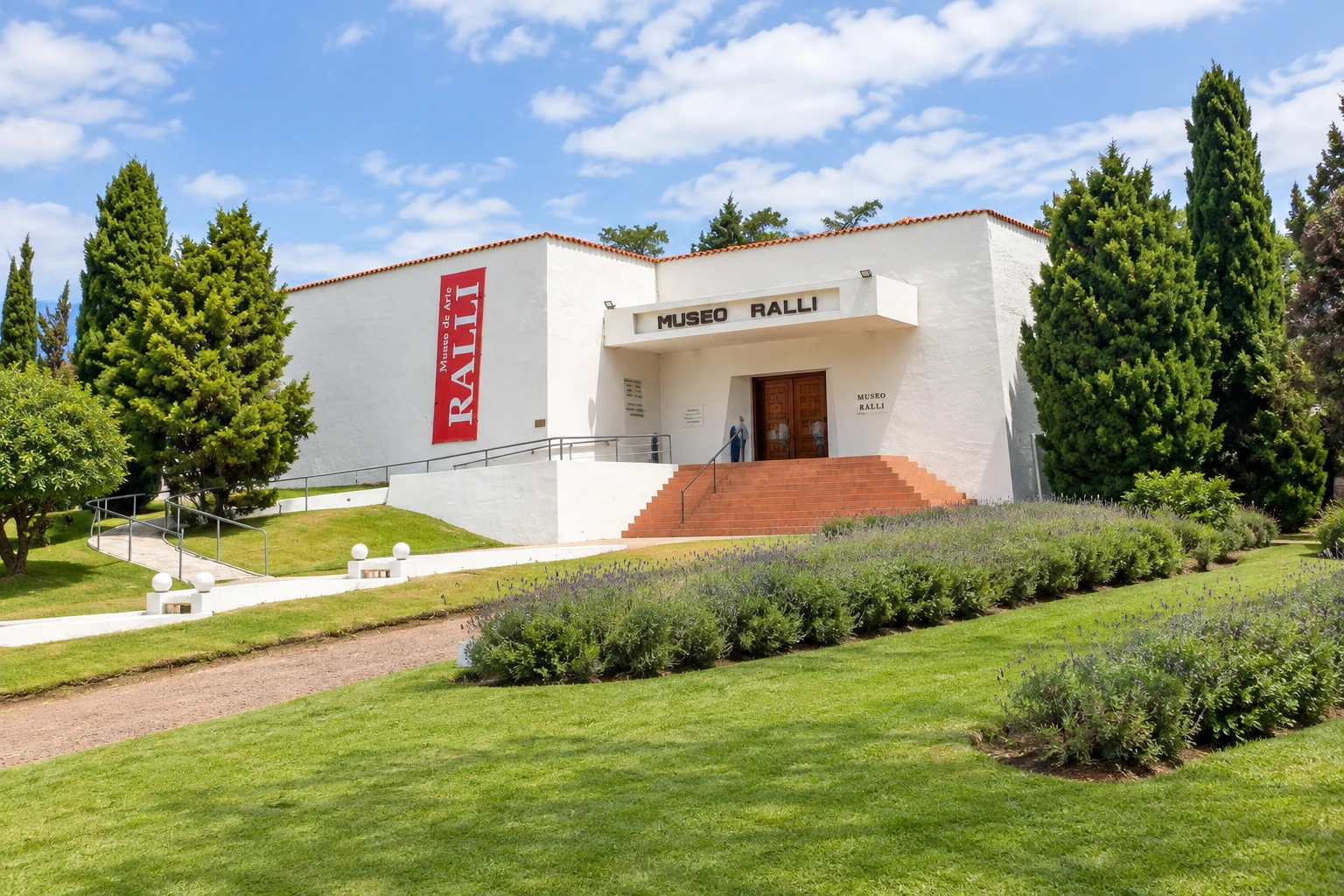
Museum of Latin American and European art opened in 1988 in the Beverly Hills neighborhood, with sculptures in the garden and works by Dalí, Botero and Magritte.
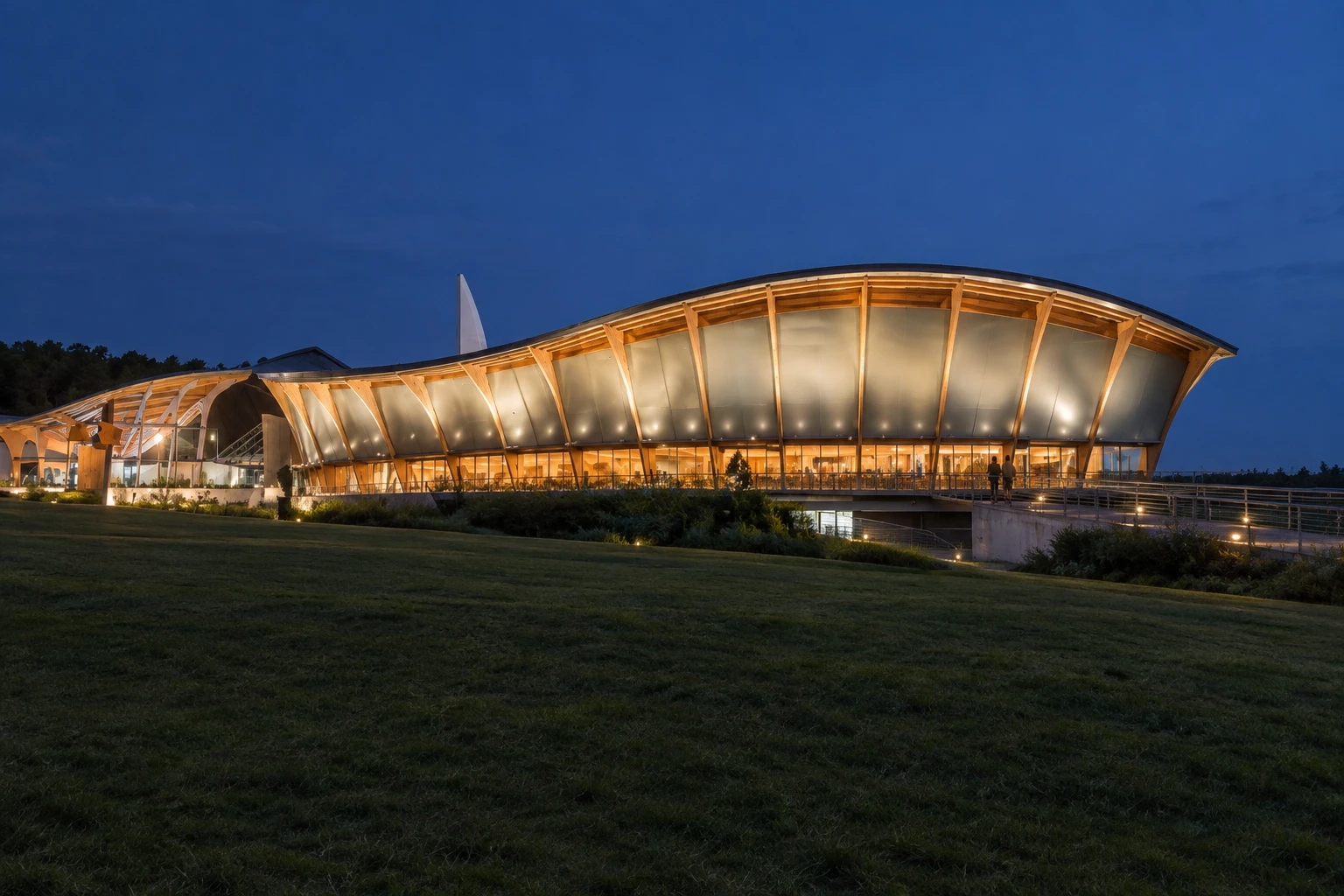
Contemporary wooden art museum designed by Carlos Ott, opened in 2022 in Manantiales, next to a 40-hectare sculpture park.
To choose before you go
The details of each tour (where it leaves from, what it includes, the best time) are in the complete guide.
Get your questions answered
The guide's itineraries cover 3, 5 and 7 days: Punta del Este in 3 days; Punta del Este, José Ignacio and Piriápolis in 5 days; Maldonado Coast in 7 days.
Arrival and peninsula. Arrival via Punta del Este airport or by bus from Montevideo. In the afternoon, do the La Mano walk and explore the Punta del Este peninsula on foot: Monumento al Ahogado, the rambla, Plaza Artigas and the lighthouse. Finish at the Puerto de Punta del Este at sunset.
It generally rains less from December to January and in March. The rainiest months are usually May and from July to September. The guide covers each month, with the weather and what changes on the tours.
To plan