Capeletis a la Caruso
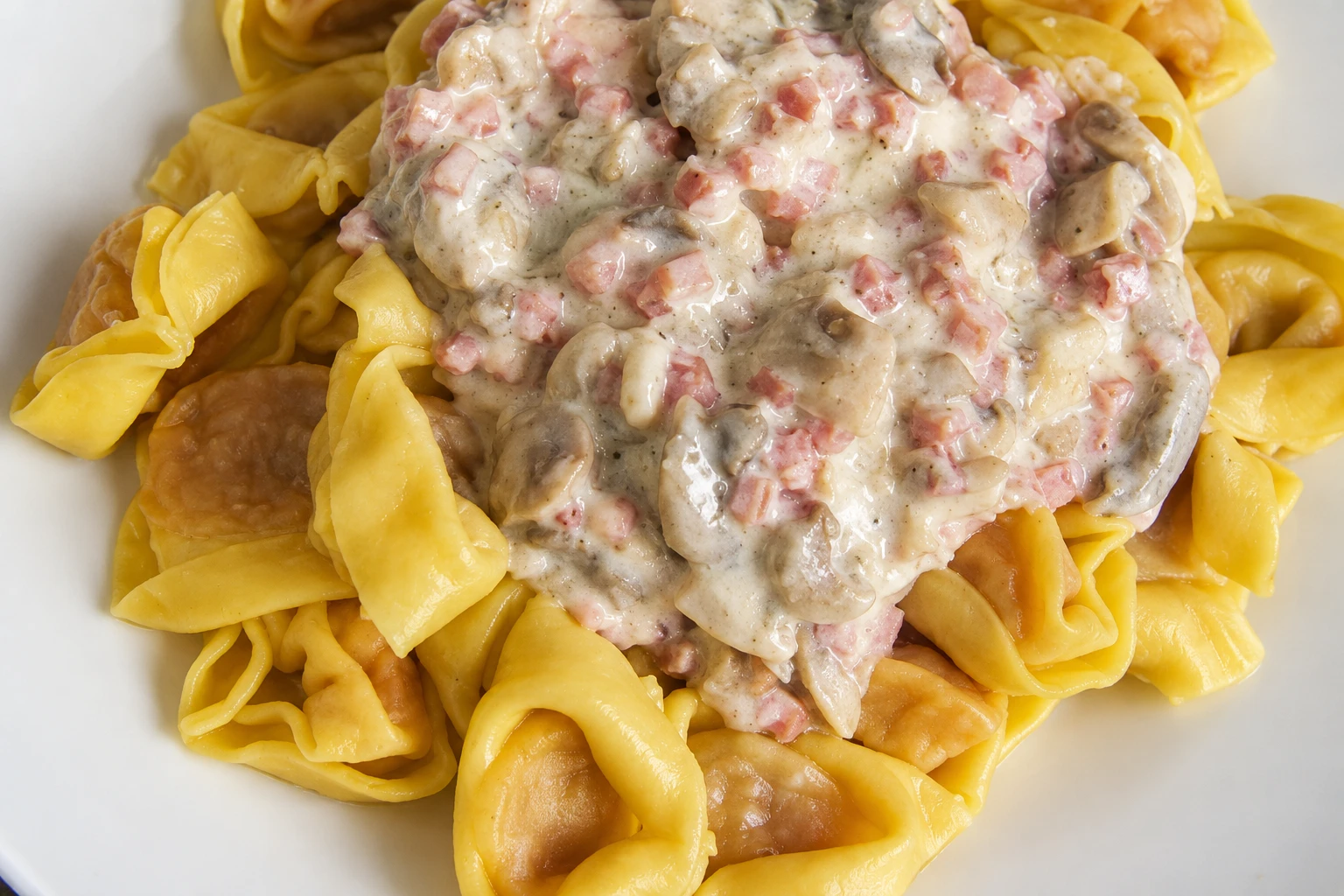
Pasta stuffed with meat with Caruso sauce, made with heavy cream, ham, mushrooms, cheese and meat extract. The sauce was created in Montevideo in the 1950s and is named for the tenor Enrico Caruso.

Antarctica
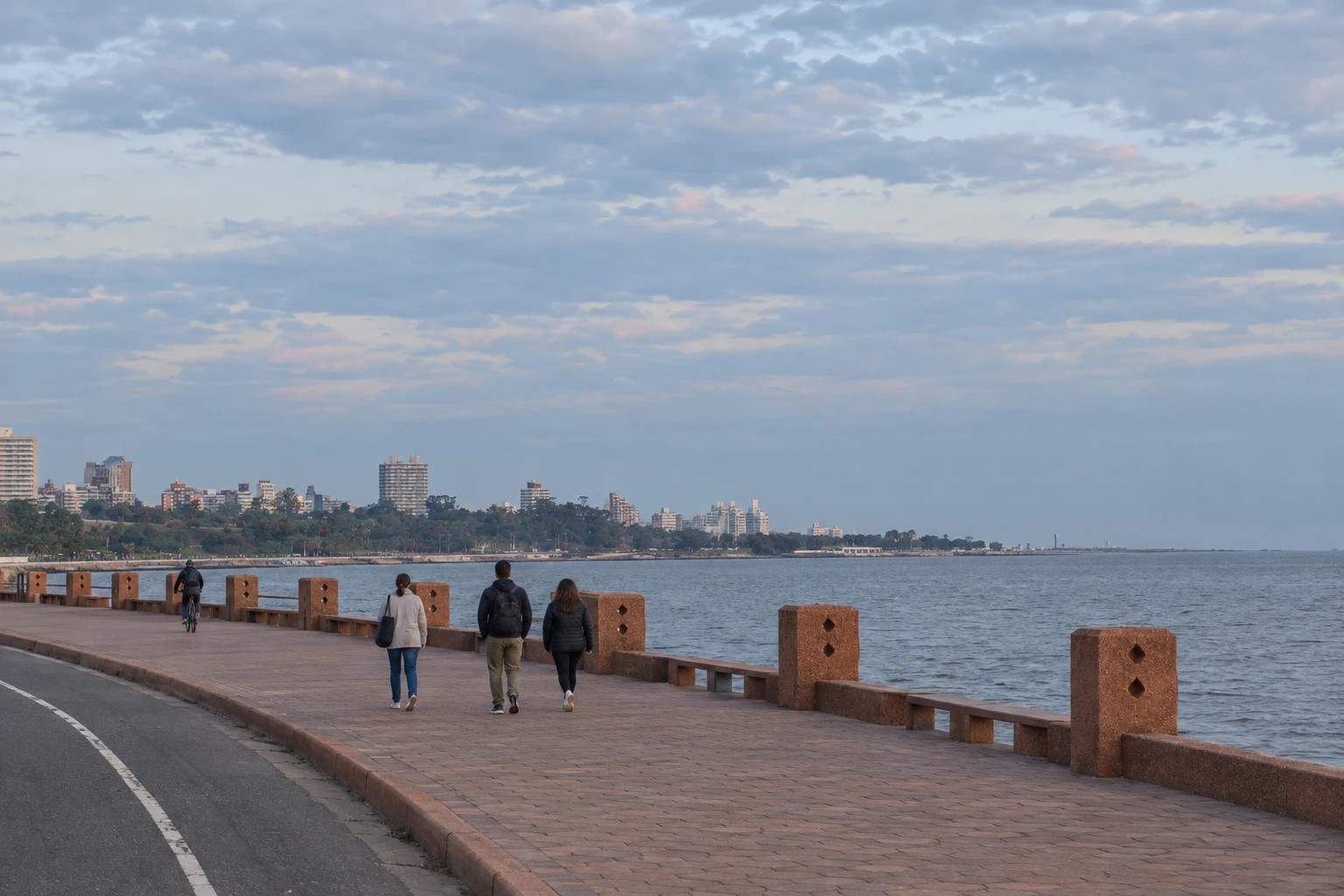
In the photo: Rambla de Montevidéu
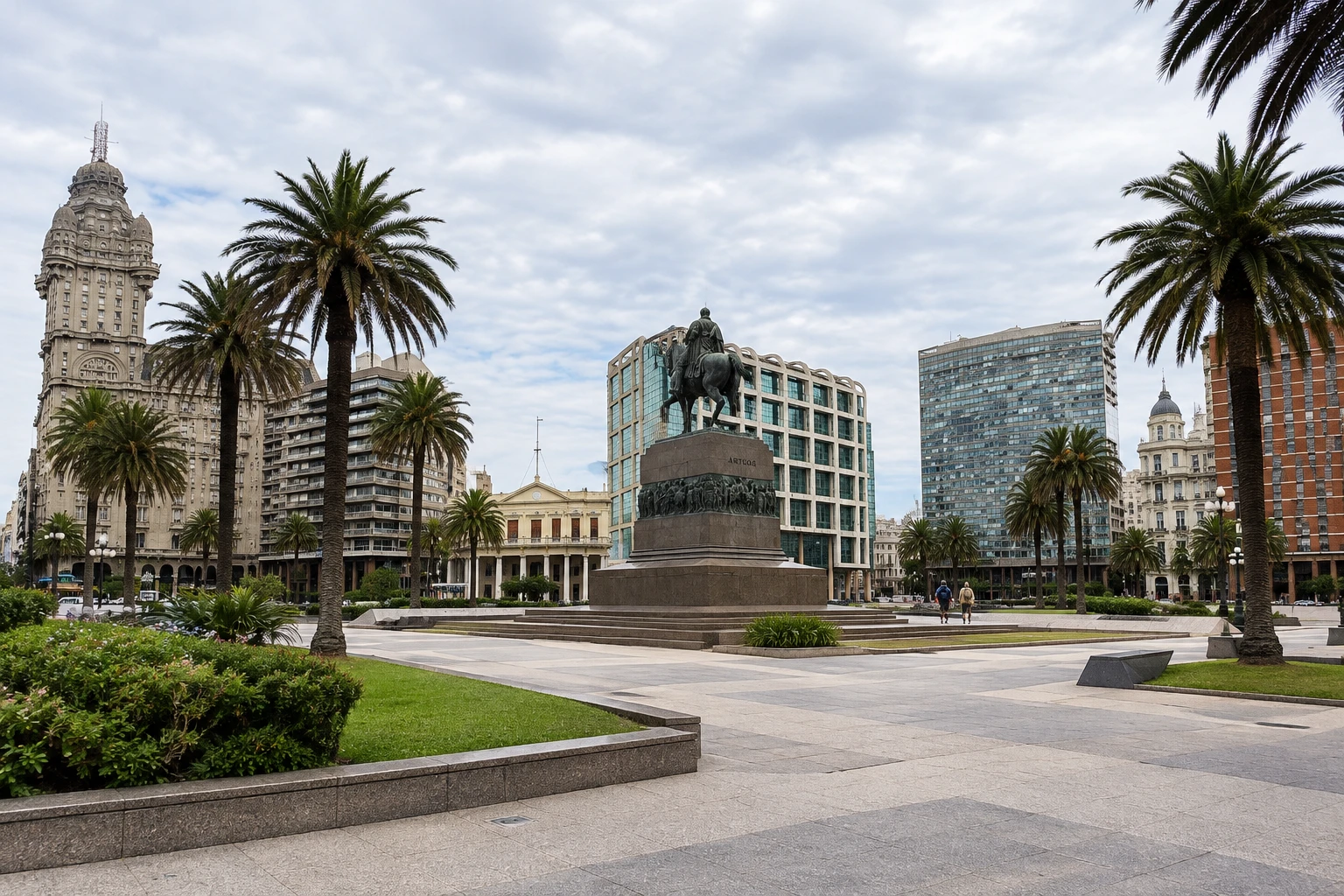
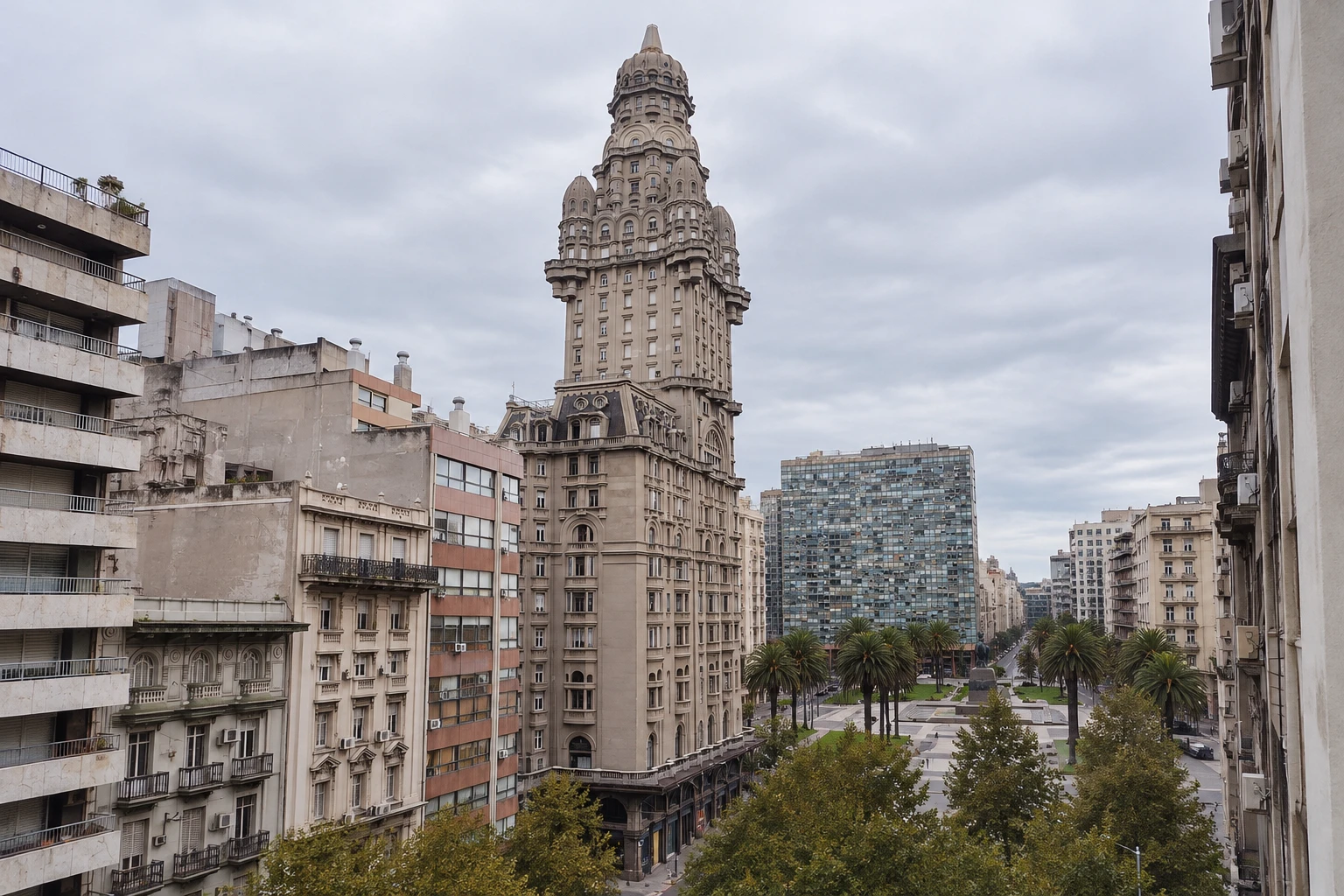
Illustrative images. The pictures in this guide are illustrations based on the real place, not photographs, and may differ from it.
The city
Capital of Uruguay, Montevidéu stretches along the bank of the Río de la Plata. Ciudad Vieja gathers Plaza Independencia, Palacio Salvo, Teatro Solís, Plaza Matriz, museums and Mercado del Puerto. Along the coast runs the Rambla, with Pocitos beach and the Faro de Punta Carretas. Further out are the Palacio Legislativo, Estadio Centenario, the Jardín Japonés in the Prado, and the Fortaleza del Cerro.
There's no accommodation in the guide yet in Montevideo.
Tem hotel, pousada ou casa de temporada aqui? Cadastre a suaThere are no restaurants in the guide yet in Montevideo.
Know a good one? Recommend it to usHotéis e restaurantes da cidade no mapa.
how to get there · how many days · itinerary · questions
Flavors of Uruguay

Pasta stuffed with meat with Caruso sauce, made with heavy cream, ham, mushrooms, cheese and meat extract. The sauce was created in Montevideo in the 1950s and is named for the tenor Enrico Caruso.

A mix of dry white wine and sweet sparkling wine in equal parts, served very chilled. It’s associated with the Mercado del Puerto in Montevideo, where it’s drunk at the counter before lunch and at year-end celebrations.
The local experience
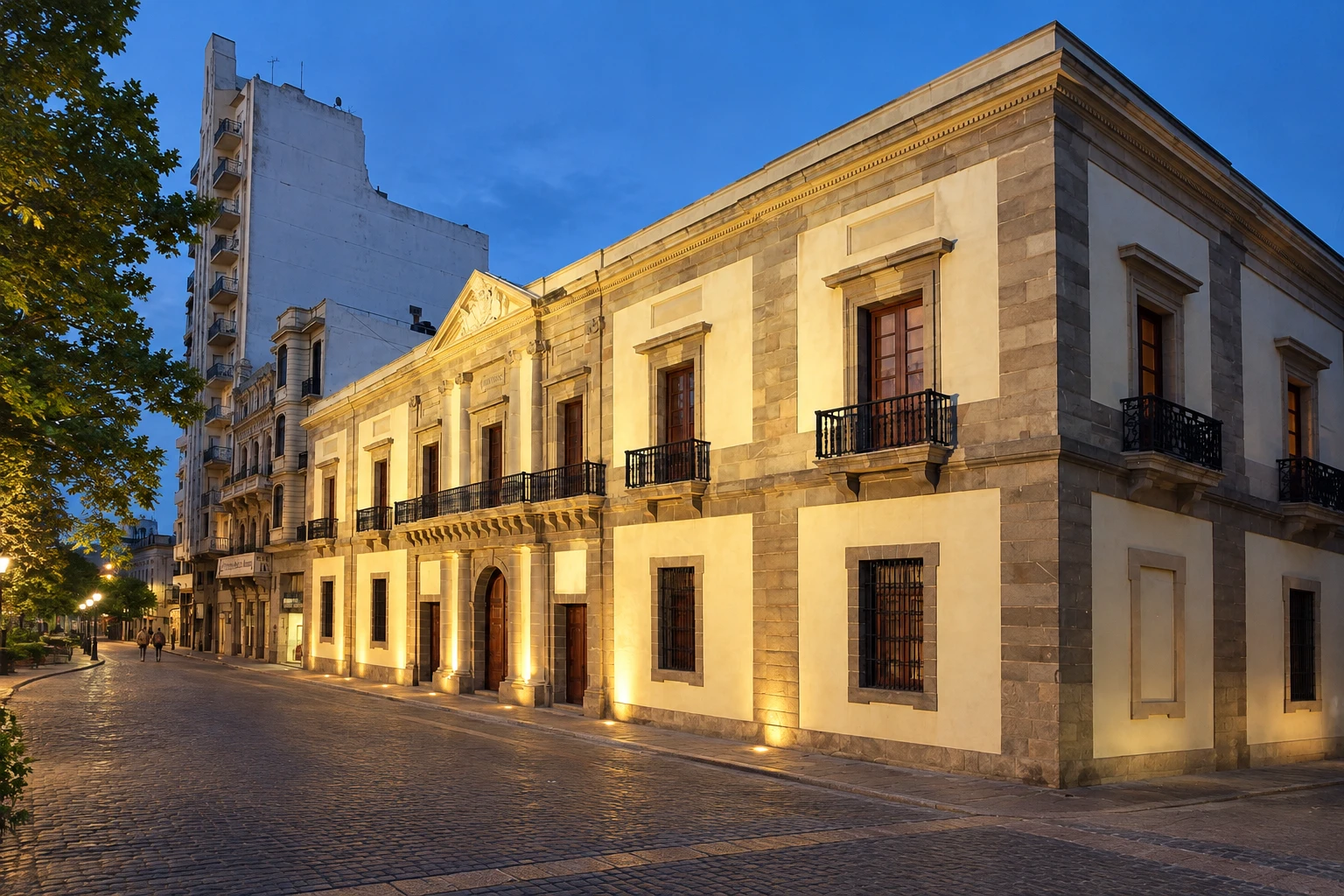
The founding core of Montevidéu, established in 1724 as a walled town on a peninsula by the port. Streets of old houses, Peatonal Sarandí, plazas, museums and Mercado del Puerto are all concentrated within a few blocks.
The main square of Montevidéu, between Ciudad Vieja and the Centro. It has the equestrian statue of Artigas, the underground mausoleum of the national hero, the Puerta de la Ciudadela and the Palacio Salvo around it.
Skyscraper of about 100 meters at Plaza Independencia, completed in 1928 and designed by the Italian Mario Palanti. It is one of the city's symbols and offers guided visits with access to the viewpoint.
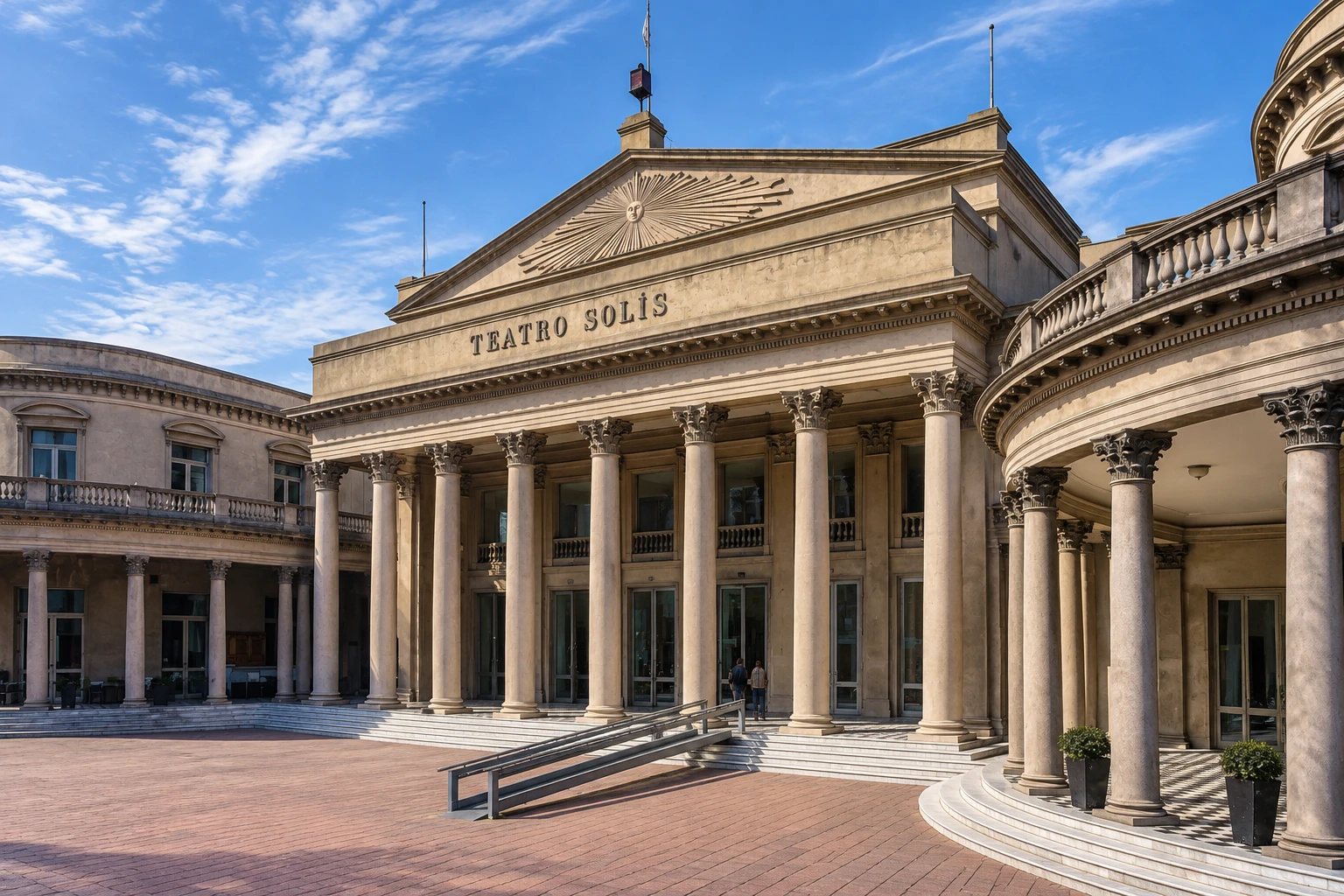
Uruguay's main theatre, inaugurated in 1856 next to Plaza Independencia. It hosts opera, Comedia Nacional, orchestra and dance, and offers guided tours in several languages of its halls and backstage.
Before you go
Montevideo – Uruguay Capital
Approximate distances. Check flights and bus, train or boat schedules before you travel.
Aeropuerto Internacional de Carrasco (MVD) is about 19 km from the center, in Ciudad de la Costa. Connections with Brazil may be direct or with a stopover, depending on the season and the airline. Check before booking. Buses from across the country arrive at Terminal Tres Cruces. By car from Chuí, it's about 340 km via Rutas 9 and 8 or the Interbalnearia.
In one day you can see Ciudad Vieja, Plaza Independencia and have lunch at Mercado del Puerto. Two days allow you to include the Palacio Legislativo, Estadio Centenario and the Rambla up to Pocitos. On the third day you can visit the Prado, Fortaleza del Cerro and, if it’s a Sunday, the Feria de Tristán Narvaja.
From December to March is summer, with crowded beaches and Carnival, which usually runs from January to March. October, November, April and May are good for walking. From June to August the winter is cold and windy near the river, with averages close to 10 °C.
The seasons shown are the most usual ones; nature doesn't always follow the calendar.
You don't need one. The Centro and Ciudad Vieja can be explored on foot, and city buses, taxis and apps connect the center with Pocitos, Prado, Parque Batlle and Cerro. A car only helps if you're driving in from Brazil or continuing your trip along the coast.
Suggested itinerary
Built with the places on this page. No rush: it's paced so you have time to see them.
Start at Plaza Independencia, with the monument and Artigas's mausoleum and the view of Palacio Salvo. Take the guided tour of Teatro Solís next door, or go up to the Palacio Salvo viewpoint.
Pass through the Puerta de la Ciudadela and follow Peatonal Sarandí, passing Museo Torres García, to Plaza Matriz, with the cathedral and Cabildo. Have lunch at a parrilla in Mercado del Puerto and visit Museo del Carnaval across the way.
Take a bus, taxi or app to Pocitos and walk along the Rambla, passing the MONTEVIDEO sign. If you have the energy you can continue along the waterfront to the Faro de Punta Carretas.
Dine in Pocitos, Punta Carretas or Ciudad Vieja. Restaurants fill up from 9:00 PM, the usual dinner time in Uruguay.
Day 1
Explore Plaza Independencia, go down to Artigas's mausoleum and take the guided tour of Teatro Solís or Palacio Salvo.
Walk Peatonal Sarandí to Plaza Matriz, visit Museo Andes 1972 or Museo Torres García and have lunch at Mercado del Puerto. Afterwards, visit Museo del Carnaval.
Walk along the Rambla that skirts the Ciudad Vieja peninsula, with views of the port and the Rio da Prata.
If there's a program, attend a show at Teatro Solís. Otherwise, have dinner in Ciudad Vieja or the Centro.
Day 2
Take the guided tour of Palacio Legislativo on a weekday and walk to Mercado Agrícola in the Goes neighborhood to see the stalls and have lunch.
Go to Parque Batlle to see Estadio Centenario, Museo del Fútbol and the Torre de los Homenajes.
Visit the Museo Nacional de Artes Visuales in Parque Rodó, and finish with a walk along the Rambla to Pocitos.
Choose a restaurant in Pocitos or Punta Carretas, residential neighborhoods with many options near the waterfront.
Day 1
Plaza Independencia, Artigas's mausoleum and a guided tour of Teatro Solís or Palacio Salvo.
Peatonal Sarandí, Plaza Matriz, Museo Andes 1972 and lunch at Mercado del Puerto, followed by Museo del Carnaval.
Stroll along the Rambla around Ciudad Vieja, facing the Rio da Prata.
Show at Teatro Solís, if available, or dinner in Ciudad Vieja.
Day 2
Guided tour of Palacio Legislativo and lunch at Mercado Agrícola, just a few blocks away.
Estadio Centenario, Museo del Fútbol and the view from Torre de los Homenajes.
Walk along the Rambla de Pocitos to the Faro de Punta Carretas.
Dine in Pocitos or Punta Carretas, unhurried: Uruguayans typically eat dinner after 9:00 PM.
Day 3
Visit Jardín Japonés and Museo Blanes and walk to the Rosedal del Prado. If it's Sunday, swap it for a morning at Feria de Tristán Narvaja.
Cross the bay by taxi, app or car to Fortaleza del Cerro, with its military museum and city views.
Return to Museo Nacional de Artes Visuales in Parque Rodó and walk to Playa Ramírez.
Farewell dinner with an Uruguayan asado, in the Centro or on the waterfront.
Check before you go. Opening hours and days change, and places may close for renovations, holidays or events. This itinerary is a suggestion from Cidade Turismo, not a commitment: plan yours by checking directly with each place you intend to visit.
Before you go
Yes. The city's coast is lined by the Rambla, with urban beaches like Pocitos, Ramírez, Buceo, Malvín and Carrasco, washed by the Rio da Prata. The swimming season runs from December to March.
The airport is about 19 km from the center, in Ciudad de la Costa. There are buses linking the airport to Terminal Tres Cruces and downtown, as well as taxis and apps.
Generally it is the same time as Brasília. It's worth checking before travel in case either country changes the rules.
Spanish, with the Rioplatense accent. Many residents understand Portuguese, especially in commerce and tourism, but outside those areas it's good to know some basic Spanish.
In the morning, Feria de Tristán Narvaja in the Cordón neighborhood. In the afternoon, lunch at Mercado del Puerto and a walk along the Rambla. Some shops in Ciudad Vieja close, and some museums too: check ahead.
It usually takes place between January and March, with performances on the tablados and candombe parades of the Llamadas. Off-season, Museo del Carnaval showcases the festival.