Kuhinja
of Turčija – značilne jedi
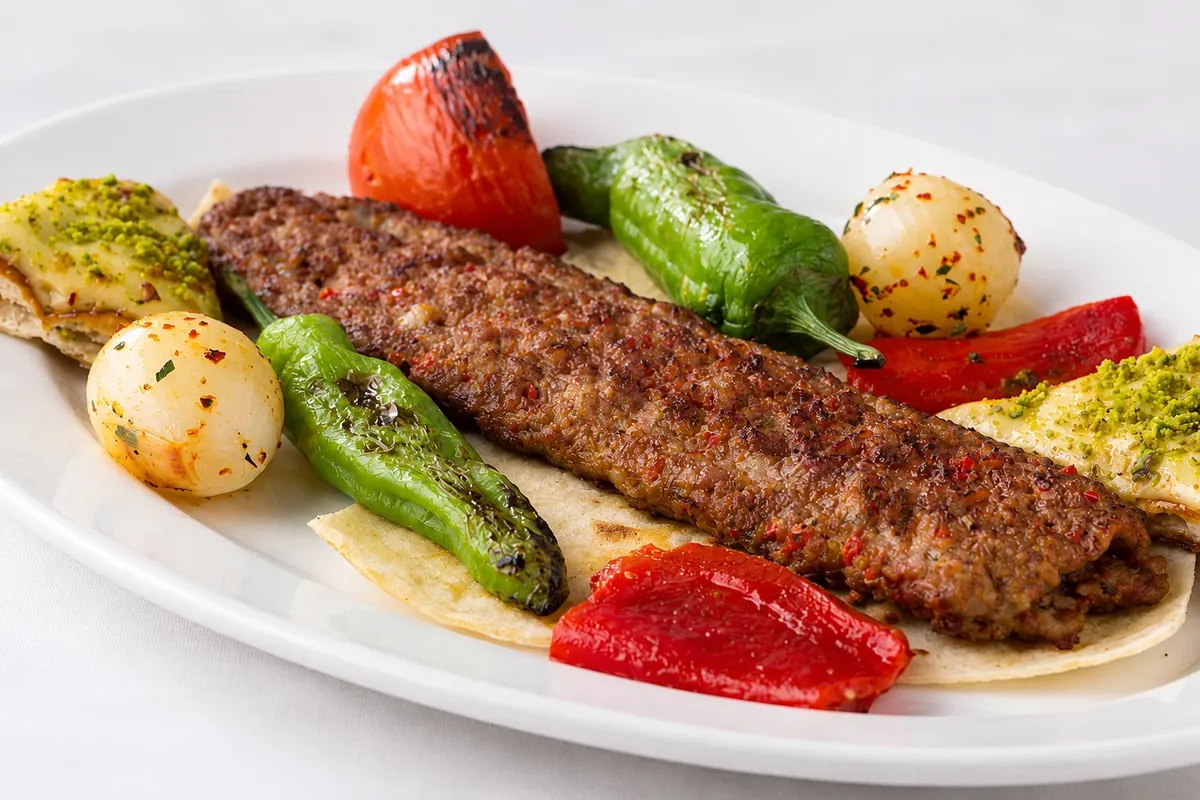
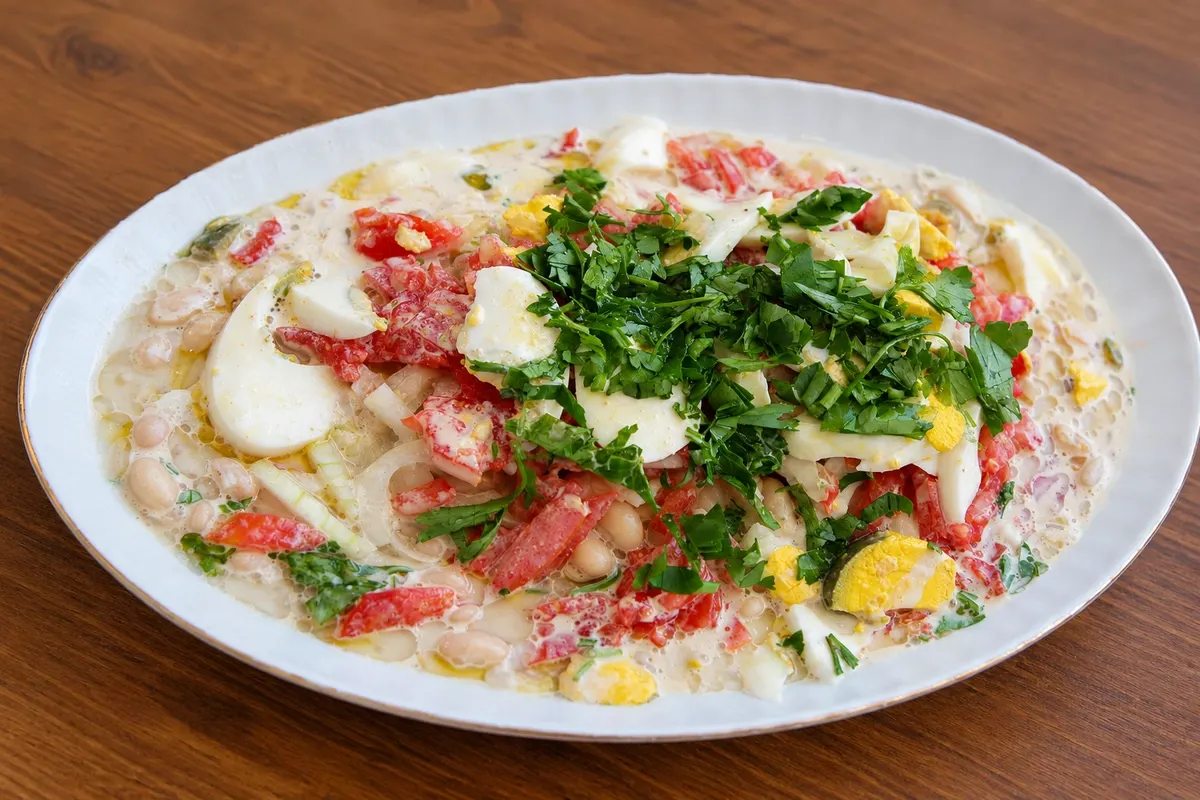
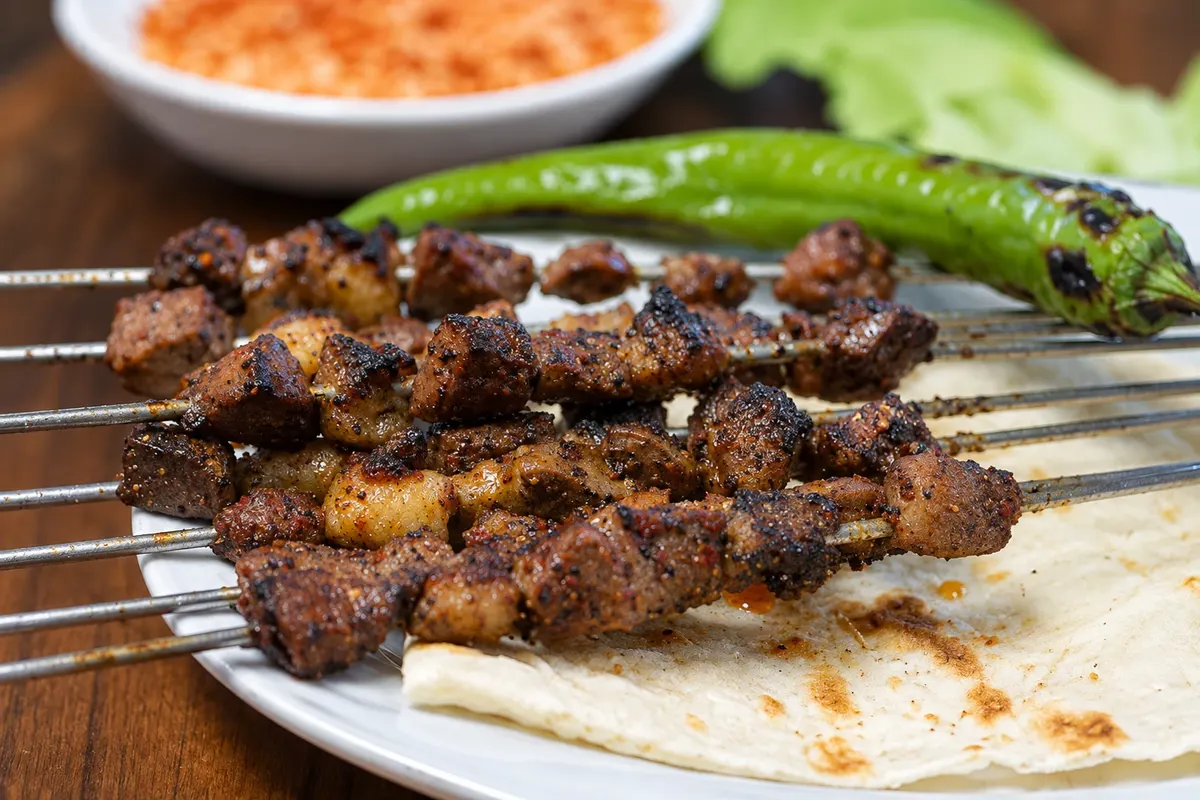
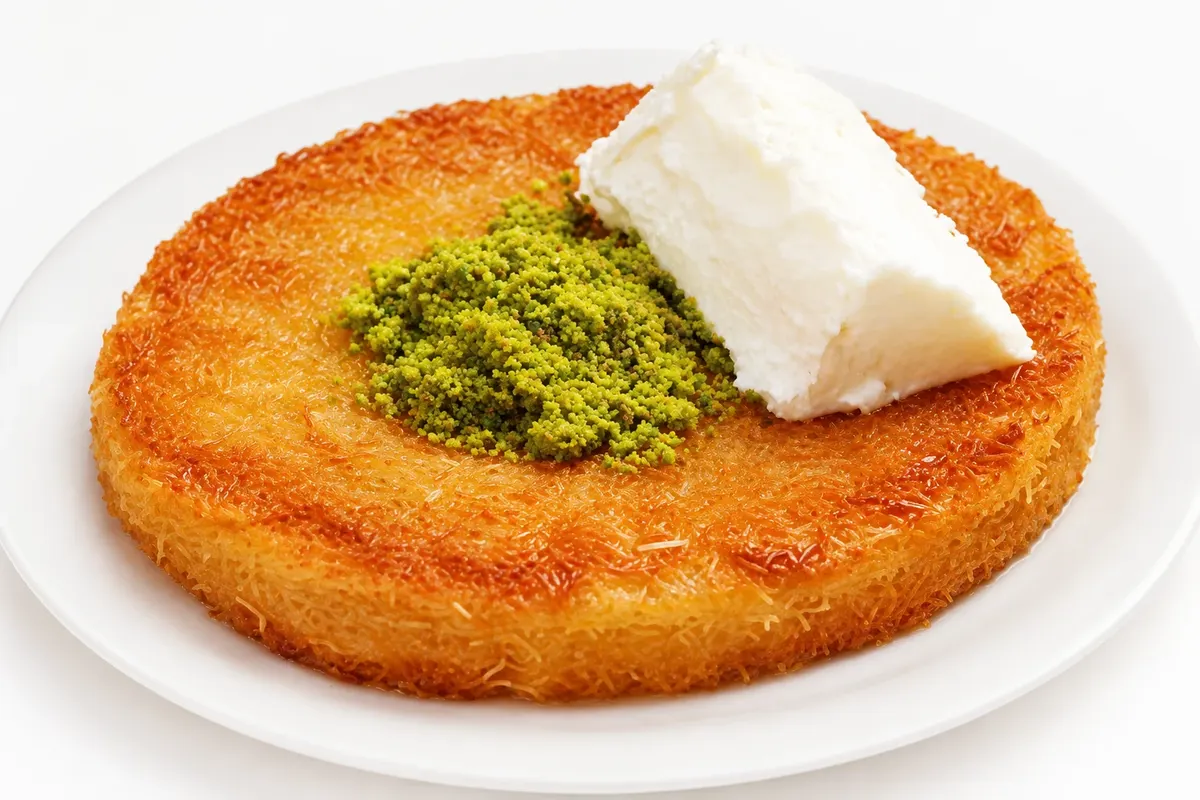
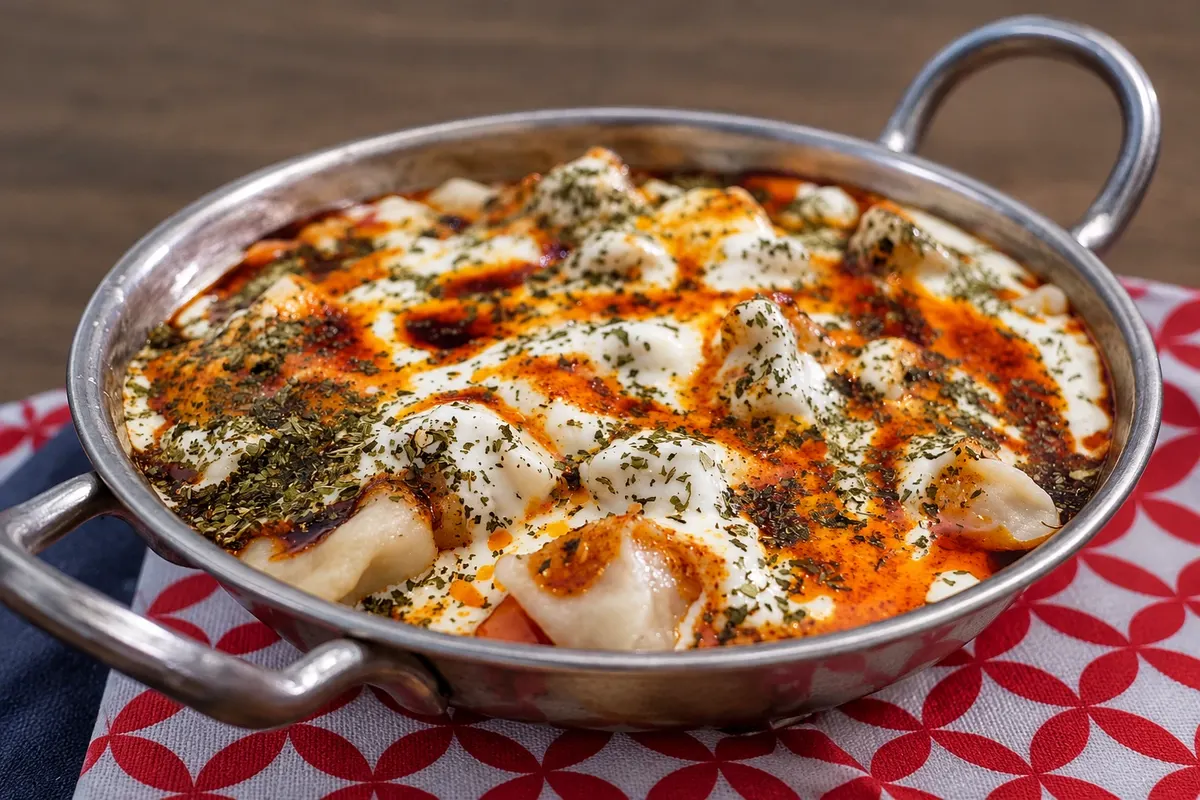
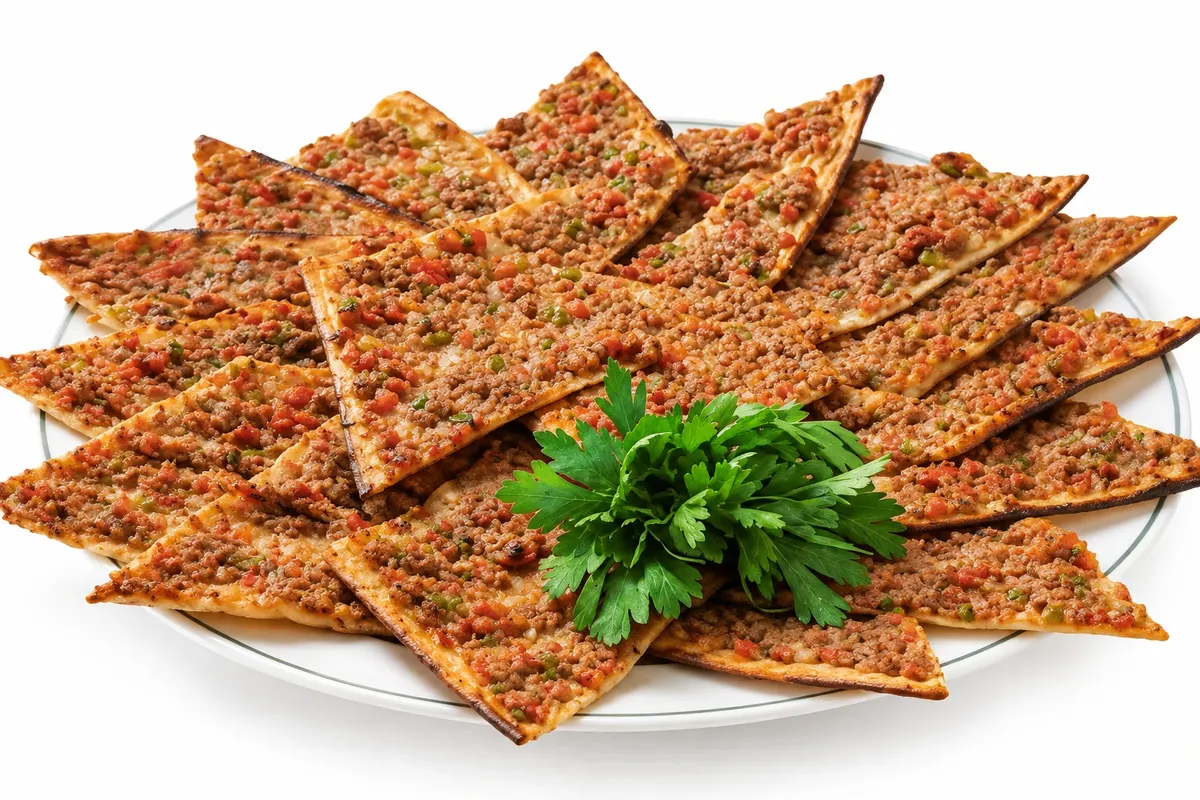
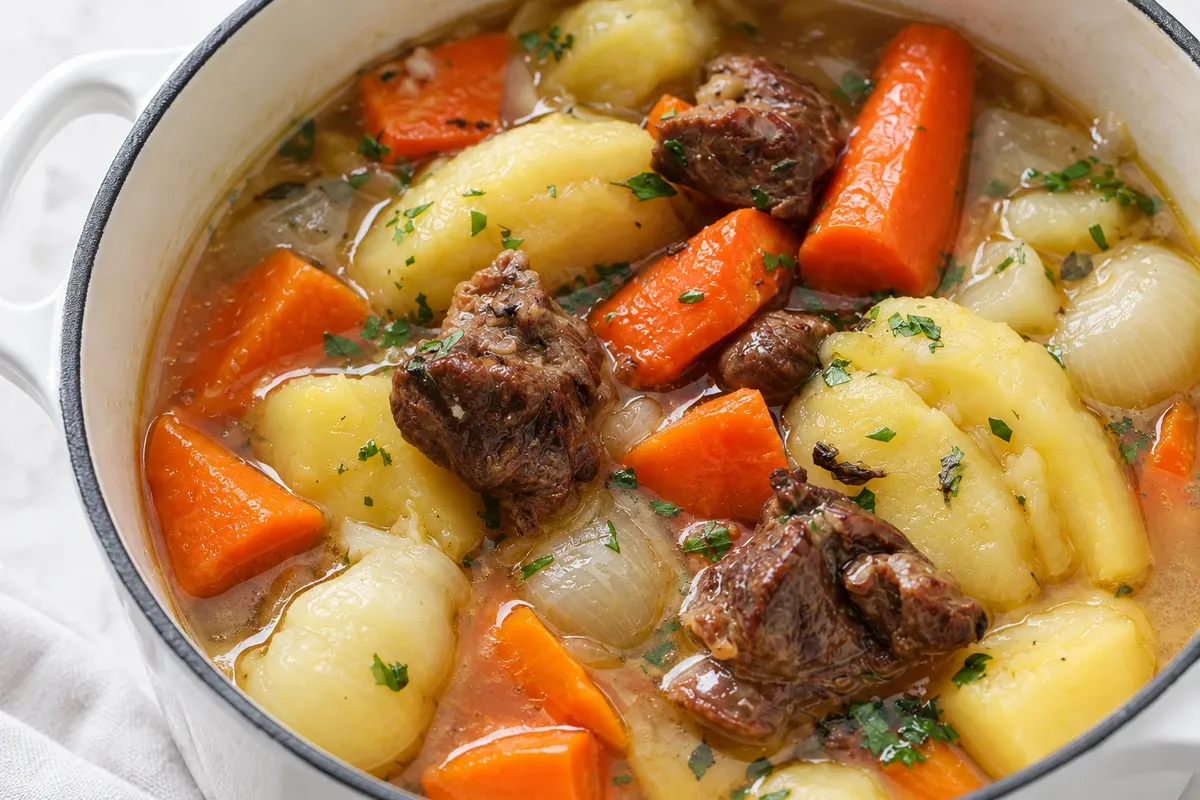
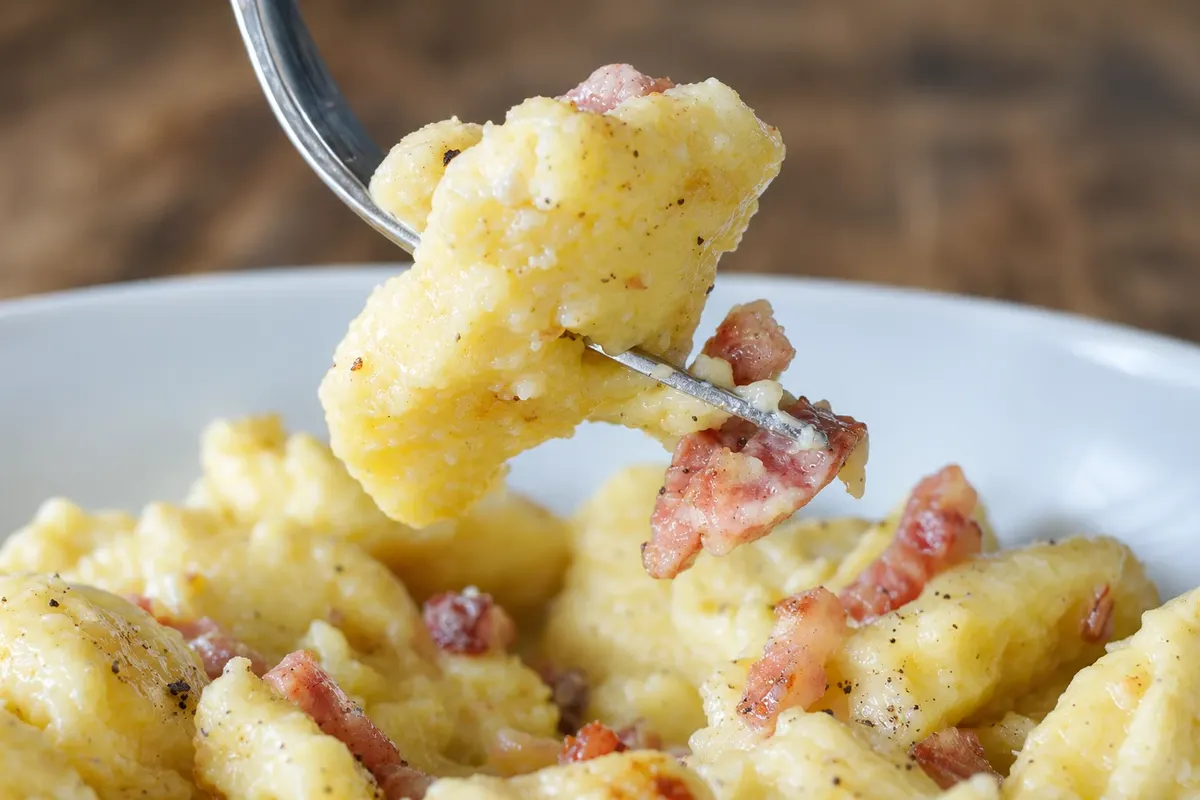
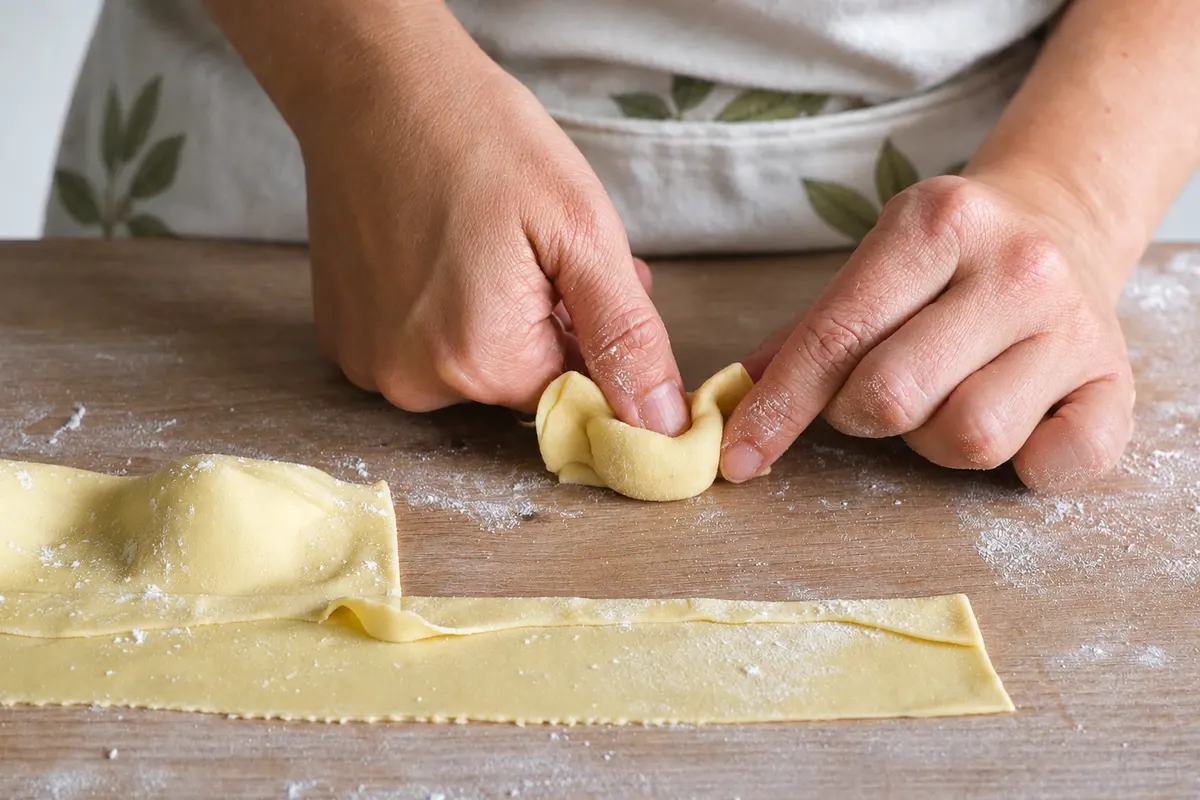
Turkish food varies greatly from one region to another. On the Aegean and Mediterranean coasts olive oil, beans, vegetables and fish are common; on the Anatolian plateau, wheat, dough and lamb meat; in the southeast, near Syria, pistachio, dried chili and charcoal-grilled kebabs; on the Black Sea coast, corn, butter and cheese. Many dishes carry in their name the city or province where they are known, and that’s how Turks order them: Adana kebabı, Kayseri mantısı, Antep baklavası.
This selection brings together one specialty per city or province, from Thrace on the European side to the border with Armenia. For each place a dish, a sweet or a drink was chosen that local sources treat as that place’s reference. When there was more than one strong candidate, greater weight was given to what is known nationwide by the place name.
Most of these specialties have a geographical indication (coğrafi işaret) registered with the Turkish Patent and Trademark Institute (TÜRKPATENT). The registration, usually requested by the chamber of commerce, the municipality or a local association, describes the ingredients, the method of preparation and the production area, and provides for periodic inspection. It confirms the link to the place, but does not mean the dish only exists there: many are eaten across the country, and some are contested between neighboring provinces, such as testi kebabı (Nevşehir and Yozgat) and büryan (Siirt and Bitlis).
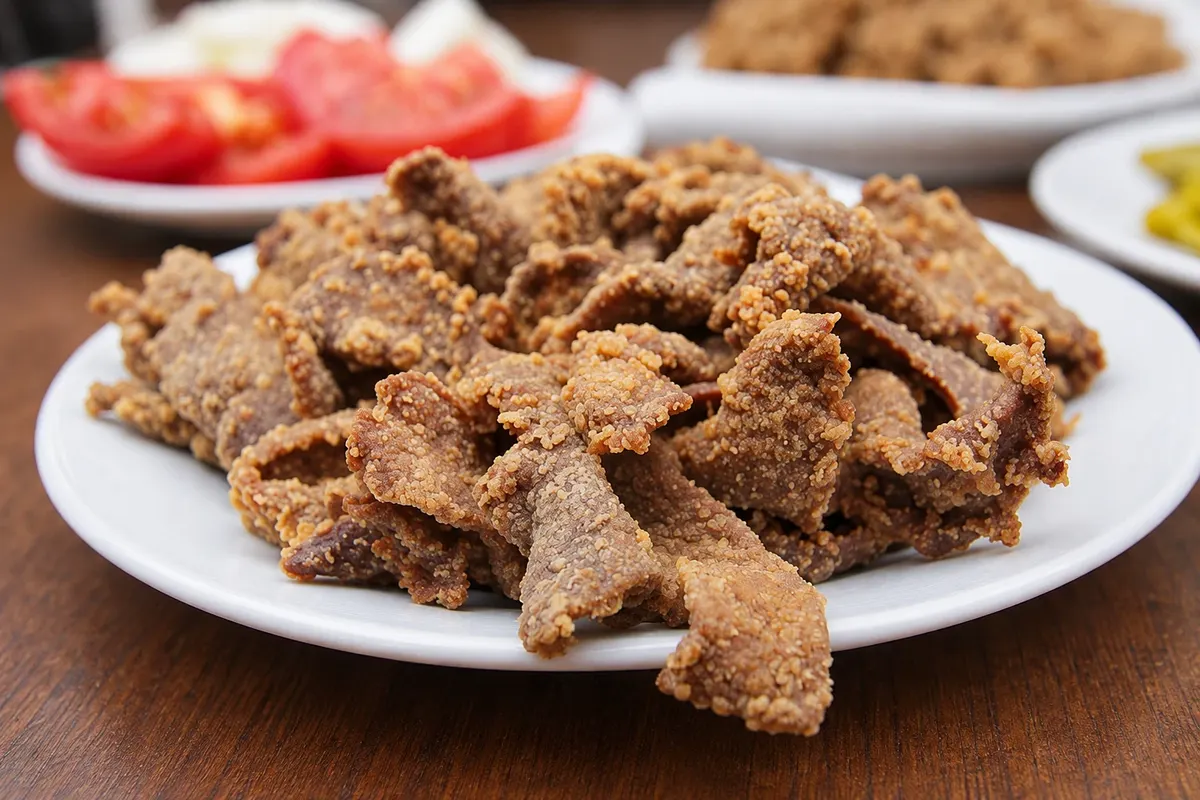
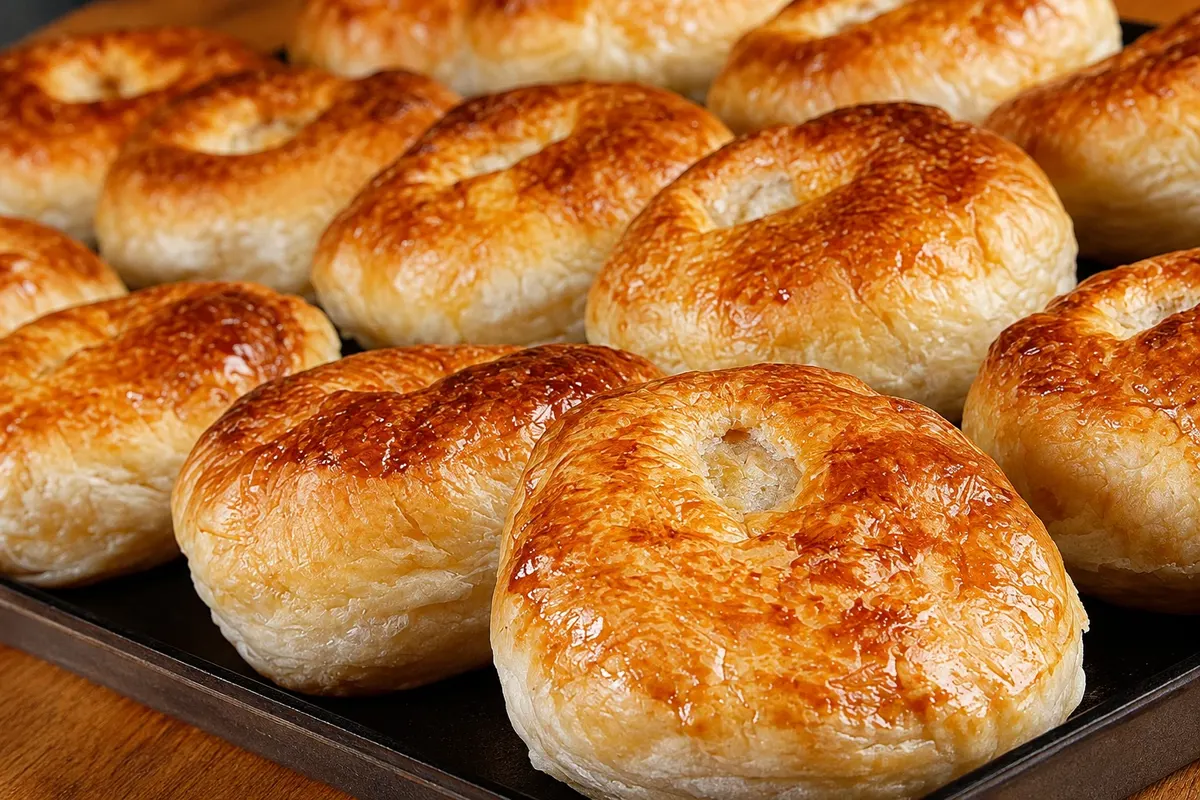
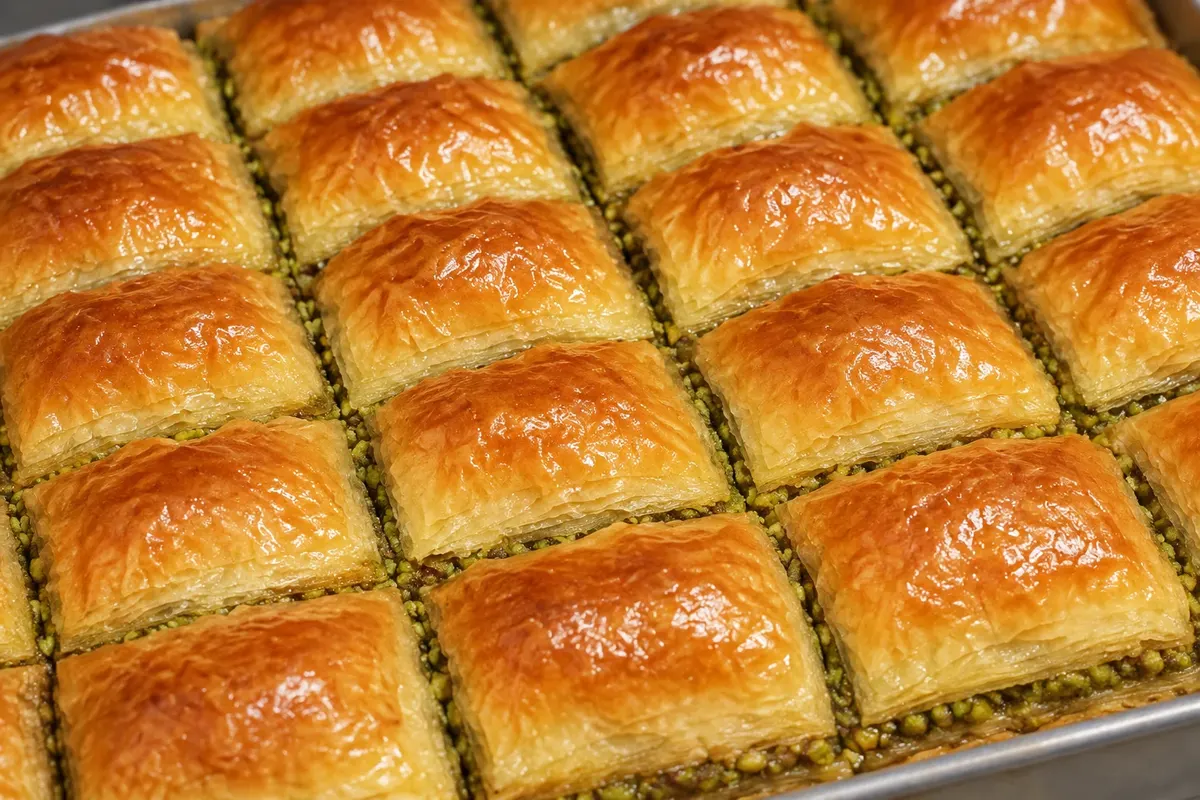
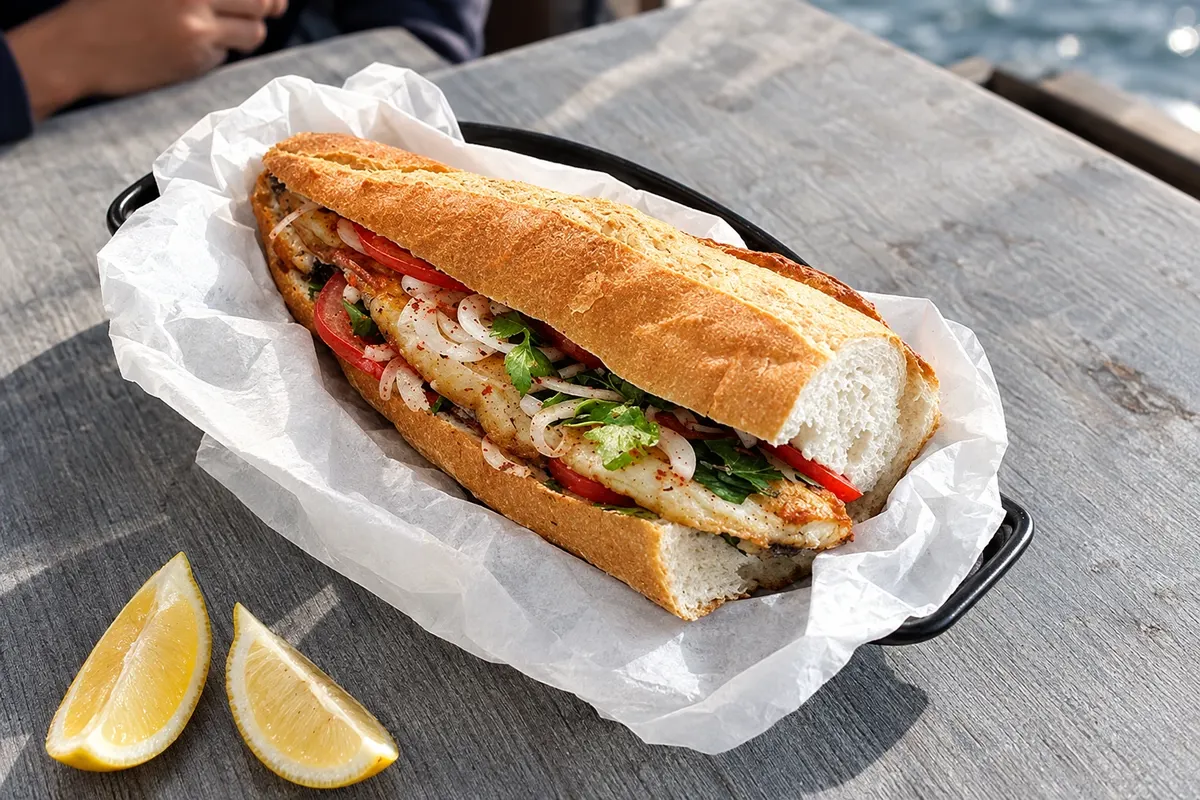
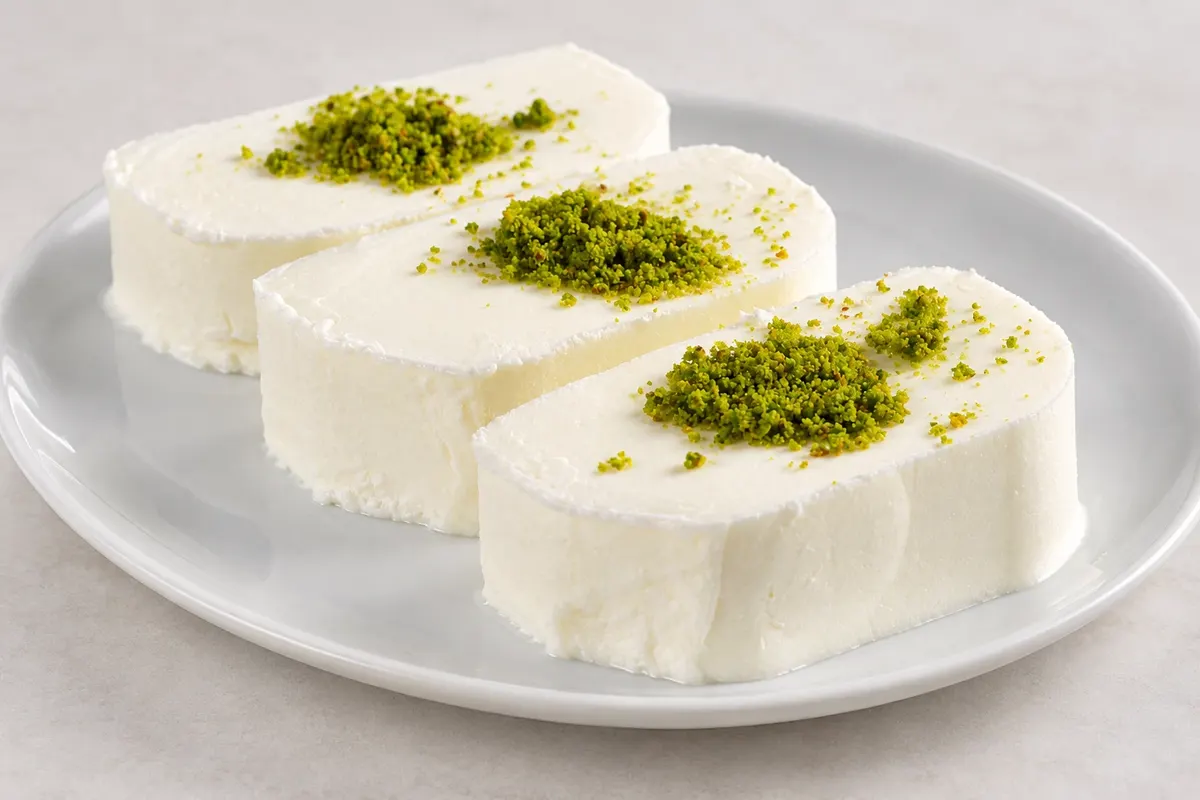
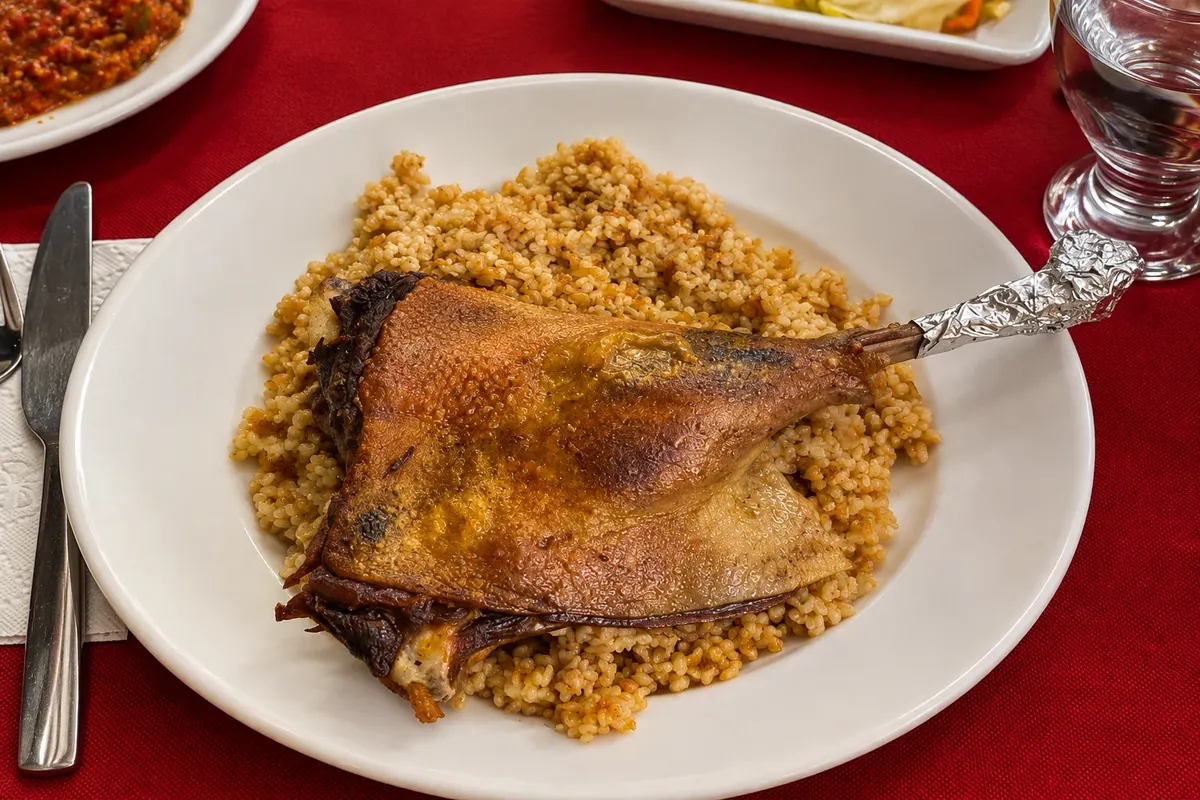
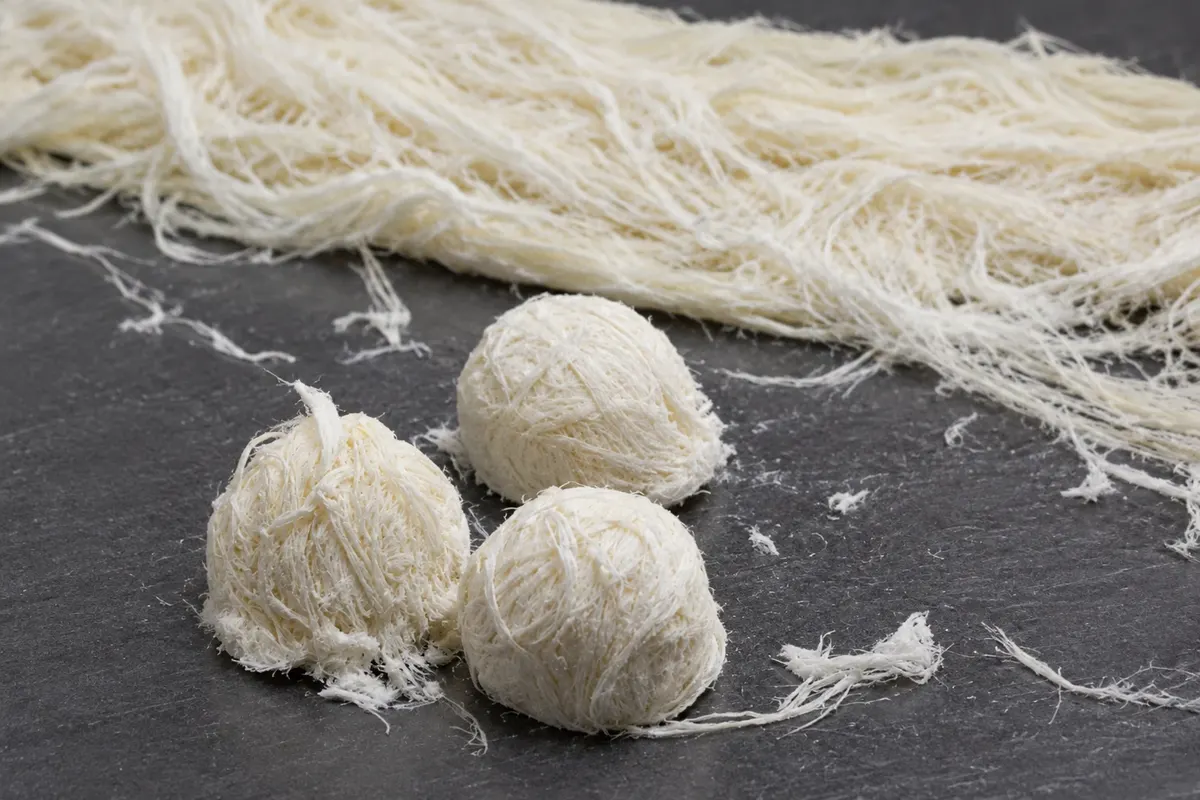
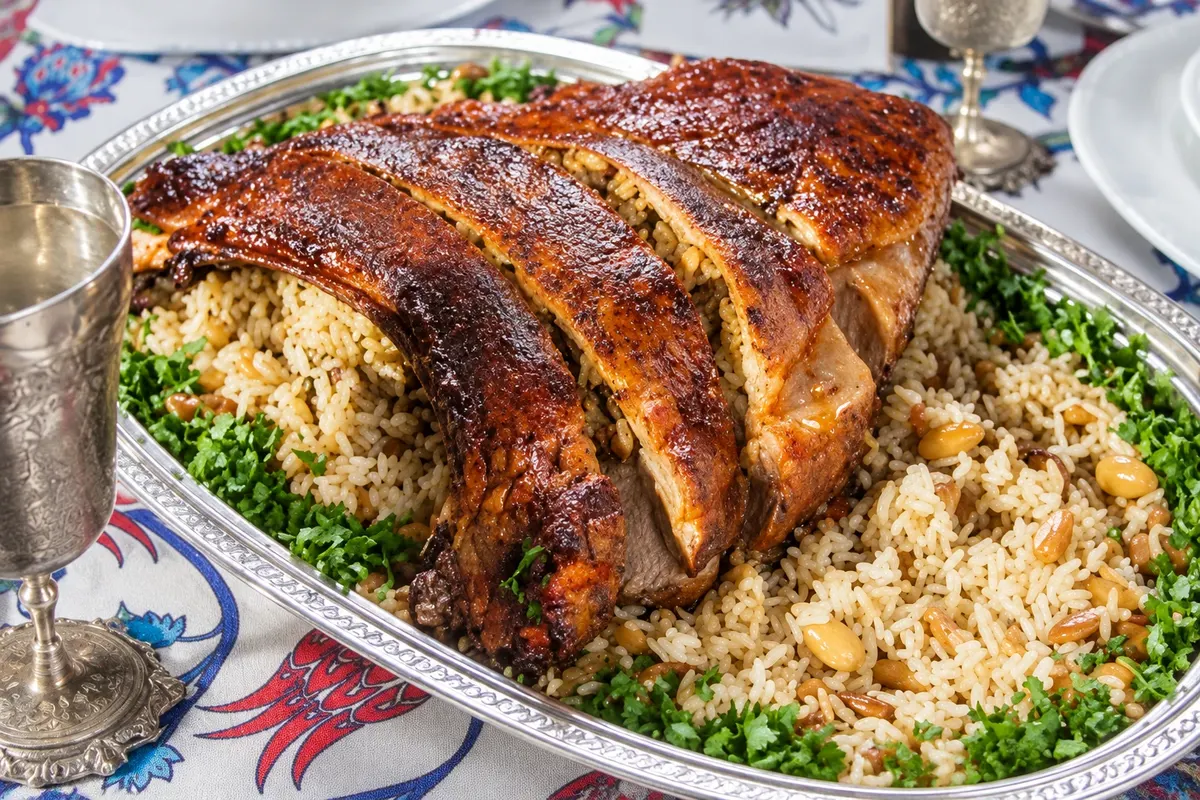
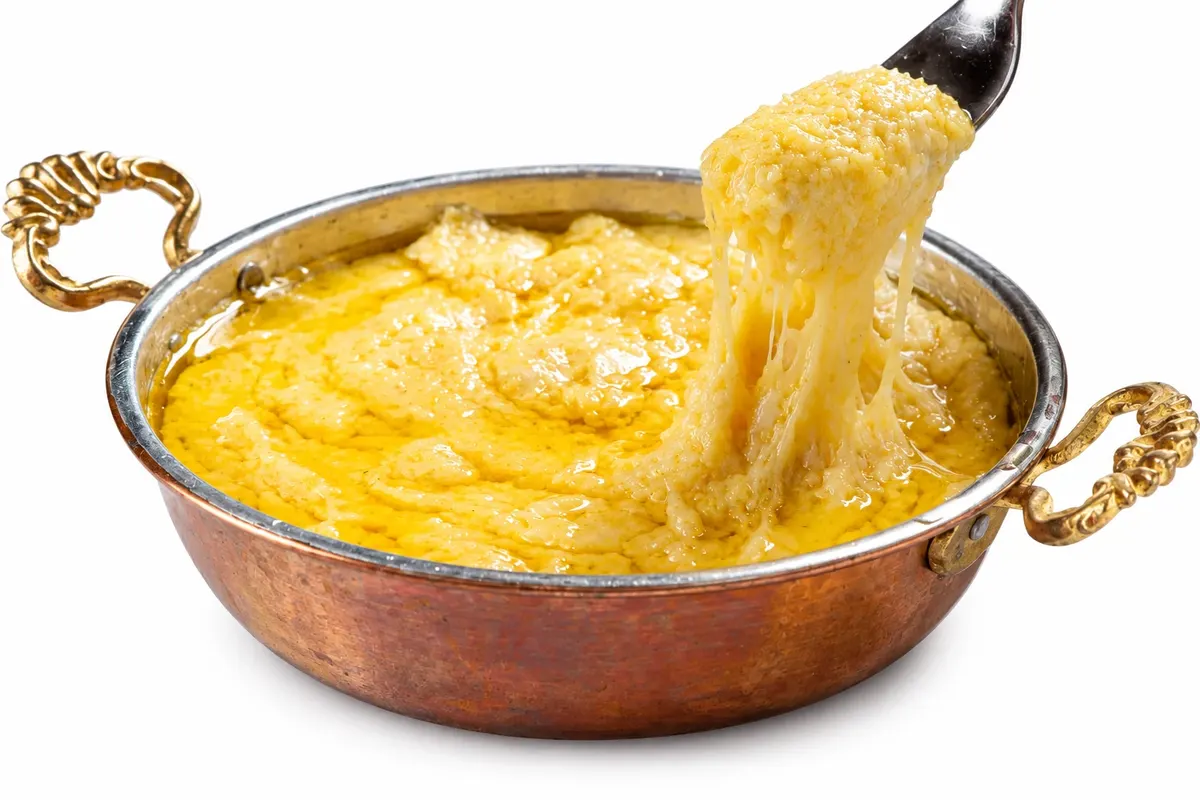
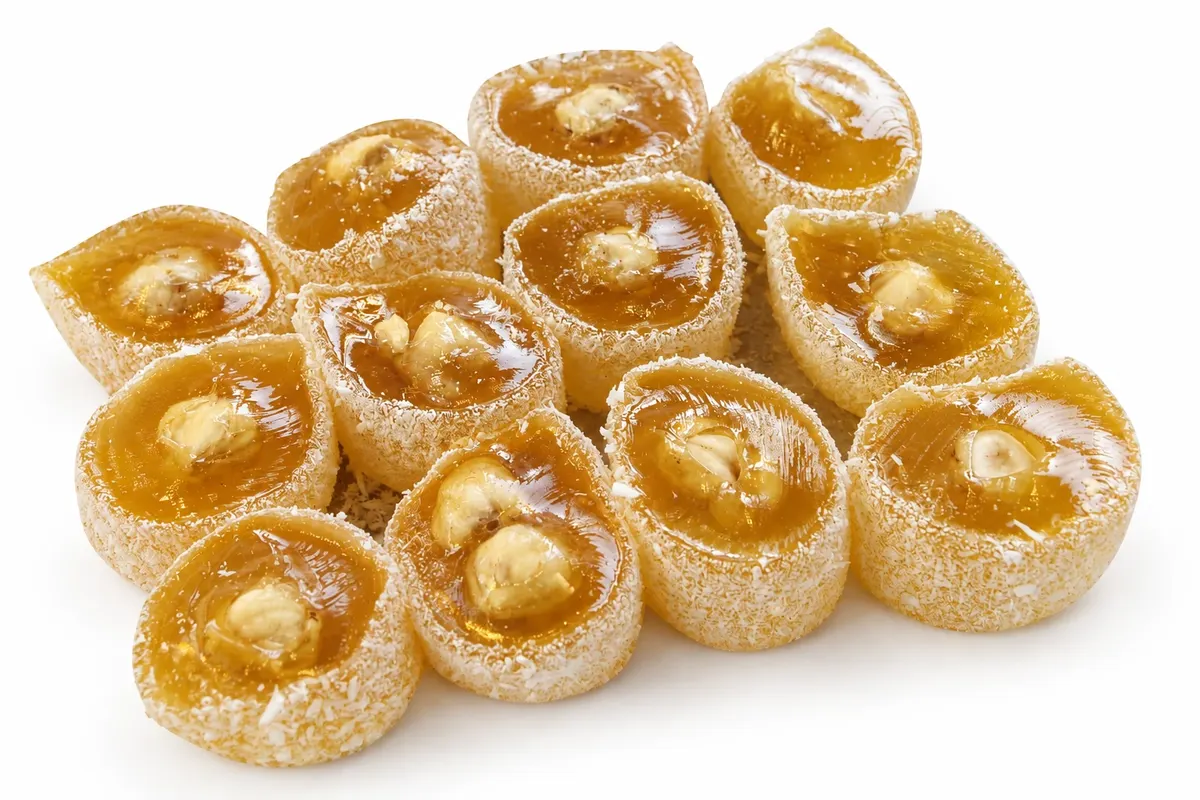
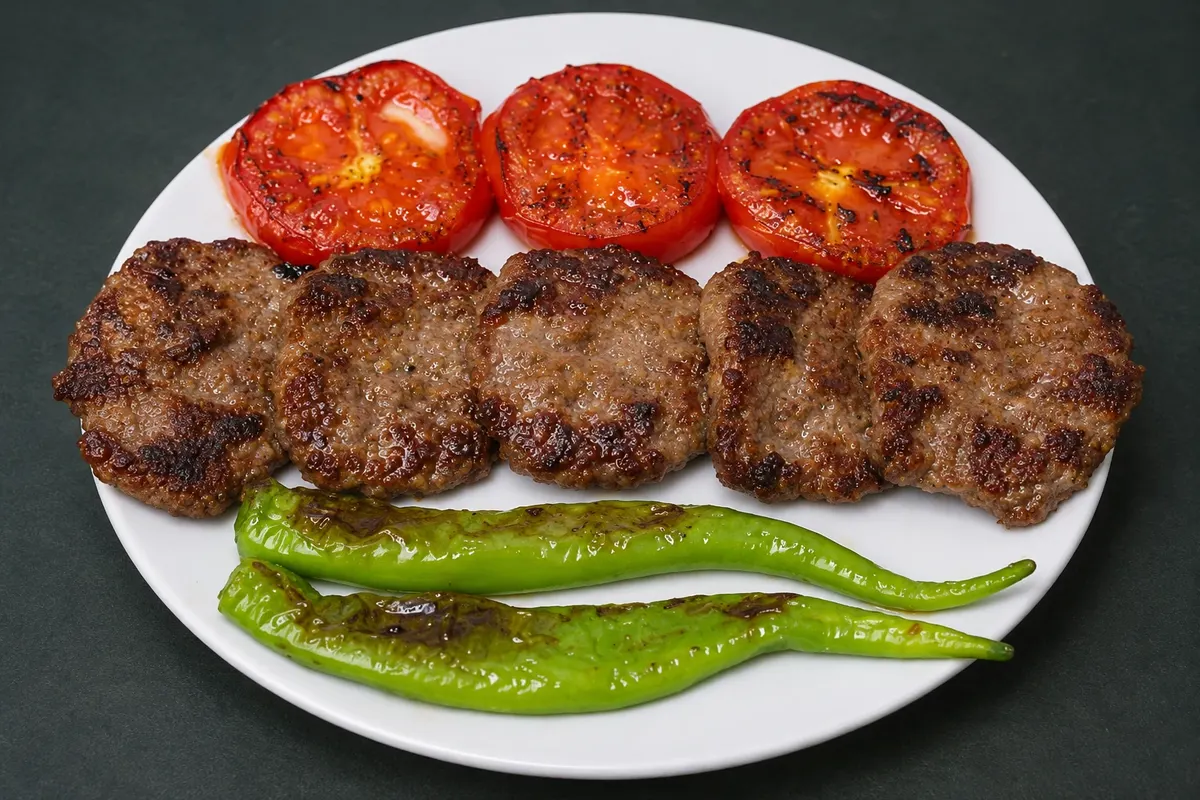
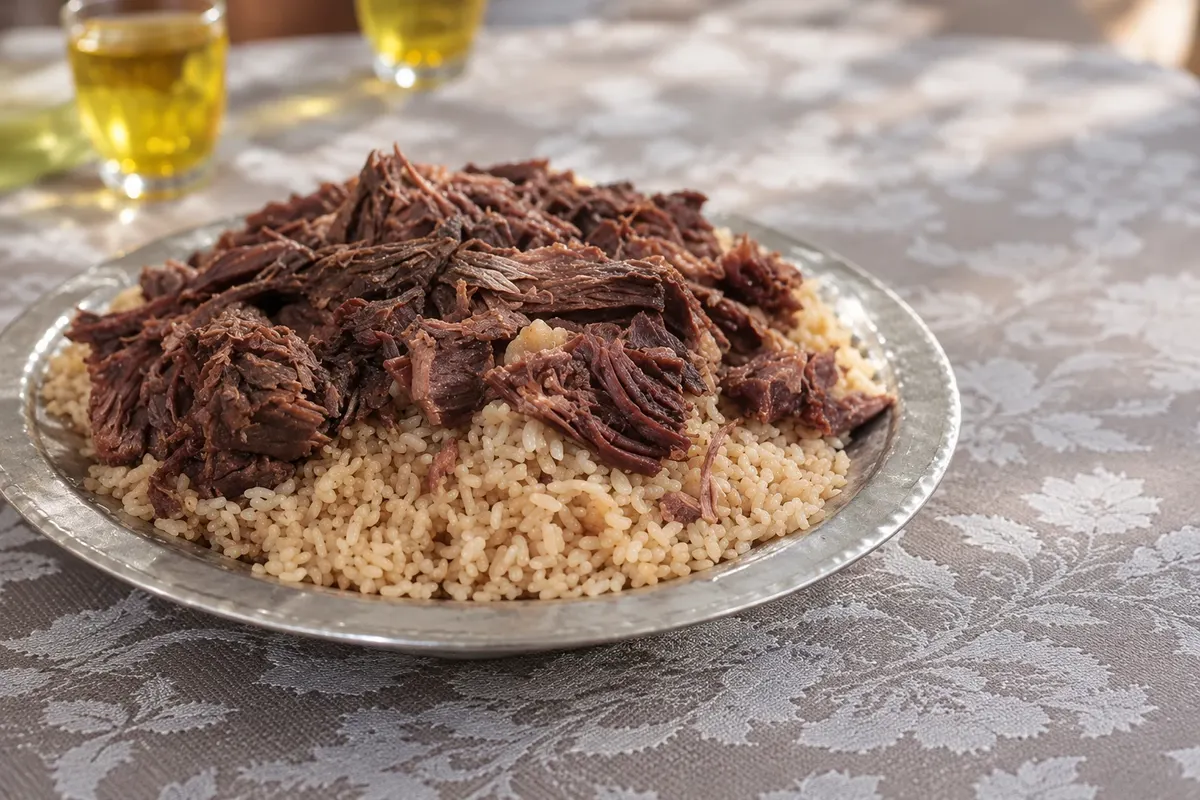
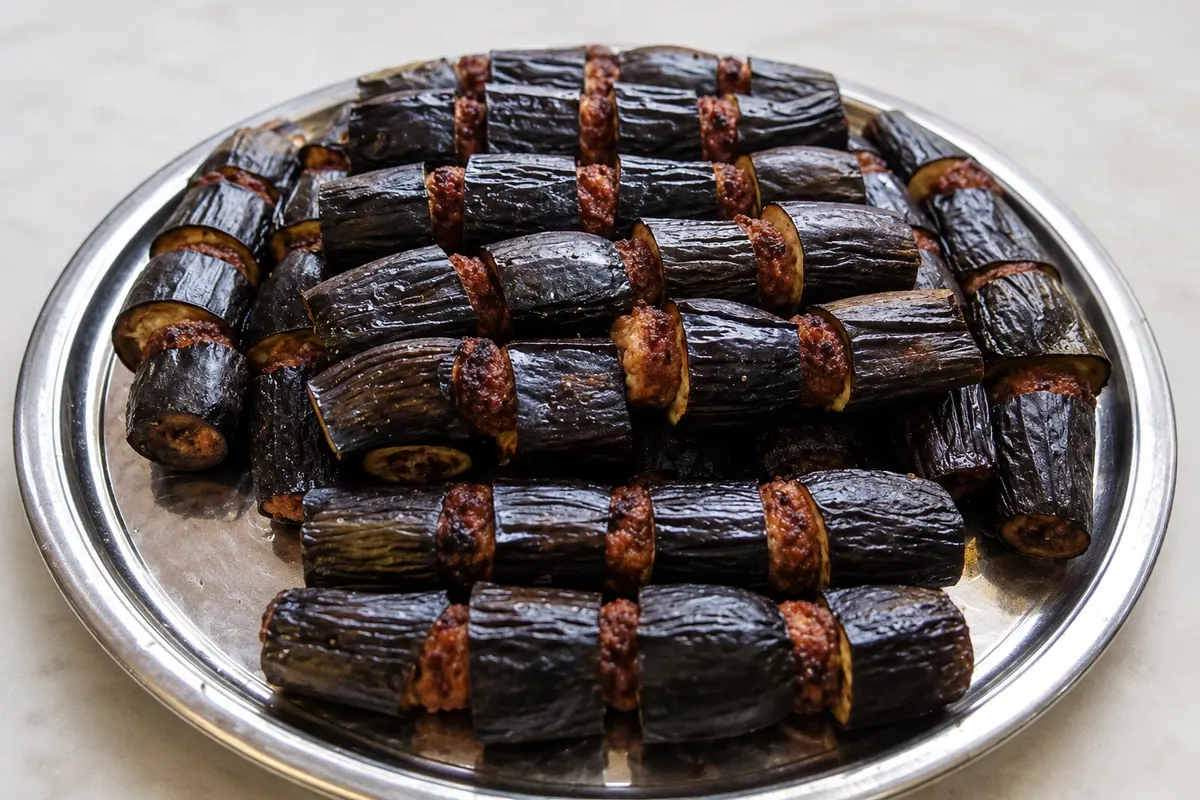
Some traditions are street and everyday fare, like the balık ekmek of Eminönü, the boyoz of İzmir’s breakfast and the ciğer kebabı of Diyarbakır, eaten even in the morning. Others are for celebrations and home cooking, such as Mardin’s kaburga dolması, Çorum’s İskilip dolması and Rize’s muhlama, served at weddings and special dates. There are also sweets that travel as souvenirs: Safranbolu’s lokum, İzmit’s pişmaniye and Gaziantep’s baklava.
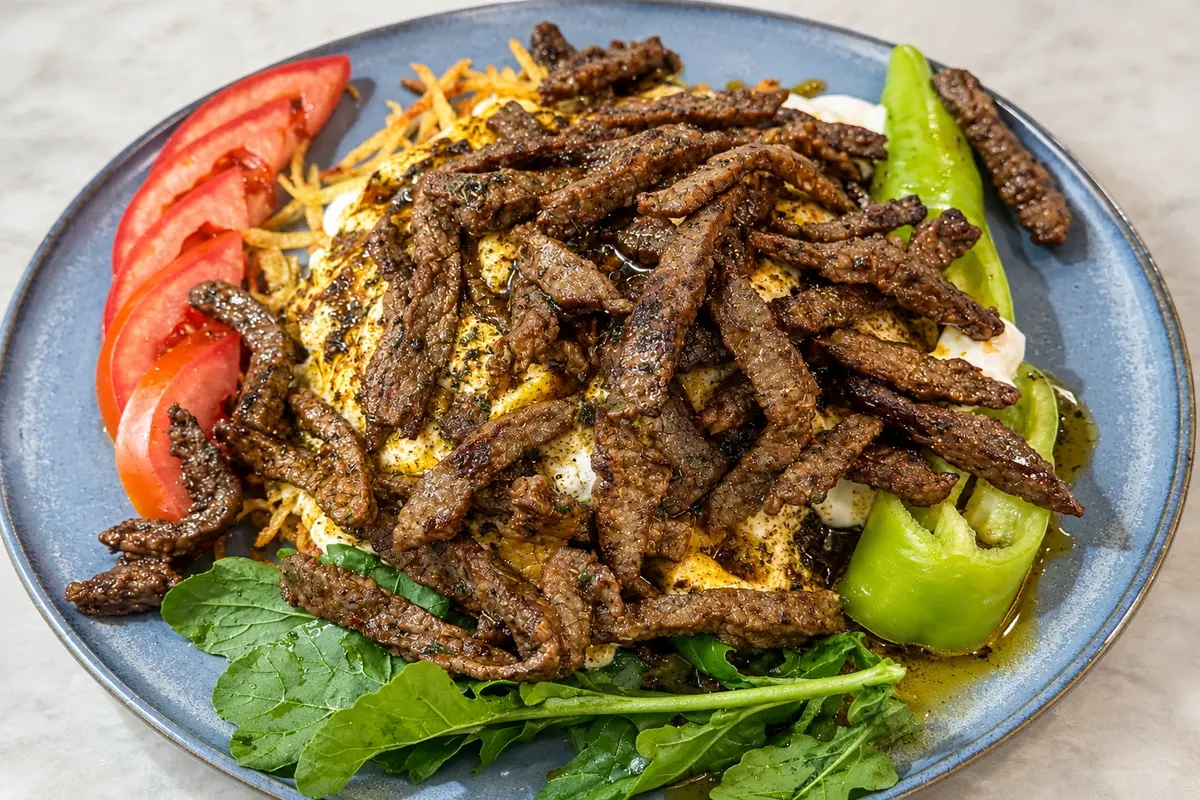
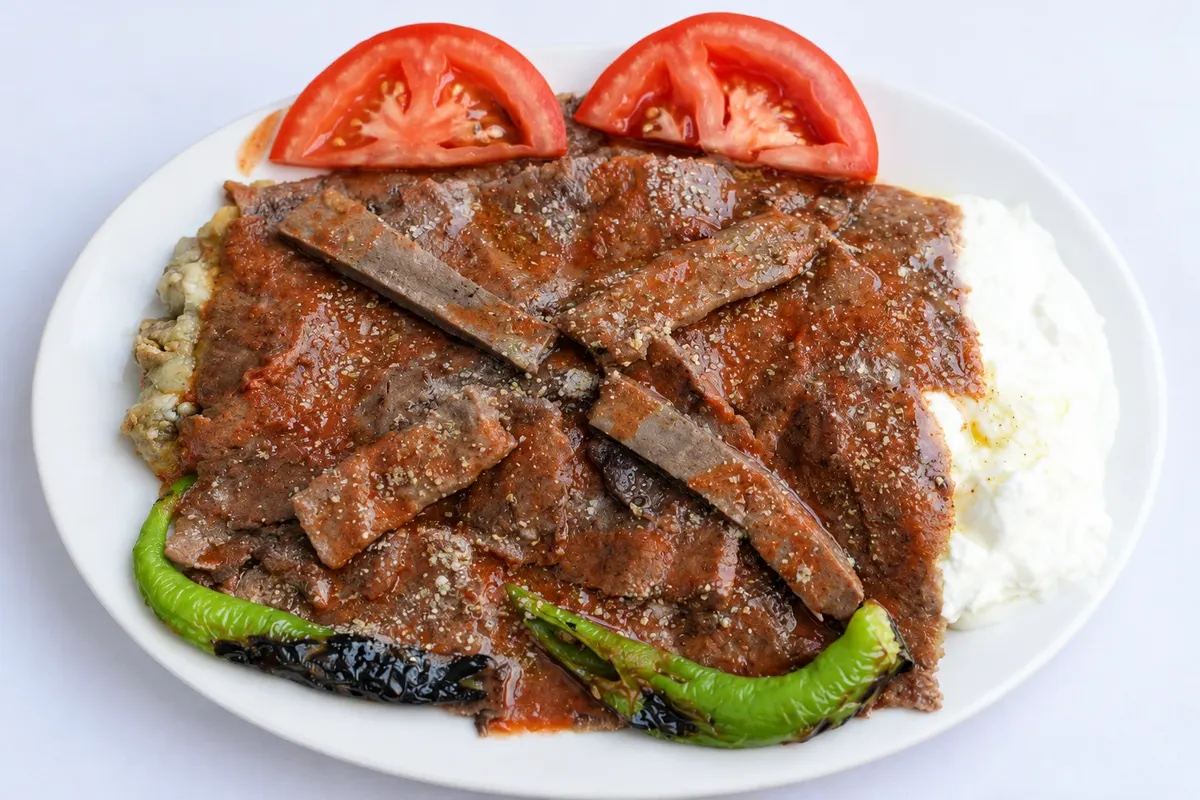
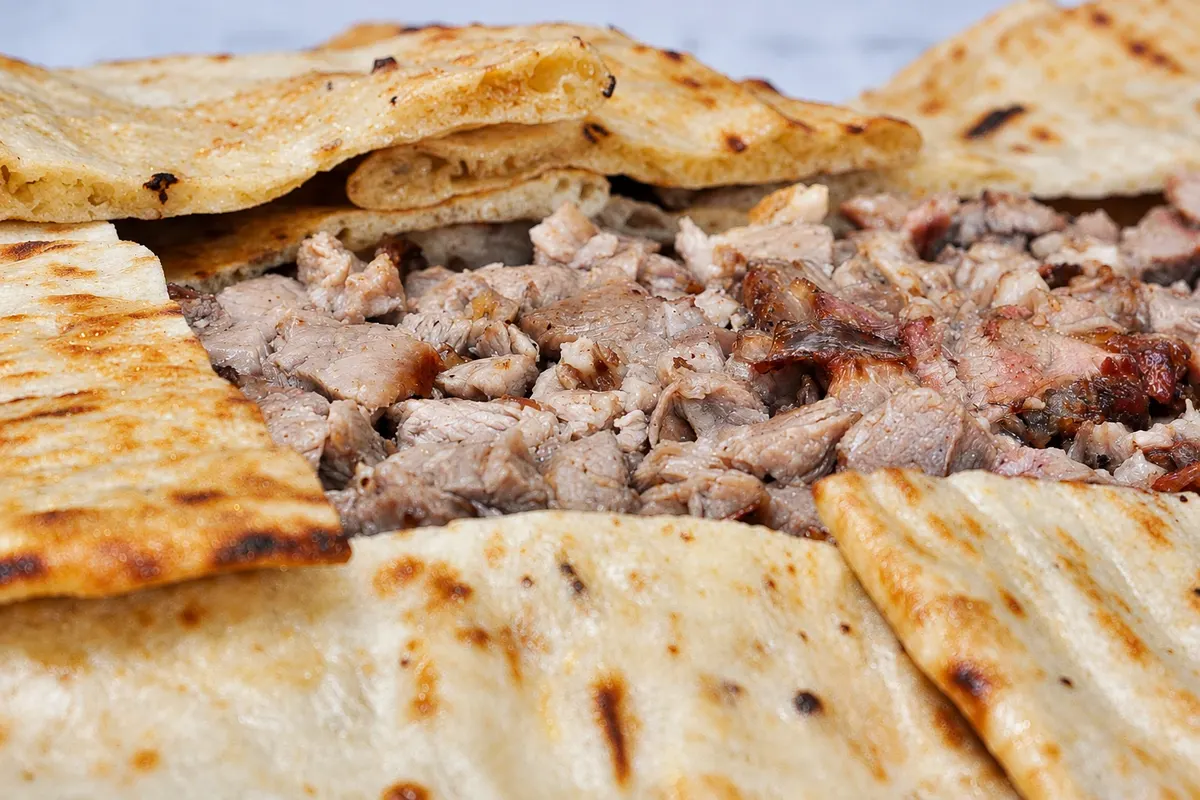
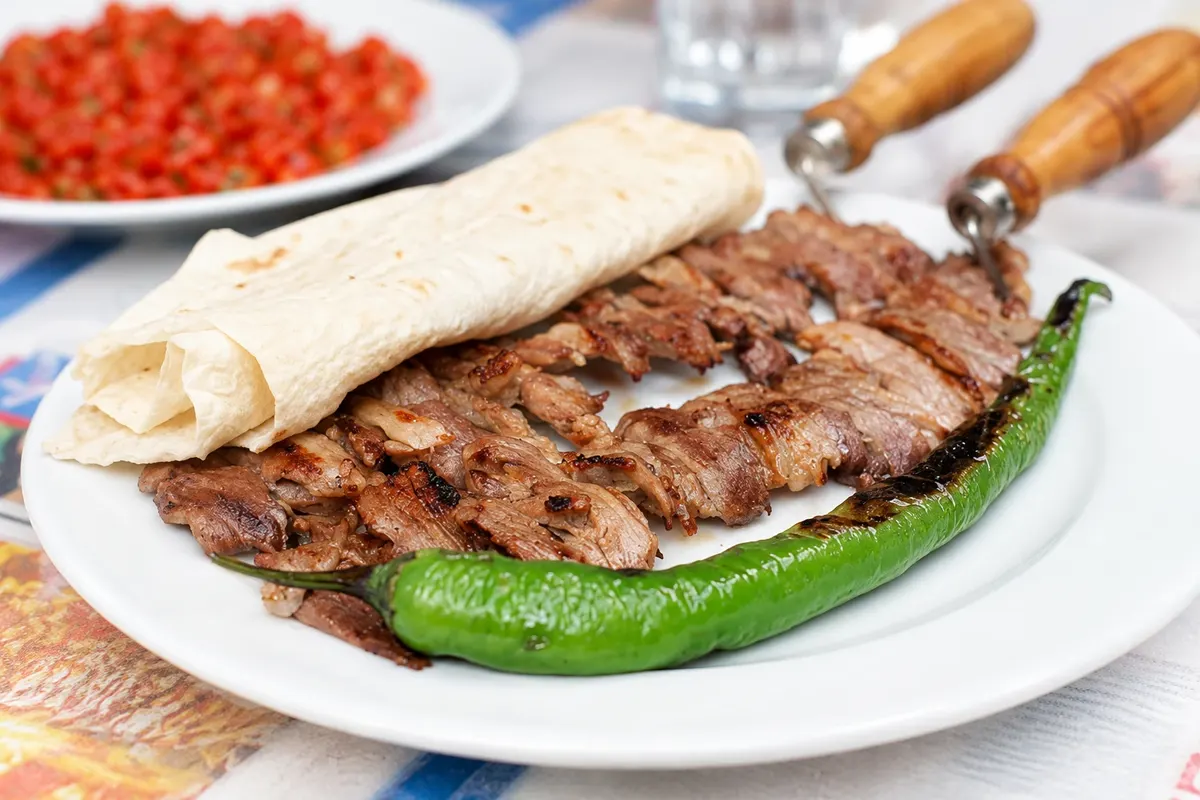
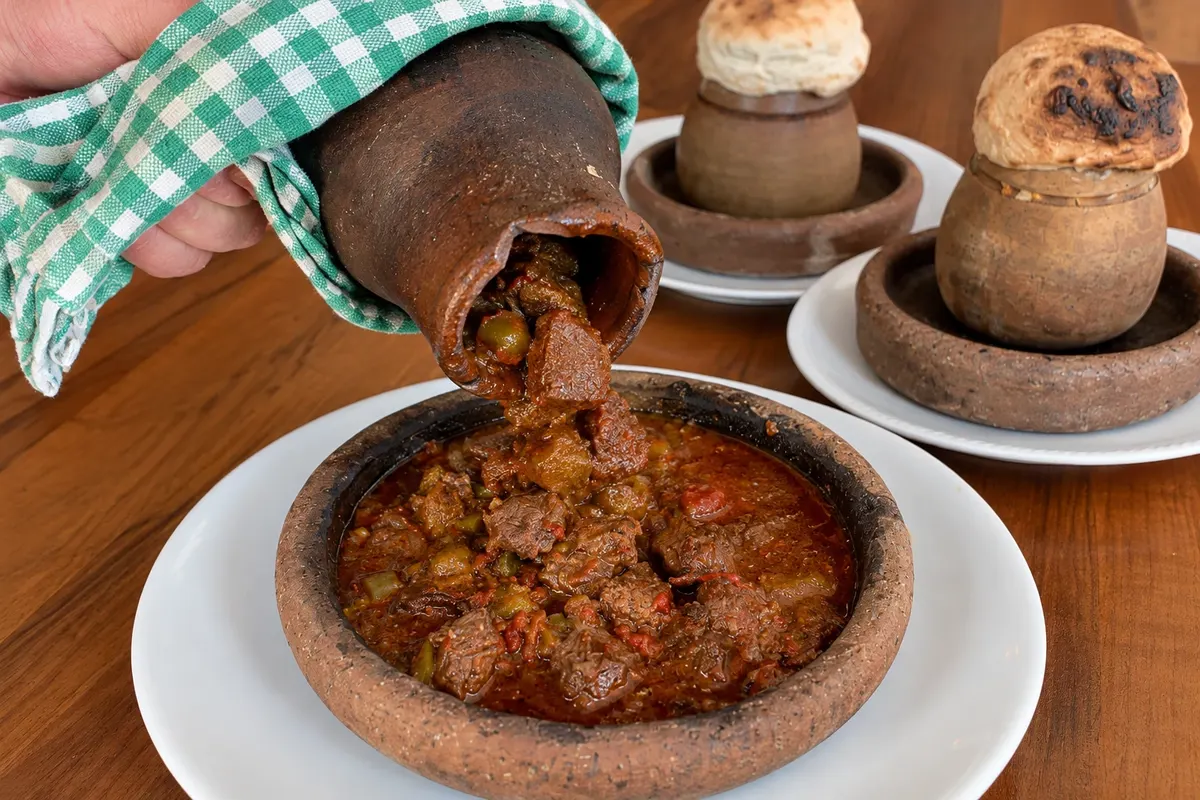
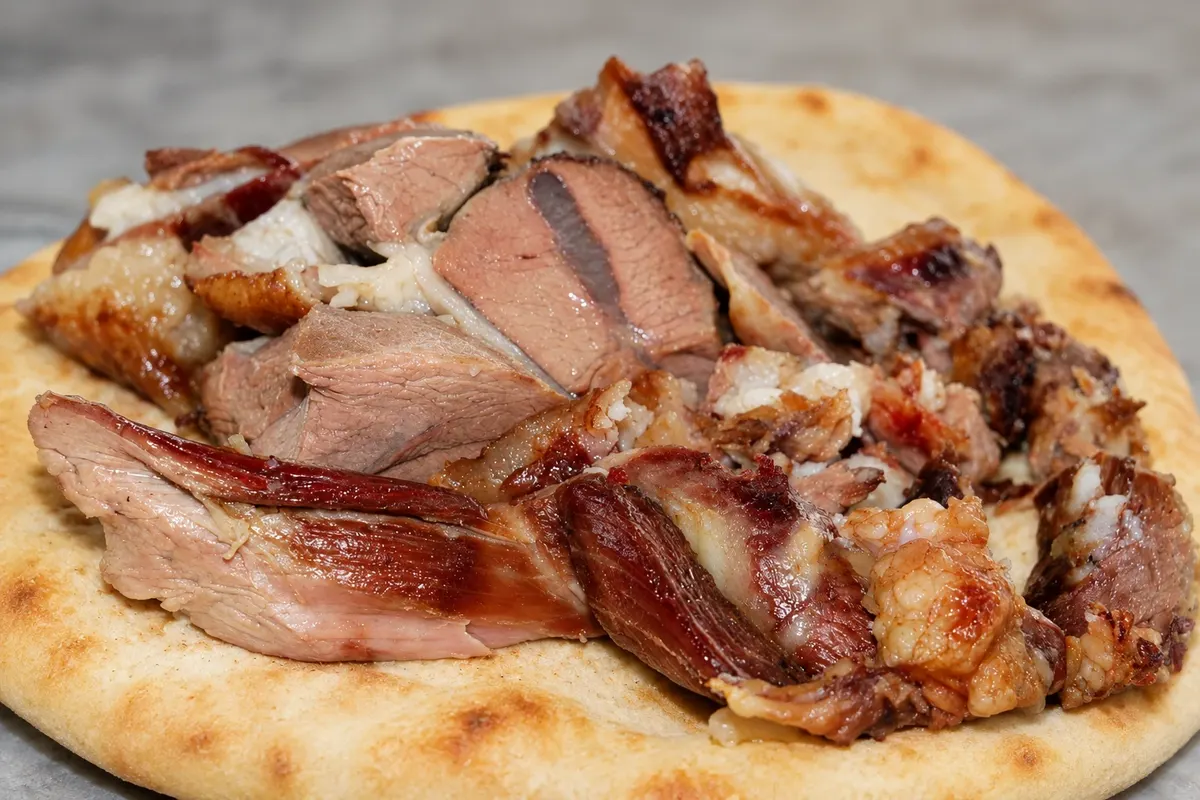
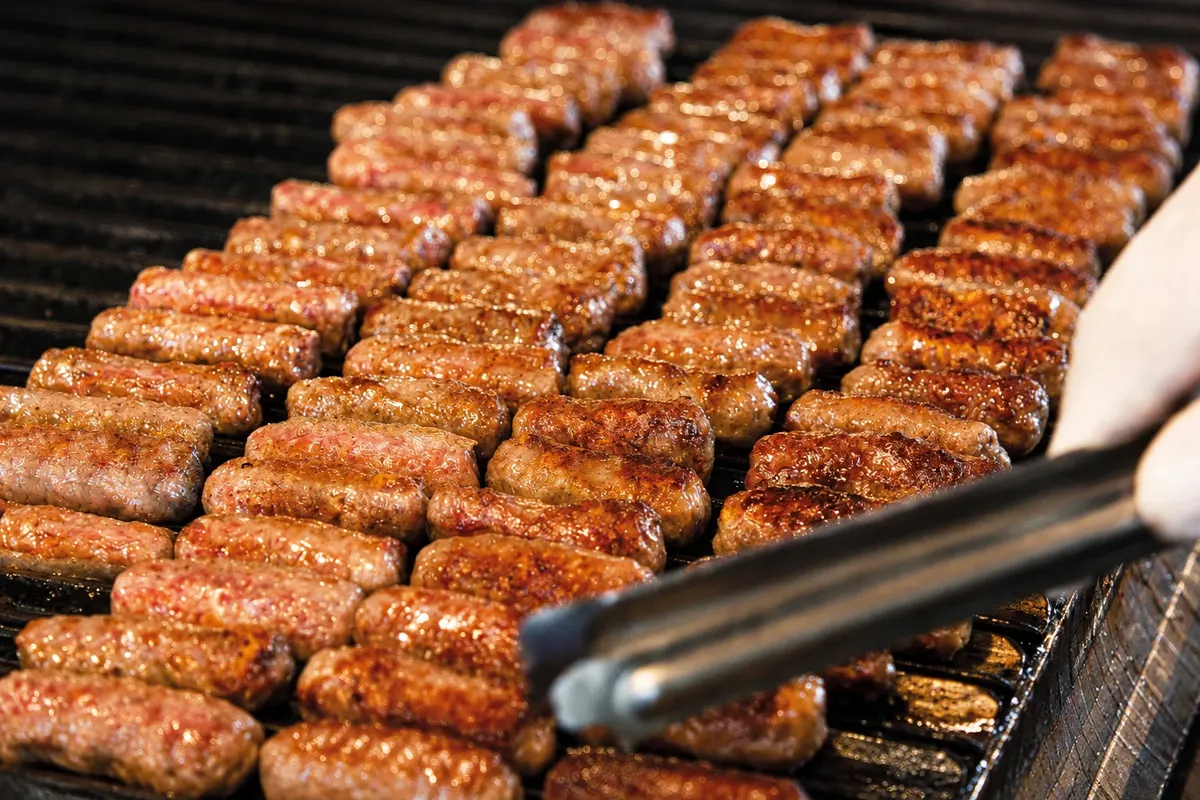
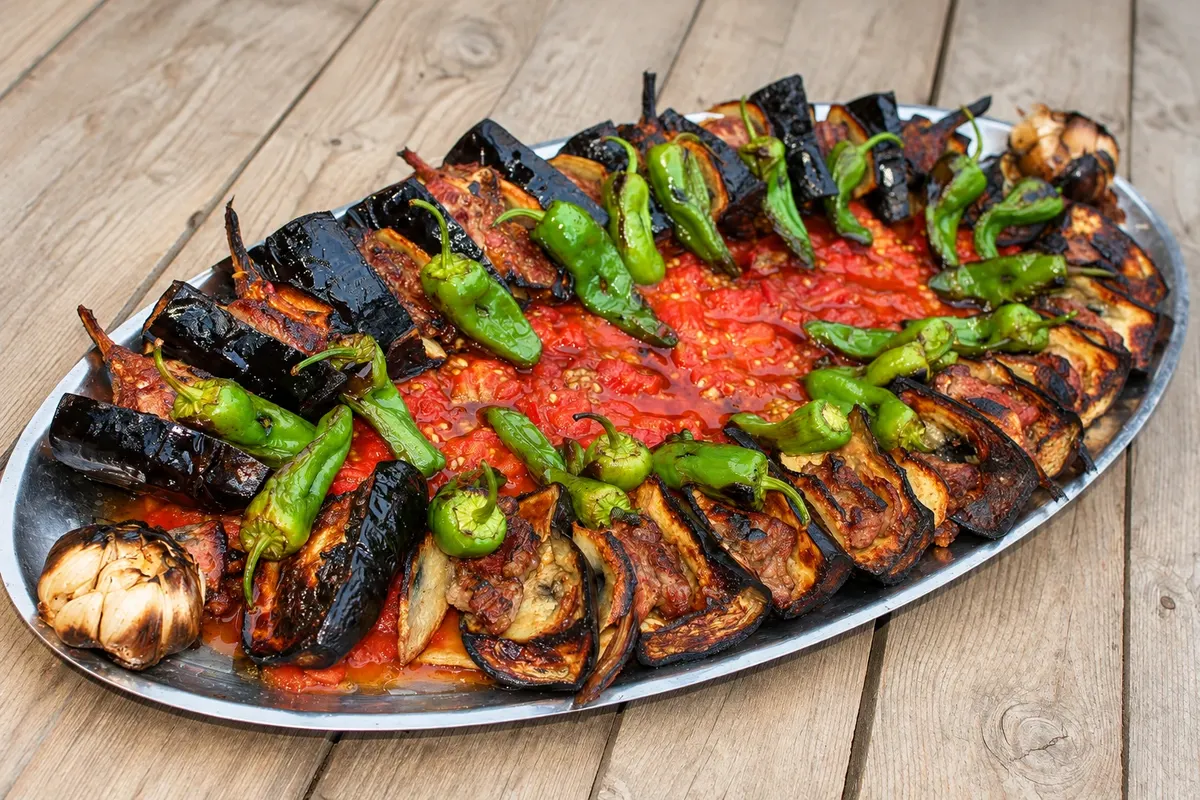
For visitors it’s useful to know that “kebab” in Turkey is not a single dish: it is the name for many roasted or grilled meats, each with its cut, its skewer and its oven. Adana kebabı is spicy; Şanlıurfa’s patlıcanlı kebabı alternates meat and eggplant on the skewer; testi kebabı is cooked inside a clay pot; Erzurum’s cağ kebabı rotates on a horizontal spit. Mutton and lamb are common, and many dishes arrive at the table with bread, onion, parsley and dried chili.


 Brazilija
 Antarktika
 Argentina
 Bolivija
 Čile
 Kolumbija
 Ekvator
 Gvajana
 Francoska Gvajana
 Falklandski otoki (Malvini)
 Paragvaj
 Peru
 Surinam
 Urugvaj
 Venezuela
 Nemčija
 Avstrija
 Belgija
 Hrvaška
 Danska
 Slovaška
 Slovenija
 Španija
 Finska
 Francija
 Grčija
 Nizozemska
 Madžarska
 Irska
 Islandija
 Italija
 Luksemburg
 Norveška
 Poljska
 Portugalska
 Združeno kraljestvo
 Češka
 Švedska
 Švica
 Bermudi
 Kanada
 Združene države Amerike
 Grenlandija
 Mehika
 Sveta Peter in Mihael
 Dominikanska republika
 Japonska
 Južnoafriška republika
 Egipt
 Avstralija
 Fidži
 Nova Zelandija
 Papua Nova Gvineja