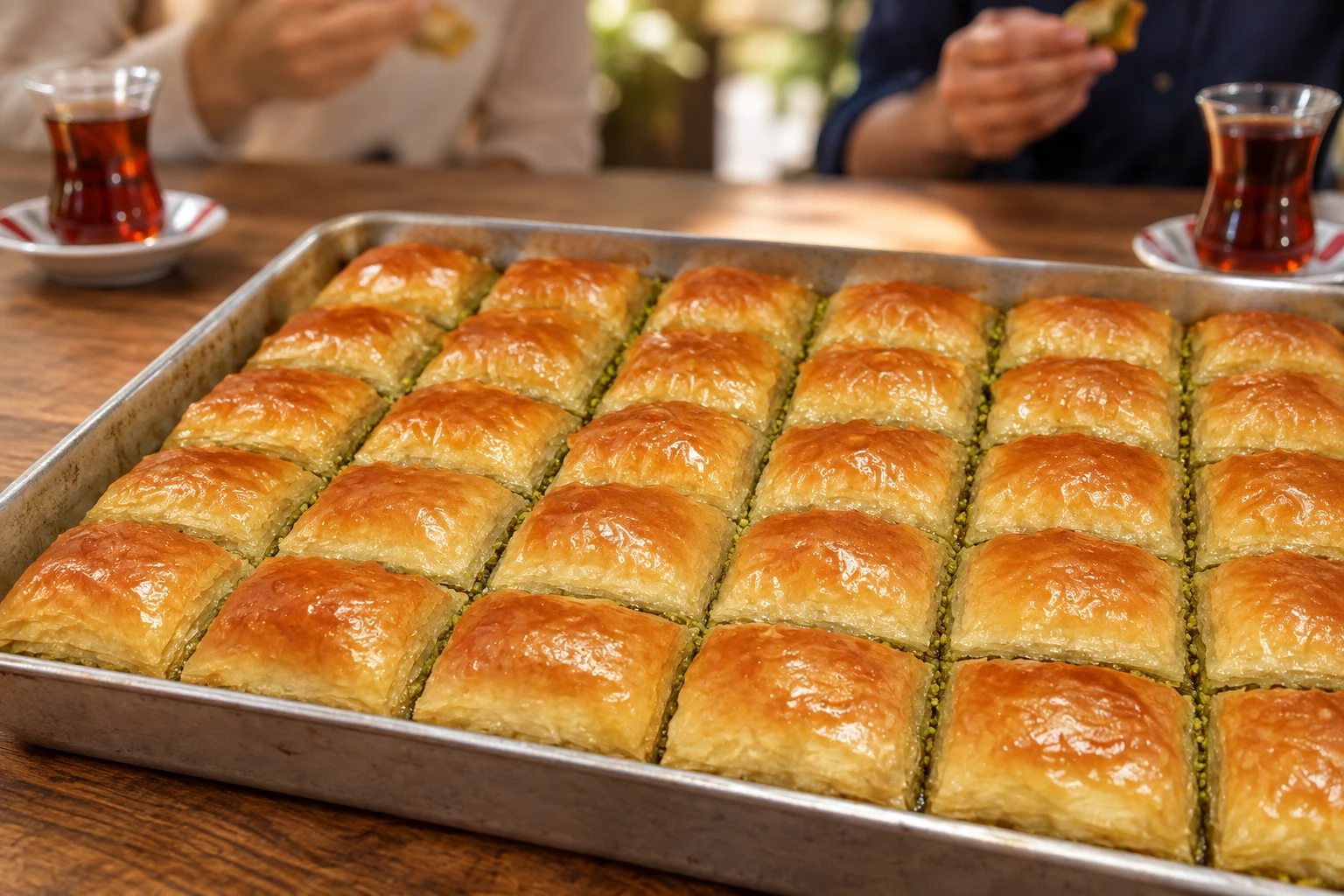
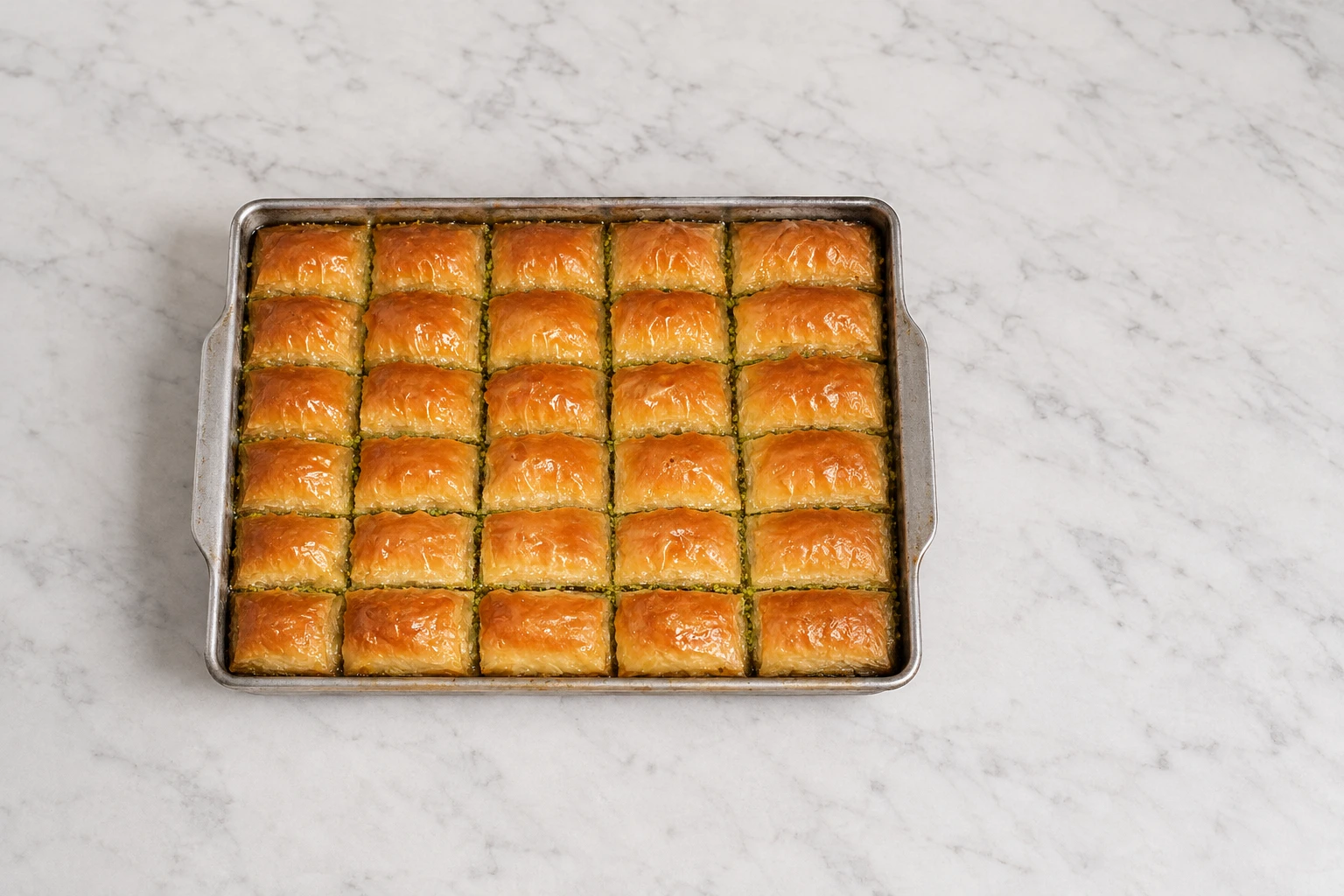
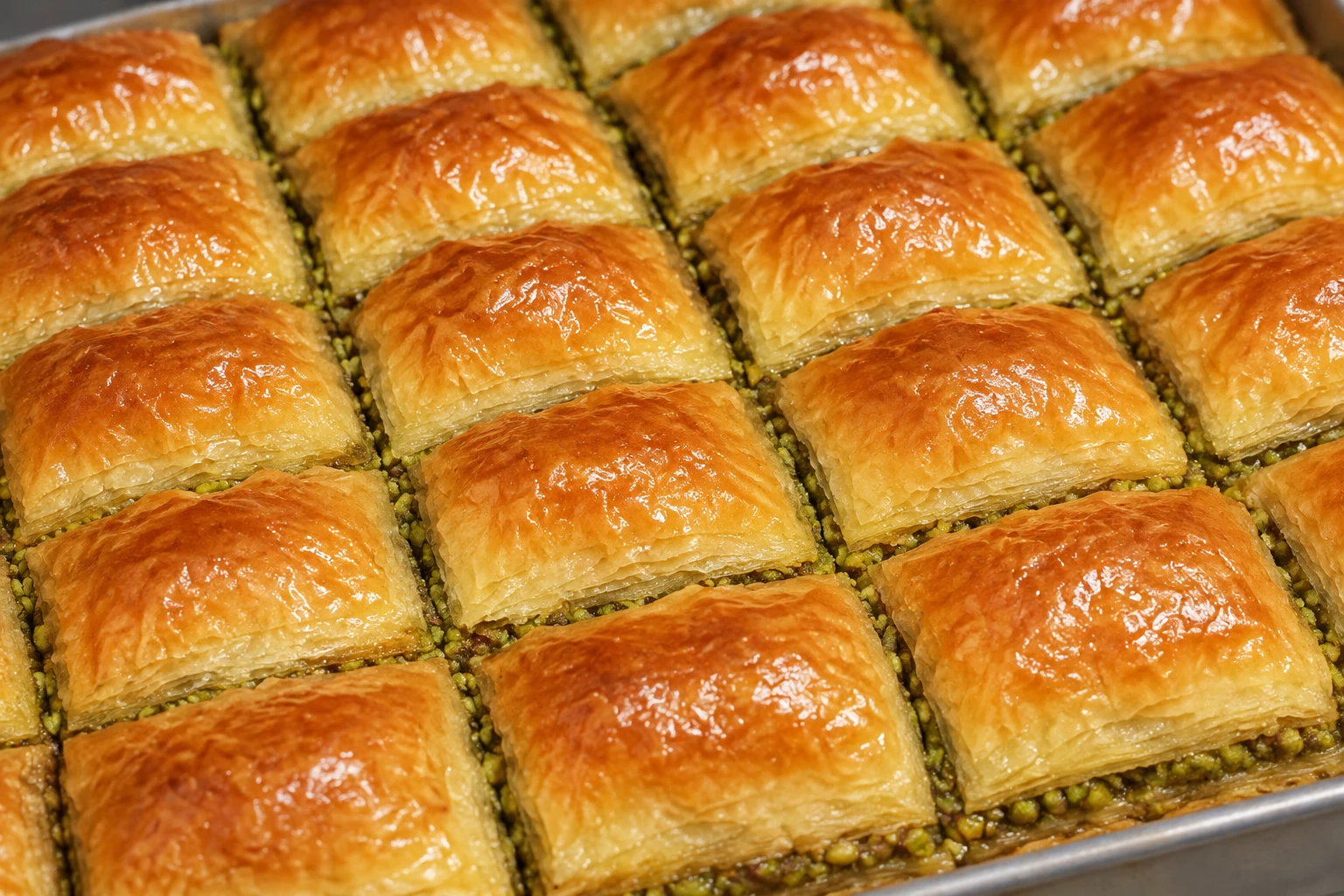
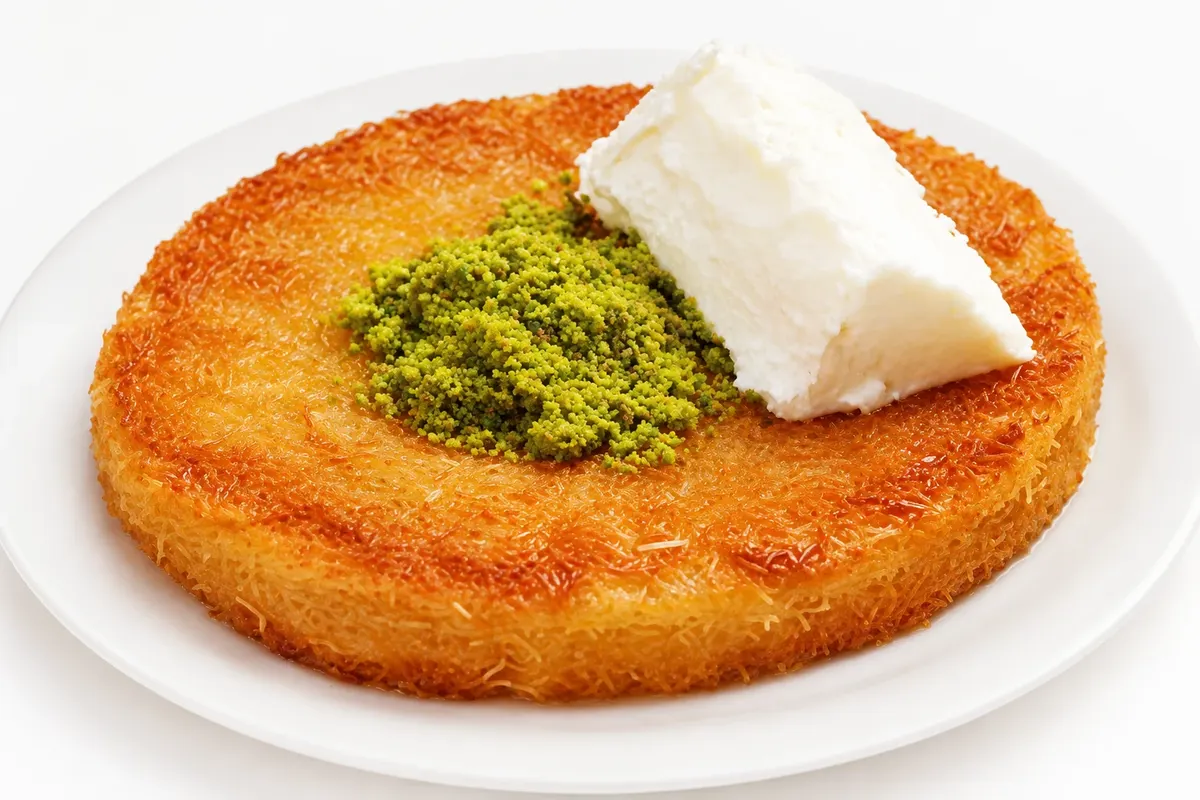
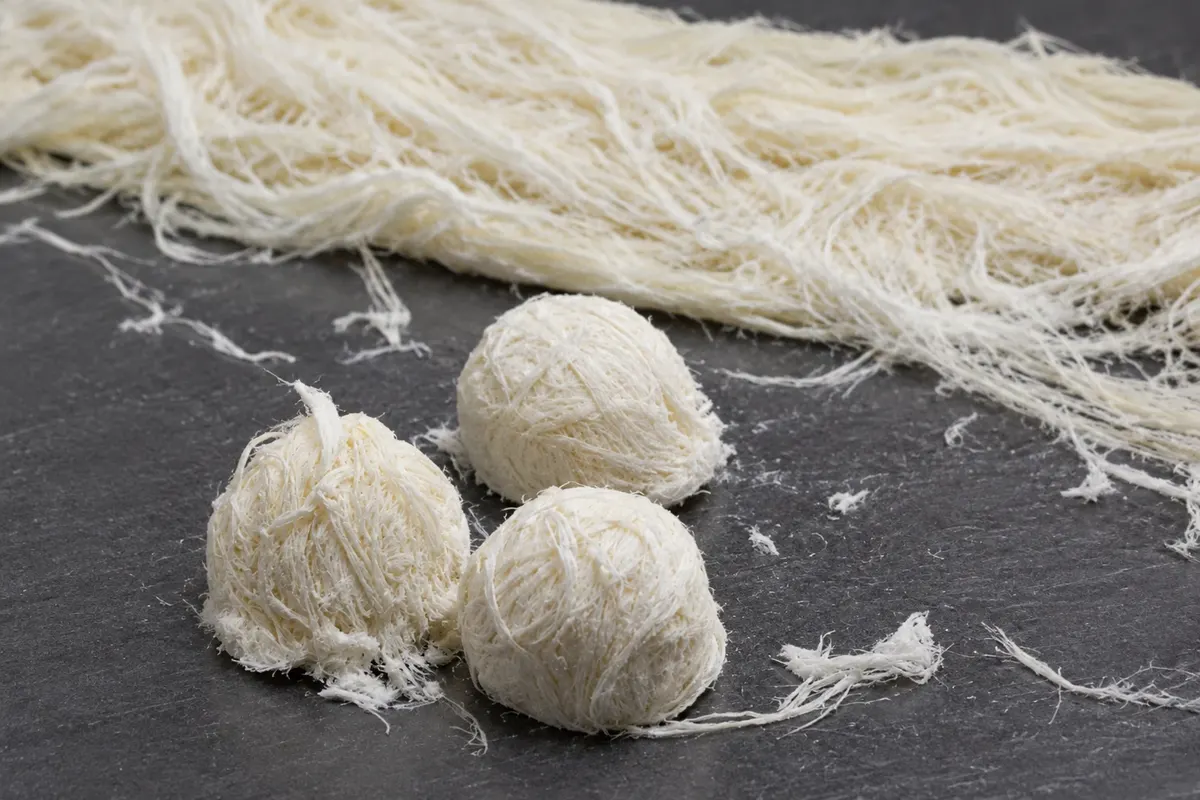
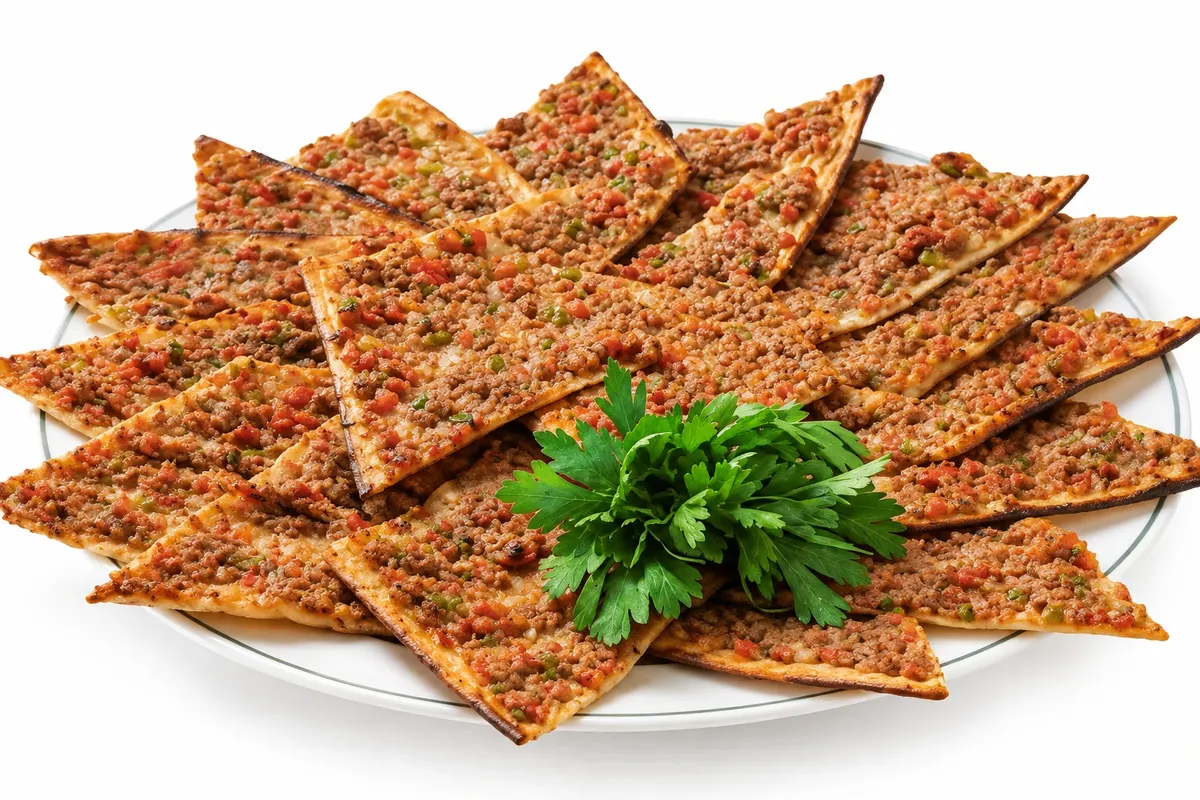
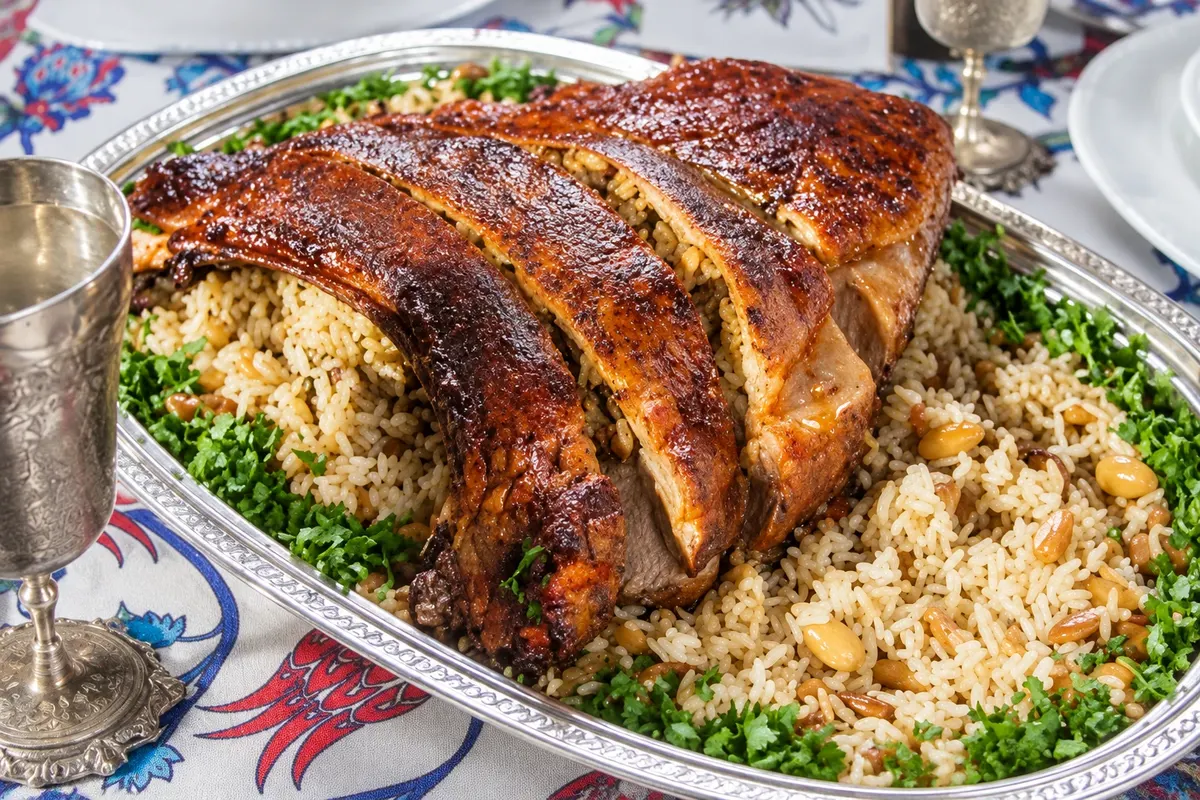
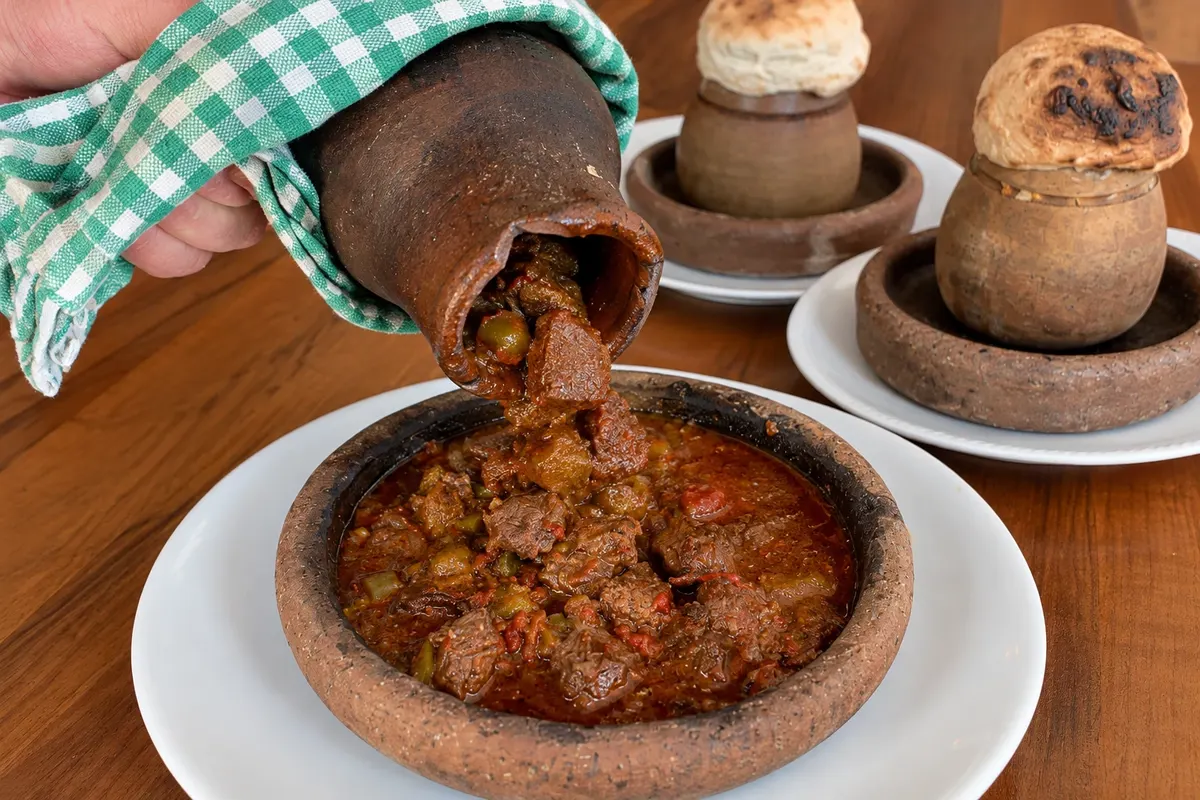
Gaziantep, in southeastern Turkey, is the city most associated with baklava in the country, and the baklava there is made with the region's pistachio. The dough (yufka) is rolled by hand until nearly transparent, and dozens of sheets are stacked with butter and ground pistachio. After baking, it is soaked in sugar syrup. The moist version also includes kaymak (clotted cream) between the layers; the dry version is made without that cream. The result is crispy on top and moist underneath, golden in color, with the pistachio green visible in the cross-section.
The name "Antep Baklavası" was registered as a geographical indication in Turkey in 2008, at the request of the Gaziantep Chamber of Industry, and in 2013 the European Union registered it as a Protected Geographical Indication (PGI), the first Turkish product on that list. The registration specifies the Antep pistachio, the butter, the thickness of the pastry, the syrup and even the baking method.
The craft is passed from father to son and from master to apprentice, and many of the well-known baklava masters in Turkey come from Gaziantep. The city's tradition is usually traced back to the 19th century. There are several cuts and shapes, such as square, the "havuç dilimi" (carrot-shaped slice) and the "şöbiyet", with cream inside.
Gaziantep is part of UNESCO's Creative Cities Network for gastronomy. In the city, baklava is eaten with tea or Turkish coffee and comes in boxes as a gift.


 Brazilija
 Antarktika
 Argentina
 Bolivija
 Čile
 Kolumbija
 Ekvator
 Gvajana
 Francoska Gvajana
 Falklandski otoki (Malvini)
 Paragvaj
 Peru
 Surinam
 Urugvaj
 Venezuela
 Nemčija
 Avstrija
 Belgija
 Hrvaška
 Danska
 Slovaška
 Slovenija
 Španija
 Finska
 Francija
 Grčija
 Nizozemska
 Madžarska
 Irska
 Islandija
 Italija
 Luksemburg
 Norveška
 Poljska
 Portugalska
 Združeno kraljestvo
 Češka
 Švedska
 Švica
 Bermudi
 Kanada
 Združene države Amerike
 Grenlandija
 Mehika
 Sveta Peter in Mihael
 Dominikanska republika
 Japonska
 Južnoafriška republika
 Egipt
 Avstralija
 Fidži
 Nova Zelandija
 Papua Nova Gvineja