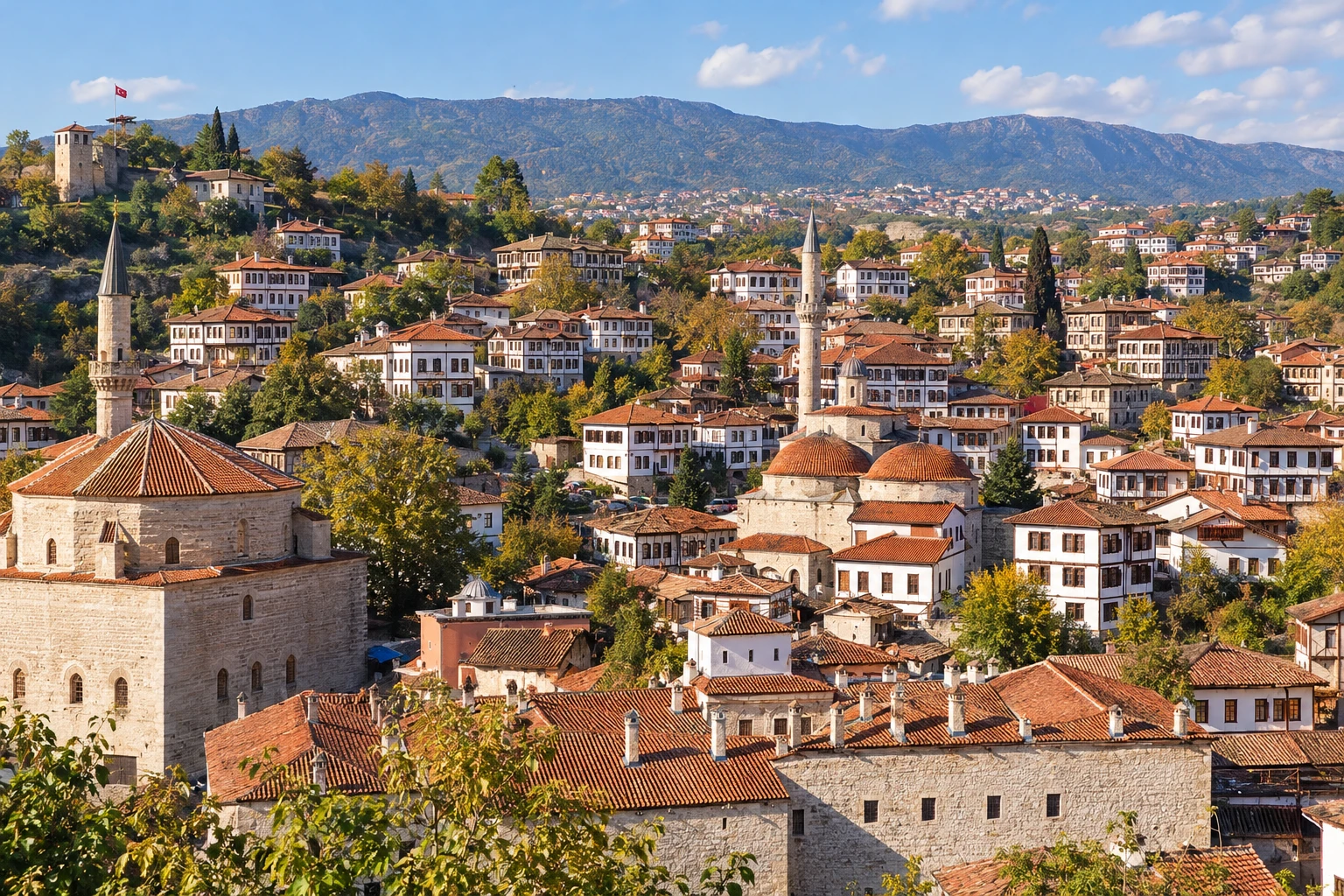
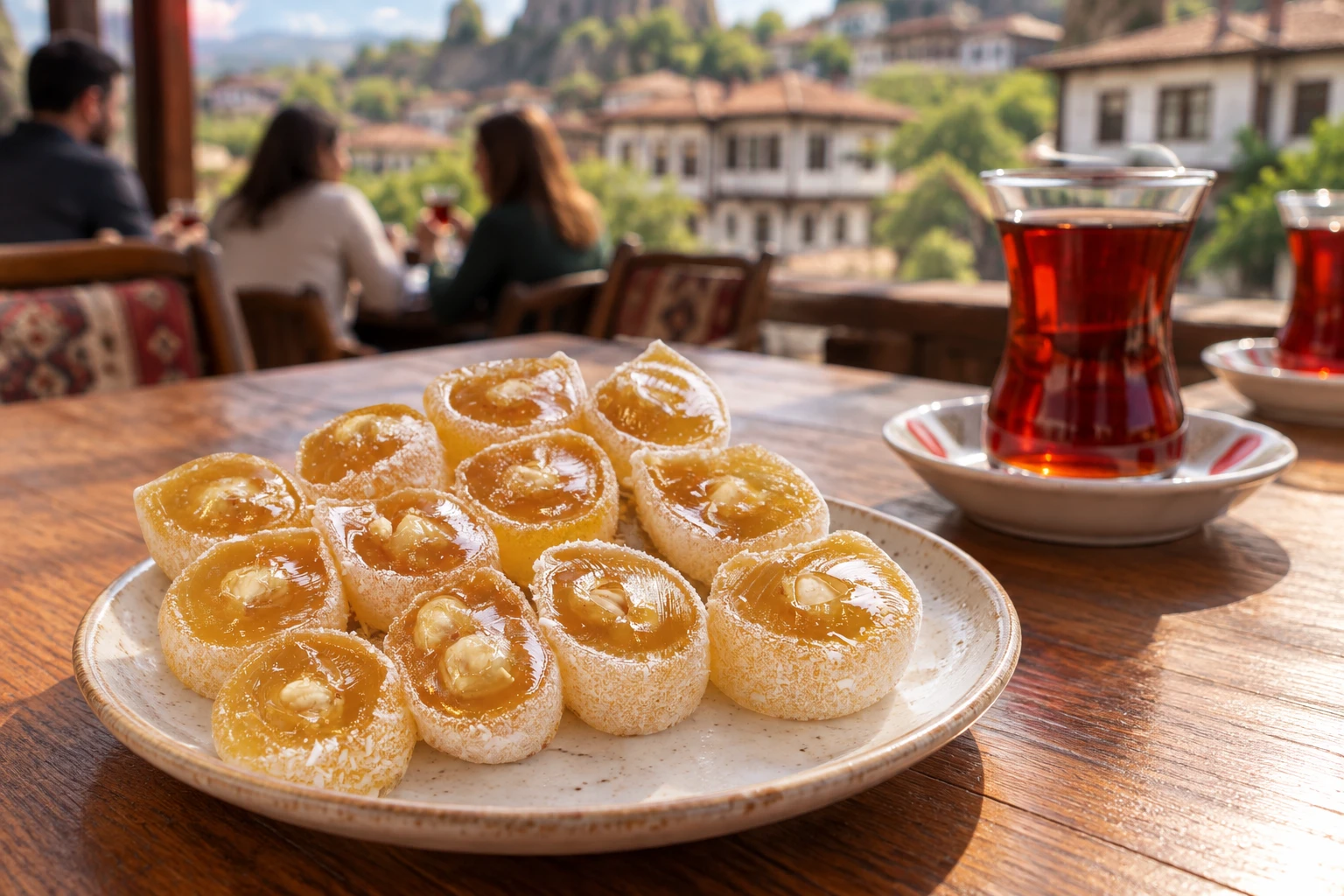
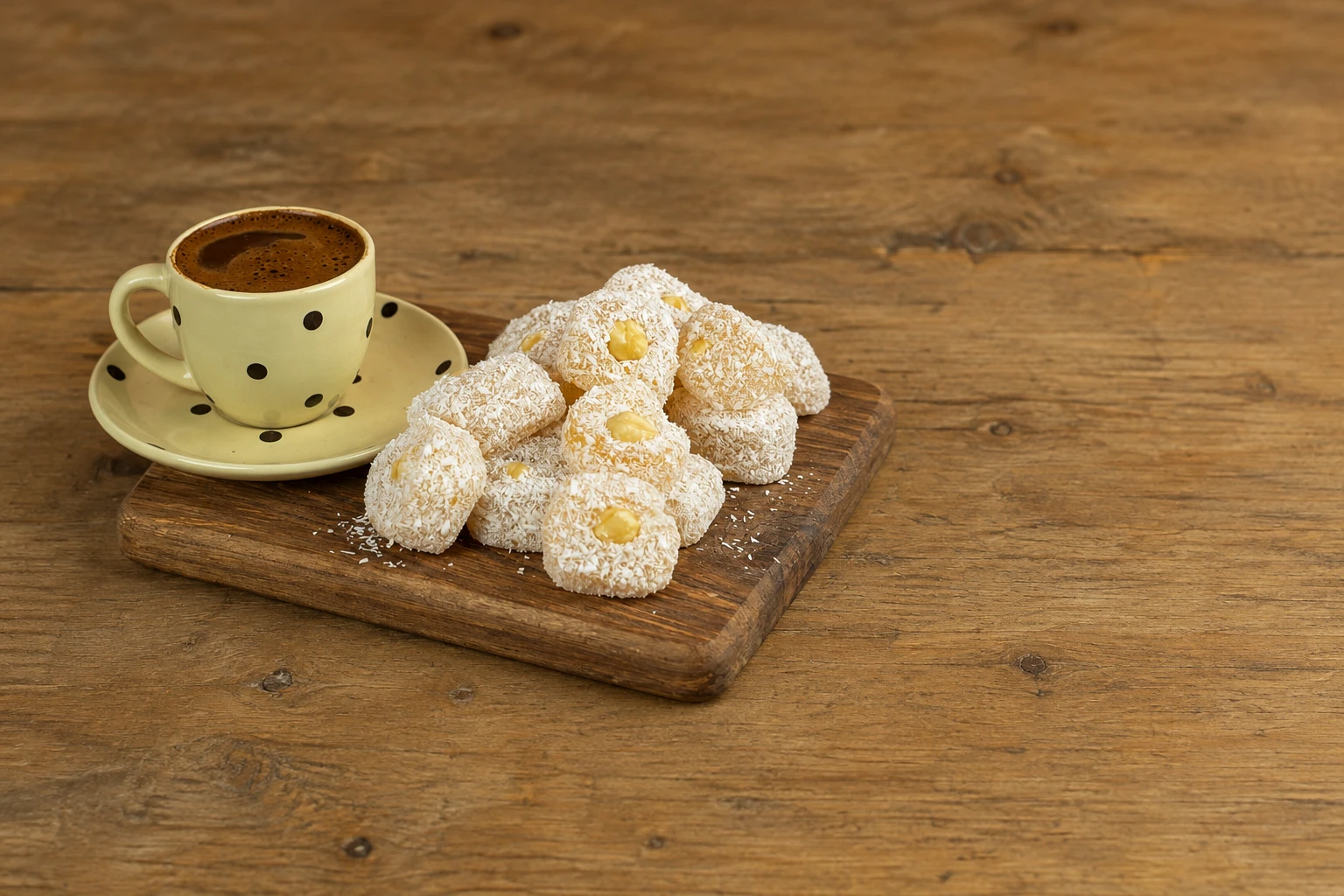
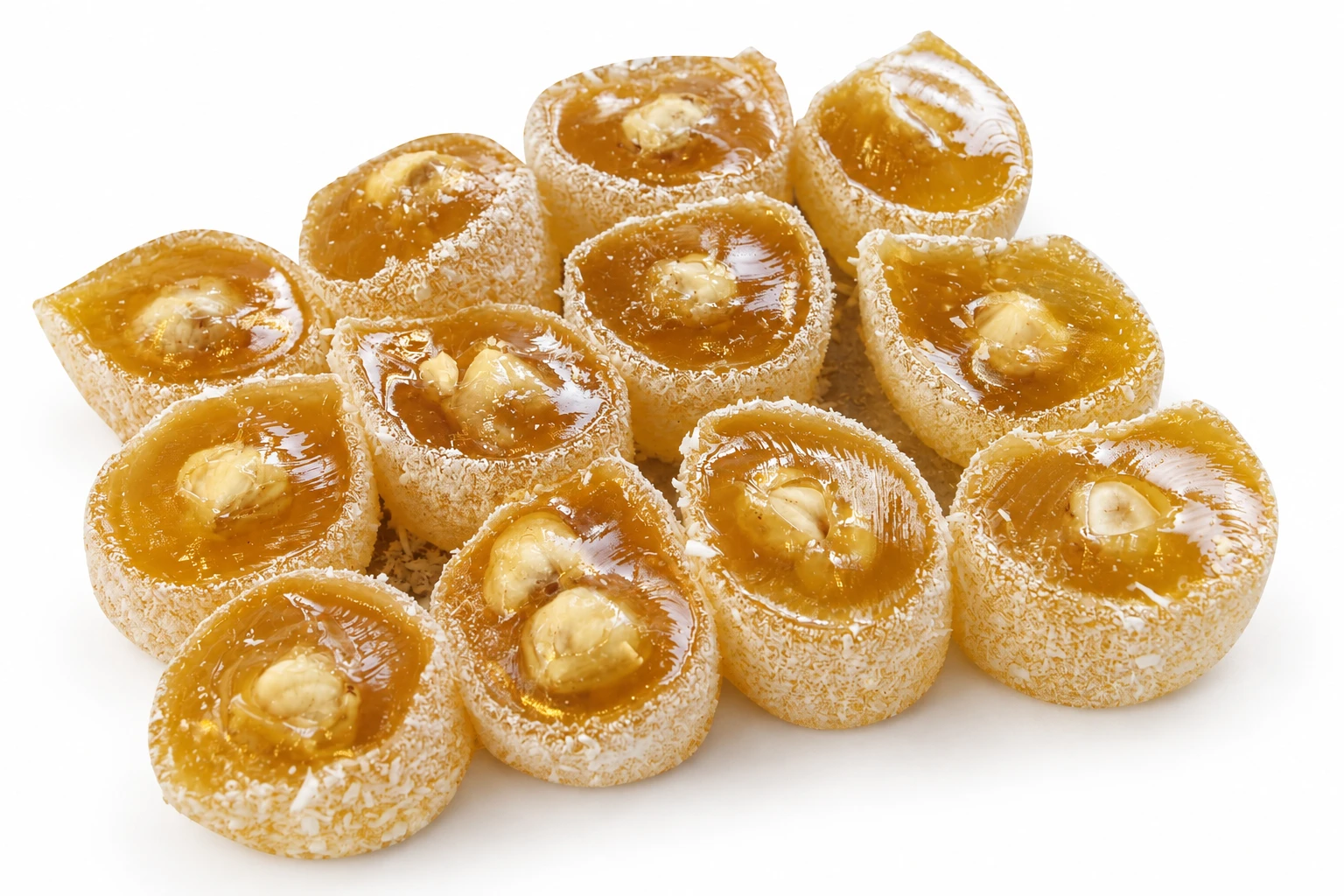
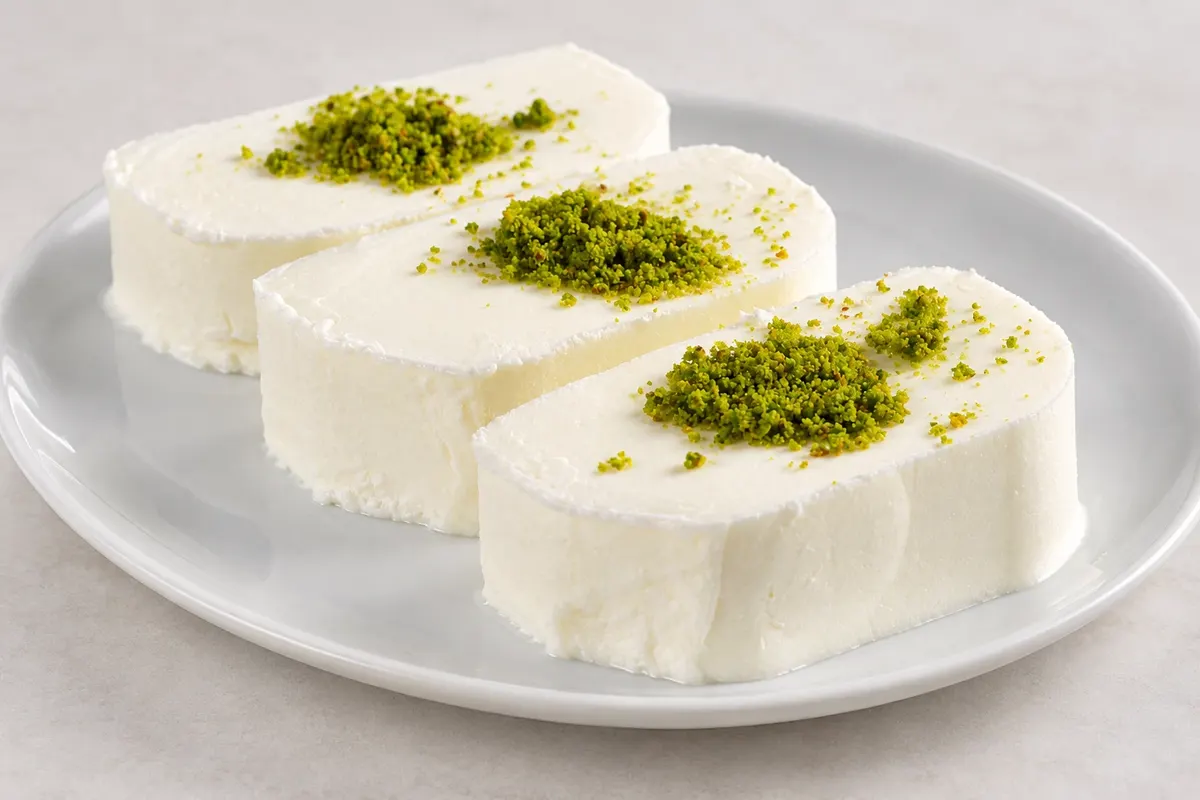
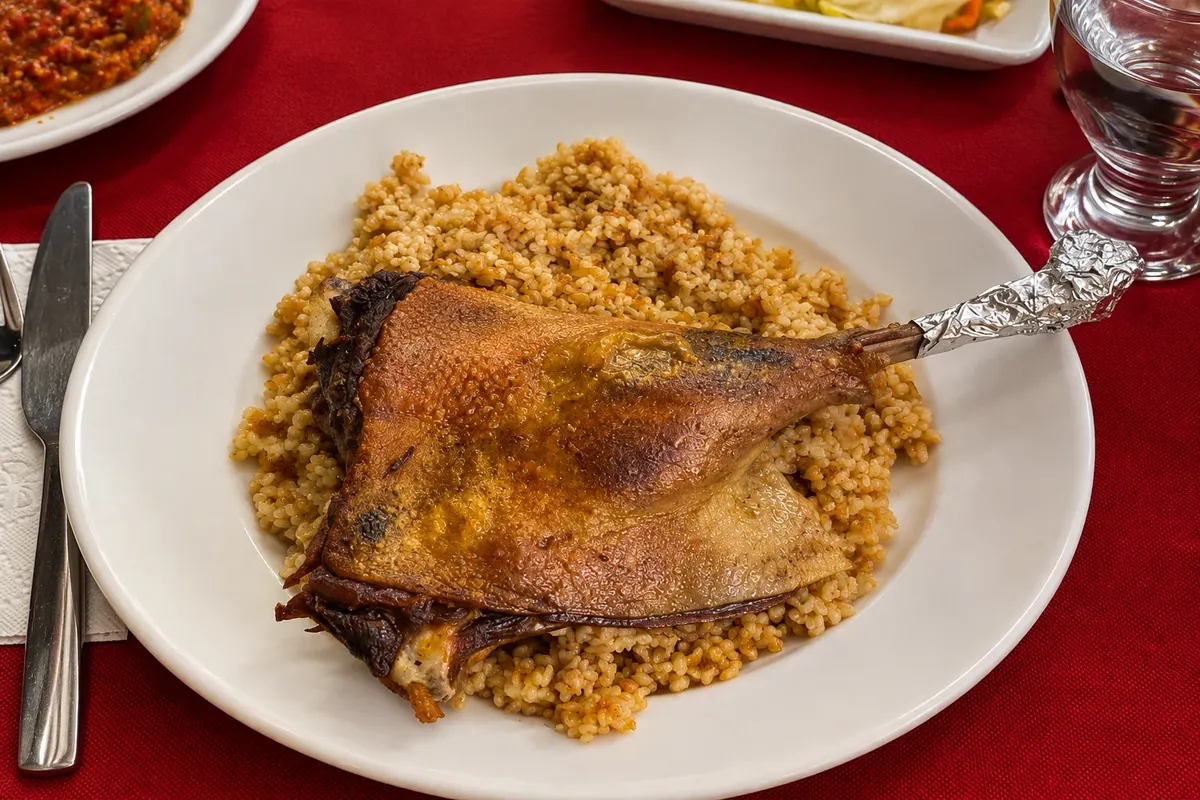
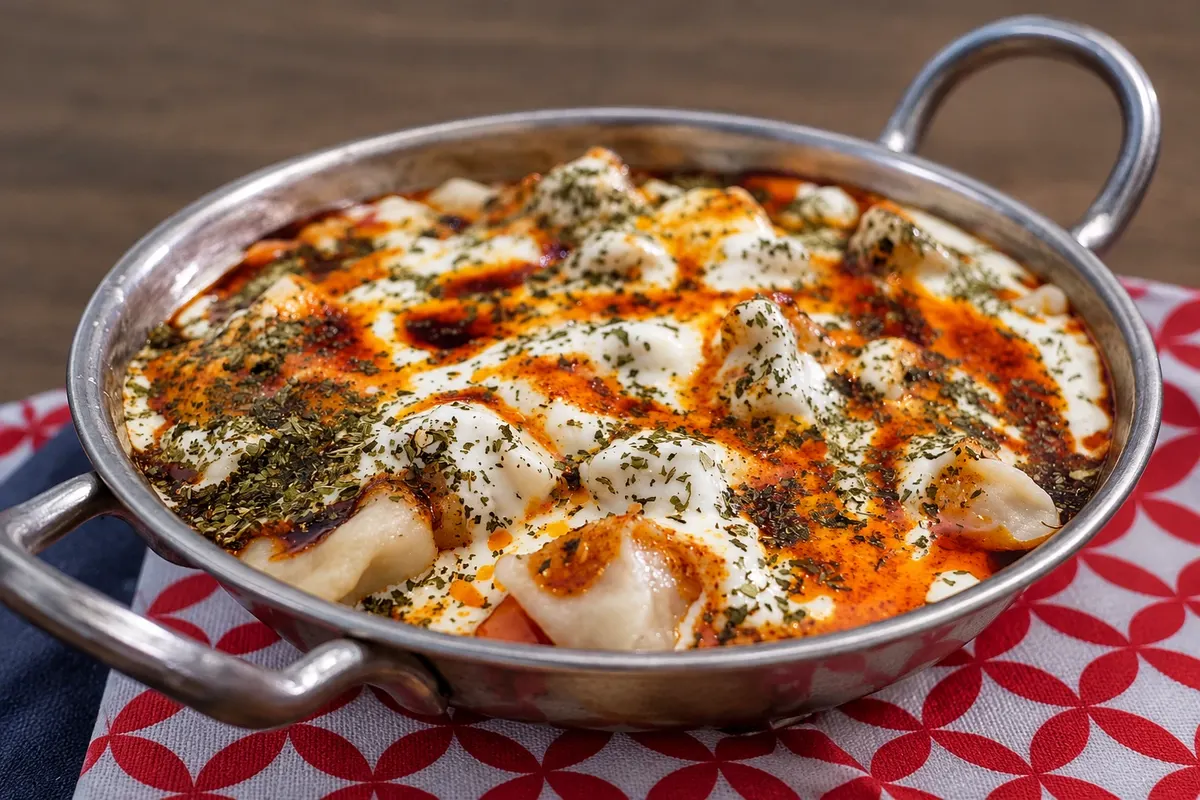
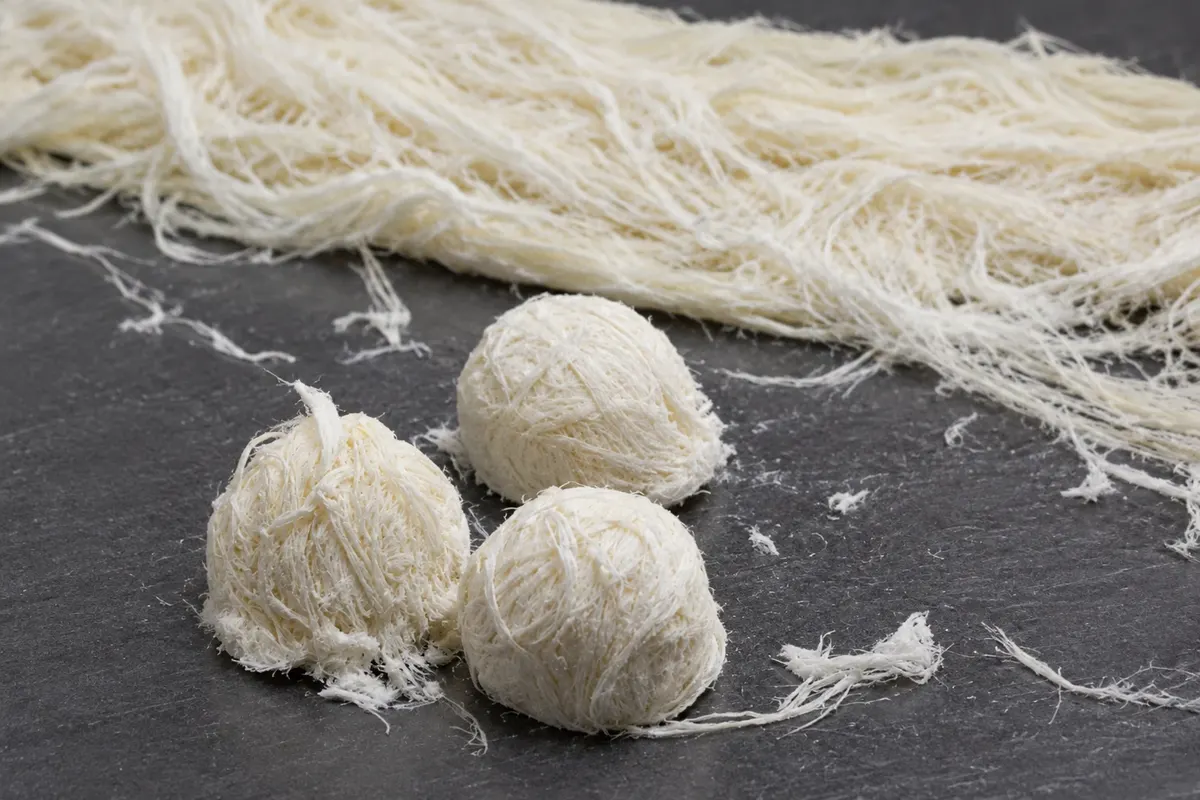
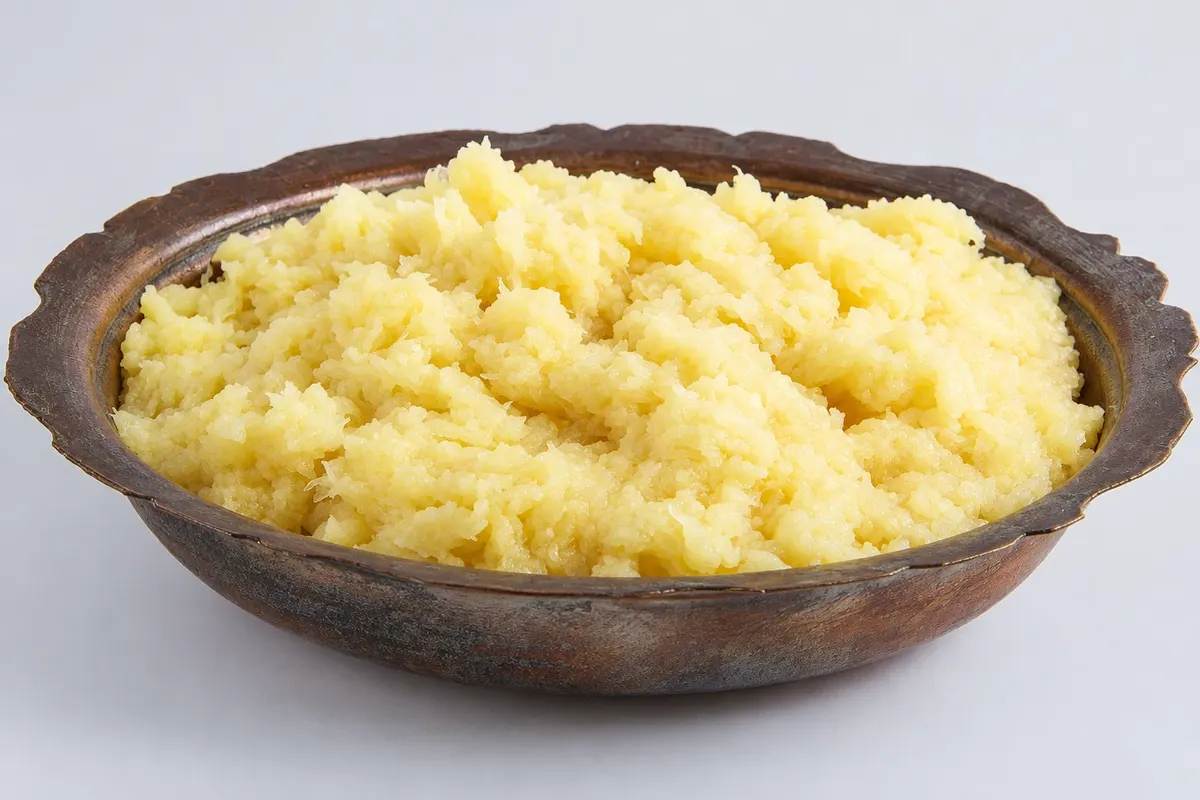
Lokum, known as Turkish delight, is the most sold souvenir in the cobblestone streets of Safranbolu, an Ottoman town in northern Turkey inscribed as a UNESCO World Heritage Site. The sweet is made from sugar, water and cornstarch, cooked for three to three and a half hours in a copper cauldron until it reaches the right point: glossy, elastic to the touch, not sticking to the teeth.
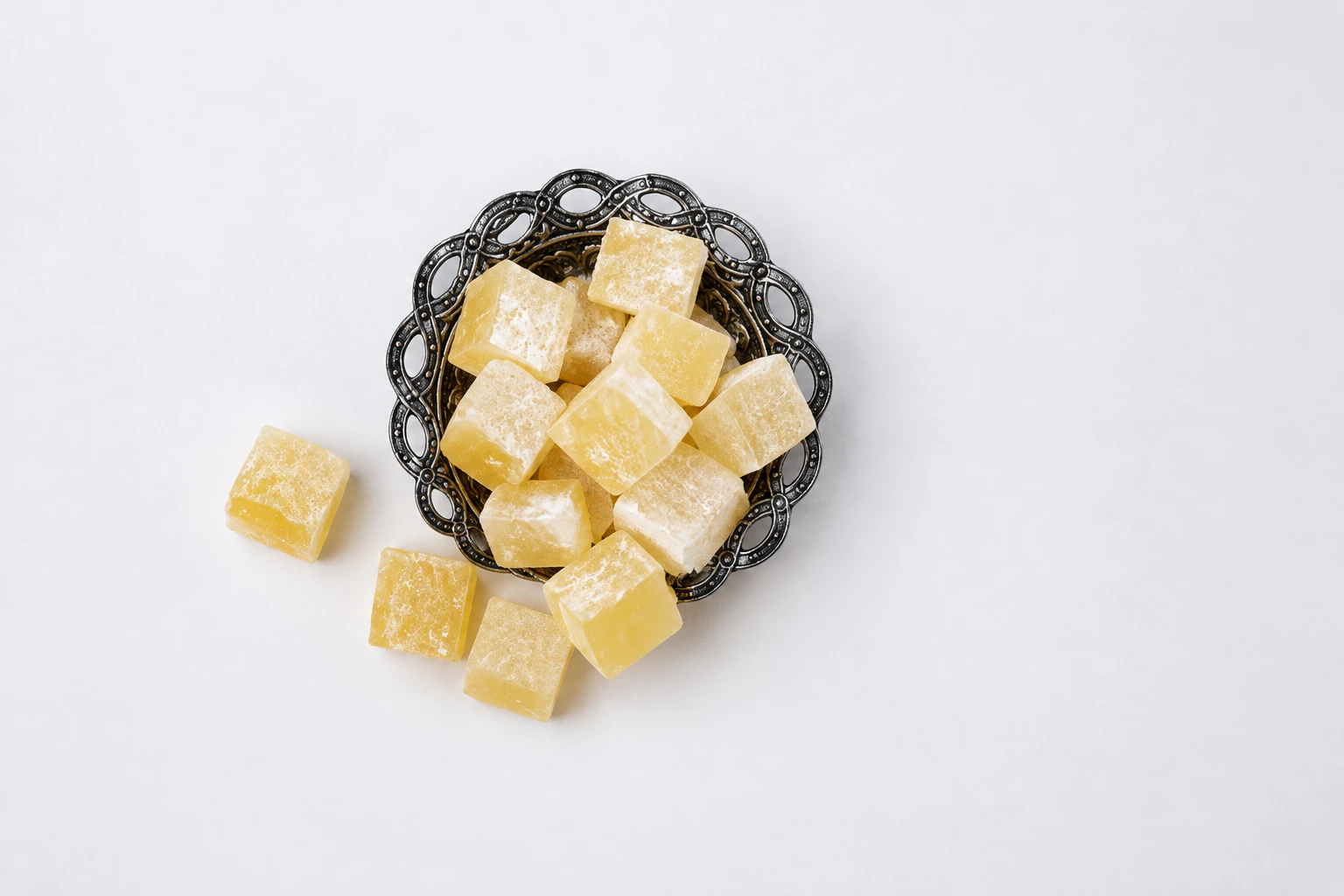
The mass is poured into wooden molds and rests for at least 16 hours. Then it is coated in grated coconut and hazelnut, rolled up and cut. The most common shape is a little roll about 2 centimeters thick, with at least one hazelnut. There are versions with rose water, aroeira (mastic gum), pistachio and saffron; the saffron one is cut into cubes.
The name "Safranbolu Lokumu" has a geographical indication registered since 2014 (No. 183), limited to the Safranbolu district. The registration requires water from underground sources in the district and producers with at least five years of experience.
Saffron gives the city its name: "Safran" is saffron in Turkish, and the plant is grown in the region. The saffron lokum, yellow in color, is the one most commonly found in shops in the historic center, alongside other saffron sweets.


 Brazilija
 Antarktika
 Argentina
 Bolivija
 Čile
 Kolumbija
 Ekvator
 Gvajana
 Francoska Gvajana
 Falklandski otoki (Malvini)
 Paragvaj
 Peru
 Surinam
 Urugvaj
 Venezuela
 Nemčija
 Avstrija
 Belgija
 Hrvaška
 Danska
 Slovaška
 Slovenija
 Španija
 Finska
 Francija
 Grčija
 Nizozemska
 Madžarska
 Irska
 Islandija
 Italija
 Luksemburg
 Norveška
 Poljska
 Portugalska
 Združeno kraljestvo
 Češka
 Švedska
 Švica
 Bermudi
 Kanada
 Združene države Amerike
 Grenlandija
 Mehika
 Sveta Peter in Mihael
 Dominikanska republika
 Japonska
 Južnoafriška republika
 Egipt
 Avstralija
 Fidži
 Nova Zelandija
 Papua Nova Gvineja