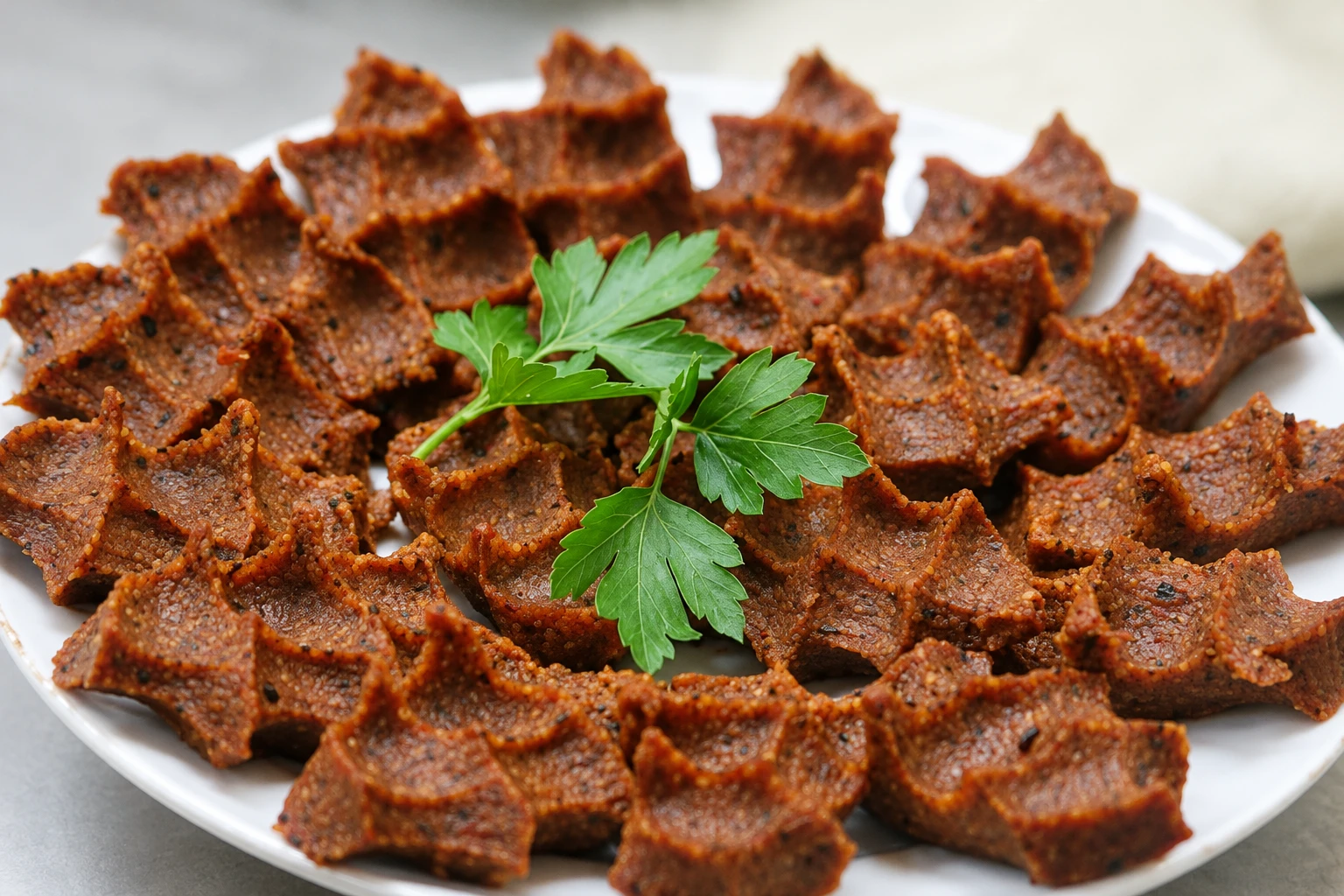
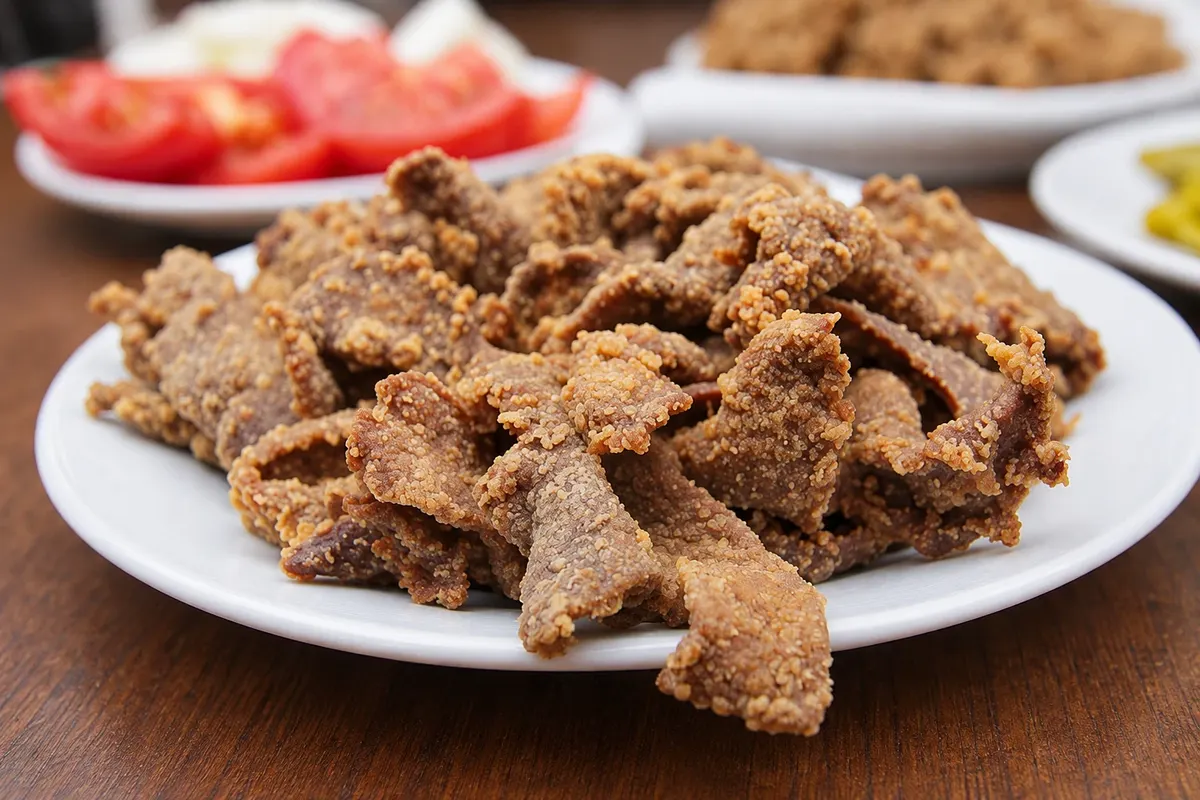
Çiğ köfte ("raw meatball") originated as a dish of raw meat kneaded with wheat and pepper in the southeast region of Turkey. The meatless version, which is now sold nationwide, is the one Adıyaman registered as its own: "Adıyaman Etsiz Çiğ Köfte," with a geographical indication since 2018 (No. 366), requested by the Adıyaman Chamber of Commerce and Industry.
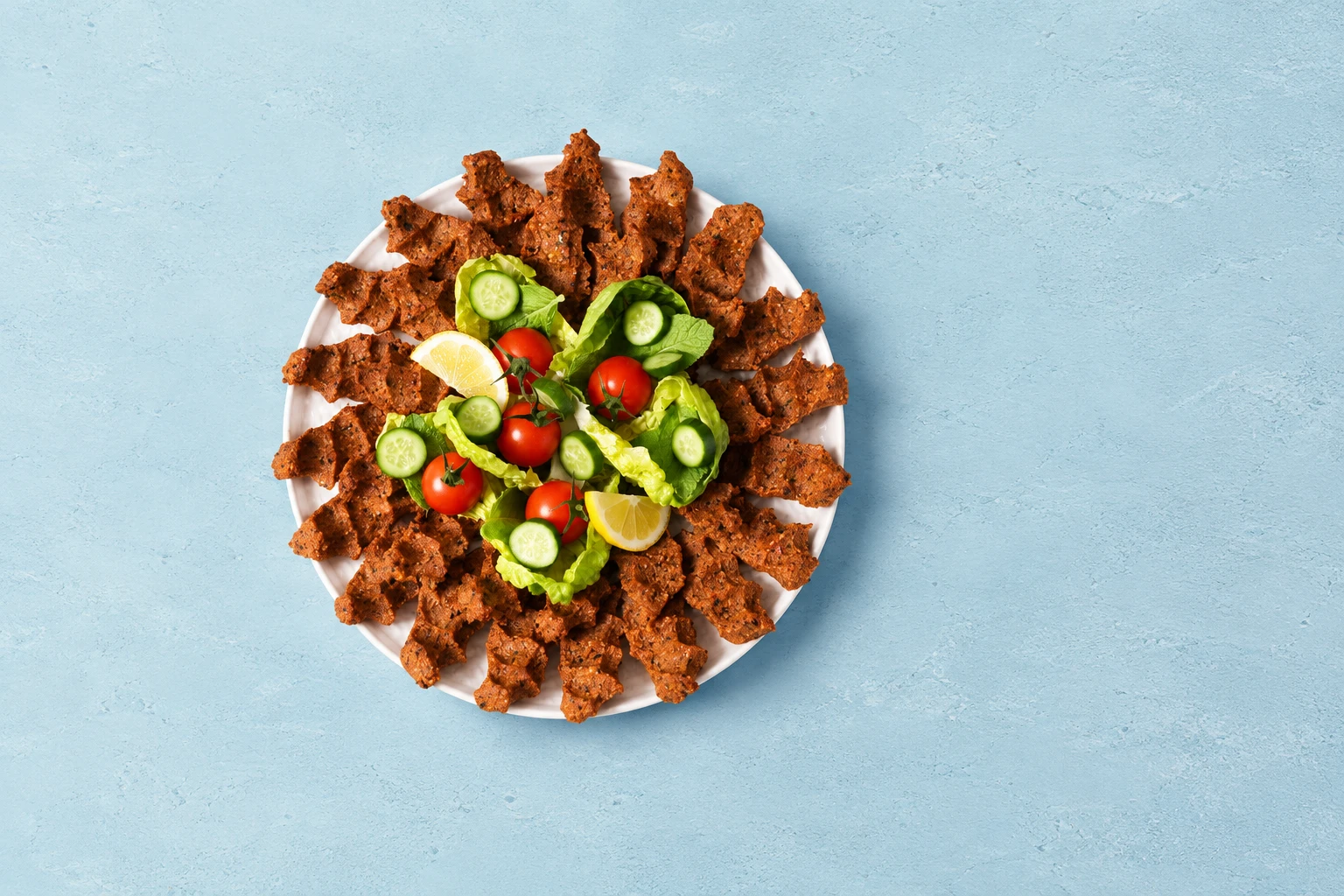
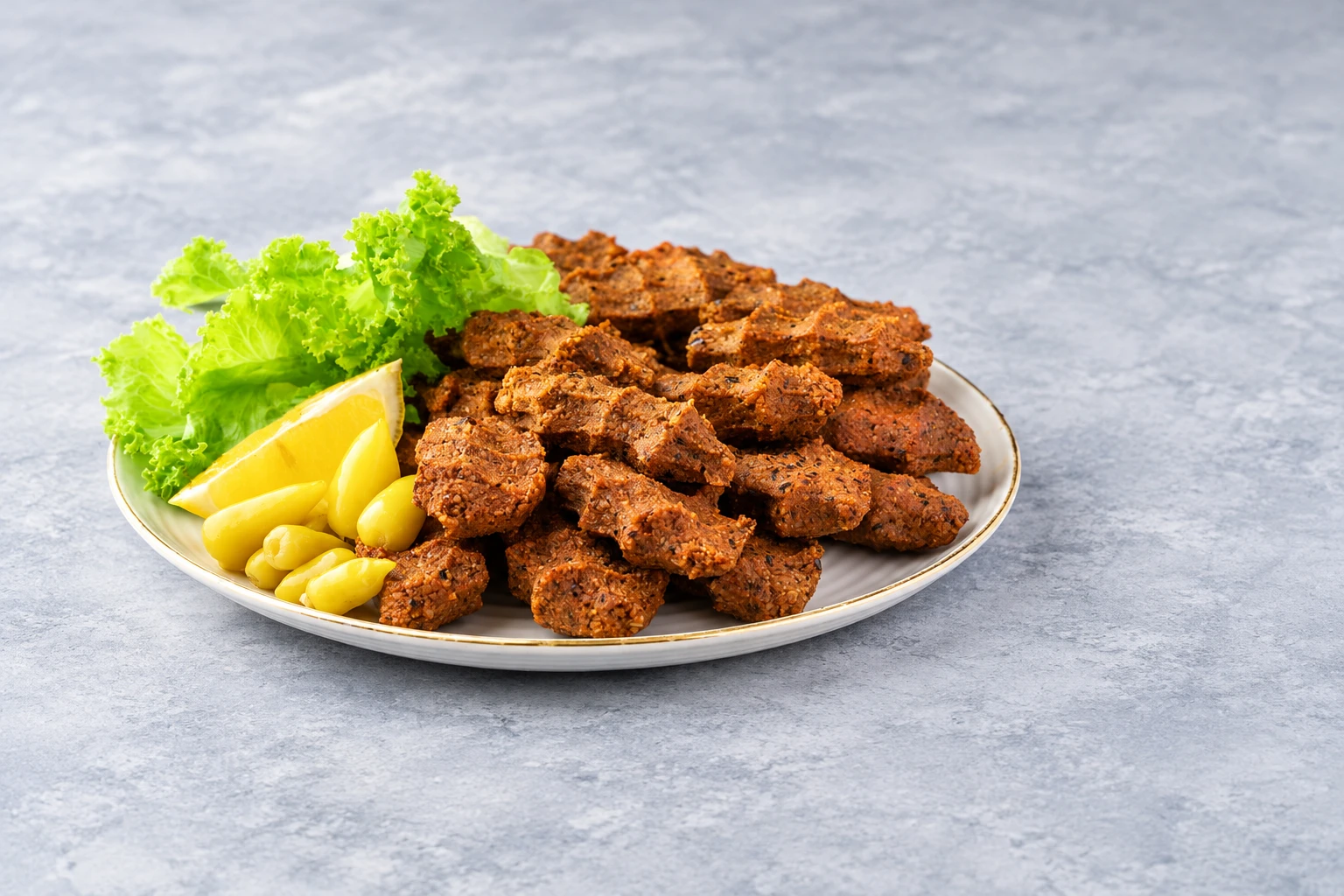
The base is very fine bulgur, from semi-hard red wheat, which softens easily and produces a smooth dough. It is hand-kneaded with isot (sun-dried red pepper, dark in color), pepper and tomato paste, onion, garlic, parsley, walnuts, pomegranate molasses, oil and spices. The kneading continues until the dough is homogeneous and firm. Then it is pressed by hand into small rolls, leaving the mark of the fingers.
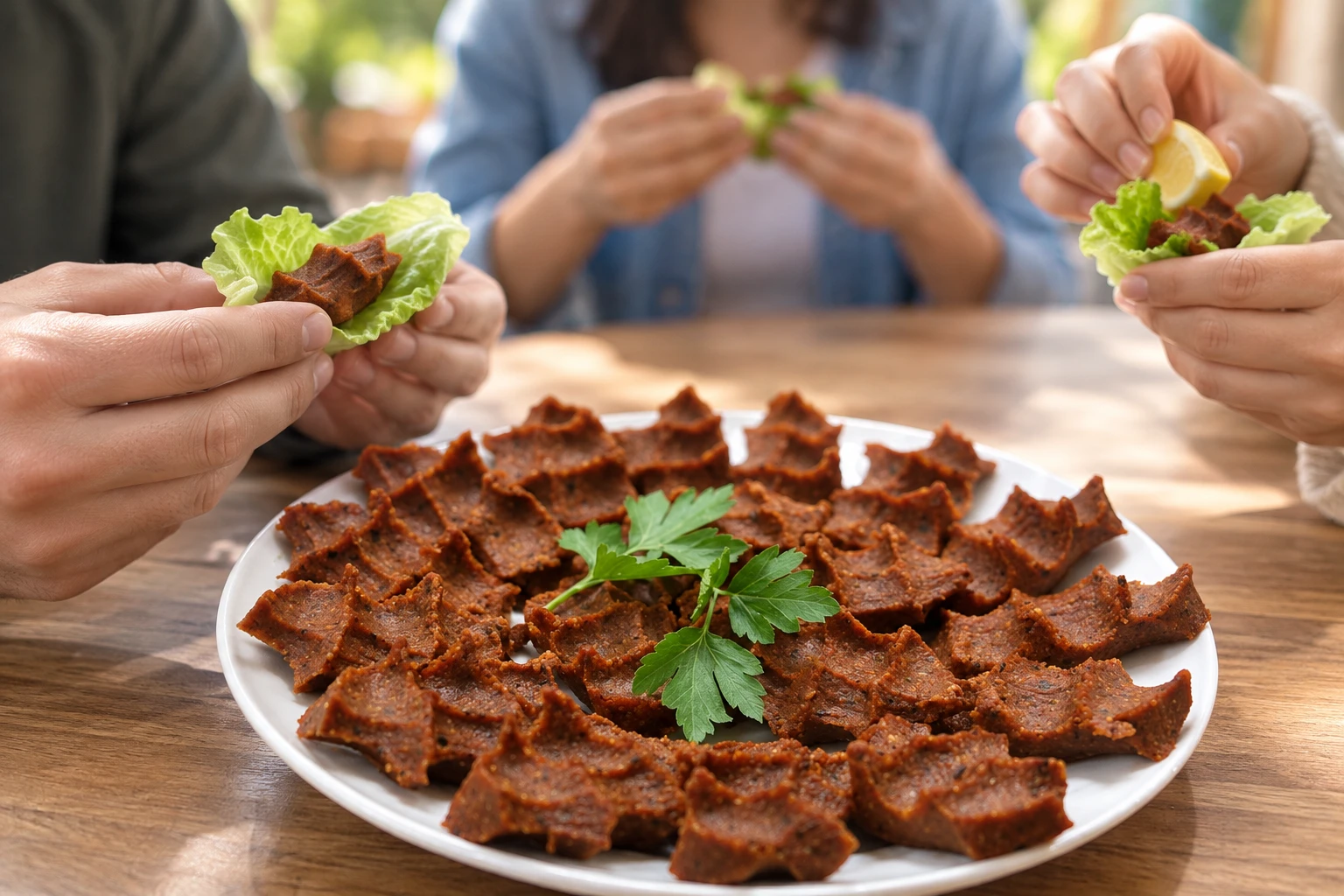
Çiğ köfte is eaten wrapped in a lettuce leaf, sometimes with mint, with squeezed lemon and, for those who want, extra pomegranate molasses. In Adıyaman it is common to prepare and eat it in a circle, among friends and family, and to offer it to visitors.
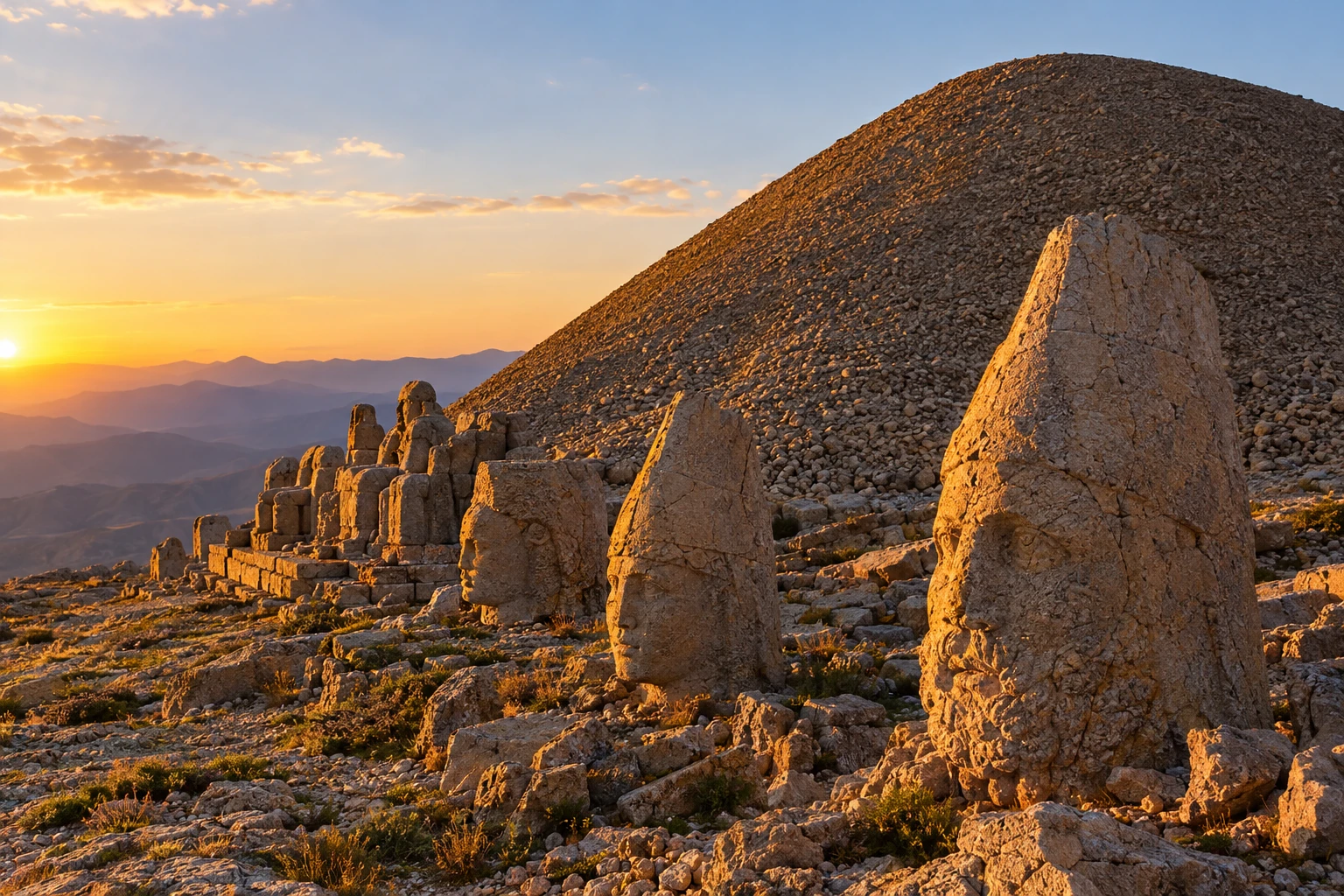
The registration file links the origin of çiğ köfte to the kingdom of Commagene and to King Nemrut, of Mount Nemrut in Adıyaman. This is a local legend. Şanlıurfa has registered the meat version since 2008, and Elazığ also claims the dish. The Adıyaman chamber says most of the çiğ köfte shops in the country are owned by people from Adıyaman.


 Brazilija
 Antarktika
 Argentina
 Bolivija
 Čile
 Kolumbija
 Ekvator
 Gvajana
 Francoska Gvajana
 Falklandski otoki (Malvini)
 Paragvaj
 Peru
 Surinam
 Urugvaj
 Venezuela
 Nemčija
 Avstrija
 Belgija
 Hrvaška
 Danska
 Slovaška
 Slovenija
 Španija
 Finska
 Francija
 Grčija
 Nizozemska
 Madžarska
 Irska
 Islandija
 Italija
 Luksemburg
 Norveška
 Poljska
 Portugalska
 Združeno kraljestvo
 Češka
 Švedska
 Švica
 Bermudi
 Kanada
 Združene države Amerike
 Grenlandija
 Mehika
 Sveta Peter in Mihael
 Dominikanska republika
 Japonska
 Južnoafriška republika
 Egipt
 Avstralija
 Fidži
 Nova Zelandija
 Papua Nova Gvineja