17 places to visit, chosen by the Cidade Turismo guide.
Illustrative images. The pictures in this guide are illustrations based on the real place, not photographs, and may differ from it.
To start
The 10 main places Liverpool and Manchester
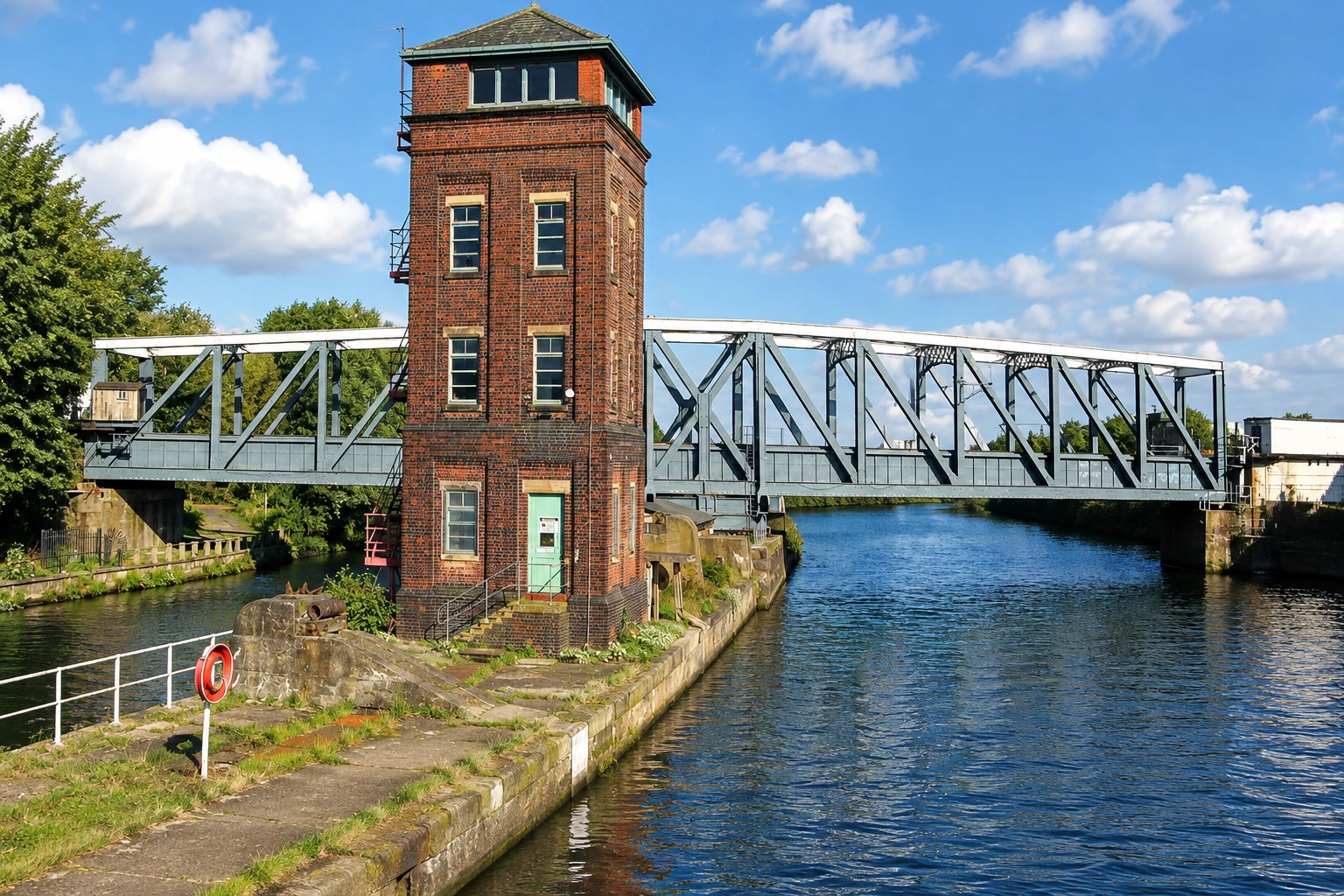
Barton Swing Aqueduct · EcclesA rotating aqueduct from 1894 that carries the Bridgewater Canal over the Manchester Ship Canal.
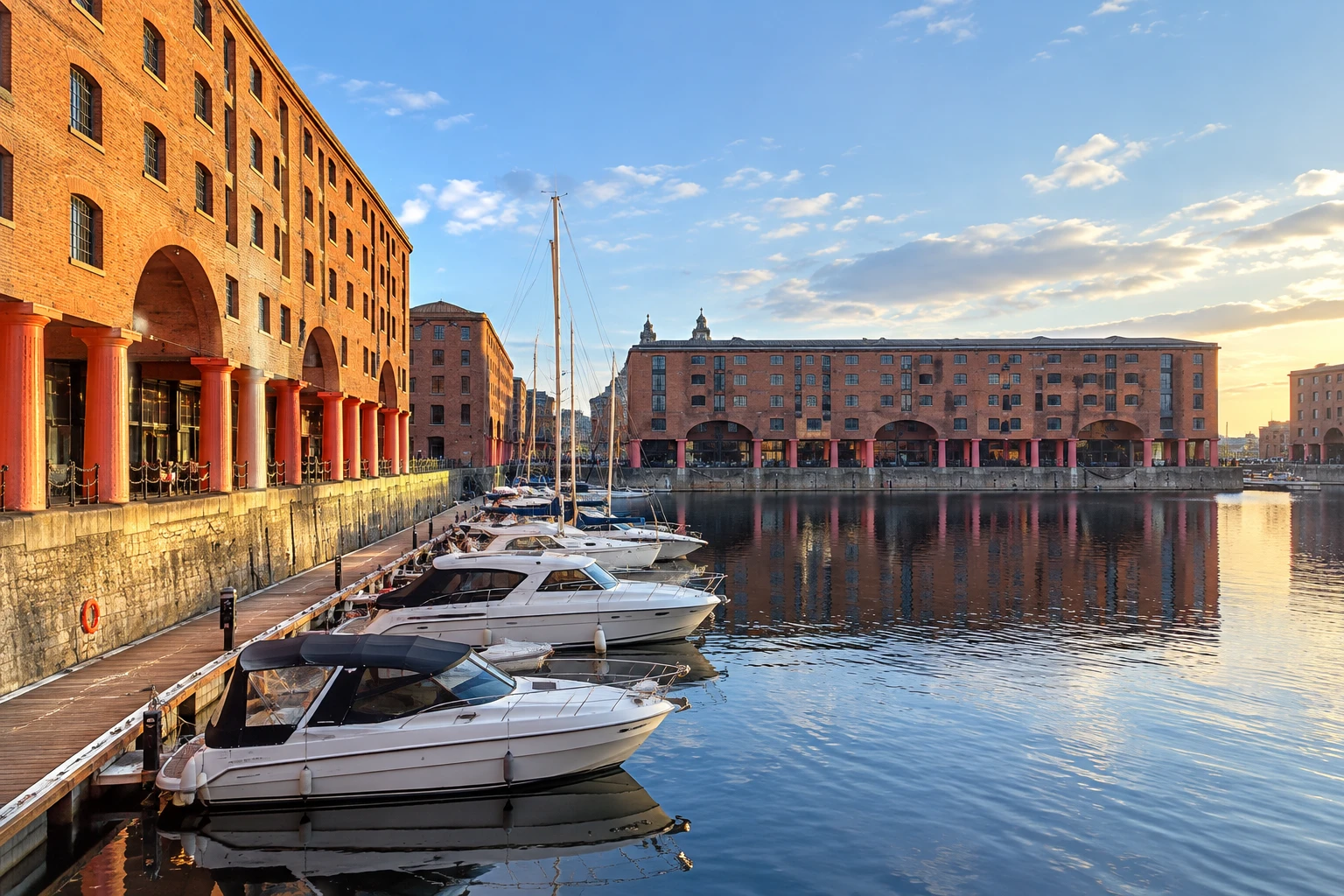
Royal Albert Dock · LiverpoolThe complex of brick-and-iron warehouses from 1846 on the banks of the Mersey, the first in Great Britain built without structural timber, now housing museums, restaurants, shop...
Science and Industry Museum · ManchesterThe Science and Industry Museum in Manchester, on the site of Liverpool Road station—the oldest in the world, dating from 1830—features locomotives, working textile machines and...
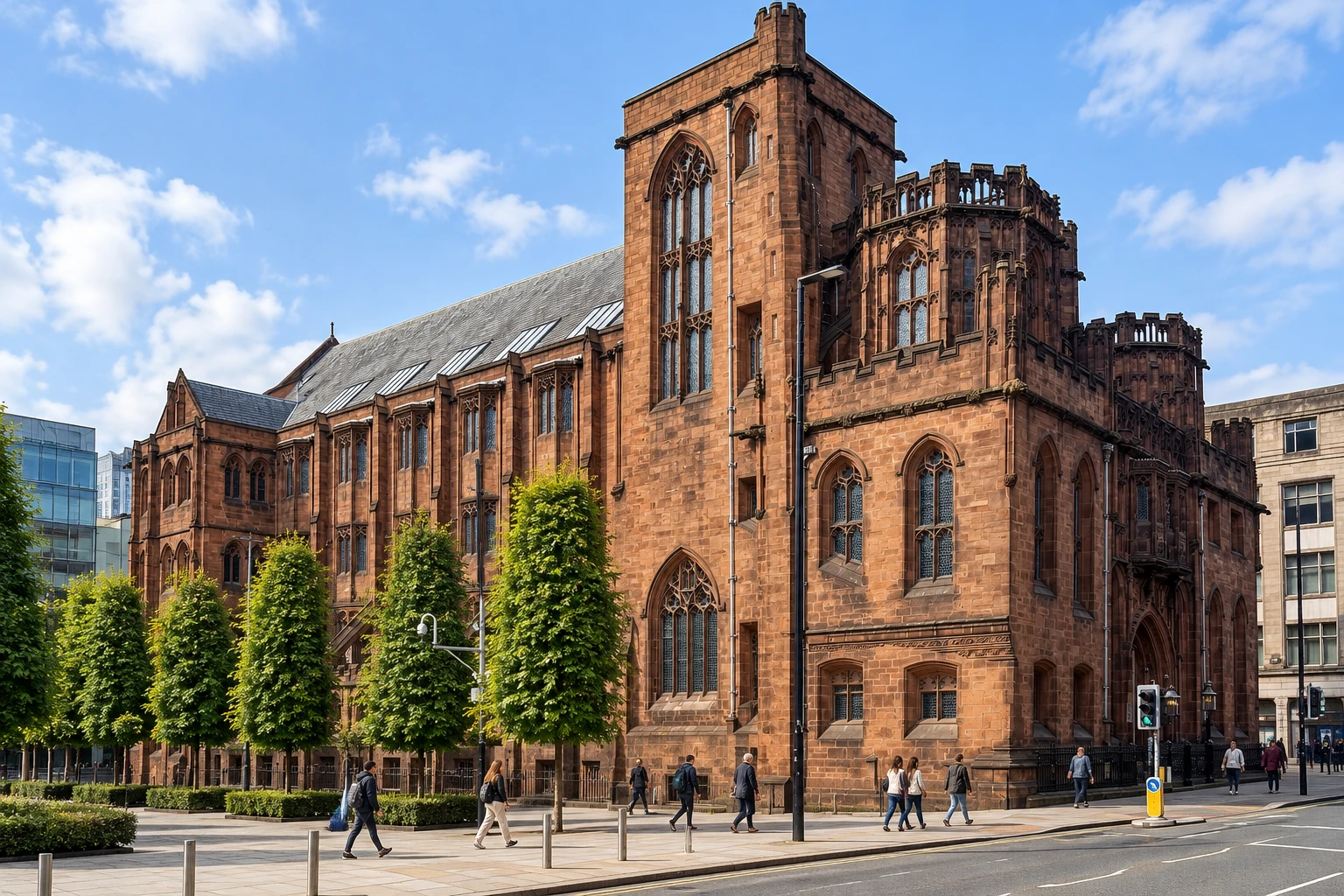
John Rylands Library · ManchesterThe neo‑Gothic library from 1900 on Deansgate, with a historic church‑like reading room and rare manuscripts, including the oldest known fragment of the New Testament.
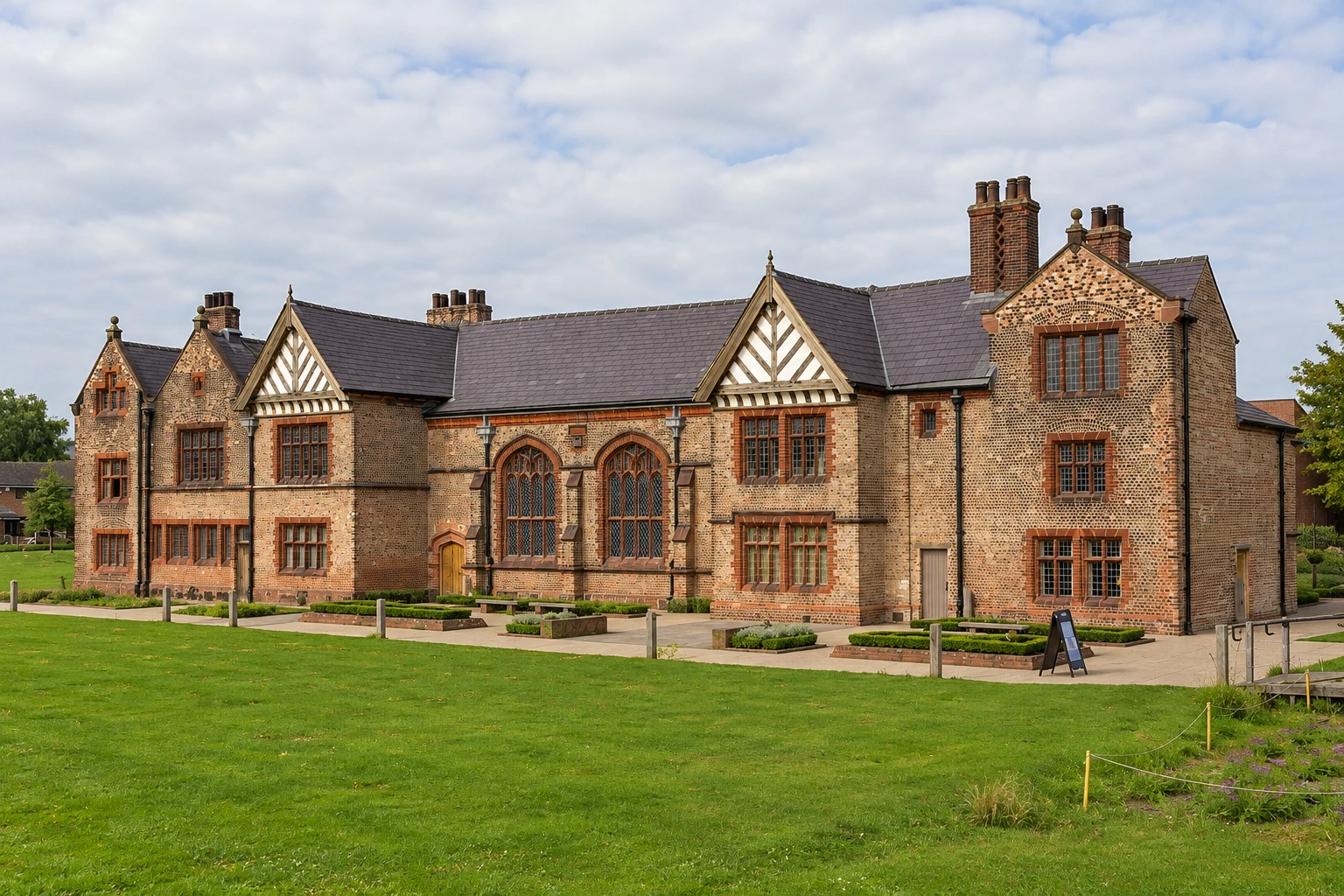
Ordsall Hall · EcclesA Tudor manor house in Salford, with medieval elements, a main hall from the early 16th century and gardens.
The Beatles Story · LiverpoolThe museum about the Beatles at the Royal Albert Dock, which tells the band's story from Hamburg and the Cavern to worldwide fame and solo careers, with reconstructed sets and o...
The Cavern Club · LiverpoolThe music venue in a basement on Mathew Street where the Beatles played about 290 times between 1961 and 1963, rebuilt near the original site, with live music every day.
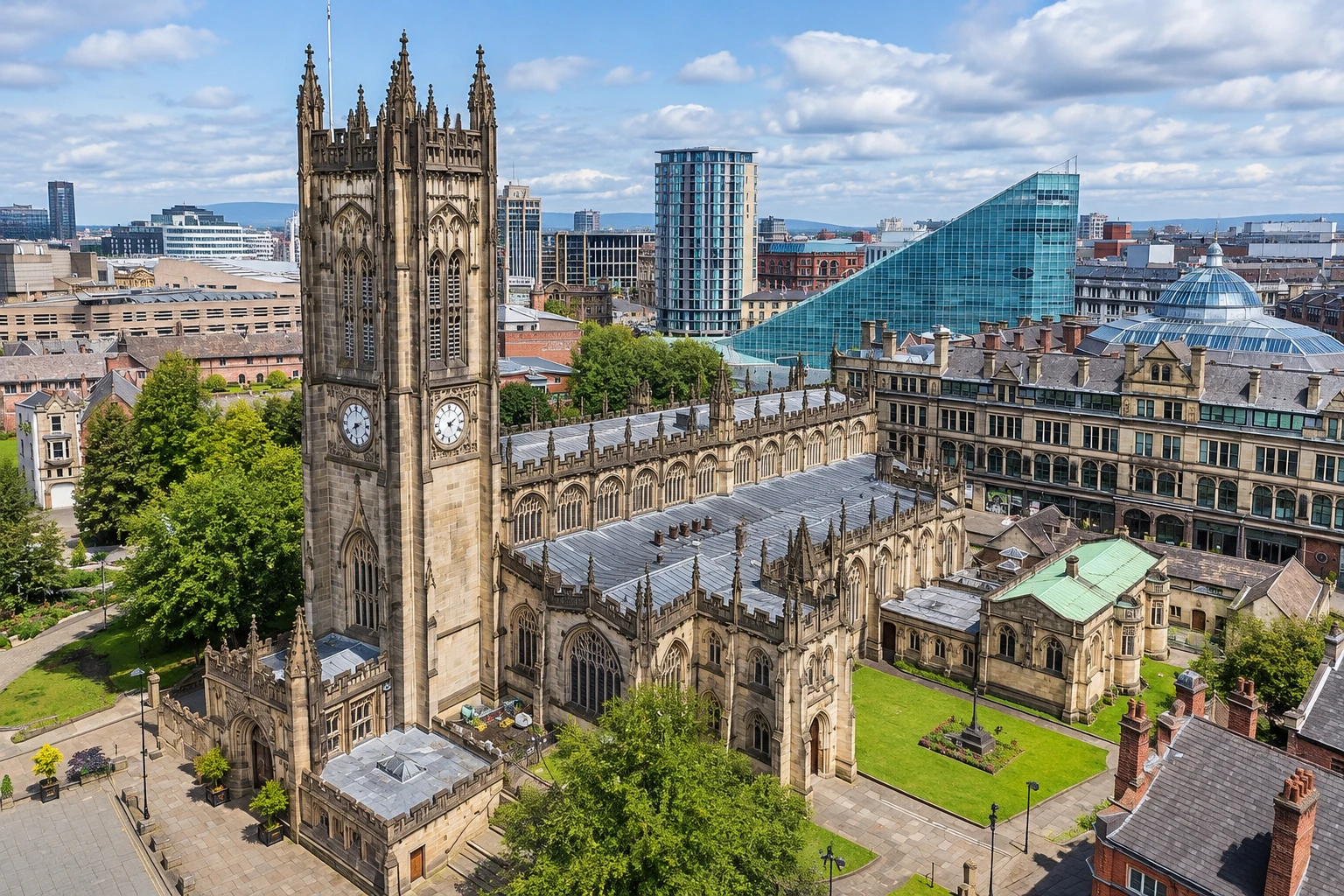
Manchester Cathedral · ManchesterThe Gothic Cathedral of Manchester, from the 15th century, with the widest nave in England, choir stalls carved with medieval figures and modern stained glass that replaced thos...
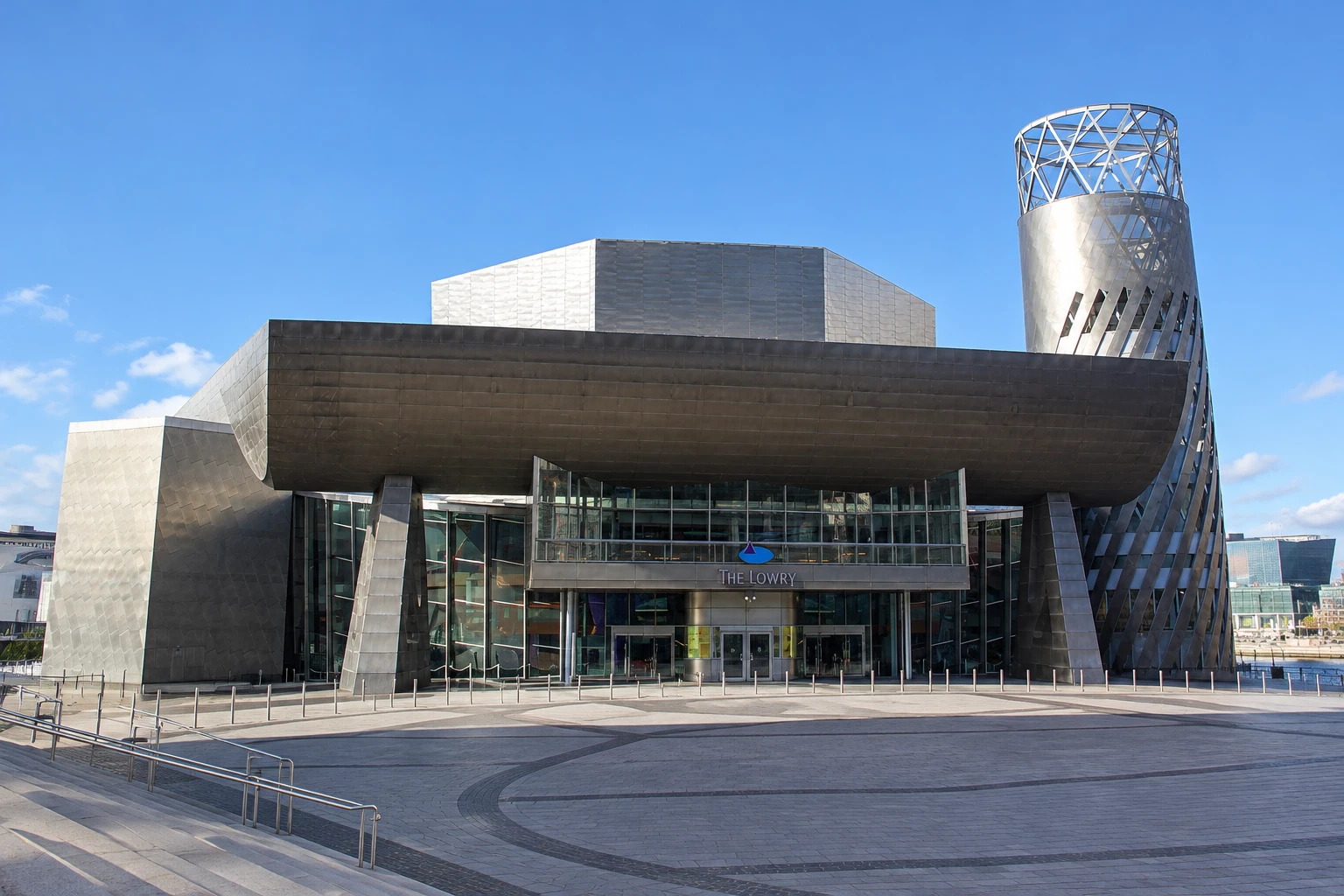
The Lowry · EcclesArts centre at Salford Quays, opened in 2000, with theatres and galleries housing works by L.
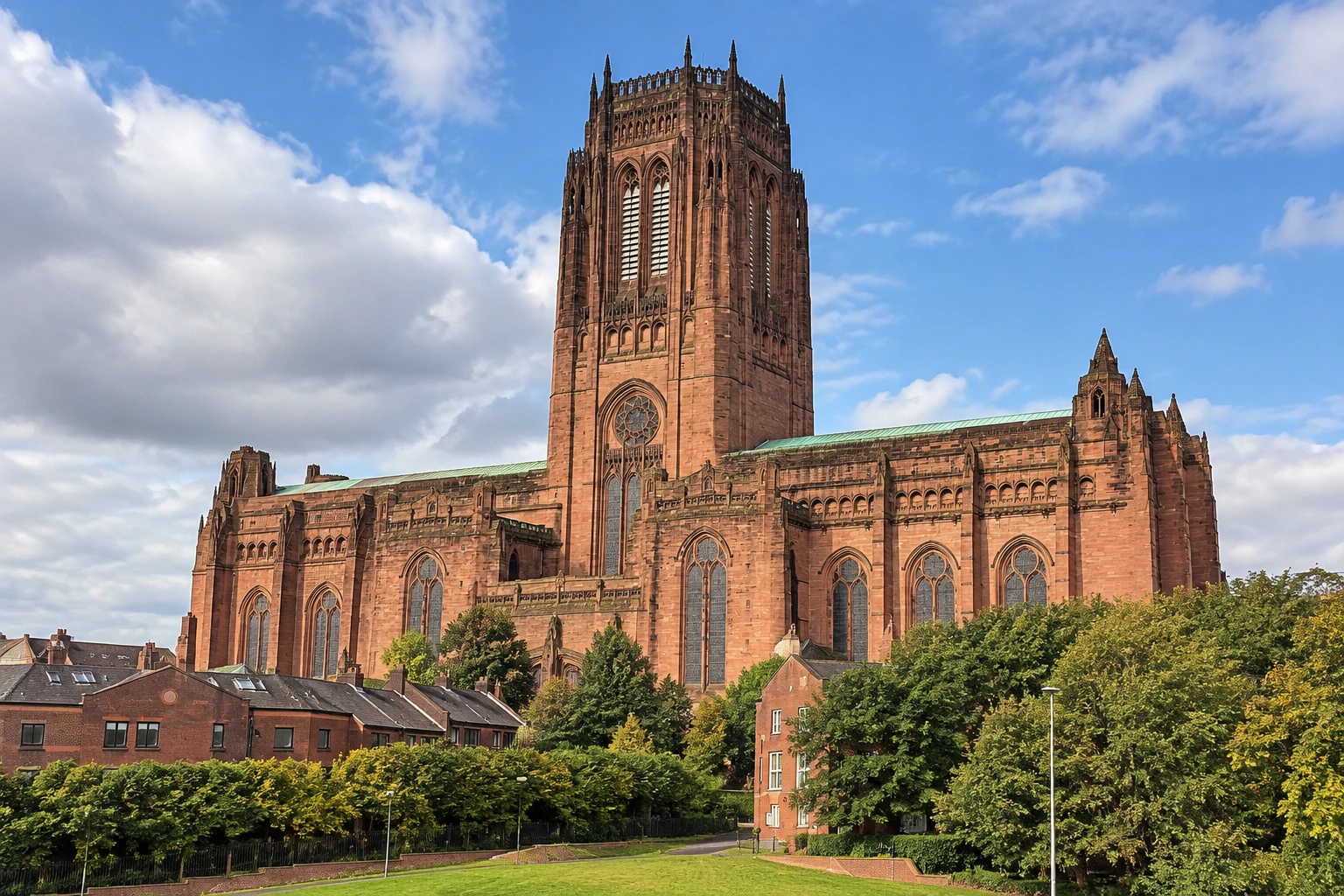
Liverpool Cathedral · LiverpoolThe Anglican cathedral of red sandstone atop St James's Mount, built between 1904 and 1978, the largest in Great Britain, with a 101-metre tower open for climbing.
A rotating aqueduct from 1894 that carries the Bridgewater Canal over the Manchester Ship Canal. To allow ships to pass, the water-filled channel rotates on an island in the middle of the canal.
The complex of brick-and-iron warehouses from 1846 on the banks of the Mersey, the first in Great Britain built without structural timber, now housing museums, restaurants, shops and the boat quay.
The Science and Industry Museum in Manchester, on the site of Liverpool Road station—the oldest in the world, dating from 1830—features locomotives, working textile machines and the Power Hall. Admission to the permanent collection is not usually charged; check before you go.
The neo‑Gothic library from 1900 on Deansgate, with a historic church‑like reading room and rare manuscripts, including the oldest known fragment of the New Testament. Admission is free; check before you go.
A Tudor manor house in Salford, with medieval elements, a main hall from the early 16th century and gardens. For centuries it was the home of the Radclyffe family and today it is a municipal museum.
The museum about the Beatles at the Royal Albert Dock, which tells the band's story from Hamburg and the Cavern to worldwide fame and solo careers, with reconstructed sets and original objects.
The music venue in a basement on Mathew Street where the Beatles played about 290 times between 1961 and 1963, rebuilt near the original site, with live music every day.
The Gothic Cathedral of Manchester, from the 15th century, with the widest nave in England, choir stalls carved with medieval figures and modern stained glass that replaced those destroyed in the war.
Arts centre at Salford Quays, opened in 2000, with theatres and galleries housing works by L. S. Lowry, a Salford-born painter known for scenes of streets and factories in northern England.
The Anglican cathedral of red sandstone atop St James's Mount, built between 1904 and 1978, the largest in Great Britain, with a 101-metre tower open for climbing.
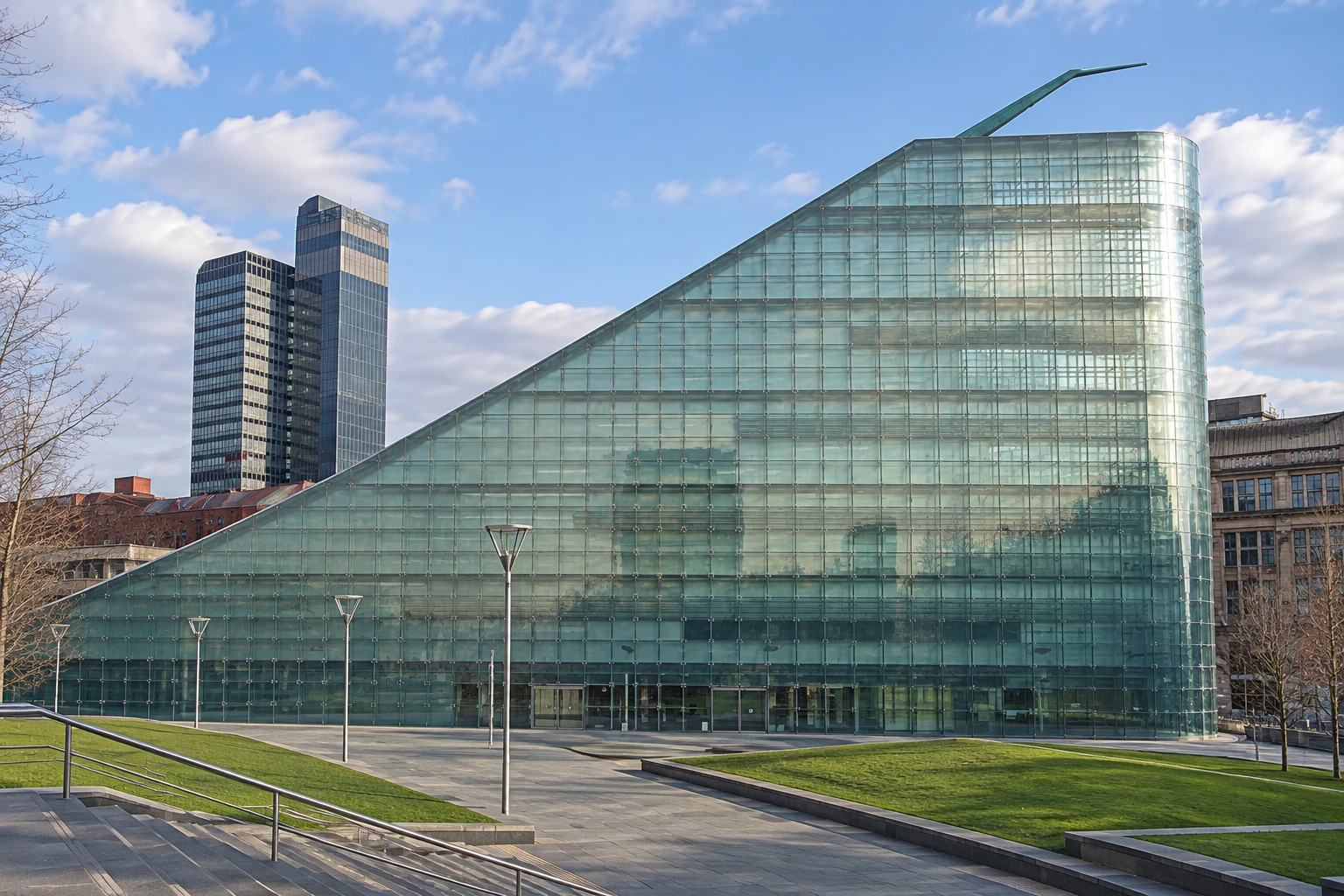
The national museum of English football in the glass Urbis building, near the Catedral de Manchester, with shirts, trophies and historical objects from the sport and interactive games.
The circular Catholic cathedral of 1967 at the northern end of Hope Street, with a lantern tower of colorful stained glass in the shape of a crown above the altar, built over the crypt of an earlier design.
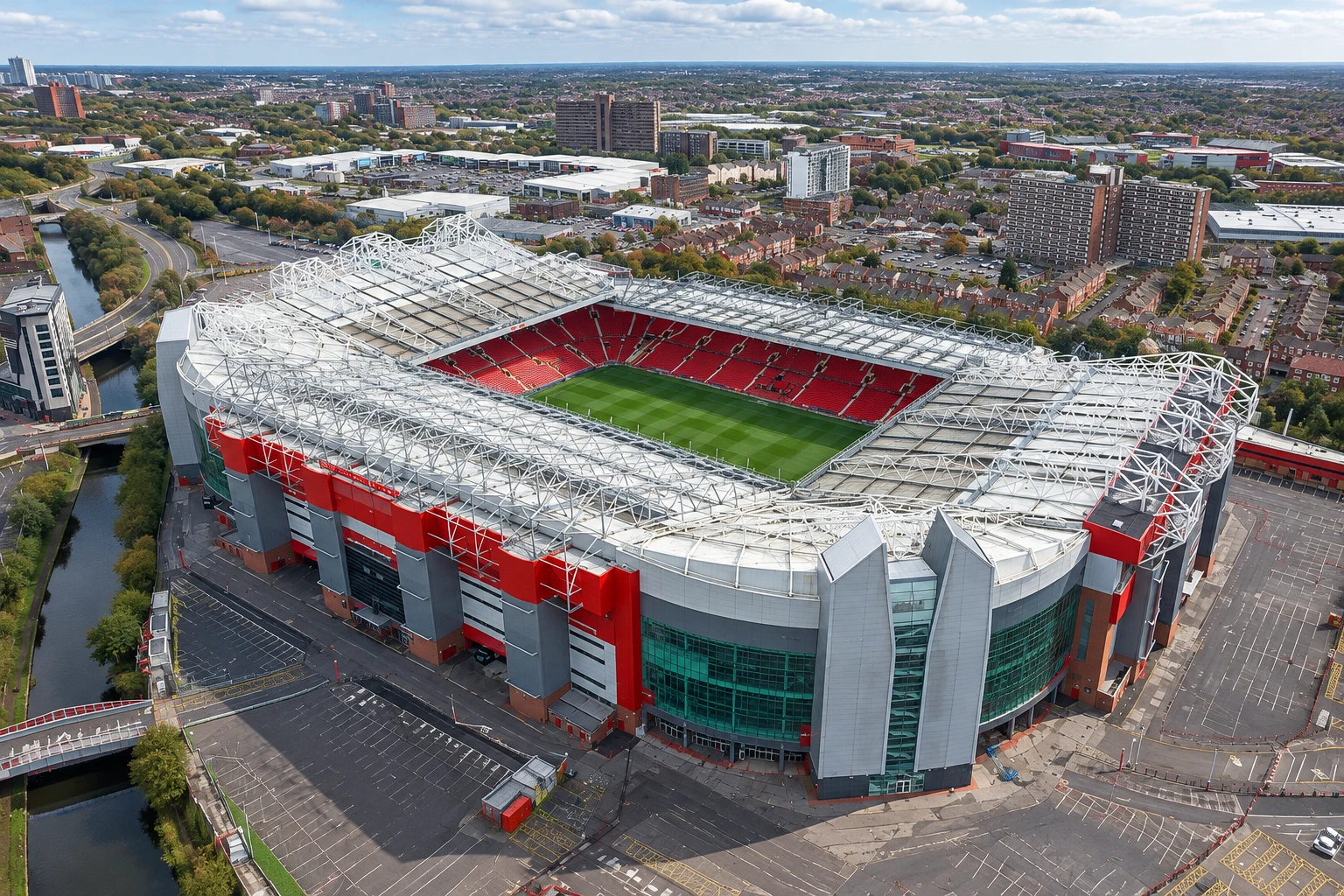
The stadium of Manchester United, opened in 1910 and nicknamed Teatro dos Sonhos, with guided tours of the dressing rooms, tunnel and pitch and the club museum.
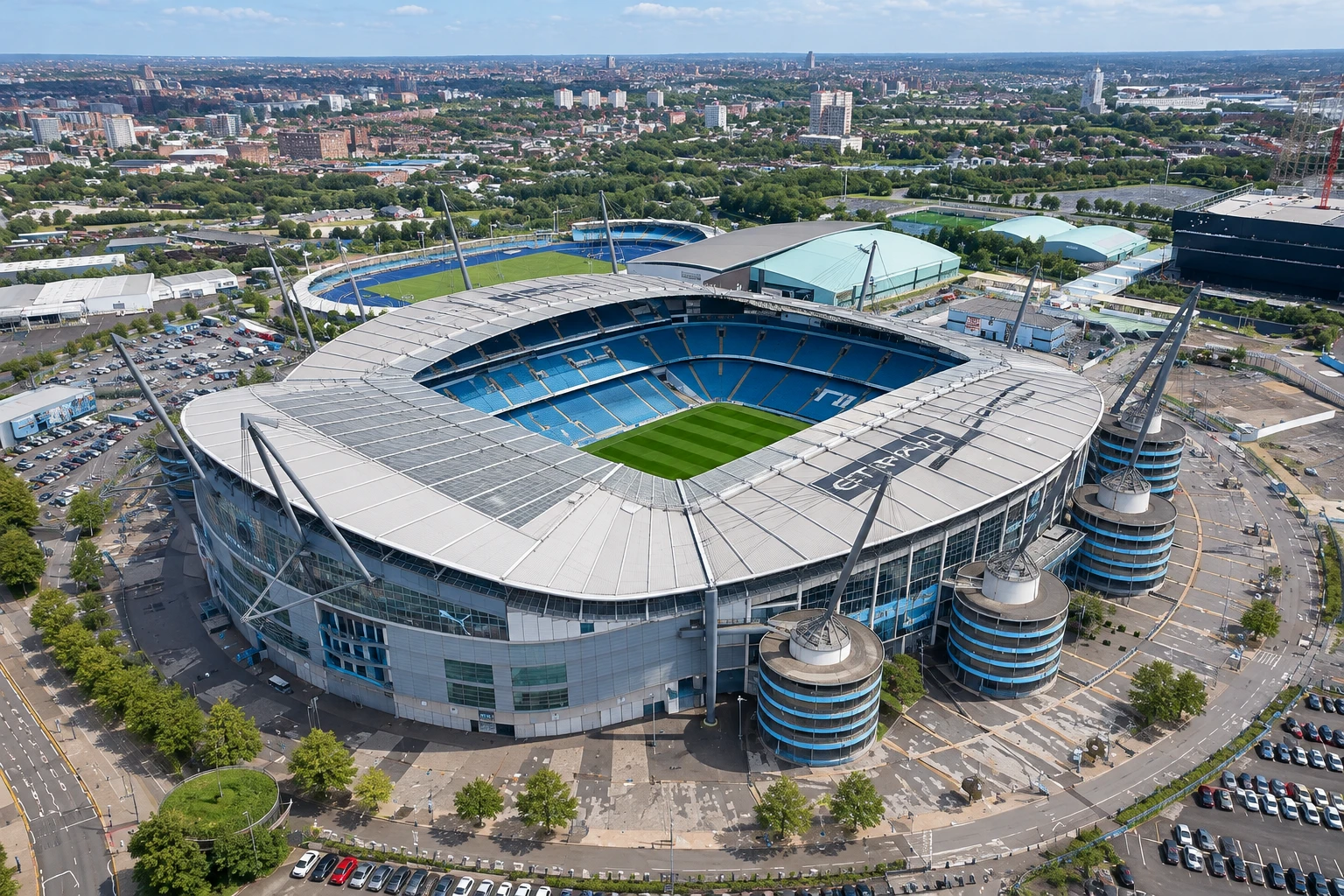
The Manchester City stadium, built for the 2002 Commonwealth Games, in the east of Manchester, with guided tours of the dressing rooms, the tunnel and pitchside.
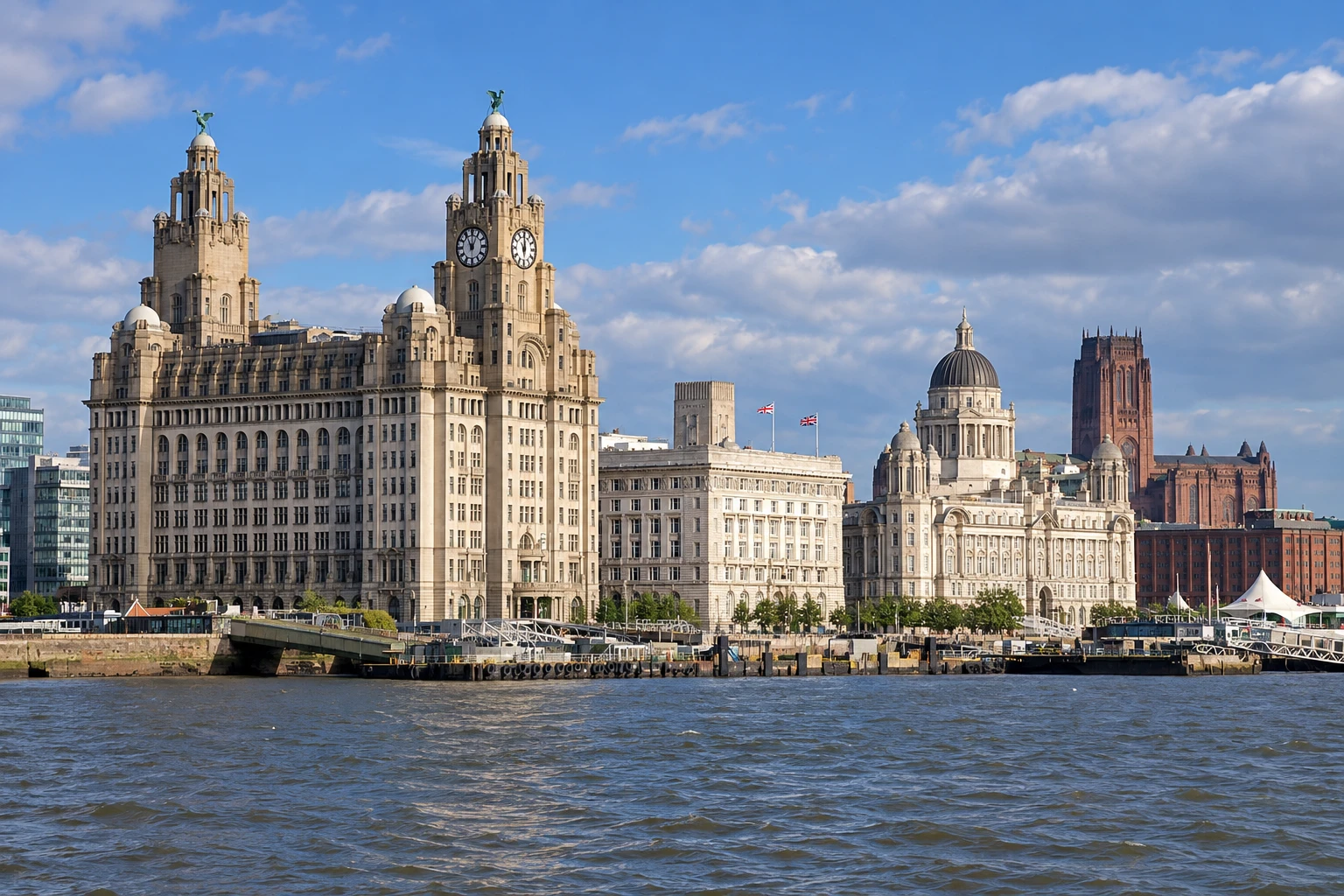
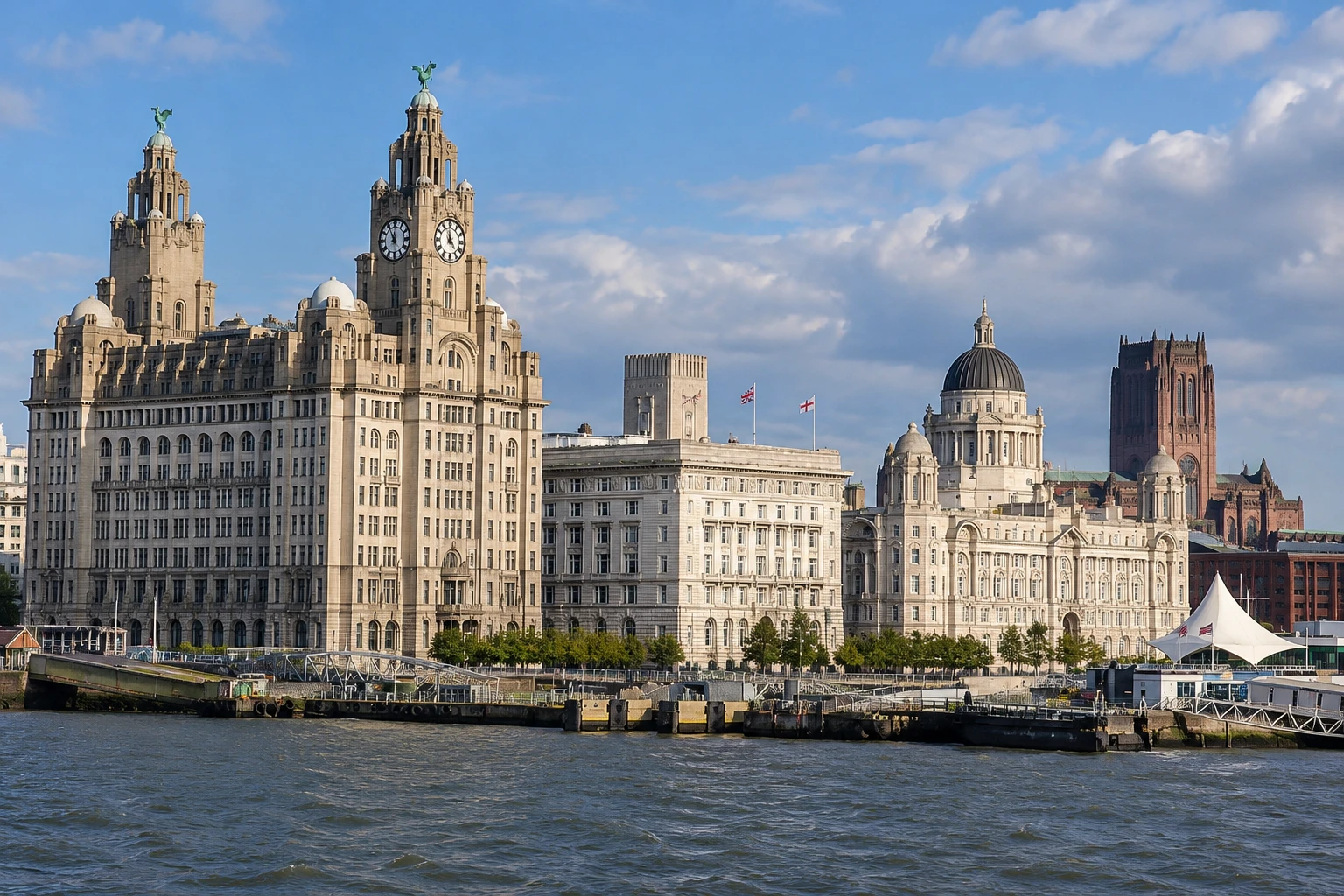
The Mersey frontage with the Three Graces, the Royal Liver Building with its bronze birds, the Cunard and the Port of Liverpool, the Museum of Liverpool and the Mersey ferry pier.
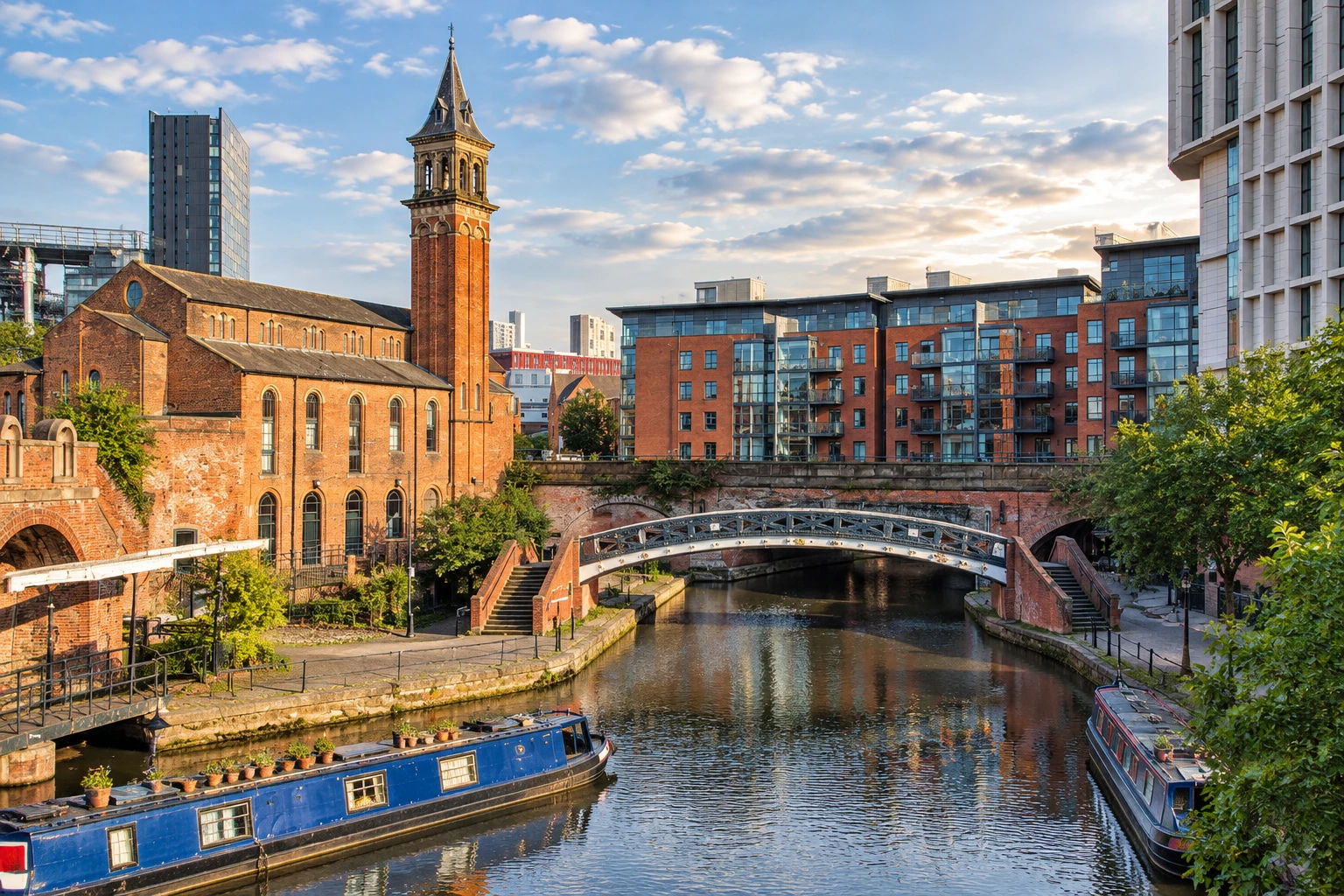
The neighbourhood of canals, locks and 19th-century iron railway viaducts in the southwest of Manchester city centre, with the ruins of the Roman fort Mamucium and the elevated park Castlefield Viaduct.
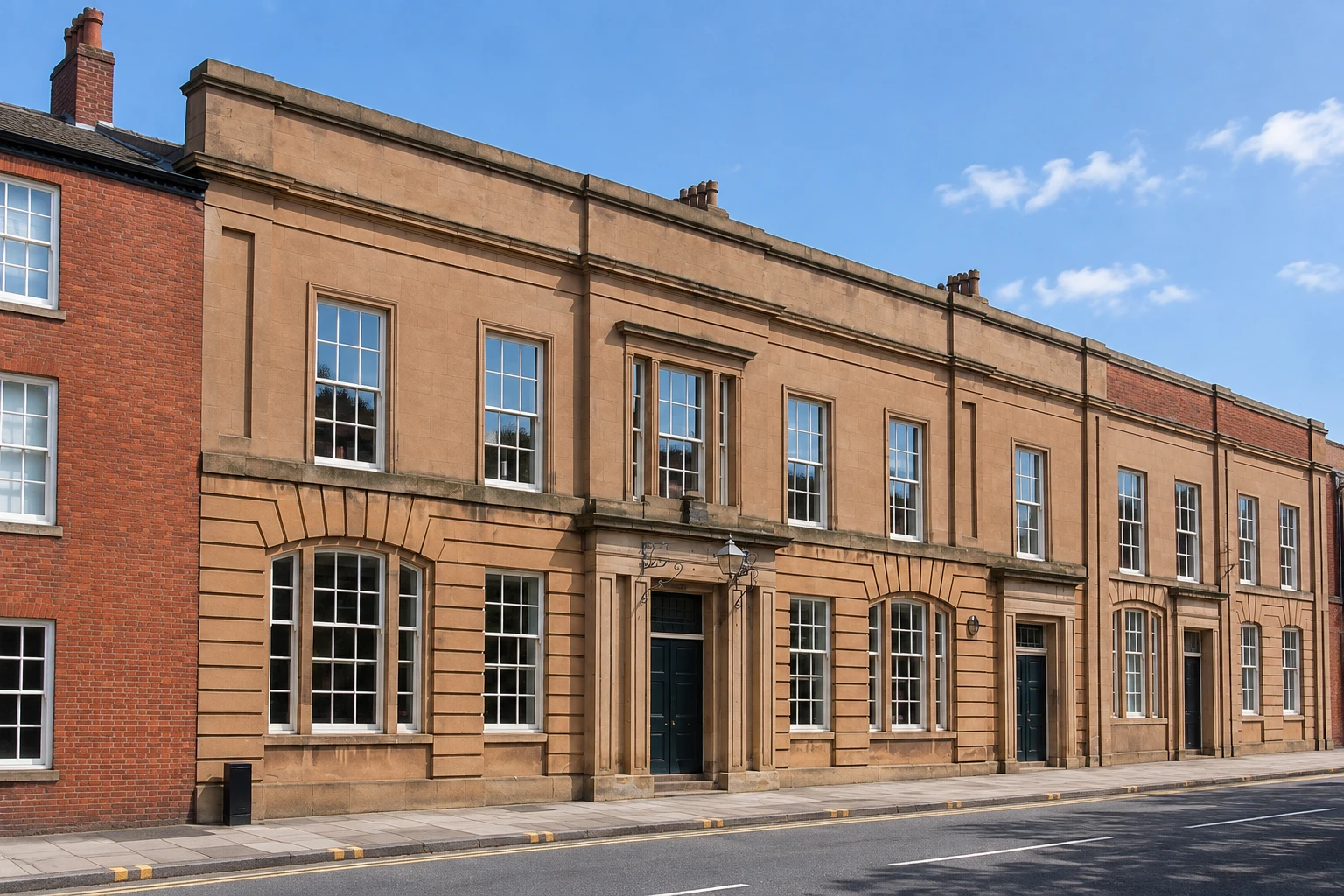
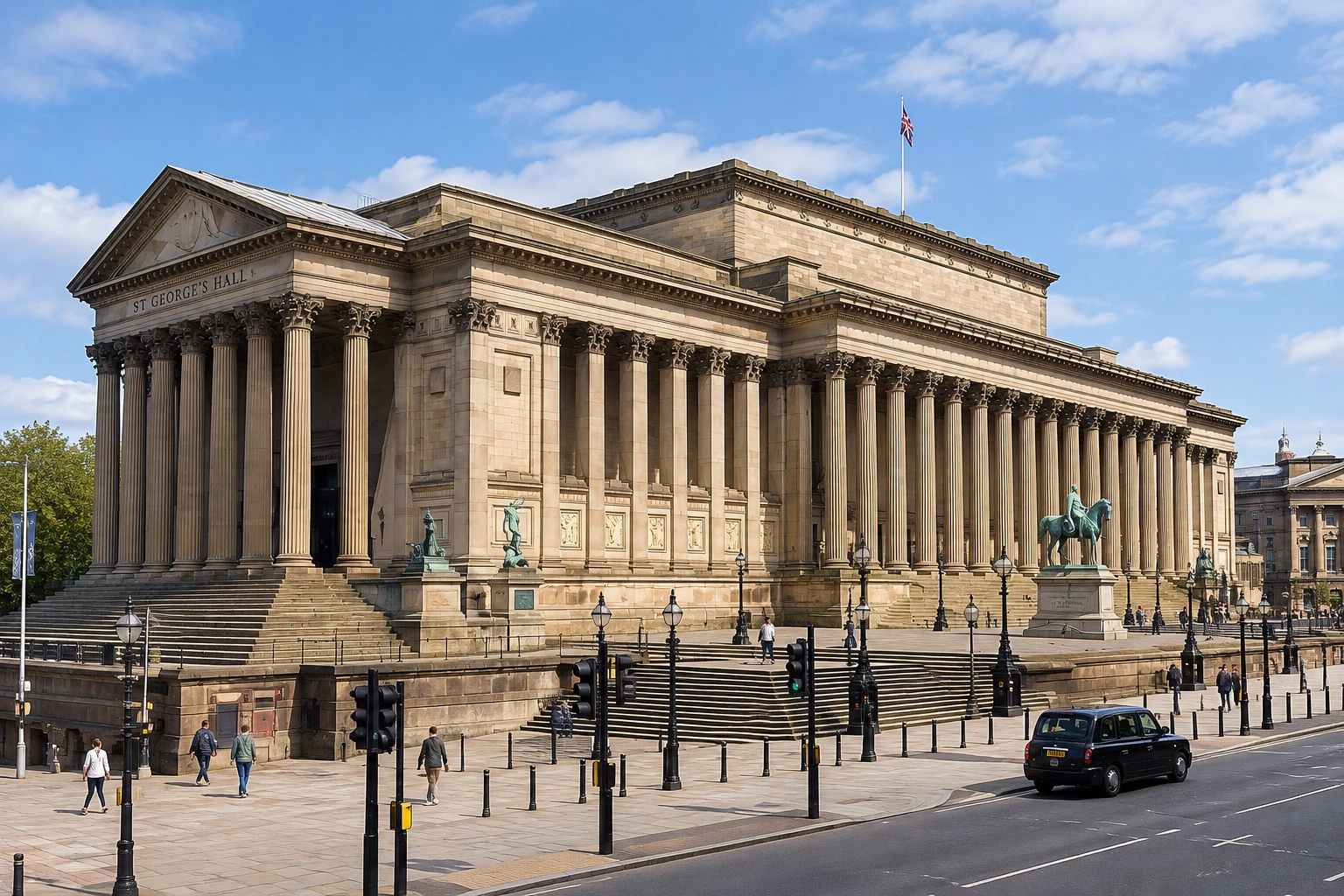
The large neoclassical 1854 building opposite Lime Street station, with a concert hall, Victorian courts and the Minton tiled floor, shown on special occasions.


 Brazil
 Antarctica
 Argentina
 Bolivia
 Chile
 Colombia
 Ecuador
 Falkland Islands (Malvinas)
 French Guiana
 Guyana
 Paraguay
 Peru
 Suriname
 Uruguay
 Venezuela
 Albania
 Austria
 Belgium
 Croatia
 Denmark
 Finland
 France
 Germany
 Greece
 Hungary
 Iceland
 Ireland
 Italy
 Luxembourg
 Norway
 Poland
 Portugal
 Slovakia
 Slovenia
 Spain
 Sweden
 Switzerland
 the Czech Republic
 the Netherlands
 Turkey
 Bermuda
 Canada
 Greenland
 Mexico
 Saint Pierre and Miquelon
 the United States
 the Dominican Republic
 Japan
 Egypt
 South Africa
 Australia
 Fiji
 New Zealand
 Papua New Guinea