Ginjinha de Óbidos
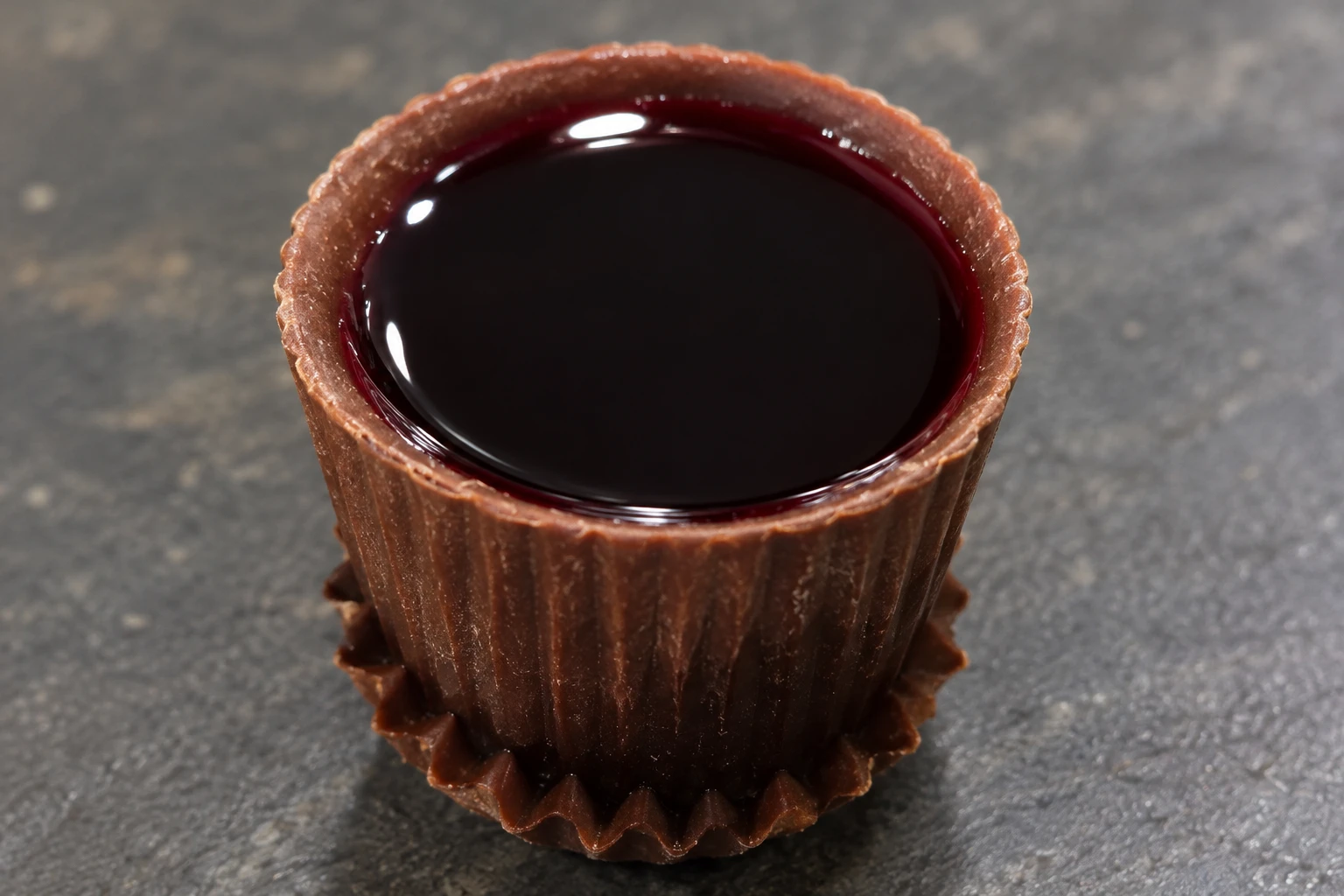
Ginja liqueur, an acidic cherry from the region, served in small chocolate cups that are eaten afterwards. Tasting ginjinha in a chocolate cup is one of the things Turismo de Portugal recommends in Óbidos.
Antarctica
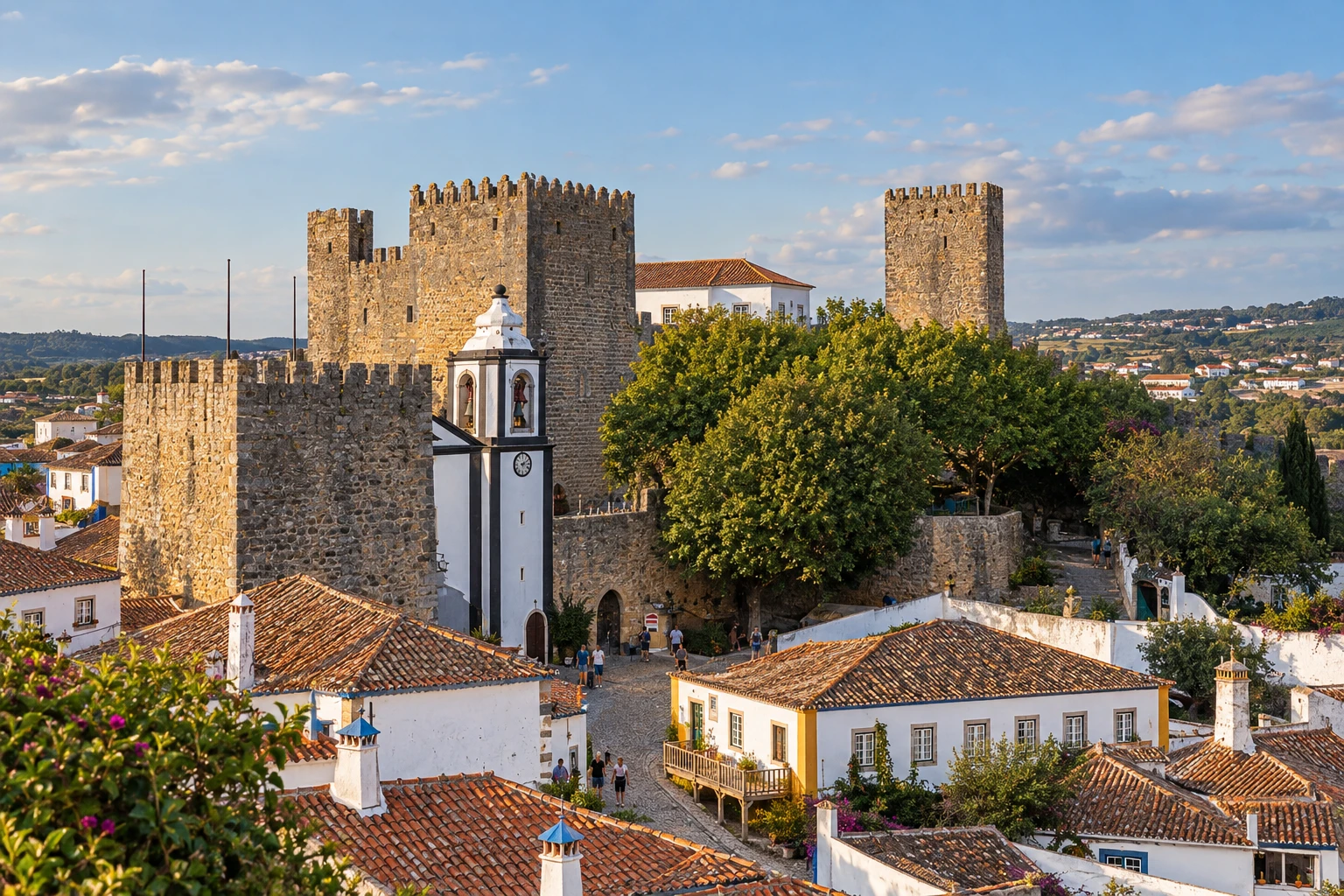
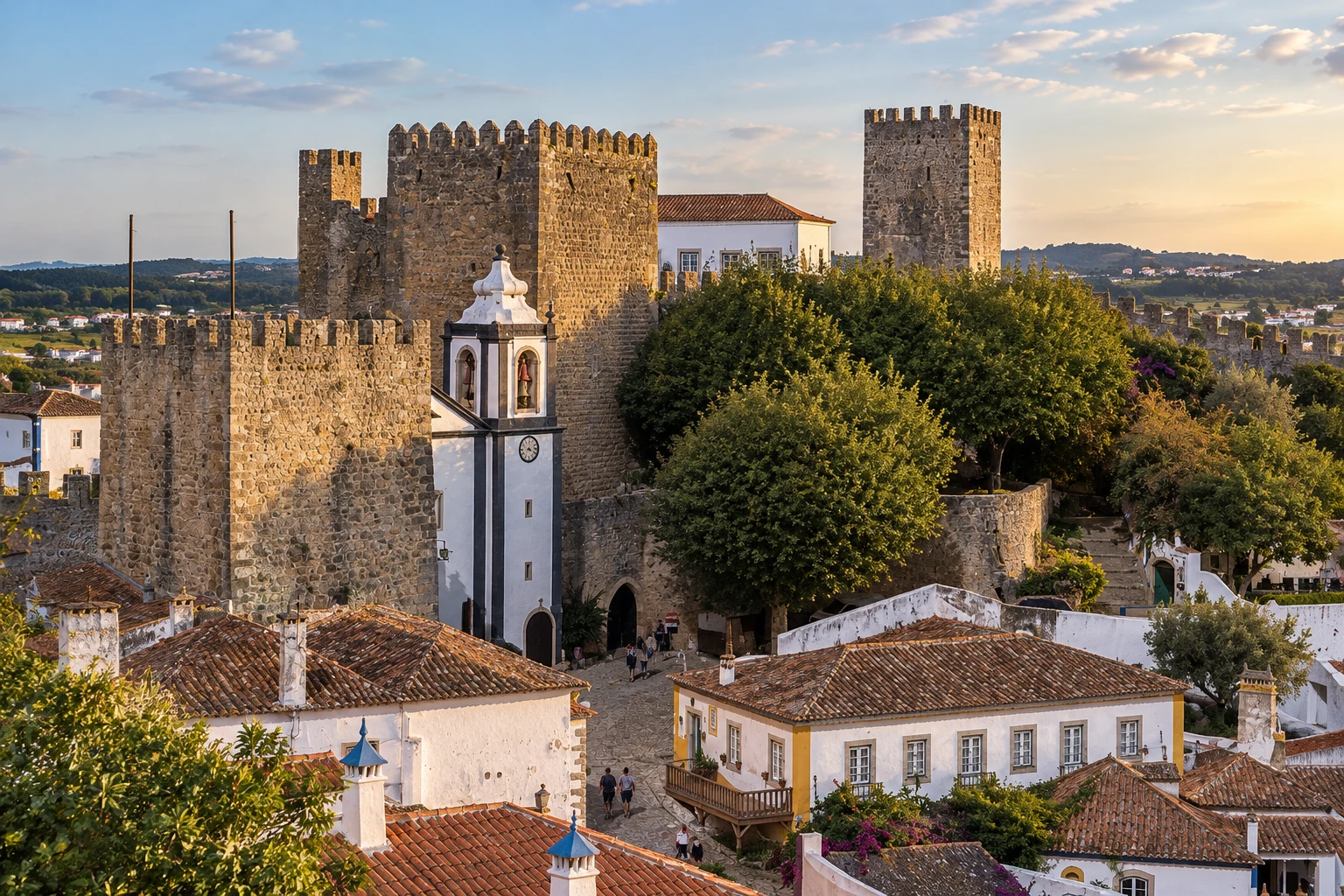
In the photo: Castelo de Óbidos
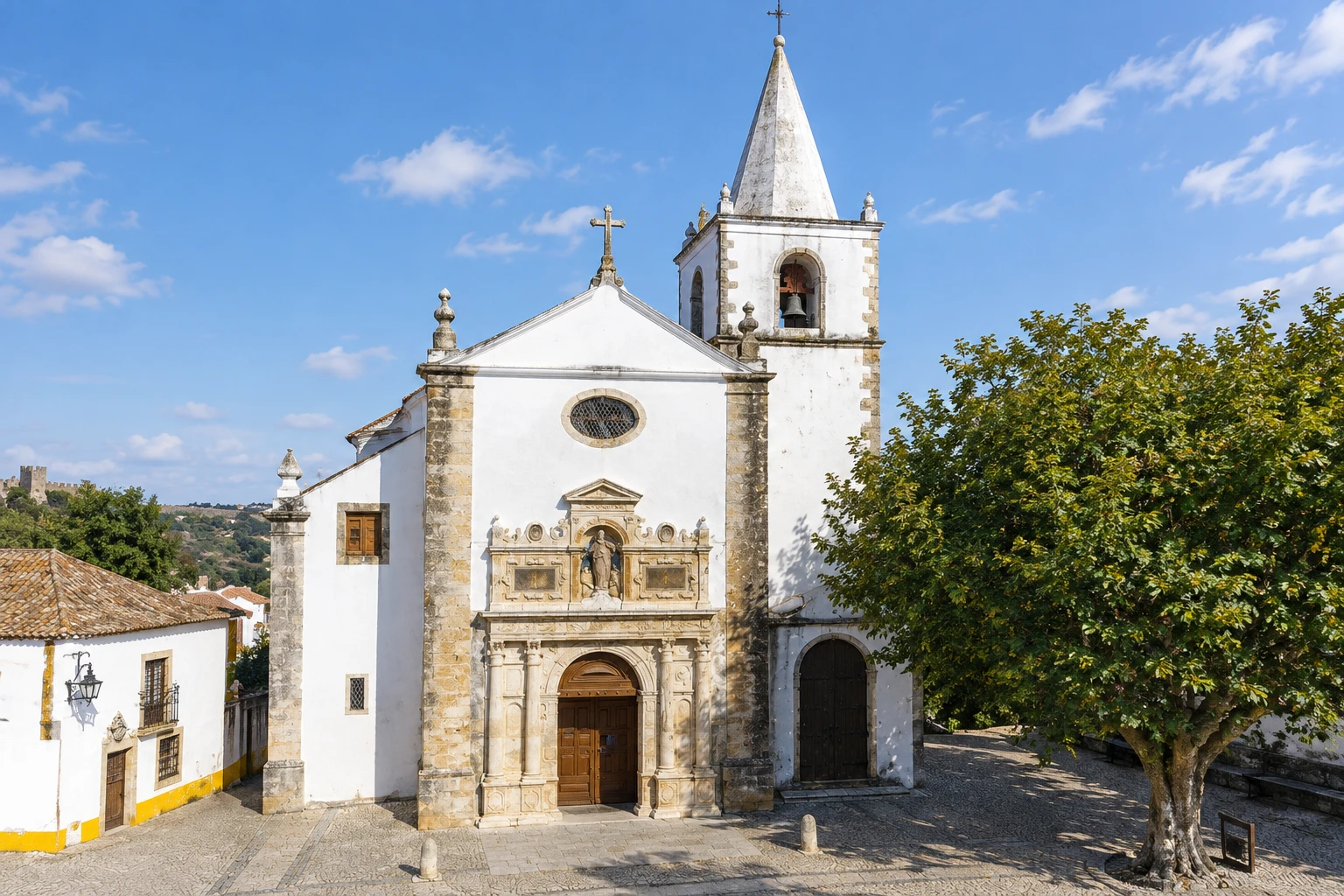
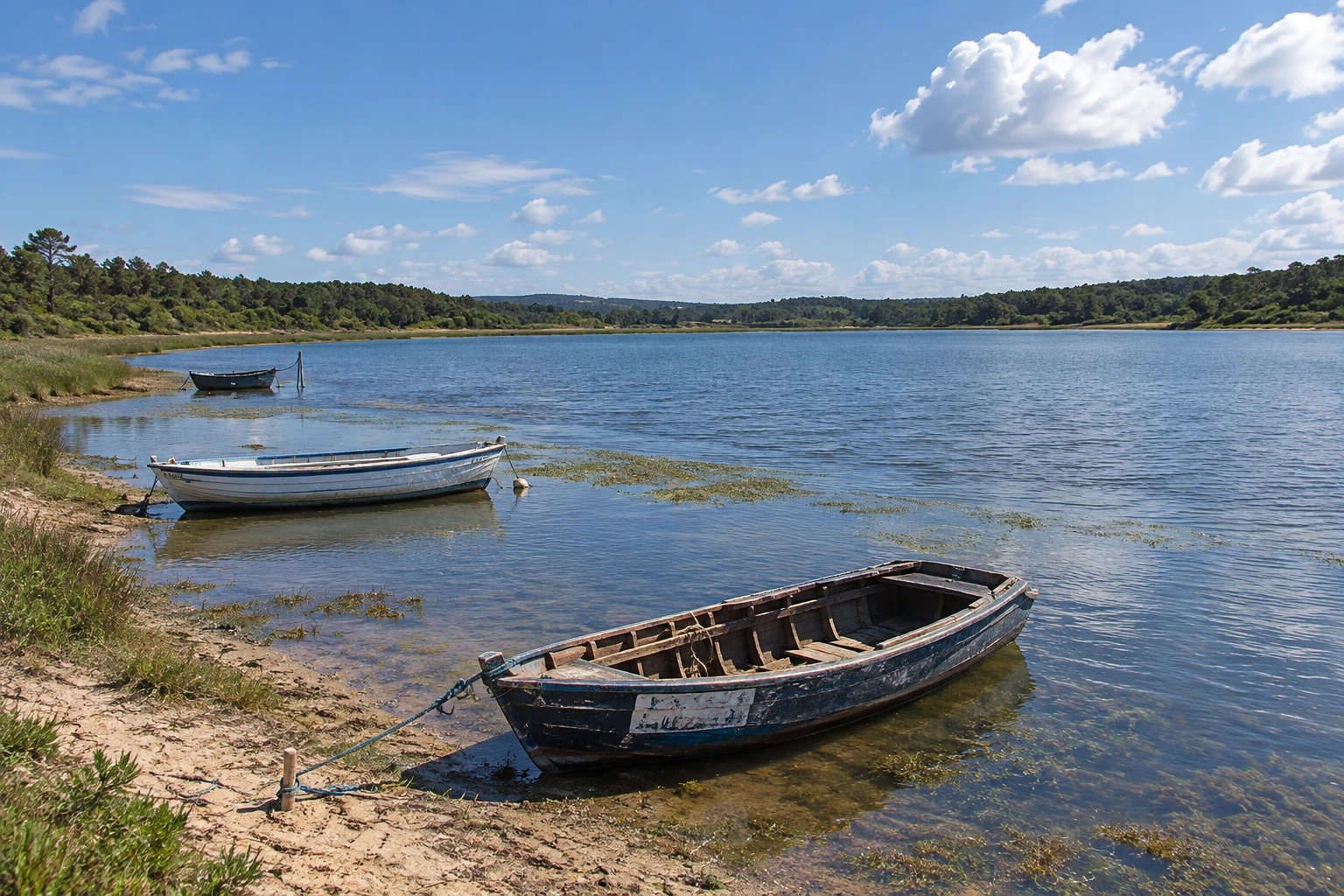
Illustrative images. The pictures in this guide are illustrations based on the real place, not photographs, and may differ from it.
The city
Medieval village surrounded by complete walls, on top of a hill, about 85 km from Lisbon. Inside them are the Rua Direita, white houses with blue and yellow bands, the Igreja de Santa Maria and the castle, now a pousada. You can walk along the walls. A few kilometers away is the Lagoa de Óbidos, the largest coastal lagoon in Portugal.
There's no accommodation in the guide yet in Óbidos.
Tem hotel, pousada ou casa de temporada aqui? Cadastre a suaThere are no restaurants in the guide yet in Óbidos.
Know a good one? Recommend it to usHotéis e restaurantes da cidade no mapa.
how to get there · how many days · itinerary · questions
Flavors of Portugal
The local experience
Medieval walls that encircle the entire village, with about 1.5 km of perimeter, towers and gates, and the castle at the highest point, now converted into a pousada. Much of the wall walk can be done on foot.
Parish church of Óbidos, in the village's central square, with walls covered in 17th-century azulejos and paintings by Josefa de Óbidos. It was the setting for the wedding of King D. Afonso V in 1441.
The largest coastal lagoon in Portugal, about 10 km from the village, connected to the sea at the Foz do Arelho. It has calm waters suitable for swimming, sailing sports and birdwatching.
Before you go
Óbidos – Portugal Destination Óbidos, Nazaré, and Alcobaça
Approximate distances. Check flights and bus, train or boat schedules before you travel.
From Lisbon, direct buses take about an hour to the village gate; by car, via the A8. Óbidos train station is at the foot of the wall, on the Linha do Oeste. Connections with Brazil are usually via another city. Confirm before buying.
Half a day is enough to explore the village and the walls. Staying overnight in Óbidos lets you see the streets empty at night and early in the morning, before the tour groups arrive.
From April to October, with long days. In December the village usually sets up the Vila Natal, with a market and attractions for children. On summer weekends the Rua Direita gets crowded.
The seasons shown are the most usual ones; nature doesn't always follow the calendar.
Not for the village, which is entirely pedestrian. For the Lagoa de Óbidos and the beach at Foz do Arelho, a car or taxi is helpful.
Suggested itinerary
Built with the places on this page. No rush: it's paced so you have time to see them.
Enter through the Porta da Vila, decorated with 18th-century azulejos, and walk up the Rua Direita to the castle.
Walk along a section of the walls and visit the Igreja de Santa Maria.
Go to the Lagoa de Óbidos and the Foz do Arelho, where the lagoon meets the sea.
Return to the village, now quieter, and try the ginjinha served in a chocolate cup.
Check before you go. Opening hours and days change, and places may close for renovations, holidays or events. This itinerary is a suggestion from Cidade Turismo, not a commitment: plan yours by checking directly with each place you intend to visit.
Before you go
A sour cherry liqueur served in small chocolate cups, sold along the Rua Direita. Try it in moderation.
Yes, for much of the perimeter. The path is narrow and lacks guardrails in several stretches; wear sturdy shoes and be careful.
Because King D. Dinis gave it as a gift to Queen Isabel de Aragão in 1282, and several Portuguese queens received it thereafter.
By direct bus, in about an hour, or by car via the A8.