16 places to visit, chosen by the Cidade Turismo guide.
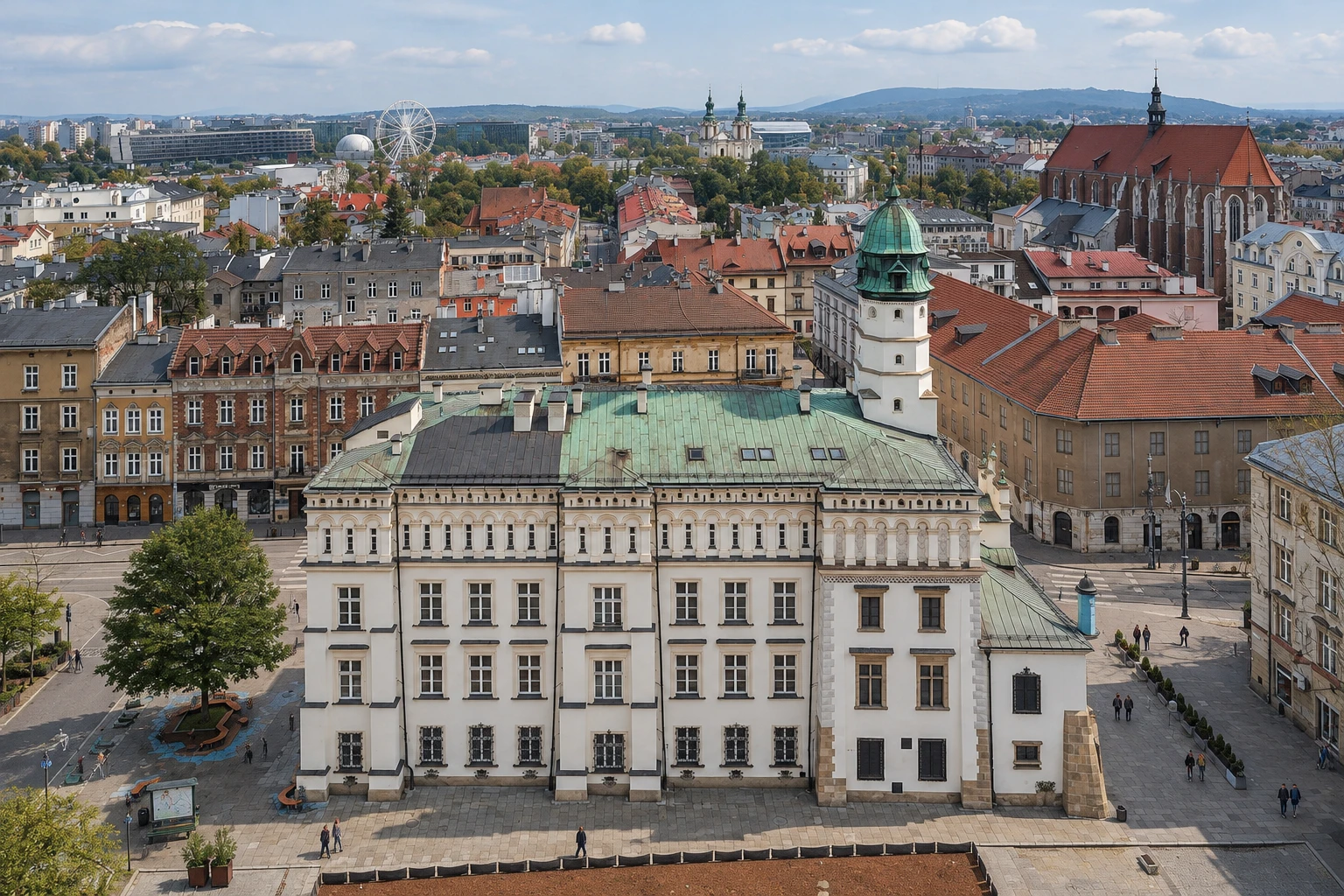
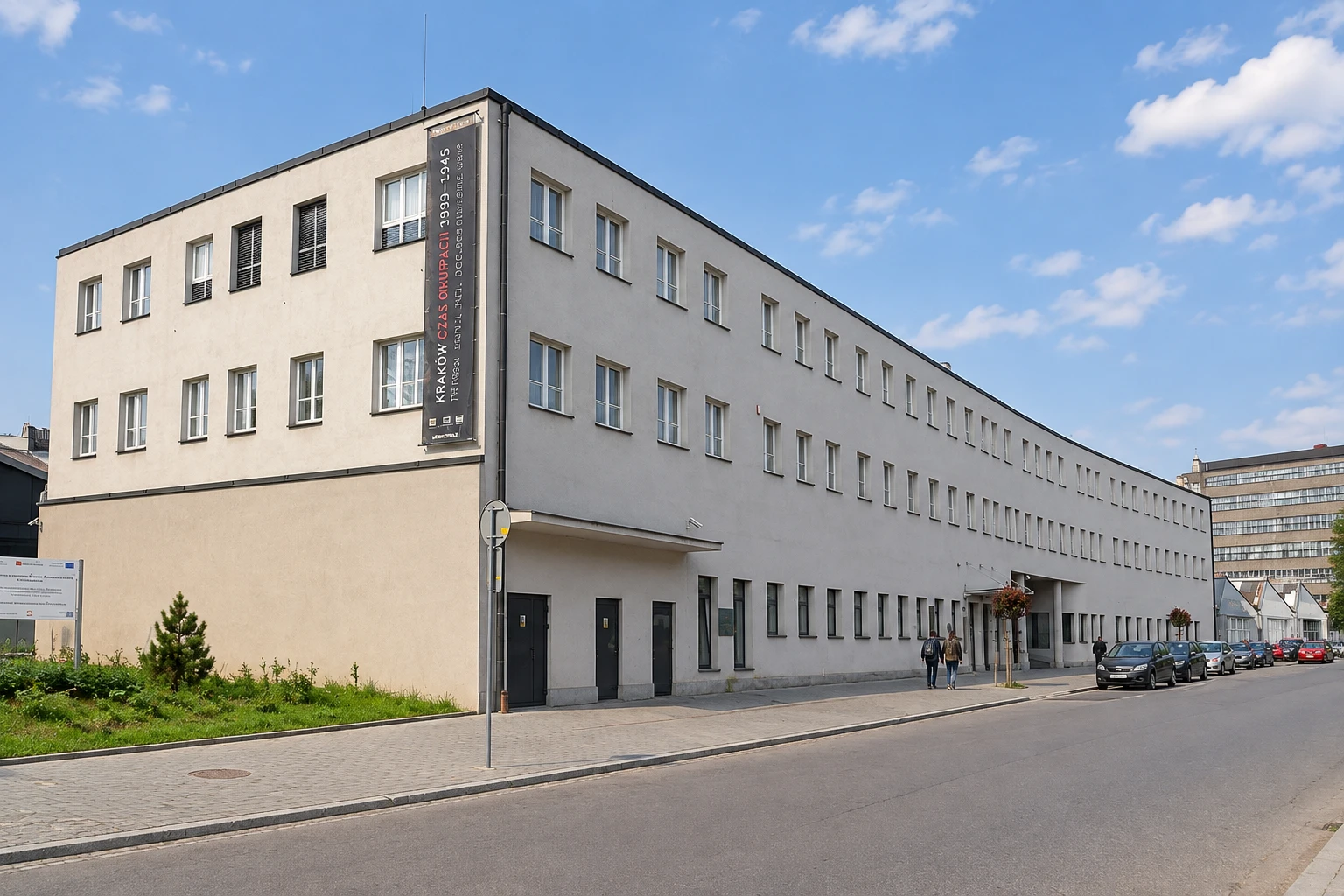
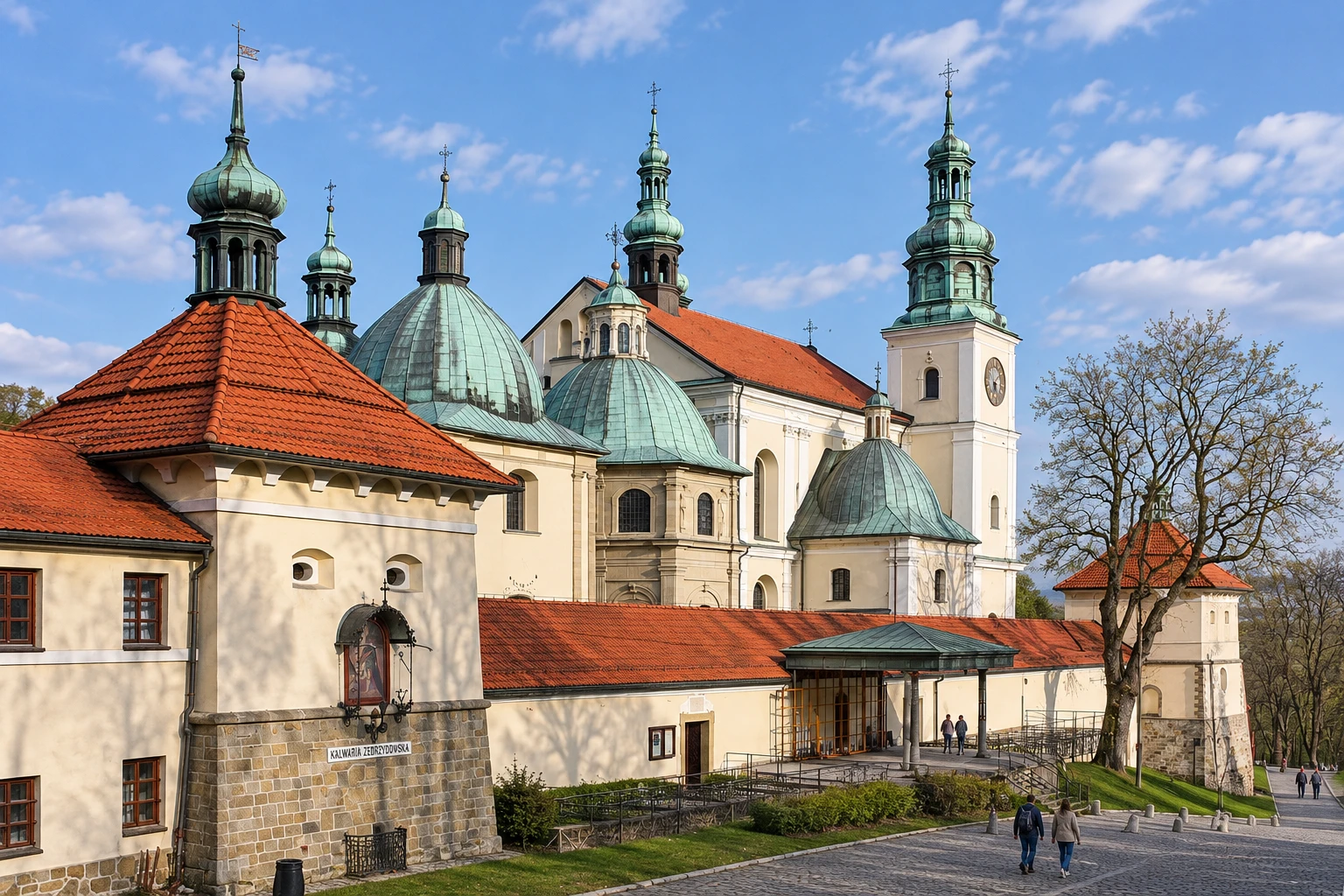
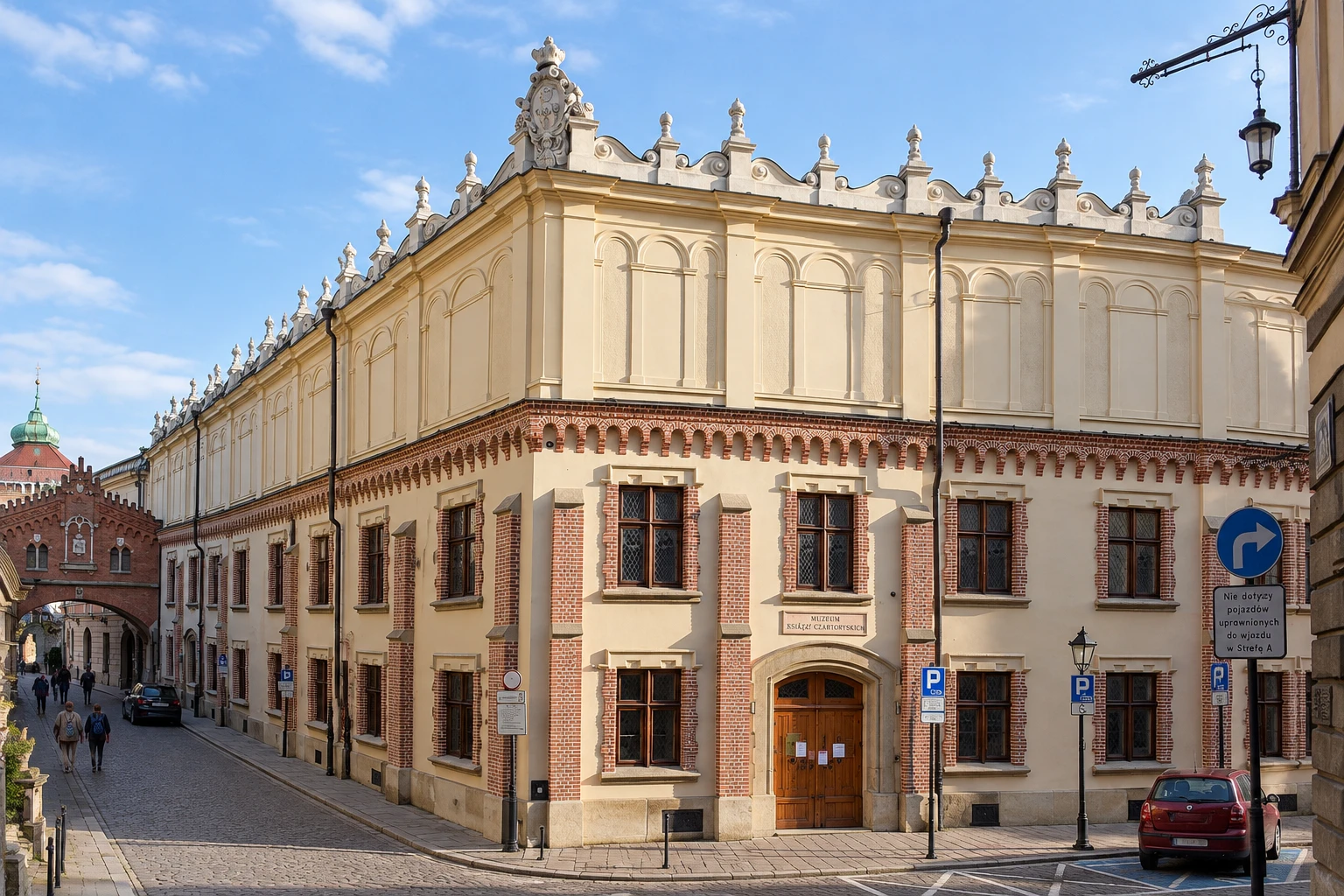
Illustrative images. The pictures in this guide are illustrations based on the real place, not photographs, and may differ from it.
To start
The 10 main places Kraków and the Salt Mines
Bochnia Salt Mine · BochniaThe Bochnia mine is part of the royal saltworks heritage alongside Wieliczka.
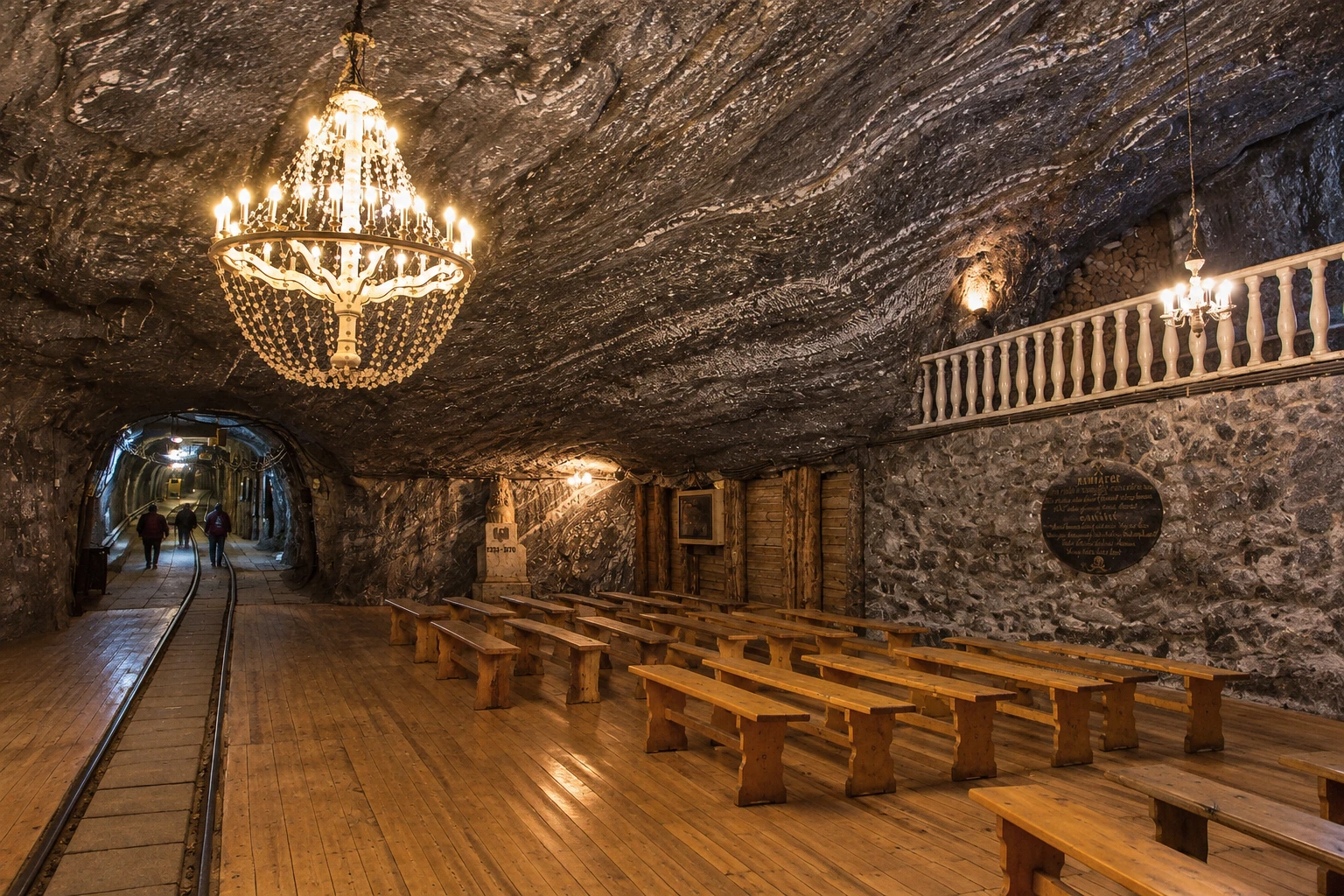
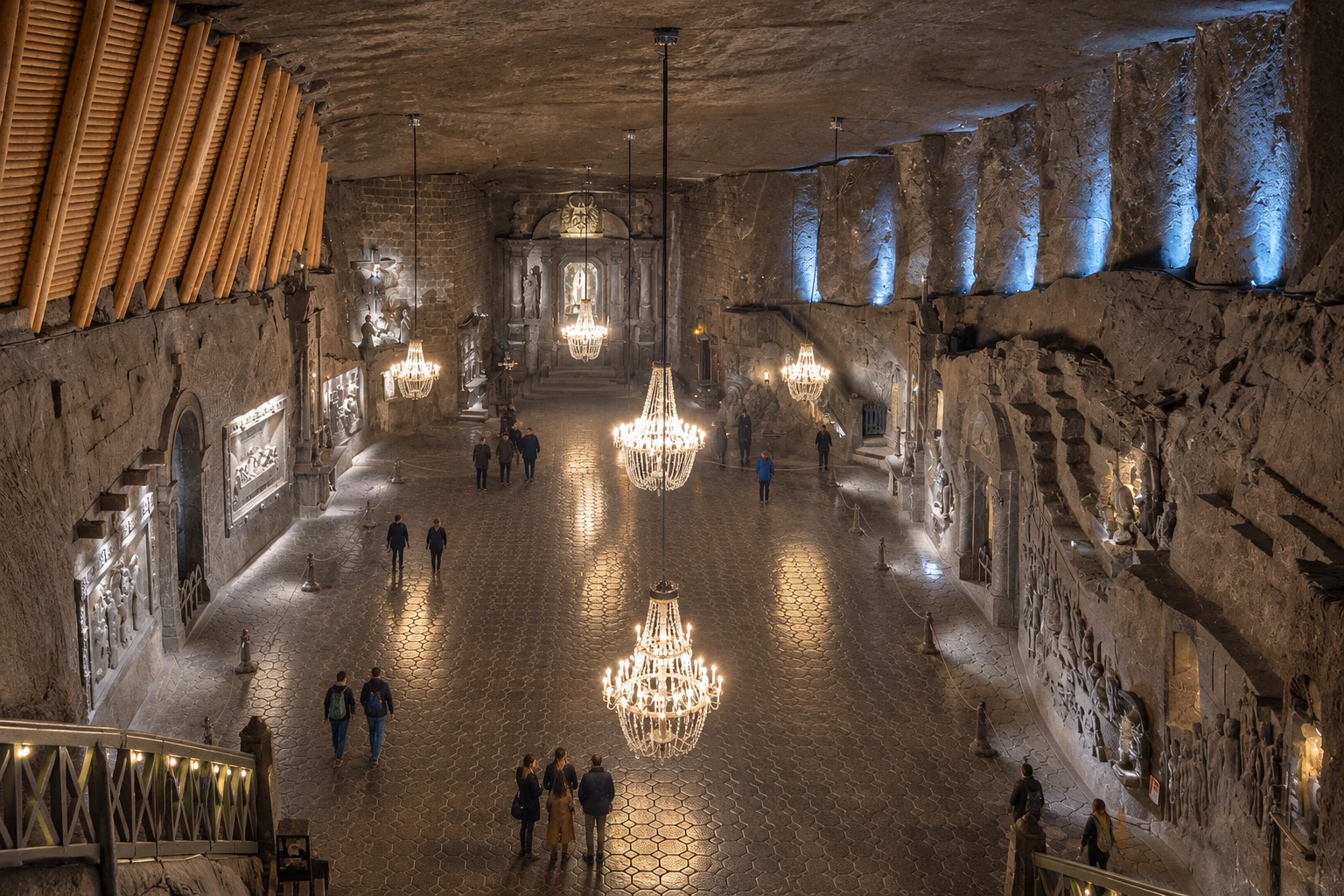
Wieliczka Salt Mine · WieliczkaThe Wieliczka mine comprises galleries, chambers and salt-excavated spaces south of Kraków.
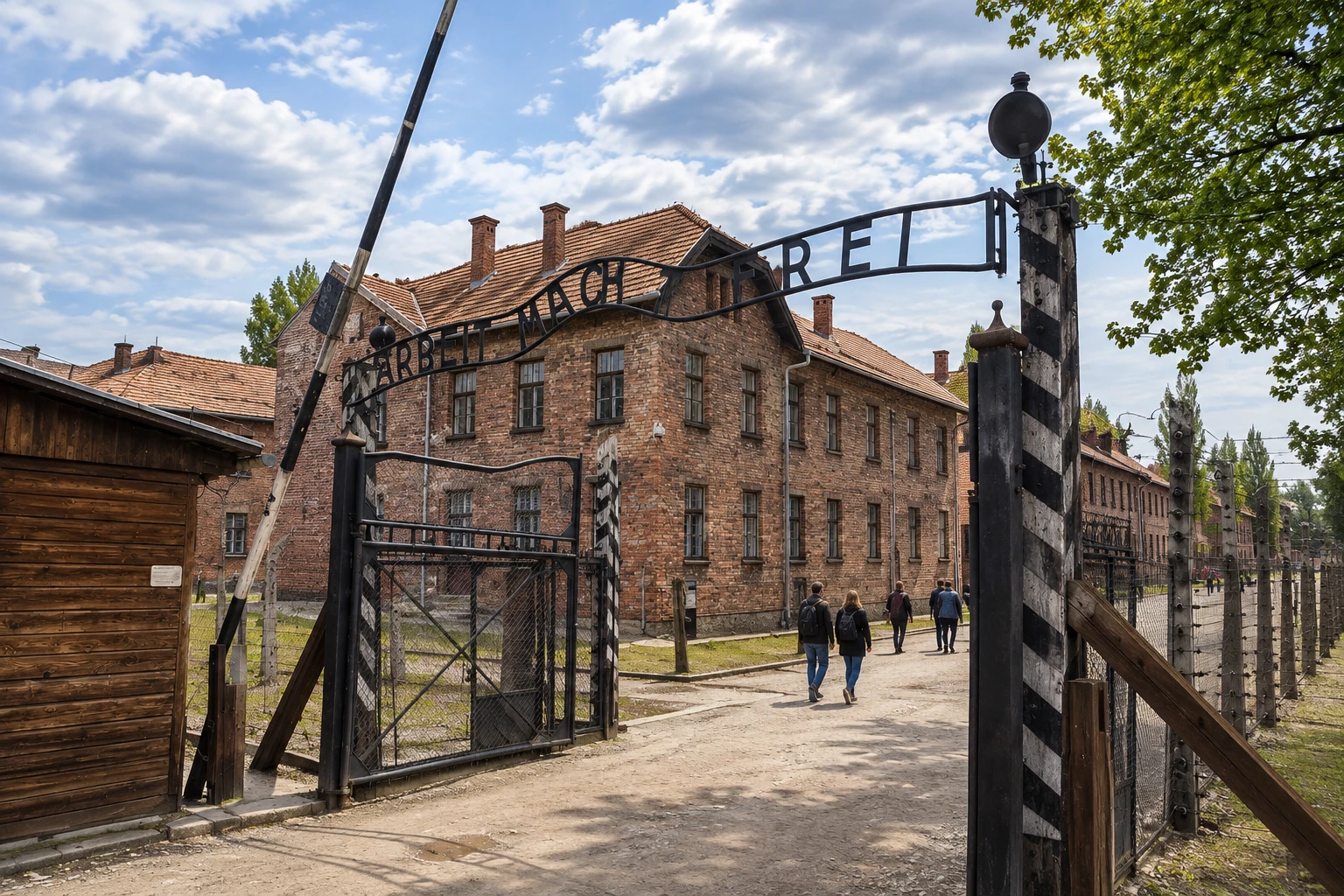
Auschwitz-Birkenau State Museum · OświęcimThe Auschwitz-Birkenau memorial and museum preserves areas of two former camps: Auschwitz I, in Oświęcim, and Auschwitz II-Birkenau, in Brzezinka.
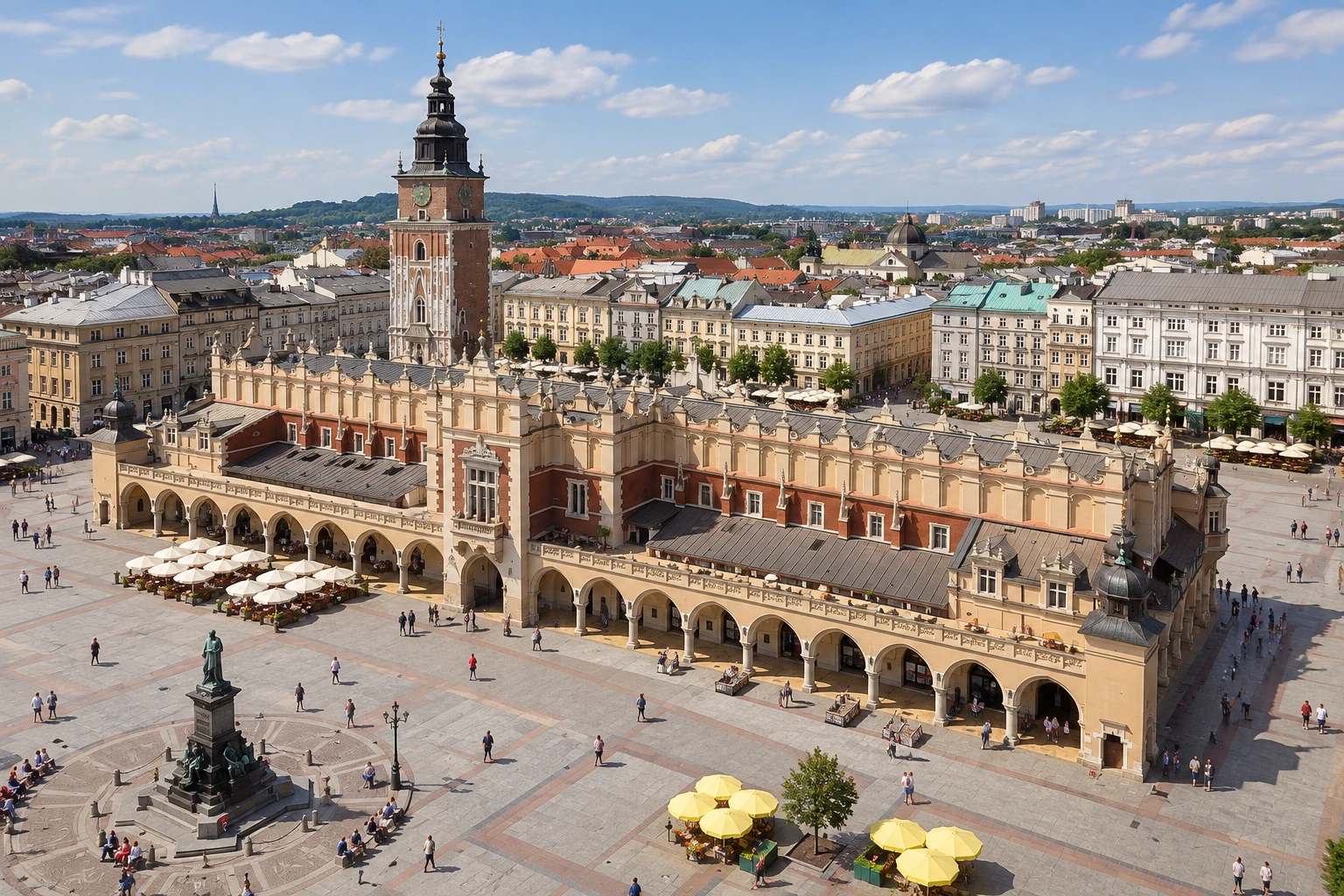
Main Market Square · KrakowRynek Główny is the large square in central Kraków, formed from the city’s medieval layout.
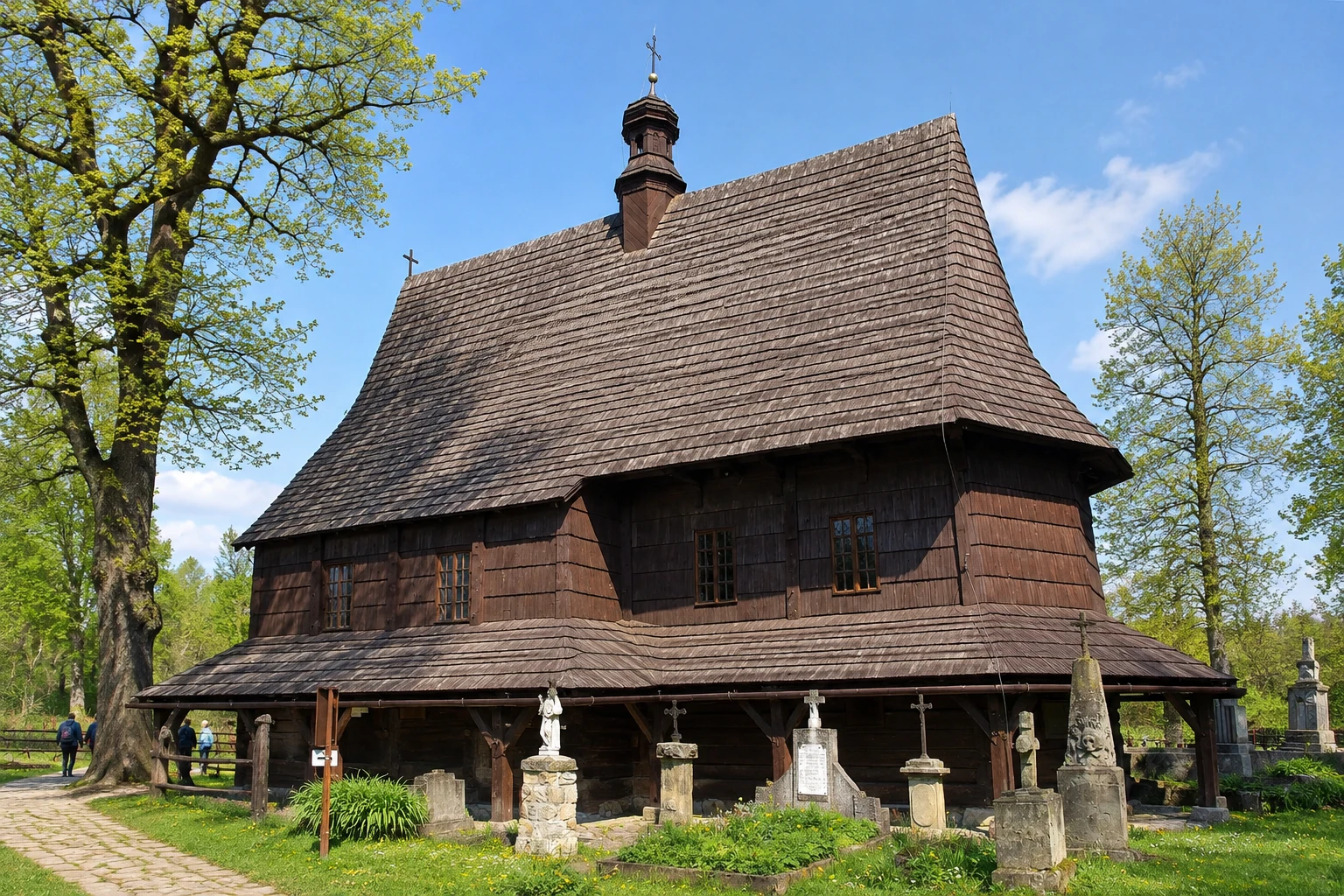
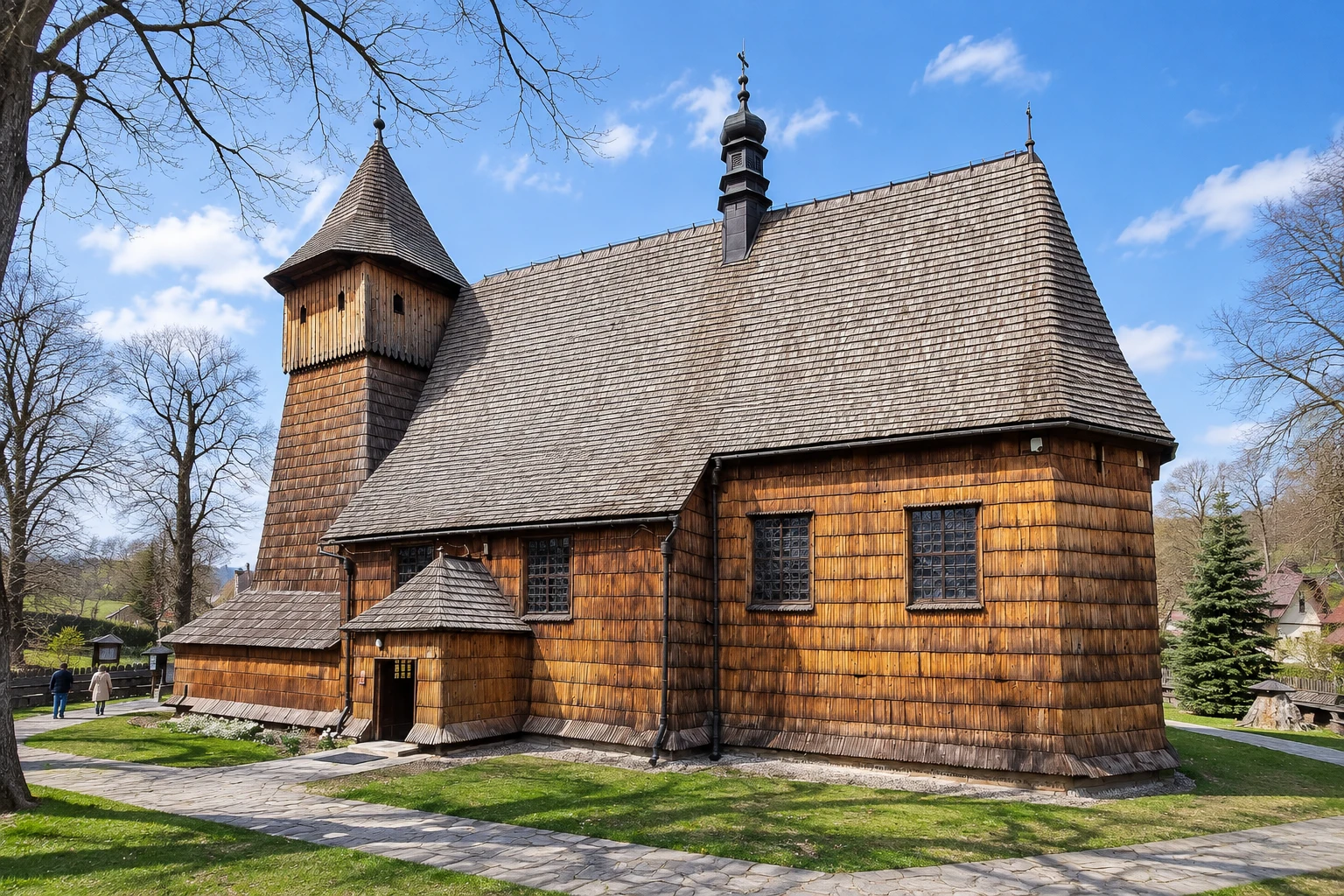
St. Leonard’s Church in Lipnica Murowana · BochniaThe church of St. Leonard is in Lipnica Murowana, outside Bochnia, and is part of the ensemble of wooden churches of southern Lesser Poland recognized as a World Heritage site....
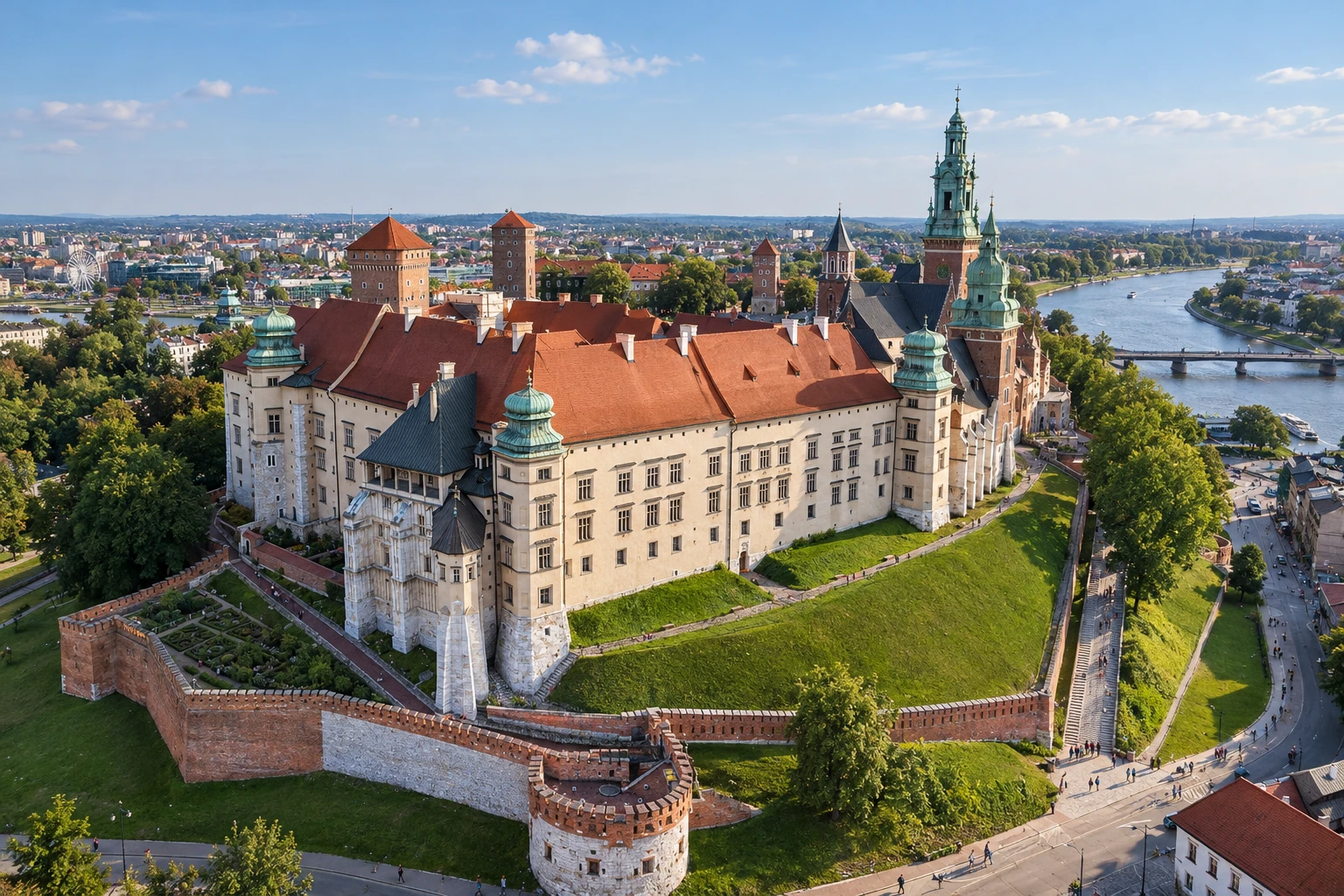
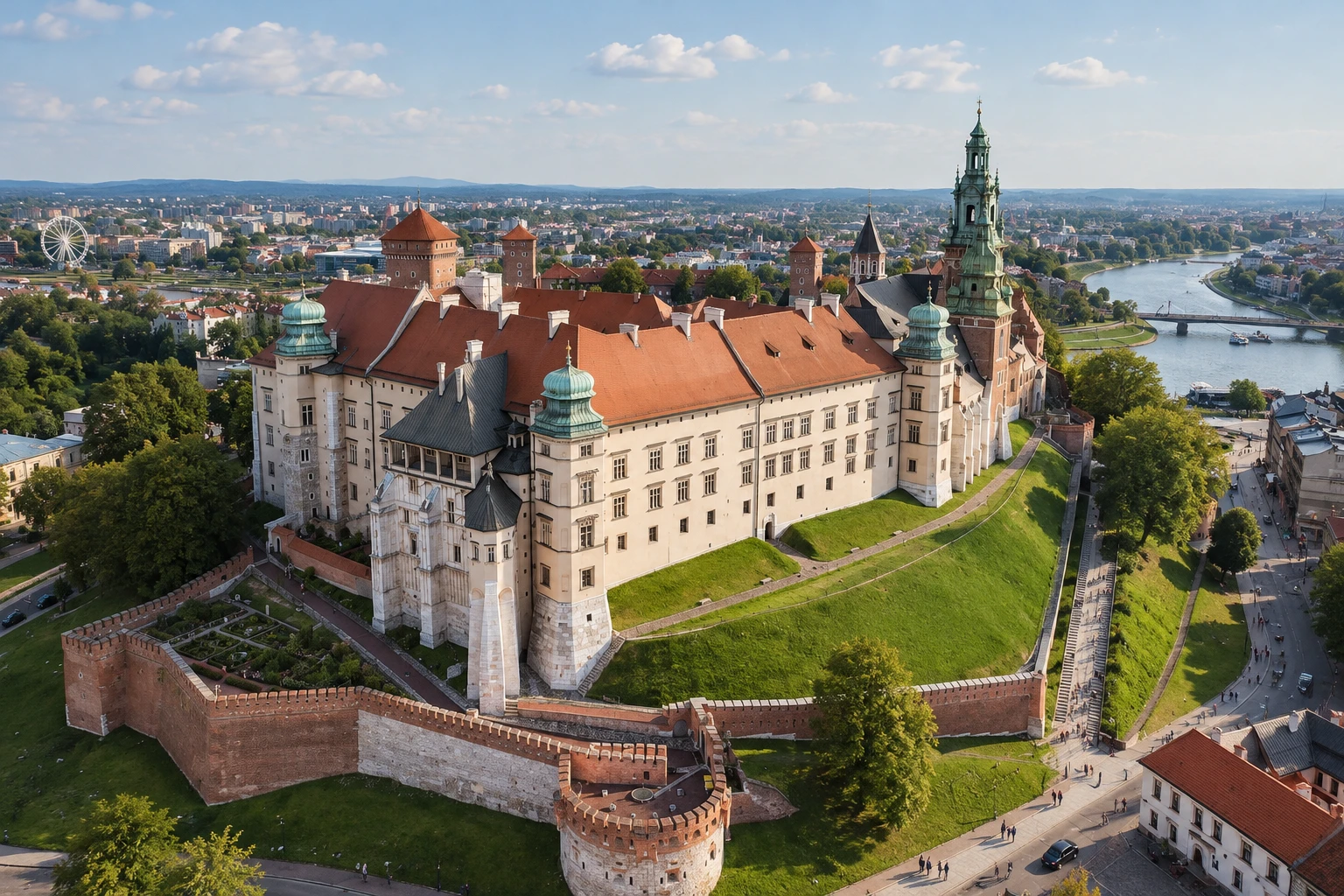
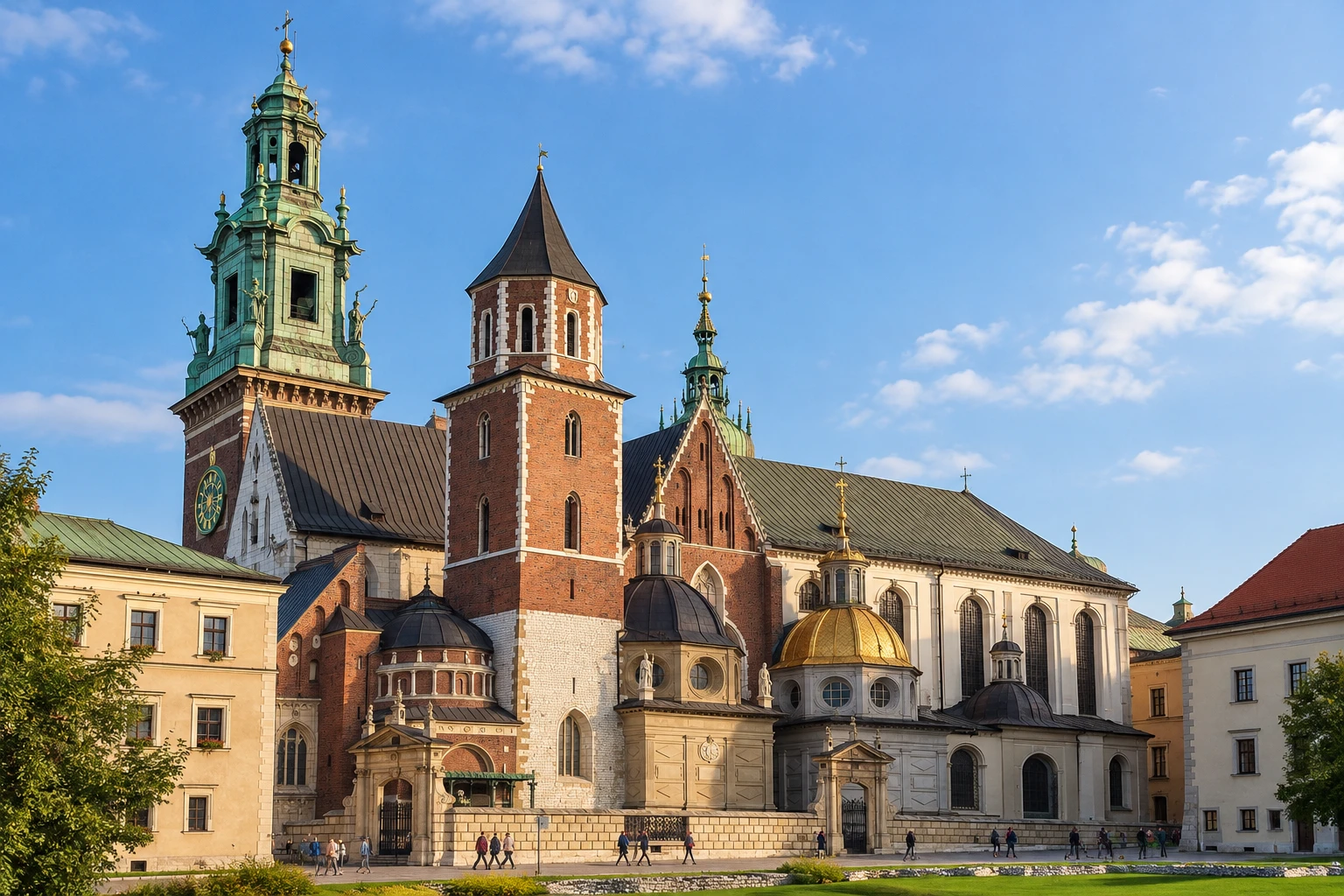
Wawel Royal Castle · KrakowWawel Castle sits on a hill by the Vistula, in a complex linked to the former Polish court.
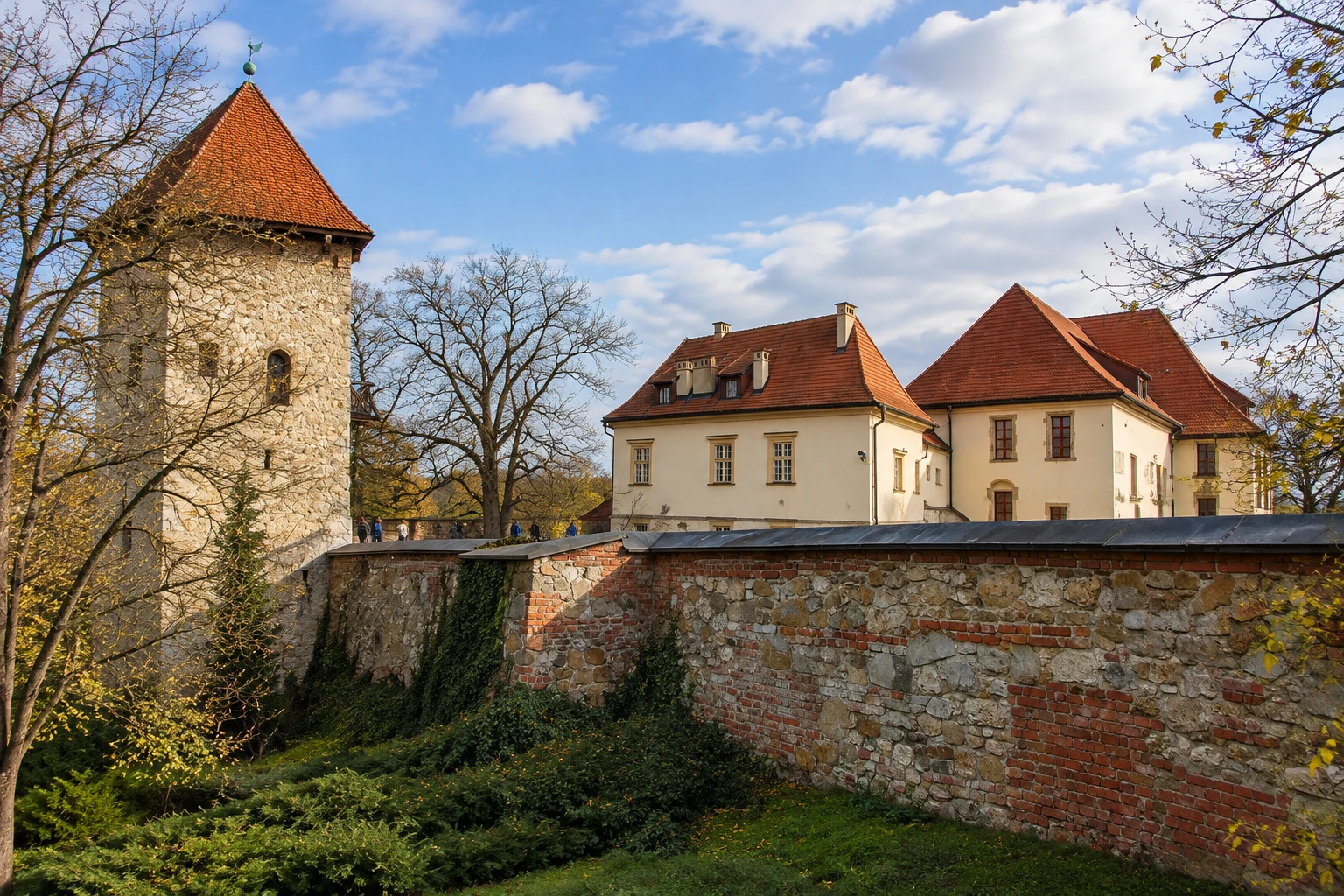
Wieliczka Saltworks Castle · WieliczkaThe Wieliczka saltworks castle brings together buildings linked to the administration of salt production.
Wawel Cathedral · KrakowWawel Cathedral sits atop the royal hill beside the castle.
Church of St. Michael the Archangel in Binarowa · BochniaThe church of St. Michael the Archangel in Binarowa is part of the World Heritage of wooden churches of southern Lesser Poland. The rural building combines carpentry structure a...
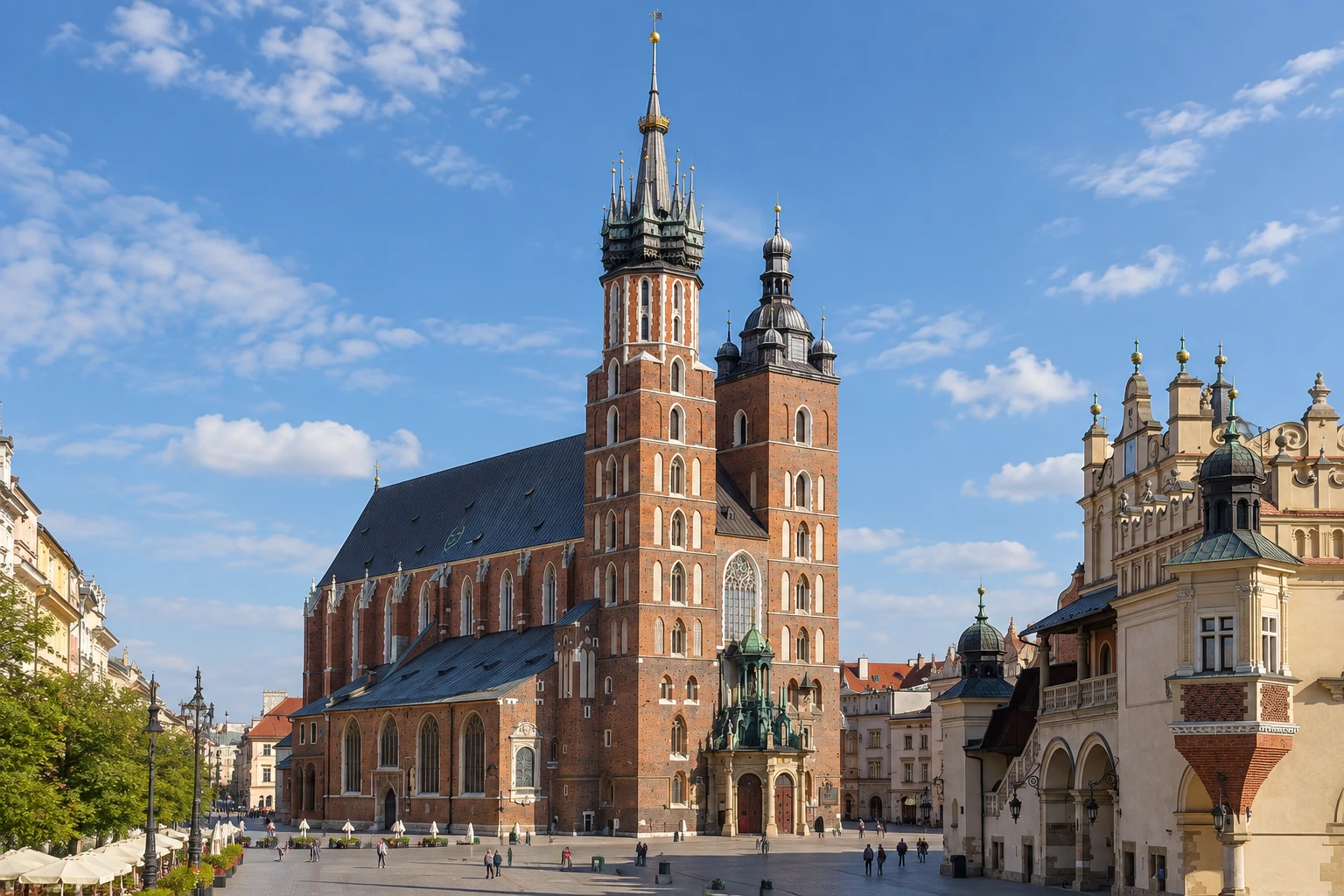
St. Mary's Basilica · KrakowThe Basilica of St. Mary faces the Rynek Główny with two towers of different heights. The Gothic brick facade contrasts with a decorated interior that gives the church its own v...
The Bochnia mine is part of the royal saltworks heritage alongside Wieliczka. The underground complex preserves chambers and galleries linked to salt extraction, with a visitor route that has its own circulation and interpretation features.
The Wieliczka mine comprises galleries, chambers and salt-excavated spaces south of Kraków. The tourist circuit covers only part of a much larger complex, connected to centuries of extraction and the city’s economic development.
The Auschwitz-Birkenau memorial and museum preserves areas of two former camps: Auschwitz I, in Oświęcim, and Auschwitz II-Birkenau, in Brzezinka. The site is dedicated to the memory of the victims and to understanding what happened in those spaces.
Rynek Główny is the large square in central Kraków, formed from the city’s medieval layout. The open space links pedestrian streets, historic façades and commercial buildings, with the old town hall tower and the Sukiennice as reference points.
The church of St. Leonard is in Lipnica Murowana, outside Bochnia, and is part of the ensemble of wooden churches of southern Lesser Poland recognized as a World Heritage site. The building has a rural scale and should be viewed in the context of the village and the cemetery.
Wawel Castle sits on a hill by the Vistula, in a complex linked to the former Polish court. Courtyards, residential wings and galleries allow visitors to experience a royal seat that was expanded across different periods, combining medieval and Renaissance elements.
The Wieliczka saltworks castle brings together buildings linked to the administration of salt production. The complex is located in the town center and allows understanding of the economic activity from the surface, complementing the mine's underground experience.
Wawel Cathedral sits atop the royal hill beside the castle. The building houses chapels, tombs and architectural elements added over centuries, linked to the memory of coronations and to Poland’s religious history.
The church of St. Michael the Archangel in Binarowa is part of the World Heritage of wooden churches of southern Lesser Poland. The rural building combines carpentry structure and decoration that allow you to learn about a tradition distinct from the masonry temples of the towns.
The Basilica of St. Mary faces the Rynek Główny with two towers of different heights. The Gothic brick facade contrasts with a decorated interior that gives the church its own visitor experience as well as presence within the square.
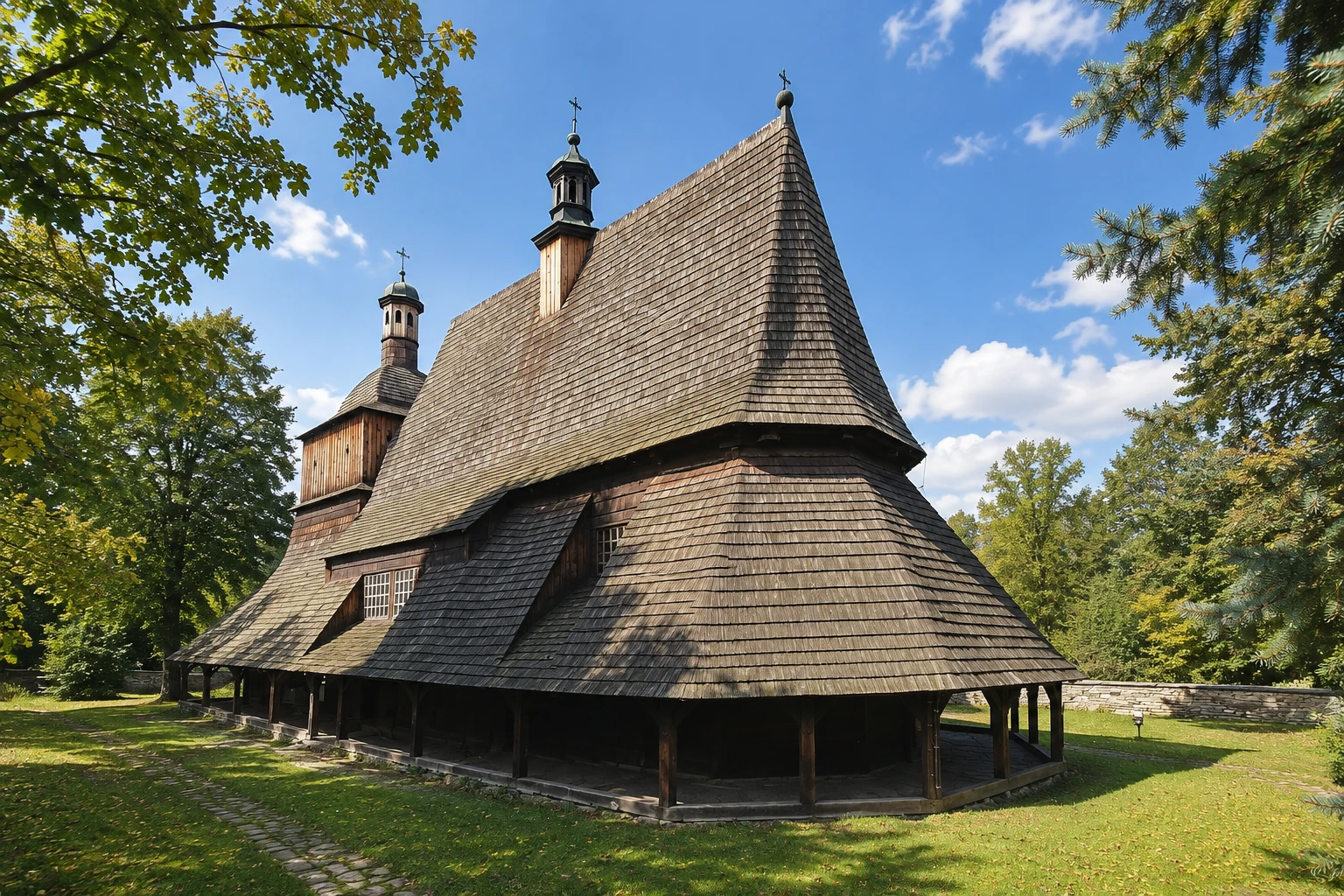
The church of St. Philip and St. James in Sękowa is part of the ensemble of wooden churches recognized as a World Heritage site. The long roof and the protected spaces around the body of the church give the building a distinct silhouette within the regional circuit.
Kazimierz was a separate town before becoming part of Kraków and retains streets associated with Jewish and Christian history. The district lies south of the old centre and offers a route of squares, places of worship and facades that differs from the royal axis of Wawel.
Oskar Schindler’s former enamel factory houses a museum unit in Zabłocie, by the Vistula. The visit addresses Kraków’s experience during the 20th-century occupation, using the industrial address as a starting point for an urban narrative.
Kalwaria Zebrzydowska is outside Kraków and brings together a sanctuary, chapels and a pilgrimage landscape recognized as a World Heritage site. The ensemble uses the terrain to organize religious routes, going beyond a visit to a single building.
The Princes Czartoryski Museum occupies a historic complex in central Kraków. The collection brings together art and objects from different periods, allowing an understanding of the formation of an ensemble associated with the family and its relation to Polish cultural memory.
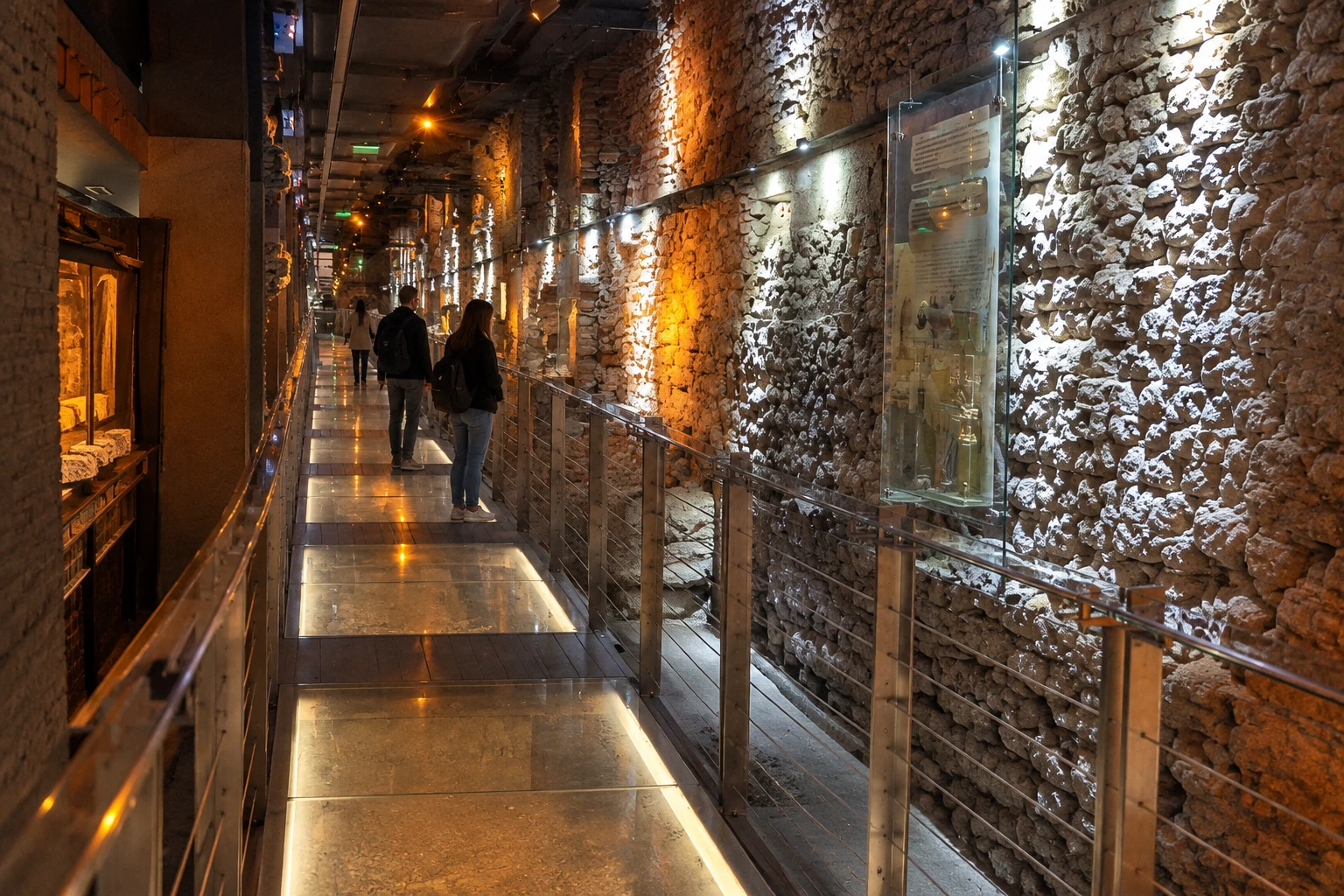
The Rynek Podziemny offers an archaeological visit beneath Kraków’s main square. The route allows you to discover layers of circulation and commerce not visible on the surface walk, using remains to explain the formation of the old market.


 Brazil
 Antarctica
 Argentina
 Bolivia
 Chile
 Colombia
 Ecuador
 Falkland Islands (Malvinas)
 French Guiana
 Guyana
 Paraguay
 Peru
 Suriname
 Uruguay
 Venezuela
 Albania
 Austria
 Belgium
 Croatia
 Denmark
 Finland
 France
 Germany
 Greece
 Hungary
 Iceland
 Ireland
 Italy
 Luxembourg
 Norway
 Portugal
 Slovakia
 Slovenia
 Spain
 Sweden
 Switzerland
 the Czech Republic
 the Netherlands
 the United Kingdom
 Turkey
 Bermuda
 Canada
 Greenland
 Mexico
 Saint Pierre and Miquelon
 the United States
 the Dominican Republic
 Japan
 Egypt
 South Africa
 Australia
 Fiji
 New Zealand
 Papua New Guinea