Kraków and the Salt Mines

Lesser Poland

Kraków and the Salt Mines

UNESCO historic centre, Wawel, salt mines and Auschwitz-Birkenau memorial.

South and East

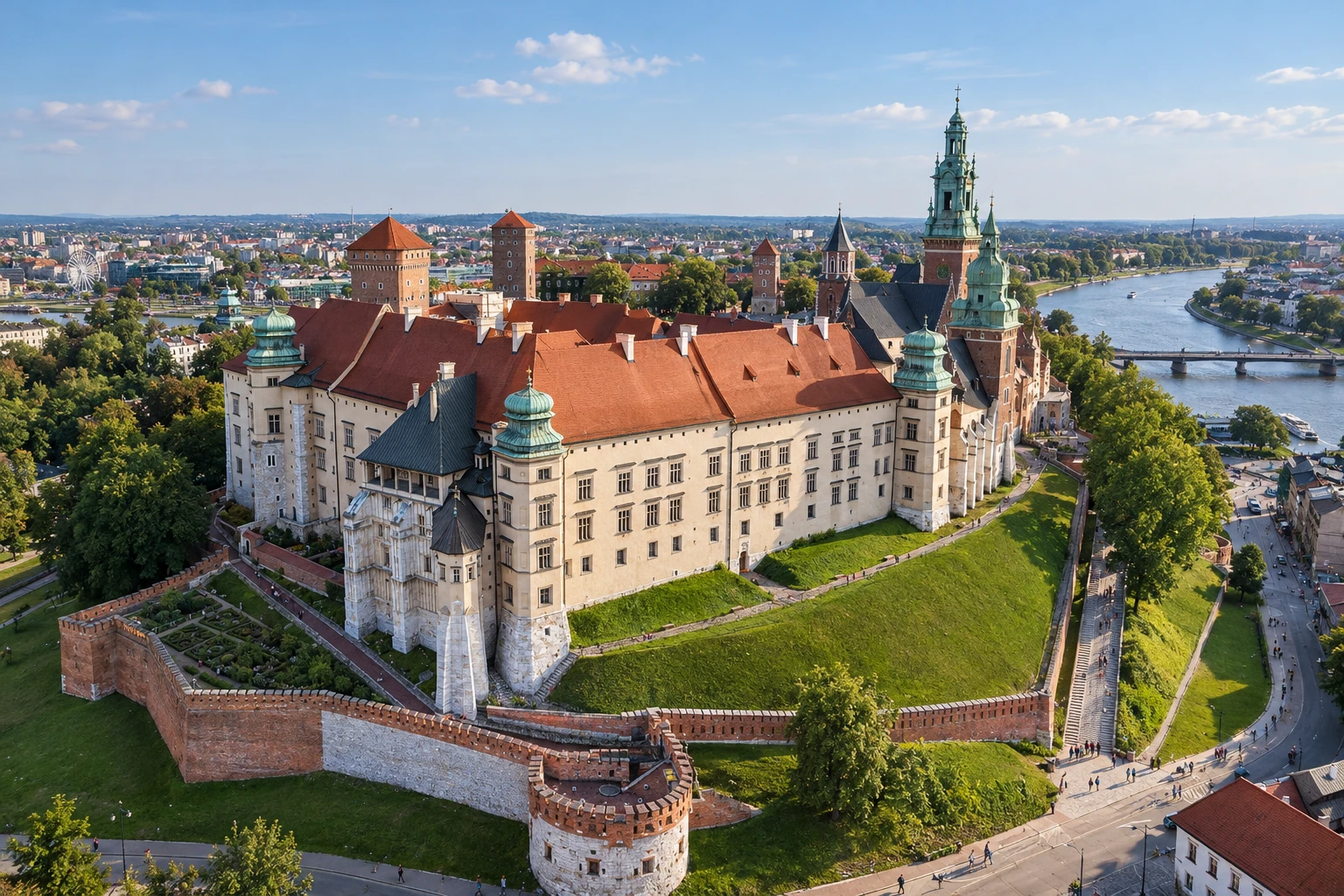
In the photo: Zamek Królewski on Wawel

Illustrative images. The pictures in this guide are illustrations based on the real place, not photographs, and may differ from it.

Get it on Google Play

Get to know the place

A region to enjoy
at your own pace.

Kraków arranges a trip through the former royal capital and three side trips with very different themes. In the city, Rynek Główny square, Wawel and Kazimierz fit into walking routes, but interiors and museums require time beyond the walks.

Wieliczka and Bochnia feature two salt mines from the same World Heritage site. Oświęcim welcomes visitors to the Auschwitz-Birkenau memorial and museum. These are towns with their own identities; travel and the visit should be accounted for, avoiding two long outings in one day.

Kraków is the name used on timetables and tickets. For Brazilians, the regional train network makes side trips easy, while trams cover much of the city. In winter it tends to be cold and darken early; the mines and museums can balance outdoor periods.

This destination brings together 4 cities: Krakow, Wieliczka, Oświęcim, Bochnia.

Share: WhatsApp
Traveler, share your experiences through photos Up to 5 photos of each place you visited.

One destination, many paths

The cities on this trip

Start with one city or combine several in your itinerary.

Where Kraków and the Salt Mines is The star marks the capital, Krakow.
KrakowWieliczkaOświęcimBochnia

Outlines: Natural Earth (public domain). Adapted by Cidade Turismo.

How to get there: Kraków and the Salt Mines

Kraków Airport (KRK) · 15 km to Krakow

Connections from Brazil typically require a stopover in another city. Confirm before purchasing. Kraków airport has a rail link to Kraków Główny. Regional trains serve Wieliczka, Bochnia and Oświęcim; check the last leg between the station and the entrance for each visit.

Suggested arrival point: Krakow

The local experience

Things to do in Kraków and the Salt Mines

Bochnia · Lesser Poland · Historic mine

Bochnia Salt Mine

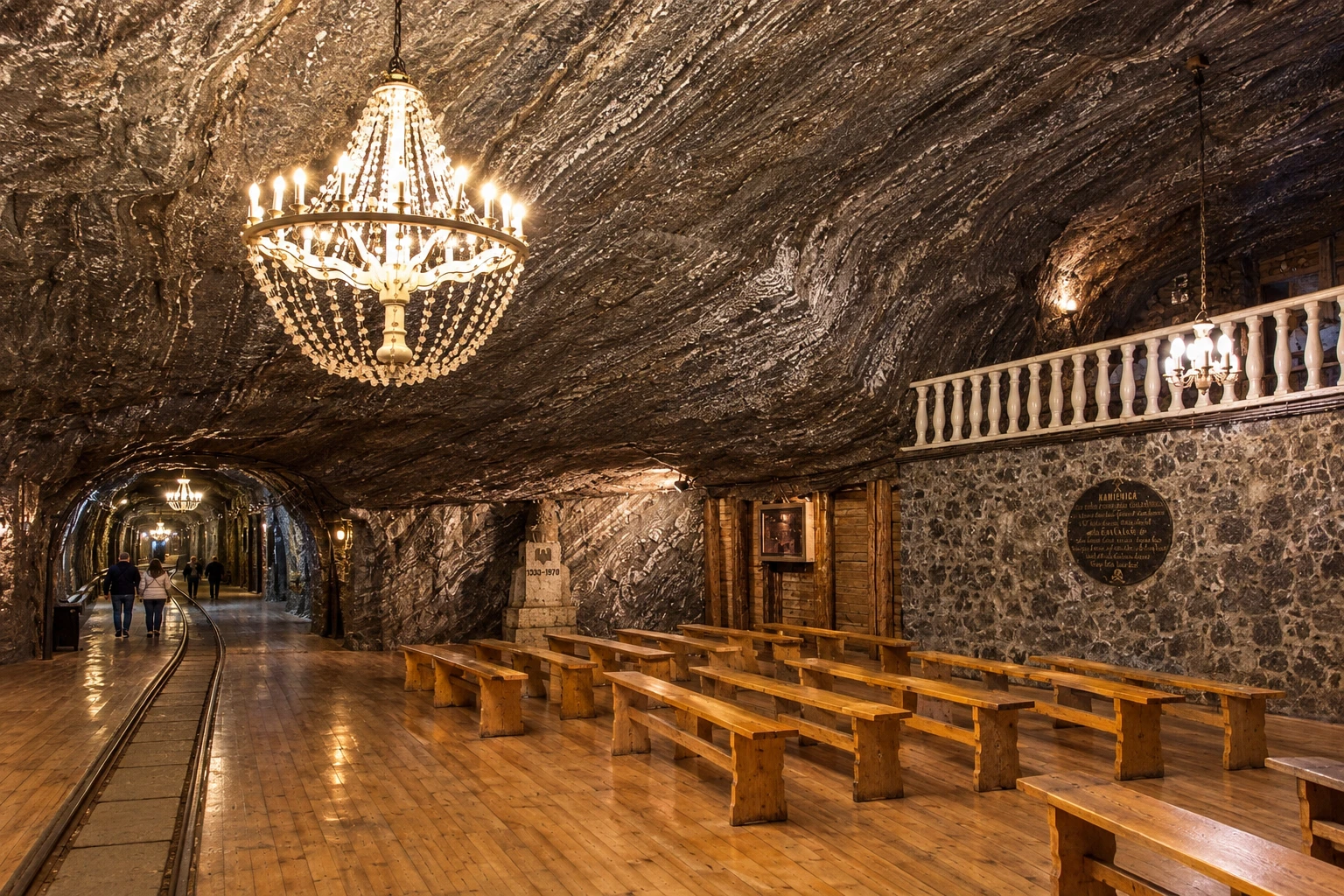
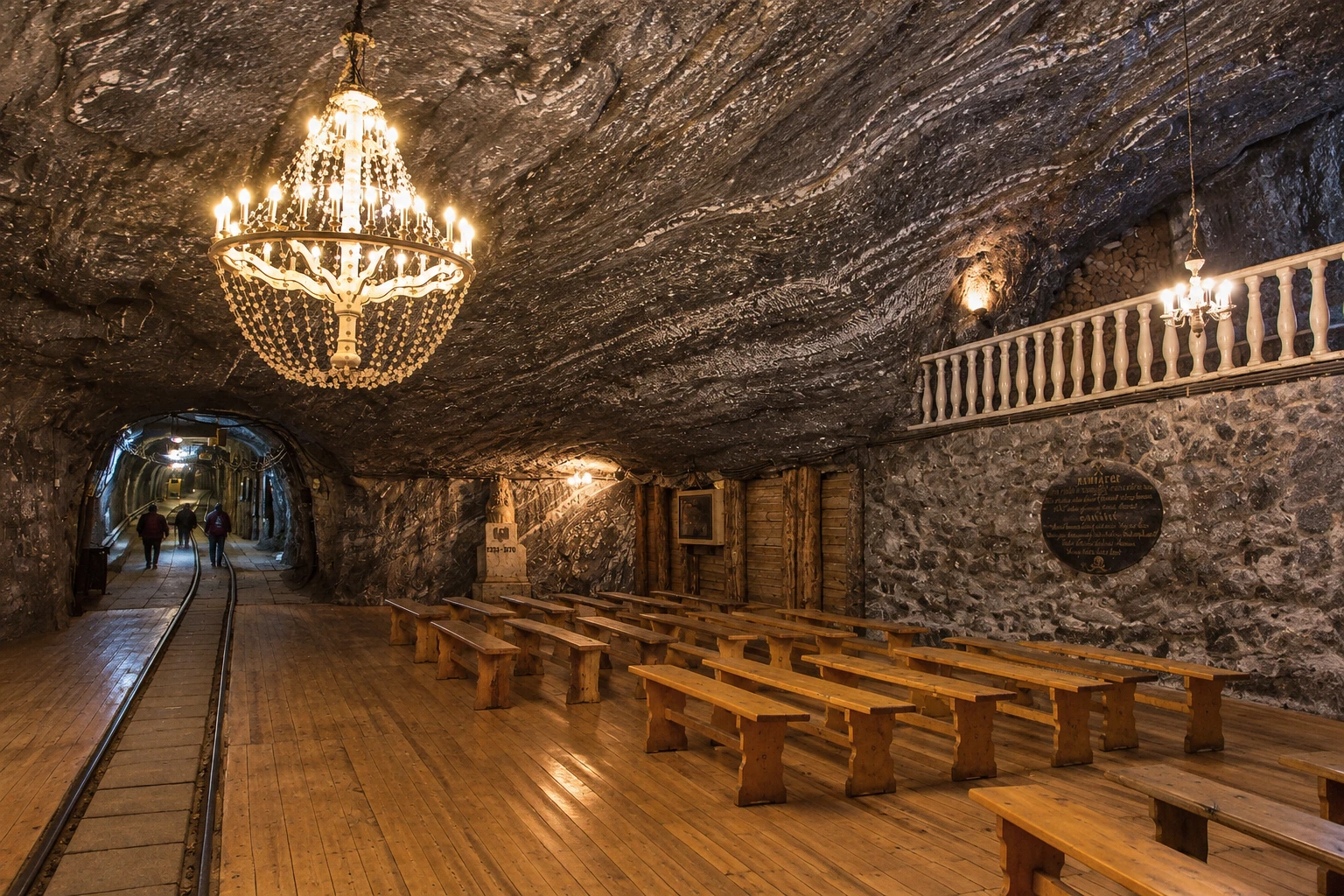
The Bochnia mine is part of the royal saltworks heritage alongside Wieliczka. The underground complex preserves chambers and galleries linked to salt extraction, with a visitor route that has its own circulation and interpretation features.

Explore Bochnia Salt Mine

Wieliczka · Lesser Poland · Historic mine

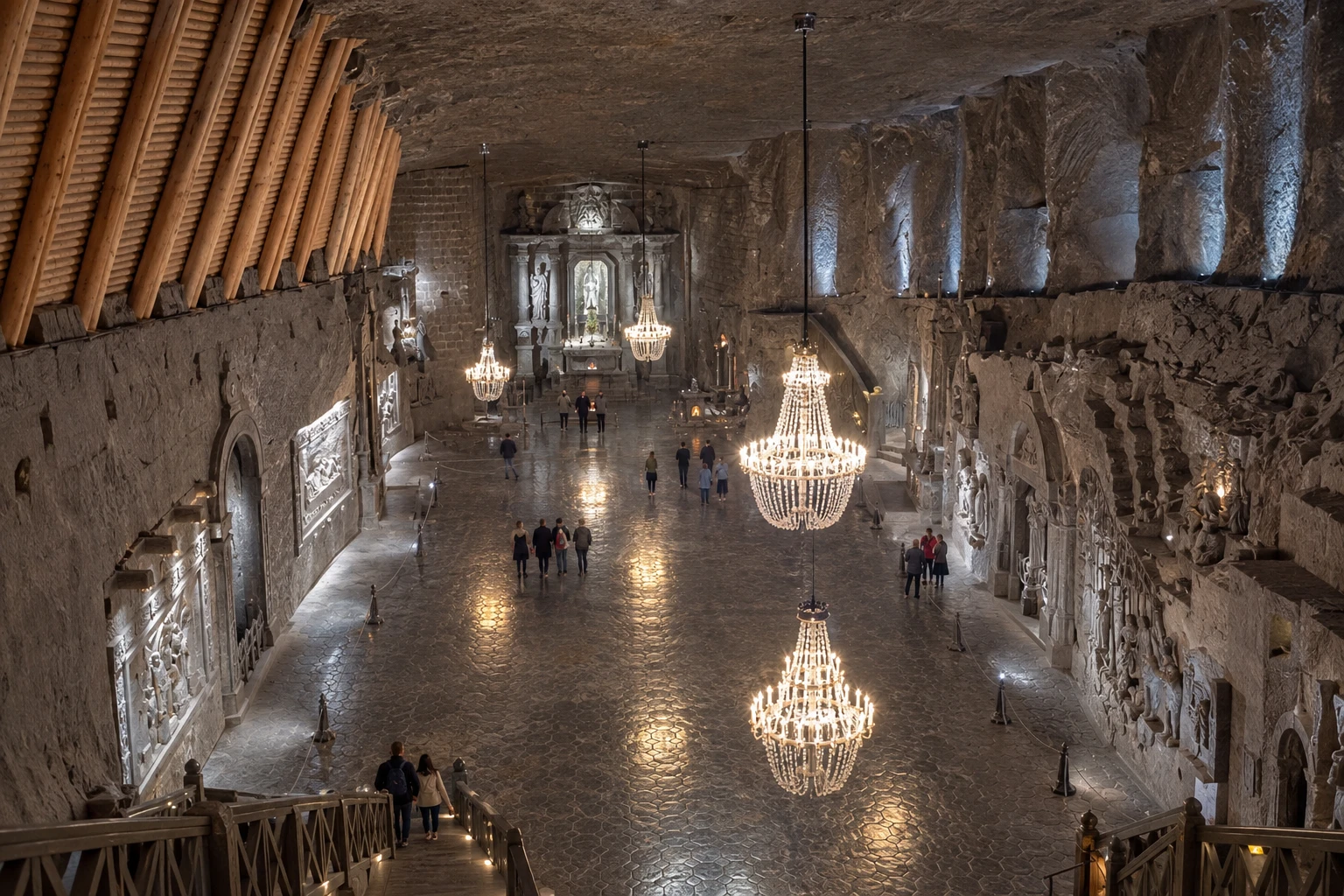
Wieliczka Salt Mine

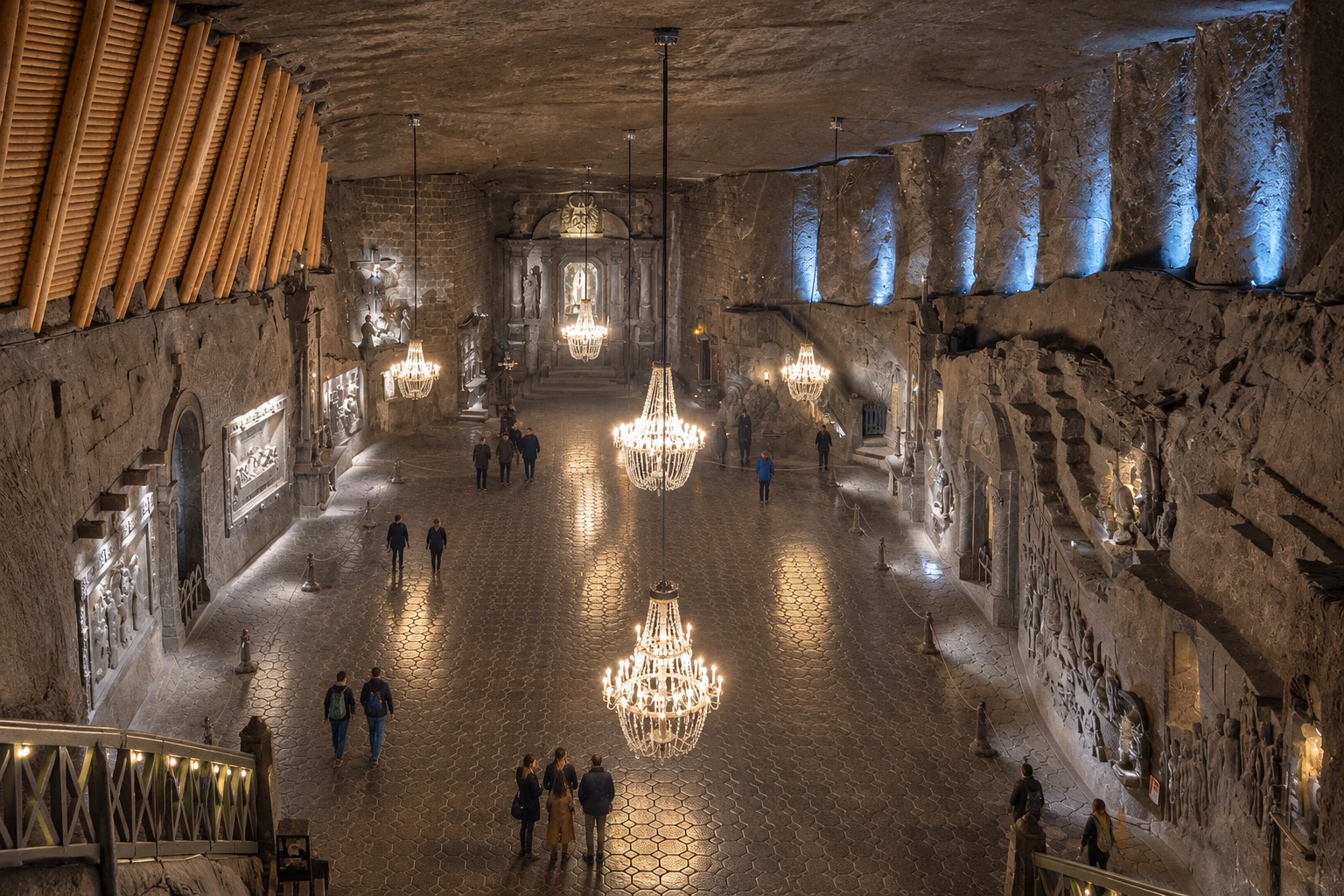
The Wieliczka mine comprises galleries, chambers and salt-excavated spaces south of Kraków. The tourist circuit covers only part of a much larger complex, connected to centuries of extraction and the city’s economic development.

Explore Wieliczka Salt Mine

Oświęcim · Lesser Poland · Memorial and museum

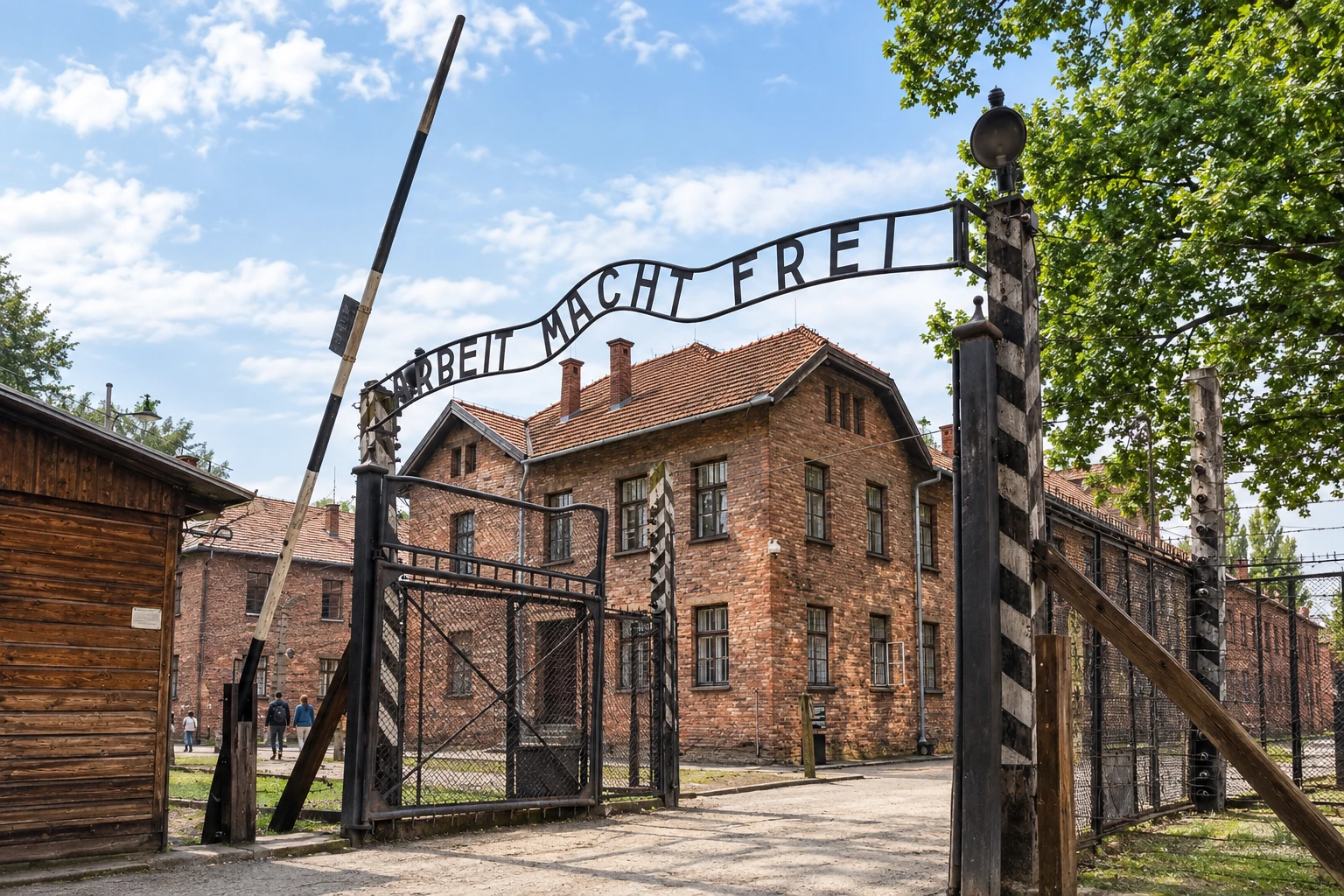
Auschwitz-Birkenau State Museum

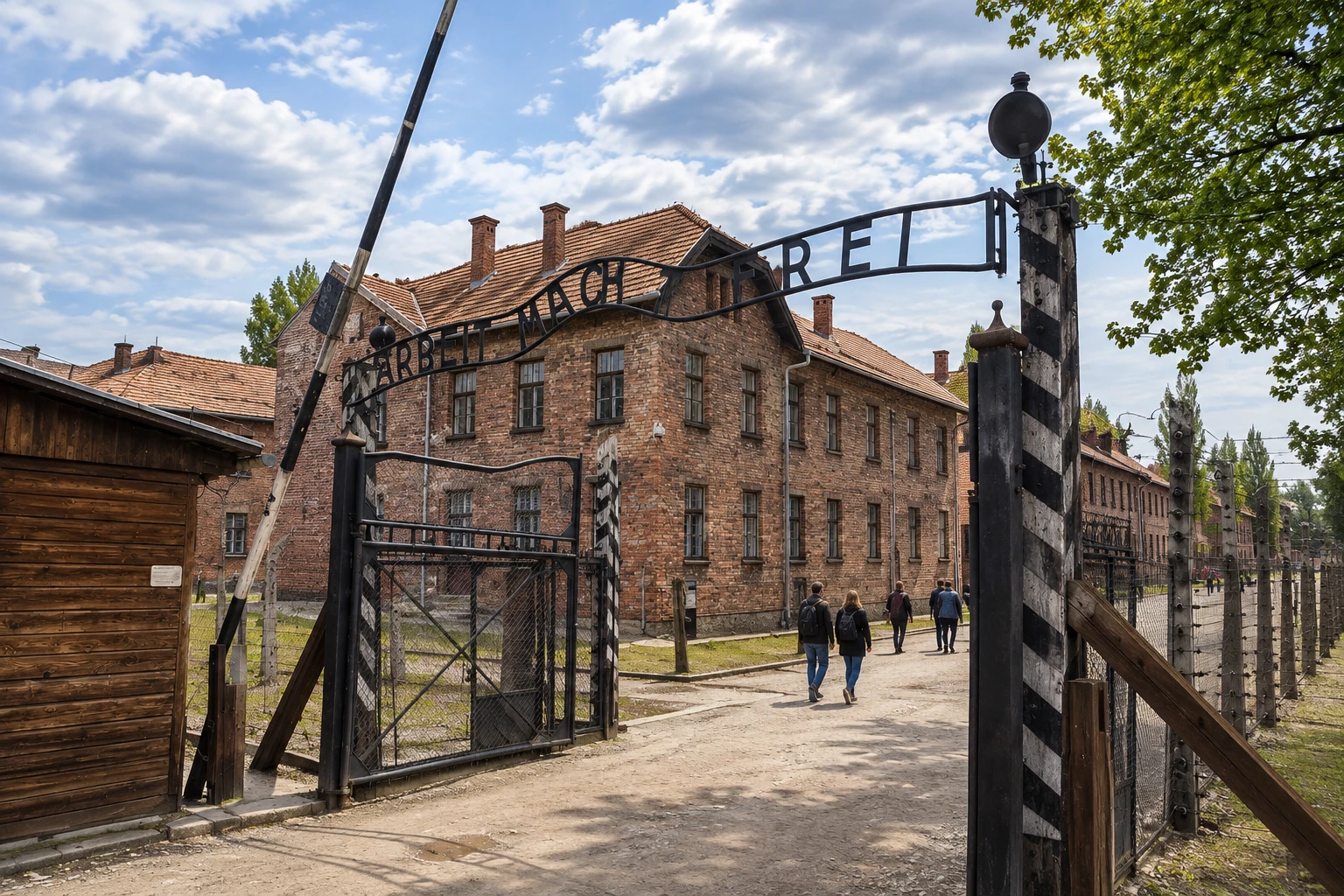
The Auschwitz-Birkenau memorial and museum preserves areas of two former camps: Auschwitz I, in Oświęcim, and Auschwitz II-Birkenau, in Brzezinka. The site is dedicated to the memory of the victims and to understanding what happened in those spaces.

Explore Auschwitz-Birkenau State Museum

Krakow · Lesser Poland · Square

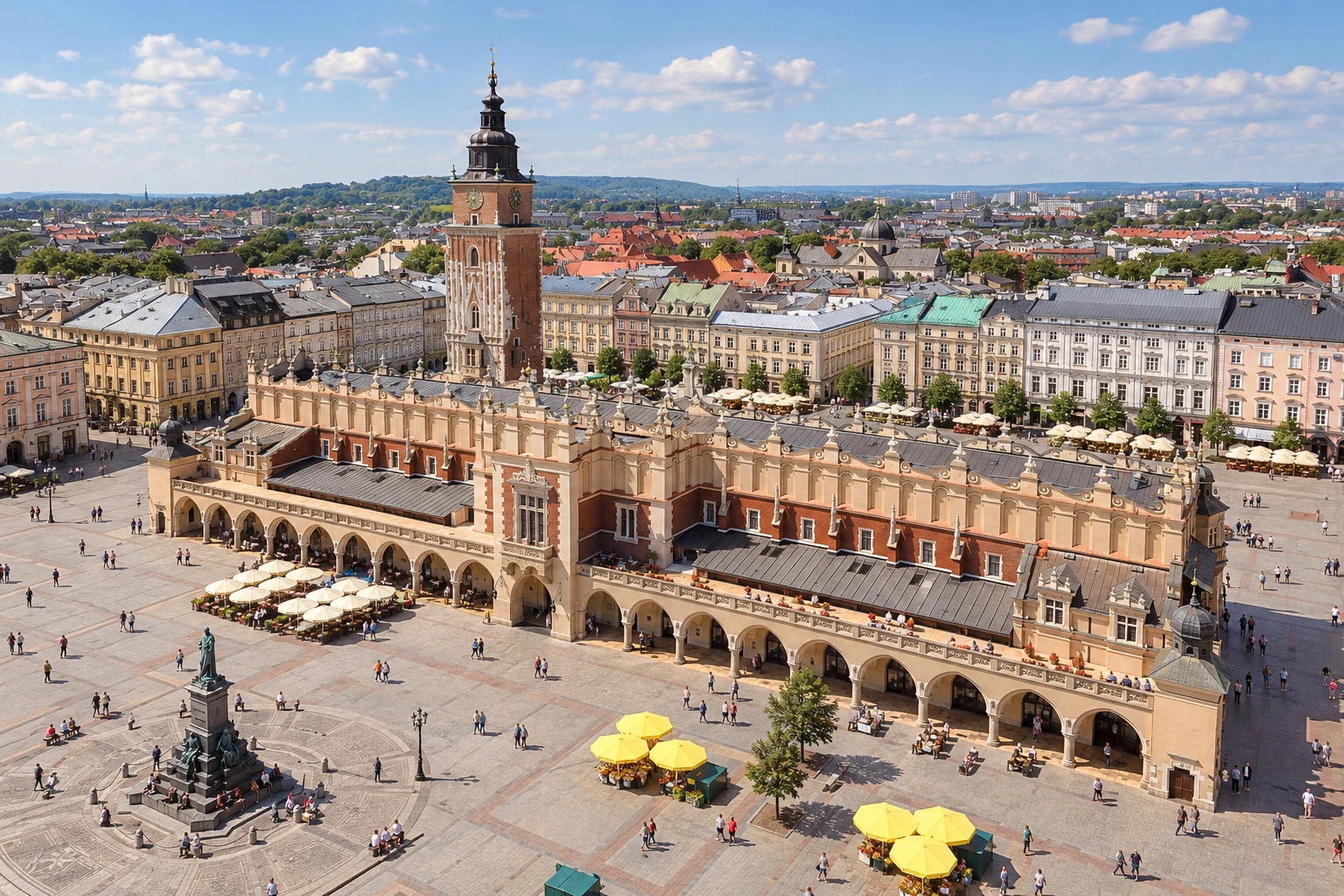
Main Market Square

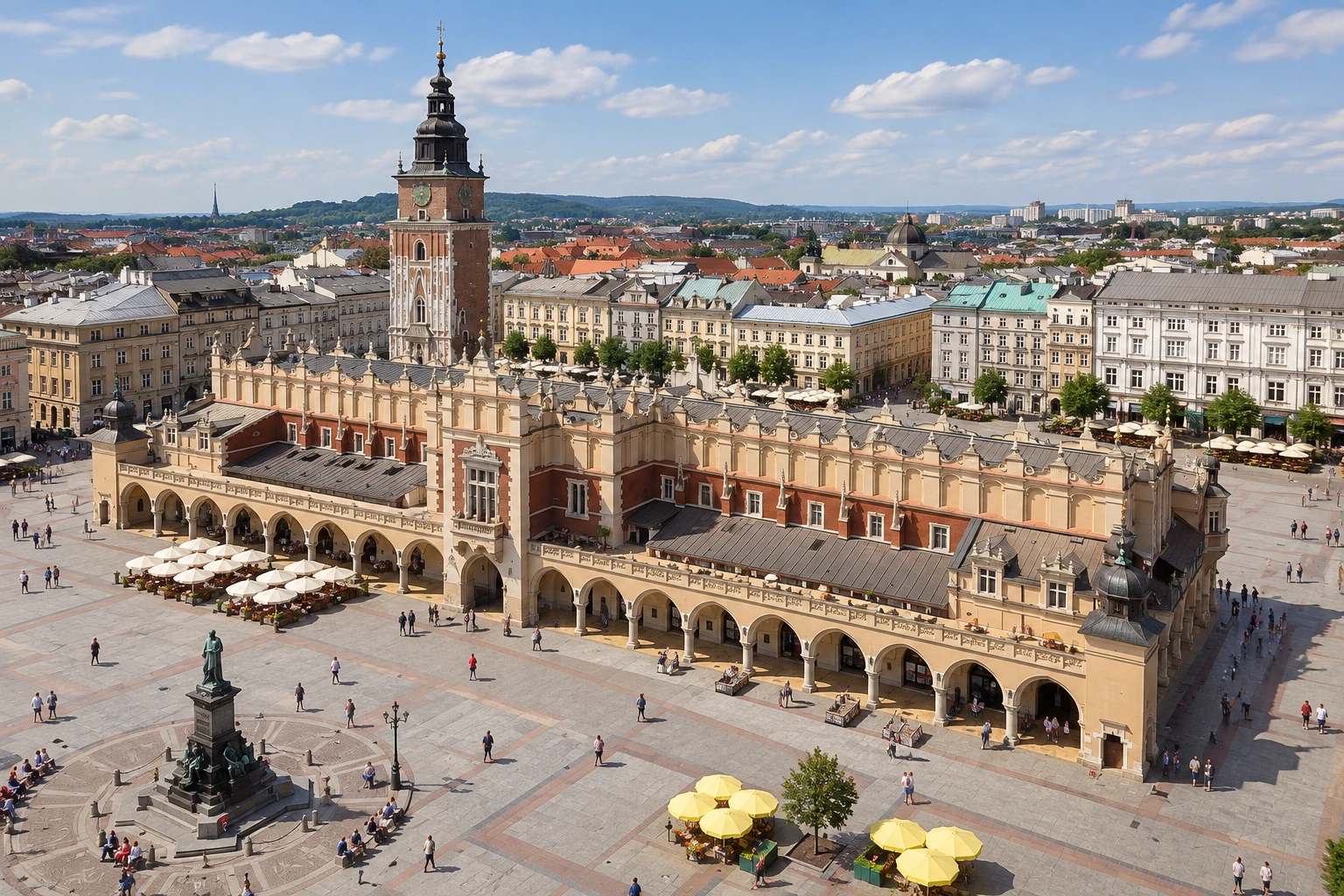
Rynek Główny is the large square in central Kraków, formed from the city’s medieval layout. The open space links pedestrian streets, historic façades and commercial buildings, with the old town hall tower and the Sukiennice as reference points.

Explore Main Market Square

See 12 more places in Kraków and the Salt Mines

Before you go

Practical information

A little planning leaves more time to enjoy the journey.

When to go

April to June and September to October usually work well for combining streets and interiors. From December to February there are short, cold days; between June and August rain and heat can alternate in the same day.

The seasons shown are the most usual ones; nature doesn't always follow the calendar.

How many days to stay

Allow five to seven days: three in Kraków, one for Auschwitz-Birkenau and another for a salt mine. Add a day if you want to compare Wieliczka and Bochnia, without treating one as a repeat of the other.

Which city to stay in

Stare Miasto makes first contact with Kraków easy; Kazimierz brings you closer to neighbourhood life and the Vistula. Near Kraków Główny, priority is railway logistics. The other towns allow overnight stays to start visits with less travel.

Respect the place

Take your trash with you, follow the signs and support local businesses. In natural areas, follow the visiting guidelines.

Beyond the guide

Your questions

Frequently asked questions about Kraków and the Salt Mines

How to get to Kraków and the salt mines?

Kraków airport has a rail link to Kraków Główny. Regional trains serve Wieliczka, Bochnia and Oświęcim; check the last leg between the station and the entrance for each visit.

How many days to allocate to Kraków and the salt mines?

Allow five to seven days: three in Kraków, one for Auschwitz-Birkenau and another for a salt mine. Add a day if you want to compare Wieliczka and Bochnia, without treating one as a repeat of the other.

What time of year generally favors a trip to Kraków and the salt mines?

April to June and September to October usually work well for combining streets and interiors. From December to February there are short, cold days; between June and August rain and heat can alternate in the same day.

Where to base yourself in Kraków and the salt mines?

Stare Miasto makes first contact with Kraków easy; Kazimierz brings you closer to neighbourhood life and the Vistula. Near Kraków Główny, priority is railway logistics. The other towns allow overnight stays to start visits with less travel.

Explore other destinations Search by state and city