Teja
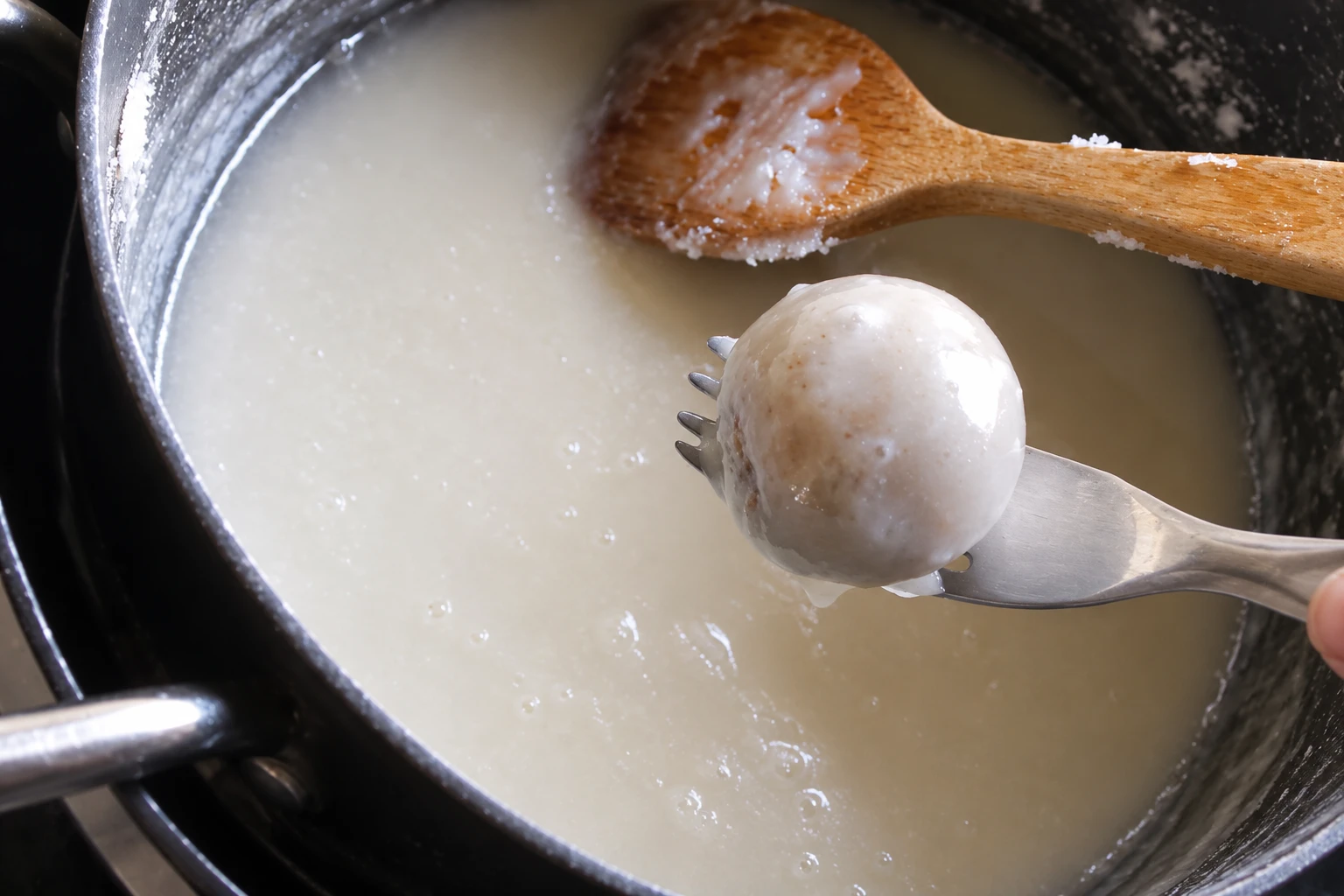
Manjar blanco bonbon with a filling of candied fruit or pecan nuts, covered in fondant; the chocoteja is the chocolate version. It is Ica’s traditional sweet, recognized by the municipal government as culinary heritage.
Antarctica
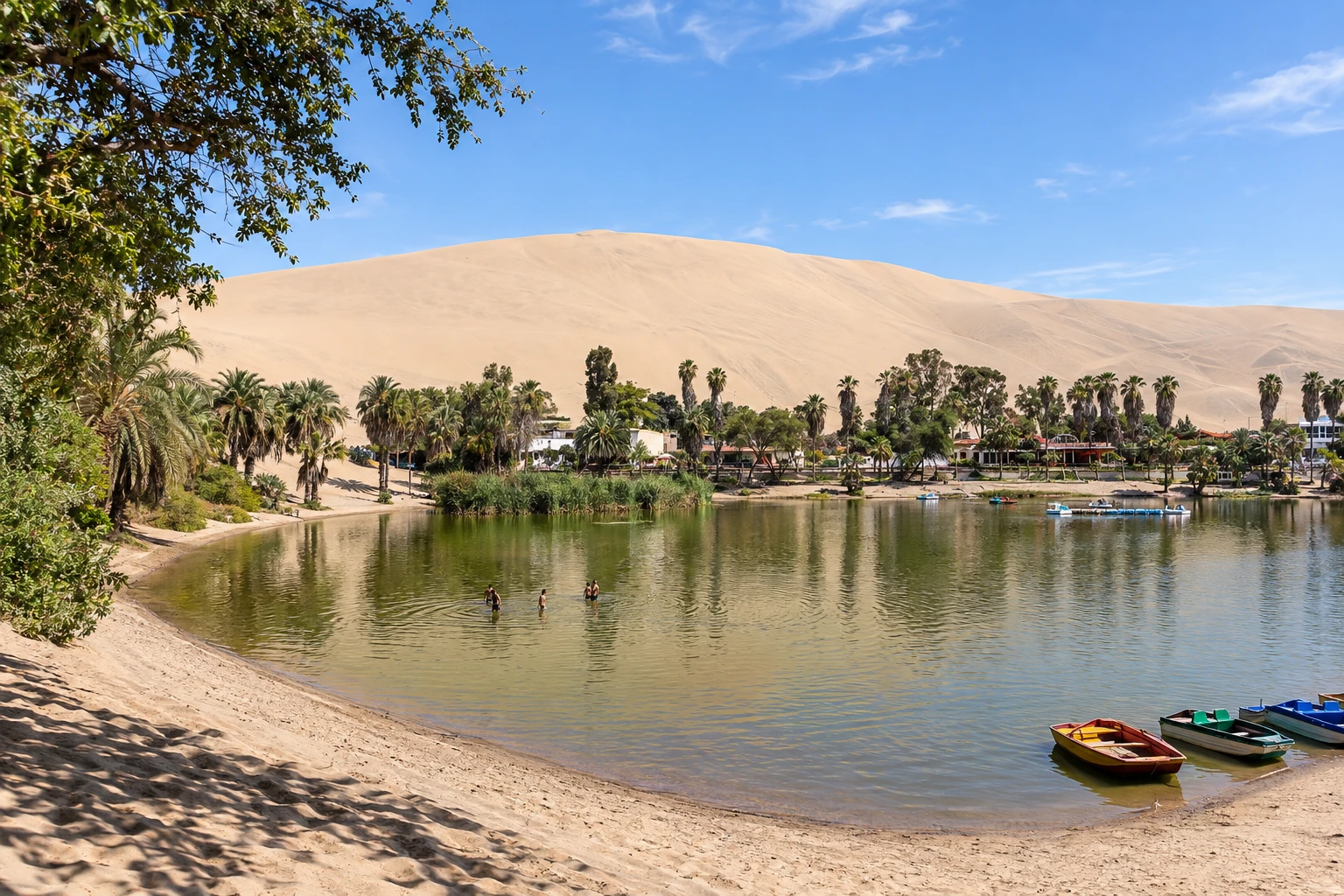
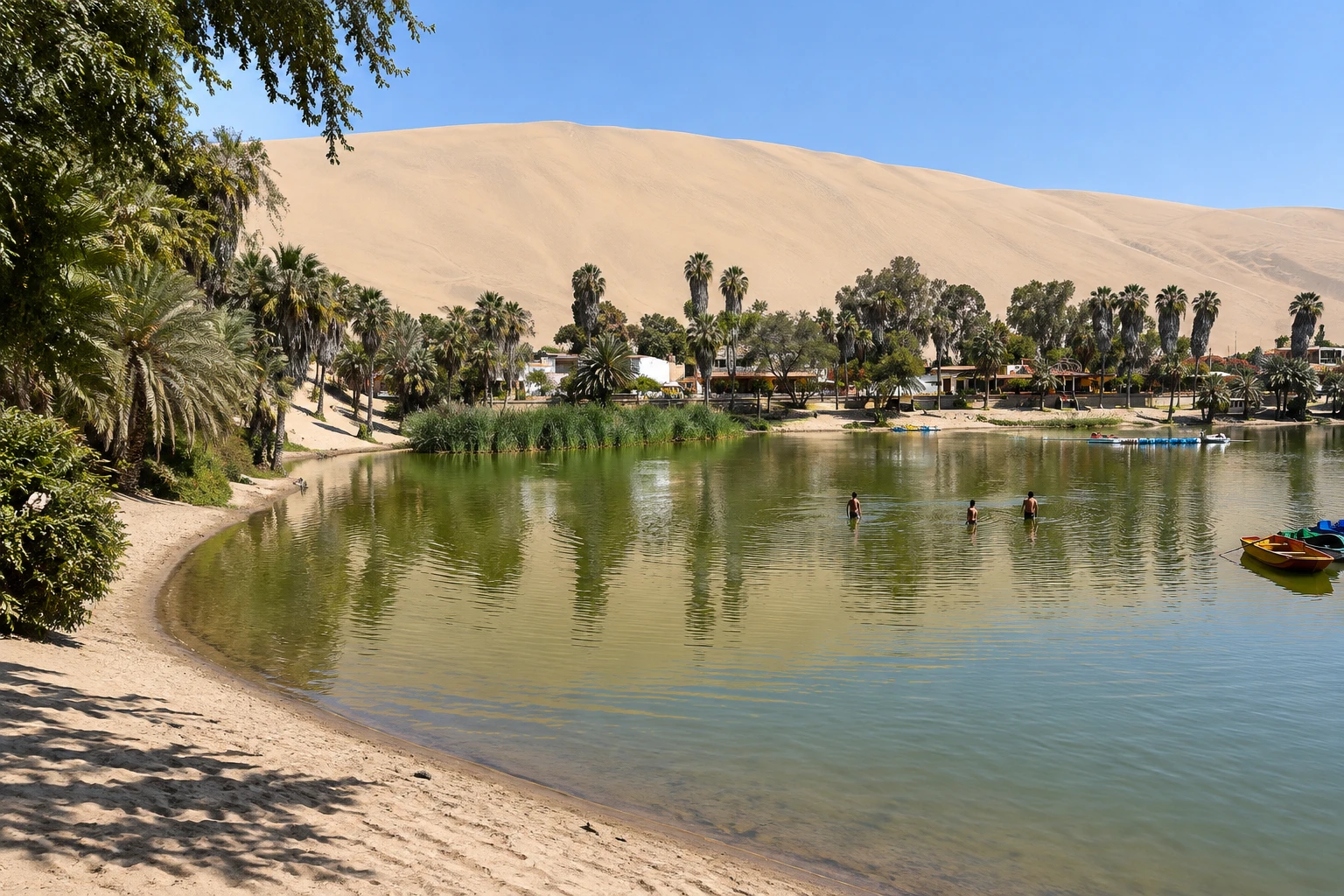
In the photo: Oasis of Huacachina, Ica.
Illustrative images. The pictures in this guide are illustrations based on the real place, not photographs, and may differ from it.
The city
Ica is the departmental capital, in a green valley amid the desert, at about 400 meters altitude and 300 km from Lima. The valley is the center of Peru's pisco and wine production, with bodegas that welcome visitors. Five km from the center is the oasis of Huacachina, with a lagoon surrounded by dunes, and downtown is the Museo Regional, with pieces from the Paracas and Nazca cultures.
There's no accommodation in the guide yet in Ica.
Tem hotel, pousada ou casa de temporada aqui? Cadastre a suaHotéis e restaurantes da cidade no mapa.
how to get there · how many days · itinerary · questions
Flavors of Peru
The local experience
Oasis with a lagoon surrounded by palm trees and dunes over 100 m high, 5 km from the center of Ica, from where buggy and sandboard tours into the desert depart, with the sunset from the top of the dunes.
The regional museum of Ica, with textiles and trepanned skulls from the Paracas culture, polychrome Nazca pottery, mummies and a model of the Nazca Lines, administered by the Ministry of Culture.
Before you go
Ica – Peru Destination Paracas, Ica, and Nazca Capital
Approximate distances. Check flights and bus, train or boat schedules before you travel.
Connections from Brazil may be direct flights or with a stopover, depending on the season and airline. Check before you buy. From Lima it's about 300 km via the Panamericana Sur, 5 to 6 hours by bus. From Paracas it's 75 km, about 1h15. From Ica to Nazca about 145 km, 2h30. Buses arrive at the companies' terminals in town.
One day: the morning at the Museo Regional and at a valley bodega, and the afternoon in Huacachina with a dune tour and sunset. With one night in Huacachina there's time for more bodegas.
Year‑round, with sun and almost no rain. From December to April it tends to be very hot. The grape harvest, from February to April, is the season for picking grapes, and in March the town usually holds the Fiesta de la Vendimia with parades and contests. Desert nights are cool.
The seasons shown are the most usual ones; nature doesn't always follow the calendar.
No. Taxis connect downtown to Huacachina in 10 minutes, and agencies sell tours to the valley bodegas and the dunes. A car helps if you want to visit several bodegas, but don't mix drinking with driving.
Suggested itinerary
Built with the places on this page. No rush: it's paced so you have time to see them.
Start with the Museo Regional de Ica, with the mantles and skulls of the Paracas culture and Nazca pottery.
Visit a bodega in the Ica valley to see how pisco is made, from the presses to the barrels, with a moderate tasting.
Head to Huacachina and take the buggy and sandboard tour on the dunes, with a stop for the sunset.
Have dinner around the Huacachina lagoon and walk along the oasis' waterfront.
Check before you go. Opening hours and days change, and places may close for renovations, holidays or events. This itinerary is a suggestion from Cidade Turismo, not a commitment: plan yours by checking directly with each place you intend to visit.
Before you go
It is a distilled grape brandy produced in the valleys of the southern coast of Peru, with Ica as the main center. It is the base of the pisco sour. Drink in moderation.
Yes. Many wineries in the valley, from traditional ones to larger producers, welcome visitors to show their production and offer tastings. Agencies sell the tour, and there are taxis that run the circuit.
About 5 km, 10 minutes by taxi from the center.
Yes, mainly from December to April, with strong sun during the day. Desert nights are cool. Bring a hat, sunscreen and water.