15 places to visit, chosen by the Cidade Turismo guide.
Illustrative images. The pictures in this guide are illustrations based on the real place, not photographs, and may differ from it.
To start
The 10 main places Mexico City and Teotihuacan
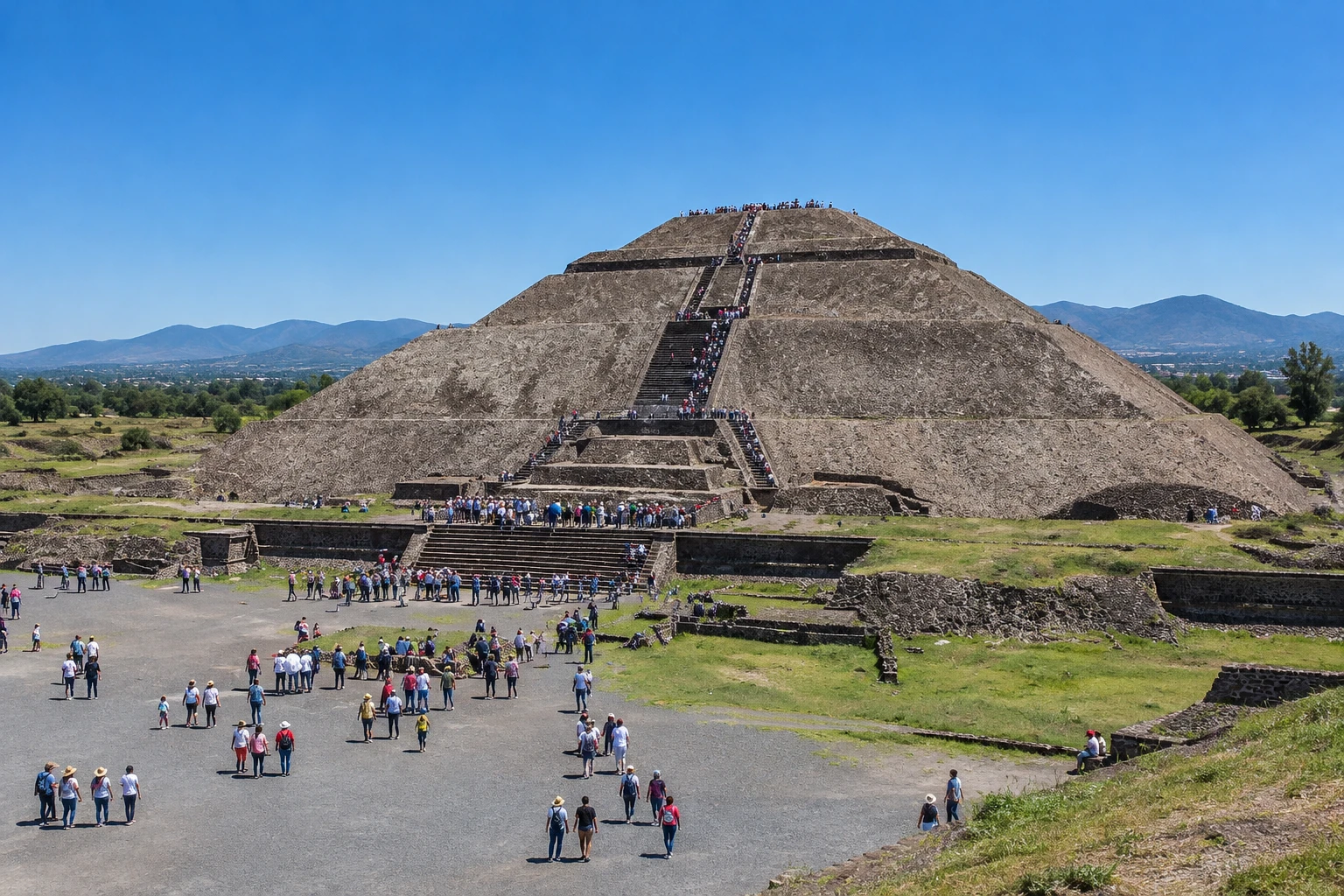
Teotihuacan Archaeological Site · San Juan TeotihuacánThe ancient city of the Pyramids of the Sun and the Moon and the Calzada de los Muertos, one of the largest pre-Hispanic cities in the Americas, a World Heritage Site since 1987.
Zócalo (Plaza de la Constitución) · Mexico CityThe central square of Mexico City, with the Cathedral to the north and the National Palace to the east, built over the former center of Tenochtitlan.
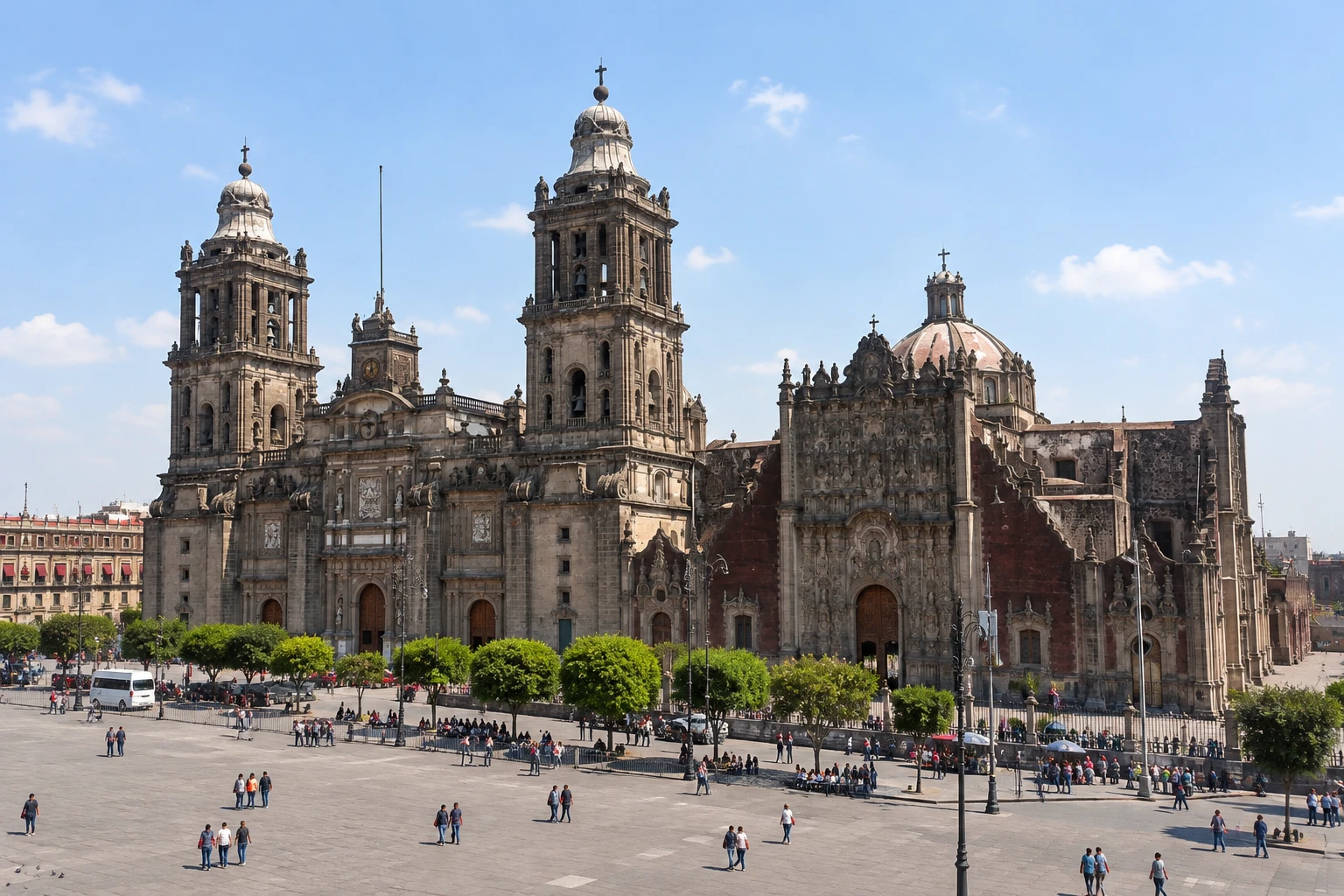
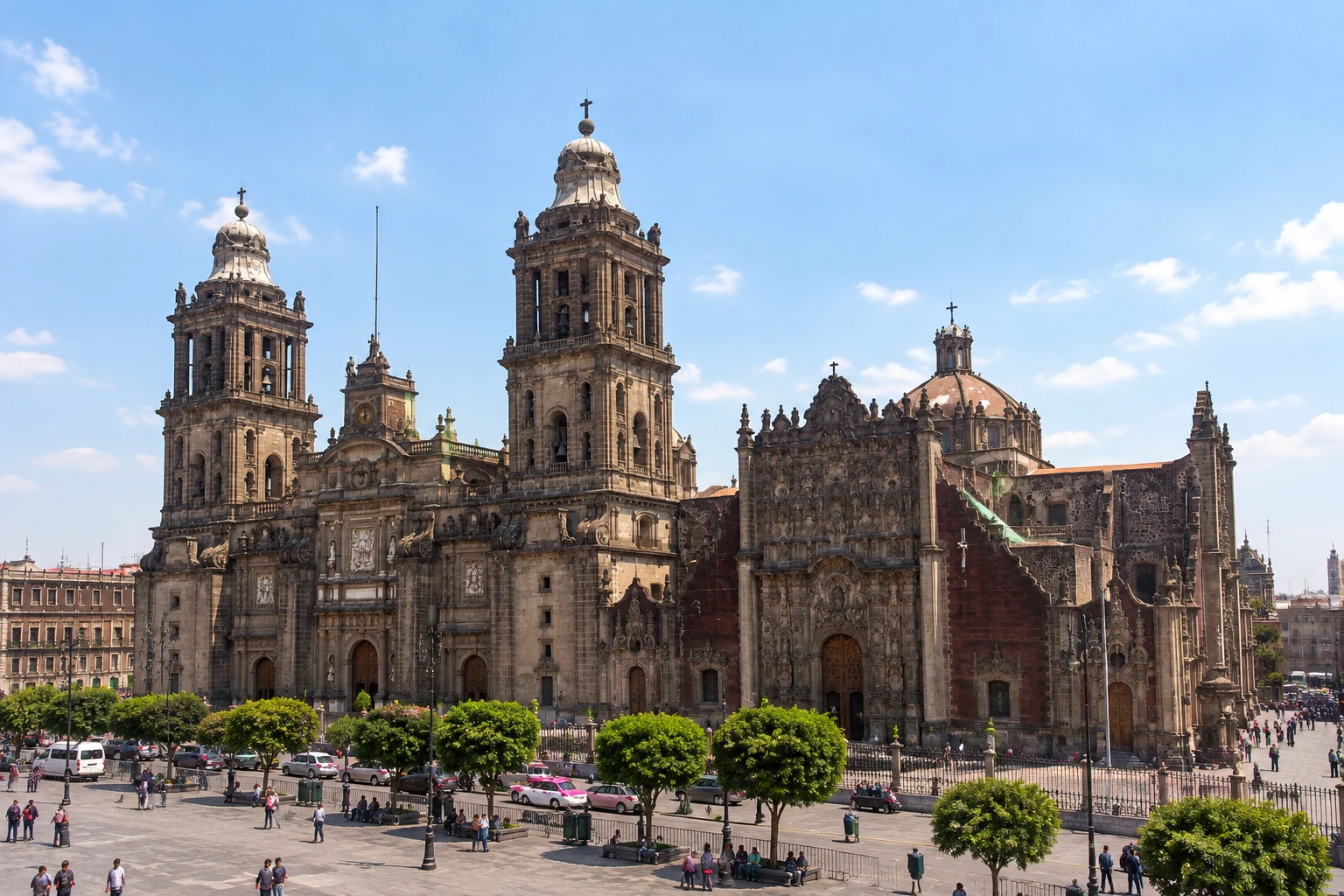
Mexico City Metropolitan Cathedral · Mexico CityThe largest cathedral in the Americas, built from 1573 to 1813, with Baroque and Neoclassical façades, gilded altarpieces and two towers overlooking the Zócalo.
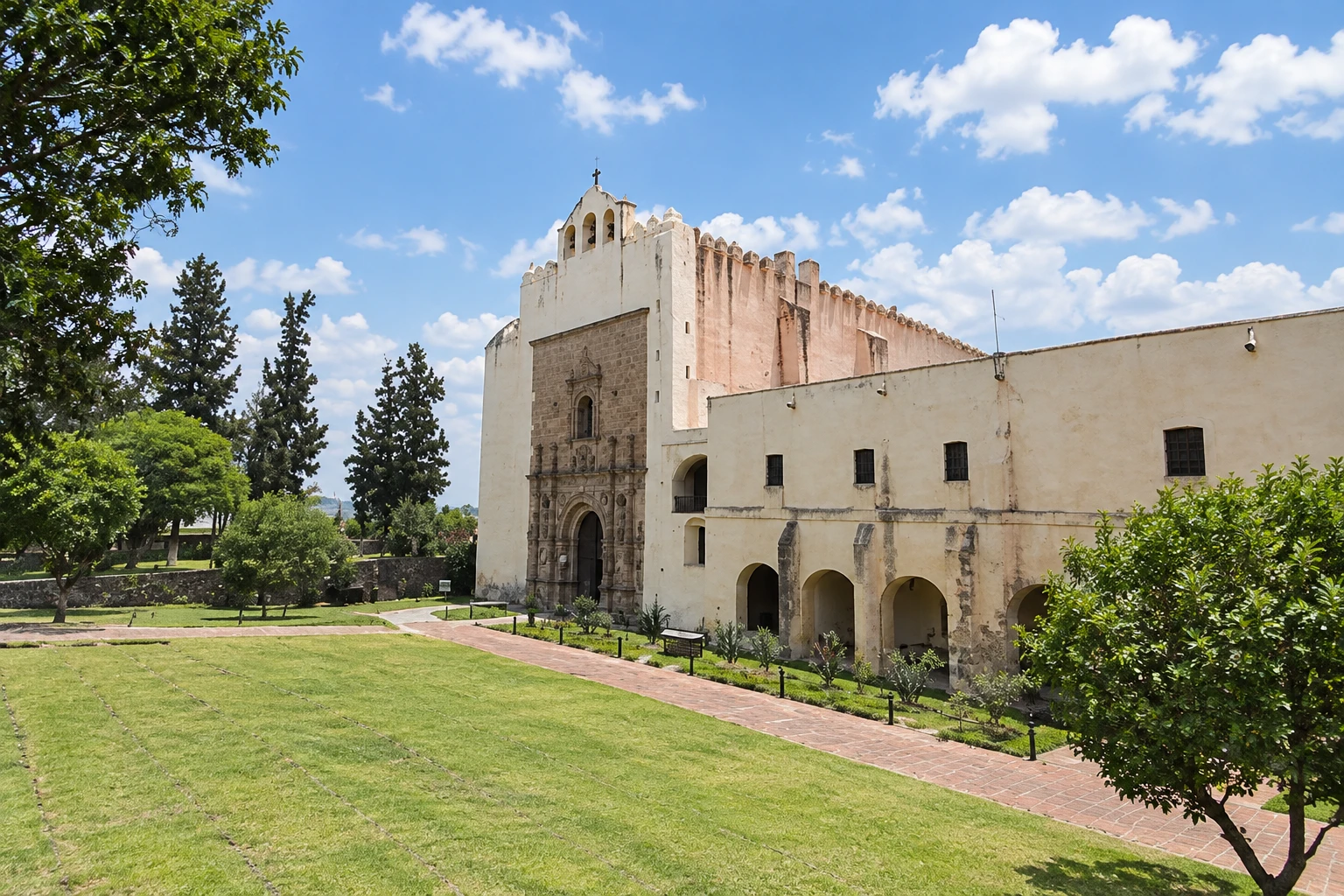
Ex Convento de San Agustín de Acolman · San Juan Teotihuacán16th-century fortified Augustinian convent with a plateresque façade, cloisters and murals, about 10 km from Teotihuacan; it operates as a museum.
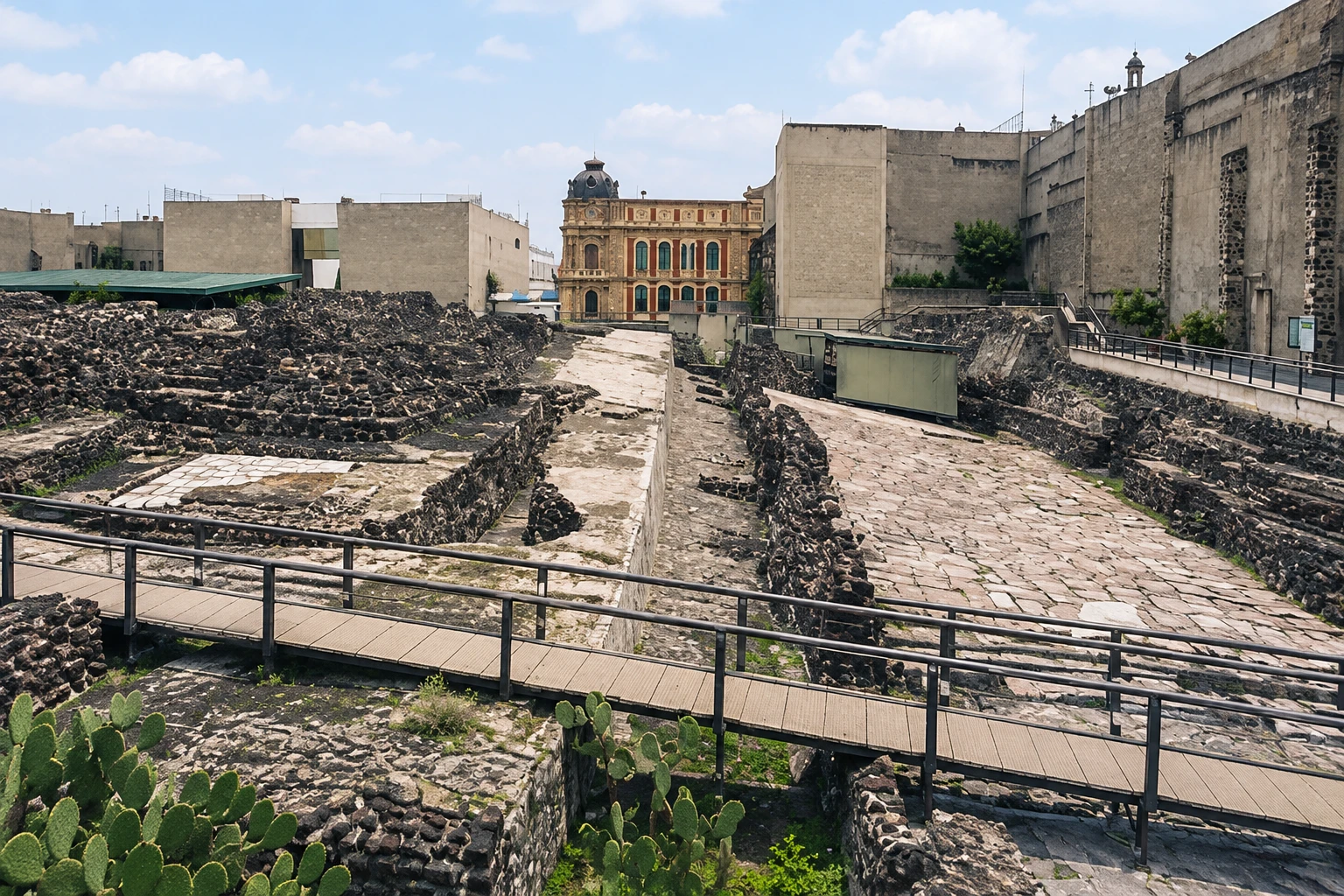
Templo Mayor · Mexico CityRuins of the main temple of Tenochtitlan, the Aztec capital, dedicated to Huitzilopochtli and Tláloc, with an eight-room museum next to the Zócalo.
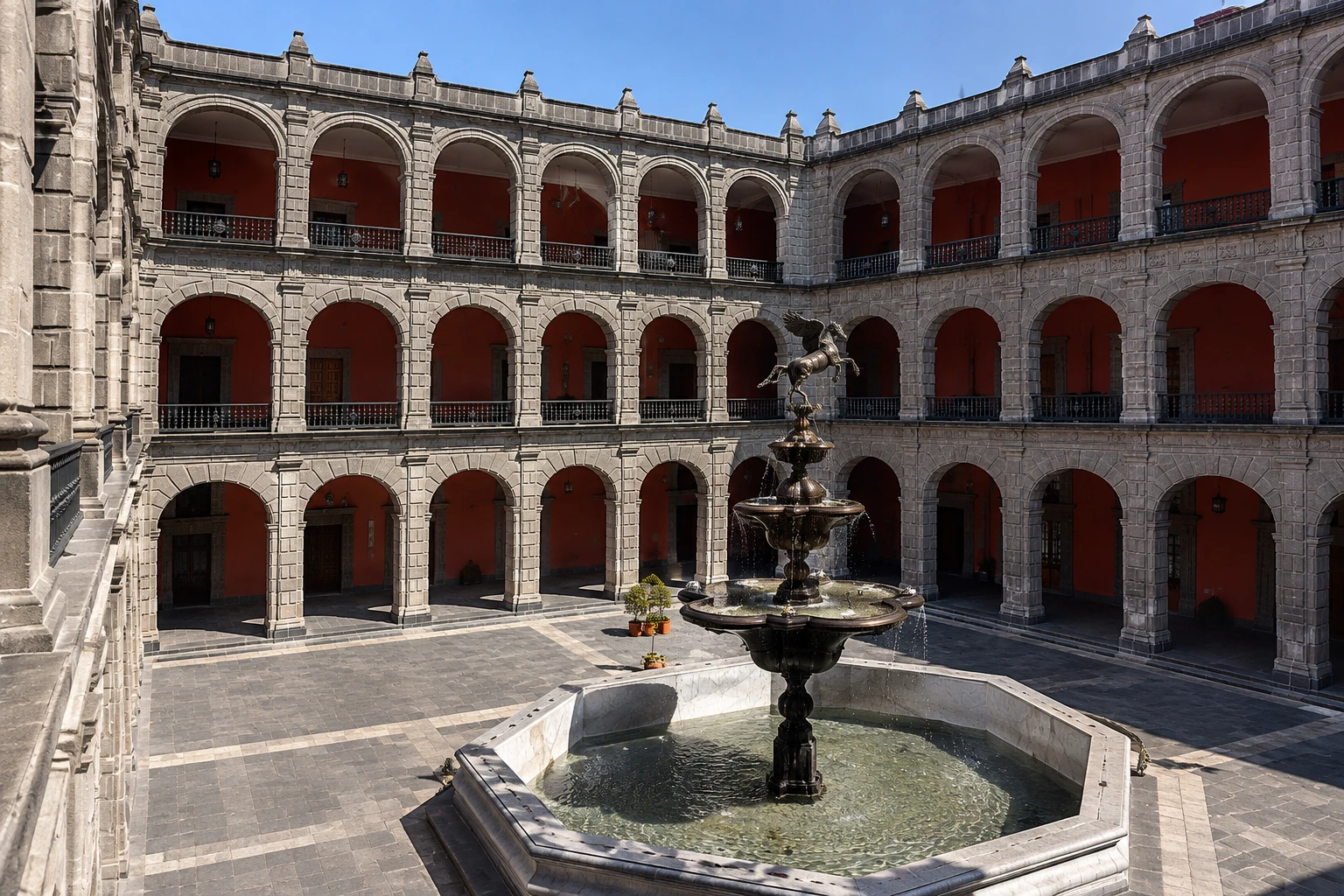
National Palace · Mexico CitySeat of the federal government on the east side of the Zócalo, with Diego Rivera’s murals about Mexico’s history on the staircase and in the corridors.
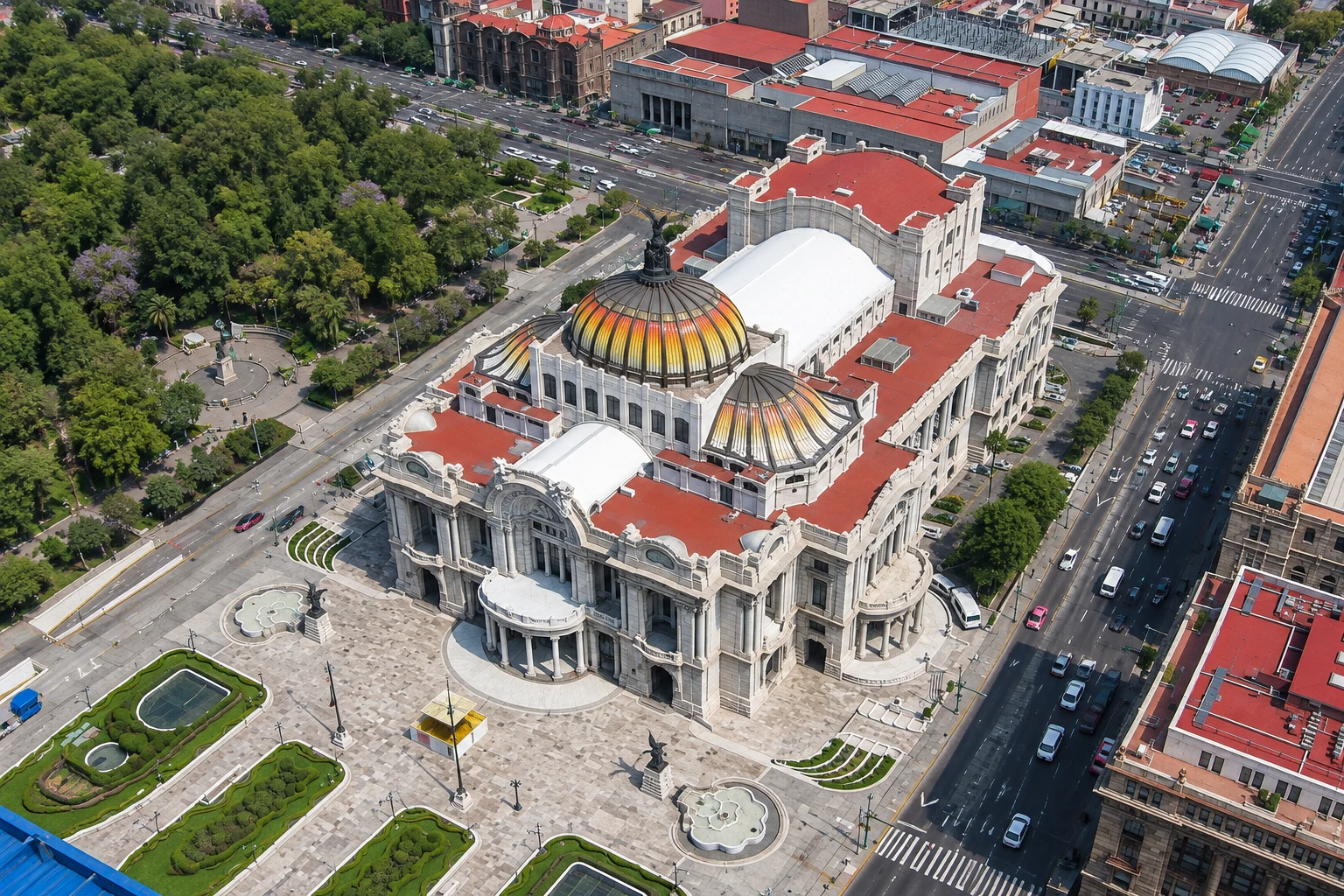
Palace of Fine Arts · Mexico City1934 art theatre and museum with a marble façade, domes, a Tiffany glass curtain, and murals by Rivera, Orozco, Siqueiros, and Tamayo.
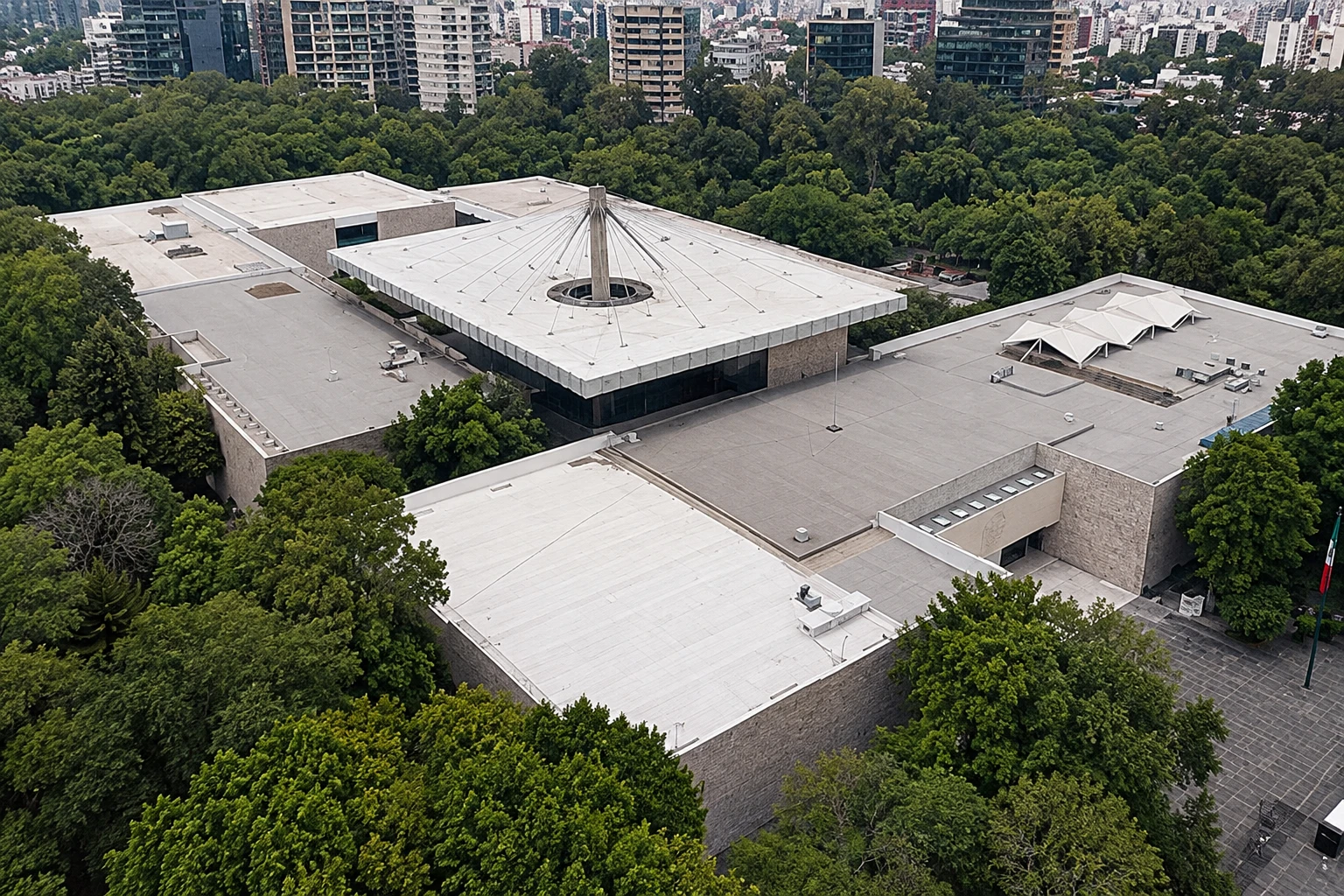
National Museum of Anthropology · Mexico CityMexico's largest archaeology museum, in Chapultepec, with 23 rooms, the Aztec Sun Stone, Olmec heads, and Mayan art.
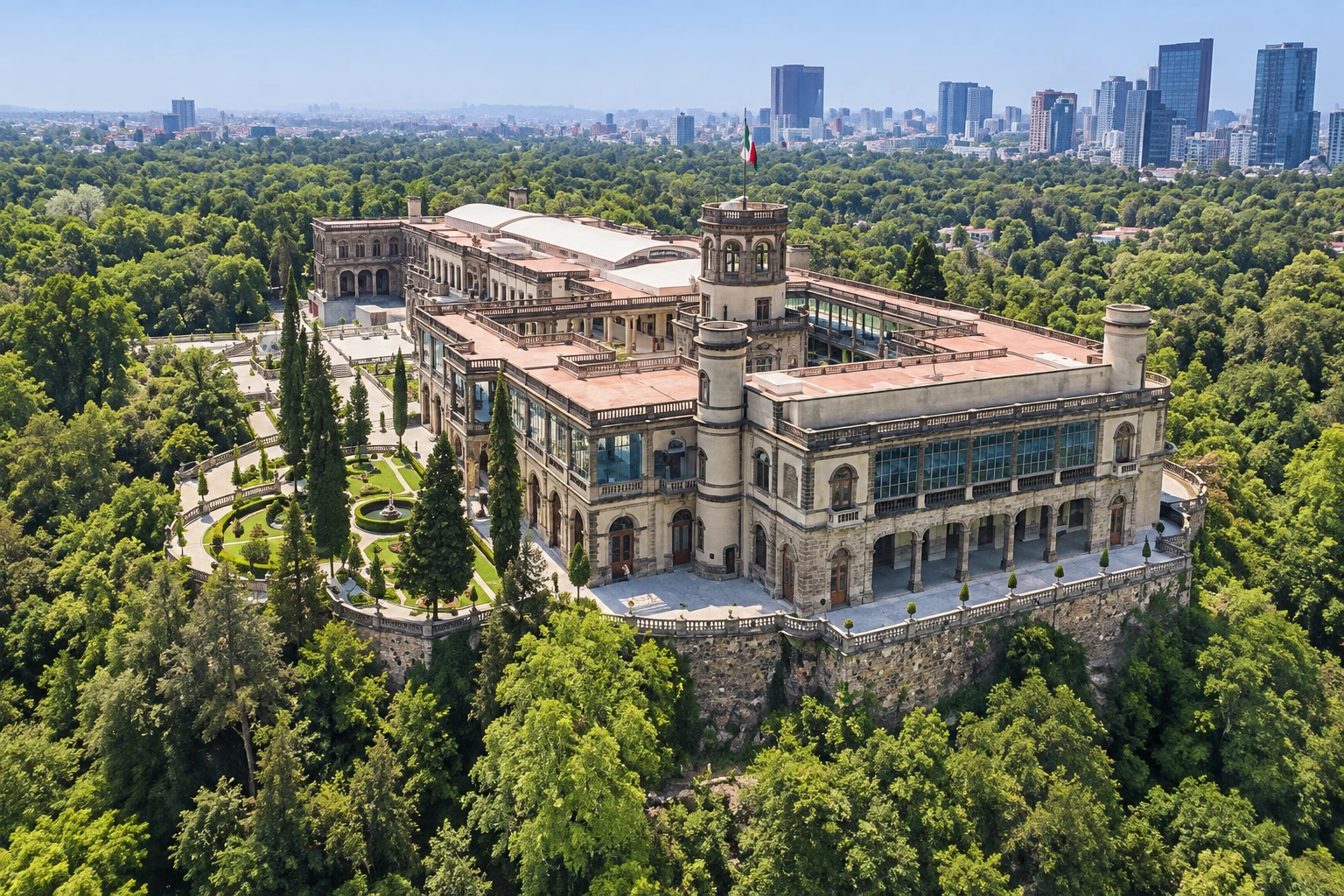
Chapultepec Castle · Mexico CityCastle atop the Chapultepec hill, residence of Emperor Maximilian and home to the National Museum of History, with views of Paseo de la Reforma.
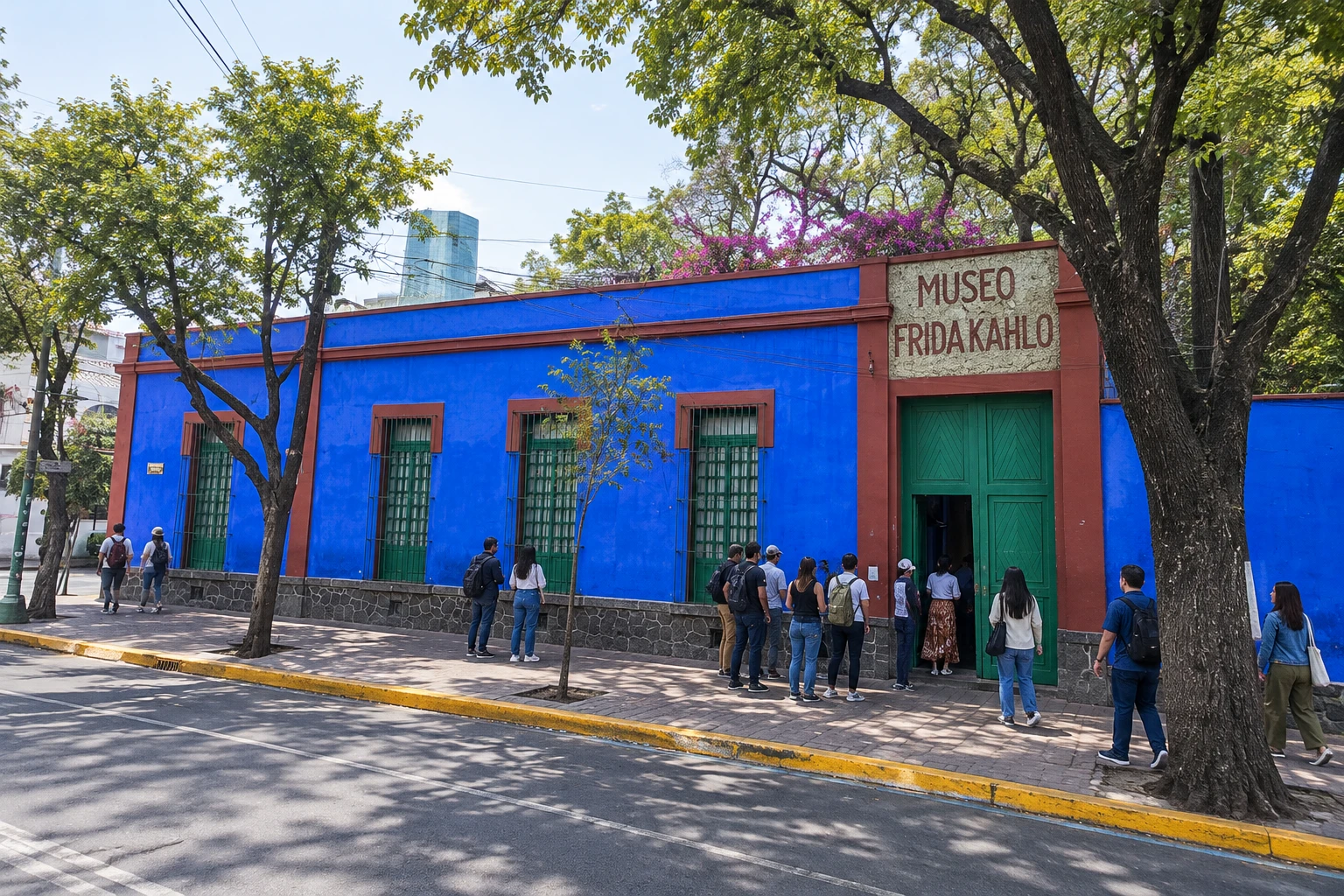
Frida Kahlo Museum (Casa Azul) · Mexico CityThe Blue House where Frida Kahlo was born, lived with Diego Rivera and died, in Coyoacán, containing artworks, personal objects and her studio.
One by one
All the places, with photos
San Juan Teotihuacán · State of Mexico · Archaeological site
The ancient city of the Pyramids of the Sun and the Moon and the Calzada de los Muertos, one of the largest pre-Hispanic cities in the Americas, a World Heritage Site since 1987.
The largest cathedral in the Americas, built from 1573 to 1813, with Baroque and Neoclassical façades, gilded altarpieces and two towers overlooking the Zócalo.
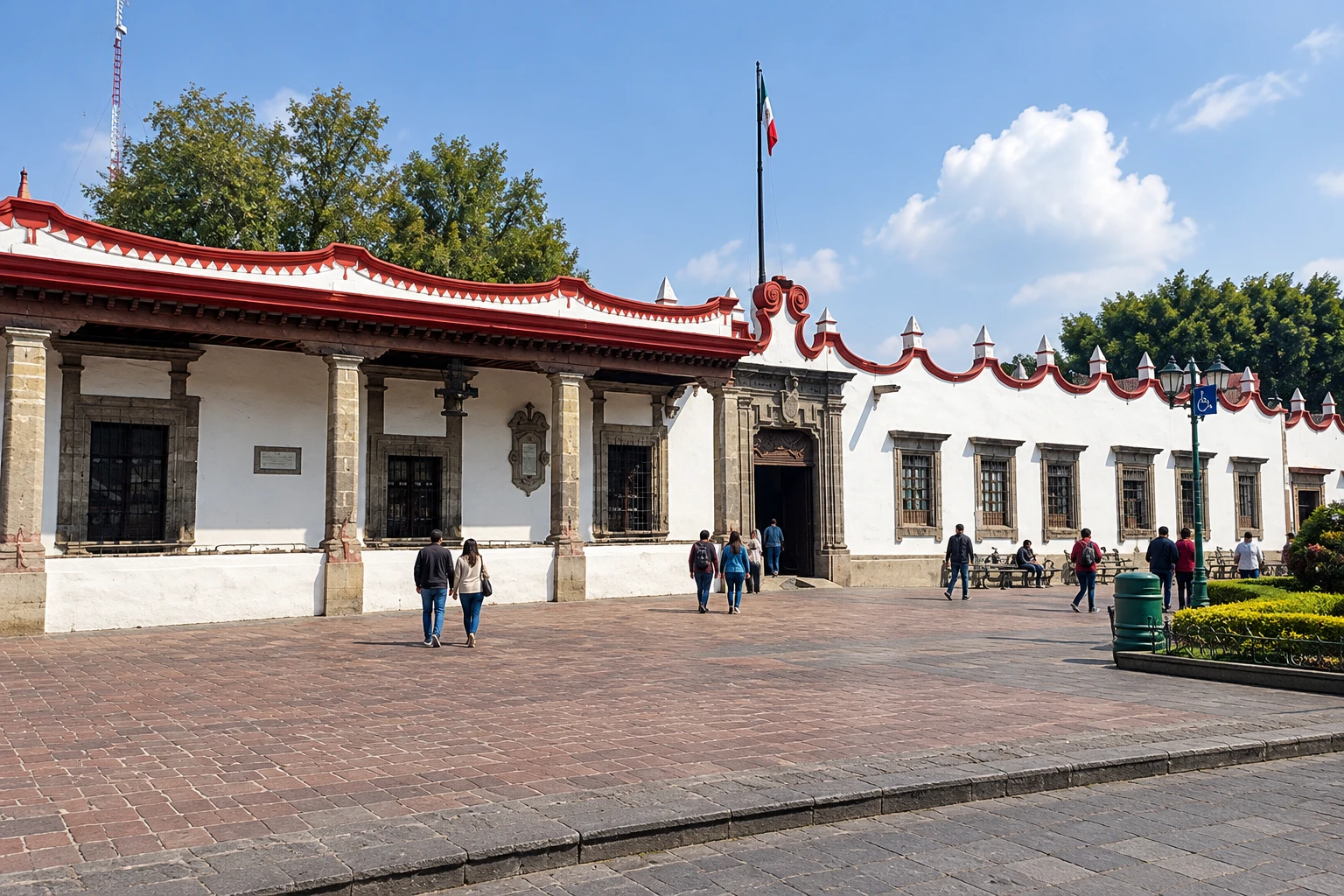
Seat of the federal government on the east side of the Zócalo, with Diego Rivera’s murals about Mexico’s history on the staircase and in the corridors.
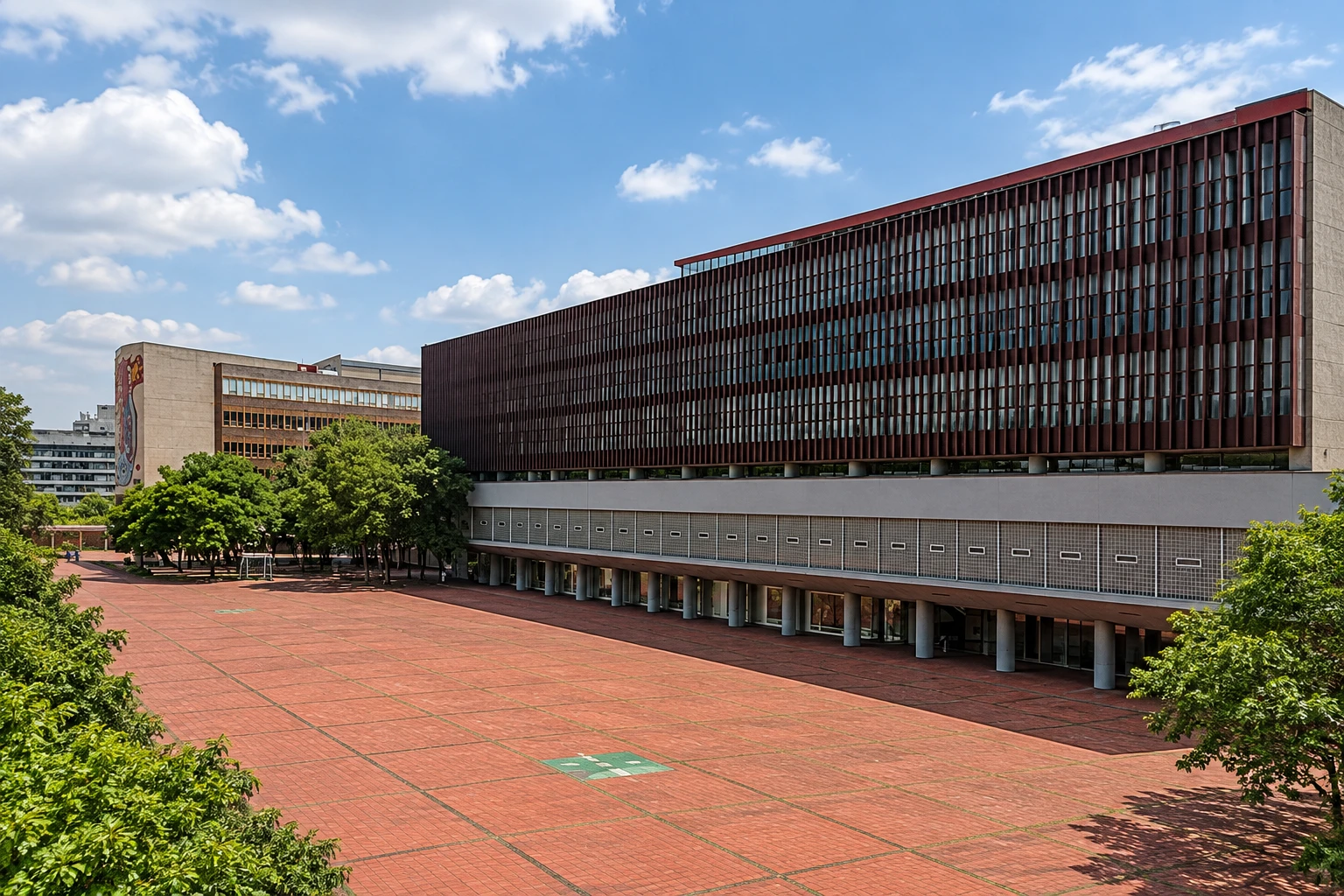
The central campus of the National University, from the 1950s, a World Heritage Site since 2007, with Juan O'Gorman’s mosaic on the Central Library and murals by Siqueiros.
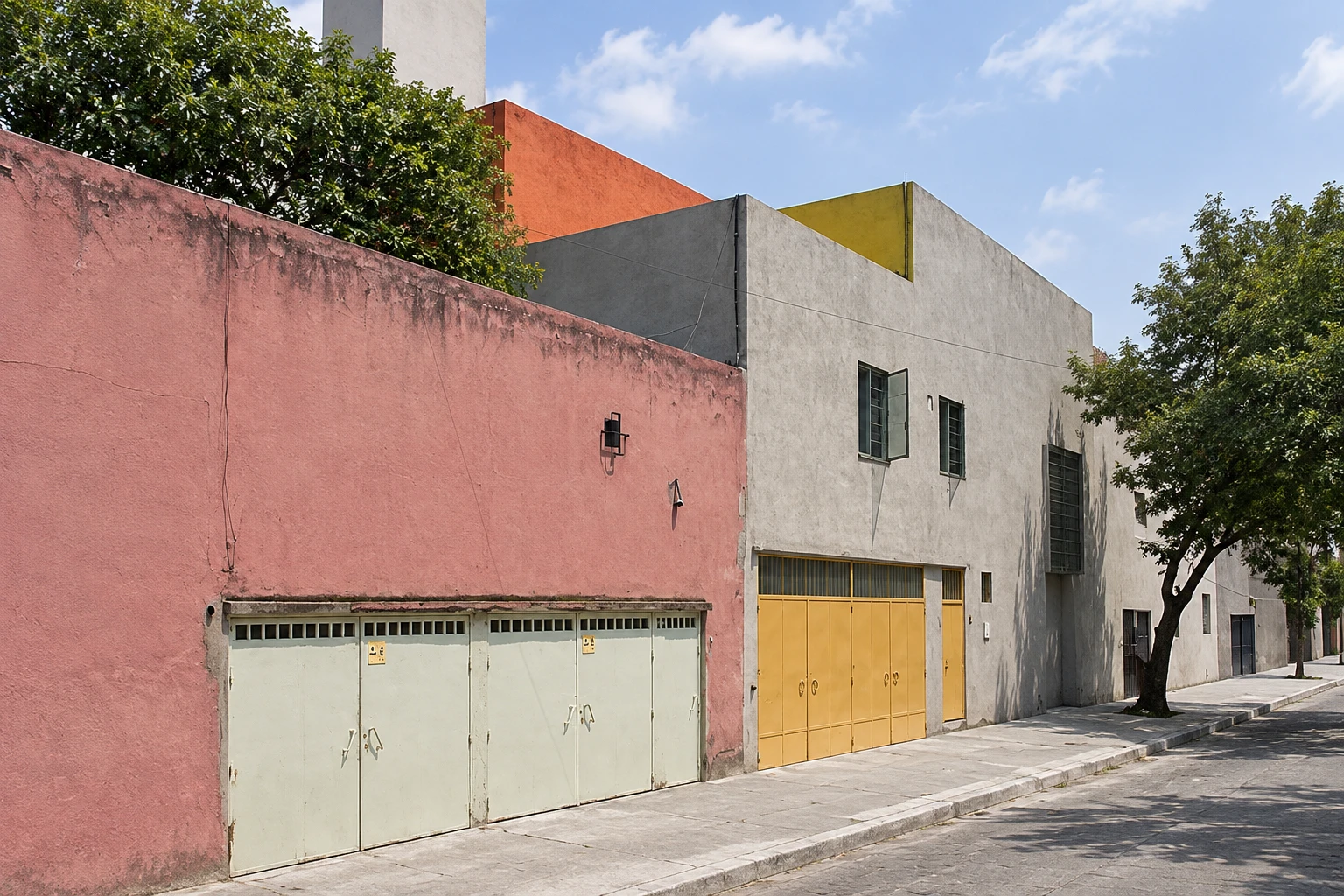
The house and studio of architect Luis Barragán, from 1948, a World Heritage Site since 2004, with colorful walls, filtered light and an enclosed garden.
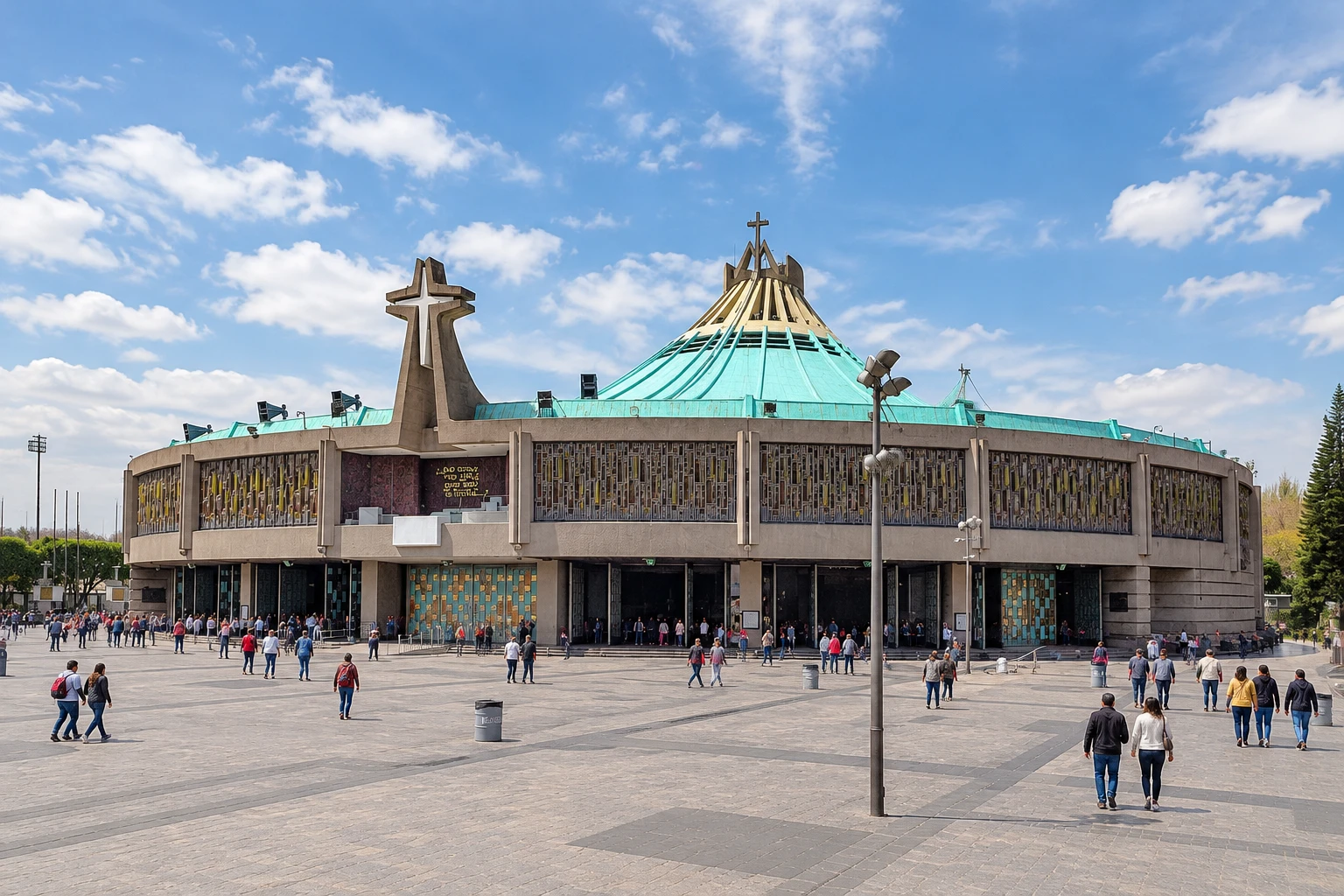
The most visited sanctuary in the Americas, at the foot of the Tepeyac hill, featuring the new basilica (1976), the 18th-century old basilica, and the image of the Virgin of Guadalupe.


 Brazil
 Antarctica
 Argentina
 Bolivia
 Chile
 Colombia
 Ecuador
 Falkland Islands (Malvinas)
 French Guiana
 Guyana
 Paraguay
 Peru
 Suriname
 Uruguay
 Venezuela
 Austria
 Belgium
 Croatia
 Denmark
 Finland
 France
 Germany
 Greece
 Hungary
 Iceland
 Ireland
 Italy
 Luxembourg
 Norway
 Poland
 Portugal
 Slovakia
 Slovenia
 Spain
 Sweden
 Switzerland
 the Czech Republic
 the Netherlands
 the United Kingdom
 Turkey
 Bermuda
 Canada
 Greenland
 Saint Pierre and Miquelon
 the United States
 the Dominican Republic
 Japan
 Egypt
 South Africa
 Australia
 Fiji
 New Zealand
 Papua New Guinea