Atami · Japan · Museum
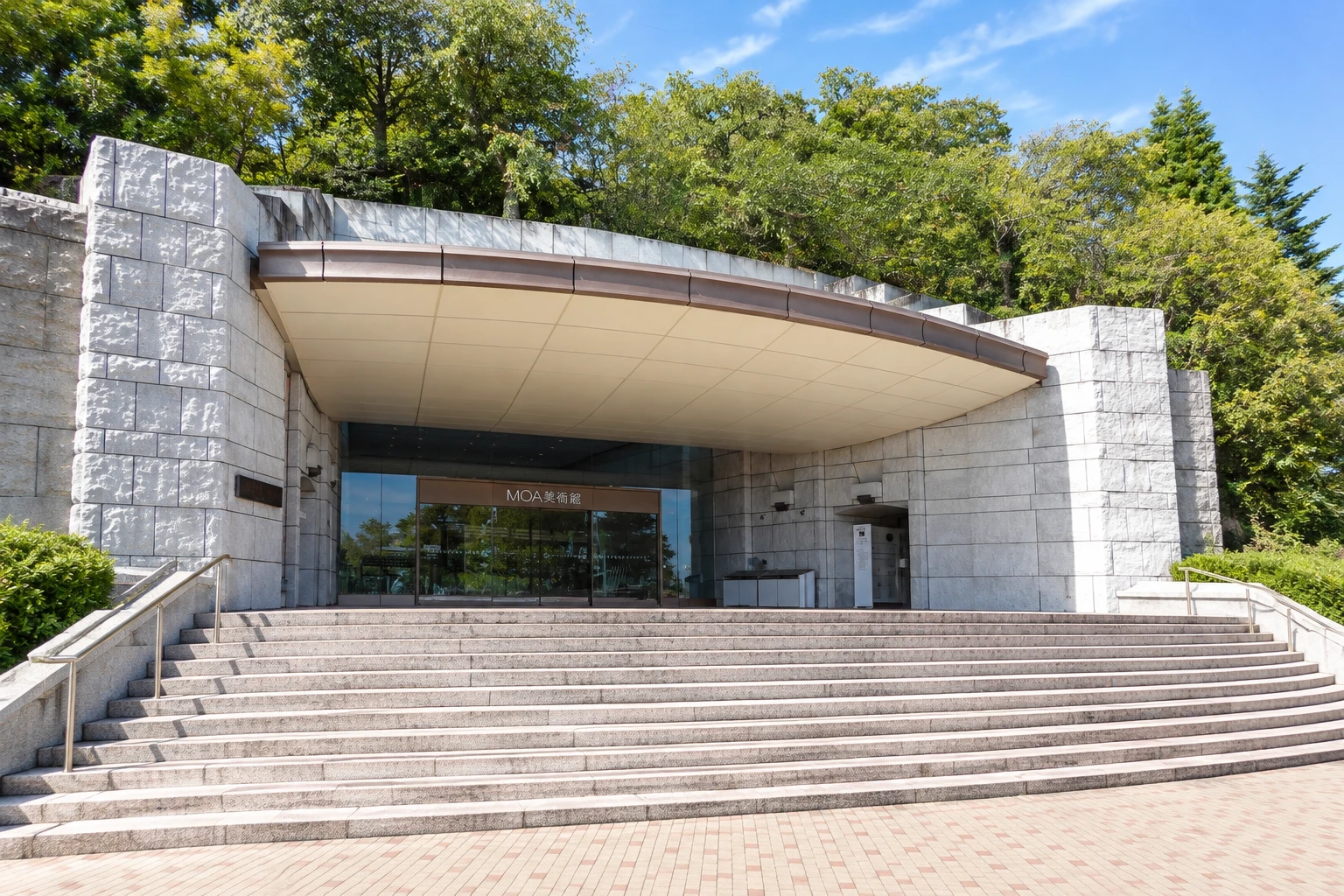
MOA Museum of Art
Museum of Japanese and Asian art on a hill above Atami, with national treasures in temporary exhibitions, a reconstructed golden tea room, and wide views over Sagami Bay.

 Search
 Brazil
 Antarctica
 Argentina
 Bolivia
 Chile
 Colombia
 Ecuador
 Falkland Islands (Malvinas)
 French Guiana
 Guyana
 Paraguay
 Peru
 Suriname
 Uruguay
 Venezuela
 Austria
 Belgium
 Croatia
 Denmark
 Finland
 France
 Germany
 Greece
 Hungary
 Iceland
 Ireland
 Italy
 Luxembourg
 Norway
 Poland
 Portugal
 Slovakia
 Slovenia
 Spain
 Sweden
 Switzerland
 the Czech Republic
 the Netherlands
 the United Kingdom
 Turkey
 Bermuda
 Canada
 Greenland
 Mexico
 Saint Pierre and Miquelon
 the United States
 the Dominican RepublicJapanTurkey
 Egypt
 South Africa
 Australia
 Fiji
 New Zealand
 Papua New Guinea
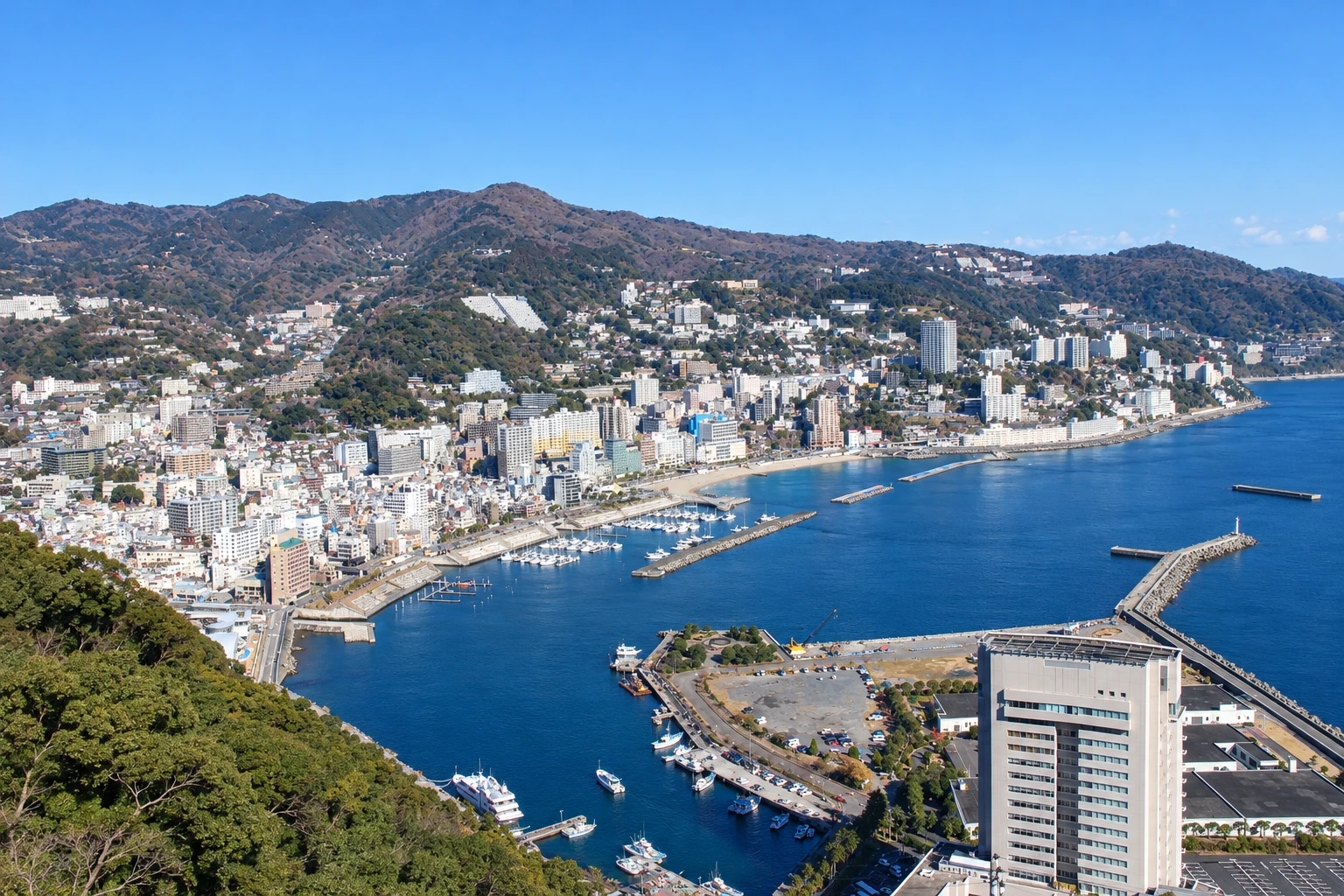
In the photo: Atami bay and town center seen from above.
Illustrative images. The pictures in this guide are illustrations based on the real place, not photographs, and may differ from it.

The city
Gateway to the Izu Peninsula, Atami is a hot-spring resort on the hillside above Sagami Bay, less than an hour from Tokyo by shinkansen. It has the MOA Museum of Art on the hilltop, Kinomiya Shrine with its giant camphor tree, an urban beach and shopping streets near the station.
There's no accommodation in the guide yet in Atami.
Tem hotel, pousada ou casa de temporada aqui? Cadastre a suaThere are no restaurants in the guide yet in Atami.
Know a good one? Recommend it to usHotéis e restaurantes da cidade no mapa.
how to get there · how many days · itinerary · questions
The local experience
Museum of Japanese and Asian art on a hill above Atami, with national treasures in temporary exhibitions, a reconstructed golden tea room, and wide views over Sagami Bay.
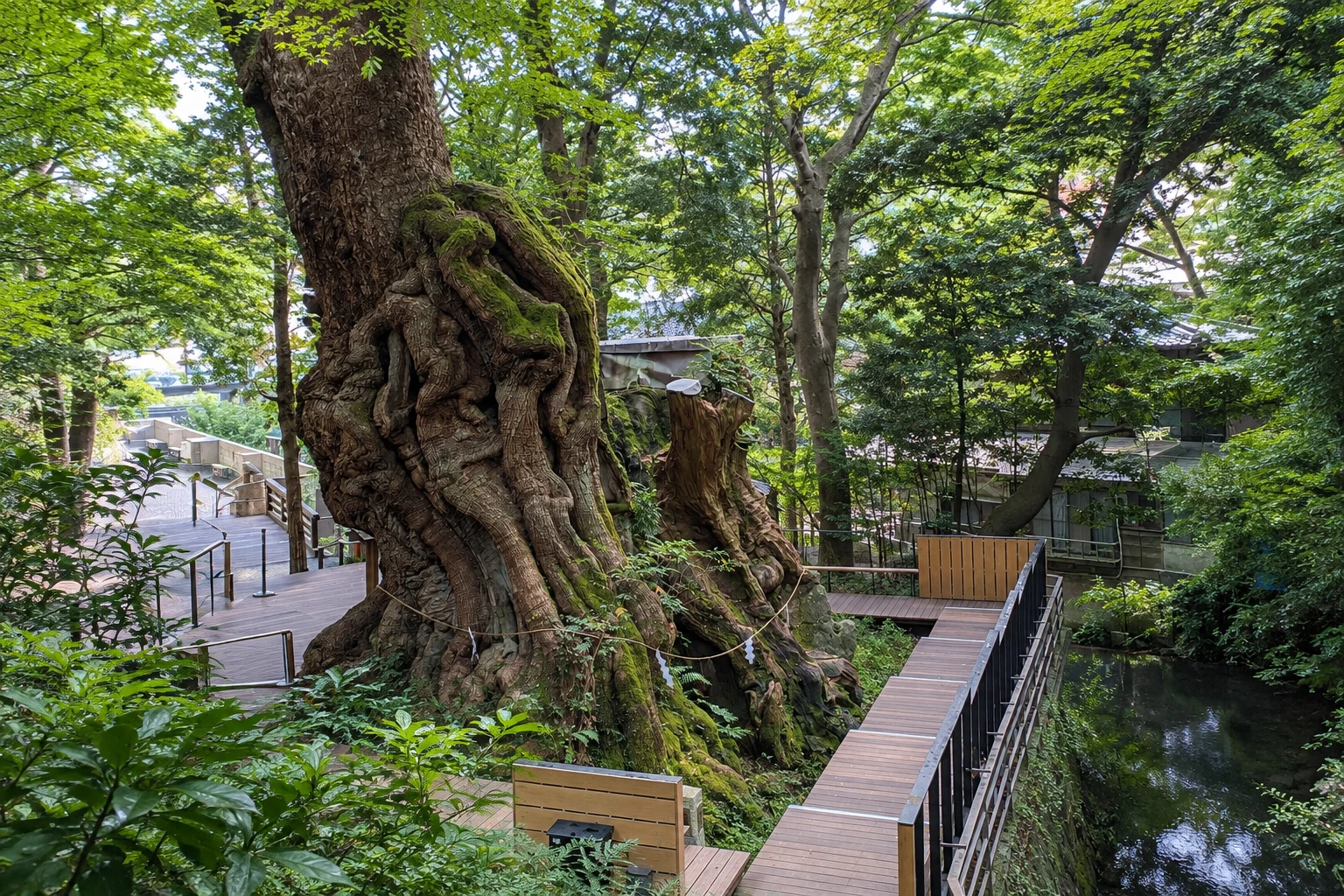
Atami Shintō shrine with a camphor tree over 2,000 years old, a national natural monument, surrounded by a path that visitors walk around the trunk.
Before you go
Atami – Japan Destination Izu Peninsula
Approximate distances. Check flights and bus, train or boat schedules before you travel.
Atami is on the Tokaido shinkansen line, about 40 to 50 minutes from Tokyo, and is also served by the Odoriko express trains. To continue around the peninsula, change to the JR Ito Line, which goes on to Ito, or to the Izukyu Line.
One day is enough for the MOA Museum, Kinomiya Shrine and the waterfront. Staying one night lets you enjoy the hot spring without rushing and travel on to Ito or Shimoda the next day.
Spring and autumn usually have pleasant weather. The plum trees in the Atami Baien garden typically bloom from January to March. In summer the town hosts bay fireworks on several nights. Typhoons are most common from August to October.
The seasons shown are the most usual ones; nature doesn't always follow the calendar.
No. Buses run from the station to the MOA Museum, and Kinomiya Shrine is one stop by train or about a 20-minute walk. The streets are steep, but taxis are easy to find.
Suggested itinerary
Built with the places on this page. No rush: it's paced so you have time to see them.
Take the bus from the station to the MOA Museum of Art, ride the tunnel escalators up and see the collection and the garden with views over the bay.
Walk down to Kinomiya Shrine, go around the camphor tree and have lunch near the station, with fish from the bay.
Walk along Sun Beach and the promenade to the harbor, where boats depart for Hatsushima Island.
Spend the night at a hillside ryokan or continue by train to Ito.
Check before you go. Opening hours and days change, and places may close for renovations, holidays or events. This itinerary is a suggestion from Cidade Turismo, not a commitment: plan yours by checking directly with each place you intend to visit.
Before you go
Yes. The shinkansen gets you there in under an hour, and one day covers the MOA Museum, Kinomiya Shrine and the waterfront. To enjoy the hot springs unhurried, stay overnight.
Visit the MOA Museum of Art, Kinomiya Shrine and the waterfront, take a hot-spring bath and, in summer, watch the bay fireworks.
The city sets off fireworks over the bay on several nights throughout the year, with more dates in summer. Check the city calendar beforehand.
Yes. Boats depart from Atami Port and take about 30 minutes to reach the island, which has trails and a seaside park.