

 Brazil
 Antarctica
 Argentina
 Bolivia
 Chile
 Colombia
 Ecuador
 Falkland Islands (Malvinas)
 French Guiana
 Guyana
 Paraguay
 Peru
 Suriname
 Uruguay
 Venezuela
 Albania
 Austria
 Belgium
 Croatia
 Denmark
 Finland
 France
 Germany
 Greece
 Hungary
 Iceland
 Ireland
 Italy
 Luxembourg
 Norway
 Poland
 Portugal
 Slovakia
 Slovenia
 Spain
 Sweden
 Switzerland
 the Czech Republic
 the Netherlands
 the United Kingdom
 Turkey
 Bermuda
 Canada
 Greenland
 Mexico
 Saint Pierre and Miquelon
 the United States
 the Dominican Republic
 Egypt
 South Africa
 Australia
 Fiji
 New Zealand
 Papua New Guinea
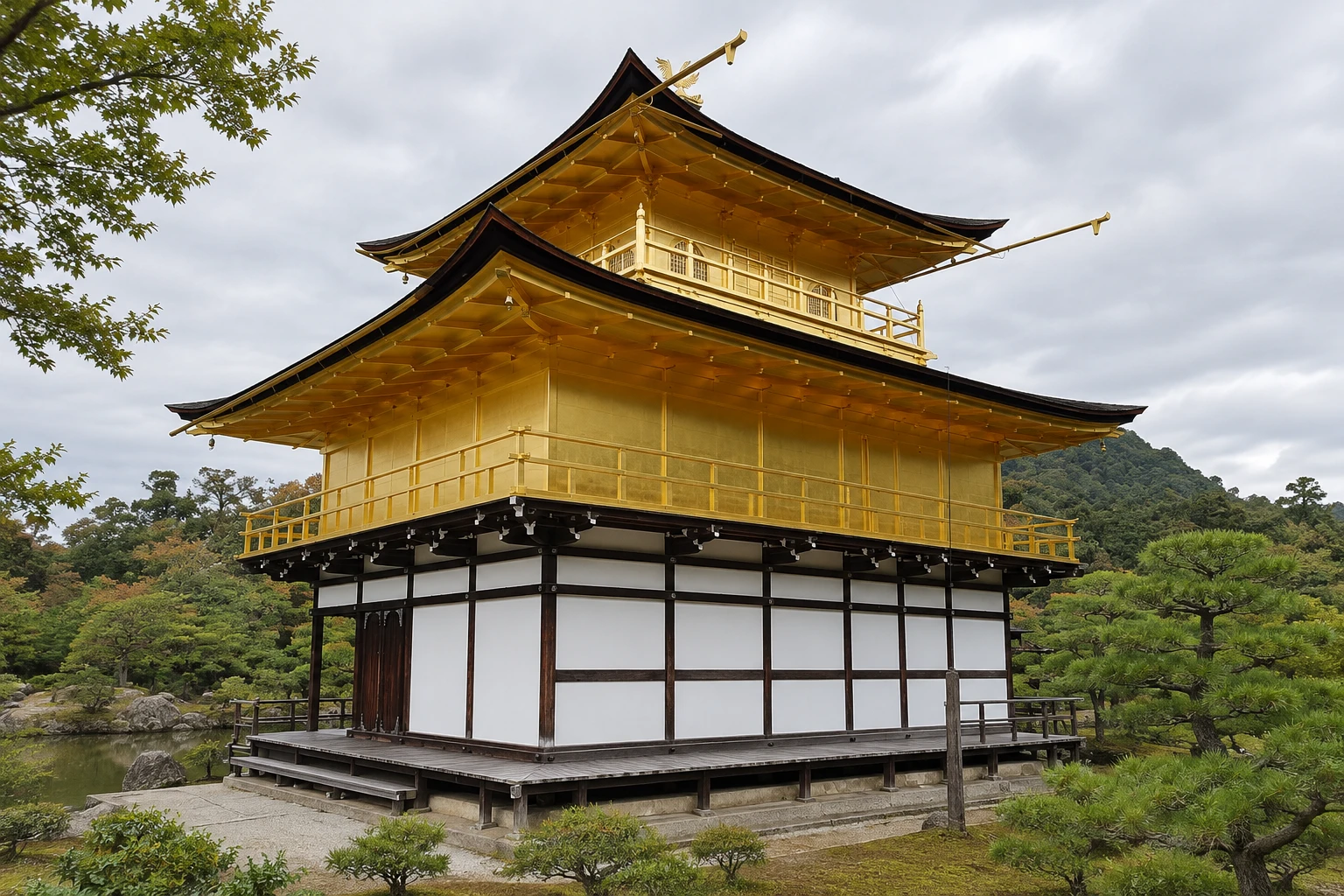
Temple · Kyoto, Japan
Kinkaku-ji (Golden Pavilion)
The Golden Pavilion, a northern Kyoto zen temple whose two upper floors are covered in gold leaf and reflected in the garden pond; World Heritage site.
Illustrative images. The pictures in this guide are illustrations based on the real place, not photographs, and may differ from it.

A look at the place
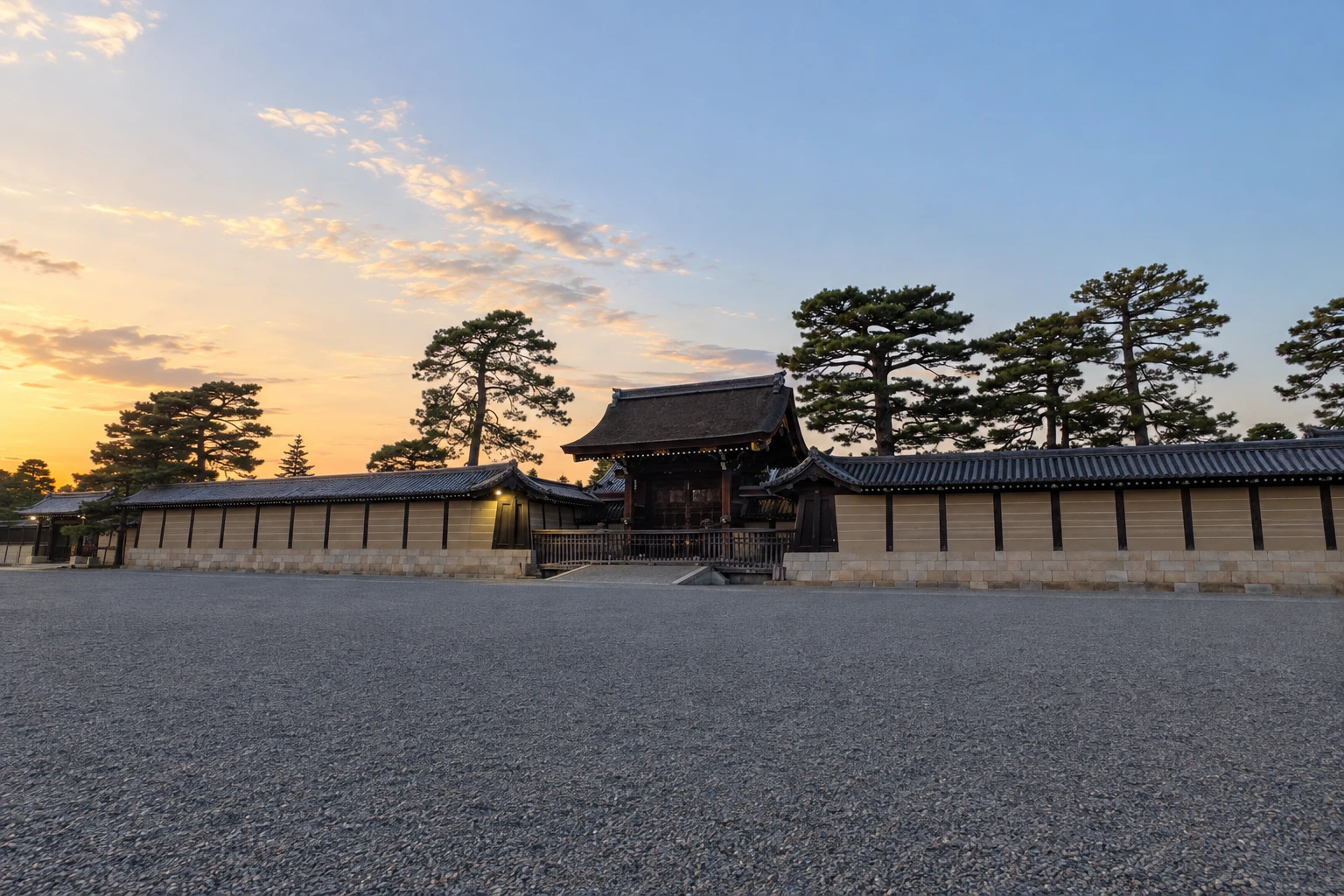
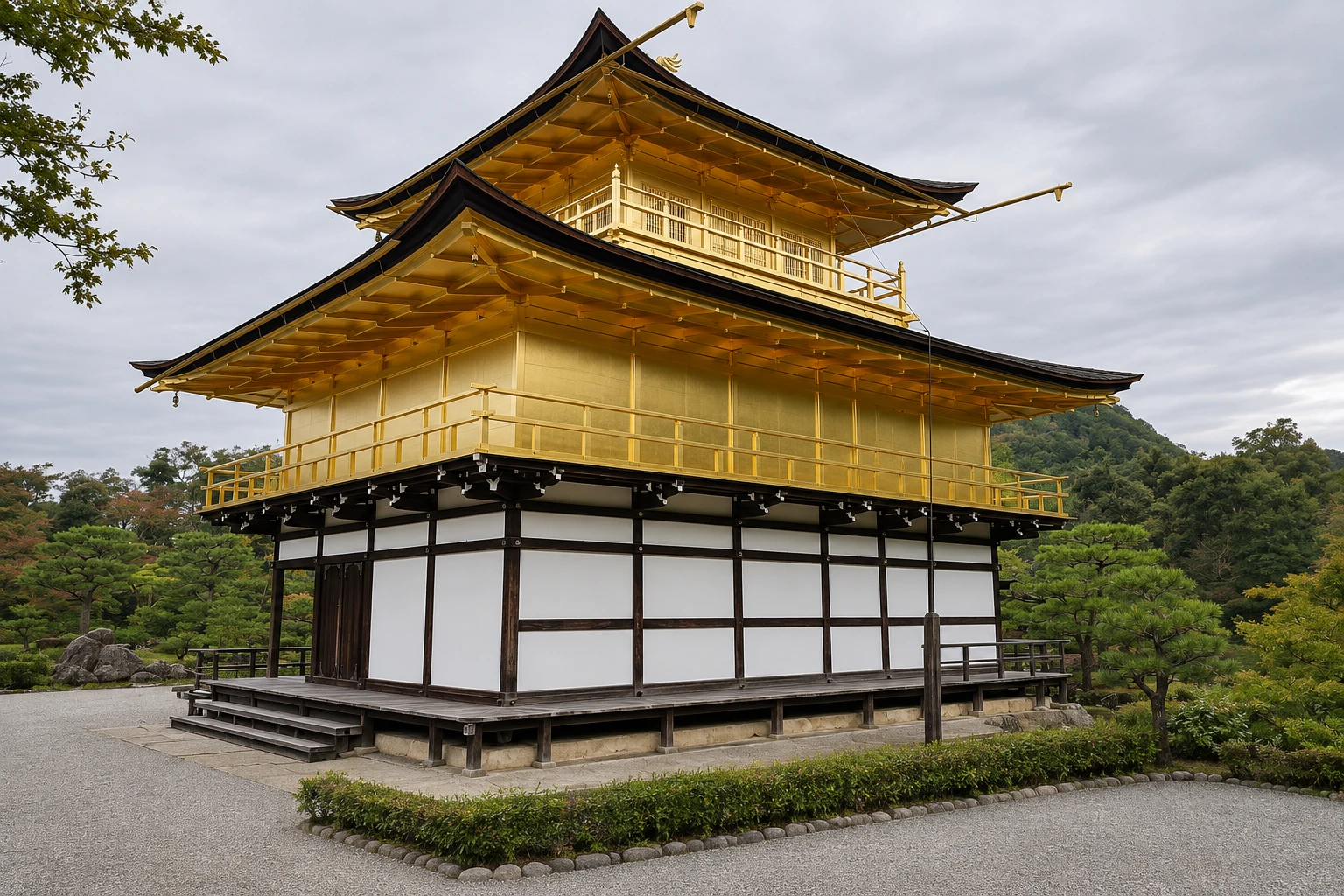
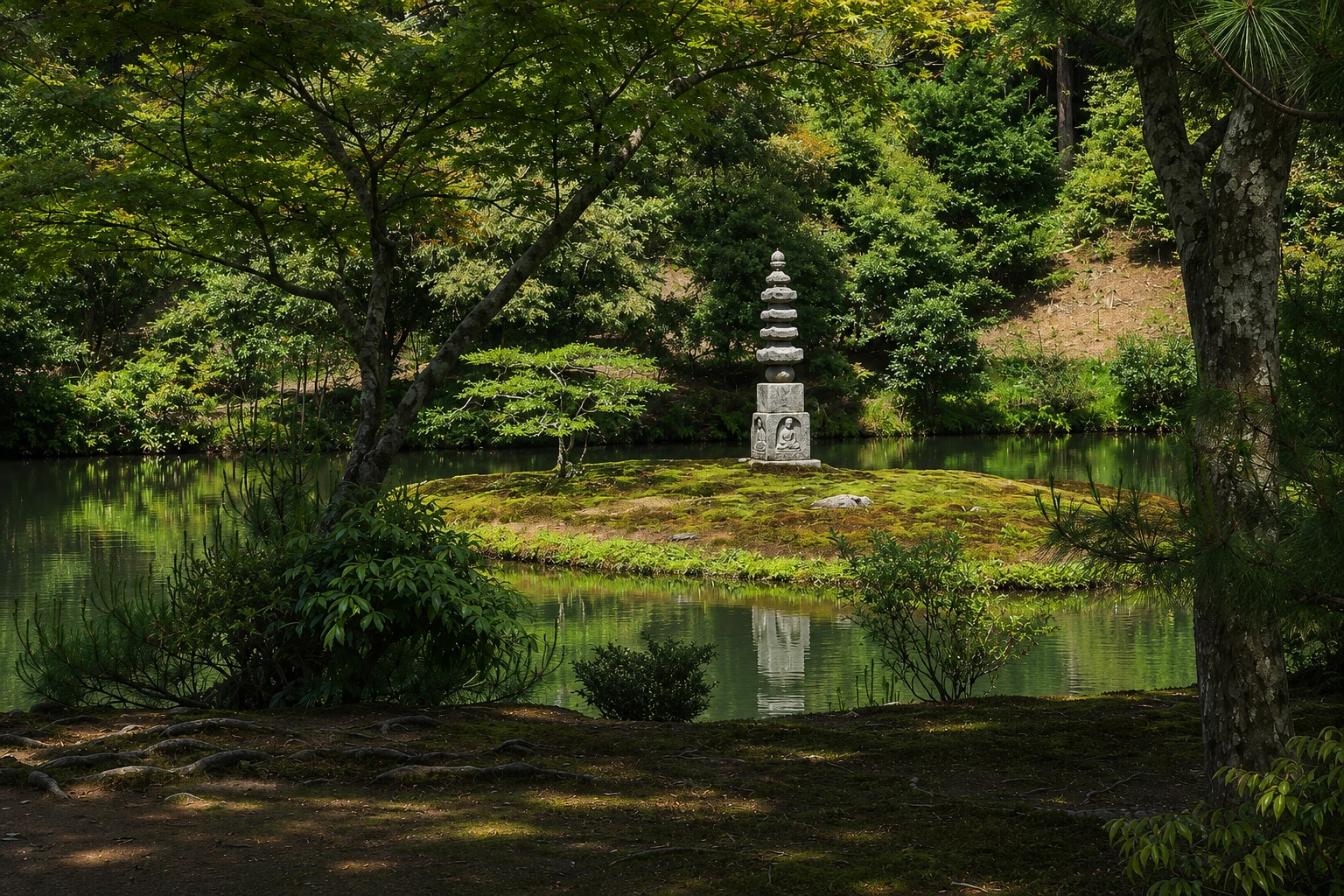
Kinkaku-ji (Golden Pavilion) in pictures
These pictures are illustrations based on the real place, not photographs. They may differ from the place.
Click the picture to enlarge it.
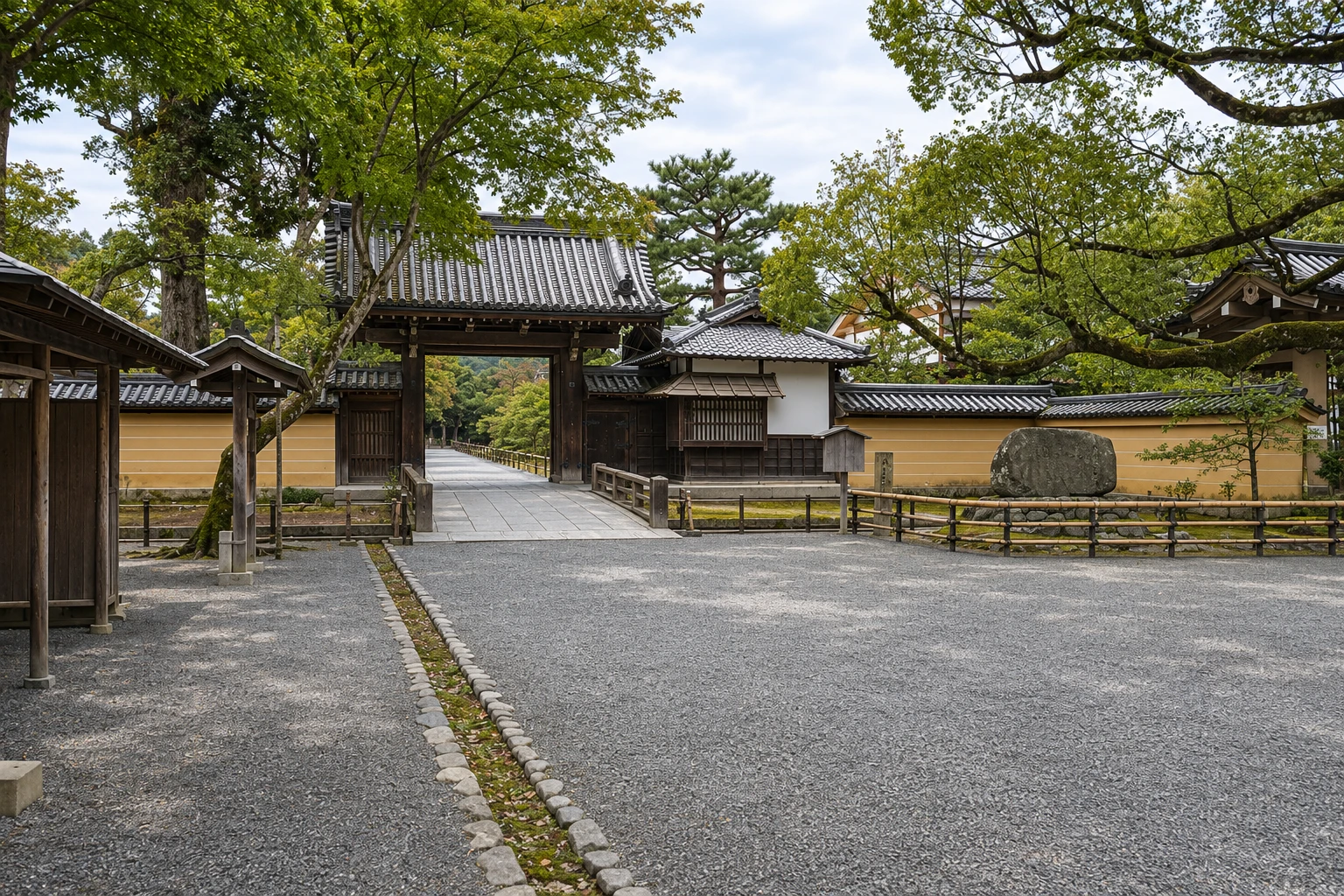
Discover
About Kinkaku-ji (Golden Pavilion)
Kinkaku-ji, the Golden Pavilion, is the popular name for the Rokuon-ji temple in northern Kyoto. The site was the retired residence of shogun Ashikaga Yoshimitsu at the end of the 14th century and became a zen temple after his death. It is part of the UNESCO World Heritage.
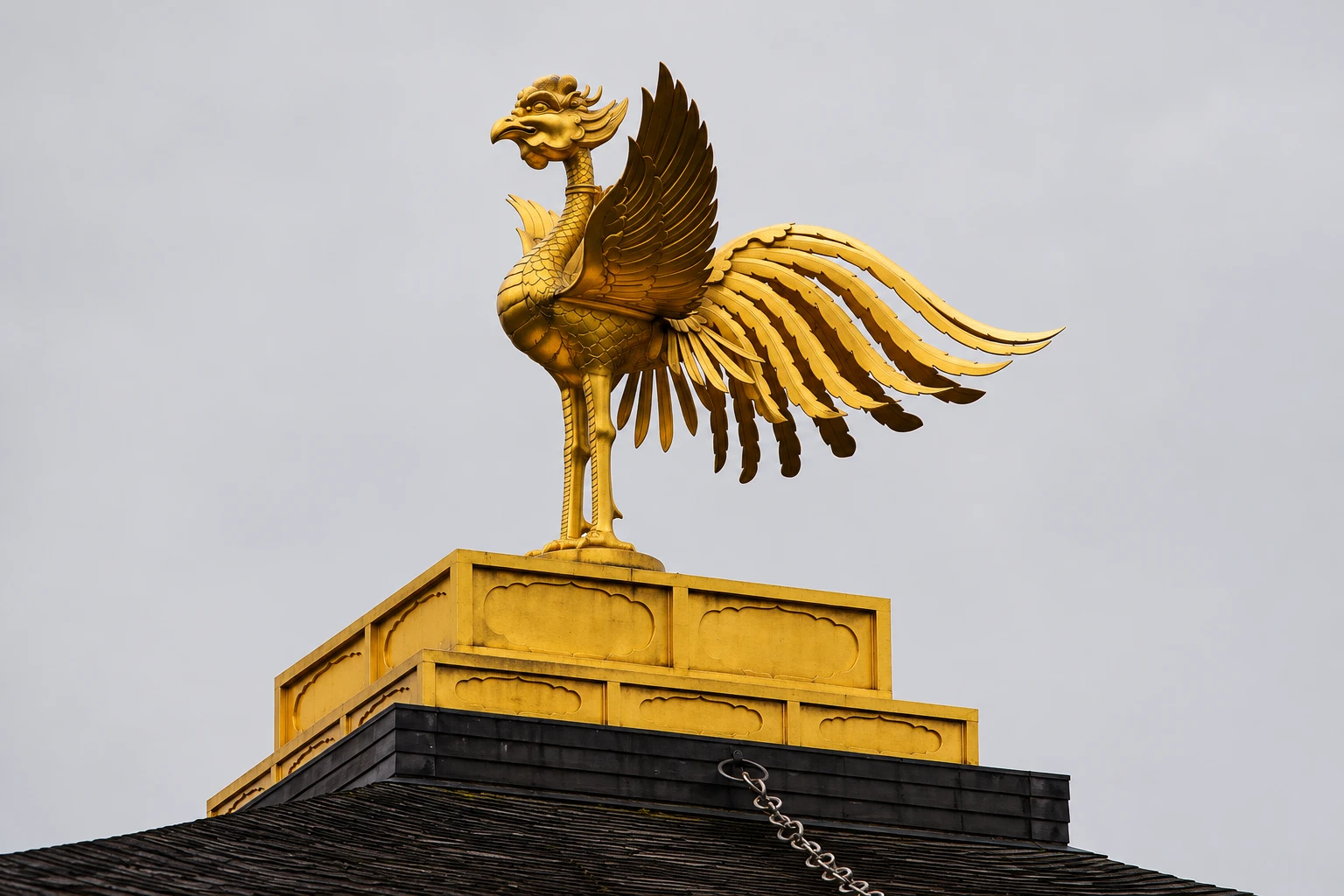
The pavilion has three floors in different styles. The ground floor follows Heian-era palace architecture, with natural wood; the second floor reflects the style of samurai residences; the third is in the style of a zen hall. The two upper floors are covered with gold leaf, and a golden phoenix sits on the roof. The interior is not open to the public.
The current building is a reconstruction: the original was set on fire in 1950 by a young monk, an episode that inspired the novel The Temple of the Golden Pavilion by Yukio Mishima. Reconstruction was completed in 1955, and the gold leaf was reapplied in the 1980s.
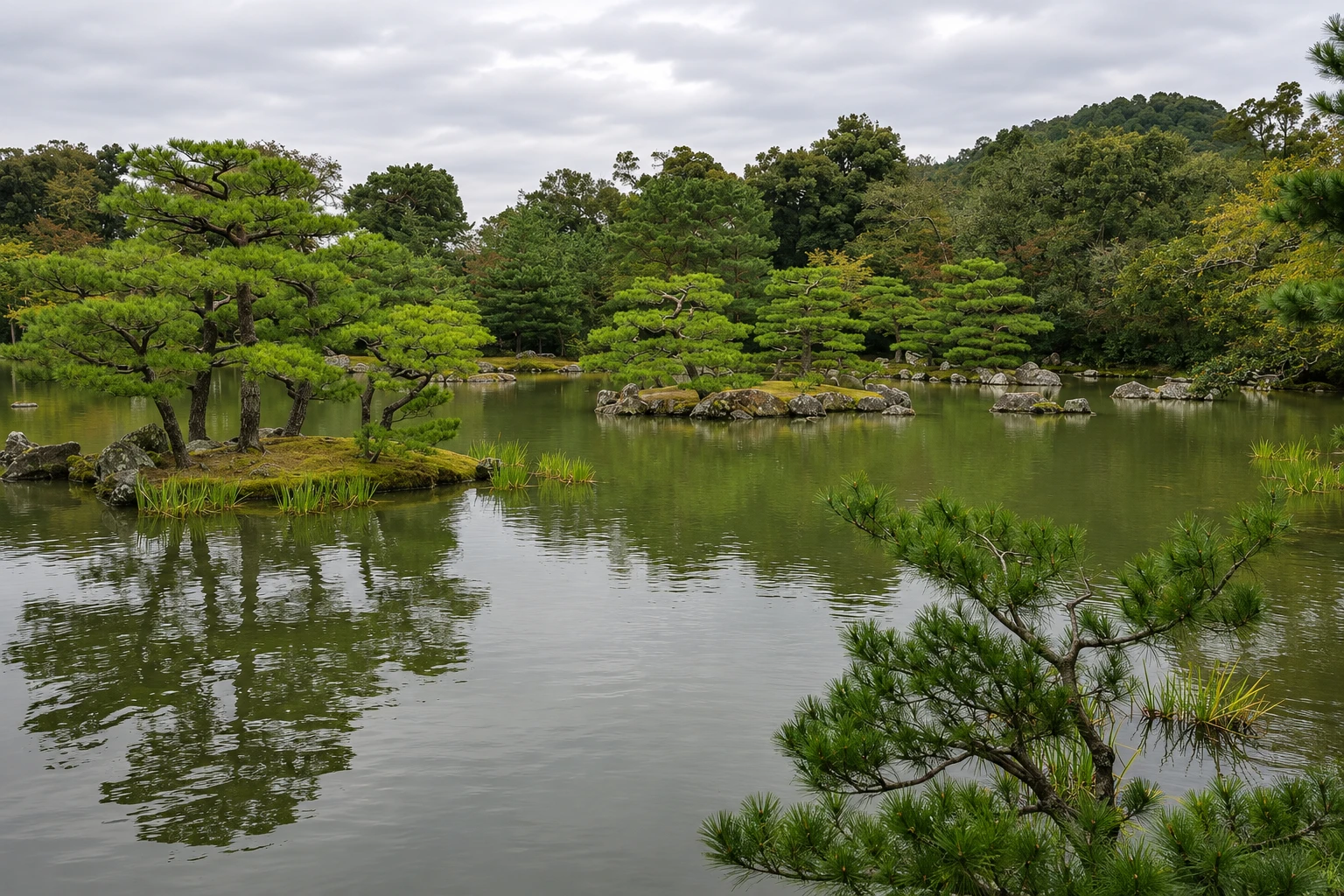
The visit follows a one-way path through the garden. It begins on the shore of the Kyokochi pond, where the pavilion is seen reflected among stone islets and pines, goes around the back of the building, passes small waterfalls and the Sekkatei teahouse, and ends in an area with green tea and sweets. Ryoan-ji, with its famous rock garden, is about a 20-minute walk away.
Before you go
Practical information
Cidade Turismo reviews its information regularly, but something may have changed. Check with the place before planning your trip.
How much time to set aside
About 45 minutes to 1 hour for the route through the garden.
Best time
Right at opening, to photograph the pond reflection with fewer people. On sunny days the gold shines more; with snow, which happens on a few winter days, the pavilion appears white. Tour buses arrive mid-morning.
How to get there
City buses 101, 102, 204 and 205 stop at Kinkakuji-michi, about a 5-minute walk away; from Kyoto Station the trip takes about 40 minutes. From Kitaoji subway station there are buses and taxis.
Tip
Combine Kinkaku-ji with Ryoan-ji and Ninna-ji, which are linked by the Kinukake-no-michi road. The Kinkaku-ji ticket is a paper with calligraphy that many people keep as a souvenir.
Official website
Your questions
Frequently asked questions about Kinkaku-ji (Golden Pavilion)
Can you enter the Golden Pavilion?
No. The pavilion’s interior is not open to the public; the visit is made via the garden around the pond.
Is Kinkaku-ji really gold?
The two upper floors are covered with gold leaf applied over lacquer. The ground floor is natural wood.
How do you get to Kinkaku-ji?
By city bus to Kinkakuji-michi stop, about 40 minutes from Kyoto Station. From Kitaoji Station on the subway, there are buses and taxis.
How long does a visit to Kinkaku-ji take?
About 45 minutes to 1 hour, on a one-way route through the garden.
What to visit near Kinkaku-ji?
Ryoan-ji, with its rock garden, and Ninna-ji, connected by the Kinukake-no-michi road, as well as the Kitano Tenmangu Shrine.