

 Brazil
 Antarctica
 Argentina
 Bolivia
 Chile
 Colombia
 Ecuador
 Falkland Islands (Malvinas)
 French Guiana
 Guyana
 Paraguay
 Peru
 Suriname
 Uruguay
 Venezuela
 Albania
 Austria
 Belgium
 Croatia
 Denmark
 Finland
 France
 Germany
 Greece
 Hungary
 Iceland
 Ireland
 Italy
 Luxembourg
 Norway
 Poland
 Portugal
 Slovakia
 Slovenia
 Spain
 Sweden
 Switzerland
 the Czech Republic
 the Netherlands
 the United Kingdom
 Turkey
 Bermuda
 Canada
 Greenland
 Mexico
 Saint Pierre and Miquelon
 the United States
 the Dominican Republic
 Egypt
 South Africa
 Australia
 Fiji
 New Zealand
 Papua New Guinea
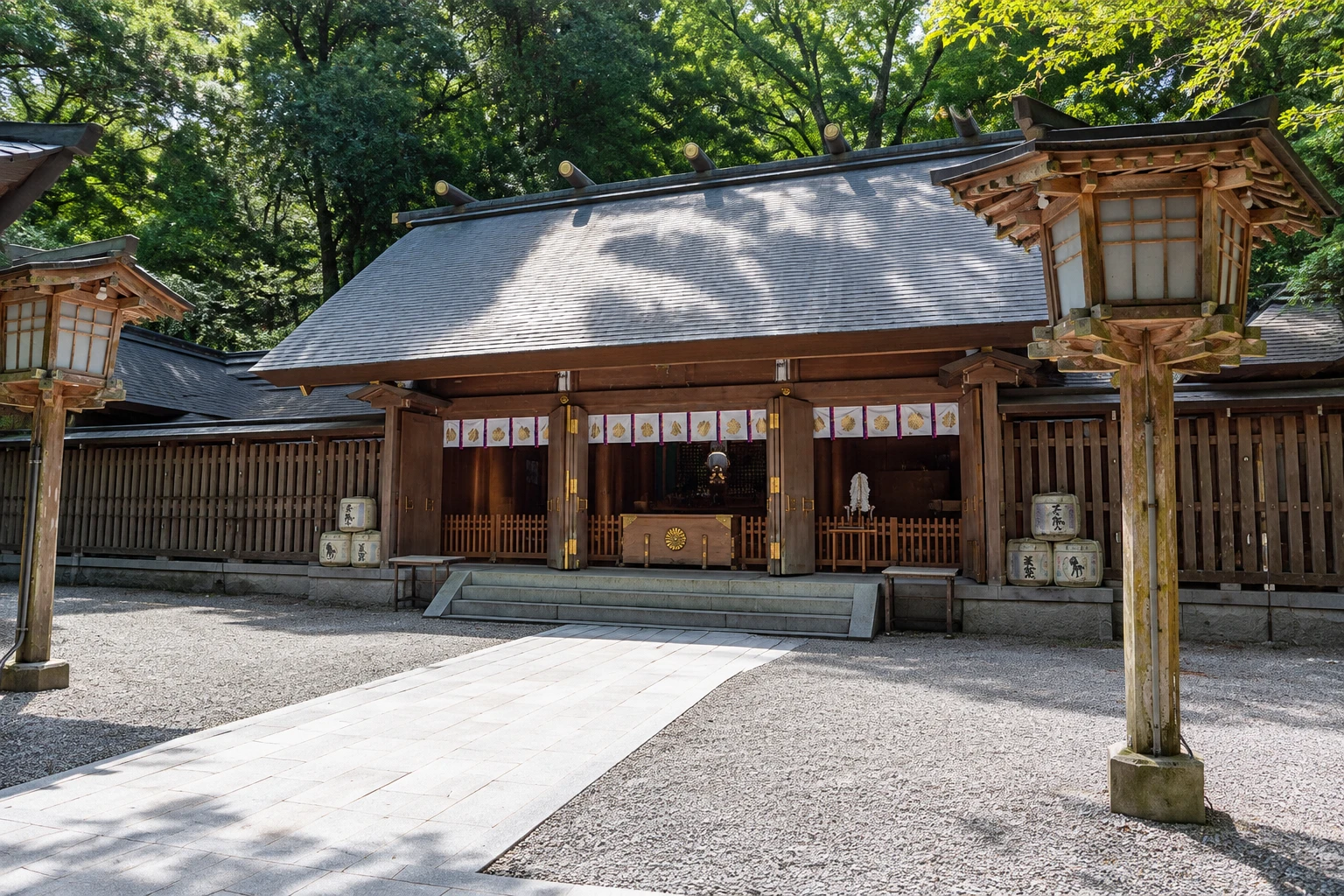
Shrine · Takachiho, Japan
Amano Iwato Shrine (Amano Iwato Jinja)
Shrine in front of the cave where, according to myth, the sun goddess Amaterasu hid; upriver, the Amano Yasukawara grotto, where the gods are said to have gathered, holds thousands of stone stacks.
Illustrative images. The pictures in this guide are illustrations based on the real place, not photographs, and may differ from it.

A look at the place
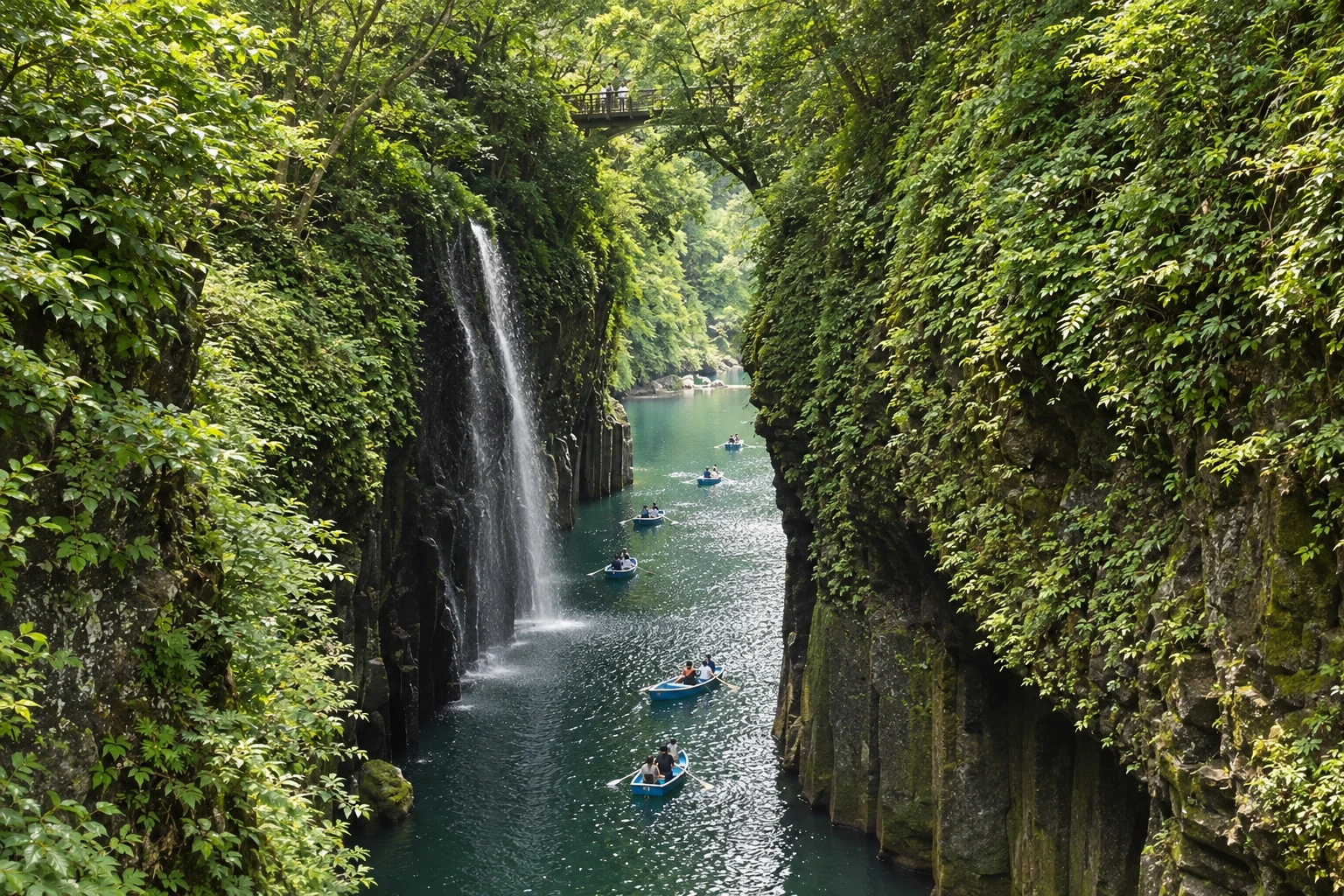
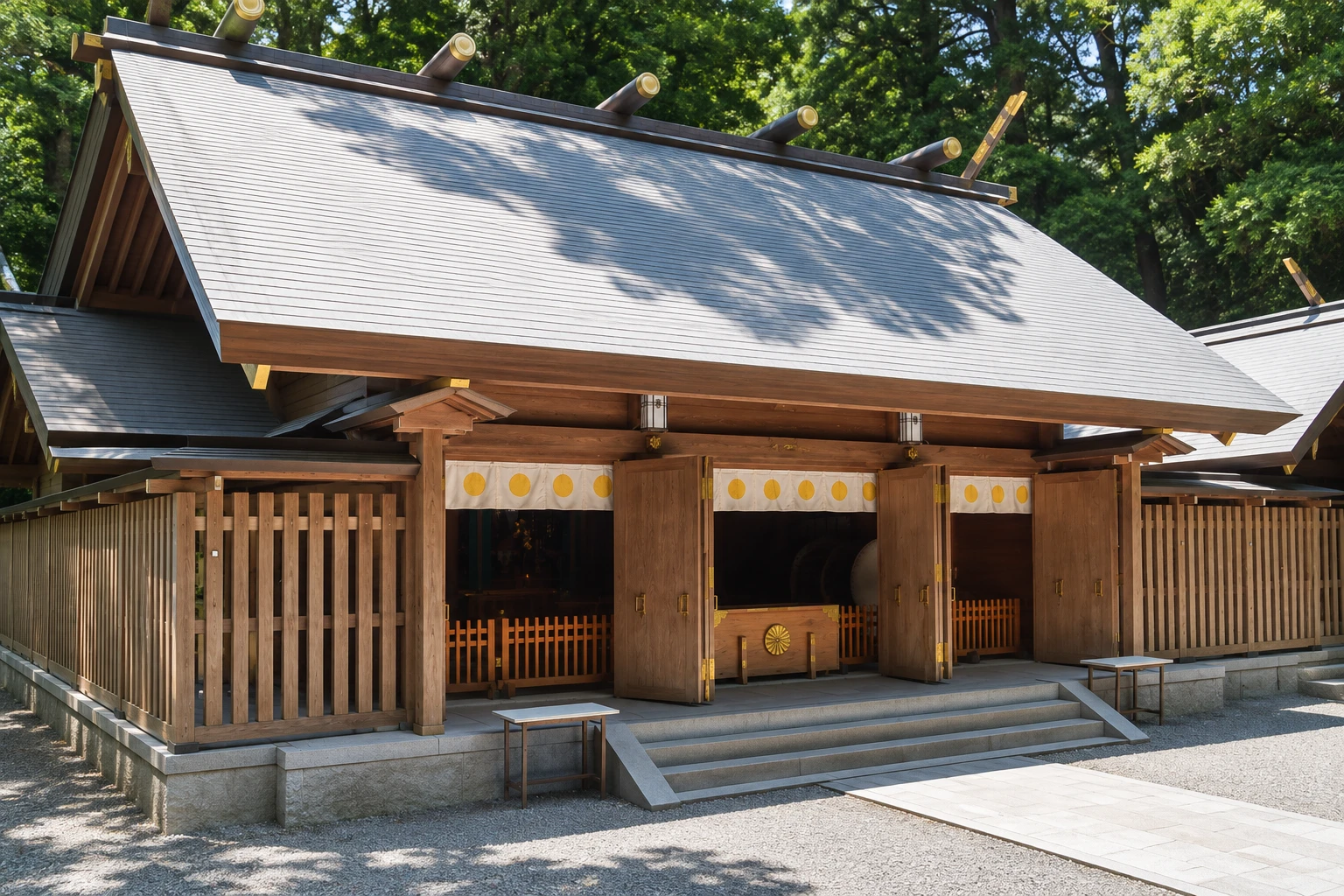
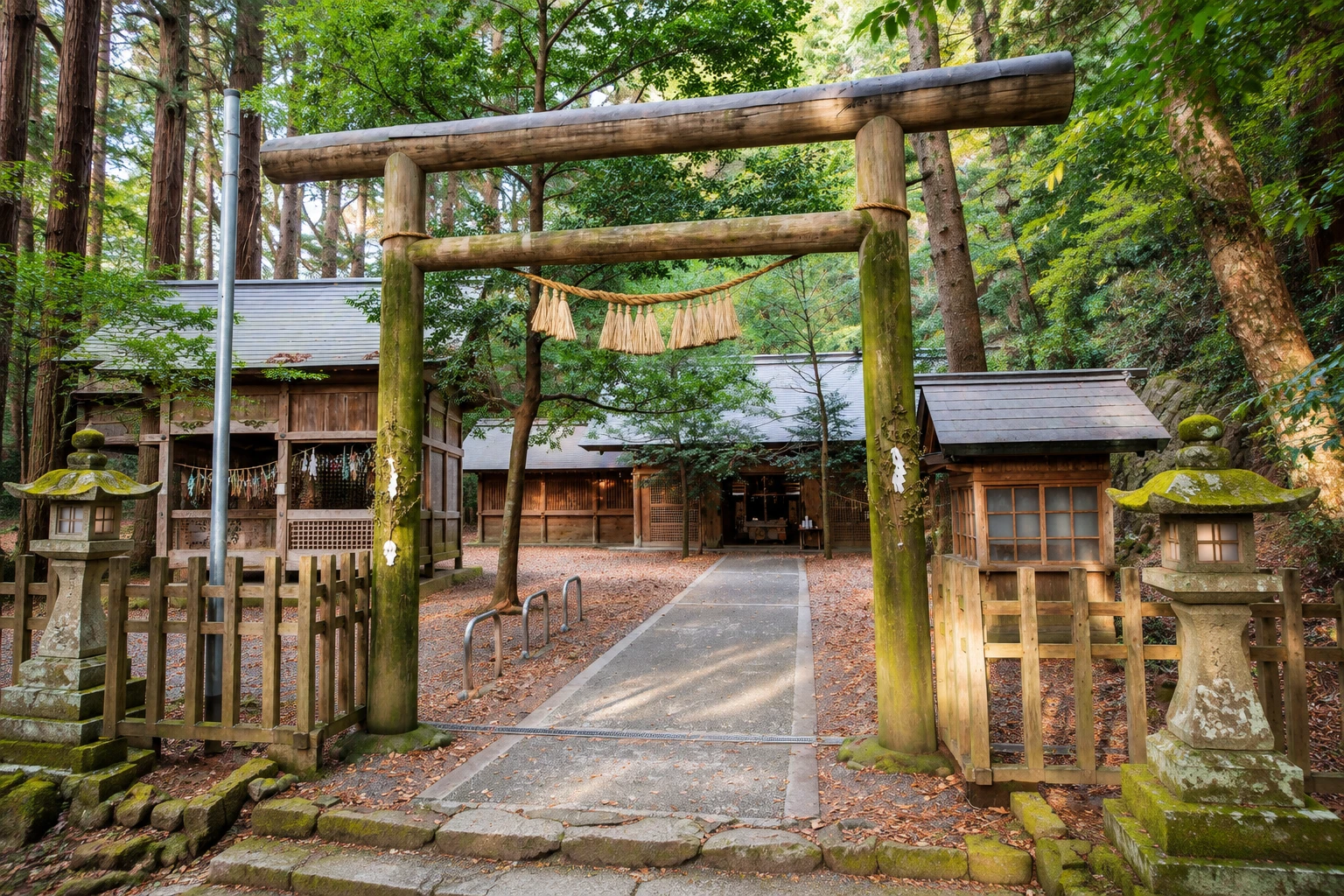
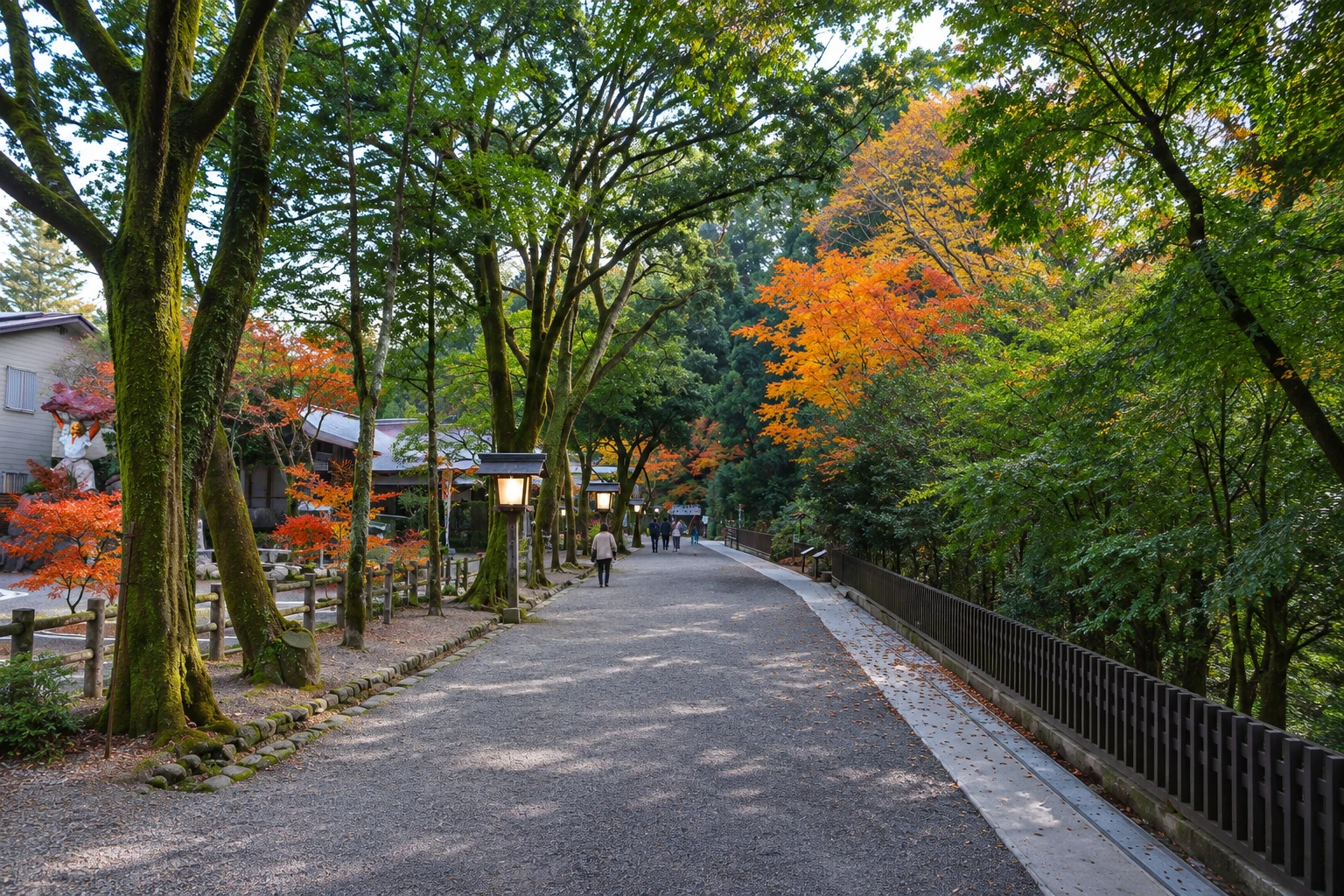
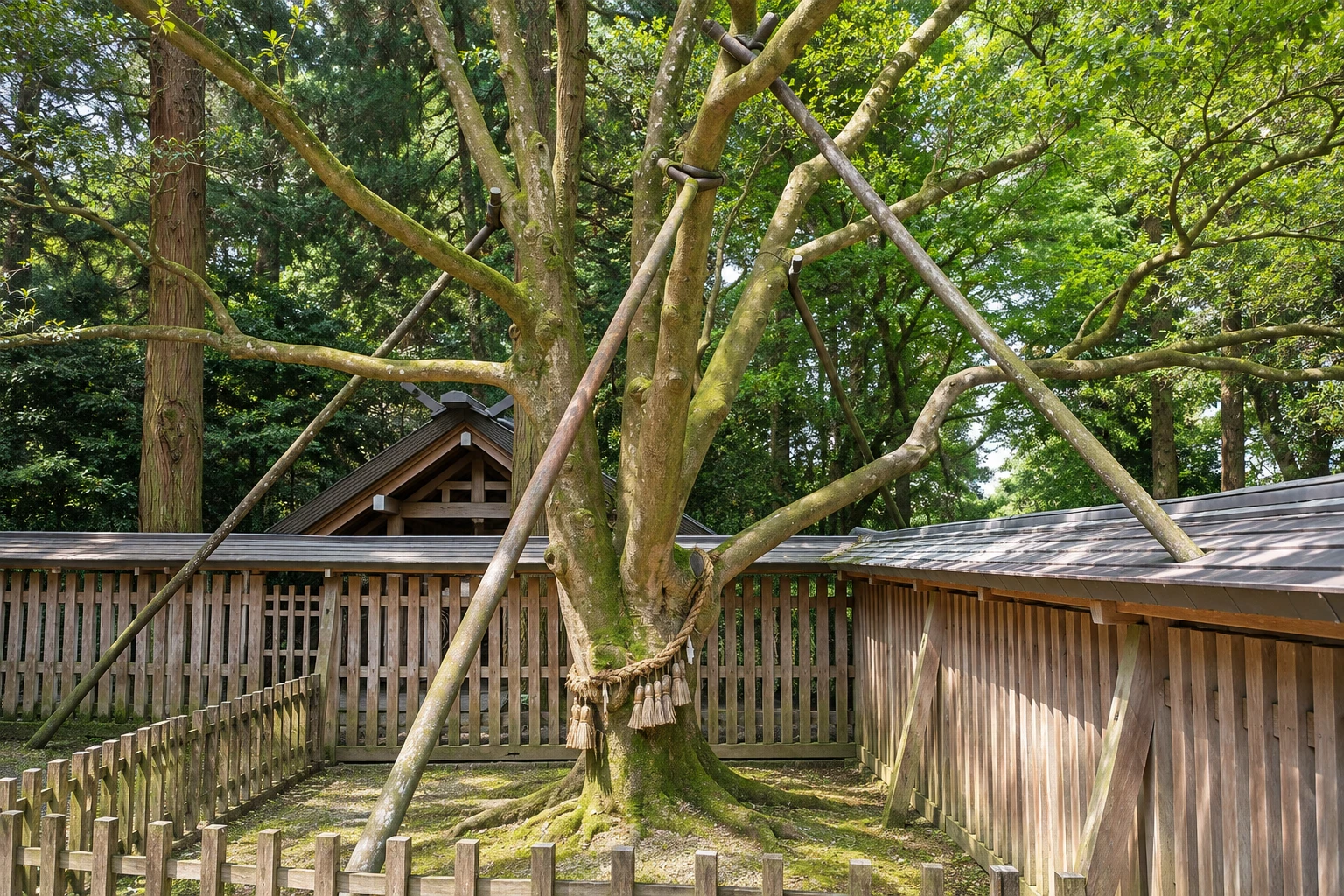
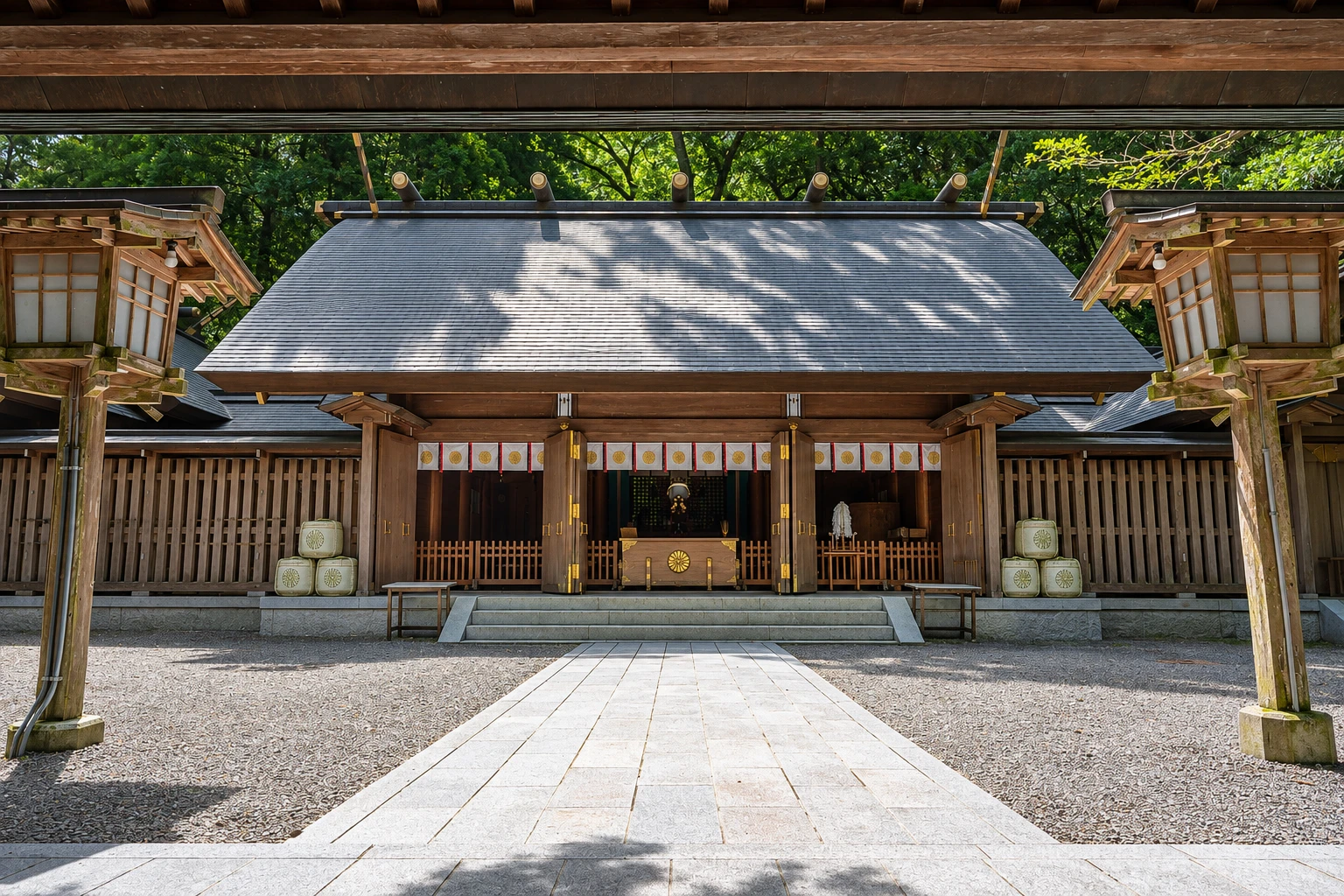
Amano Iwato Shrine (Amano Iwato Jinja) in pictures
These pictures are illustrations based on the real place, not photographs. They may differ from the place.
Click the picture to enlarge it.
Discover
About Amano Iwato Shrine (Amano Iwato Jinja)
Amano Iwato Shrine is about 8 km east of Takachiho center, on the banks of the Iwato River. It is dedicated to the cave of Amaterasu: according to the myth, the sun goddess, offended by her brother, entered a cave and closed the entrance with a rock, plunging the world into darkness. The gods gathered, danced and laughed until she opened the door to see what was happening, and light returned.
The shrine has two parts, one on each side of the river. At the west shrine, Nishi Hongu, the worship hall faces the cave on the opposite slope, which itself is the object of veneration; there is no image inside the hall. Priests often take visitors to a reserved area behind the hall, from which the cave can be seen among the trees, without photography. The east shrine, Higashi Hongu, sits on the other side, higher up.
From the west shrine, a path of about 10 minutes descends along the riverbank to Amano Yasukawara, a wide grotto in the rock where, according to tradition, the gods met to decide how to coax Amaterasu out of the cave. The grotto has a small shrine and thousands of stone stacks left by visitors who make wishes by piling them.
At the entrance there is a small museum about the myths and the kagura, and souvenir shops. The place is peaceful, surrounded by cedars, and the walk to the grotto, with bridges and stone steps, is part of the visit.
Before you go
Practical information
Cidade Turismo reviews its information regularly, but something may have changed. Check with the place before planning your trip.
How much time to set aside
About 1 to 1.5 hours, including the west shrine and the walk to Amano Yasukawara.
Best time
Early or late in the day, after groups have left. Guided visits to the cave-view area run at set times during the day; check with the shrine.
How to get there
It's about 8 km from the center, a 15-minute drive or taxi ride. Local buses run from Takachiho terminal, with only a few departures per day.
Tip
Ask at the west shrine office for the next guided time to view the cave area and walk to Amano Yasukawara while you wait.
Your questions
Frequently asked questions about Amano Iwato Shrine (Amano Iwato Jinja)
Can you see Amaterasu’s cave?
The cave can be seen from a distance, among the trees, in an area behind the west shrine hall, on a visit led by the priests. You do not enter it and photography is not allowed.
What is Amano Yasukawara?
A wide grotto on the riverbank, about a 10-minute walk from the west shrine, where, according to tradition, the gods gathered. It has thousands of small stone piles left by visitors.
How do you get to Amano Iwato Shrine?
By taxi or car, about 15 minutes from central Takachiho, or by local bus, which has few departures per day.
Can I stack stones at Amano Yasukawara?
Yes, it is a custom of visitors, who make wishes while stacking stones. Do not disturb existing piles.