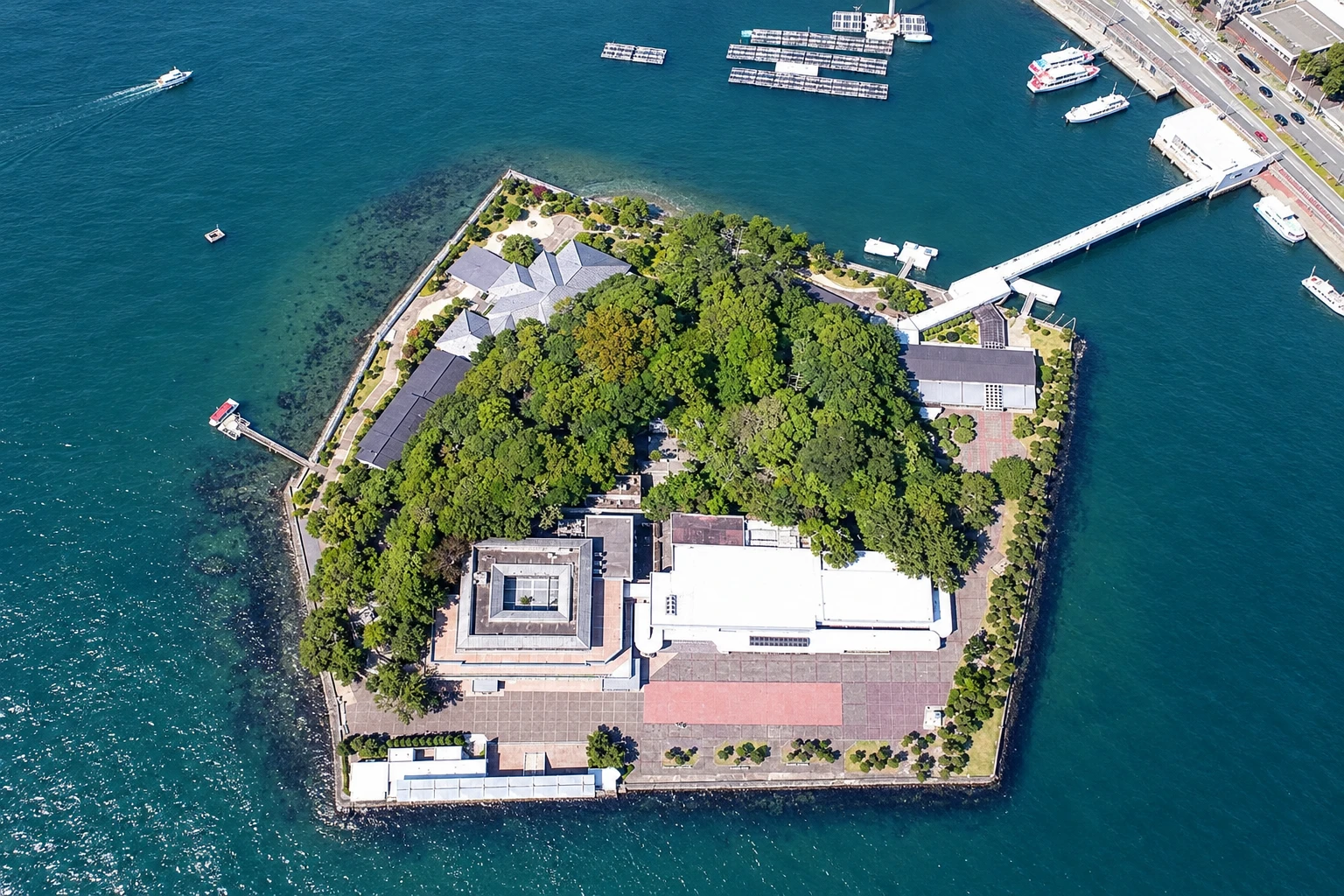
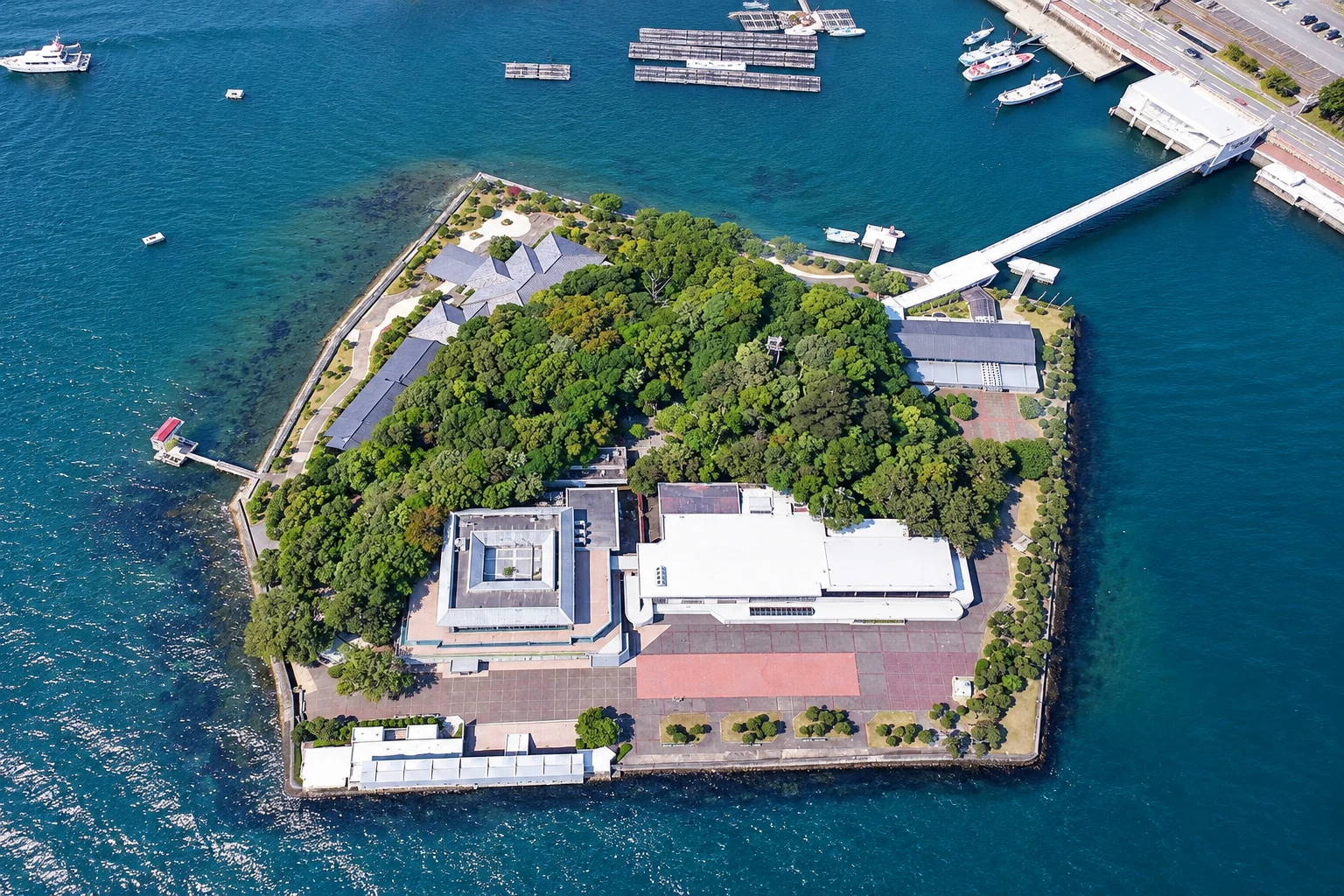
Mikimoto Pearl Island
Small island in Toba Bay, connected by a bridge, where Kokichi Mikimoto produced the first cultured pearl in 1893. It has a museum about pearl cultivation and jewelry and ama diving demonstrations.
Antarctica
In the photo: Mikimoto Pearl Island and its connection to Toba’s coast.
Illustrative images. The pictures in this guide are illustrations based on the real place, not photographs, and may differ from it.
The city
Toba is the port town on Toba Bay, about 15 km from Ise, with pine‑covered islets and a coastline of small coves. There Kokichi Mikimoto produced the first cultured pearl, commemorated on Mikimoto Pearl Island, and the ama — female free‑divers — keep a millennia‑old tradition, told at the Museum of the People of the Sea. The town has onsen hotels and seafood such as lobster and abalone.
There's no accommodation in the guide yet in Toba.
Tem hotel, pousada ou casa de temporada aqui? Cadastre a suaHotéis e restaurantes da cidade no mapa.
how to get there · how many days · itinerary · questions
The local experience
Small island in Toba Bay, connected by a bridge, where Kokichi Mikimoto produced the first cultured pearl in 1893. It has a museum about pearl cultivation and jewelry and ama diving demonstrations.
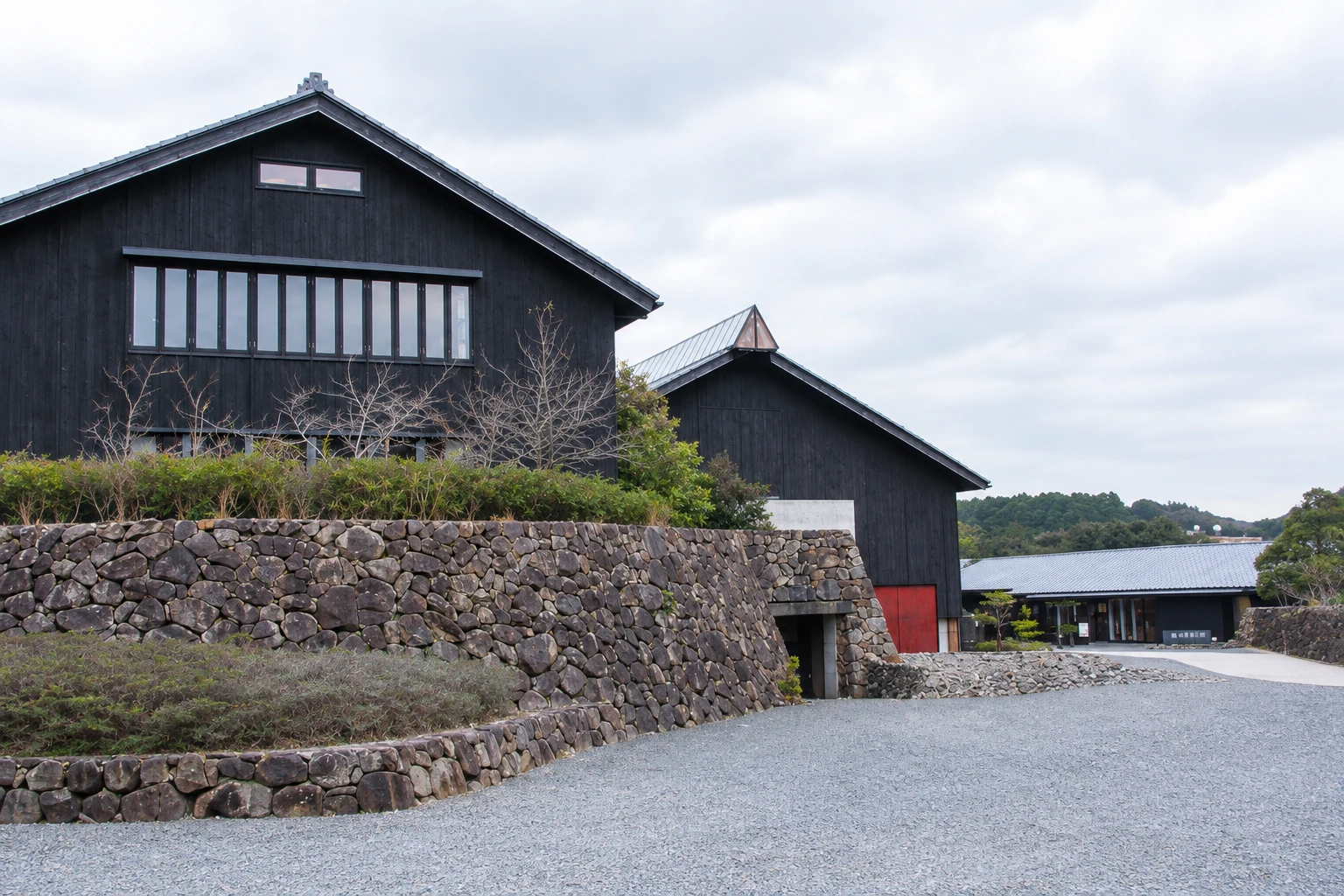
Museum of fishing culture and the ama of Ise‑Shima, in wooden buildings designed by Hiroshi Naito, with a large collection of wooden boats and fishing objects designated important cultural folk properties.
Before you go
Toba – Japan Destination Ise-Shima (Ise; Toba)
Approximate distances. Check flights and bus, train or boat schedules before you travel.
From Ise‑shi, the train takes about 15 minutes to Toba. From Nagoya, Kintetsu limited express trains arrive in about 1h30–1h40; from Osaka, in about 2 hours. A ferry links Toba with Irago on the Atsumi Peninsula.
Half a day for Pearl Island and the town center; one day if you include the Museum of the People of the Sea. One night at an onsen hotel on the bay completes the visit.
All year. The ama diving season typically runs from spring through autumn; winter brings oysters and seasonal seafood. Late summer typhoons can suspend ferries and boat tours.
The seasons shown are the most usual ones; nature doesn't always follow the calendar.
No, the center and Pearl Island are within walking distance from the station. For the Museum of the People of the Sea and the ama villages, take a bus or car.
Suggested itinerary
Built with the places on this page. No rush: it's paced so you have time to see them.
Walk from the station to the bridge to the Pearl Island, visit the museum and watch the ama diving demonstration at sea.
Take a bus or drive to the Museum of the People of the Sea, south of town, which displays wooden boats and the history of the ama.
Return to the bay for a seafood dinner — abalone and Ise lobster in season — and an onsen bath with views of the islets.
Check before you go. Opening hours and days change, and places may close for renovations, holidays or events. This itinerary is a suggestion from Cidade Turismo, not a commitment: plan yours by checking directly with each place you intend to visit.
Before you go
Women who free‑dive to collect abalone, sea urchin, seaweed and other seafood, in a tradition more than two thousand years old. Toba and neighboring Shima are home to the largest concentration of ama in Japan.
Some ama huts, the amagoya, in villages such as Osatsu welcome visitors for grilled seafood meals and conversation about diving, by reservation.
No, about 15 km: roughly 15 minutes by train from Ise‑shi.
Abalone, Ise lobster, Matoya oysters, sea urchin and bay fish, plus the region’s tekone‑zushi.