

 Brazil
 Antarctica
 Argentina
 Bolivia
 Chile
 Colombia
 Ecuador
 Falkland Islands (Malvinas)
 French Guiana
 Guyana
 Paraguay
 Peru
 Suriname
 Uruguay
 Venezuela
 Austria
 Belgium
 Croatia
 Denmark
 Finland
 France
 Germany
 Greece
 Hungary
 Iceland
 Ireland
 Italy
 Luxembourg
 Norway
 Poland
 Portugal
 Slovakia
 Slovenia
 Spain
 Sweden
 Switzerland
 the Czech Republic
 the Netherlands
 the United Kingdom
 Turkey
 Bermuda
 Canada
 Greenland
 Mexico
 Saint Pierre and Miquelon
 the United States
 the Dominican Republic
 Egypt
 South Africa
 Australia
 Fiji
 New Zealand
 Papua New Guinea
Natural attraction · Hakone, Japan
Owakudani
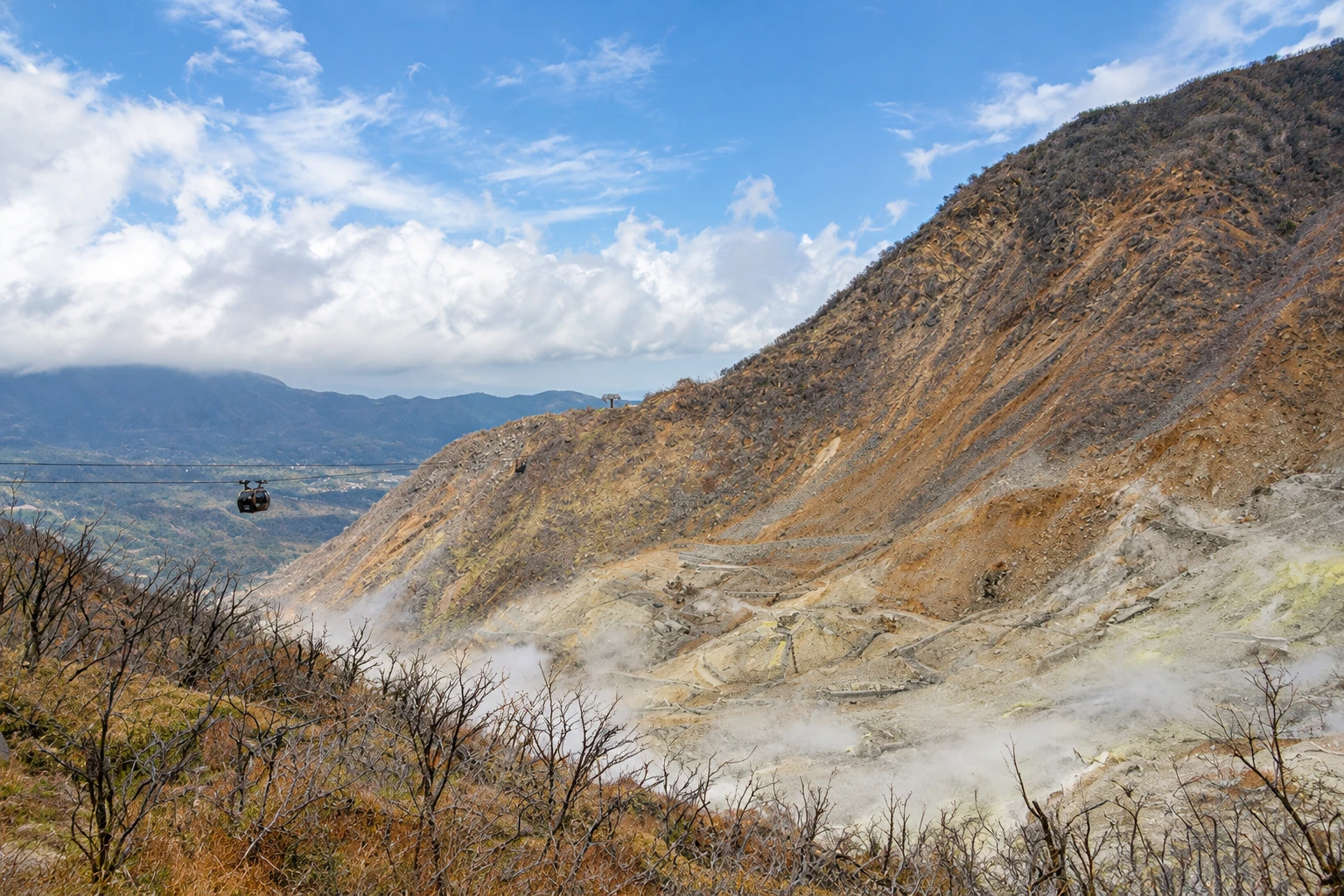
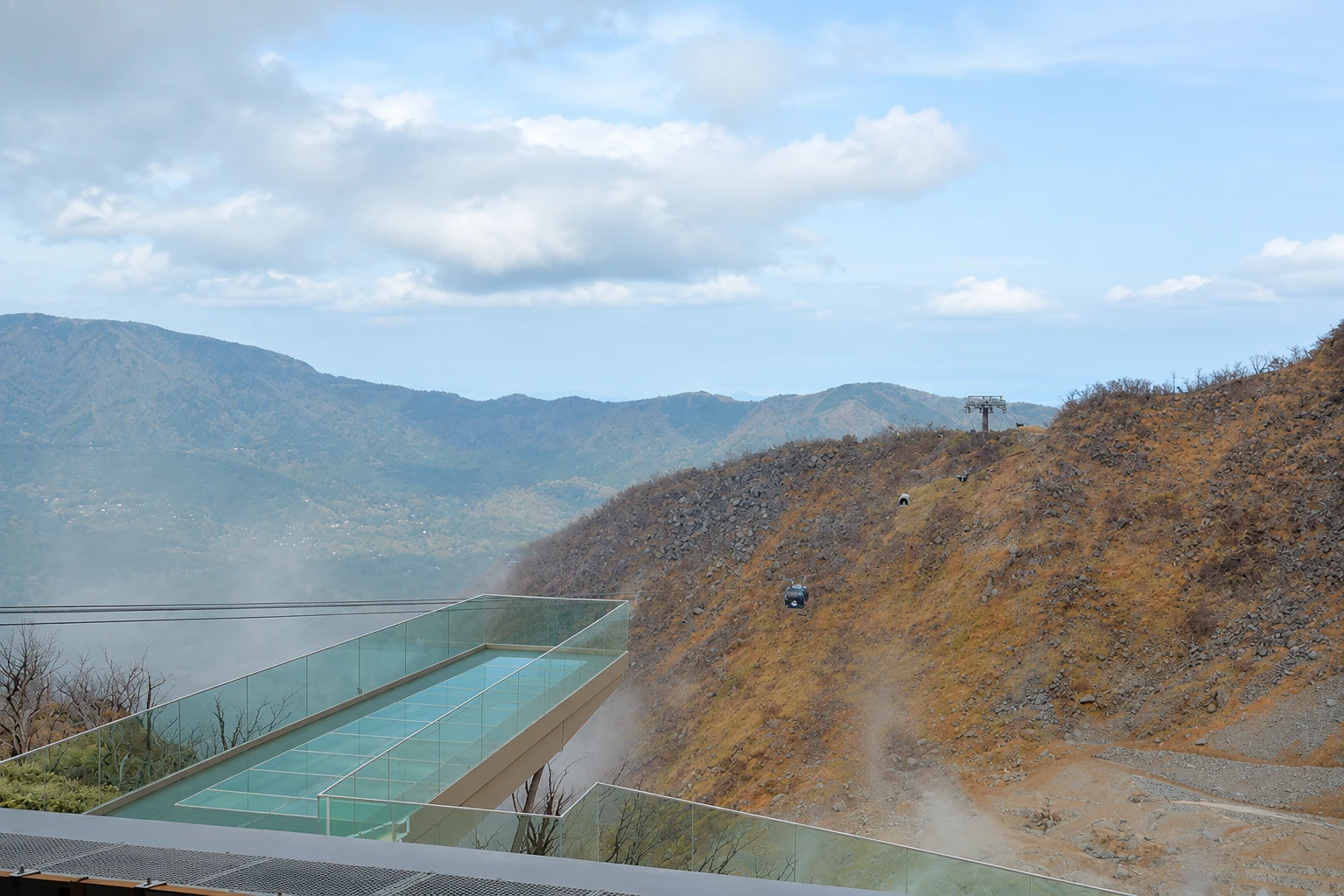
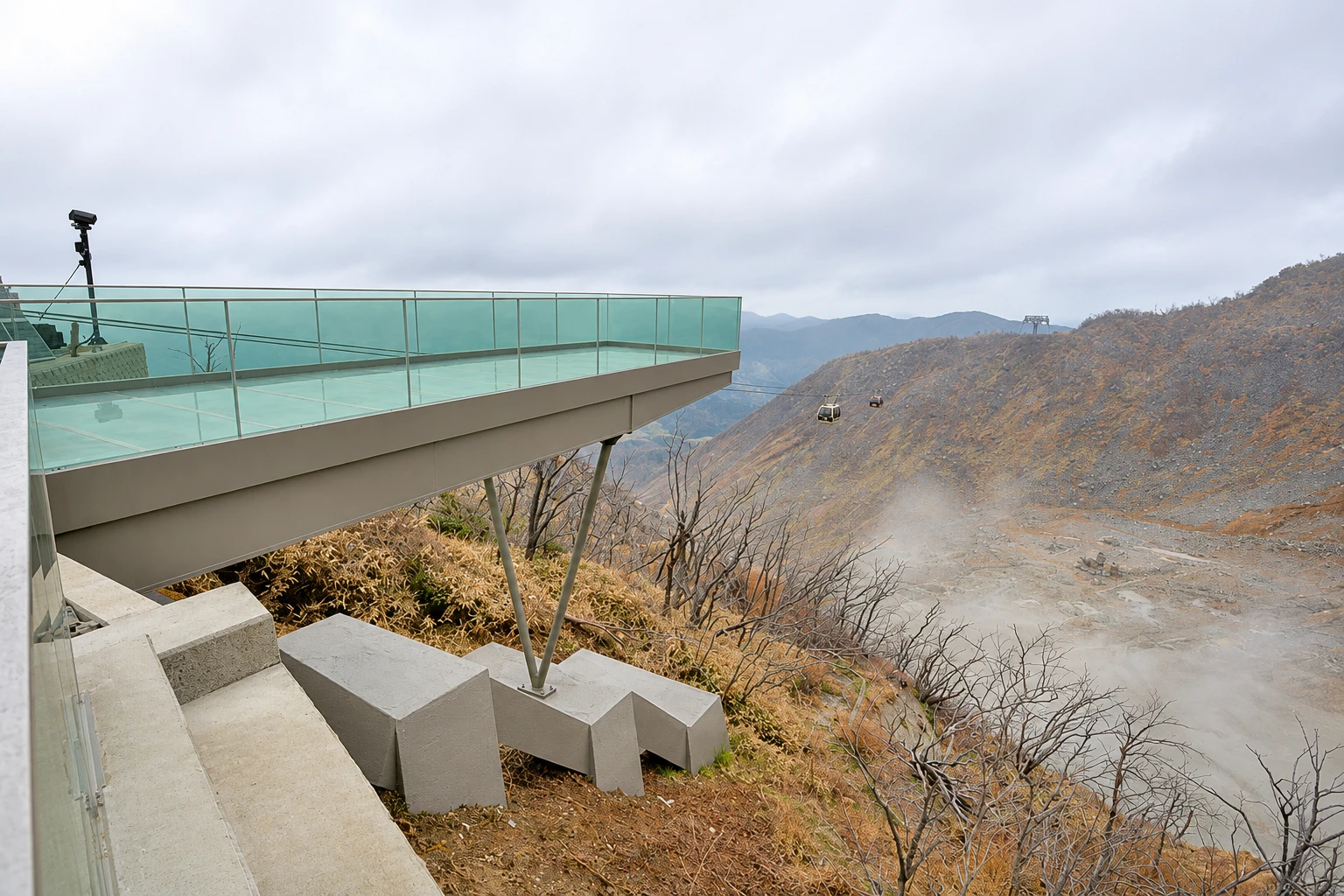
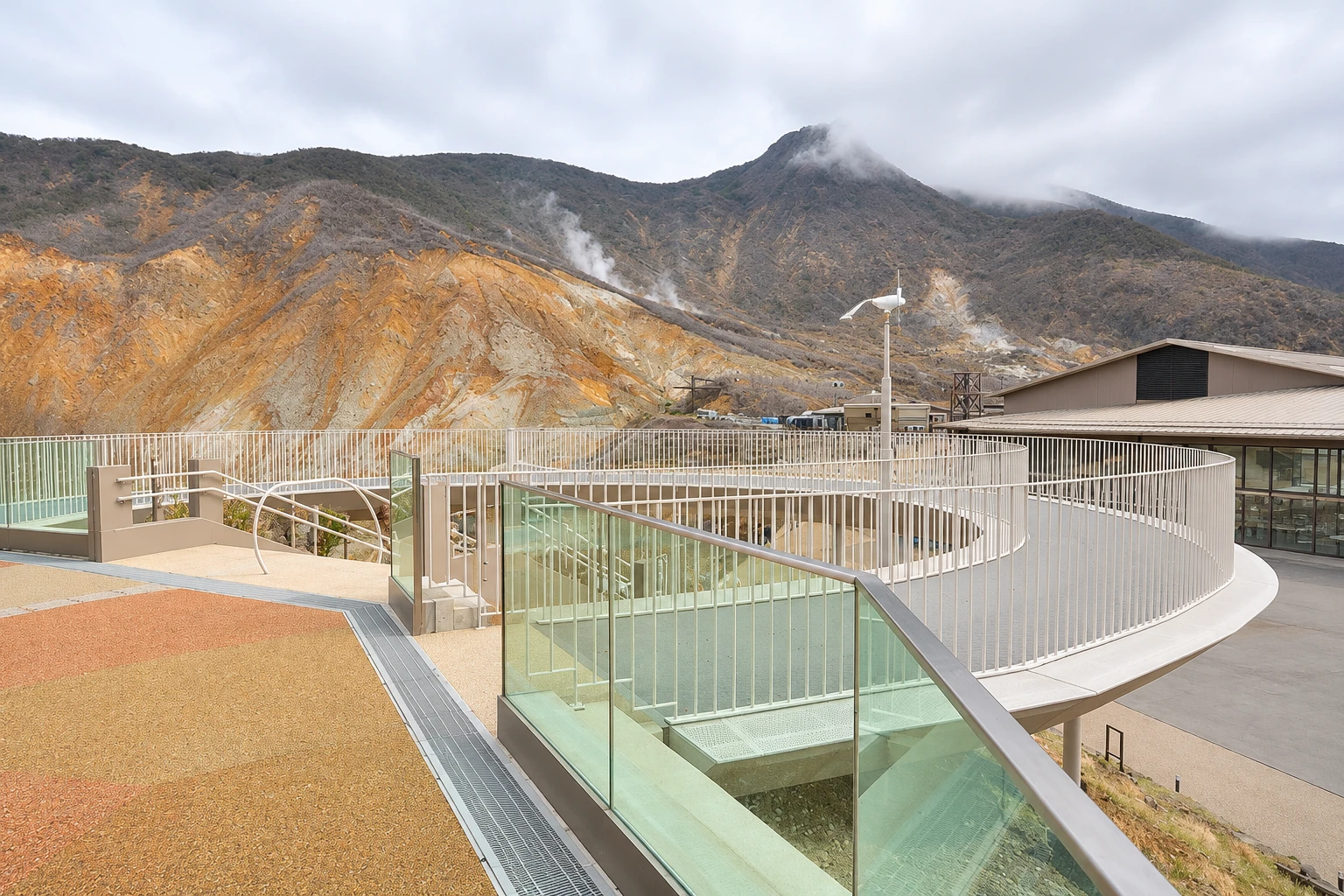
The volcanic valley of Hakone, with fumaroles, sulfur and the black eggs boiled in the hot spring waters, next to the ropeway station; access depends on the volcanic alert level.
Illustrative images. The pictures in this guide are illustrations based on the real place, not photographs, and may differ from it.

A look at the place
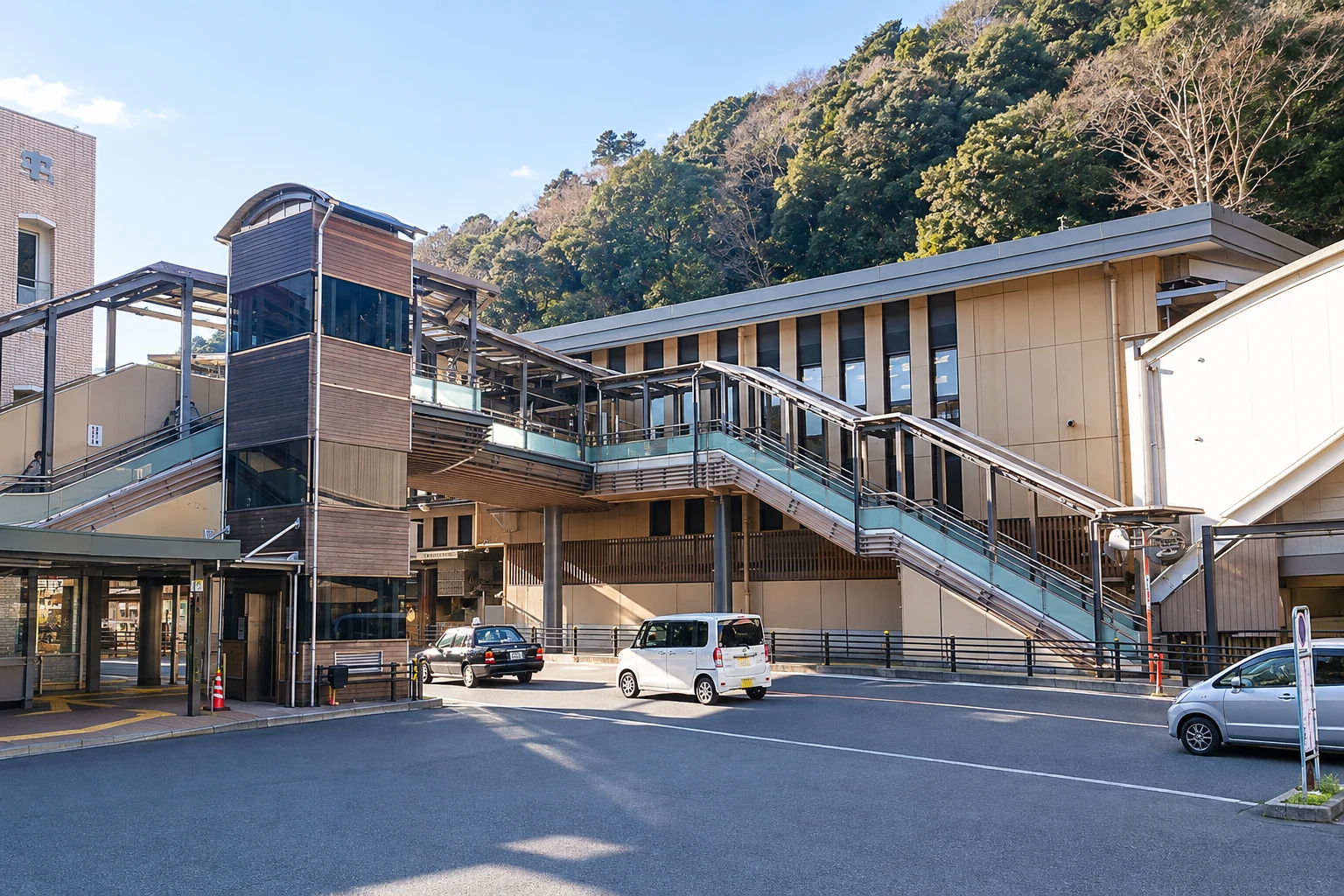
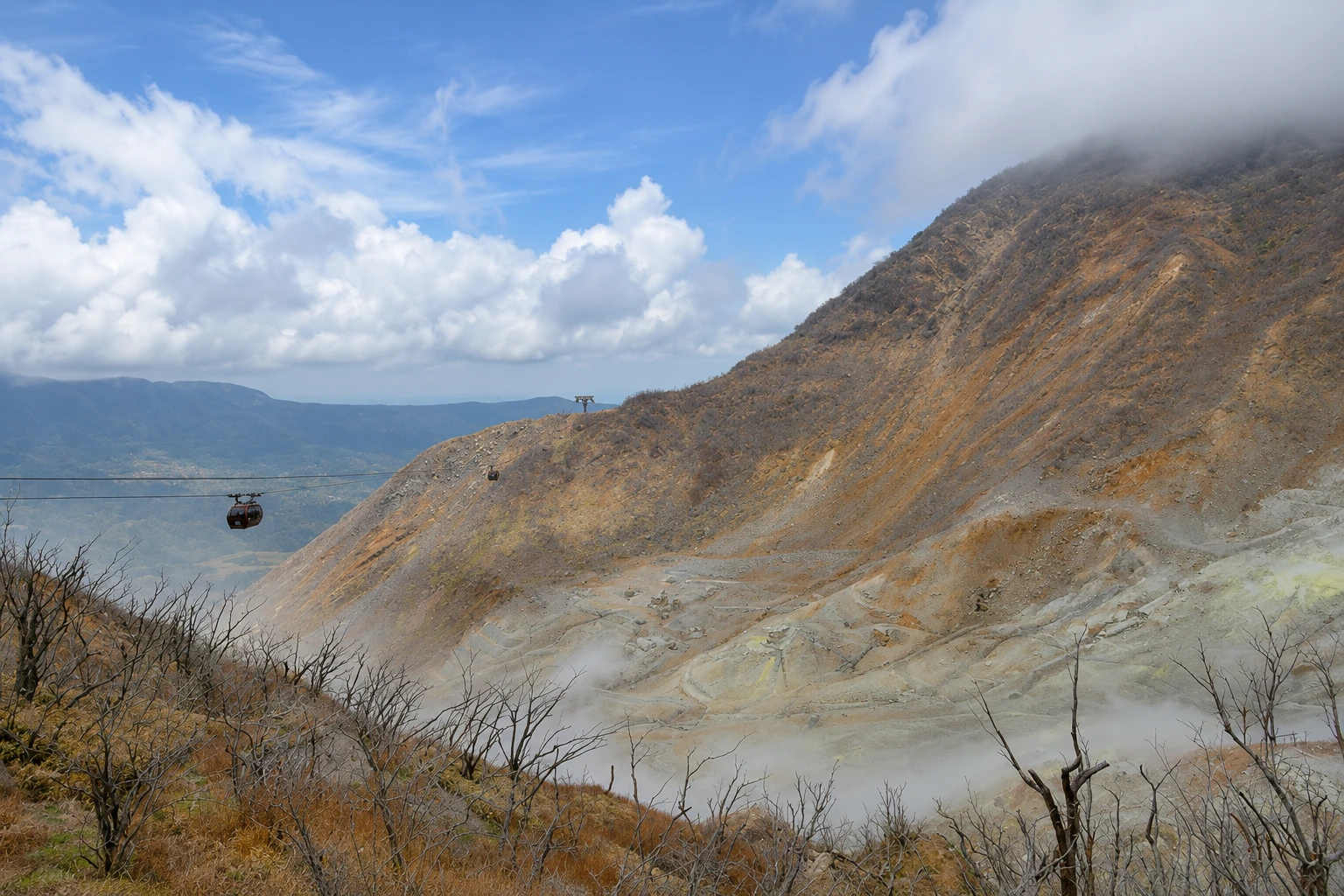
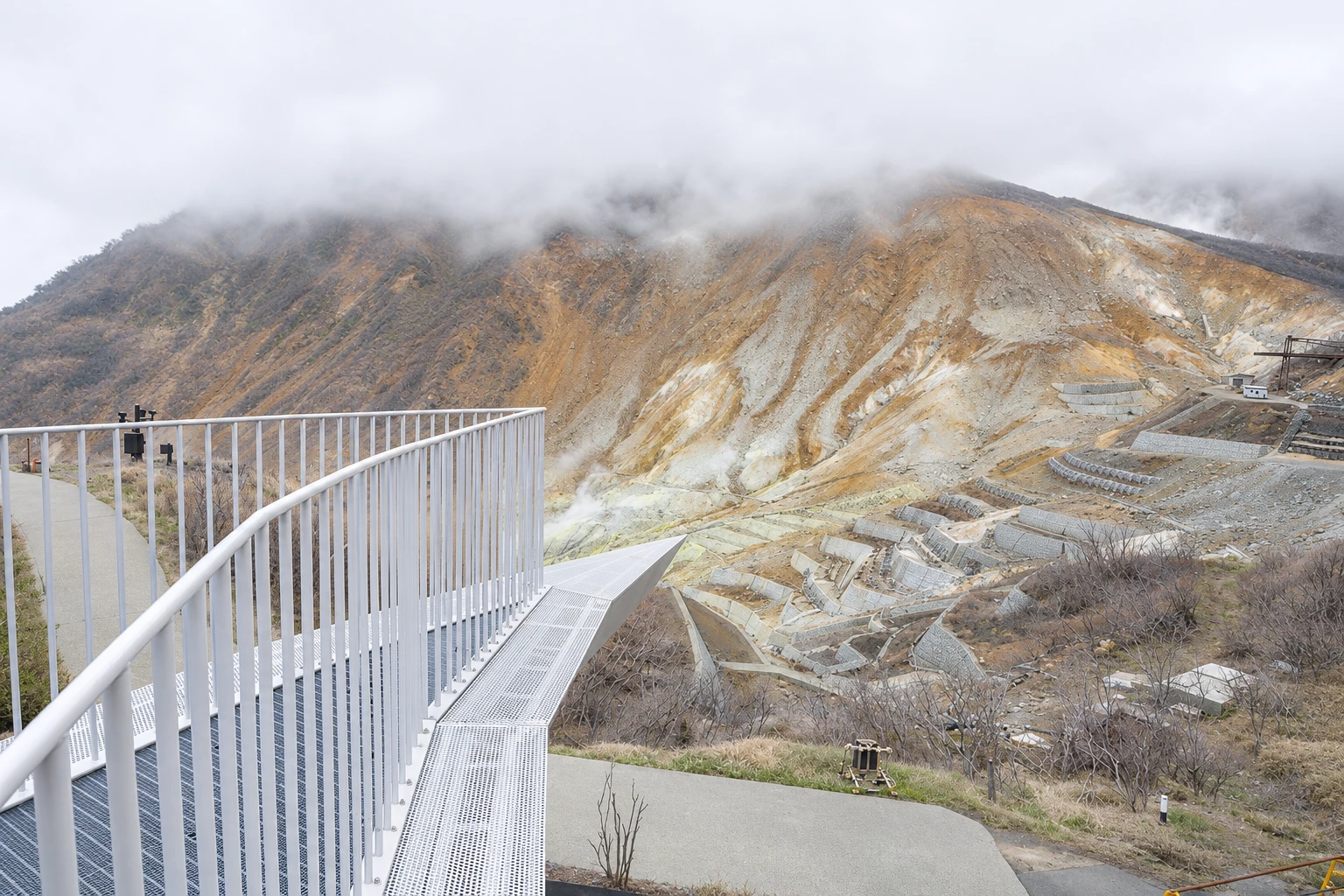
Owakudani in pictures
These pictures are illustrations based on the real place, not photographs. They may differ from the place.
Click the picture to enlarge it.
Discover
About Owakudani
Owakudani, the “Great Boiling Valley,” is an area of volcanic activity on the slope of Mount Kami, at about 1,000 meters elevation. It formed in an eruption around 3,000 years ago. Steam and sulfurous gases vent from the ground, rocks are stained yellow by sulfur, and the smell can be noticed from a distance. It is the best-known spot in the Hakone Geopark.
The Hakone Ropeway passes over the valley between Sounzan and Togendai and has a station at Owakudani. From the gondola you can see the steaming slopes and, on clear days, Mount Fuji to the northwest. The station houses a volcano information center, shops, and restaurants.
The valley is famous for kuro-tamago, eggs boiled in the hot springs that turn black on the shell because of sulfur and iron. Local lore says each egg eaten adds seven years to your life. They are sold in packs at the station.
Volcanic activity is monitored by the Japan Meteorological Agency, and access varies according to alert levels and gas concentrations. At times the ropeway and visitor area have been closed. People with asthma or respiratory problems, pregnant people, and young children are advised to avoid the area. Check the situation before you go.
Before you go
Practical information
Cidade Turismo reviews its information regularly, but something may have changed. Check with the place before planning your trip.
How much time to set aside
30 minutes to 1 hour at the station and the visitor area.
Best time
On dry, clear days, especially in autumn and winter, when Mount Fuji is more likely to appear. Access can be restricted at any time due to volcanic activity or ropeway maintenance: confirm before you go.
How to get there
By the Hakone Ropeway from Sounzan, the terminal of the funicular from Gora, or from Togendai on the north shore of Lake Ashi. There are also buses from Hakone-Yumoto, depending on road conditions.
Tip
Stop at Owakudani midway through the circuit, between the funicular and the lake. If the valley is closed, buses and boats can still allow you to complete the rest of the tour.
Official website
Your questions
Frequently asked questions about Owakudani
Is Owakudani open?
It depends on the volcanic alert level and gas concentrations, which change. Check the Hakone ropeway site or the Japan Meteorological Agency before you go.
What are Owakudani’s black eggs?
They are eggs boiled in the valley’s hot springs that turn black on the shell because of sulfur and iron. Tradition says each one adds seven years to your life.
How do you get to Owakudani?
By the Hakone ropeway from Sounzan or Togendai, or by bus, depending on road and area conditions.
Is Owakudani suitable for people with asthma?
No. The valley’s gases can affect people with asthma or respiratory problems; local guidance advises they avoid the area.
Can you see Mount Fuji from Owakudani?
On clear days, yes, to the northwest. Chances are higher in autumn and winter.