

 Brazil
 Antarctica
 Argentina
 Bolivia
 Chile
 Colombia
 Ecuador
 Falkland Islands (Malvinas)
 French Guiana
 Guyana
 Paraguay
 Peru
 Suriname
 Uruguay
 Venezuela
 Albania
 Austria
 Belgium
 Croatia
 Denmark
 Finland
 France
 Germany
 Greece
 Hungary
 Iceland
 Ireland
 Italy
 Luxembourg
 Norway
 Poland
 Portugal
 Slovakia
 Slovenia
 Spain
 Sweden
 Switzerland
 the Czech Republic
 the Netherlands
 the United Kingdom
 Turkey
 Bermuda
 Canada
 Greenland
 Mexico
 Saint Pierre and Miquelon
 the United States
 the Dominican Republic
 Egypt
 South Africa
 Australia
 Fiji
 New Zealand
 Papua New Guinea
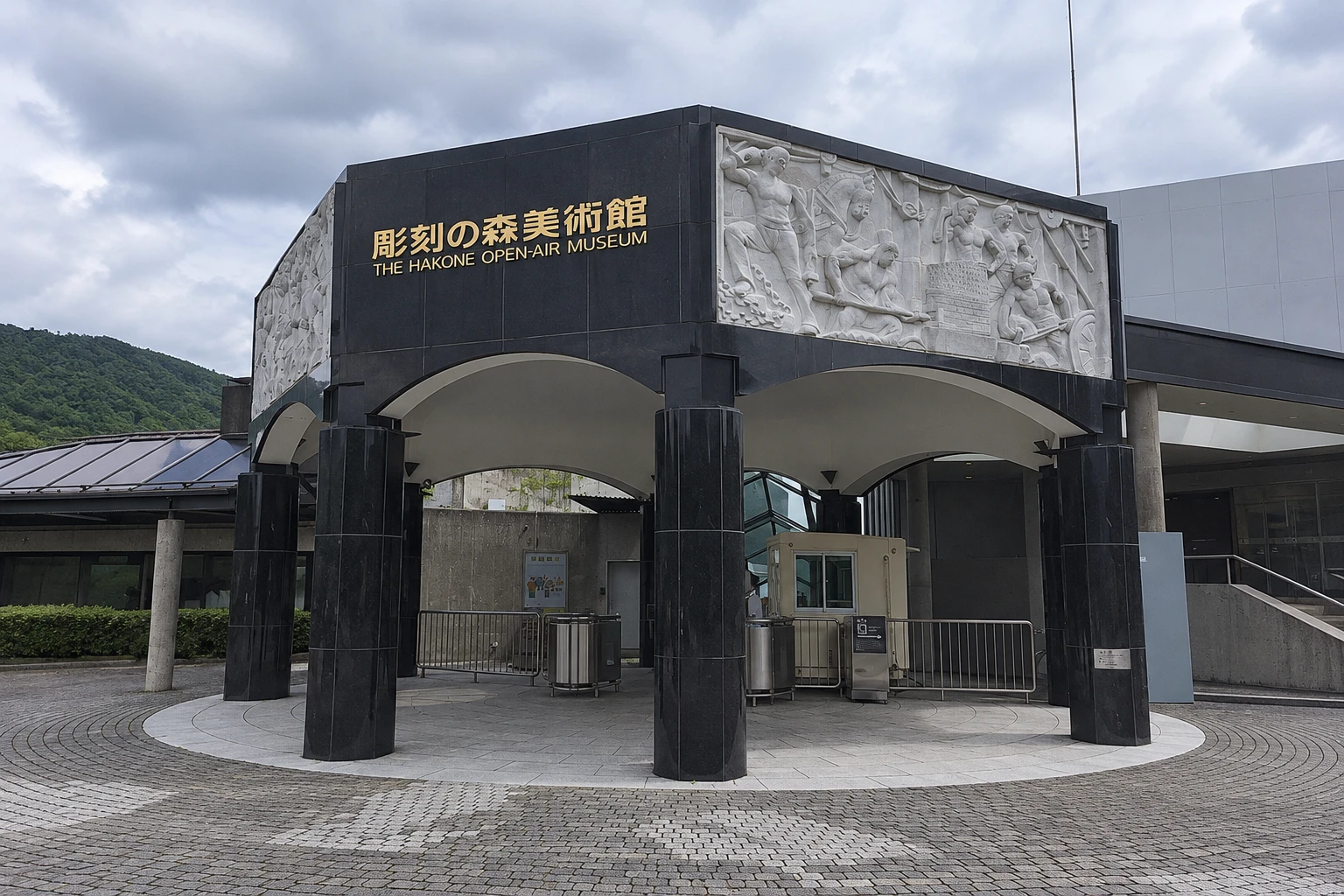
Museum · Hakone, Japan
Hakone Open-Air Museum
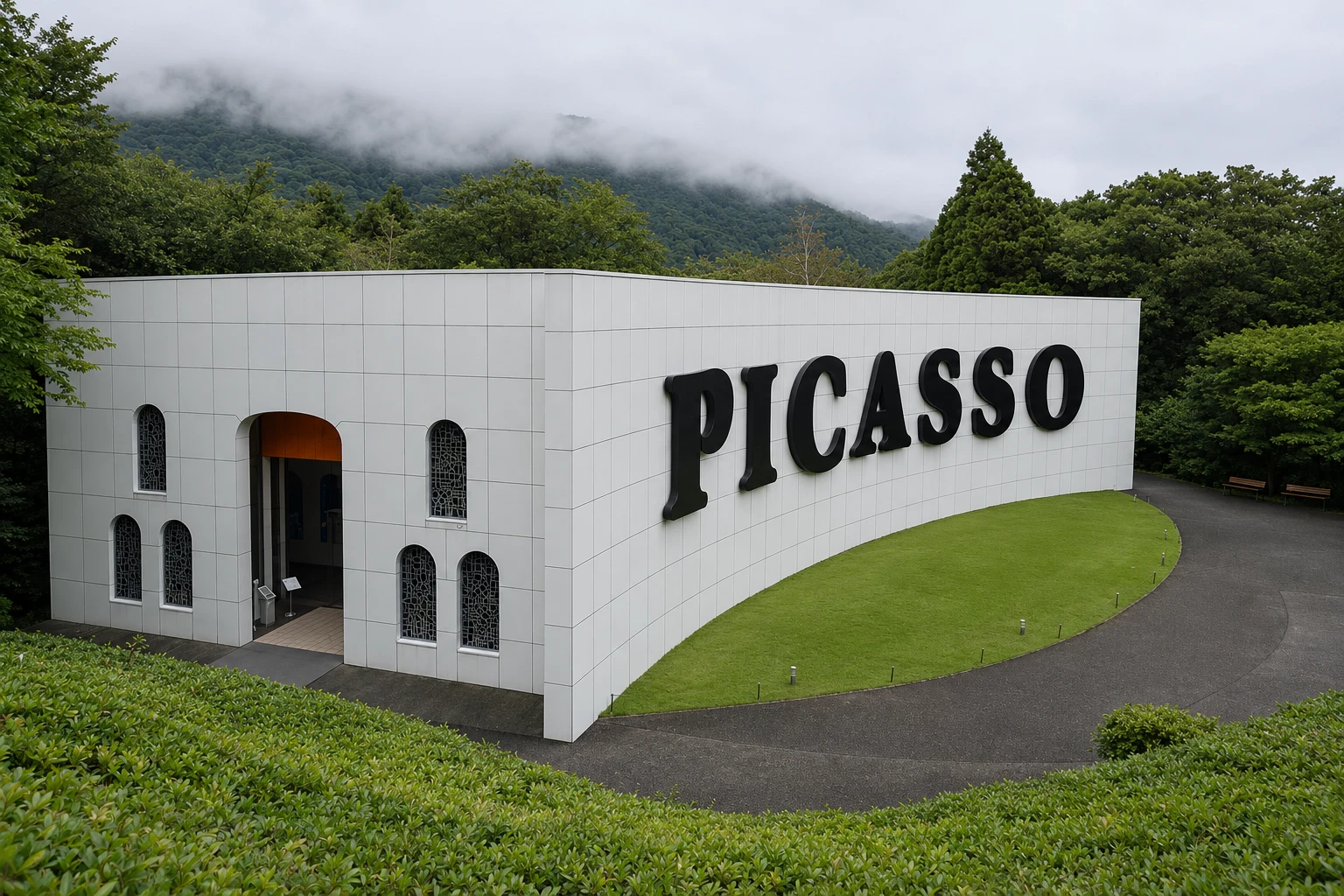
A sculpture museum in a hillside lawn park, with works by Rodin, Henry Moore, and Niki de Saint Phalle, a pavilion dedicated to Picasso, and a hot‑spring footbath.
Illustrative images. The pictures in this guide are illustrations based on the real place, not photographs, and may differ from it.

A look at the place
Hakone Open-Air Museum in pictures
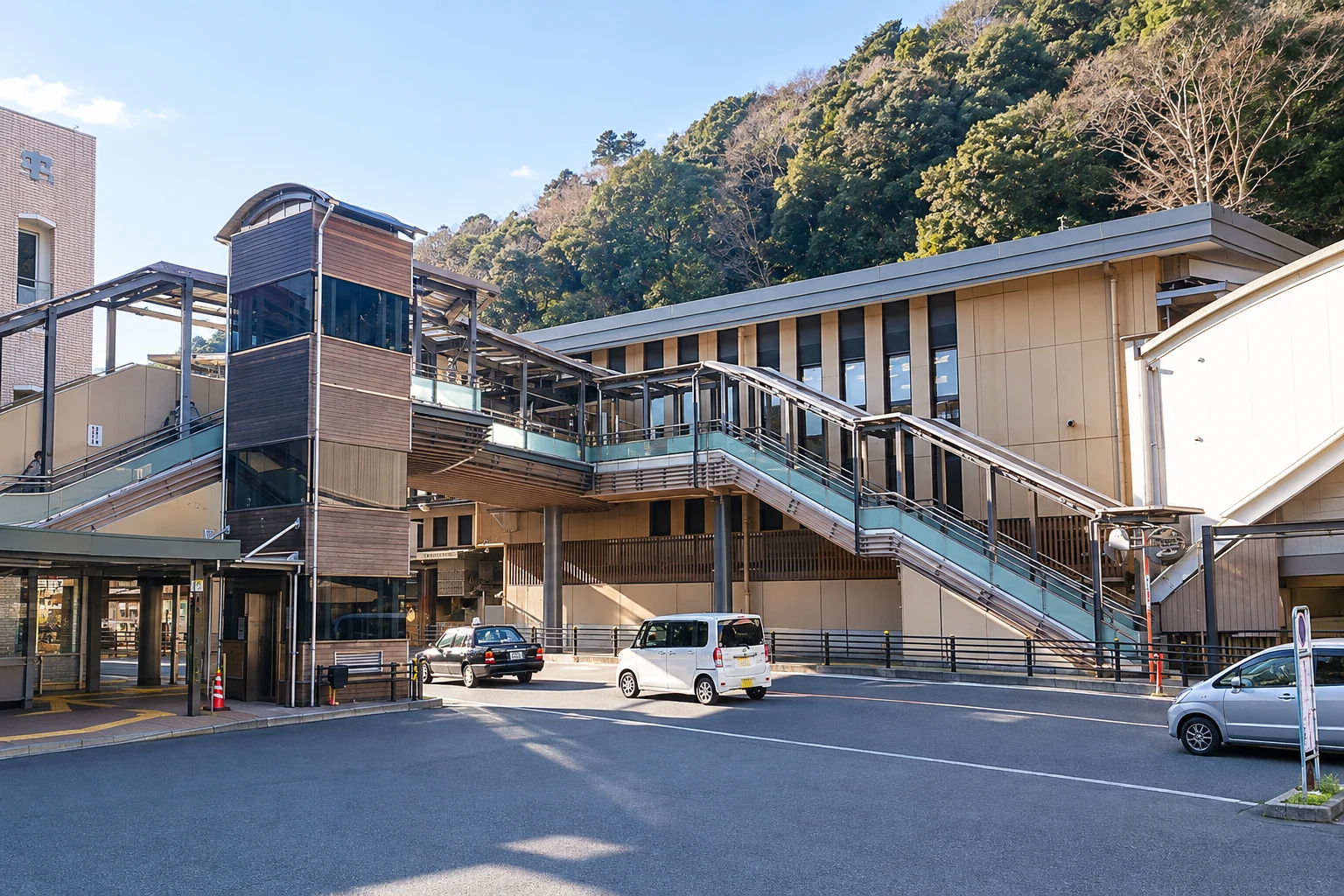
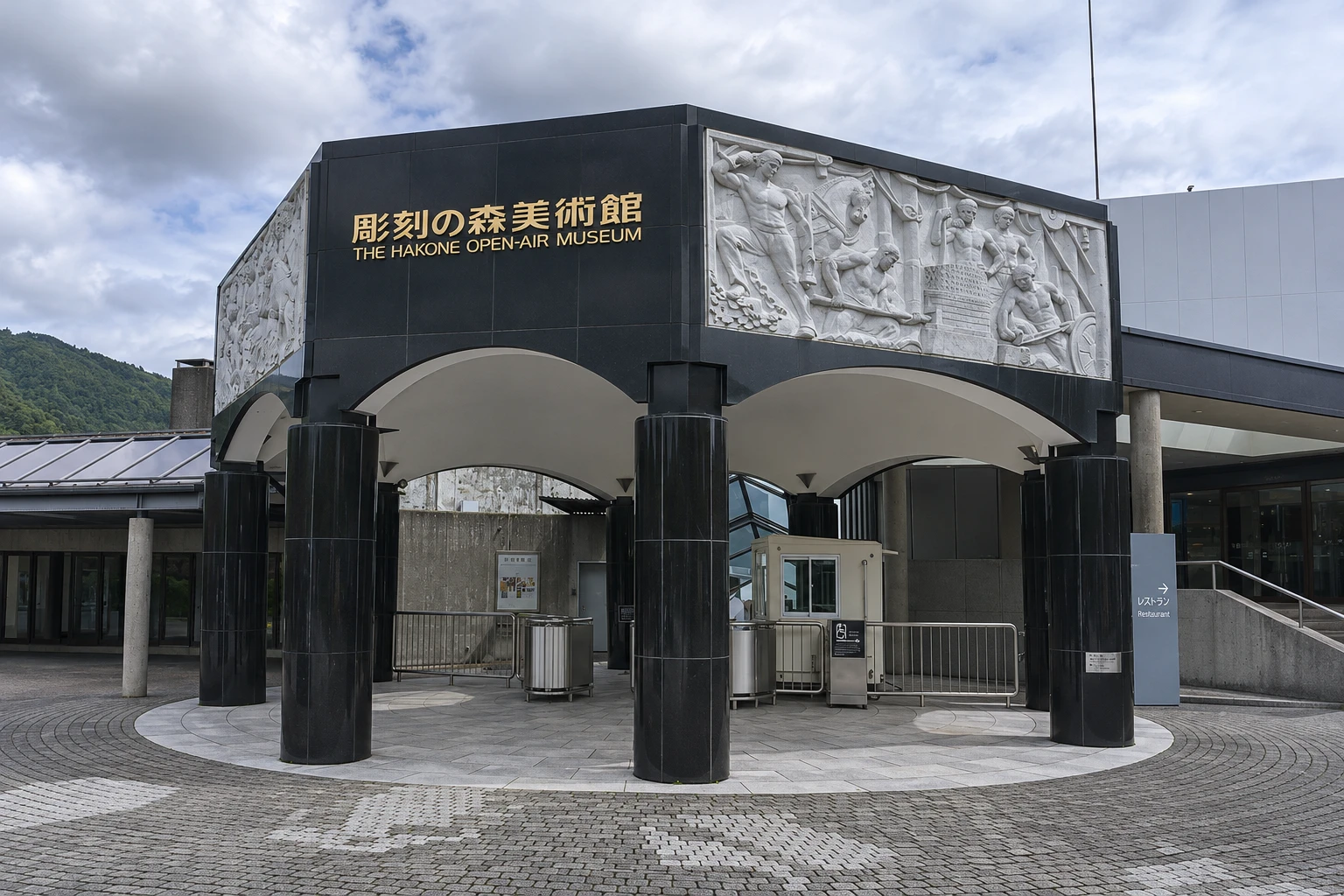
These pictures are illustrations based on the real place, not photographs. They may differ from the place.
Click the picture to enlarge it.
Discover
About Hakone Open-Air Museum
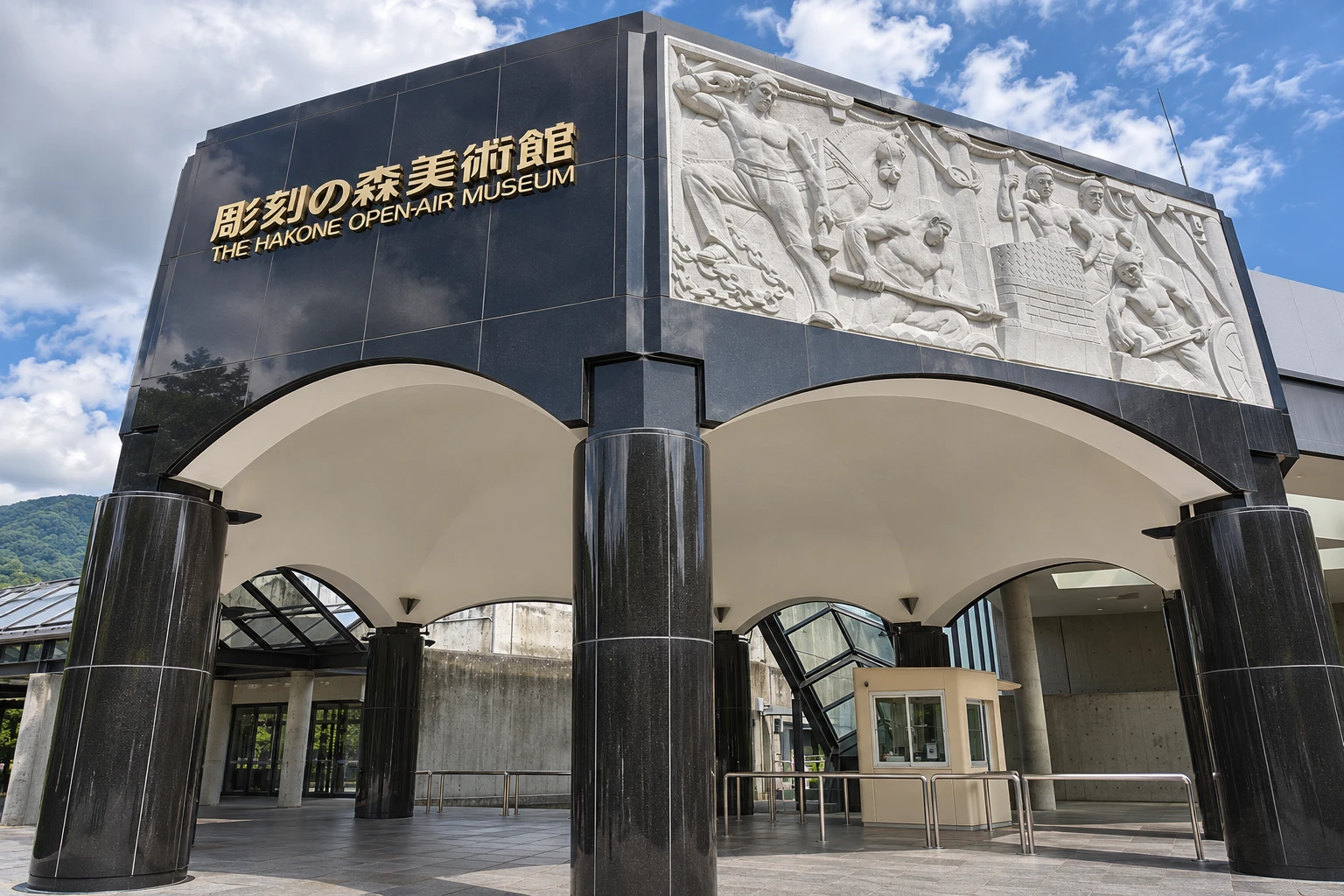
The Hakone Open-Air Museum (Chokoku no Mori Bijutsukan) opened in 1969 as Japan’s first outdoor sculpture museum. It occupies a lawn and garden park on a Hakone slope, surrounded by mountains, and displays about 120 works permanently outdoors by Japanese and international artists of the 19th and 20th centuries.
Along the paths you’ll find sculptures by Auguste Rodin, Henry Moore, Joan Miró, Antony Gormley, and Niki de Saint Phalle, among others, placed within the landscape. Several works invite interaction, such as net structures children can climb and play on. The Symphonic Tower, a cylinder with colored stained glass inside, has a spiral staircase up to a viewpoint over the park.
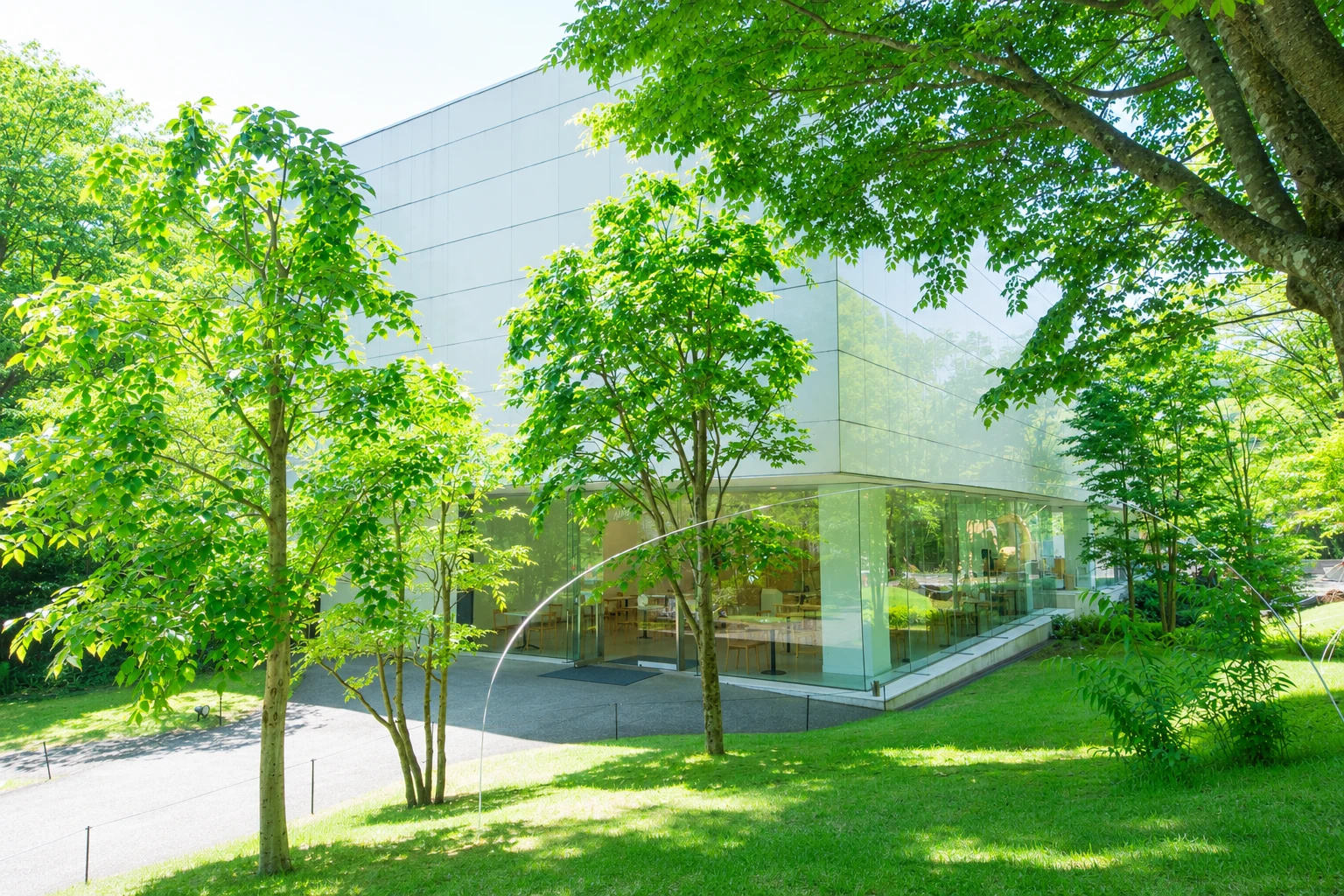
The Picasso Pavilion houses hundreds of works by the artist, mainly ceramics, as well as prints, paintings, and objects collected by the museum foundation over decades. There are also indoor galleries with temporary exhibitions and a collection of Henry Moore sculptures.
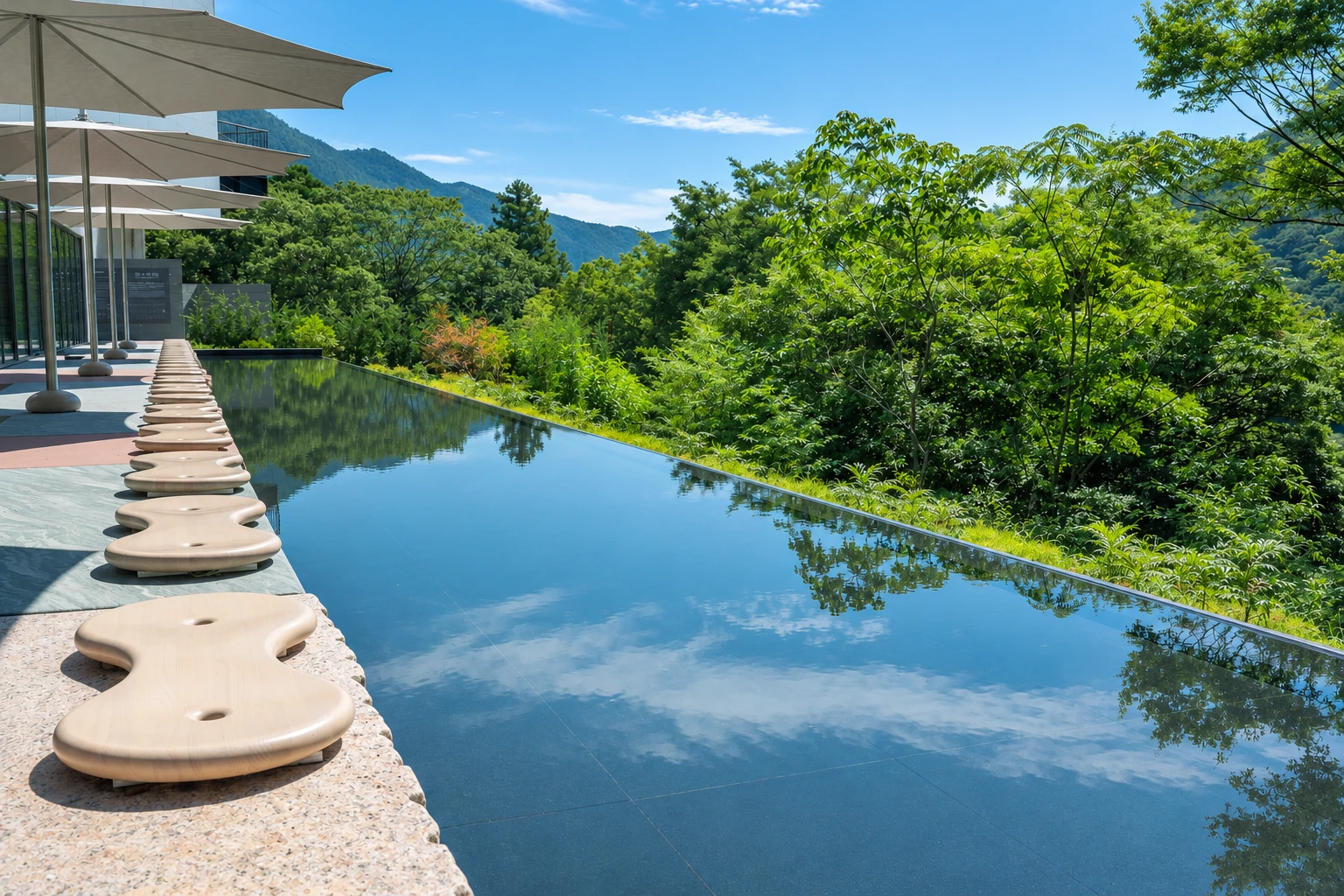
In the middle of the park, a footbath fed with Hakone’s hot‑spring water lets you rest with your feet in warm water facing the sculptures. The museum has cafés and a restaurant overlooking the gardens, and the train station is right beside it.
Before you go
Practical information
Cidade Turismo reviews its information regularly, but something may have changed. Check with the place before planning your trip.
How much time to set aside
2 to 3 hours.
Best time
Any season: cherry blossoms in spring; red leaves around the park in autumn, usually in November. Dry days are best for walking the gardens. Much of the visit is outdoors: bring an umbrella if rain is forecast.
How to get there
Chokoku-no-Mori Station on the Hakone Tozan Railway is about a 2‑minute walk away. From Hakone-Yumoto the train takes about 35 to 40 minutes.
Tip
Allow time for the Picasso Pavilion and the footbath in the middle of the route. Combine the visit with the circuit: Gora Station, where the funicular departs, is one stop away.
Official website
Your questions
Frequently asked questions about Hakone Open-Air Museum
What is in the Hakone Open-Air Museum?
About 120 outdoor sculptures by artists such as Rodin, Henry Moore and Miró, the Picasso Pavilion, the Stained-Glass Symphony Tower and a hot-spring footbath.
How long does a visit to the Hakone Open-Air Museum take?
About 2 to 3 hours.
How do you get to the Hakone Open-Air Museum?
Take the Hakone mountain railway to Chokoku-no-Mori Station, about a 2-minute walk away.
Is the Open-Air Museum good for children?
Yes. Some works are designed for children to climb and play on, and the park has large lawns.
Is the museum open when it rains?
Yes, but much of the visit is outdoors. The indoor galleries and the Picasso Pavilion are covered.