Furano · Japan · Garden
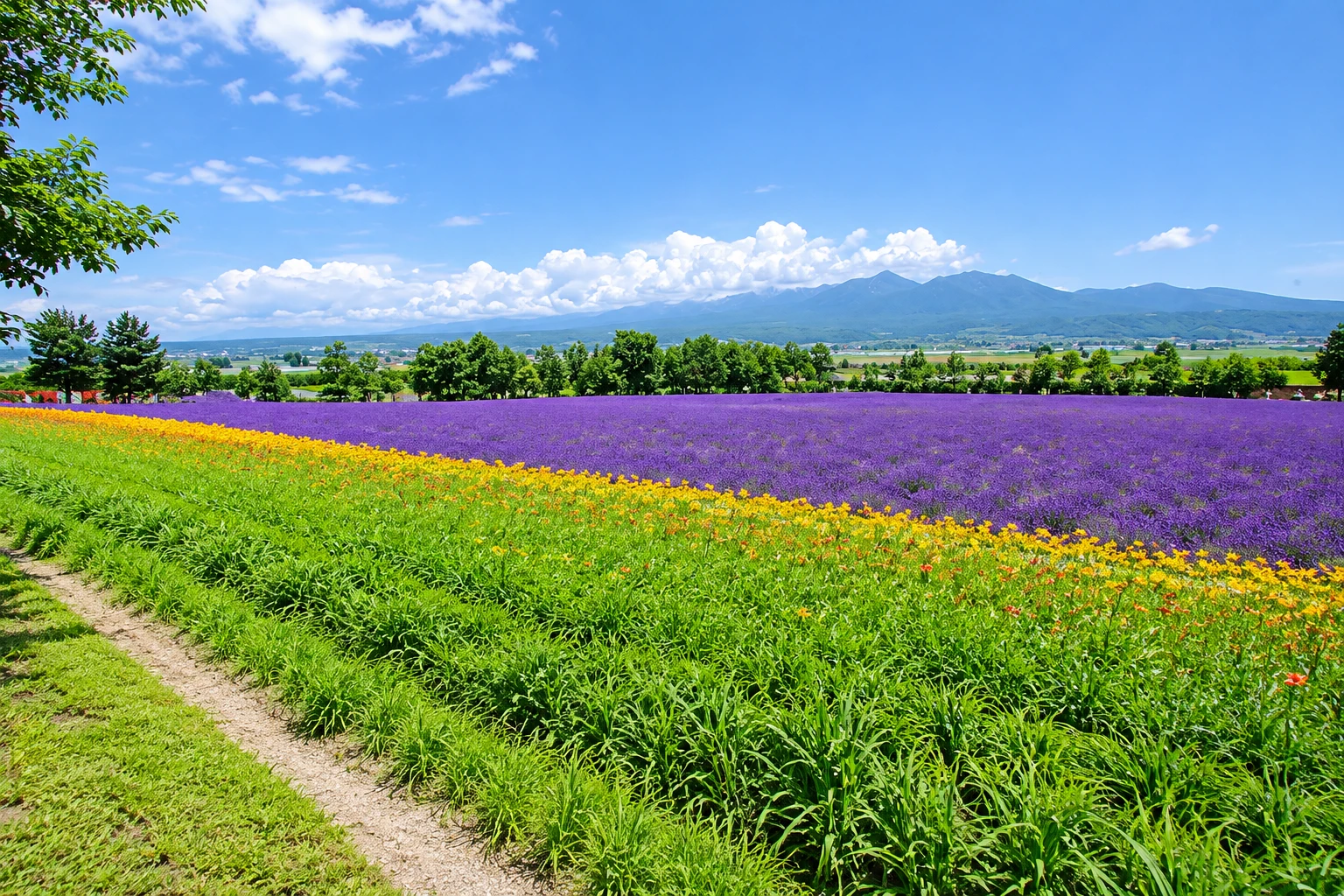
Tomita Farm
Flower farm that kept Furano’s lavender fields when perfume production lost its market. It has color-striped beds, greenhouses and a lavender oil distillery.

 Search
 Brazil
 Antarctica
 Argentina
 Bolivia
 Chile
 Colombia
 Ecuador
 Falkland Islands (Malvinas)
 French Guiana
 Guyana
 Paraguay
 Peru
 Suriname
 Uruguay
 Venezuela
 Austria
 Belgium
 Croatia
 Denmark
 Finland
 France
 Germany
 Greece
 Hungary
 Iceland
 Ireland
 Italy
 Luxembourg
 Norway
 Poland
 Portugal
 Slovakia
 Slovenia
 Spain
 Sweden
 Switzerland
 the Czech Republic
 the Netherlands
 the United Kingdom
 Turkey
 Bermuda
 Canada
 Greenland
 Mexico
 Saint Pierre and Miquelon
 the United States
 the Dominican RepublicJapanTurkey
 Egypt
 South Africa
 Australia
 Fiji
 New Zealand
 Papua New Guinea
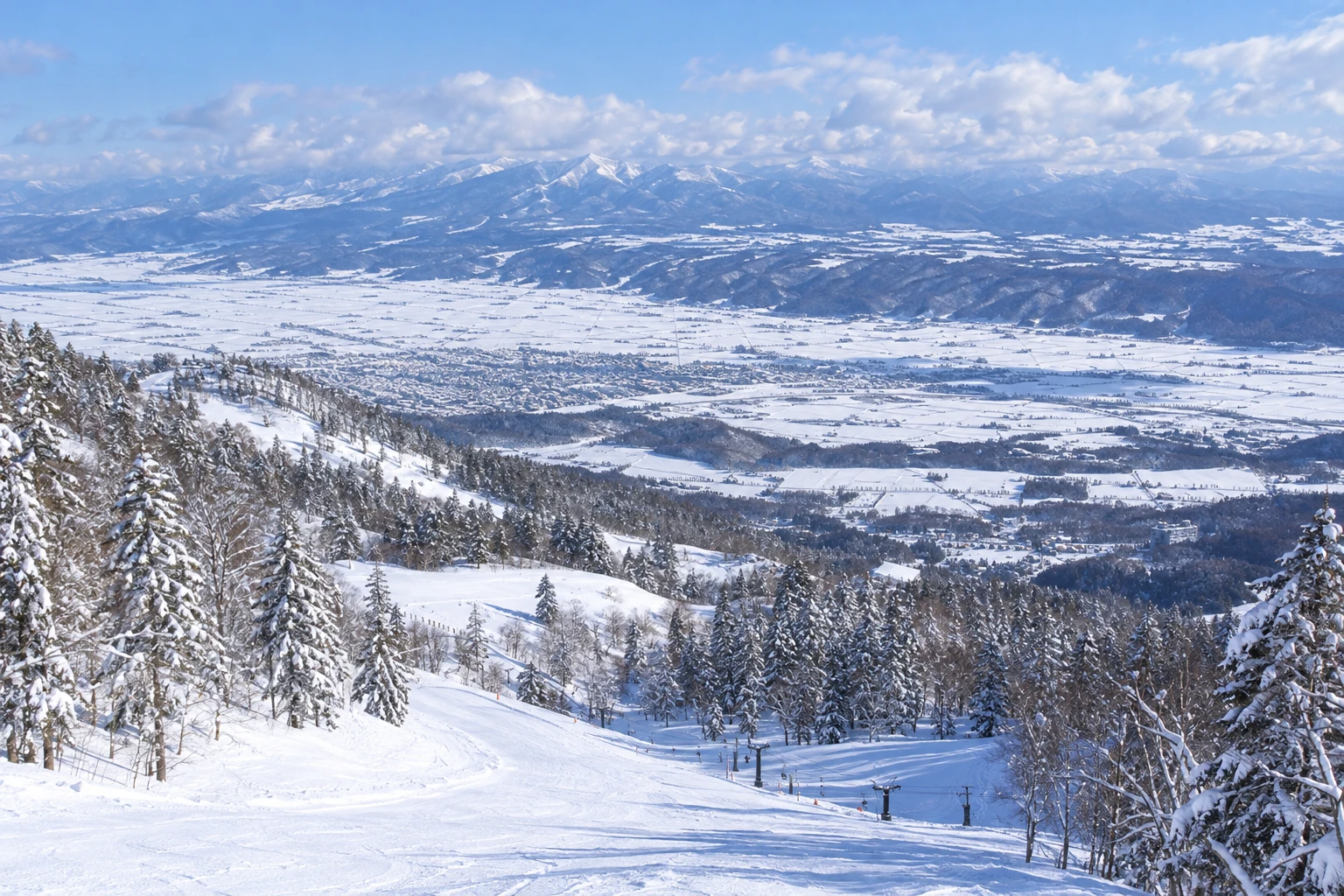
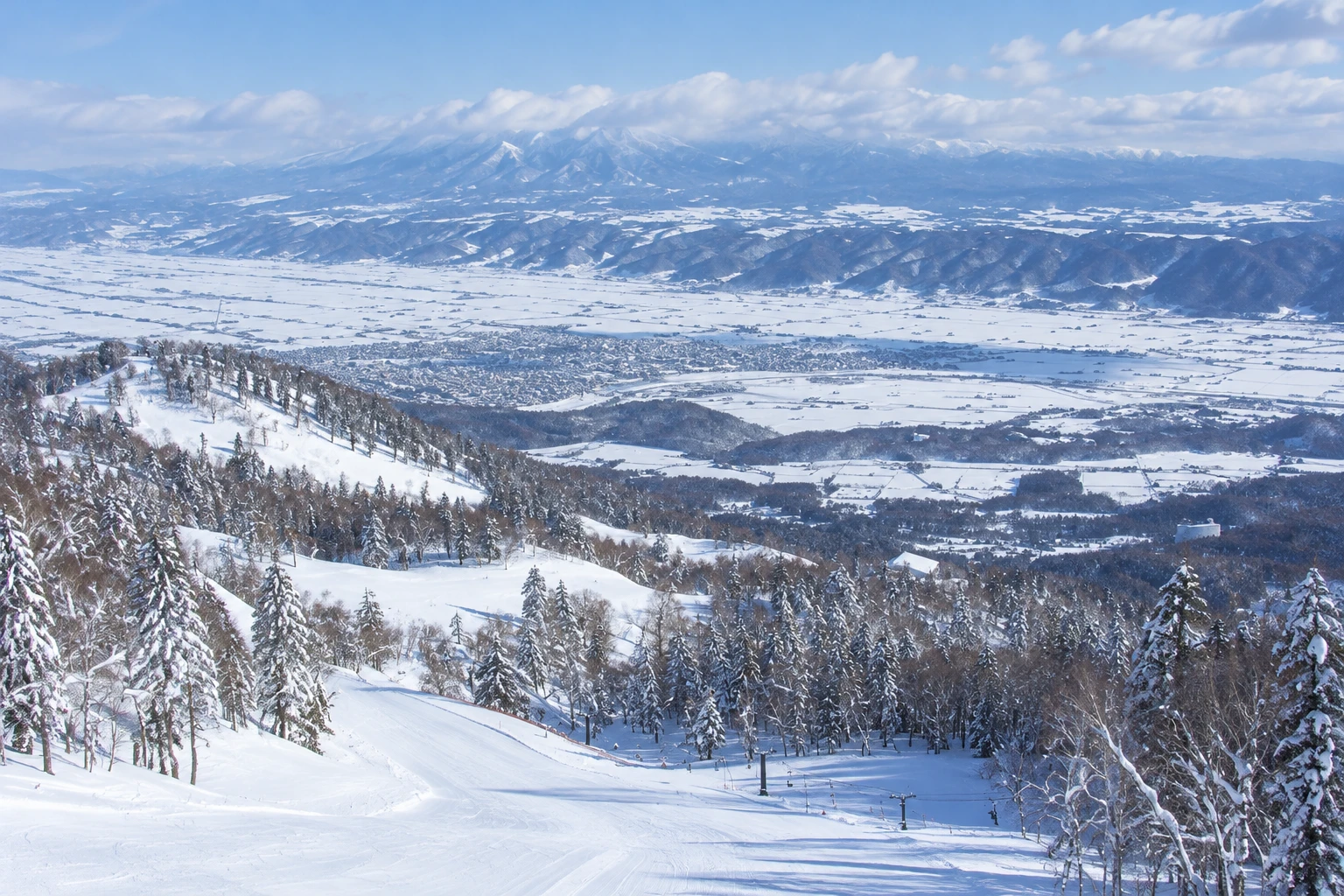
In the photo: Furano slopes and valley covered in snow.
Illustrative images. The pictures in this guide are illustrations based on the real place, not photographs, and may differ from it.

The city
Furano is an agricultural town near the geographic center of Hokkaido, surrounded by lavender and vegetable fields. In summer, Tomita Farm in neighboring Nakafurano displays flower beds that usually peak in July; in winter, Furano’s ski resort draws skiers attracted by the dry snow. The town is also known for its melons, cheeses and local wines.
There's no accommodation in the guide yet in Furano.
Tem hotel, pousada ou casa de temporada aqui? Cadastre a suaThere are no restaurants in the guide yet in Furano.
Know a good one? Recommend it to usHotéis e restaurantes da cidade no mapa.
how to get there · how many days · itinerary · questions
The local experience
Flower farm that kept Furano’s lavender fields when perfume production lost its market. It has color-striped beds, greenhouses and a lavender oil distillery.
Ski resort on the slope of Mount Kitanomine, with dry snow, wide runs and a high-capacity lift. It has hosted Alpine Skiing World Cup stages; in summer, the lift takes visitors to a lookout over the basin.
Before you go
Furano – Japan Destination Furano and Biei about 140 km from Sapporo
Approximate distances. Check flights and bus, train or boat schedules before you travel.
From Asahikawa Airport (AKJ), buses take about 1 hour. From Sapporo, the train takes around 2 hours with a transfer at Takikawa, and there are direct express buses. Biei is about 40 minutes by train on the Furano line.
One summer day is enough for the flower fields and the town center; two days allow adding Biei. In winter, three to five days for skiing.
From June to August for the flowers, with lavender usually blooming in July; September has harvests and cooler days. From December to March, snow and skiing; the piste season often extends until early May.
The seasons shown are the most usual ones; nature doesn't always follow the calendar.
It’s easier with a car, because the fields are outside the center. Without a car, there are seasonal trains in summer, local buses, taxis and bike rentals. In winter, buses connect the center to the slopes.
Suggested itinerary
Built with the places on this page. No rush: it's paced so you have time to see them.
Arrive early at Tomita Farm to walk among the beds before the tour buses. In season, the special train stops at the temporary Lavender-batake station near the entrance.
Have curry with local vegetables in Furano’s center and try the region’s melon and cheese. Then take the ski lift, which usually runs in summer for those who want to view the basin from above.
Dine at restaurants near the station, where Hokkaido meat and vegetables appear on menus, and try a local wine.
Check before you go. Opening hours and days change, and places may close for renovations, holidays or events. This itinerary is a suggestion from Cidade Turismo, not a commitment: plan yours by checking directly with each place you intend to visit.
Before you go
It’s in the neighboring town of Nakafurano, about 10 km from Furano’s center, and is visited as part of Furano. In the flower season, a special train stops at a temporary station near the entrance.
Melon, cheeses from the local dairy, milk soft-serve, curry with regional vegetables and Hokkaido meat. The town also produces wine and grape juice.
Yes. Furano’s resort has dry snow, wide runs for different levels and a high-capacity lift. It has hosted Alpine Skiing World Cup stages.
By JR Furano line in about 40 minutes, or by car in about 40 minutes via the road through Kamifurano and the Shikisai-no-oka area.