Hakata ramen
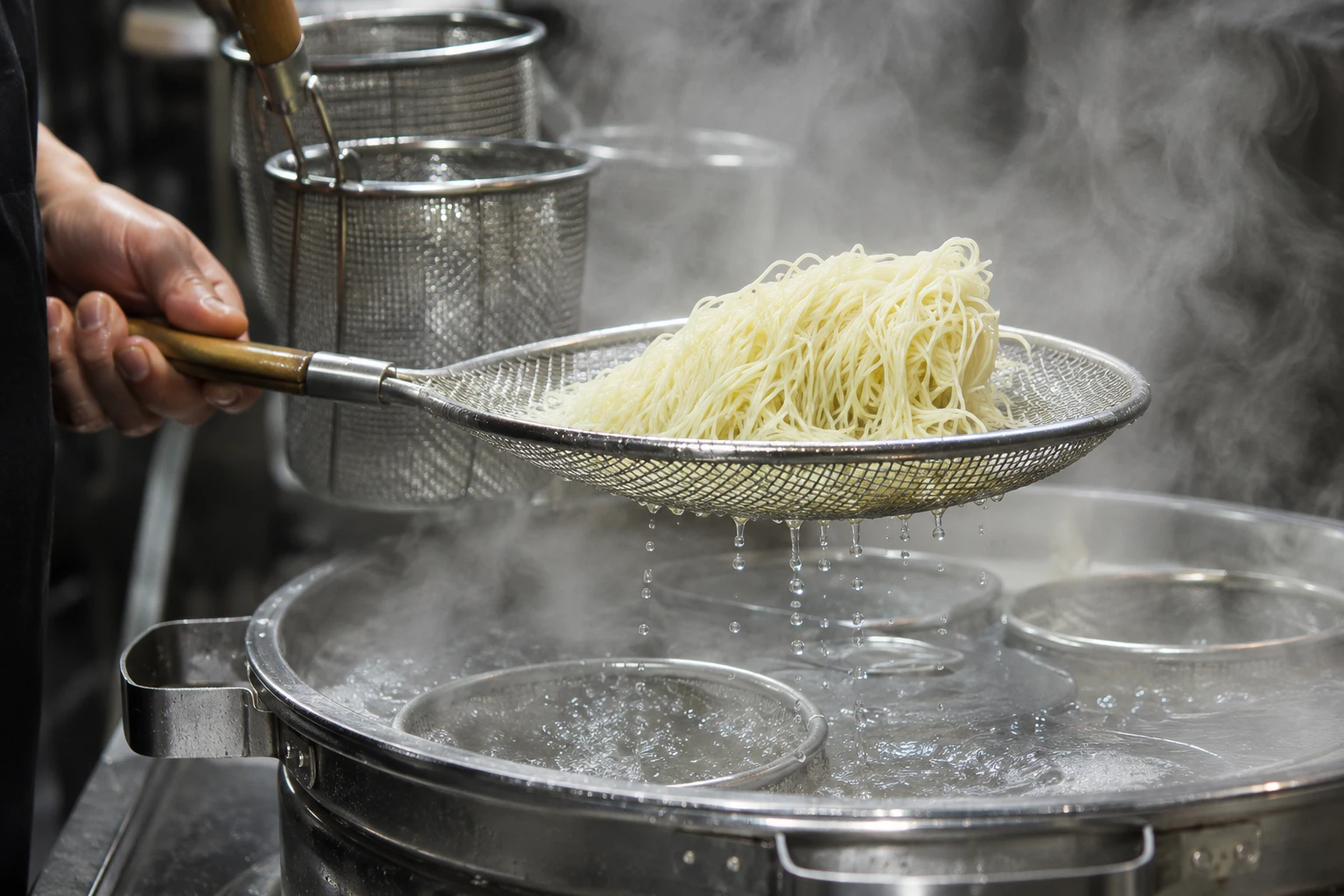
Rich, milky pork-bone broth ramen with thin, straight noodles, chashu and scallions. It’s named Hakata, another name for Fukuoka, and is eaten in ramen shops and the city’s yatai stalls.
Antarctica
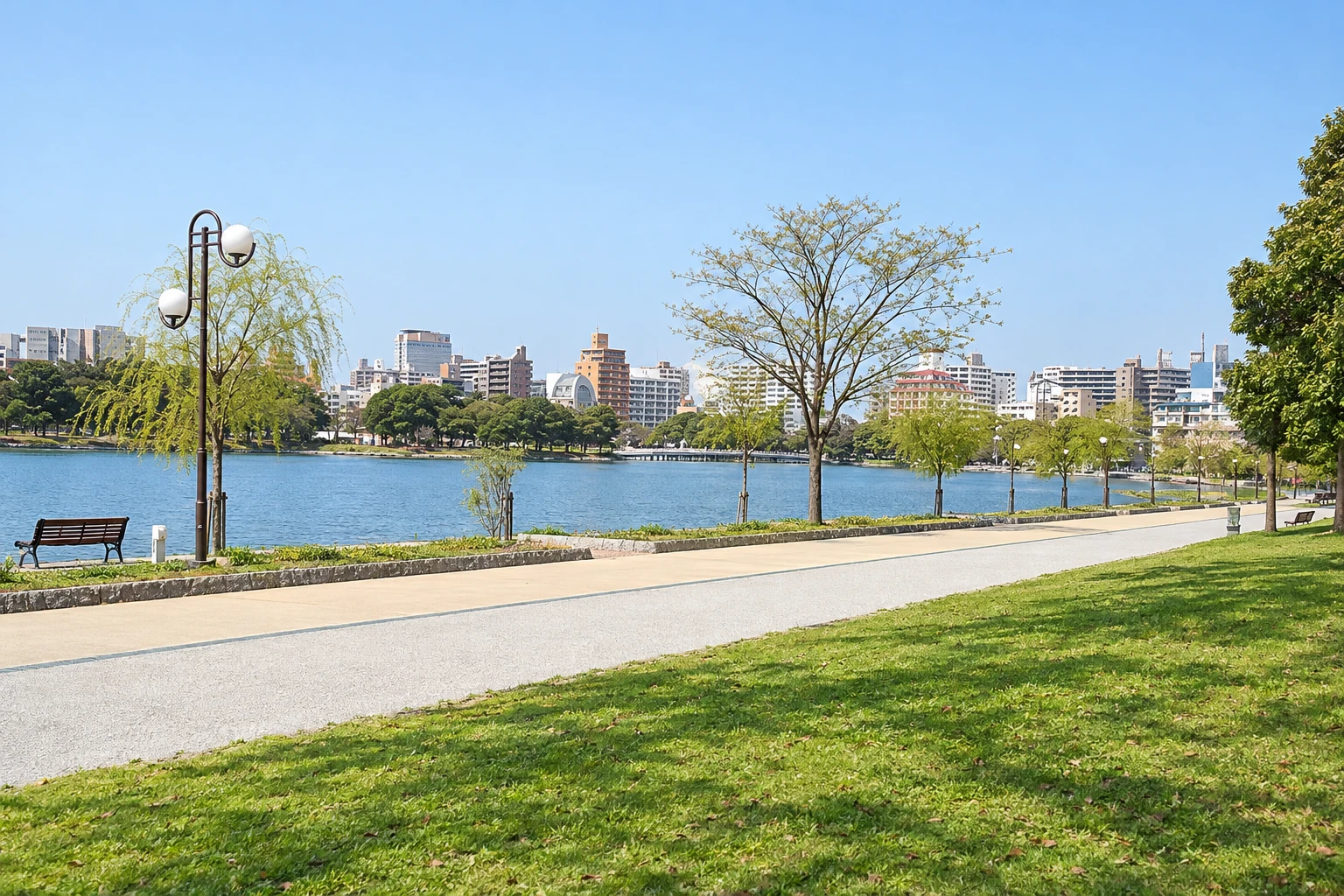
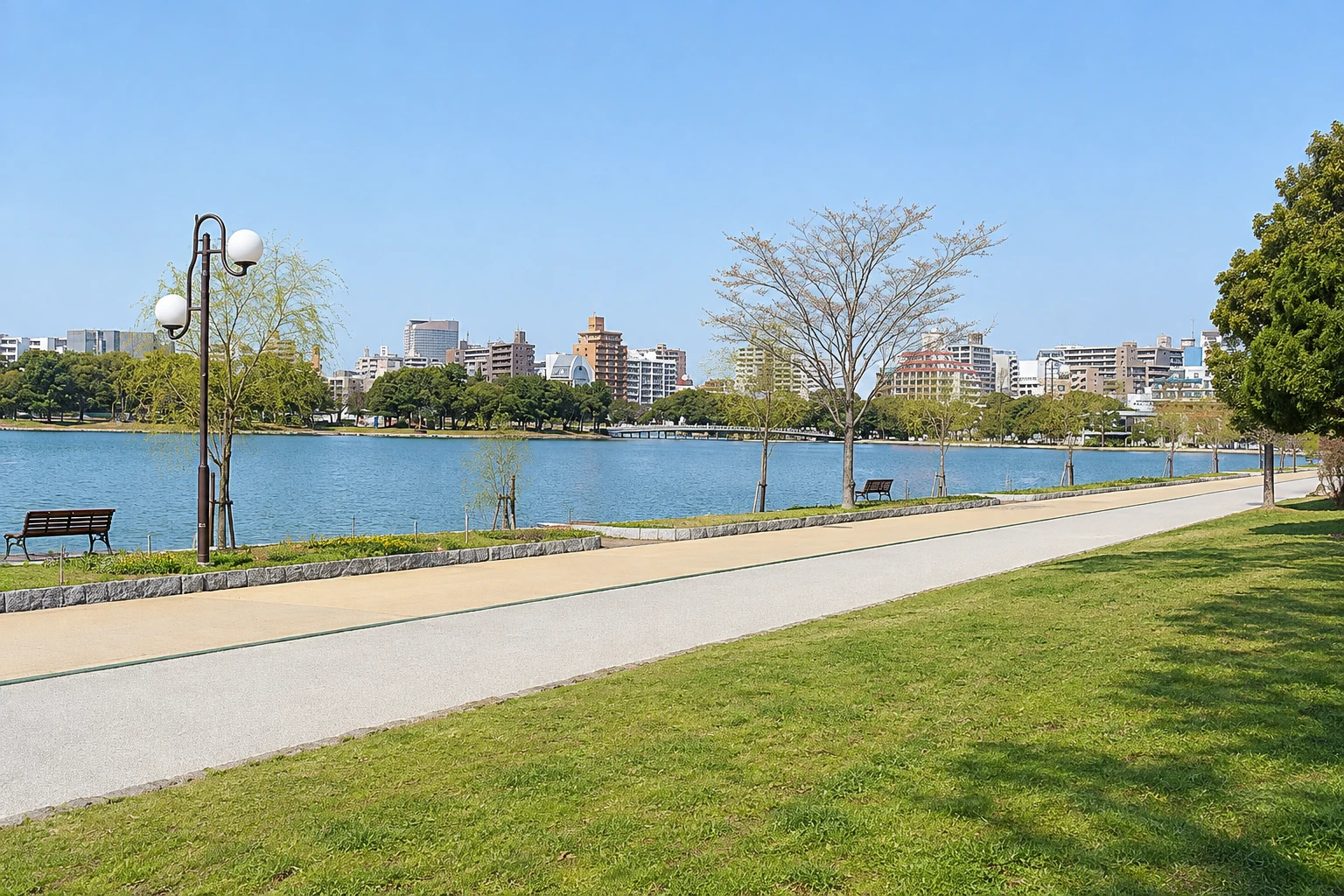
In the photo: Lake and paths of Ohori Park in Fukuoka.
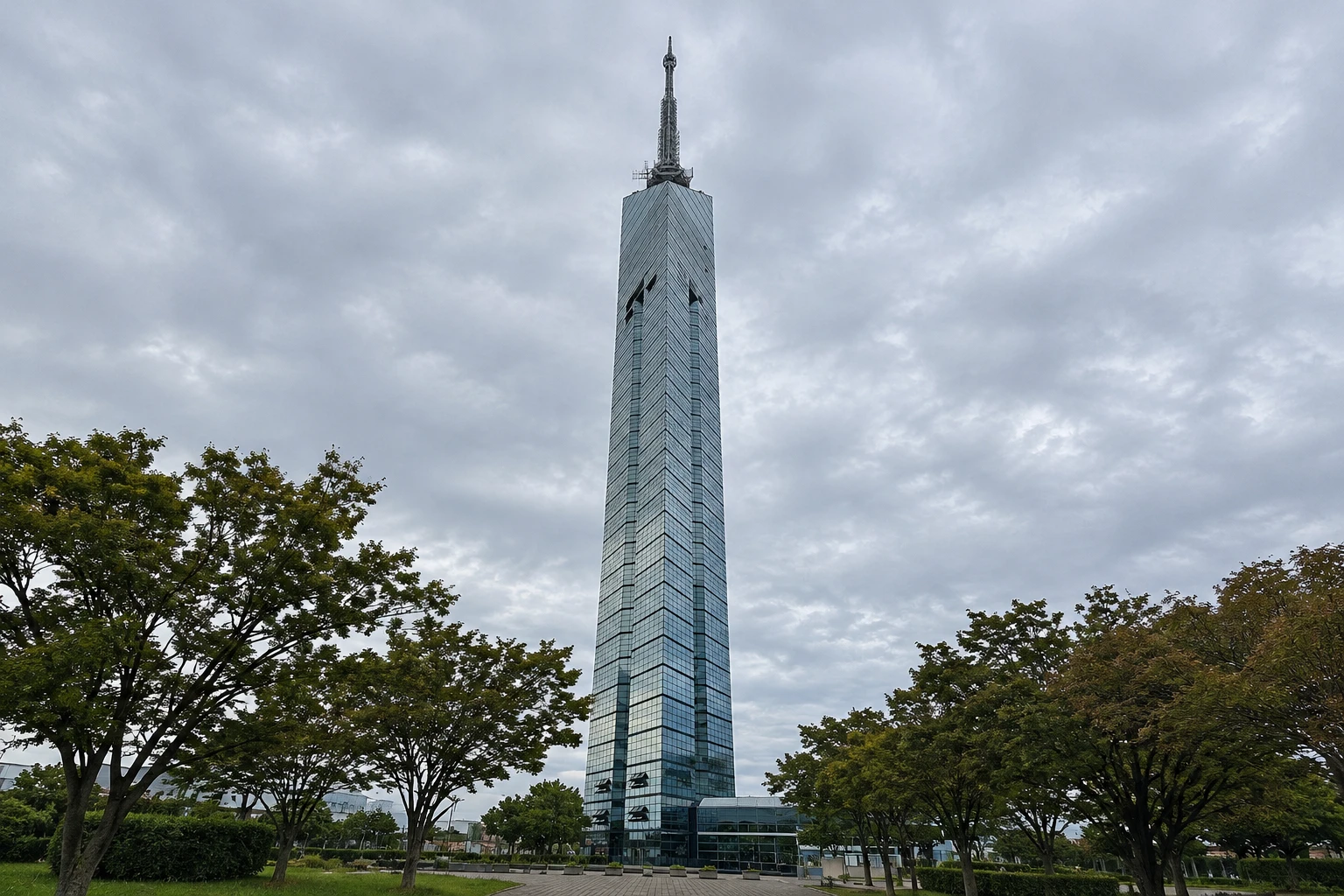
Illustrative images. The pictures in this guide are illustrations based on the real place, not photographs, and may differ from it.
The city
Fukuoka is the capital of Fukuoka Prefecture and the largest city on Kyushu, formed by the old port of Hakata and the castle town. Kushida Shrine, in the heart of Hakata, Ohori Park next to the castle ruins, and Fukuoka Tower on the Momochi waterfront are the main stops, with yatai stalls at night. The Itoshima peninsula to the west has beaches and the sea gate at Futamigaura.
There's no accommodation in the guide yet in Fukuoka.
Do you run a hotel, guesthouse or vacation rental here? List itThere are no restaurants in the guide yet in Fukuoka.
Know a good one? Recommend it to usThe city's hotels and restaurants on the map.
how to get there · how many days · itinerary · questions
Flavors of Japan
The local experience
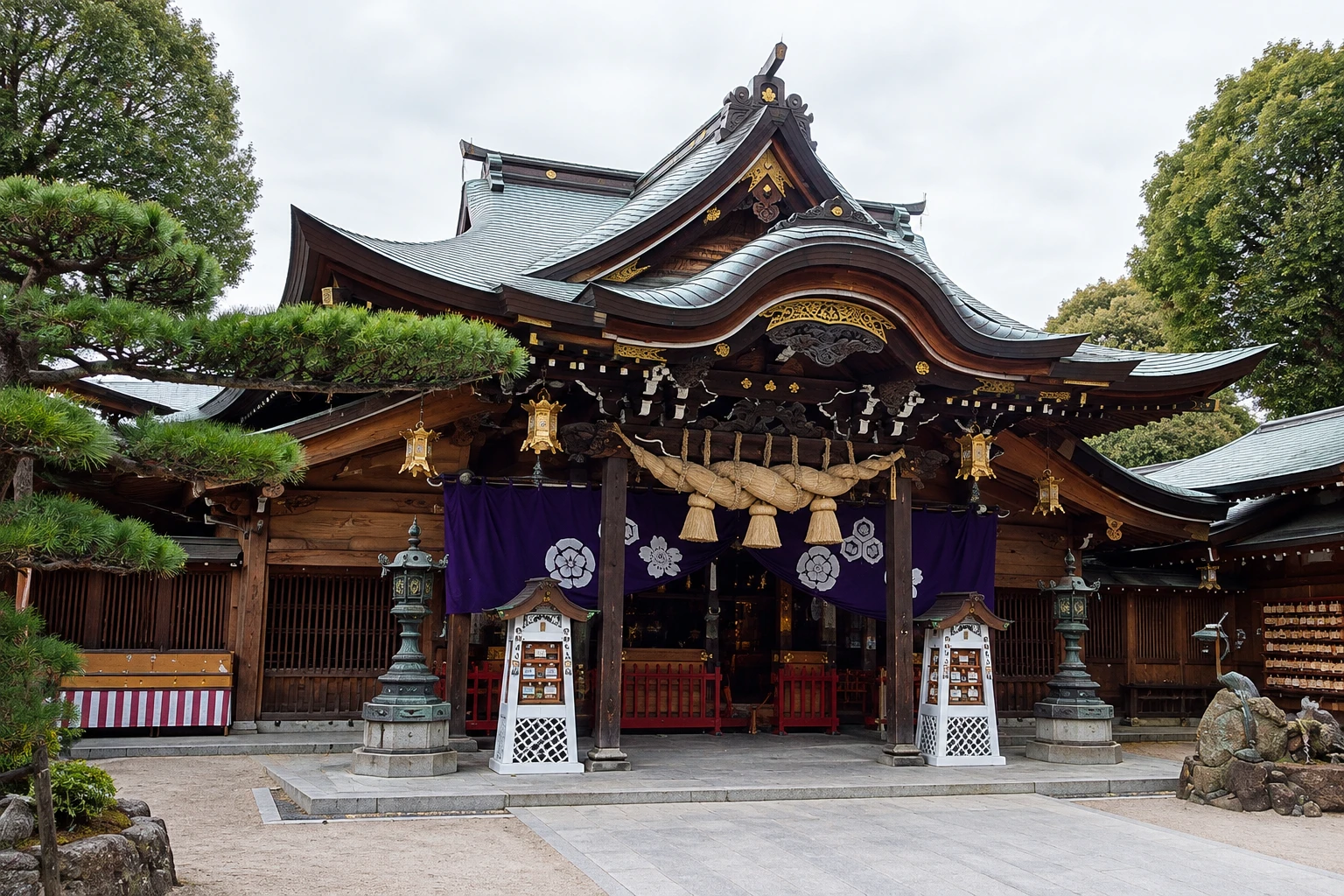
An 8th-century Shinto shrine in the heart of Hakata, protector of the neighborhood and starting point of the Hakata Gion Yamakasa festival. A decorated float of about 10 meters is on display year-round.
Park around a large lake, the old moat of Fukuoka Castle, with islands connected by bridges and a roughly 2 km path. Next to it are the castle ruins with walls and a lookout, and a Japanese garden.
A 234-meter tower on the Momochi waterfront, clad in mirrors, with an observation deck at 123 meters overlooking Hakata Bay and the city. Nearby, the urban Momochi Beach has a boardwalk and the small artificial island Marizon.
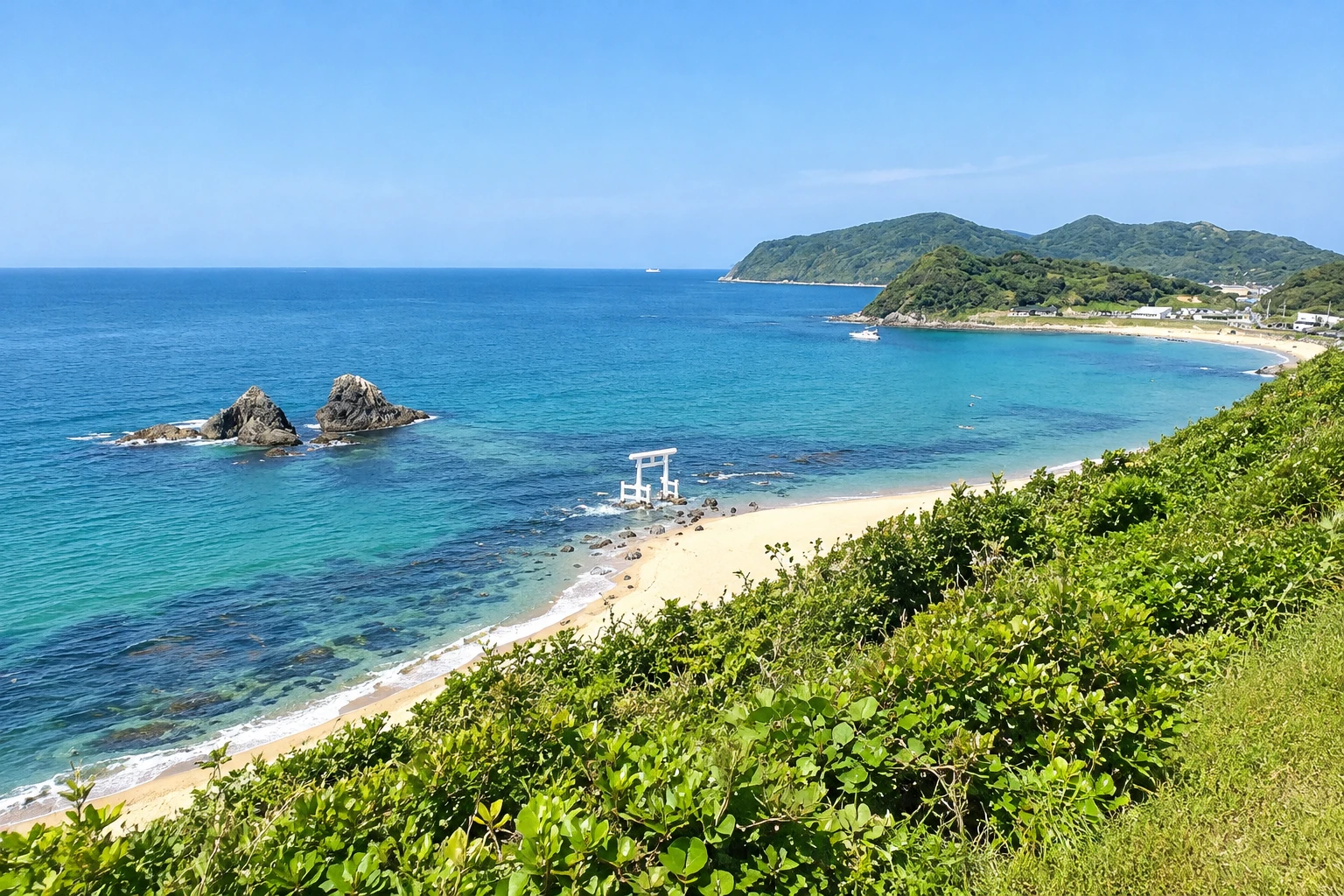
A peninsula west of Fukuoka, with light-sanded beaches, seaside cafés and Futamigaura Beach, where a white torii gate stands before two rocks in the sea joined by a sacred rope.
Before you go
Fukuoka – Japan Destination Fukuoka (Fukuoka); Dazaifu (Dazaifu) Capital
Approximate distances. Check flights and bus, train or boat schedules before you travel.
Fukuoka Airport (FUK) is about 3 km from Hakata Station and is connected by subway in about 5 minutes. Hakata Station is the end of the Sanyo shinkansen line and the start of the Kyushu line, with trains to Tokyo, Osaka, Hiroshima, and Kagoshima.
Two days for the city and Dazaifu; one more day for Itoshima.
From March to May and from October to November, with mild weather. June and early July have rain; the Hakata Gion Yamakasa festival occupies the first half of July; August and September are hot, with possible typhoons.
The seasons shown are the most usual ones; nature doesn't always follow the calendar.
No. Subway, buses, and trains cover the city and Dazaifu. For Itoshima there is a train to Chikuzen-Maebaru and buses, but a car helps to get around the coast.
Suggested itinerary
Built with the places on this page. No rush: it's paced so you have time to see them.
Start at Kushida Shrine, see the Yamakasa float on display, and walk through the neighborhood’s zen temples such as Shofuku-ji and Tocho-ji, with its large wooden Buddha.
Take the subway to Ohori-koen, walk around the lake and climb the walls of the old castle in Maizuru Park next door.
Dine at the riverside yatai stalls in Nakasu or Tenjin, with Hakata ramen and skewers.
Day 1
Kushida Shrine, Tocho-ji and the temple streets, with time for the Hakata history museum, Hakata Machiya.
Ohori Park and the castle ruins; in the late afternoon, take a bus to the Momochi waterfront and go up Fukuoka Tower for sunset.
Dine at Nakasu’s yatai, with the lights reflecting on the river.
Day 2
Take train and bus or drive to the Itoshima peninsula and walk along Futamigaura beach, with the torii sea gate and the married rocks in the sea.
Drive along the coast with stops at beaches and cafés, and return to Fukuoka late afternoon.
Try motsunabe, an offal hotpot with cabbage and garlic, at a restaurant in Hakata.
Check before you go. Opening hours and days change, and places may close for renovations, holidays or events. This itinerary is a suggestion from Cidade Turismo, not a commitment: plan yours by checking directly with each place you intend to visit.
Before you go
Hakata ramen, a white pork-bone broth ramen; motsunabe, an offal hotpot; mentaiko, spicy cod roe; and the skewers and gyoza from the yatai stalls.
Hakata was the merchants’ port east of the Naka River; Fukuoka was the castle town to the west. Today they form a single city, but the main station and the ramen carry the name Hakata.
By subway, with three lines linking the airport, Hakata, Tenjin, and Ohori Park, and by bus to the Momochi waterfront. Japan’s rechargeable transport cards work everywhere.
In the first half of July, ending in the early hours of the 15th with the float race through Hakata’s streets. Decorated floats are displayed around the city in the days before.