Otaru · Hokkaido · Historic center
Otaru Canal
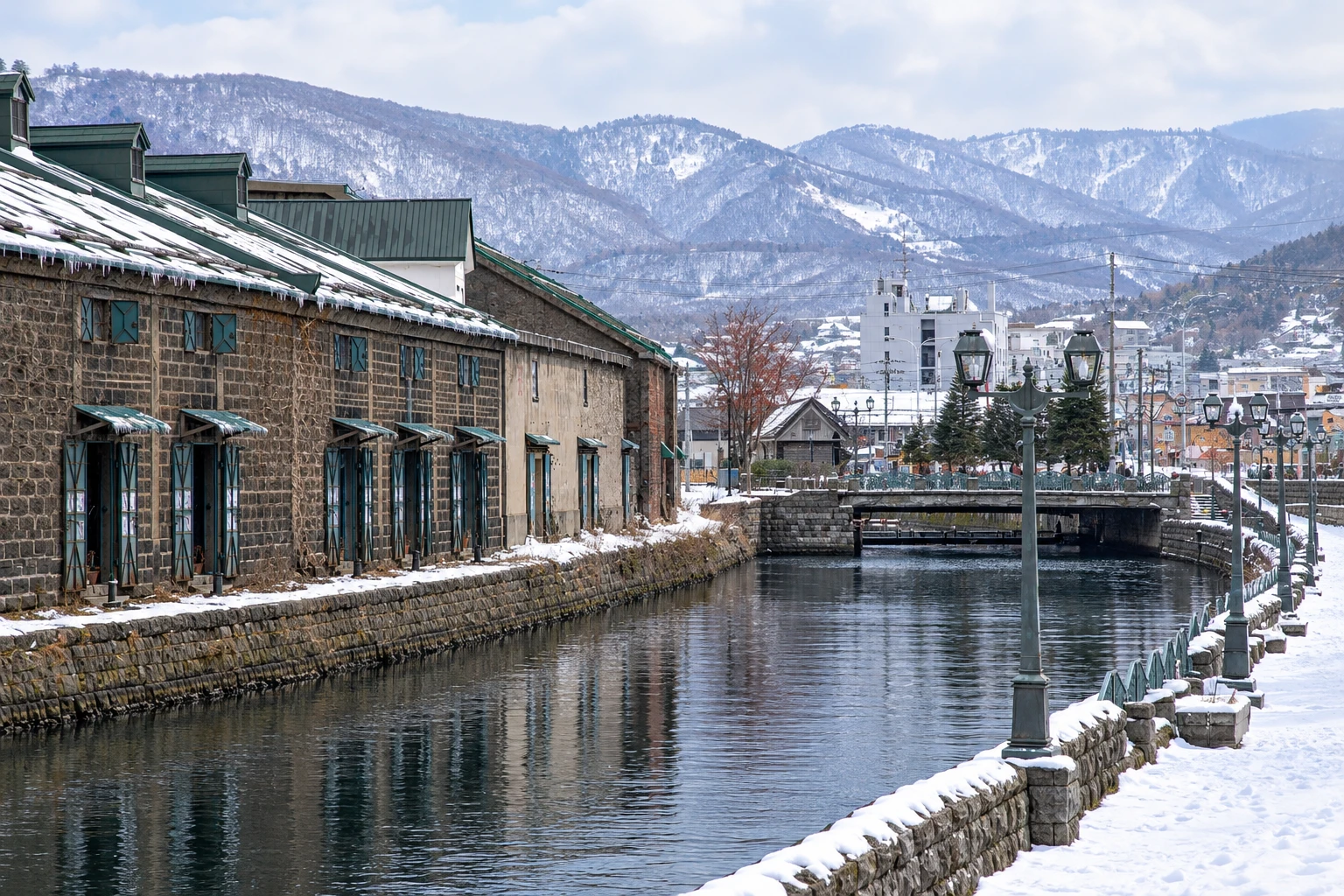
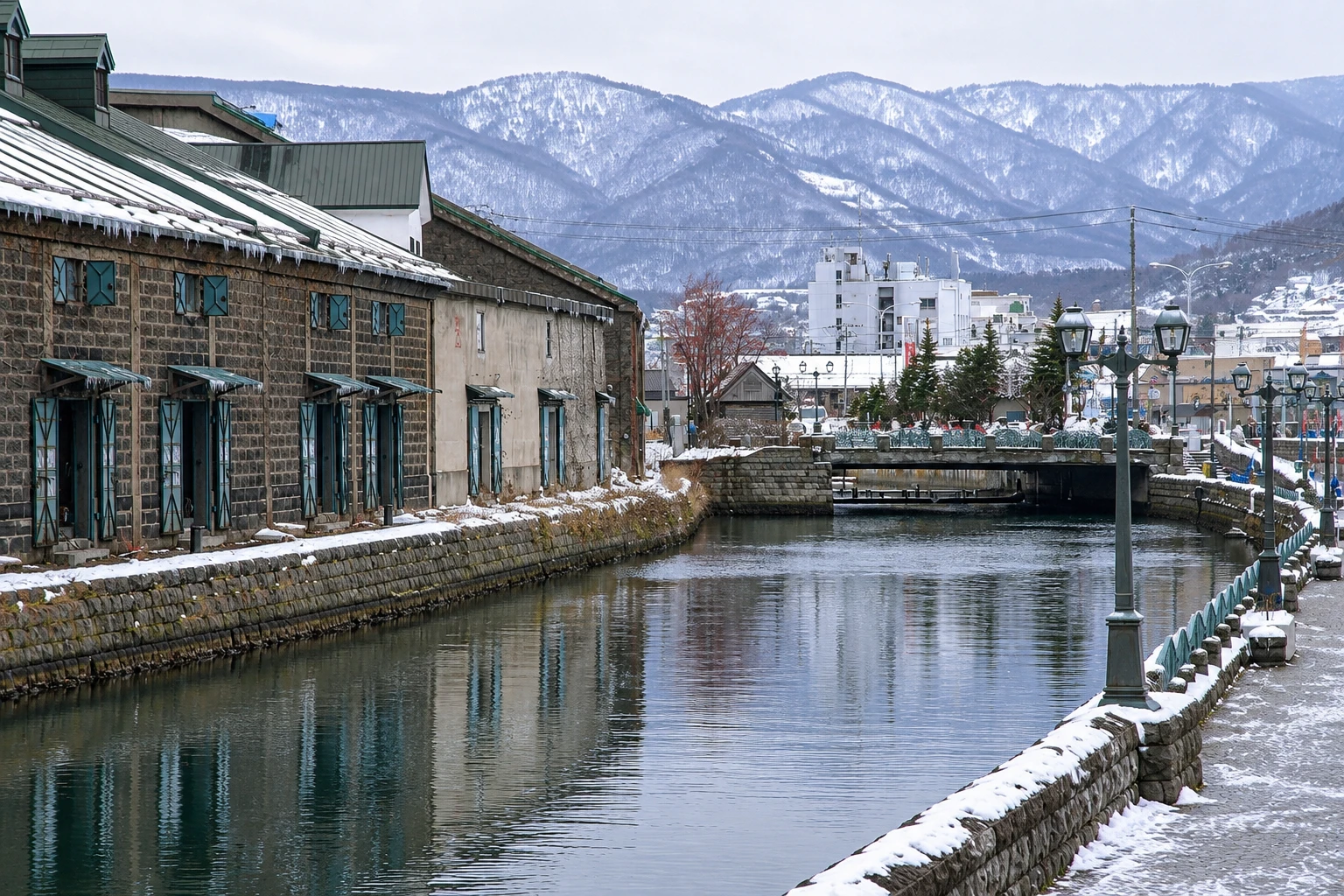
A 1923 canal lined with stone and brick warehouses, a reminder of when Otaru was Hokkaido’s major port. It has a waterfront promenade, gas lamps and boats that run the main stretch.

 Search
 Brazil
 Antarctica
 Argentina
 Bolivia
 Chile
 Colombia
 Ecuador
 Falkland Islands (Malvinas)
 French Guiana
 Guyana
 Paraguay
 Peru
 Suriname
 Uruguay
 Venezuela
 Austria
 Belgium
 Croatia
 Denmark
 Finland
 France
 Germany
 Greece
 Hungary
 Iceland
 Ireland
 Italy
 Luxembourg
 Norway
 Poland
 Portugal
 Slovakia
 Slovenia
 Spain
 Sweden
 Switzerland
 the Czech Republic
 the Netherlands
 the United Kingdom
 Turkey
 Bermuda
 Canada
 Greenland
 Mexico
 Saint Pierre and Miquelon
 the United States
 the Dominican RepublicJapanTurkey
 Egypt
 South Africa
 Australia
 Fiji
 New Zealand
 Papua New Guinea
Hokkaido
9 places to visit, chosen by the Cidade Turismo guide.
Illustrative images. The pictures in this guide are illustrations based on the real place, not photographs, and may differ from it.
To start
One by one
A 1923 canal lined with stone and brick warehouses, a reminder of when Otaru was Hokkaido’s major port. It has a waterfront promenade, gas lamps and boats that run the main stretch.
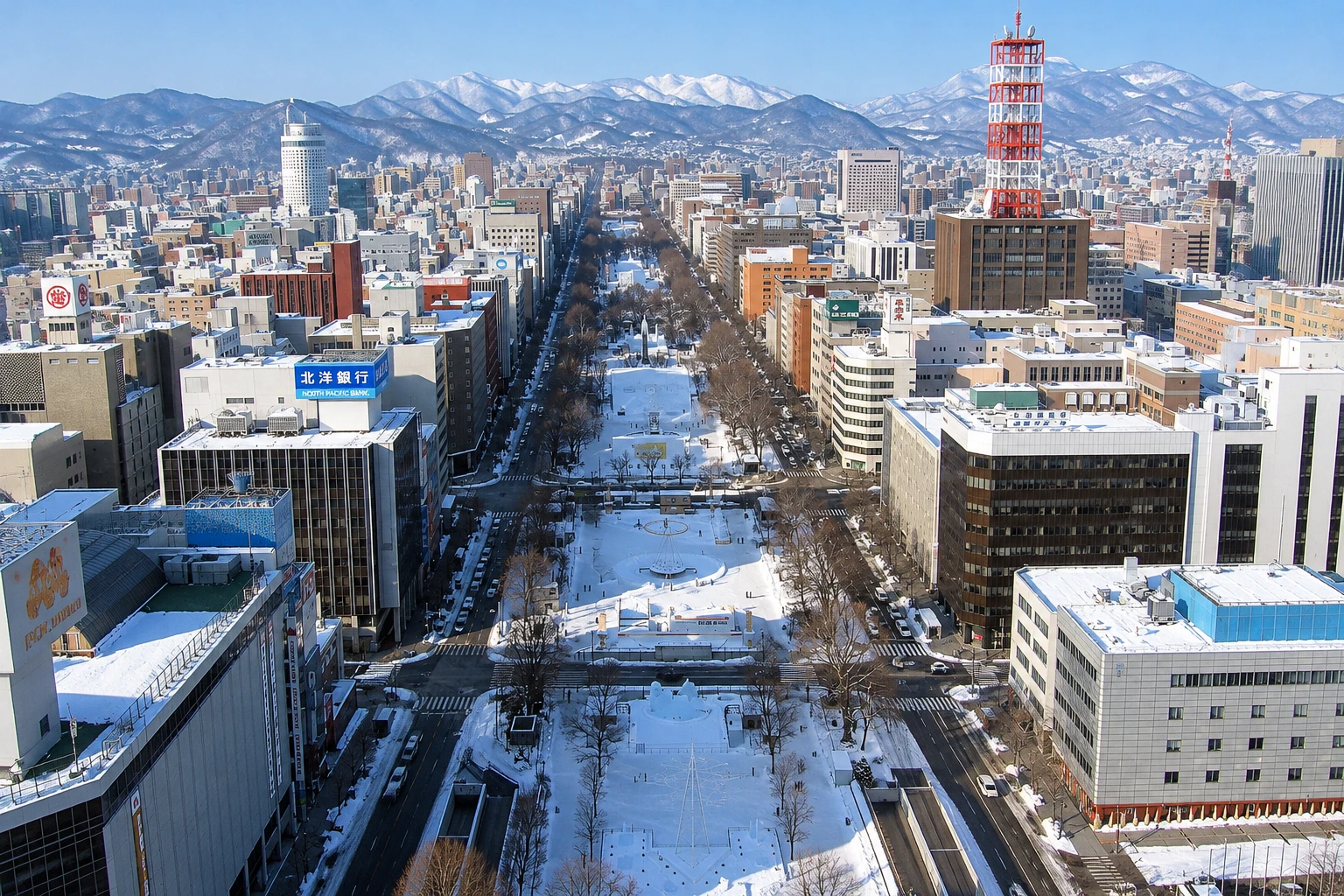
A green strip about 1.5 km long that cuts across central Sapporo from east to west, with fountains, flower beds and the TV tower at one end. It hosts the Snow Festival in winter and outdoor fairs and beer gardens in summer.
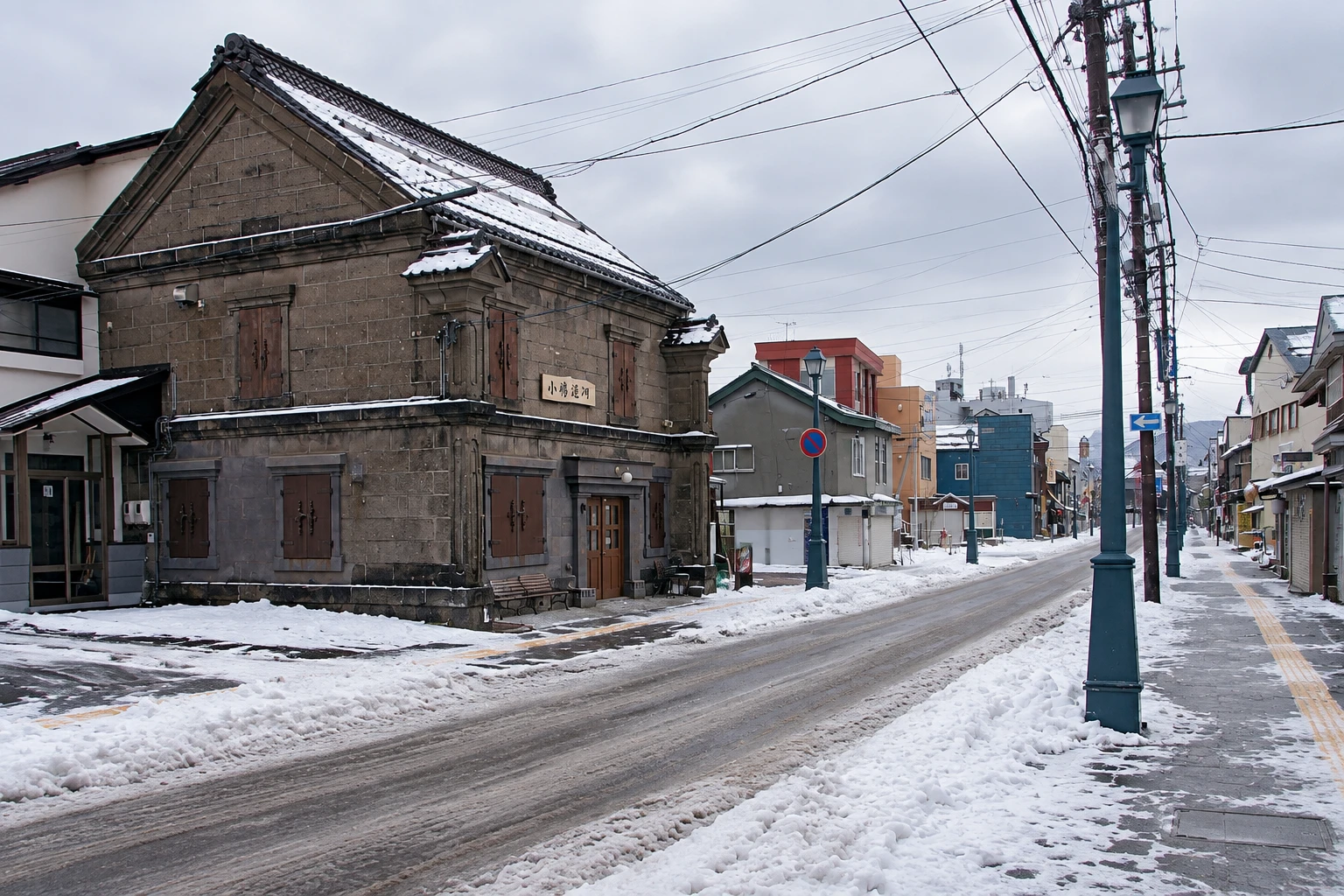
Otaru’s shopping street with early 20th-century houses and warehouses, now home to glassworks, music-box workshops and confectioneries. It ends at the Music Box Museum and the steam clock.
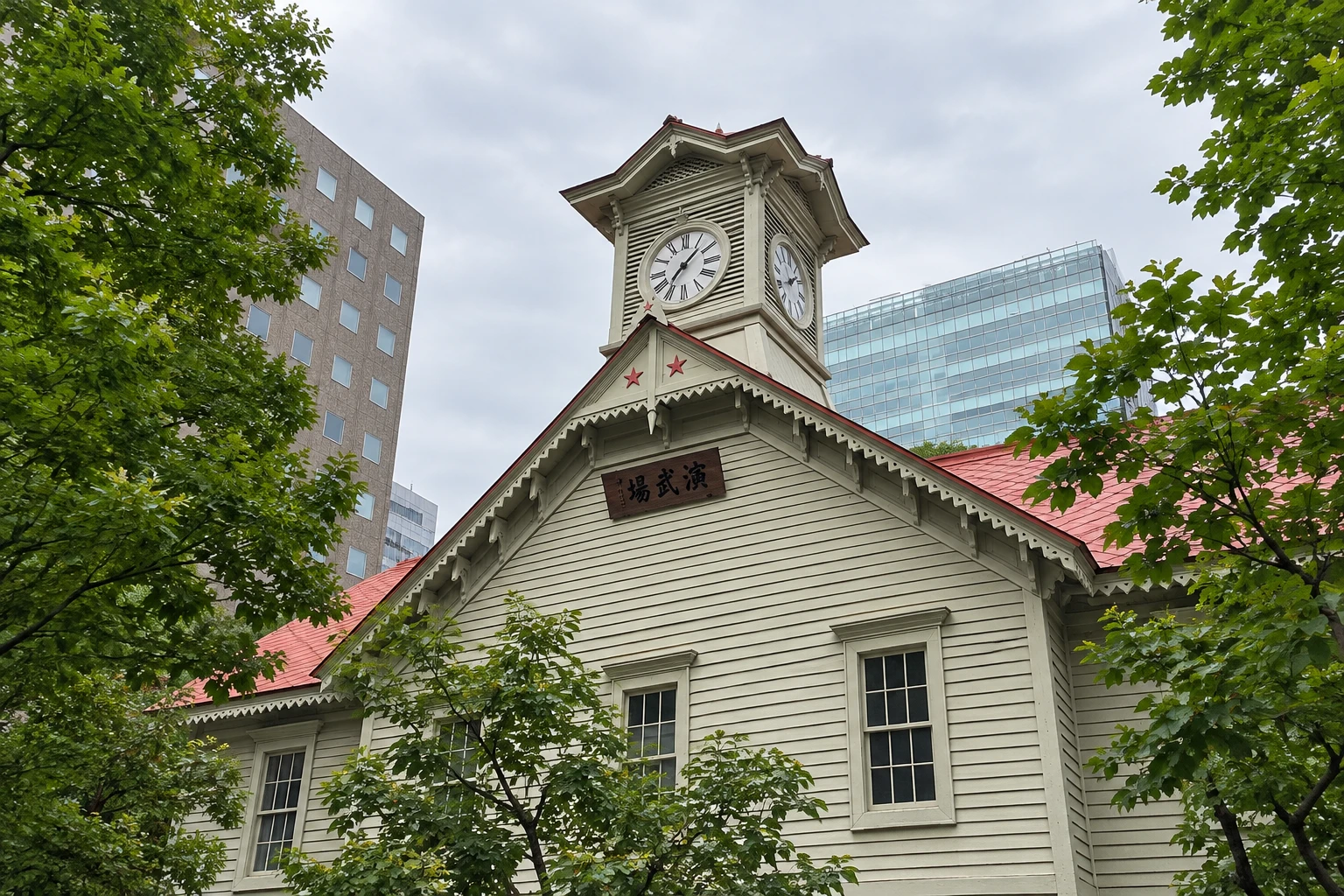
Former drill hall of the Sapporo Agricultural School, dating from 1878, built of wood with the American clock running since 1881. A city symbol, it houses a small museum about the school and the founding of Sapporo.
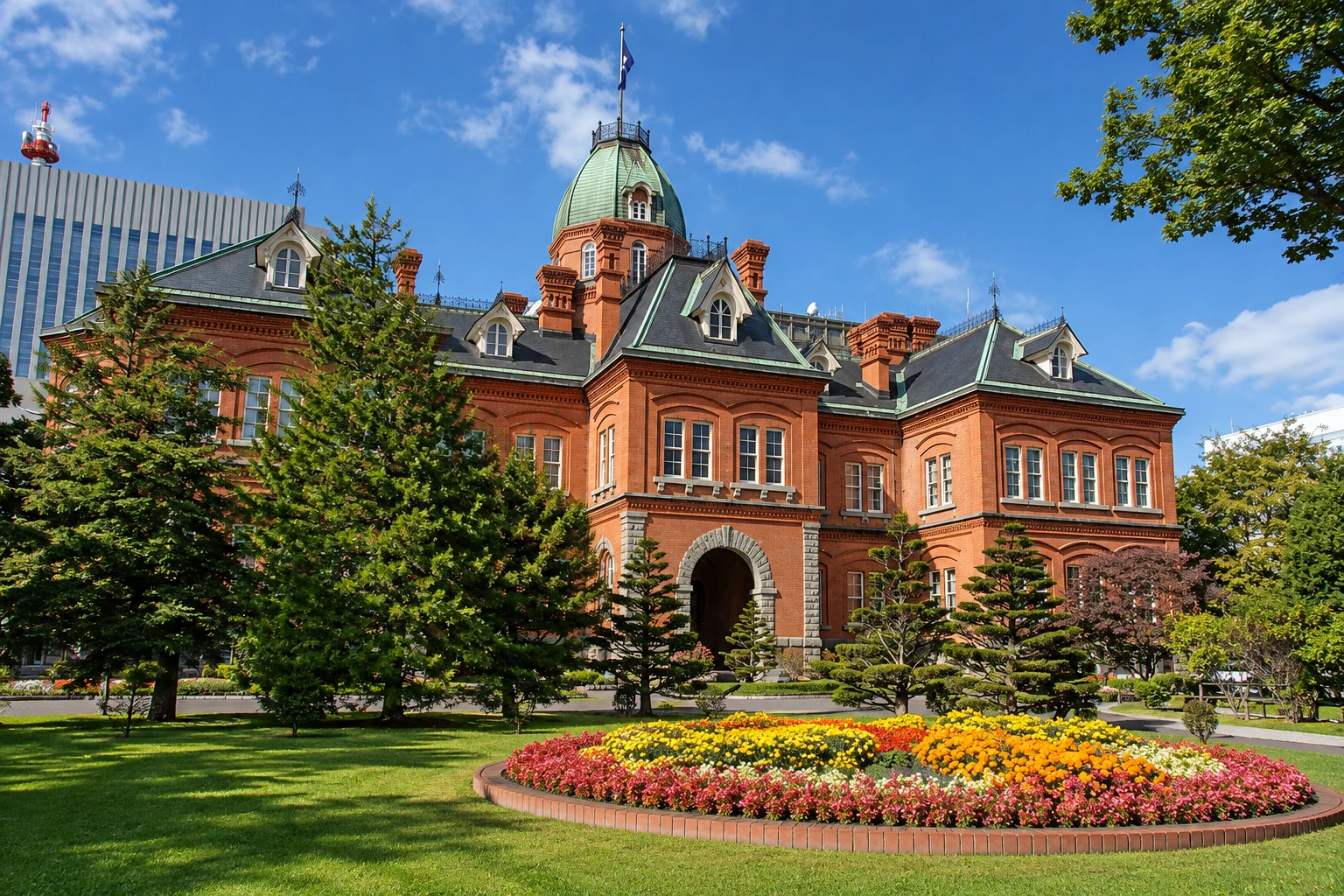
Seat of Hokkaido’s government from 1888, in red brick and American neobaroque style, known as Akarenga. Restored, it houses period rooms and exhibitions about the island, surrounded by a garden with ponds.
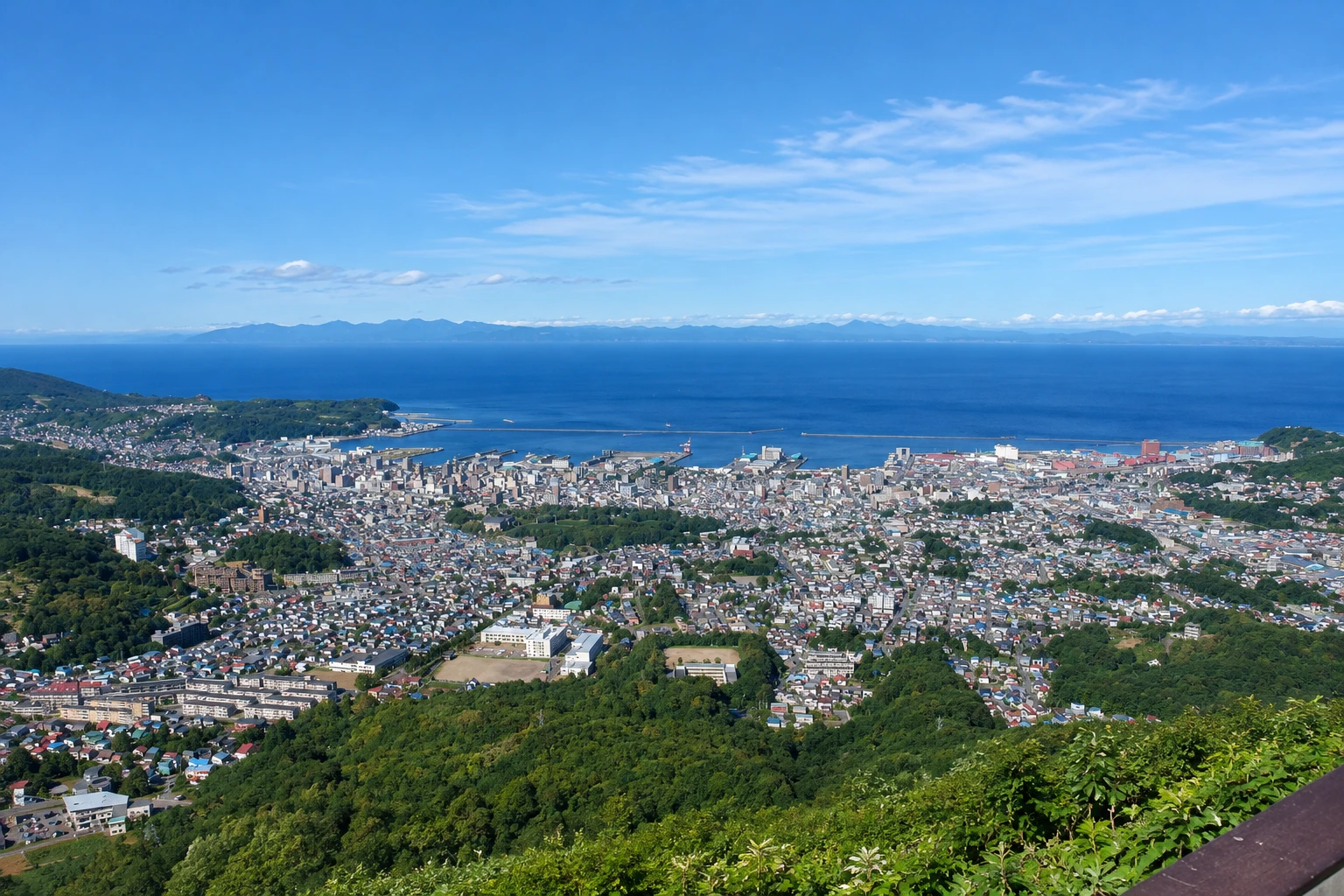
A 532-meter hill behind Otaru, with a ropeway to the lookout over the town and Ishikari Bay. In winter the slope has a ski run; at the top there is a small museum of tengu noses, figures from folklore.
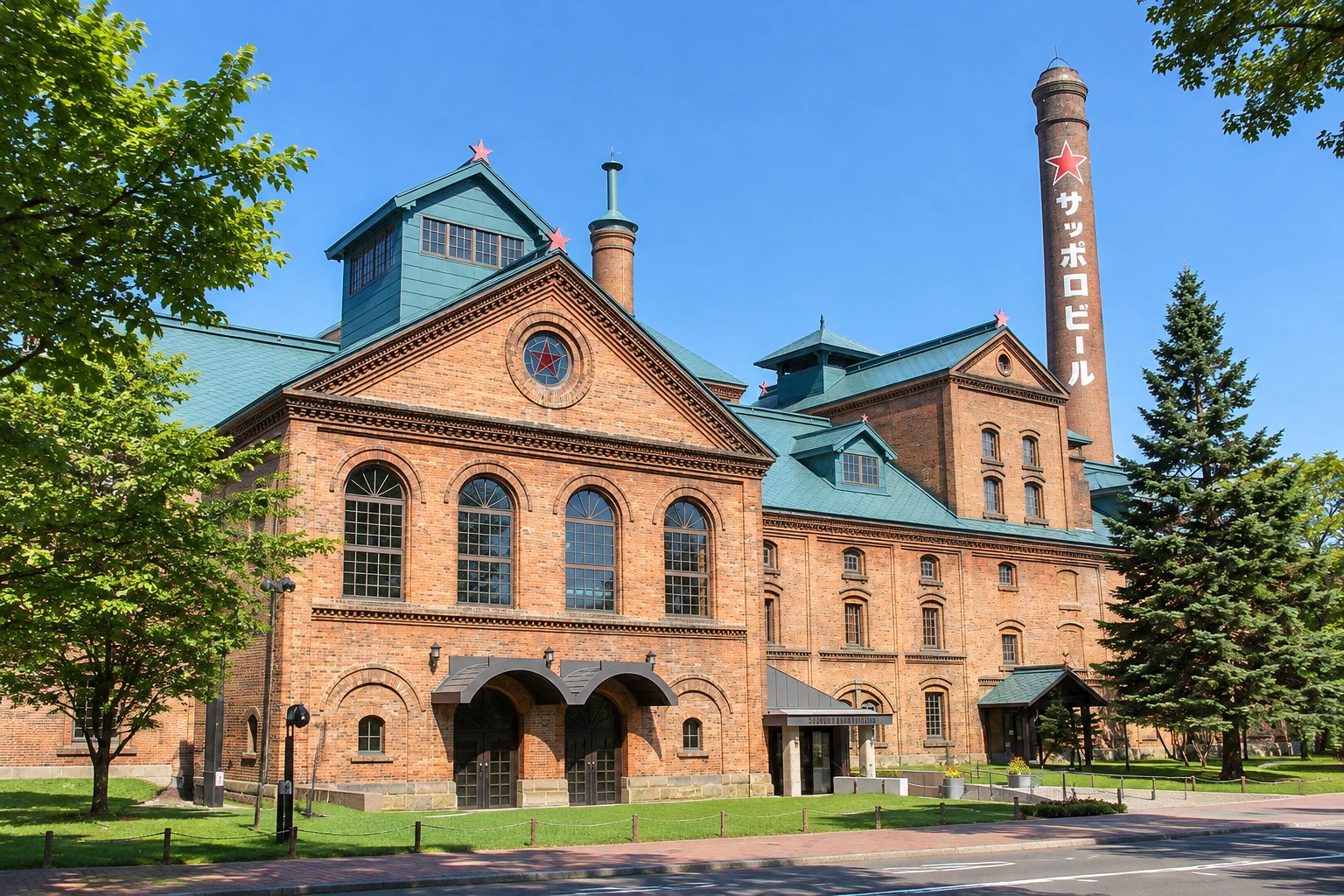
Museum of Hokkaido’s first brewery, in a red brick building from 1890 that was a sugar factory and a brewery. It tells the history of the drink in Japan since 1876 and has a tasting room.
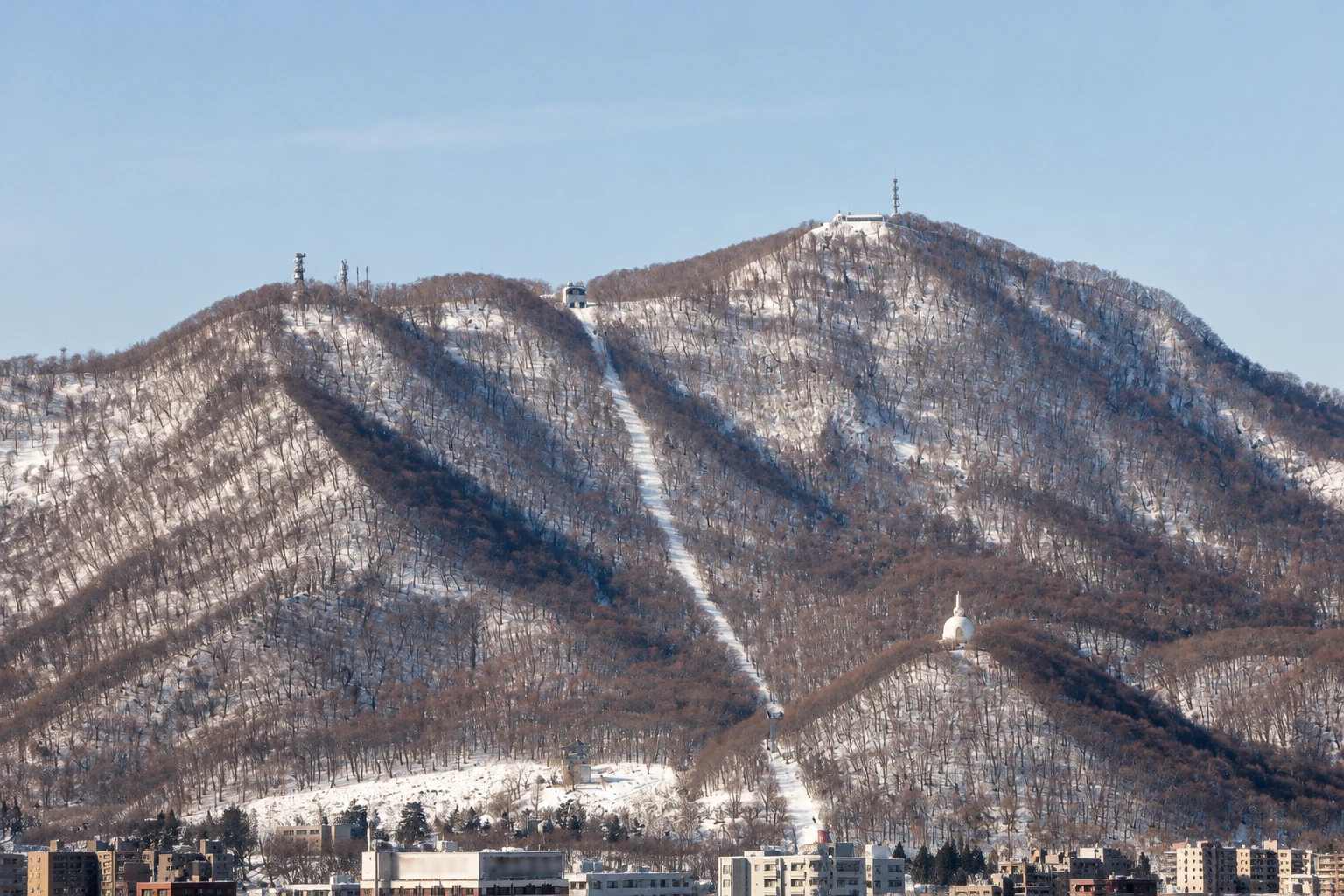
A 531-meter mountain southwest of Sapporo, with a ropeway and a small cable car to the summit observation deck. From there you can see the whole city, Ishikari Bay and the surrounding mountains.
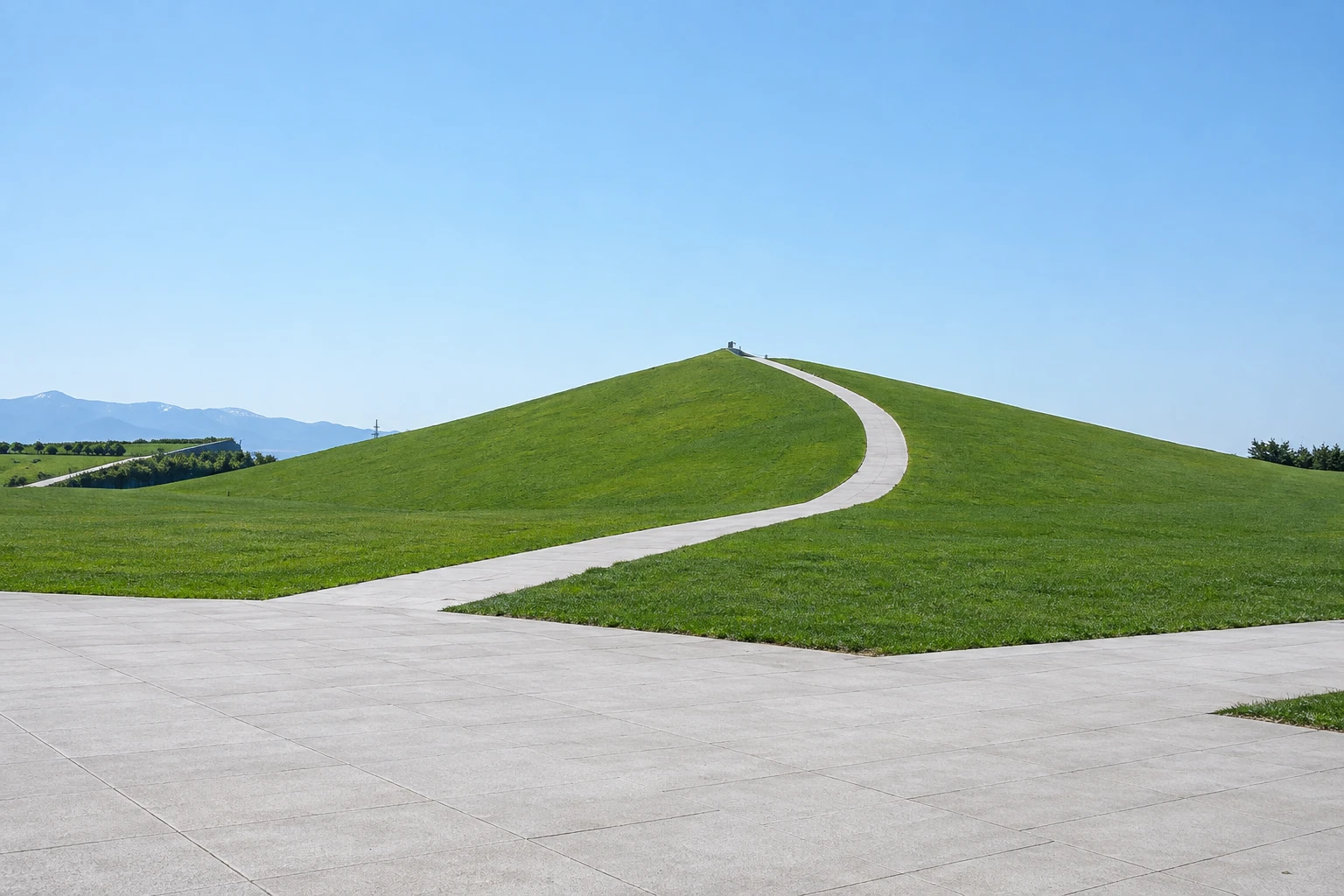
A park of about 190 hectares designed by sculptor Isamu Noguchi on a former garbage dump in northern Sapporo. It has a glass pyramid, artificial mounds, a large fountain and play areas.
To plan