Kamakura · Kanagawa · Monument
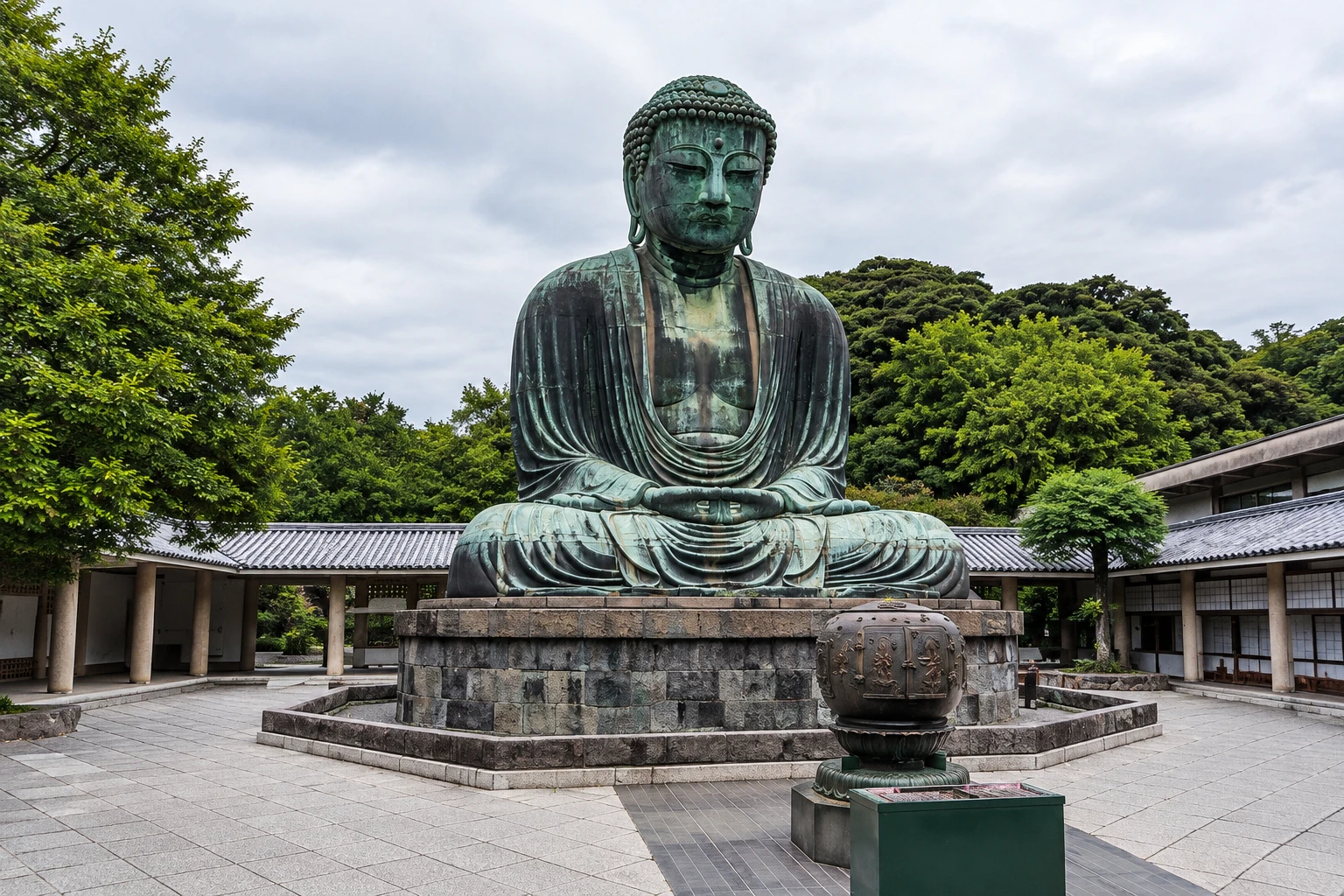
Great Buddha of Kamakura
The bronze statue of Amida Buddha, about 11 meters tall, seated outdoors at Kotoku-in temple since the hall that once sheltered it was destroyed in the 15th century.

 Search
 Brazil
 Antarctica
 Argentina
 Bolivia
 Chile
 Colombia
 Ecuador
 Falkland Islands (Malvinas)
 French Guiana
 Guyana
 Paraguay
 Peru
 Suriname
 Uruguay
 Venezuela
 Austria
 Belgium
 Croatia
 Denmark
 Finland
 France
 Germany
 Greece
 Hungary
 Iceland
 Ireland
 Italy
 Luxembourg
 Norway
 Poland
 Portugal
 Slovakia
 Slovenia
 Spain
 Sweden
 Switzerland
 the Czech Republic
 the Netherlands
 the United Kingdom
 Turkey
 Bermuda
 Canada
 Greenland
 Mexico
 Saint Pierre and Miquelon
 the United States
 the Dominican RepublicJapanTurkey
 Egypt
 South Africa
 Australia
 Fiji
 New Zealand
 Papua New Guinea
Kanagawa
11 places to visit, chosen by the Cidade Turismo guide.
Illustrative images. The pictures in this guide are illustrations based on the real place, not photographs, and may differ from it.
To start
One by one
The bronze statue of Amida Buddha, about 11 meters tall, seated outdoors at Kotoku-in temple since the hall that once sheltered it was destroyed in the 15th century.
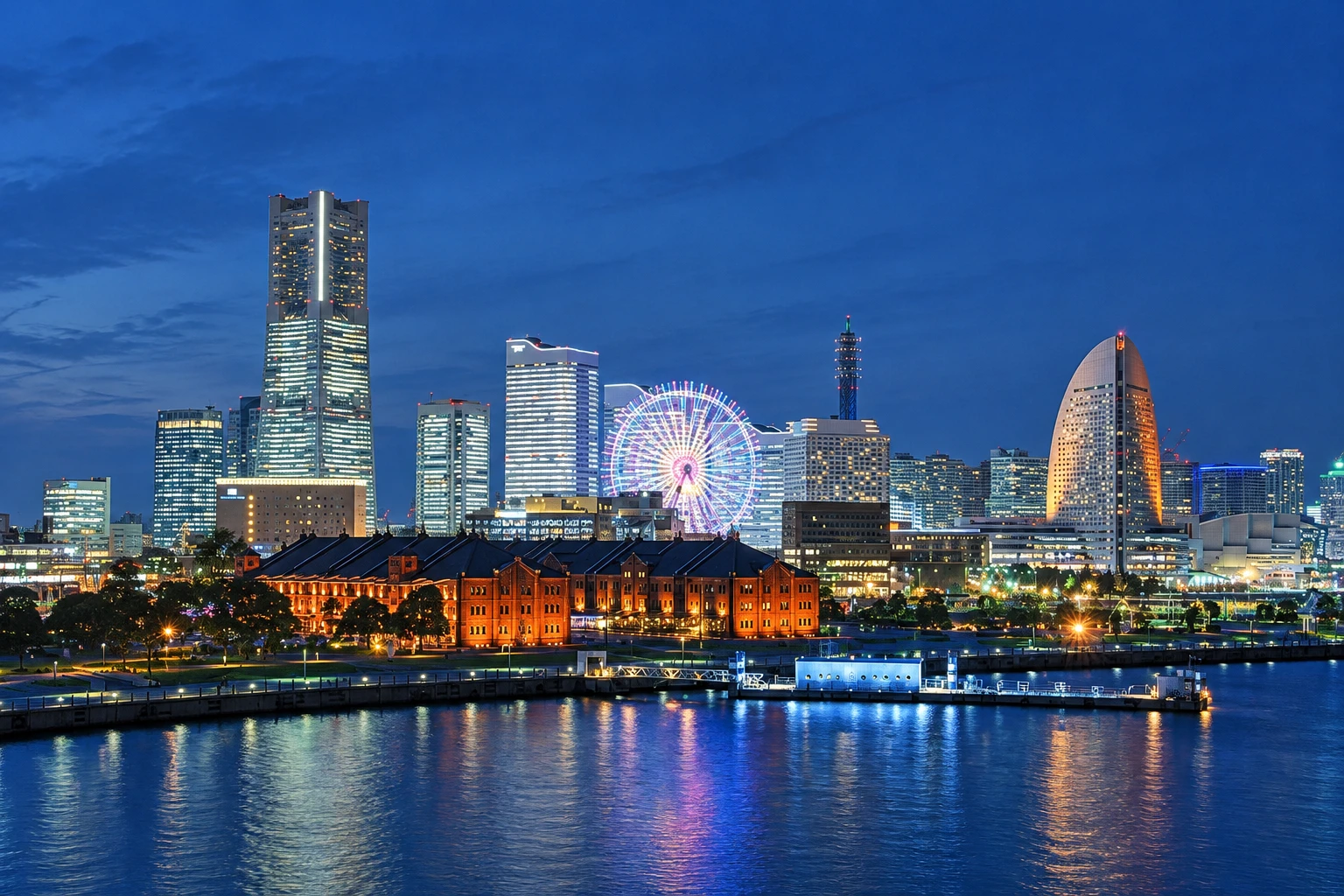
Yokohama’s modern waterfront, with the Landmark Tower and its observatory, the Ferris wheel, the sailing ship Nippon Maru, the red-brick warehouses and the promenade over old port tracks.
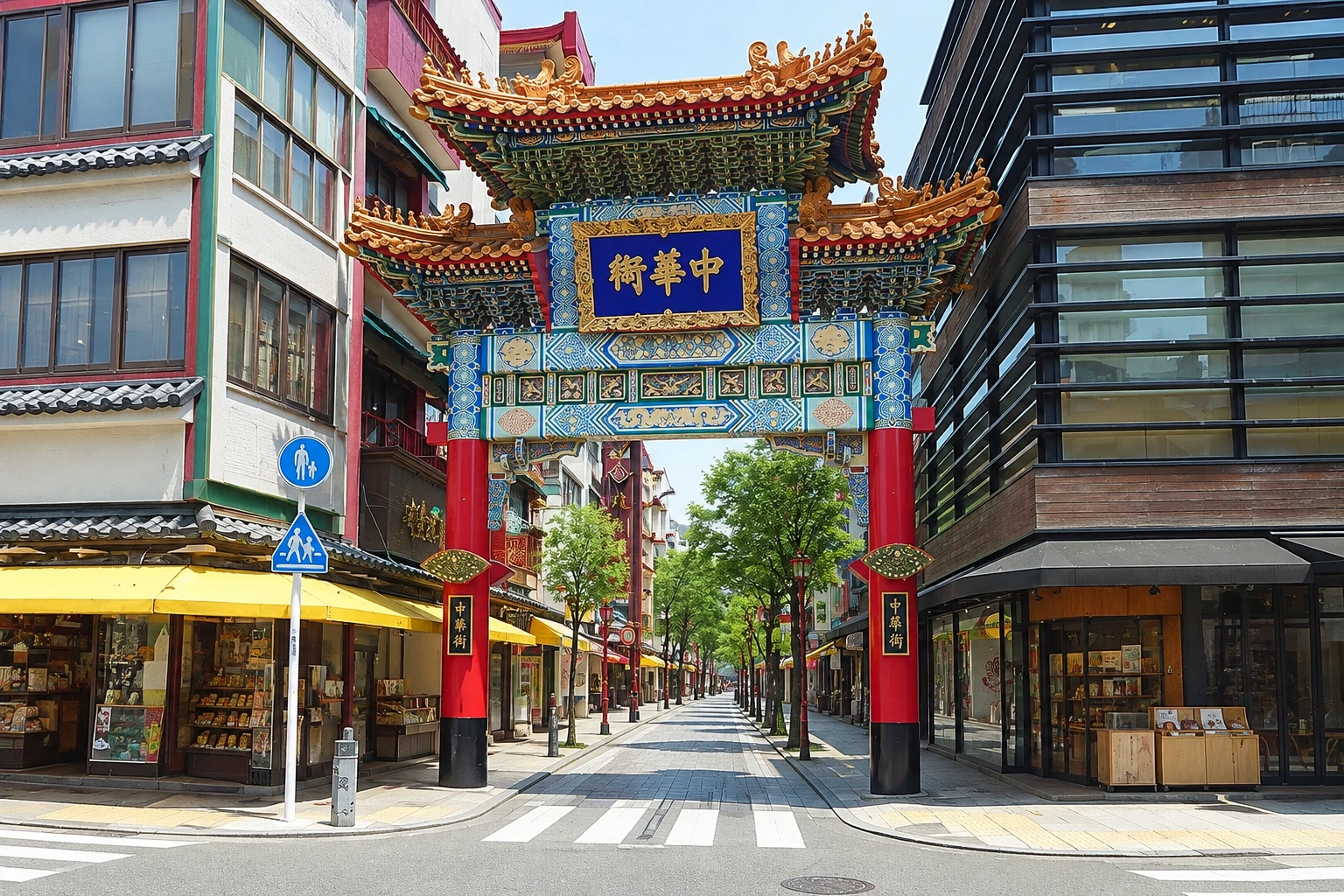
The largest Chinatown in Japan, born after the port opened, with colorful gates, Guan Yu and Mazu temples and hundreds of restaurants and food stalls.
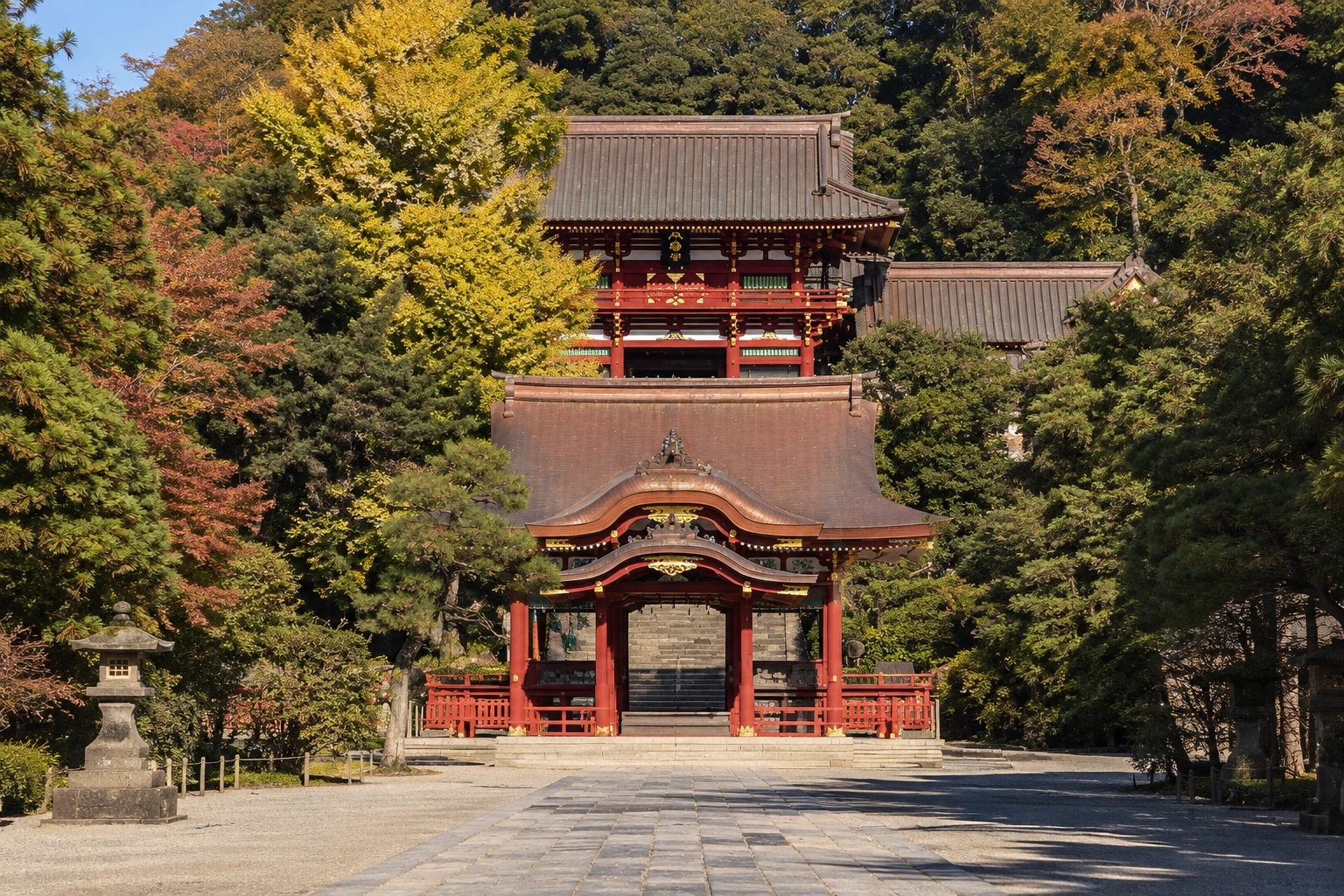
Kamakura’s central shrine, linked to the first shogun, at the top of a staircase at the end of Wakamiya-oji Avenue, with lotus ponds and the Komachi shopping street.
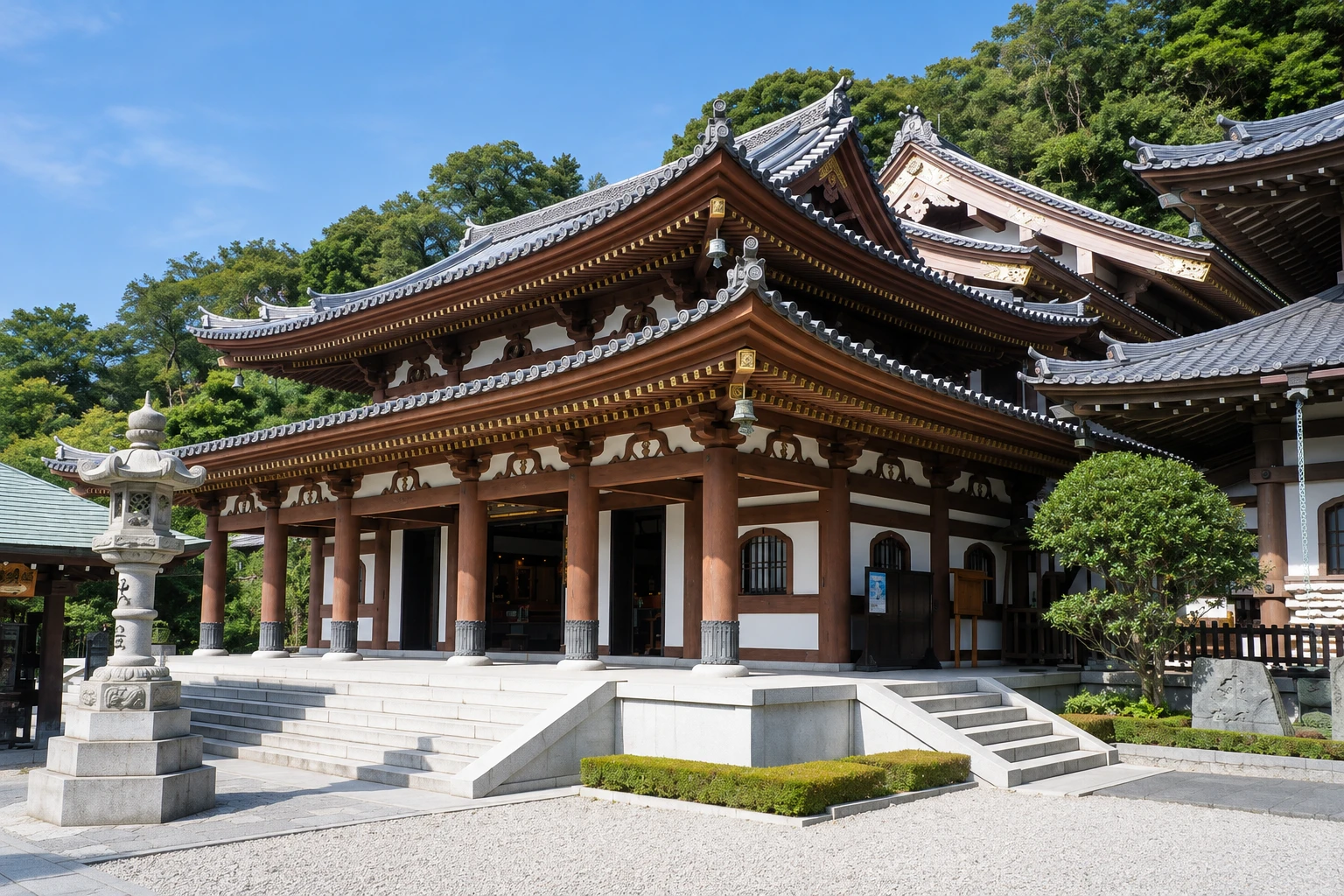
A temple on the Hase hillside with a wooden Kannon about 9 meters tall, the Benten cave, June hydrangeas and a view over Kamakura Bay.
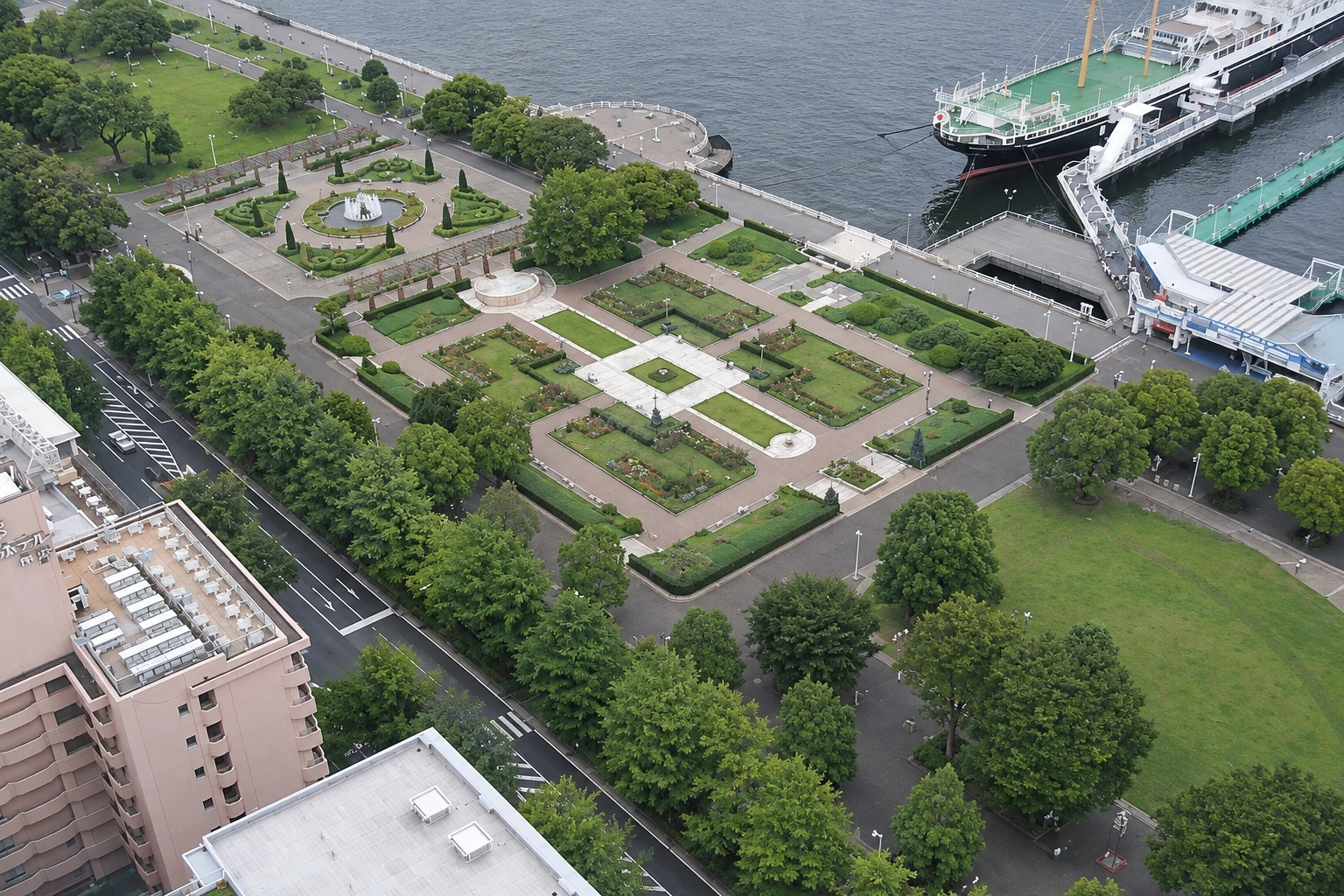
The waterfront park in Yokohama built on the rubble from the 1923 earthquake, featuring the Hikawa Maru ship, rose gardens and a view of Osanbashi Pier.
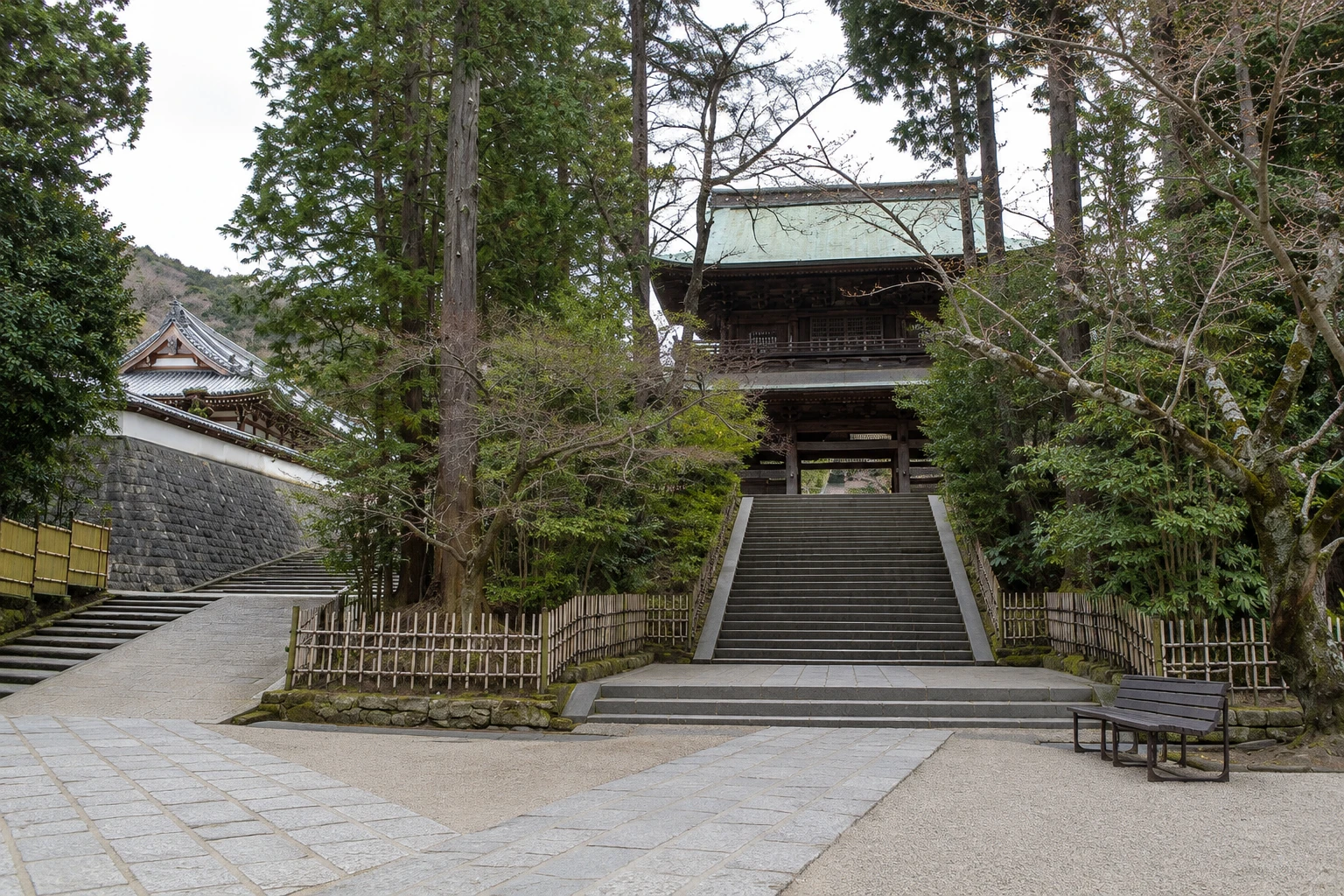
Major Zen monastery in Kita-Kamakura, founded in 1282, with a wooden gate, halls among cedars, the large bell and the Shariden reliquary, a National Treasure.
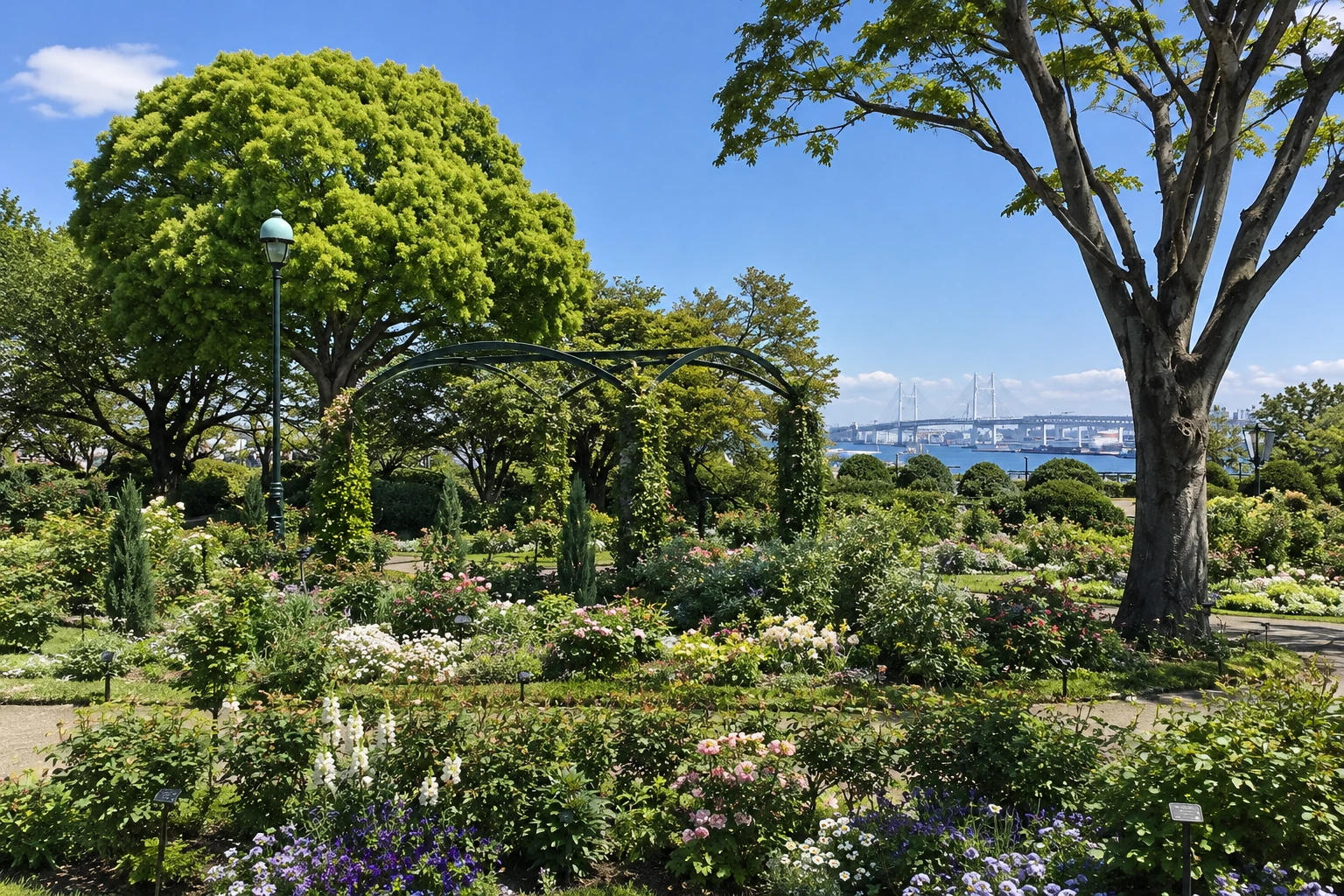
The hill where foreigners lived after the port opened, with Western-style houses open to visitors, the foreigners’ cemetery and the Minato no Mieru Oka Park viewpoint.
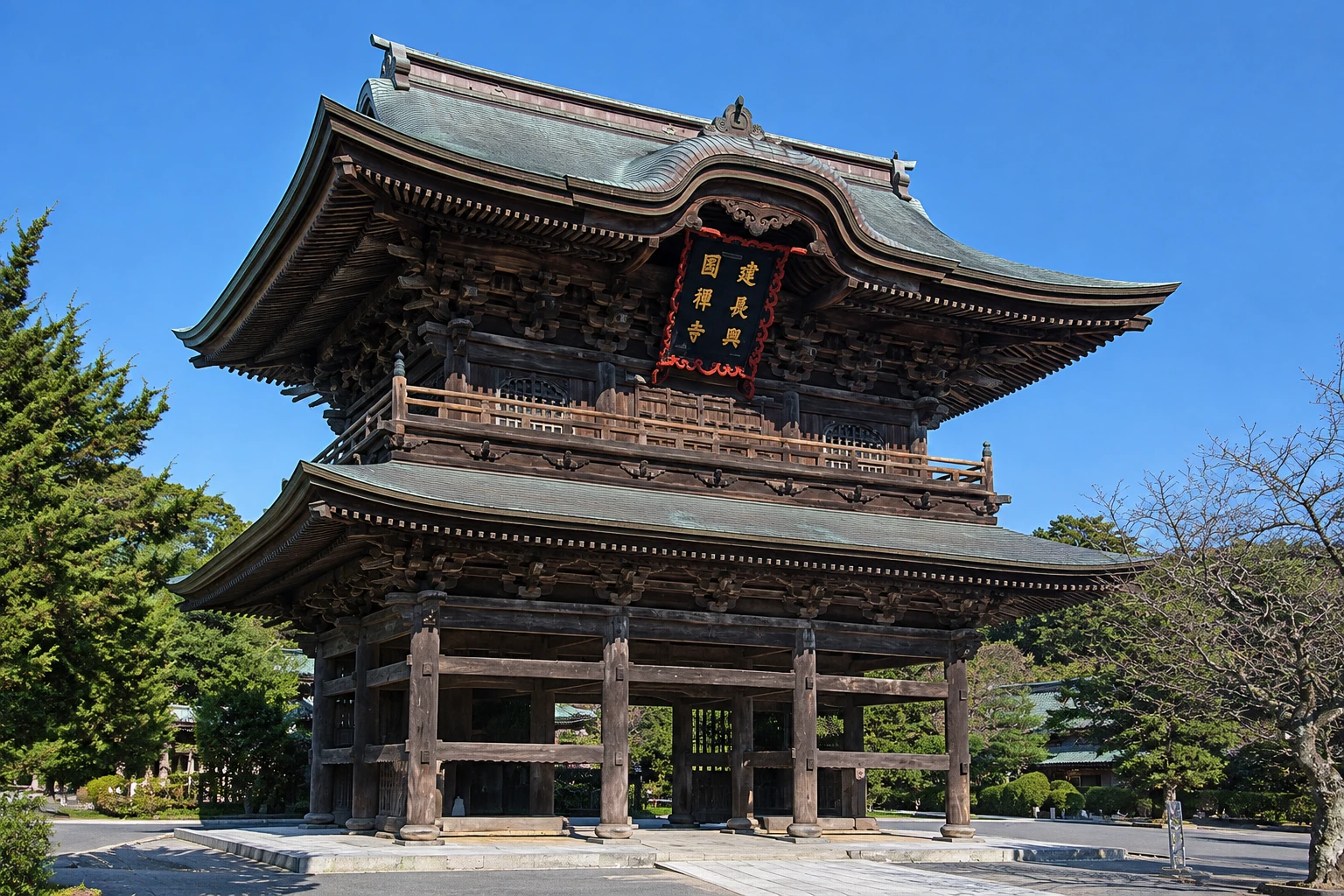
The oldest Zen training monastery in Japan, founded in 1253, the first of the Five Great Temples of Kamakura, with gates, halls, a garden and a trail up to the Hansobo shrine.
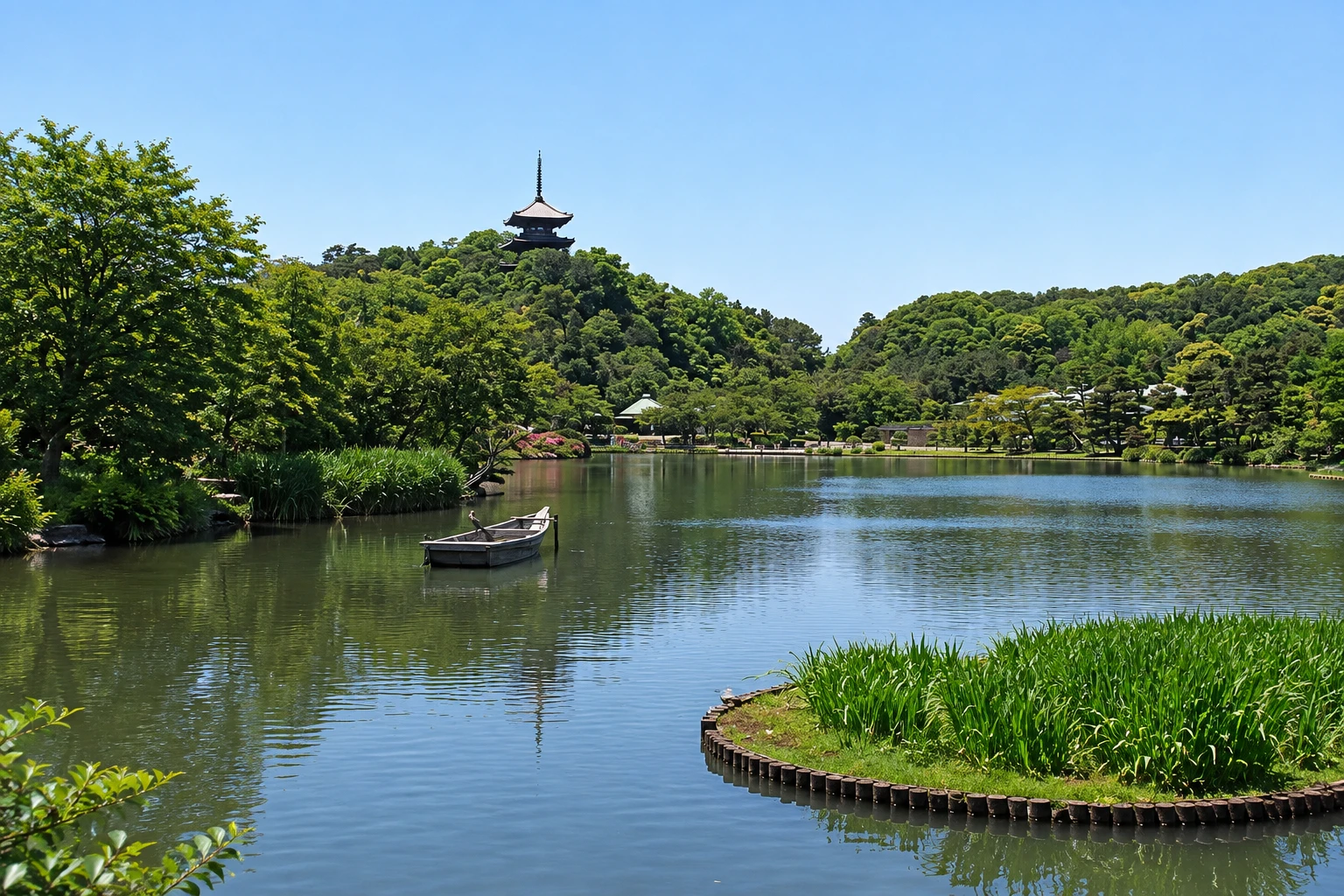
A Japanese garden created by a silk merchant, with historic buildings brought from Kyoto and Kamakura, including a three-story pagoda, set around ponds.
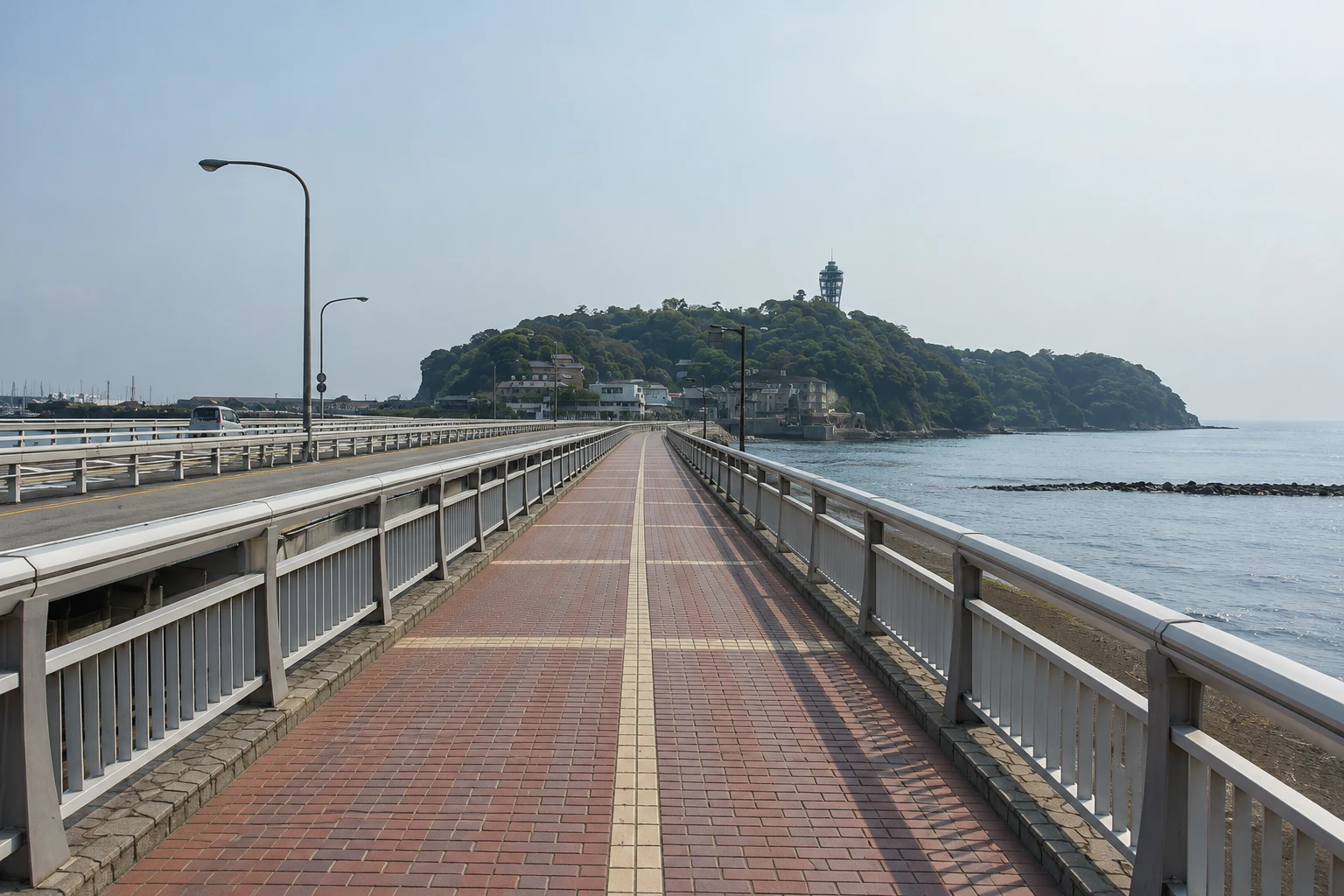
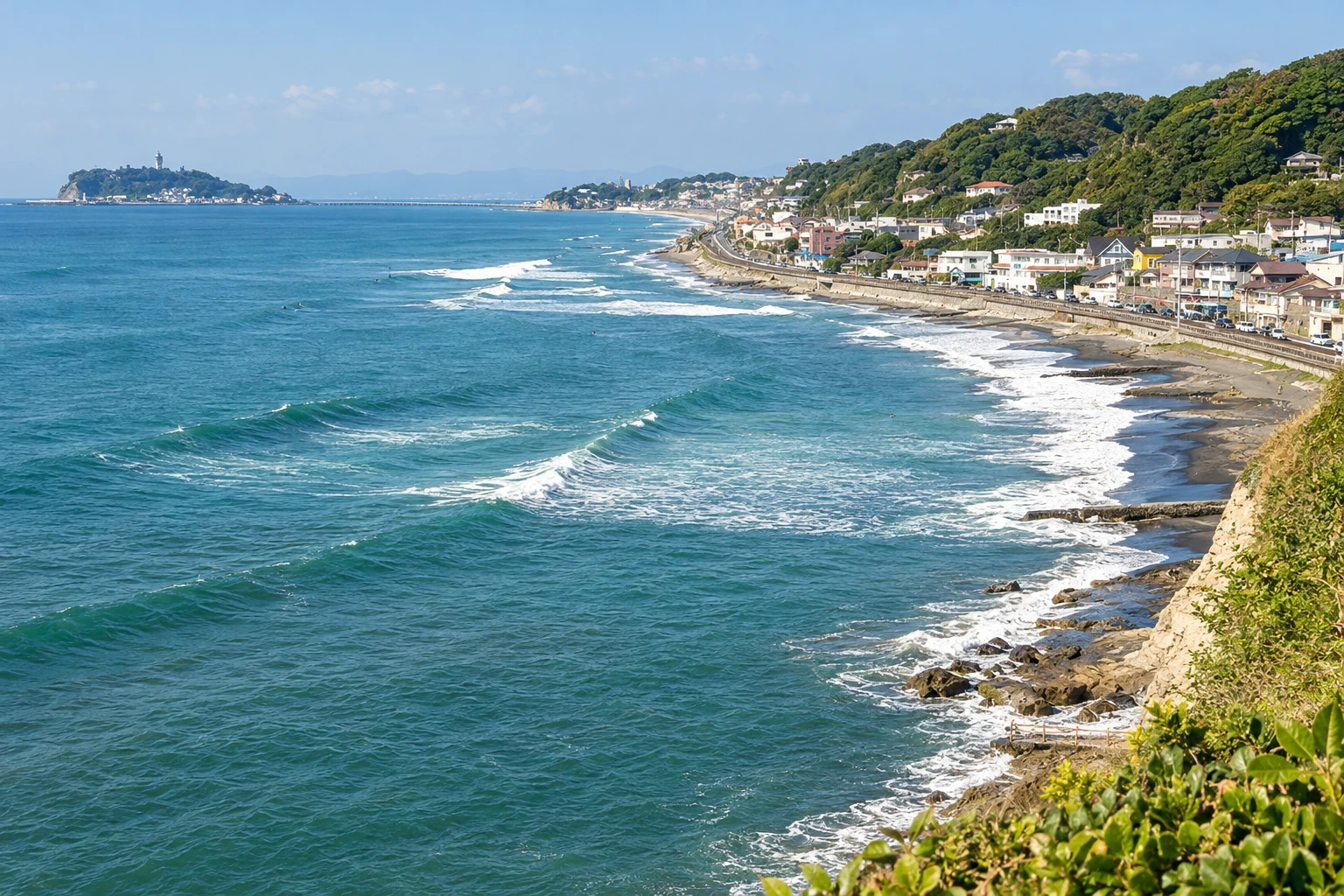
A small island connected to the coast by a bridge in Fujisawa, with the Benzaiten shrine, caves, a garden with a lighthouse-observation point and, on clear days, Mount Fuji over the sea.
To plan