9 places to visit Bolzano (Italy), chosen by the Cidade Turismo guide.
Illustrative images. The pictures in this guide are illustrations based on the real place, not photographs, and may differ from it.
To start
The 9 main places Bolzano
South Tyrol Museum of ArchaeologyArchaeological museum in central Bolzano where Ötzi, the Iceman, is displayed — the natural mummy of a man who lived around 5,300 years ago, with the clothes, the copper axe and...
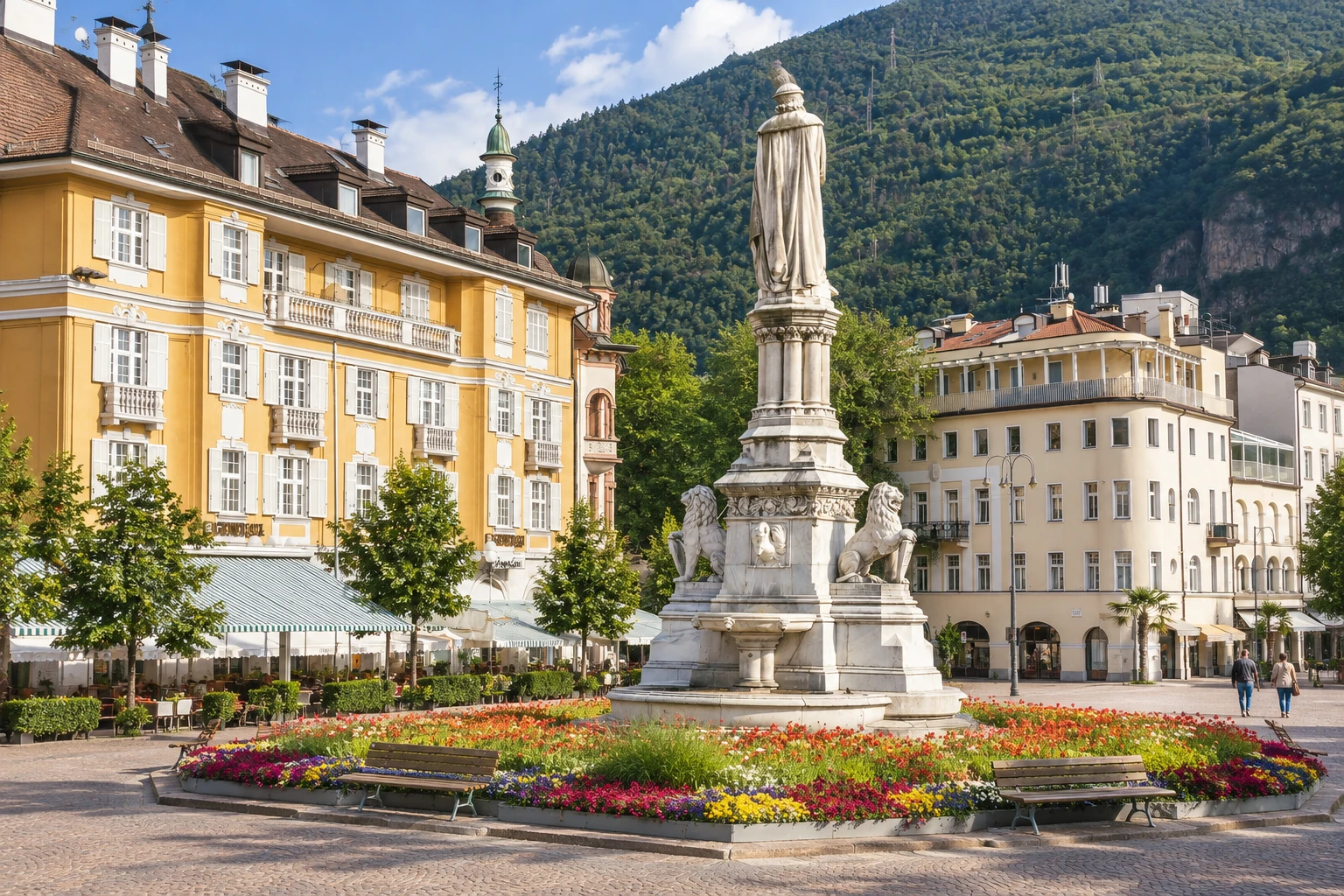
Walther SquareBolzano's main square, with the statue of the medieval poet Walther von der Vogelweide, the Duomo on one side and the historic centre just behind.
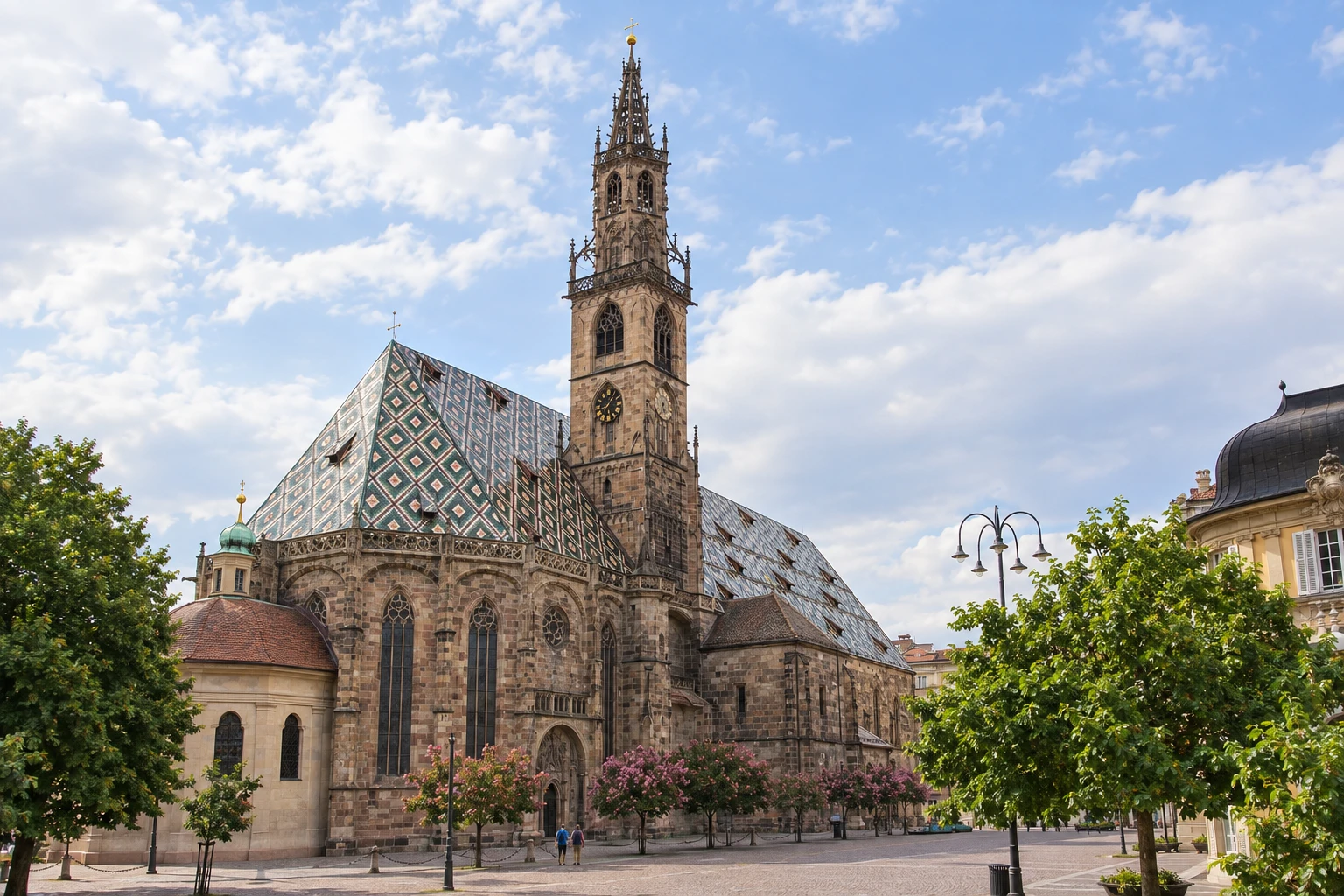
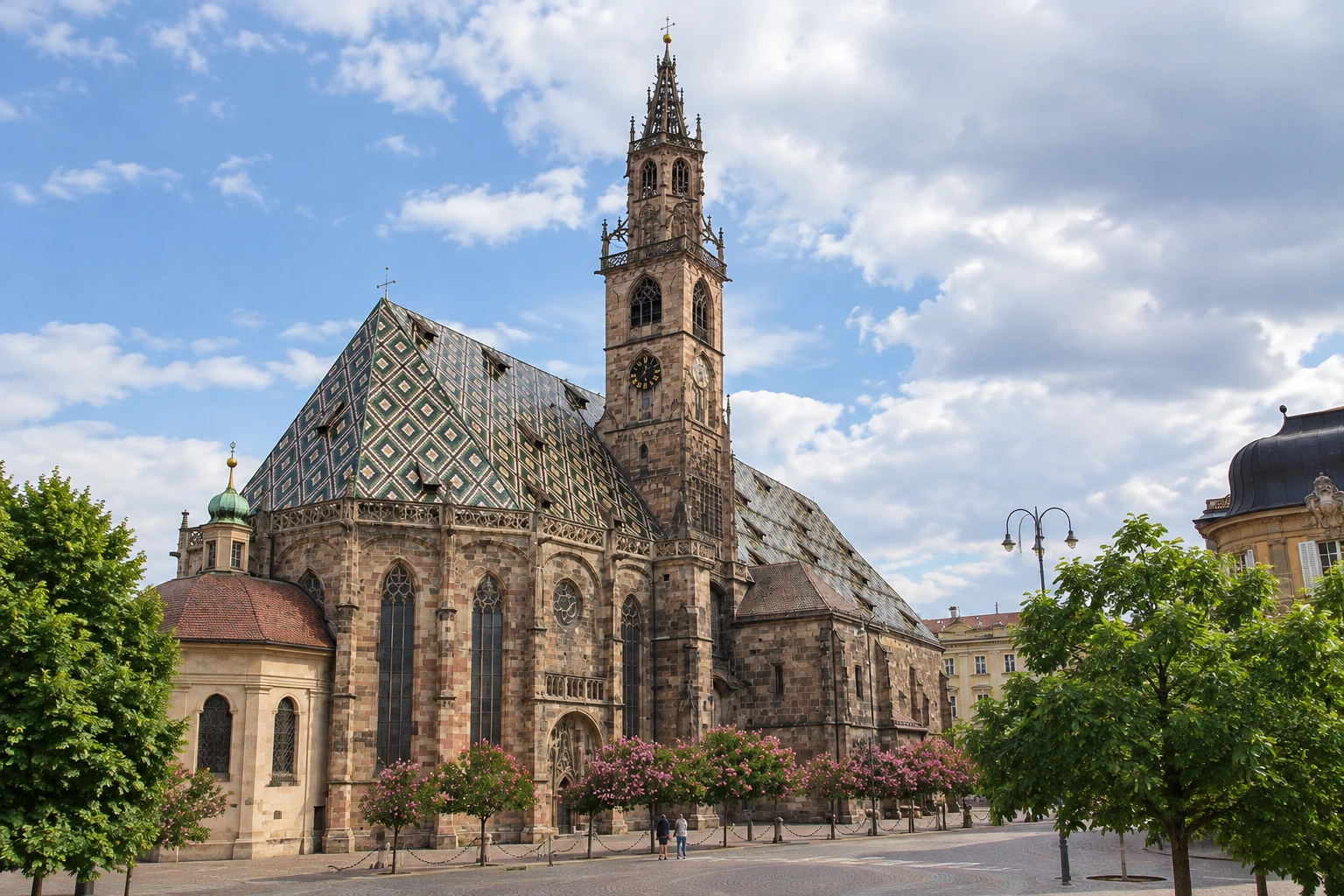
Bolzano CathedralBolzano's main church, Gothic, dedicated to Santa Maria Assunta, with a 65-metre bell tower completed in 1519 and a colourful tiled roof, beside Piazza Walther.
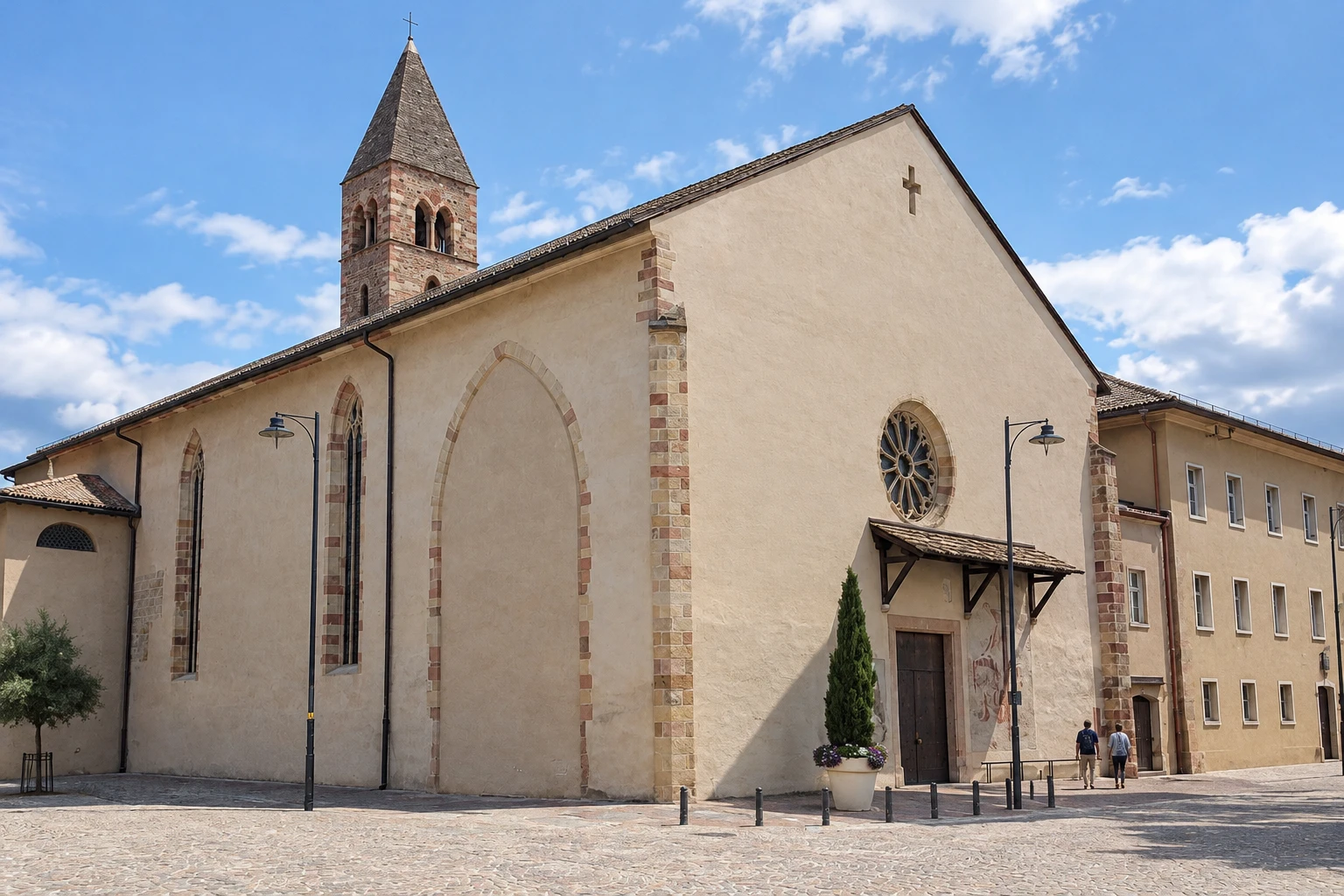
Dominican ChurchGothic church of the Dominican friars, from the late 13th century, with the Cappella di San Giovanni covered in frescoes from the school of Giotto and an altarpiece by Guercino.
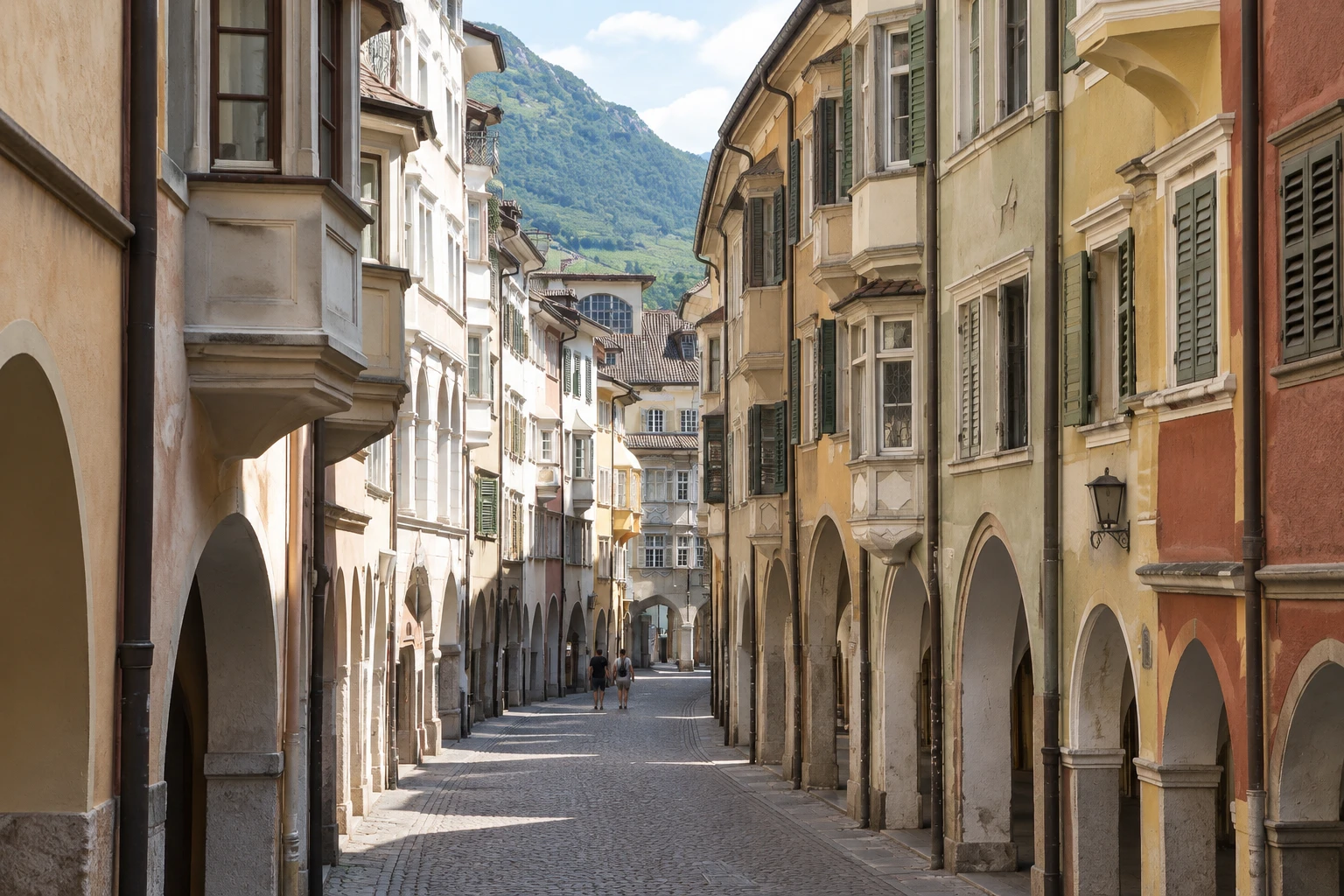
Via dei PorticiMedieval commercial street of Bolzano, from the late 12th century, with arcades on both sides, old shops and, at one end, the Piazza delle Erbe and its fruit and vegetable market.
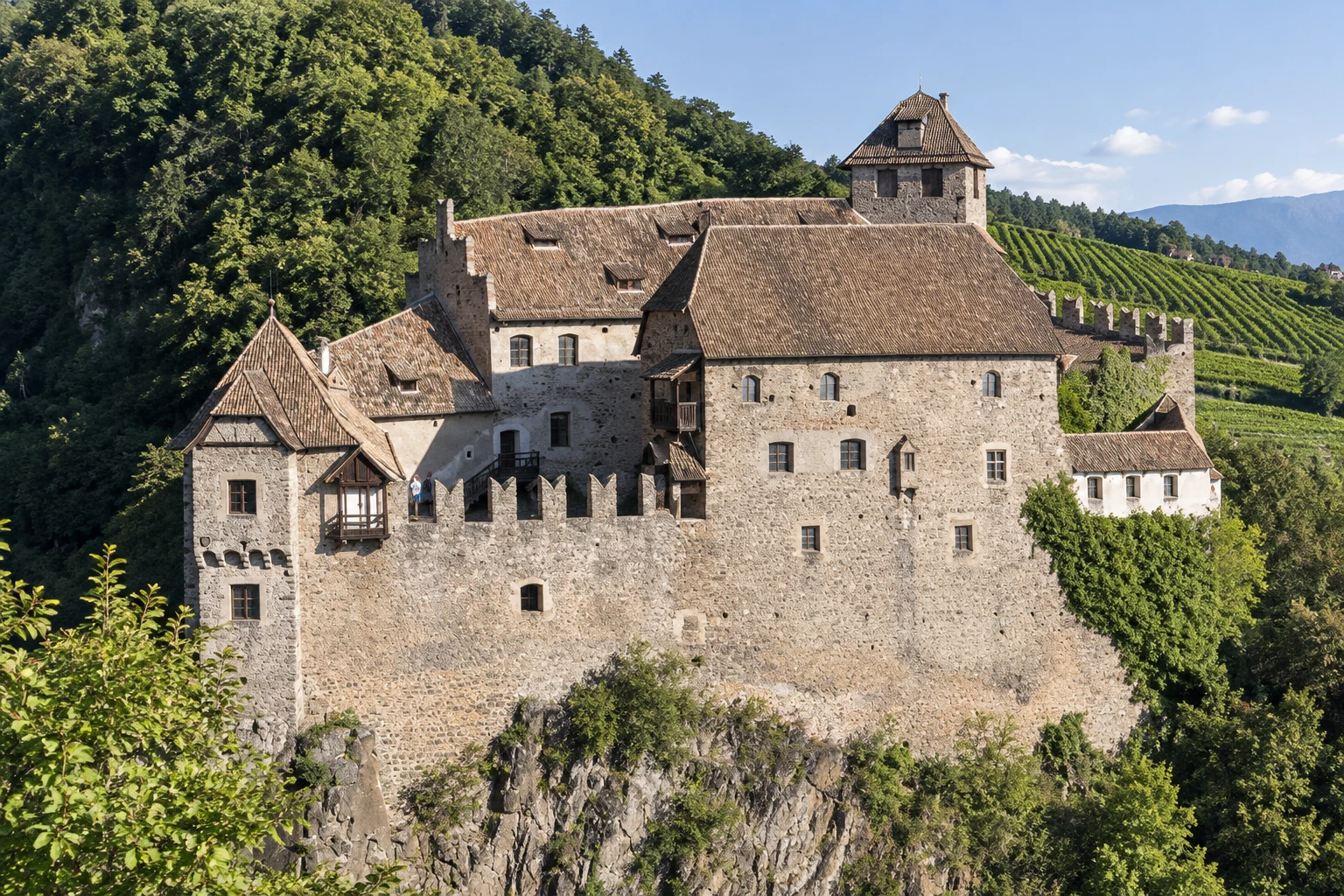
Runkelstein CastleCastle from 1237 on a rock spur at the entrance to the Val Sarentino, with the largest cycle of medieval non-religious frescoes in Europe, including the legend of Tristan and Is...
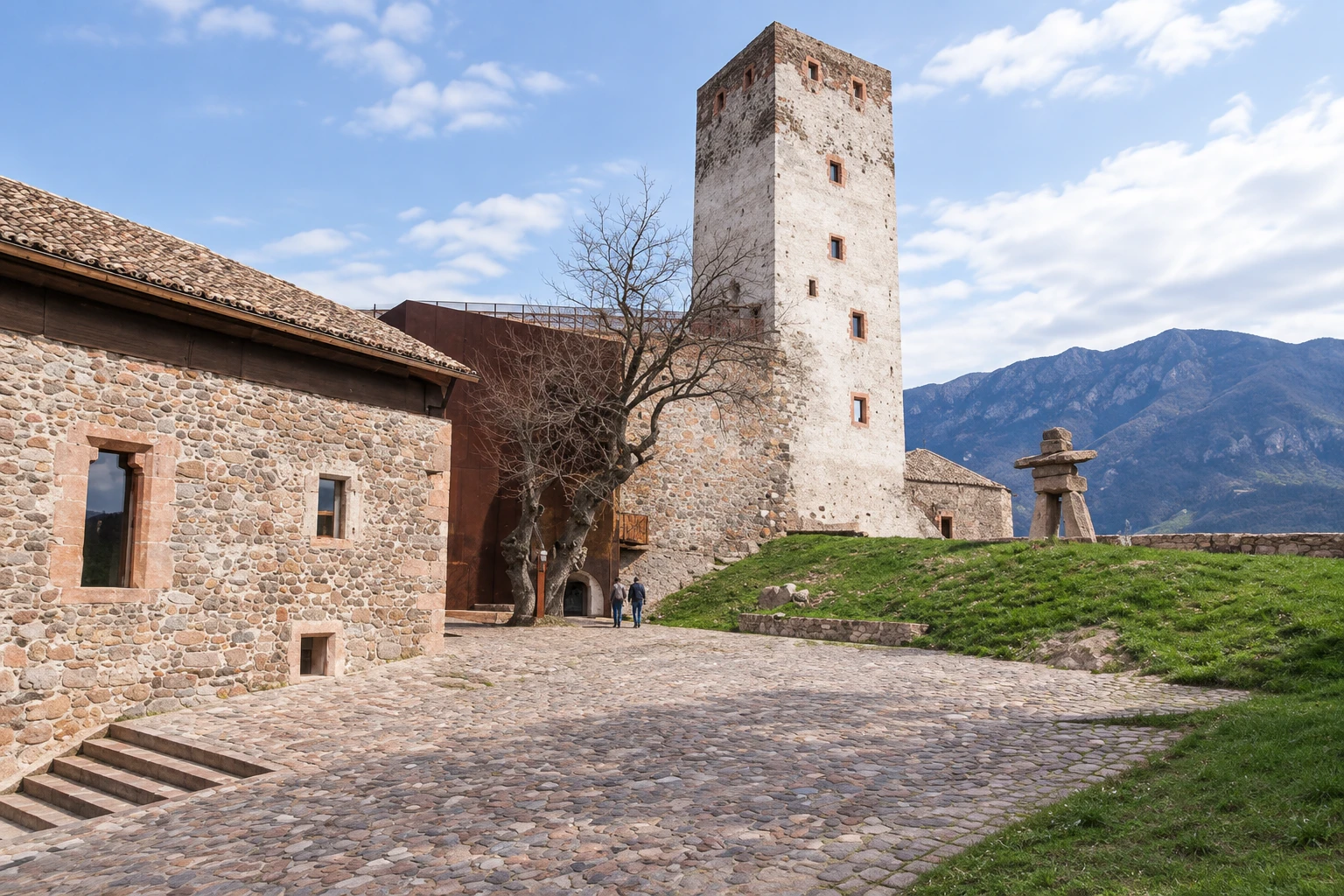
Sigmundskron Castle - Messner Mountain Museum FirmianMedieval fortress on a hill on the outskirts of Bolzano, mentioned since the 10th century, which houses the mountain museum created by mountaineer Reinhold Messner about the rel...
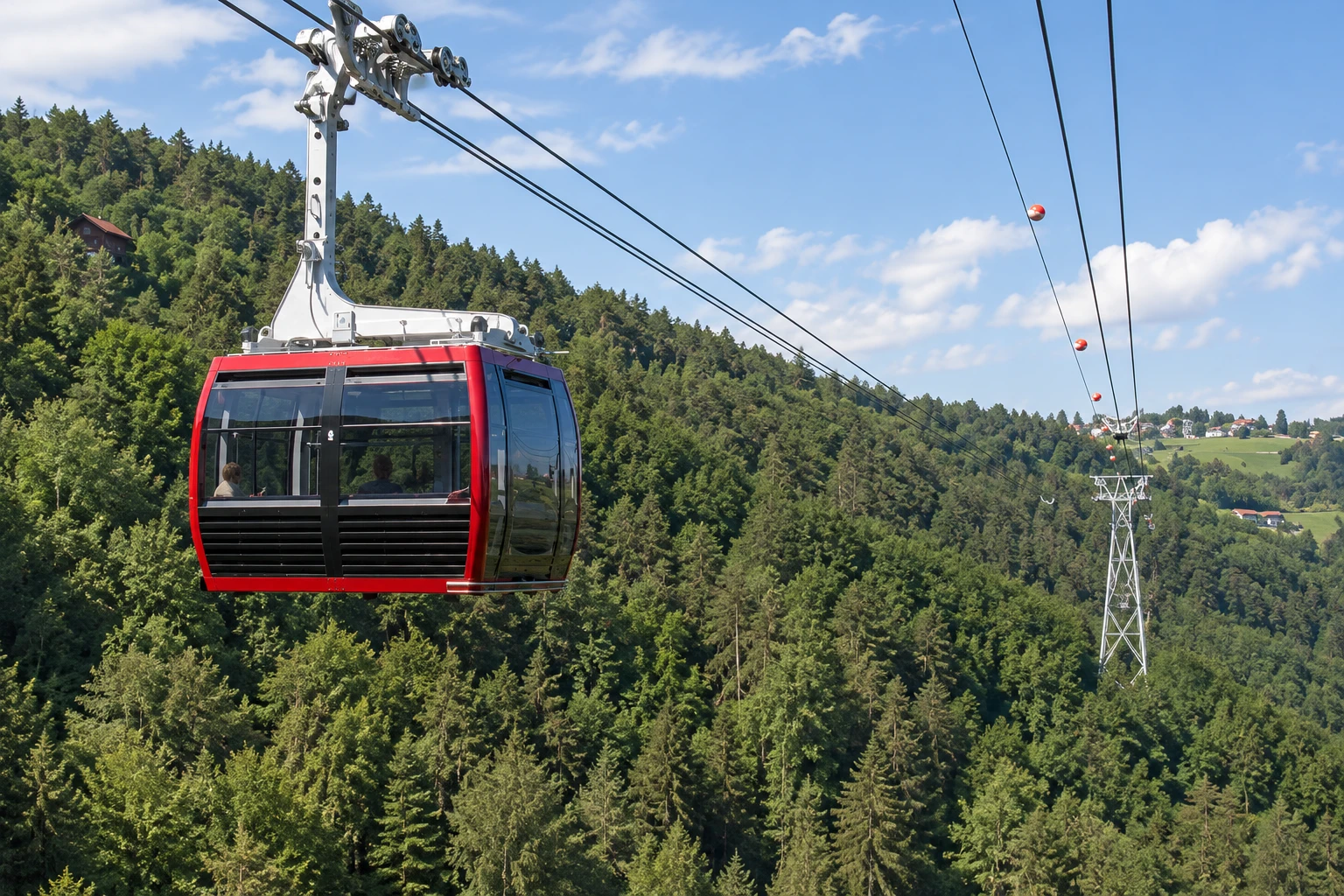
RittenPlateau above Bolzano, over a thousand meters in altitude, reached by cable car in 12 minutes and crossed by a small 1907 train, with views of the Dolomites, woods and Tyrolean...
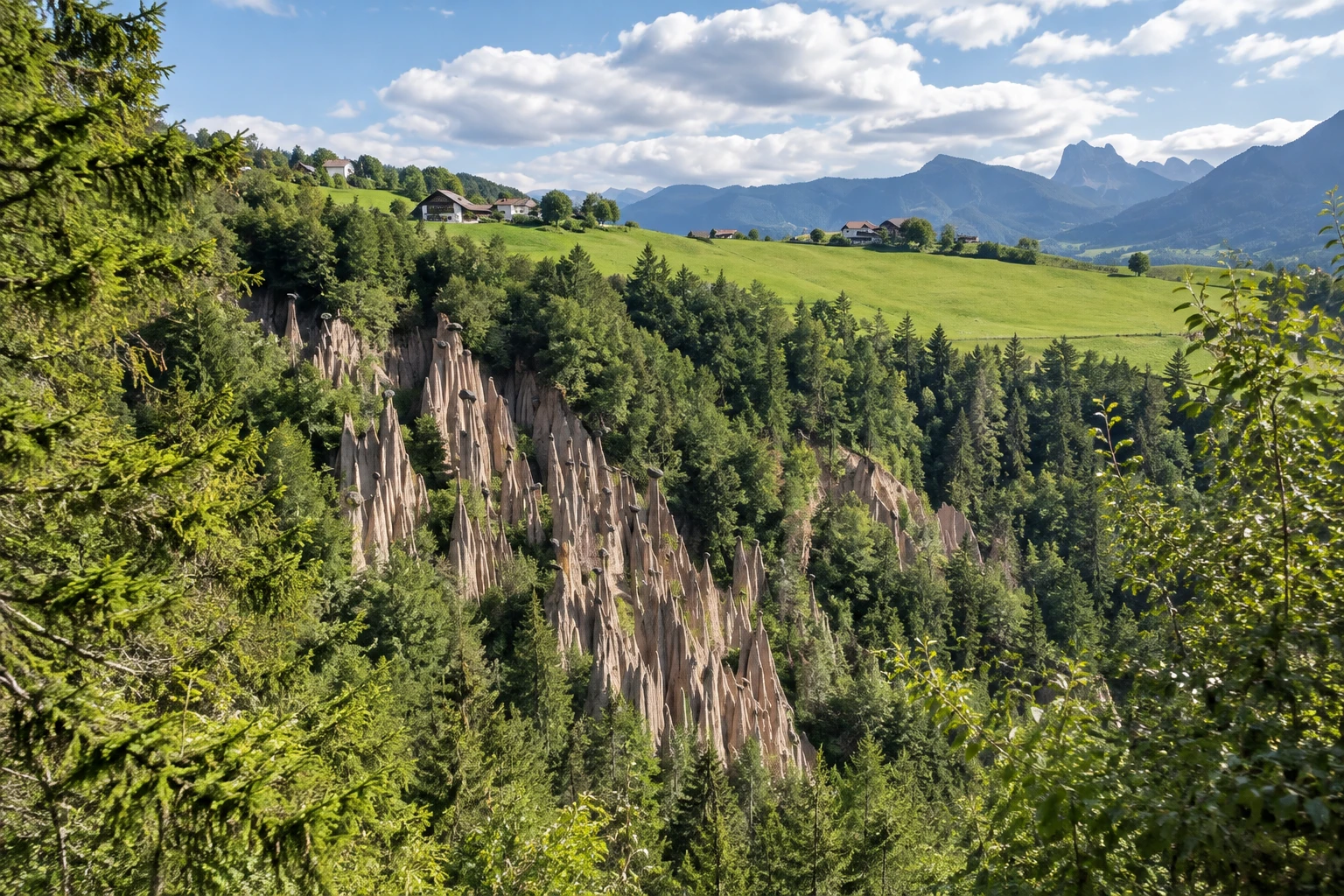
Earth Pyramids of RittenColumns of clay carved by erosion, many with a balancing stone on top, on the slopes of the Renon plateau, considered among the tallest in Europe and visible from short trails.
Archaeological museum in central Bolzano where Ötzi, the Iceman, is displayed — the natural mummy of a man who lived around 5,300 years ago, with the clothes, the copper axe and the bow found with him.
Bolzano's main square, with the statue of the medieval poet Walther von der Vogelweide, the Duomo on one side and the historic centre just behind. It hosts the Christmas market.
Bolzano's main church, Gothic, dedicated to Santa Maria Assunta, with a 65-metre bell tower completed in 1519 and a colourful tiled roof, beside Piazza Walther.
Gothic church of the Dominican friars, from the late 13th century, with the Cappella di San Giovanni covered in frescoes from the school of Giotto and an altarpiece by Guercino.
Medieval commercial street of Bolzano, from the late 12th century, with arcades on both sides, old shops and, at one end, the Piazza delle Erbe and its fruit and vegetable market.
Castle from 1237 on a rock spur at the entrance to the Val Sarentino, with the largest cycle of medieval non-religious frescoes in Europe, including the legend of Tristan and Isolde.
Medieval fortress on a hill on the outskirts of Bolzano, mentioned since the 10th century, which houses the mountain museum created by mountaineer Reinhold Messner about the relationship between humans and the mountain.
Plateau above Bolzano, over a thousand meters in altitude, reached by cable car in 12 minutes and crossed by a small 1907 train, with views of the Dolomites, woods and Tyrolean villages.
Columns of clay carved by erosion, many with a balancing stone on top, on the slopes of the Renon plateau, considered among the tallest in Europe and visible from short trails.


 Brazil
 Antarctica
 Argentina
 Bolivia
 Chile
 Colombia
 Ecuador
 Falkland Islands (Malvinas)
 French Guiana
 Guyana
 Paraguay
 Peru
 Suriname
 Uruguay
 Venezuela
 Albania
 Austria
 Belgium
 Croatia
 Denmark
 Finland
 France
 Germany
 Greece
 Hungary
 Iceland
 Ireland
 Luxembourg
 Norway
 Poland
 Portugal
 Slovakia
 Slovenia
 Spain
 Sweden
 Switzerland
 the Czech Republic
 the Netherlands
 the United Kingdom
 Turkey
 Bermuda
 Canada
 Greenland
 Mexico
 Saint Pierre and Miquelon
 the United States
 the Dominican Republic
 Japan
 Egypt
 South Africa
 Australia
 Fiji
 New Zealand
 Papua New Guinea