Milan

Lombardy Capital

Milan

In the destination Milan and Lake Como.

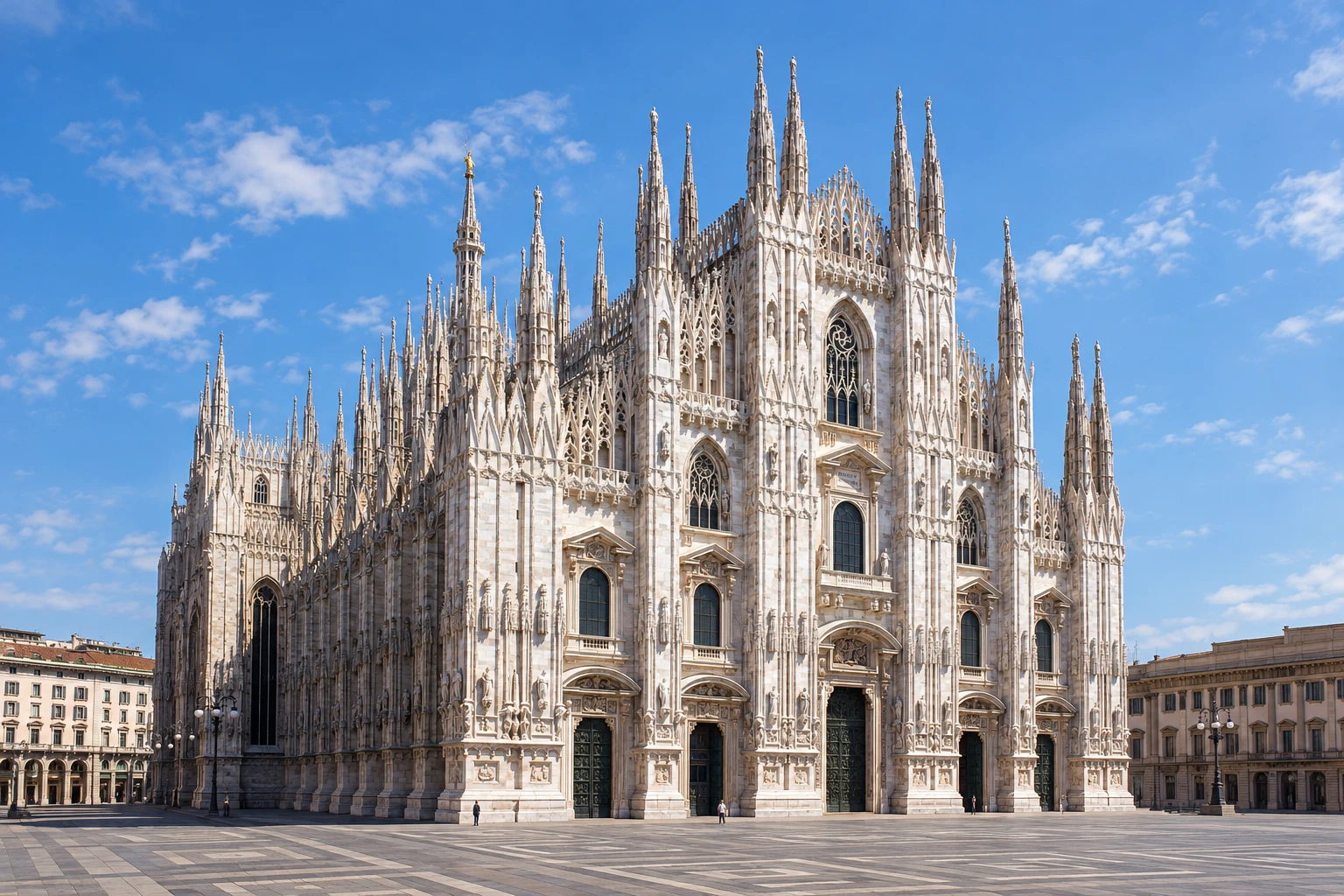
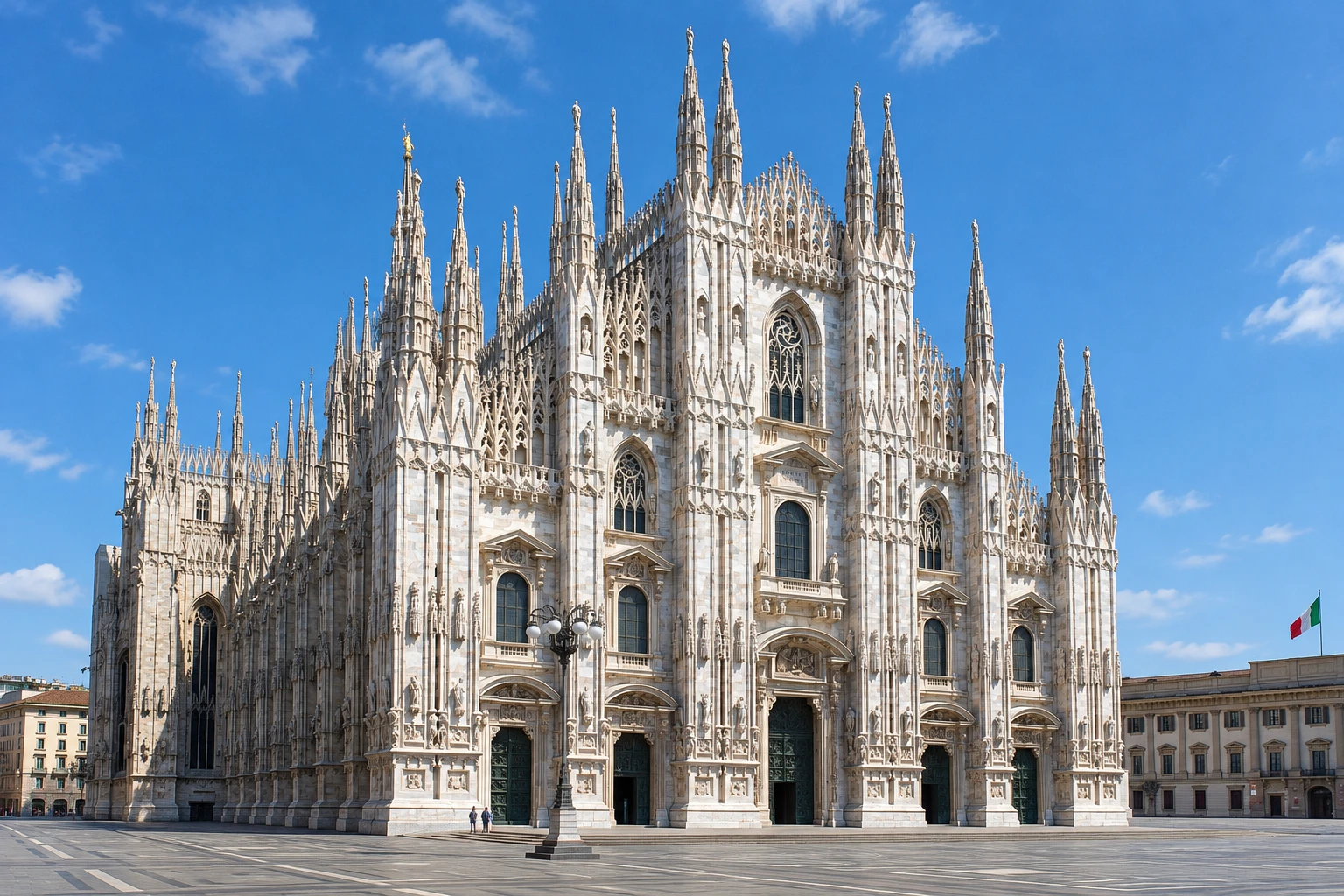
In the photo: Duomo di Milano, Milão

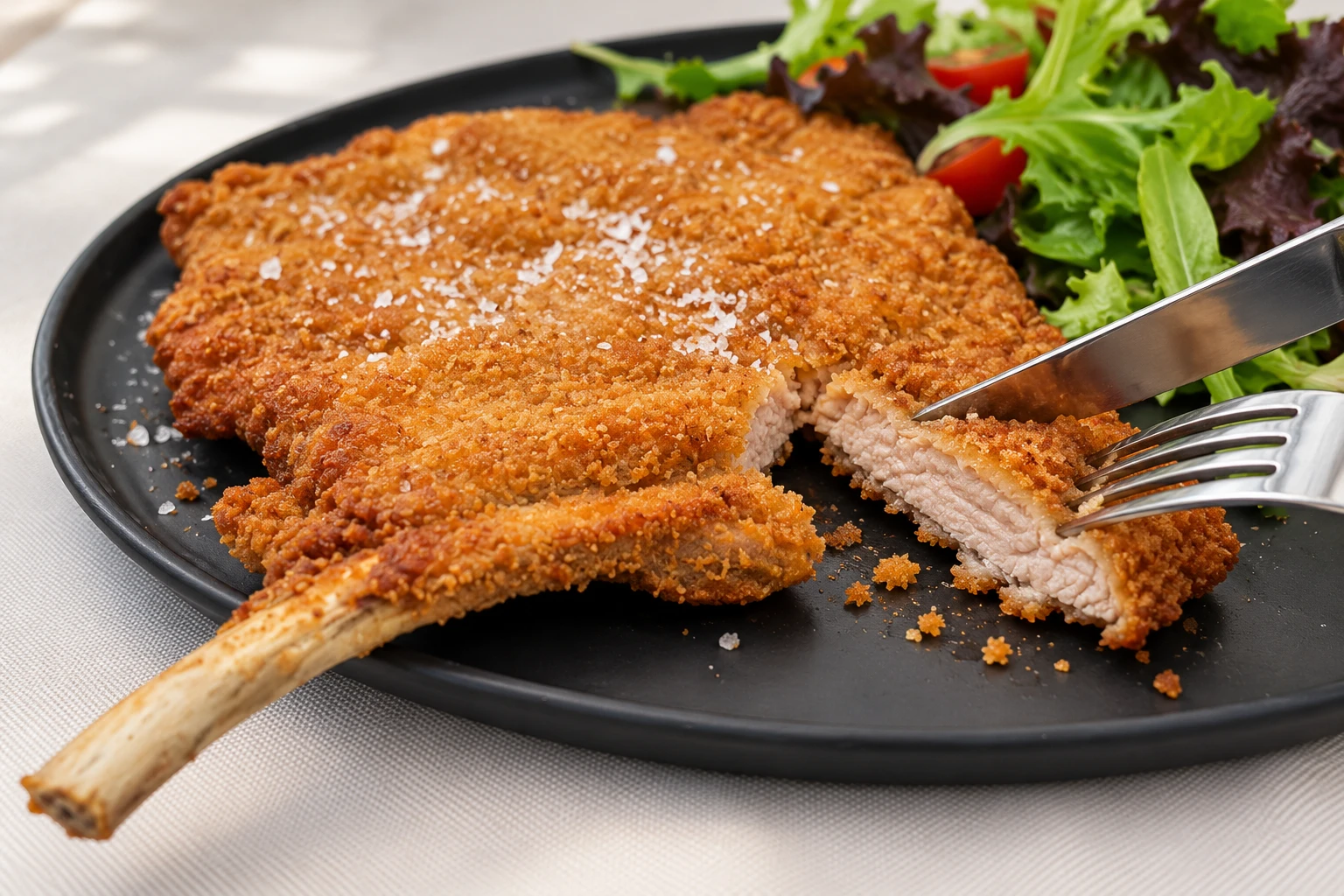
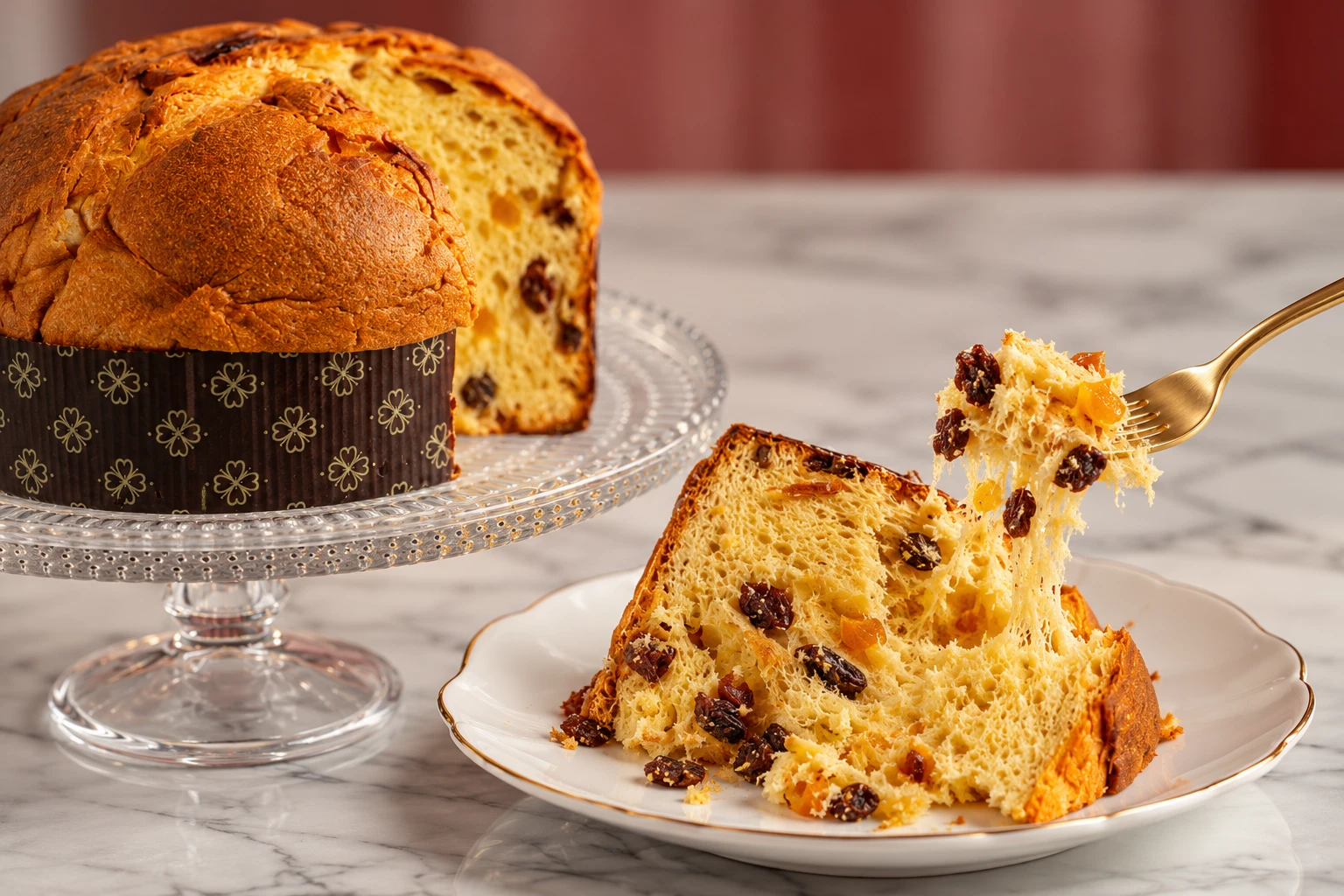
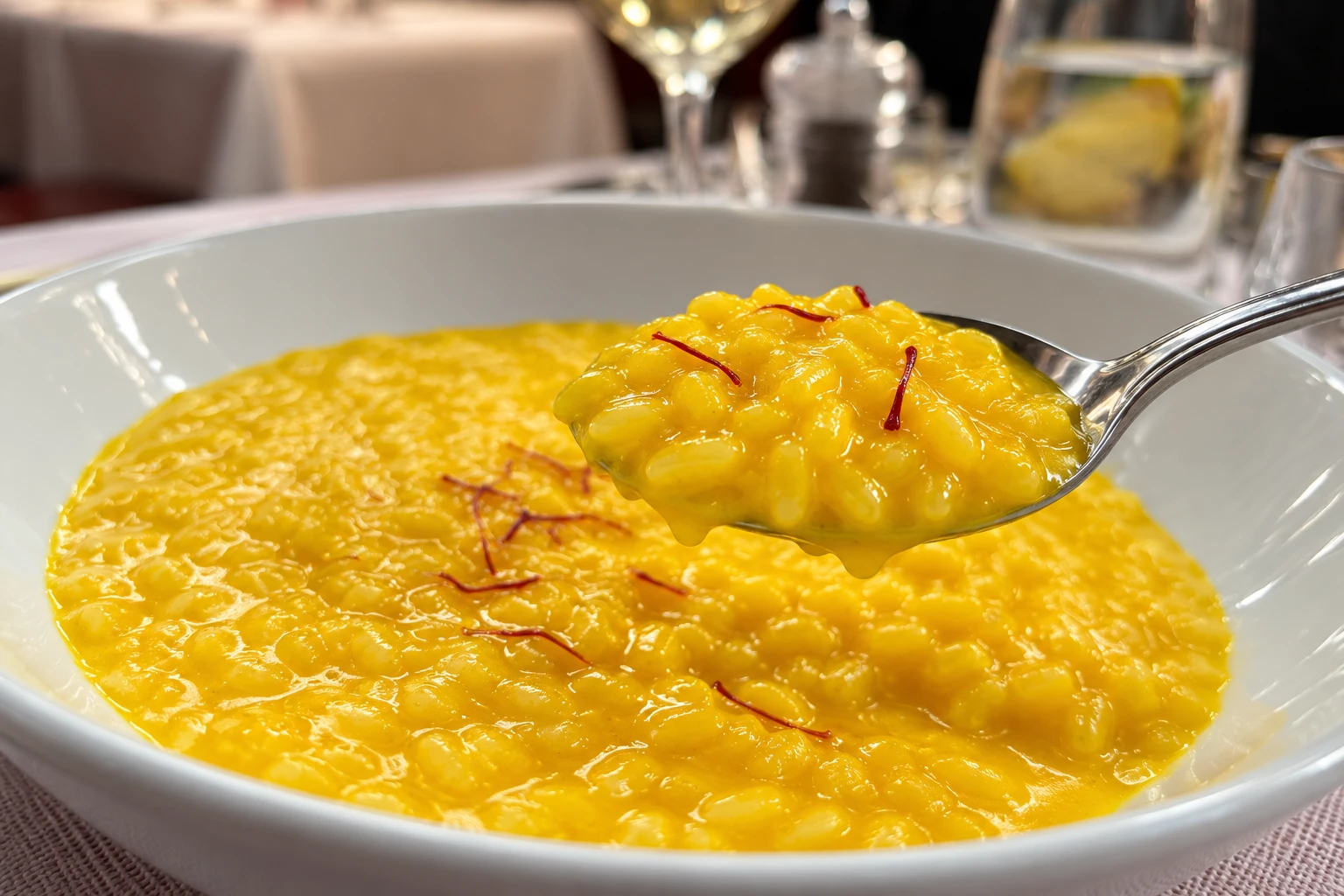
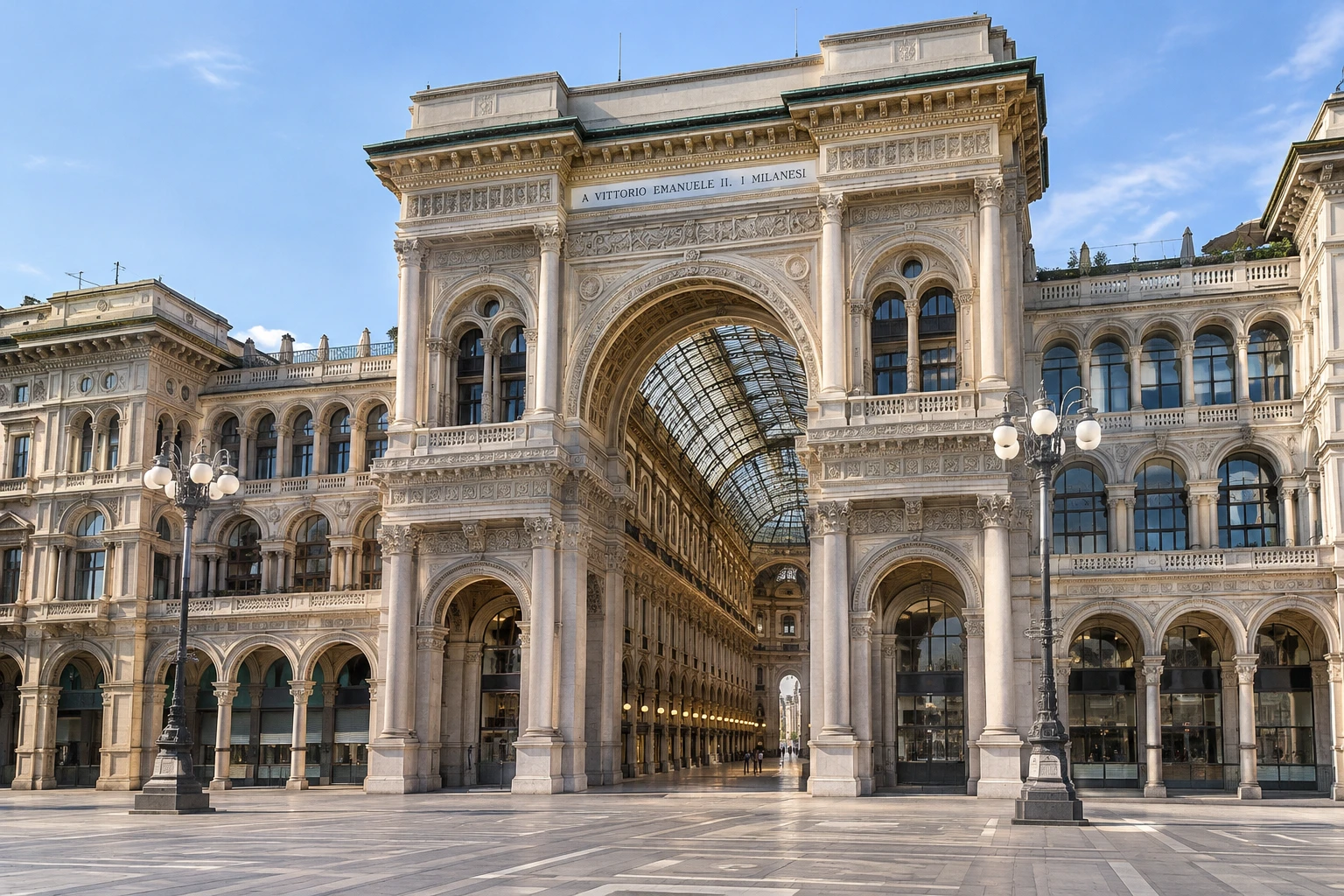
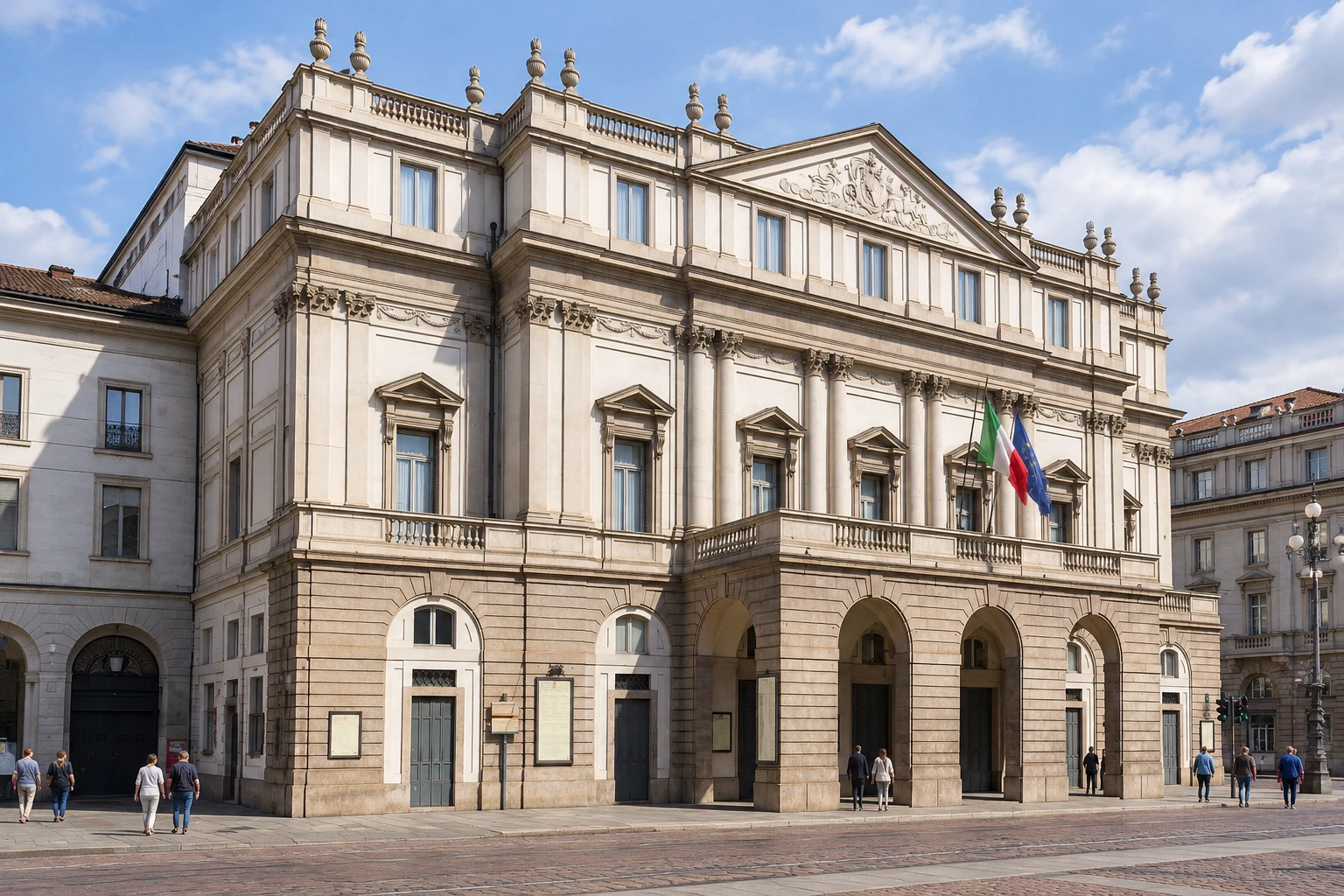
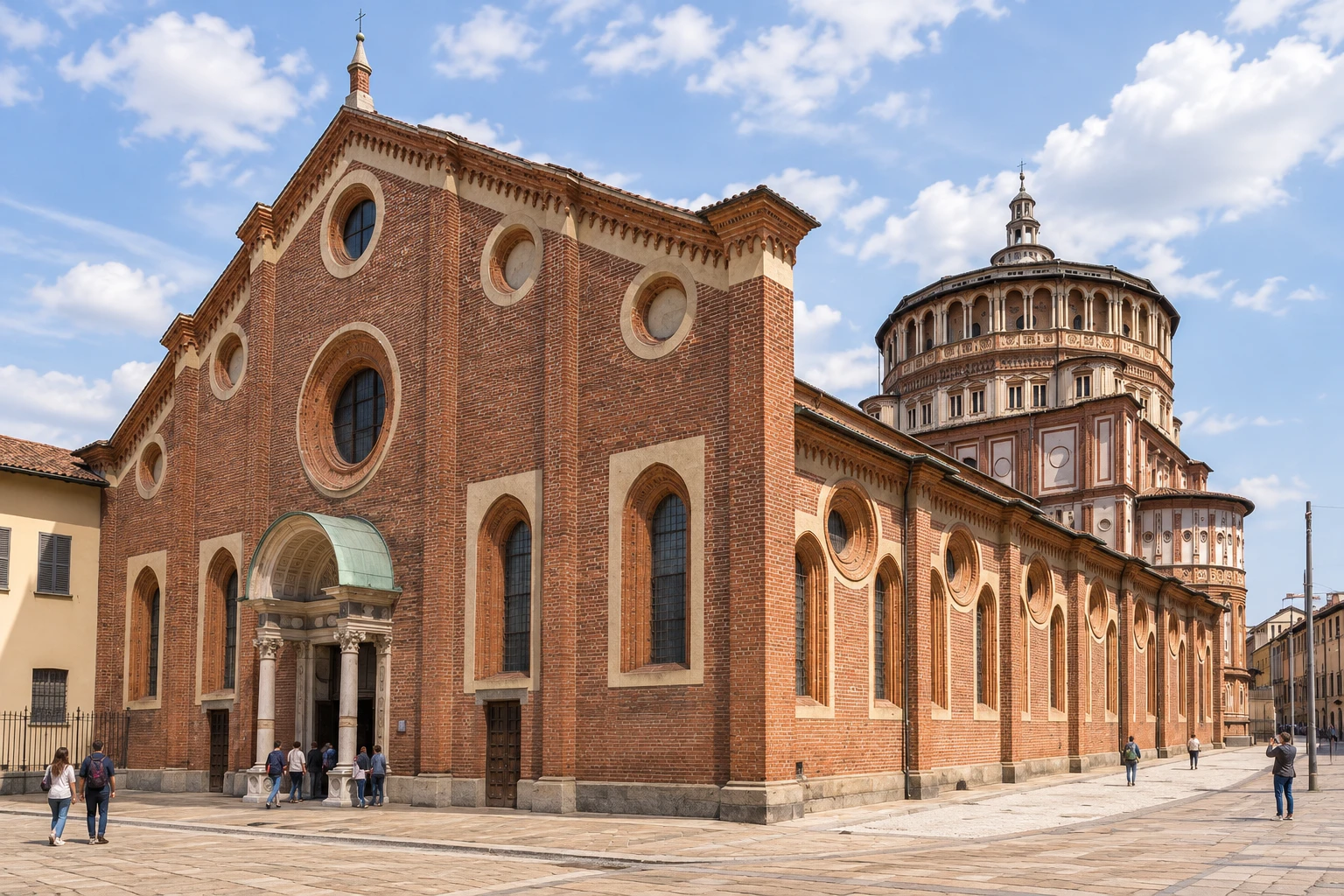
Illustrative images. The pictures in this guide are illustrations based on the real place, not photographs, and may differ from it.

Get it on Google Play

The city

What to expect from Milan.

Capital of Lombardy and of Italian fashion, Milão brings together the Duomo with its terraces, the Galleria Vittorio Emanuele II, the Teatro alla Scala, Leonardo's Last Supper, the Castello Sforzesco with the Pietà Rondanini and the Pinacoteca di Brera. At night life centers on Brera and the Navigli. It is the Brazilian visitor's gateway to northern Italy and a base for Lago de Como.

Milan, the capital of Lombardy, stands in the center of the Po Valley in northern Italy. There are no hills or broad river here. The city is flat and arranged in rings around Piazza del Duomo. You can explore the center on foot and take the metro between neighborhoods. The pace on the streets reflects Milan's role as the Italian capital of fashion, design, and business. Look closer and you'll also find Roman and medieval Milan and the court of the Sforza family, for whom Leonardo da Vinci worked in the late 15th century.

The historic center fits within the line of the old city walls. At its heart stand the Duomo, with terraces between its marble spires, the Galleria Vittorio Emanuele II, and Teatro alla Scala. To the northwest, Castello Sforzesco opens onto Parco Sempione. To the west on Corso Magenta are Santa Maria delle Grazie, home to The Last Supper, and the fresco-covered church of San Maurizio. Southward, a sequence of early Christian basilicas, Sant'Ambrogio, San Lorenzo, and Sant'Eustorgio, leads to the Darsena and the Navigli canals.

Each neighborhood plays its own part in daily life. Brera, north of the Duomo, has the Pinacoteca, the Academy of Fine Arts, stone streets, and sidewalk tables. The Quadrilatero della Moda brings together designer storefronts and two house museums. Porta Venezia has the oldest public gardens, Art Nouveau mansions, and Villa Necchi Campiglio. The Navigli are the place for aperitivo and nightlife. Porta Nuova and Isola by Garibaldi station, and CityLife to the northwest, show off Milan's glass towers, with sights including Piazza Gae Aulenti and the Bosco Verticale. On the southern edge of town, Fondazione Prada occupies a former distillery, and the Cistercian abbey of Chiaravalle rises amid open fields.

Winters on the plain are cold, damp, and foggy, with January averages near 3°C. Summers are hot and muggy, with July highs above 30°C. Rain comes mainly in fall, especially in November, and during summer thunderstorms. April, May, June, September, and October usually offer the most comfortable walking weather. Around the August 15 holiday, some shops and restaurants close for vacation, leaving a quieter city.

A little planning pays off. The Last Supper requires a reservation well in advance. On busy days the Duomo terraces and the Pinacoteca di Brera require timed tickets. Several museums close on Mondays. During fashion weeks in late February and the second half of September, and design week in April, hotels fill and the streets take on a different feel. The season at La Scala opens on December 7, the feast of St. Ambrose, Milan's patron saint.

Milan's airports and Centrale station also make the city a gateway to northern Italy. Lake Como, Turin, and Bologna are each about an hour away by train.

Share: WhatsApp

Where to stay

30 places to stay in Milan.

Where to eat

30 places to eat in Milan.

Map of Milan

The city's hotels and restaurants on the map.

Flavors of Italy

To try Milan

Discover other flavors of Italy

The local experience

Things to do in Milan

Milan · Italy · Cathedral

Milan Cathedral

The Gothic marble cathedral in the heart of Milão, with thousands of statues, huge stained-glass windows and roof terraces among the spires, offering views over the city.

Explore Milan Cathedral

Milan · Italy · Museum

La Scala

One of the world's most famous opera houses, opened in 1778. The Museo Teatrale presents the history of the house and, when possible, allows a peek into the auditorium from a box.

Explore La Scala

Milan · Italy · Museum

The Last Supper

The Last Supper by Leonardo da Vinci, painted on the refectory wall of the convent of Santa Maria delle Grazie. Visits are in small groups and require advance reservation.

Explore The Last Supper

See 9 more places in Milan

To choose before you go

Tours in Milan

Where each tour starts, how long it takes, how it is done, what is included and the price range.

Piazza del Duomo: the cathedral, terraces, cathedral museum, and Museo del Novecento

From Piazza del Duomo (Duomo station, metro M1 or M3) On foot, with indoor visits 3 to 4 hours Morning Easy, with steps on the terraces

Four different sights stand within steps of one another on the square. Set aside a full morning so you can explore beyond the cathedral itself. Work on Milan's Duomo began in 1386 and continued for more than six centuries. At 157 m long, it is Italy's largest Gothic building. Its pinkish-white Candoglia marble comes from a quarry reserved for the cathedral. Inside, look at the stained glass and the capitals of the pillars, with statues set in niches. Beneath the forecourt, the archaeological area preserves the remains of the baptistery where St. Ambrose baptized St. Augustine. Take the stairs or elevator up to the terraces for the most distinctive part of the visit. Walk across the roof between flying buttresses and spires and get a closer look at the Madonnina, the gilded statue on the tallest spire, about 108 m above ground. On clear days the Alps appear to the north. The Museo del Duomo occupies the ground floor of the adjoining Palazzo Reale. Inside are the treasury, a large wooden model of the cathedral, original sculptures removed from the spires, and a gallery where you can see the stained glass up close, lit from behind. The neoclassical Palazzo Reale hosts the city's major temporary exhibitions. Across the square, the Museo del Novecento displays Italian art from 1902 to the early 1980s, including Futurism and works by Boccioni, Carrà, de Chirico, Morandi, and Piero Manzoni. In the Lucio Fontana room at the top, a neon installation hangs from the ceiling and the windows look straight onto the cathedral spires.

Stops: Duomo di Milano, Duomo terraces, Duomo archaeological area, Museo del Duomo, Palazzo Reale, Museo del Novecento.

Includes: The square is free. The cathedral, terraces, archaeological area, and Museo del Duomo have several paid ticket combinations. The Museo del Novecento and Palazzo Reale exhibitions have their own tickets. Check current prices.

Tip: Buy a timed cathedral and terraces ticket on the official website. Start on the roof before it fills up. Cover your shoulders and knees to enter and leave backpacks at the checkroom. The Museo del Novecento makes a good stop during a downpour or the hottest part of the day.

Best time: Year-round. On clear winter days you can see the Alps from the terraces. In July and August, head up early.

From the Duomo to La Scala through the old center: Piazza dei Mercanti, San Satiro, the Ambrosiana, and the Galleria

From Piazza del Duomo Self-guided walk About 3 hours, including the Ambrosiana Afternoon Easy

This short circuit follows mostly pedestrian streets through medieval, Renaissance, and 19th-century Milan. A few steps from Piazza del Duomo, Piazza dei Mercanti was the center of the medieval city. The Palazzo della Ragione on its arcades and the Loggia degli Osii still stand. Follow Via Torino to the small church of Santa Maria presso San Satiro. Called to the court in the early 1480s, Donato Bramante solved a lack of space here with a false choir in perspective. The far end of the church looks deep but is barely thicker than a wall. Near Cordusio metro station, the Pinacoteca Ambrosiana grew out of Archbishop Federico Borromeo's collection in 1618. It holds Caravaggio's Basket of Fruit, Raphael's full-size preparatory cartoon for The School of Athens, Leonardo's Portrait of a Musician, and, in the library's old reading room, sheets from the Codex Atlanticus, the largest collection of Leonardo's drawings and writings. Behind it stands the church of San Sepolcro with its crypt. Back at the Duomo, cross the Galleria Vittorio Emanuele II, the 19th-century iron-and-glass arcade Milan residents call their salotto, or living room. At the central Ottagono, tradition calls for spinning three times on your heel on the bull mosaic. The arcade opens onto Piazza della Scala between Palazzo Marino, the city hall, and Teatro alla Scala, built by Giuseppe Piermarini between 1776 and 1778. At the theater museum you can view the auditorium from a box when no rehearsal or performance is underway.

Stops: Piazza dei Mercanti, Santa Maria presso San Satiro, Pinacoteca Ambrosiana, Chiesa di San Sepolcro, Galleria Vittorio Emanuele II, Piazza della Scala, Teatro alla Scala.

Includes: The squares, Galleria, and churches are free. The Pinacoteca Ambrosiana, the crypt of San Sepolcro, and the Museo Teatrale alla Scala charge separate admission. Check current prices.

Tip: San Satiro has short visiting hours and closes during services. Check ahead and visit it first. At the La Scala museum, ask at the entrance whether you can see the auditorium during your visit.

Best time: Year-round. The covered Galleria offers shelter on rainy days.

Corso Magenta, the Last Supper, Santa Maria delle Grazie and San Maurizio

From Santa Maria delle Grazie (M1 to Conciliazione or M1/M2 to Cadorna) On foot, with a prebooked visit 2 hours 30 minutes to 3 hours Morning or afternoon, depending on your reservation Easy

Two of Milan's most important painted walls stand just a few minutes' walk apart along Corso Magenta. The Last Supper is in the refectory of the Dominican convent of Santa Maria delle Grazie. Leonardo da Vinci painted it in the last decade of the 15th century for Ludovico Sforza, known as il Moro, who wanted the church to become his family's mausoleum. The scene captures the moment Jesus announces that one of the apostles will betray him and shows each man's reaction. Small groups enter for a short, fixed time, and reservations are mandatory. The church and convent together form a UNESCO World Heritage Site. Take time to see the church itself. Founded in 1463, it acquired a spacious tribune under Bramante's direction, topped by a dome best seen from the street outside. At the back, the Chiostro delle Rane is a square cloister with five arches per side and four bronze frogs on the rim of its fountain. Walking along Corso Magenta toward the center, look for the understated facade of San Maurizio al Monastero Maggiore. Inside, 16th-century frescoes cover every inch of wall. A partition divides the nave between the worshippers' area and the choir behind it, where the cloistered nuns of the Benedictine monastery worshipped until 1798. The former cloister houses the Museo Archeologico and two Roman towers dating from the late third or early fourth century. One belonged to the circus, the other, with 24 sides, to the city wall.

Stops: Cenacolo Vinciano, Chiesa di Santa Maria delle Grazie, Chiostro delle Rane, Chiesa di San Maurizio al Monastero Maggiore, Civico Museo Archeologico.

Includes: The Cenacolo charges separate admission and requires a timed reservation. Santa Maria delle Grazie and San Maurizio are free to enter. The Museo Archeologico has its own ticket. Check current prices.

Tip: Secure your Cenacolo reservation first and plan the rest of the day around it. Arrive early, as latecomers miss their slot. Both the Cenacolo and San Maurizio close on certain weekdays. Check before you go.

Best time: Year-round. Reserve The Last Supper in advance whatever the season. In spring the Chiostro delle Rane is in bloom.

From Castello Sforzesco to the Arco della Pace through Parco Sempione

From Largo Cairoli (Cairoli station, metro M1) On foot, including museum visits 3 to 4 hours Morning or afternoon Easy, on level ground

The castle and park form a straight line from Largo Cairoli to the Arco della Pace. Castello Sforzesco began as a Visconti fortress between 1358 and 1368. Francesco Sforza rebuilt it starting in 1450, and it became one of Europe's great military citadels. Leonardo worked here for Ludovico il Moro. You can enter the courtyards and see the walls, moats, and towers for free. One ticket covers the municipal museums. Michelangelo's last sculpture, the Rondanini Pietà, has a room of its own in the former Spanish hospital. Other highlights include the equestrian monument to Bernabò Visconti in the ancient art museum, paintings by Mantegna, Bellini, Lotto, and Canaletto in the picture gallery, musical instruments, the Trivulzio tapestries, the armory, and the Egyptian section. Leonardo's Sala delle Asse is under restoration and isn't always open. Behind the castle, Parco Sempione occupies the former parade ground, turned into a public garden in the late 19th century. To the left, the Triennale occupies the Palazzo dell'Arte of 1933, with the Italian design museum. Beside it stands Torre Branca, an observation tower designed by Gio Ponti. Around the lawns you'll find Giorgio de Chirico's Bagni Misteriosi fountain, the Arena Civica, and, at one end, the Acquario Civico in a 1906 Art Nouveau pavilion with Neptune on its facade. The walk ends at the Arco della Pace, a neoclassical arch built between 1807 and 1838 at the start of Corso Sempione, where bars set their tables on the sidewalk.

Stops: Castello Sforzesco, Museo della Pietà Rondanini, Parco Sempione, Triennale Milano, Torre Branca, Arena Civica, Acquario Civico, Arco della Pace.

Includes: The castle courtyards and park are free. The castle museums, Triennale, Torre Branca, and aquarium charge separate admission. Check current prices.

Tip: See the Rondanini Pietà at opening time. The castle museums and aquarium close on Mondays. Check that Torre Branca is open before planning a climb.

Best time: Year-round. The park is at its best from April to October.

Walking through Brera, from the Pinacoteca and Orto Botanico to San Marco and San Simpliciano

From Via Brera (M2 to Lanza or M3 to Montenapoleone) On foot, including a museum visit 3 to 4 hours Afternoon Easy, on stone streets

Brera is the art students' neighborhood, with narrow stone streets, ivy-covered facades, galleries, and easels on the sidewalk. At its heart stands Palazzo di Brera, a former Umiliati convent. It houses the Academy of Fine Arts, the Biblioteca Nazionale Braidense, the astronomical observatory, and, one floor up, the Pinacoteca. Its galleries display Mantegna's Lamentation over the Dead Christ, Raphael's Marriage of the Virgin, Piero della Francesca's Montefeltro Altarpiece, Caravaggio's Supper at Emmaus, Tintoretto's Finding of the Body of St. Mark, and Hayez's The Kiss. Benches in front of the paintings invite you to linger. A few steps away, Palazzo Citterio continues the visit with modern and contemporary art. Behind the palace, the Orto Botanico is a walled garden originally planted for study. The noise of the street scarcely reaches it. Out in the neighborhood, Via Fiori Chiari has bars and an antiques market on the third Sunday of the month. Piazza del Carmine is the local meeting place, with outdoor tables. On Piazza San Marco, the Augustinians founded the church of the same name in 1254. The young Mozart lived in its rectory for three months. Verdi's Requiem for Manzoni was first performed here. A little farther north along Corso Garibaldi is the Basilica di San Simpliciano, one of four churches St. Ambrose commissioned at the city's gateways in the late fourth century. It has a Romanesque brick facade, and the stone-paved square outside is one of the quietest corners of the center.

Stops: Palazzo di Brera, Pinacoteca di Brera, Biblioteca Nazionale Braidense, Orto Botanico di Brera, Palazzo Citterio, Chiesa di San Marco, Piazza del Carmine, Basilica di San Simpliciano.

Includes: The streets, churches, and botanical garden are free to visit. The Pinacoteca di Brera and Palazzo Citterio charge admission separately. Check current prices.

Tip: Visit the Pinacoteca in midafternoon and stay in the neighborhood for an early evening aperitivo. The museum closes one day a week and requires reservations during busy periods. Check before you go.

Best time: Year-round. From April to October, café tables spill into the streets and the Orto Botanico is in bloom.

From the basilicas to the Darsena via Sant’Ambrogio, San Lorenzo and Sant’Eustorgio

From Basilica di Sant’Ambrogio (M2 or M4 to Sant’Ambrogio station) Self-guided walk 3 to 4 hours, including the science museum Morning Easy

Long before the Duomo, Milan was the capital of the Western Roman Empire and home to one of the fourth century's most influential bishops. You can explore this earlier city by walking south from one basilica to the next. Bishop Ambrose, who served from 374 to 397, built the Basilica di Sant'Ambrogio between 379 and 386. Rebuilt in the Romanesque period, it became a model of that style. Enter through an atrium lined with columns and carved capitals. Inside you'll find the gold altar made by the goldsmith Vuolvinio in 835, the so-called Sarcophagus of Stilicho, the apse mosaic, and the chapel of San Vittore in Ciel d'Oro. Ambrose and the martyrs Gervasius and Protasius rest beneath the altar. The diocese still celebrates Mass according to its own Ambrosian rite, distinct from the Roman rite. Next door, the Leonardo da Vinci science and technology museum occupies the cloisters of a 16th-century monastery. Its galleries feature 170 historical models based on Leonardo's drawings, steam locomotives, the Luna Rossa sailboat, the Toti submarine, and a piece of the Moon. On Corso di Porta Ticinese, sixteen Roman columns stand in front of the Basilica di San Lorenzo Maggiore. This fourth- and fifth-century basilica has a square plan with four curved walls and an enormous dome. Its octagonal Cappella di Sant'Aquilino preserves mosaics from the same period. Farther on, Sant'Eustorgio is the church of the Three Kings. It held their relics until Frederick Barbarossa took them to Cologne. Some returned in 1903. At the back, the Cappella Portinari, begun in 1462, has frescoes by Vincenzo Foppa and the marble tomb of St. Peter Martyr by Giovanni di Balduccio. From here it's a short walk to the Darsena.

Stops: Basilica di Sant'Ambrogio, Museo Nazionale Scienza e Tecnologia Leonardo da Vinci, Colonne di San Lorenzo, Basilica di San Lorenzo Maggiore, Cappella di Sant'Aquilino, Basilica di Sant'Eustorgio, Cappella Portinari, Darsena.

Includes: The basilicas are free. The Cappella di Sant'Aquilino, the Cappella Portinari with the Sant'Eustorgio museum, and the science museum charge separate admission. Check current prices.

Tip: The churches close in the early afternoon and during Mass. Walk the route in the morning and save the large science museum for after lunch. With children, reverse the order and give the museum more time.

Best time: Year-round. On January 6, the procession of the Three Kings leaves Piazza del Duomo and ends at Sant'Eustorgio.

See 6 more tours

The Navigli at dusk: Darsena, Naviglio Grande, and Naviglio Pavese

From Darsena, on Piazza XXIV Maggio (Porta Genova station, metro M2) Self-guided walk 2 to 3 hours Late afternoon and evening Easy, on level ground

The Navigli are what remains of the canal network that once linked Milan to the lakes and rivers of the surrounding plain. The system was refined over centuries and studied by Leonardo da Vinci. Two canals still run aboveground, the Naviglio Grande and the Naviglio Pavese. They meet in the Darsena, the city's former inland port. Start at the Darsena, renovated for Expo 2015 and nicknamed Milan's little sea. At the end of the day, locals walk along the water, stop at the Mercato Comunale, or settle down with a drink to watch the light change on the water. Follow the Naviglio Grande, the busier canal. A few steps along, Vicolo dei Lavandai still has the old stone washbasins where members of the washermen's guild scrubbed laundry in canal water. Both banks, Ripa di Porta Ticinese and Alzaia Naviglio Grande, are lined with studios, artists' courtyards, and bars. On the last Sunday of each month an antiques market fills this stretch with furniture, books, prints, and jewelry. Naviglio Pavese leads south from the Darsena and has a different atmosphere. It's worth walking partway along both canals. If you'd like a museum visit before evening, MUDEC, the Museum of Cultures in nearby Tortona, occupies a former factory redesigned by David Chipperfield. Known to Milan residents as Porta Ticinese or Porta Cicca, this is the neighborhood for aperitivo, an early evening drink served with snacks.

Stops: Darsena, Mercato Comunale della Darsena, Naviglio Grande, Vicolo dei Lavandai, Naviglio Pavese, MUDEC – Museo delle Culture.

Includes: Walking along the banks and browsing the market are free. Drinks, food, and MUDEC admission cost extra.

Tip: Arrive an hour before sunset, walk first, then take a seat. Naviglio Grande gets packed on Friday and Saturday nights. Try Naviglio Pavese or the Darsena if you'd like a little more room.

Best time: From April to October the banks stay busy until late. In winter, the bars stay open but draw smaller crowds.

The Quadrilatero della Moda and its house museums: Poldi Pezzoli and Bagatti Valsecchi

From Via Manzoni (Montenapoleone station, metro M3) On foot, with museum visits About 3 hours Morning or afternoon Easy

The Quadrilatero della Moda is Milan's window-shopping district. Via Montenapoleone, Via Manzoni, Via della Spiga, and Corso Venezia frame a rectangle crossed by narrow streets such as Via Borgospesso, Via Santo Spirito, Via Gesù, and Via Sant'Andrea. Shoppers come from around the world, but many visitors simply stroll and look. The window displays are assembled like stage sets. Between Corso Venezia and Via Sant'Andrea, the former archbishop's seminary, closed to the public for 500 years, has opened its courtyard. Walk beneath the 16th-century colonnade, now lined with shops and tables. The neighborhood hides two collectors' residences that still feel like homes. At Museo Poldi Pezzoli on Via Manzoni, the rooms are filled with paintings, decorative objects, and furniture. Look for Pollaiolo's Portrait of a Lady, the museum's symbol, and works by Botticelli and Mantegna. At Museo Bagatti Valsecchi, two 19th-century lawyer brothers, Fausto and Giuseppe, built and furnished their home in the style of an Italian Renaissance noble residence. Both museums belong to Milan's house museum circuit, along with Villa Necchi Campiglio and Casa Boschi Di Stefano. Nearby, Casa del Manzoni preserves the rooms where the author of The Betrothed lived.

Stops: Quadrilatero della Moda, Via Montenapoleone, Via della Spiga, Museo Poldi Pezzoli, Museo Bagatti Valsecchi, Casa del Manzoni.

Includes: The walk is free. The Poldi Pezzoli and Bagatti Valsecchi museums charge separate admission. Check current prices.

Tip: Visit one of the houses in the morning before the shops get busy. During fashion weeks in late February and the second half of September, the neighborhood fills with runway shows and events.

Best time: Year-round. In December, Christmas lights brighten the shop windows and streets.

Porta Venezia: the public gardens, GAM, Villa Necchi Campiglio, and Art Nouveau architecture

From Via Palestro (Palestro station, metro M1) On foot, with museum visits 3 to 4 hours Morning or afternoon Easy

Porta Venezia brings together broad avenues, gardens, and Milan's largest concentration of Art Nouveau architecture. Look up as you walk. The Giardini Pubblici Indro Montanelli, known locally as the Giardini di Palestro, opened in 1784 as Milan's first public park. Inside are the civic natural history museum and the planetarium, as well as fountains, statues, and children's play equipment. Opposite, the Villa Reale, a late 18th-century mansion where Napoleon once lived, houses the Galleria d'Arte Moderna. Its collection ranges from Canova and Hayez to Segantini and Medardo Rosso, alongside Van Gogh, Manet, Picasso, and Matisse. Its centerpiece is Pellizza da Volpedo's The Fourth Estate, a large canvas depicting a workers' march. A few blocks away on Via Mozart, architect Piero Portaluppi built Villa Necchi Campiglio between 1932 and 1935 for a family of industrialists. The family's furniture and belongings are still in place, giving a glimpse of Milanese high society between the world wars. The villa has a garden and pool and belongs to FAI, Italy's heritage trust. Nearby, look through the railings of Villa Invernizzi to see a flock of pink flamingos in the garden. For Art Nouveau architecture, follow Via Malpighi, Via Pisacane, and Via Cappuccini. Look for decorated facades such as Casa Galimberti's, floral details, and wrought-iron balconies. On Corso Venezia, the Fondazione Luigi Rovati displays Etruscan art in a restored palace. The walk ends on Corso Buenos Aires, one of Milan's busiest shopping streets.

Stops: Giardini Pubblici Indro Montanelli, Museo Civico di Storia Naturale, Galleria d'Arte Moderna (Villa Reale), Villa Necchi Campiglio, Villa Invernizzi, Casa Galimberti, Fondazione Luigi Rovati, Corso Buenos Aires.

Includes: The gardens and streets are free. The Galleria d'Arte Moderna, natural history museum, planetarium, Villa Necchi Campiglio, and Fondazione Luigi Rovati charge separate admission. Check current prices.

Tip: Villa Necchi Campiglio and the municipal museums close on certain weekdays. Check before visiting. With children, start with the gardens and natural history museum.

Best time: Year-round. The gardens are at their best from April to October.

Porta Nuova, Isola, and the Cimitero Monumentale

From Piazza Gae Aulenti (Garibaldi FS station, metro M2 or M5) Self-guided walk 3 to 4 hours Afternoon Easy

Piazza del Duomo is Milan's historic heart. Piazza Gae Aulenti is its modern face. César Pelli designed this elevated circular square, about 80 m across, with three shallow fountains, a sculptural bench over 100 m long, and solar-paneled canopies at the foot of the UniCredit Tower. It's part of Porta Nuova, one of Europe's largest urban renewal projects, stretching from Garibaldi station to Isola and Corso Como. From the square, head down to BAM, the Biblioteca degli Alberi. This unfenced park has beds of different plants and intersecting paths. At its edge stands the Bosco Verticale, two residential towers by Stefano Boeri's firm, 76 m and 100 m tall. Their balconies support about 800 trees, 4,500 shrubs, and 15,000 plants, cared for by gardeners who rappel down the facades. View the towers from the park, as the interiors are private. On the other side lies Isola, a former working-class neighborhood once cut off from the rest of the city. Today it has village-like streets, craft workshops, and bars. Back at the square, pedestrianized Corso Como leads toward the center. Near Garibaldi station, the 250,000-square-meter Cimitero Monumentale is an open-air sculpture museum. At the top of the steps, the Famedio honors prominent Milanese citizens, including Alessandro Manzoni. Maps along the avenues show well-known graves, including Arturo Toscanini's and the Campari family tomb, with its larger-than-life bronze Last Supper. Nearby, the ADI Design Museum, reached from Via Ceresio, displays objects that have won Italy's Compasso d'Oro design award.

Stops: Piazza Gae Aulenti, BAM – Biblioteca degli Alberi, Bosco Verticale, Isola, Corso Como, Cimitero Monumentale di Milano, ADI Design Museum.

Includes: The square, park, and cemetery are free. ADI Design Museum charges admission separately. Check current prices.

Tip: Visit the cemetery first. It closes in the late afternoon and doesn't open every day. Finish in the square as the tower lights come on. You'll find tables for aperitivo in Isola.

Best time: Year-round. From April to October, the park is in bloom.

West Milan: CityLife, the Tre Torri, and San Siro

From Tre Torri station (metro M5) On foot and by metro 2 to 4 hours, depending on the stadium visit Morning or afternoon Easy

Northwest of the center, just a few stops on metro line M5 connect two landmarks of 20th- and 21st-century Milan. CityLife occupies the area between Piazza Giulio Cesare and Piazza Carlo Magno. The neighborhood revolves around three skyscrapers locals have nicknamed for their shapes: Zaha Hadid's Twisted One, Arata Isozaki's Straight One, and Daniel Libeskind's Curved One. Around them are a well-kept park with outdoor works from the ArtLine project and a shopping area. You can see the towers from as far away as Corso Sempione. Alongside CityLife, Portello occupies the former Alfa Romeo factory site. A pedestrian bridge leads to Parco Industria Alfa Romeo and its spiral hill. Farther along the same metro line is the Giuseppe Meazza stadium, known to everyone as San Siro. It opened in 1926 as AC Milan's ground, passed to the city in 1935, and now also hosts Inter. A third tier and eleven cylindrical towers were added for the 1990 World Cup. It holds almost 76,000 people. On days without games or concerts, a museum visit and guided tour take you to both clubs' locker rooms, the mixed zone, and the tunnel leading onto the field. Near the stadium, outside the racetrack, stands Leonardo's Horse. Sculptor Nina Akamu oversaw its casting in bronze in 1999, working from Leonardo's studies for a monument to Francesco Sforza that he never got to cast.

Stops: CityLife, Tre Torri, Parco CityLife, Portello, Stadio Giuseppe Meazza (San Siro), Leonardo's Horse.

Includes: The squares and park are free, as is viewing the horse. The San Siro museum and guided tour charge admission. Check current prices.

Tip: Check the stadium calendar before visiting. Tours change or are suspended on match and concert days. CityLife is especially lovely in the late afternoon, when the towers catch the light.

Best time: Year-round.

South Milan: Fondazione Prada and Chiaravalle Abbey

From Largo Isarco (Lodi T.I.B.B. station, metro M3) By metro, bus, or taxi, with indoor visits 4 to 5 hours Afternoon Easy

South of the center beyond Porta Romana, Milan changes scale. Warehouses and railway tracks give way to cultivated fields. Two very different sights lie in this direction. Fondazione Prada, established by Miuccia Prada and Patrizio Bertelli, made its home in an early 20th-century distillery redesigned by Rem Koolhaas's OMA. Across about 19,000 square meters, industrial buildings stand alongside three new structures: the Podium, the Cinema, and the Torre. The white concrete tower has nine floors and rises 60 m. Six floors are exhibition spaces, each with its own layout, height, and orientation, displaying contemporary art from 1960 onward. There are permanent projects by Louise Bourgeois, Robert Gober, and Thomas Demand, a reconstruction of Jean-Luc Godard's studio, and a retro-style bar designed by filmmaker Wes Anderson. Temporary exhibitions change throughout the year. Farther south in the Parco Agricolo Sud Milano, between Vigentino and Rogoredo, stands Chiaravalle Abbey. St. Bernard of Clairvaux founded it in the 12th century after arriving in Milan in 1135 with a group of Cistercian monks. The church took about seventy years to build and was consecrated in 1221. A farming village grew up around the monastery and eventually became part of the municipality. From a distance you'll spot the church tower, known to the Milanese as the Ciribiciaccola. The complex stands about 5 km from Porta Romana, on former marshland drained by the monks. You can visit the church and cloister.

Stops: Fondazione Prada, Fondazione Prada's Torre, Chiaravalle Abbey.

Includes: Fondazione Prada charges admission. At the abbey the church is usually free, and guided tours cost extra. Arrange your own transportation. Check current prices.

Tip: Fondazione Prada closes one day a week, and the abbey has its own visiting hours. Check both before heading out. A taxi is the easiest way between them. If you take a city bus, check the route first.

Best time: Year-round. The fields around the abbey are green in spring and early fall.

Day by day

1, 2 and 3-day itinerary in Milan

Suggestions to plan the trip. Change the order of the days according to the weather and tour availability.

1 day · Milan in 1 day: the Duomo, The Last Supper, the castle, and the Navigli

For Travelers passing through, on a long layover, or coming from another northern Italian city for the day · Based in Milan
  1. Day 1 · Across the center from the Duomo to the canals

    Plan the day around your reservation for The Last Supper. If you couldn't get one, visit San Maurizio al Monastero Maggiore on the same street, Corso Magenta. No reservation is needed there. Start early at Piazza del Duomo, using your advance ticket for the cathedral terraces, then head down to the nave. Cross the Galleria Vittorio Emanuele II to Piazza della Scala. Walk or take the metro to Castello Sforzesco. Cross the courtyards and, if there's time for a museum, see the Rondanini Pietà. Have lunch around Largo Cairoli or Corso Magenta. Spend the afternoon at Santa Maria delle Grazie, with your timed visit to The Last Supper and stops at the church and cloister. Then walk ten minutes to the Basilica di Sant'Ambrogio to see the atrium and the gold altar. At day's end, take the metro to Porta Genova. Walk from the Darsena along the Naviglio Grande, stop for aperitivo by the water, and stay for dinner. Save Brera and its Pinacoteca for another visit.

2 days · Milan in 2 days: the center, Leonardo, Brera, and the canals
For First-time visitors with time for the two major art museums and evenings in different neighborhoods · Based in Milan, in the center, in Brera, or near a metro station
  1. Day 1 · Piazza del Duomo, the old center, and Brera

    Set aside the morning for Piazza del Duomo. Start on the terraces, then visit the cathedral, archaeological area, and Museo del Duomo. If you prefer 20th-century art, substitute the Museo del Novecento for the cathedral museum. Its Fontana room faces the spires. After lunch, explore the old center: Piazza dei Mercanti, Bramante's illusionistic choir at San Satiro, and the Pinacoteca Ambrosiana with its Caravaggio and Leonardo drawings. Return through the Galleria Vittorio Emanuele II to Piazza della Scala and visit the theater museum. In midafternoon, walk up Via Brera to the Pinacoteca di Brera. Leave through the botanical garden and stay in the neighborhood for aperitivo on Piazza del Carmine or Via Fiori Chiari, then dinner on the surrounding streets.

  2. Day 2 · Corso Magenta, the castle, the basilicas, and the Navigli

    Start at the Cenacolo for your reserved time, then visit Santa Maria delle Grazie. Walk down Corso Magenta to San Maurizio al Monastero Maggiore to see both halves of the church. Castello Sforzesco is a few minutes away. Visit the courtyards and the Rondanini Pietà, then walk through Parco Sempione to the Arco della Pace for lunch. In the afternoon, take the metro to Sant'Ambrogio. Visit the basilica, then walk past the Colonne di San Lorenzo and Sant'Eustorgio, with its Cappella Portinari, on your way to the Darsena. Finish in the Navigli. Walk along the Naviglio Grande, stop at Vicolo dei Lavandai, and stay for aperitivo and dinner by the canal. On the last Sunday of the month, arrive earlier for the antiques market.

3 days · Milan in 3 days: house museums, Porta Venezia, and the modern city
For Visitors who want to explore beyond the center, from neighborhood streets to 20th- and 21st-century architecture and contemporary art · Based in Milan
  1. Day 1 · Piazza del Duomo, the old center, and Brera

    Spend the morning on Piazza del Duomo visiting the terraces, the cathedral, and one of the museums on the square. After lunch, explore Piazza dei Mercanti, San Satiro, the Pinacoteca Ambrosiana, the Galleria Vittorio Emanuele II, and Piazza della Scala. Visit the Pinacoteca di Brera in the late afternoon. Spend the evening in the neighborhood with aperitivo and dinner on its stone-paved streets.

  2. Day 2 · Leonardo, the castle, the basilicas, and the Navigli

    Spend the morning at the Cenacolo for your reserved time, then visit Santa Maria delle Grazie and San Maurizio. See Castello Sforzesco and Parco Sempione before lunch. In the afternoon, visit Sant'Ambrogio and, if you're traveling with children or enjoy machinery, the science museum next door. Walk past San Lorenzo and Sant'Eustorgio to the Darsena, then spend the evening in the Navigli.

  3. Day 3 · The Quadrilatero, Porta Venezia, and Porta Nuova

    Start in the Quadrilatero della Moda while it's still quiet. Choose one of the house museums, Poldi Pezzoli or Bagatti Valsecchi. Walk to Porta Venezia for Villa Necchi Campiglio, the flamingos at Villa Invernizzi, and the public gardens. If you prefer painting, visit the Galleria d'Arte Moderna. After lunch take the metro to Garibaldi. Start at the Cimitero Monumentale, then visit Piazza Gae Aulenti, the Biblioteca degli Alberi, and the Bosco Verticale. Finish the afternoon in Isola. There are two alternatives for this day. Contemporary art lovers can spend the afternoon at Fondazione Prada. To get out of town, take the train to Como, about 40 minutes to an hour away, and save the newer neighborhoods for your return in the evening.

Best time to go

When to go: Milan month by month

The seasons shown are the most usual ones; nature doesn't always follow the calendar.

January Low rain

Winter · Three Kings procession on January 6 · Sales

Winter. The 1991–2020 averages at Milano Linate are 3.2°C, with lows near −1°C, and about 36 mm of precipitation, making this the driest month. Days are short and gray, with fog and occasional snow. On January 6 the Three Kings procession goes from Piazza del Duomo to Sant'Eustorgio. Museums and the cathedral are quiet, and menswear shows take place in the middle of the month. Bring a heavy coat.

February Low rain

Winter · Ambrosian Carnival · Women's fashion week

Winter. The 1991–2020 averages at Milano Linate are 5.2°C and about 38 mm of rain. The weather is cold and dry and the days a little brighter. After a cold front, you can see the snowy Alps from the Duomo terraces. Milan's Carnival follows the Ambrosian rite and ends on Saturday, four days later than elsewhere in Italy. Women's fashion week at the end of the month fills the hotels.

March Low rain

Early spring · MuseoCity

Early spring. The 1991–2020 averages at Milano Linate are 9.9°C and about 42 mm of rain. The days lengthen and the first sidewalk tables reappear in Brera and the Navigli. In March, MuseoCity opens museums, archives, and house museums for visits and special events. It's a good month to explore museums without the high-season lines.

April Some rain

Spring · Art week and Design Week (Salone del Mobile)

Spring. The 1991–2020 averages at Milano Linate are 13.8°C and about 58 mm of rain, often in showers. Art week and the Miart fair take place around midmonth. Design Week and the Salone del Mobile follow, filling Brera, Tortona, and Isola with installations and the city with visitors for a week. Book accommodation well ahead. Easter and April 25 also draw crowds.

May Some rain

Spring · PianoCity

Spring is in full bloom. The 1991–2020 averages at Milano Linate are 18.5°C and about 70 mm of rain, with late afternoon thunderstorms. Long days, green parks, and comfortable temperatures make it easy to walk all day. Around midmonth, PianoCity brings piano concerts to squares, courtyards, and homes. This is one of the most popular months to visit. Buy tickets for the Duomo and The Last Supper in advance.

June Some rain

Summer · Men's fashion shows · Milano Pride

Summer. The 1991–2020 averages at Milano Linate are 22.7°C, with highs of 28°C, and about 67 mm of rain, mostly in thunderstorms. The plain's humid heat sets in, and evenings stretch on in the Navigli, in Isola, and around the Arco della Pace. Menswear shows take place in the second half of the month, and Milano Pride ends with a parade through the center at month's end. Save museums for the early afternoon.

July Low rain

Summer · Intense heat

Summer. The 1991–2020 averages at Milano Linate are 25.1°C, with highs above 31°C, and about 44 mm of rain. The city gets muggy. Visit the Duomo terraces and take walks early, save museums and churches for the hottest hours, and explore the canals and parks in the evening. Many Milan residents leave for vacation at the end of the month. Check summer hours at smaller museums.

August High rain

Summer · August vacations · Quiet city

Summer. The 1991–2020 averages at Milano Linate are 24.4°C and about 82 mm of rain, mainly in heavy thunderstorms. Around the August 15 holiday, many shops, restaurants, and bars close for a week or two, leaving the streets quiet. Major monuments and museums stay open, with no lines. Check closures before choosing where to eat.

September Some rain

Late summer · Women's fashion week

Late summer. The 1991–2020 averages at Milano Linate are 19.9°C and about 73 mm of rain. Days are pleasant and nights are cool as the city returns to its usual pace after the vacations. Women's fashion week takes over the Quadrilatero in the second half of the month, filling hotels. It's a good month for Brera, Parco Sempione, and evenings in the Navigli.

October High rain

Fall · Fall colors in the parks

Fall. The 1991–2020 averages at Milano Linate are 14.4°C and about 82 mm of rain. Expect foggy mornings and soft afternoon light. Leaves turn in Parco Sempione and the Porta Venezia gardens, and risotto and mushroom dishes return to menus. It's a good month for museums and house museums, with the city in full swing. Bring an umbrella.

November High rain

Fall · Wettest month · BookCity and Milano Music Week

Late fall. The 1991–2020 averages at Milano Linate are 8.7°C and about 112 mm of rain, making this the wettest month of the year. Fog settles on the plain and days are short. Spend time indoors at the Galleria Vittorio Emanuele II, art museums, and churches. In the second half of the month BookCity brings authors to libraries and bookstores, and Milano Music Week fills the city's music venues. Waterproof shoes come in handy.

December Low rain

Winter · St. Ambrose's Day and La Scala opening night on December 7 · Christmas

Winter. The 1991–2020 averages at Milano Linate are 3.9°C and about 46 mm of precipitation, sometimes falling as snow. December 7, St. Ambrose's Day, is a city holiday. La Scala opens its season with broadcasts around Milan, and the Oh bej! Oh bej! fair fills the streets around the castle. Piazza del Duomo gets its Christmas tree, and markets and skating rinks spring up around the city.

Plan the journey

How to get there: Milan

By air: Malpensa, Linate, and Bergamo

Three airports serve Milan.

Malpensa (MXP), about 50 km from the center, handles most intercontinental flights. The Malpensa Express train reaches Milano Cadorna in about 37 minutes or Milano Centrale in about 50 minutes via Porta Garibaldi. Several operators run buses to Centrale in 50 minutes to an hour, depending on traffic.

Linate (LIN), about 8 km away, handles domestic and European flights and offers the easiest access to the city. Metro line M4 runs directly from the terminal to the San Babila area downtown in about 15 minutes.

Bergamo Orio al Serio (BGY), about 50 km away, mainly serves budget airlines. Several companies run buses to Milano Centrale station.

Taxi travel times from all three airports depend on traffic, and fares are considerably higher than for public transportation. Set fares apply on designated routes. Confirm flights and schedules before traveling.

By train: Centrale, Porta Garibaldi, Cadorna, and Rogoredo

Milan is northern Italy's main rail hub, with two high-speed operators and regional trains run by Trenord.

Milano Centrale station on Piazza Duca d'Aosta, about 3 km from the Duomo, handles most long-distance and international trains and connects to metro lines M2 and M3. From here, Turin and Bologna are about an hour away, Florence about 2 hours, Venice about 2 hours 30 minutes, Rome about 3 hours, and Naples about 4 hours 20 minutes. Zurich is about 3 hours 30 minutes away.

Porta Garibaldi, by Piazza Gae Aulenti on metro lines M2 and M5, serves some high-speed trains and many regional services. Cadorna, on the M1 and M2 a short walk from Castello Sforzesco, serves Como Nord Lago and the Malpensa Express. Some trains also stop at Rogoredo on the M3.

For Lake Como, allow about 40 minutes from Centrale to Como San Giovanni, about an hour from Cadorna to Como Nord Lago, or about an hour from Centrale to Varenna.

High-speed tickets usually cost less if you book ahead. Regional trains have unreserved seating. Check the departure station on your ticket.

By bus: Lampugnano and San Donato terminals

Several operators run medium- and long-distance buses between Milan and other cities in Italy and Europe.

The main terminal, Lampugnano, lies northwest near San Siro, beside Lampugnano station on metro line M1. It has a ticket office, waiting room, and bar. San Donato, the second terminal, is south of the city at the end of metro line M3.

Buy tickets on the operators' websites or at the terminal ticket offices. From either terminal, the metro takes you straight downtown.

By car: highways, Area C, and parking

Five highways reach Milan and connect via a ring of expressways called the tangenziali. The A4 runs from Turin to Trieste via Venice. The A1 serves Bologna, Florence, Rome, and Naples, the A7 Genoa, the A8 Varese and the lakes, and the A9 Como and Switzerland. Rome is about 575 km away, Venice 270 km, and Como 50 km. Pay highway tolls at the exit by cash or card.

A car can be a hindrance in the city. The center inside the Cerchia dei Bastioni is Area C. There is a daytime entry fee on weekdays, and cameras record license plates. Area B restricts the most polluting vehicles across almost the entire city, and some streets have additional traffic restrictions. Rental companies forward fines after your visit.

The easiest option is to park by a metro station outside the center and continue by public transportation. If you're arriving in a rental car, consider returning it on the way into town and picking up another as you leave.

Getting around Milan

Explore the center on foot. From the Duomo, it's about 15 minutes to Castello Sforzesco and two or three minutes to La Scala.

ATM operates the metro, trams, and buses. The metro has five numbered, color-coded lines: red M1, green M2, yellow M3, blue M4, and lilac M5. Trams, some of them vintage wooden cars, let you watch the city go by.

A standard ticket is valid on the metro, trams, and buses for 90 minutes from the first validation. One-day and three-day tickets are also available. You can tap a bank card at the metro gates. Check current fares.

Taxis are white. Pick one up at a stand or book by phone or app. Drivers don't stop when hailed on the street. Most trips are metered, with fixed fares on certain routes.

Milan is flat and has about 144 km of bike paths and lanes. BikeMi uses docking stations. Apps also offer bikes, electric kick scooters, and electric motor scooters for rent.

The official YesMilano City Pass covers museums, attractions, and public transportation. The Last Supper requires a separate ticket.

Your questions

Frequently asked questions about Milan

How do I get from Malpensa airport to central Milão?

By the Malpensa Express, the train that links the airport to Milano Cadorna and Milano Centrale in about 40 to 50 minutes. There are also buses to the Centrale. By taxi the trip is more expensive and depends on traffic.

And from Linate airport?

Linate is about 8 km from the center and has a station on the M4 (blue) metro line, which reaches the San Babila area in about 15 minutes.

Do I need to reserve the Última Ceia?

Yes. Visits to the Cenacolo Vinciano are in small groups with mandatory reservations, and slots sell out weeks in advance. The Duomo terraces also require advance purchase on the busiest days.

How do I get around Milão?

The metro has five lines and reaches almost all the attractions. Tickets are valid for metro, tram and bus within the municipality; you can pay by contactless card at metro turnstiles. The historic center is easily walked.

Is Milão a base for Lago de Como?

Yes. Trains depart Milano Centrale for Como San Giovanni and Varenna, and from Milano Cadorna to Como Nord Lago. Como is about 40 minutes to 1 hour away; Bellagio requires a train to Varenna and a ferry.

Is there a tourist tax in Milão?

Yes. The tourist tax is charged per person per night and is paid at the accommodation, separate from the room rate.

How many days should I spend in Milan?

Two full days cover the highlights: Piazza del Duomo and the cathedral terraces, the Galleria and La Scala, The Last Supper, Castello Sforzesco, the Pinacoteca di Brera, and an evening in the Navigli. With three days, add the house museums, Porta Venezia, the Cimitero Monumentale, and Porta Nuova, or visit Fondazione Prada. You can visit in a day, but you'll have to choose between museums.

Where should I stay in Milan?

Stay between the Duomo and Brera and you can walk almost everywhere, though rooms cost more. Brera is handy if you like to walk to dinner. The areas around Centrale and Porta Garibaldi stations suit train travelers and day-trippers, with direct metro connections downtown. The Navigli and Porta Ticinese have the liveliest nightlife and the most noise. Porta Venezia and Porta Romana are residential neighborhoods with good metro service. Book well in advance for fashion and design weeks.

How do I visit the Milan Duomo terraces?

The terraces have their own ticket, which you can combine with the cathedral, archaeological area, and museum. Take the stairs or elevator up. At the top, expect steps and narrow passages between the spires. Book a timed ticket on the cathedral's official website, particularly from April to October and on weekends. On clear days you can see the Alps. Cover your shoulders and knees to enter the cathedral.

What can I see by Leonardo da Vinci in Milan besides The Last Supper?

The Pinacoteca Ambrosiana displays Portrait of a Musician and sheets from the Codex Atlanticus, the largest collection of Leonardo's drawings and writings. At Castello Sforzesco, he decorated the Sala delle Asse for Ludovico il Moro. Restoration limits access to the room. The Leonardo da Vinci science and technology museum has galleries with 170 models based on his drawings. The Navigli canals recall his engineering studies, and outside San Siro racetrack stands a bronze horse cast in the 20th century from a design he never got to cast himself.

What can I do in Milan on a rainy day?

There's plenty to see indoors. The Galleria Vittorio Emanuele II lets you walk from the Duomo to La Scala under cover. Allow half a day each for the Pinacoteca di Brera, the Ambrosiana, the Museo del Novecento, or the Castello Sforzesco museums. House museums such as the Poldi Pezzoli and Villa Necchi Campiglio take one to two hours. With children, try the science or natural history museum. The churches of San Maurizio and Sant'Ambrogio round out the itinerary.

What is there to do at night in Milan?

A Milanese evening starts with aperitivo, an early evening drink with snacks that often leads straight into dinner. Classic spots include the banks of the Naviglio Grande and the Darsena, the streets of Brera, the Arco della Pace, the Isola neighborhood, and the Colonne di San Lorenzo, where younger crowds gather outdoors. For music, Teatro alla Scala stages operas, ballets, and concerts for much of the year. Tickets sell out early.

Which train station should I use in Milan?

It depends on your train. Milano Centrale handles most international and high-speed trains and connects to metro lines M2 and M3. Porta Garibaldi, on the M2 and M5, handles some high-speed services and regional trains. Cadorna, on the M1 and M2 and close to Castello Sforzesco, serves Como Nord Lago and one of the Malpensa Express routes. Some trains stop at Rogoredo, on the M3. Check the station name on your ticket.

How do I get from Bergamo Airport (Orio al Serio) to Milan?

Bergamo Orio al Serio Airport is about 50 km from Milan. There is no train station at the terminal. Several bus companies run to Milano Centrale station. Travel time depends on traffic, especially at rush hour, so allow extra time for your return flight. Check schedules before traveling.

What can I do in Milan with children?

The Leonardo da Vinci science and technology museum offers the most variety, with a submarine, trains, Leonardo's machines, and a space for children ages 3 to 6. The Porta Venezia gardens have a natural history museum, a planetarium, and play equipment. Parco Sempione has lawns, an aquarium, and the castle courtyards. Other favorites include the Duomo terraces, the tradition of spinning on the bull mosaic in the Galleria, and the flamingos at Villa Invernizzi.

Is Milan worth visiting in August?

Yes, if you know what to expect. It's hot, with late afternoon thunderstorms. Around the August 15 holiday, many restaurants, bars, and small shops close for vacation. The city is quieter, though, with major monuments and museums still open and shorter lines. Check closures, particularly at restaurants and smaller museums, and plan walks for early morning or the end of the day.

What can I visit for free in Milan?

Quite a bit. Free sights include the Castello Sforzesco courtyards, Parco Sempione, the Galleria Vittorio Emanuele II, the Cimitero Monumentale, Santa Maria delle Grazie, San Maurizio al Monastero Maggiore, and the basilicas of Sant'Ambrogio, San Lorenzo, and Sant'Eustorgio. Pirelli HangarBicocca, a contemporary art space in a former industrial shed featuring Anselm Kiefer's seven towers, also offers free admission. Municipal and state museums have free days each month. Check their individual websites.

Can I visit San Siro stadium?

Yes. The Giuseppe Meazza stadium in San Siro, home to AC Milan and Inter, has a museum and a guided tour of both clubs' locker rooms, the mixed zone, and the players' tunnel leading onto the field. Tours change or are suspended on match and concert days, so check the calendar before visiting. Take metro line M5.

How can I see a performance at La Scala?

The season opens on December 7, St. Ambrose's Day, and continues with opera, ballet, and concerts. Buy tickets on the theater's website or at the box office. Popular seats sell out months ahead. If you can't get a ticket, the Museo Teatrale offers a view of the auditorium from a box when no rehearsal or performance is underway. On opening night, the opera is broadcast at several locations around the city.

What should I eat in Milan?

Local specialties include saffron-yellow risotto alla milanese, often served with ossobuco, and cotoletta alla milanese, a breaded veal chop fried in butter. Milan is also the birthplace of panettone, the traditional Christmas bread. Mushroom risottos appear in fall. Aperitivo, an early evening drink with snacks, is a local custom. In August, many traditional restaurants close for vacation.

What day trips can I take from Milan?

Lake Como is the most popular. Como is about 40 minutes to an hour by train, and Varenna, where you can catch the ferry to Bellagio, is about an hour away. Turin and Bologna are each about an hour by high-speed train and work well as day trips. Closer to Milan, regional trains serve Monza, Pavia, and Bergamo. Within the city limits, Chiaravalle Abbey sits in open fields to the south and feels like a trip to the countryside without taking a train.

Do Milan's museums close on a particular day of the week?

Many close one day a week, usually Monday, including the Castello Sforzesco museums, the aquarium, and many municipal museums. Fondazione Prada closes on a different day. The Cenacolo also closes one day a week and requires reservations. Churches usually close in the early afternoon. Many places close on December 25, January 1, and May 1. Check each venue's website before planning your itinerary.

Traveler, share your experiences through photos Up to 5 photos of each place you visited.

Cross-border routes

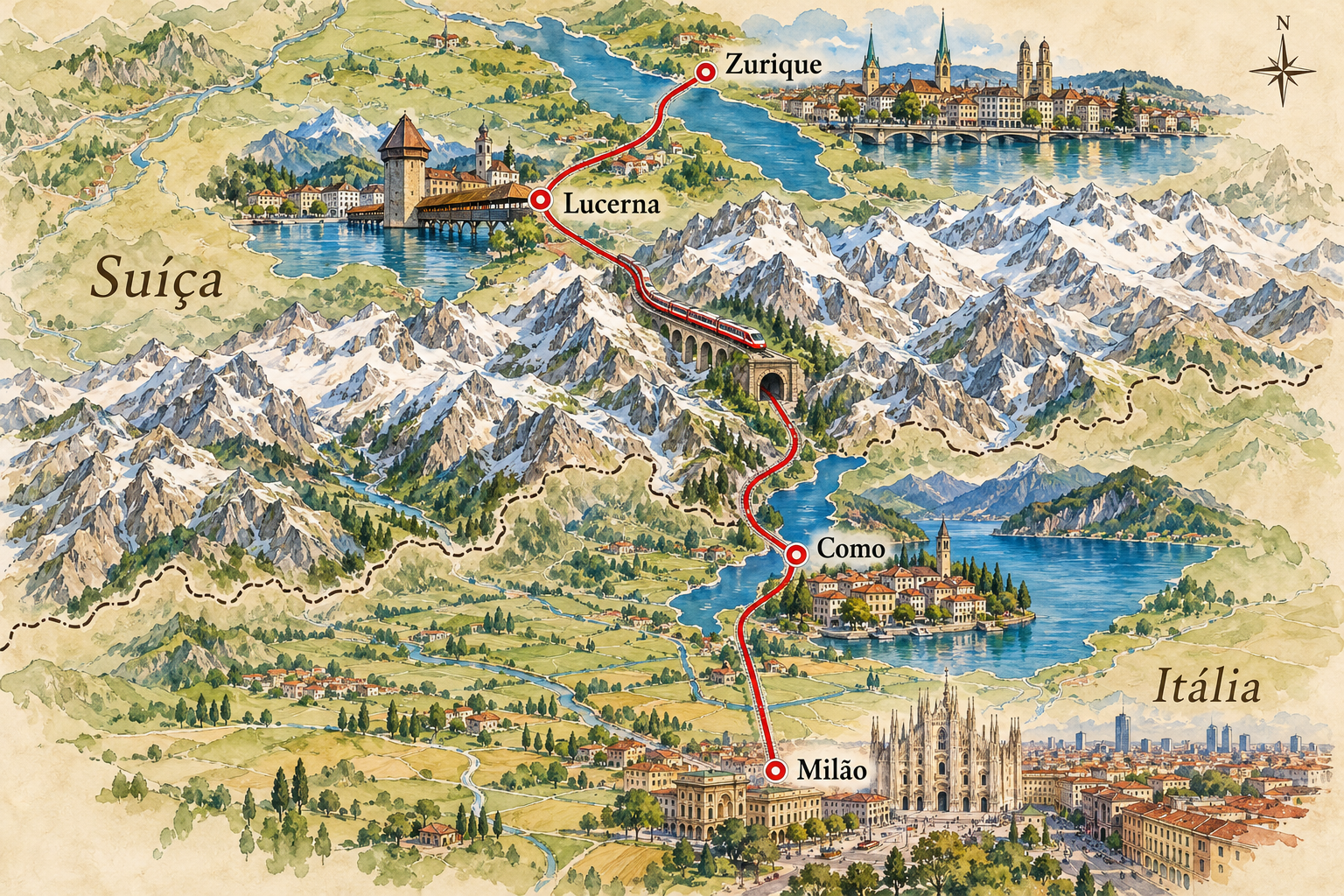
Milan is part of the Zurich–Milan via the Gotthard

By train from Switzerland to Italy through the Alps: from Zurich to Milan via the Gotthard base tunnel, with Lucerne, Lake Como and, if you have time, the old panoramic mountain line.

Illustrative map, not to scale. Tap a city to open its page.
Illustrated map of Zurich–Milan via the Gotthard

Cross-border routes

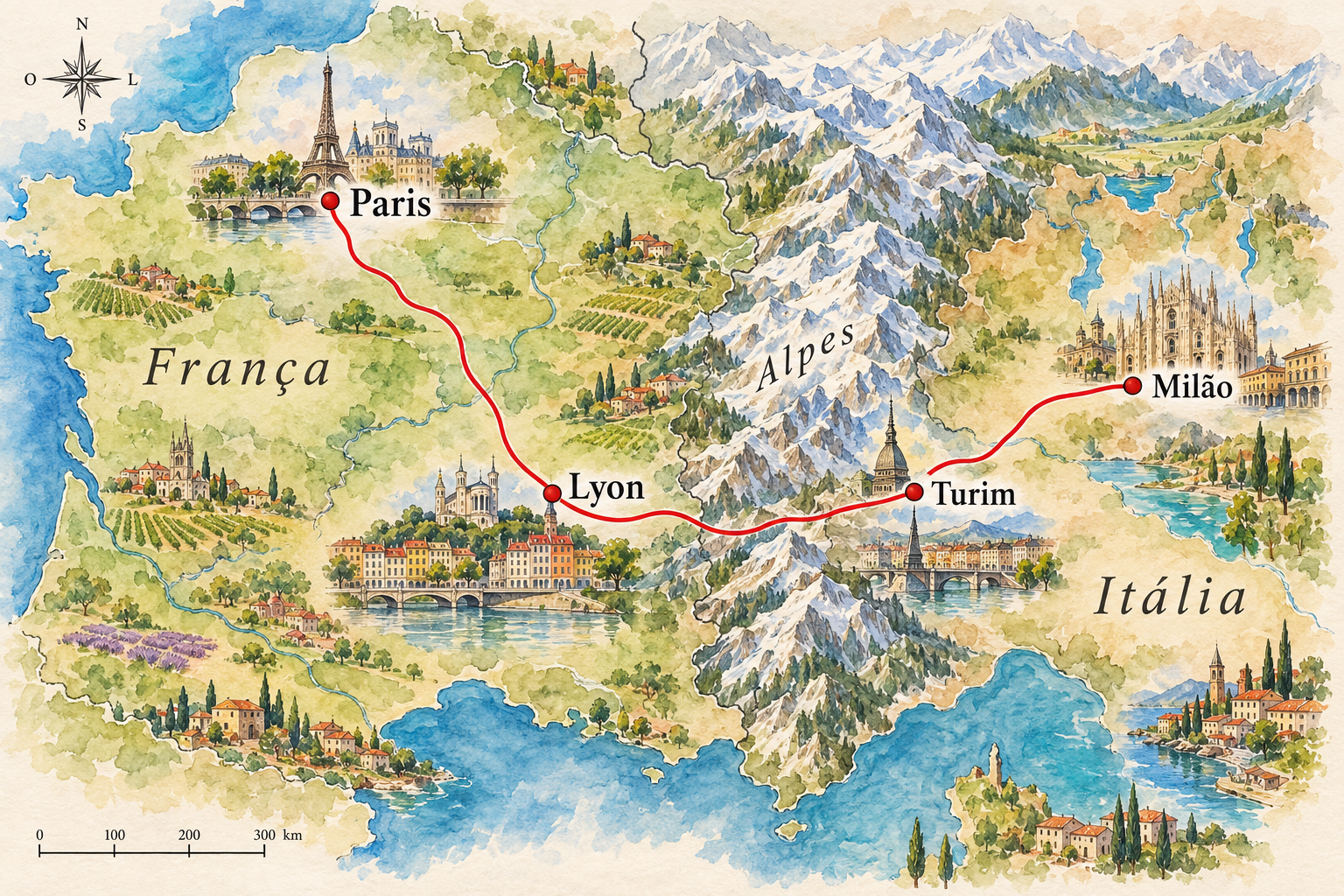
Milan is part of the Milan–Paris by train through the Alps

By train from Italy to France through the Alps: Milan, Turin, the Maurienne valley, Lyon and Paris in about seven hours, without changing trains.

Illustrative map, not to scale. Tap a city to open its page.
Illustrated map of Milan–Paris by train through the Alps
See the destination Milan and Lake Como Find another city