Ruins
Colosseum
The largest amphitheatre of the Roman Empire, inaugurated in 80 AD, where gladiator fights and animal hunts took place. The visit requires a nominal ticket with a scheduled time.

 Search
 Brazil
 Antarctica
 Argentina
 Bolivia
 Chile
 Colombia
 Ecuador
 Falkland Islands (Malvinas)
 French Guiana
 Guyana
 Paraguay
 Peru
 Suriname
 Uruguay
 Venezuela
 Austria
 Belgium
 Croatia
 Denmark
 Finland
 France
 Germany
 Greece
 Hungary
 Iceland
 IrelandItaly
 Luxembourg
 Norway
 Poland
 Portugal
 Slovakia
 Slovenia
 Spain
 Sweden
 Switzerland
 the Czech Republic
 the Netherlands
 the United Kingdom
 Turkey
 Bermuda
 Canada
 Greenland
 Mexico
 Saint Pierre and Miquelon
 the United States
 the Dominican Republic
 JapanTurkey
 Egypt
 South Africa
 Australia
 Fiji
 New Zealand
 Papua New Guinea
Lazio
35 places to visit Rome (Italy), chosen by the Cidade Turismo guide.
Illustrative images. The pictures in this guide are illustrations based on the real place, not photographs, and may differ from it.
To start
One by one
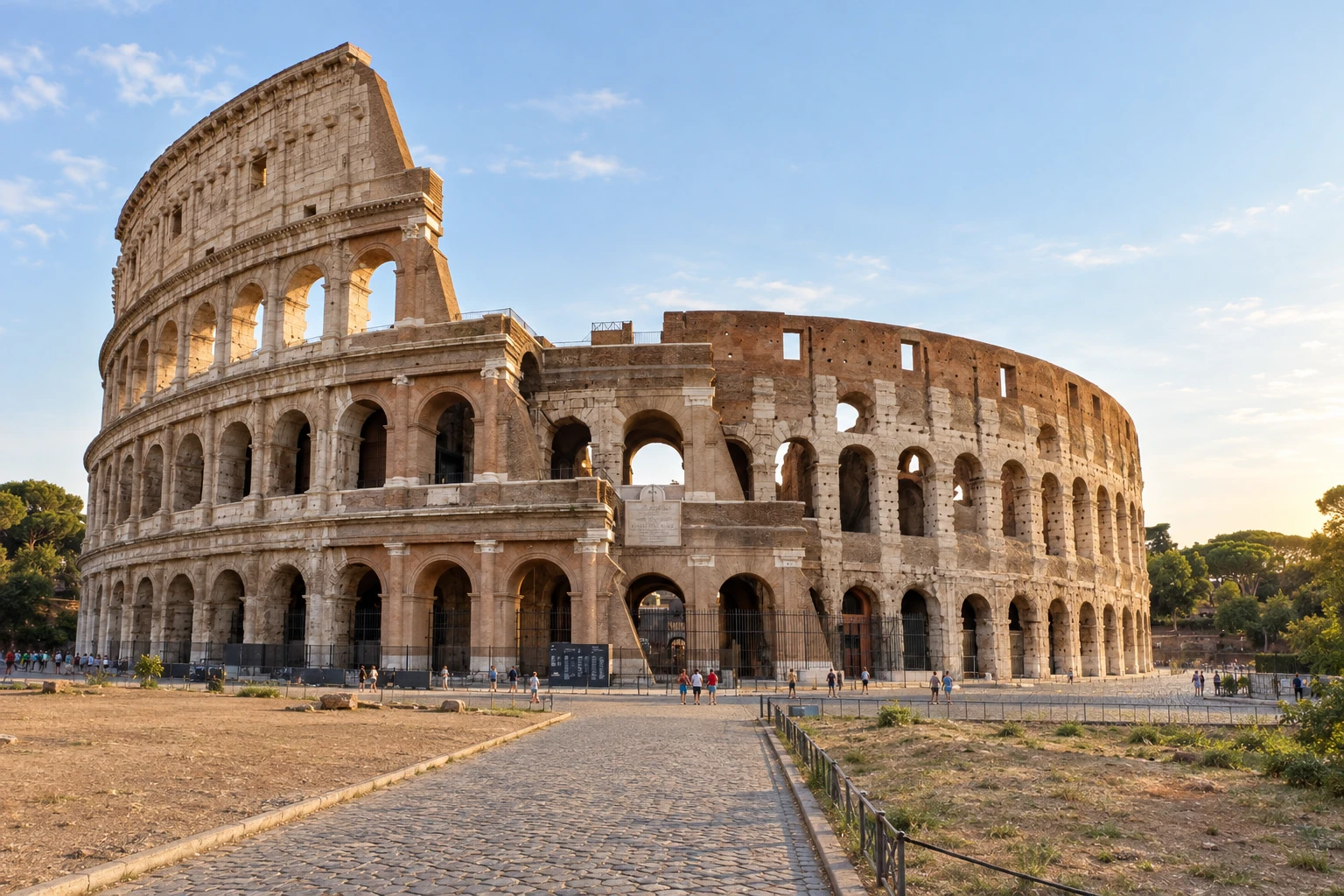
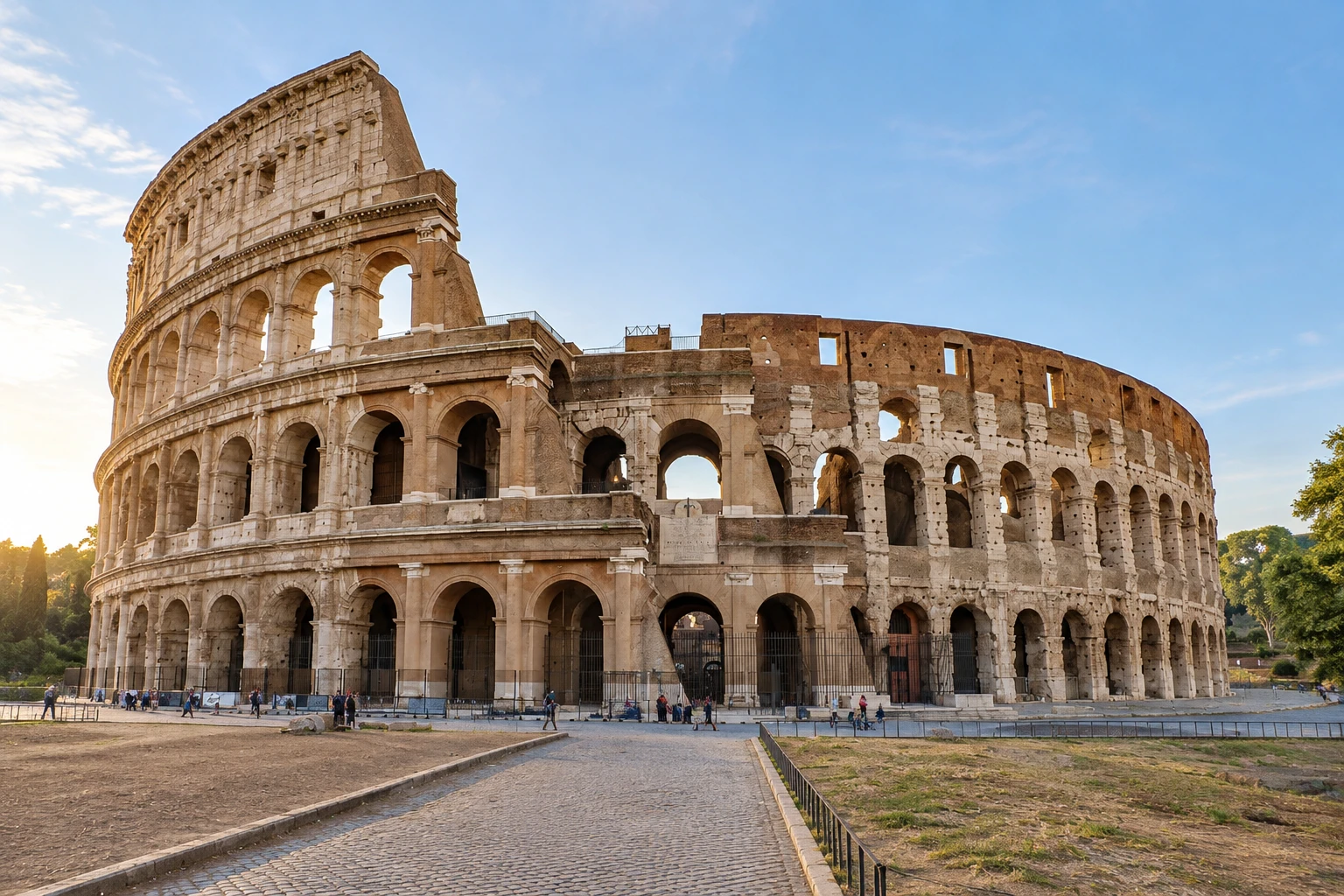
The largest amphitheatre of the Roman Empire, inaugurated in 80 AD, where gladiator fights and animal hunts took place. The visit requires a nominal ticket with a scheduled time.
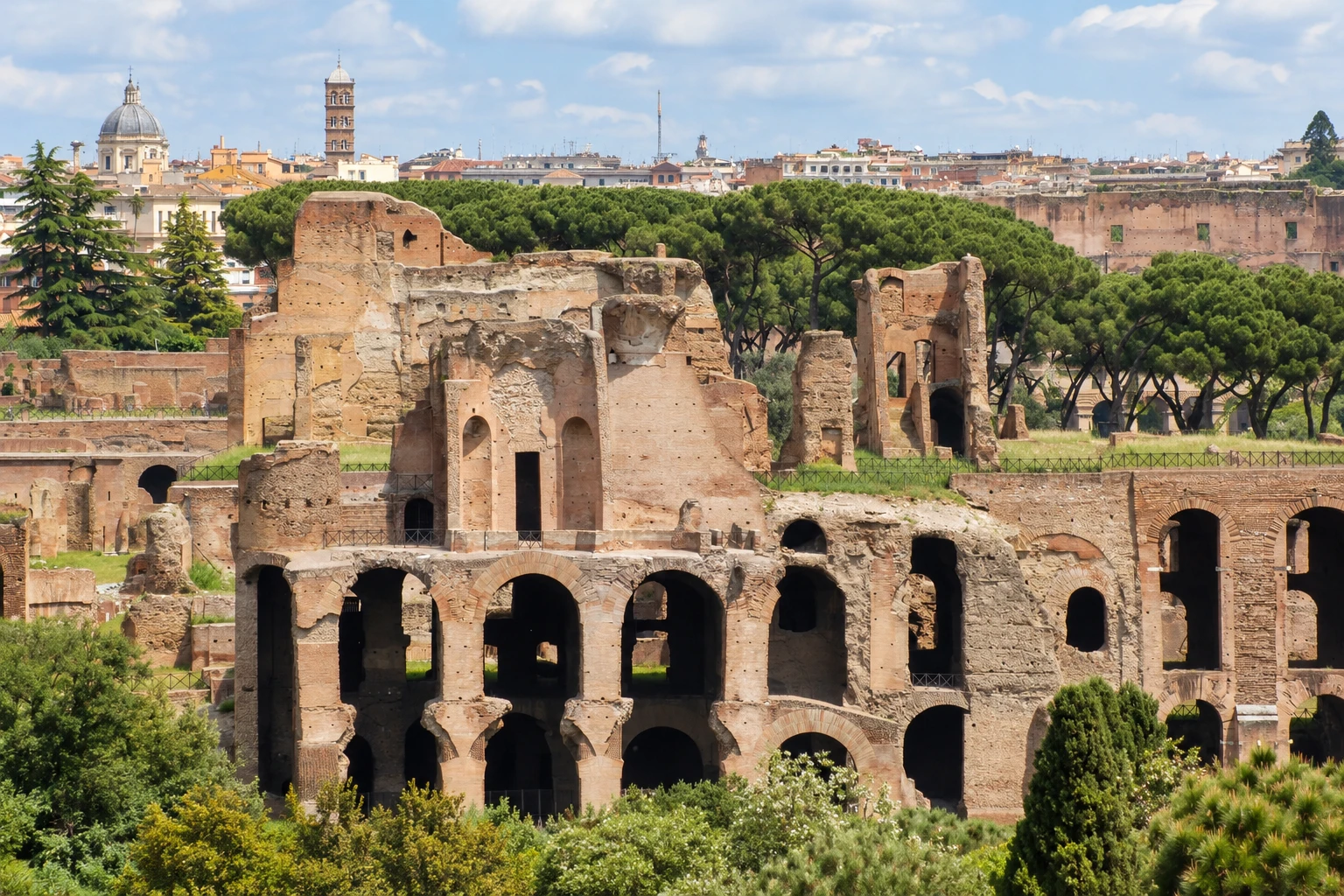
The ancient political and religious center of Rome and the hill where the emperors lived, next to the Coliseu. The ticket is the same as for the Coliseu.
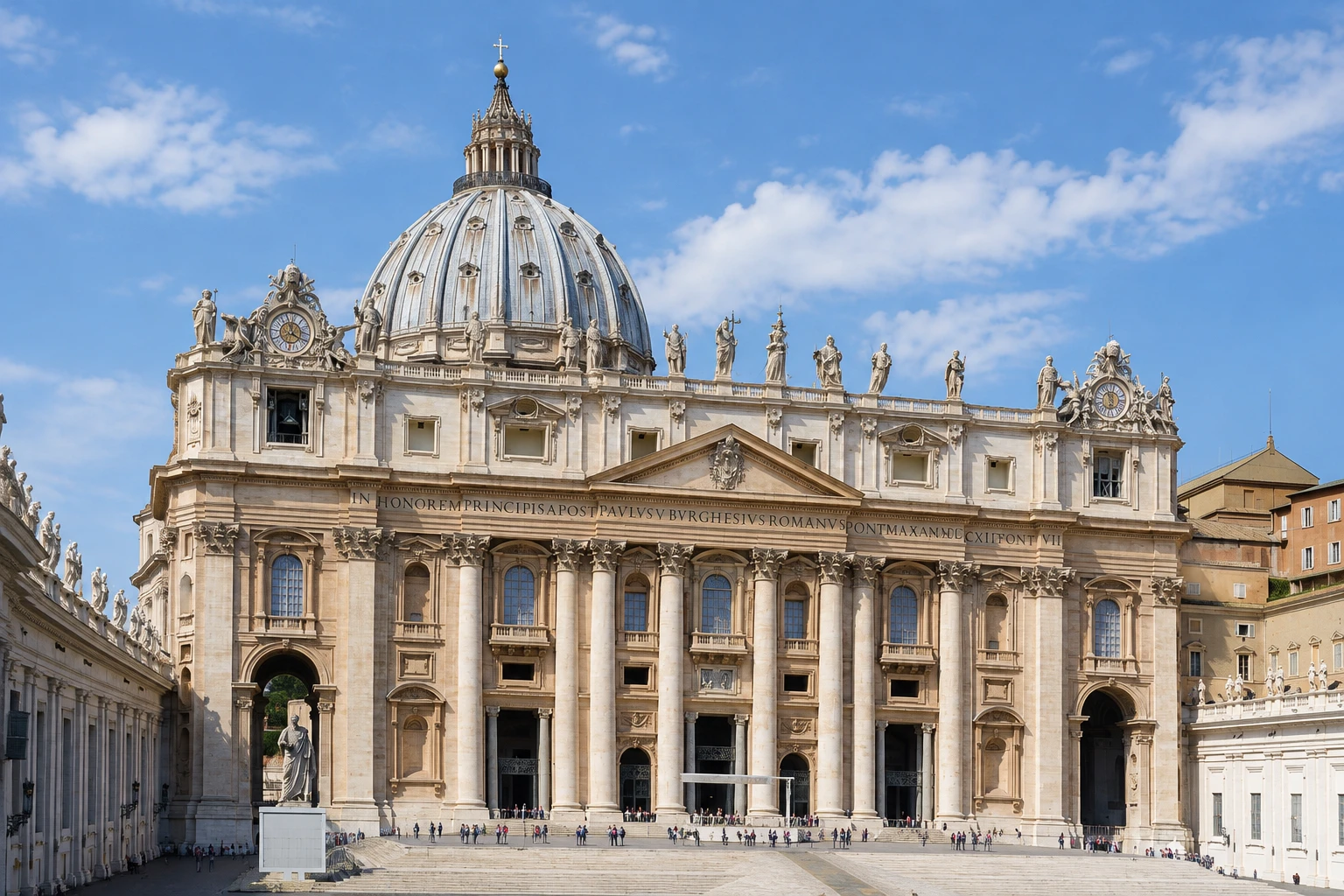
The largest church in the Vatican, with Michelangelo's Pietà and Bernini's baldachin. Entry is free; the climb to the dome requires a ticket. Shoulders and knees must be covered.
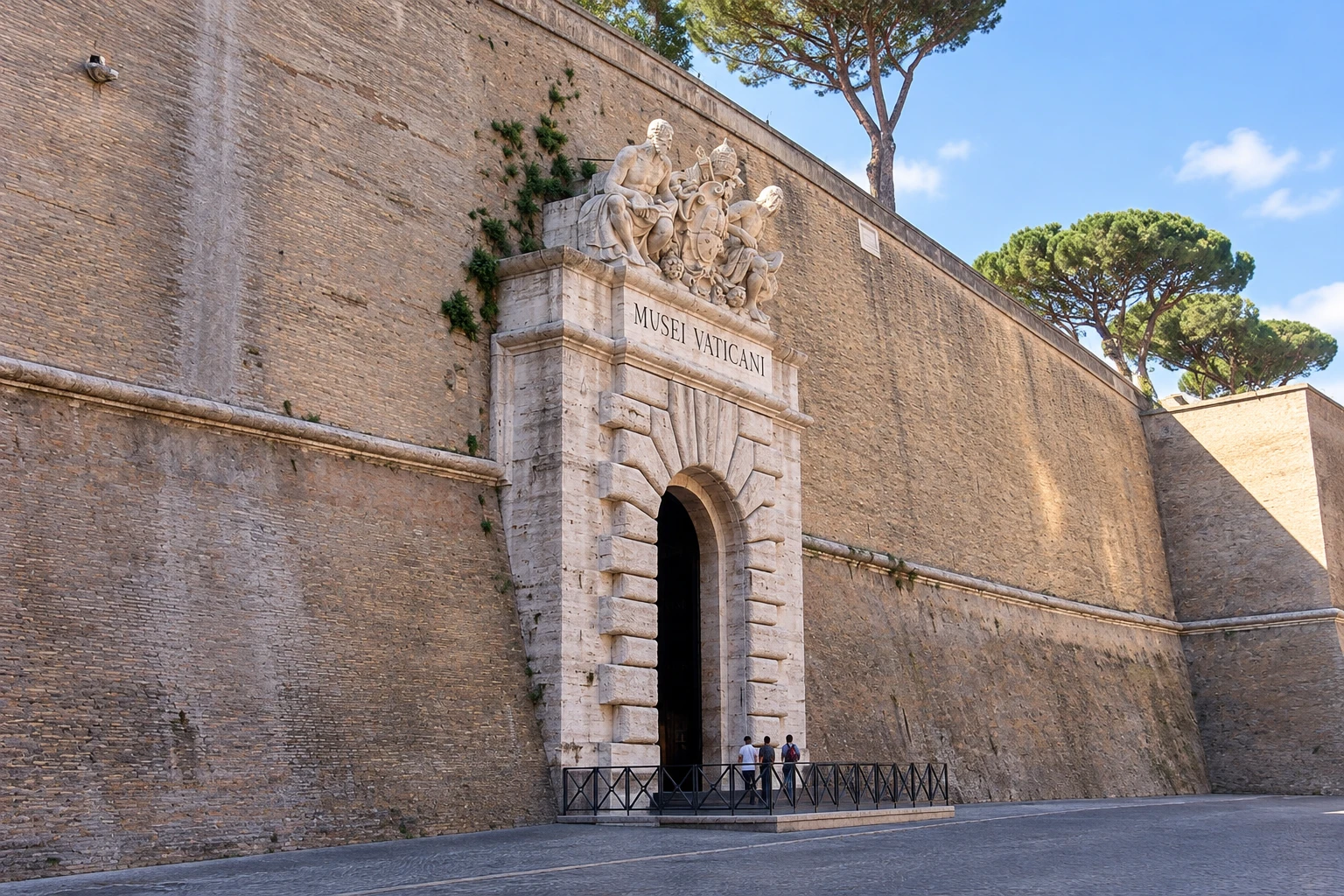
The museums of the popes, with ancient sculptures, the Salas de Rafael and, at the end of the route, the Capela Sistina painted by Michelangelo. Booking a timed entry is recommended.
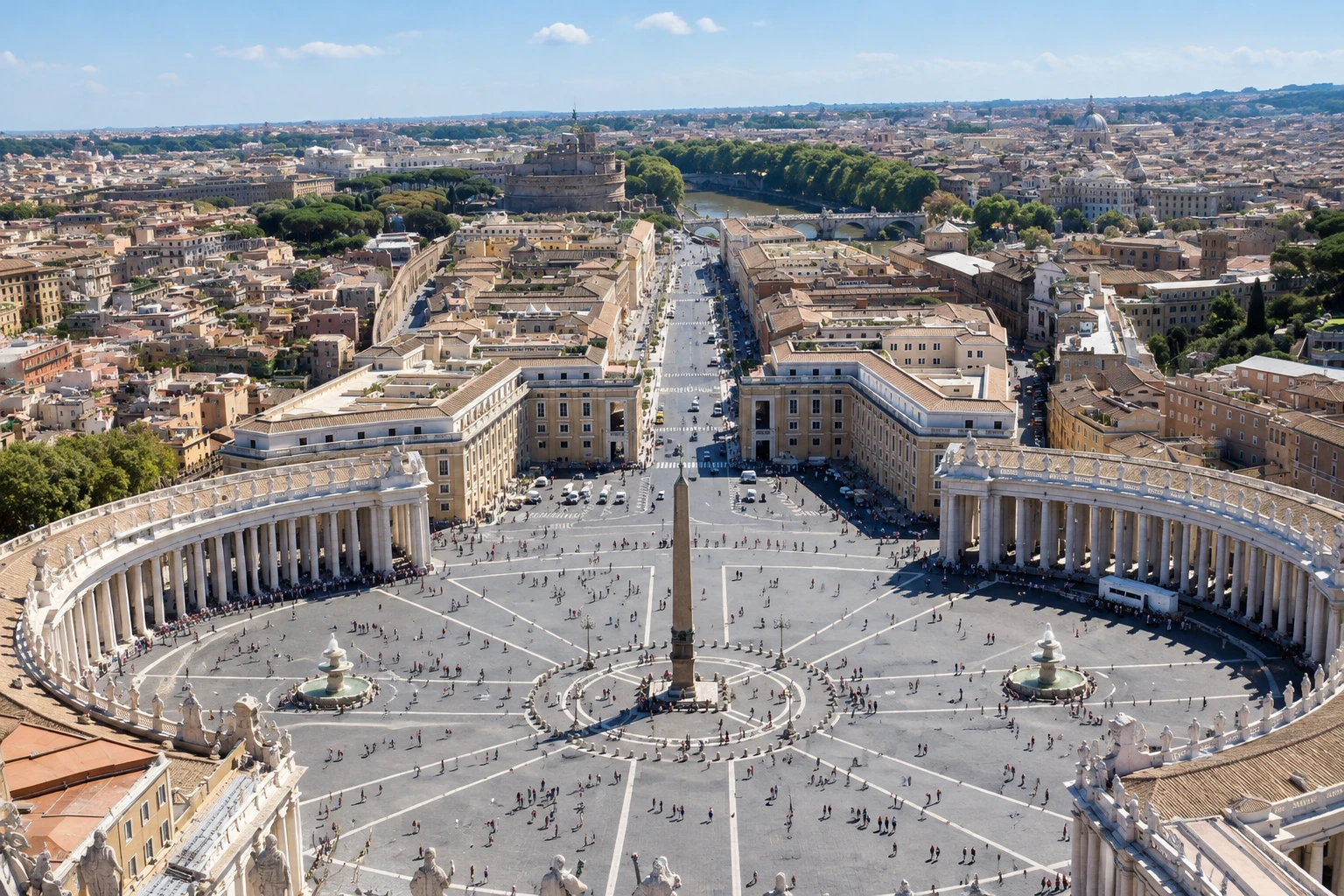
The square in front of the Basílica de São Pedro, embraced by Bernini's colonnade, with the Egyptian obelisk in the center. It is the gateway to the Cidade do Vaticano.
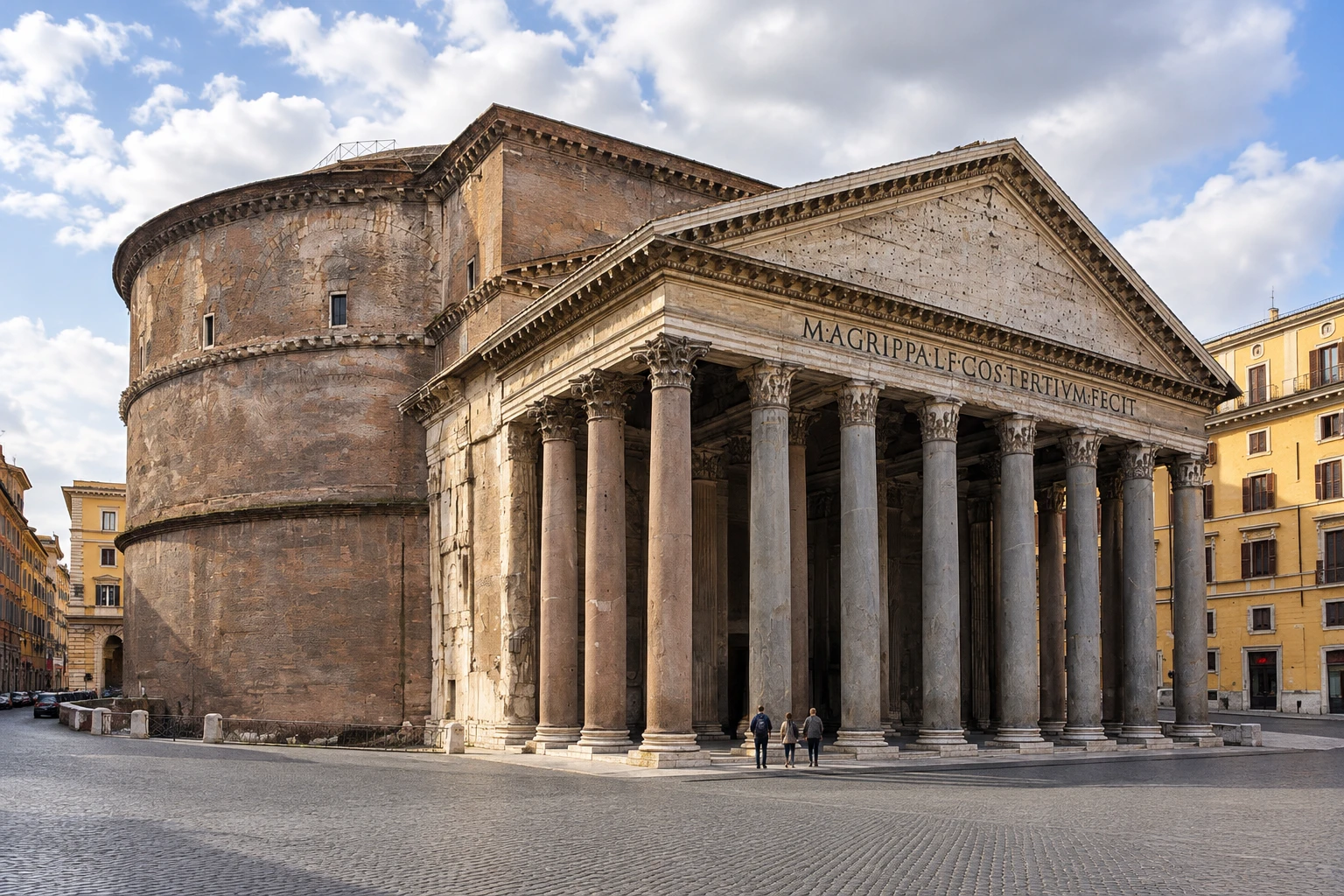
The best-preserved Roman temple, with a concrete dome and an open oculus at the top. It is also a church and houses the tomb of Rafael. Admission requires a ticket.
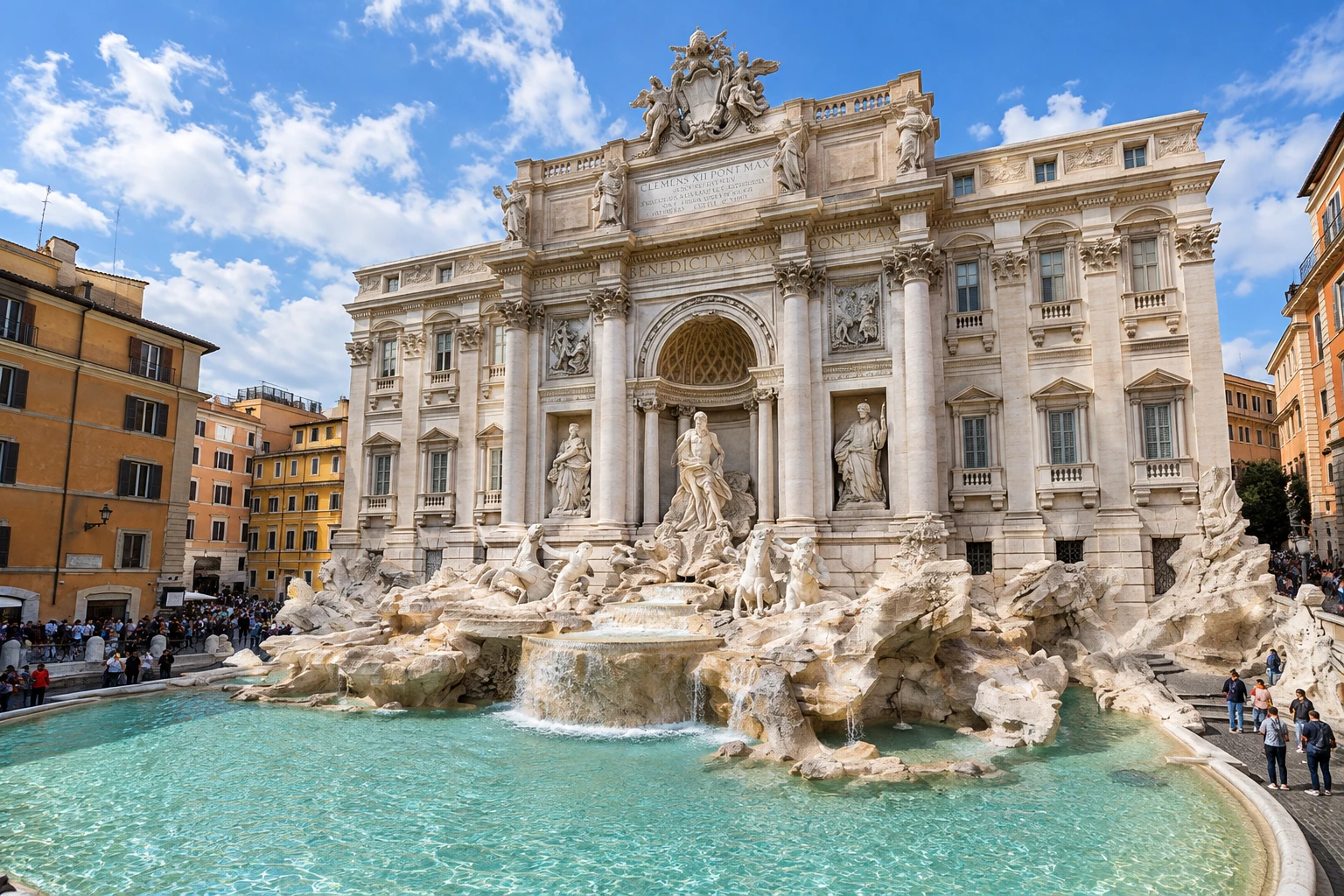
Rome's largest Baroque fountain, with the god Oceanus at the center. Throwing a coin over your shoulder, tradition says, guarantees your return to Rome. The area next to the water has controlled access.
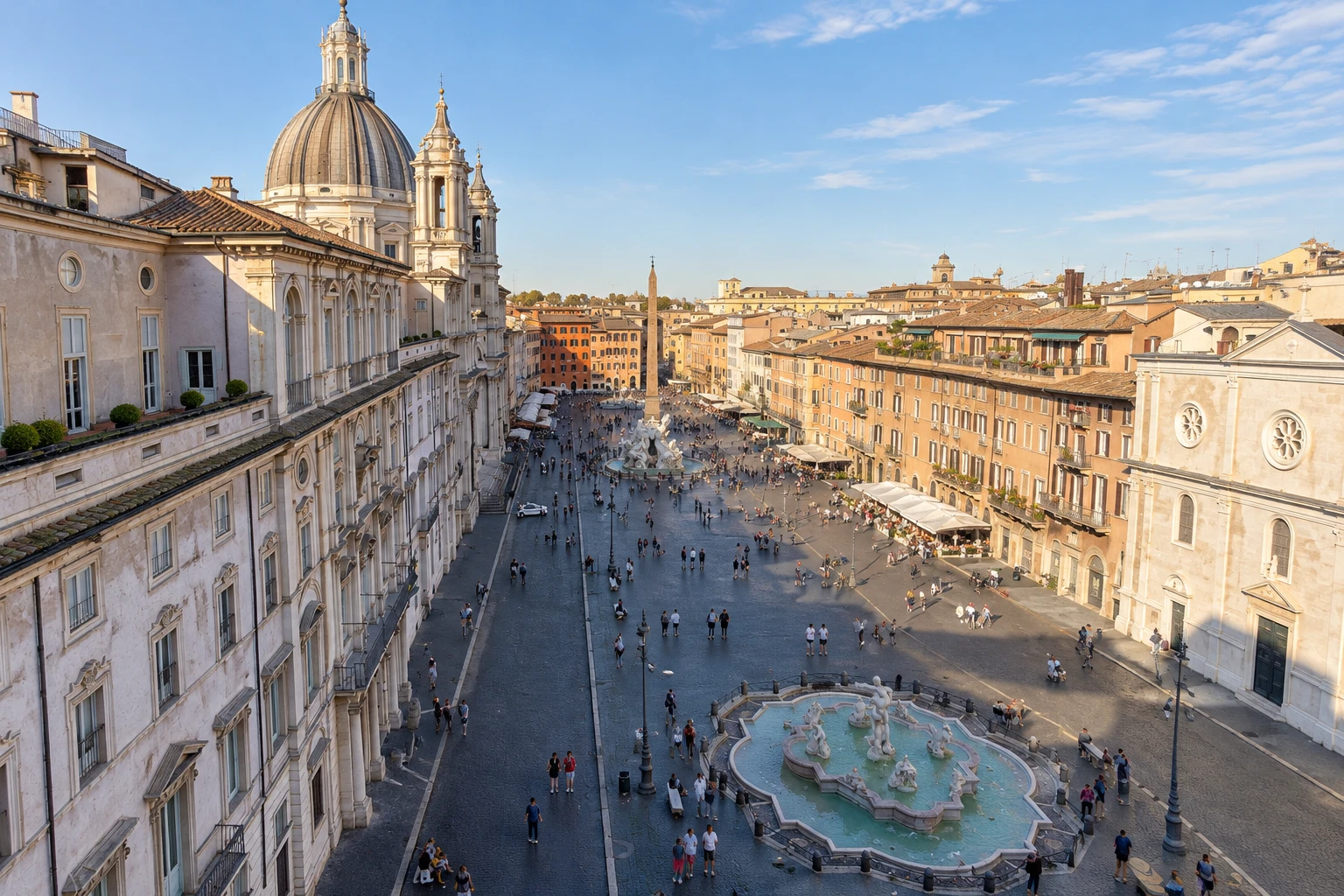
Elongated square in the shape of the ancient stadium of Domiciano, with Bernini's Fontana dei Quattro Fiumi and Borromini's church of Sant'Agnese in Agone.
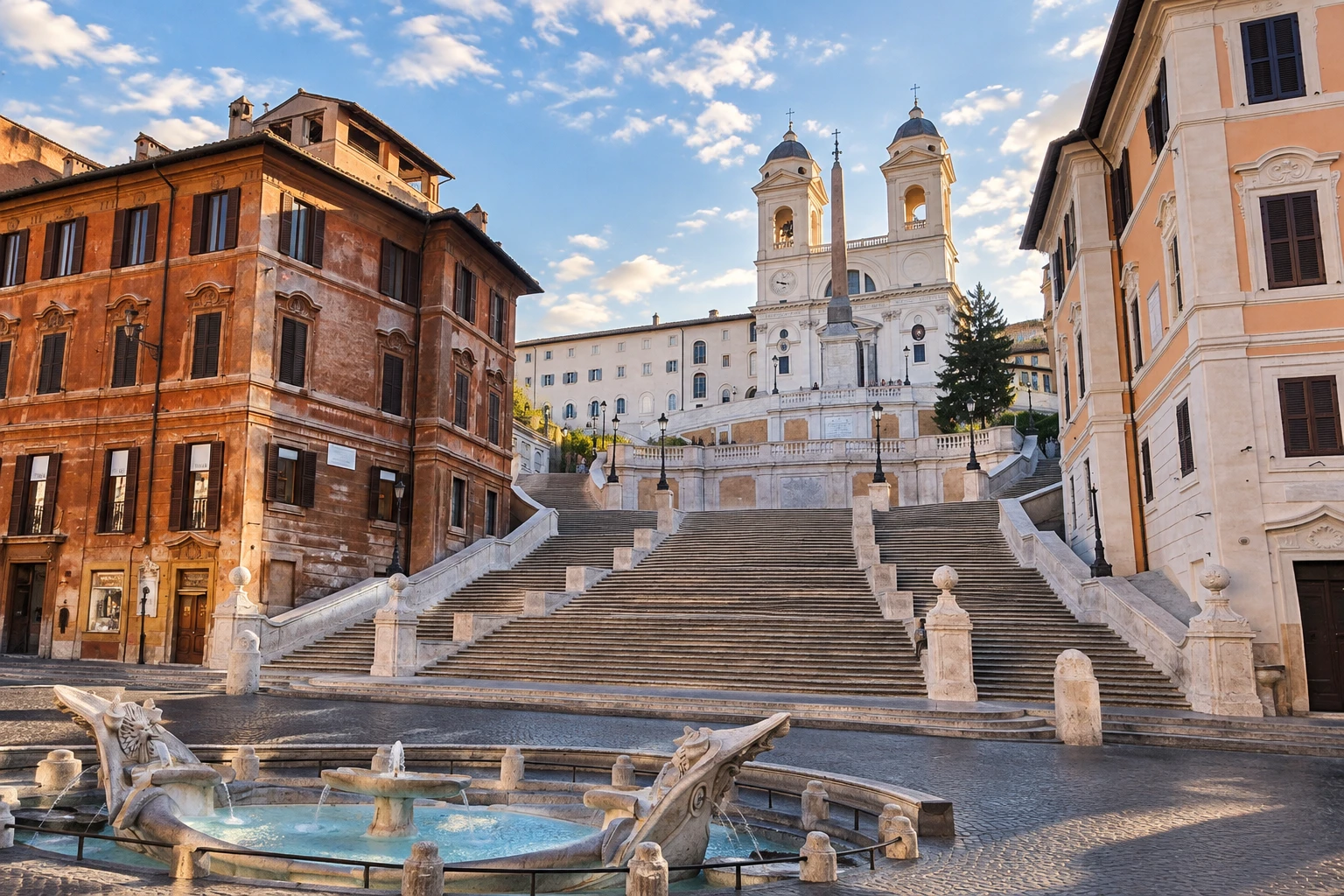
The Baroque stairway that rises from the Piazza di Spagna to the church of Trinità dei Monti, with the Fontana della Barcaccia at its foot. It is not allowed to sit on the steps.
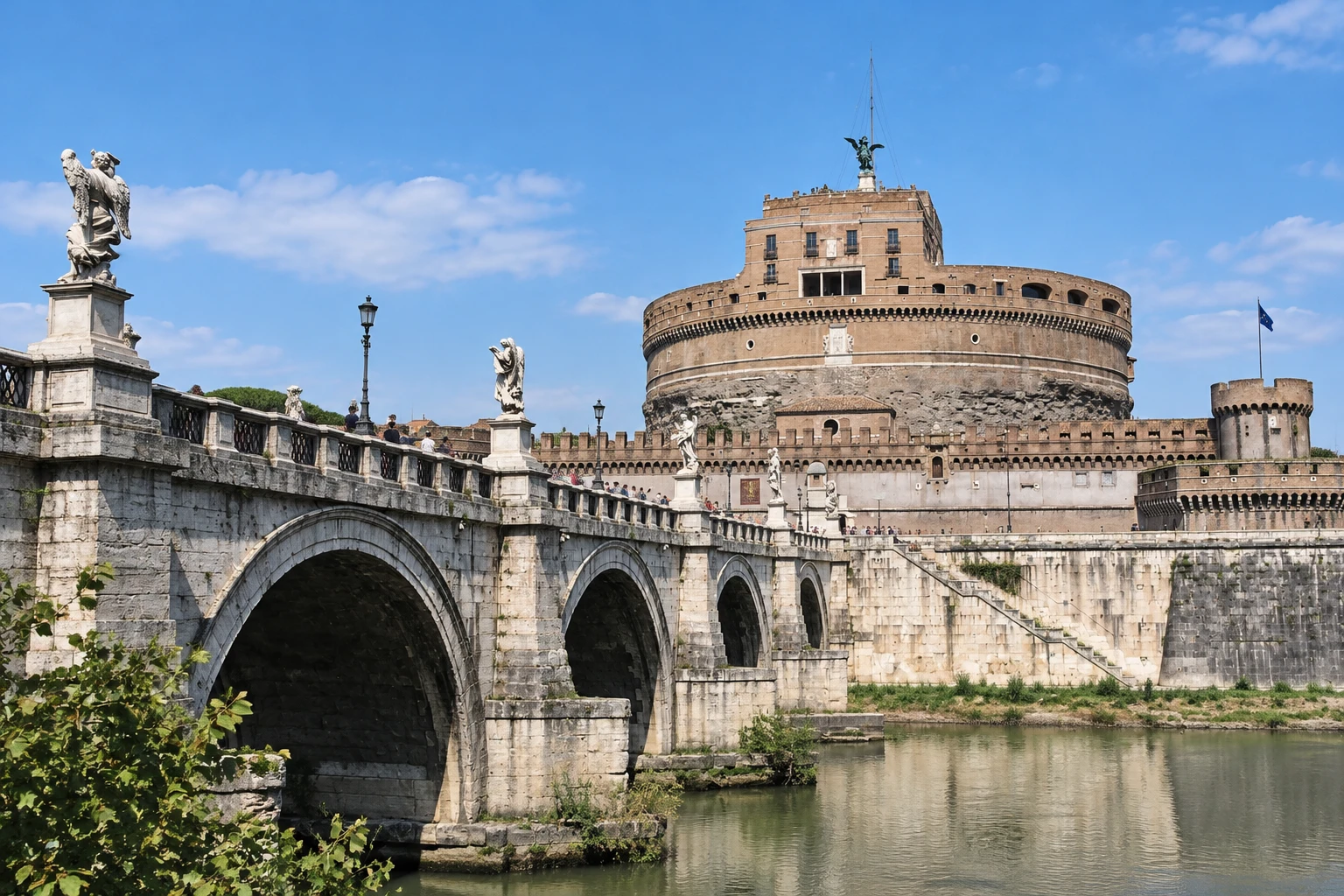
The mausoleum of Emperor Adrian, turned into a fortress and refuge for the popes, on the banks of the Tiber. From the terrace you can see St. Peter's and the center of Rome.
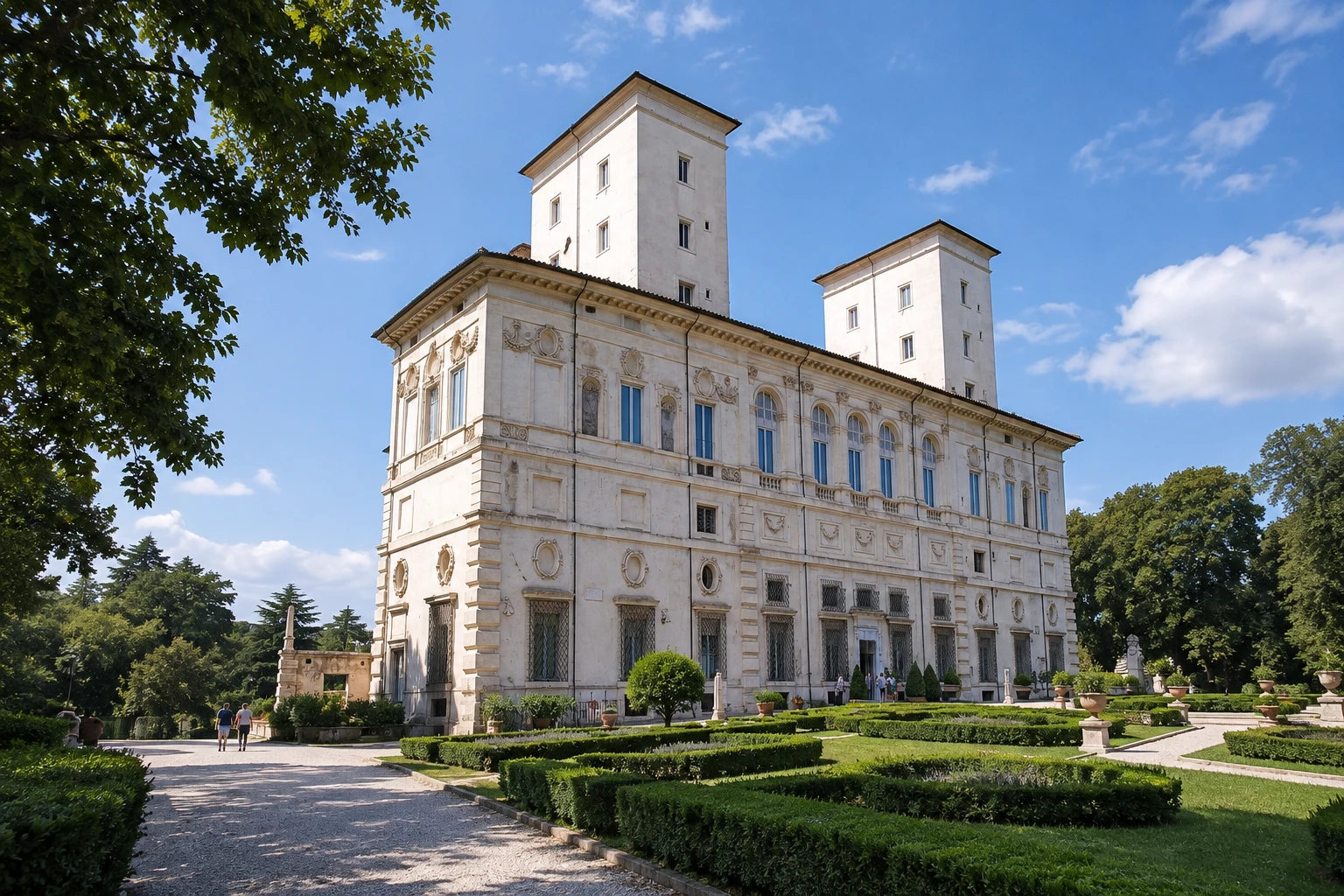
Museum in a 17th-century villa with sculptures by Bernini and Canova and paintings by Caravaggio, Raphael and Titian. Timed reservation is mandatory.
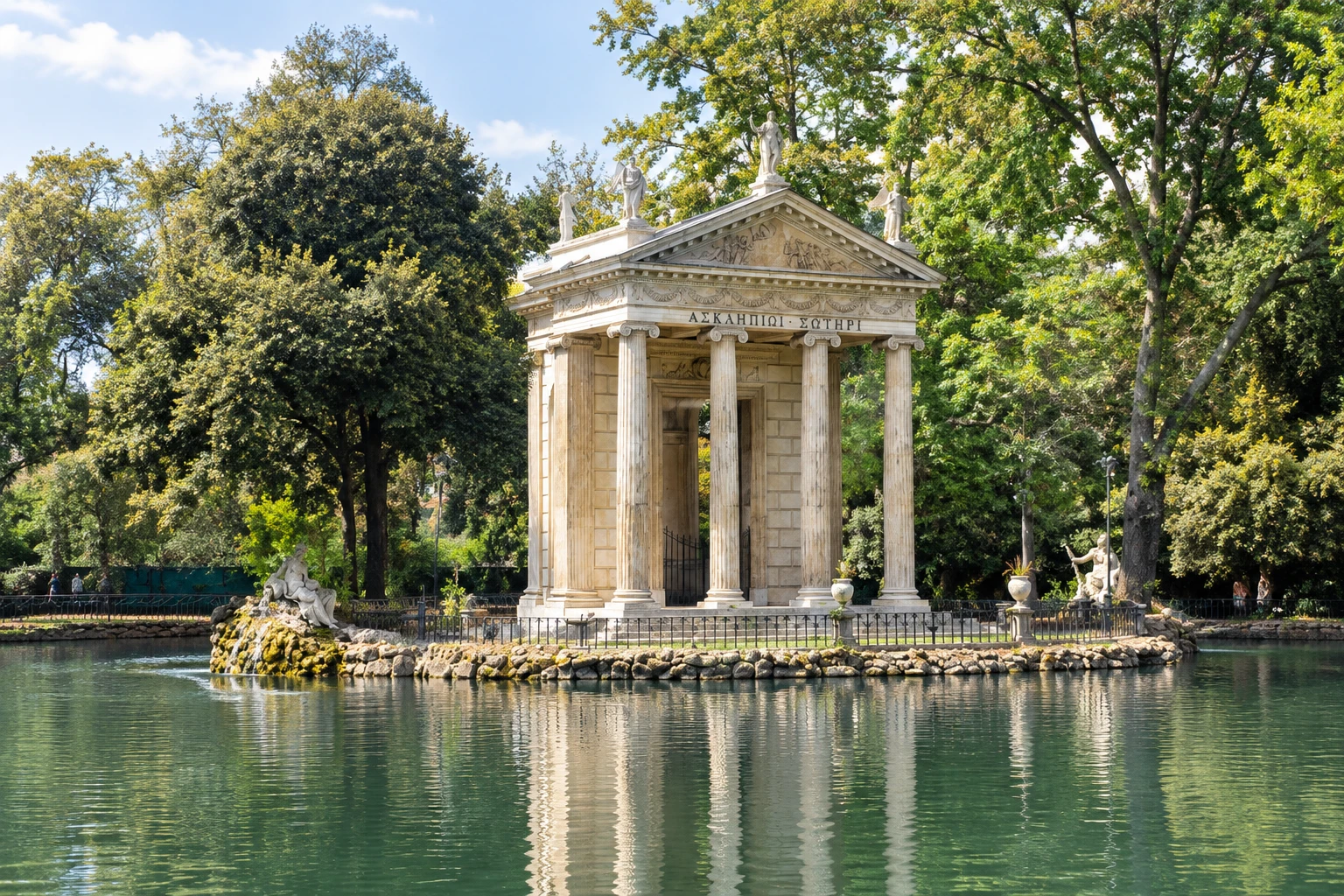
The large park in central Rome, with a lake, gardens, museums and the Pincio terrace overlooking the Piazza del Popolo. Entrance to the park is free.
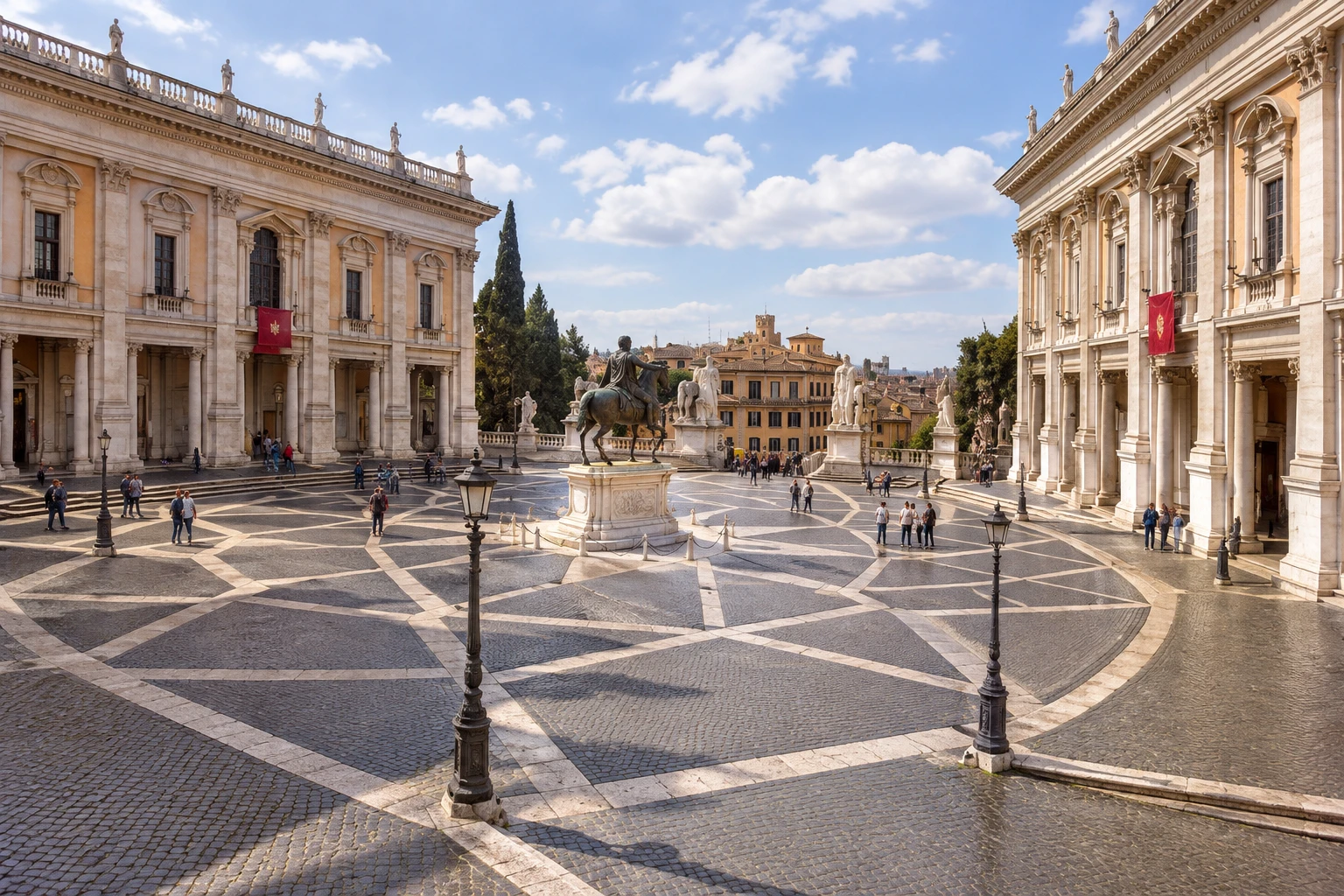
Museums atop the Campidoglio, in the piazza designed by Michelangelo, with the Loba Capitolina, the equestrian statue of Marco Aurélio and a window onto the Foro Romano.
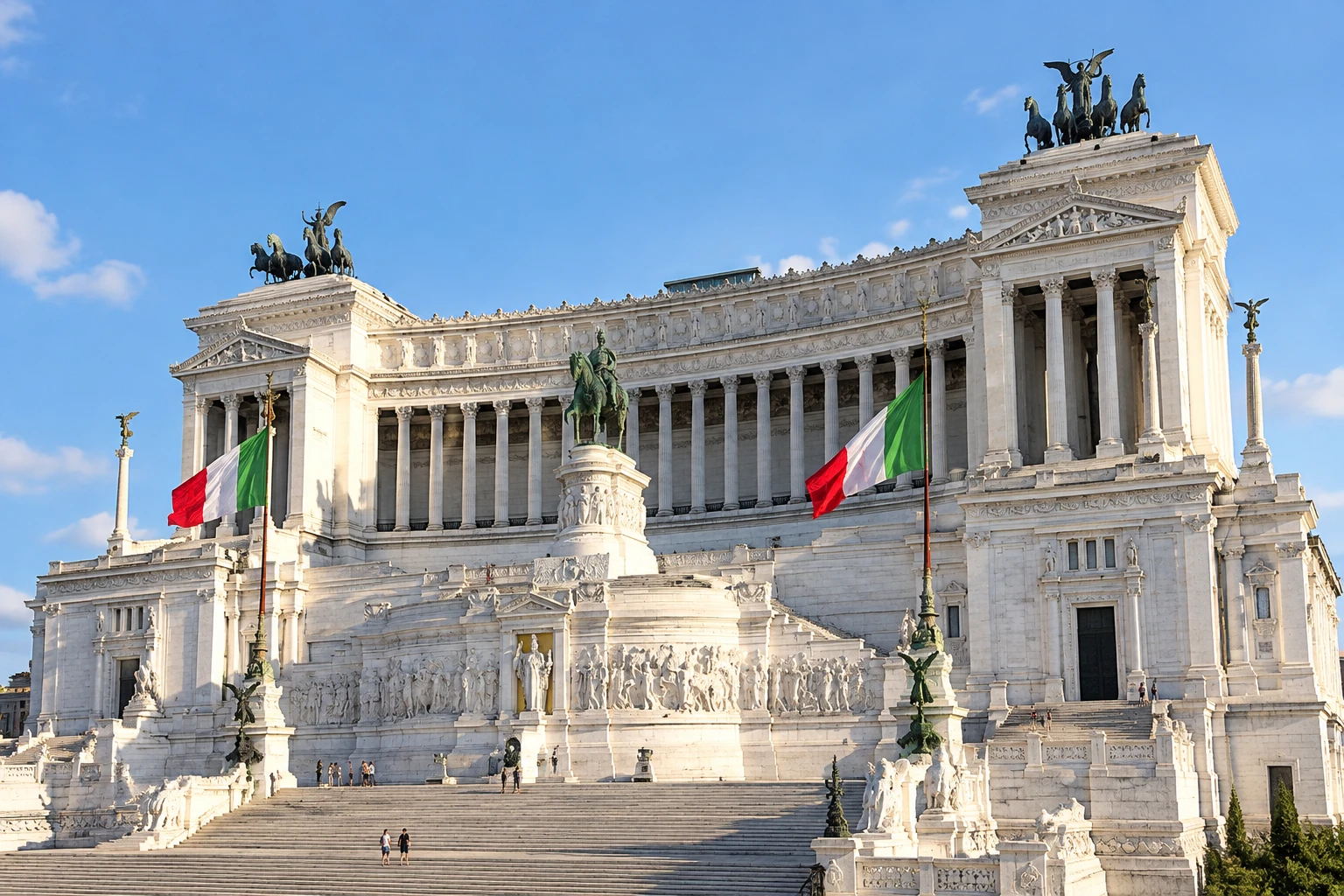
The white marble monument to Vittorio Emanuele II in Piazza Venezia, with the Altar da Pátria and the tomb of the Unknown Soldier. Elevators take you up to the panoramic terrace.
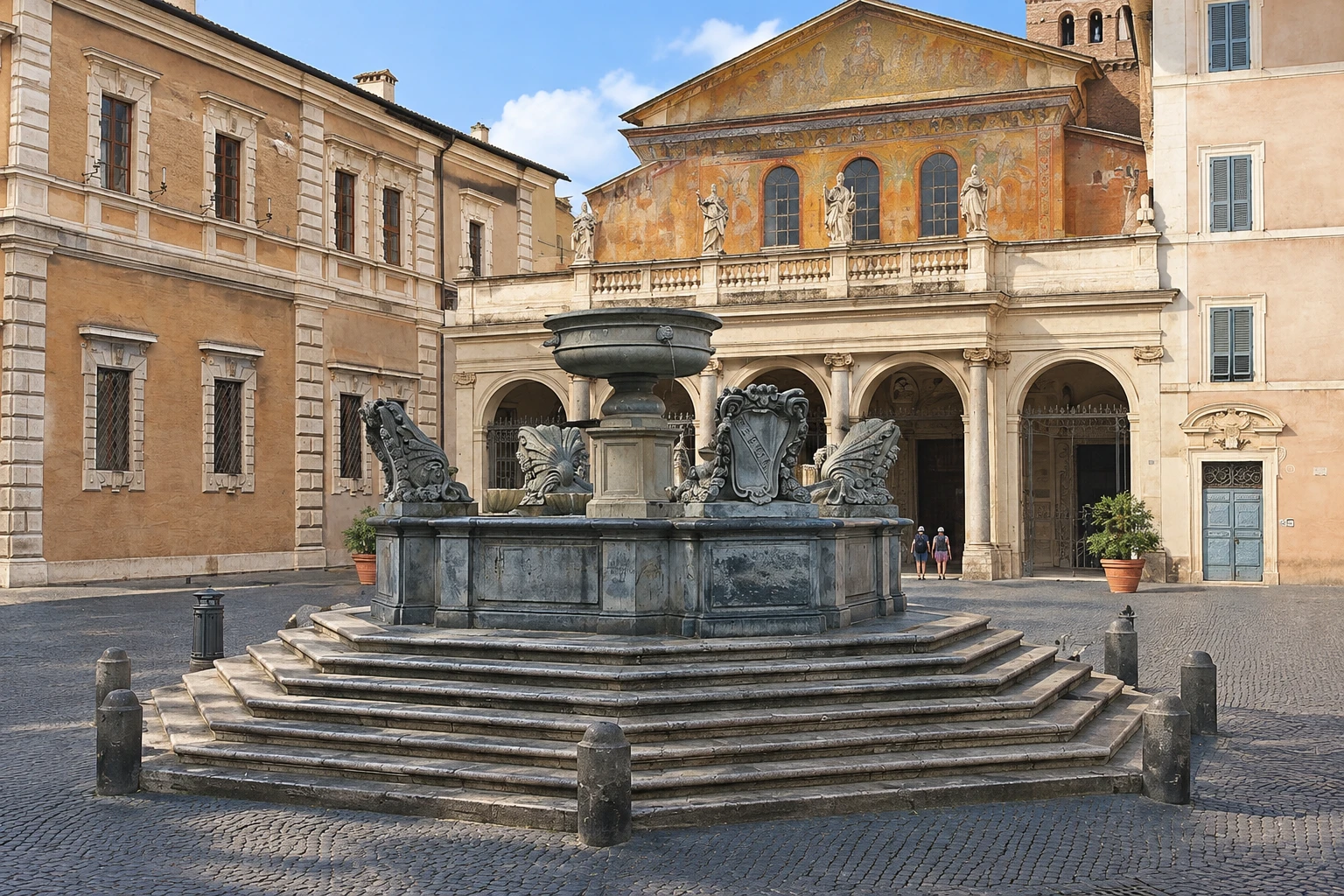
Neighborhood of cobbled alleys, ochre-colored houses and trattorias on the other side of the Tiber. At its center is the Piazza di Santa Maria in Trastevere, with the basilica of golden mosaics.
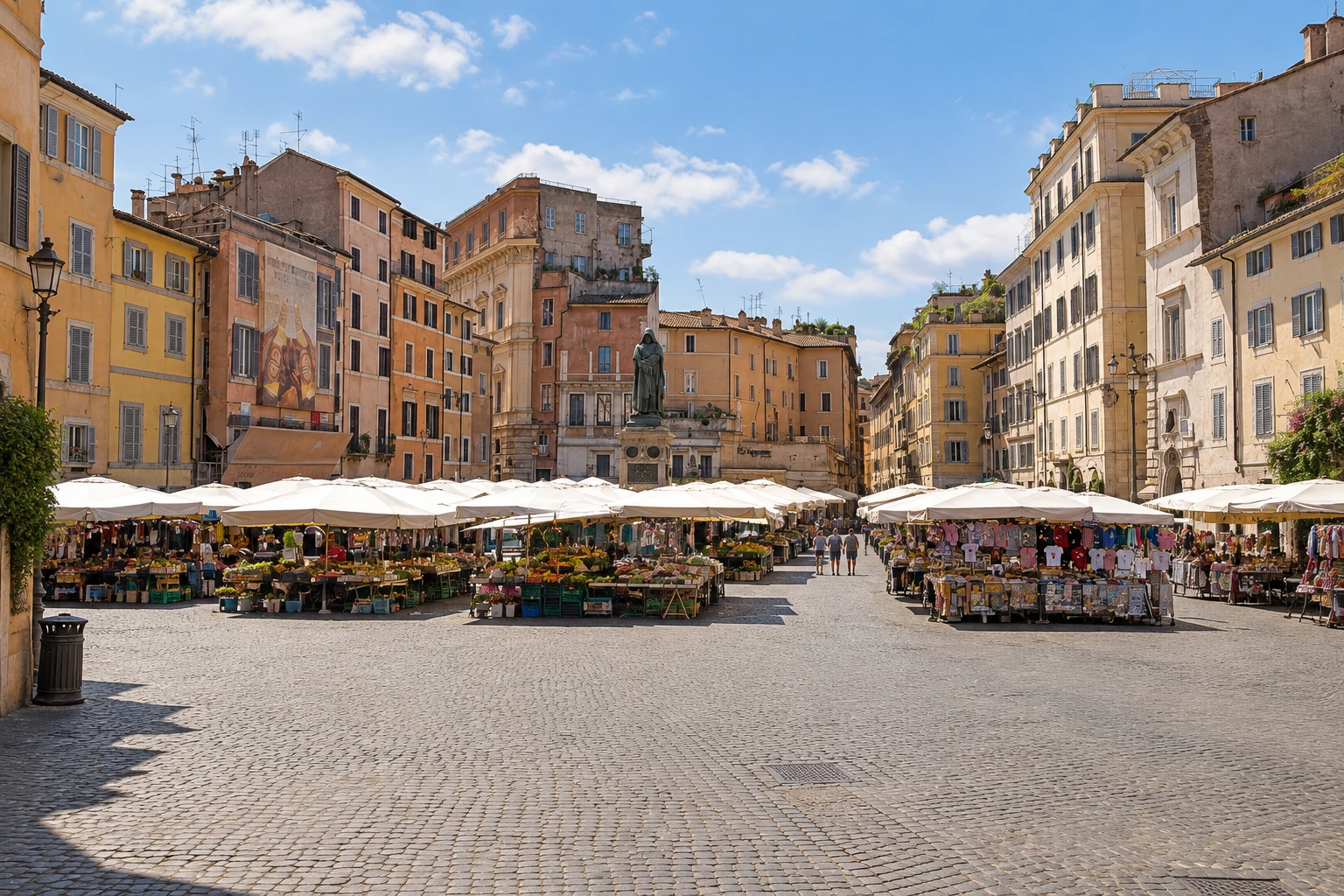
Square in the historic center with a morning market of fruit, vegetables and flowers and the statue of Giordano Bruno in the middle. At night it becomes a meeting point with bars and restaurants.
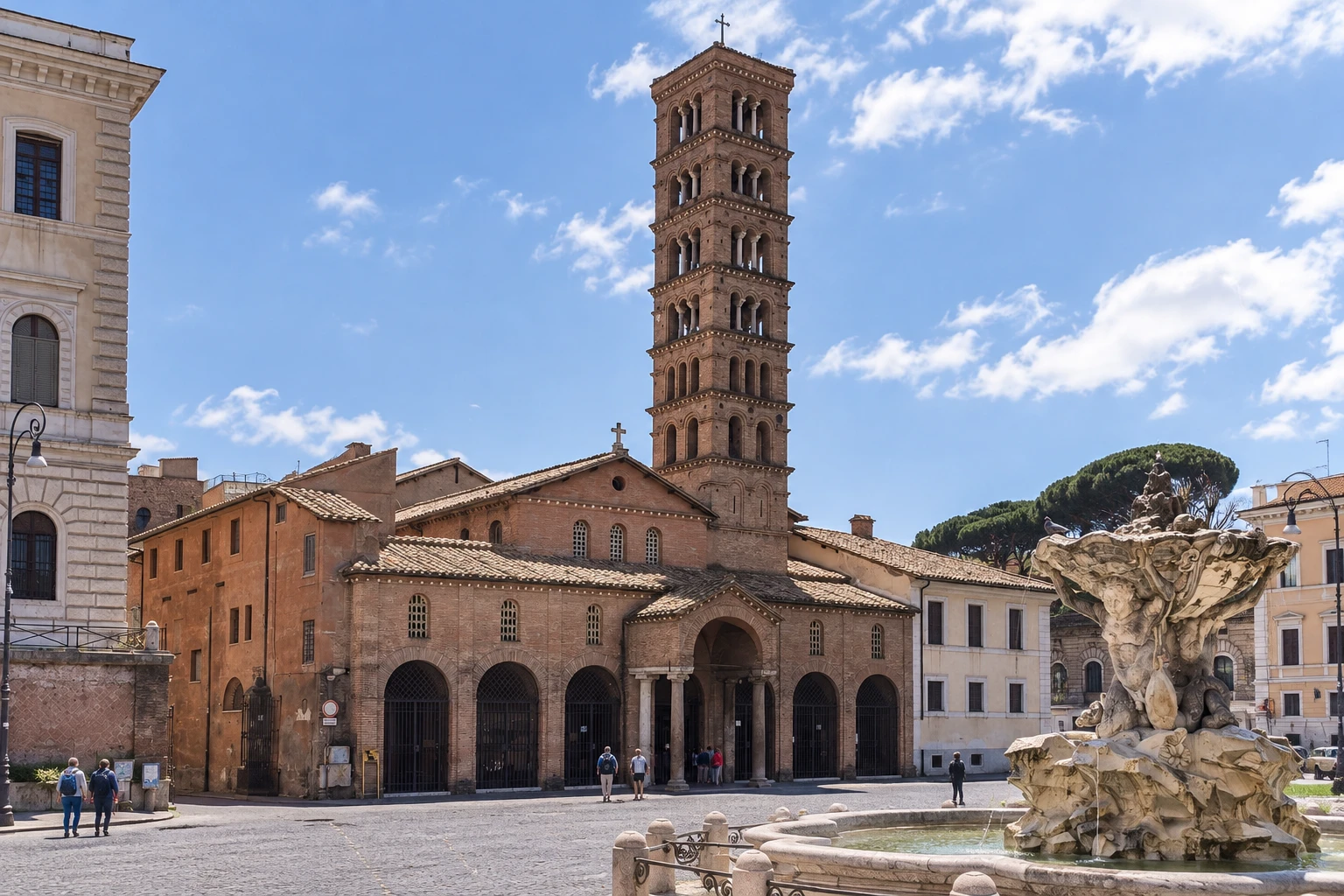
The marble mask that, according to legend, bites the hand of anyone who lies. It is in the portico of the medieval church of Santa Maria in Cosmedin, near the Circo Massimo.
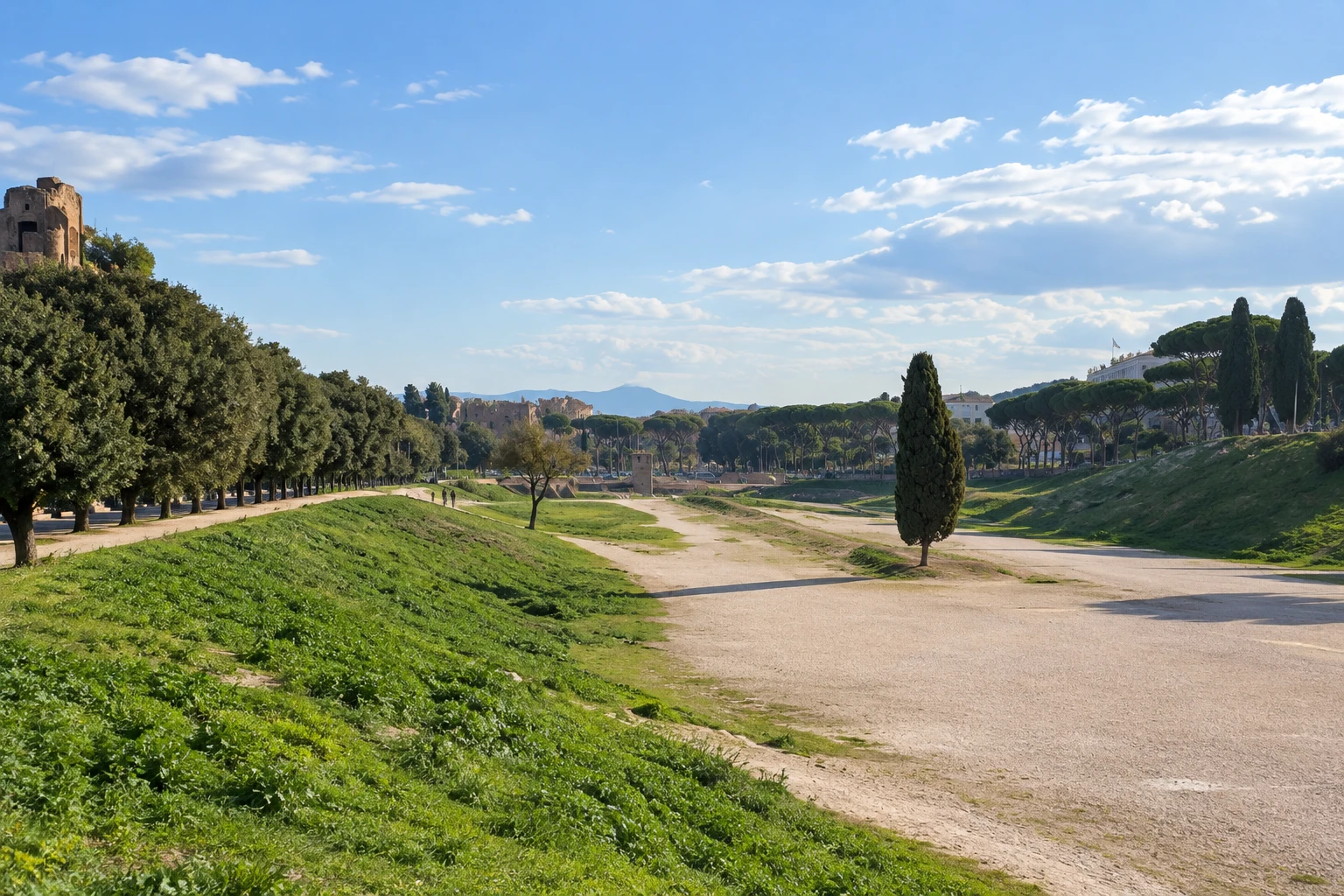
The large stadium for chariot races of ancient Rome, today a grassy valley 600 meters long between the Palatino and the Aventino. The eastern end preserves ruins and the Torre della Moletta.
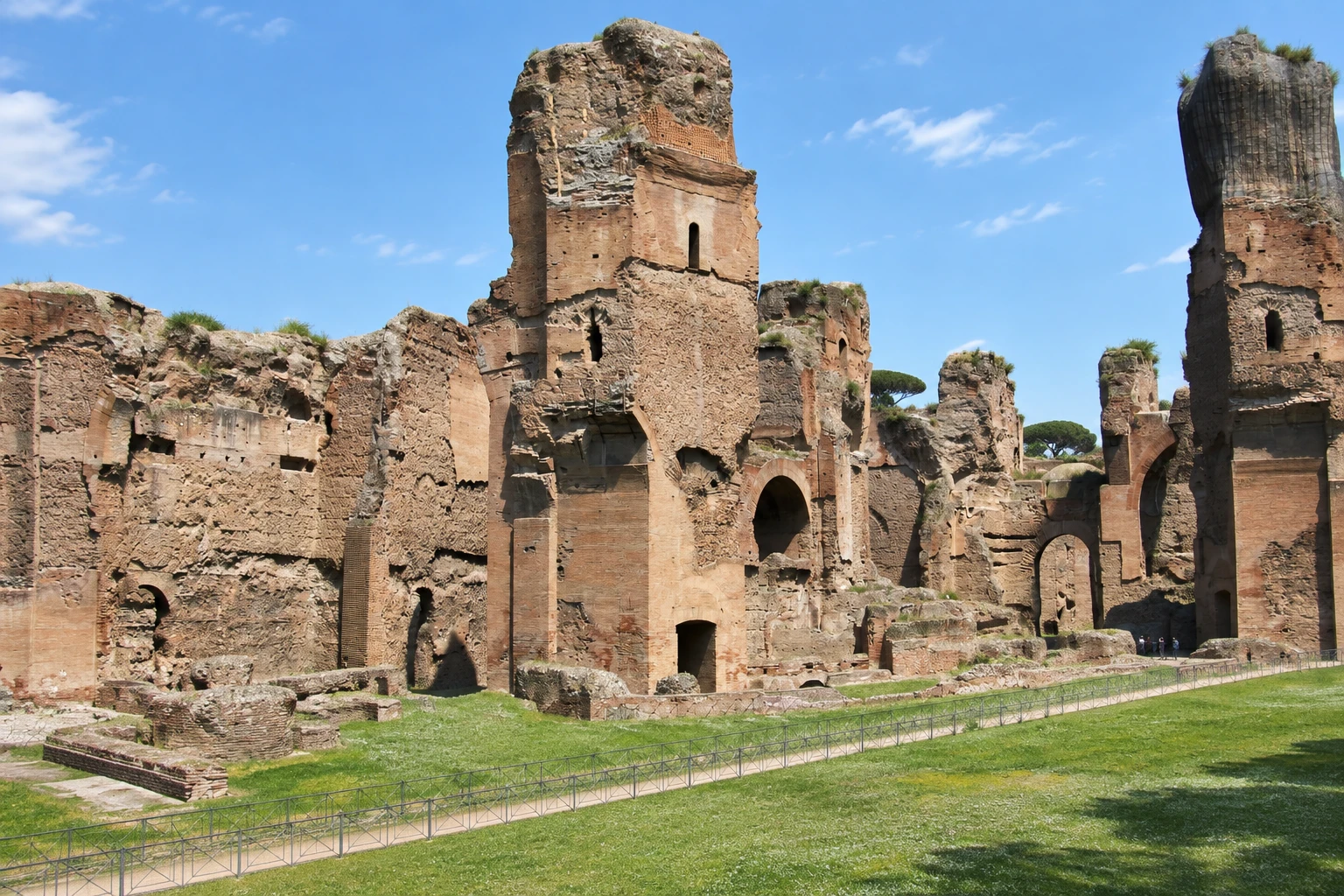
One of the largest public bath complexes of ancient Rome, from the early 3rd century. Walls over 30 meters high, mosaics on the floor and the stage for the summer opera season.
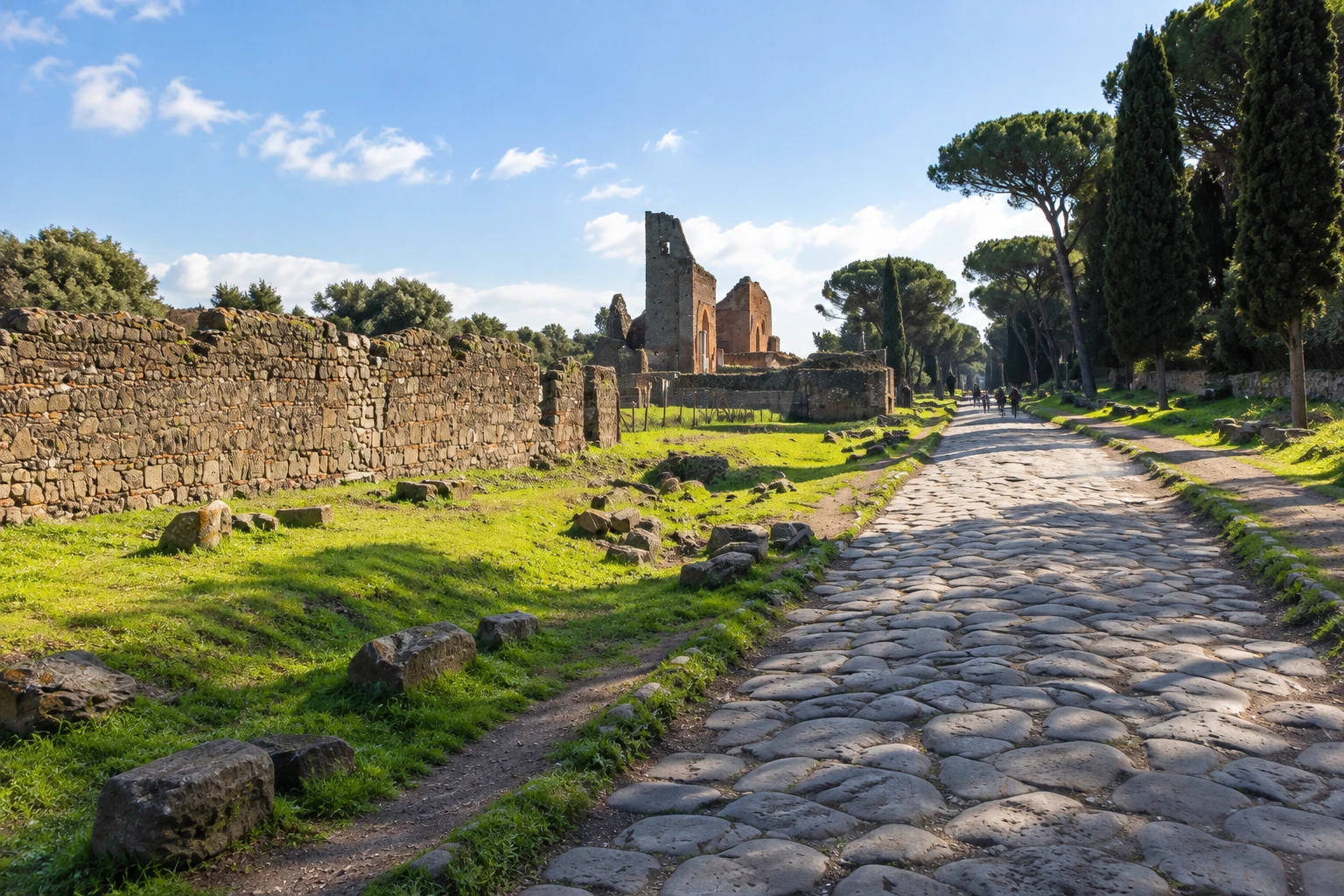
The Roman road opened in 312 BC, still with stretches of original stone, lined with pine trees, tombs and catacombs. A good bike ride or walk outside the city center.
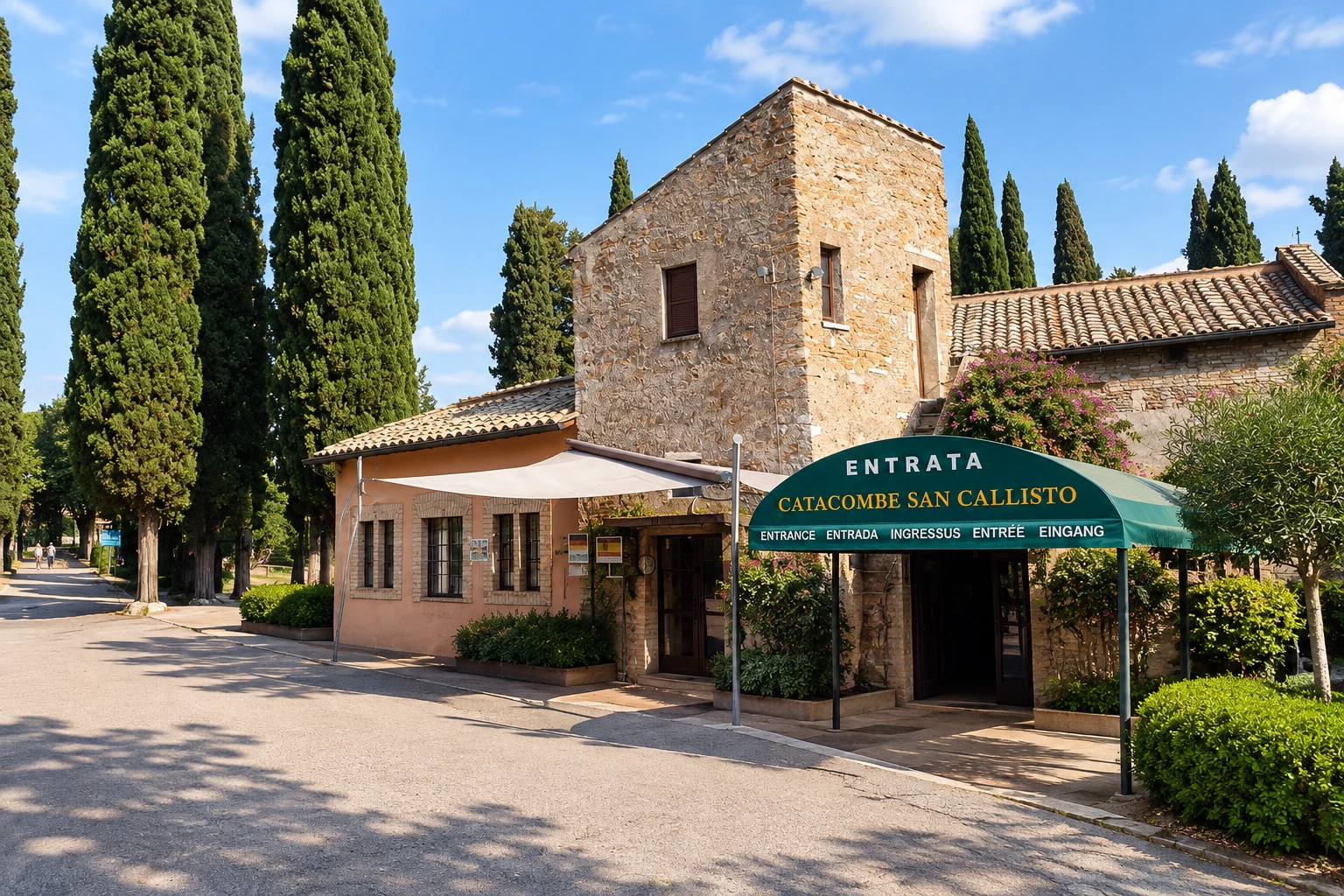
One of the largest underground cemeteries of early Christians, on the Via Appia Antica, with the Cripta dos Papas. Guided visits only, with online reservation.
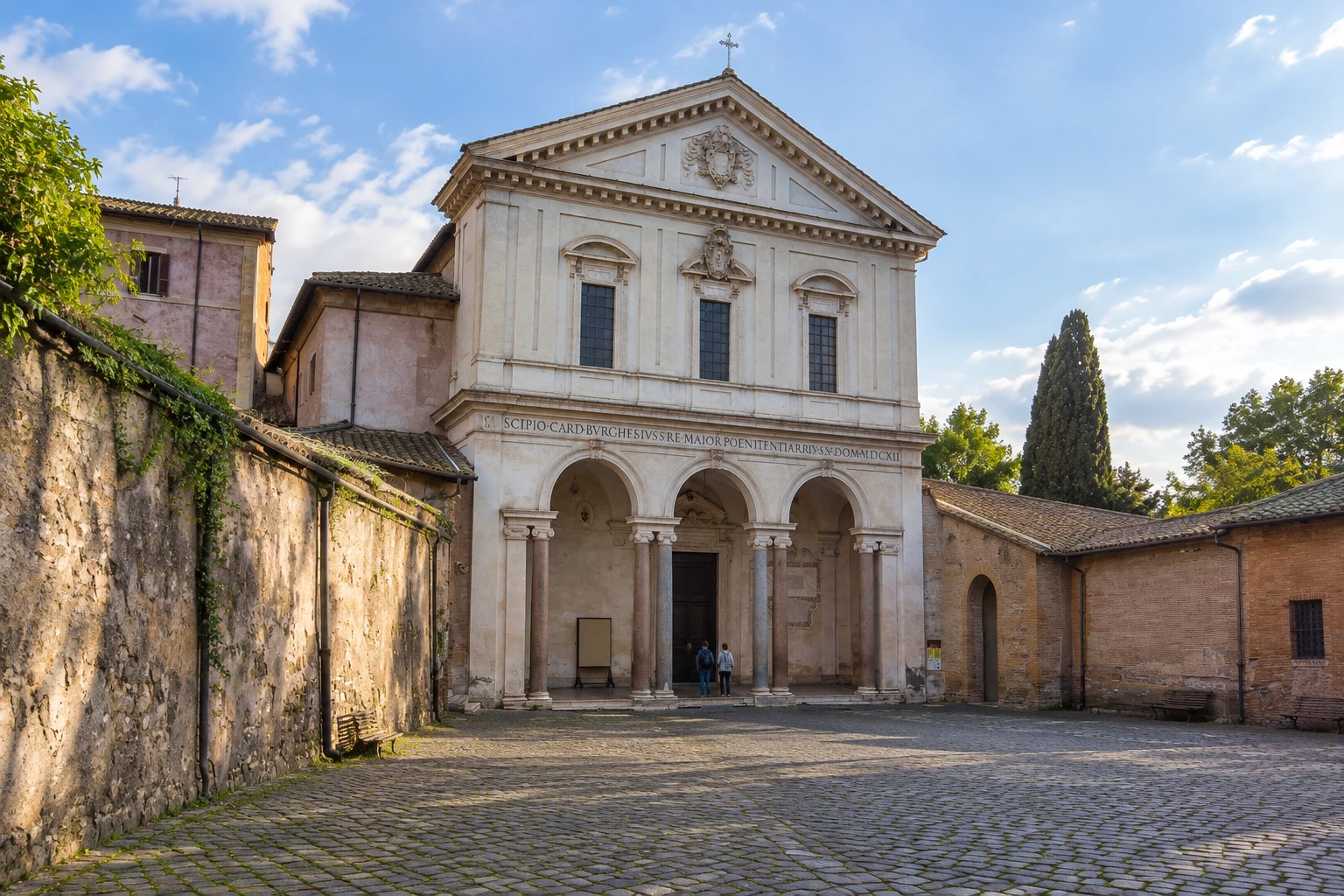
Catacombs beneath the basilica of São Sebastião on the Via Appia Antica, with three decorated Roman mausoleums and the martyr's tomb. Guided visits only.
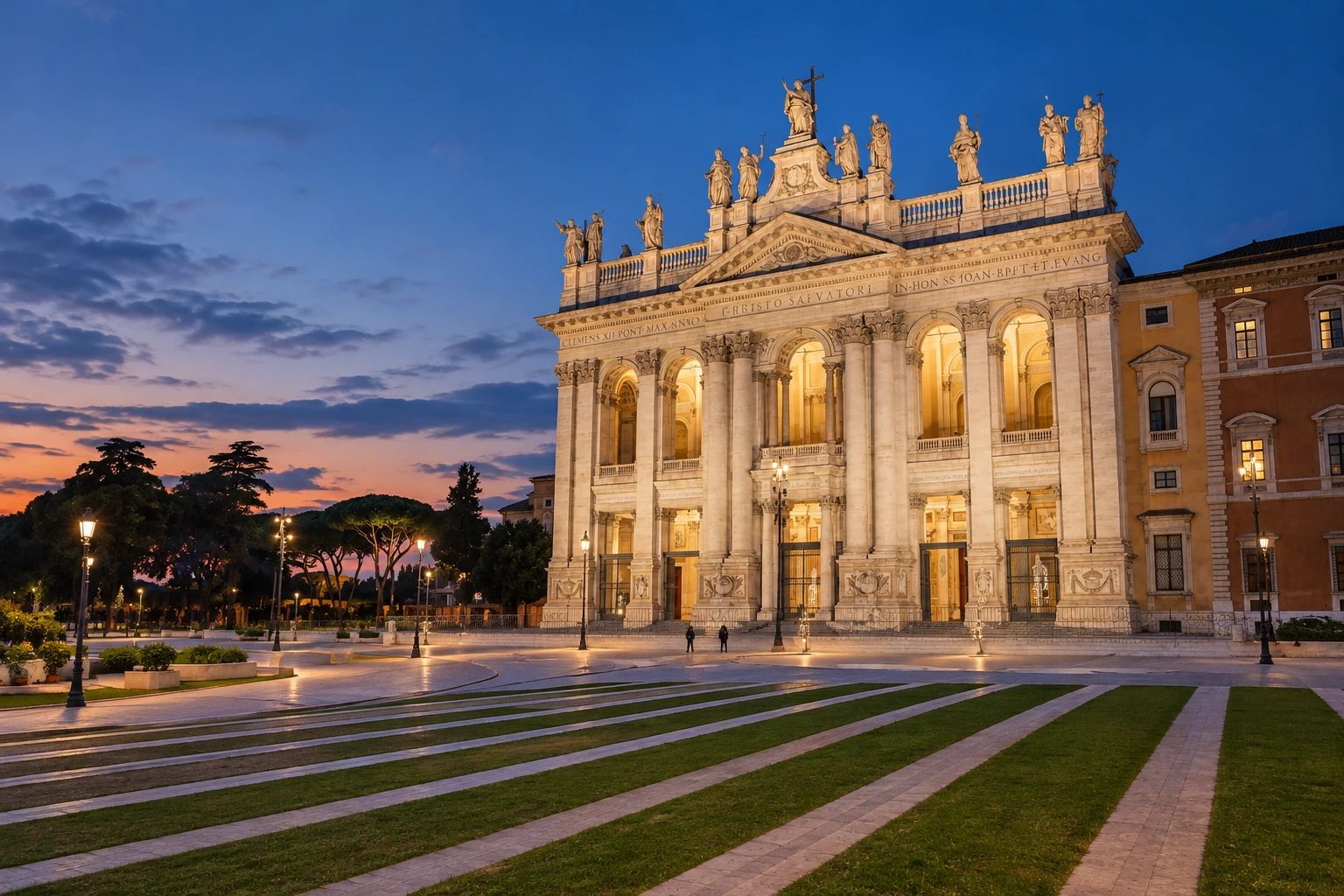
The cathedral of Rome, the pope's seat as bishop of the city, with a Baroque façade of giant statues and an interior by Borromini. Opposite it is the Scala Santa.
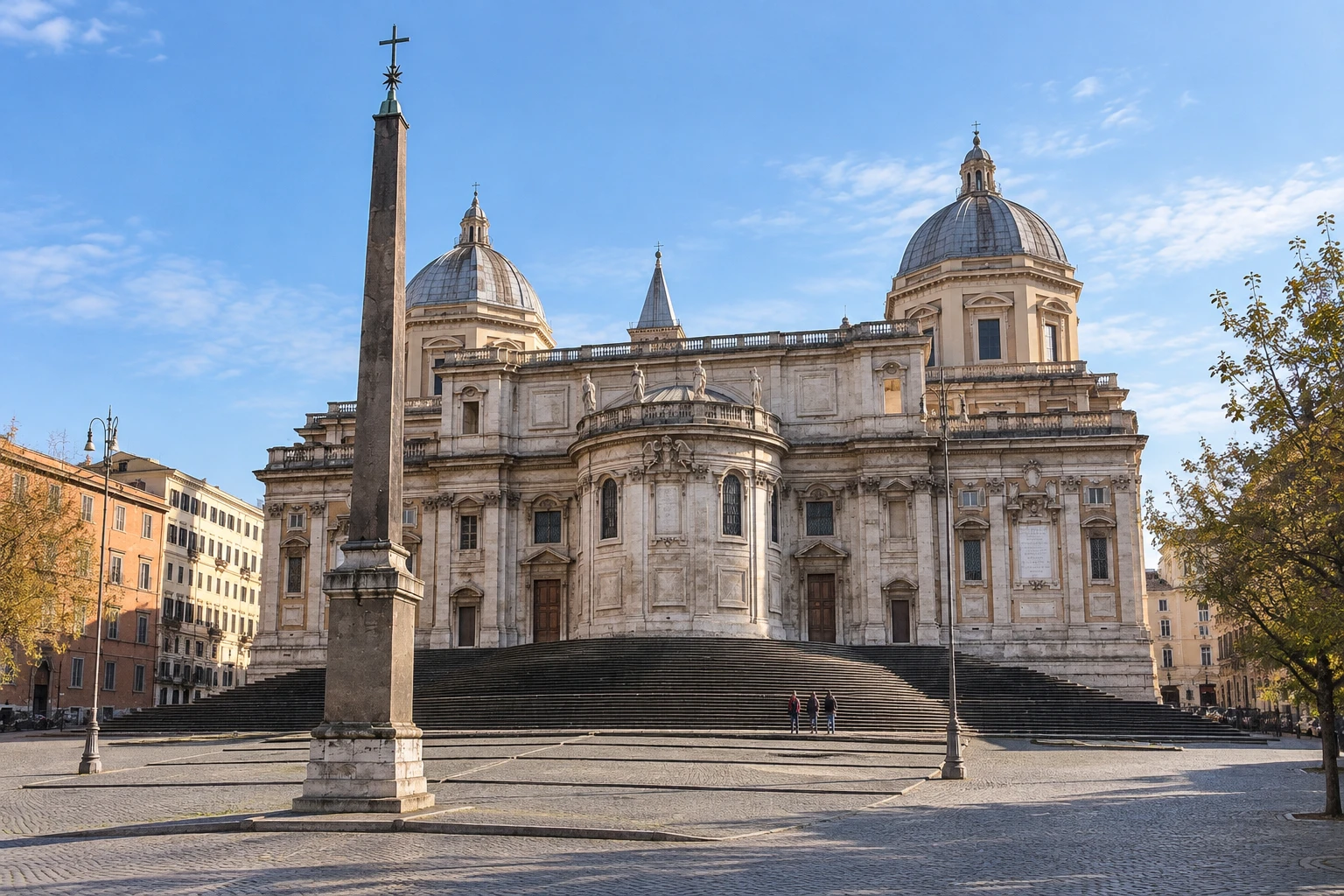
One of Rome's four papal basilicas, near Termini station, with 5th-century mosaics, a gilded ceiling and the tallest bell tower in the city.
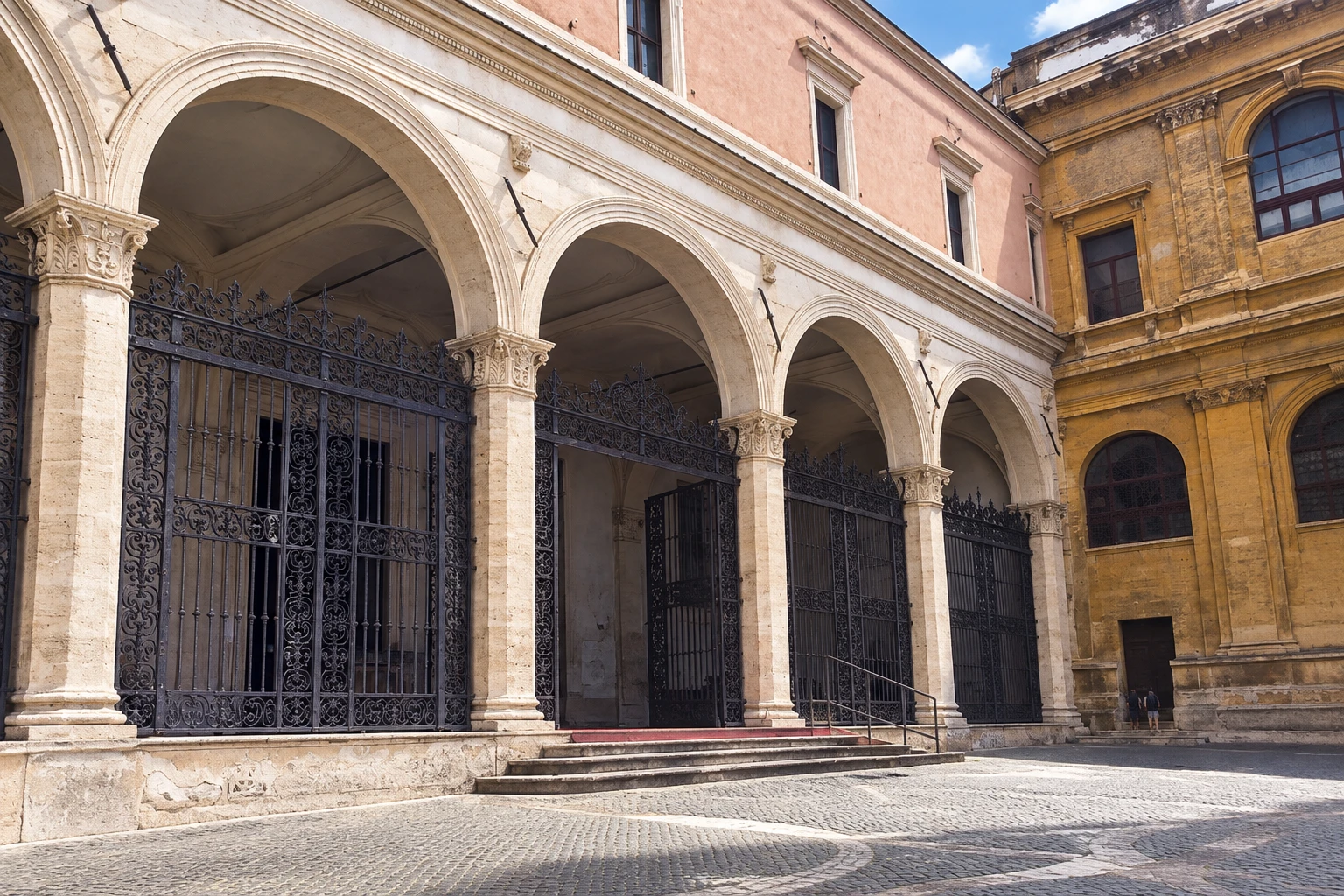
Church near the Colosseum that houses Michelangelo's Moses, in the tomb of Pope Julius II, and the chains that, according to tradition, bound São Pedro.
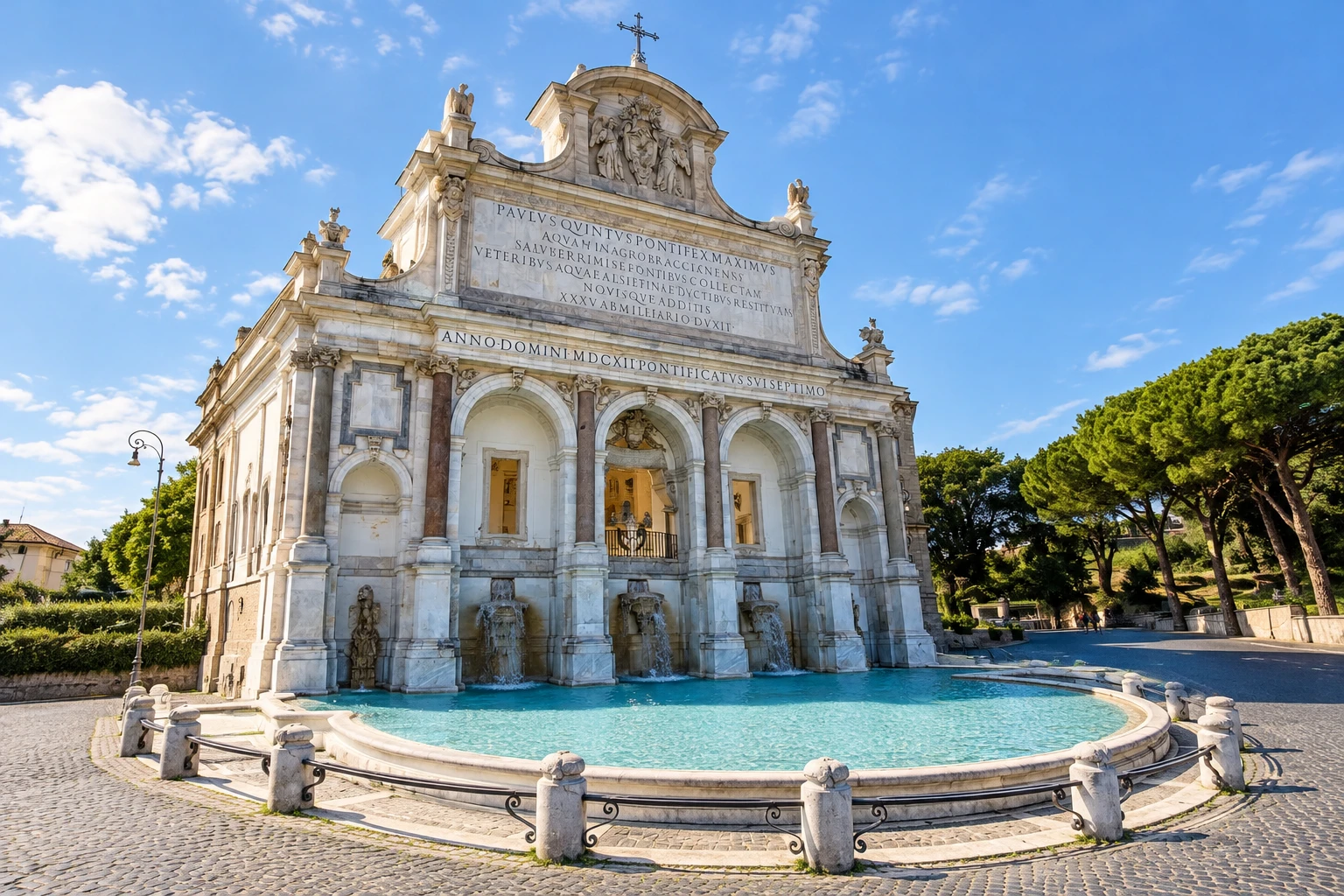
Tree-lined hill above Trastevere with one of the widest views of Roma, the statue of Garibaldi, the Fontanone and the daily cannon shot at noon.
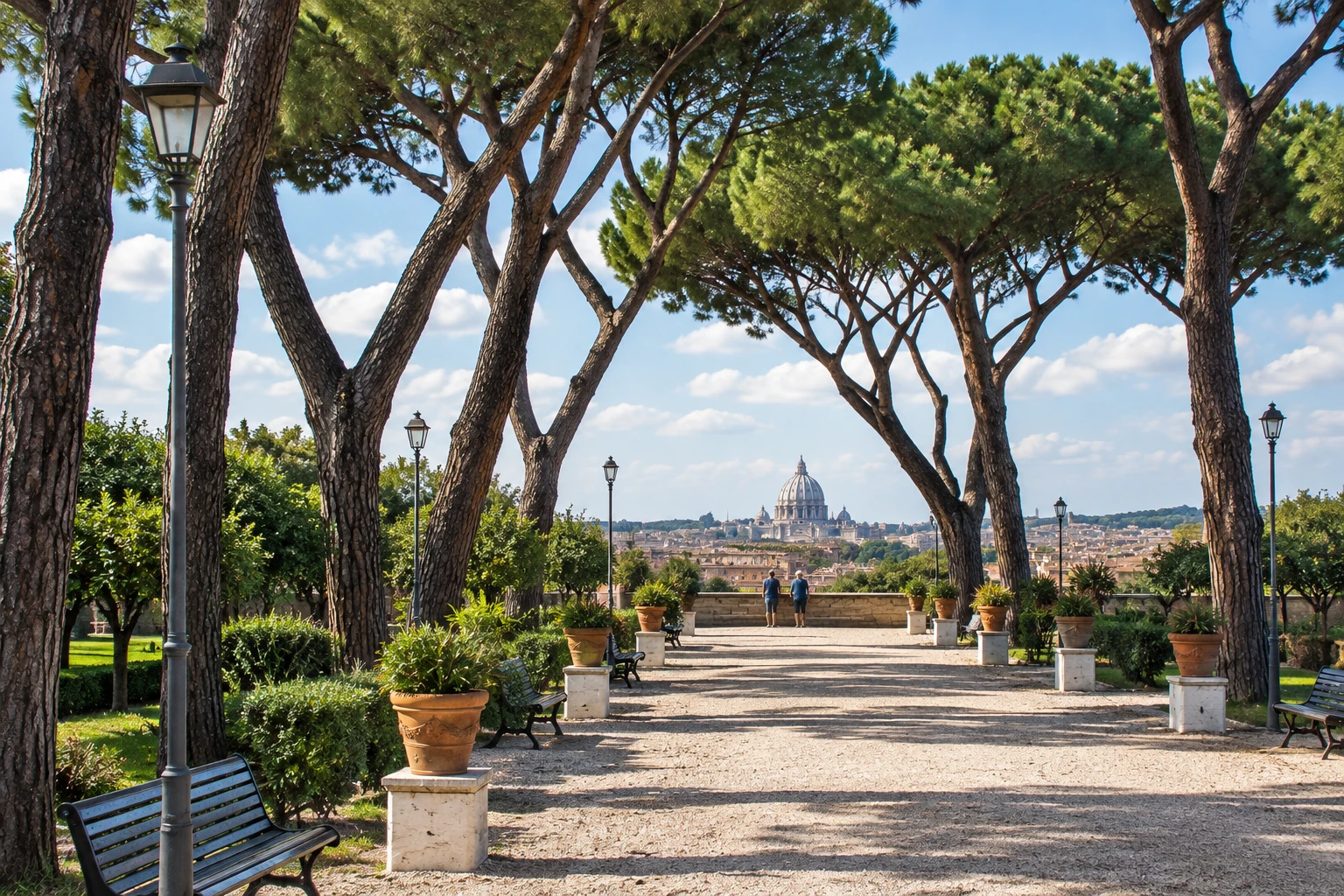
Quiet hill above the Circo Massimo with the Giardino degli Aranci, overlooking the dome of São Pedro, and the famous keyhole of the Order of Malta.
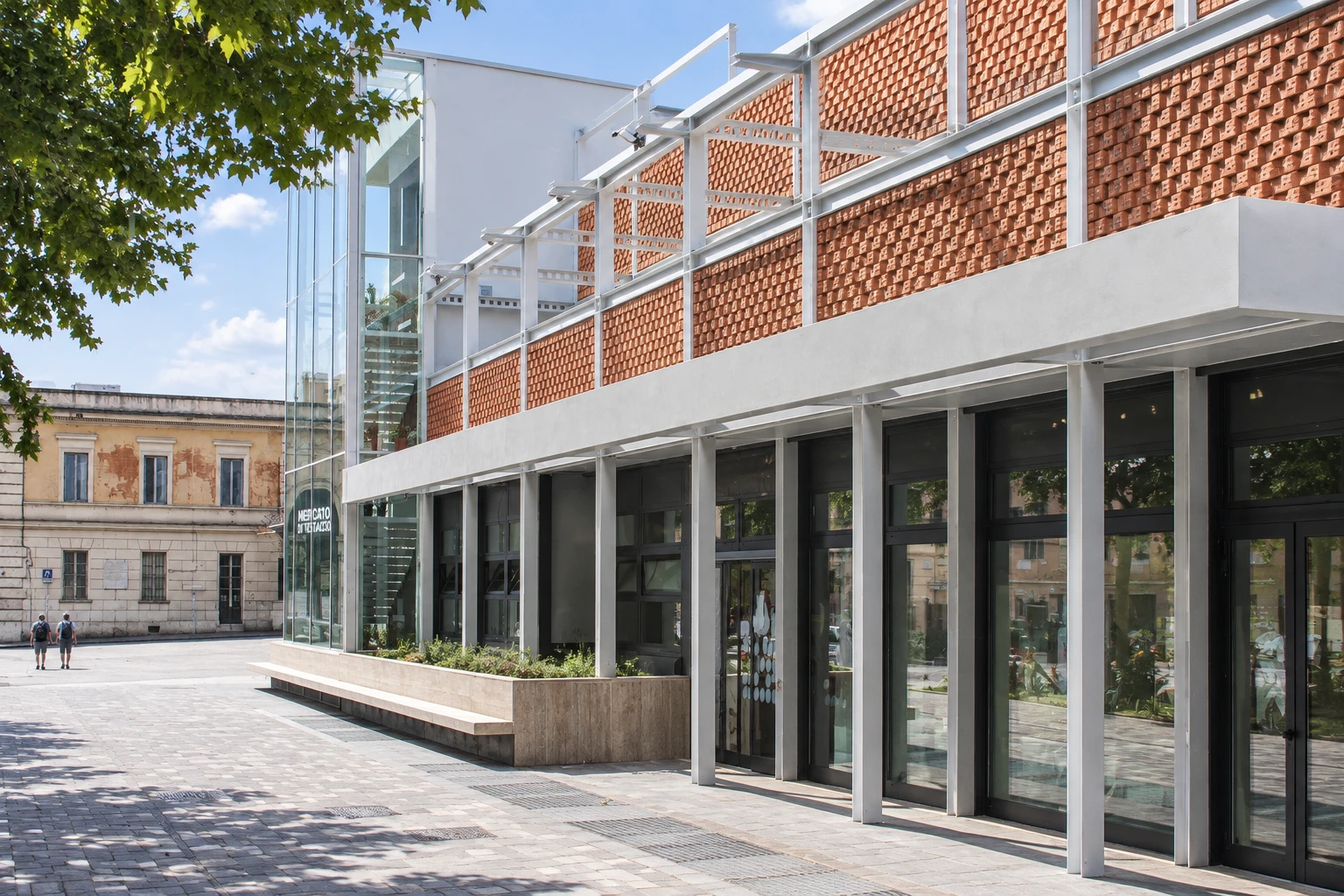
Covered market in the Testaccio neighborhood, with stalls selling fruit, cheeses, cold cuts and Roman street food. Good for having lunch like the locals.
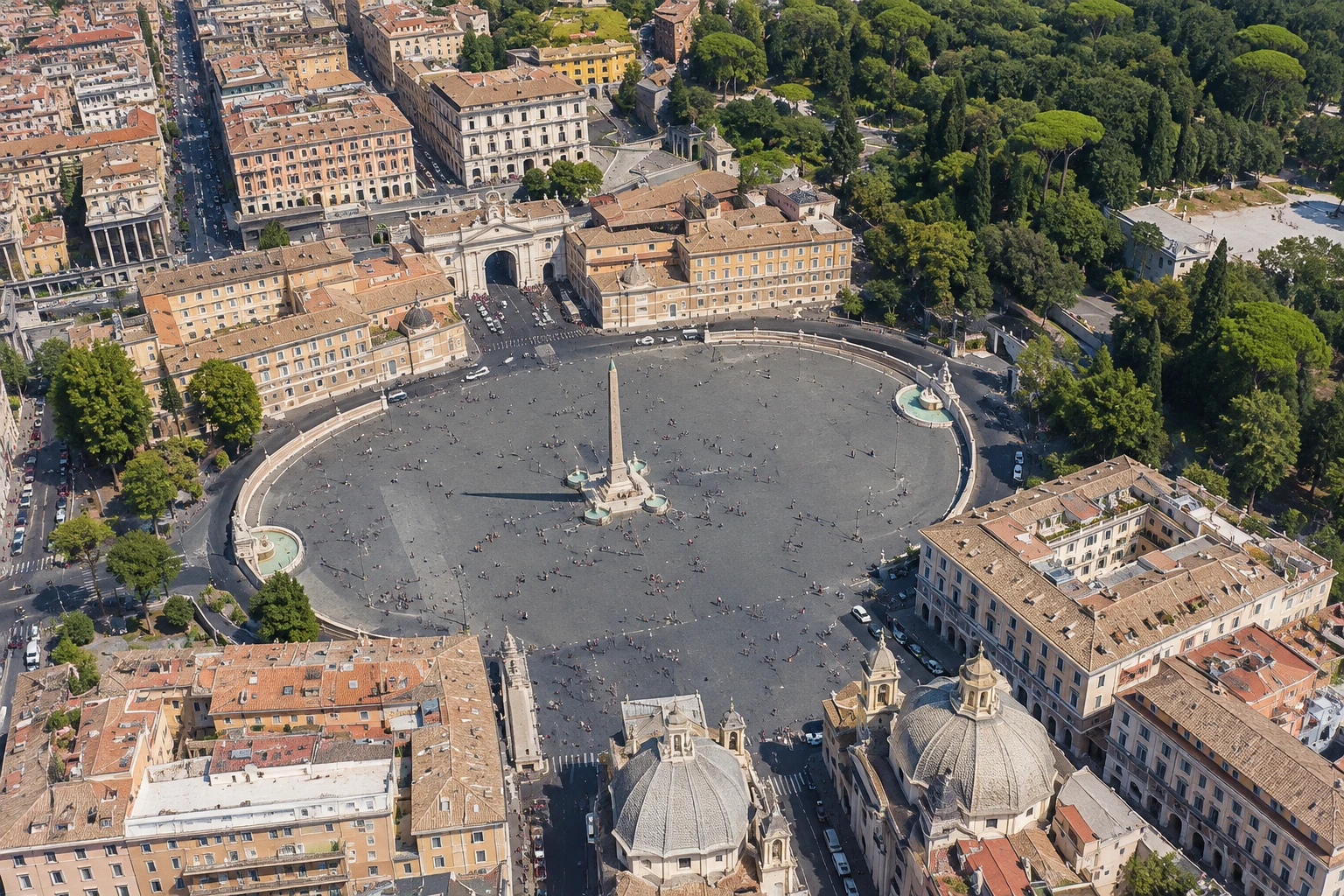
Large oval square at the northern entrance of the historic center, with an Egyptian obelisk, twin churches and the Basilica di Santa Maria del Popolo, which houses two paintings by Caravaggio.
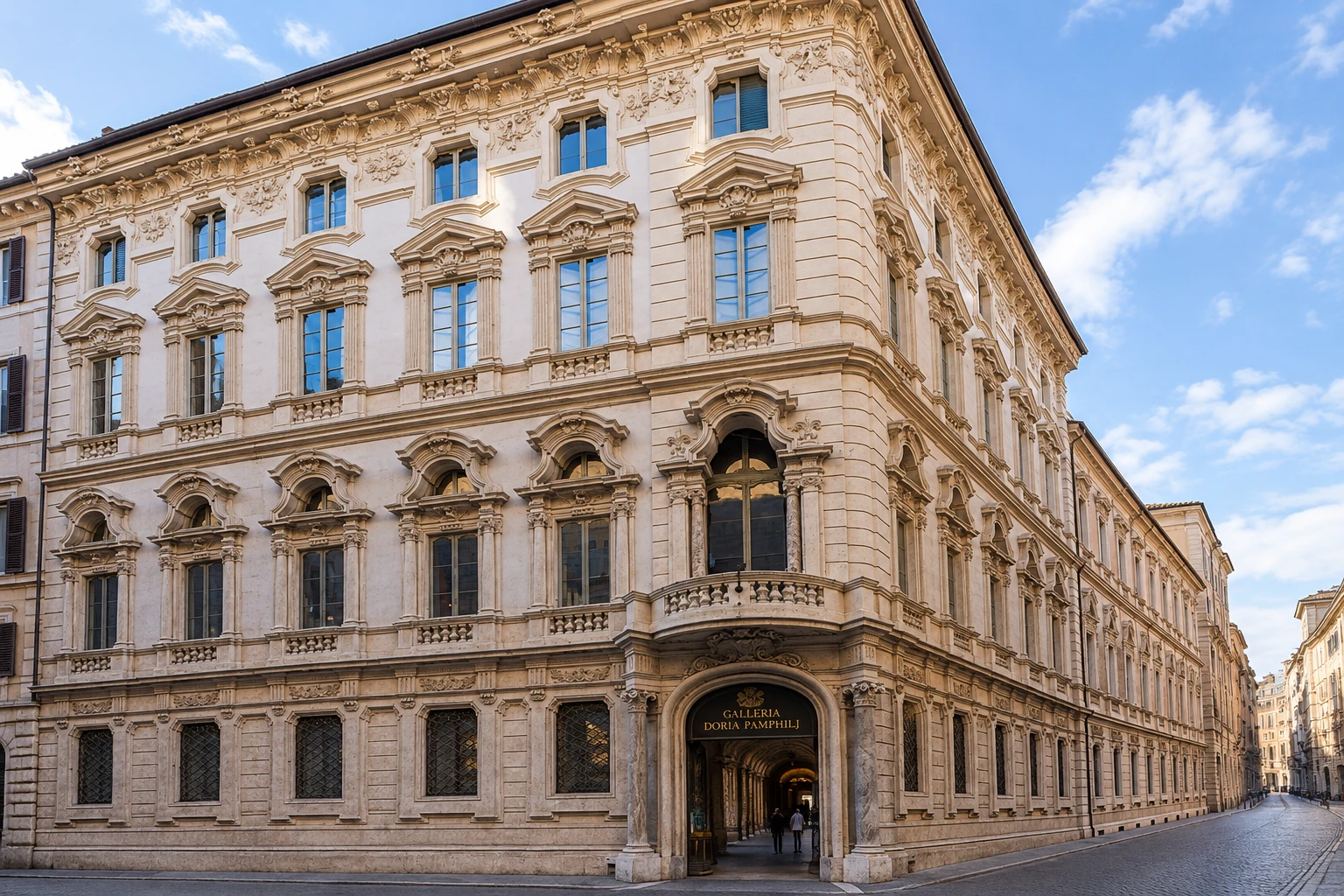
Private art collection inside a palazzo on the Via del Corso, still owned by the Doria Pamphilj family, featuring the portrait of Pope Inocêncio X by Velázquez and paintings by Caravaggio.
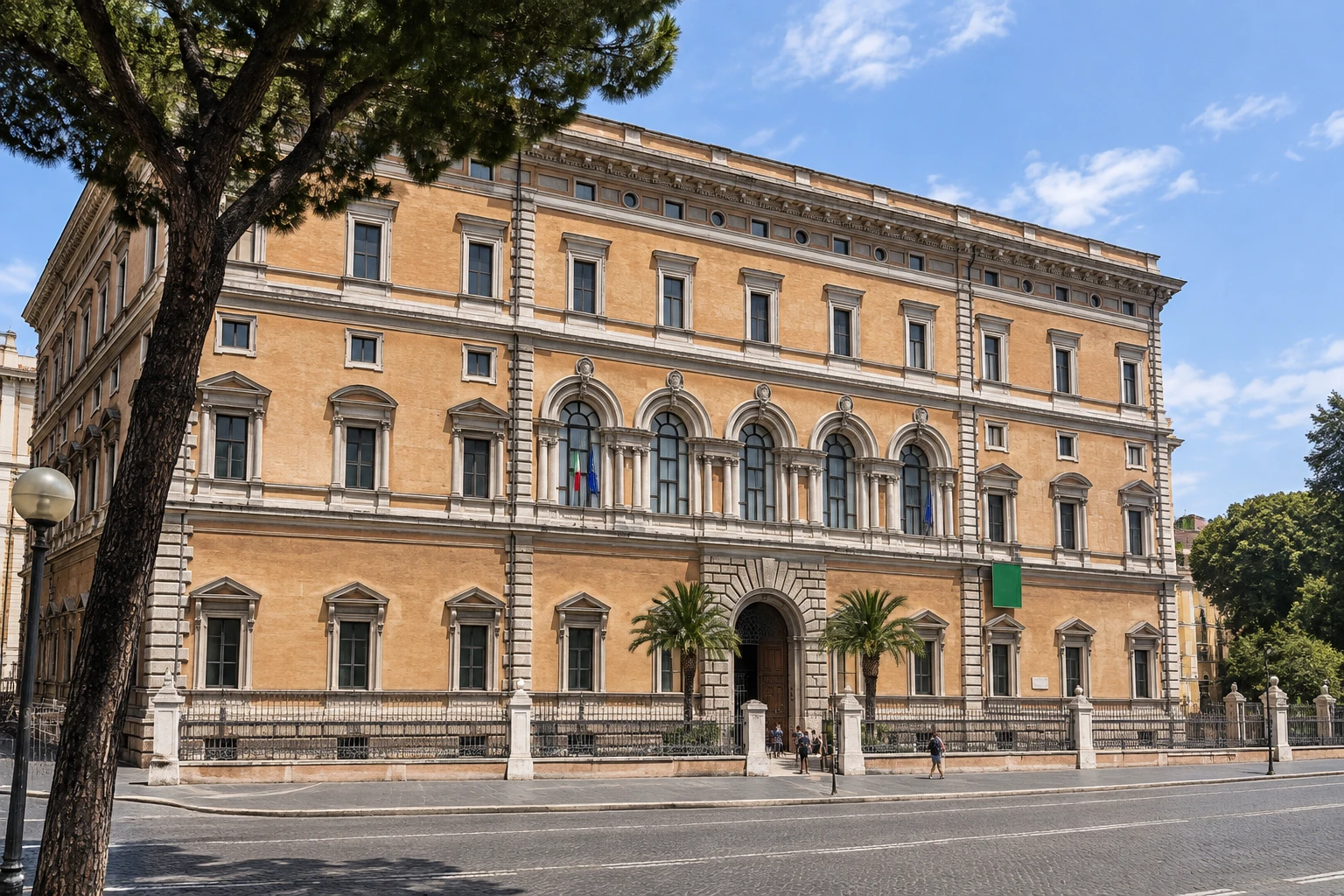
Seat of the Museo Nazionale Romano next to Termini station, with frescoes from Roman villas, the Boxer at Rest and the Discobolus. One of the best museums of ancient art in Rome.
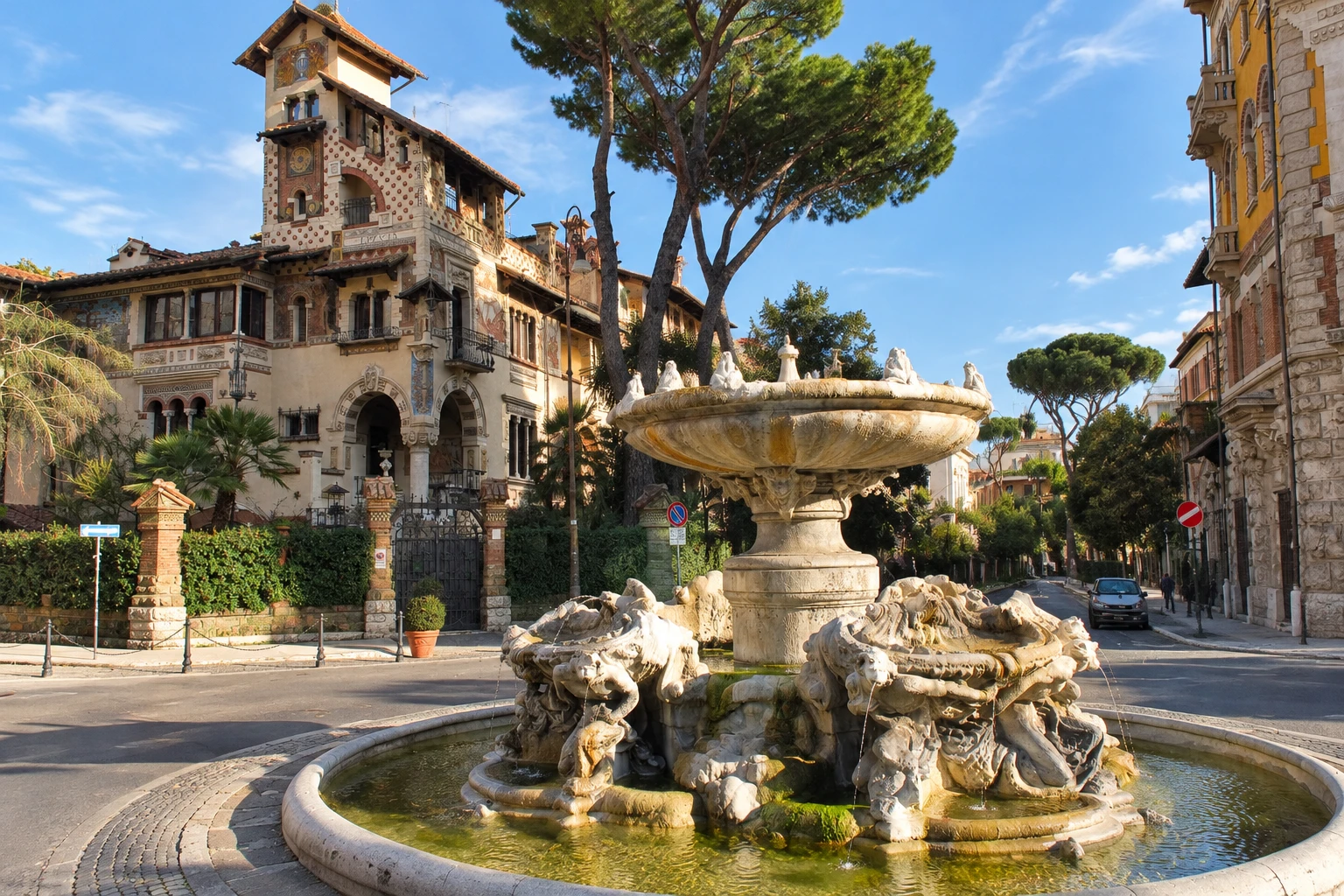
A group of whimsical buildings by the architect Gino Coppedè, with towers, mosaics, arches and the Fontana delle Rane, around the Piazza Mincio in the Trieste district.
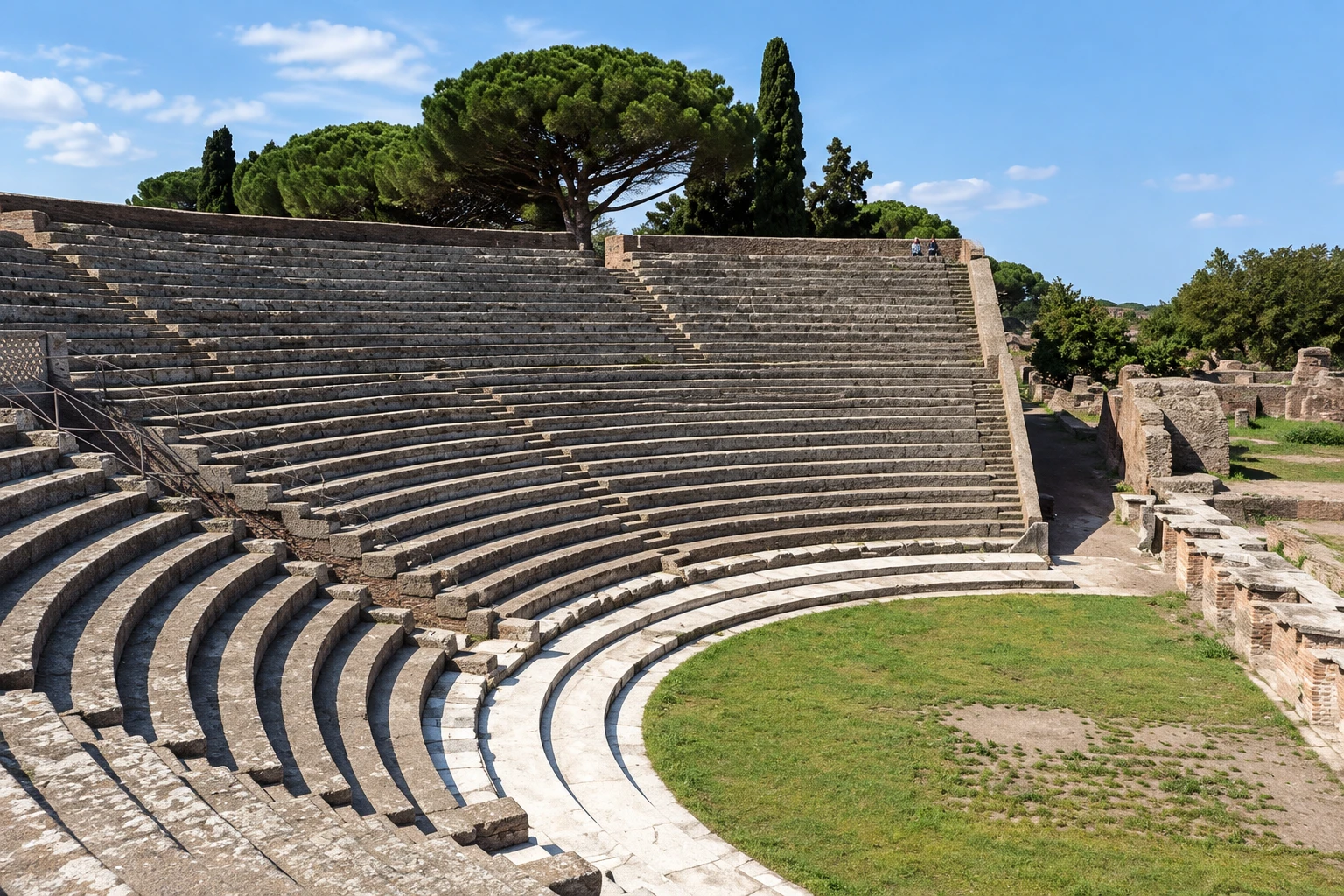
The ruins of ancient Rome’s port, about 30 km from the center: streets, houses, baths, a theater and mosaics of an entire Roman town. Day trip by train.
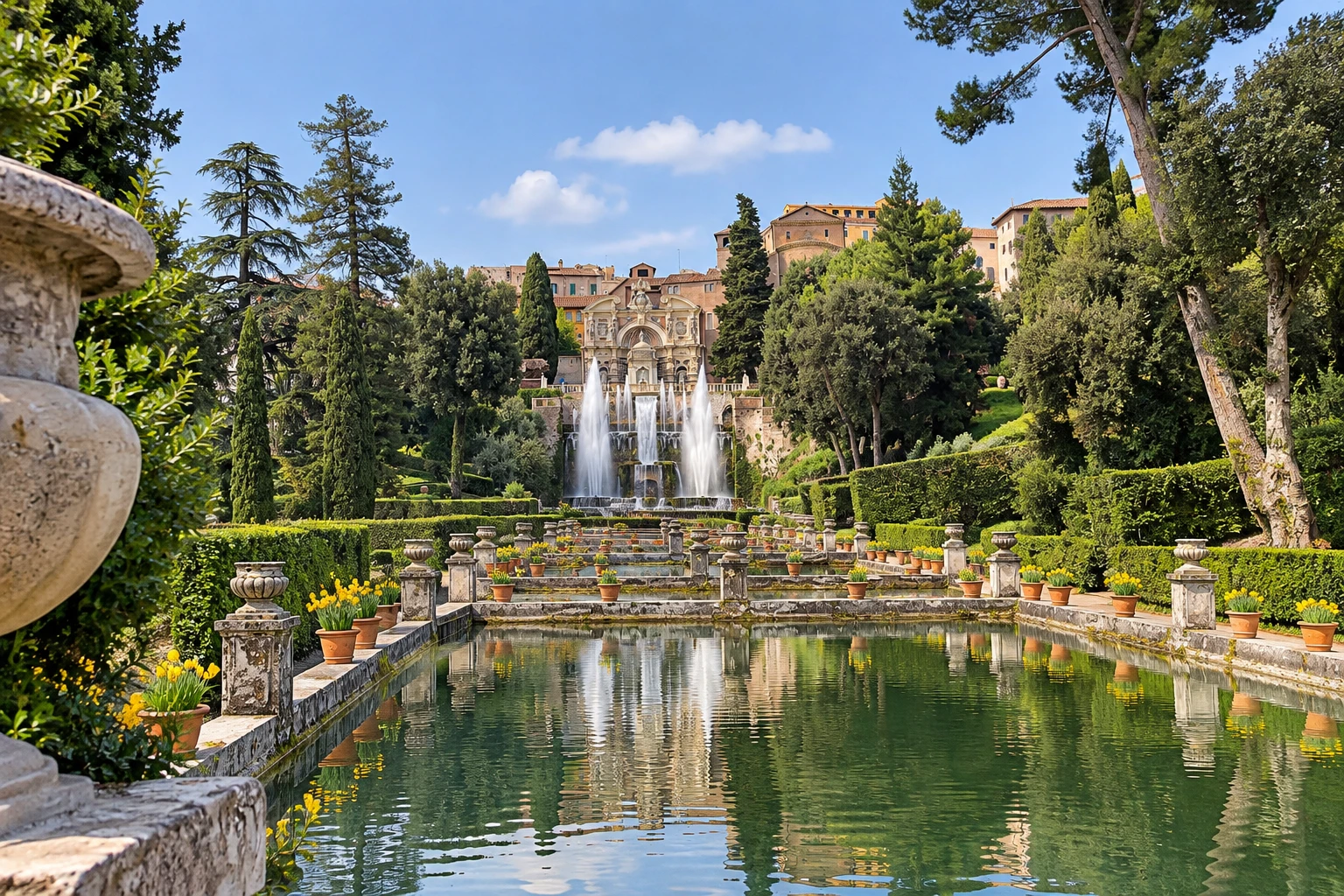
Renaissance palace in Tivoli, about 30 km from Rome, with terraced gardens and hundreds of fountains, such as the Fontana dell'Organo. UNESCO World Heritage Site.
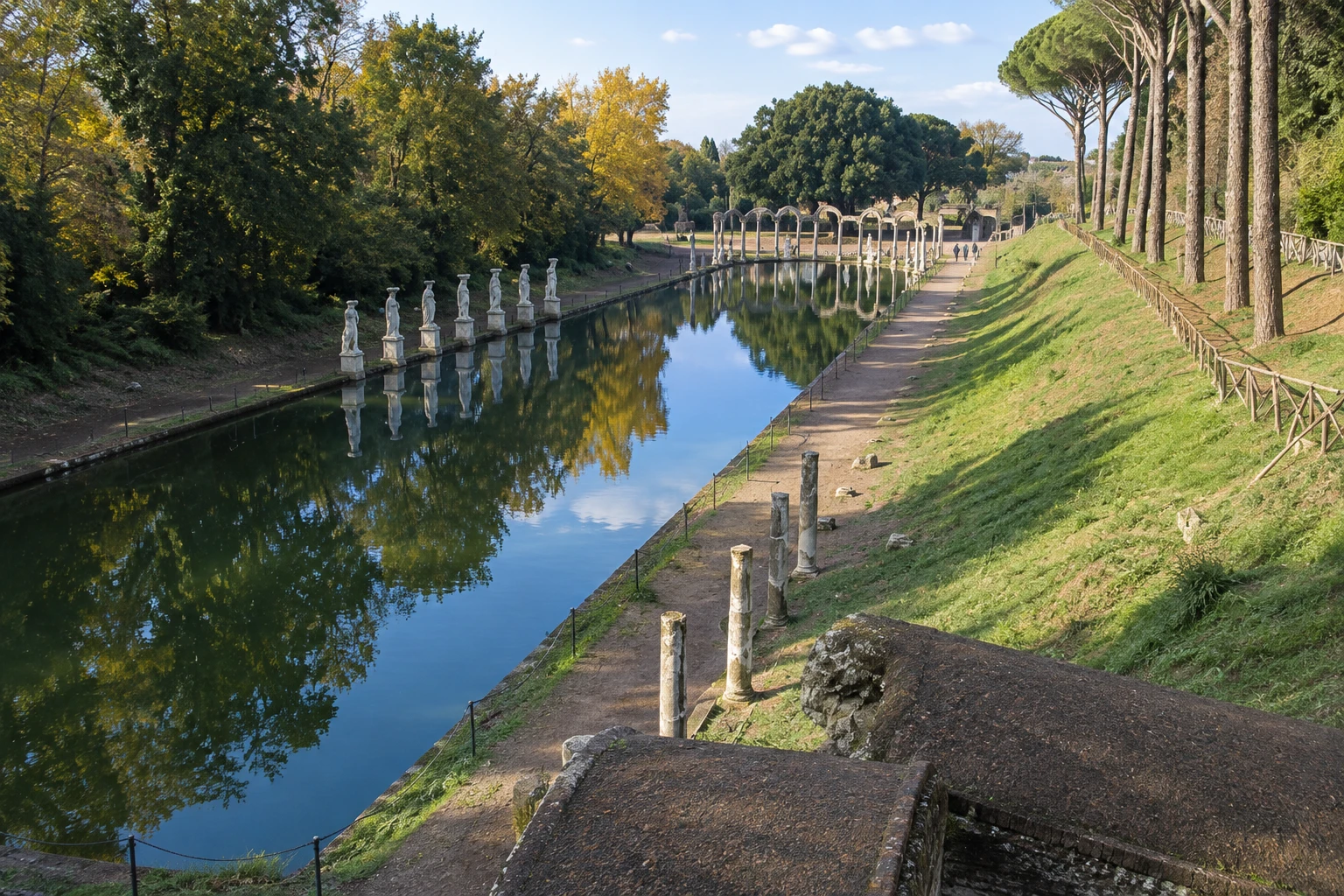
The vast country residence of Emperor Adriano from the 2nd century, near Tivoli: ruins of palaces, baths and reflecting pools such as the Canopo. UNESCO World Heritage Site.
To plan