27 places to visit and 16 tours, chosen by the Cidade Turismo guide.
Updated
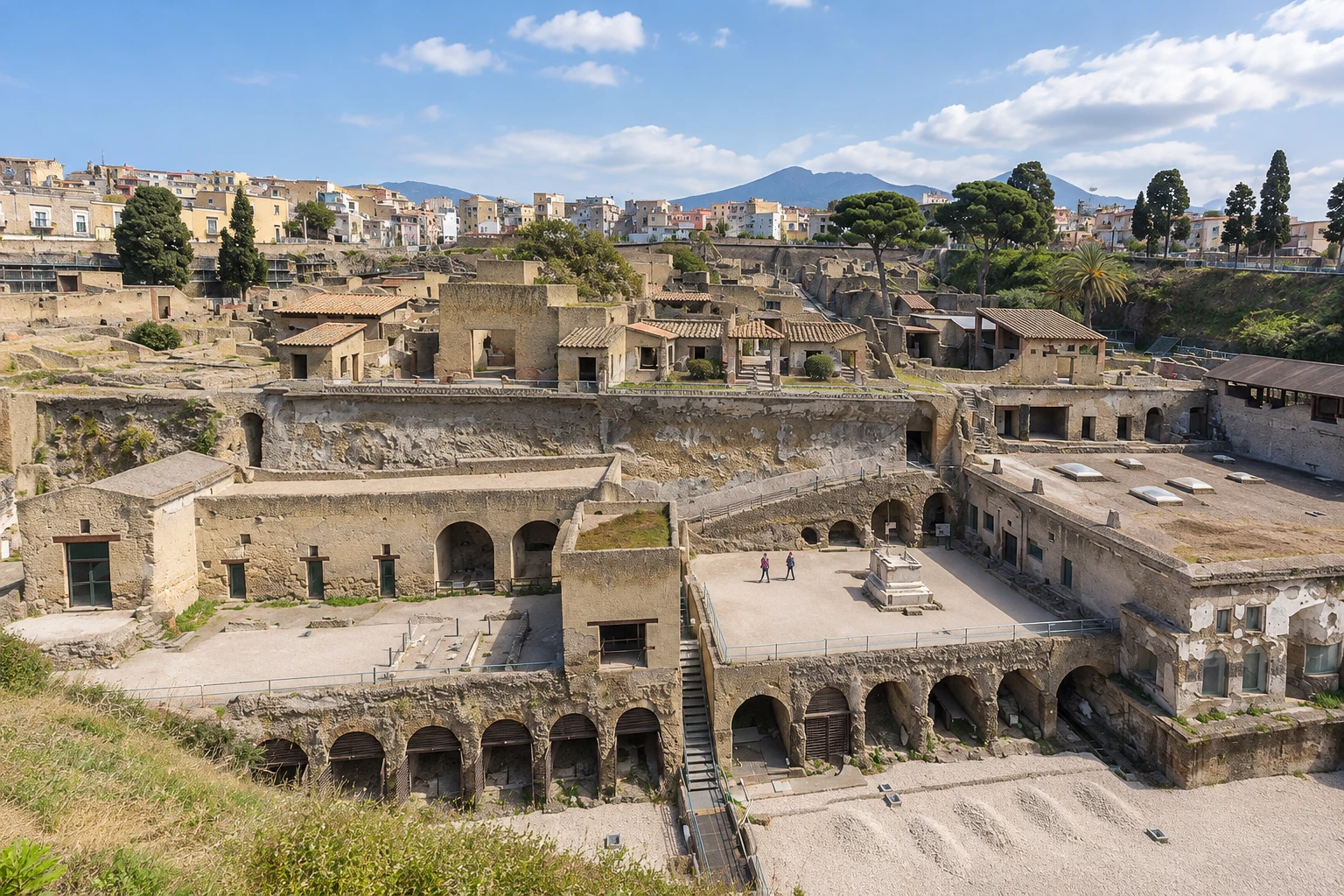
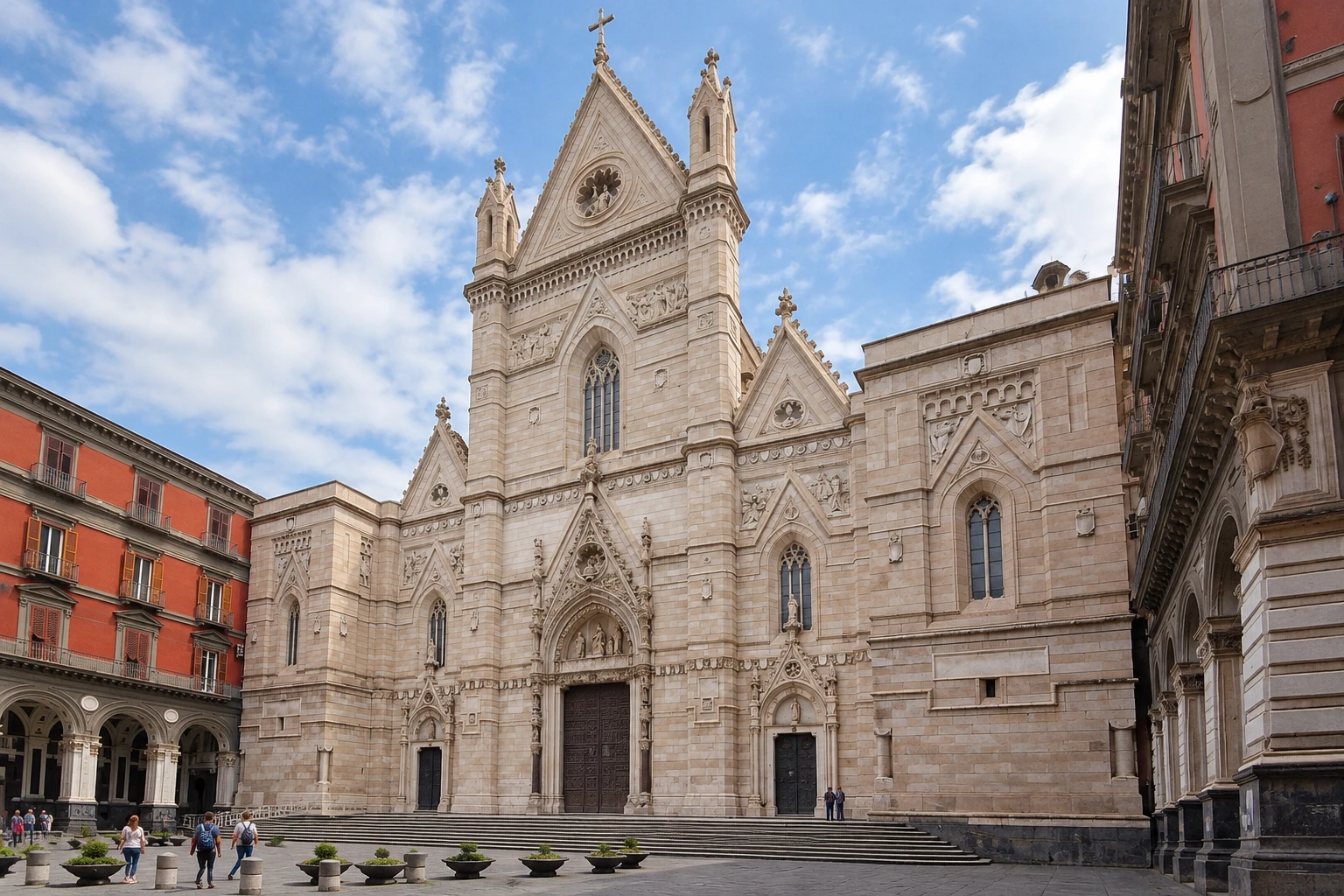
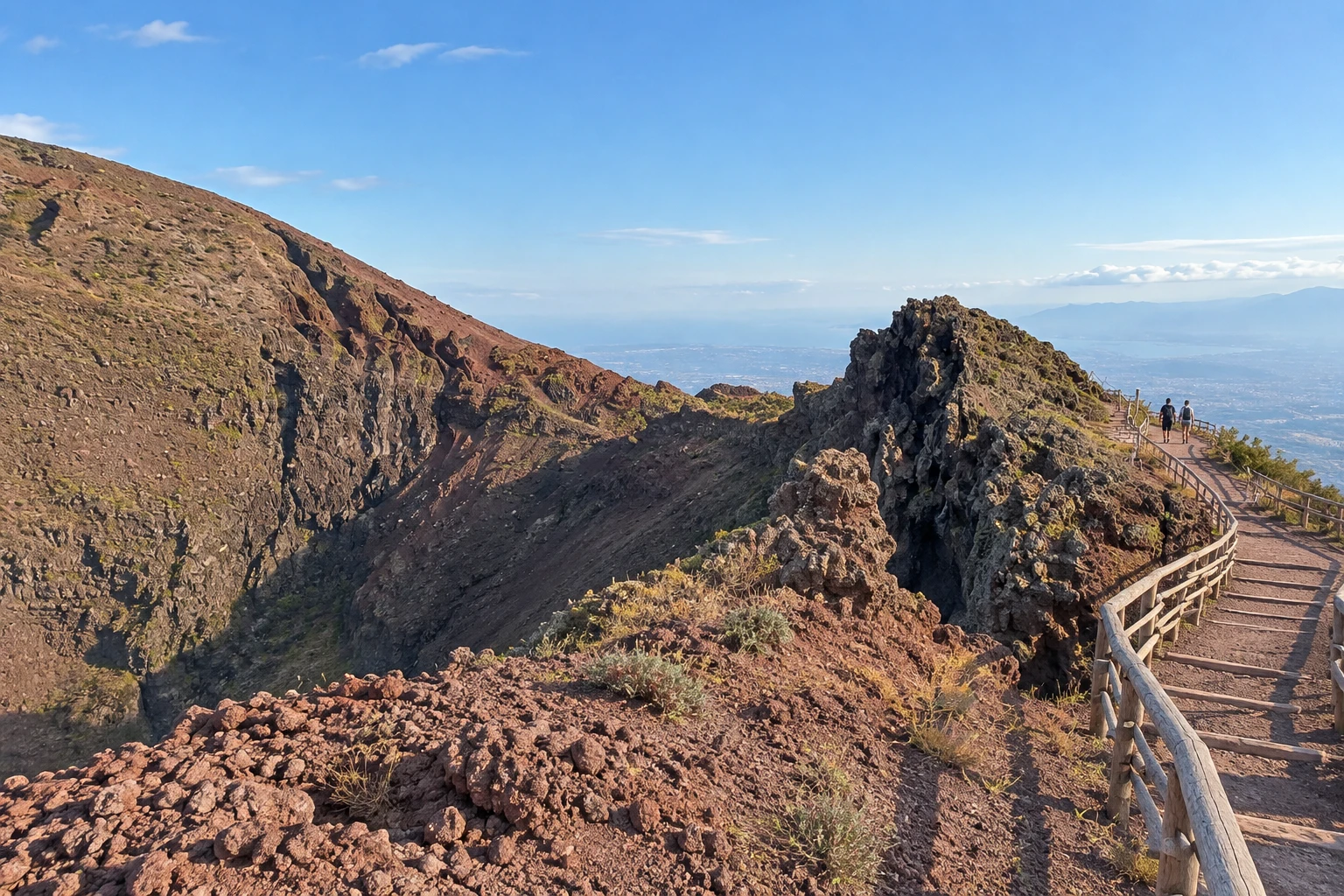
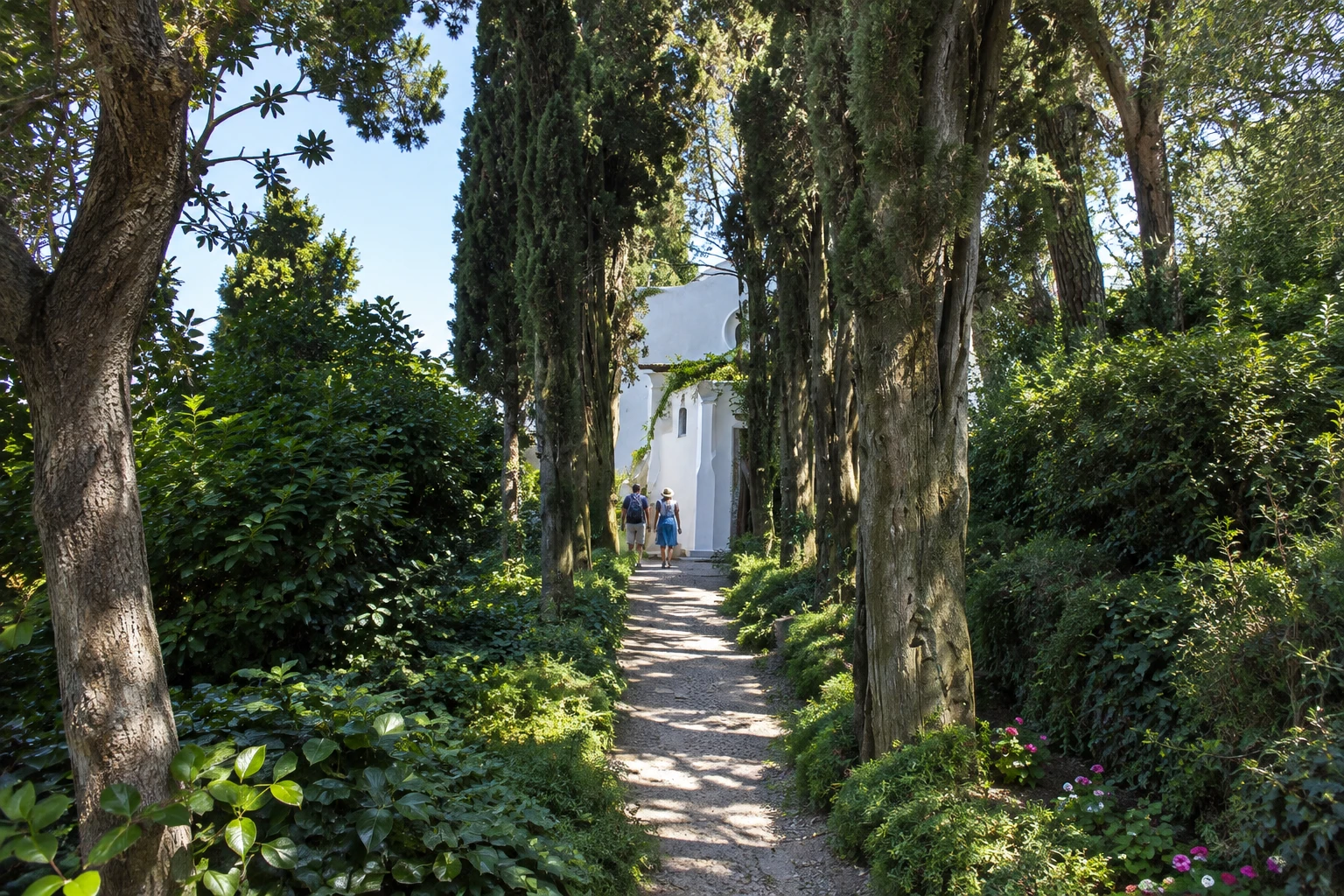
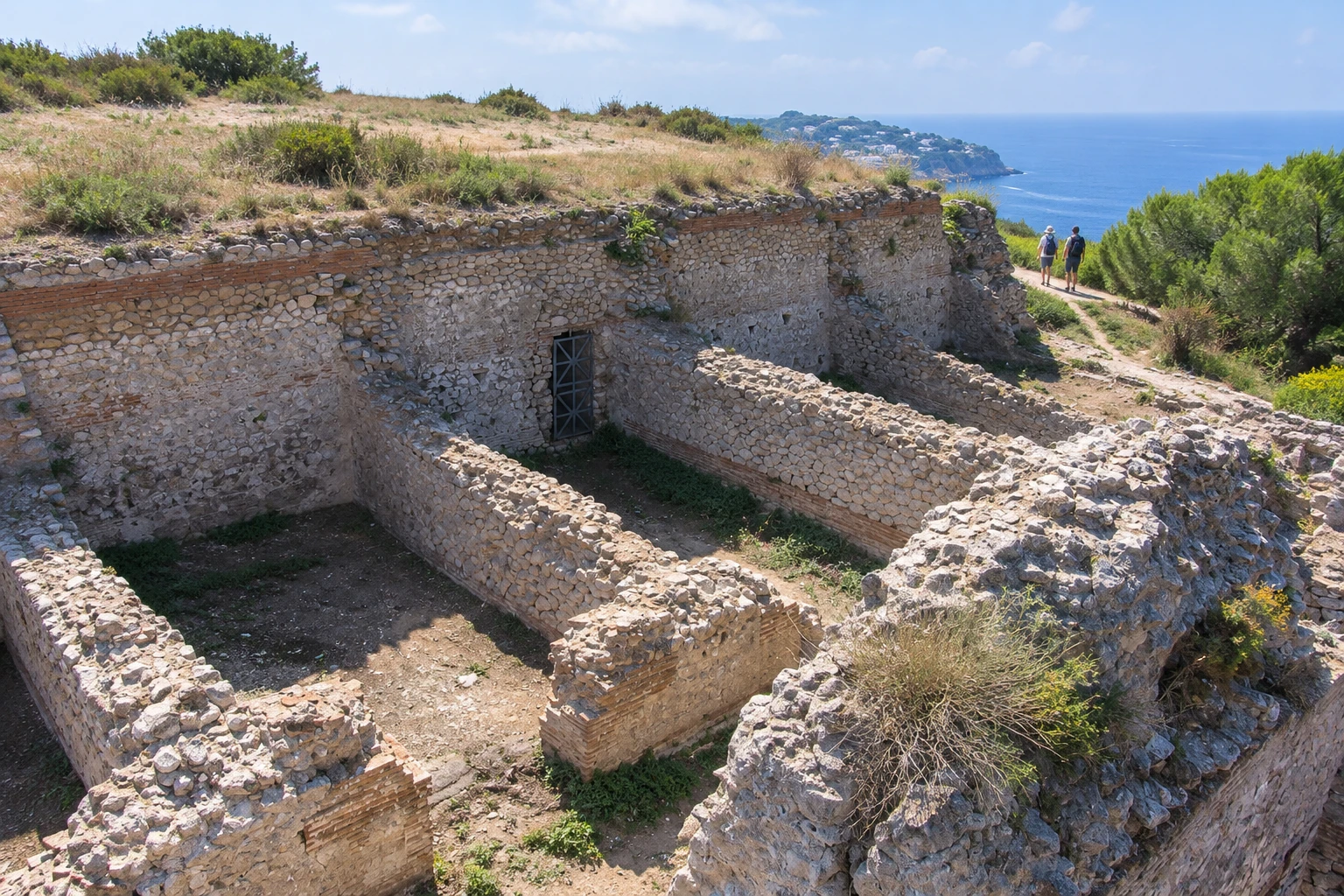
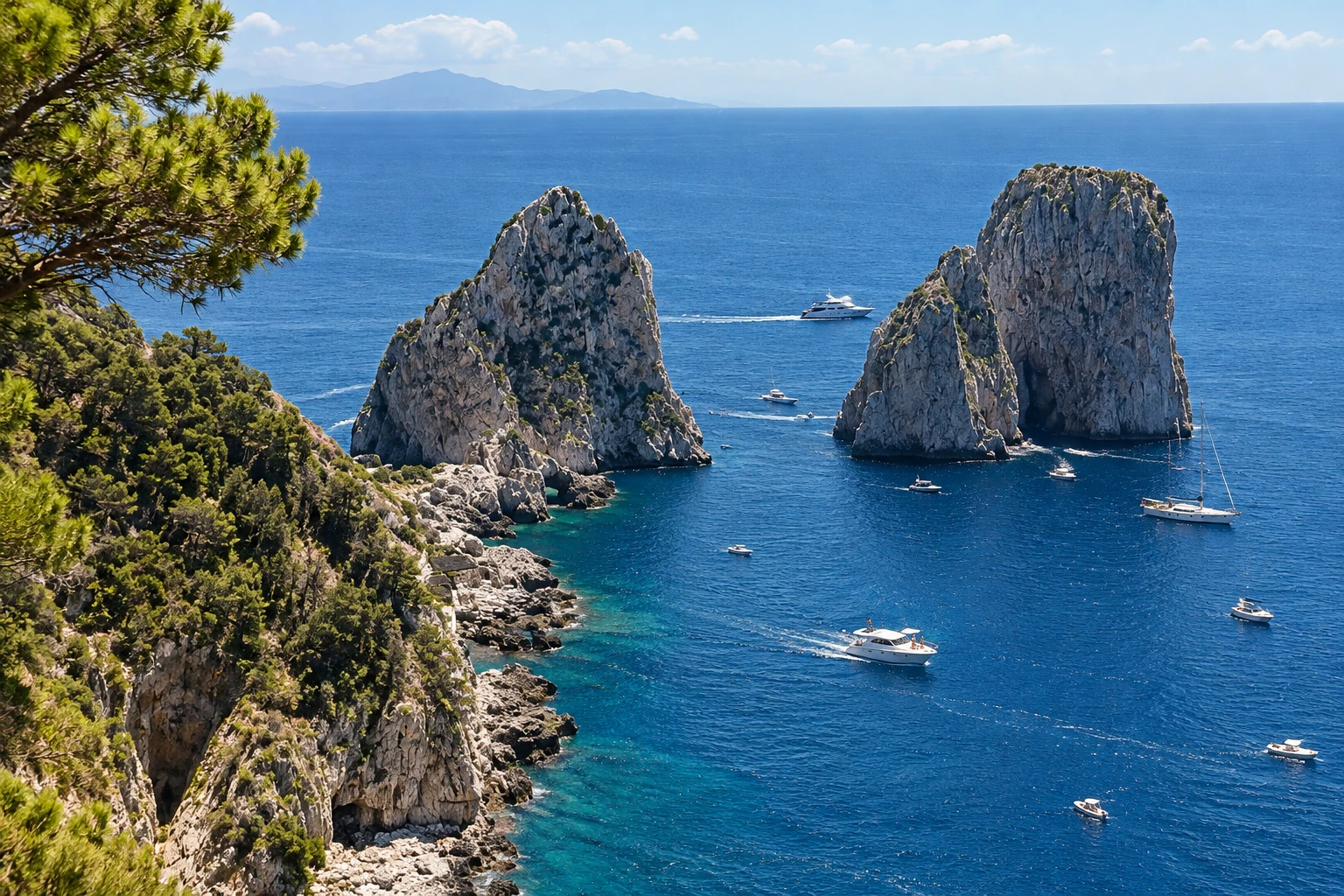
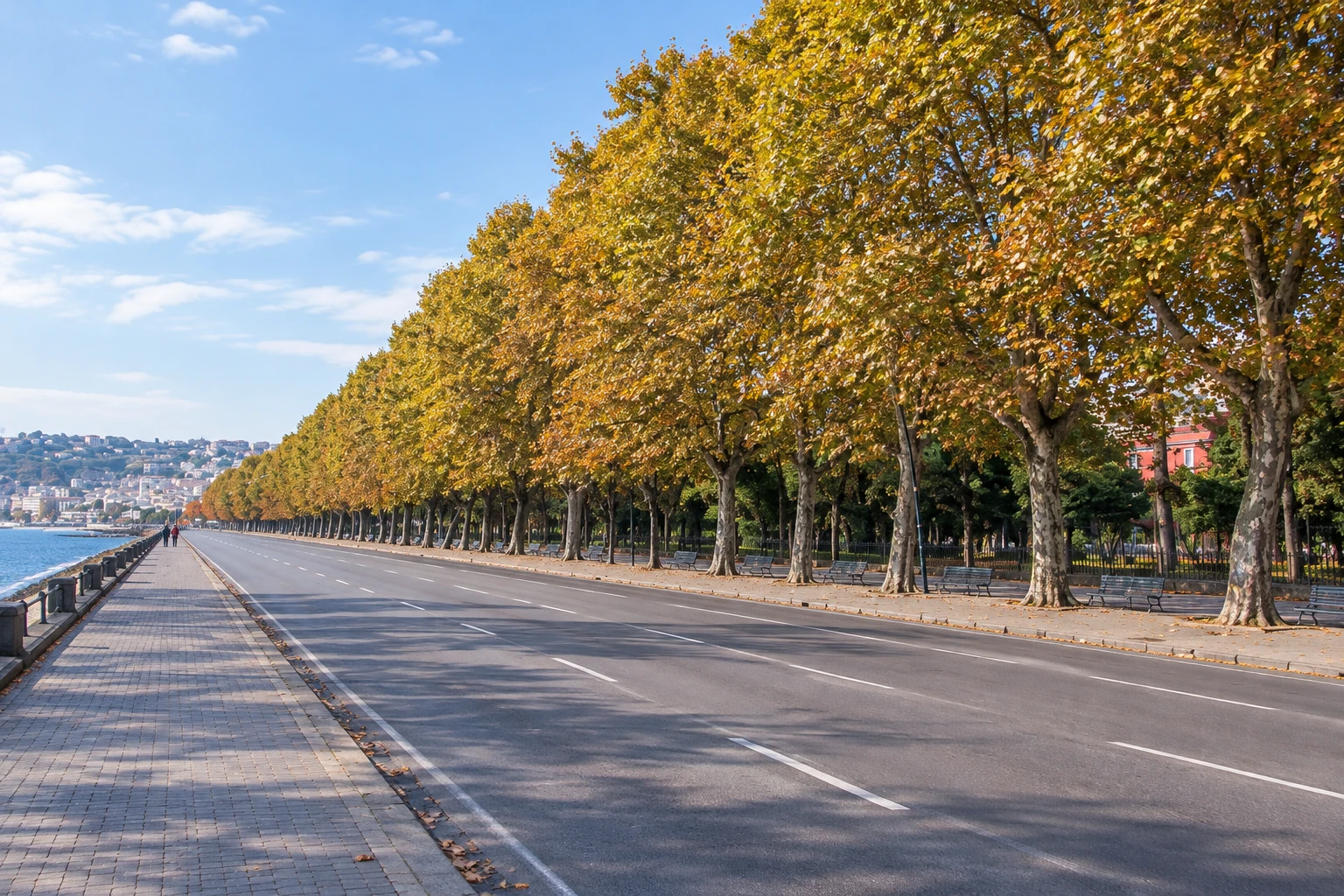
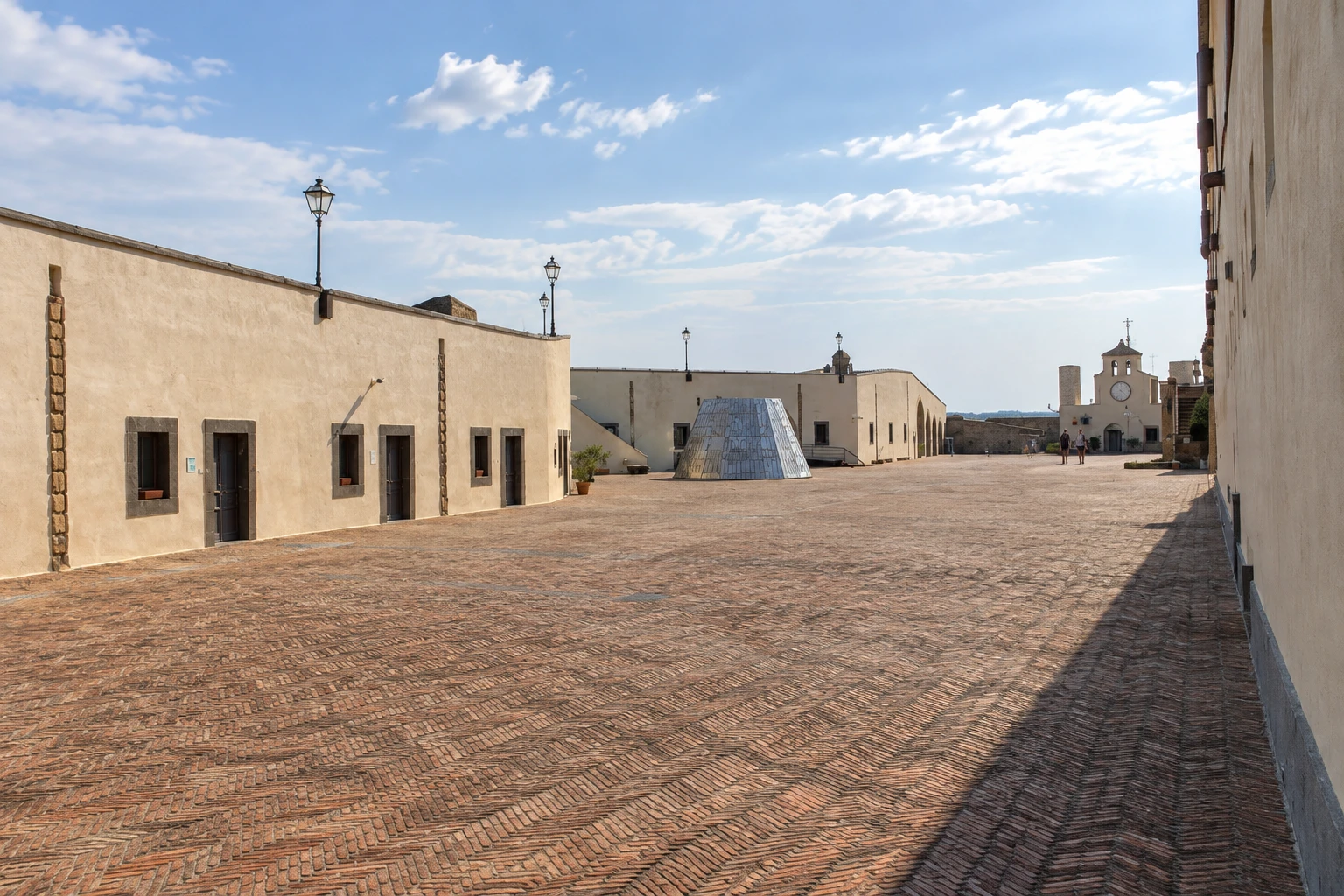
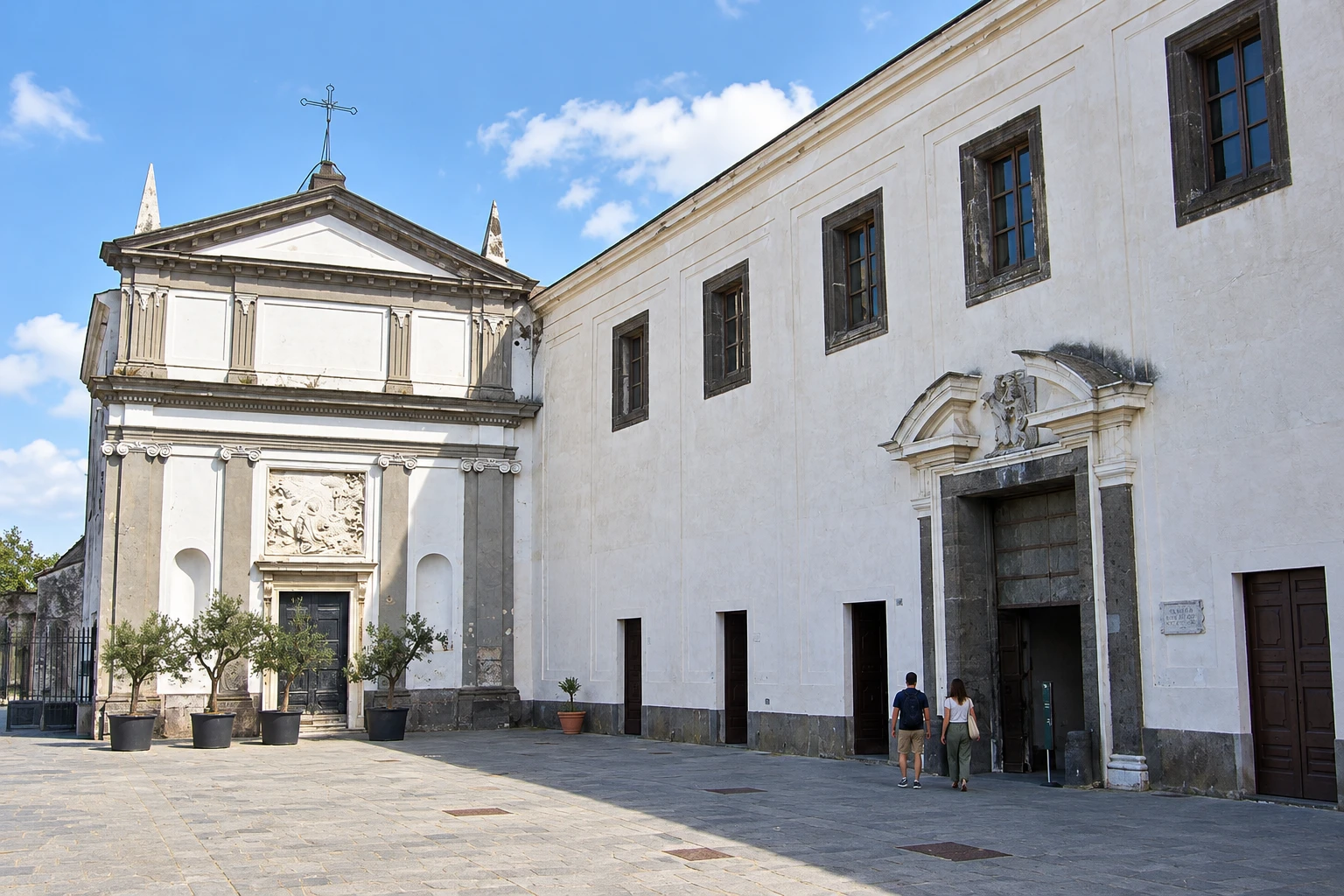
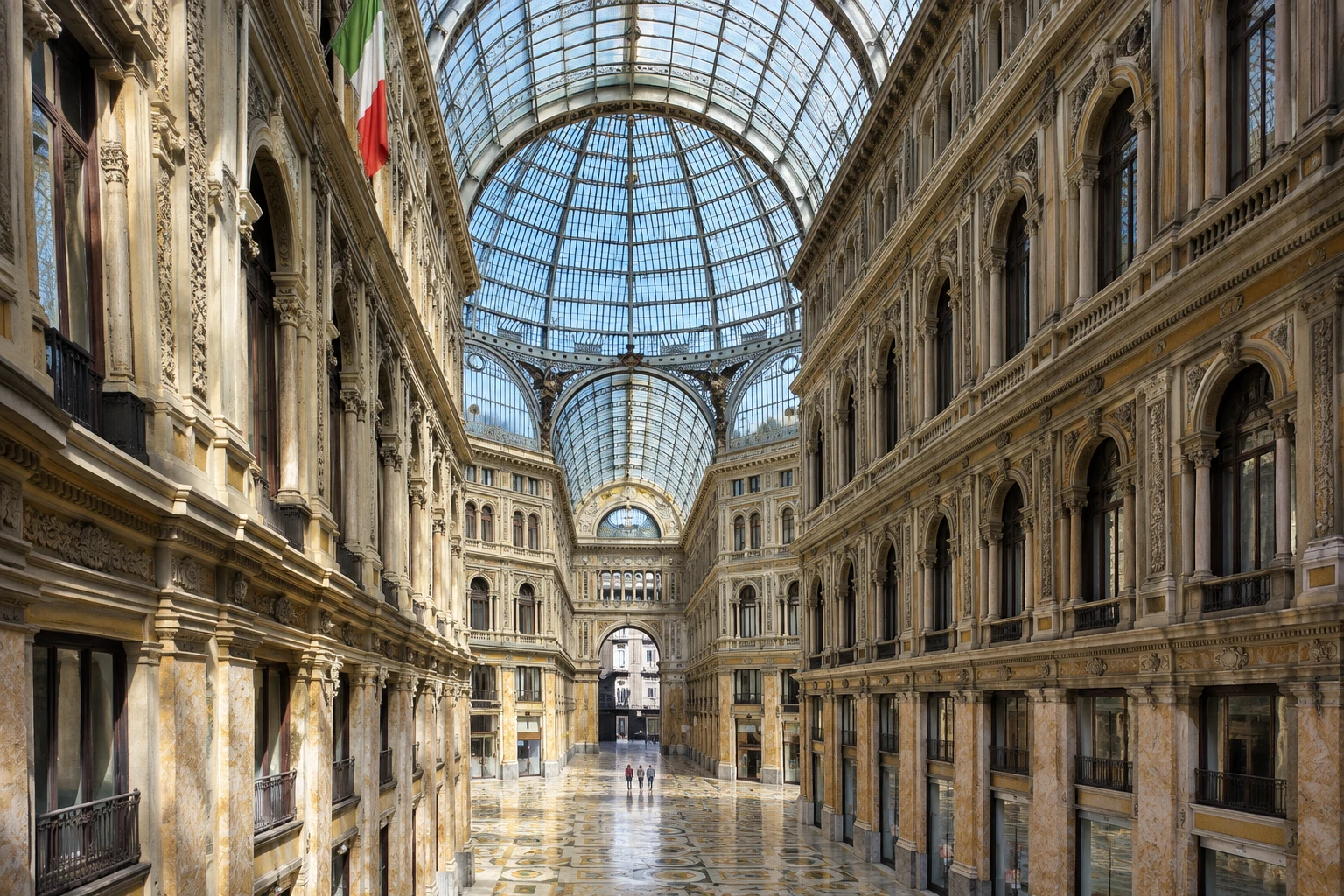
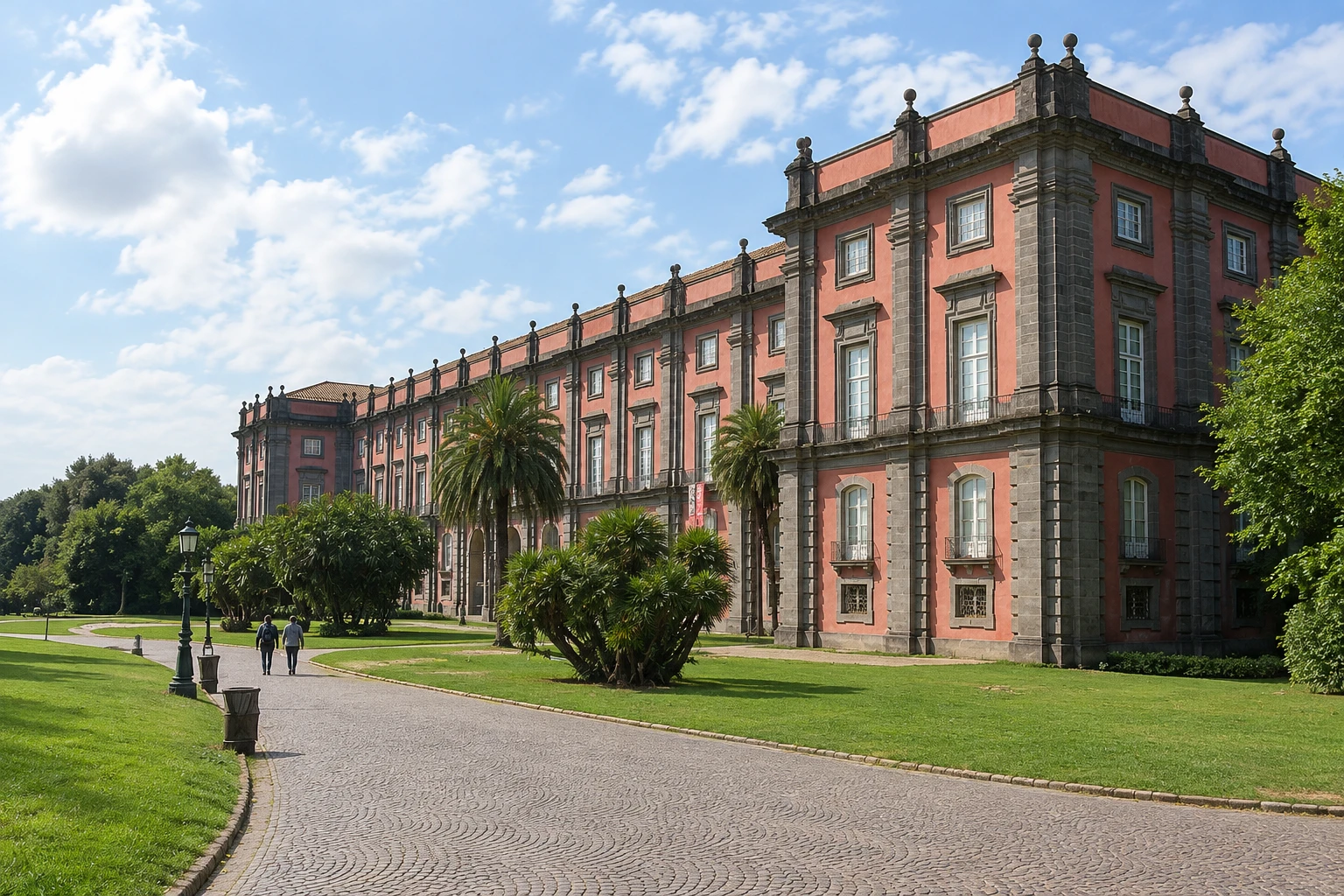
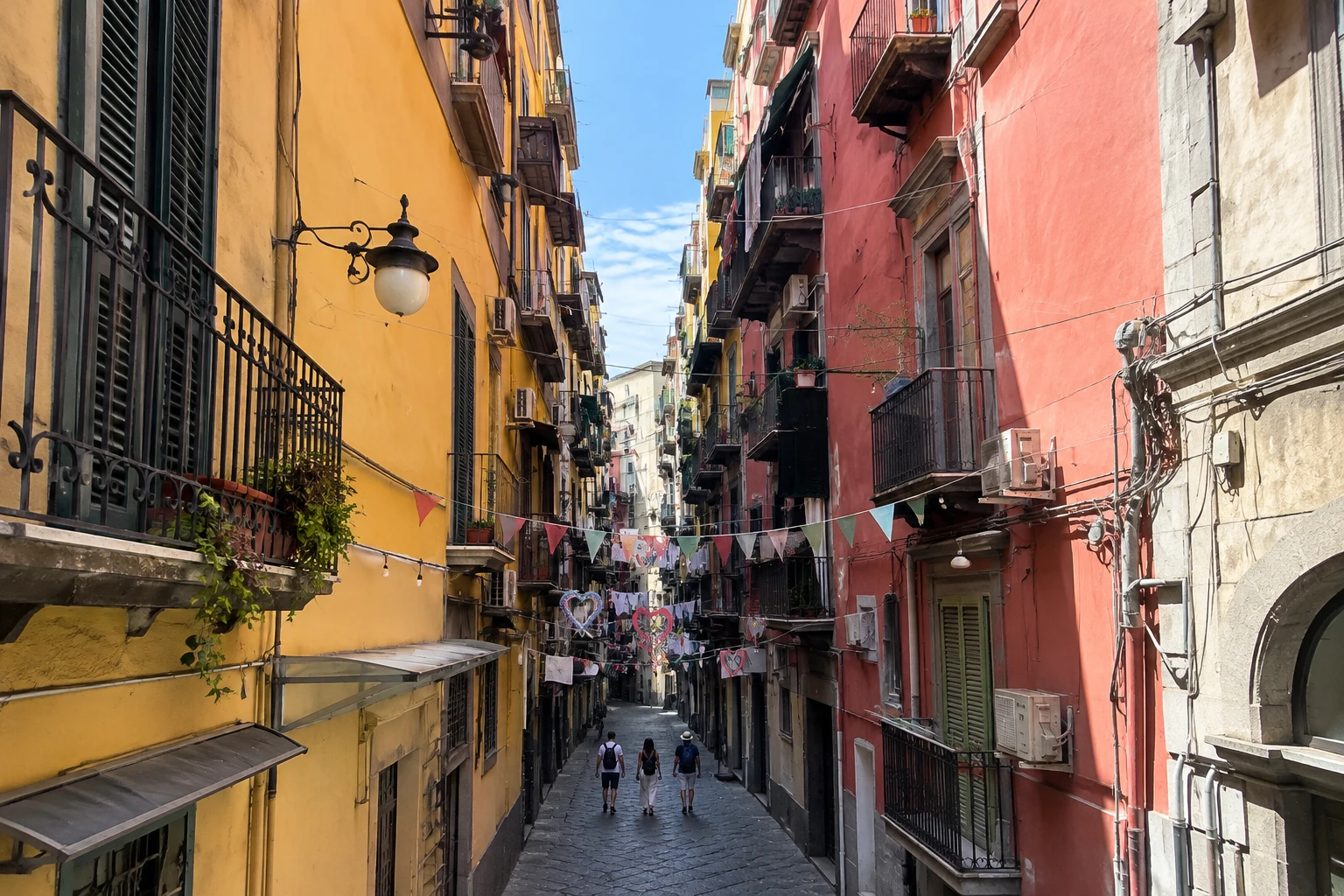
Illustrative images. The pictures in this guide are illustrations based on the real place, not photographs, and may differ from it.
To start
The 10 main places Naples, Pompeii, and Capri
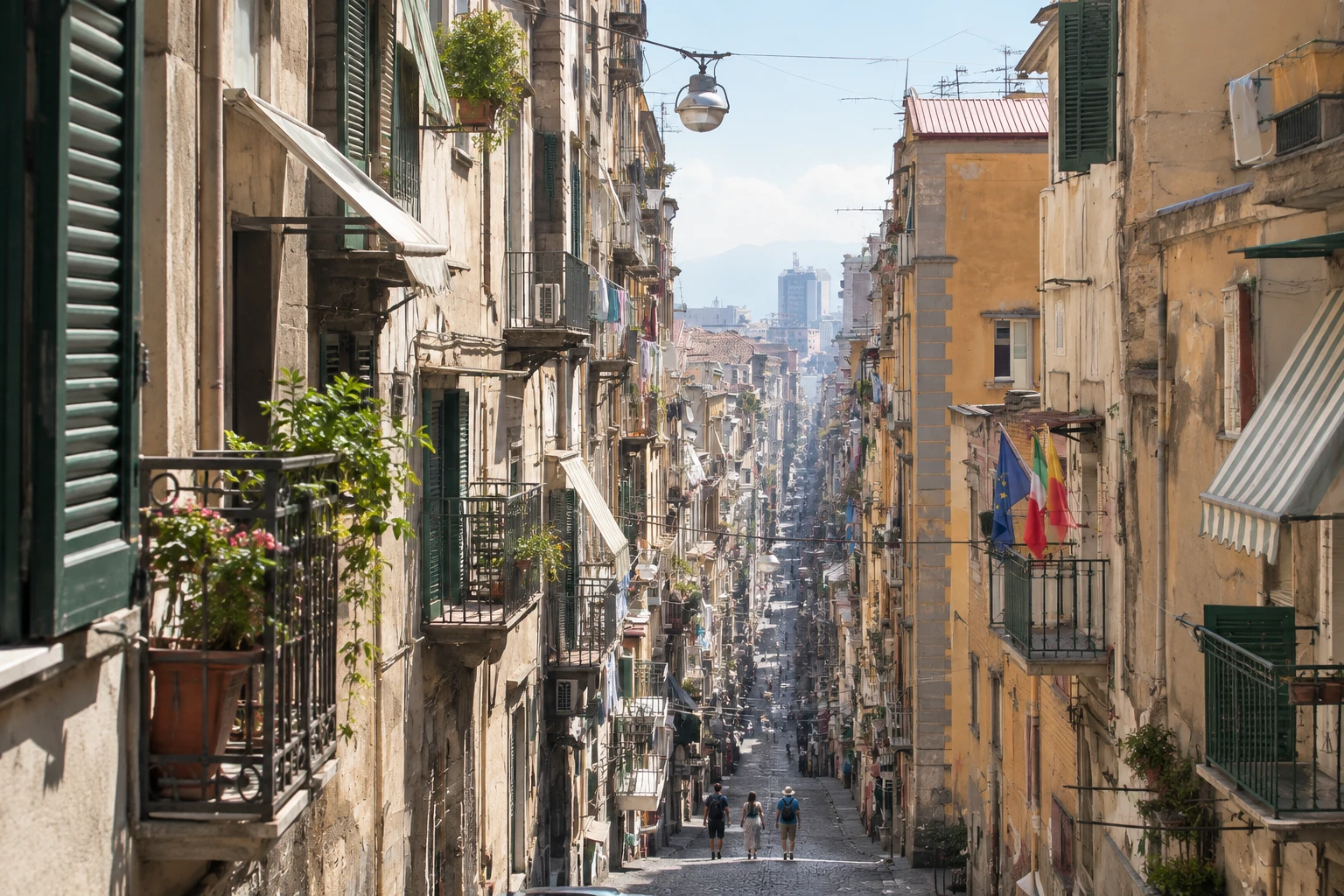
Historic Center of Naples · NaplesThe historic center of Nápoles, a UNESCO World Heritage site, preserves the layout of the Greek city of Neápolis, intersected by the Spaccanapoli and the Via dei Tribunali.
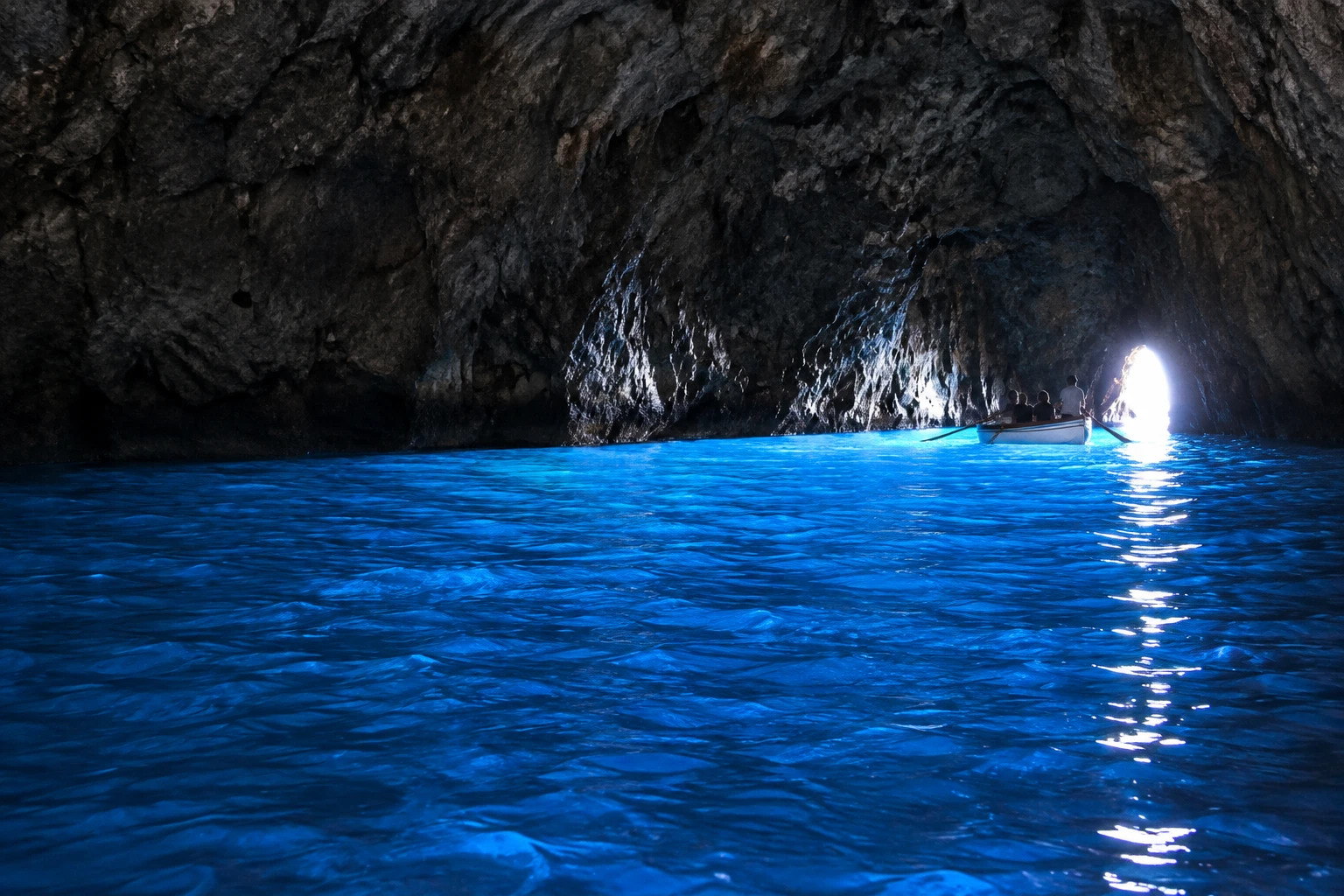
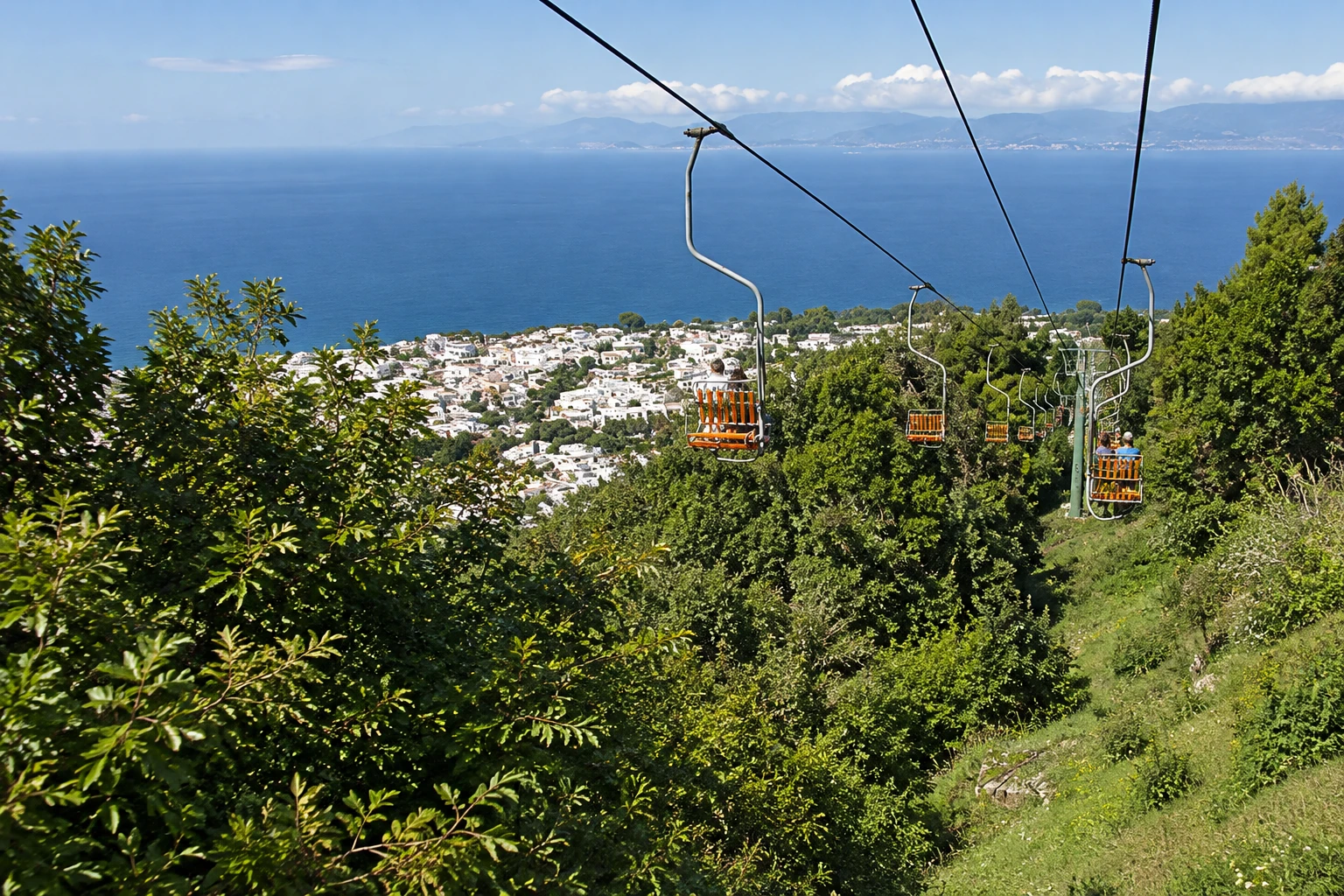
Blue Grotto · CapriSea cave on the northwest coast of Capri, where the light that enters from below the water paints the sea blue.
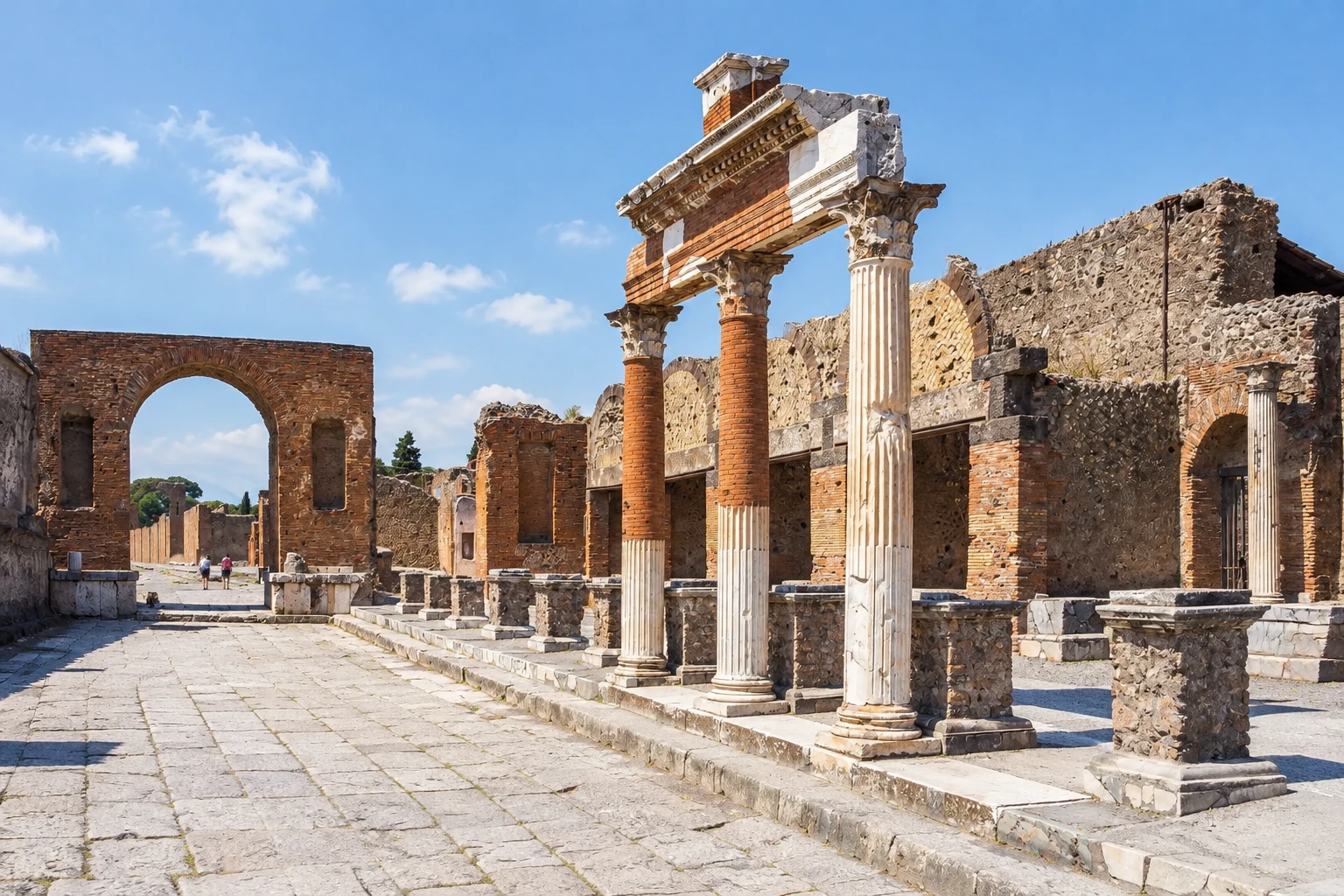
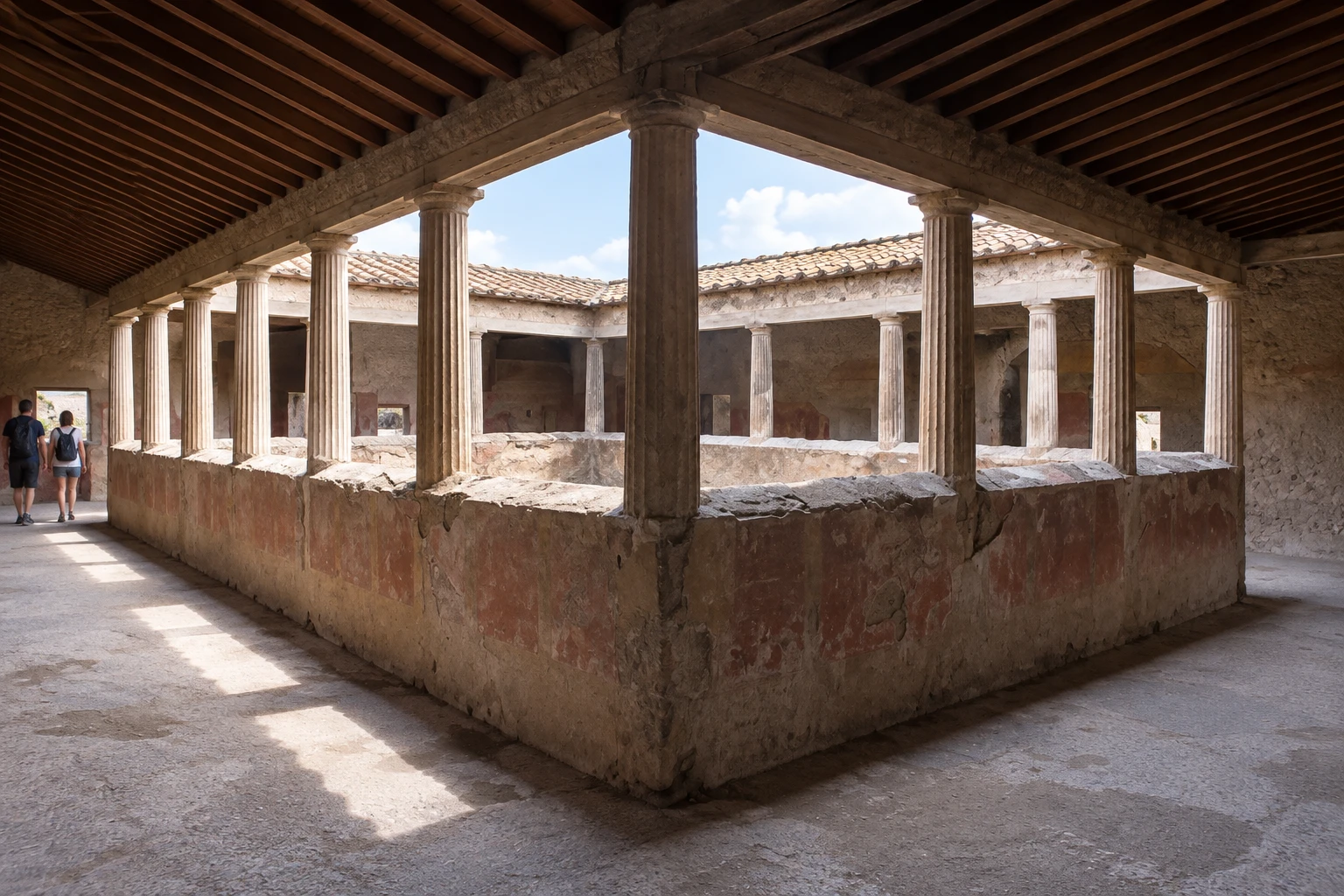
Pompeii Archaeological Park · PompeiiThe Roman city buried by the eruption of Vesuvius in 79 AD, with streets, houses, baths, theatres and an amphitheatre.
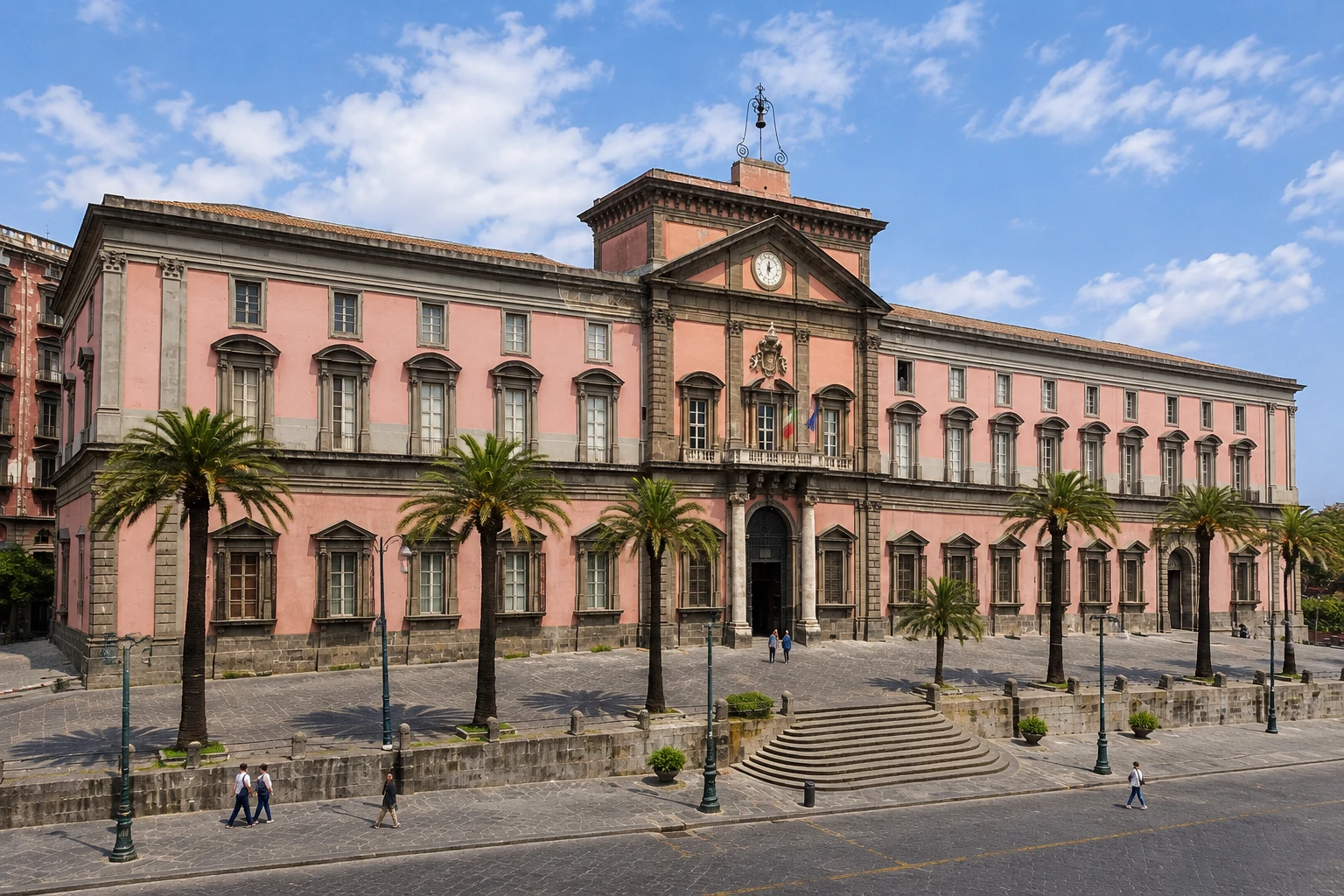
Naples National Archaeological Museum · NaplesThe MANN houses one of the largest collections of Roman art in the world: sculptures from the Farnese collection and mosaics and frescoes taken from Pompeii and Herculaneum.
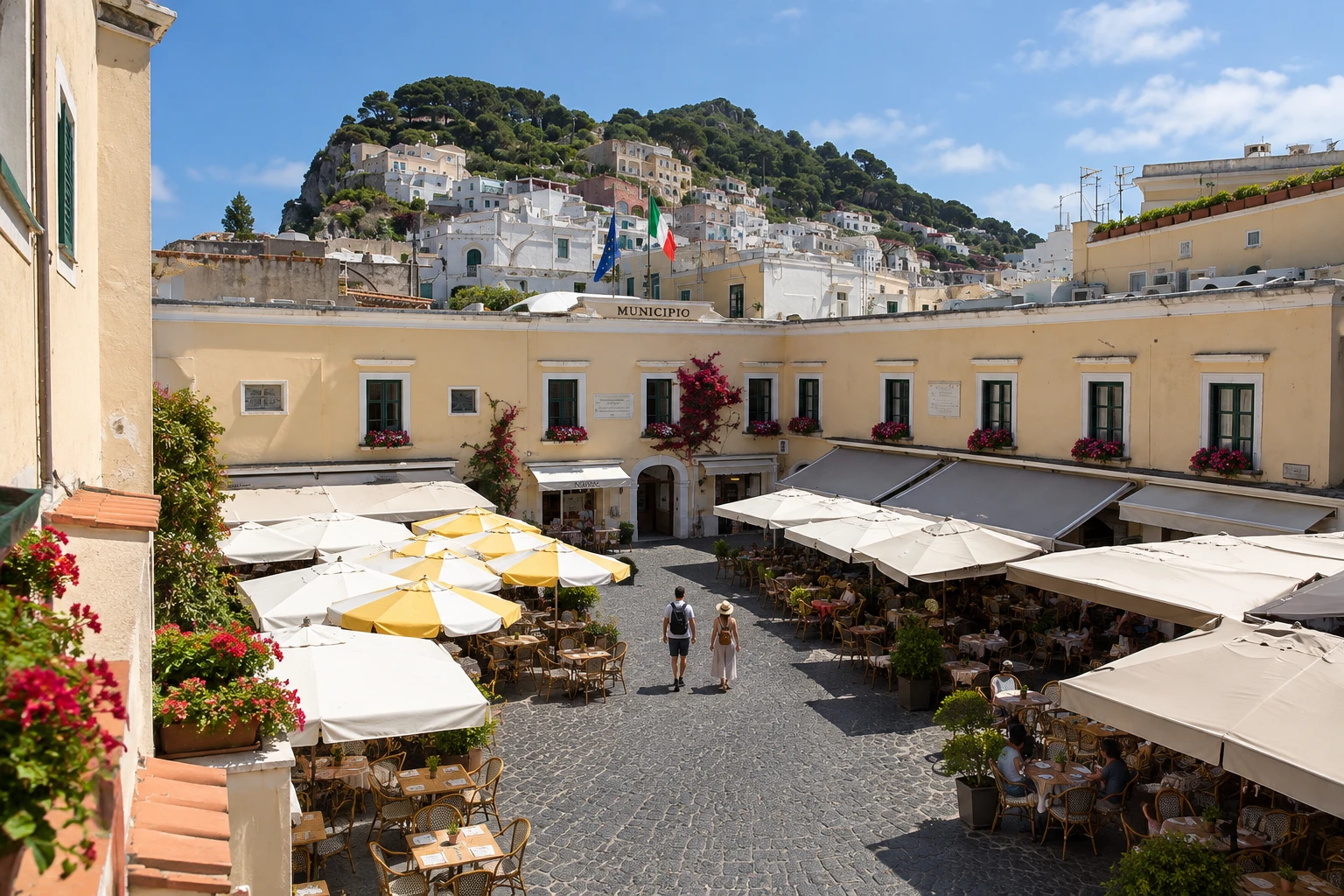
Capri's Piazzetta · CapriThe Piazza Umberto I, the small square in the centre of the town of Capri, with the clock tower, the church of Santo Stefano and café tables.
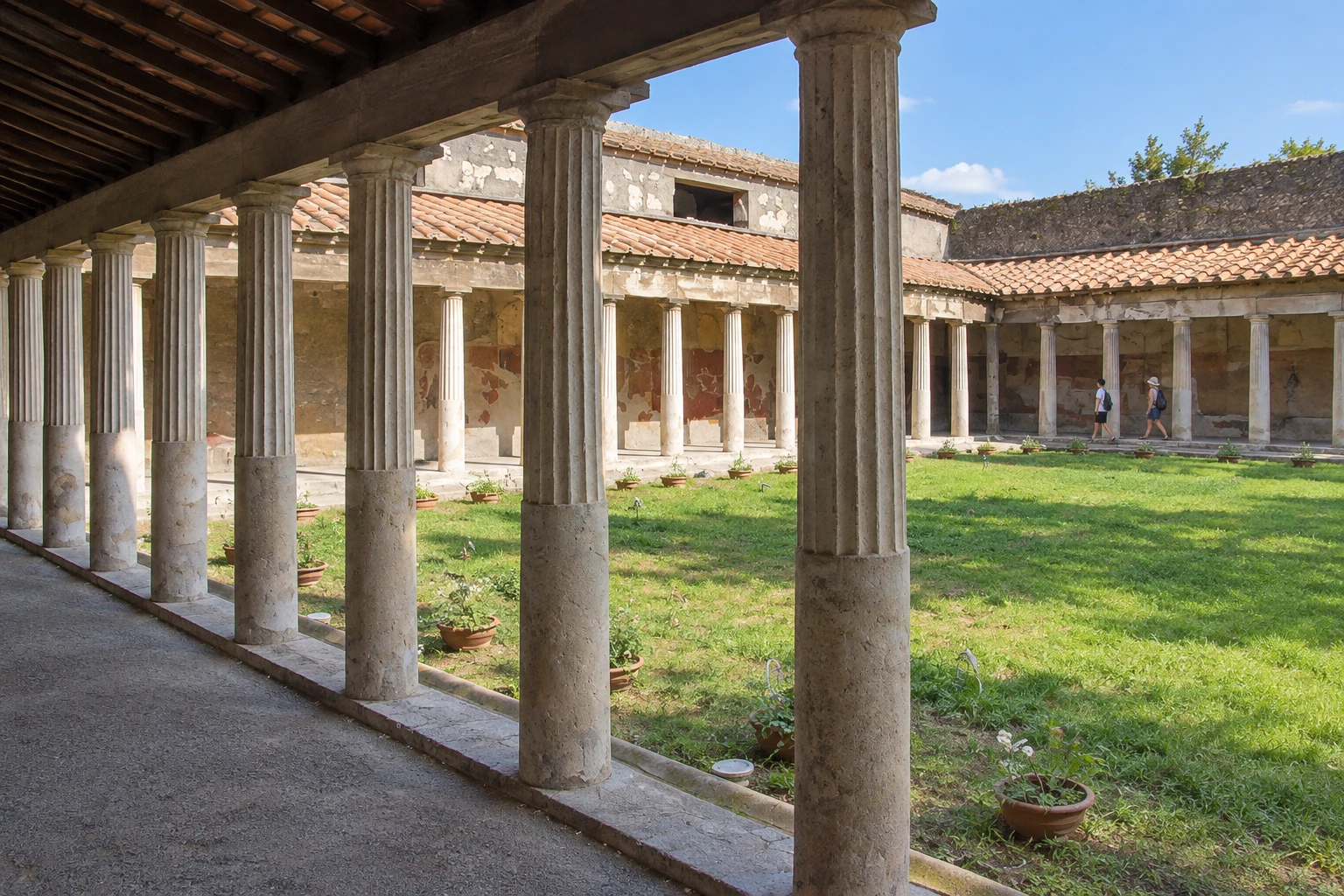
Villa of the Mysteries · PompeiiLarge Roman villa outside Pompeia's walls, famous for the cycle of red-background frescoes depicting a rite linked to Dionysus.
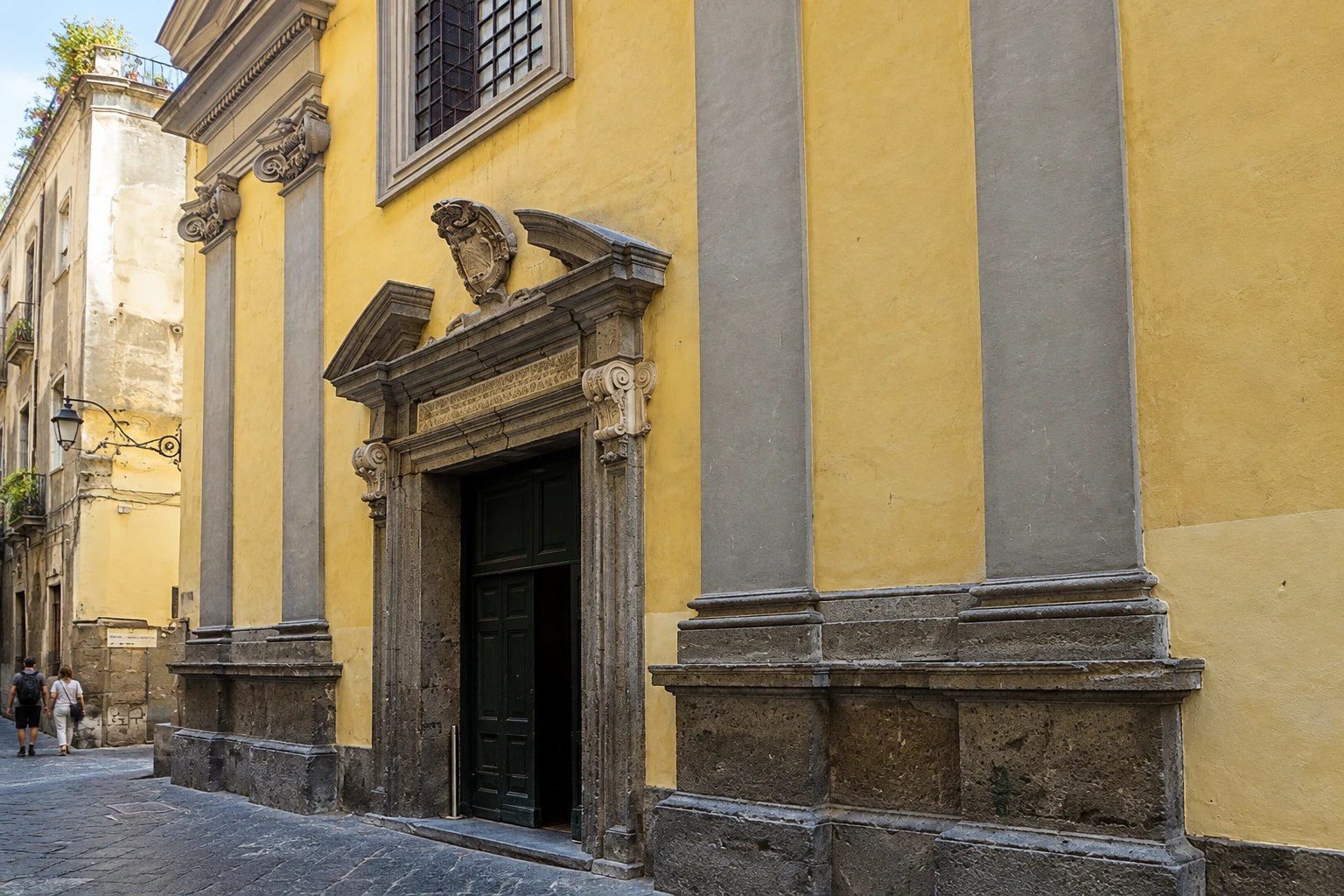
Sansevero Chapel · NaplesBaroque chapel in the historic center that houses the Veiled Christ, a marble sculpture by Giuseppe Sanmartino from 1753.
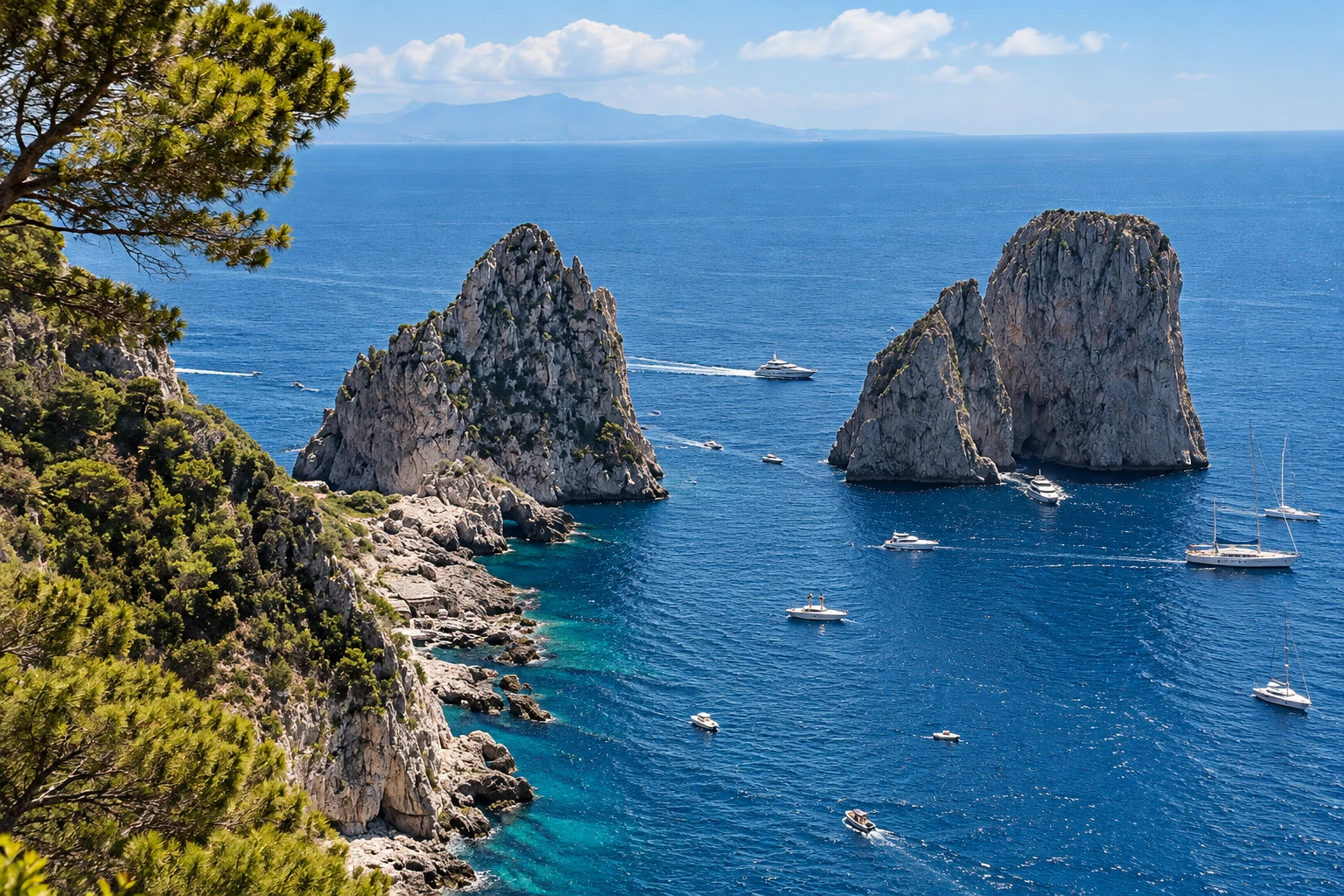
Gardens of Augustus · CapriTerraced gardens on the south of the island, with views of the Faraglioni, the bay of Marina Piccola and the curves of Via Krupp.
The historic center of Nápoles, a UNESCO World Heritage site, preserves the layout of the Greek city of Neápolis, intersected by the Spaccanapoli and the Via dei Tribunali.
Sea cave on the northwest coast of Capri, where the light that enters from below the water paints the sea blue. The entrance is made by lying down in a small rowing boat.
The MANN houses one of the largest collections of Roman art in the world: sculptures from the Farnese collection and mosaics and frescoes taken from Pompeii and Herculaneum.
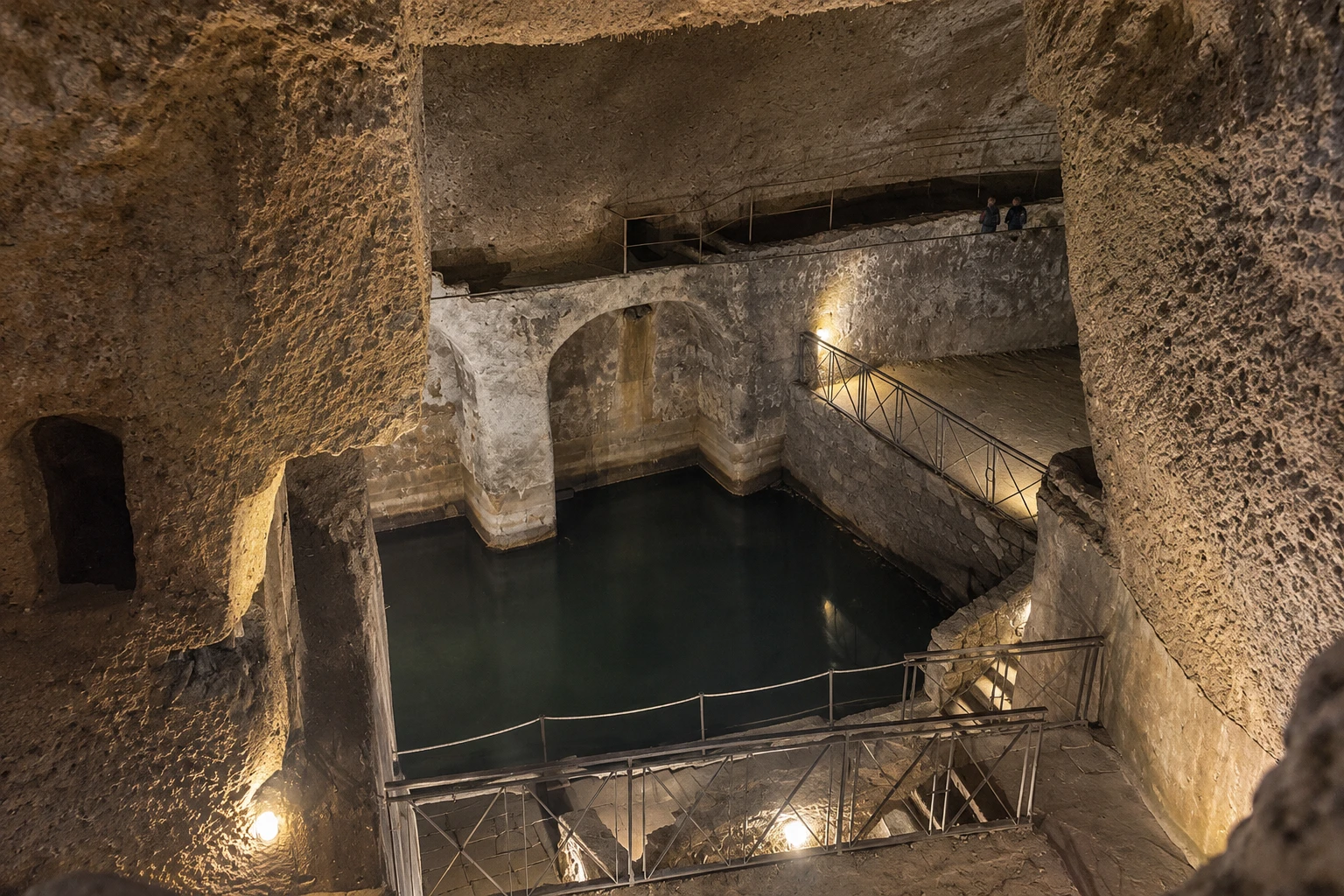
Guided tour through the tunnels and cisterns carved into the tuff beneath the historic center, used as an aqueduct in Antiquity and as an air-raid shelter in World War II.
Trail to the rim of the Vesúvio crater, the volcano that destroyed Pompeia, within the Vesúvio National Park. Tickets are sold online only, with timed entry.
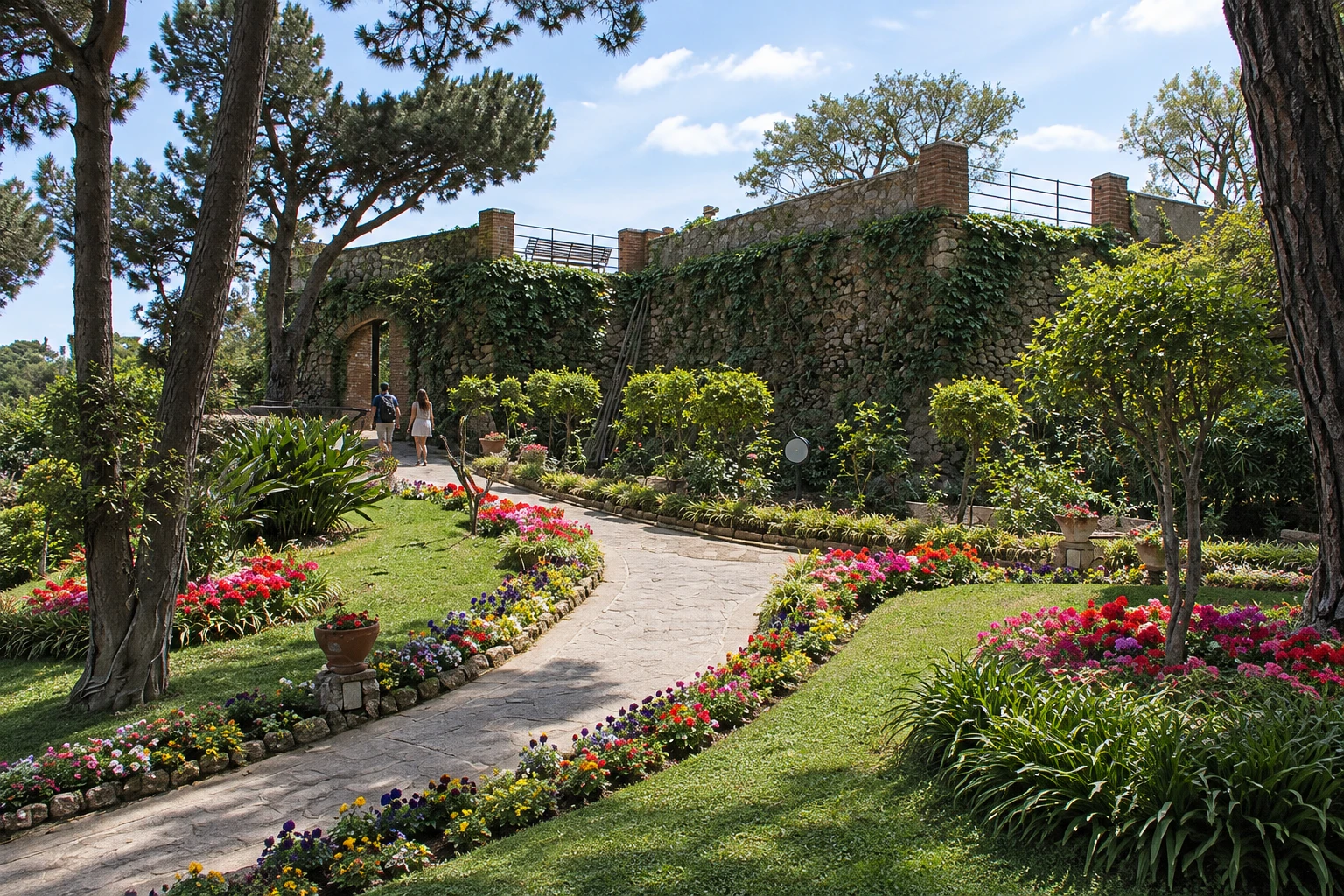
House and garden of the Swedish doctor and writer Axel Munthe in Anacapri, built over the remains of a Roman villa, with a view of the golfo de Nápoles.
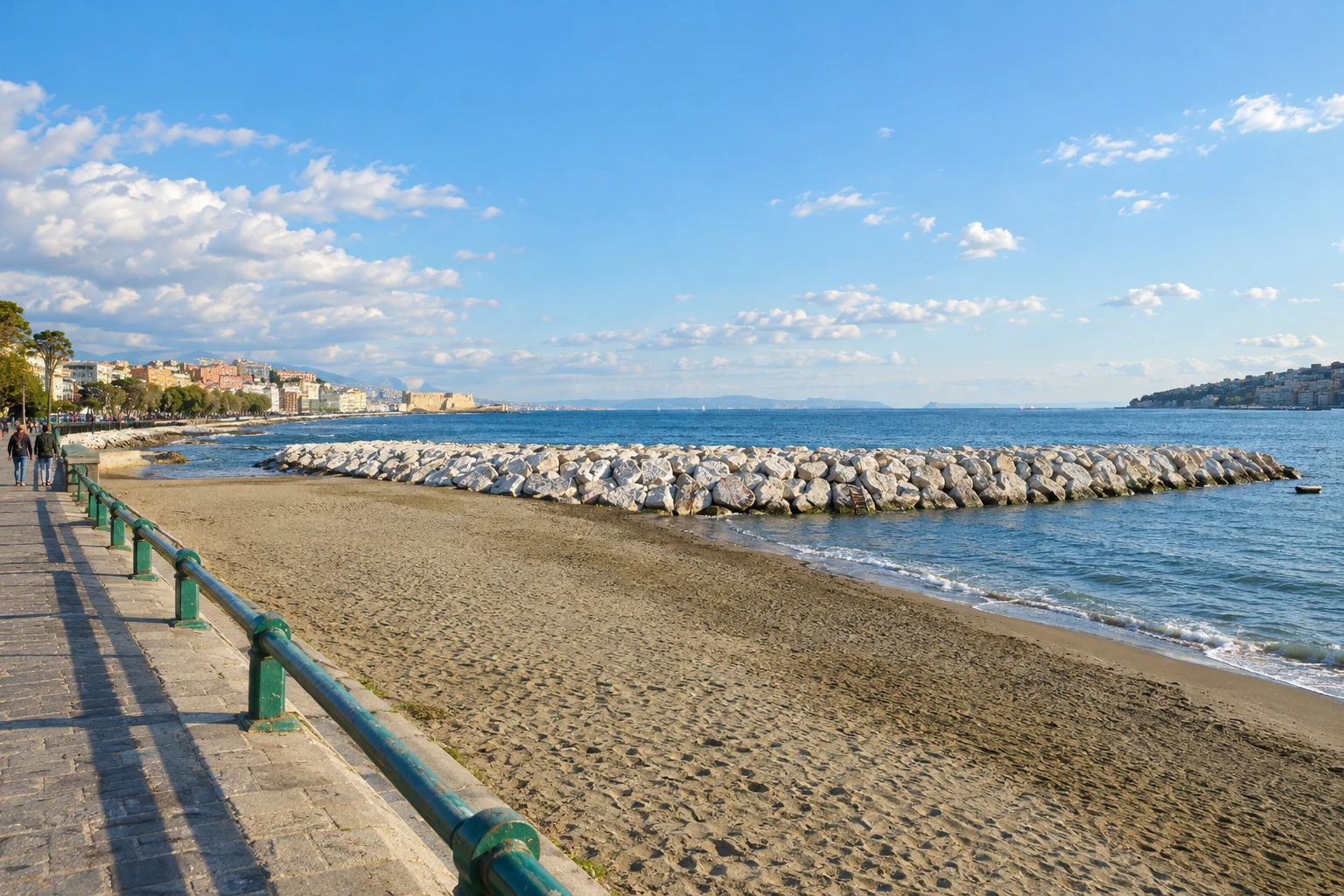
Naples' seafront along the Via Partenope and the Via Caracciolo, with the Castel dell'Ovo, the Borgo Marinari and views of the gulf stretching to Mount Vesuvius.
A neighbourhood of narrow, uphill streets beside the Via Toledo, built in the 16th century for Spanish troops, where the large Maradona mural is located.
How many days should you set aside to see Naples, Pompeii, and Capri?
The guide's itineraries cover 3, 5 and 7 days: Naples, Pompeii and Capri in 3 days; in 5 days, with Herculaneum, Vesuvius and one night in Capri; in 7 days, the whole bay.
What to do Naples, Pompeii, and Capri in one day?
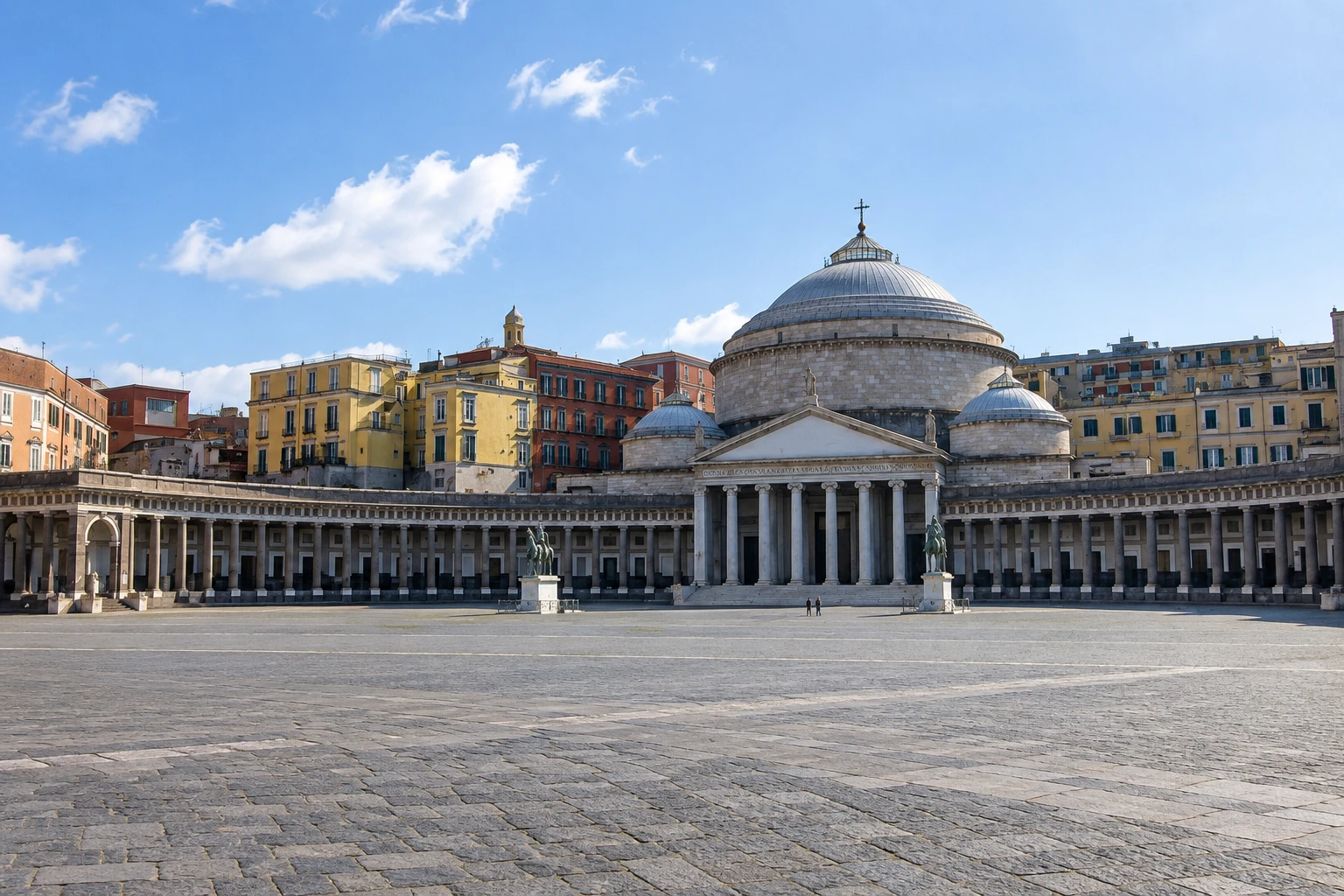
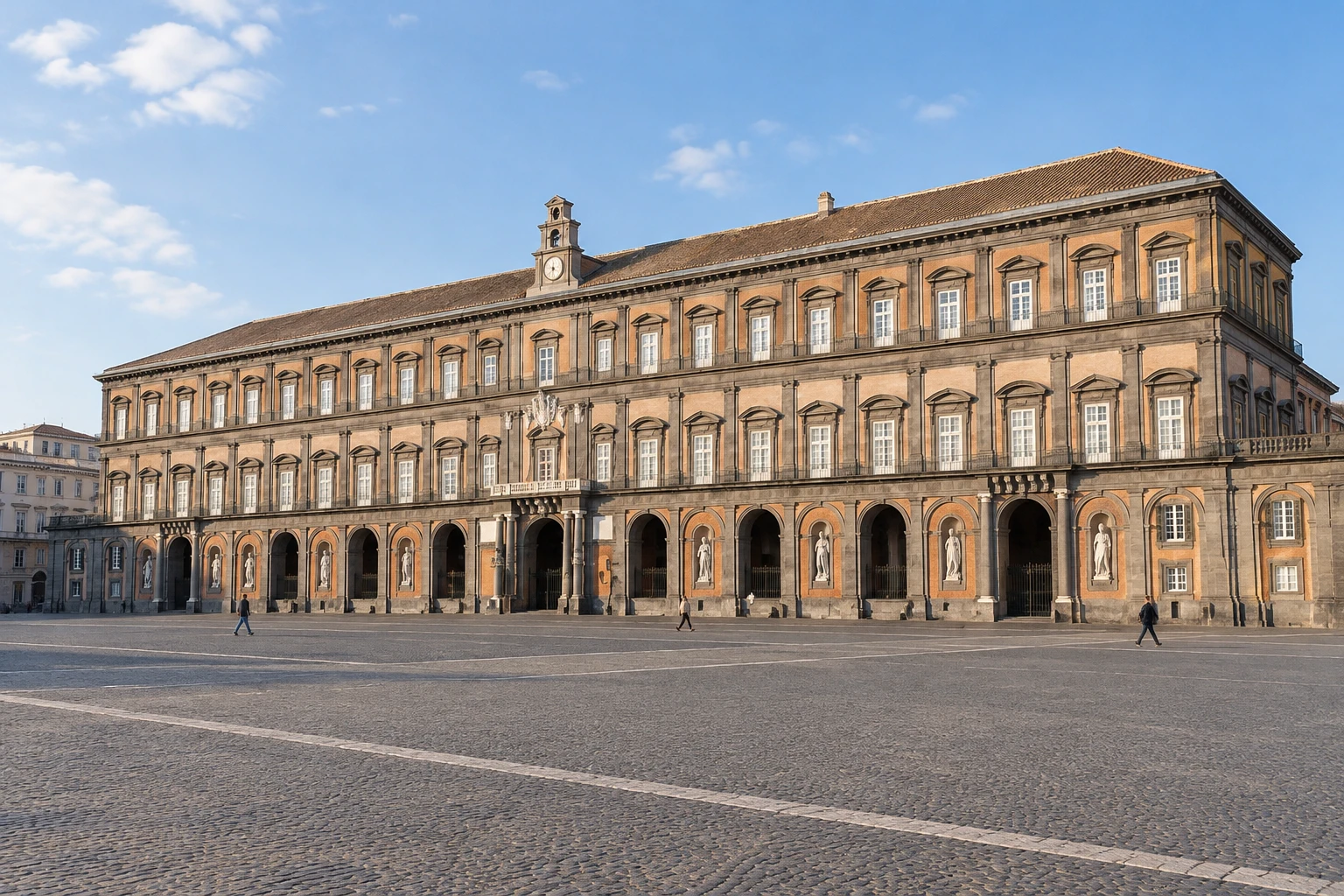
Naples. Arrival at Napoli Centrale (from Rome, 1 h 10 by high-speed train). Spaccanapoli, the Duomo and San Gregorio Armeno in the morning; Cappella Sansevero at the reserved time; afternoon at the Museo Archeologico; Piazza del Plebiscito and the Lungomare at sunset, pizza on Via dei Tribunali or Via Partenope.
When is the best time to go to Naples, Pompeii, and Capri?
It generally rains less from June to August. The rainiest months are usually from October to April. The guide covers each month, with the weather and what changes on the tours.


 Brazil
 Antarctica
 Argentina
 Bolivia
 Chile
 Colombia
 Ecuador
 Falkland Islands (Malvinas)
 French Guiana
 Guyana
 Paraguay
 Peru
 Suriname
 Uruguay
 Venezuela
 Albania
 Austria
 Belgium
 Croatia
 Denmark
 Finland
 France
 Germany
 Greece
 Hungary
 Iceland
 Ireland
 Luxembourg
 Norway
 Poland
 Portugal
 Slovakia
 Slovenia
 Spain
 Sweden
 Switzerland
 the Czech Republic
 the Netherlands
 the United Kingdom
 Turkey
 Bermuda
 Canada
 Greenland
 Mexico
 Saint Pierre and Miquelon
 the United States
 the Dominican Republic
 Japan
 Egypt
 South Africa
 Australia
 Fiji
 New Zealand
 Papua New Guinea