29 places to visit and 12 tours, chosen by the Cidade Turismo guide.
Updated
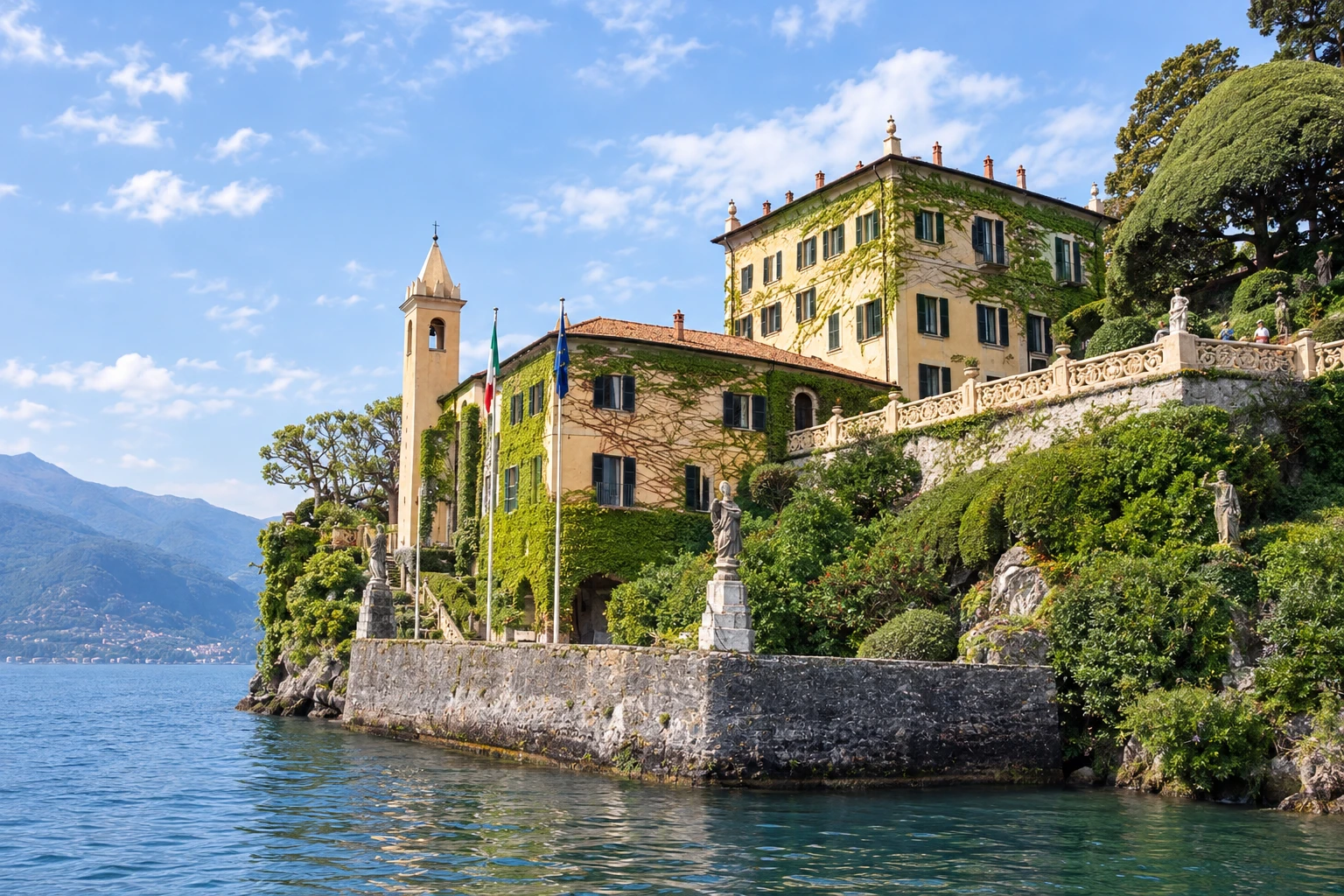
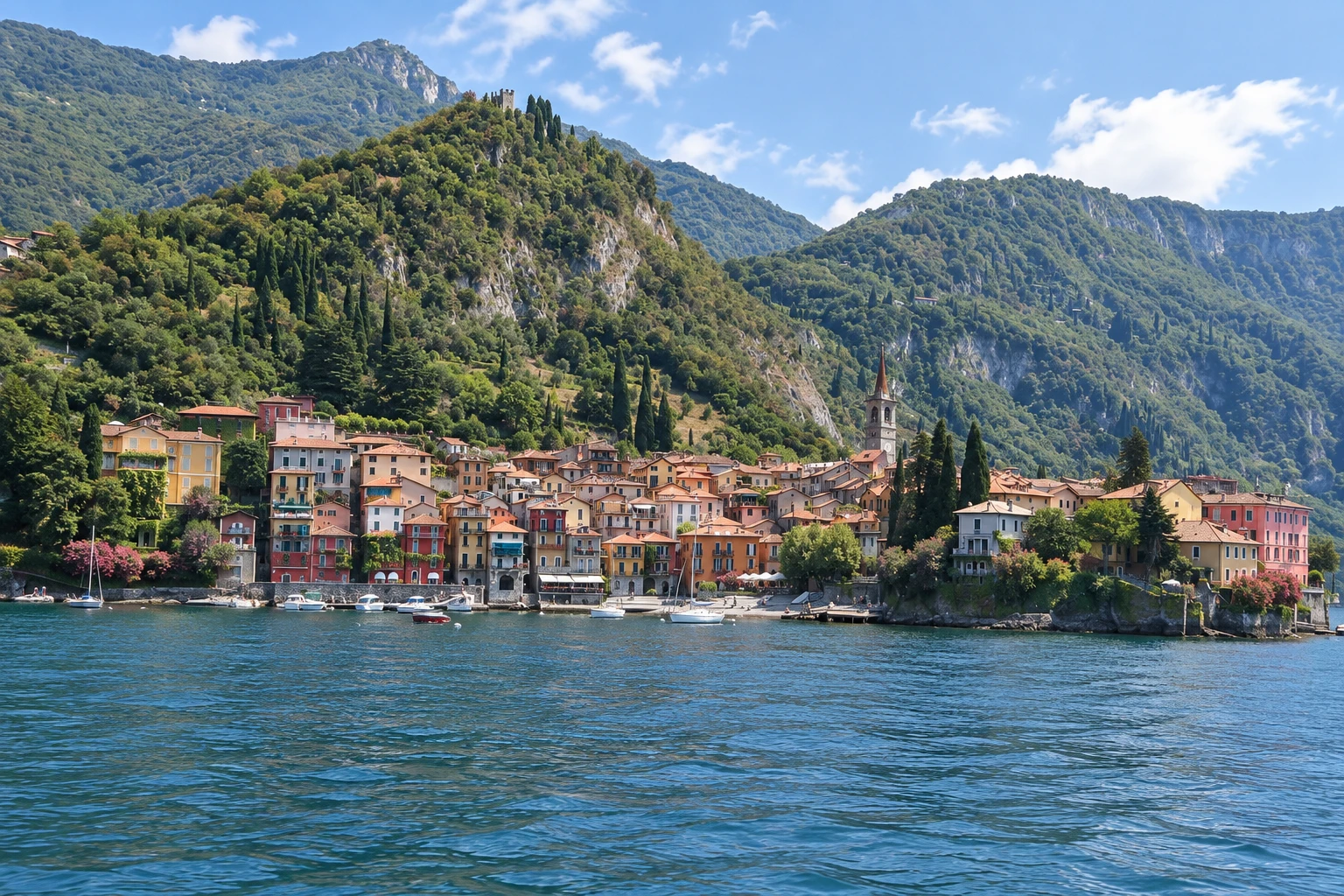
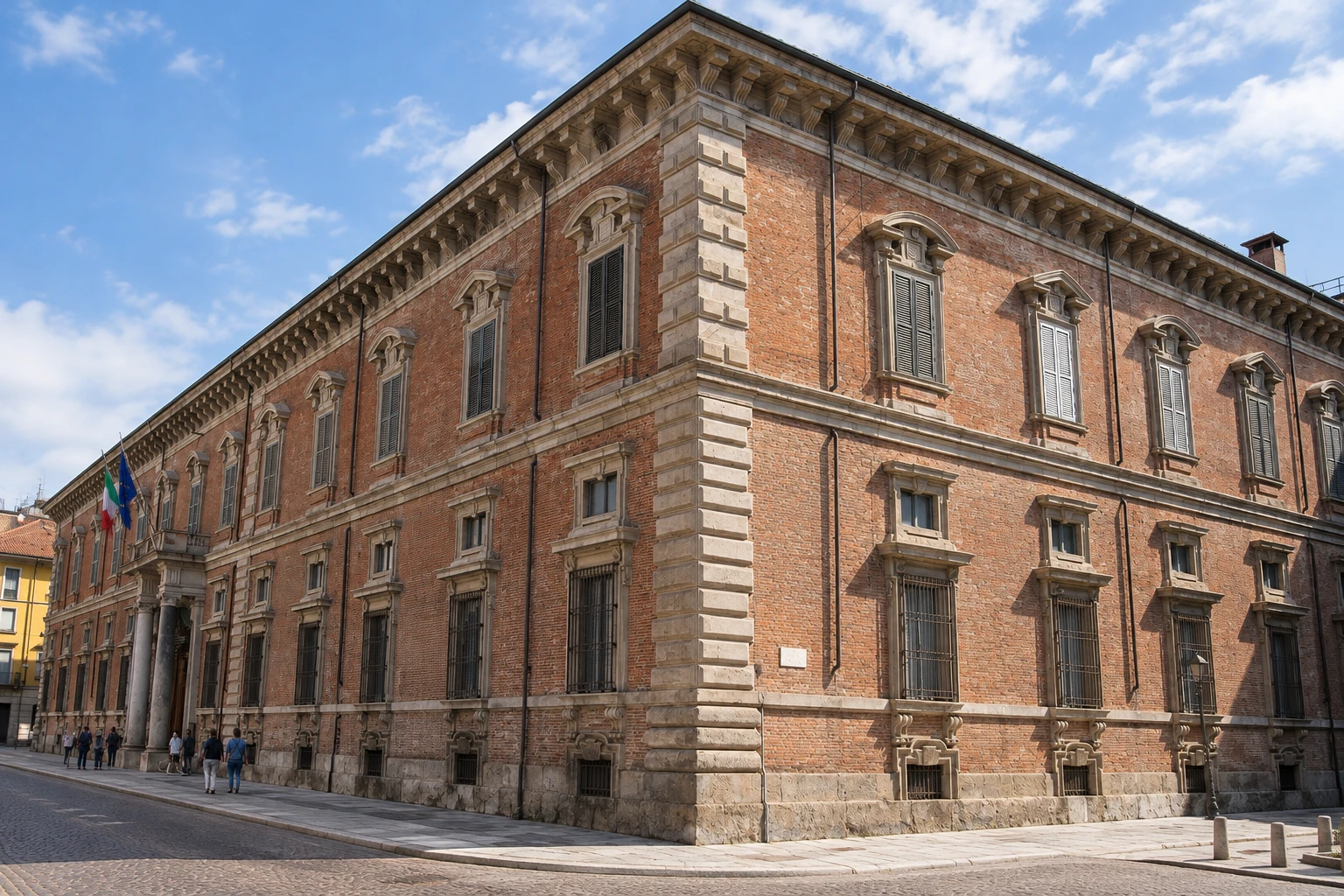
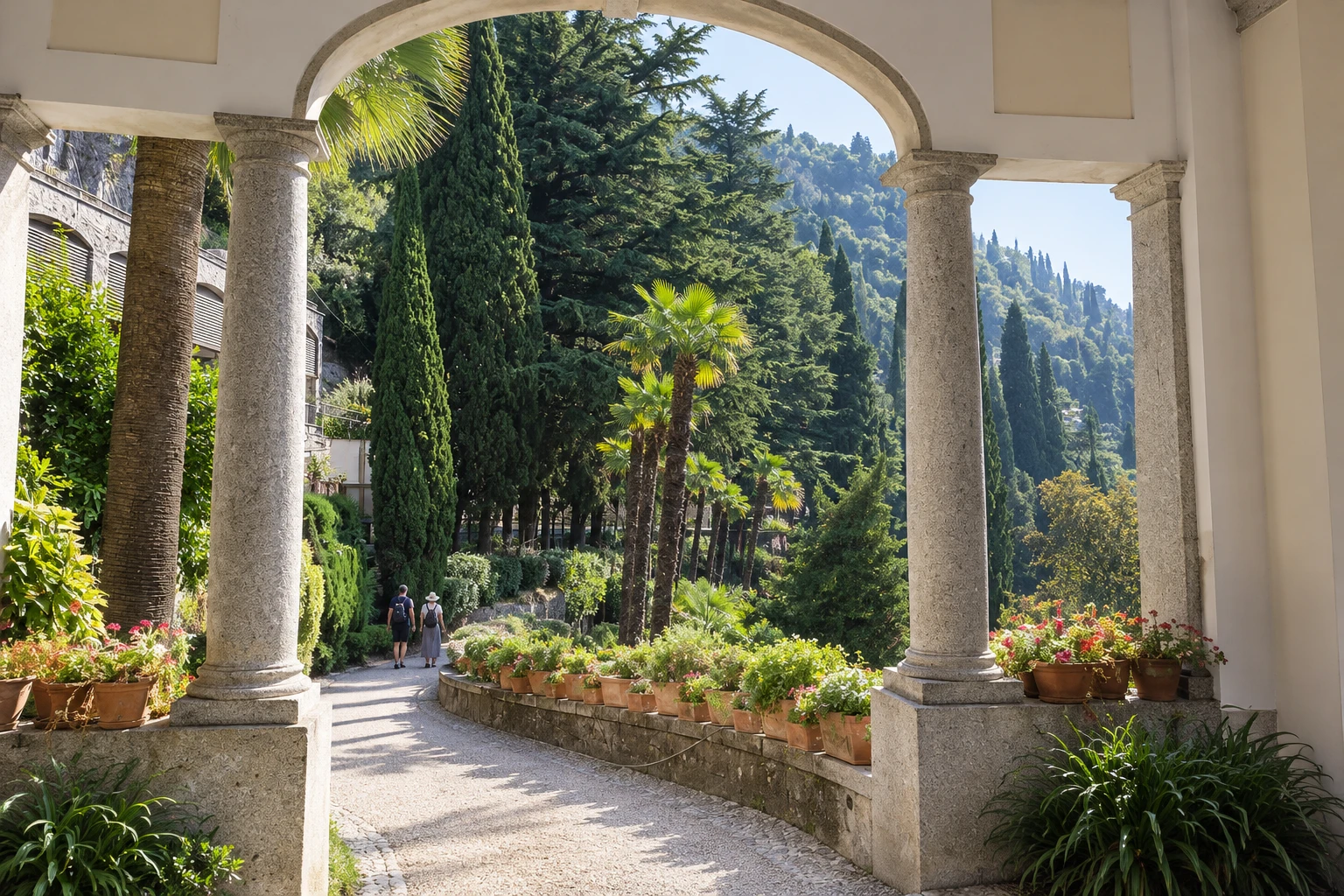
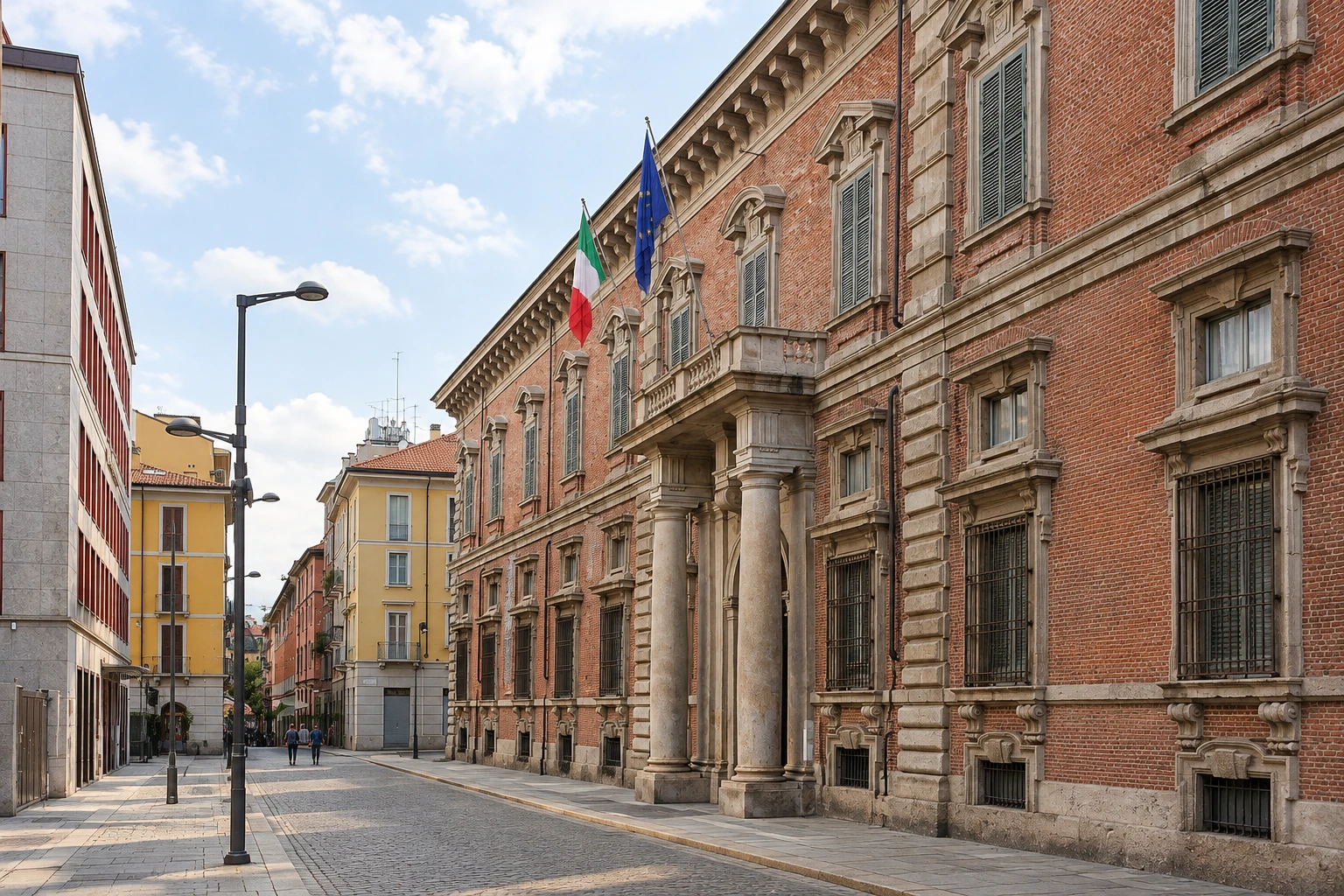
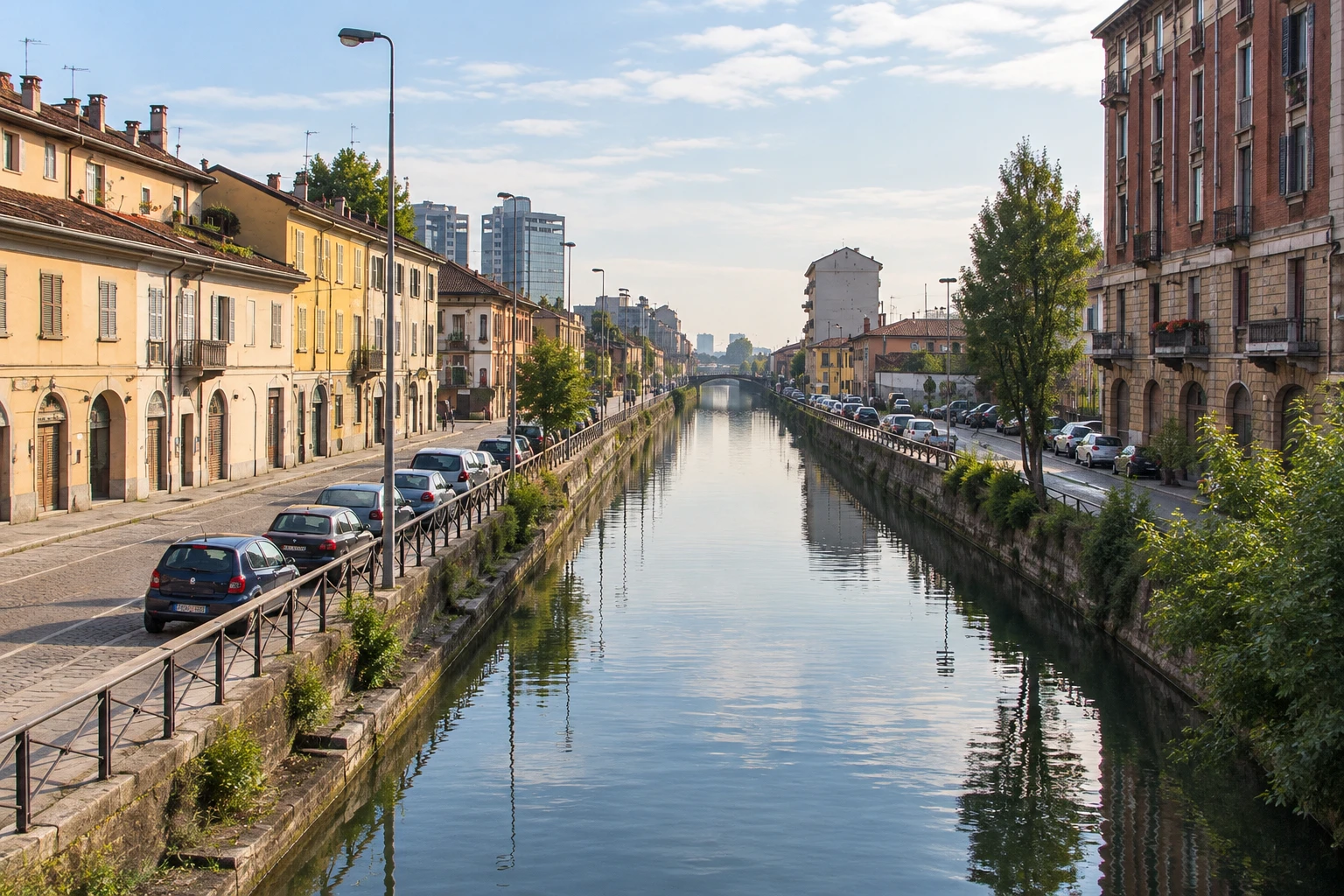
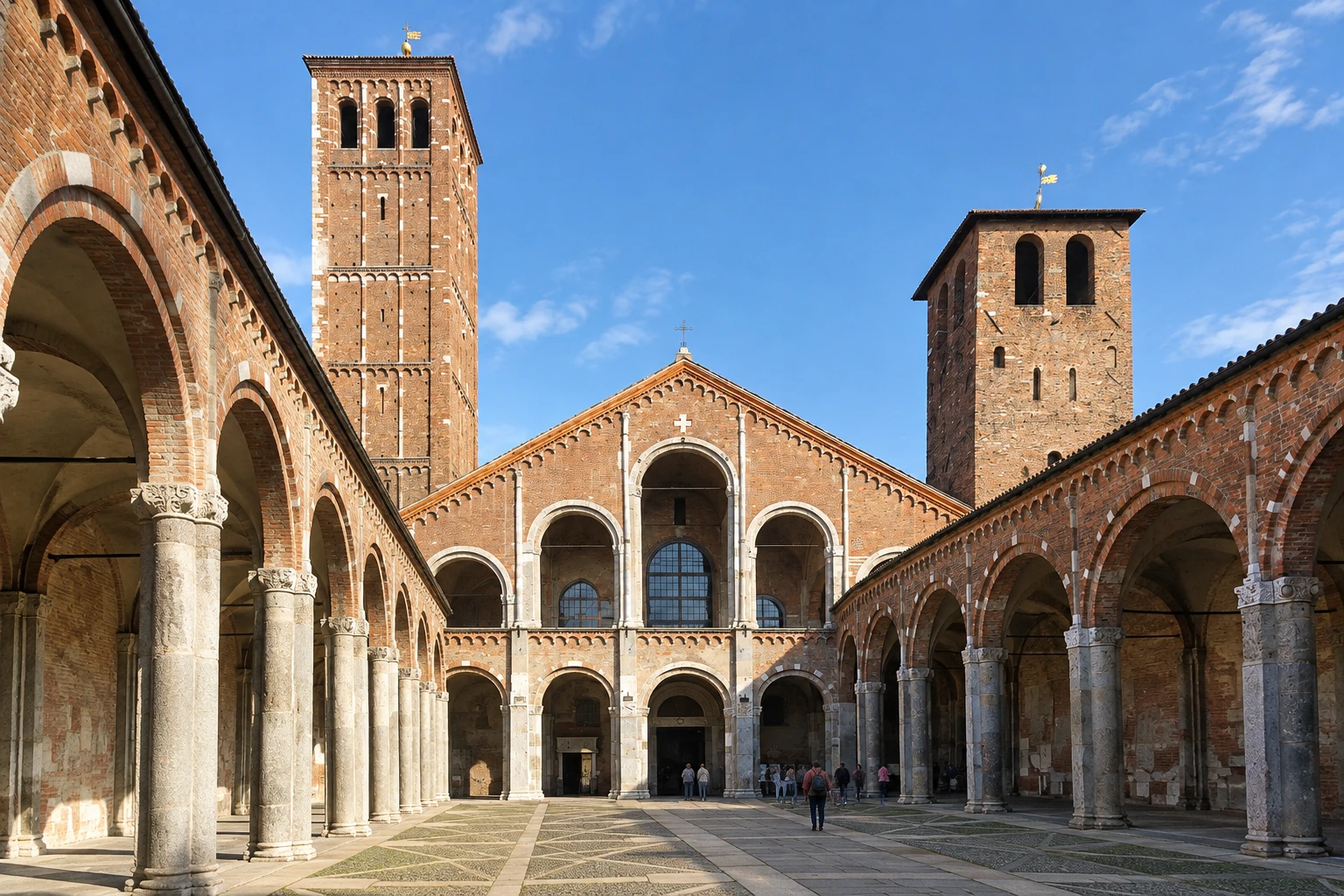
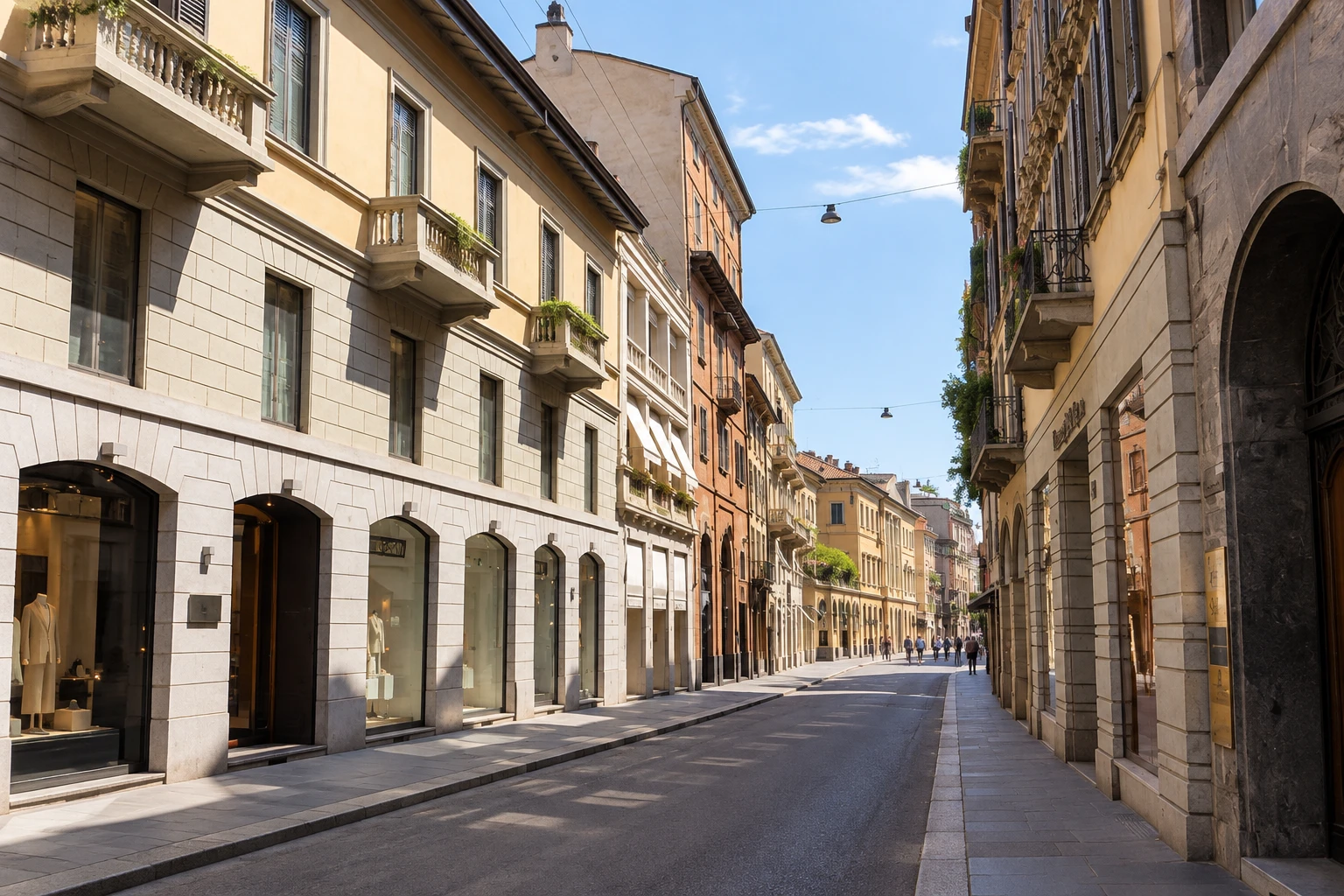
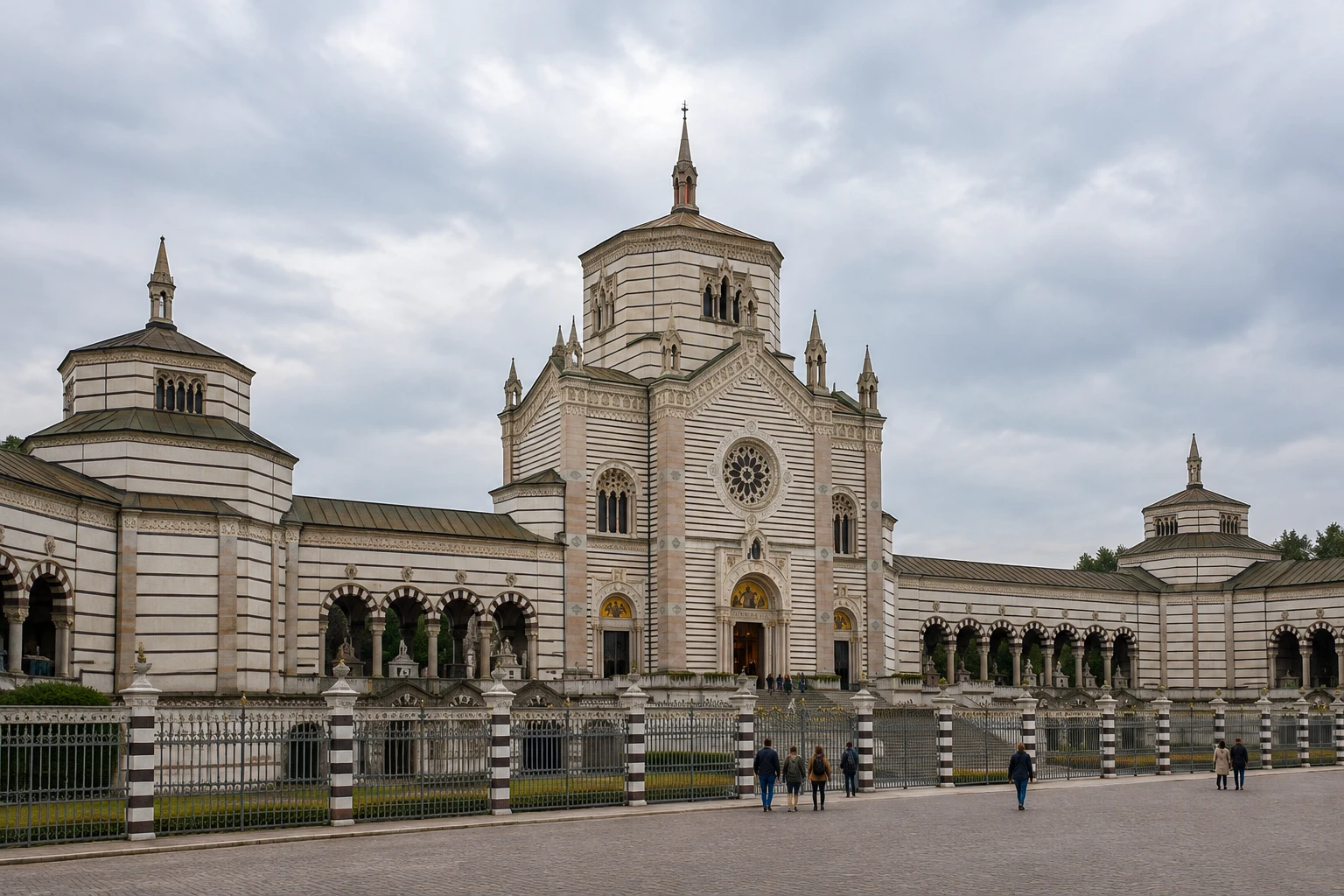
Illustrative images. The pictures in this guide are illustrations based on the real place, not photographs, and may differ from it.
To start
The 10 main places Milan and Lake Como
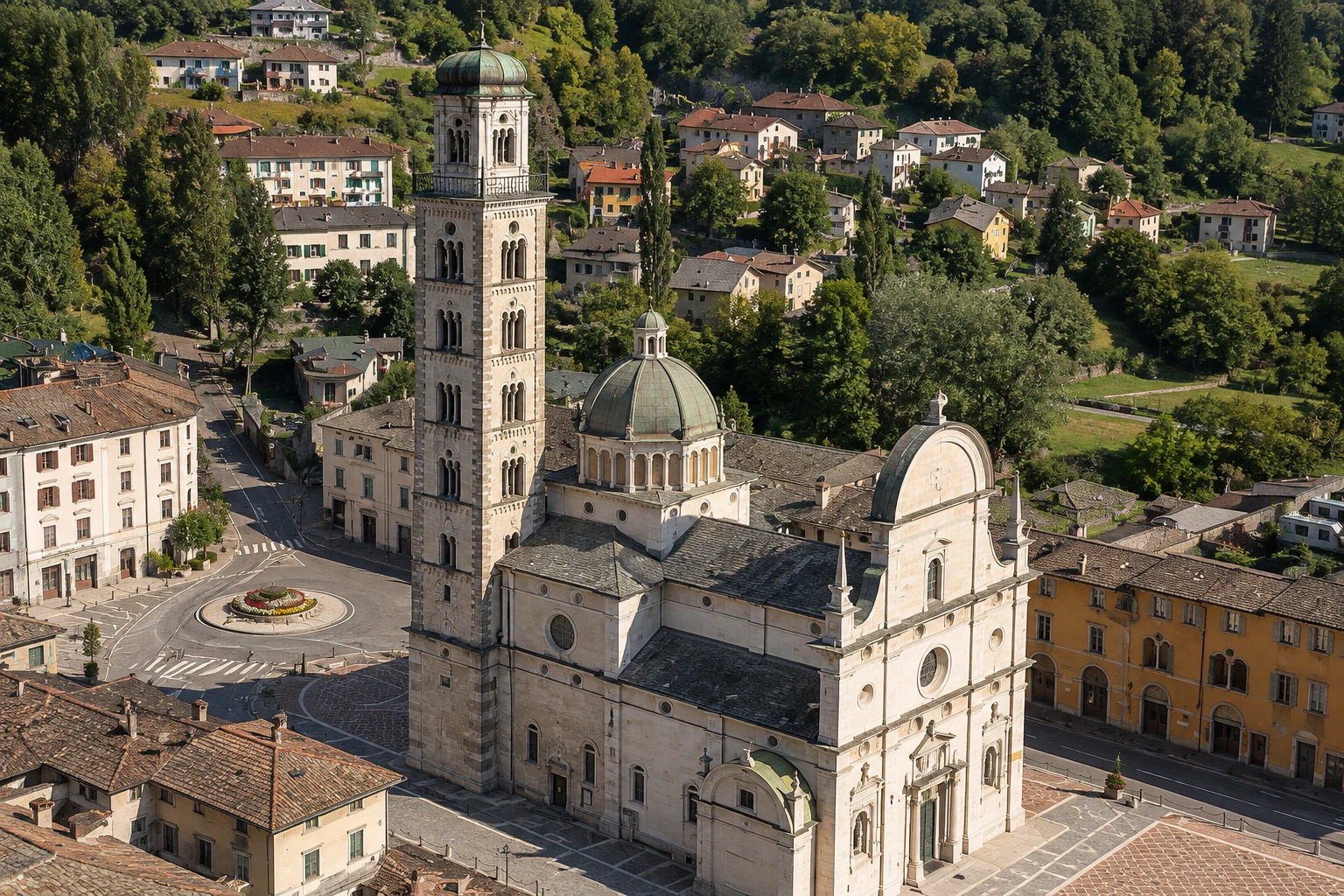
Basilica of Our Lady of Tirano · TiranoThe main sanctuary of the Valtellina, erected beginning in 1505 on the site of an apparition of the Virgin, with a decorated interior, a carved wooden organ and the Bernina Expr...
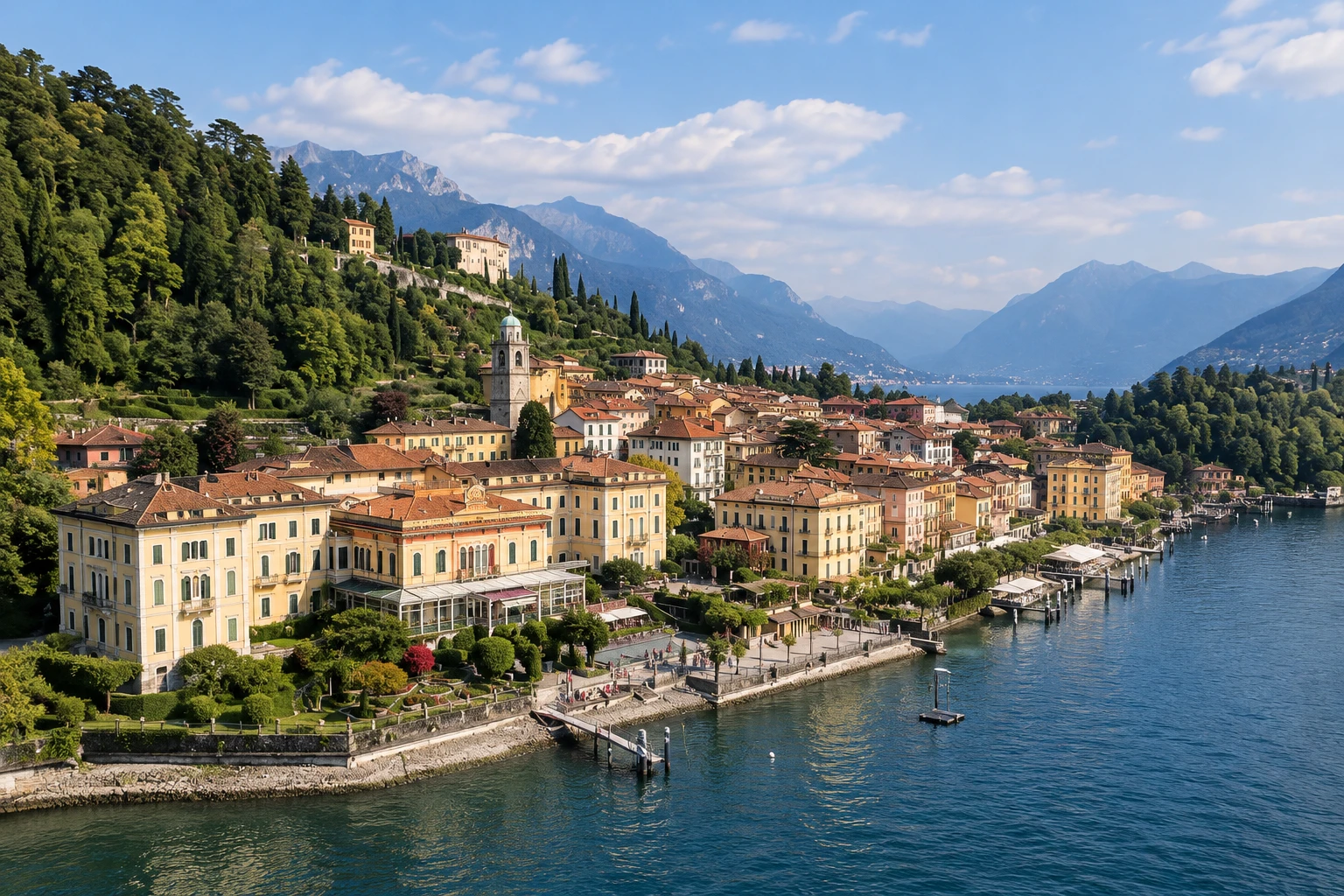
Bellagio Old Town · BellagioThe village at the tip of the promontory where the Lago de Como splits, with stepped lanes, the Basilica di San Giacomo and the Punta Spartivento.
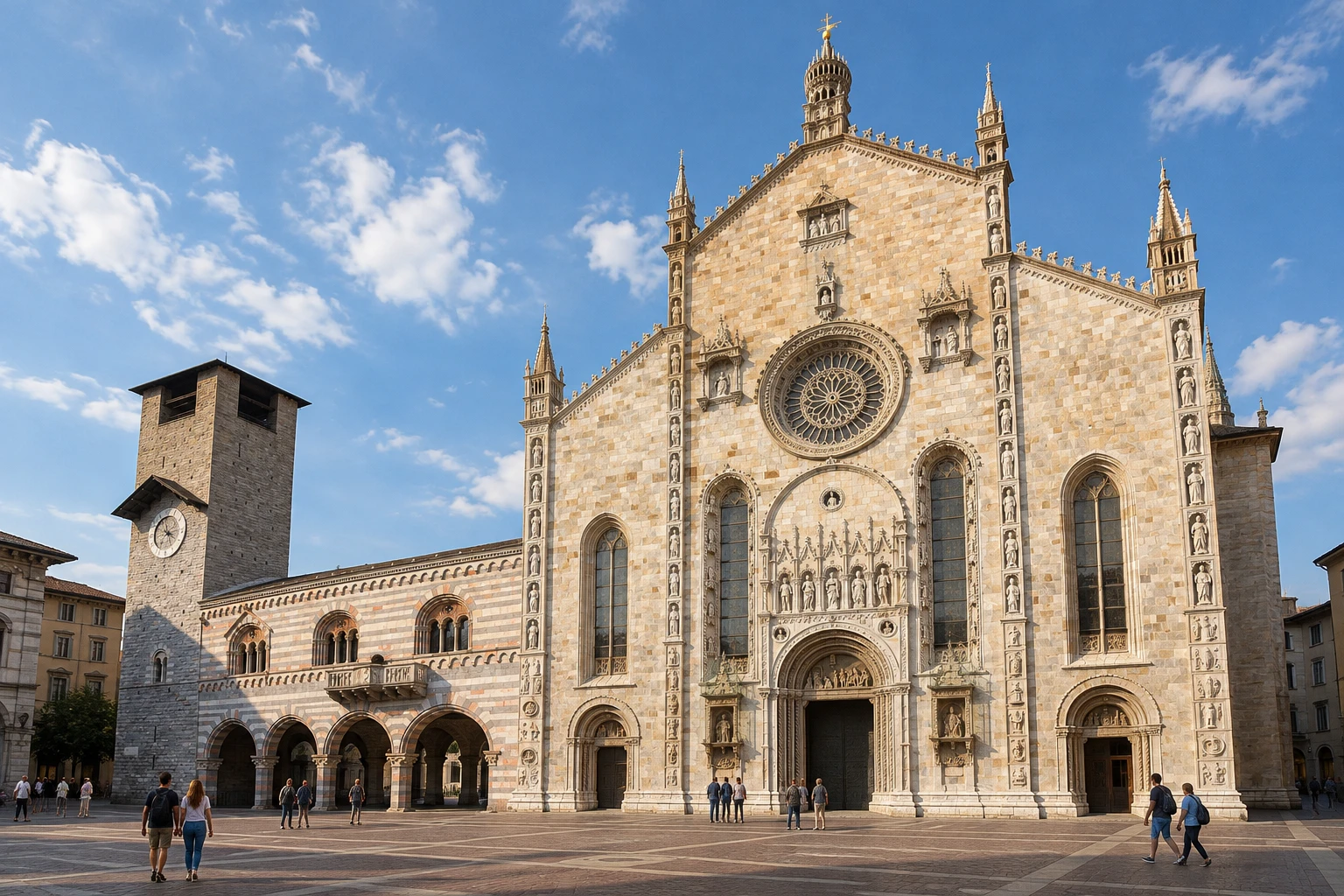
Como Cathedral · ComoMarble cathedral built between the 14th and 18th centuries, combining Gothic and Renaissance elements, with a dome by Filippo Juvarra and statues of the two Plinys on the façade.
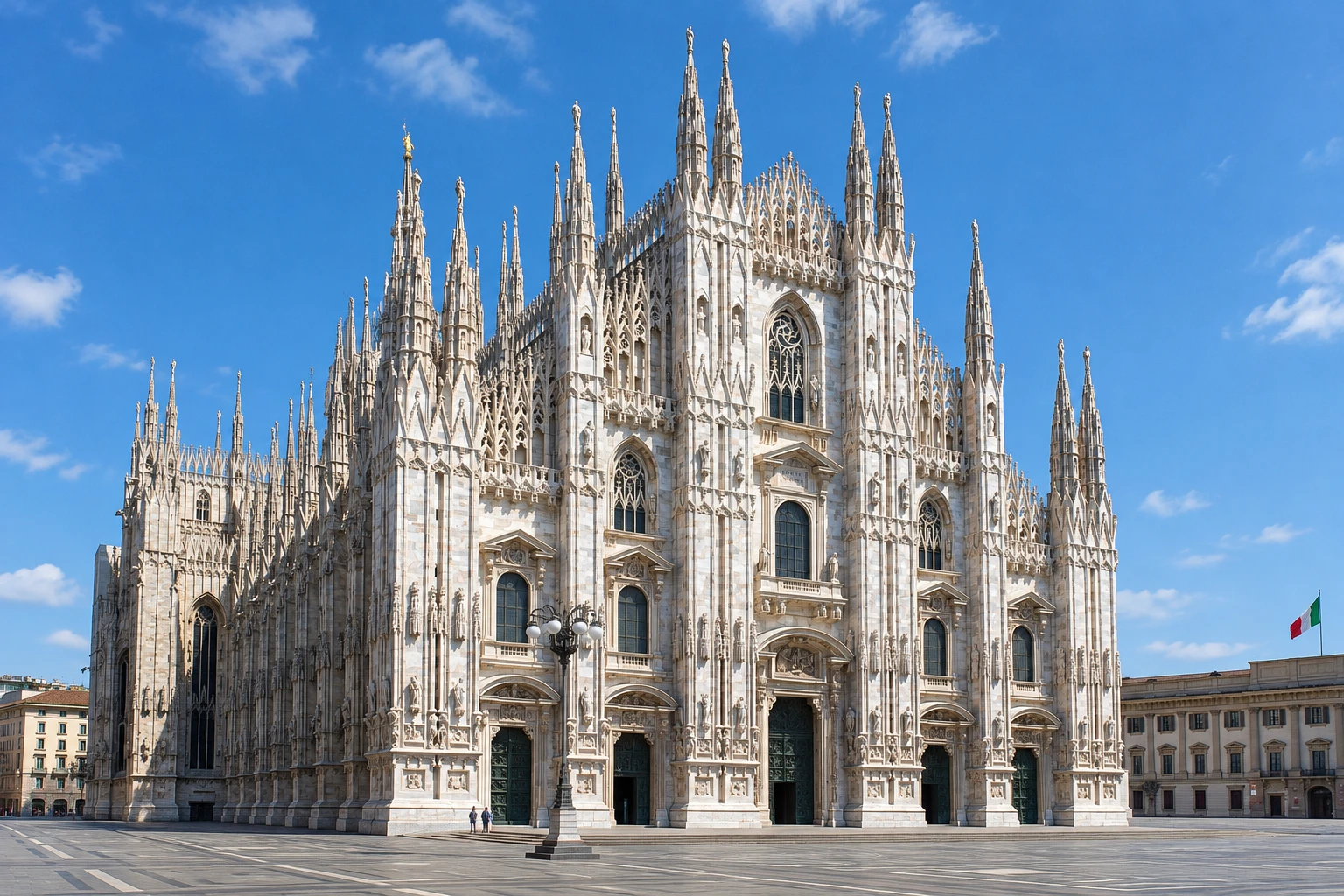
Milan Cathedral · MilanThe Gothic marble cathedral in the heart of Milão, with thousands of statues, huge stained-glass windows and roof terraces among the spires, offering views over the city.
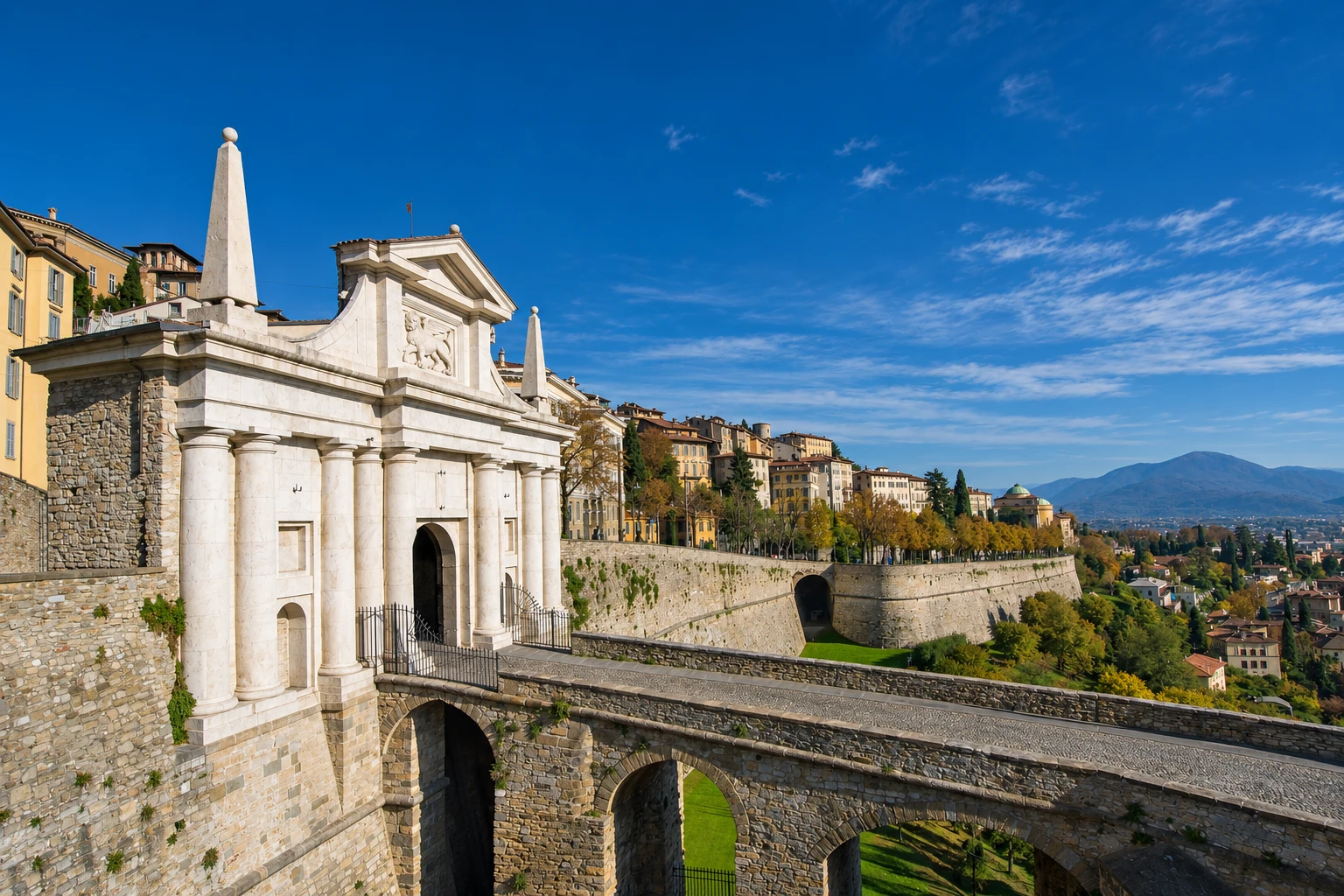
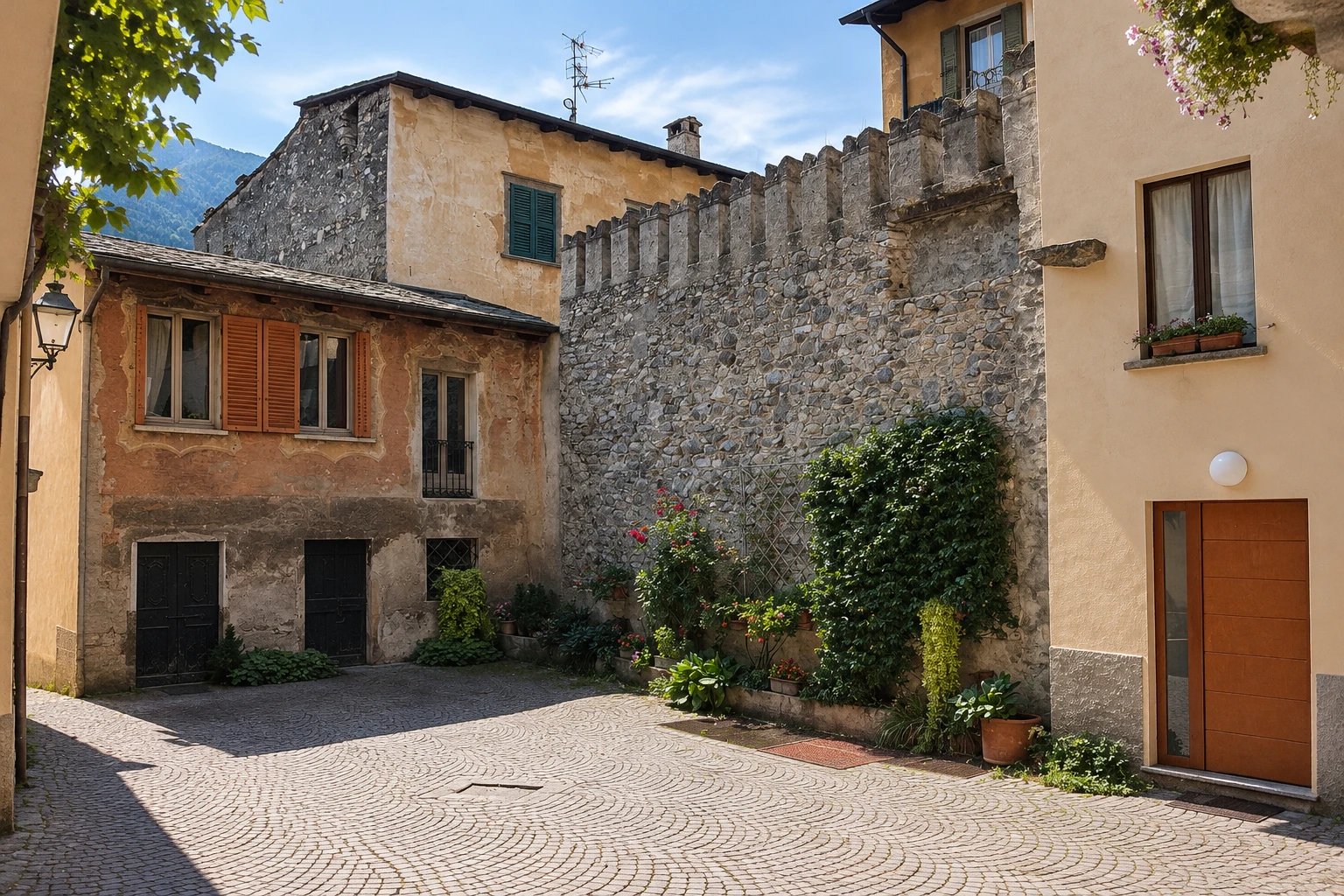
Venetian Walls · BergamoPorta San Giacomo is one of the gates in the Venetian Walls of the Città Alta.
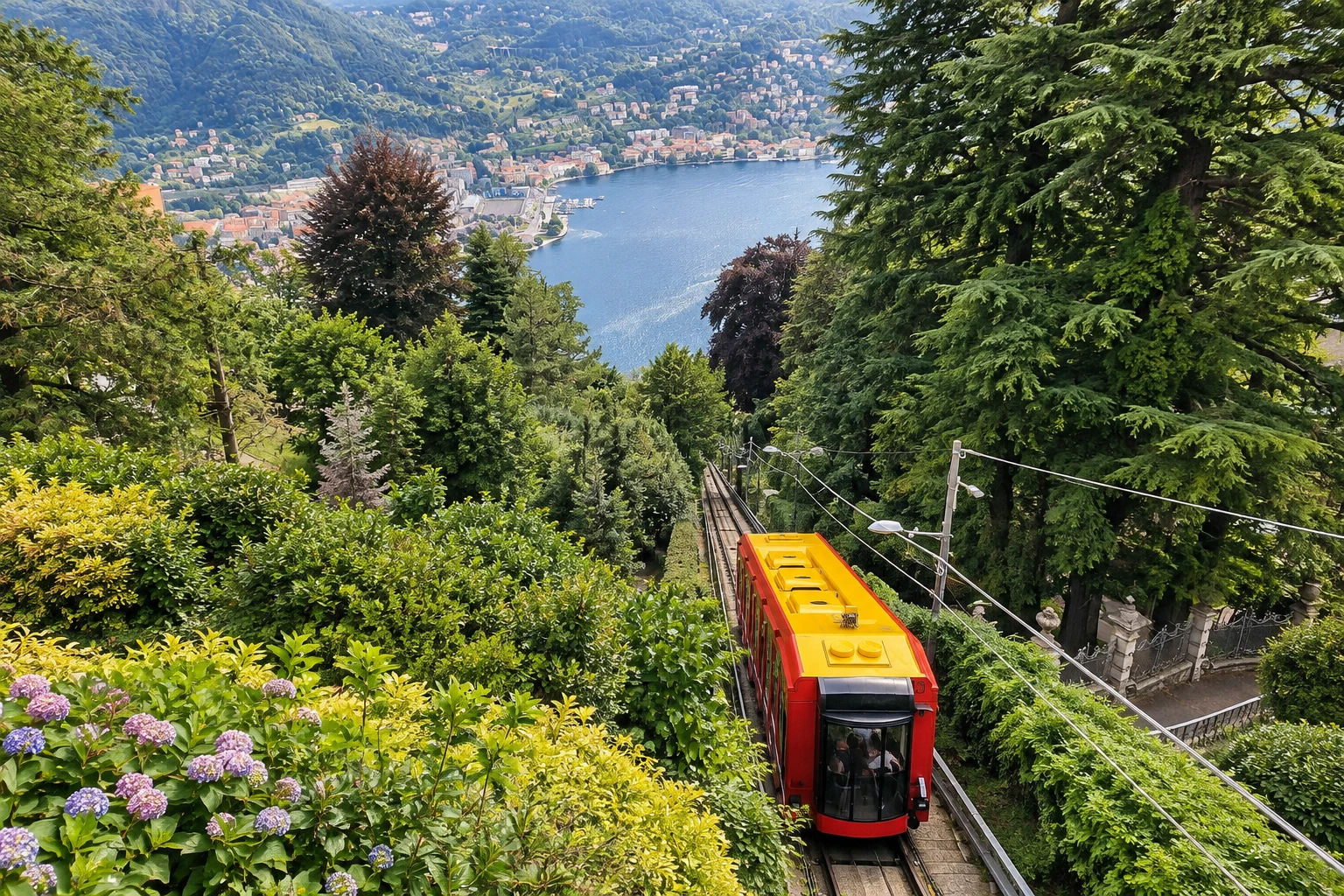
Como–Brunate Funicular · Como1894 funicular that climbs in a few minutes from Como to Brunate, a village high on the hill with wide views of the lake and town, and a path to the Faro Voltiano.
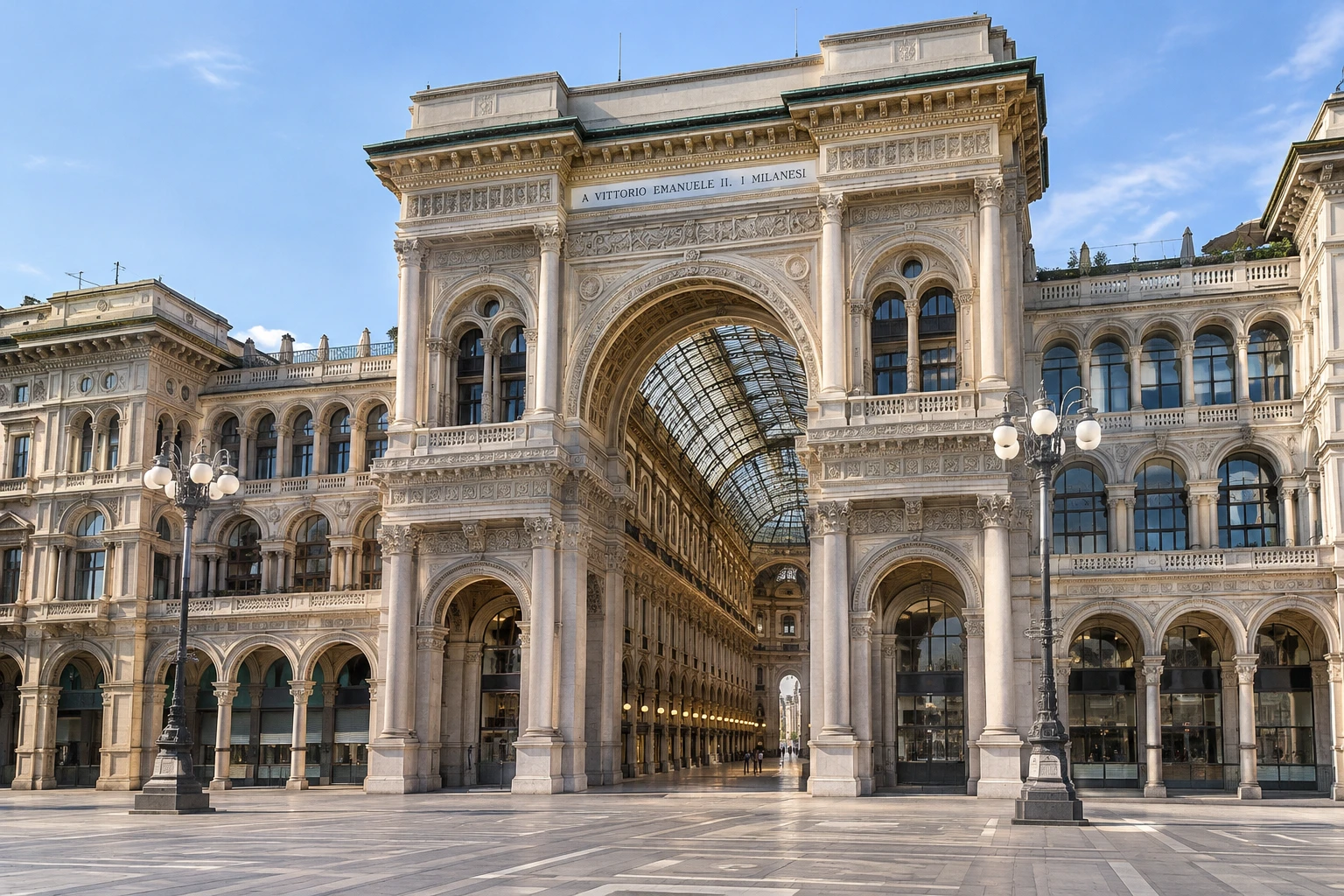
Galleria Vittorio Emanuele II · Milan19th-century glass-and-iron covered gallery that links the Piazza del Duomo to the Piazza della Scala, with shops, historic cafés and mosaics on the floor.
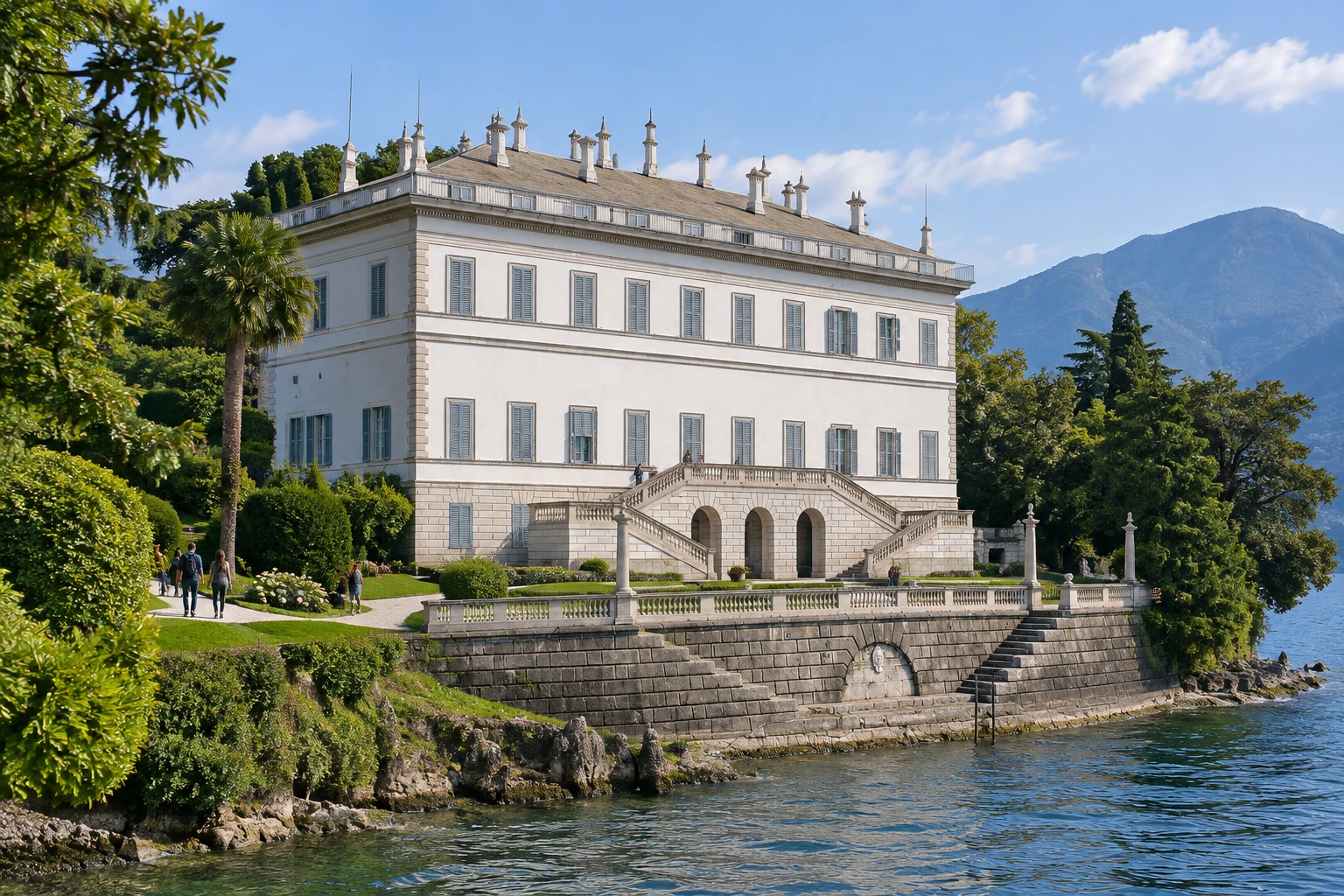
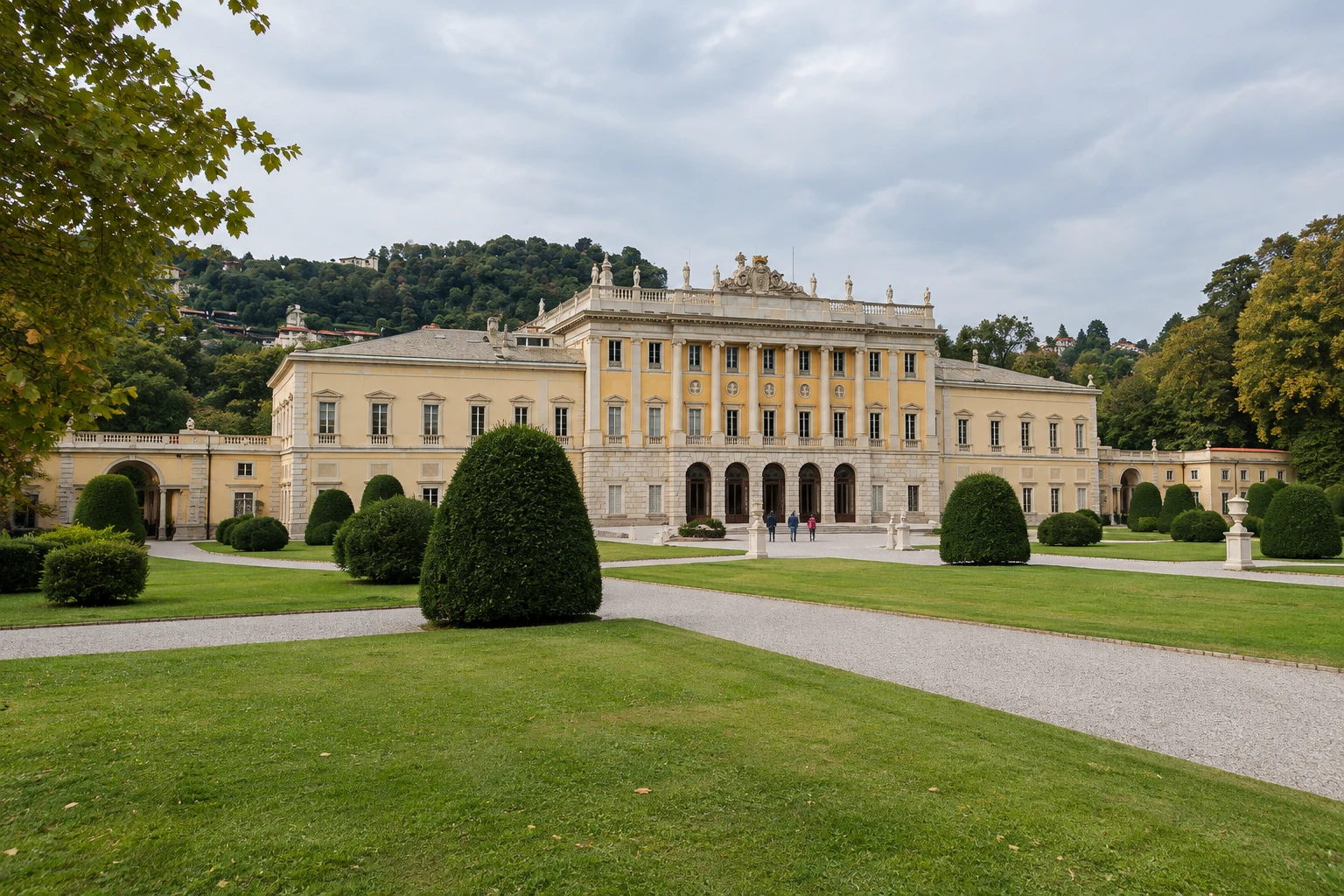
Villa Melzi Gardens · BellagioLakeside gardens around the neoclassical villa of Francesco Melzi d'Eril, with a Japanese pond, sculptures, a chapel and a museum, open seasonally.
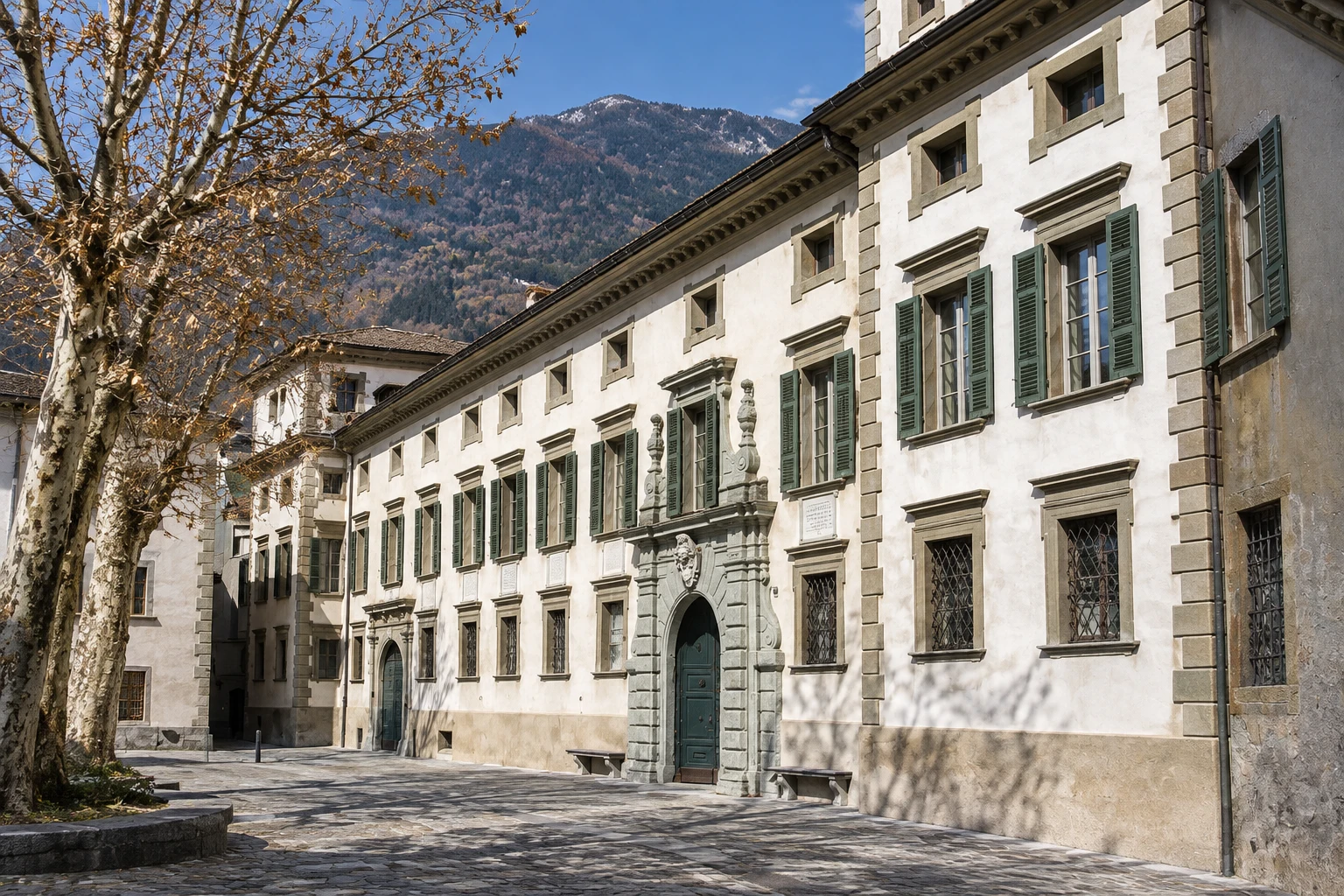
Palazzo Salis · TiranoPalace from the 16th and 17th centuries of the Salis family, in the centre of Tirano, with ten frescoed rooms open to visitors, the Italian garden and the family's wine cellar.
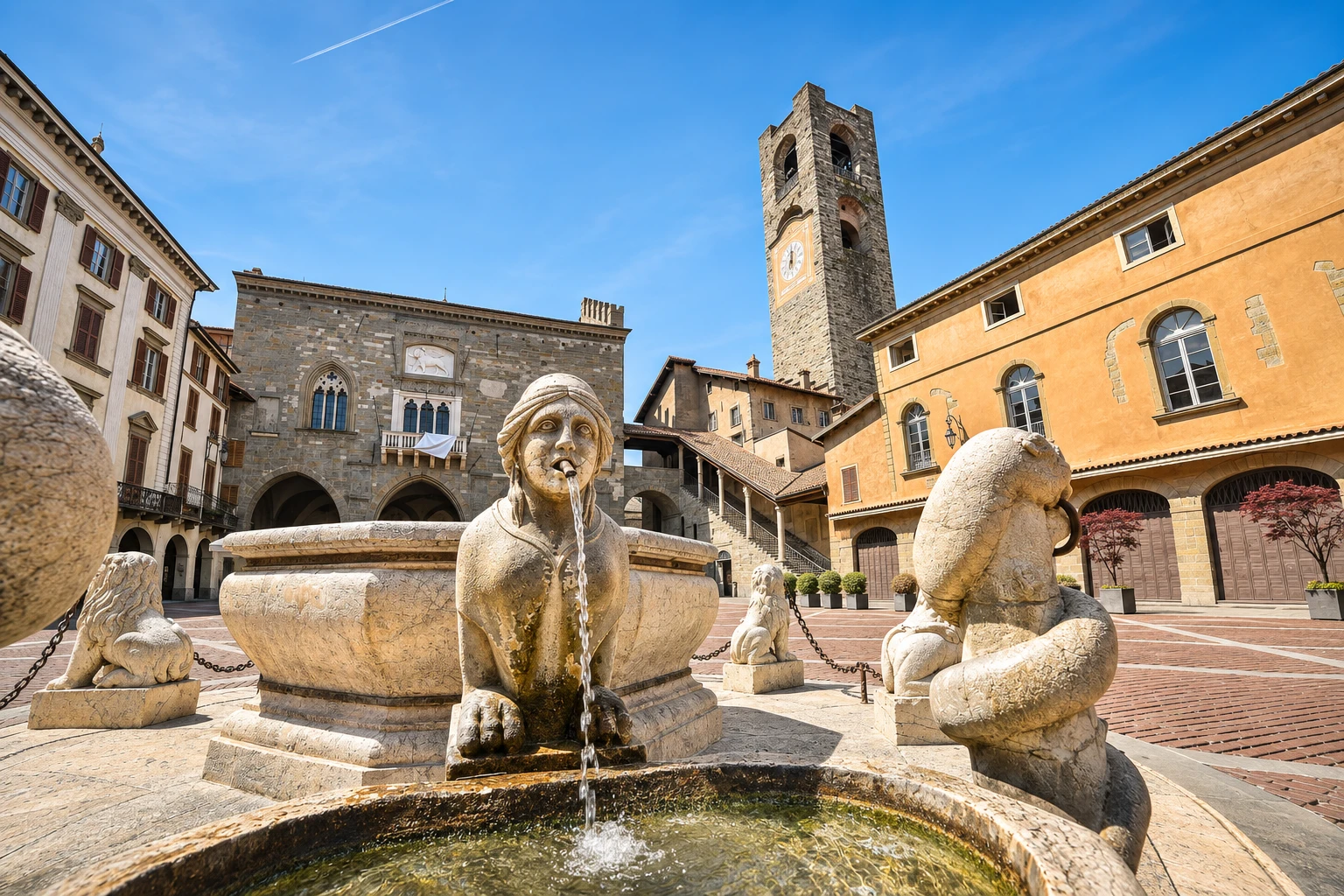
Piazza Vecchia · BergamoAt the heart of the Città Alta, Piazza Vecchia is home to the Contarini Fountain, civic palaces, and the Campanone tower.
The main sanctuary of the Valtellina, erected beginning in 1505 on the site of an apparition of the Virgin, with a decorated interior, a carved wooden organ and the Bernina Express passing through the square.
Marble cathedral built between the 14th and 18th centuries, combining Gothic and Renaissance elements, with a dome by Filippo Juvarra and statues of the two Plinys on the façade.
The Gothic marble cathedral in the heart of Milão, with thousands of statues, huge stained-glass windows and roof terraces among the spires, offering views over the city.
1894 funicular that climbs in a few minutes from Como to Brunate, a village high on the hill with wide views of the lake and town, and a path to the Faro Voltiano.
19th-century glass-and-iron covered gallery that links the Piazza del Duomo to the Piazza della Scala, with shops, historic cafés and mosaics on the floor.
Palace from the 16th and 17th centuries of the Salis family, in the centre of Tirano, with ten frescoed rooms open to visitors, the Italian garden and the family's wine cellar.
At the heart of the Città Alta, Piazza Vecchia is home to the Contarini Fountain, civic palaces, and the Campanone tower. The arcades of the Palazzo della Ragione lead to the neighboring square.
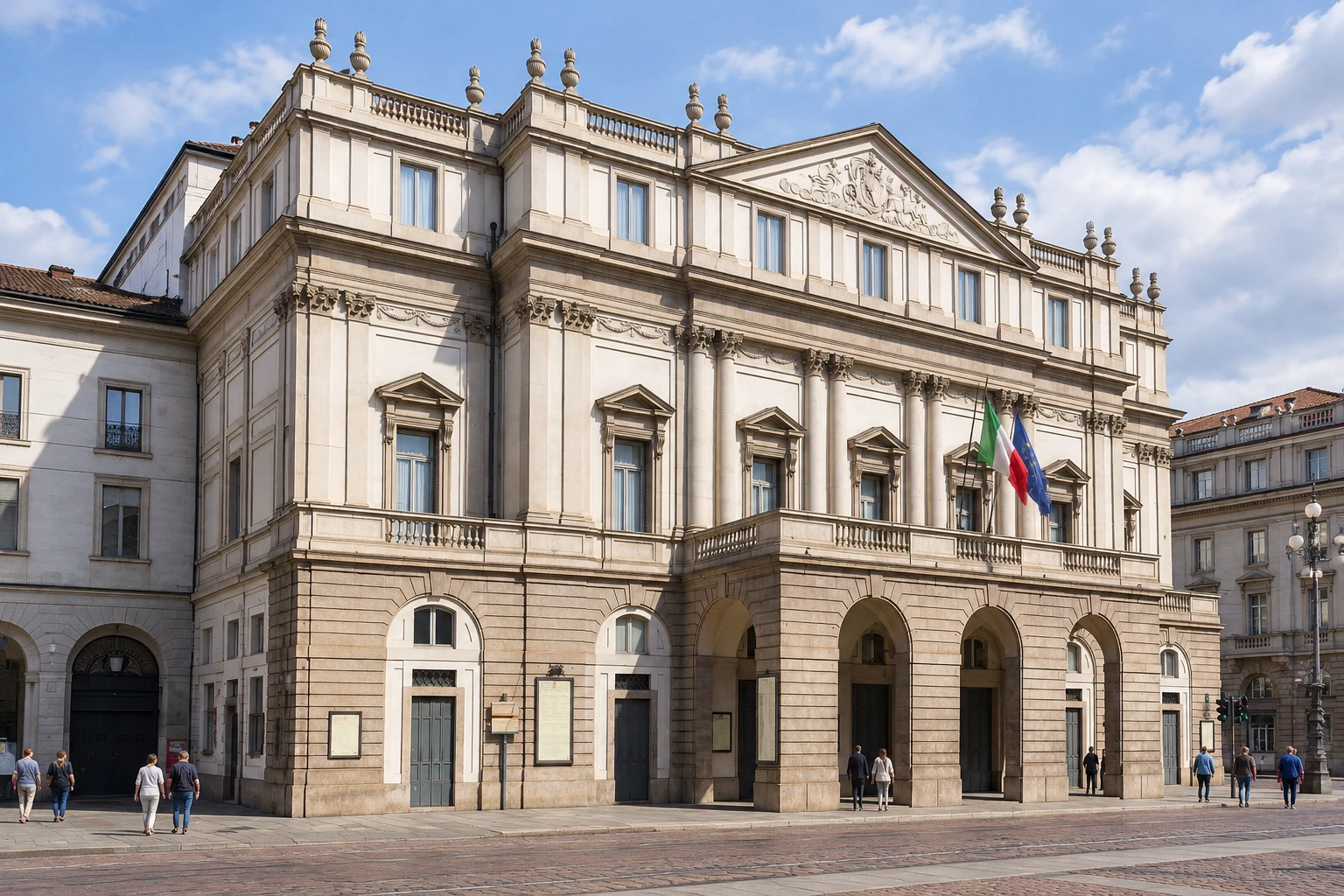
One of the world's most famous opera houses, opened in 1778. The Museo Teatrale presents the history of the house and, when possible, allows a peek into the auditorium from a box.
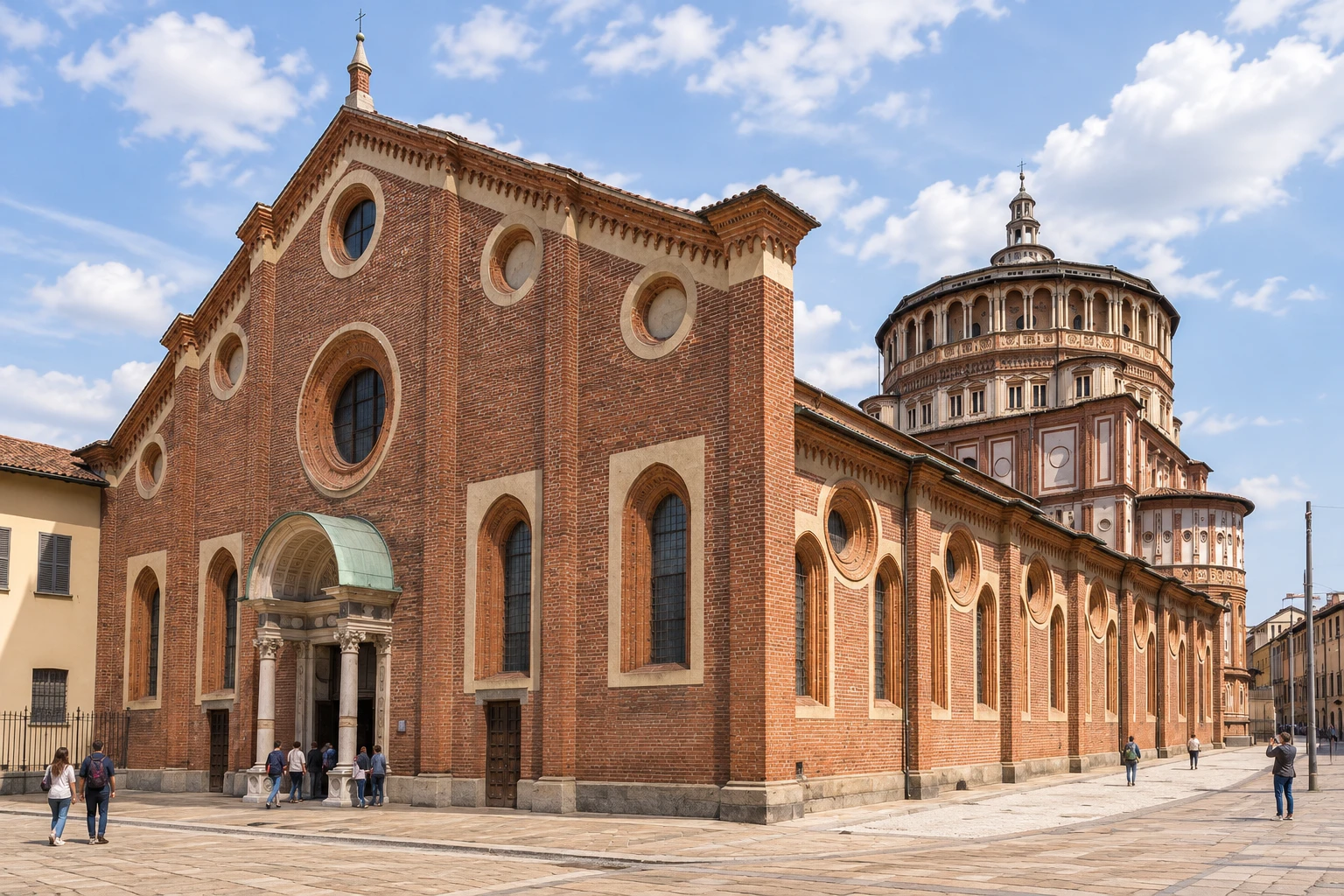
The Last Supper by Leonardo da Vinci, painted on the refectory wall of the convent of Santa Maria delle Grazie. Visits are in small groups and require advance reservation.
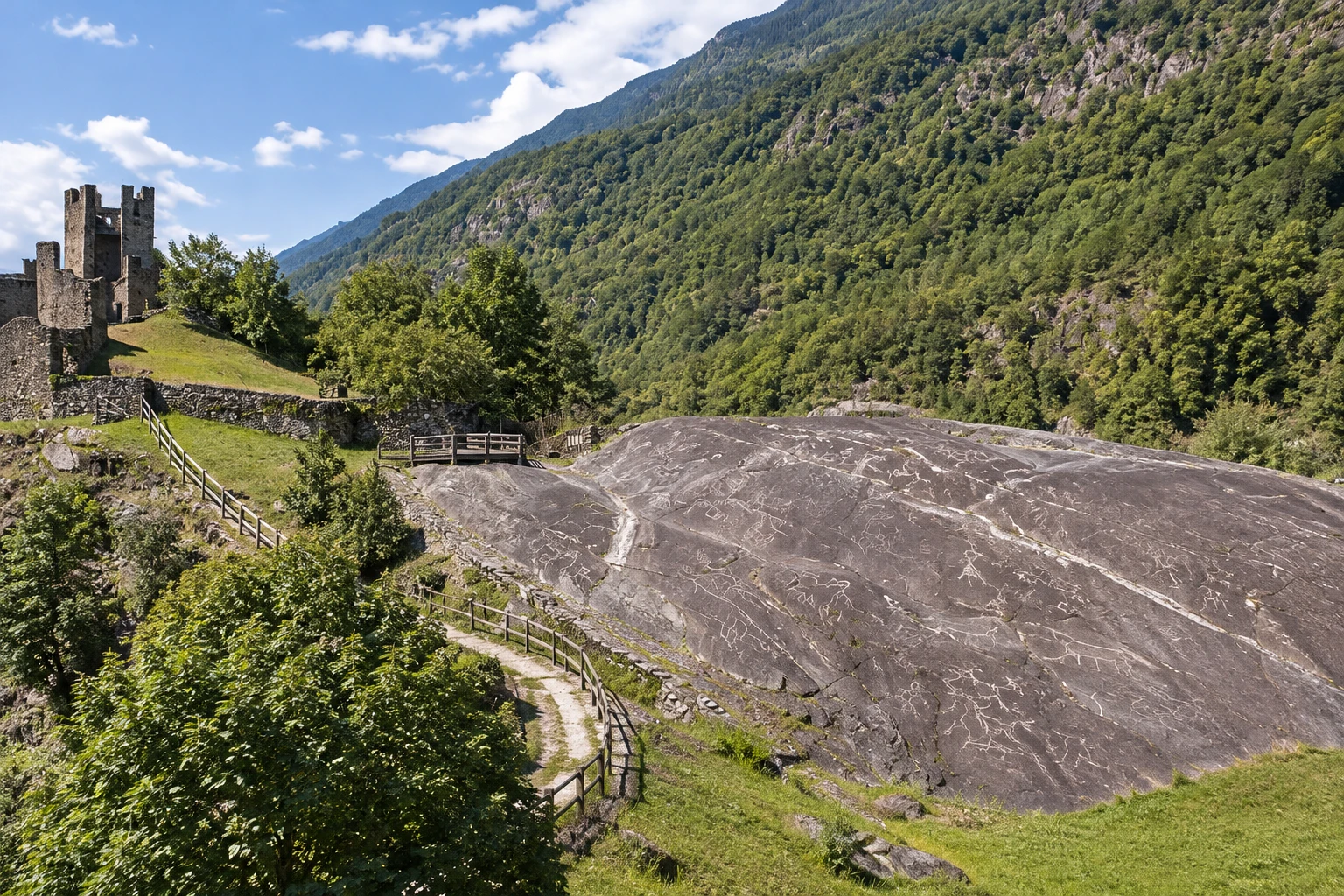
Archaeological park near Grosio, 15 km from Tirano, with the Rupe Magna, a rock bearing more than 5,000 prehistoric carvings, and the ruins of two medieval castles.
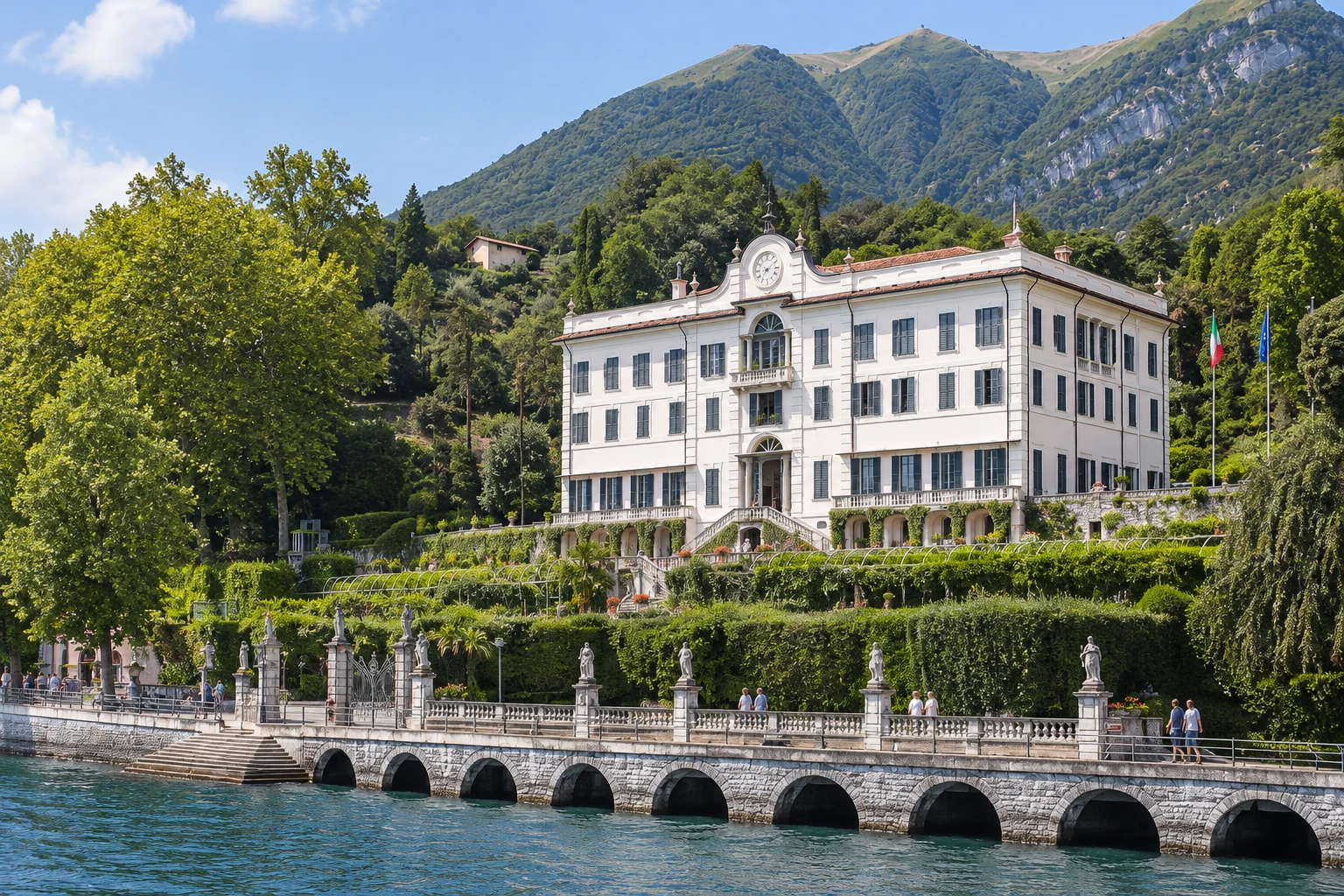
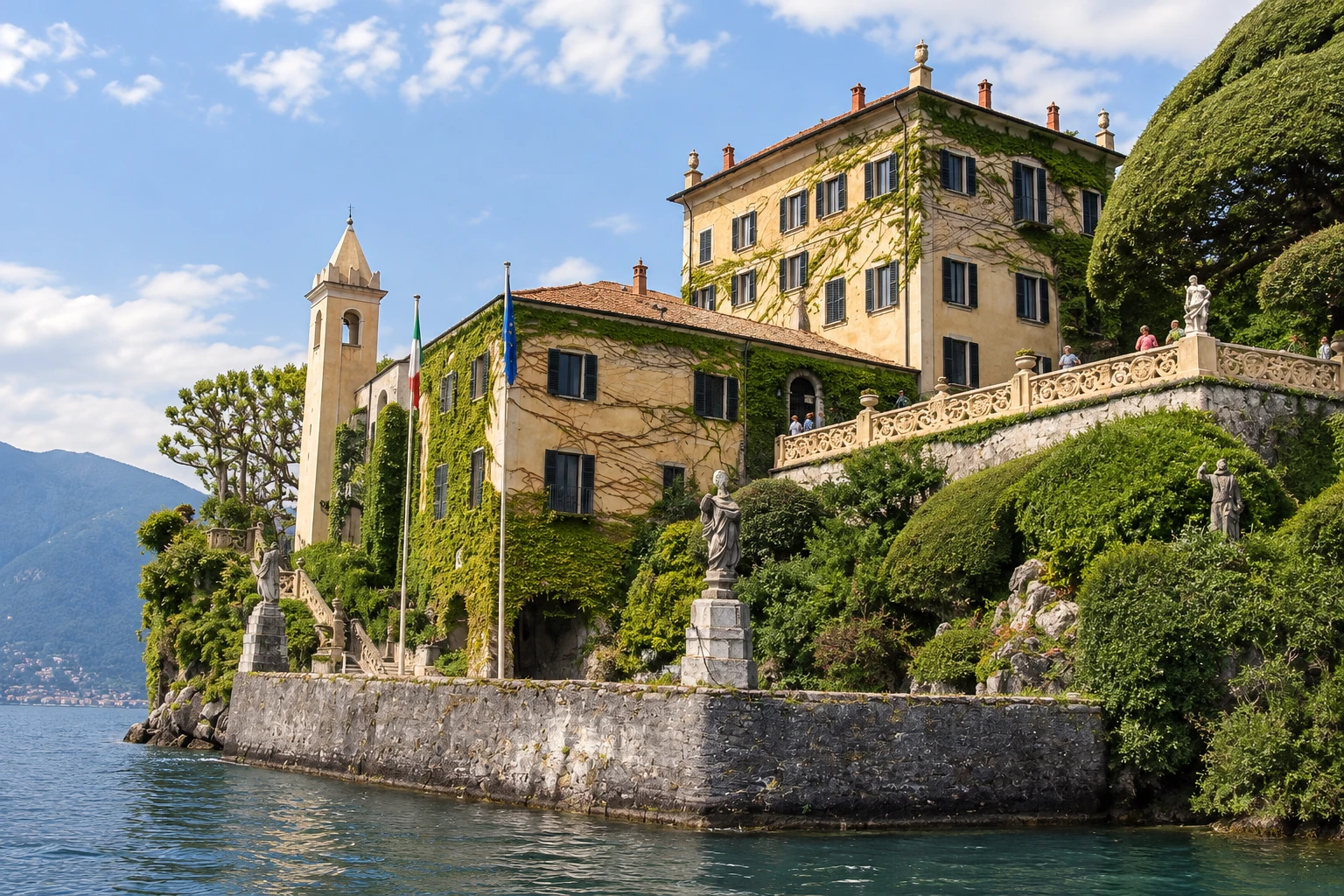
18th-century villa on the Punta di Lavedo in Lenno, with terraced gardens above the lake and the collection of explorer Guido Monzino. Visit by reservation only.
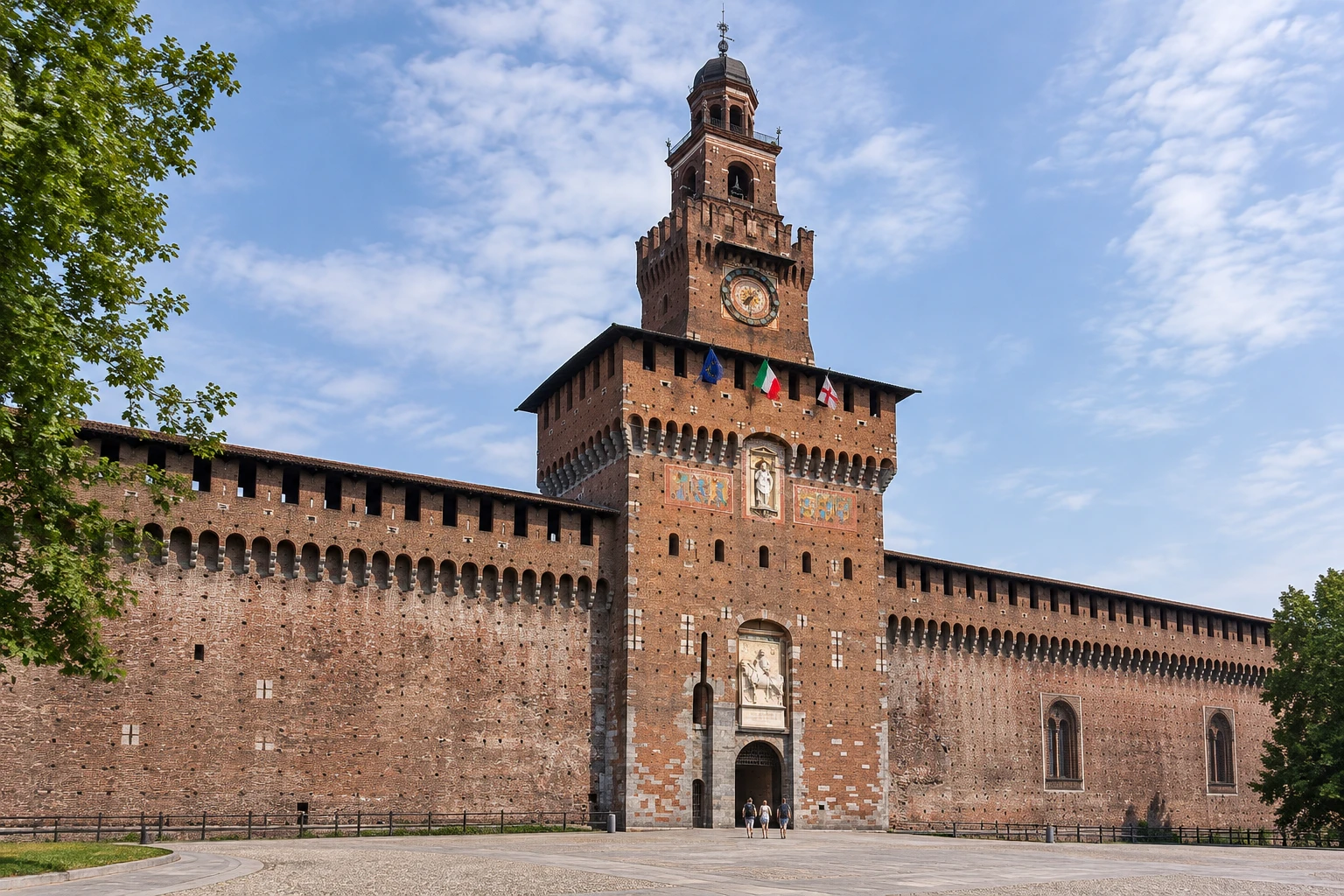
Brick castle of the Dukes Sforza, with open courtyards, municipal museums, the Sala delle Asse painted by Leonardo and the Pietà Rondanini, Michelangelo's last sculpture.
Small village of colorful houses on the east shore of the lake, facing Bellagio, with a lakeside promenade, narrow streets and a direct train to Milan.
The quadrilateral of Milan’s designer streets, between Via Montenapoleone, Via della Spiga, Via Manzoni and Corso Venezia, with historic palaces and shop windows.
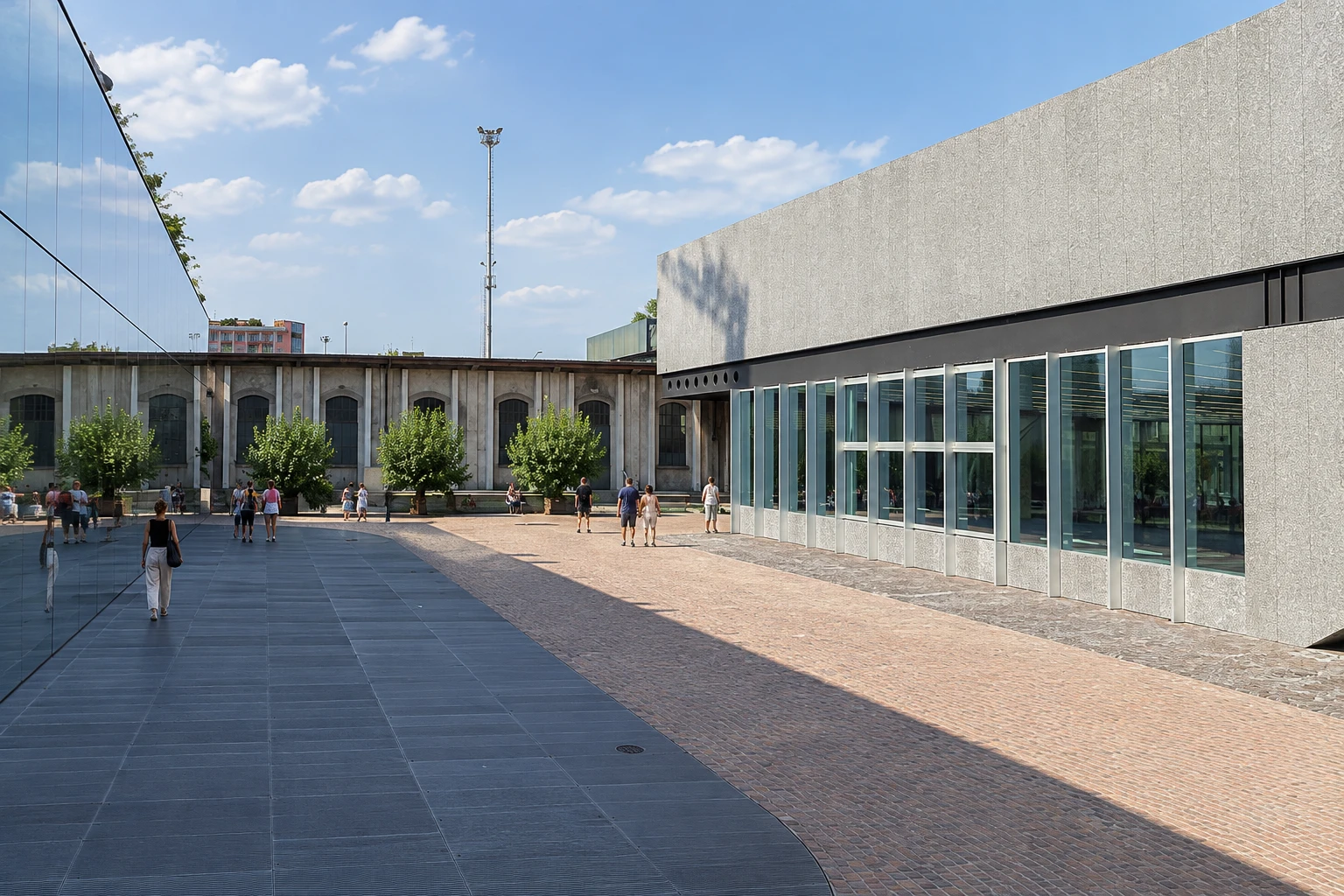
Contemporary art center housed in a former distillery in the south of Milan, featuring the Torre, the gold-covered Haunted House and the Bar Luce designed by Wes Anderson.
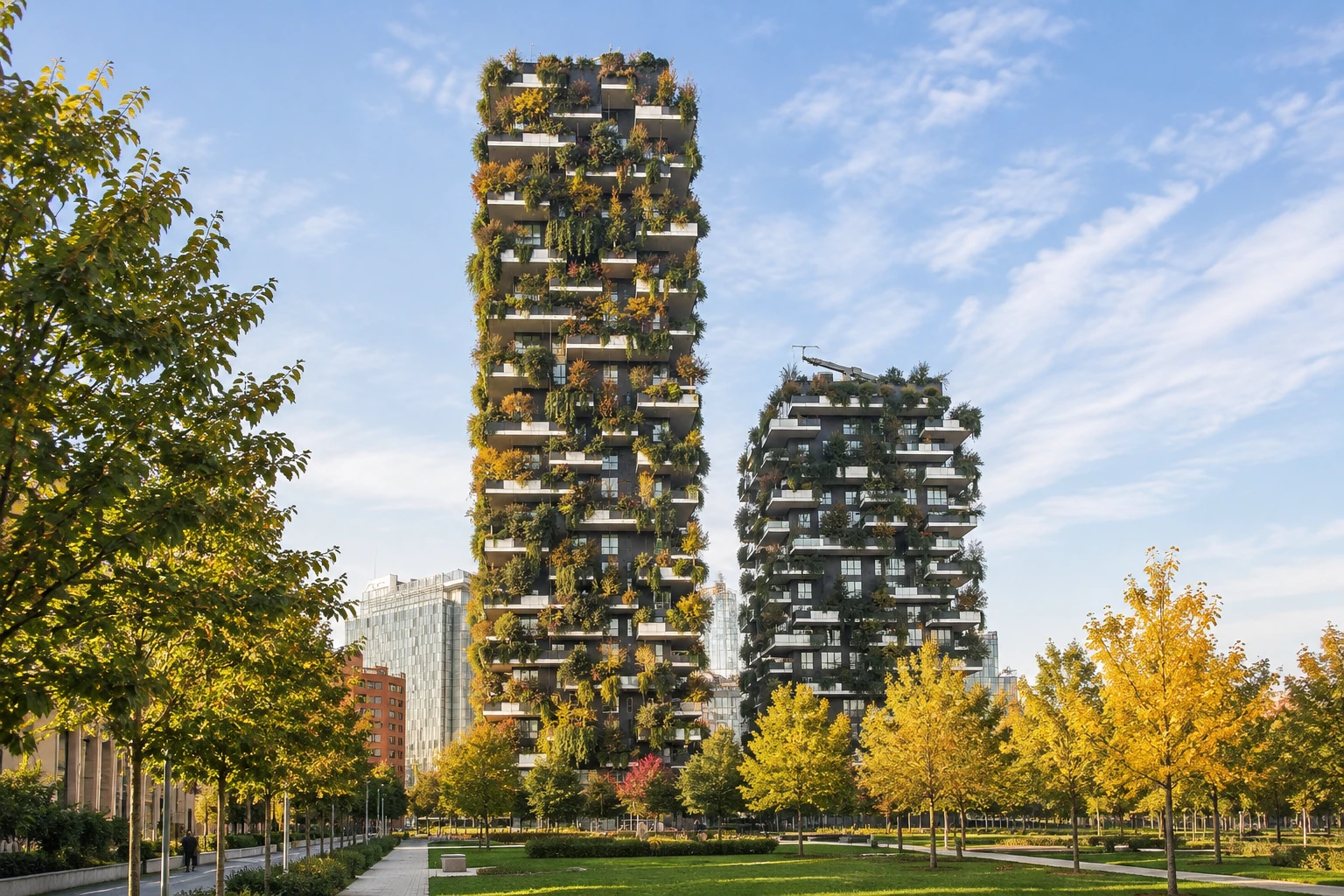
Two residential towers covered with trees and plants in the Porta Nuova neighborhood, near Piazza Gae Aulenti and the UniCredit tower, Milan's modern side.
How many days should you set aside to see Milan and Lake Como?
The guide's itineraries cover 2, 3 and 5 days: in 2 days, Duomo, Last Supper and Brera; Milan and Lake Como in 3 days; in 5 days, the whole city and two nights on the lake.
What to do Milan and Lake Como in one day?
Duomo, Galleria and Scala. Arrival (from Rome, about 3 h by train; from Malpensa airport, 50 minutes on the Malpensa Express). Duomo with terraces reserved for late afternoon; Galleria Vittorio Emanuele II, Museo Teatrale alla Scala and Piazza dei Mercanti; aperitivo in Brera.
When is the best time to go to Milan and Lake Como?
It generally rains less from December to March and in July. The rainiest months are usually August and from October to November. The guide covers each month, with the weather and what changes on the tours.


 Brazil
 Antarctica
 Argentina
 Bolivia
 Chile
 Colombia
 Ecuador
 Falkland Islands (Malvinas)
 French Guiana
 Guyana
 Paraguay
 Peru
 Suriname
 Uruguay
 Venezuela
 Austria
 Belgium
 Croatia
 Denmark
 Finland
 France
 Germany
 Greece
 Hungary
 Iceland
 Ireland
 Luxembourg
 Norway
 Poland
 Portugal
 Slovakia
 Slovenia
 Spain
 Sweden
 Switzerland
 the Czech Republic
 the Netherlands
 the United Kingdom
 Turkey
 Bermuda
 Canada
 Greenland
 Mexico
 Saint Pierre and Miquelon
 the United States
 the Dominican Republic
 Japan
 Egypt
 South Africa
 Australia
 Fiji
 New Zealand
 Papua New Guinea