37 places to visit and 10 tours, chosen by the Cidade Turismo guide.
Updated
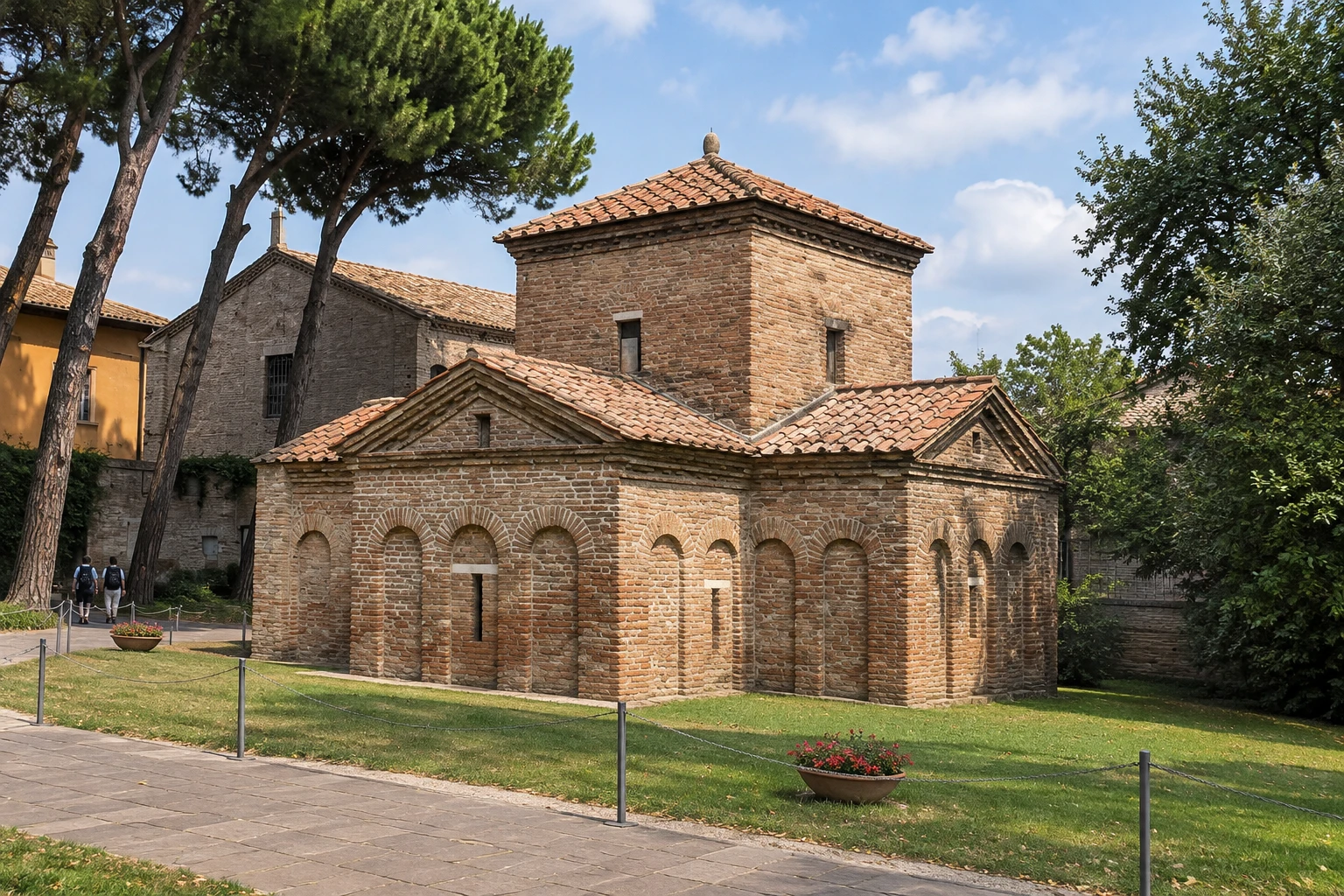
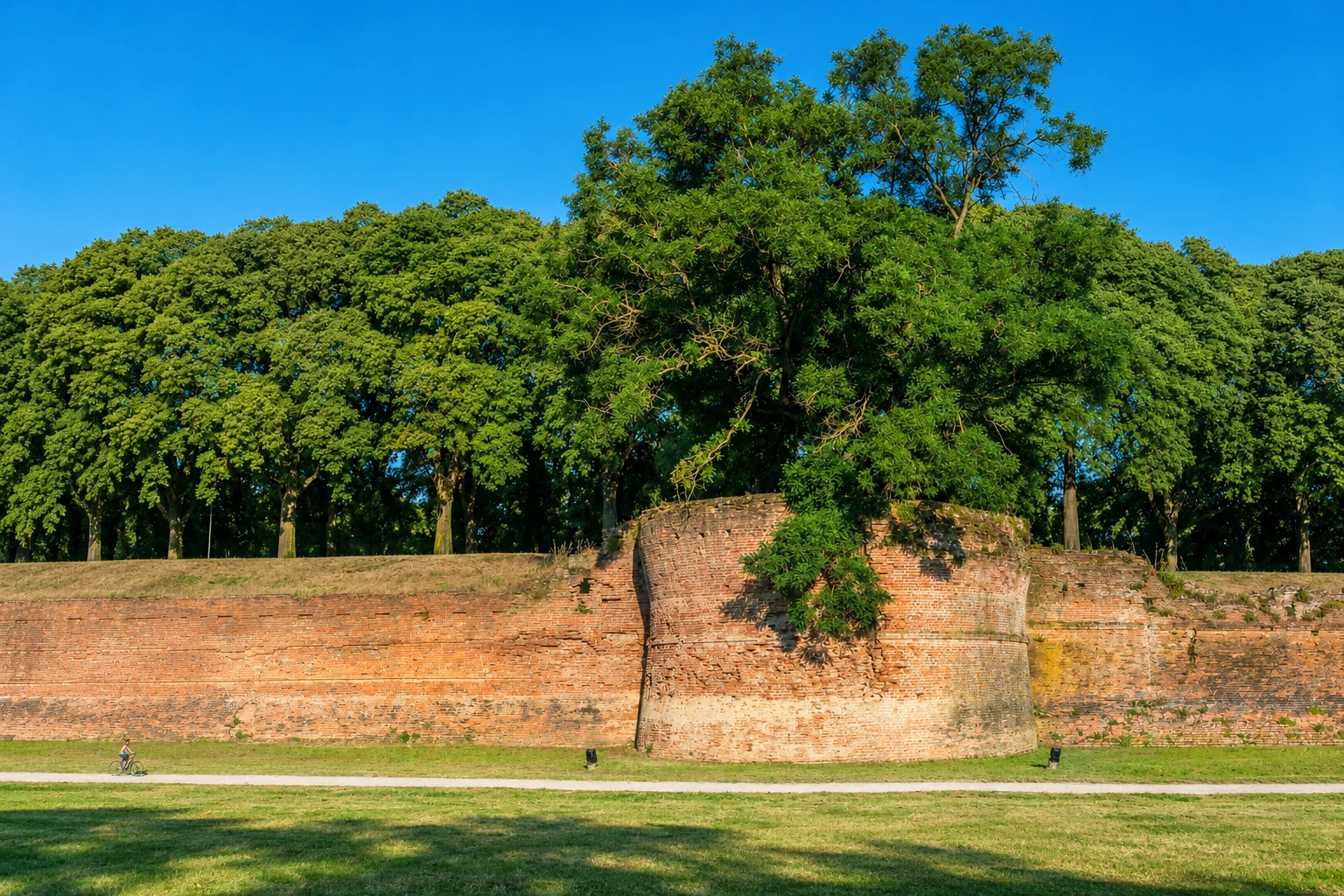
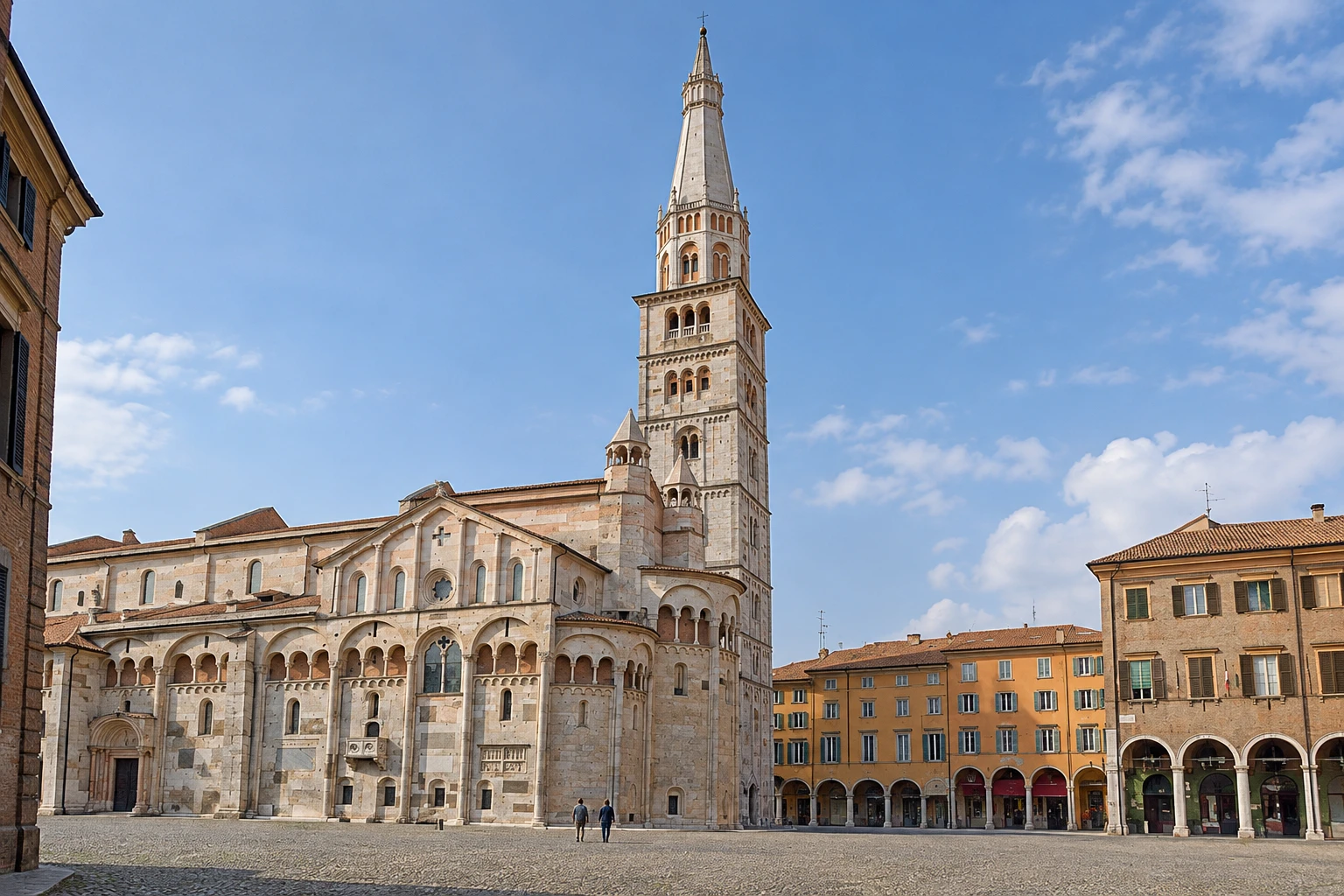
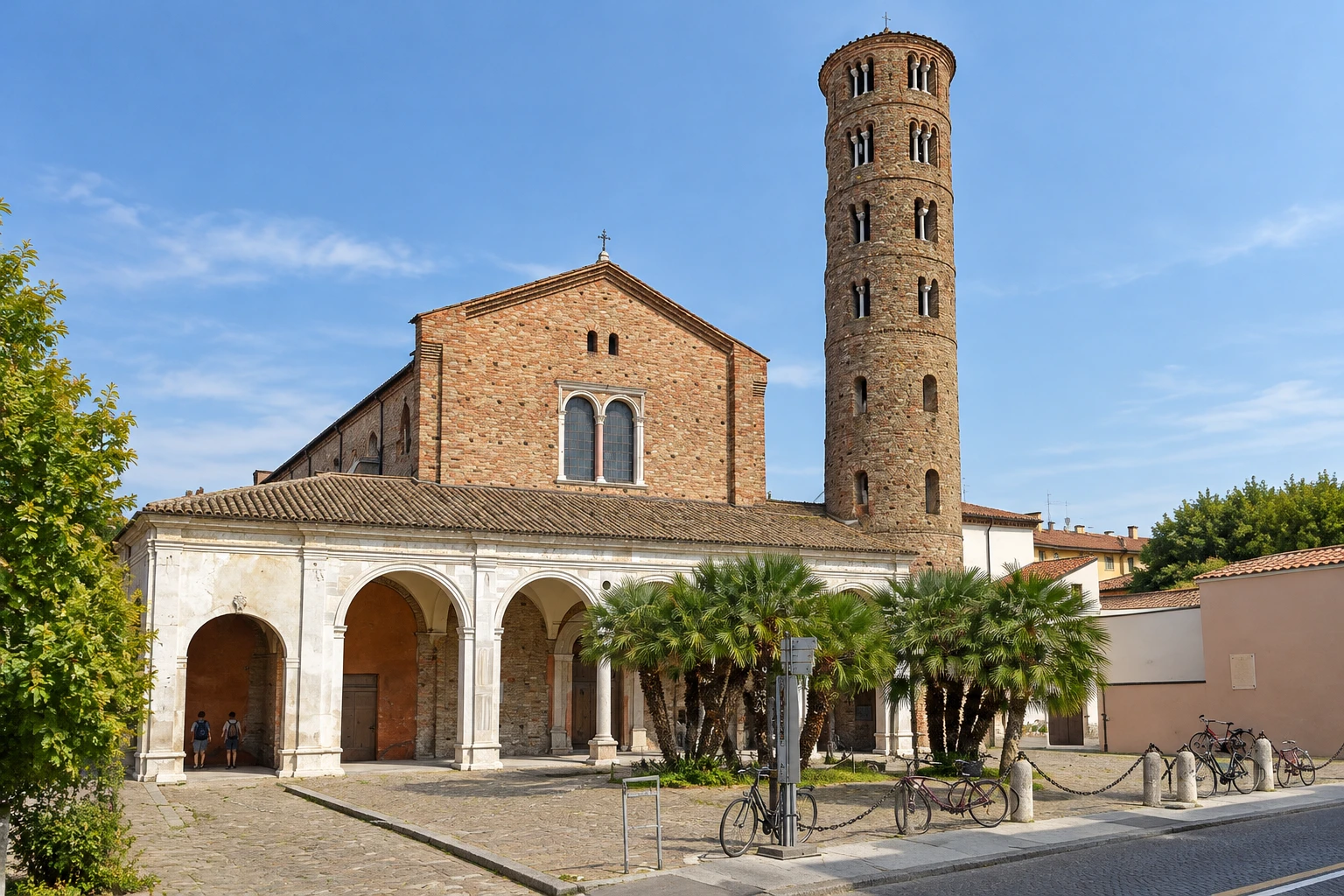
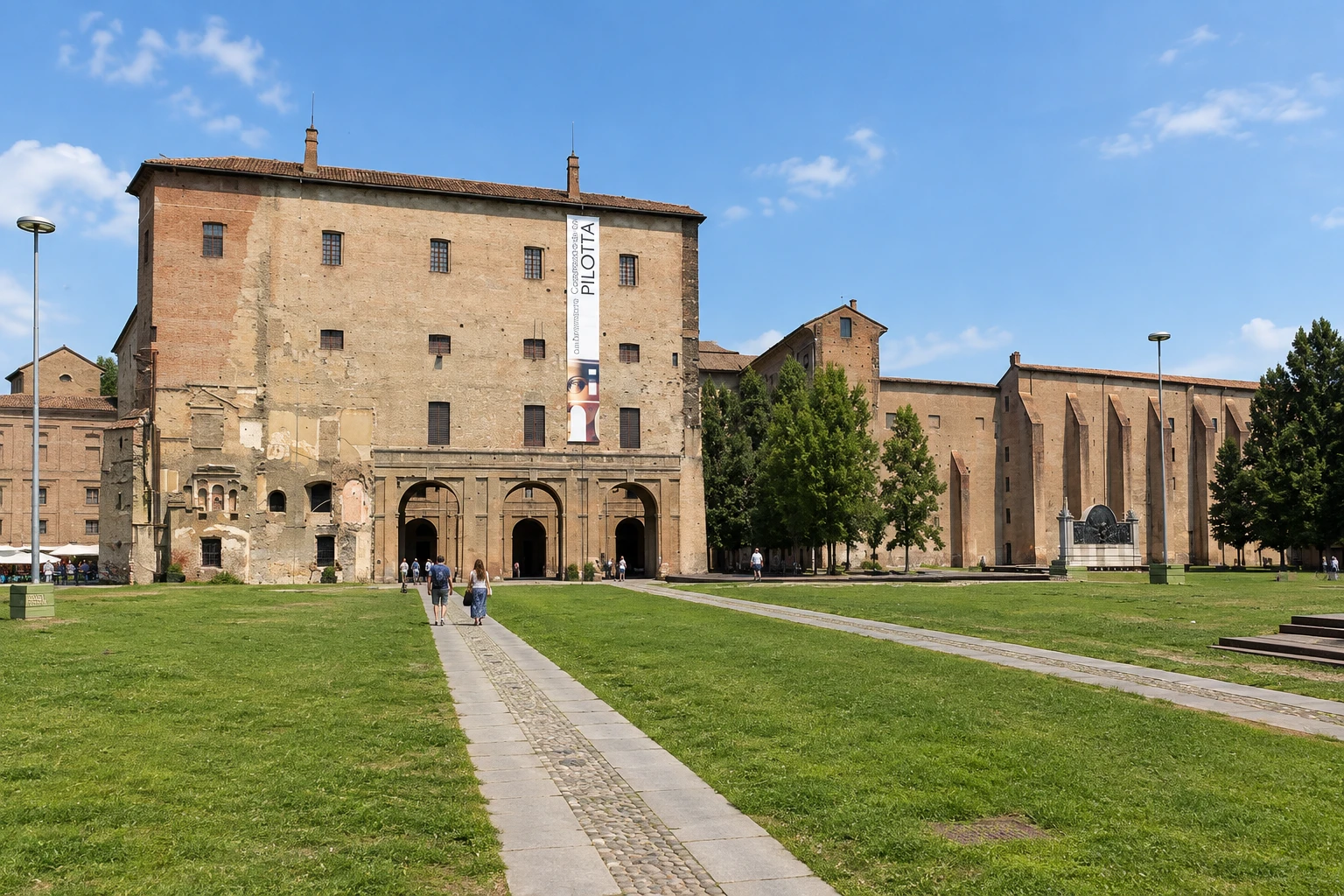
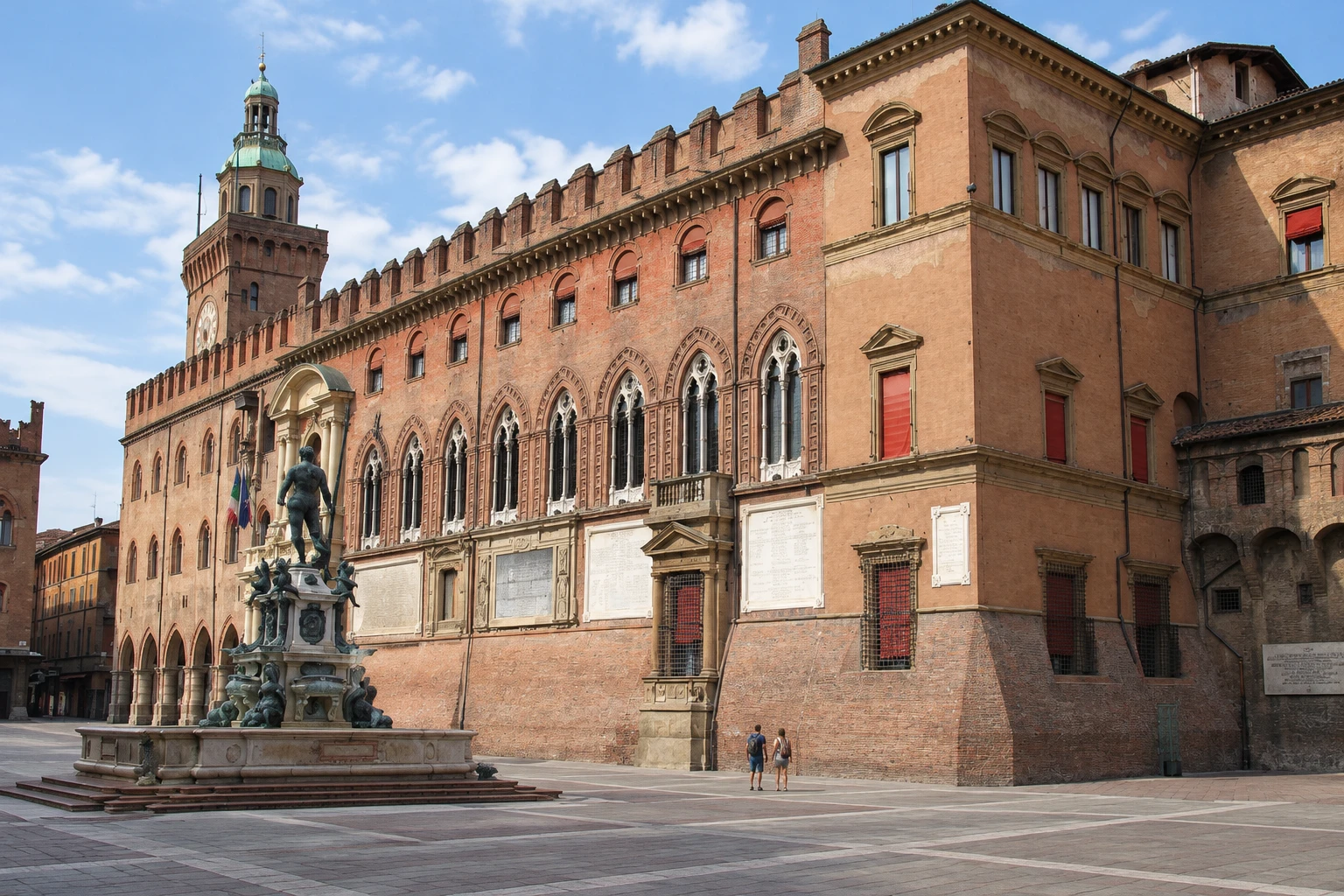
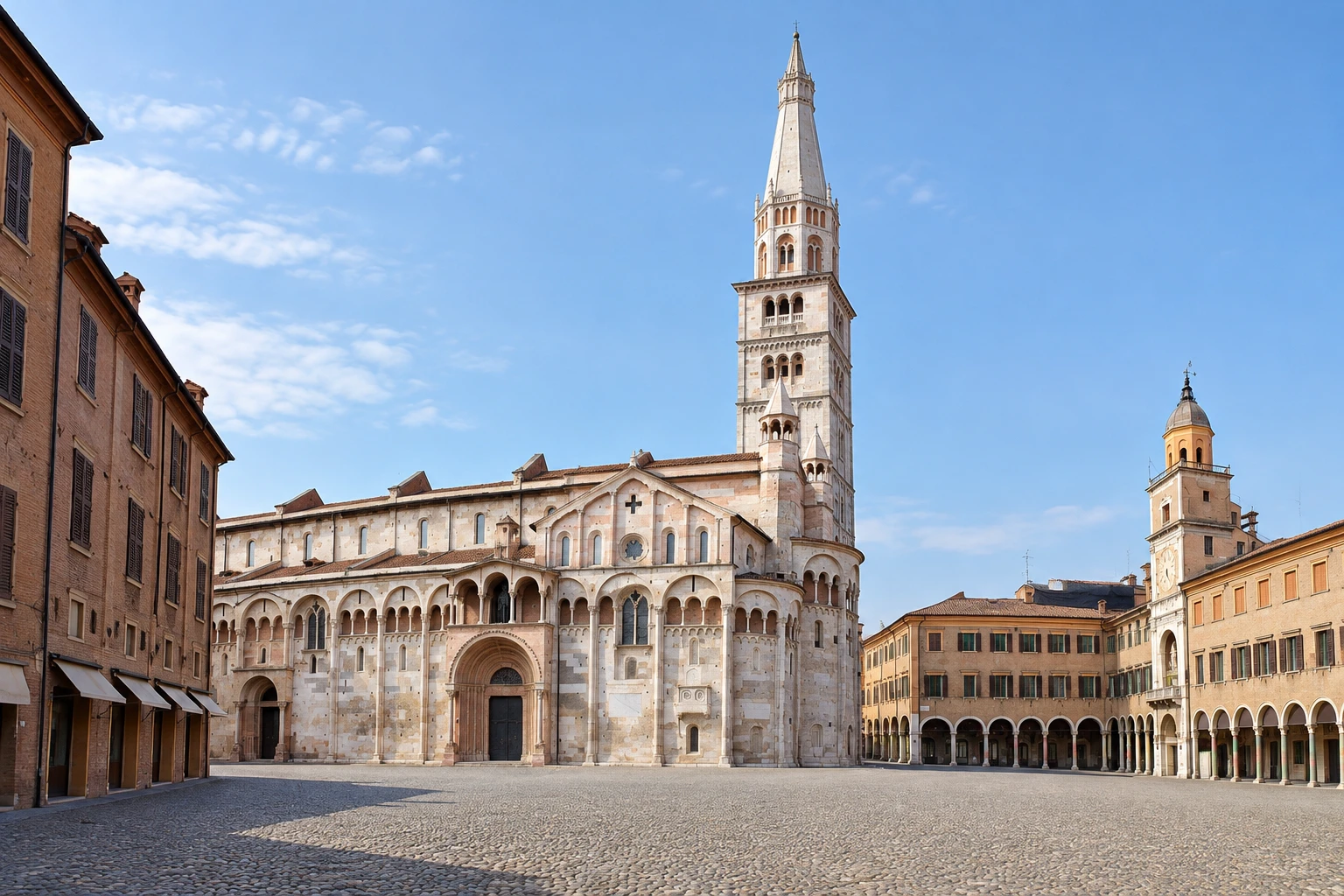
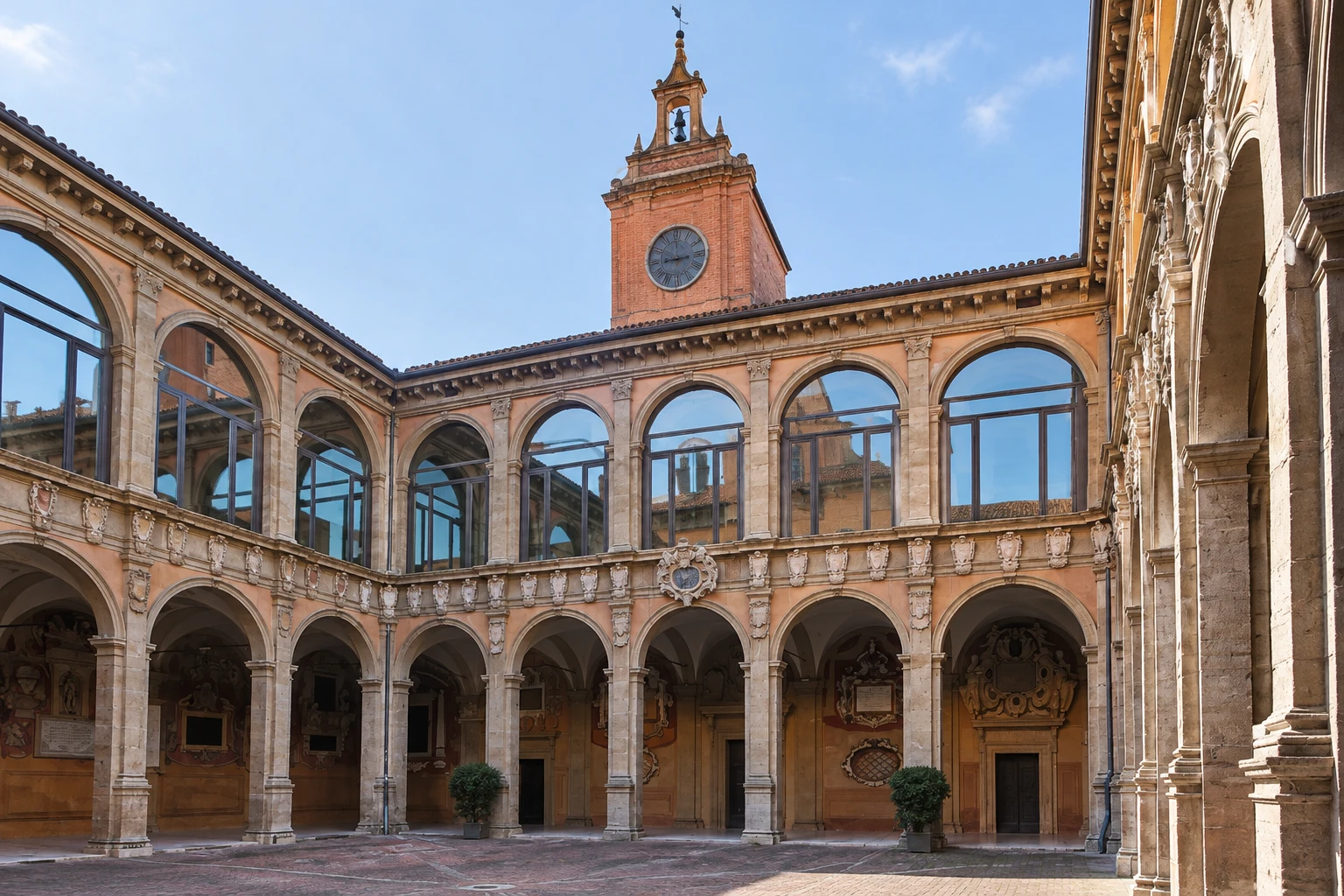
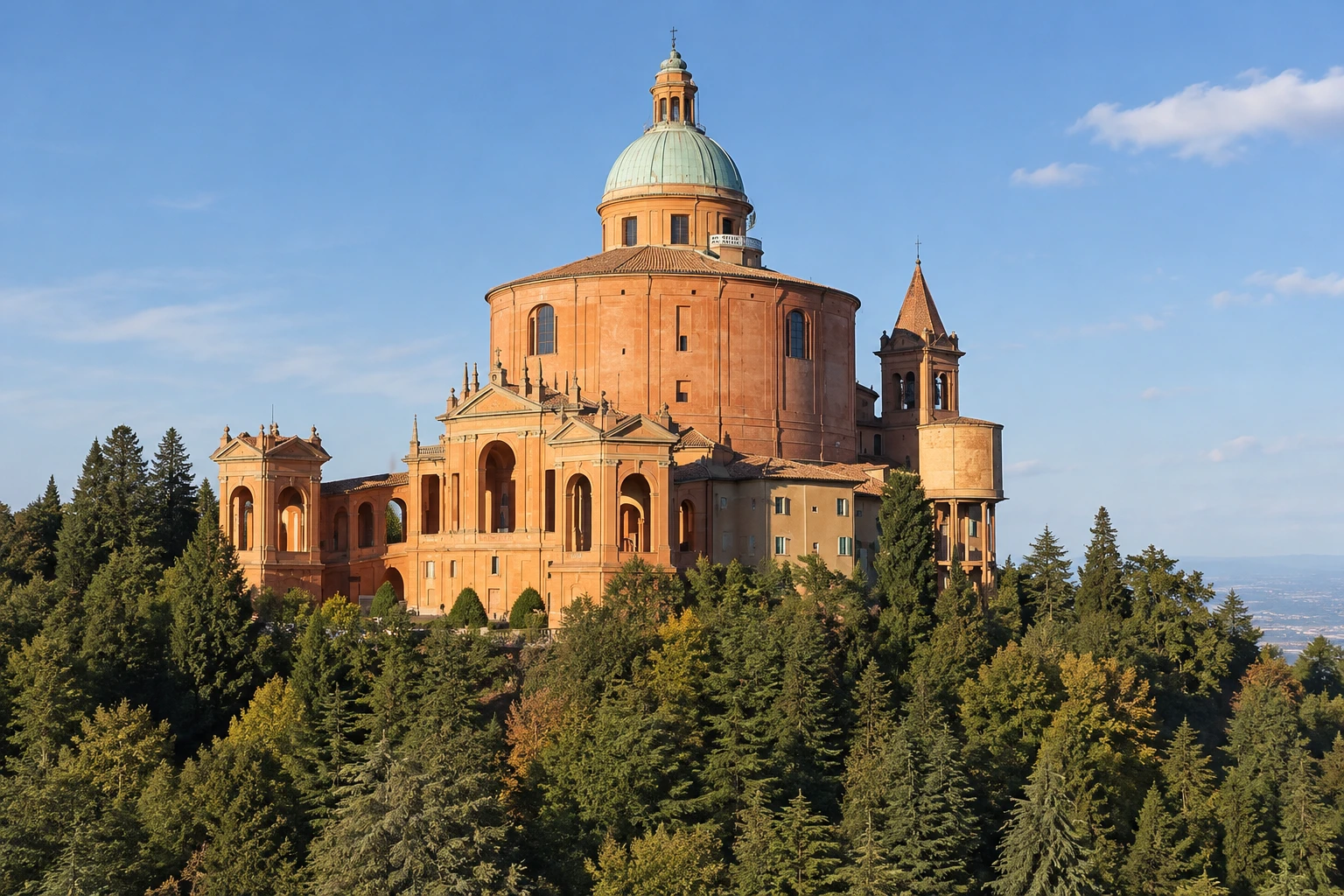
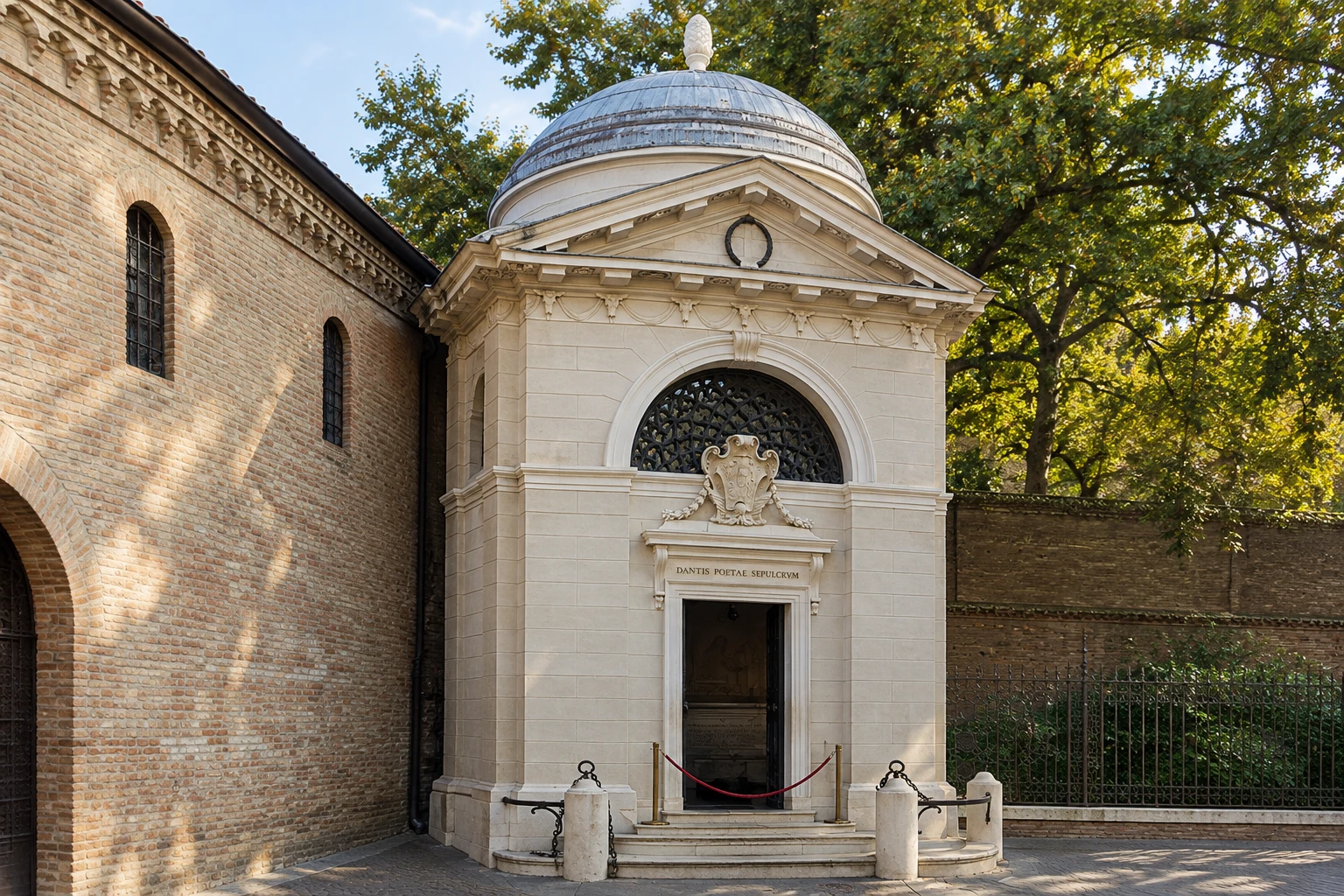
Illustrative images. The pictures in this guide are illustrations based on the real place, not photographs, and may differ from it.
To start
The 10 main places Bologna and Emilia-Romagna
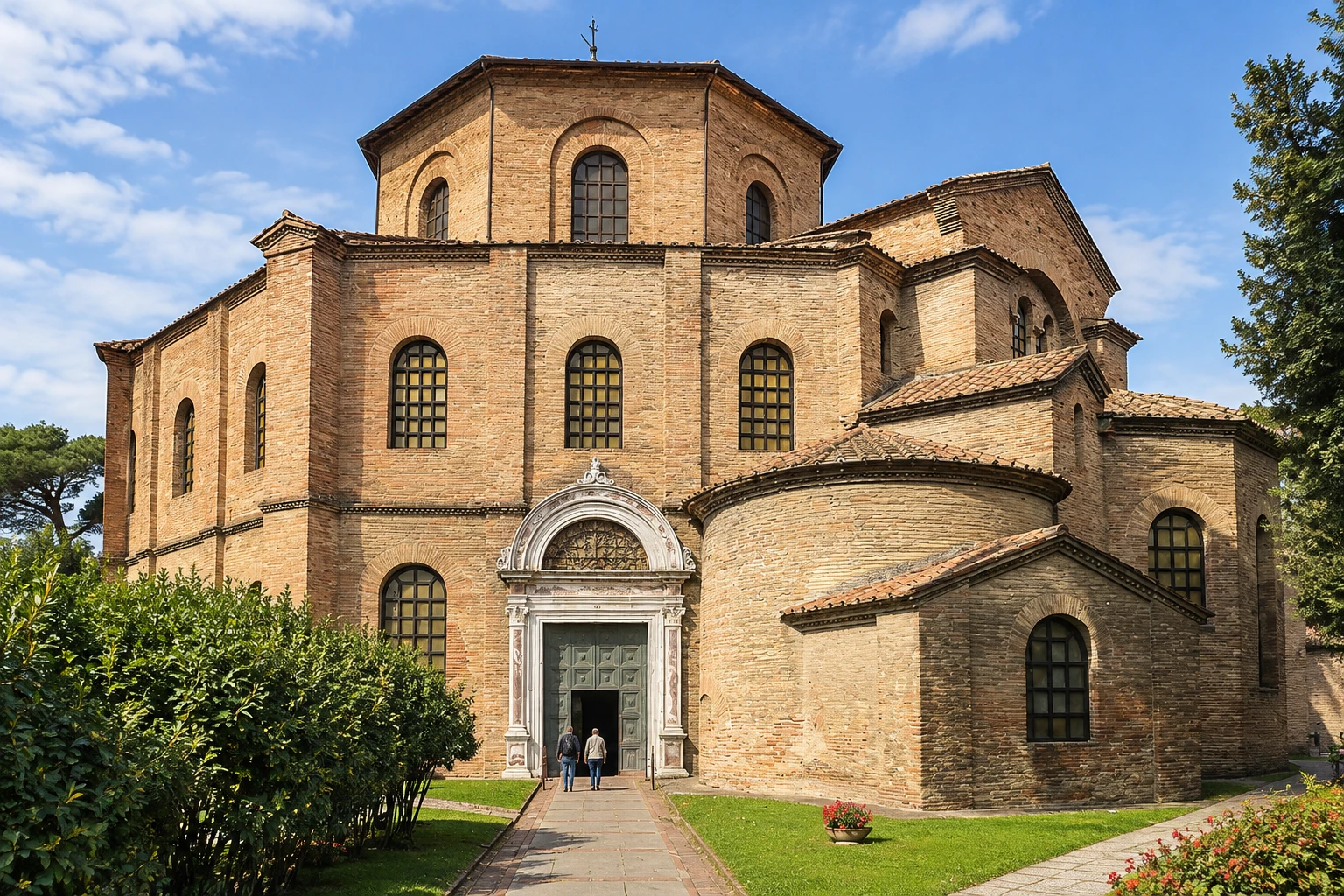
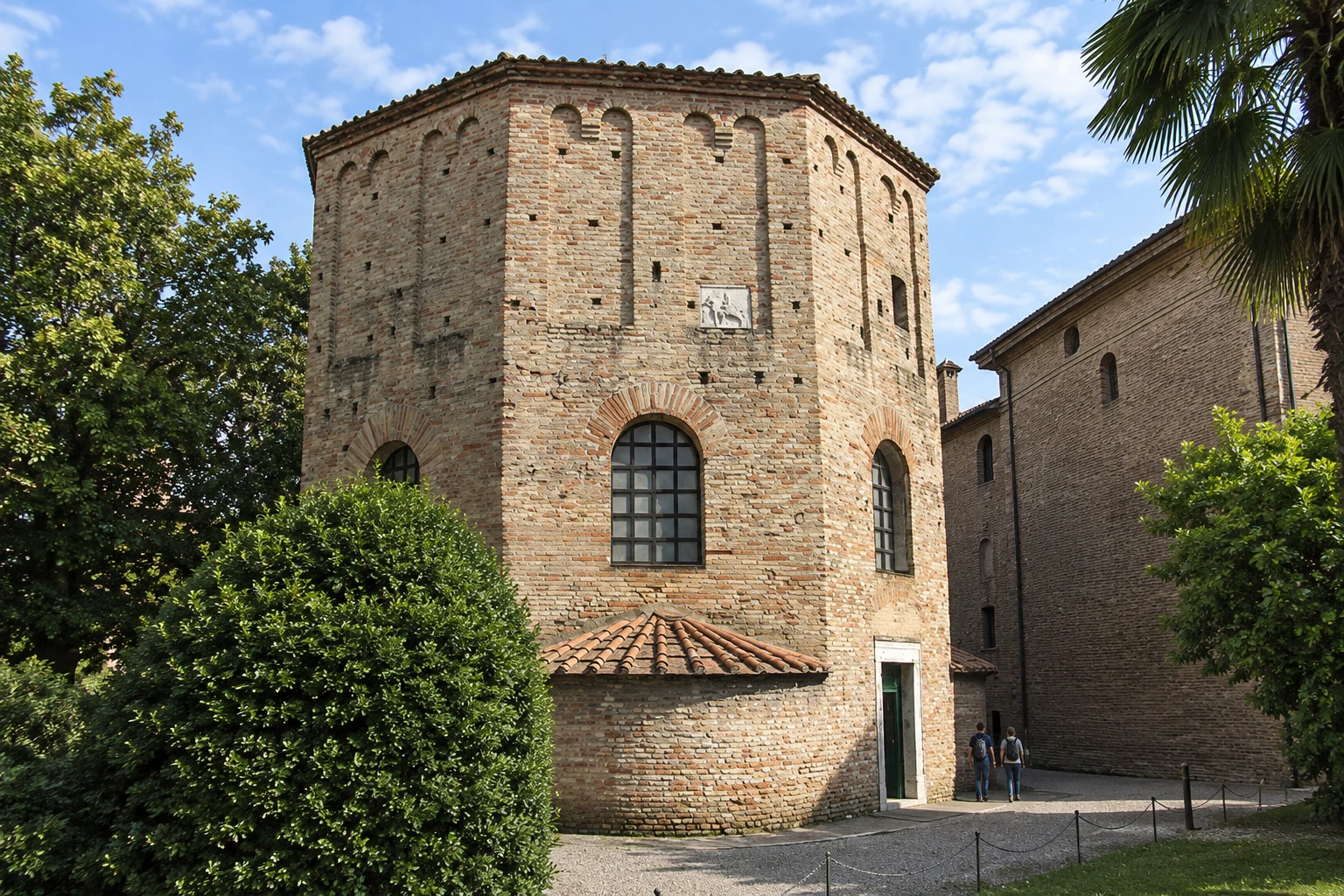
Basilica of San Vitale · RavennaOctagonal basilica consecrated in 547, covered in Byzantine mosaics.
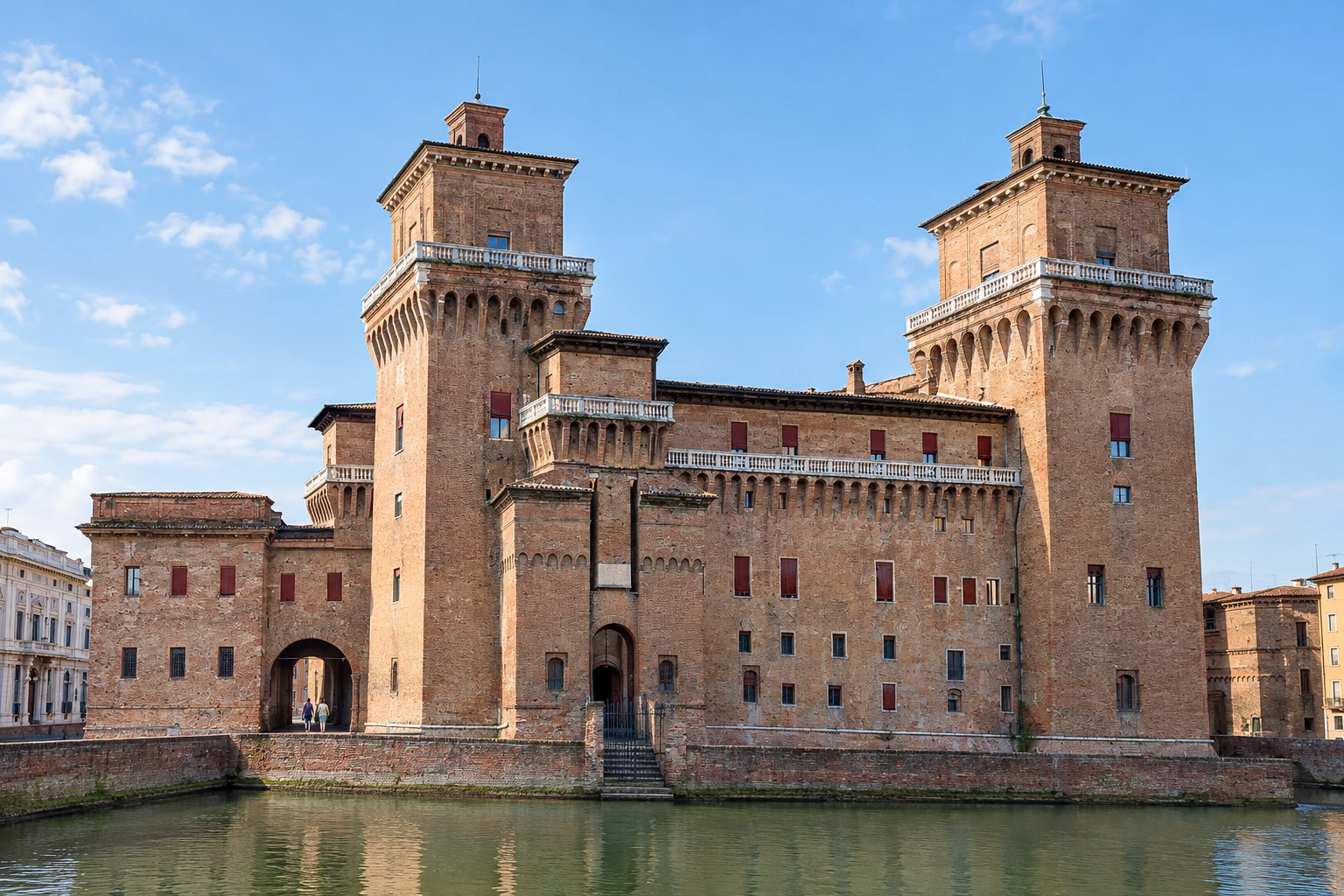
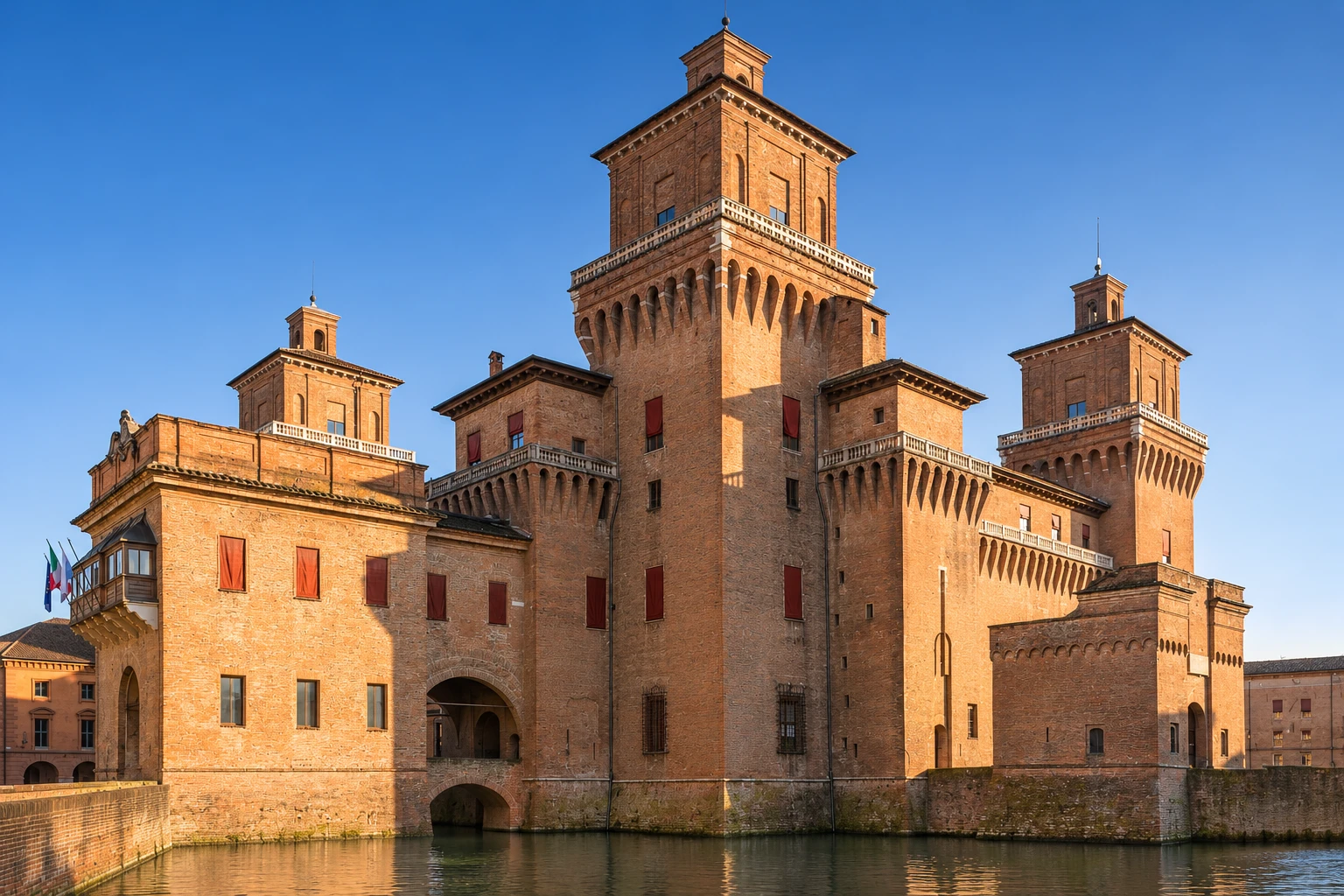
Este Castle · FerraraThe brick castle in central Ferrara retains its four towers around a courtyard and its water-filled moat.
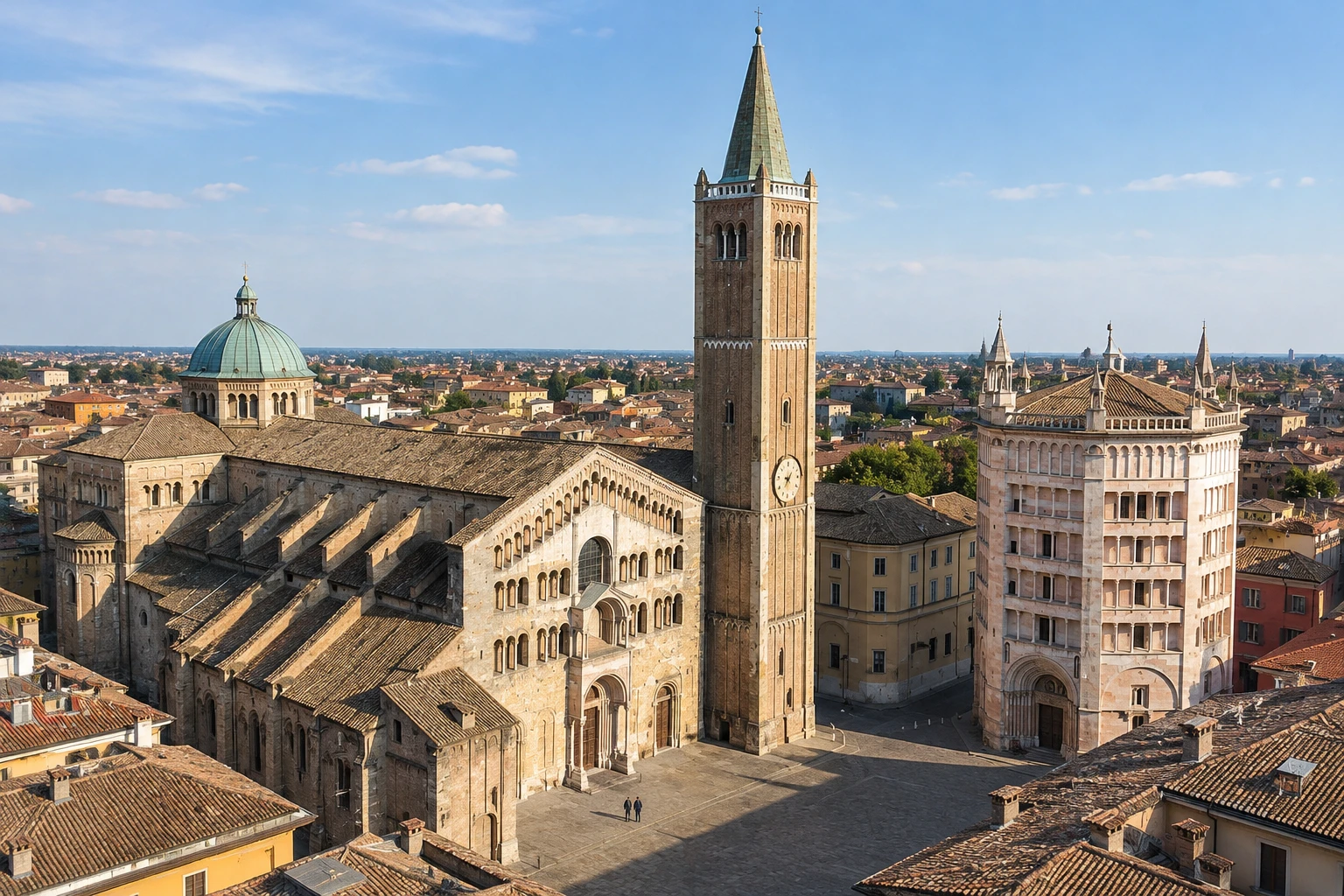
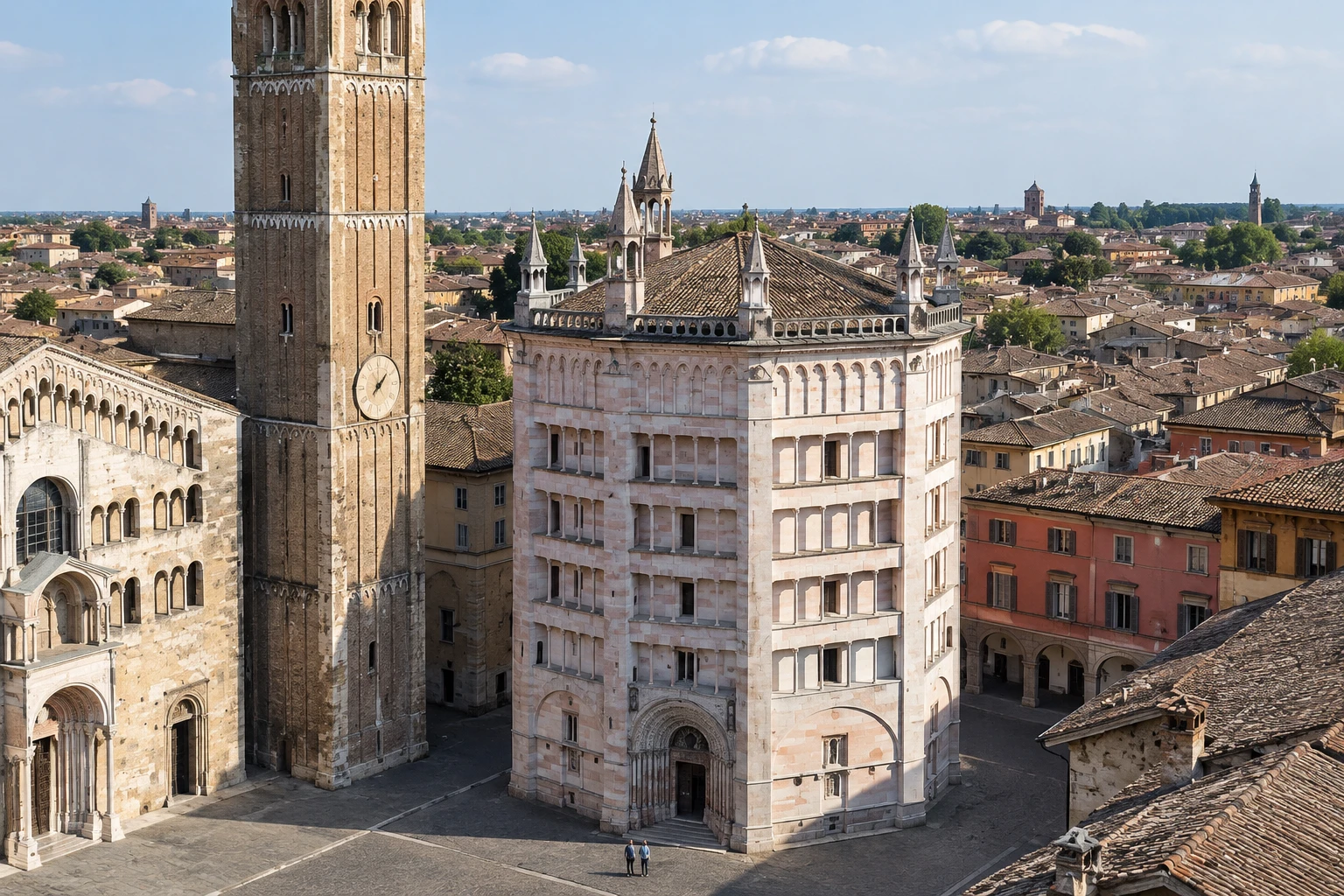
Parma Cathedral · ParmaRomanesque cathedral consecrated in 1106.
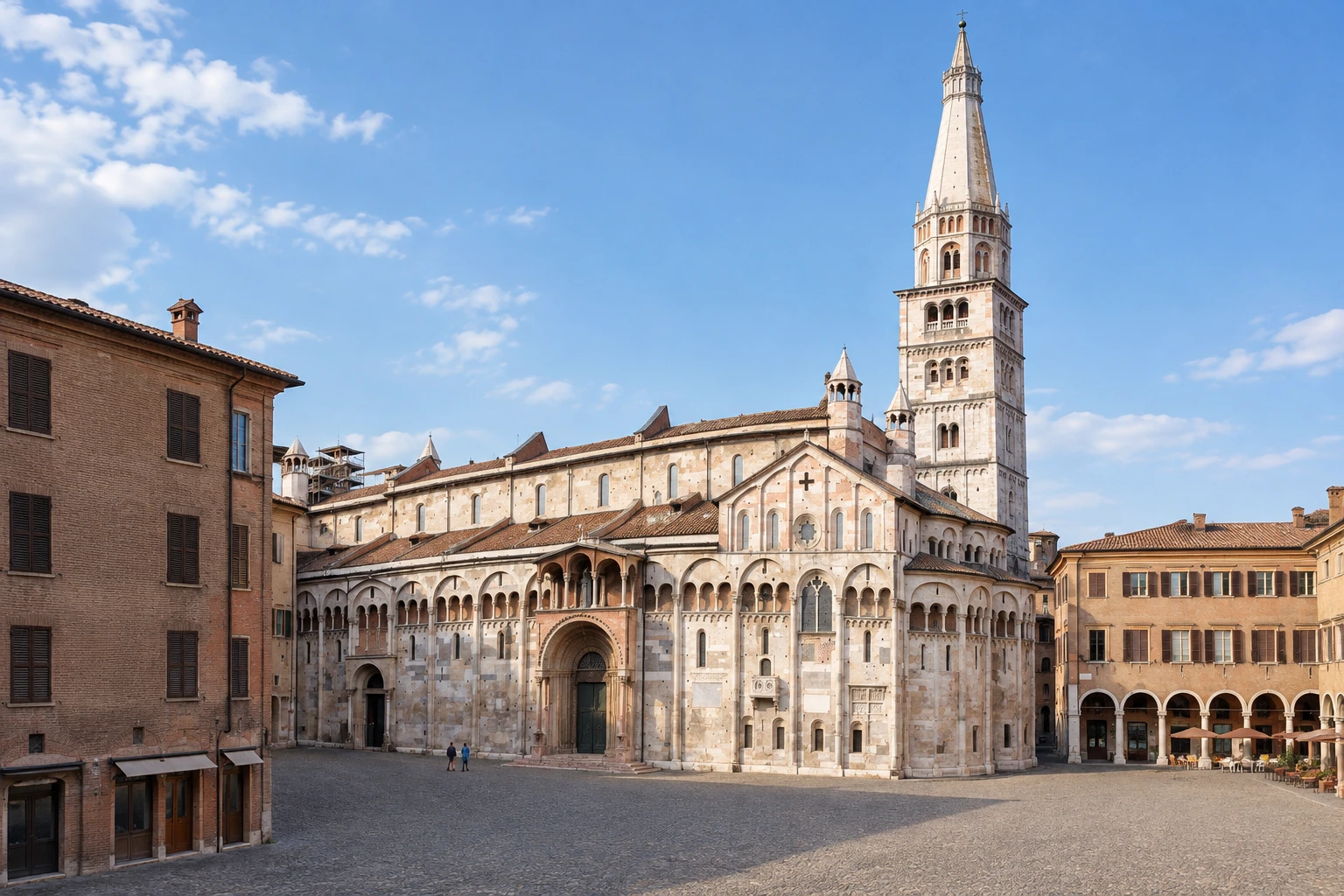
Modena Cathedral · ModenaRomanesque cathedral begun in 1099 by the architect Lanfranco, with reliefs by the sculptor Wiligelmo on the façade.
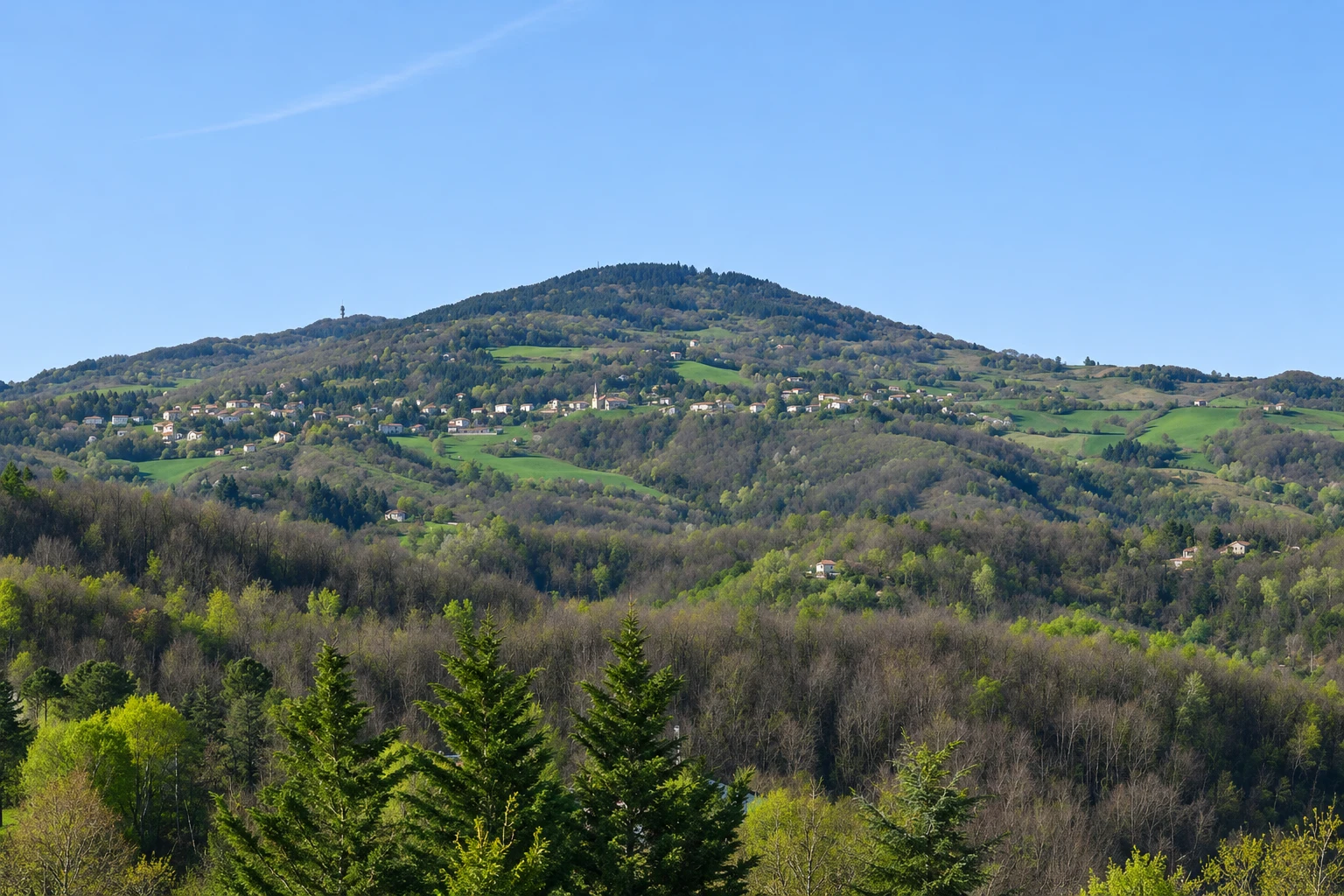
Monte Venere · MonzunoAn Apennine elevation near Monzuno, with paths rising from the village streets to pastures and woods.
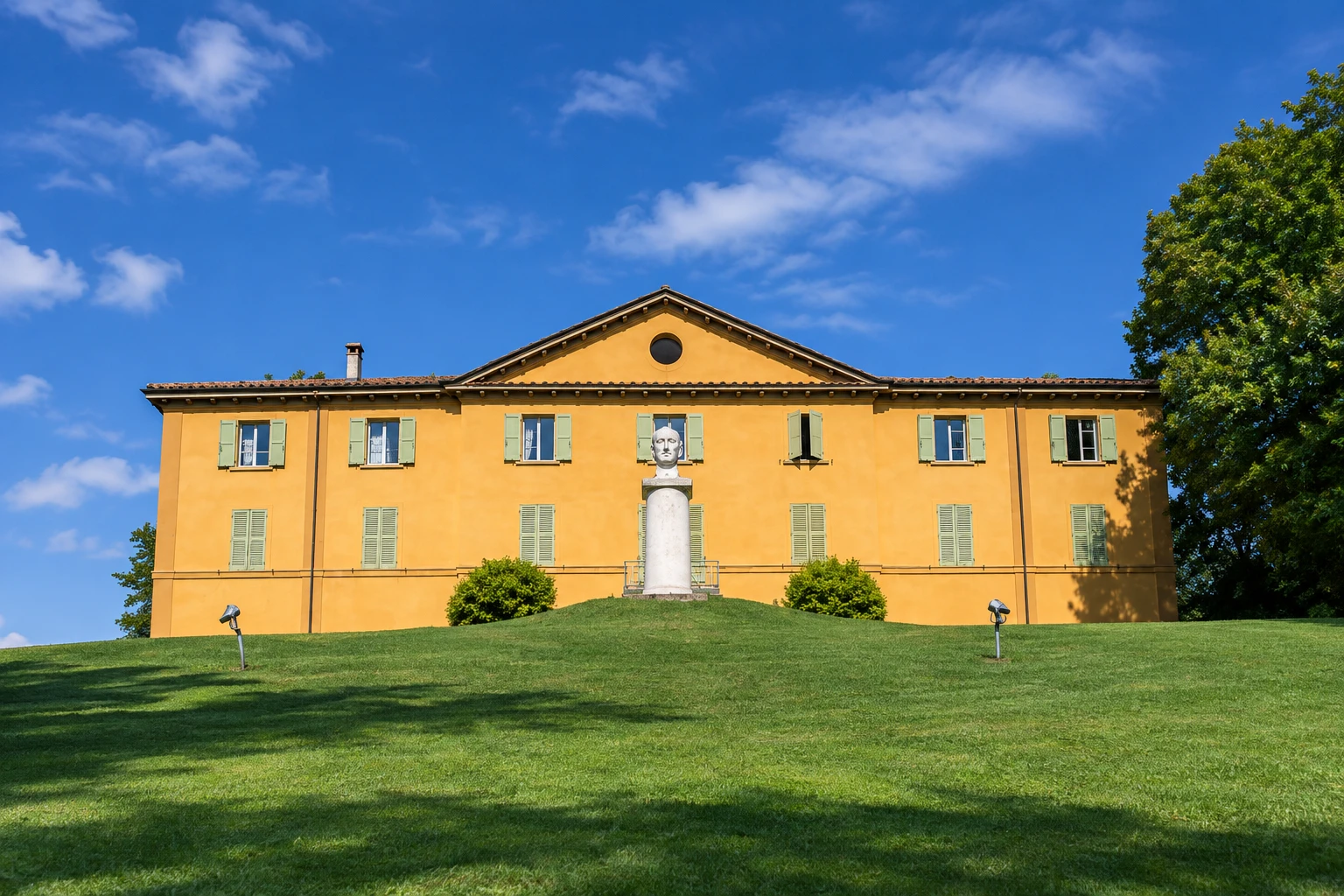
Marconi Museum · Sasso MarconiAt Villa Griffone, instruments and demonstrations explain Guglielmo Marconi’s early experiments with radio communication.
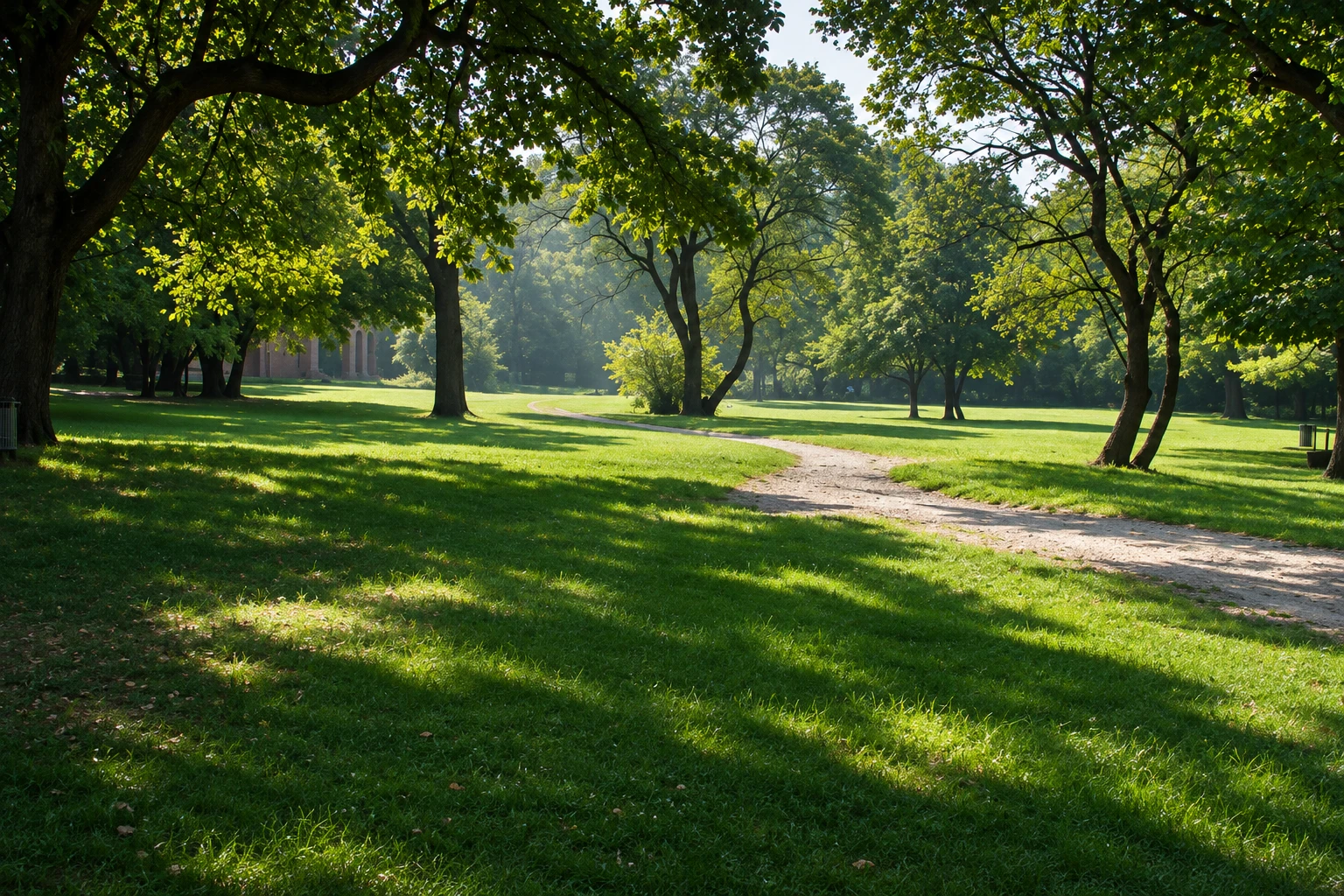
Parco della Chiusa · Casalecchio di RenoPark on the banks of the Reno, with lawns, shaded paths and traces of the Sampieri Talon estate.
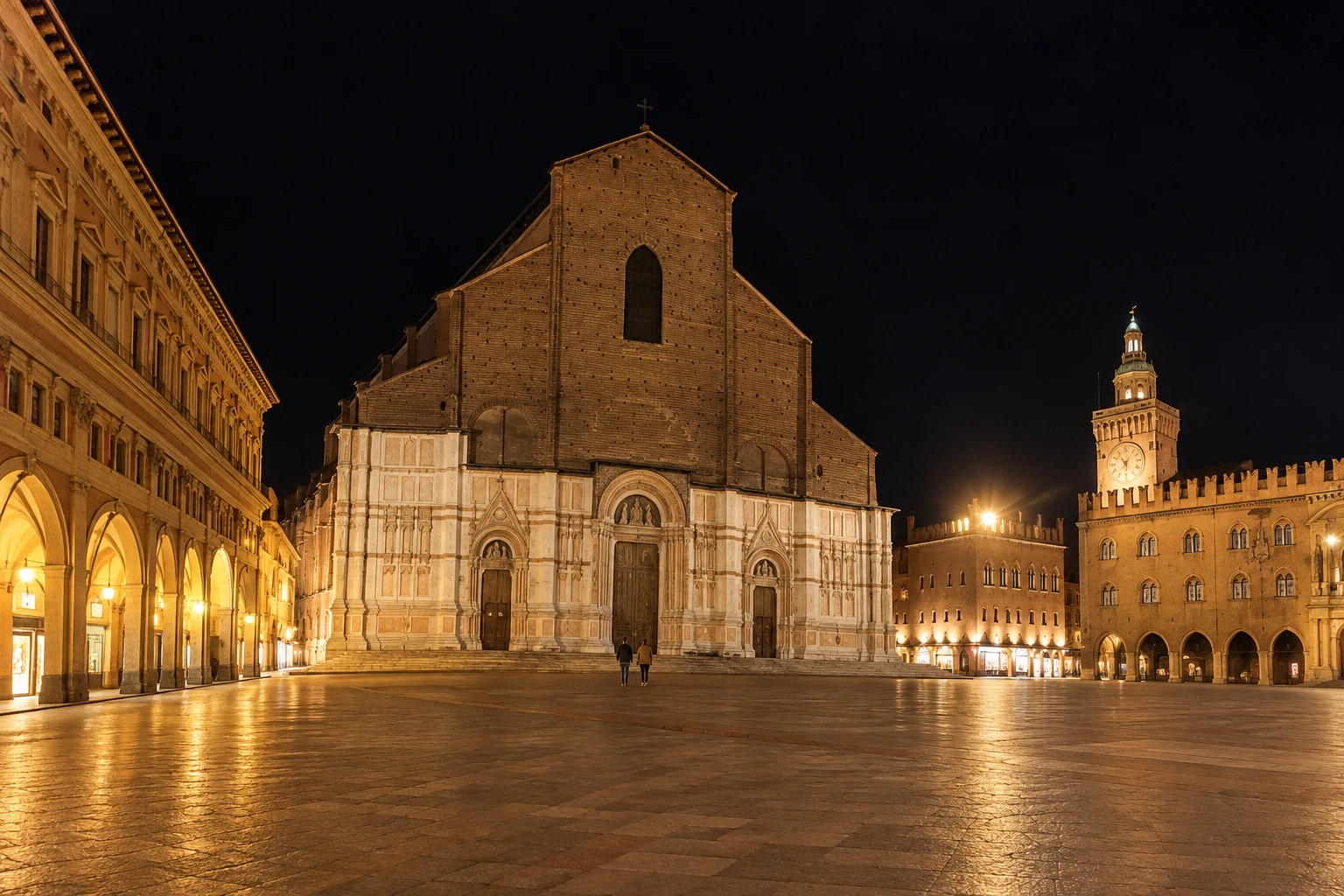
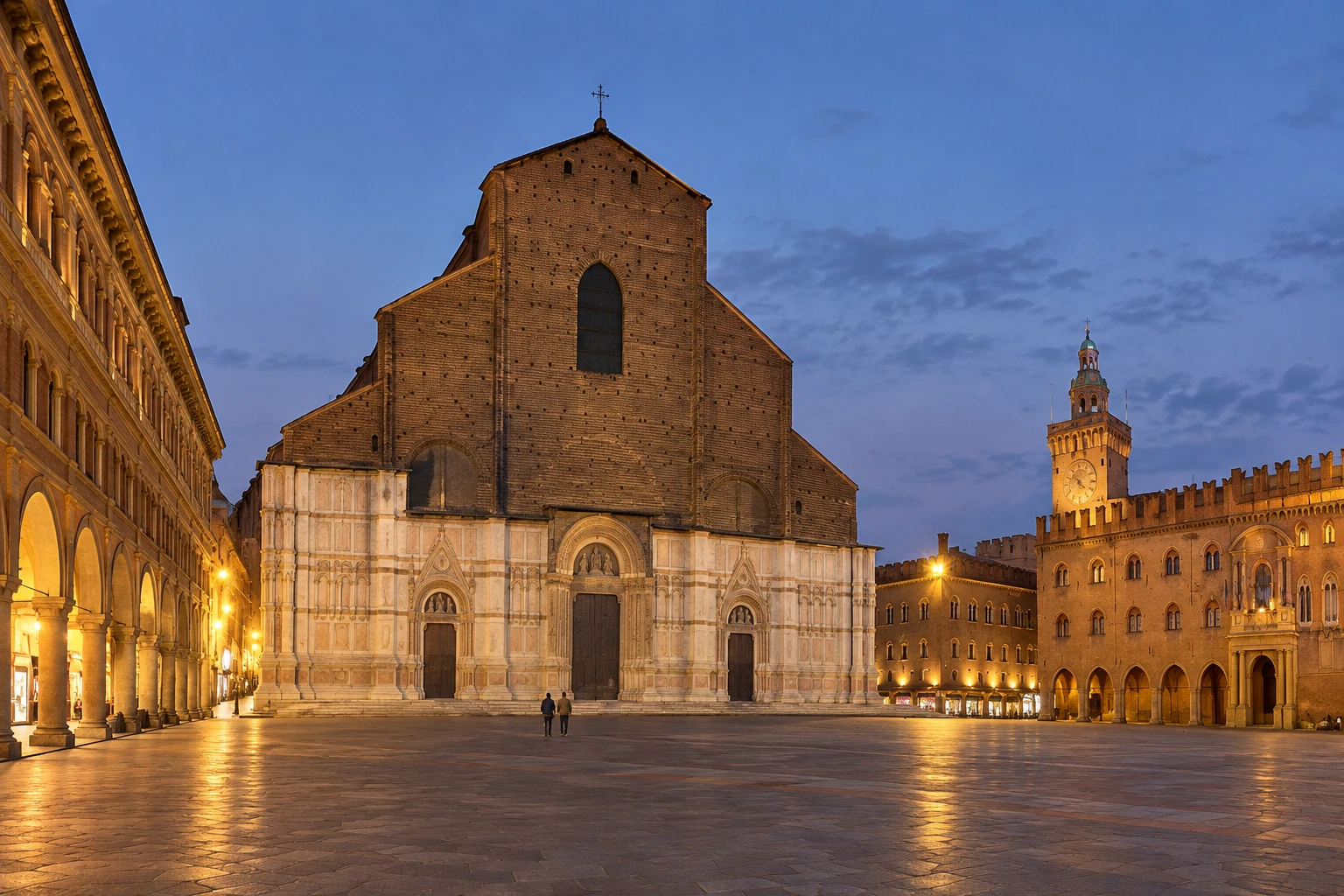
Piazza Maggiore · BolognaThe main square of Bolonha, surrounded by the Basilica di San Petronio, the Palazzo d'Accursio and the Palazzo del Podestà.
Octagonal basilica consecrated in 547, covered in Byzantine mosaics. The panels of Emperor Justinian and Empress Theodora with their courts are among the most famous mosaics in the world.
The brick castle in central Ferrara retains its four towers around a courtyard and its water-filled moat. The museum route takes you through rooms once used by the Este court.
Romanesque cathedral consecrated in 1106. The dome is covered by the Assumption of the Virgin painted by Correggio, and the transept houses the Deposition sculpted by Benedetto Antelami in 1178.
Romanesque cathedral begun in 1099 by the architect Lanfranco, with reliefs by the sculptor Wiligelmo on the façade. In the crypt are the relics of San Geminiano, the city's patron saint.
At Villa Griffone, instruments and demonstrations explain Guglielmo Marconi’s early experiments with radio communication. Entry is by guided tour and requires a reservation.
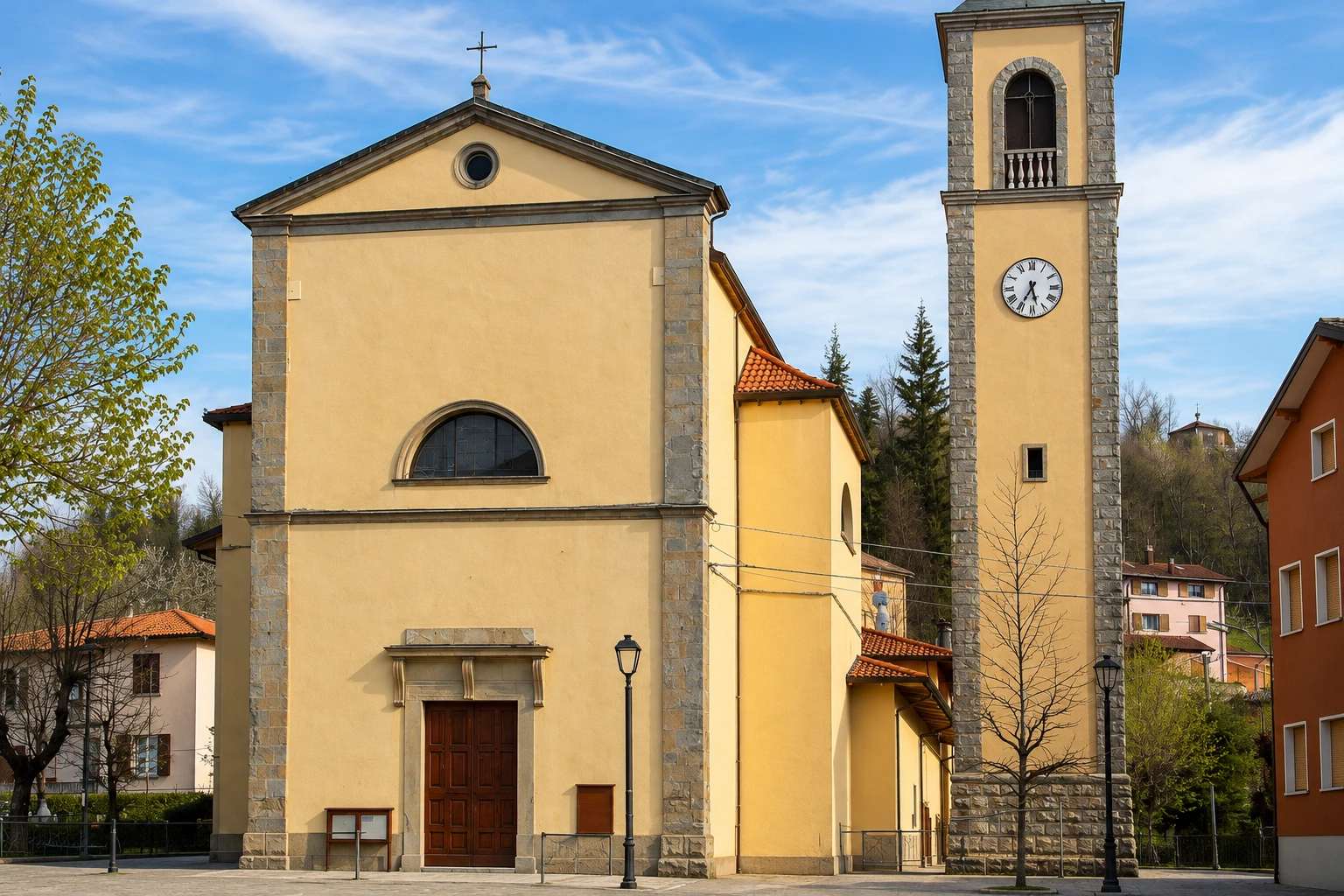
Park on the banks of the Reno, with lawns, shaded paths and traces of the Sampieri Talon estate. The Via degli Dei passes the gate next to the church of San Martino.
The main square of Bolonha, surrounded by the Basilica di San Petronio, the Palazzo d'Accursio and the Palazzo del Podestà. Beside it is the Fontana del Nettuno by Giambologna.
The largest church in Bologna, built of brick with an unfinished façade facing the Piazza Maggiore. Running across the floor is the meridian by Giovanni Domenico Cassini, from 1655.
Octagonal baptistery of pink Verona marble, begun in 1196 by Benedetto Antelami. Sculptures of the months and seasons and 13th-century frescoes cover the interior.
Small 5th-century cruciform building in the garden of San Vitale. The cobalt-blue dome with golden stars and the lunette of the Good Shepherd are among Ravenna's oldest mosaics.
Ferrara’s city walls form a belt of brick, earth, and greenery. Porta degli Angeli provides access to the northern section at the end of Corso Ercole I d’Este.
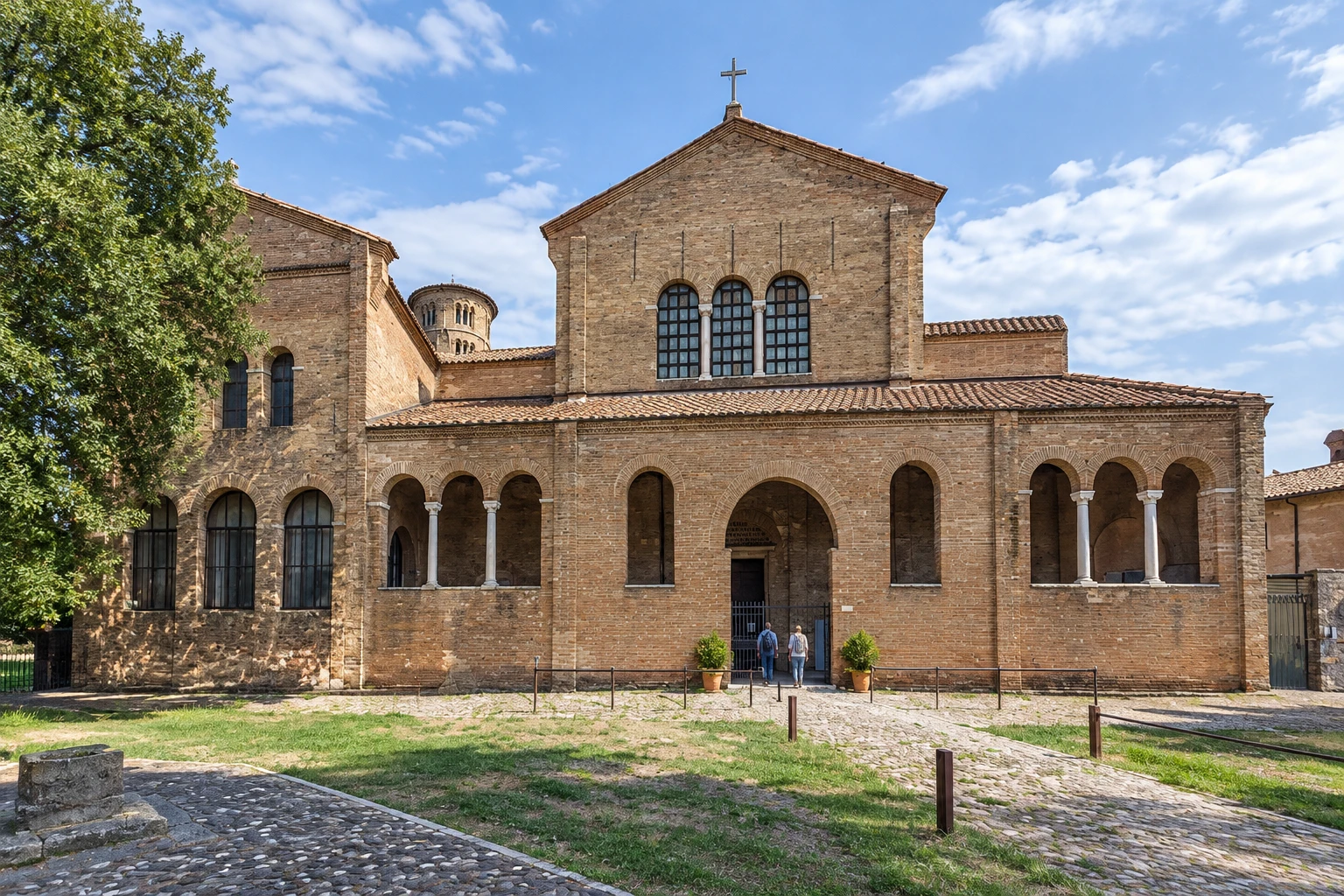
Basilica erected by Theodoric in the early 6th century. The nave walls display long processions of martyrs and virgins on a golden background, as well as Theodoric's palace and the port of Classe.
Large palace of the Farnese that houses the Teatro Farnese, made of wood, the Galleria Nazionale with works by Correggio, Parmigianino and Leonardo, the Biblioteca Palatina and the Museo Bodoni.
The seat of Bologna's town hall since the Middle Ages, on the Piazza Maggiore. It houses the Collezioni Comunali d'Arte and the Torre dell'Orologio, which can be climbed by reservation.
Módena's main square, between the Duomo and the Palazzo Comunale. It is part of the UNESCO World Heritage ensemble together with the cathedral and the Ghirlandina.
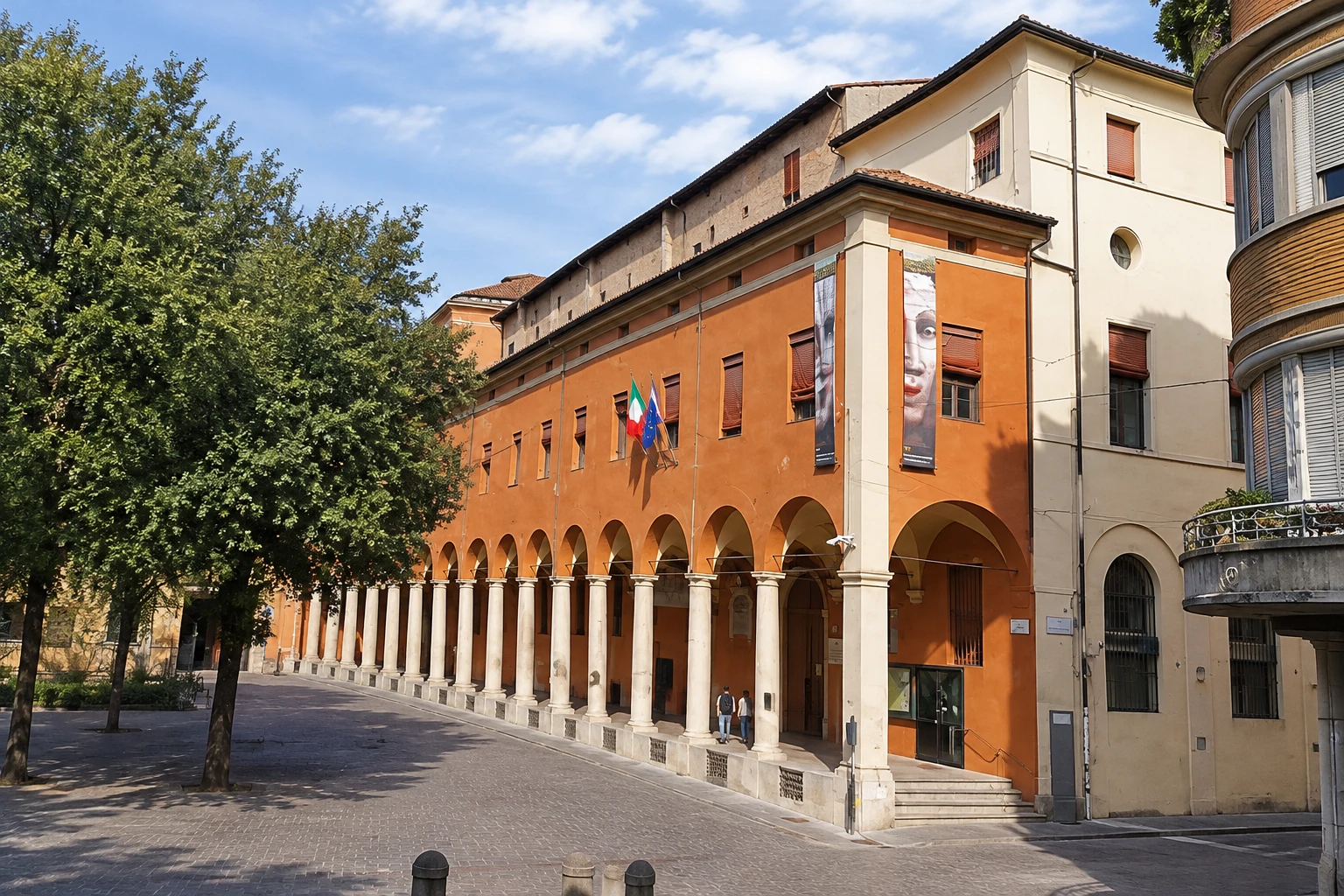
16th-century palace that was the seat of the former university. It has thousands of students' coats of arms on the walls and the Teatro Anatomico, a wooden hall used for anatomy lessons.
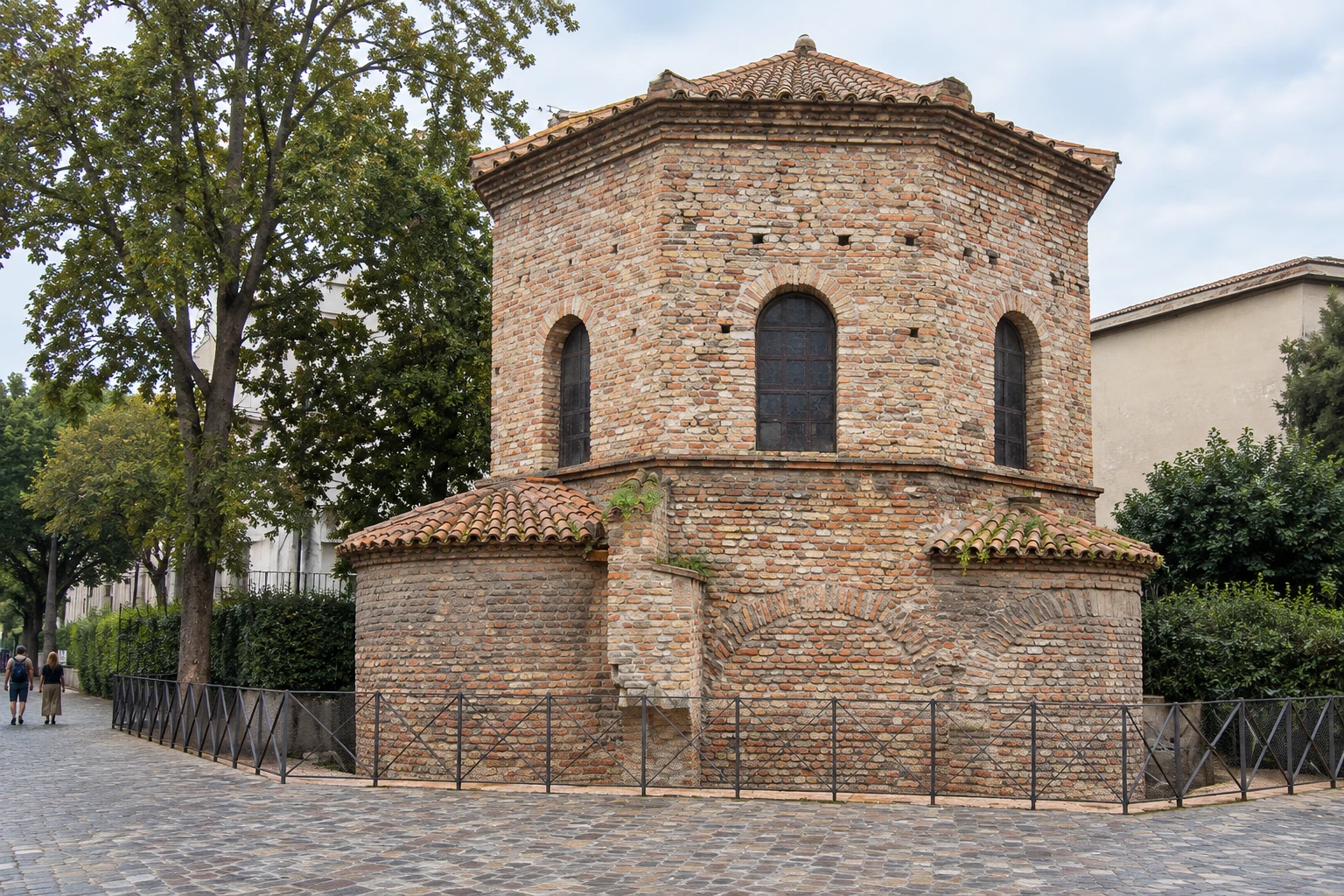
5th-century octagonal baptistery next to the cathedral, also called Battistero degli Ortodossi. In the dome, the baptism of Christ is surrounded by the procession of the twelve apostles.
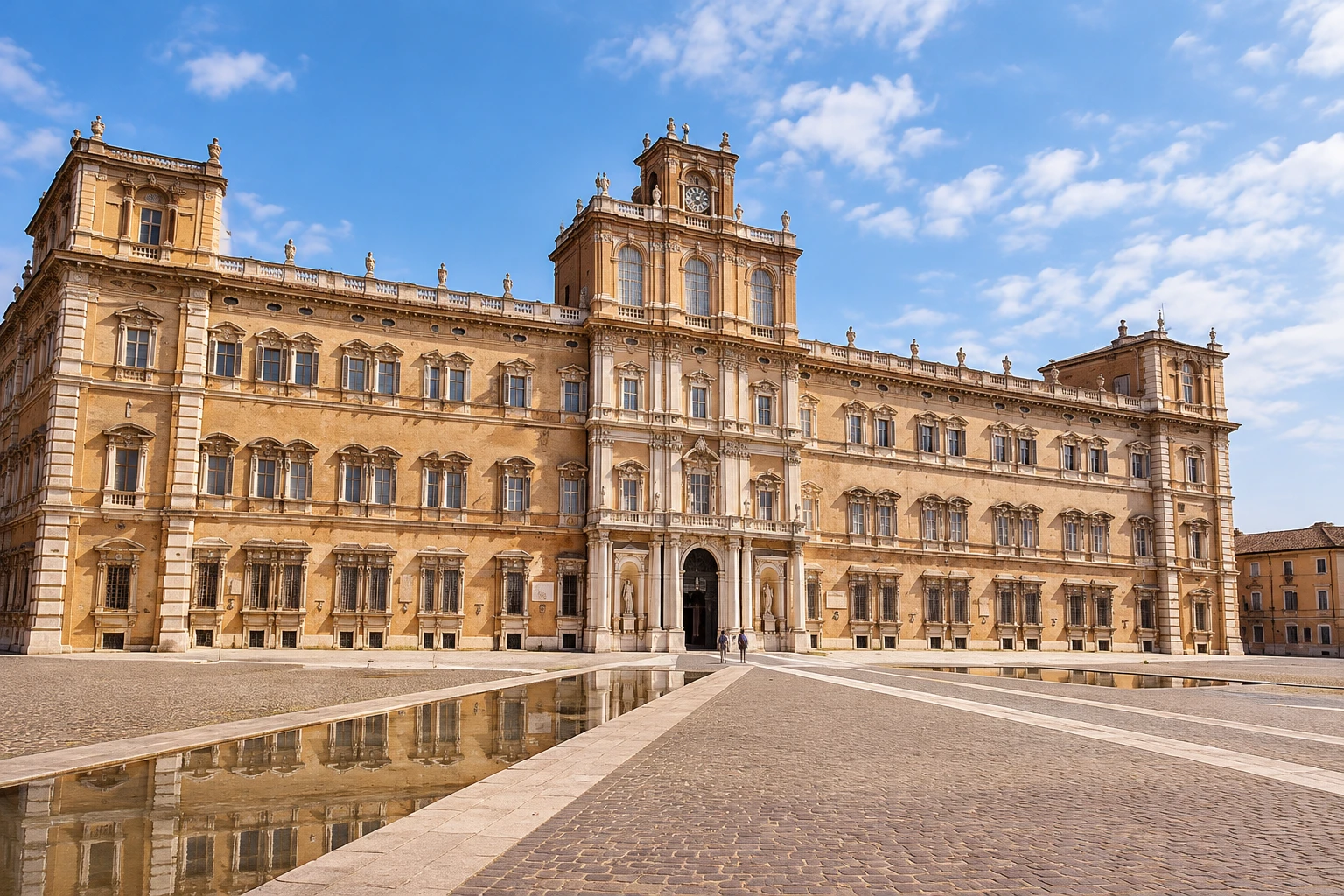
Baroque palace that was the residence of the dukes d'Este for more than two centuries. Today it houses the Accademia Militare and can only be visited on guided tours on Saturdays and Sundays.
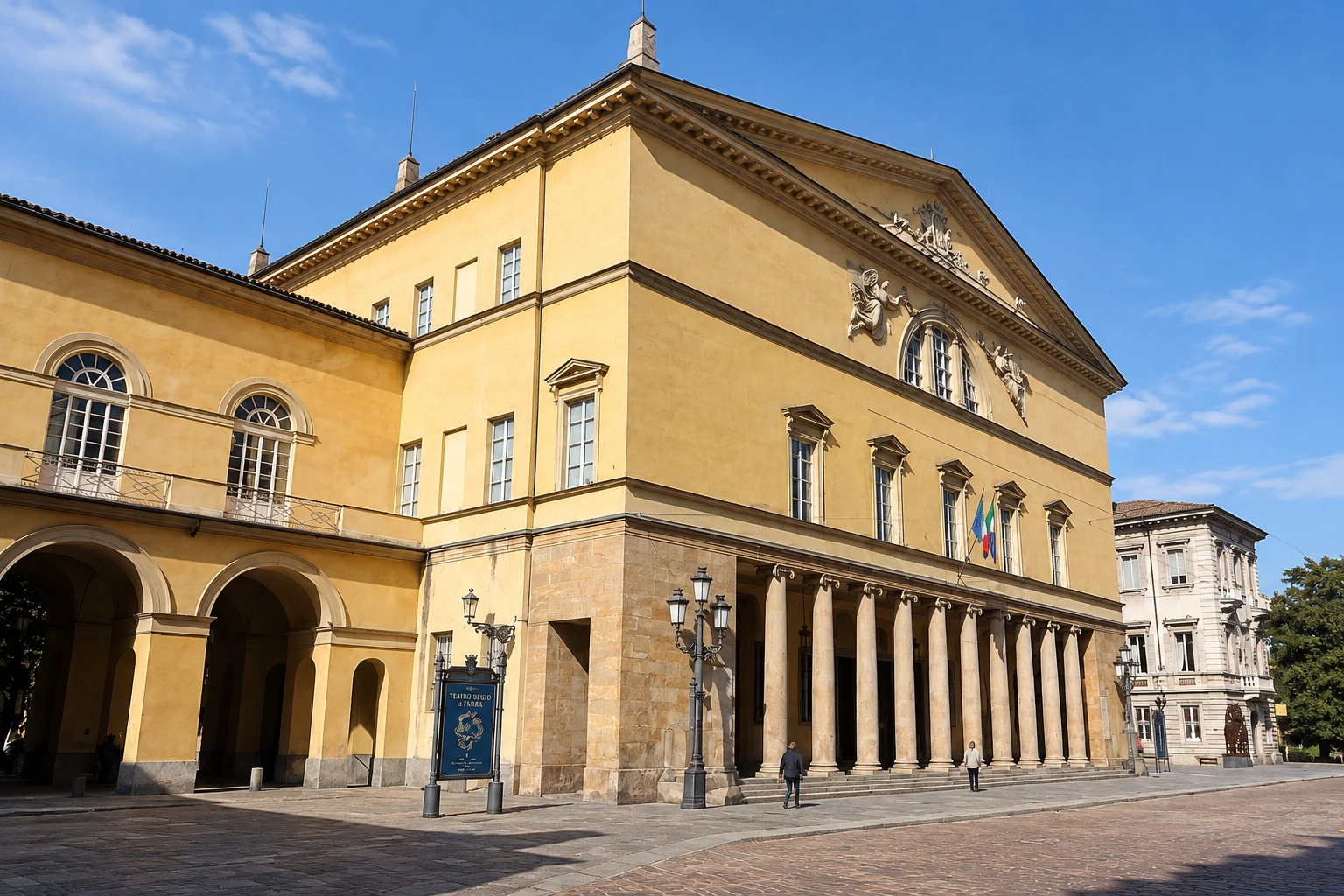
Opera house inaugurated in 1829 by Duchess Maria Luisa of Austria, linked to the tradition of Giuseppe Verdi. Guided tours of about 30 minutes to the auditorium and foyer are offered.
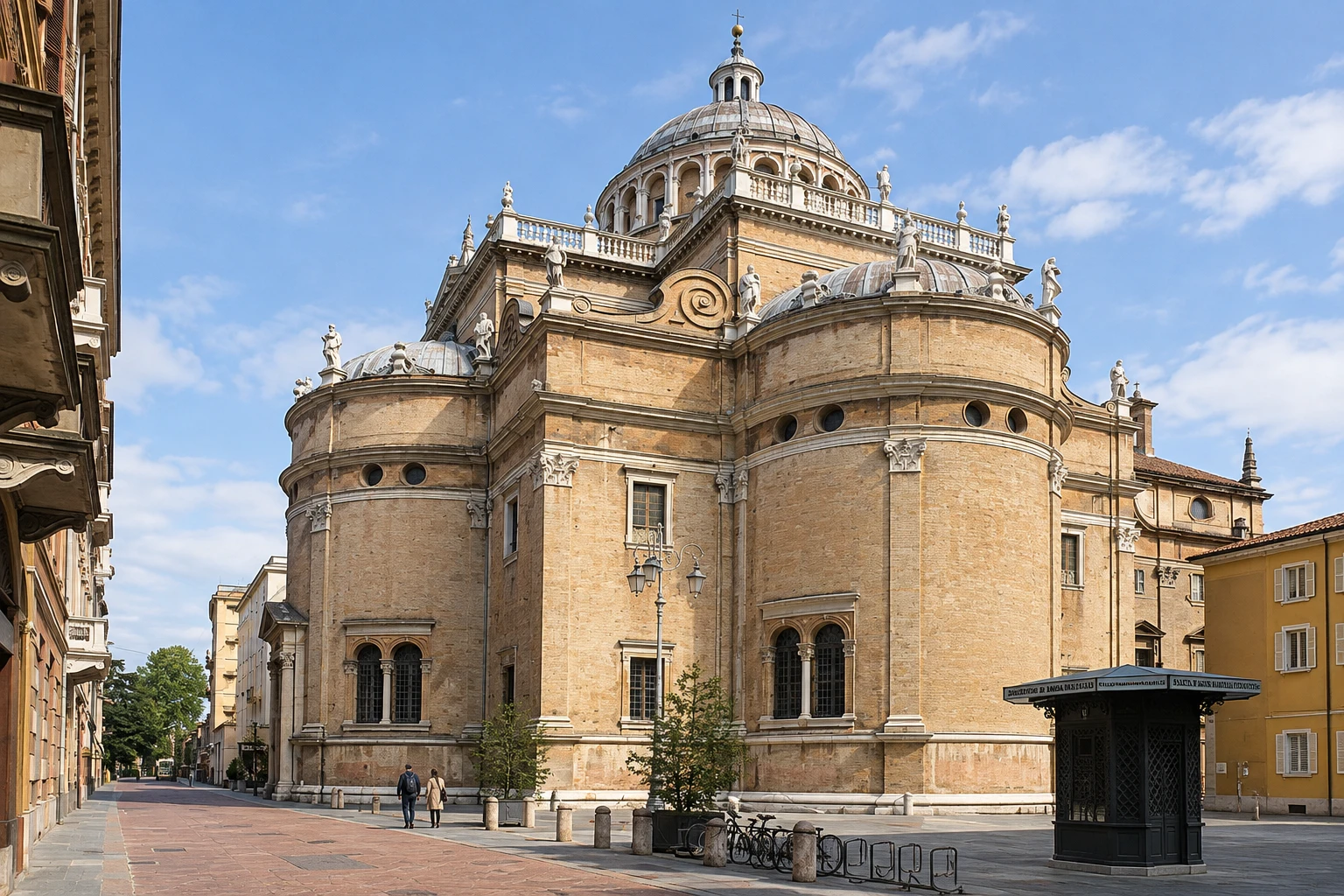
Renaissance church with a Greek cross plan, built between 1521 and 1539, with frescoes by Parmigianino on the arch of the presbytery and tombs of the Farnese and the Bourbon in the crypt.
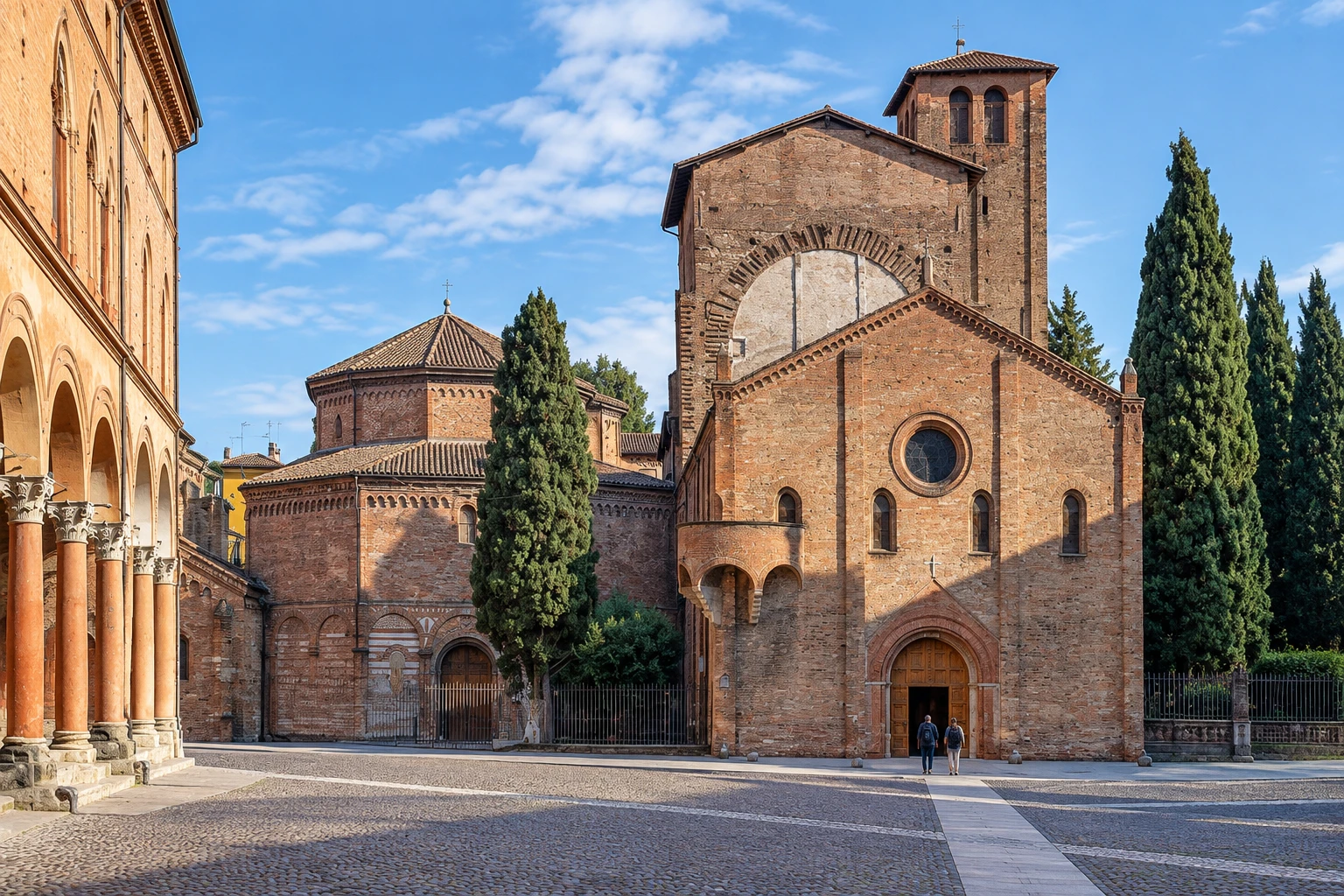
Group of churches, courtyards and cloister linked together, known as the Sette Chiese. It includes the church of the Santo Sepolcro, inspired by the one in Jerusalem, and the Cortile di Pilato.
Small baptistery built in the time of Theodoric, between the late 5th and early 6th century. The dome shows the baptism of Christ and the twelve apostles on a golden background.
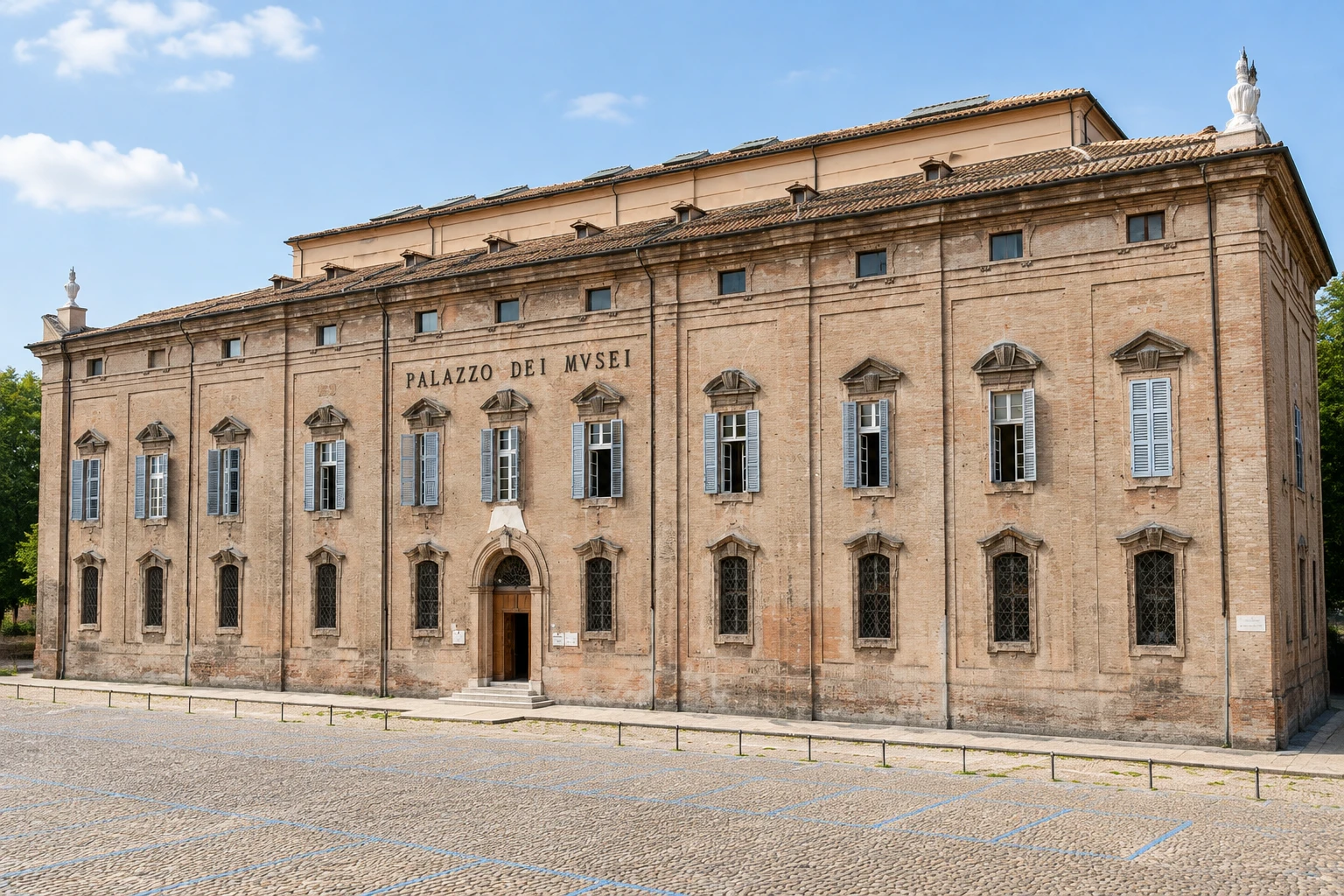
Art collection of the dukes d'Este in the Palazzo dei Musei, featuring the portrait of Francesco I d'Este by Velázquez, the bust of the same duke by Bernini, and the Tríptico de Módena by El Greco.
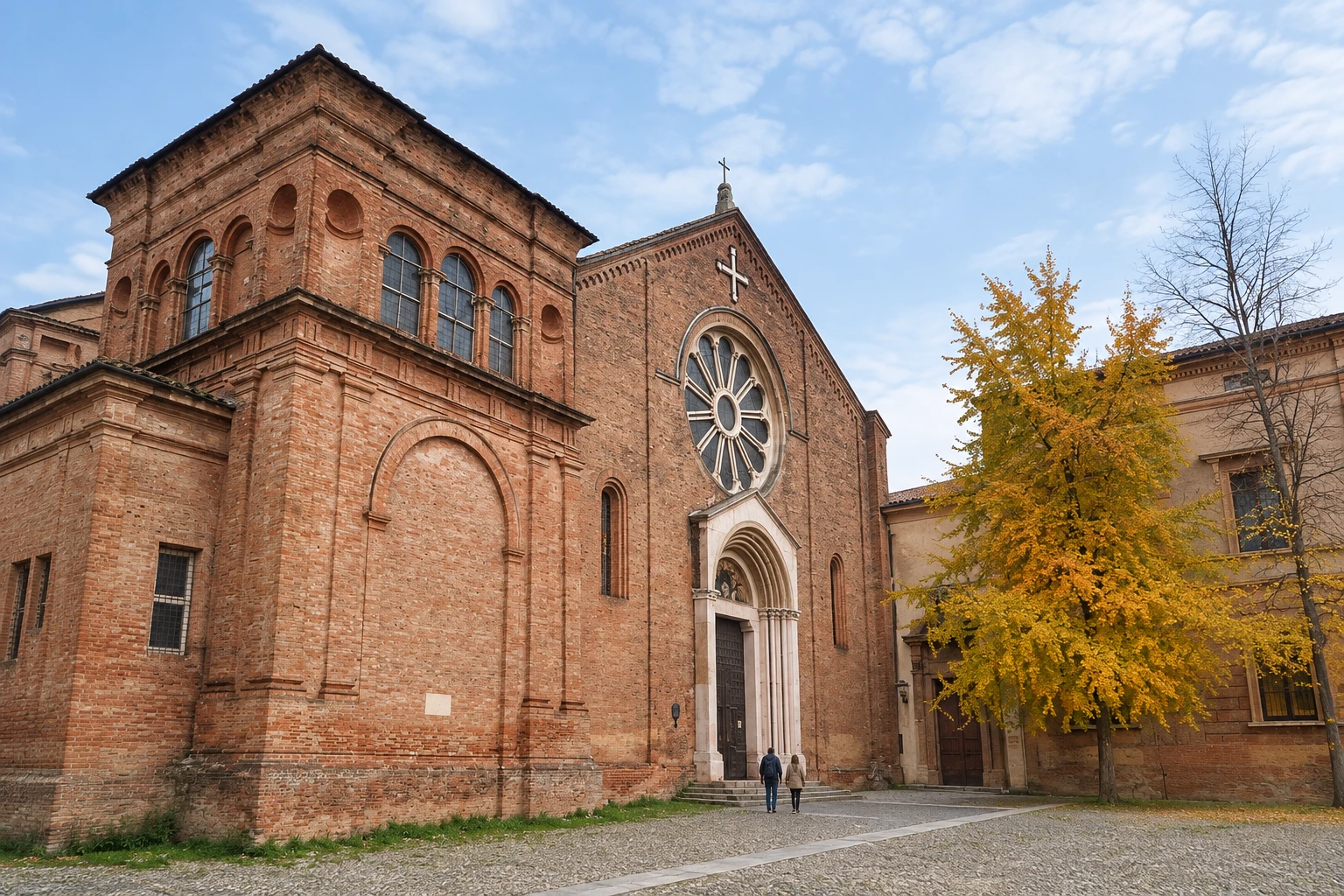
Church where São Domingos is buried, founder of the Dominican order. The Arca di San Domenico brings together works by Nicola Pisano, Niccolò dell'Arca and three statues by the young Michelangelo.
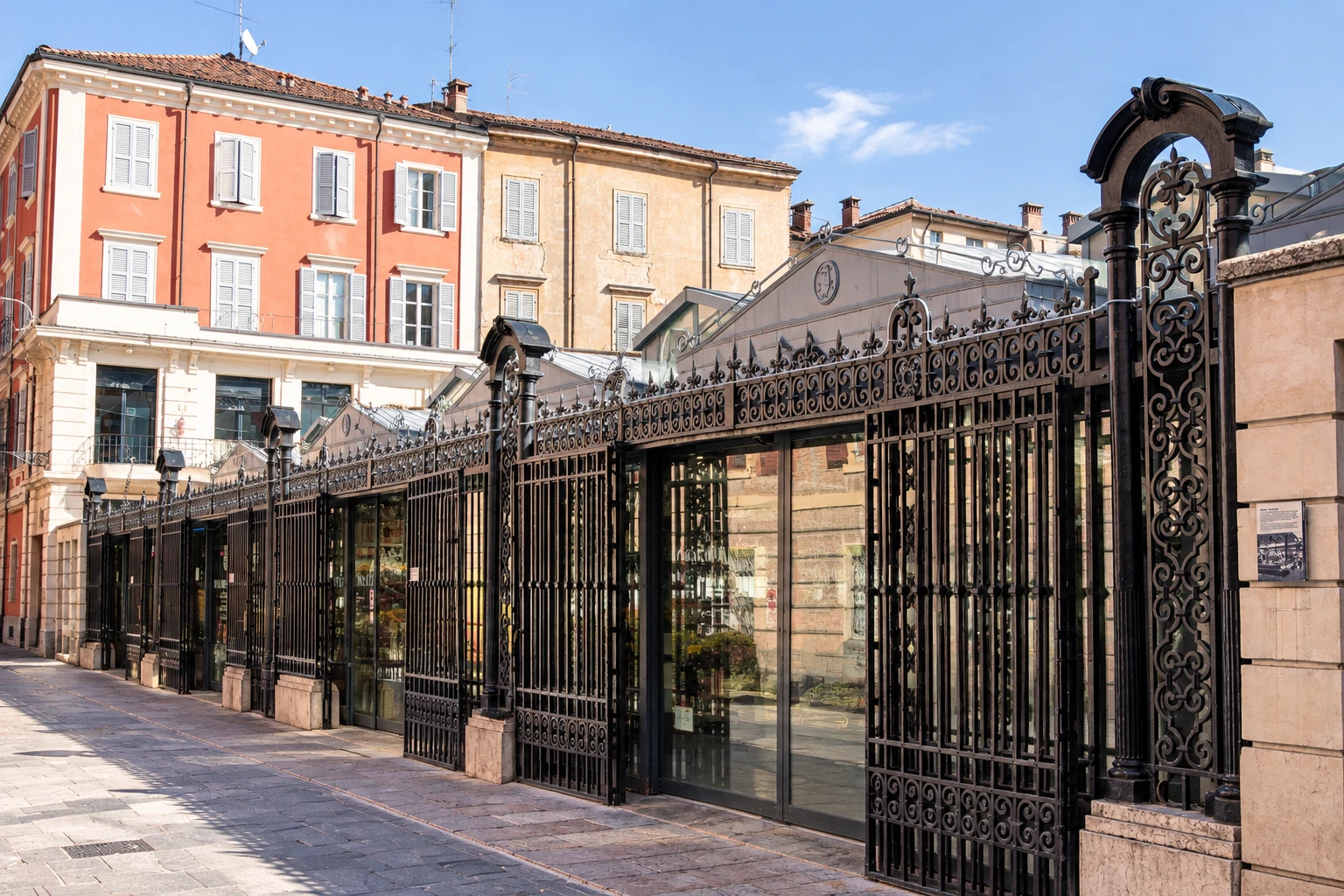
The covered market in Módena's center, with stalls selling fruit, cold cuts, cheeses, fresh pasta and aceto balsamico, under an iron-and-glass structure.
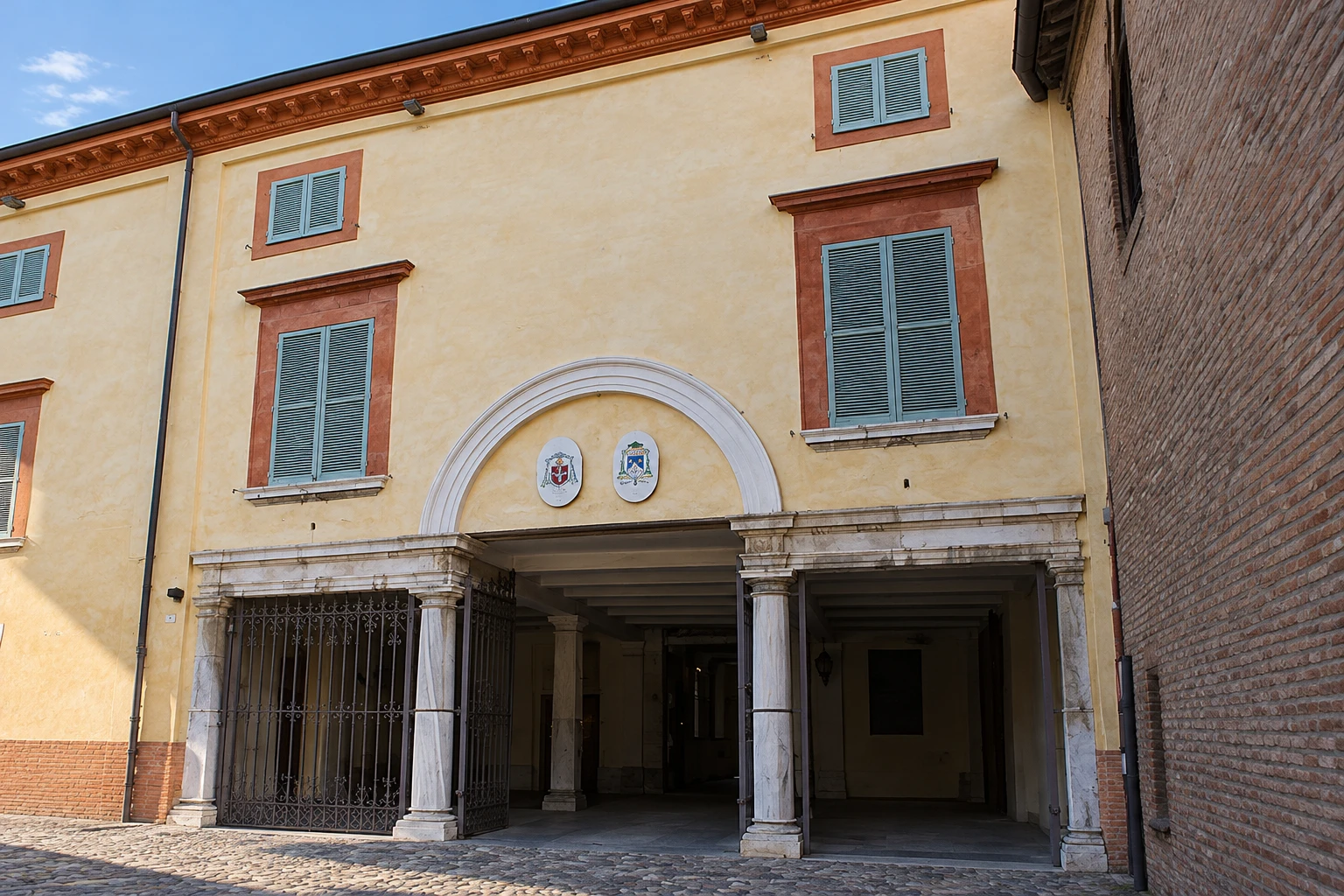
Archbishopric museum with the Cappella di Sant'Andrea, a mosaic chapel from the late 5th century, and the Cátedra de Maximiano, a 6th-century ivory episcopal throne.
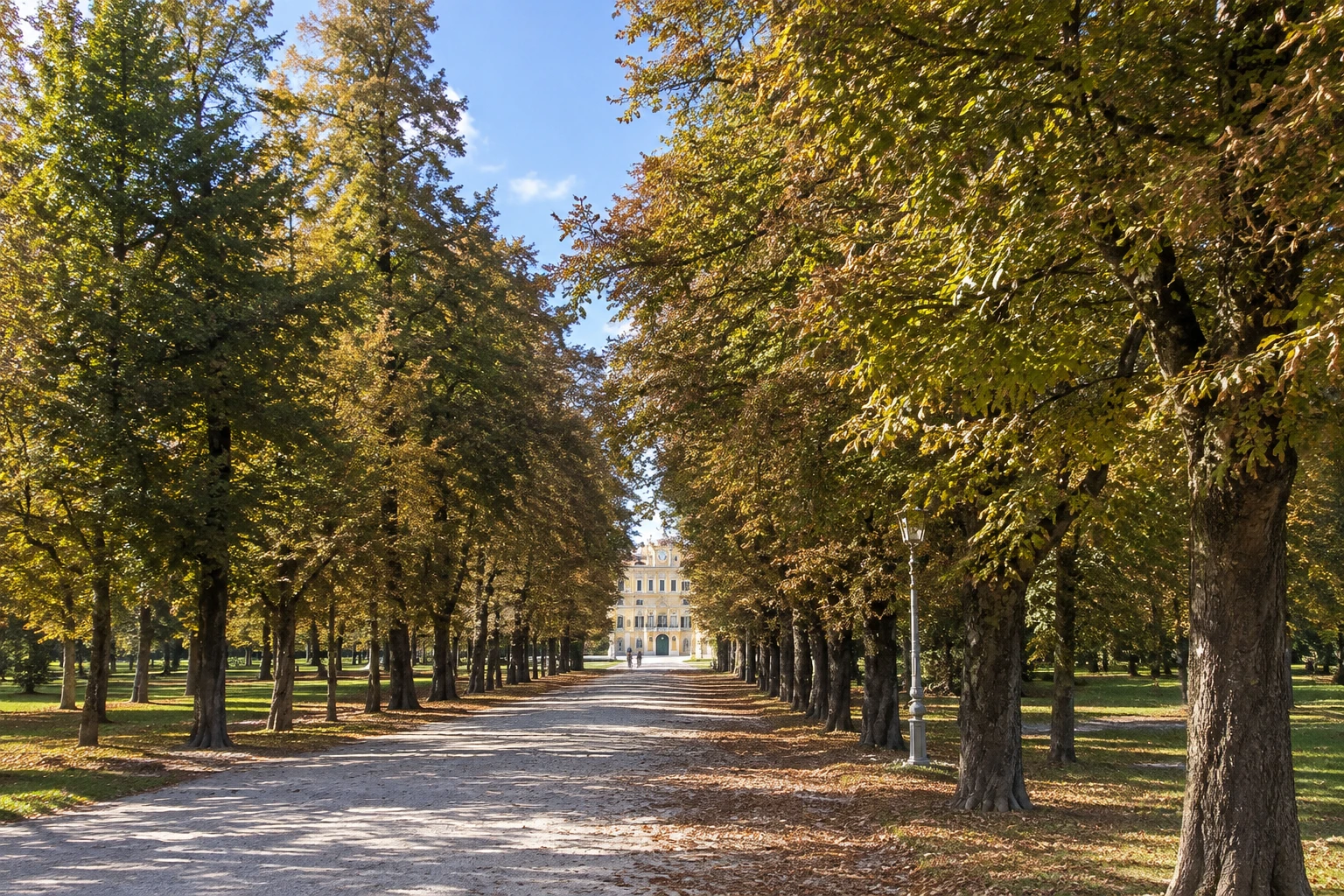
Historic park of about 20 hectares created by the Farnese in the 16th century, on the opposite side of the river Parma. It has tree‑lined avenues, a lake with an island and the Palazzo Ducale del Giardino.
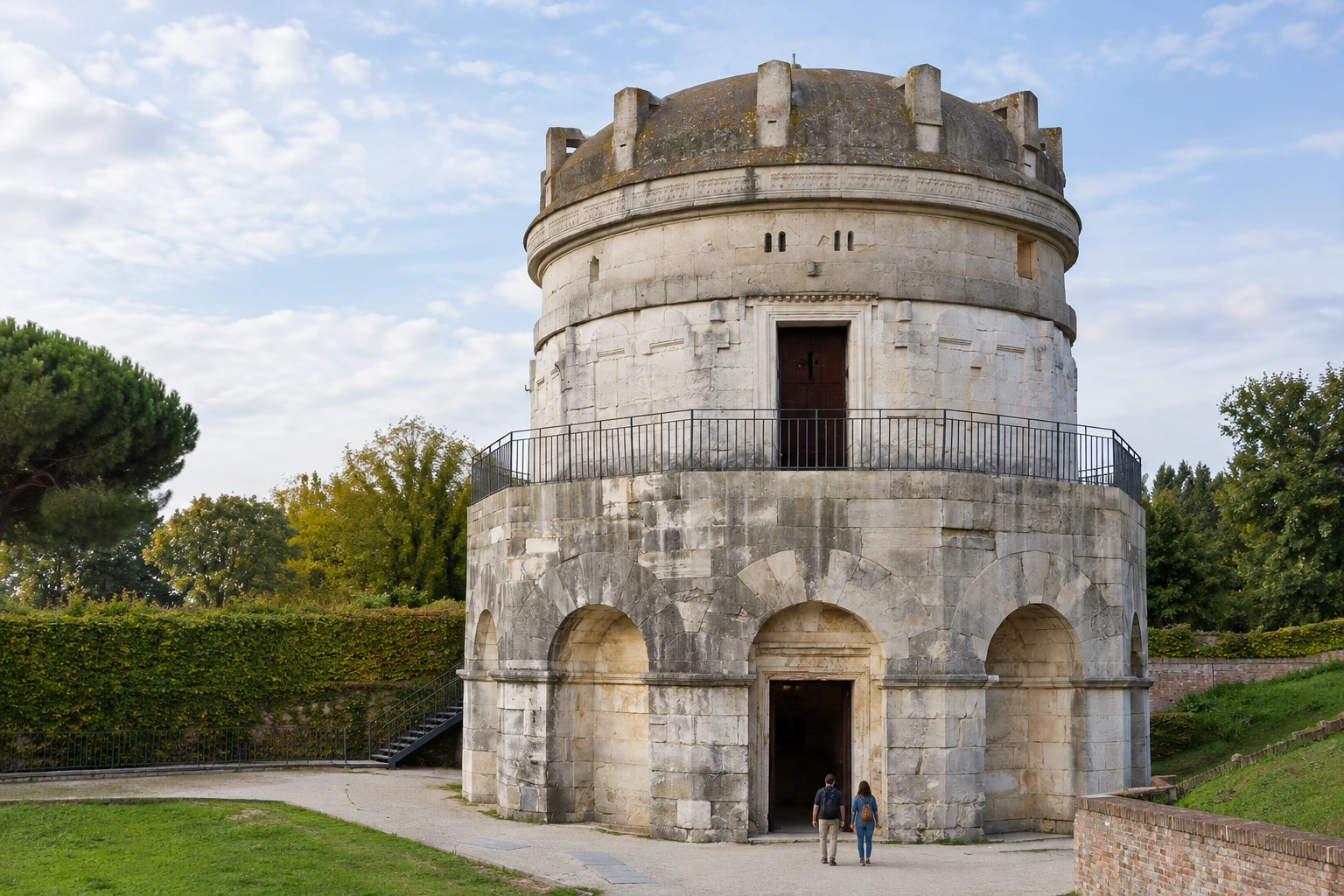
Stone tomb of the Ostrogoth king Teodorico, from the early 6th century. It is covered by a single block of stone nearly 11 meters in diameter and about 230 tonnes.
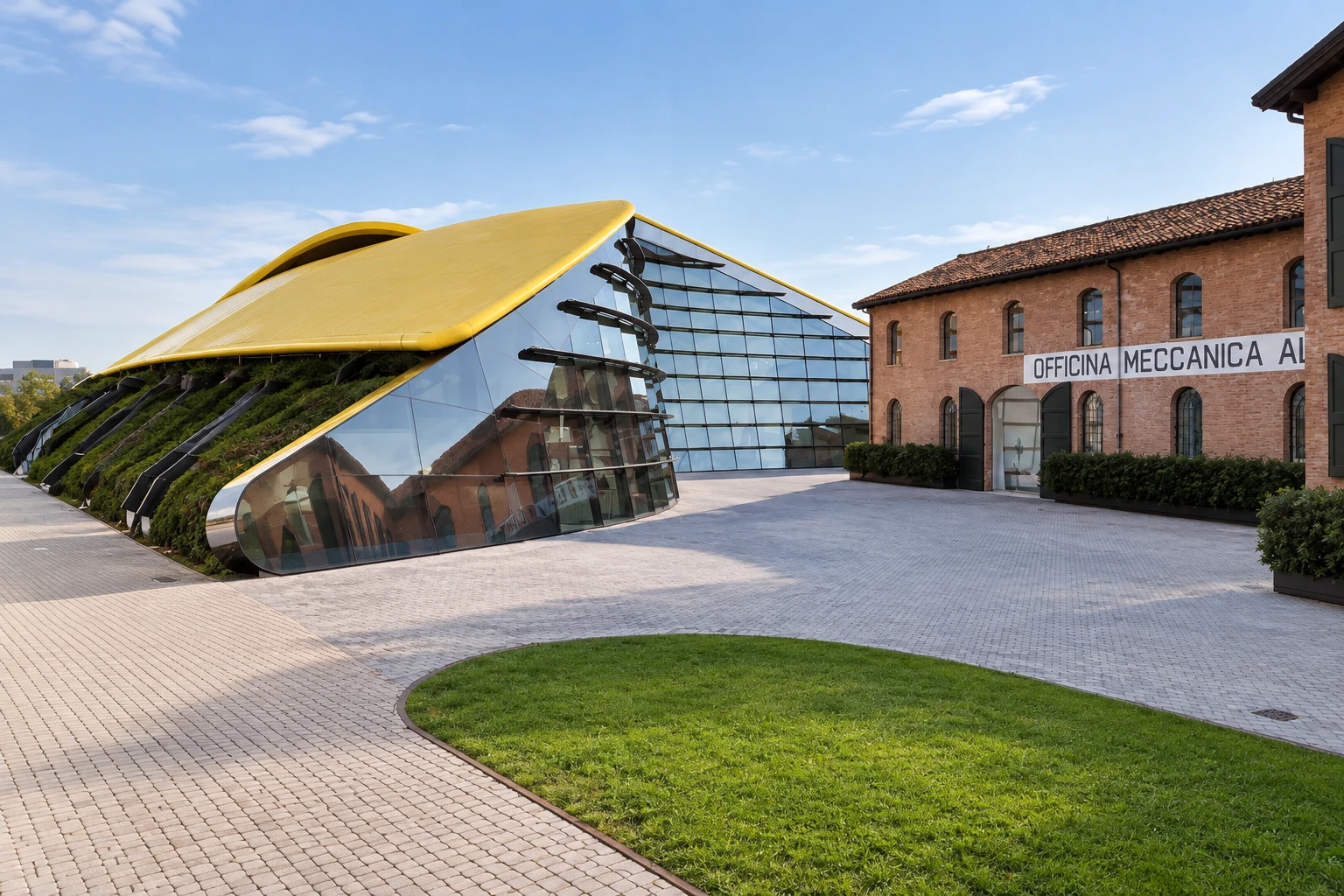
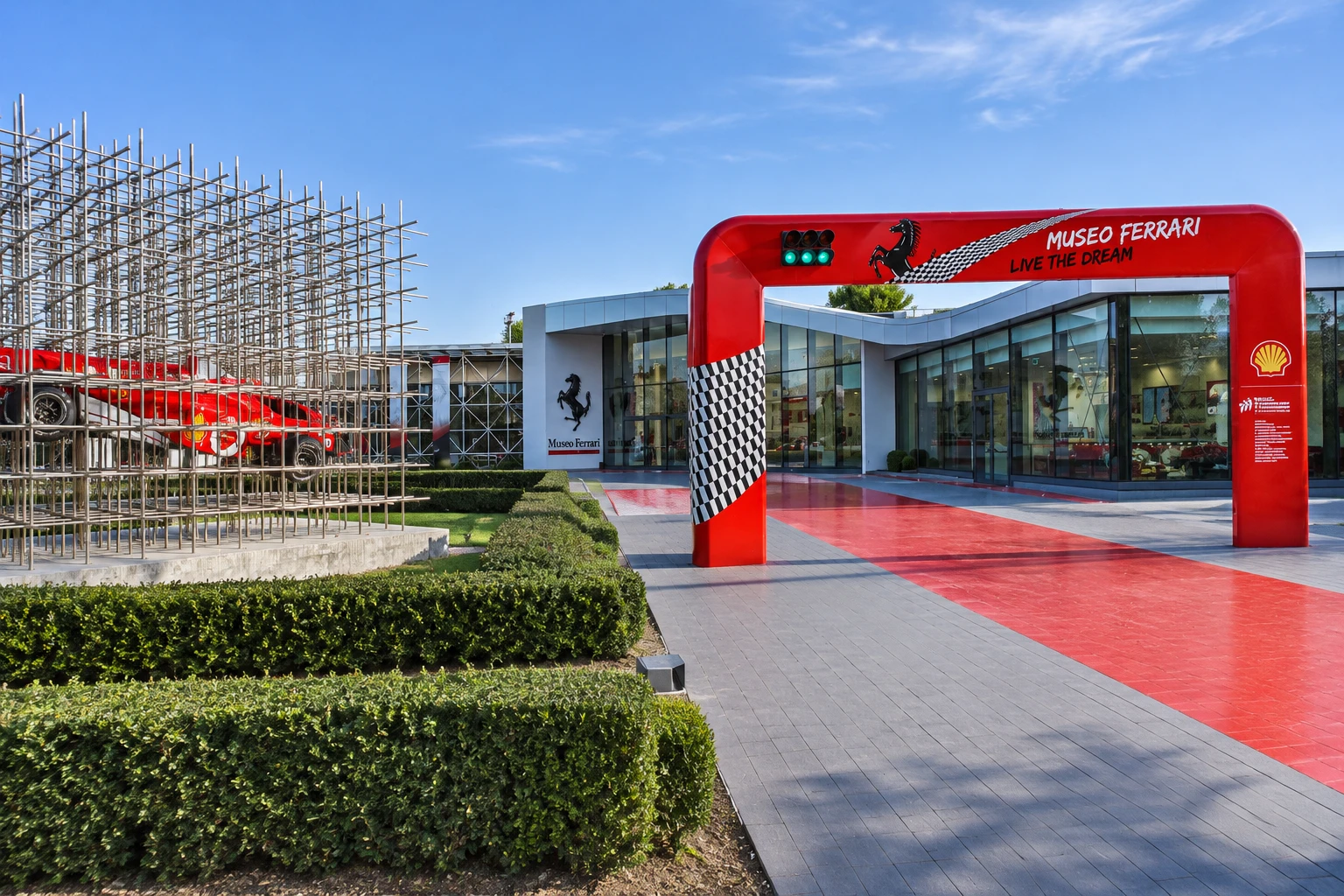
Museum in the house-workshop where Enzo Ferrari was born in 1898, next to a modern pavilion with a yellow hood-shaped roof. It displays cars and the history of Módena's motorsport.
The city's main painting museum, with Emilian painting from the 13th to the 18th century. Highlights: the Ecstasy of Saint Cecilia by Rafael, and works by the Carracci and Guido Reni.
Basilica consecrated in 549 in the ancient Roman port of Classe, about 5 km from Ravena. The apse mosaic shows Santo Apolinario in a green field with sheep, beneath a large cross.
How many days should you set aside to see Bologna and Emilia-Romagna?
The guide's itineraries cover 2, 4 and 6 days: in 2 days, the city of porticoes and food; Bologna, Modena and Ravenna in 4 days; in 6 days, Bologna, Modena, Parma and Ravenna.
What to do Bologna and Emilia-Romagna in one day?
Center and Quadrilatero. Arrival (from Florence 35 minutes, from Milan 1 hour, from Venice 1 h 30 by high-speed train). Piazza Maggiore, San Petronio with the meridian, Palazzo d'Accursio and Sala Borsa; Quadrilatero and lunch at the Mercato di Mezzo; Archiginnasio and Due Torri in the afternoon; aperitivo on Via Zamboni.
When is the best time to go to Bologna and Emilia-Romagna?
It generally rains less in January and from July to August. The rainiest months are usually November. The guide covers each month, with the weather and what changes on the tours.


 Brazil
 Antarctica
 Argentina
 Bolivia
 Chile
 Colombia
 Ecuador
 Falkland Islands (Malvinas)
 French Guiana
 Guyana
 Paraguay
 Peru
 Suriname
 Uruguay
 Venezuela
 Albania
 Austria
 Belgium
 Croatia
 Denmark
 Finland
 France
 Germany
 Greece
 Hungary
 Iceland
 Ireland
 Luxembourg
 Norway
 Poland
 Portugal
 Slovakia
 Slovenia
 Spain
 Sweden
 Switzerland
 the Czech Republic
 the Netherlands
 the United Kingdom
 Turkey
 Bermuda
 Canada
 Greenland
 Mexico
 Saint Pierre and Miquelon
 the United States
 the Dominican Republic
 Japan
 Egypt
 South Africa
 Australia
 Fiji
 New Zealand
 Papua New Guinea