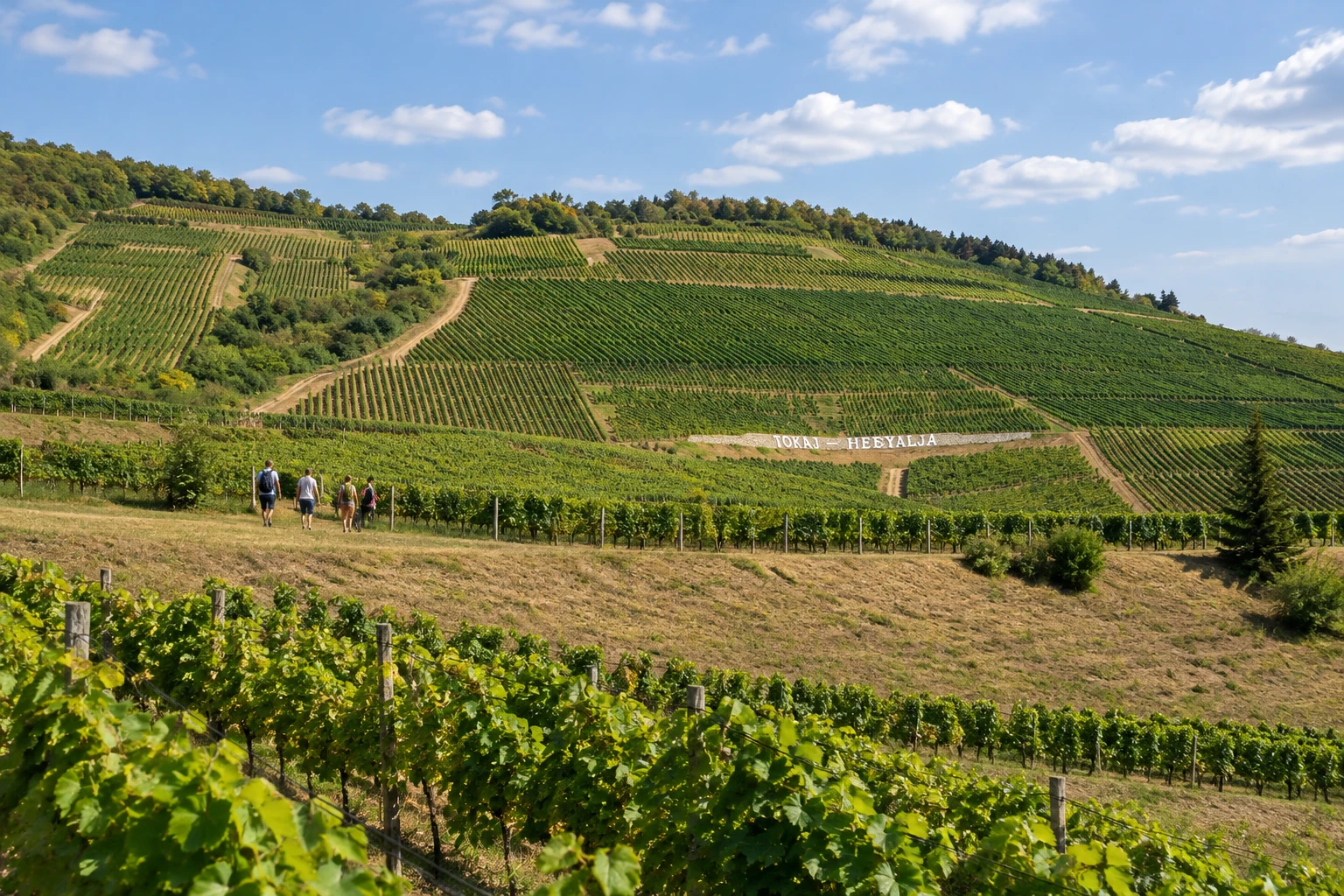
Downtown Tokaj on foot: Kossuth tér, the pedestrian street, and Serház utca
From Tourist office on Serház utca On foot 1 hour 30 minutes to 2 hours Morning or afternoon Easy
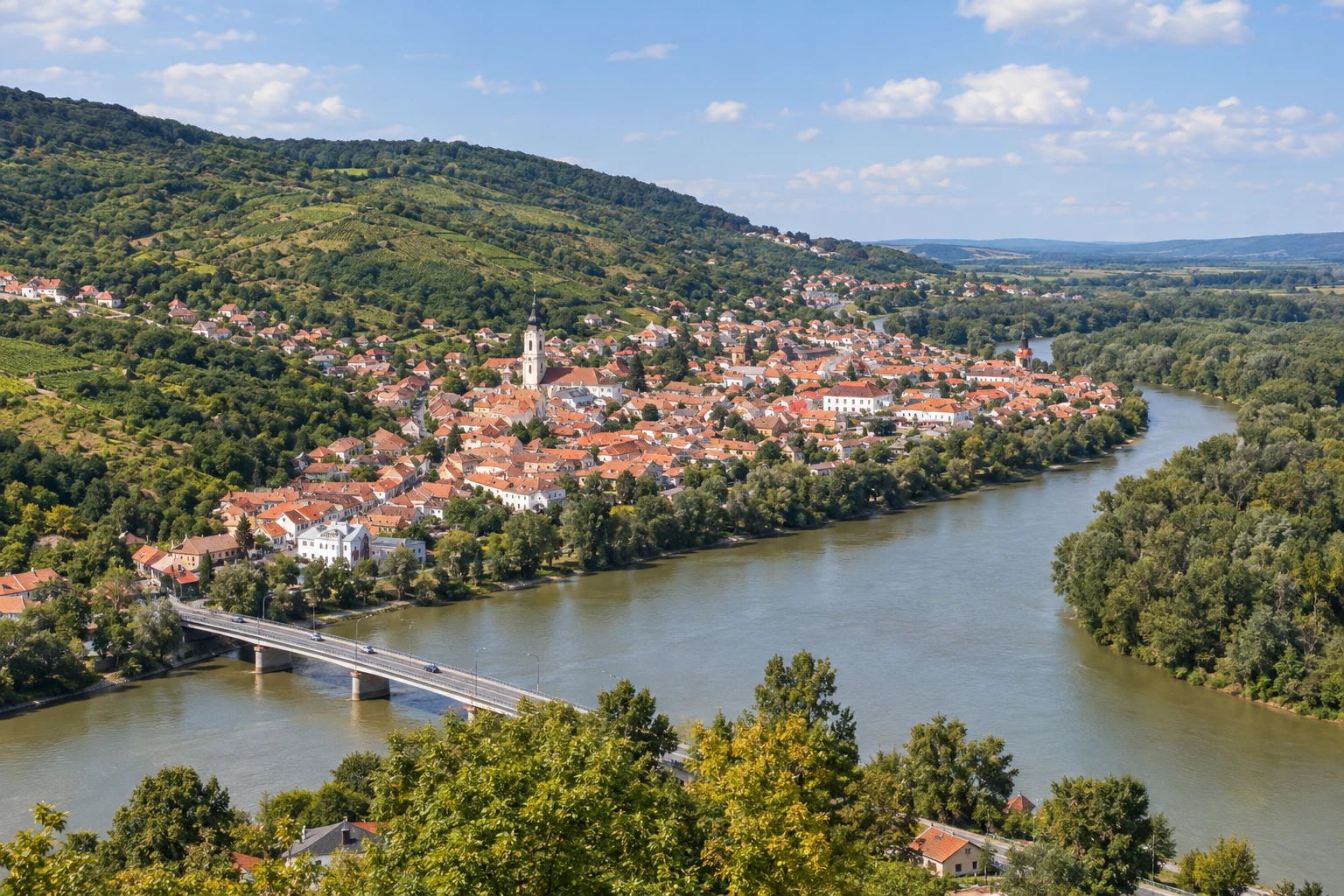
Tokaj’s small, flat historic center sits between Mount Kopasz and the Bodrog. You can walk across it in under two hours, and nearly all the town’s main sights are within this area.
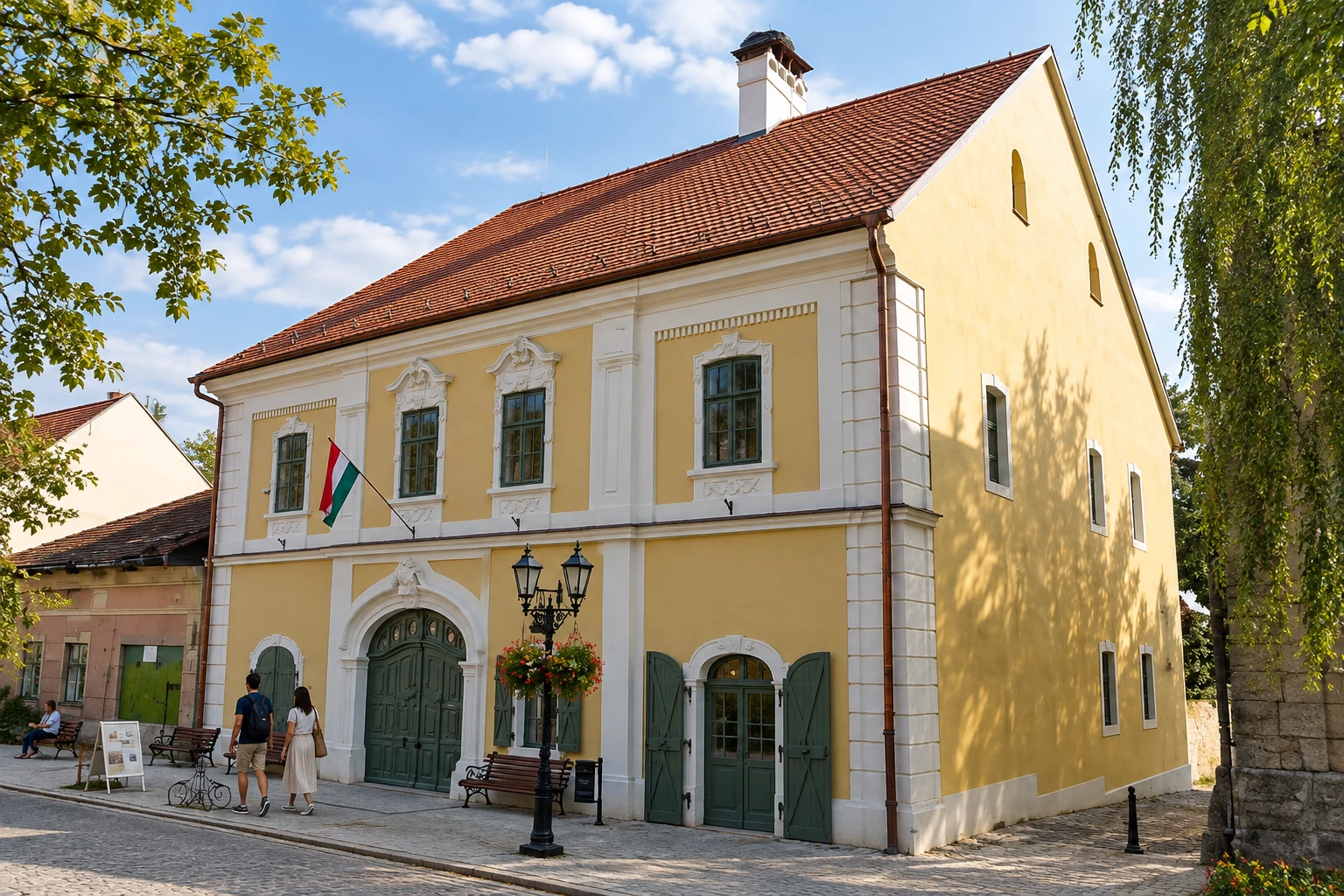
Kossuth tér is the main square, hosting wine festivals, the harvest celebration and Advent. Its pedestrian street is lined with houses built in the 18th and 19th centuries by wine merchants, many of Greek origin. One houses the Tokaji Múzeum. The region’s best-known cellar, Rákóczi Pince, also opens onto this area.
The late Baroque Reformed Church was built between 1802 and 1822 and gained its tower in 1896. Tokaj also has Roman Catholic, Greek Catholic and Orthodox churches, reminders of the different peoples drawn here by trade.
Serház utca is home to the town’s cultural complex. The former synagogue, restored to its original proportions, forms the Cultural and Conference Center with the Ede Paulay Theater, named for the Tokaj-born actor and director. There is a sculpture park in the courtyard. Beside it is the former brewery, now the World Heritage Wine Museum. Jews from Moravia and Galicia played a central part in the wine trade until World War II, and the street preserves their memory.
The tourist office offers themed guided walks, from a short introductory version to a more detailed tour of around two hours over 1 kilometer. Other tours explore Greek merchants, churches, literature and theater, or finish at a cellar with five wines to taste. Departures require confirmed registration and a minimum number of participants.
Stops: Kossuth tér, Downtown pedestrian street, Tokaj Reformed Church, Former synagogue (Cultural and Conference Center), Ede Paulay Theater, City Hall.
Includes: Self-guided outing. Guided walks, museums, and wine tastings cost extra. Check current prices.
Tip: Guided walks have their own schedule. Ask the tourist office which languages are available and reserve ahead. At certain times of year, evening light projections illuminate the square's facades.
Best time: Year-round. The terraces open from May to October. The square hosts the harvest festival in early October and Advent festivities from late November.
Tokaji Múzeum: the merchants’ house from cellar to attic
From Bethlen Gábor utca, downtown On foot 1 to 2 hours Morning or afternoon Easy
The Tokaji Múzeum occupies a merchant’s house on the main square. The two-story building with an elegant facade was built around 1790 by the Karácsony family of Greek origin and passed during the 19th century to the Szaszaráths, another prominent merchant family. Rich decoration survives inside and out, including murals in several rooms. A bedroom and salon are worth seeing as much for their walls as for the objects inside.
Ten exhibitions extend from cellar to attic, covering archaeology, nature, religious art and ethnography.
On the ground floor are finds from Tokaj Castle, excavated from 2007 onward. The castle stood on an island surrounded by water at the confluence of the Tisza and Bodrog. First mentioned in 1410, it passed through the hands of almost every major Hungarian king and prince before it was blown up in 1704 on the orders of Ferenc Rákóczi II. Displays include gilded chalice fragments, silver coins, harness ornaments, stove tiles including a piece with lions from King János Szapolyai’s time, weapons, cannonballs and a model of the castle. The next room is devoted to Mount Kopasz, with a scale model showing natural and archaeological sites and trails.
Upstairs, the sacred art exhibition holds the collection saved by Béla Béres, and another room displays letters, town chests and a bell fragment. In the attic, the chimney is an attraction in itself alongside objects from rural life. In the cellar, harvest tools share space with exhibits on mining in Tokaj-Hegyalja. Outside are a garden and a collection of carved stones.
Stops: Tokaji Múzeum, Finds from Tokaj Castle, Mount Kopasz room, Treasure attic, Museum garden and lapidarium.
Includes: Admission is charged. Check current rates. Guided tours are available on request.
Tip: Check opening days ahead of time. The ticket office usually closes half an hour before the museum. If you also plan to visit the Wine Museum, ask about a combination ticket.
Best time: Year-round, especially on rainy days and in winter.
World Heritage Wine Museum (Világörökségi Bormúzeum)
From Serház utca, downtown On foot 1 hour 30 minutes to 2 hours Morning or afternoon Easy
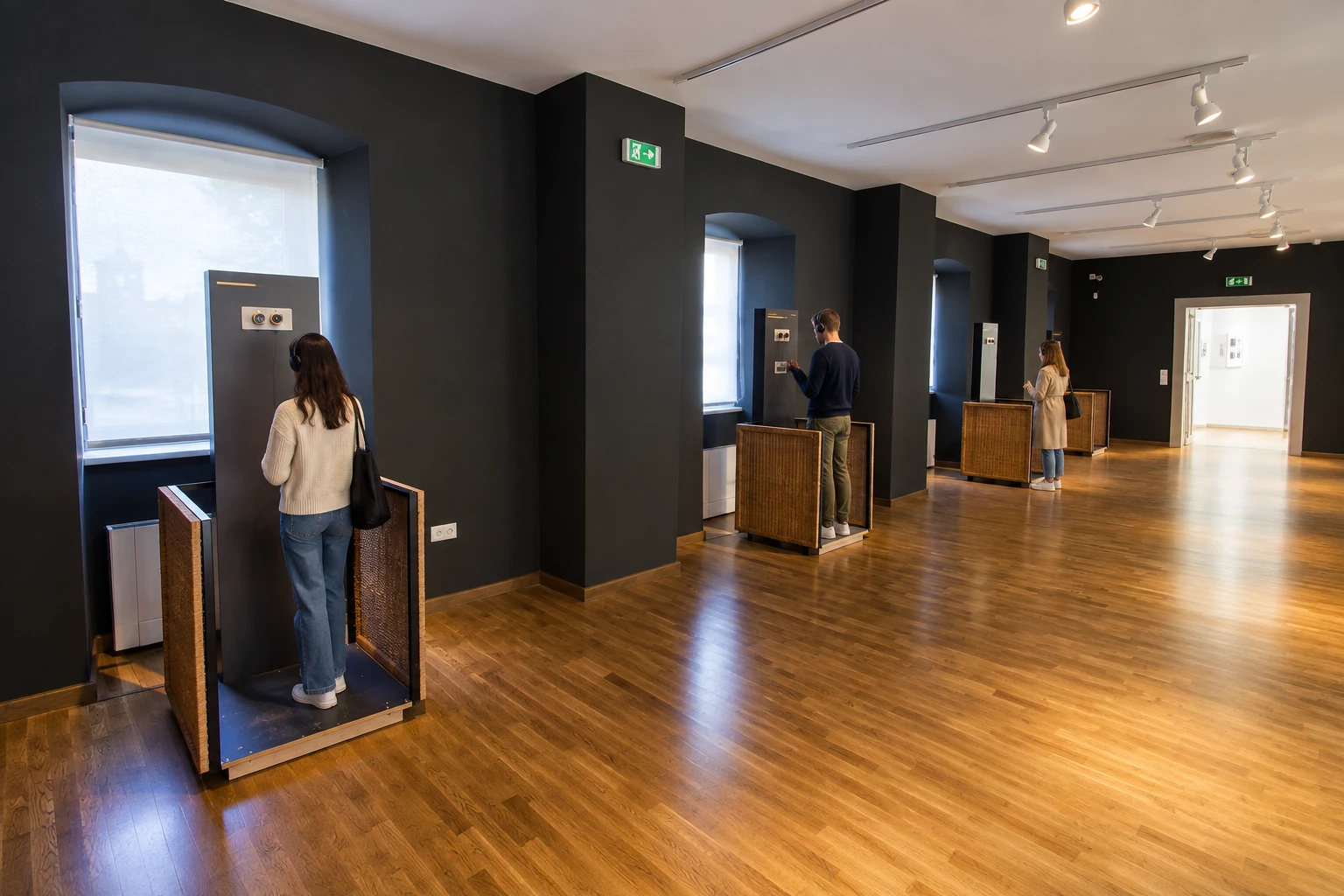
The World Heritage Wine Museum presents Tokaj-Hegyalja alongside nine other UNESCO-recognized European wine regions, including areas of Austria, Germany, Switzerland, Italy, France and Portugal. This interactive museum has electronic guides in almost every room and is designed for adults and children. You can enjoy it without drinking wine.
The building has a history of its own. Built around 1790 as a brewery for the royal treasury, it had thick walls and a vaulted channel leading to the Bodrog. In the 19th century Tokaj’s Jewish community acquired it, establishing its school and ritual bath here in 1874. The rabbi and cantor lived upstairs. Now restored, it covers around 2,000 square meters on four levels.
Start in the ground-floor map room. Select a region on the device and a light comes on in the map of Europe painted on the floor. Regions represented include Cinque Terre and Val d’Orcia in Italy, the Alto Douro and Pico Island in Portugal, and France’s Loire Valley. On the gallery level you see Central Europe’s river and lake regions as if looking down from a balloon basket.
The ground floor also has an interactive food and wine table with recipes to take away and an exhibition staged as an investigation into wine’s origins. Upstairs, rooms explore grape varieties and vineyard tools, the cooper’s trade, local legends and a simulated tour by bicycle, car and airship through Tokaj-Hegyalja. The basement holds barrels and cellar equipment. An exhibition across the two museums explores how climate change affects Tokaj wine.
Stops: Világörökségi Bormúzeum, Map room, Hall of Legends, Barrel-making exhibit, Barrels and cellar tools.
Includes: Admission fee. Check current prices. Temporary exhibitions are usually included in the same ticket.
Tip: The entrance is at the corner of József Attila utca. Check opening days ahead. With children, start in the map room and try the simulated ride.
Best time: Year-round. A good choice in rain, intense heat, or winter weather.
Rákóczi Pince: the 15th-century cellar and wine tasting
From Kossuth tér On foot About 1 hour Afternoon Easy, with stairs
Rákóczi Pince, Tokaj-Hegyalja’s best-known cellar, lies in the heart of the downtown pedestrian area. Excavated in the early 15th century, it belonged at various times to kings, princes and generals.
The main hall is the region’s largest underground space, 28 meters long, 10 wide and 5 high. It played a part in national history in 1526 as the setting for János Szapolyai’s nomination as king of Hungary. Today it accommodates up to a hundred visitors or event guests at a time.
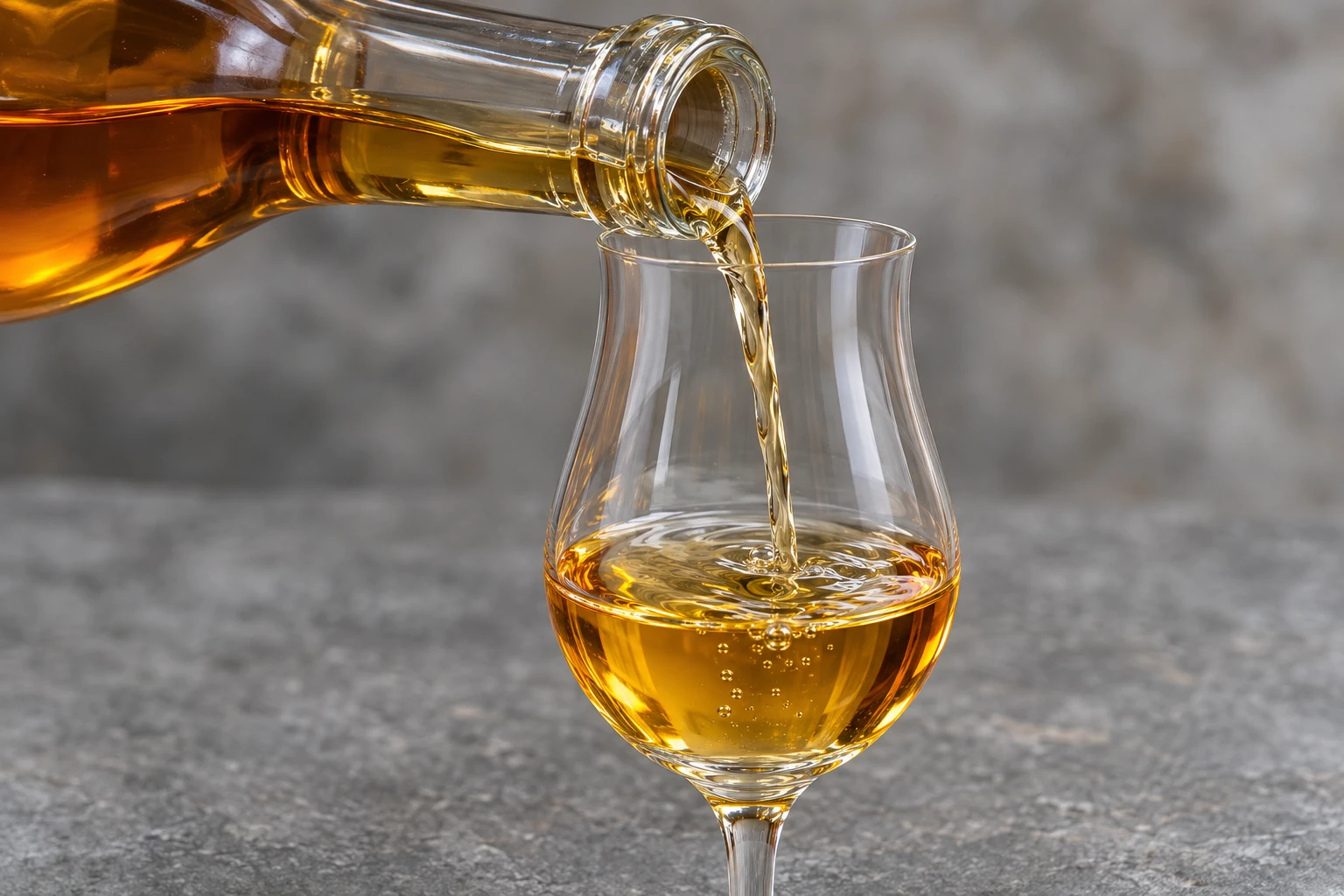
Visits combine a cellar tour and tasting. A selection of six wines introduces the range of Tokaj styles, served with pogácsa, small savory cheese rolls. There is also an all-aszú tasting of six wines from different vintages and sweetness levels, accompanied by cheese. A side gallery houses a wine bar serving wine from the barrel, and a shop beside the entrance sells the estate’s wines.
The cellar is run by Tokaj-Hétszőlő, a historic local wine estate. Its signposted educational vineyard trail introduces Tokaj’s grape varieties and seasonal work and ends with the wines in the cellar.
Aszú comes from grapes affected by noble rot. During long, warm autumns, the fungus causes the grapes to shrivel on the vine, concentrating their sugar. Berries are picked individually and macerated in wine or must before barrel aging.
Stops: Rákóczi Pince, Knights’ Hall, Cellar with wines on tap, Wine shop.
Includes: The tour and tasting carry a fee. Check current prices. Wine bought in the shop is extra.
Tip: Book ahead, especially for groups or festival weekends. The cellar is cold year-round, so bring a warm layer. If you'll be driving afterward, skip the wine samples.
Best time: Year-round. September and October bring the grape harvest, and the wine cellars get busier.
Finánc-domb lookout and the confluence of the Tisza and Bodrog
From Tisza bridge, beside the town center On foot, up a staircase About 1 hour Late afternoon Easy to moderate
This short walk explains Tokaj’s location. Opposite the Tisza bridge, steps climb the hillside to the Finánc-domb lookout. From there, the Great Plain seems to lie at your feet. On a clear day you can see about 15 kilometers. To the north are Bodrogzug, the floodplain between the rivers, and the Zemplén hills. Turn around for the vineyards on the slope.
Below, the two rivers meet beside the center. The Bodrog comes from the north, and a local legend says it sprang from the tears of fairies living on Szegi castle hill. The Tisza flows on toward the plain. In spring floods the Bodrog spreads out and, seen from above, forms a sheet of water several kilometers across with treetops emerging from it. In summer the river calms and welcomes kayaks, canoes, boats and anglers.
The road bridge connects Tokaj to Rakamaz on the opposite bank. There is also a rail bridge. This crossing made the town. For centuries carts traveling between the mountainous north and the plain converged here.
About a kilometer north of the confluence stood Tokaj Castle, surrounded by water on every side. Little survives above ground, and excavation finds are in the Tokaji Múzeum.
On your return, walk along the bank to the sightseeing boat quay.
Stops: Finánc-domb Lookout (Finánc-dombi kilátó), Queen Elisabeth Bridge over the Tisza, Confluence of the Tisza and Bodrog.
Includes: Self-guided walk. The lookout is free to visit.
Tip: The climb is by steps, with little shade along much of the way. Bring water in summer. Choose late afternoon on a clear day for the view. Steps may be slippery after rain.
Best time: April to October. In March and April high water floods the lowlands, transforming the landscape.
Mount Kopasz on foot: the Borostyán Trail, wine cellars, and Szeles-tető
From Tokaj train station or the town center On foot along marked trails 3 to 4 hours Morning Moderate
Mount Kopasz, or Nagy-Kopasz, is the isolated hill overlooking Tokaj, with the town’s vineyards on its slopes. Local stories say fairies live on the hill and in the Tisza and Bodrog and punish those who disrespect nature. The mountain does shelter rare plants and animals. Its best-known flower is the woolly aster, found nowhere else in Hungary.
Two routes climb from town.
The first is the Borostyán educational trail, starting at the sign opposite the railway station. Panels explain the hill’s geology, plants and wildlife. Follow a row of cellars where you can stop to taste wine from the hill. Beyond the cellars, turn right toward the Lencsés valley quarry and follow the blue marks beside the quarry yard.
The second starts downtown, crosses the cemetery and follows red marks uphill to Szeles-tető, where the routes meet. Go up one and down the other for a loop between the station and the center.
Between vineyards on the slopes, views open onto the plain and the confluence of the rivers.
If you prefer to ride, local off-road vehicle tours climb the mountain, passing through Tokaj, Tarcal and Bodrogkeresztúr.
Stops: Mount Kopasz (Nagy-Kopasz), Borostyán interpretive trail, Wine cellar row (Szerelmi-pincesor), Lencsés Valley quarry, Szeles-tető.
Includes: Self-guided walk. Cellar wine tastings and vehicle tours cost extra.
Tip: Bring water, a hat, and hiking shoes for steep, exposed stretches between the vineyards. Stay on marked paths, as these are working vineyards. The Tokaji Múzeum has a model of the hill and its trails to help you plan.
Best time: April to June and September to October. In high summer start early. In winter choose a shorter route to fit the daylight.


 Brazil
 Antarctica
 Argentina
 Bolivia
 Chile
 Colombia
 Ecuador
 Falkland Islands (Malvinas)
 French Guiana
 Guyana
 Paraguay
 Peru
 Suriname
 Uruguay
 Venezuela
 Austria
 Belgium
 Croatia
 Denmark
 Finland
 France
 Germany
 Greece
 Iceland
 Ireland
 Italy
 Luxembourg
 Norway
 Poland
 Portugal
 Slovakia
 Slovenia
 Spain
 Sweden
 Switzerland
 the Czech Republic
 the Netherlands
 the United Kingdom
 Turkey
 Bermuda
 Canada
 Greenland
 Mexico
 Saint Pierre and Miquelon
 the United States
 the Dominican Republic
 Japan
 Egypt
 South Africa
 Australia
 Fiji
 New Zealand
 Papua New Guinea