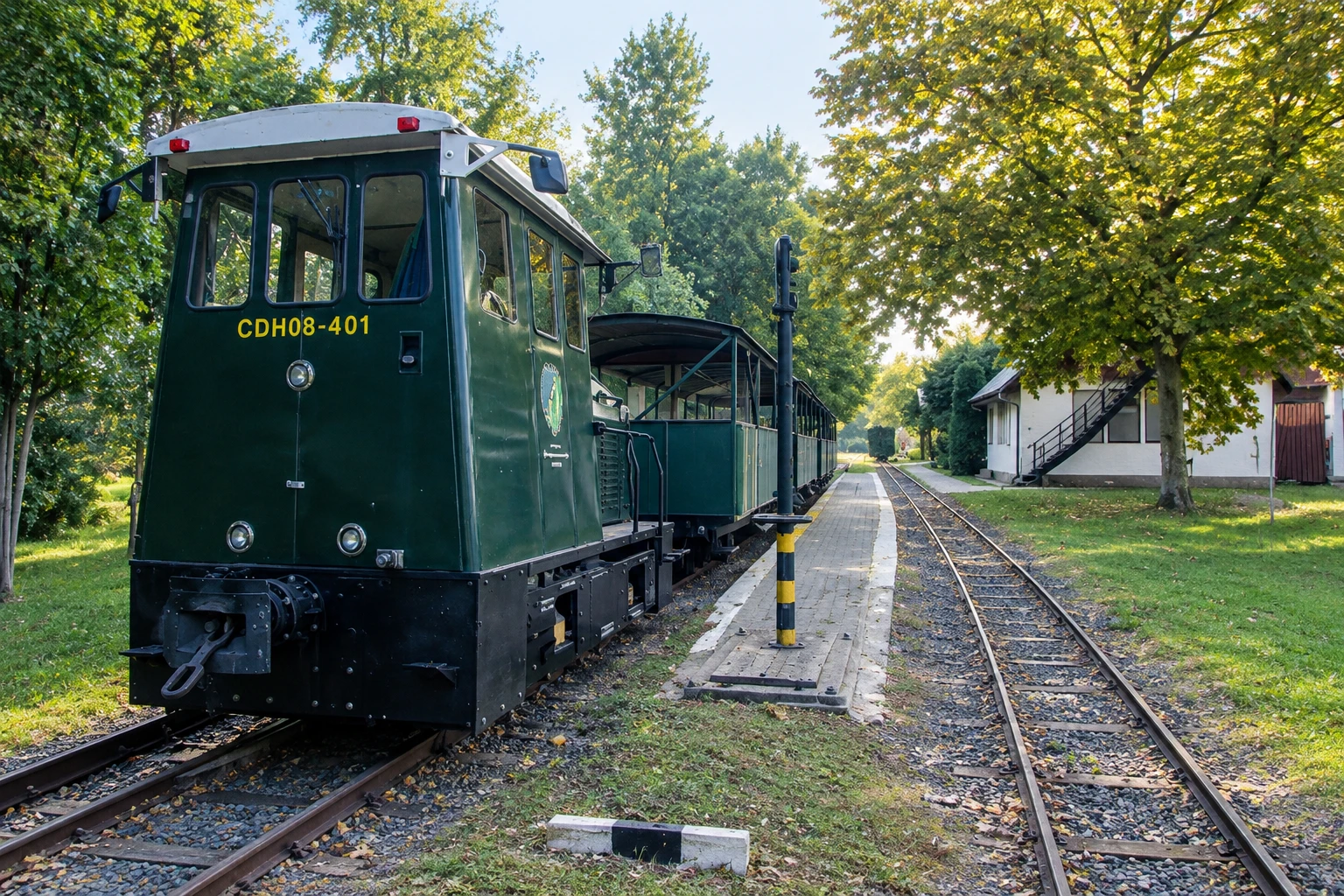
Gemenc Forest Railway (Gemenci Erdei Vasút)A narrow-gauge forest train that departs from the Pörböly ecotourism center, about 8 km from Baja, and crosses the Gemenc floodplain forest in Duna-Dráva National Park.
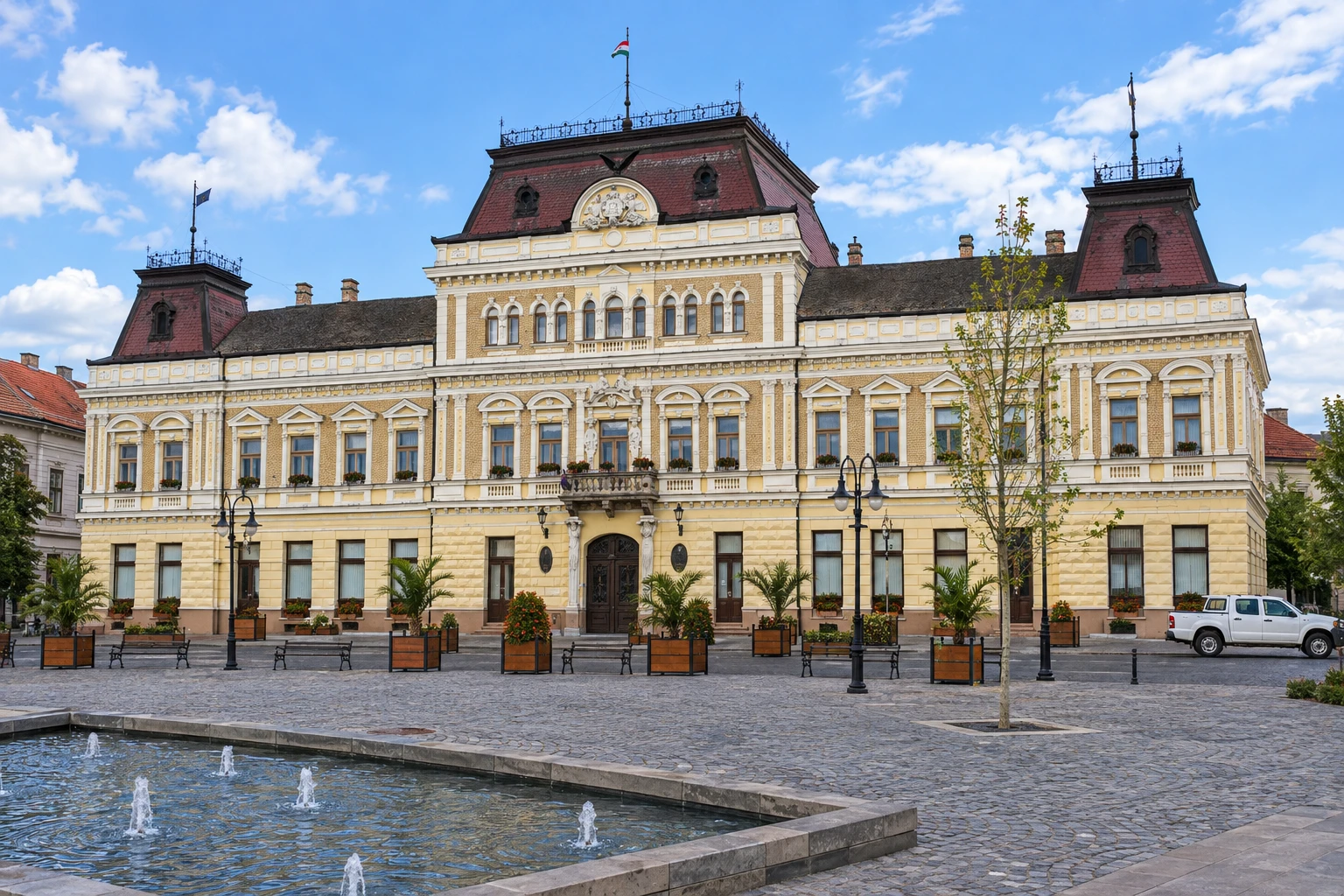
Baja’s main square, open on one side to the Sugovica branch of the Danube. It houses the town hall in the old Grassalkovich Palace and the Holy Trinity column from the 18th century. It is the stage for the fish soup festival in July.
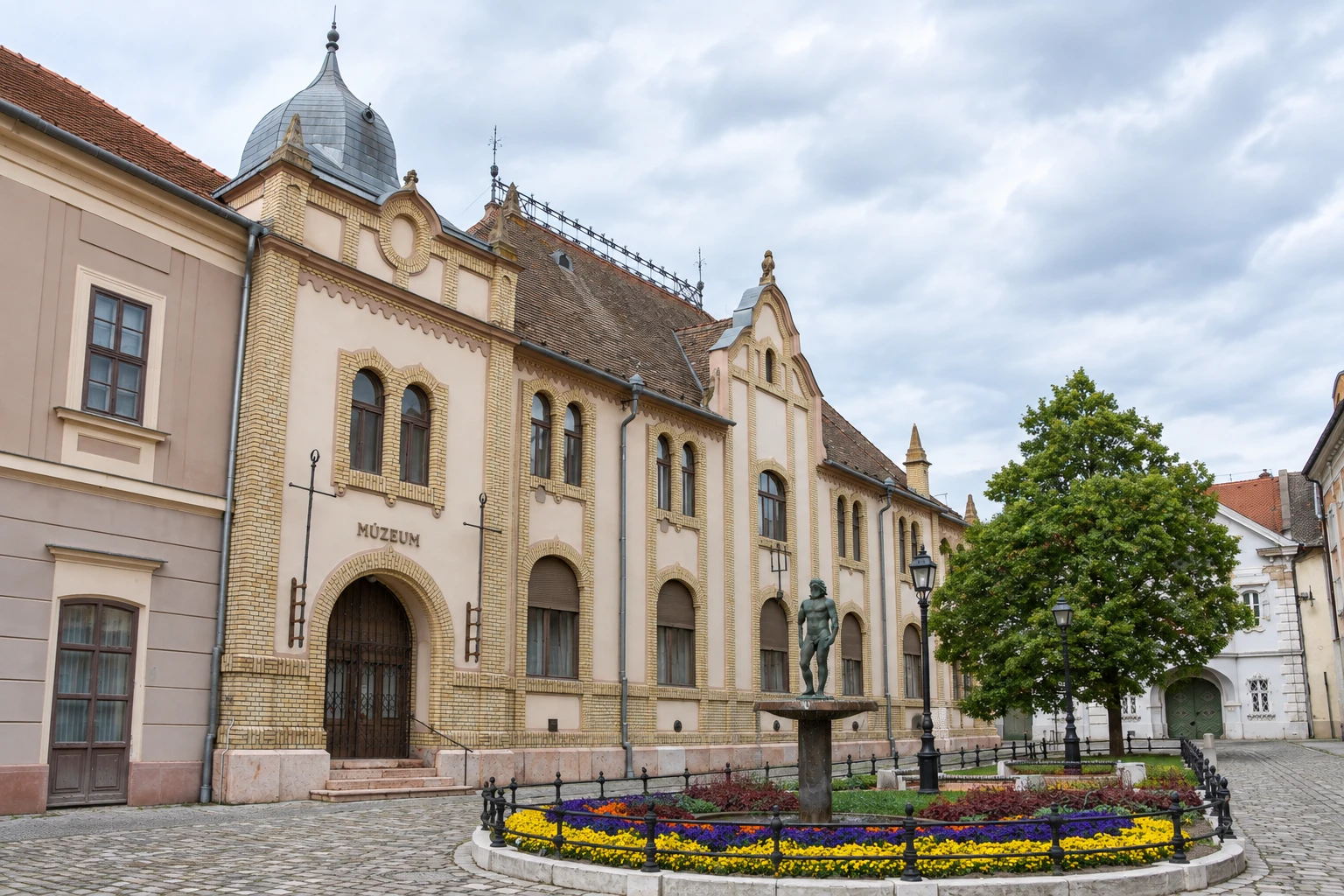
Baja Museum of History and Ethnography, with Hungary’s most renowned folk fishing collection. Exhibitions cover life on the Danube, the city’s 300 years and the region’s ethnic groups. It is named after General Türr István, who was born in Baja.
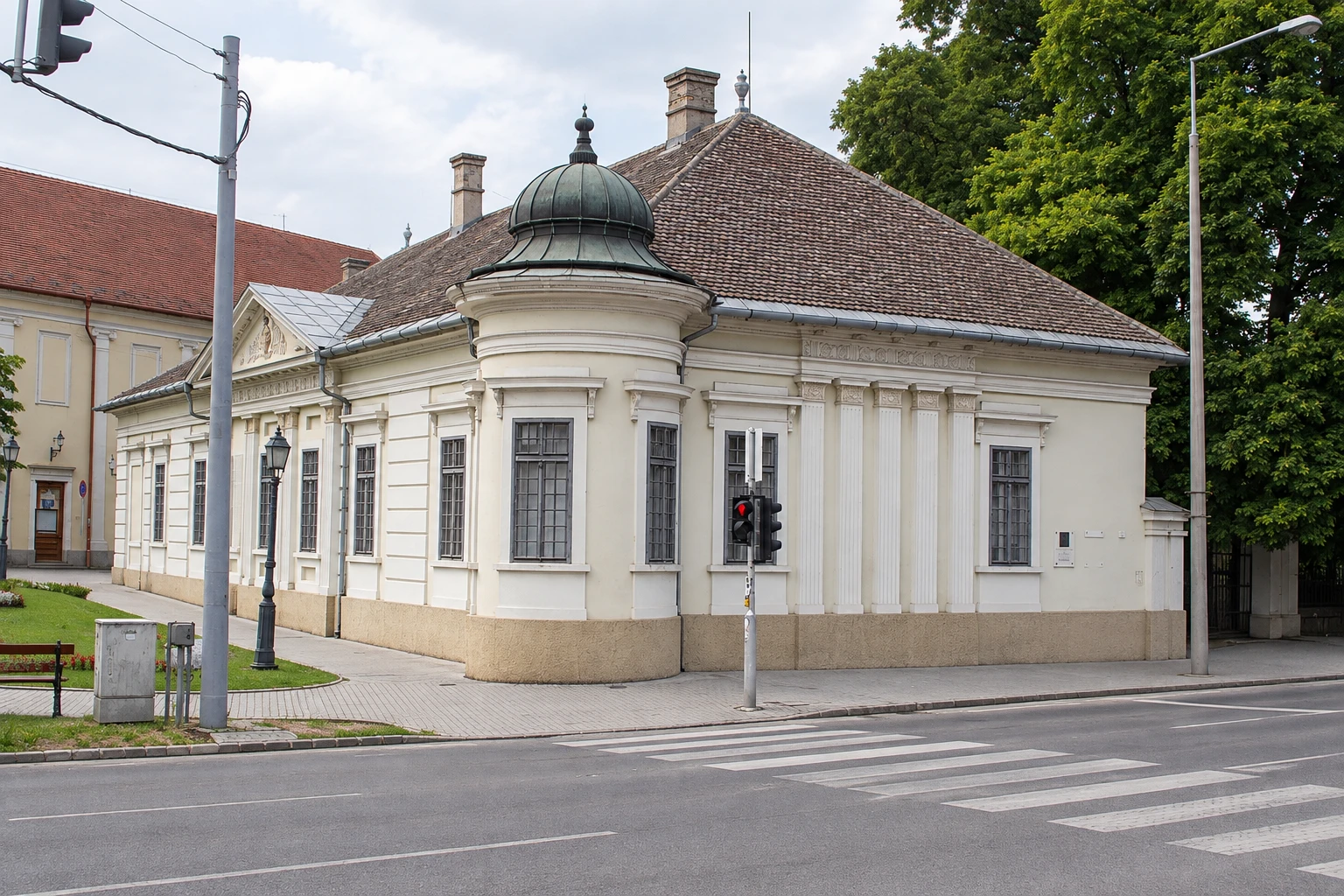
Gallery housed in the Vojnich manor, a classical building from around 1820. It brings together works by the painter Nagy István, who lived in Baja, and the sculptor Telcs Ede, as well as a collection of 20th-century Hungarian modern art.
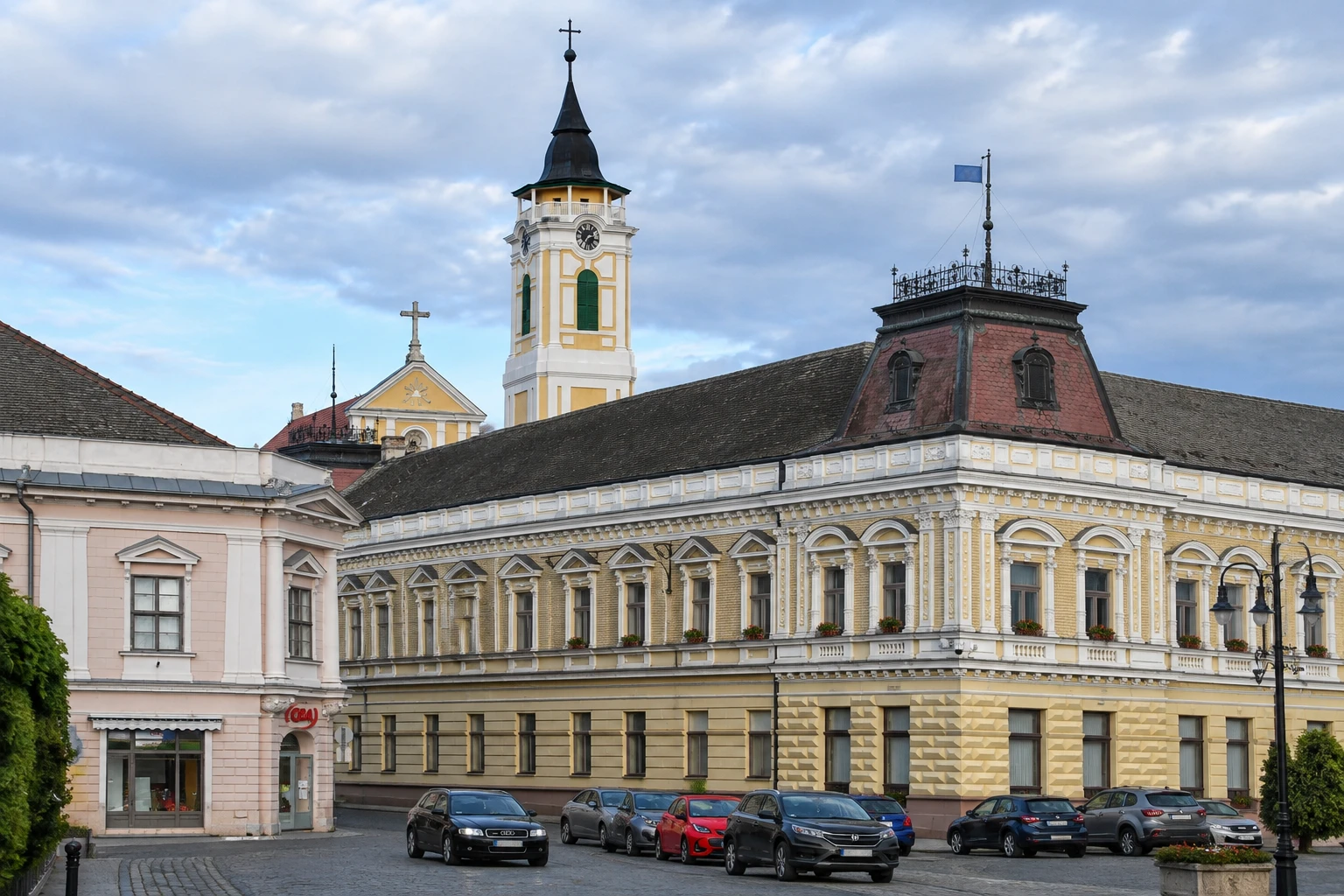
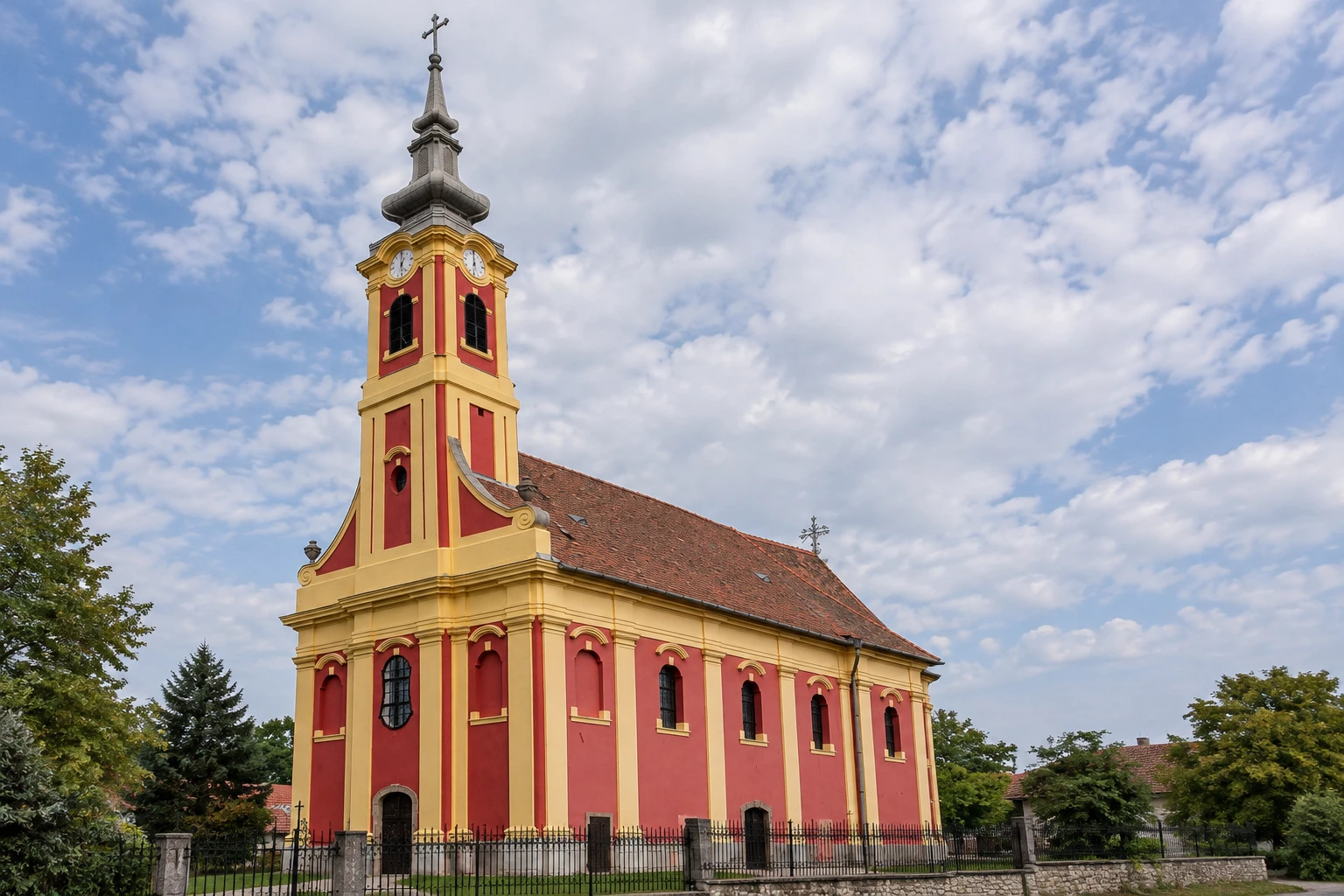
Serbian Orthodox Church of St. Nicholas, the oldest of the two surviving out of the three Serbian churches Baja once had. Completed in 1775 and remodeled in 1779 in late Baroque style, it preserves an iconostasis from the late 18th century.
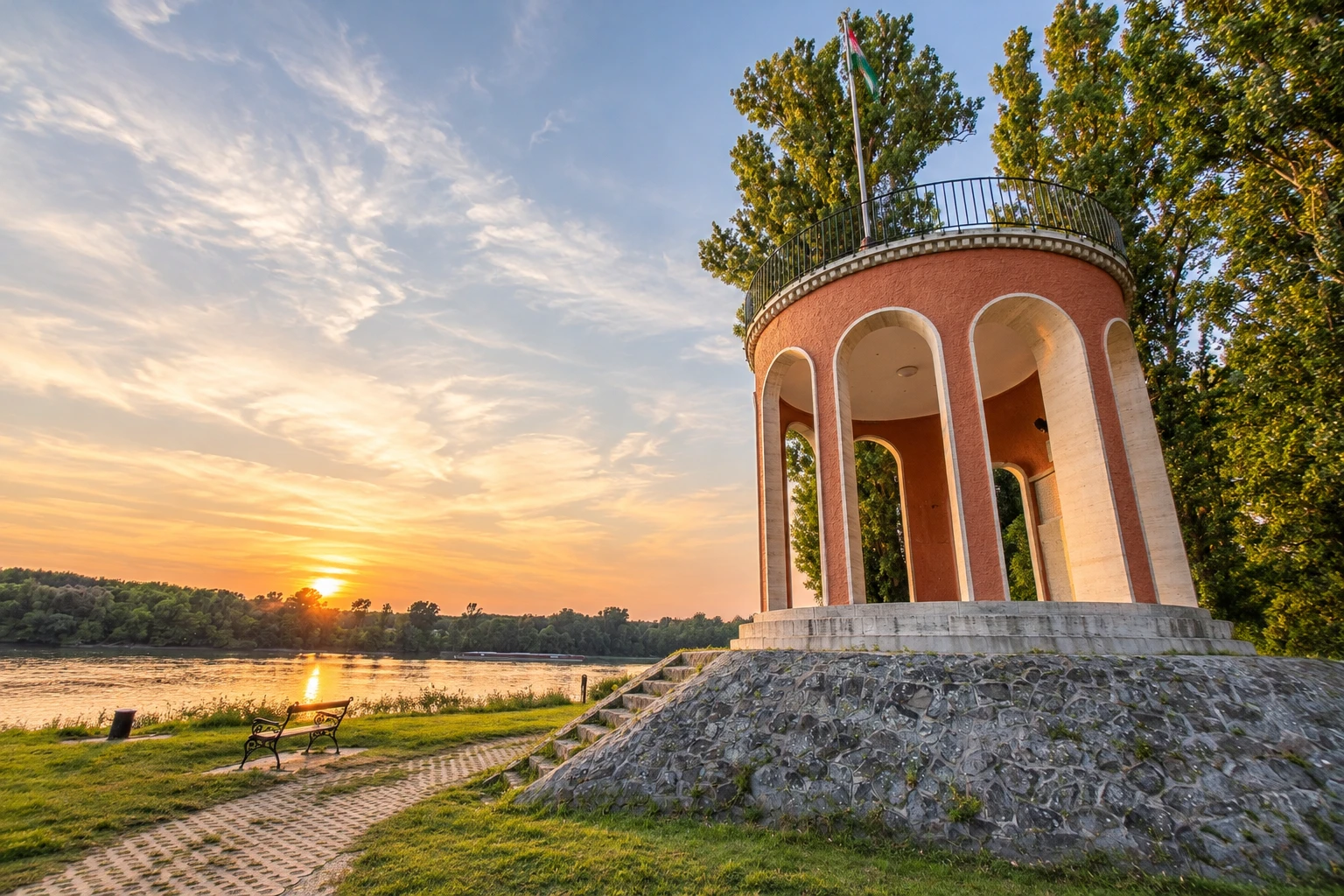
Stone viewpoint and memorial, circular in plan with columns, inaugurated in 1938 in honor of General Türr István. It stands at the meeting point of the Sugovica branch and the Danube, with views of the Türr István bridge and the Gemenc forest.
A narrow-gauge forest train that departs from the Pörböly ecotourism center, about 8 km from Baja, and crosses the Gemenc floodplain forest in Duna-Dráva National Park. The center has exhibitions about the wildlife and life in the forest.


 Brazil
 Antarctica
 Argentina
 Bolivia
 Chile
 Colombia
 Ecuador
 Falkland Islands (Malvinas)
 French Guiana
 Guyana
 Paraguay
 Peru
 Suriname
 Uruguay
 Venezuela
 Austria
 Belgium
 Croatia
 Denmark
 Finland
 France
 Germany
 Greece
 Iceland
 Ireland
 Italy
 Luxembourg
 Norway
 Poland
 Portugal
 Slovakia
 Slovenia
 Spain
 Sweden
 Switzerland
 the Czech Republic
 the Netherlands
 the United Kingdom
 Turkey
 Bermuda
 Canada
 Greenland
 Mexico
 Saint Pierre and Miquelon
 the United States
 the Dominican Republic
 Japan
 Egypt
 South Africa
 Australia
 Fiji
 New Zealand
 Papua New Guinea