Rotterdam · South Holland · Market
Markthal
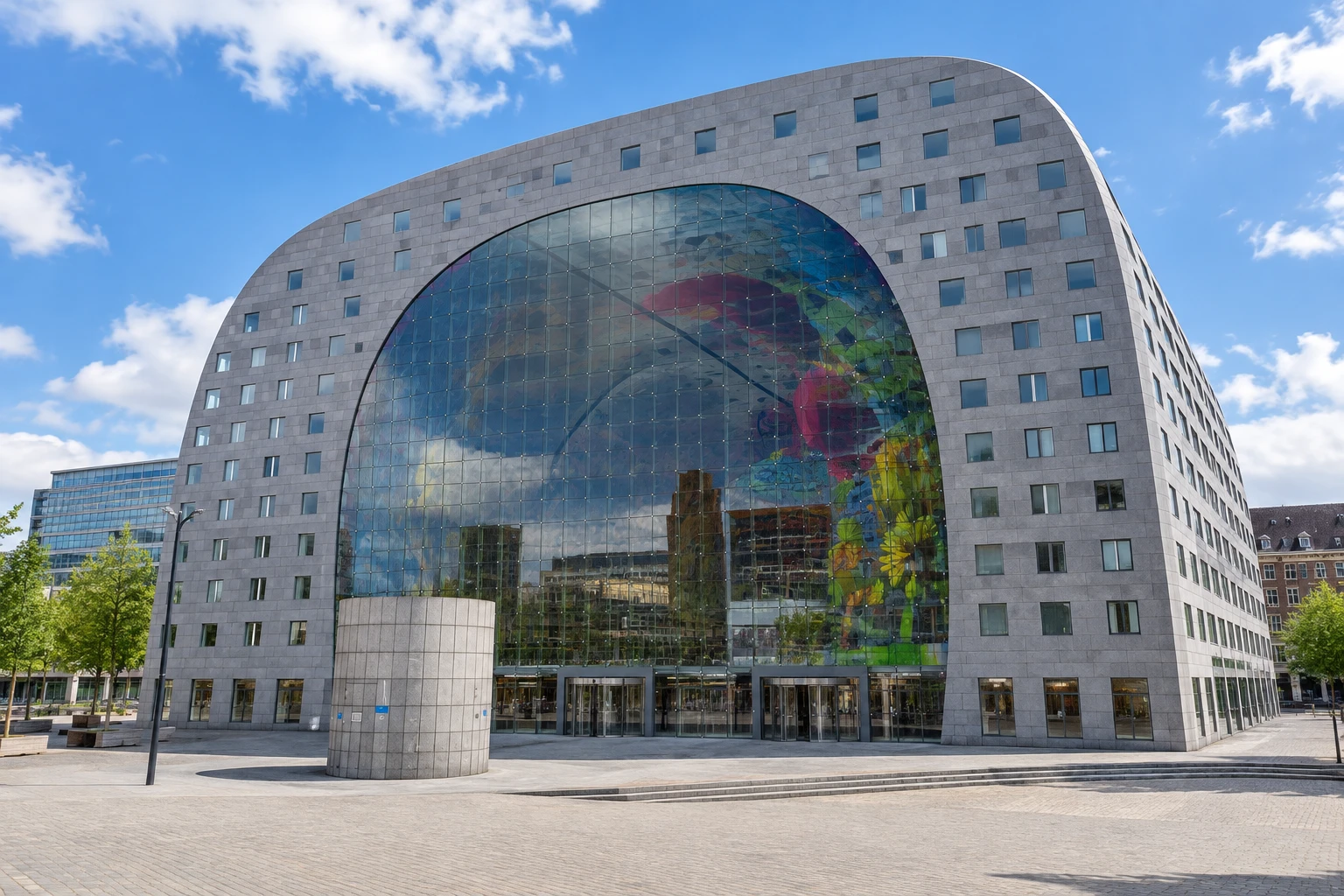
A covered market inside a giant arch of apartments, with the entire ceiling painted with fruits, vegetables, fish and flowers. It sits on the Binnenrotte square, next to the cube houses.

 Search
 Brazil
 Antarctica
 Argentina
 Bolivia
 Chile
 Colombia
 Ecuador
 Falkland Islands (Malvinas)
 French Guiana
 Guyana
 Paraguay
 Peru
 Suriname
 Uruguay
 Venezuela
 Austria
 Belgium
 Croatia
 Denmark
 Finland
 France
 Germany
 Greece
 Hungary
 Iceland
 Ireland
 Italy
 Luxembourg
 Norway
 Poland
 Portugal
 Slovakia
 Slovenia
 Spain
 Sweden
 Switzerland
 the Czech Republicthe Netherlands
 the United Kingdom
 Turkey
 Bermuda
 Canada
 Greenland
 Mexico
 Saint Pierre and Miquelon
 the United States
 the Dominican Republic
 JapanTurkey
 Egypt
 South Africa
 Australia
 Fiji
 New Zealand
 Papua New Guinea
South Holland
23 lugares para conhecer e 18 passeios, escolhidos pelo guia Cidade Turismo.
Atualizado em
Illustrative images. The pictures in this guide are illustrations based on the real place, not photographs, and may differ from it.
Para começar
Um a um
A covered market inside a giant arch of apartments, with the entire ceiling painted with fruits, vegetables, fish and flowers. It sits on the Binnenrotte square, next to the cube houses.
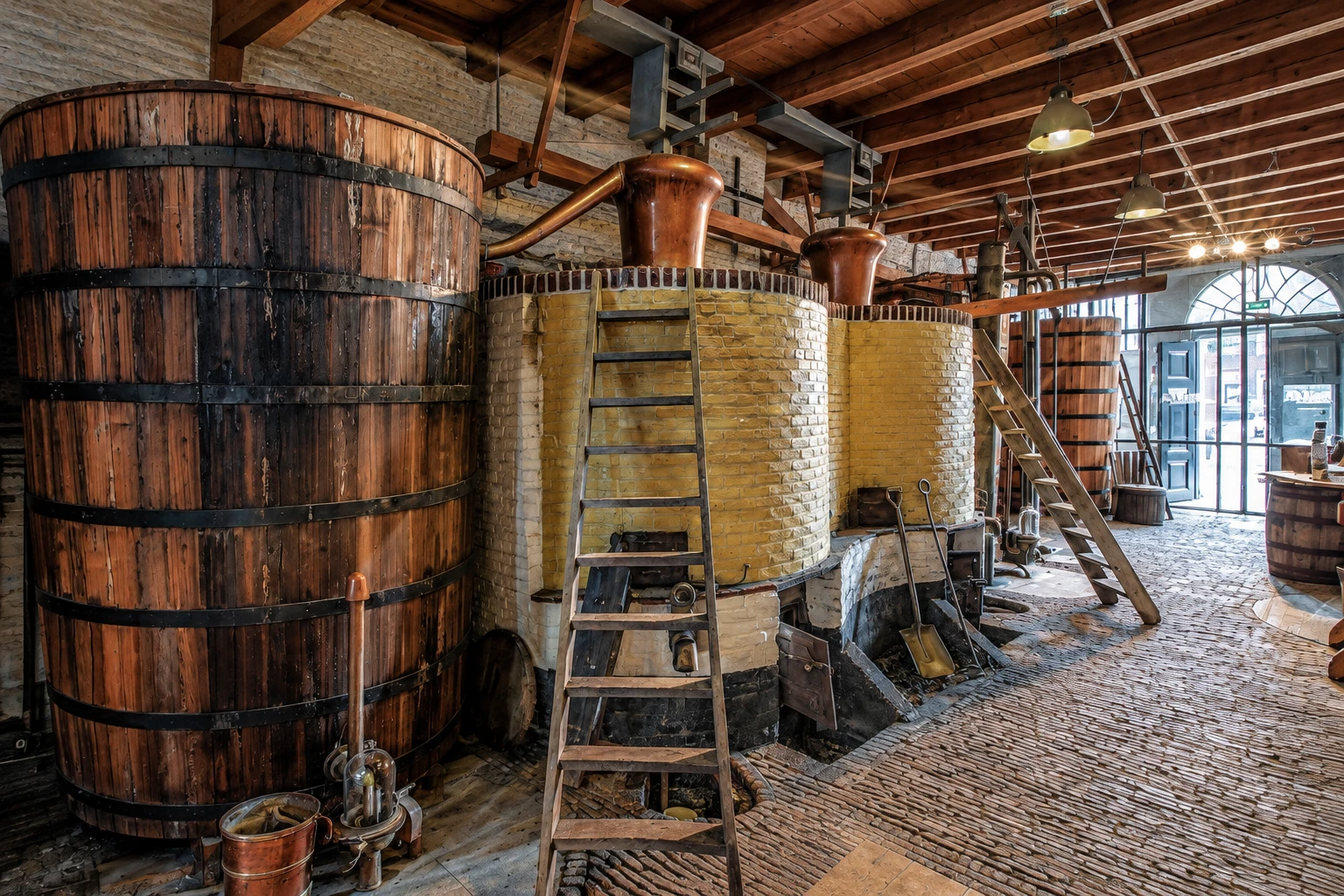
Jenever museum housed in a former distillery on the Lange Haven, in central Schiedam. It combines an exhibition, an active distillery and the De Walvisch windmill, where the grain was milled.
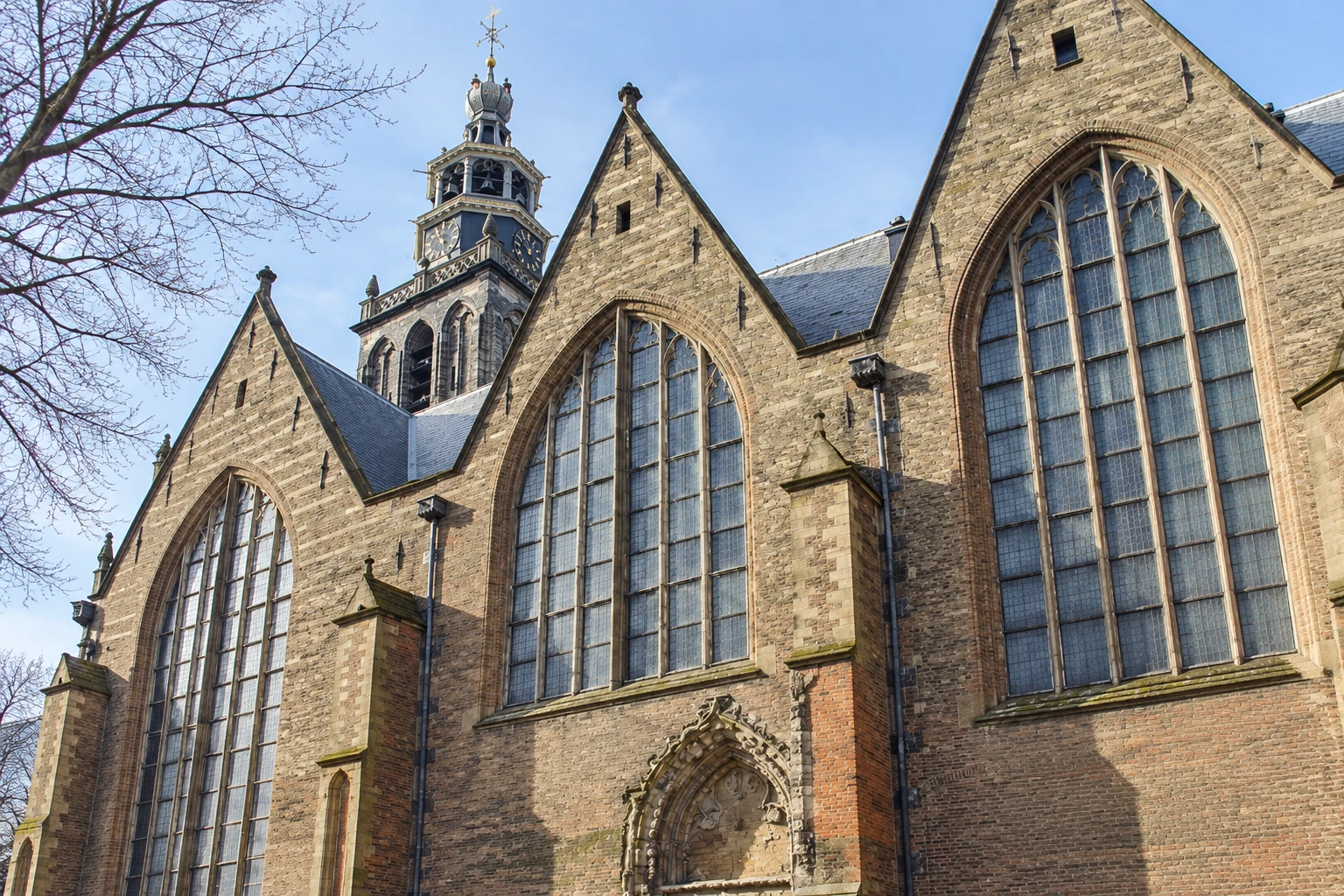
The longest church in the Netherlands, measuring 123 meters, in the centre of Gouda. Rebuilt after a fire in 1552, it houses the Goudse Glazen, a set of stained glass windows painted between 1555 and 1603, considered a high point of European glass painting.
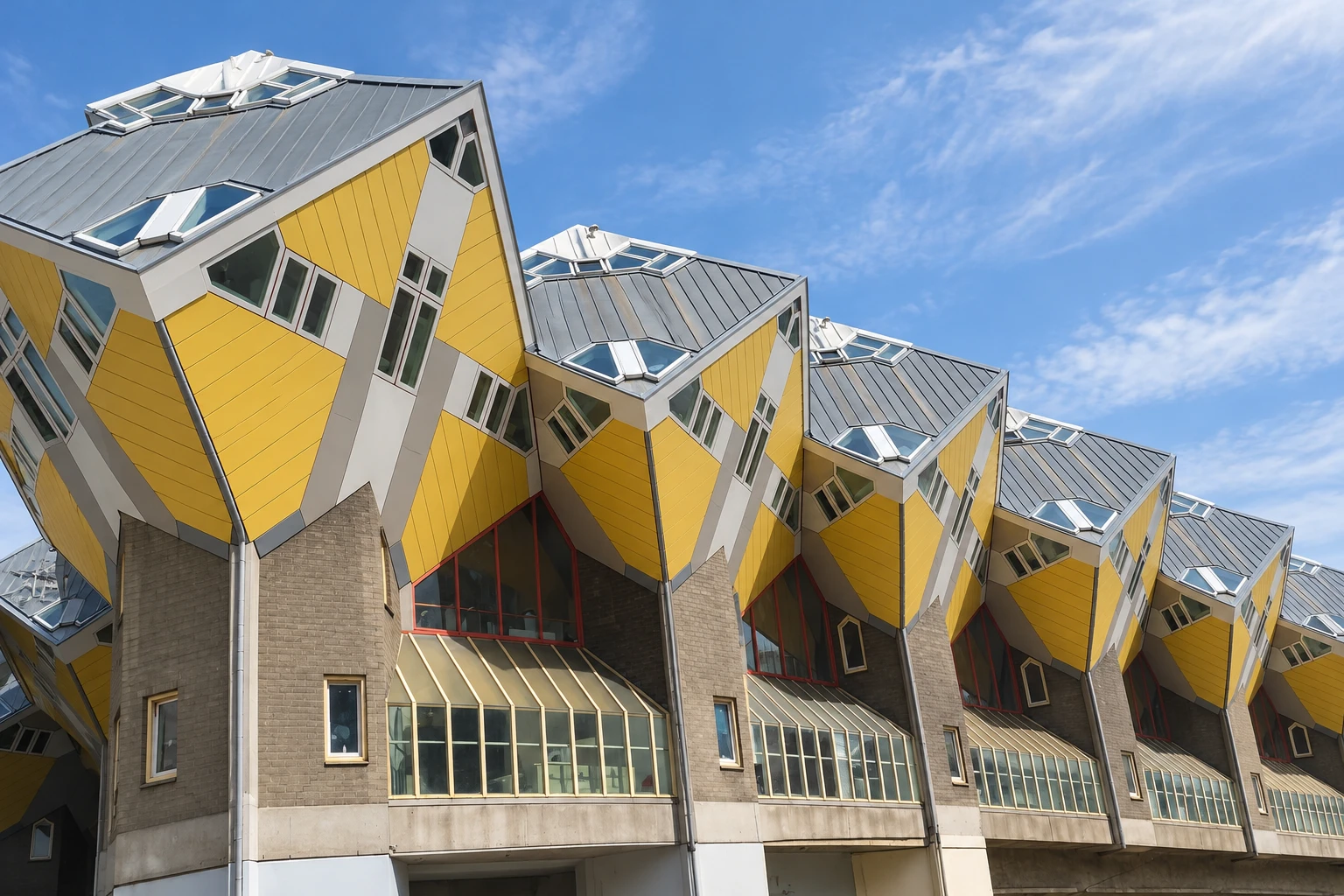
A group of tilted cube-shaped houses supported on pillars, designed by Piet Blom. One of them, the Kijk-Kubus, is a show-house museum and can be visited inside.
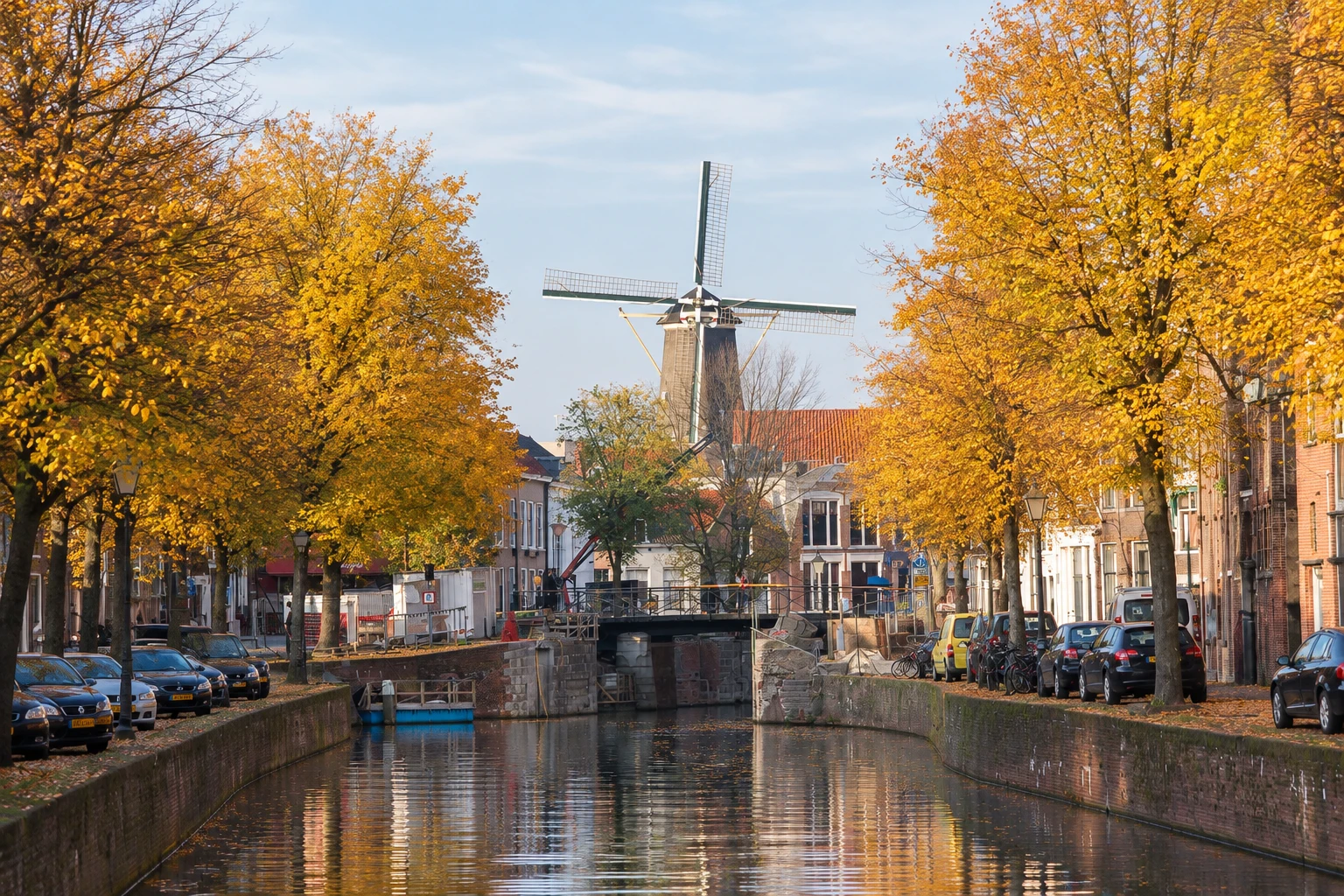
The windmills on the old walls of Schiedam, built in the 18th and 19th centuries to grind grain for the distilleries. They are among the tallest of their type in the world, and some still operate.
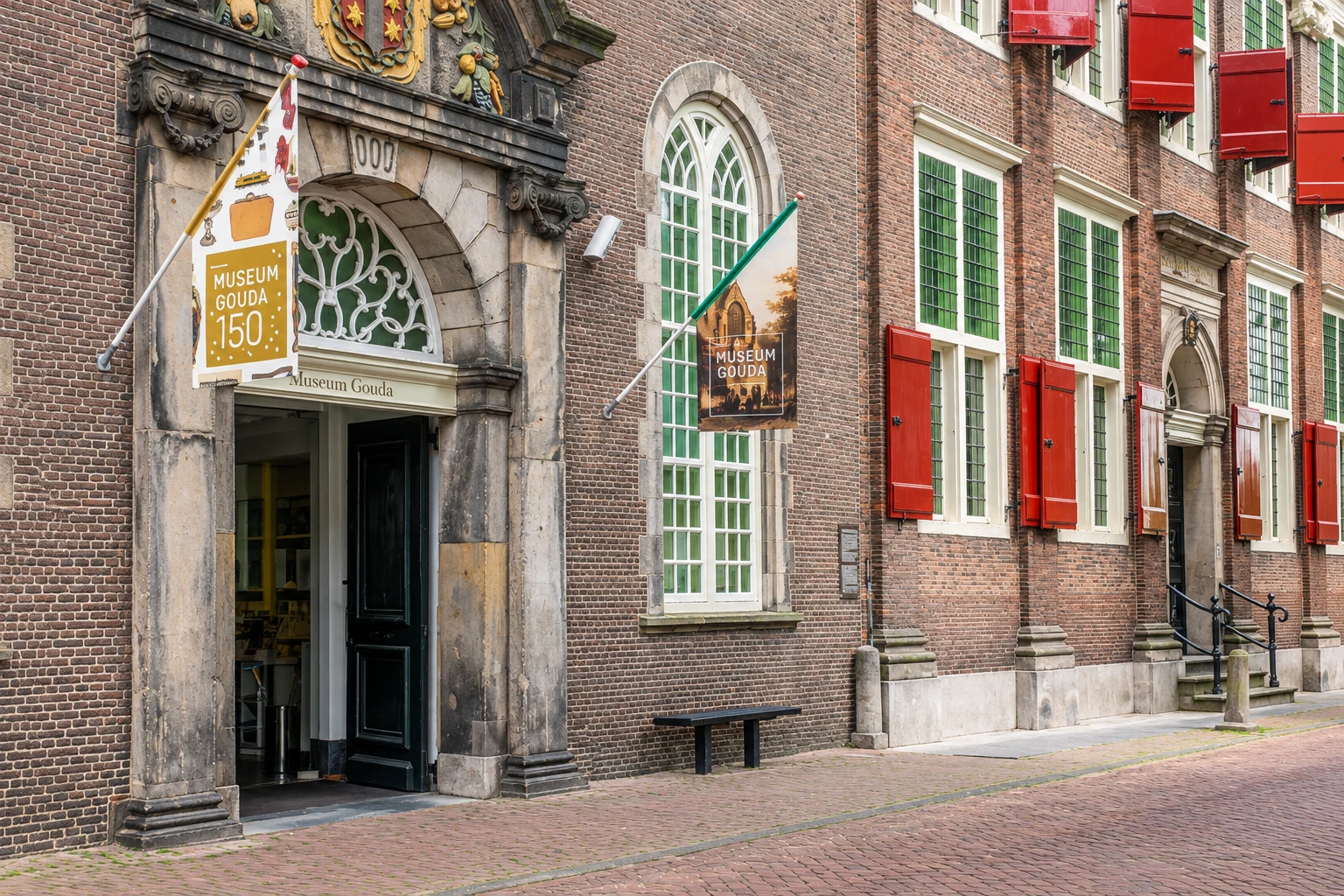
The town museum, next to the Sint-Janskerk, housed in a former medieval hospital. It gathers art, objects and documents about Gouda’s history and hosts exhibitions related to the church’s stained glass.
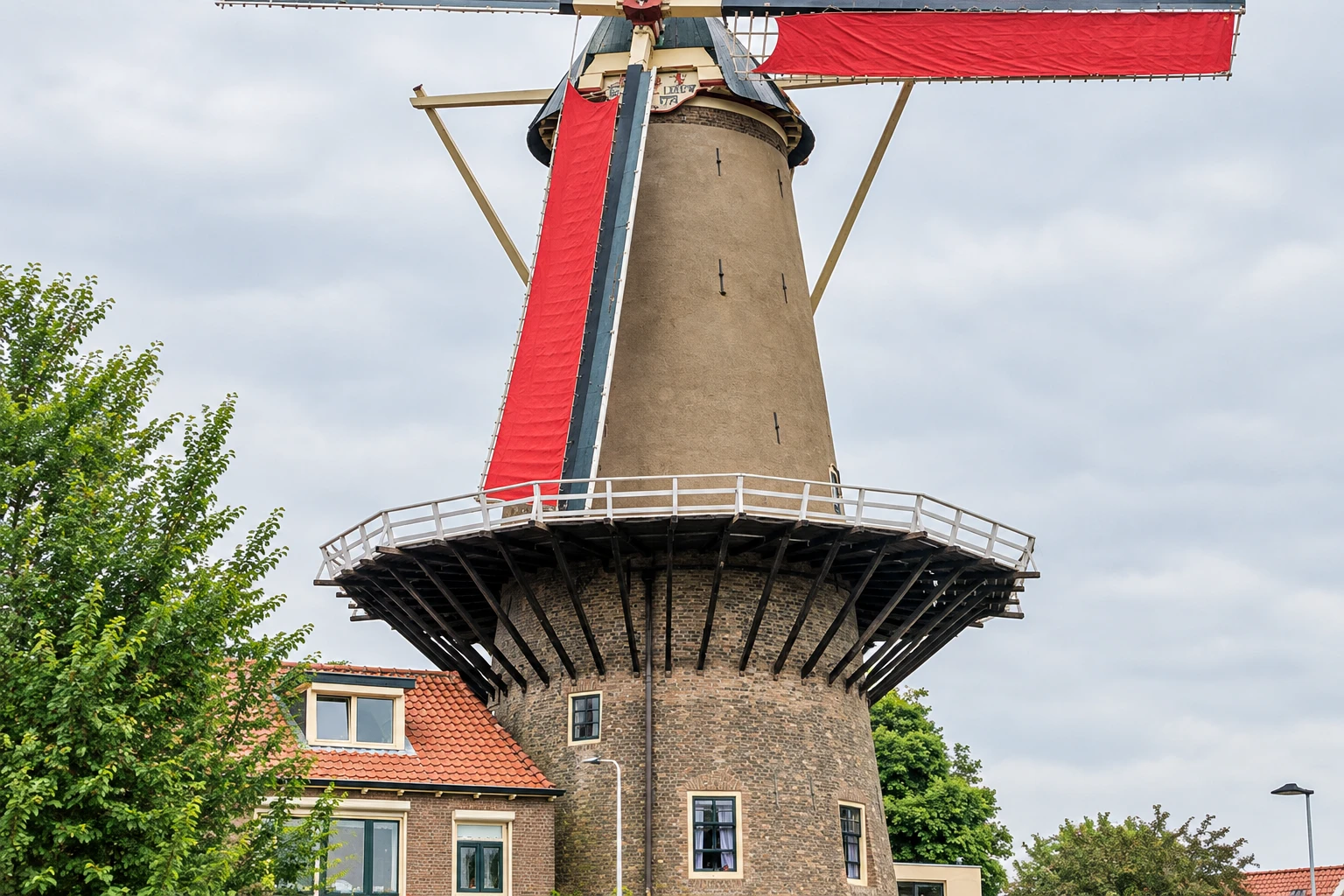
A grain mill from 1727 on the edge of the Vest, Gouda’s old moat. It is one of the few remaining witnesses to the town’s grain and flour trade and can be viewed from the outside beside the canal.
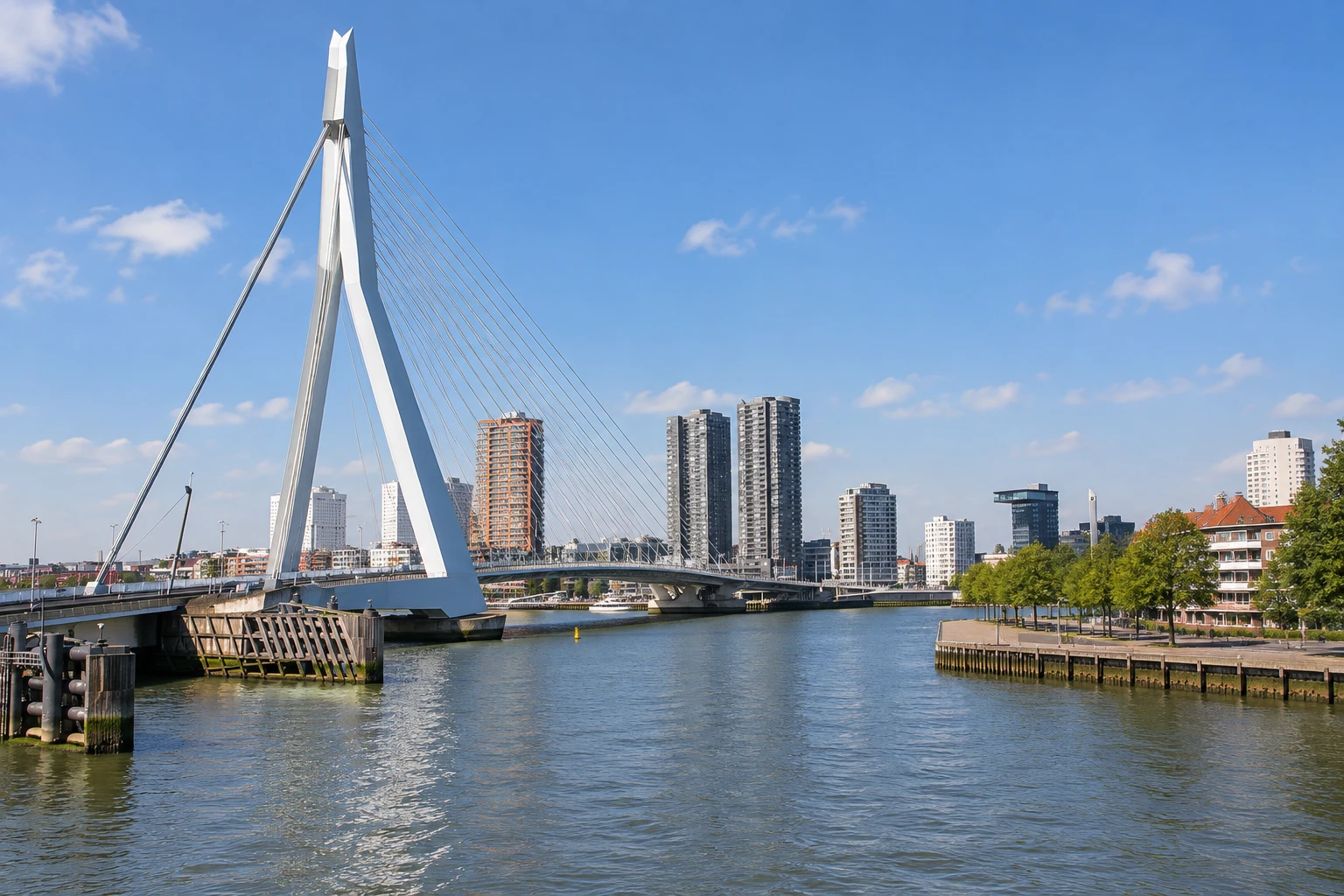
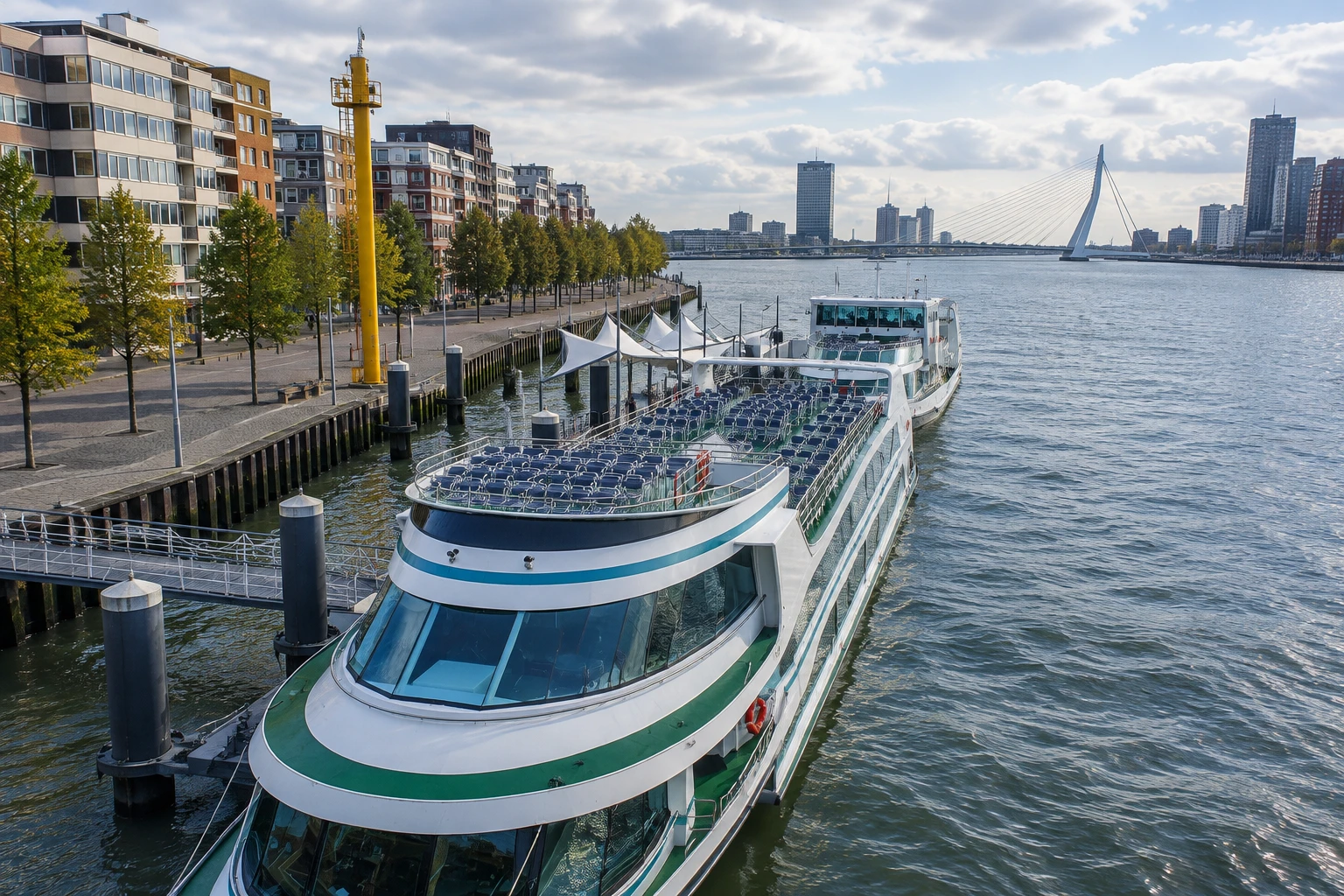
White cable-stayed bridge from 1996 over the Nieuwe Maas, linking the centre to the Kop van Zuid. The shape of the mast earned it the nickname De Zwaan, the swan.
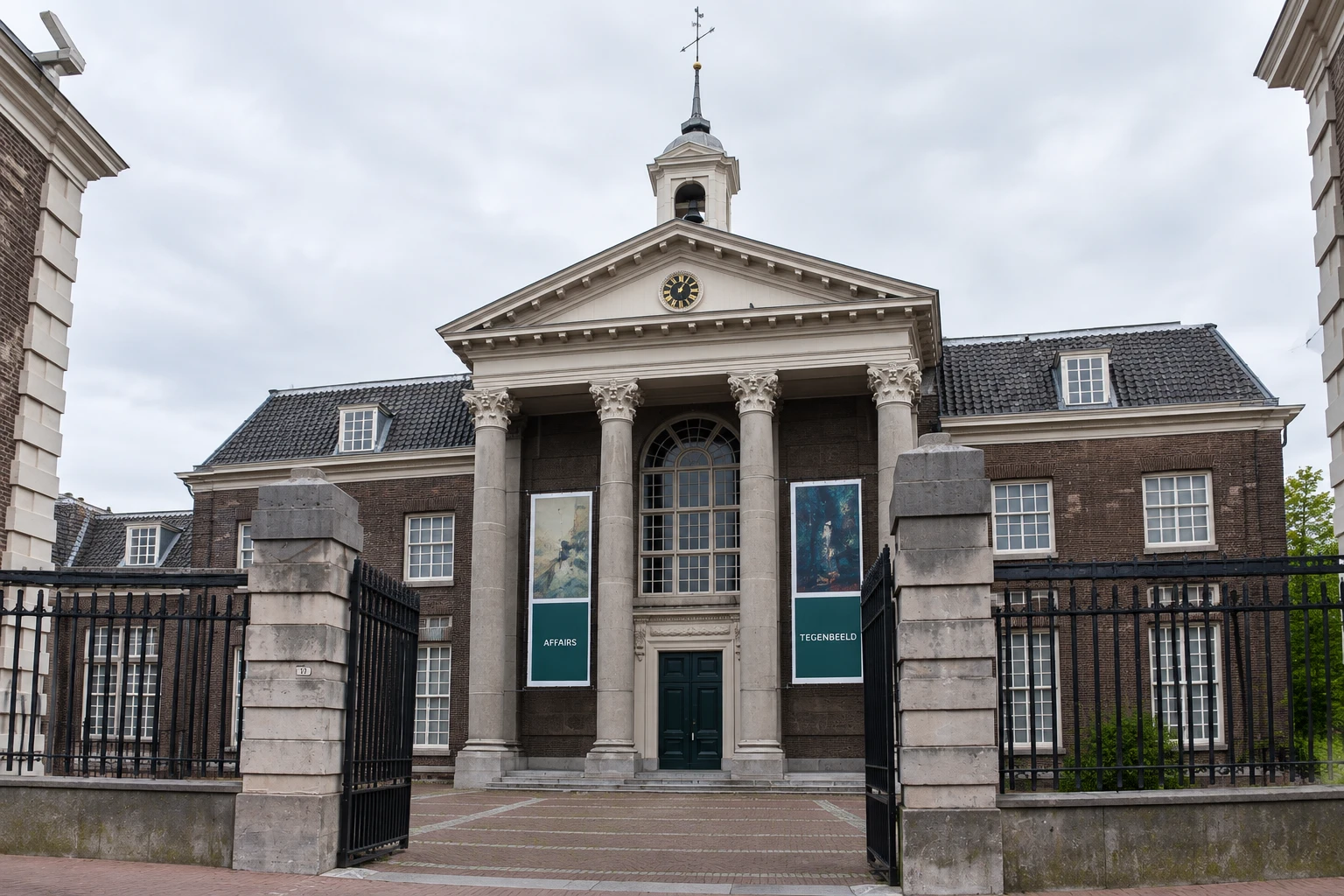
Municipal museum of modern and contemporary art, in the former Sint-Jacobs Gasthuis hospital on Hoogstraat. It has a collection of post-war Dutch art and, in the basement, an exhibition about the city’s history and the jenever industry.
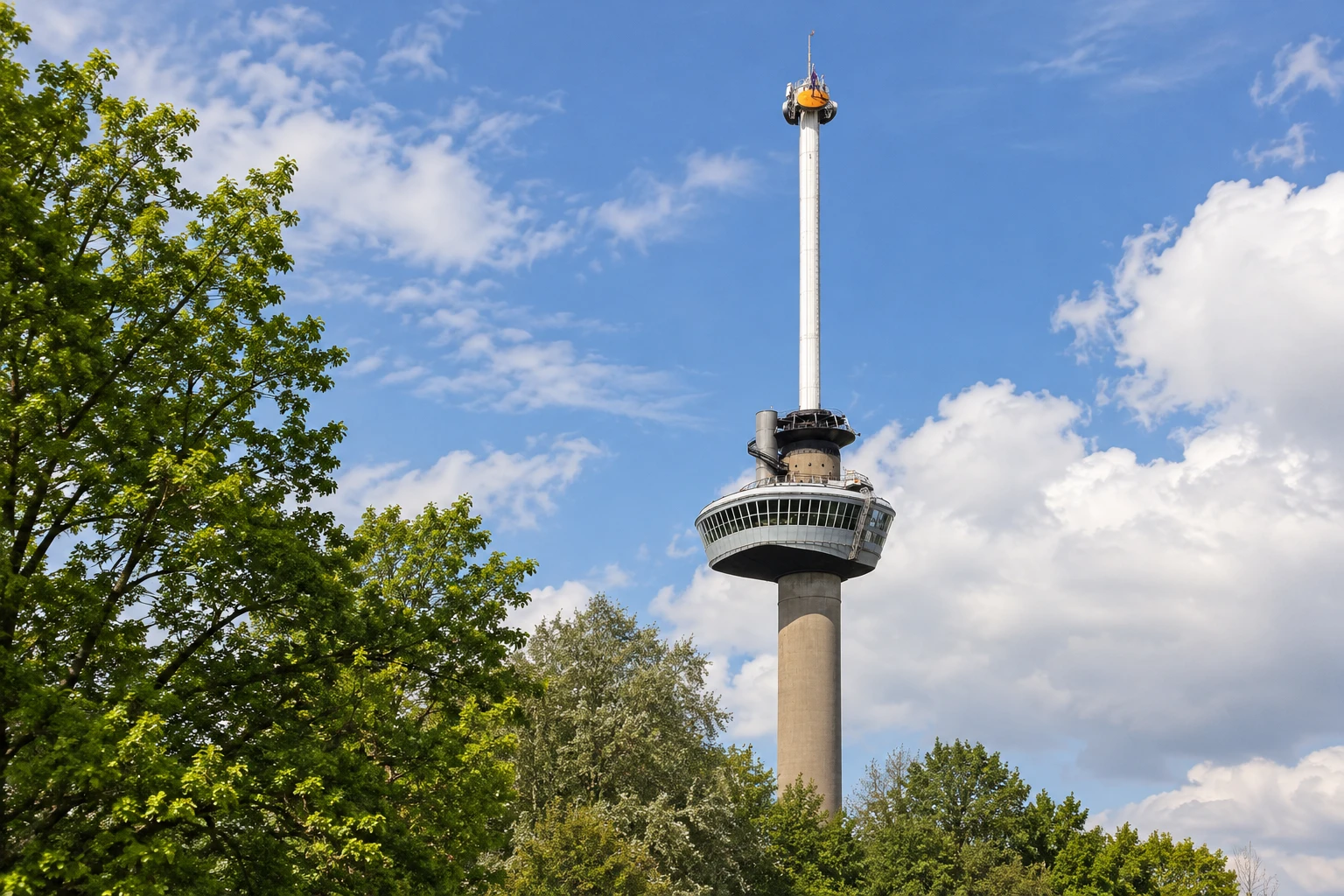
Observation tower from 1960 next to Het Park, with a viewing platform at about 100 metres and a rotating cabin that rises to 185 metres. It is the highest publicly accessible point in Roterdã.
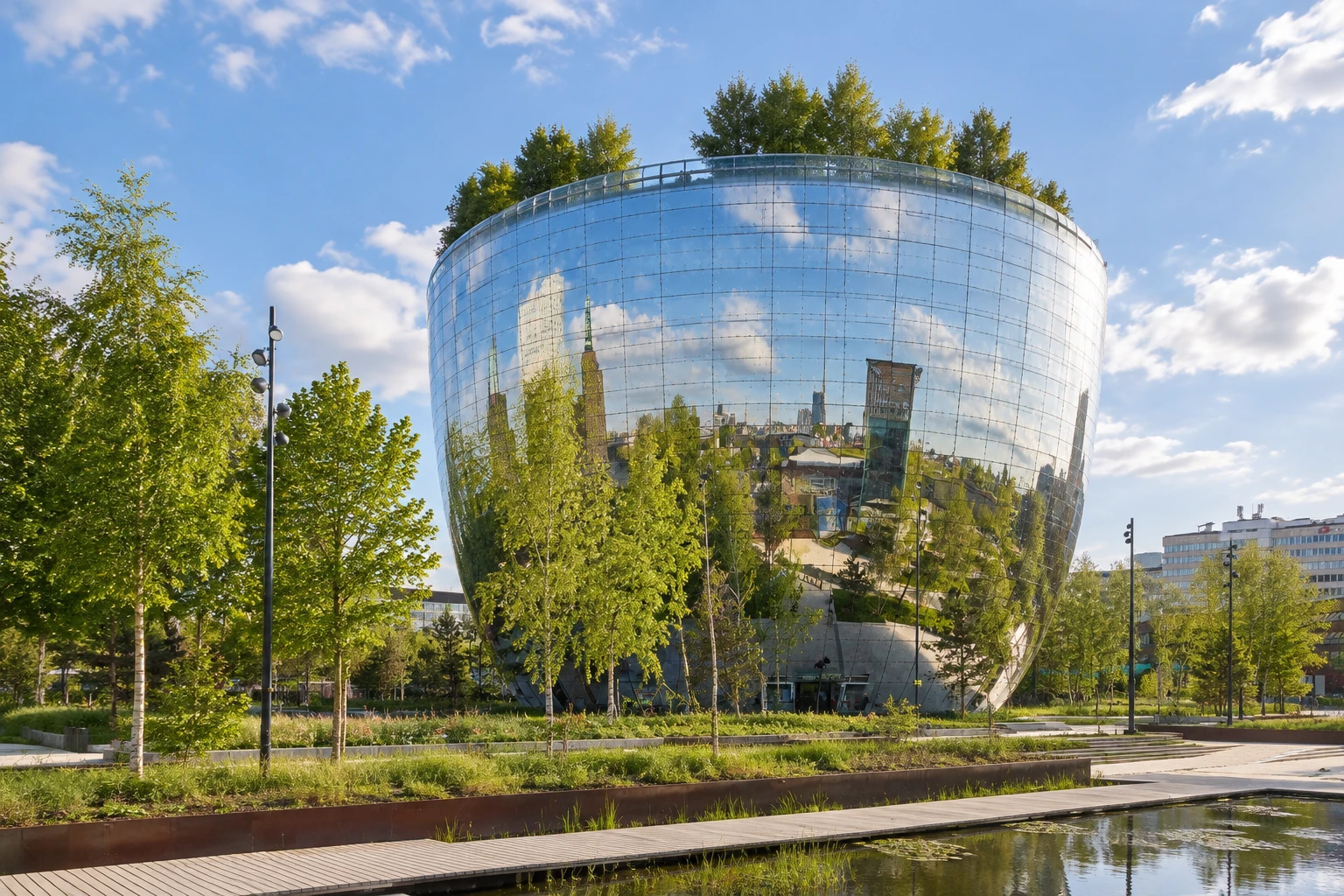
The first art depot in the world open to the public: a mirrored, bowl-shaped building in Museumpark that houses the entire collection of the Museu Boijmans Van Beuningen.
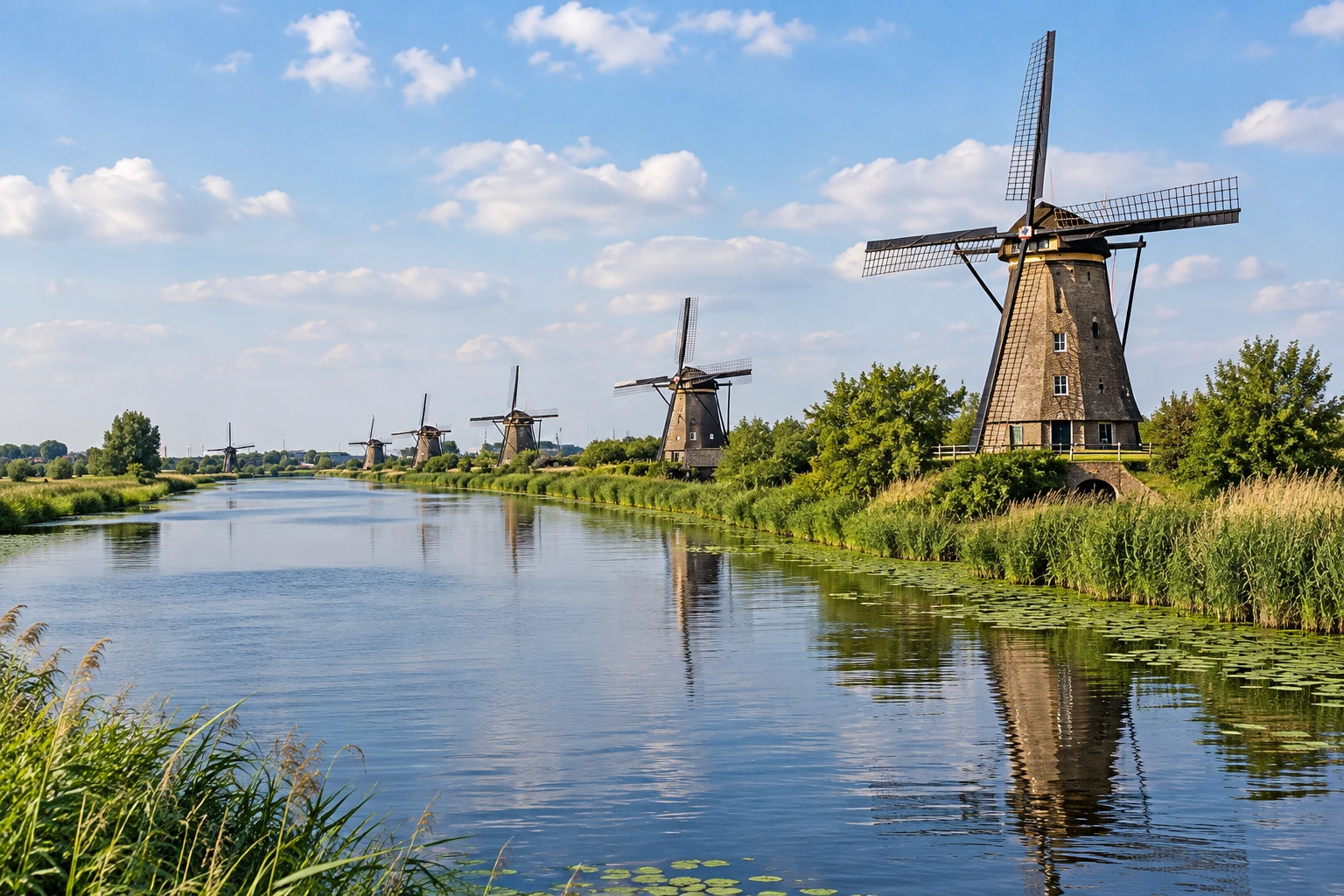
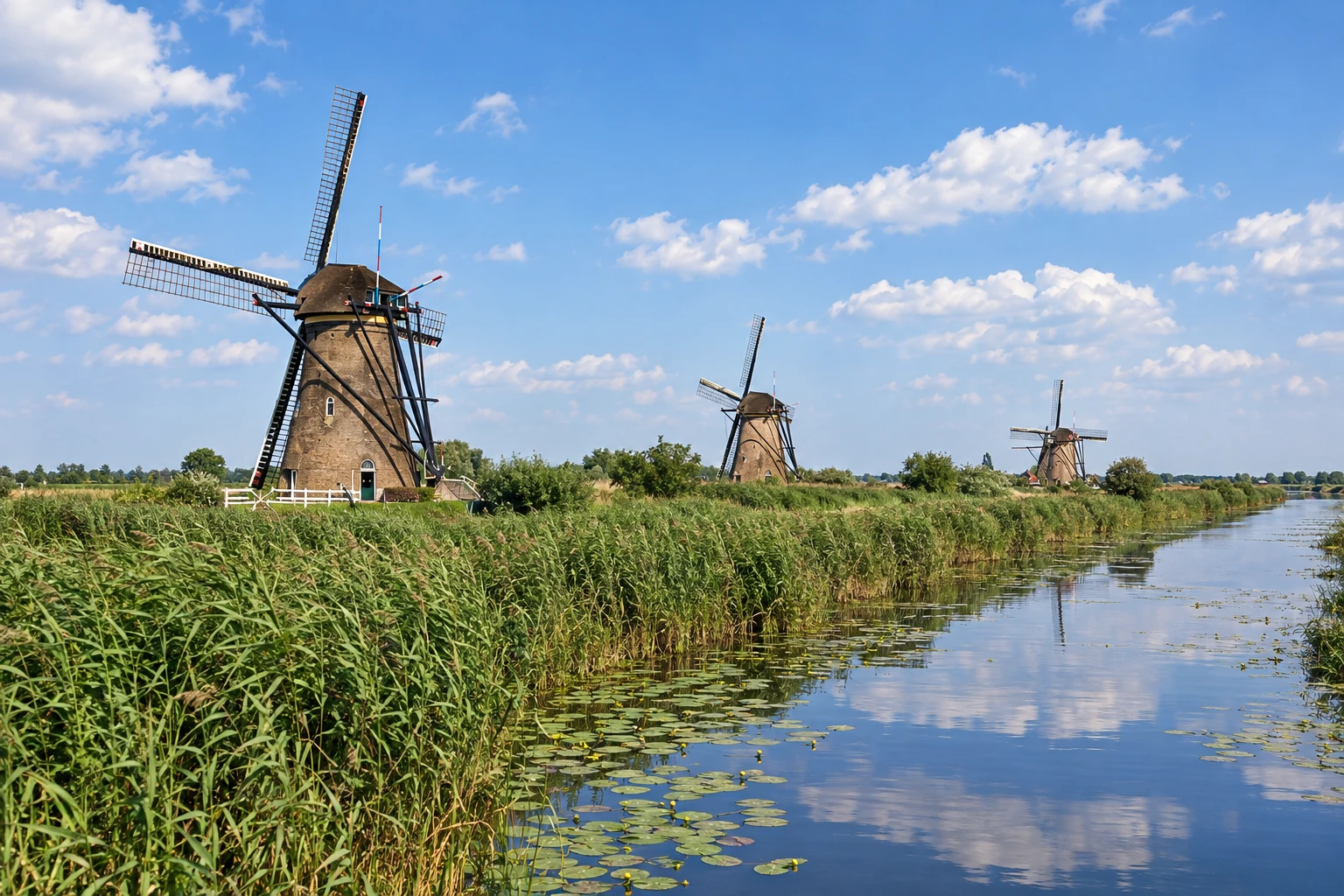
Nineteen 18th-century windmills lined up along canals that drained the polders of the Alblasserwaard. A UNESCO World Heritage site since 1997, about a half-hour by boat from Roterdã.
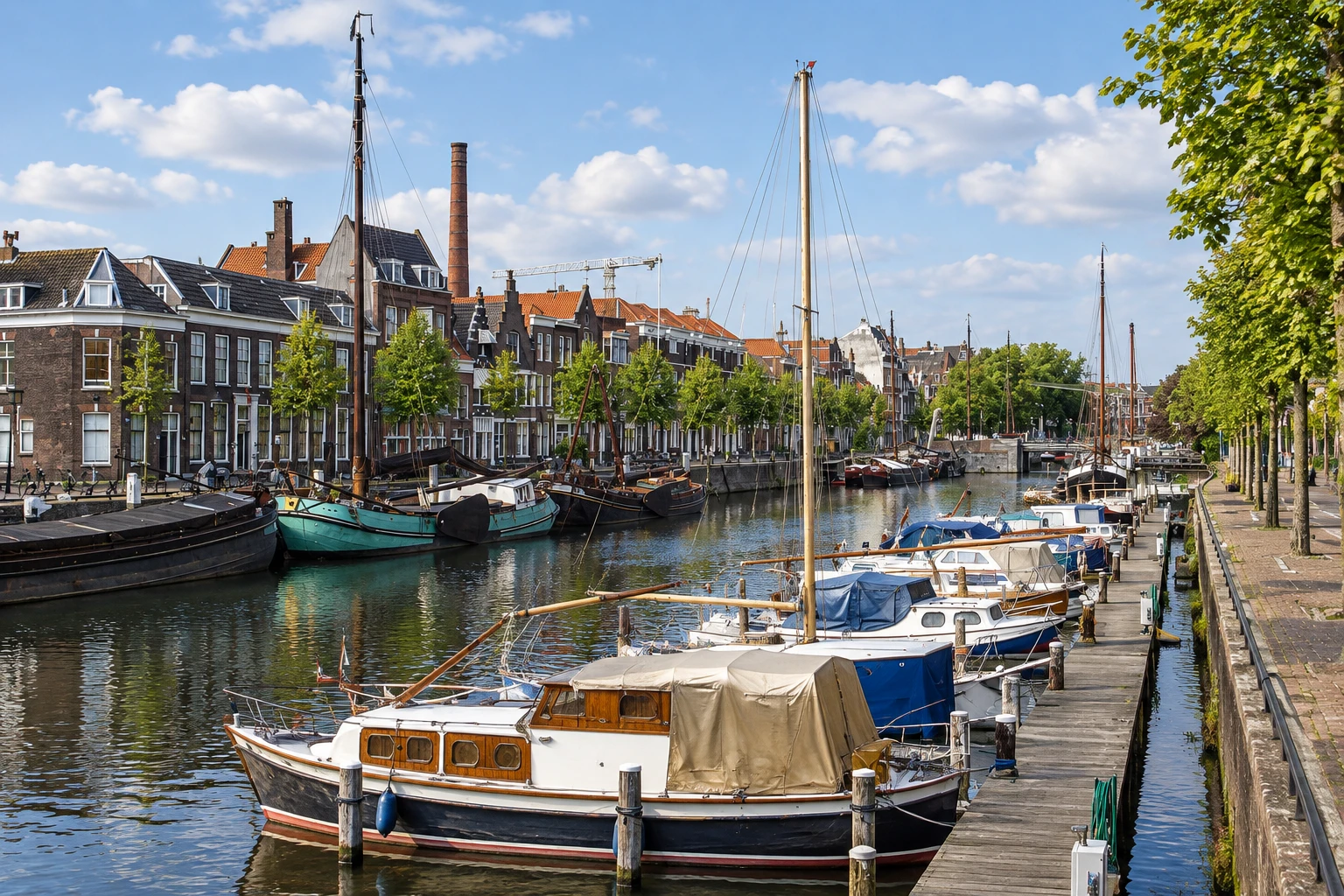
Delft's old port, now part of Roterdã, which escaped the 1940 bombing. 17th- and 18th-century houses, canals, a windmill and the church from which the Pilgrims set off for America in 1620.
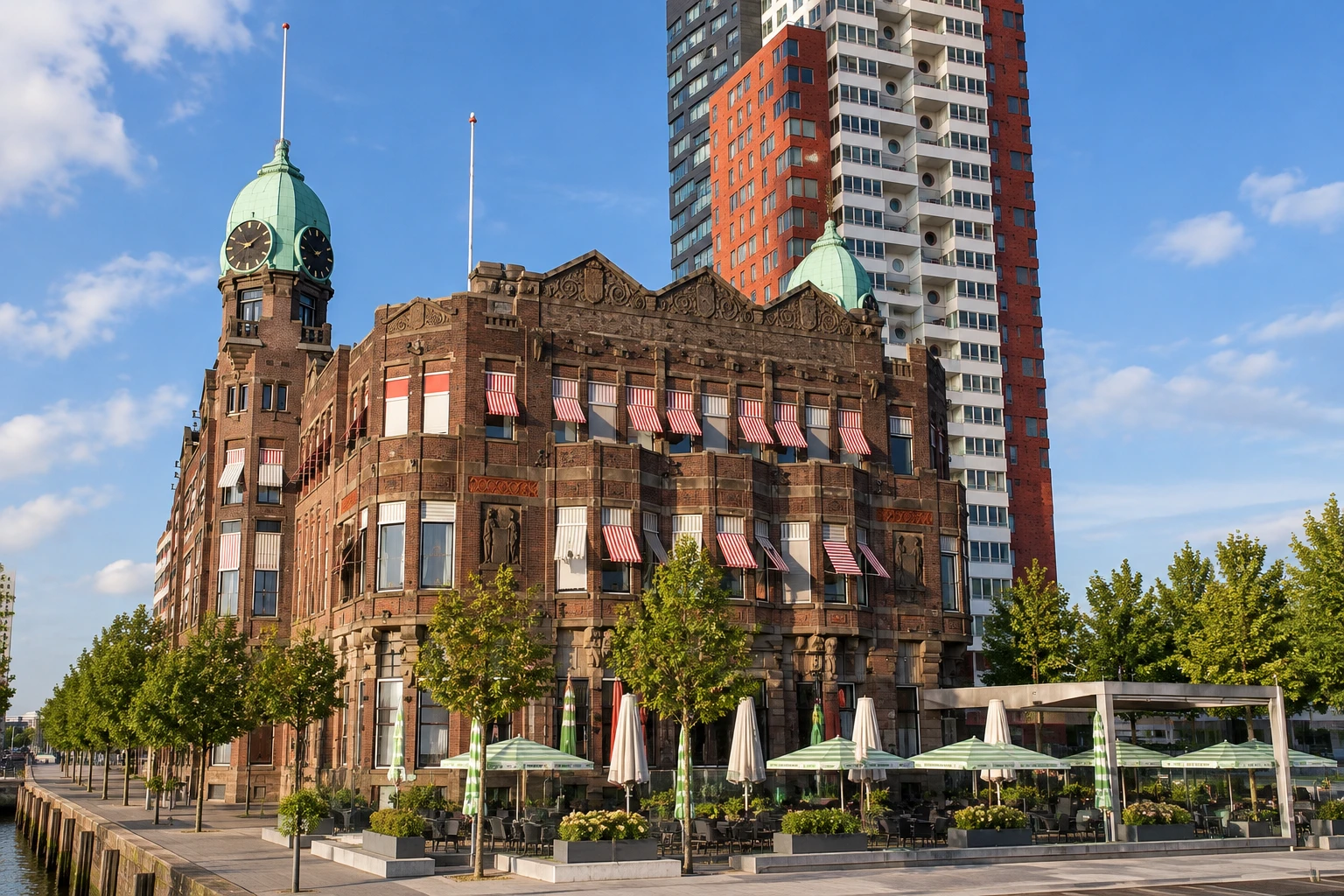
Former headquarters of the shipping company Holland-Amerika Lijn, now a hotel and restaurant at the tip of the Wilhelminapier. From there millions of emigrants departed for New York.
A boat tour of around 75 minutes along the river and the docks of the port of Roterdã, leaving from the foot of the Erasmusbrug. It's the simplest way to see Europe's largest port up close.
A center for temporary exhibitions designed by Rem Koolhaas, in the Museumpark. It has no permanent collection: it hosts several shows at the same time, from painting to design and fashion.
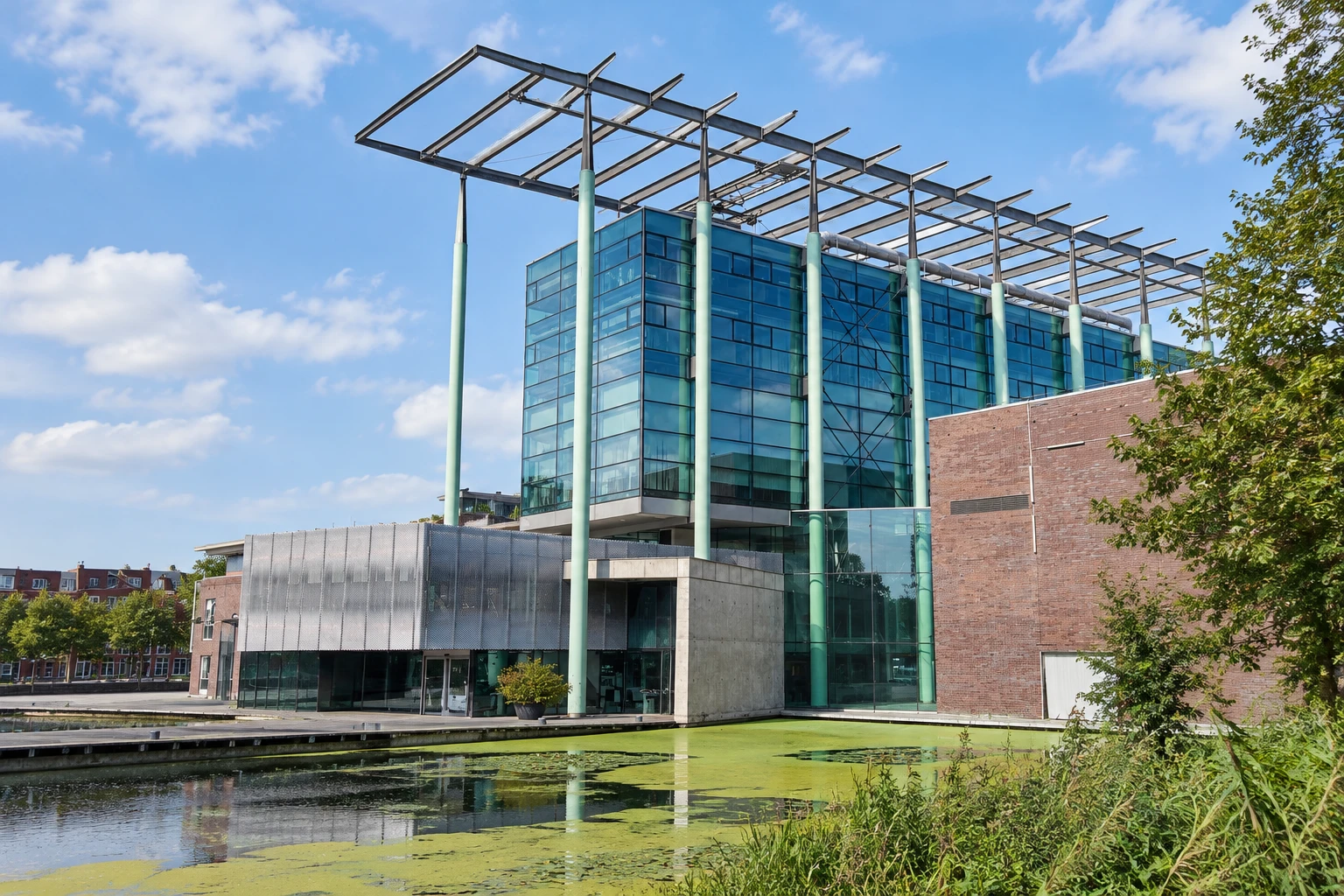
Museum of architecture, design and digital culture in the Museumpark, which houses the country's national architecture archive. Next door, the Huis Sonneveld is a modernist house from the 1930s open to visitors.
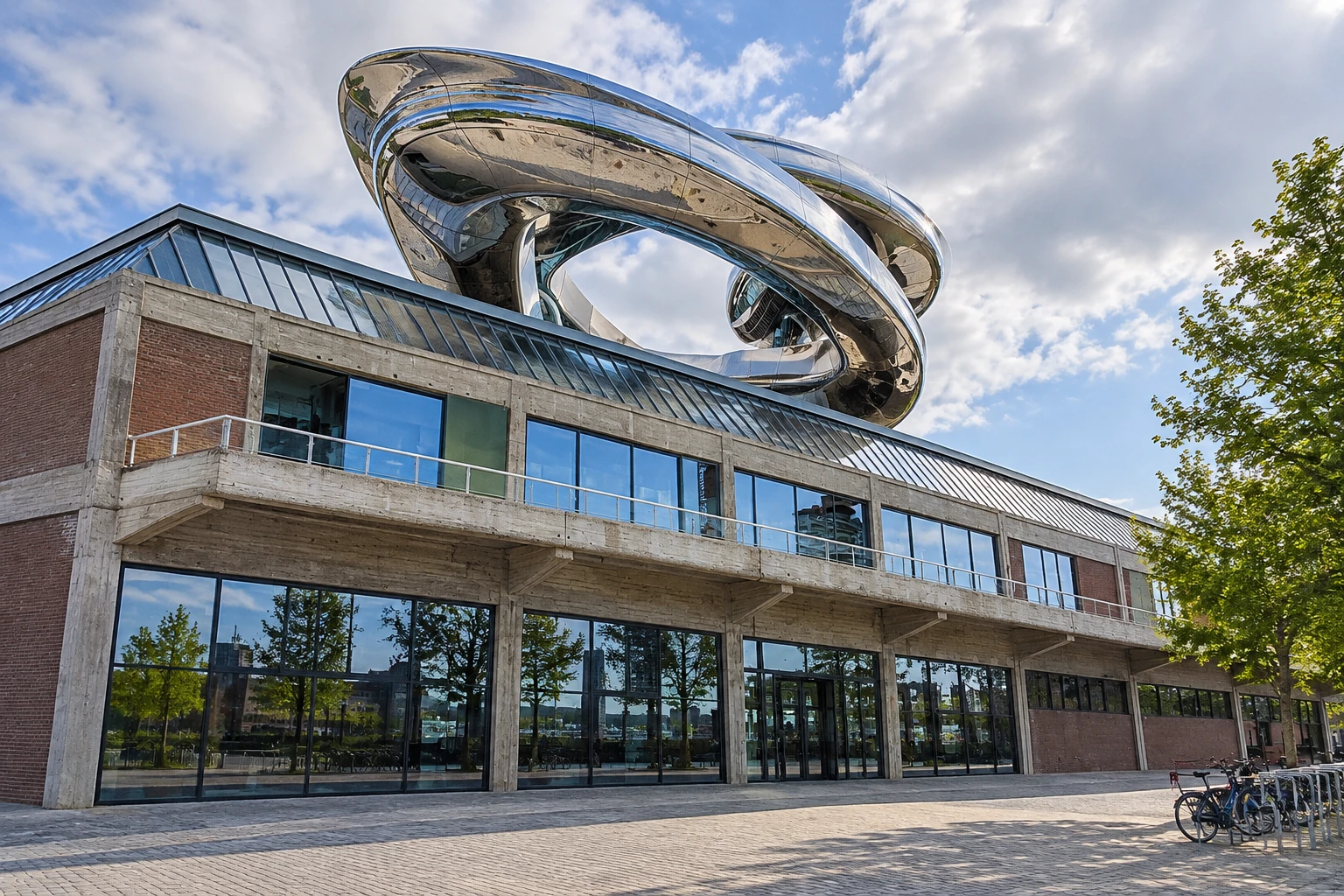
A museum of art about migration in a former port warehouse in Katendrecht, facing the quay from which emigrants of the Holland-Amerika Lijn departed. It features the Tornado double spiral staircase at the top.
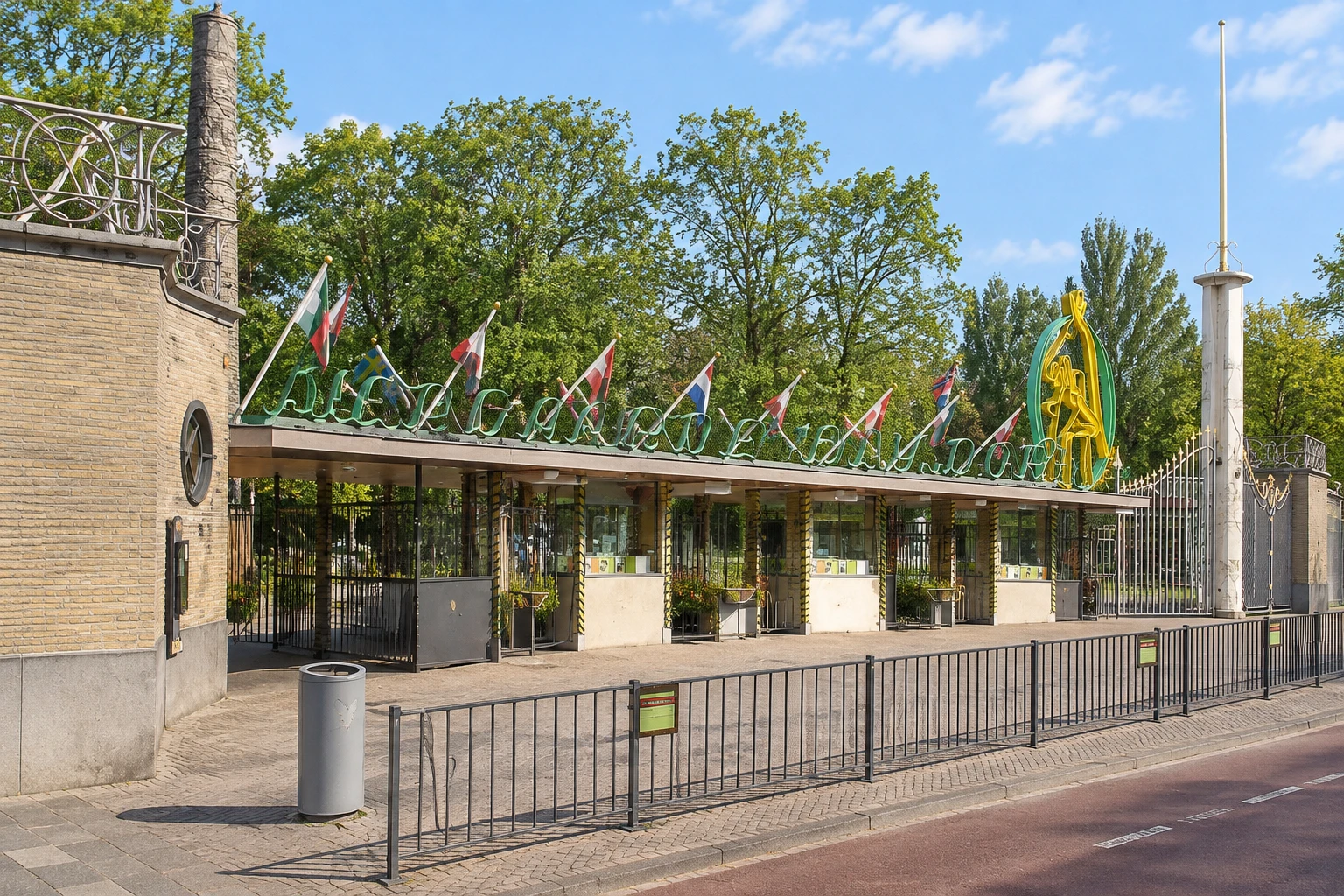
One of the oldest zoos in the Netherlands, covering 34 hectares organized by world regions and with a large aquarium, the Oceanium. It is just a few minutes from Rotterdam Centraal.
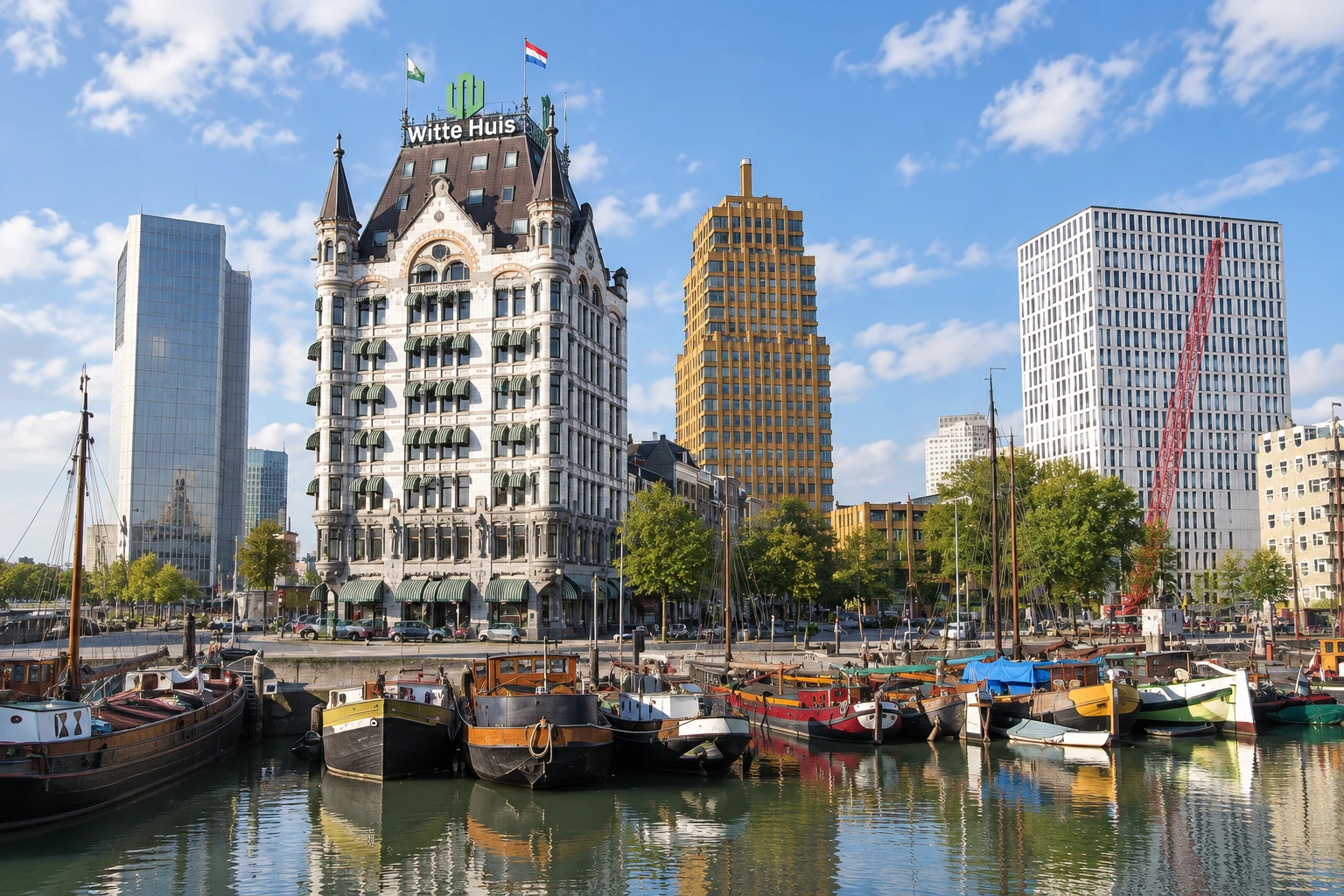
One of Rotterdam's oldest harbours, with historic boats, waterside terraces and the Witte Huis, the 1898 art nouveau skyscraper that survived the 1940 bombing.
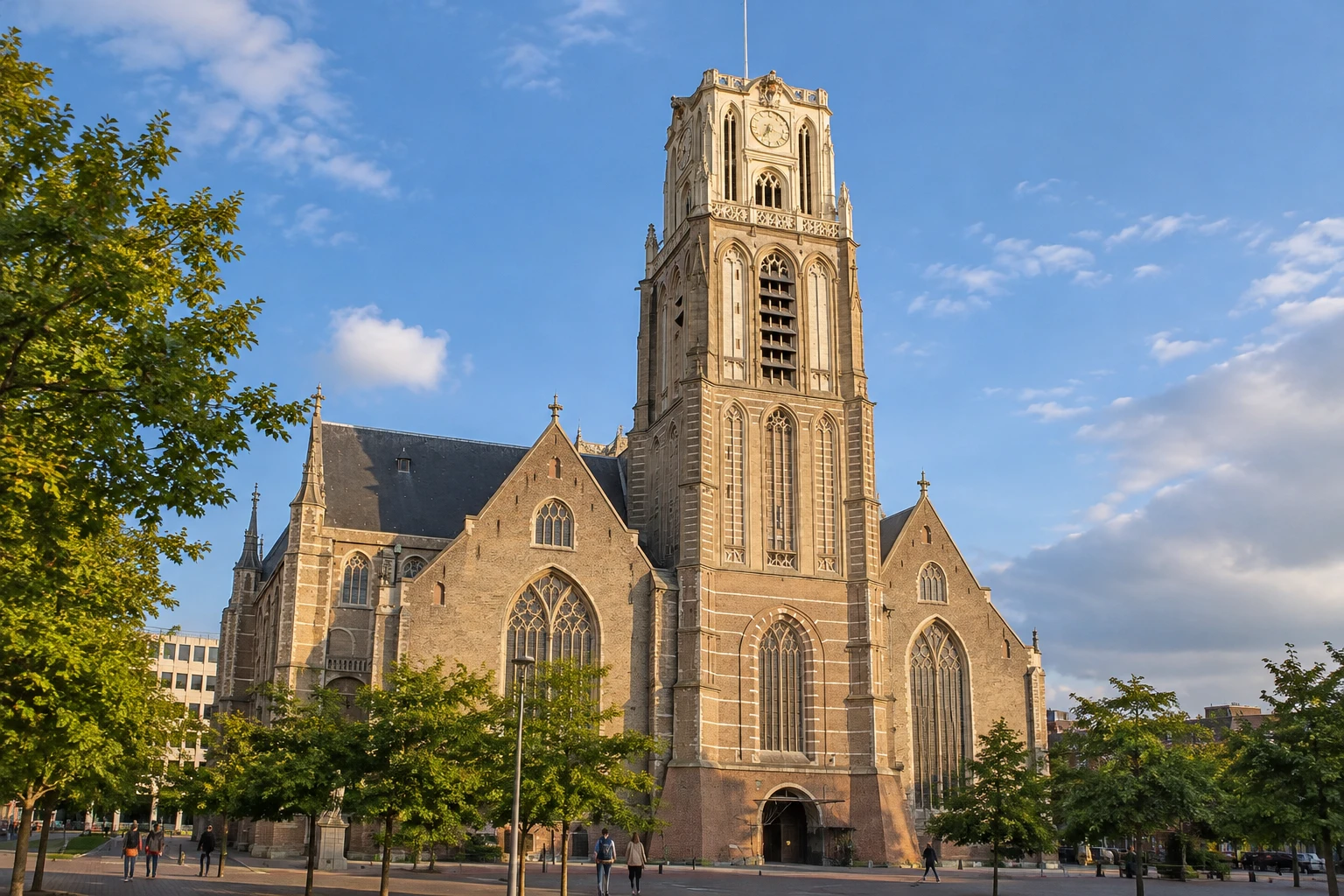
A 15th-century Gothic church, the last building remaining from medieval Rotterdam. Heavily damaged in the 1940 bombing, it was restored and today houses monumental organs and a tower that is open to visitors on certain days.
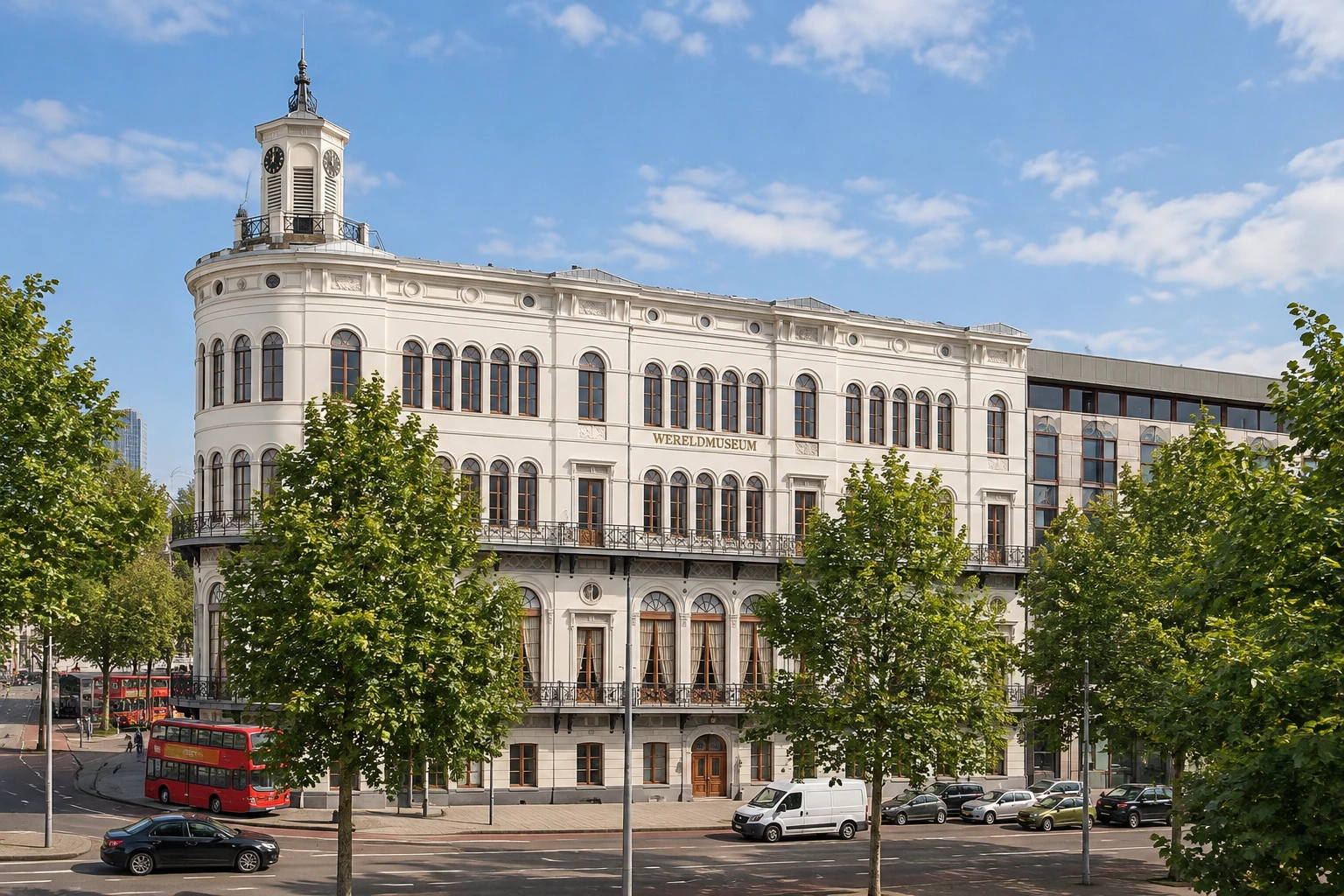
Museum of world cultures in an 1851 riverside building that used to house a yacht club. It holds objects from Asia, Africa, Oceania and the Americas brought by generations of sailors and traders.
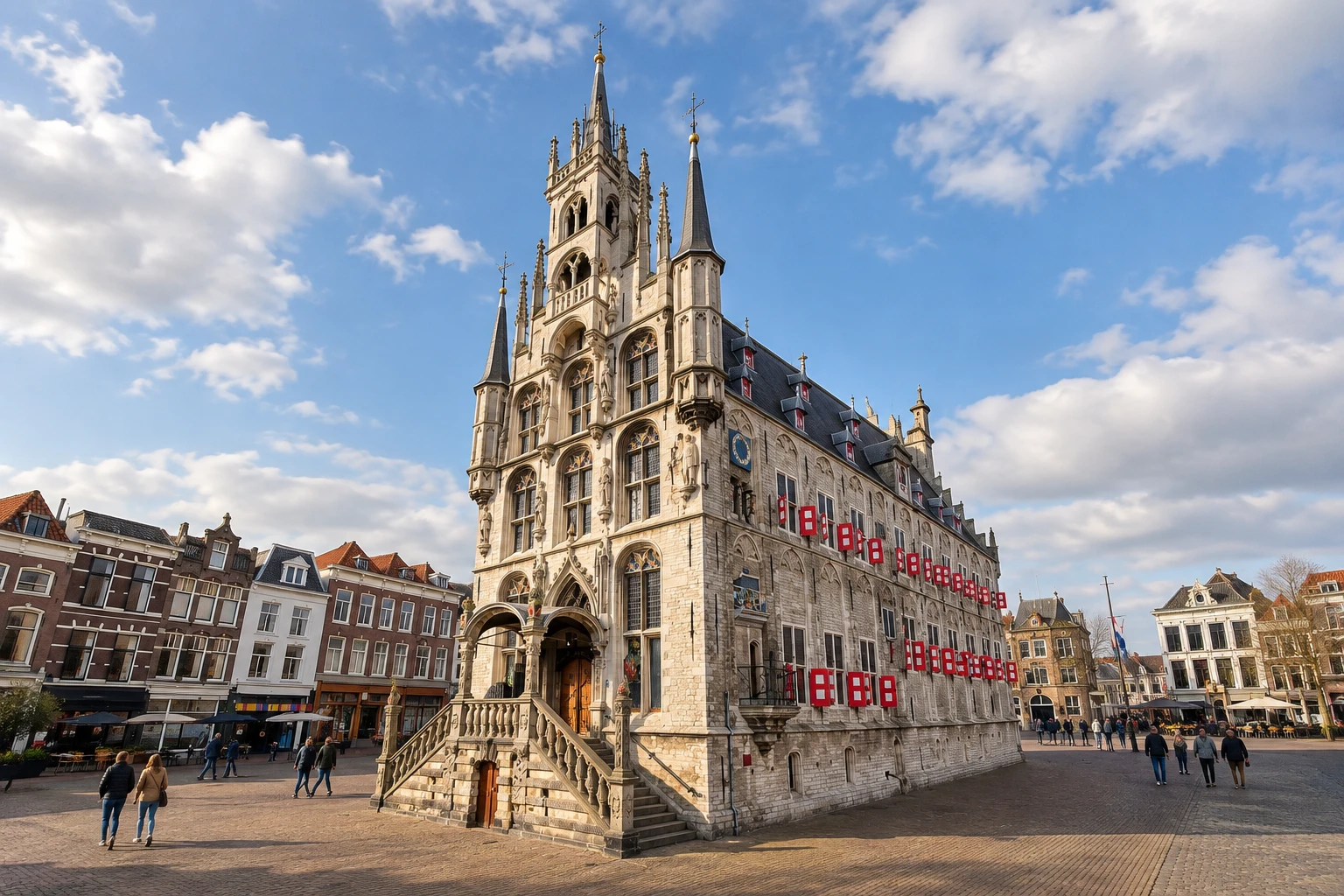
Cheese town about 25 kilometers from Roterdã, with a Gothic town hall in the middle of the market square and the Waag, the old cheese weigh-house. On Thursday mornings from April through the end of August there is a traditional cheese market.
Para escolher antes de ir
O detalhe de cada passeio (de onde sai, o que inclui, a melhor época) está no guia completo.
Tire suas dúvidas
Os roteiros do guia têm 2, 3 e 5 dias: em 2 dias, architecture, the port and Kinderdijk; em 3 dias, city, Kinderdijk and museums; Rotterdam in 5 days with Dordrecht, Gouda and Schiedam.
Arrival, modern center and the Erasmusbrug. Arrive at Rotterdam Centraal in the morning, drop your bags and walk the Markthal, Kubuswoningen and Laurenskerk, having lunch in the Markthal. In the afternoon, visit the Maritiem Museum and Leuvehaven and then take the Spido harbor cruise. At the end of the day, cross the Erasmusbrug to Kop van Zuid to see the bridge light up. Dine on Witte de Withstraat.
Em geral chove menos em abril. Os meses de mais chuva costumam ser de agosto a dezembro. O guia traz cada mês com o clima e o que muda nos passeios.
Para planejar