Rhum agricole
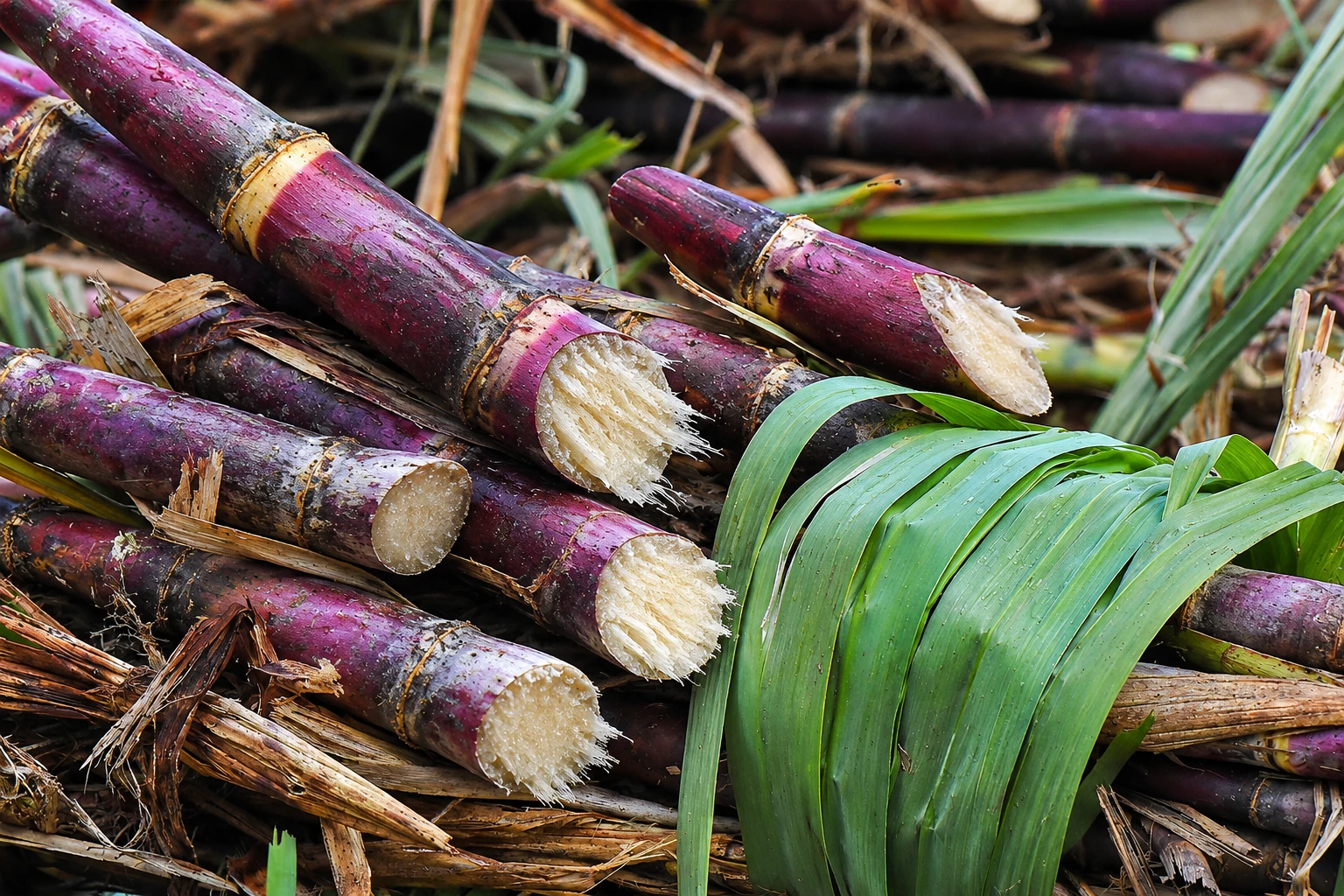
Rum distilled from fresh sugarcane juice, not from molasses. In French Guiana it is produced at a single distillery in Saint-Laurent-du-Maroni, on the edge of the forest, using sugarcane from the region.
Antarctica
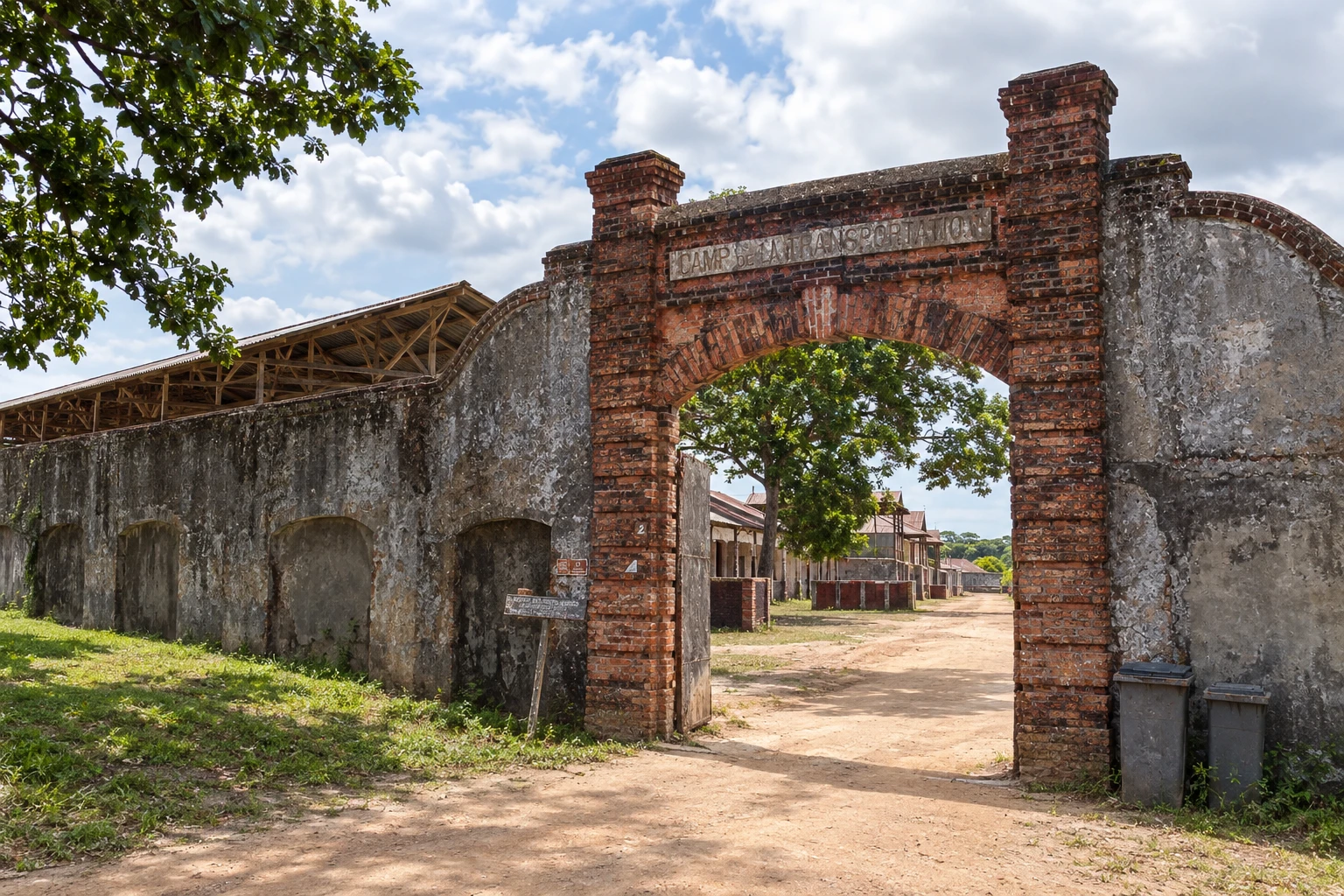
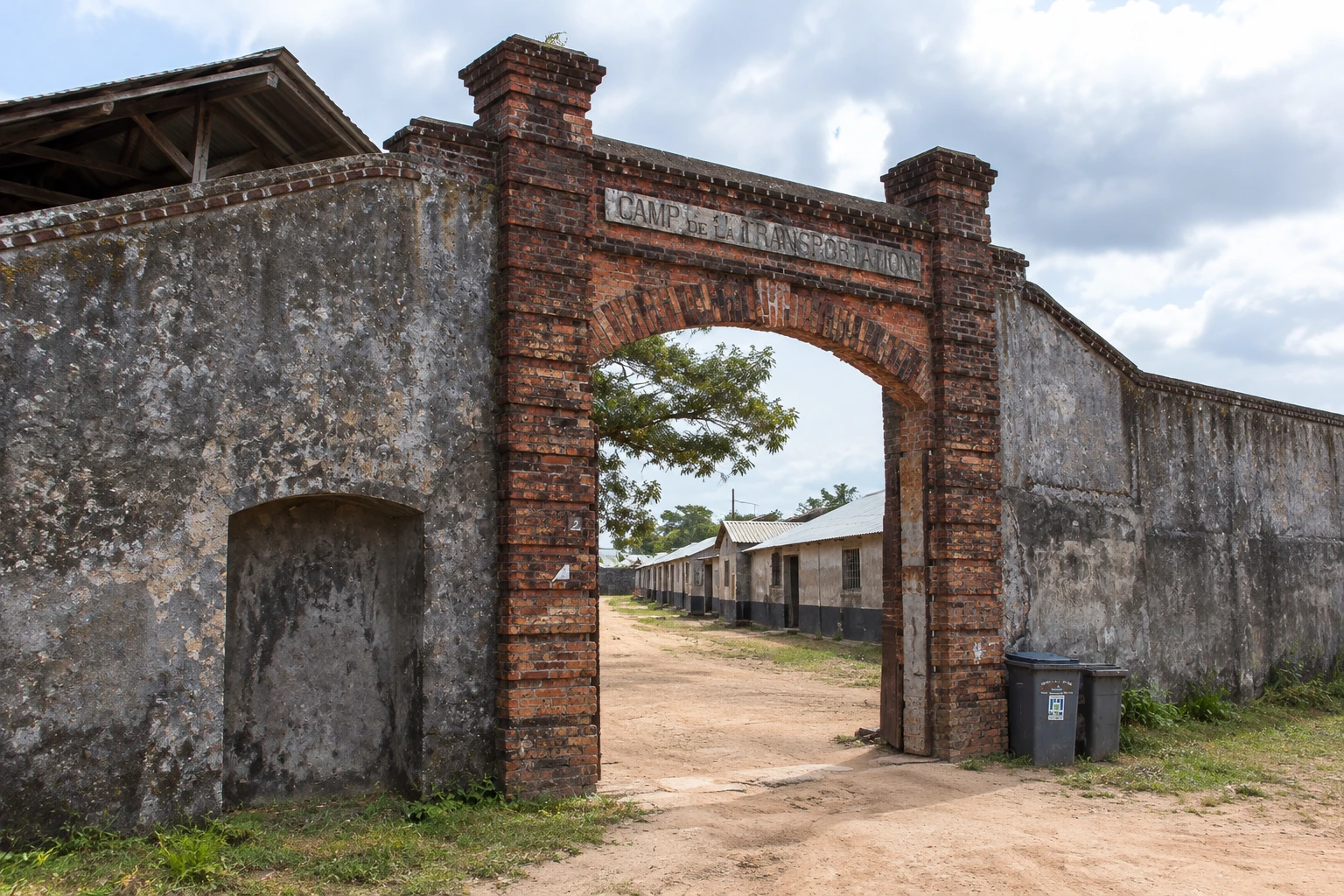
In the photo: Camp de la Transportation
Illustrative images. The pictures in this guide are illustrations based on the real place, not photographs, and may differ from it.
The city
Saint-Laurent-du-Maroni is on the bank of the Maroni River, on the border with Suriname, and was founded in 1858 as the center of French Guiana's penal camps. The restored Camp de la Transportation offers guided visits; the official district preserves colonial brick and wooden buildings; and from the riverside pirogues depart for Albina and for villages upriver.
There's no accommodation in the guide yet in Saint-Laurent-du-Maroni.
Do you run a hotel, guesthouse or vacation rental here? List itThere are no restaurants in the guide yet in Saint-Laurent-du-Maroni.
Know a good one? Recommend it to usThe city's hotels and restaurants on the map.
how to get there · how many days · itinerary · questions
Flavors of French Guiana
The local experience
The former central camp of the Guiana Francesa penitentiary, opened in 1858, where all convicted prisoners disembarked. Restored, it hosts guided tours through the cells, courtyards and accommodations, including the cell attributed to Papillon.
The colonial neighborhood built for the administration of the penitentiary, with the town hall, the church, the old courthouse and the houses of staff and guards, in brick and wood, along the streets between the Camp de la Transportation and the river.
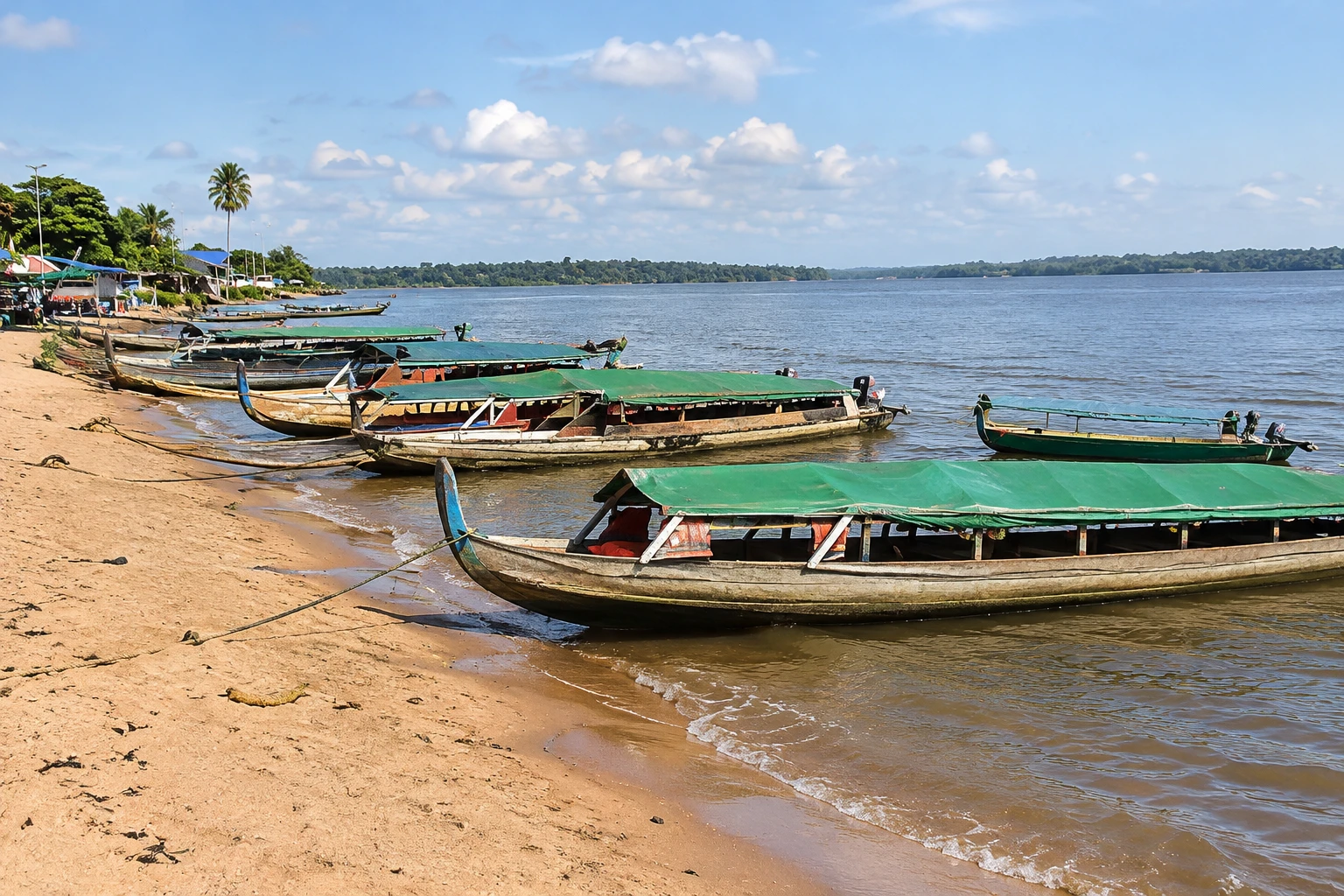
The river that separates French Guiana from Suriname, traversed by wooden pirogues. From the riverbank in Saint-Laurent depart the crossing to Albina and the trips that go up the Maroni toward indigenous and bushinengue villages.
Before you go
Saint-Laurent-du-Maroni – French Guiana Capital
Approximate distances. Check flights and bus, train or boat schedules before you travel.
Connections with Brazil may be via direct flight or with a connection, depending on the season and the airline. Confirm before buying. The flight lands in Caiena, about 250 km away; from there the coastal road takes you to Saint-Laurent in about three hours, passing Kourou. Shared taxis run from Caiena. From Suriname, the river crossing from Albina has border control: bring your documents.
Two days: one for the Camp de la Transportation and the official district, and another for a pirogue trip on the Maroni. To travel upriver to the villages, three to five days with an agency.
From July to November there is less rain and pirogue trips are easier, although the river falls at the end of the dry season. From December to June rains are frequent, with a short break in March. Walk around the town early in the morning or late in the afternoon, avoiding the strong sun.
The seasons shown are the most usual ones; nature doesn't always follow the calendar.
Not within the town: the Camp de la Transportation, the official district and the riverside are close to each other and are visited on foot or by bicycle. A car is useful to get there from Caiena and for the surroundings.
Suggested itinerary
Built with the places on this page. No rush: it's paced so you have time to see them.
Take the guided tour of the Camp de la Transportation early, seeing the cells, courtyards and Papillon's cell. Afterwards, visit the exhibitions at the interpretation center.
After lunch, stroll through the official district, with the town hall, the church and the colonial houses of the former prison staff.
Go to the riverside to watch the pirogues arriving from Albina and the sunset over Suriname.
Dine at one of the restaurants in the center, which blend Creole, Asian and Suriname cuisine.
Day 1
Guided tour of the Camp de la Transportation and the interpretation center.
Walk or bike ride through the official neighborhood and the streets of the city center.
Late afternoon on the banks of the Maroni, with a view of Albina.
Between June and October, check whether there is the monthly night tour of the Camp de la Transportation.
Day 2
Set off by canoe along the Maroni River, with a stop at a village or an artisan spot, depending on the tour.
Continue along the river between islands and forested banks and return to the town in the mid-afternoon.
Pass through the market area and the riverfront, where the canoes arrive.
Dinner in the center and rest before returning to Caiena.
Check before you go. Opening hours and days change, and places may close for renovations, holidays or events. This itinerary is a suggestion from Cidade Turismo, not a commitment: plan yours by checking directly with each place you intend to visit.
Before you go
Flights from Brazil land in Caiena; from there it's about 250 km along the coastal road, roughly three hours by car. There are also shared taxis from Caiena.
Yes. The Camp de la Transportation, the official neighborhood, the town hall and the riverfront are close to each other. Bicycles are also a good option for the streets of the center.
Two days: one for the Camp de la Transportation and the official neighborhood, another for a canoe trip on the Maroni. To travel upriver to the villages, three to five days with an agency.
It was the prison system to which France sent convicted prisoners, from the mid-19th to the mid-20th century. Saint-Laurent was the center: prisoners disembarked there and were distributed to the other camps, such as the Ilhas da Salvação.
The official language is French, but in the town you also hear Creole, bushinengue languages, the Sranan Tongo of Suriname and, frequently, Portuguese. In museums and public services, everything is in French.