Things to do in Cayenne, Kourou, and the Salvation Islands
10 places to visit, chosen by the Cidade Turismo guide.
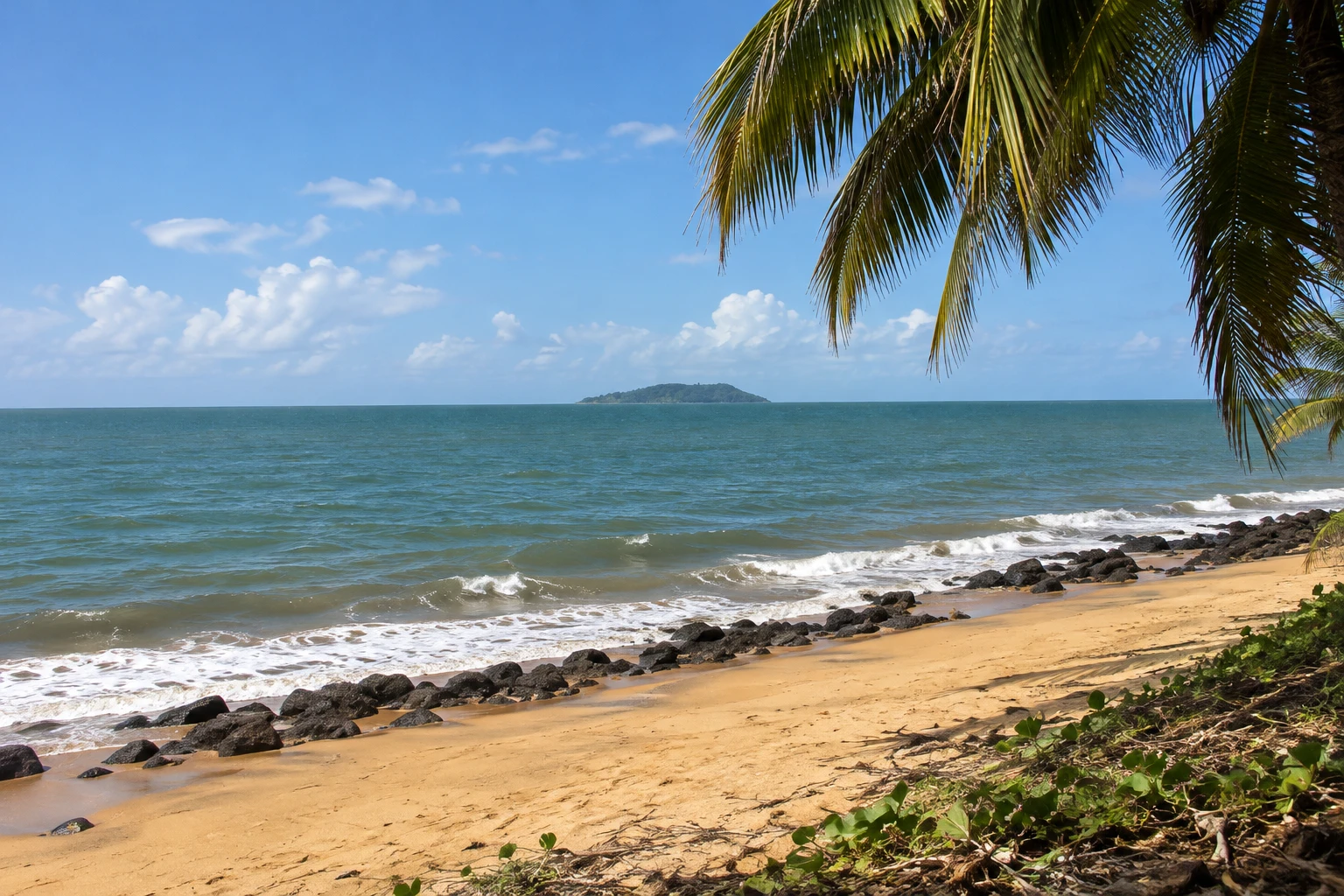
Illustrative images. The pictures in this guide are illustrations based on the real place, not photographs, and may differ from it.
To start
The 10 main places Cayenne, Kourou, and the Salvation Islands
Guiana Space Center · KourouThe base from which Europe launches its rockets, close to the equator.
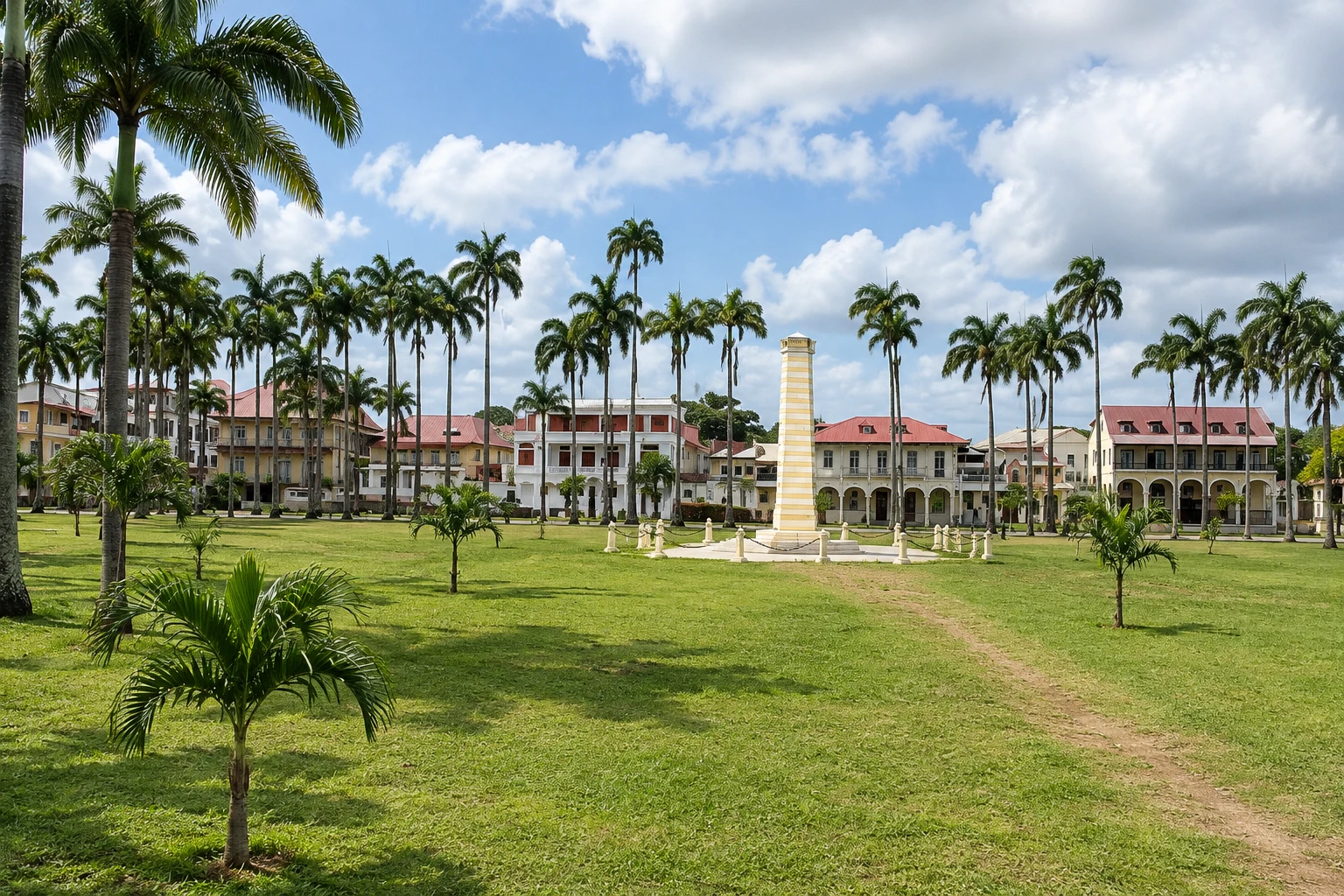
Place des Palmistes · CayenneCaiena's central square, with about 3 hectares of lawn and imperial palms, the statue of Félix Éboué and surrounding creole houses.
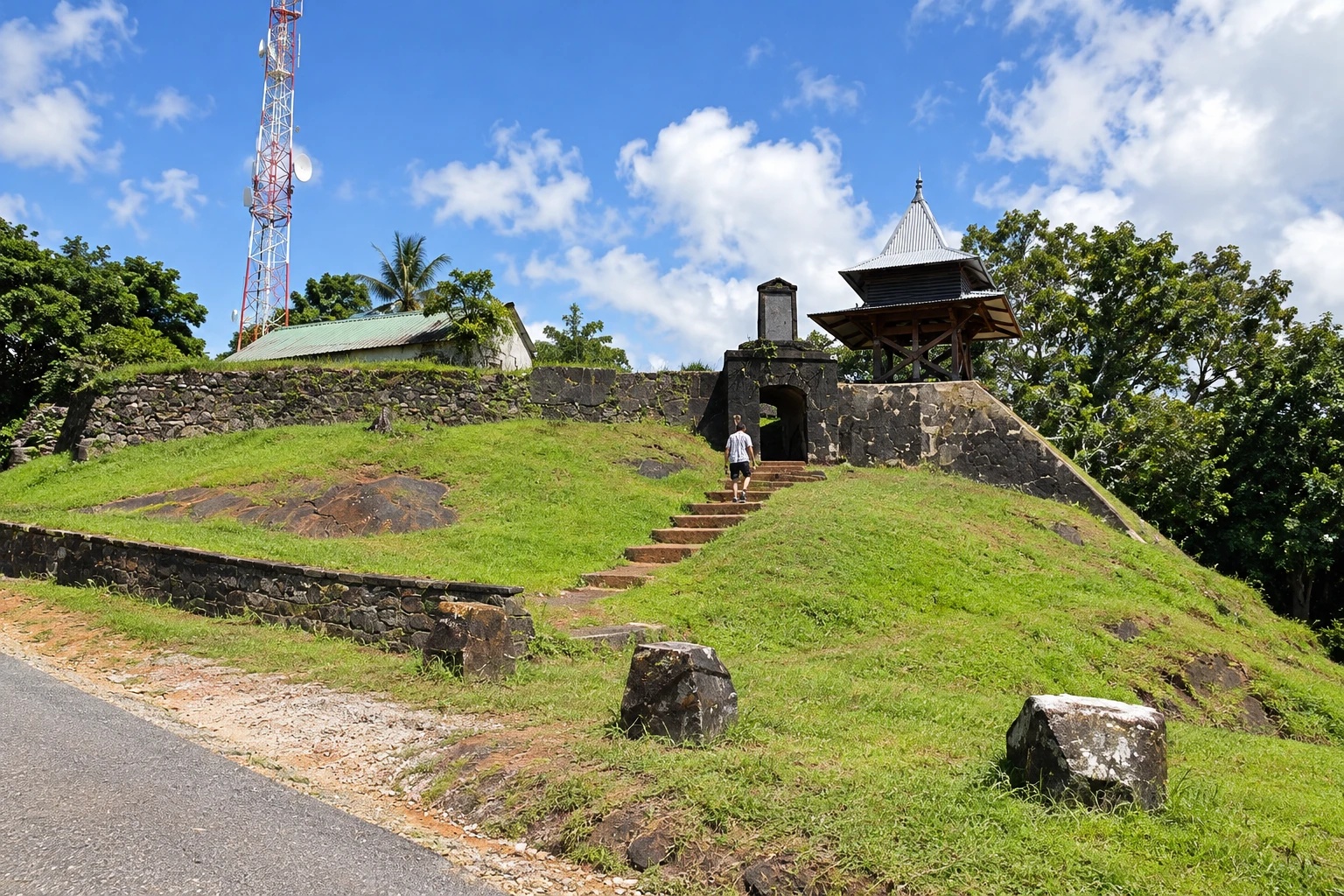
Fort Cépérou · CayenneThe ruins of the 17th-century fort atop Cépérou hill, where Caiena began.
Guyaspace Experience · KourouThe visitor space of the Centro Espacial Guianense, in place of the former Museu do Espaço: interactive rooms about the history of the base, launch preparation and the use of sa...
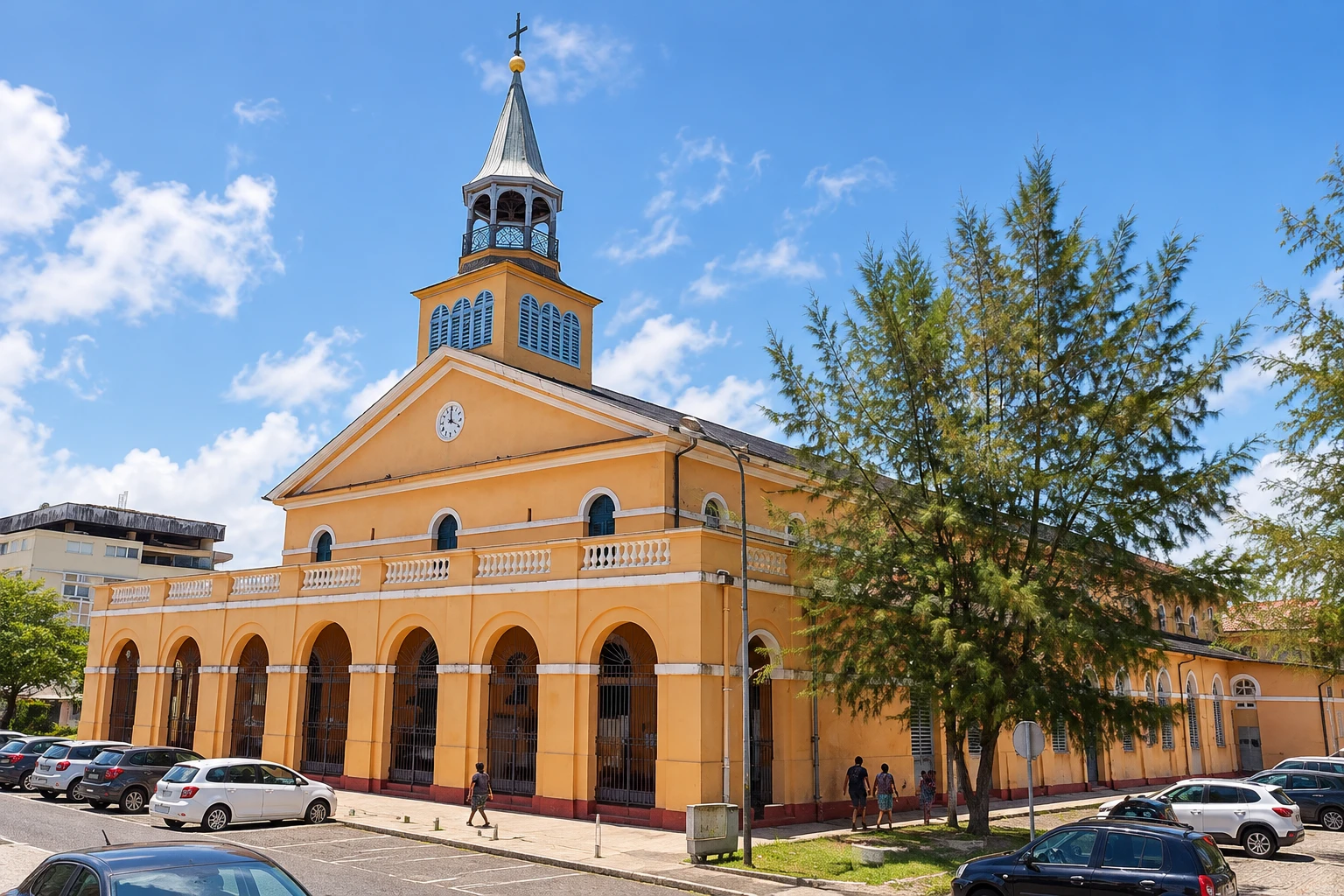
Cayenne Cathedral · CayenneThe cathedral of Caiena, built between 1825 and 1833 to replace the old church of Saint-Nicolas and raised to cathedral status in 1934.
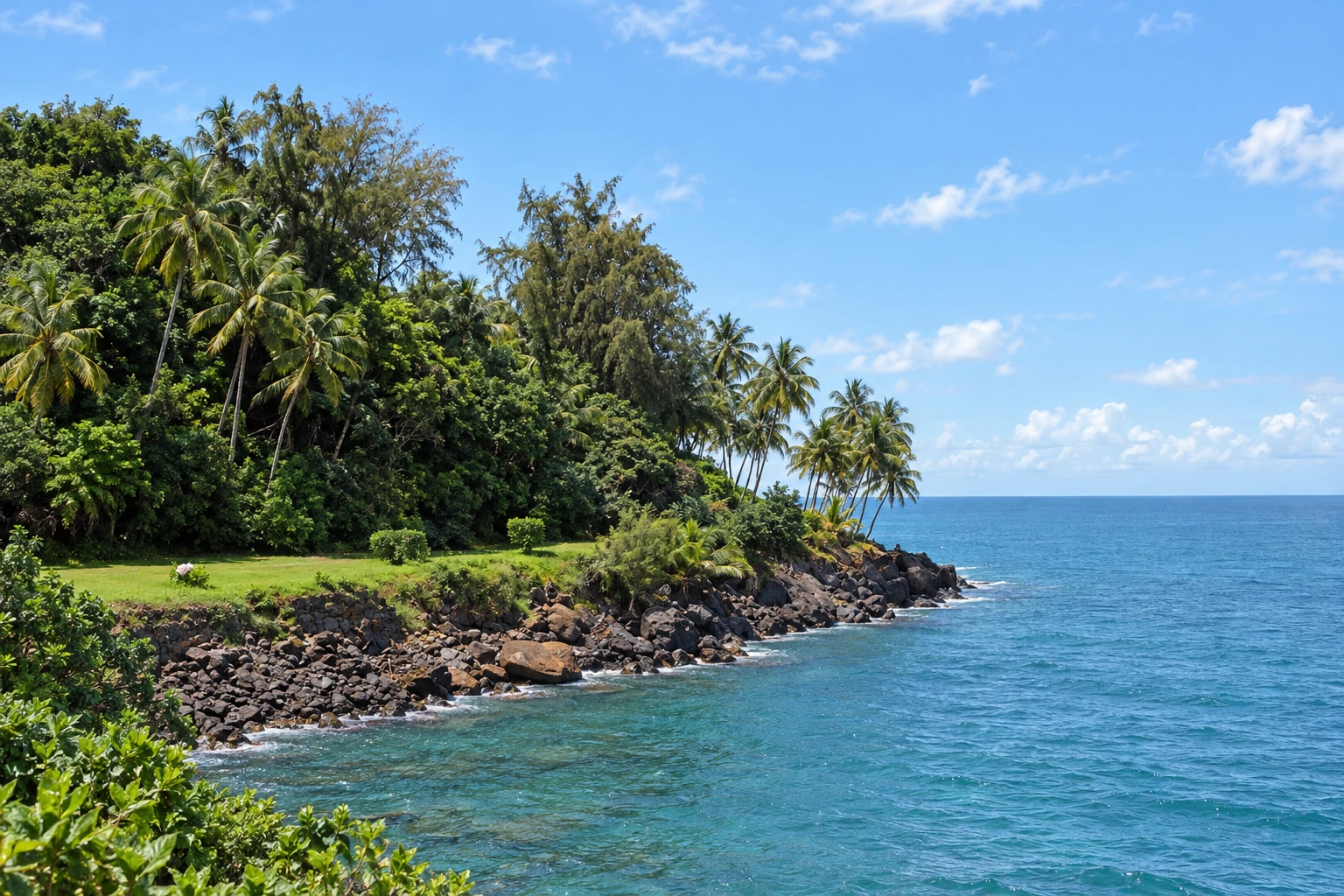
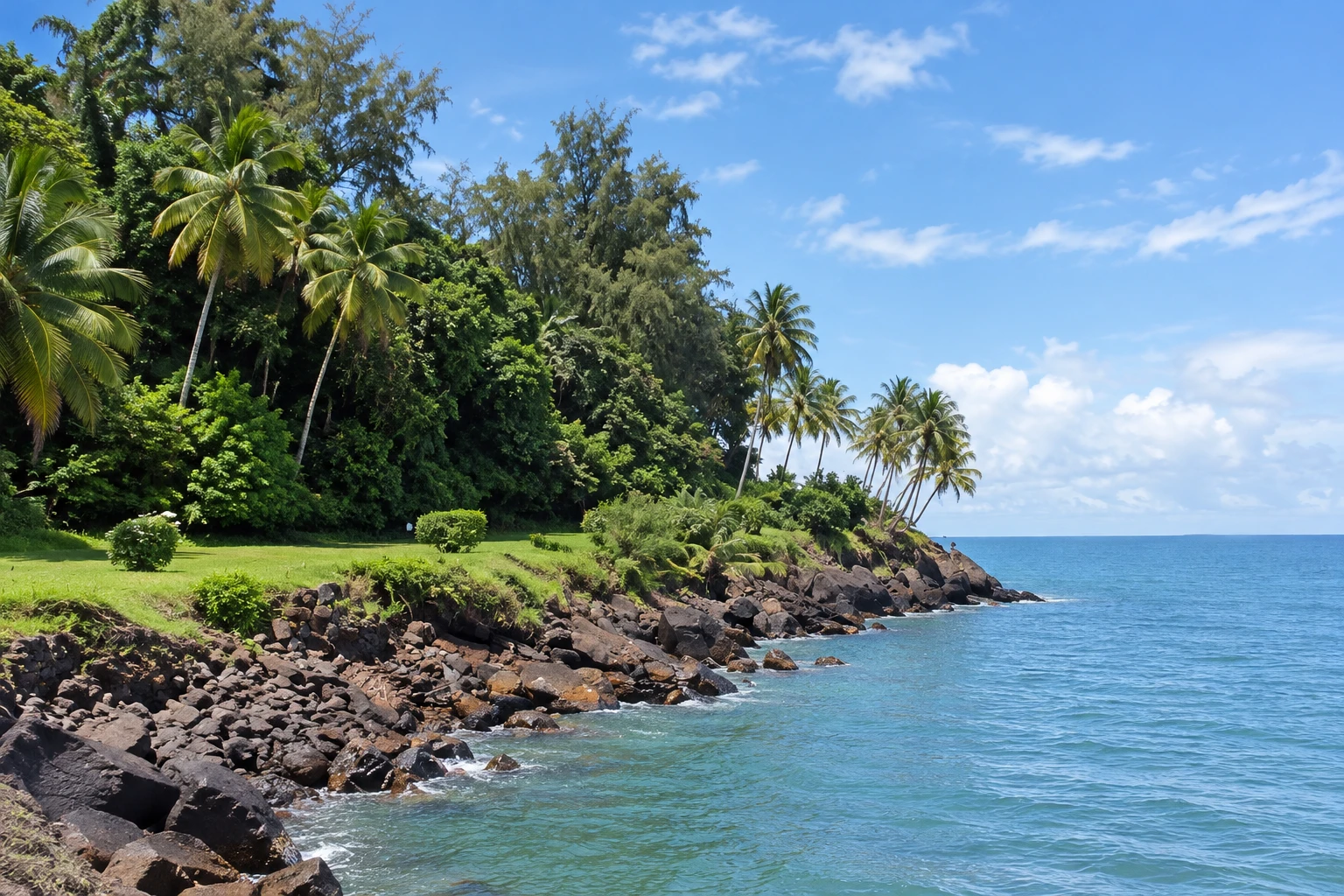
Salvation Islands · KourouThree islets 14 km from Kourou with the ruins of the former French penal colony.
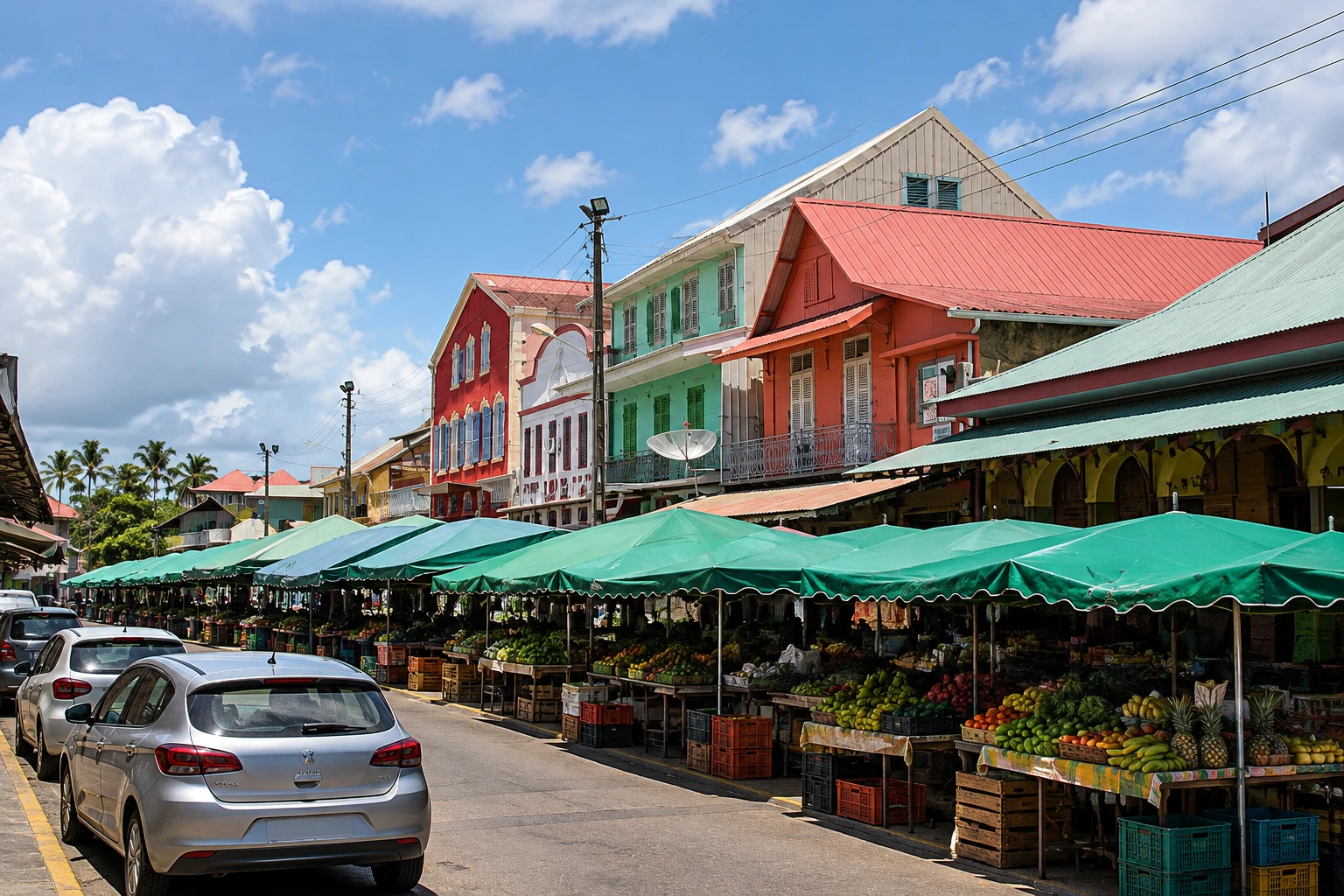
Cayenne Market · CayenneThe central market of Caiena, with covered pavilions and stalls selling tropical fruit, spices, vegetables and fish, and the food stalls serving phô soup that have become a city...
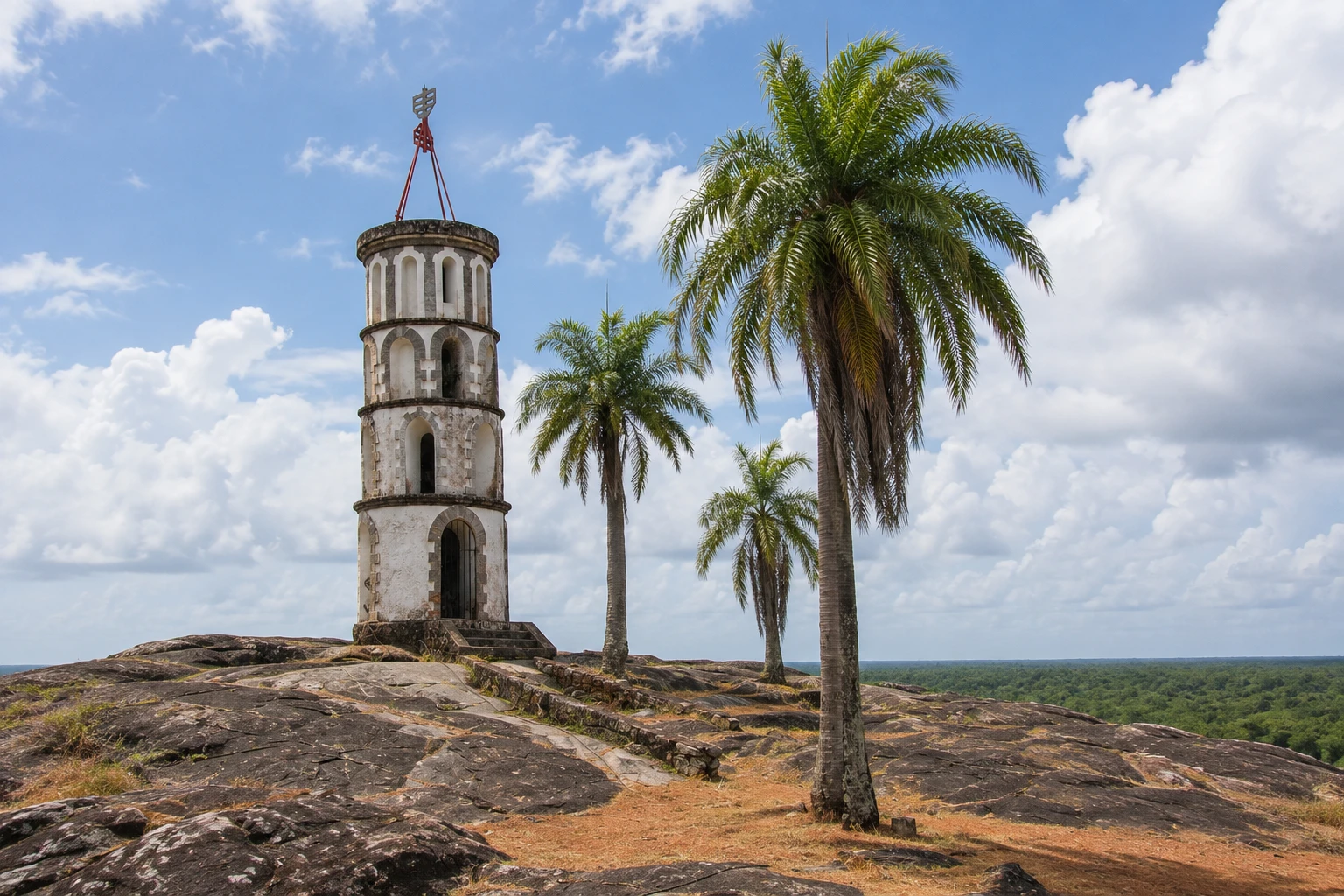
Dreyfus Tower · KourouSmall signal tower on the Pointe des Roches, on Kourou's seafront, which communicated with Île Royale during the penal colony era.
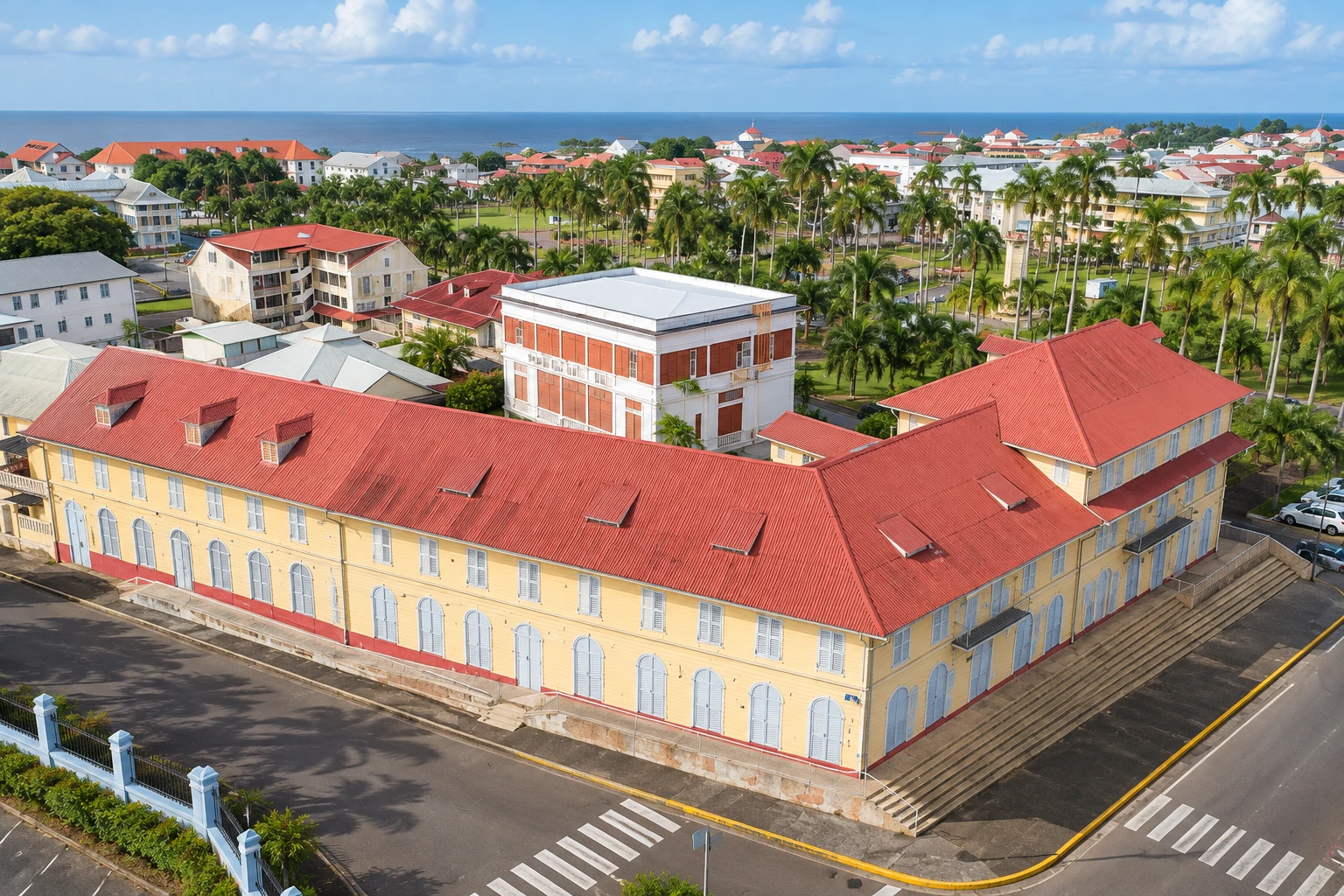
Alexandre-Franconie Museum · CayenneA departmental museum housed in a 19th-century Creole mansion facing Place des Palmistes, with collections of natural history, Indigenous archaeology and the history of Guiana,...
Rémire-Montjoly Beaches · CayenneThe beaches of the neighbouring town of Caiena, about 8 km from the centre: the long stretch of Montjoly and the Anse de Rémire, with rocks and views of the islets.
The base from which Europe launches its rockets, close to the equator. The guided tour, by bus and by reservation, goes through the facilities and the Ariane 6 launch area, and on launch days there are viewing areas open to the public with registration.
Caiena's central square, with about 3 hectares of lawn and imperial palms, the statue of Félix Éboué and surrounding creole houses. At night, food stalls gather around the edges.
The ruins of the 17th-century fort atop Cépérou hill, where Caiena began. The climb starts at Place Léopold-Héder, passes murals by local artists and ends at a viewpoint over the city, the river mouth and the sea.
The visitor space of the Centro Espacial Guianense, in place of the former Museu do Espaço: interactive rooms about the history of the base, launch preparation and the use of satellites, with a planetarium and a lunar mission workshop.
The cathedral of Caiena, built between 1825 and 1833 to replace the old church of Saint-Nicolas and raised to cathedral status in 1934. It is a historic monument, with a wooden tower and a bright interior.
Three islets 14 km from Kourou with the ruins of the former French penal colony. On Île Royale, jungle trails pass the chapel, the cells and the museum; Île Saint-Joseph houses the isolation cells; Île du Diable can only be seen from a distance.
The central market of Caiena, with covered pavilions and stalls selling tropical fruit, spices, vegetables and fish, and the food stalls serving phô soup that have become a city tradition. It operates on market days in the morning.
Small signal tower on the Pointe des Roches, on Kourou's seafront, which communicated with Île Royale during the penal colony era. From the promontory you can see the Ilhas da Salvação and the sea.
A departmental museum housed in a 19th-century Creole mansion facing Place des Palmistes, with collections of natural history, Indigenous archaeology and the history of Guiana, including paintings by a former convict from the bagne.
The beaches of the neighbouring town of Caiena, about 8 km from the centre: the long stretch of Montjoly and the Anse de Rémire, with rocks and views of the islets. The sea is muddy, carried by sediment from the Amazon.


 Brazil
 Antarctica
 Argentina
 Bolivia
 Chile
 Colombia
 Ecuador
 Falkland Islands (Malvinas)
 Guyana
 Paraguay
 Peru
 Suriname
 Uruguay
 Venezuela
 Albania
 Austria
 Belgium
 Croatia
 Denmark
 Finland
 France
 Germany
 Greece
 Hungary
 Iceland
 Ireland
 Italy
 Luxembourg
 Norway
 Poland
 Portugal
 Slovakia
 Slovenia
 Spain
 Sweden
 Switzerland
 the Czech Republic
 the Netherlands
 the United Kingdom
 Turkey
 Bermuda
 Canada
 Greenland
 Mexico
 Saint Pierre and Miquelon
 the United States
 the Dominican Republic
 Japan
 Egypt
 South Africa
 Australia
 Fiji
 New Zealand
 Papua New Guinea