12 places to visit and 13 tours, chosen by the Cidade Turismo guide.
Updated
Illustrative images. The pictures in this guide are illustrations based on the real place, not photographs, and may differ from it.
To start
The 10 main places Versailles and the Paris Area
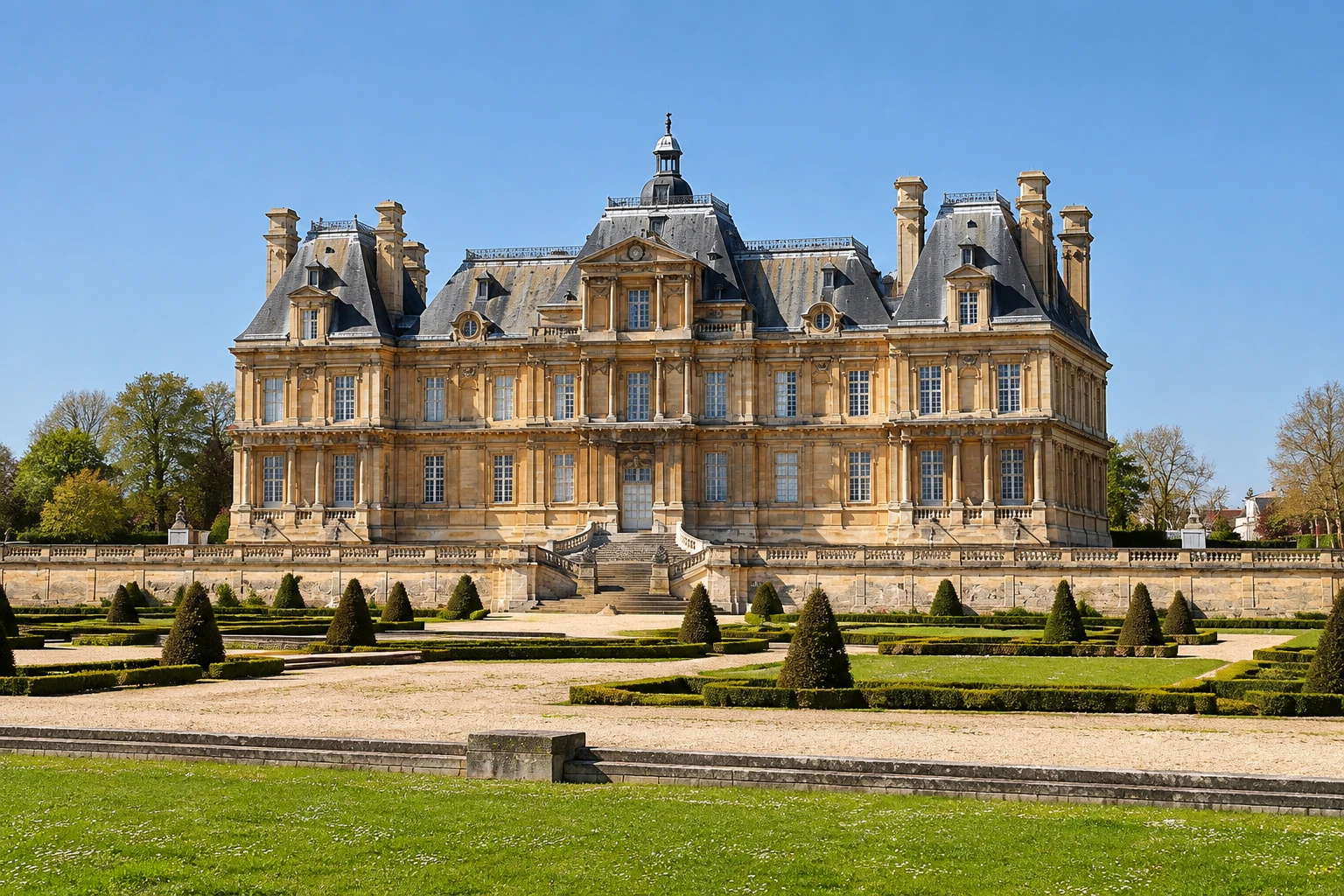
Château de Maisons · Maisons-LaffitteChâteau built by François Mansart for René de Longueil and inaugurated in 1651, with the presence of the young Louis XIV.
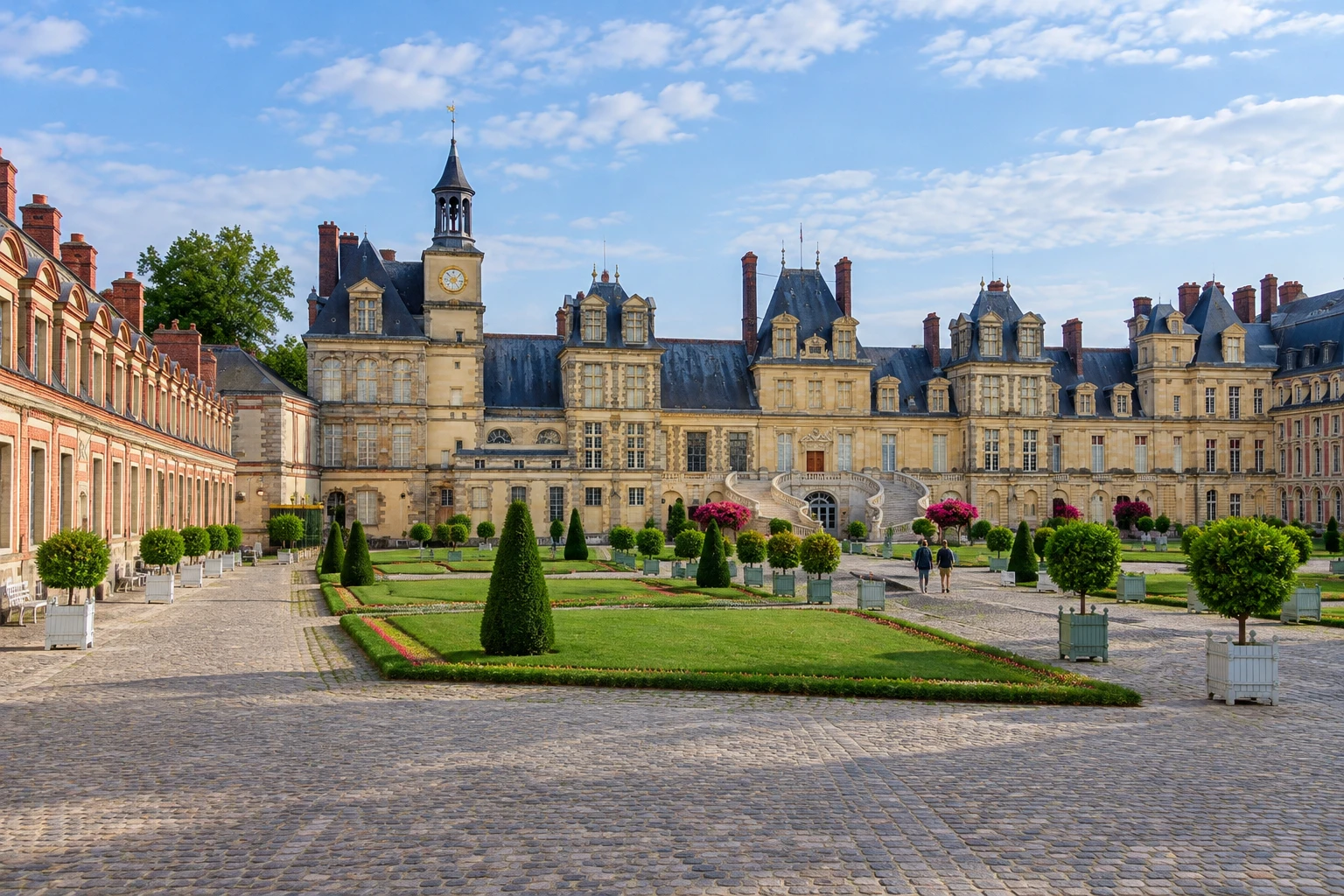
Palace of Fontainebleau · FontainebleauThe castle used by the kings of France for about eight centuries, with the Galerie François Ier, the horseshoe staircase of the Cour des Adieux and Le Nôtre's gardens.
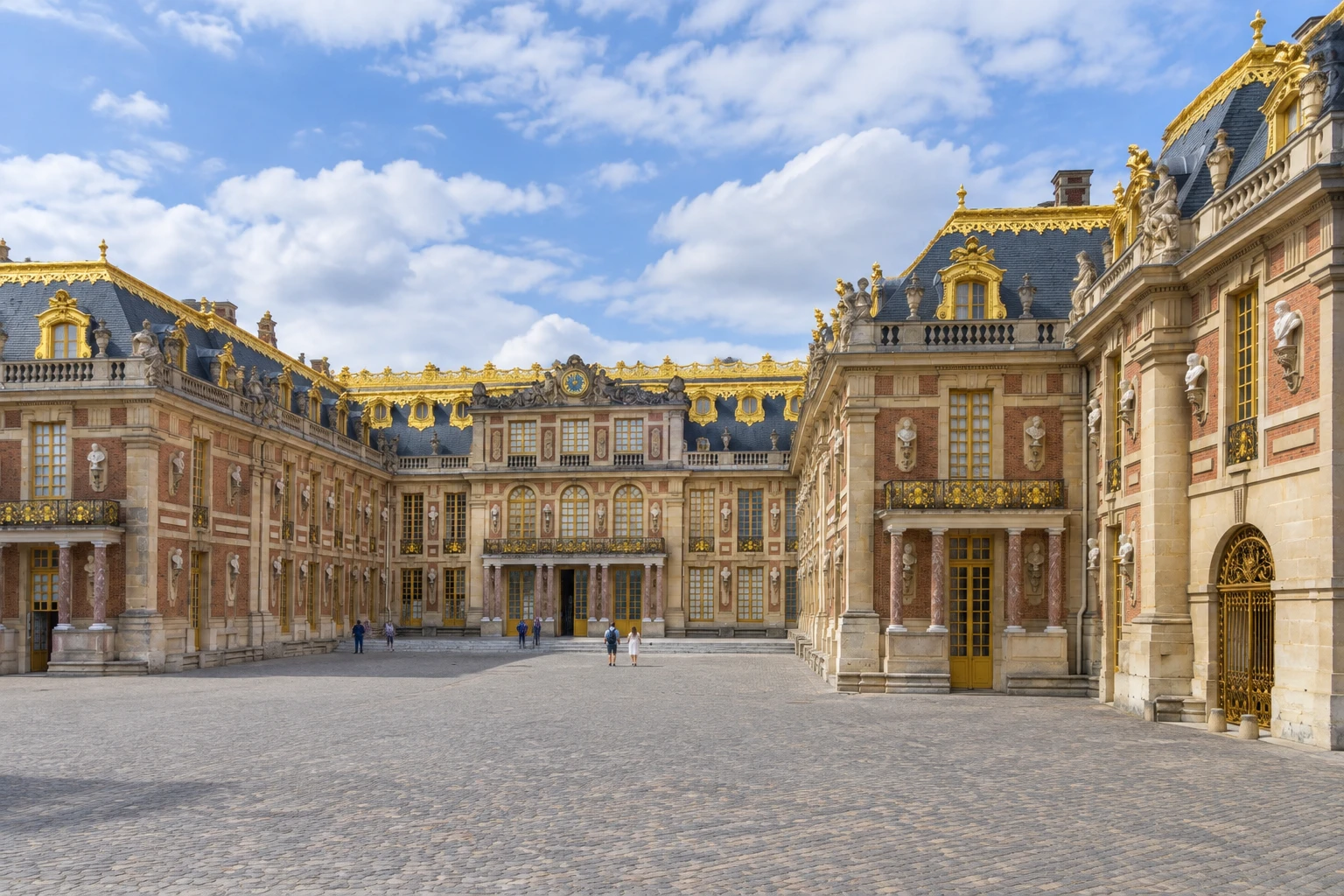
Palace of Versailles · VersaillesThe palace of Louis XIV, seat of the court and government of France from 1682 to 1789.
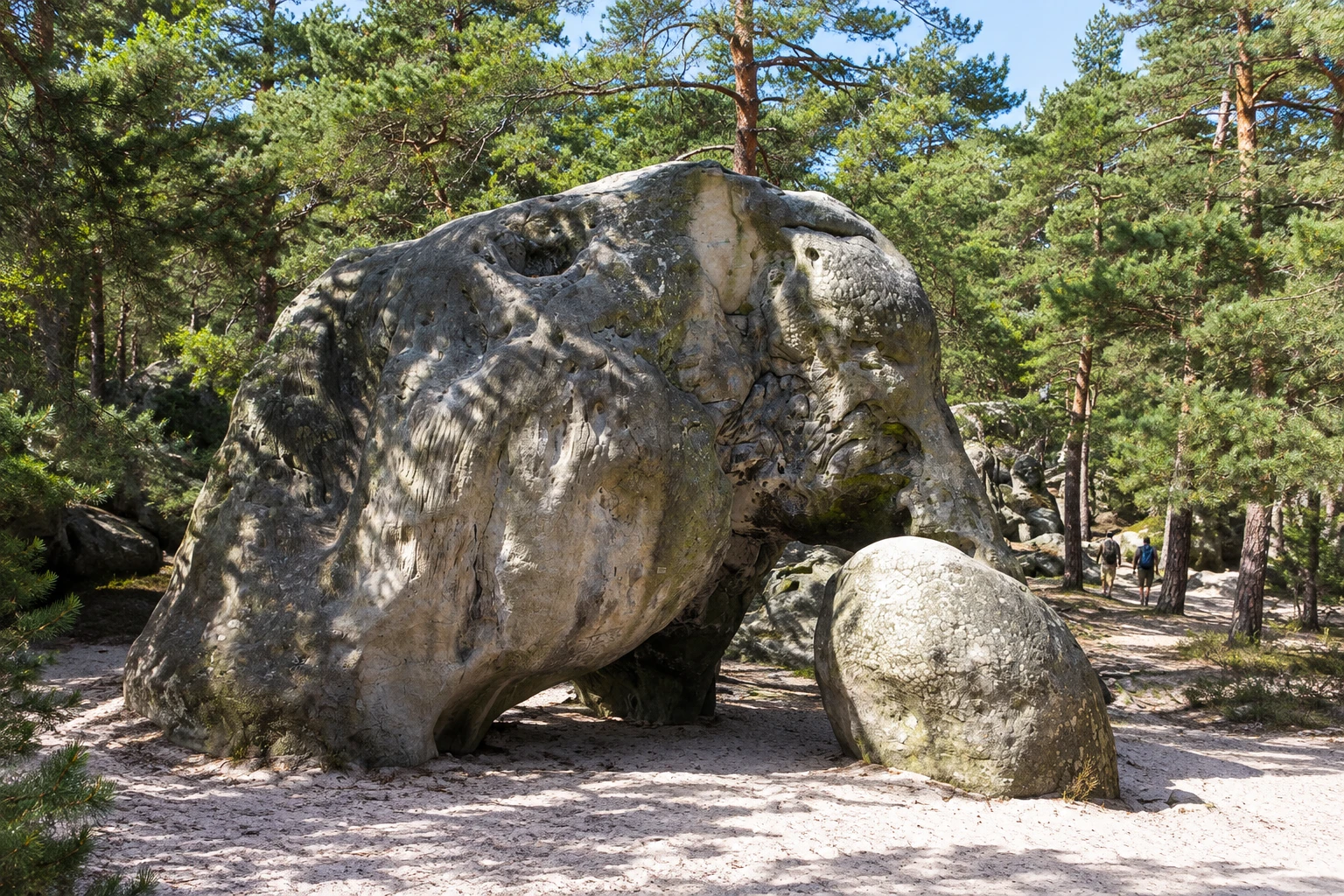
Forest of Fontainebleau · FontainebleauForest of about 25,000 hectares around the town, with waymarked trails since the 19th century, white sand gorges and thousands of sandstone boulders used for bouldering.
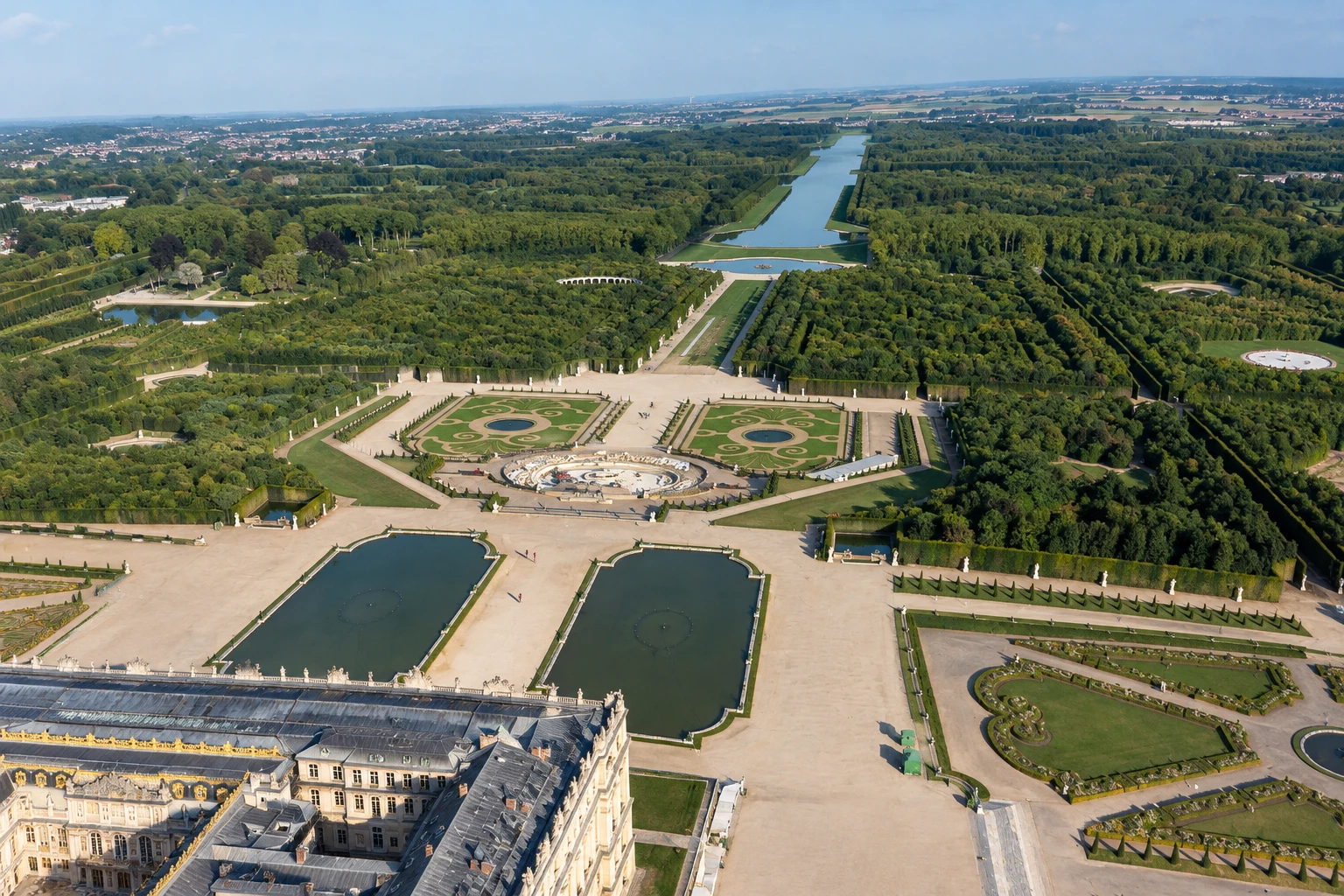
Gardens of Versailles · VersaillesThe French-style gardens designed by André Le Nôtre, featuring the Grand Canal, the bosquets and dozens of fountains that play to music on Grandes Eaux Musicales days.
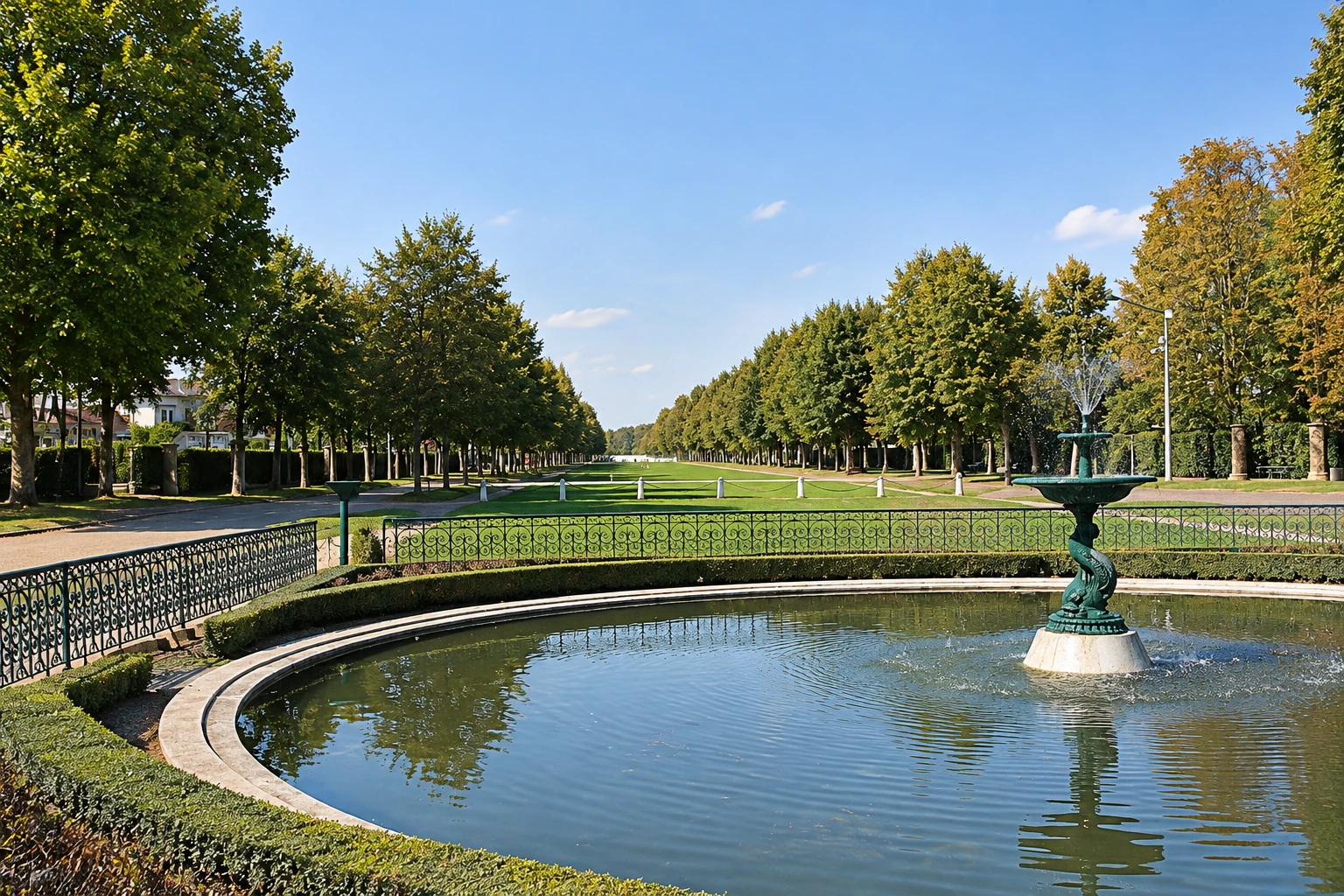
Parc de Maisons-Laffitte · Maisons-LaffitteFormer large park of the château, parceled out by Jacques Laffitte in the 19th century and transformed into a garden suburb of wide avenues, tree-lined squares and houses from s...
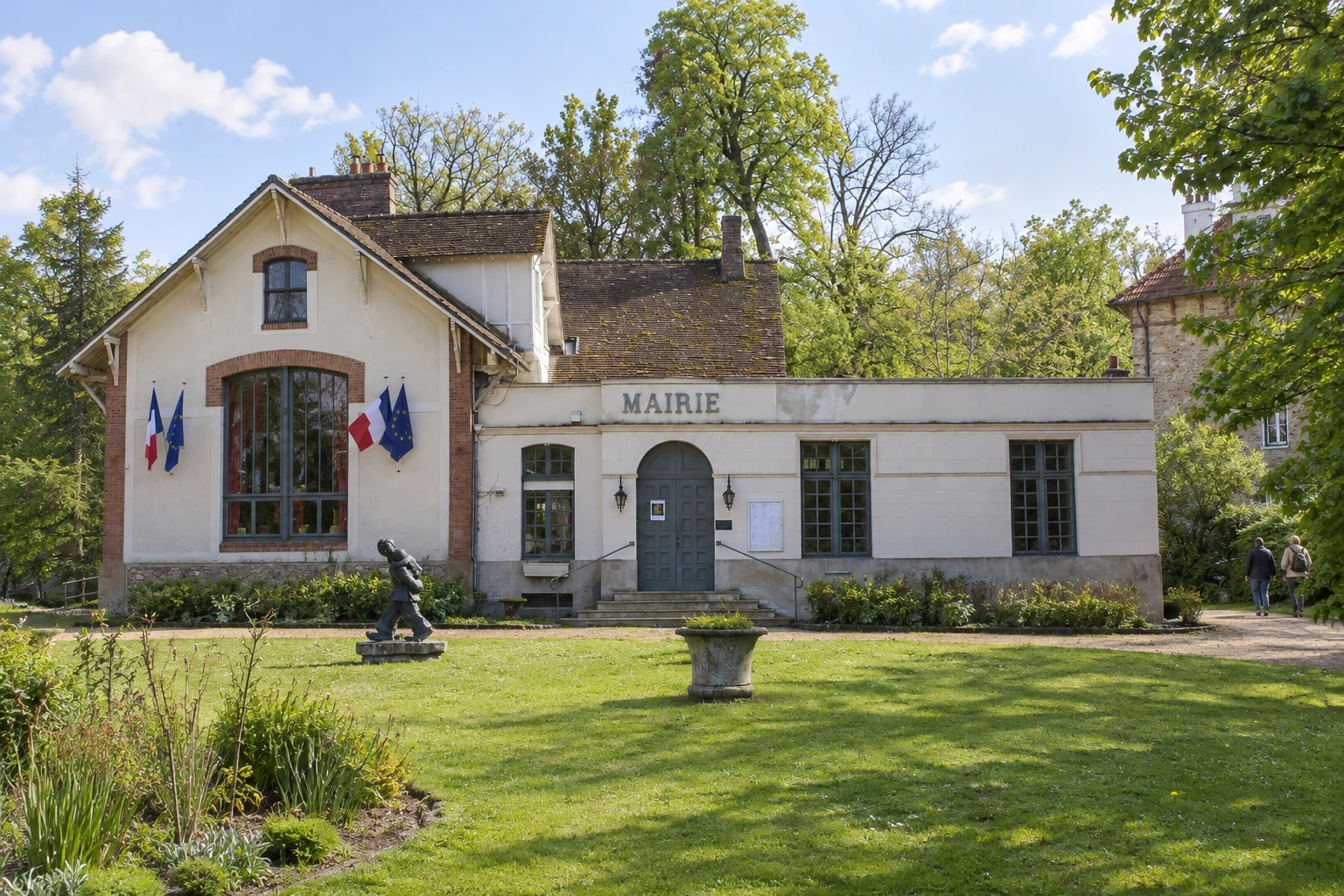
Barbizon · FontainebleauThe village on the edge of the forest where Théodore Rousseau, Jean-François Millet and other painters worked outdoors in the 19th century.
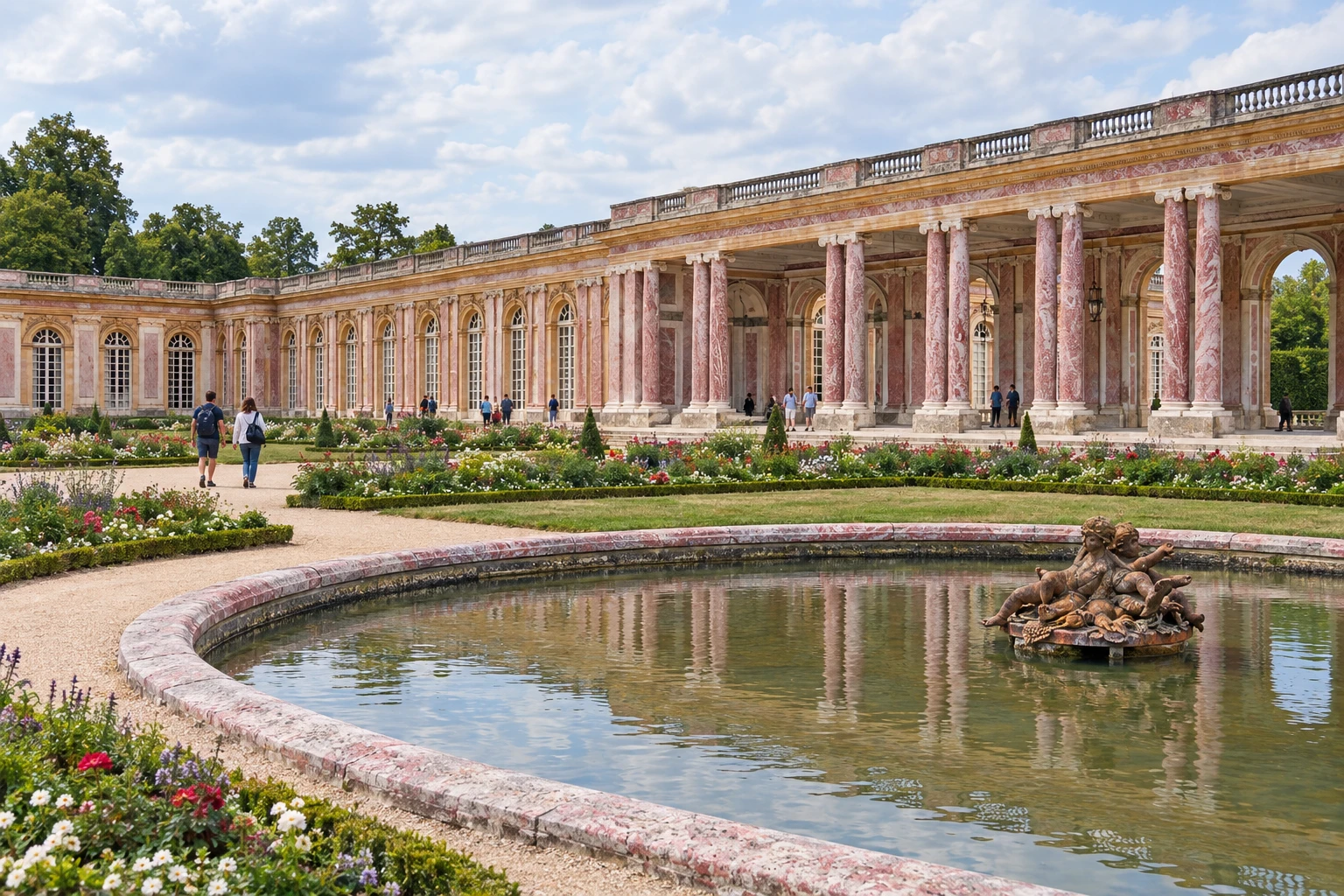
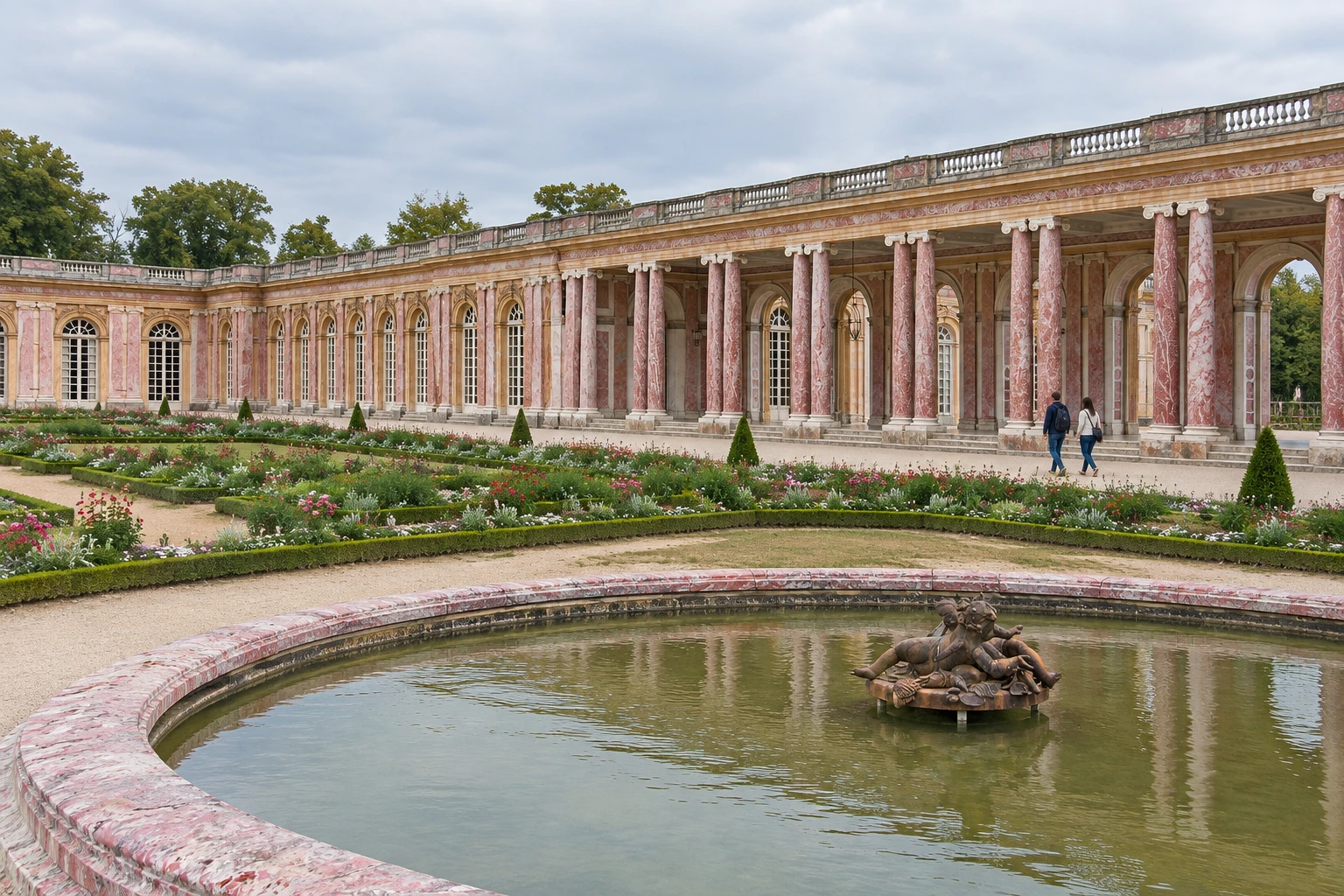
Estate of Trianon · VersaillesMarie Antoinette's retreat at the back of the park: the marble Grand Trianon, the Petit Trianon, the English gardens and the Hameau de la Reine, a village of rustic houses aroun...
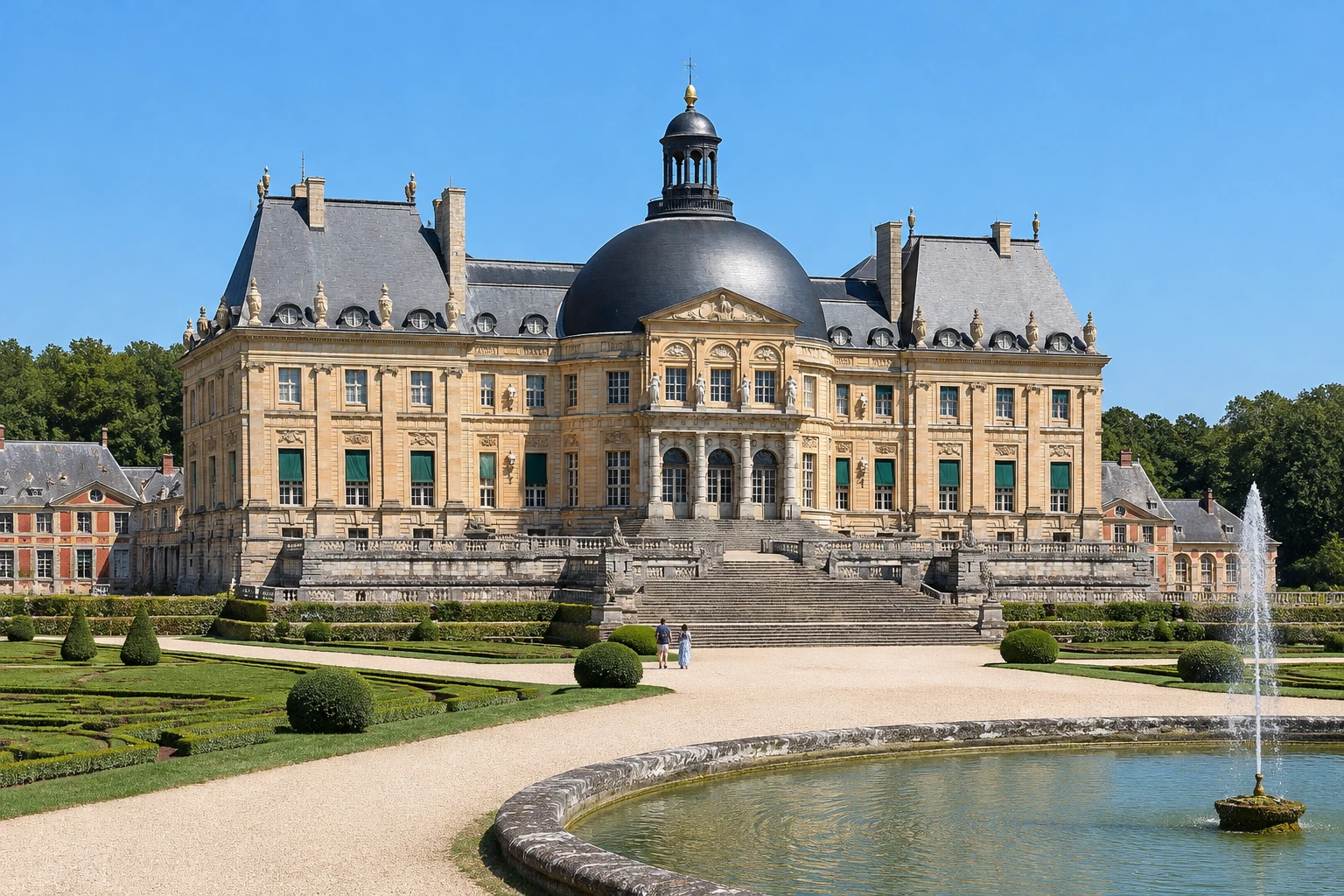
Château de Vaux-le-Vicomte · FontainebleauThe château of the minister Nicolas Fouquet, in Maincy, about 20 km from Fontainebleau.
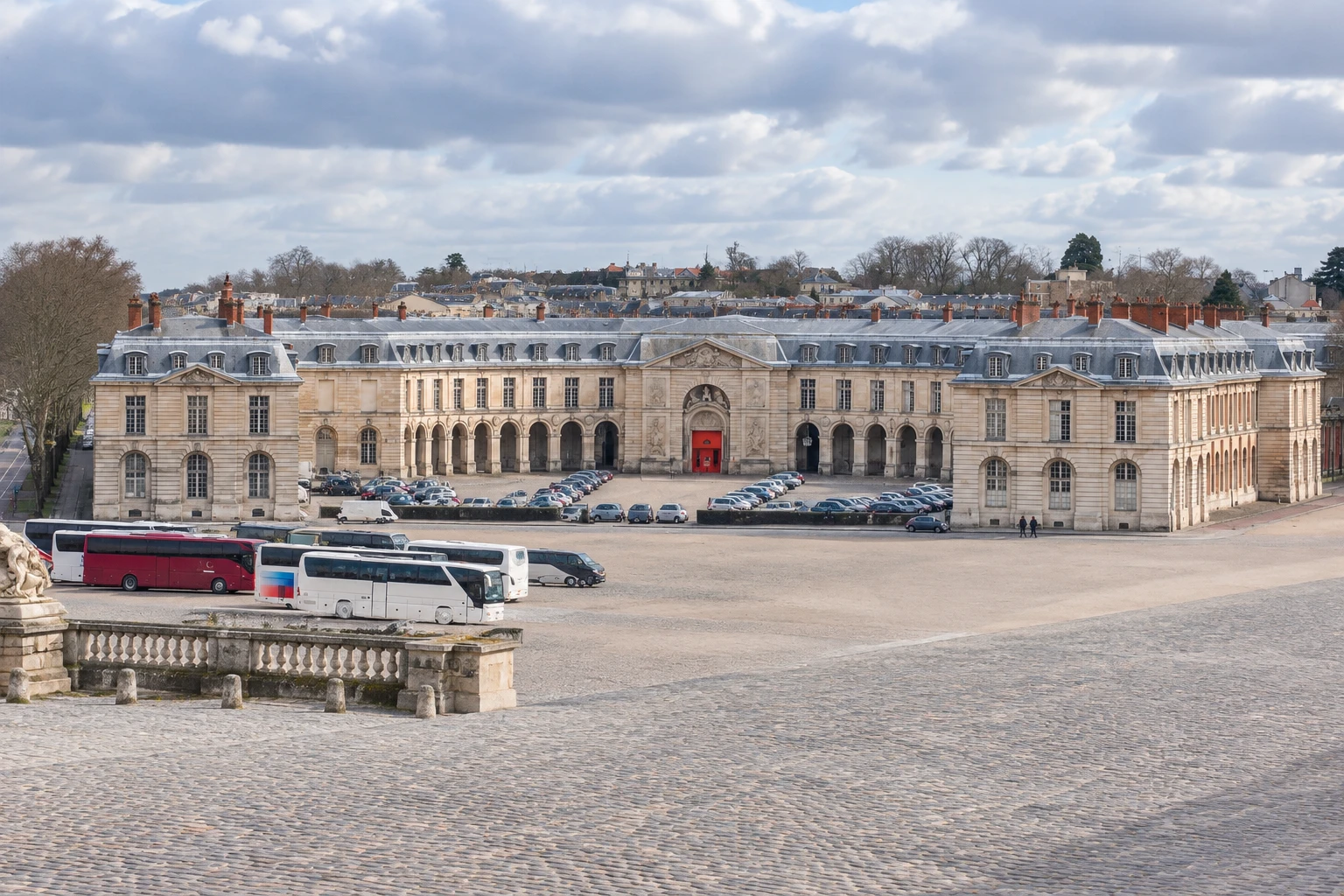
Great Stables · VersaillesThe former royal stables, opposite the palace.
Château built by François Mansart for René de Longueil and inaugurated in 1651, with the presence of the young Louis XIV. Considered one of the models of French classical architecture, preceding Vaux-le-Vicomte and Versailles.
The castle used by the kings of France for about eight centuries, with the Galerie François Ier, the horseshoe staircase of the Cour des Adieux and Le Nôtre's gardens. Entrance to the park and gardens is free.
The palace of Louis XIV, seat of the court and government of France from 1682 to 1789. Inside are the Galerie des Glaces, the Royal Chapel and the Grands Appartements of the king and queen.
Forest of about 25,000 hectares around the town, with waymarked trails since the 19th century, white sand gorges and thousands of sandstone boulders used for bouldering.
The French-style gardens designed by André Le Nôtre, featuring the Grand Canal, the bosquets and dozens of fountains that play to music on Grandes Eaux Musicales days.
Former large park of the château, parceled out by Jacques Laffitte in the 19th century and transformed into a garden suburb of wide avenues, tree-lined squares and houses from several periods, with a tradition linked to racehorse training.
The village on the edge of the forest where Théodore Rousseau, Jean-François Millet and other painters worked outdoors in the 19th century. It houses the museum at the Auberge Ganne and Millet's house‑studio on the Grande Rue.
Marie Antoinette's retreat at the back of the park: the marble Grand Trianon, the Petit Trianon, the English gardens and the Hameau de la Reine, a village of rustic houses around a lake.
The château of the minister Nicolas Fouquet, in Maincy, about 20 km from Fontainebleau. Le Vau, Le Brun and Le Nôtre worked on it before Versalhes. It is open from mid‑March to early November and during the Christmas period.
The former royal stables, opposite the palace. They house the Académie équestre de Versailles, with horse performances in the riding arena, and the Galerie des Carrosses, with the court’s carriages.
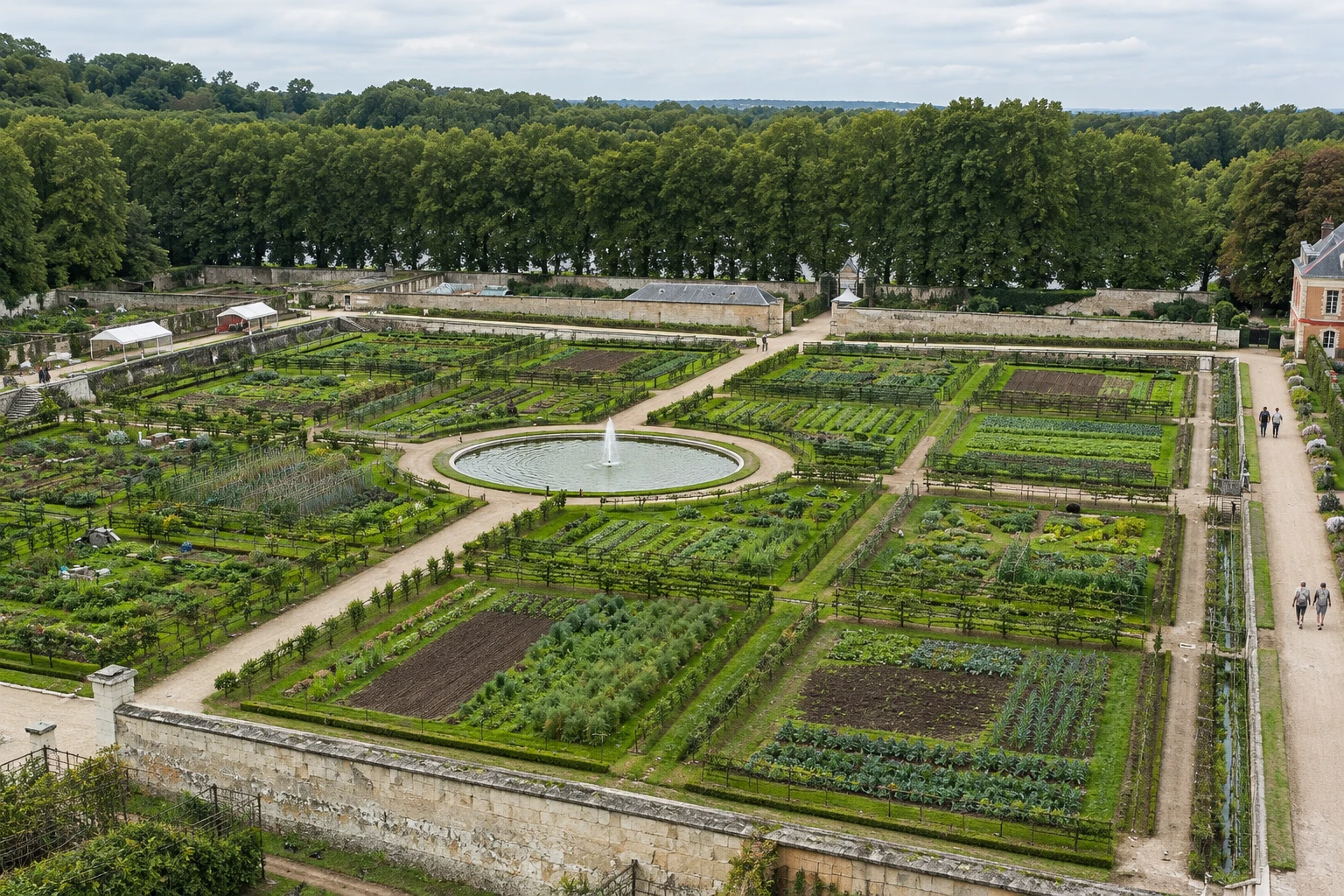
Luís XIV’s kitchen garden, created by Jean-Baptiste de La Quintinie between 1678 and 1683 to supply the king’s table. It still produces fruit and vegetables, cultivated by a landscape-design school.
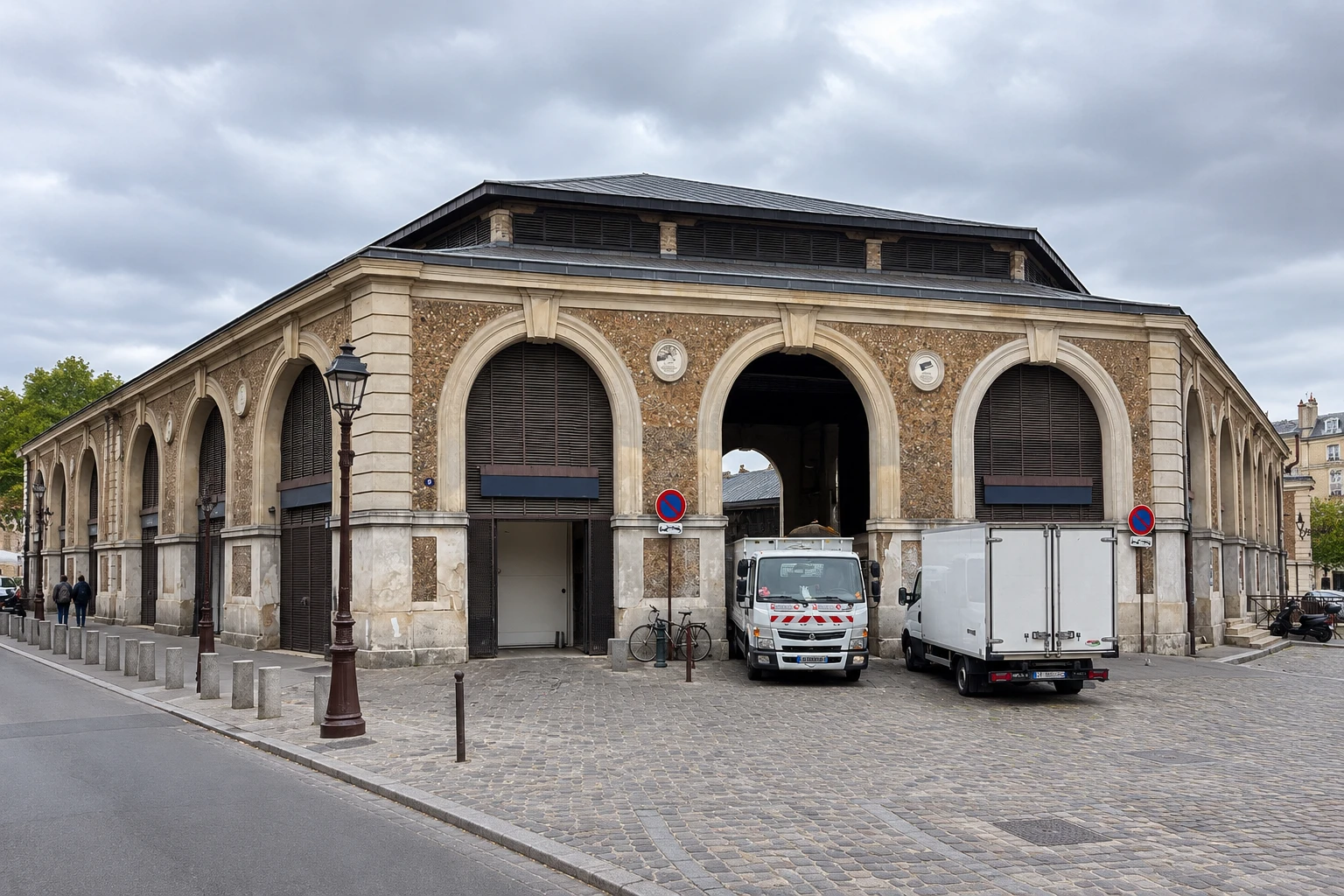
The Notre-Dame neighborhood market, with covered pavilions and outdoor stalls in the square. A good place to buy cheese, fruit and to grab a bite near the palace.
How many days should you set aside to see Versailles and the Paris Area?
The guide's itineraries cover 1, 2 and 3 days: in 1 days, château, gardens and Trianon; Versailles at a relaxed pace and a day in Fontainebleau; Versailles, Fontainebleau and Vaux-le-Vicomte.
What to do Versailles and the Paris Area in one day?
Château de Versailles, gardens and Domaine de Trianon. Don’t do this day on arrival from Brazil: the overnight flight lands in Paris in the morning and the château ticket is timed. On a following day, not a Monday, leave Paris early on the RER C to Versailles Château Rive Gauche and walk about 10 minutes to the Place d'Armes. Start with the Château de Versailles, visiting the Grands Appartements and the Galerie des Glaces right at opening. Have lunch in the gardens or bring a picnic. In the afternoon, walk down through the Versailles gardens, preferably on a day with the Grandes Eaux Musicales (April to October), and continue to the Domaine de Trianon and the Hameau de la Reine. Return via the Grand Canal and, if time allows, rent a boat for half an hour. Return to Paris late afternoon.
When is the best time to go to Versailles and the Paris Area?
It generally rains less in February, April and September. The rainiest months are usually May and December. The guide covers each month, with the weather and what changes on the tours.


 Brazil
 Antarctica
 Argentina
 Bolivia
 Chile
 Colombia
 Ecuador
 Falkland Islands (Malvinas)
 French Guiana
 Guyana
 Paraguay
 Peru
 Suriname
 Uruguay
 Venezuela
 Austria
 Belgium
 Croatia
 Denmark
 Finland
 Germany
 Greece
 Hungary
 Iceland
 Ireland
 Italy
 Luxembourg
 Norway
 Poland
 Portugal
 Slovakia
 Slovenia
 Spain
 Sweden
 Switzerland
 the Czech Republic
 the Netherlands
 the United Kingdom
 Turkey
 Bermuda
 Canada
 Greenland
 Mexico
 Saint Pierre and Miquelon
 the United States
 the Dominican Republic
 Japan
 Egypt
 South Africa
 Australia
 Fiji
 New Zealand
 Papua New Guinea